


 Long live Ukraine! Fuck the war!
 RSS of site articles
Tortona is a small Piedmontese town in the province of Alessandria. I had heard its name several times before, yet knew absolutely nothing about it — which is already a perfectly good reason to go and visit.
The historic centre of Tortona, despite its modest size, is interesting. At times it can even be described as beautiful.
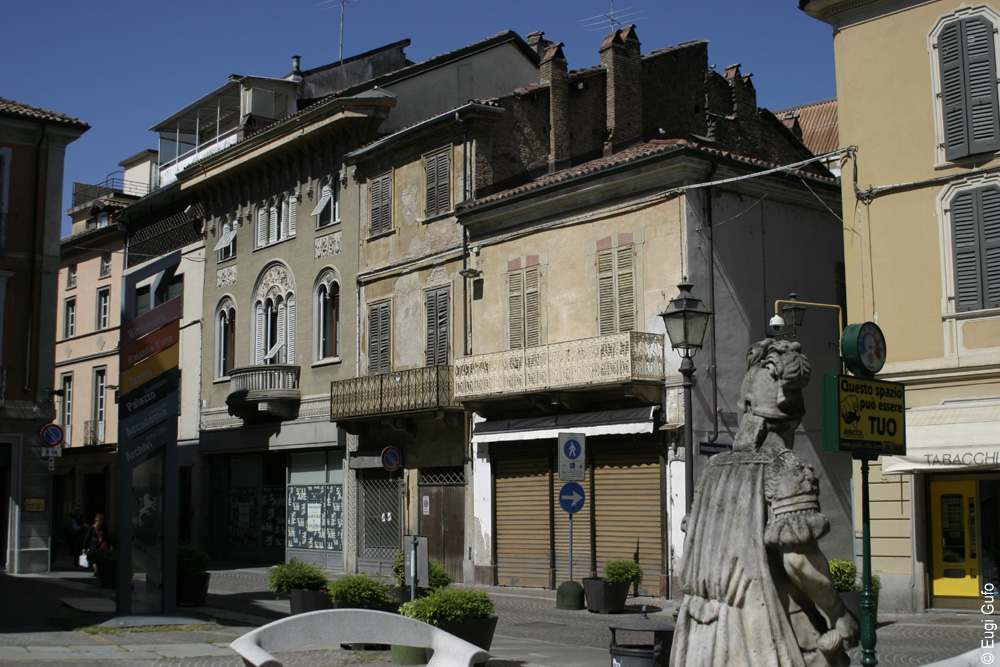
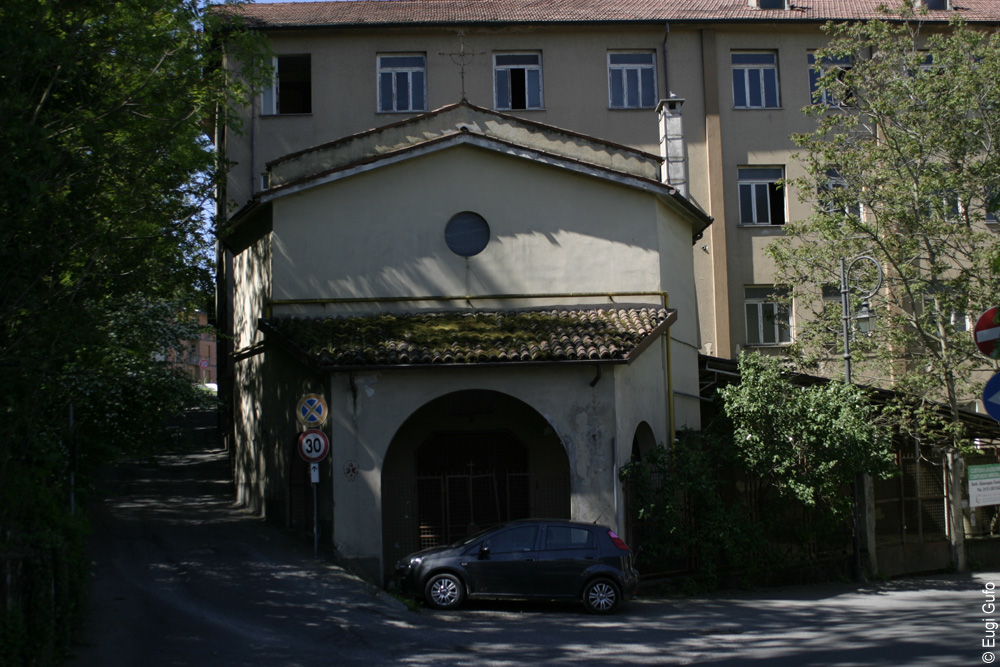
As in the majority of Italian towns, a significant part of Tortona’s architectural and cultural heritage consists of churches. Among them, the Oratory of San Rocco — built between the seventeenth and eighteenth centuries — deserves particular mention. It appears slightly sombre and austere, but precisely for that reason it is beautiful.

It is worth stepping inside as well, paying attention to the elements usually considered secondary.
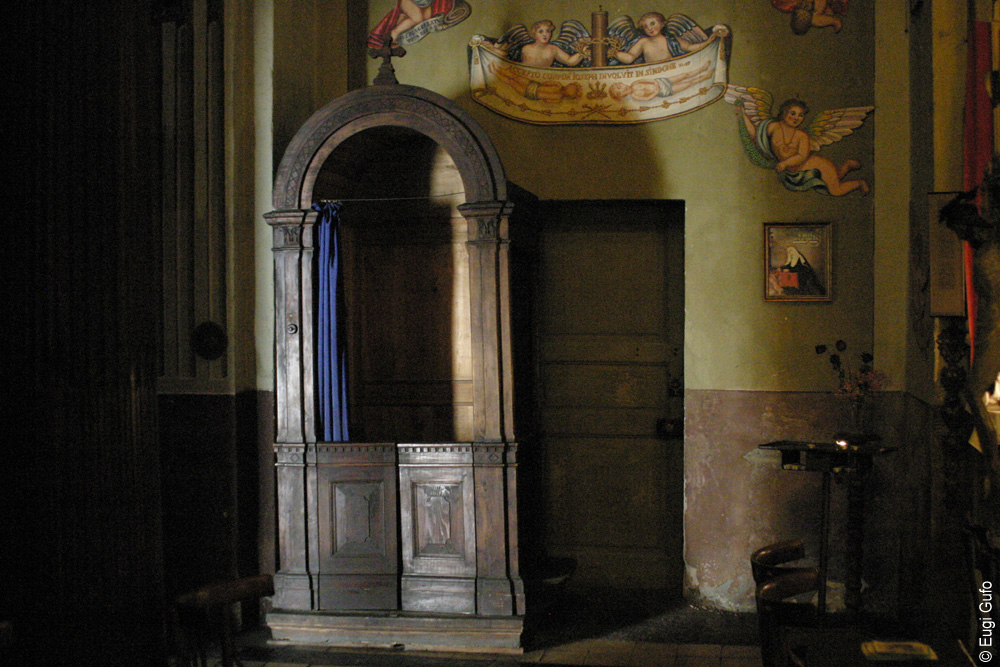
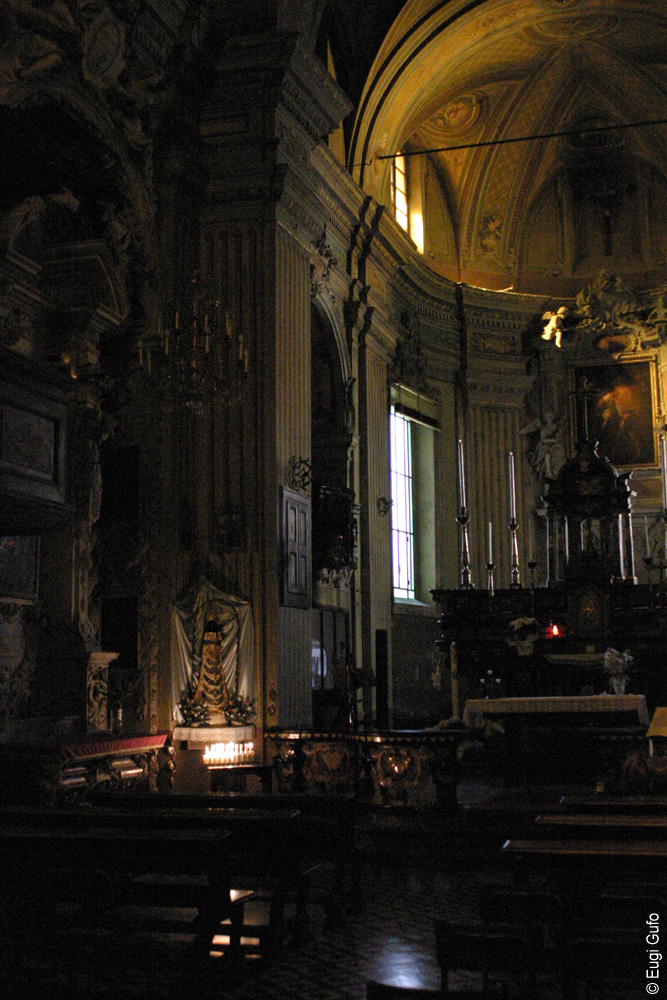
Without neglecting the main space, of course.
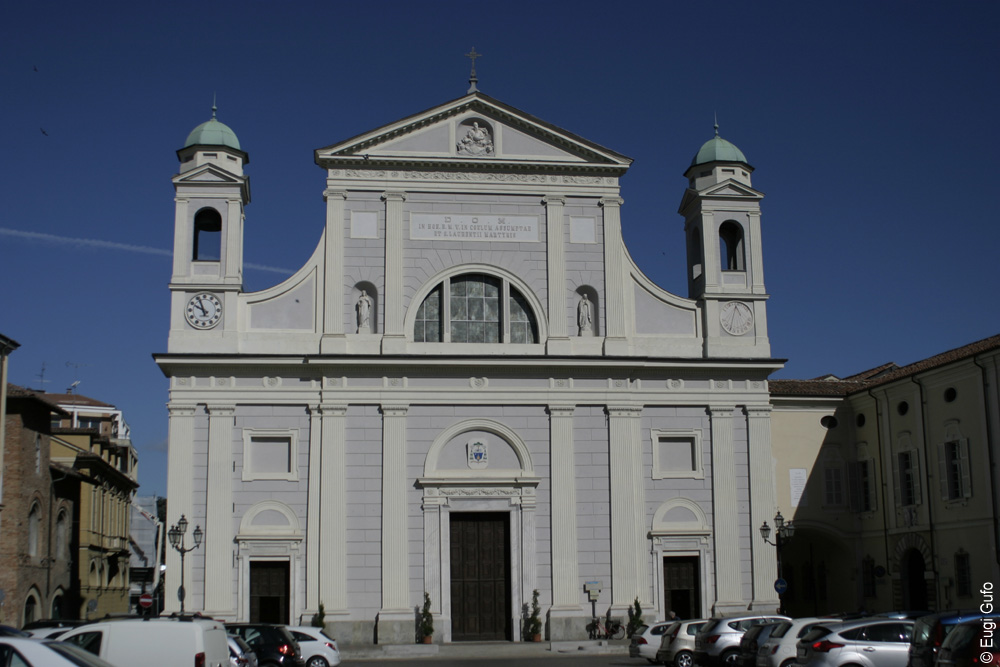
Tortona’s cathedral is not unattractive, but neither is it especially remarkable.
The other — very numerous — old churches in Tortona can comfortably be viewed from the outside and in passing.
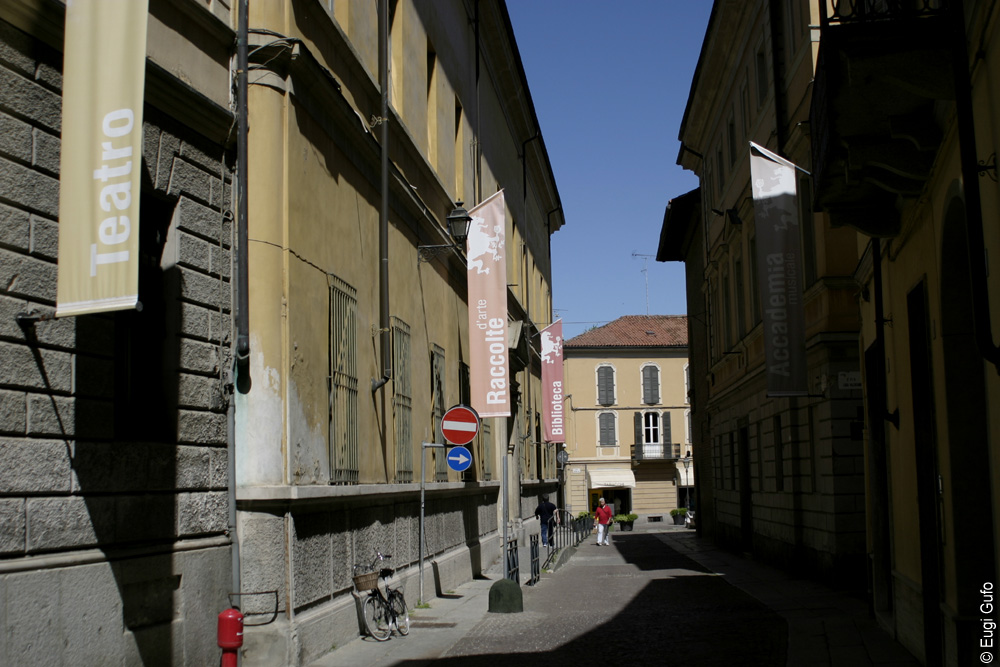
The street of culture.
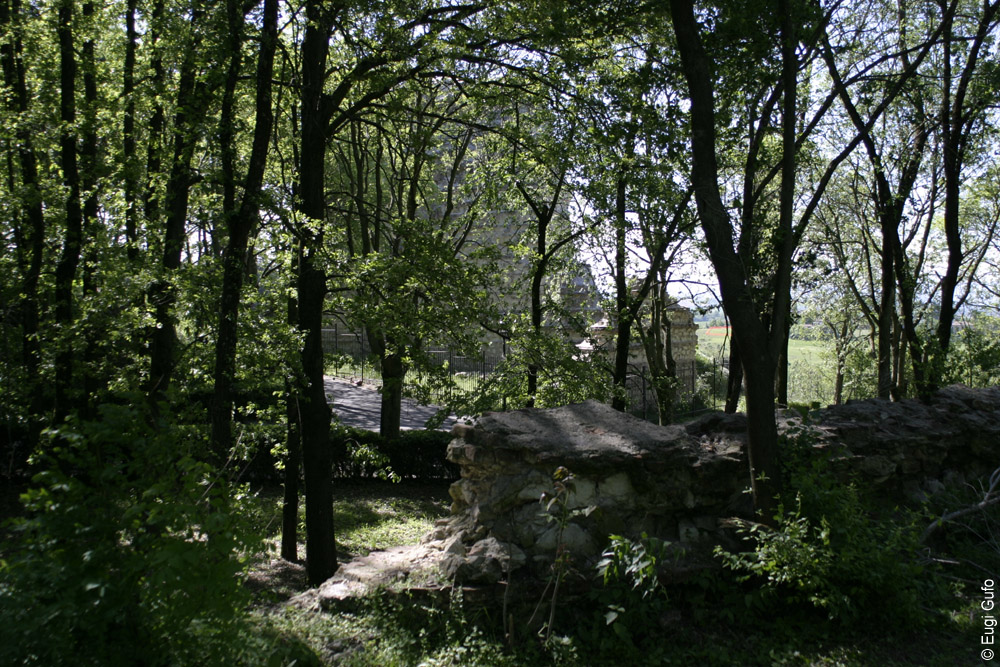
The Park of the Castle, located on one of the hills surrounding the town, suggested by its very name that the remains of the local military structures — if they had ever existed — ought to be sought precisely on this height. I admit that finding the ruins of Tortona’s castle in the middle of a green and rather pleasant park was not particularly easy. In fact, I noticed them almost by accident (and, by some curious association, I was reminded that as a child I imagined Mowgli’s abandoned city more or less like this).
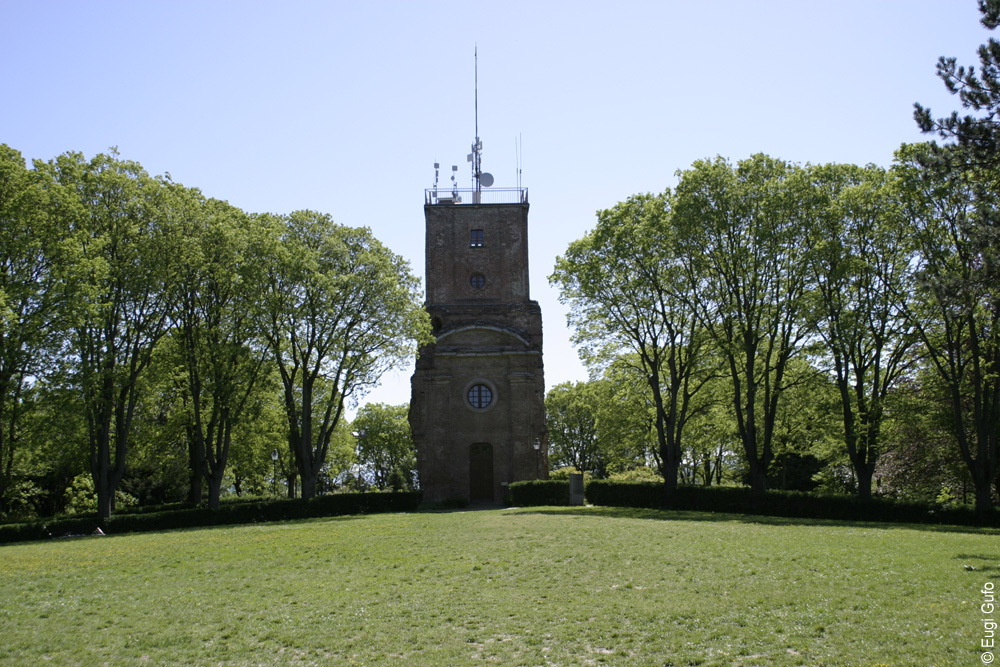
In essence, Tortona’s castle — modernised at the end of the eighteenth century and technically advanced — was demolished in 1801 on Napoleon’s orders, following agreements with Alexander I, Emperor of Russia. Apart from the very few ruins visible in the previous photographs, what remains of the castle is merely the entrance portal of the church of Blessed Amadeus IX of Savoy, raised in the nineteenth century and transformed into an optical telegraph.
Fortunately, Tortona contains other monuments maintained with far greater care. For example, the fallen of the Italian unification are commemorated in this manner.
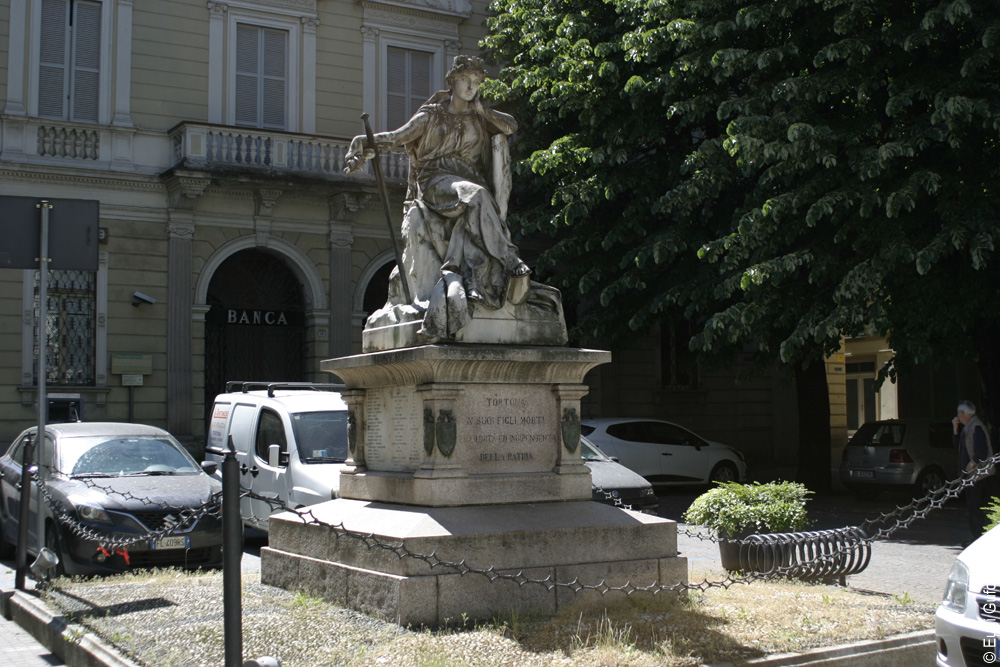
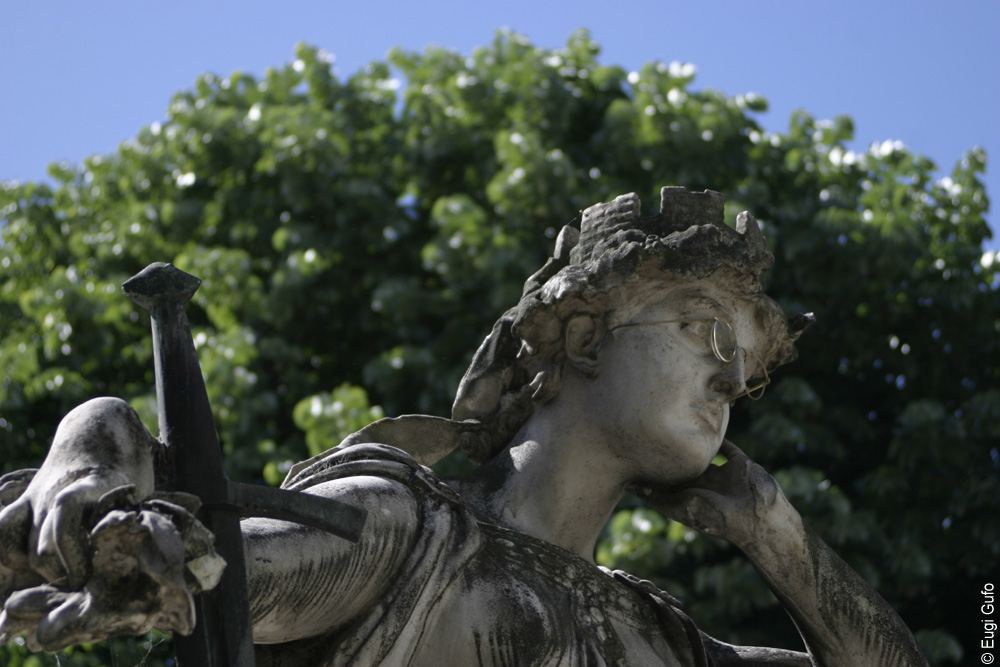
Someone decided to improve the monument… Dear Municipality of Tortona! I sincerely hope you will do everything possible to ensure that the glasses remain forever on the «face» of this statue: they suit it extremely well. Furthermore, I hope that the person who had the excellent idea of enhancing the public artwork in such a fitting way will be rewarded by the Department of Culture. I mean that quite seriously.
How pleasant it is to walk through the streets of a beautiful and tranquil town, populated by people indifferent to high art… And what on earth is that?
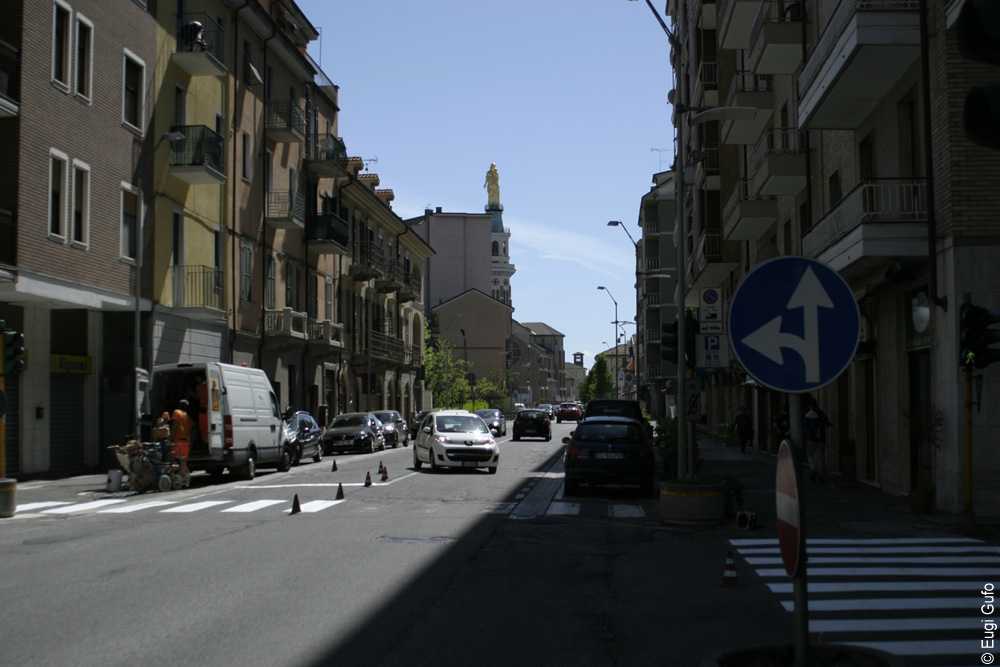
The Church of the Witnesses of the Holy Trash?..
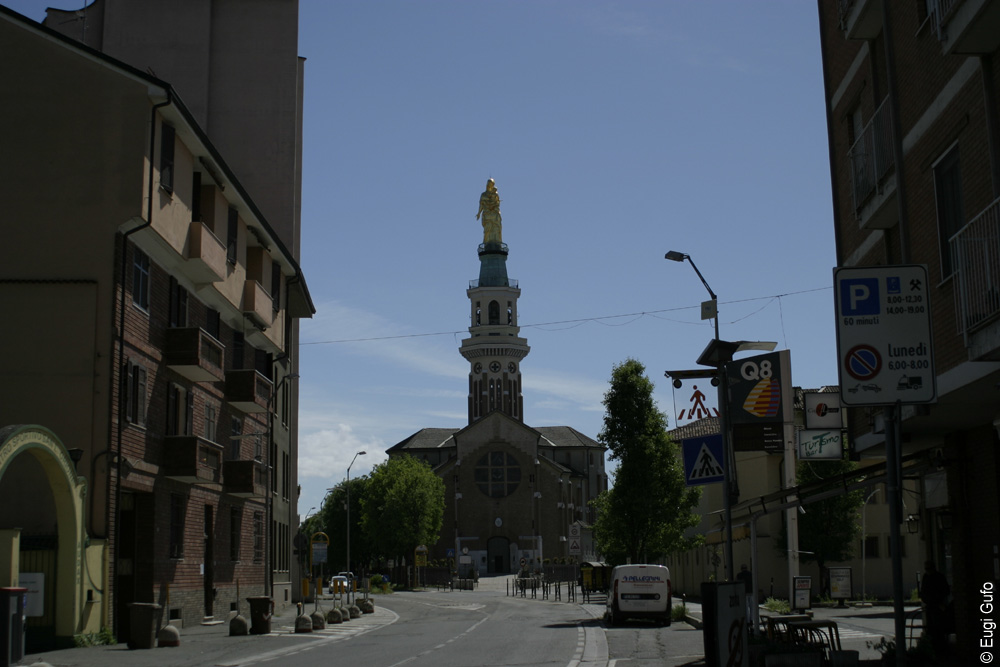
Strictly speaking, «trash» may not be grammatically elegant here, but the term still applies. The church in the photograph is the Sanctuary of the Madonna della Guardia, built in 1931. According to the plaque displayed near the entrance, the statue of the Madonna is 14 metres high, weighs 12,000 kilograms and has 200 square metres of gilded surface. The remaining virtues are not listed, but we may attempt to imagine them.
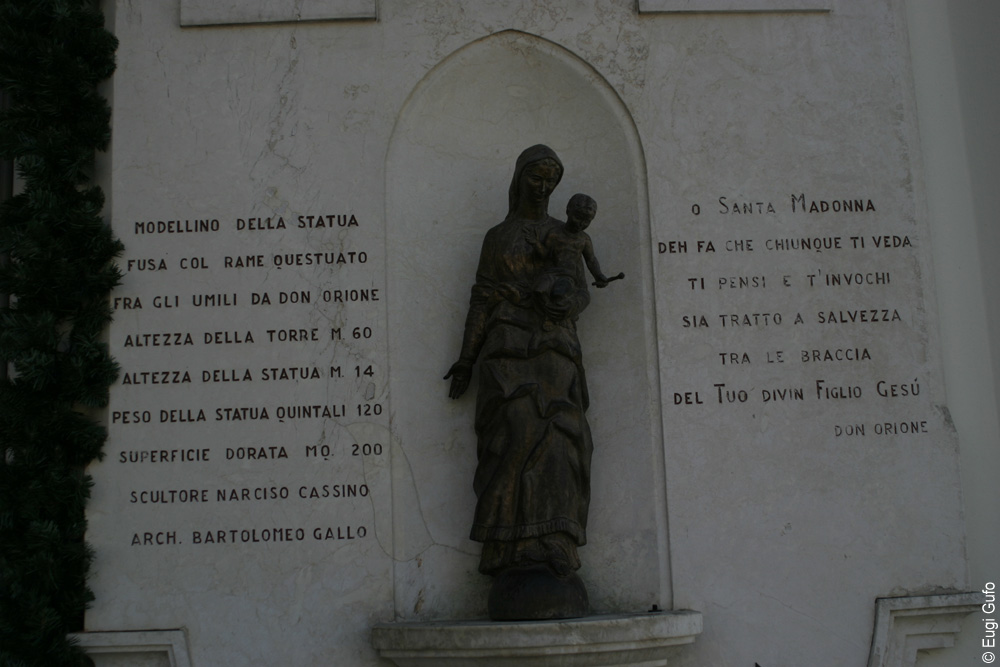
Yes, do tell me again about great Italian design, fine architecture and impeccable sense of style… Unfortunately, everything passes.

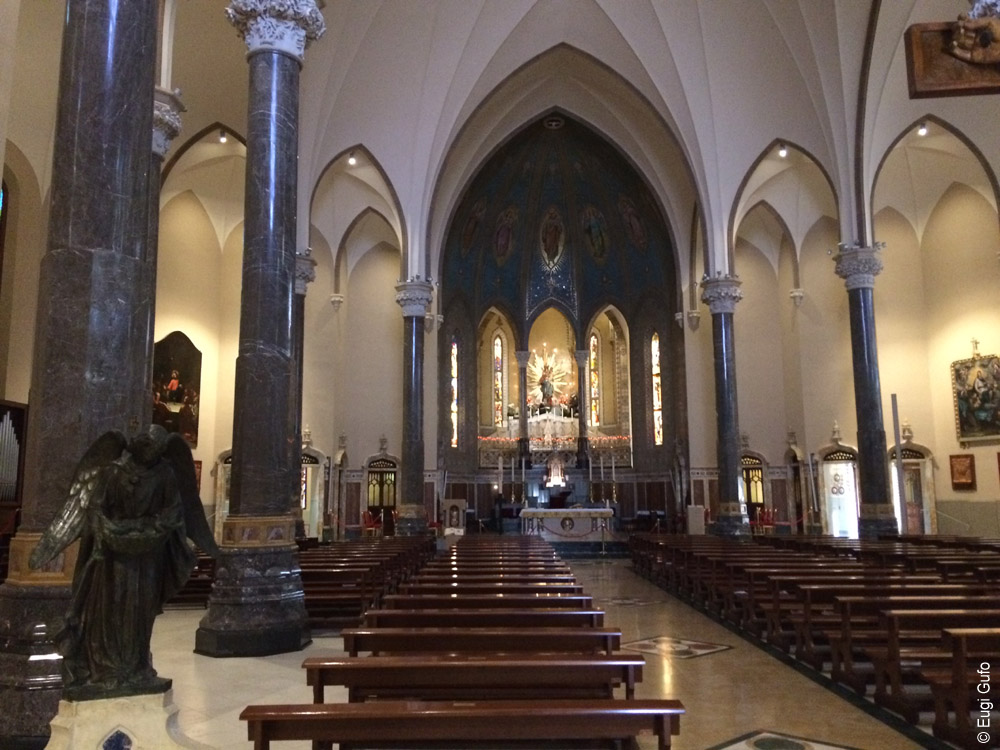
Well then, let us try going inside. Not wishing to disturb the numerous believers with the noise of a camera shutter (who knows what reactions may be triggered in the minds of people who voluntarily pray in such a place), I used my phone. The interior is decidedly more pleasant than the exterior, though still not inspired; the body of the «saint», Don Orione (the originator of the church), is not preserved in the best condition (observe the hands), but has not yet been replaced with an artificial substitute; the only truly interesting detail is the chandelier shaped like a bouquet of roses.
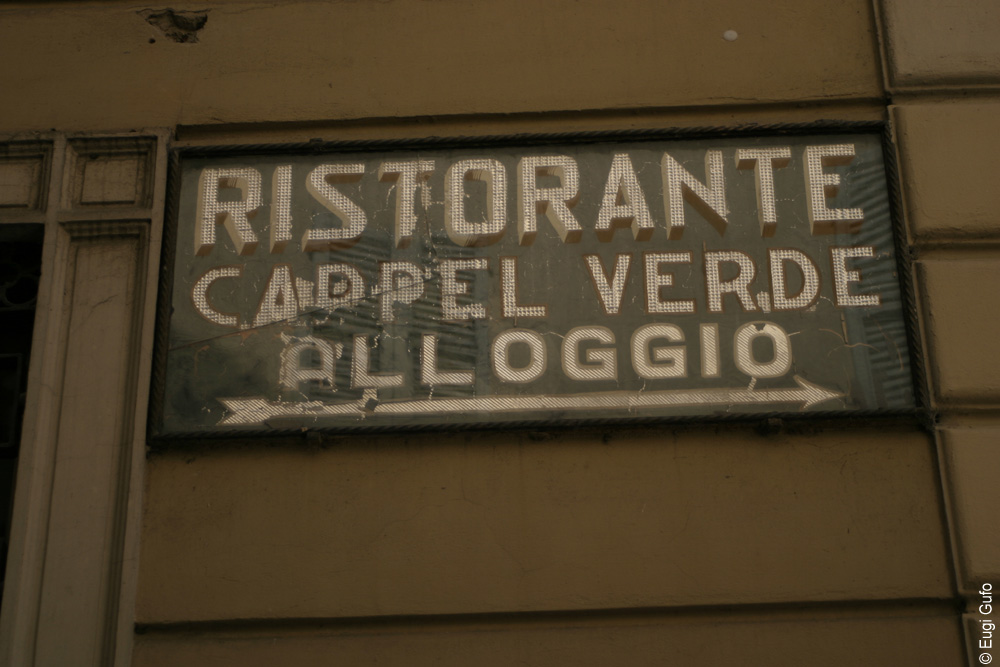
Fortunately, there remains something genuinely positive to see in town. Tortona’s historic centre is full of interesting vintage shopfronts.
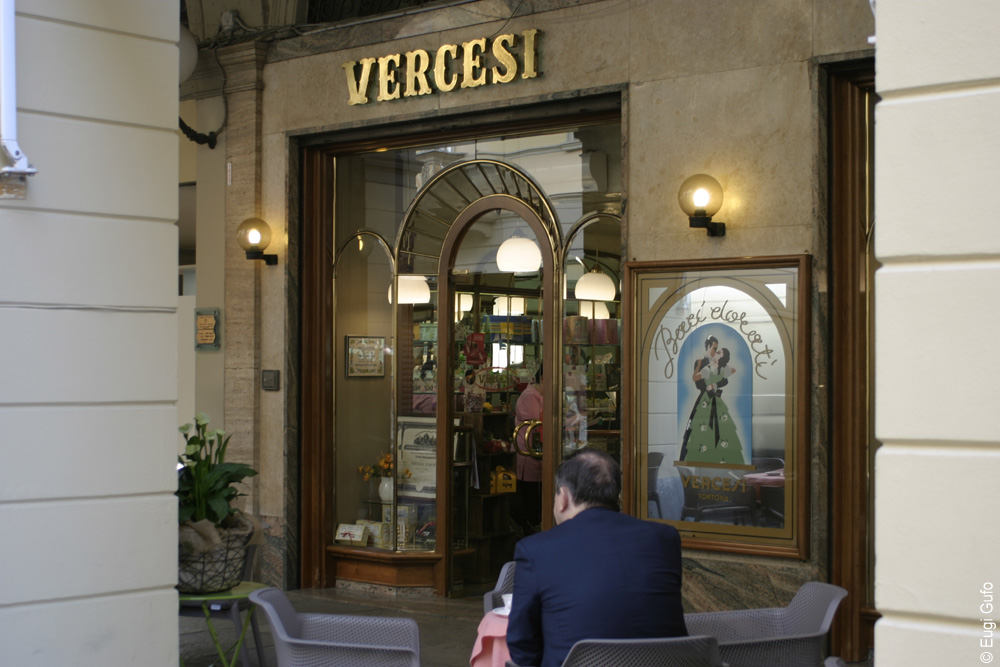
Am I the only one who sees Pac-Man in this sign? If that was indeed the creator’s intention, he has my full respect.
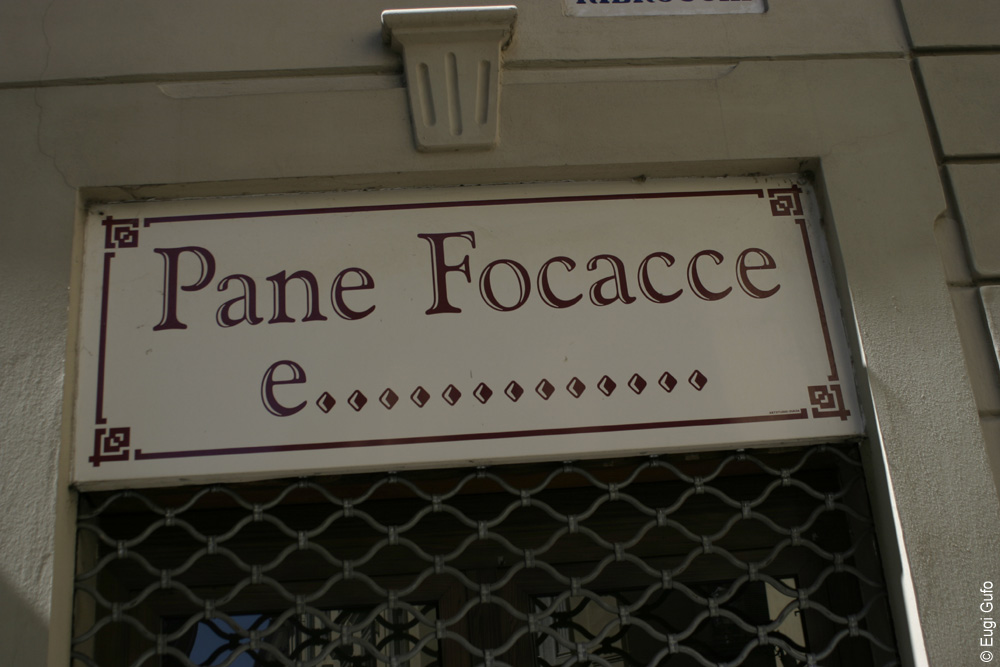
Congratulations to whoever decided to preserve this 1970s sign (I am guessing the period from the style). Congratulations also to whoever placed a commemorative plaque on the building where the restaurant once stood (closed in 1986 after approximately two centuries of activity).
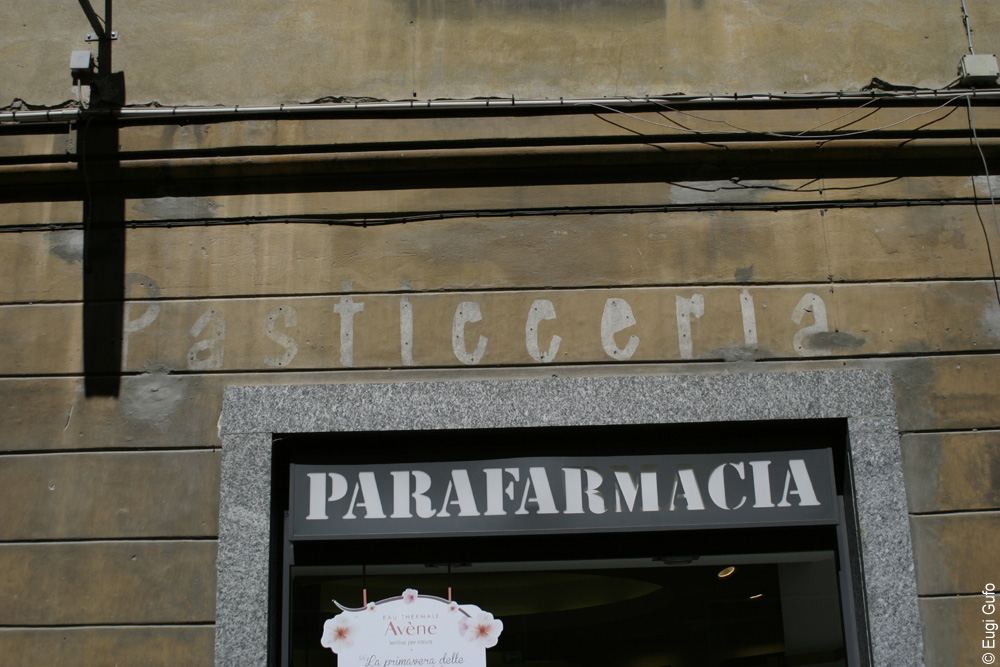
And compliments to the person who, through respect for the town’s history, demonstrated that excessive visits to the pastry shop will eventually lead you to the pharmacy.
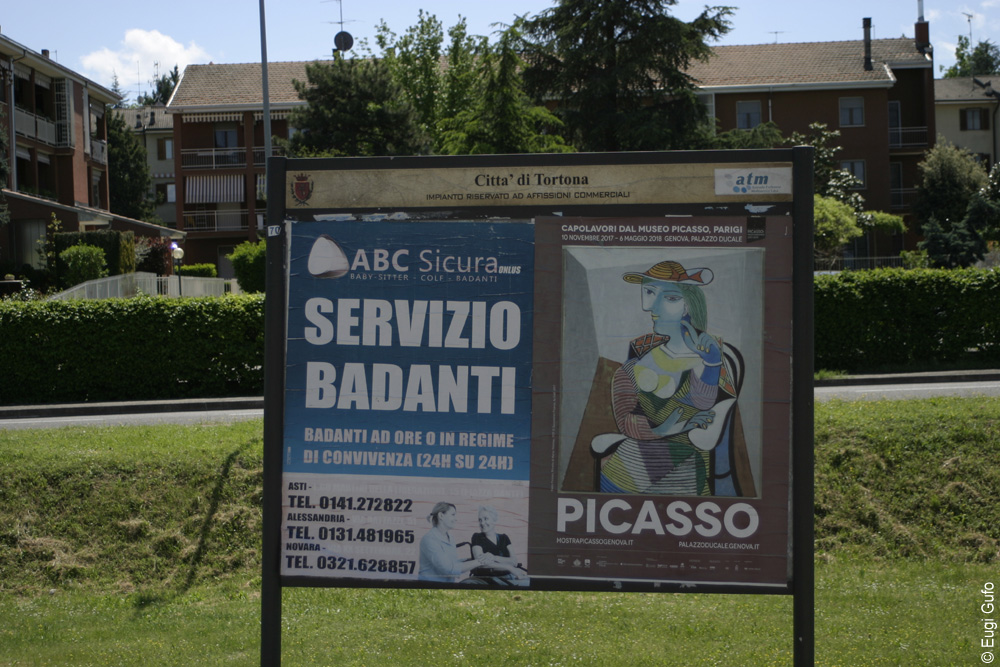
Those responsible for approving advertising signs possess an even more advanced sense of humour.
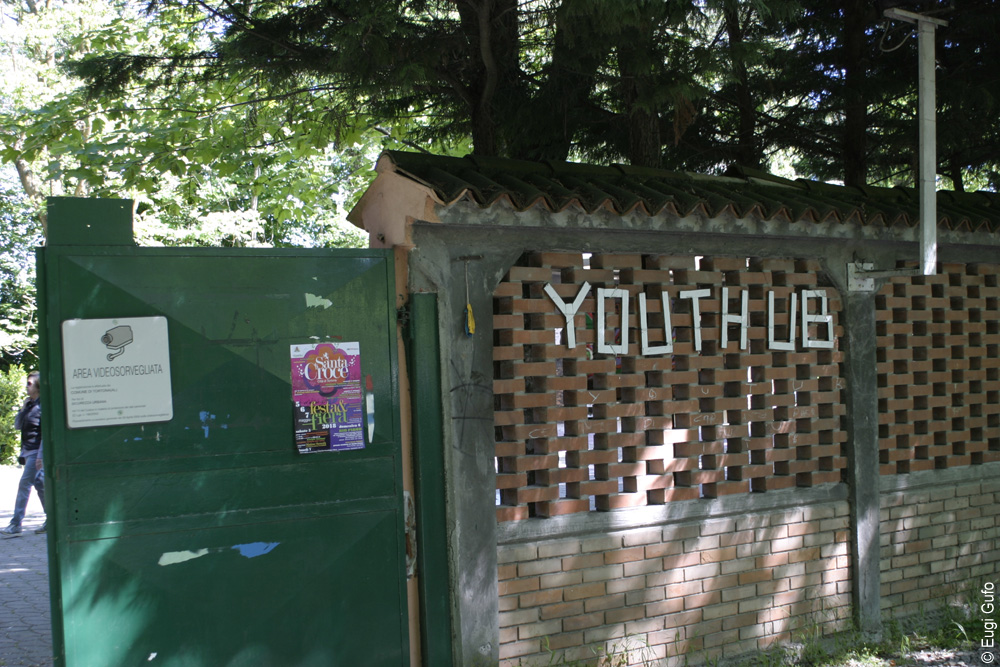
Almost as advanced as the managers of this youth club.
This, in my view, is the erased autograph of a lorry driver.
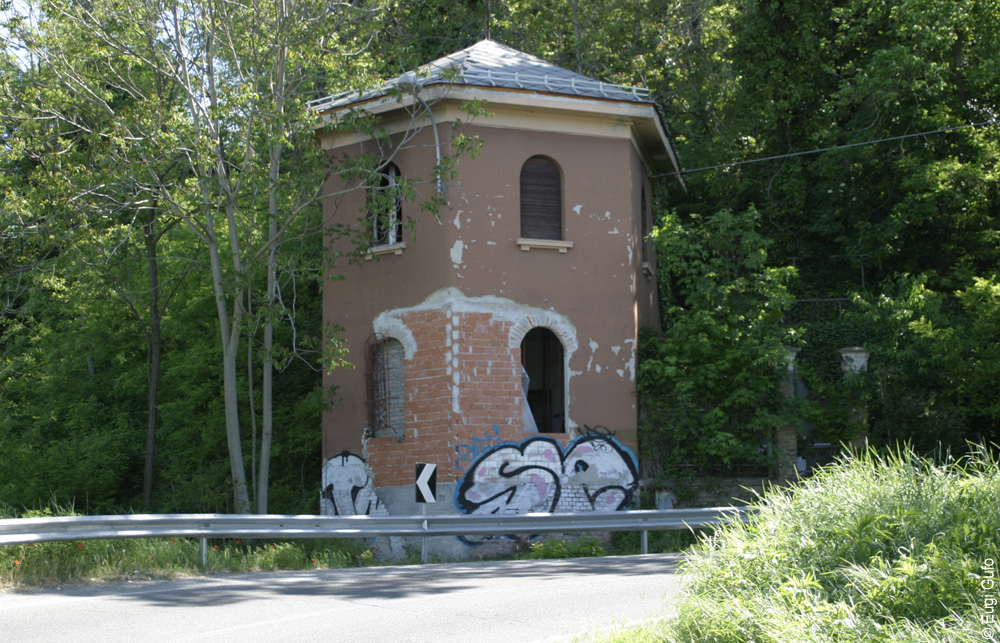
But let us return to positive matters. In Tortona I encountered one of the most beautiful concrete benches in the world.
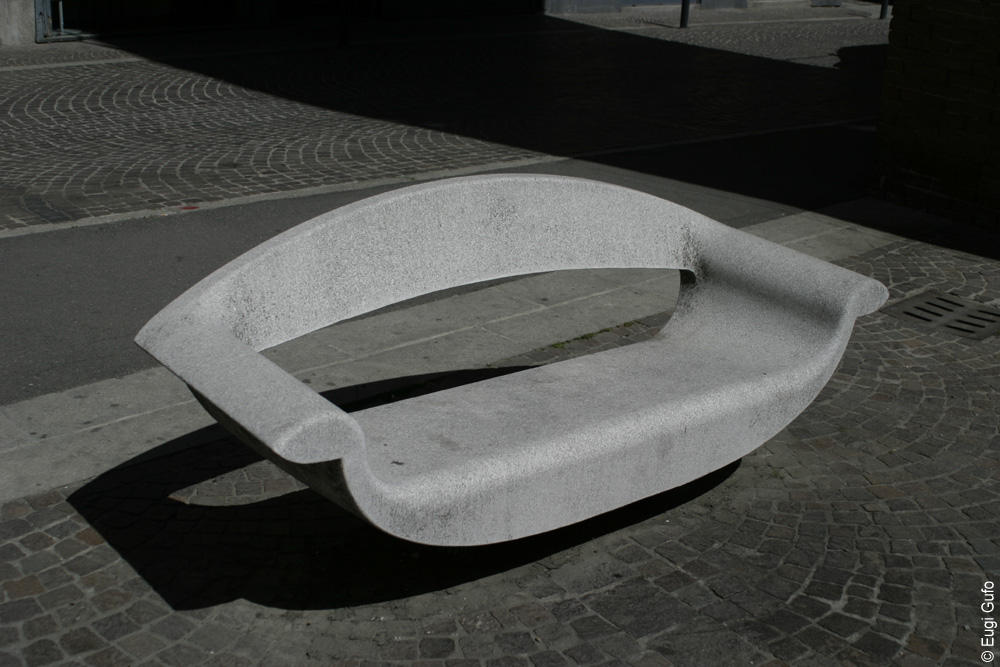
Some of the other local models are not bad either.
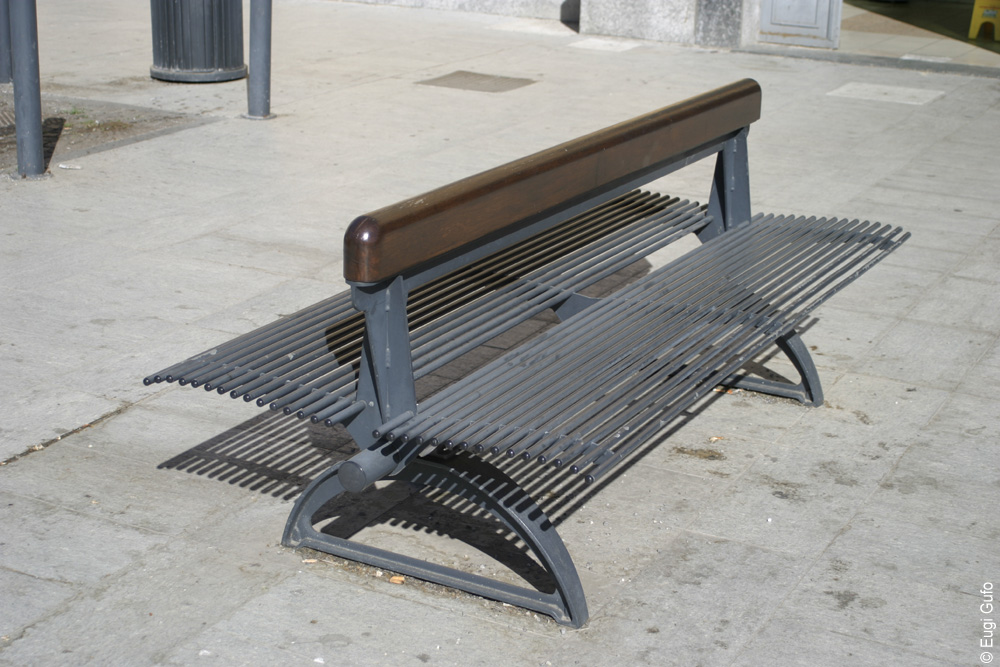
Indeed, one of Tortona’s distinctive characteristics is the sheer number of benches placed in public spaces: they are practically everywhere — in every corner, in every patch of greenery, however small; in the shade and in the sun; clustered together or standing alone. There is also a considerable amount of public green space.

The town itself is fairly small and compact, with a very clear boundary between the urban area and the countryside.
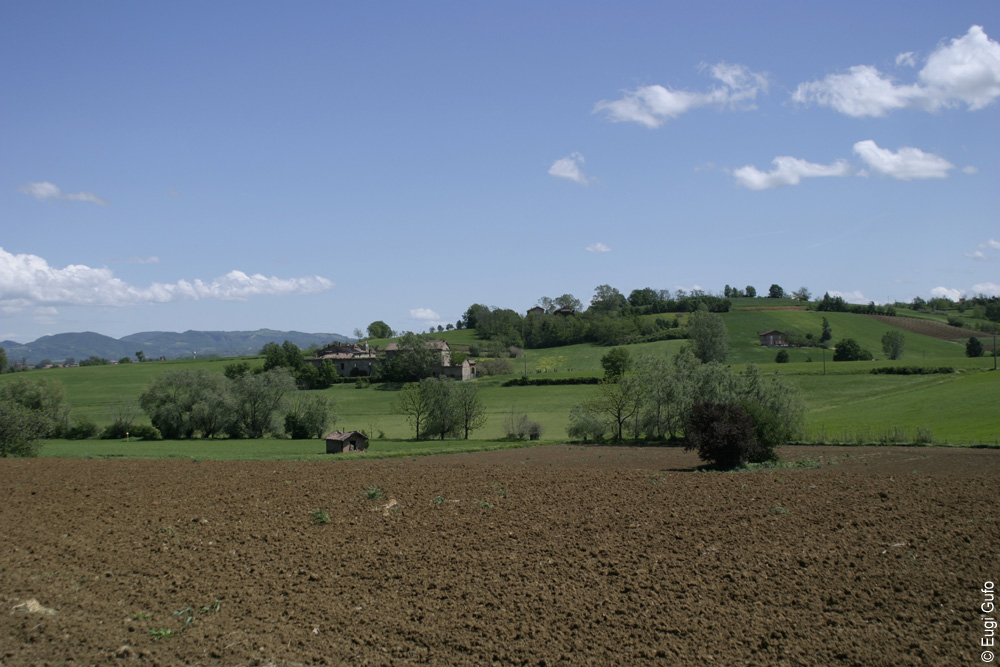
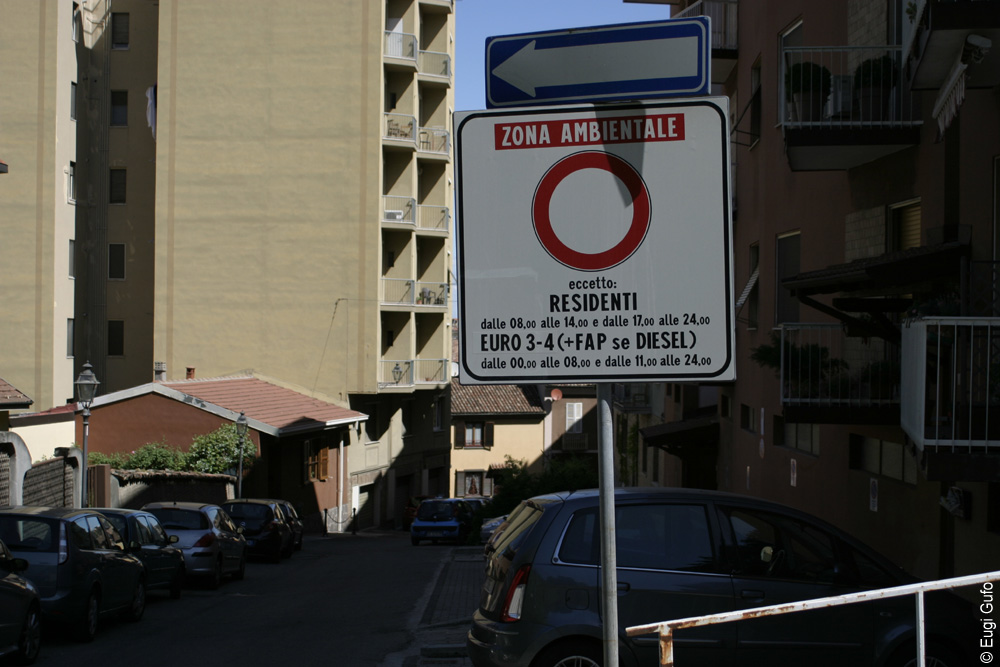
In certain parts of Tortona I came across signs bearing the words «Zona Ambientale». The precise legal meaning of this expression in Italian remains unknown to me. With some surprise, I discovered that it appears to be unknown even to the official website of the Municipality of Tortona. I can only assume an analogy with Milan’s «Area C».
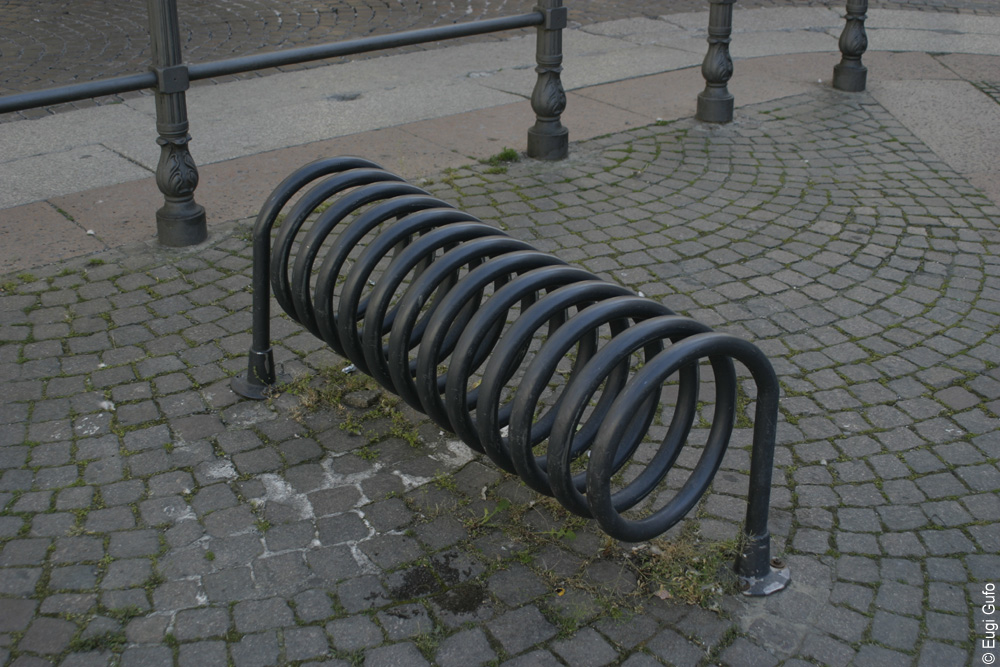
The bicycle parking facilities are poor: they guarantee the safety of only the wheel that is actually locked.
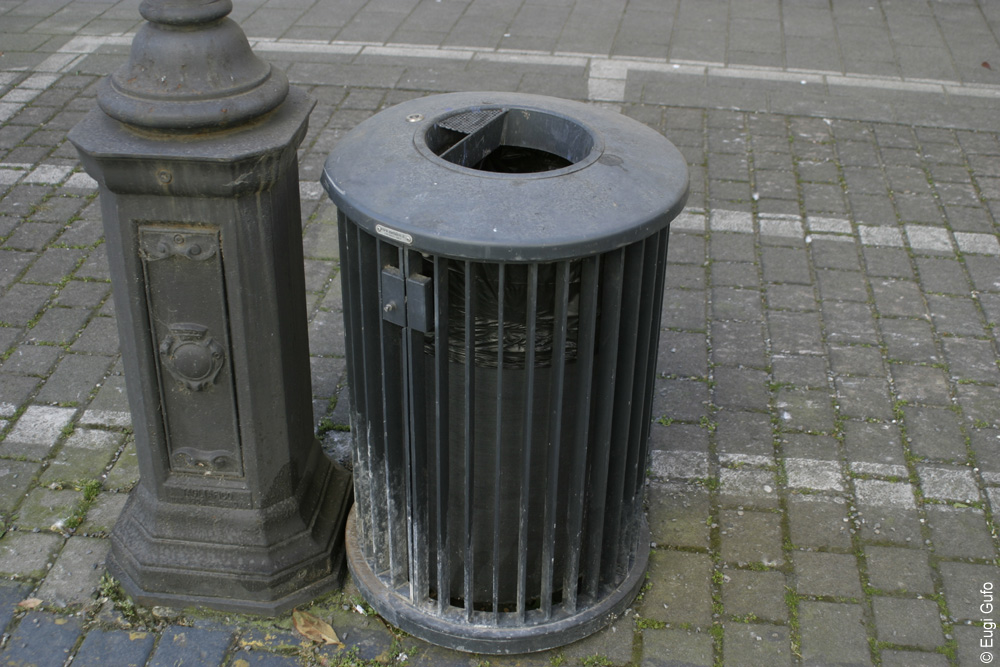
The litter bins, on the other hand, are attractive and functional because they include ashtrays. How pleasant it is not to throw things on the ground and not to set fire to rubbish.
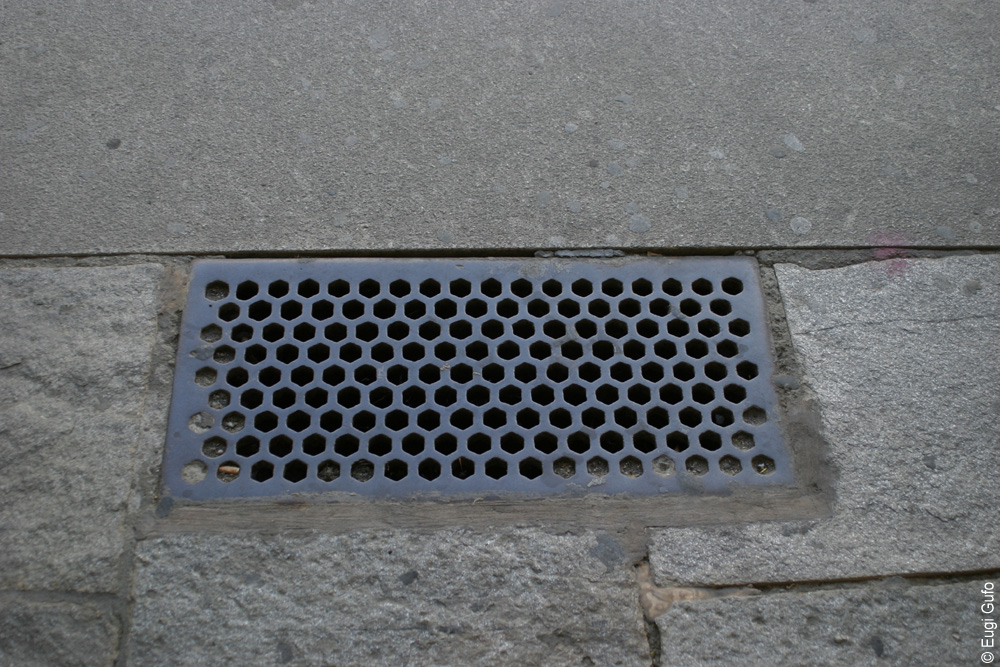
The drainage grates in the historic centre are original. The metal one with hexagonal holes reminded me of a Russian kitchen utensil.
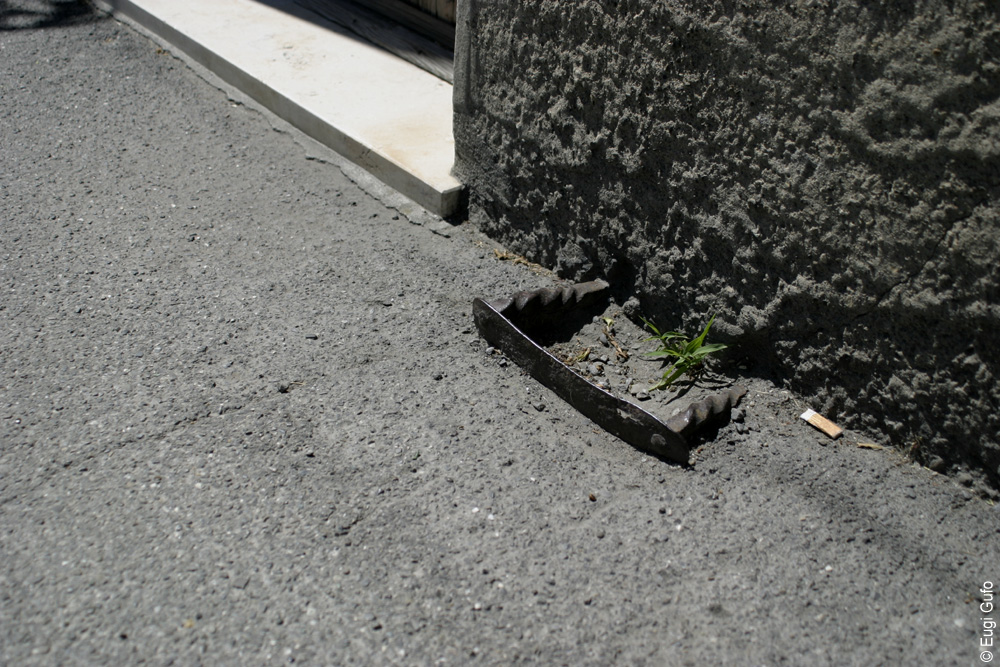
In the entire town I noticed only one décrottoir — and that is already something. I do not know why so few of them remain in Italy.
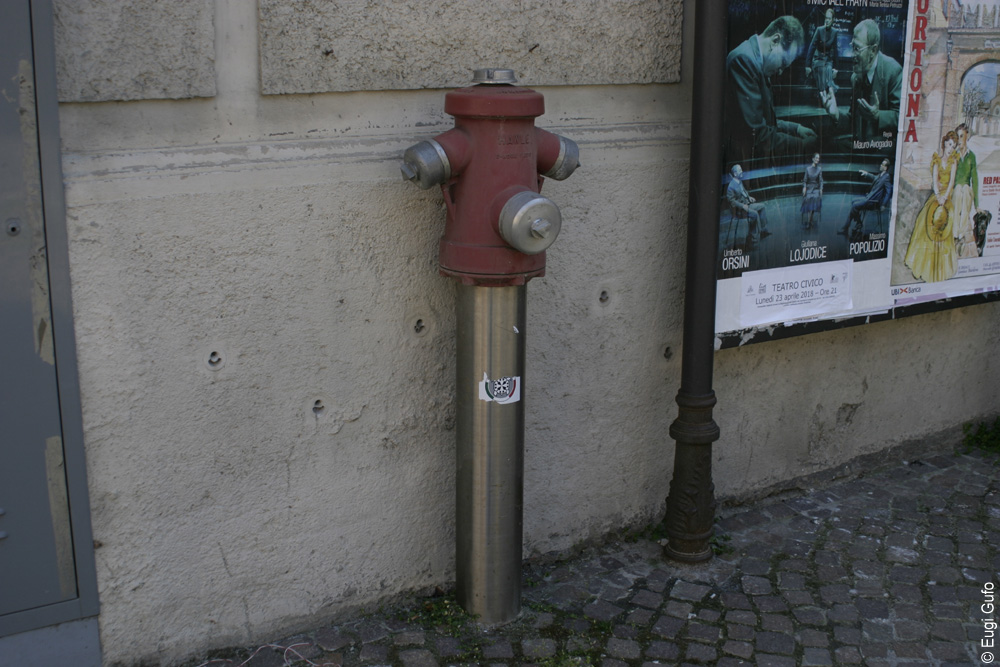
Tortona’s fire hydrants are often of unusual height, or else extremely small and barely recognisable.
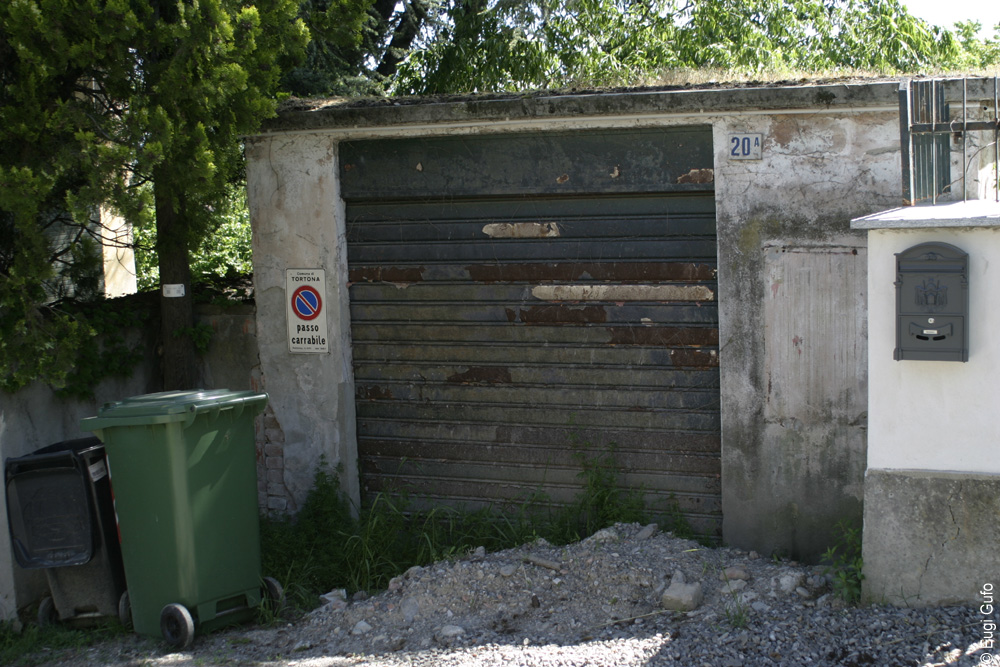
Driveway access is obstructed in a «monumental» fashion.
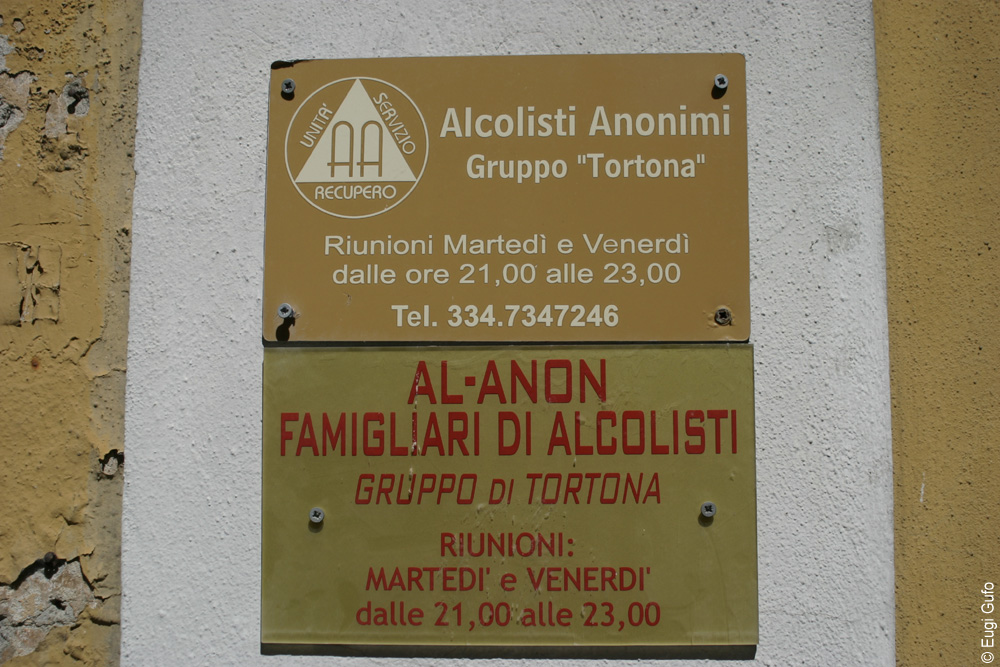
Someone must ensure that alcoholics — even anonymous ones — actually attend the group rather than the bar. Therefore, they must be delivered and collected by family members like primary school children. What do the relatives do during the waiting hours? Presumably form a group of their own and drink out of despair.
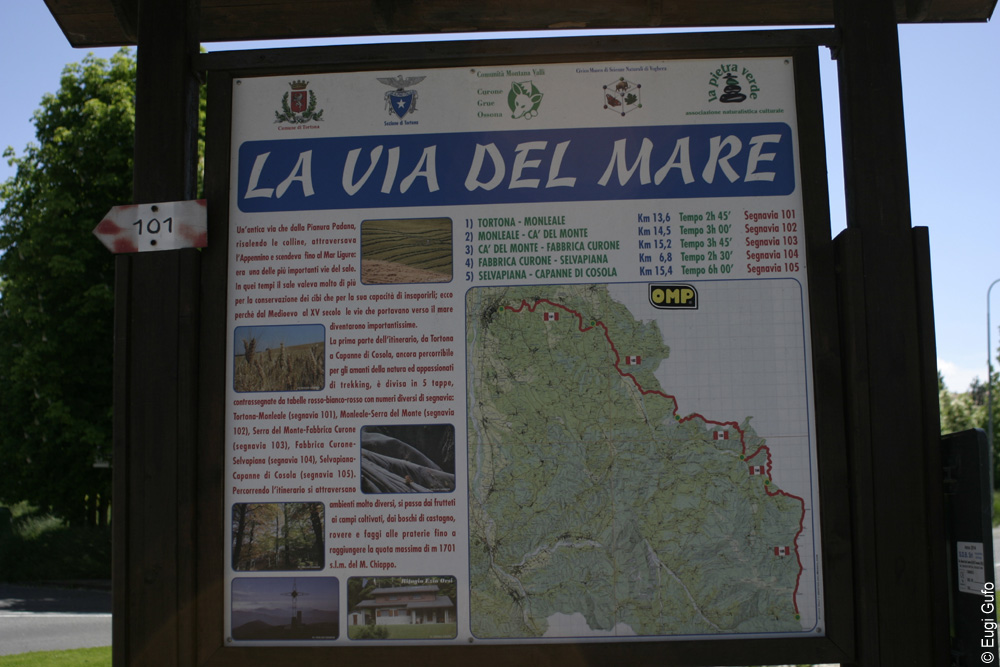
In several places in Tortona there are stands displaying part of a map of the «Via del Mare». In theory, this is a route connecting Tortona to Portofino, yet for reasons unknown to me only its initial section is shown on the map.
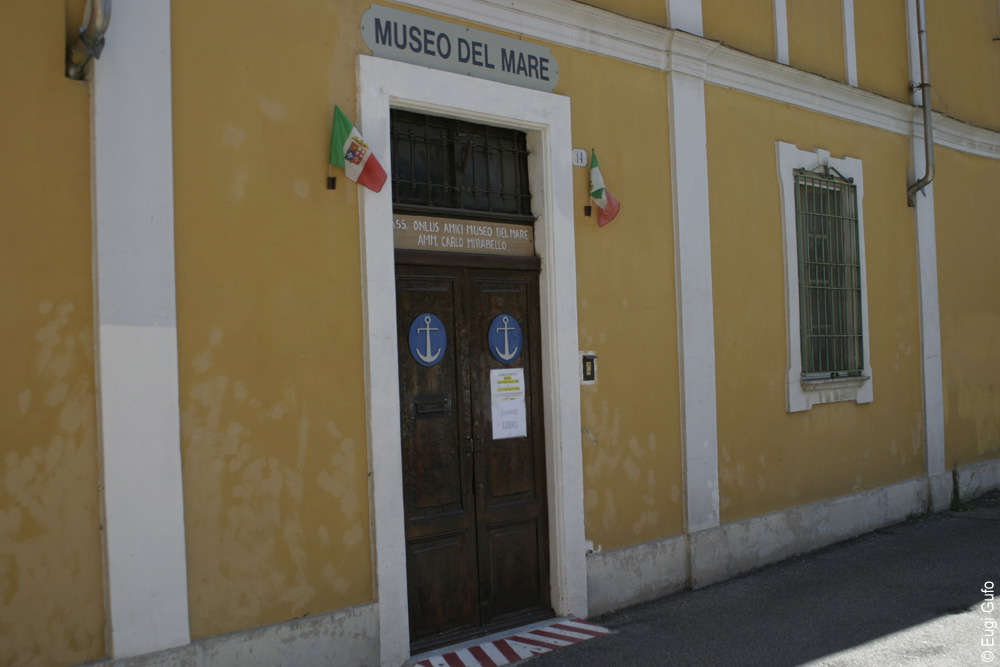
The existence of the Via del Mare probably provides a formally valid justification for the presence in town of the «Museum of the Sea». I am unable to comment on its collection because it is open only on Saturdays — which was not the day of my visit.
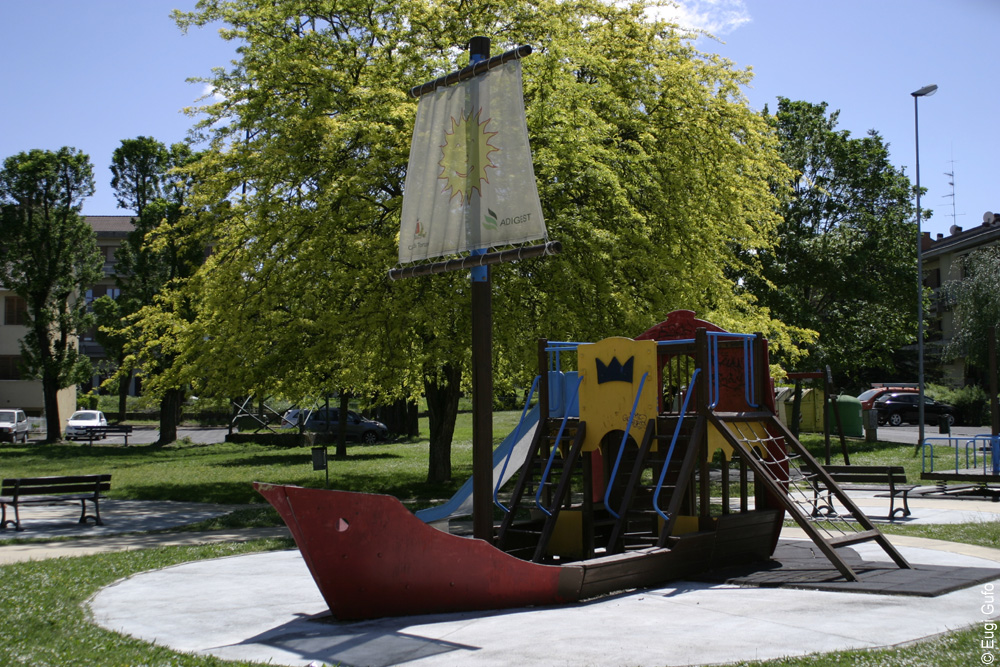
One of Tortona’s parks allows children to imagine themselves as sailors. Not bad, although I have seen more convincing examples elsewhere.
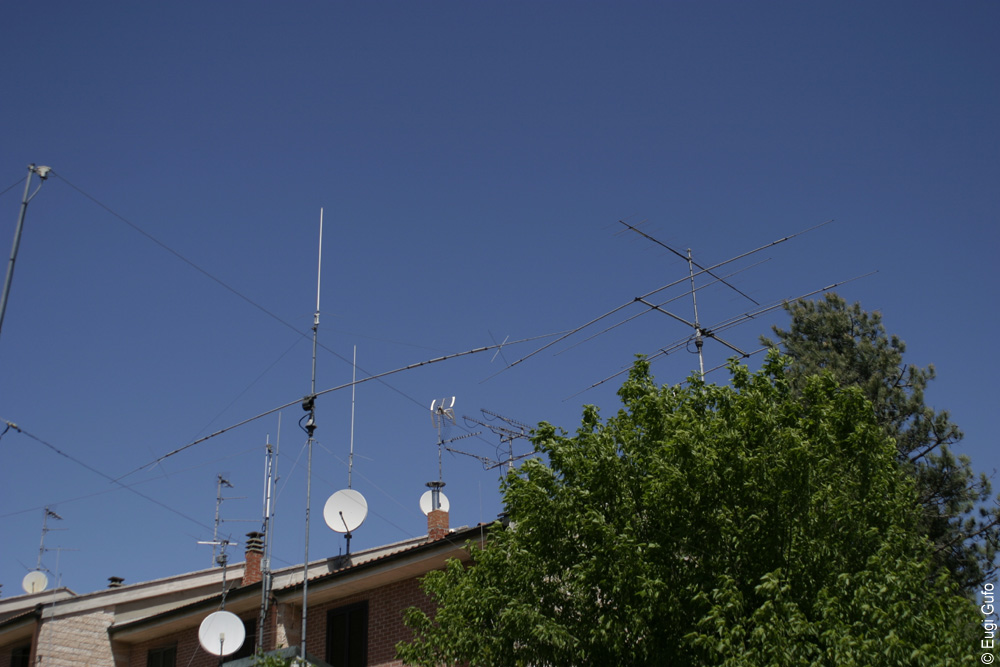
While the children play, the parents attempt to synchronise themselves with all the world’s channels using extremely powerful antennas.
The use of old pallets to create bar furniture is increasingly fashionable. This example in Tortona is among the most creative I have encountered.

The three-dimensional sign of a tobacconist’s is also original. Perhaps someone in town is trying to mitigate the aesthetic impact of the giant statue.

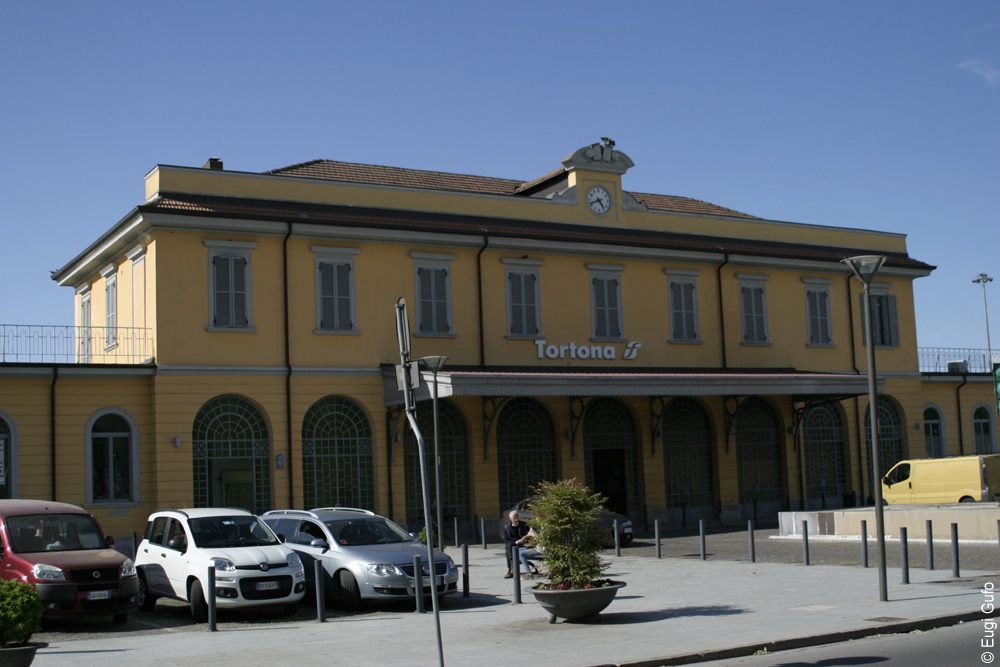
Certain details of the railway station — in a good state of historical preservation — also make a positive impression.
Oops. The train to Milan has arrived.
Tortona, 30 April 2018
↓ Show comments ↓


