


 Long live Ukraine! Fuck the war!
 RSS of site articles
On the Milan—Bologna railway line there exists a small and, for many, faintly mysterious station bearing the name Secugnago. It lies a few kilometres south of Lodi and, as I have learned from various private conversations, is known primarily to those who travel between northern and southern Italy on trains that are decidedly not high-speed.
Or rather, what is known to them is the name glimpsed through the window of a moving carriage: only regional trains on the Milano Greco Pirelli—Piacenza line stop here (at least at the time of writing). Passengers on all other services have most likely not even noticed that the station boasts no fewer than three tracks.
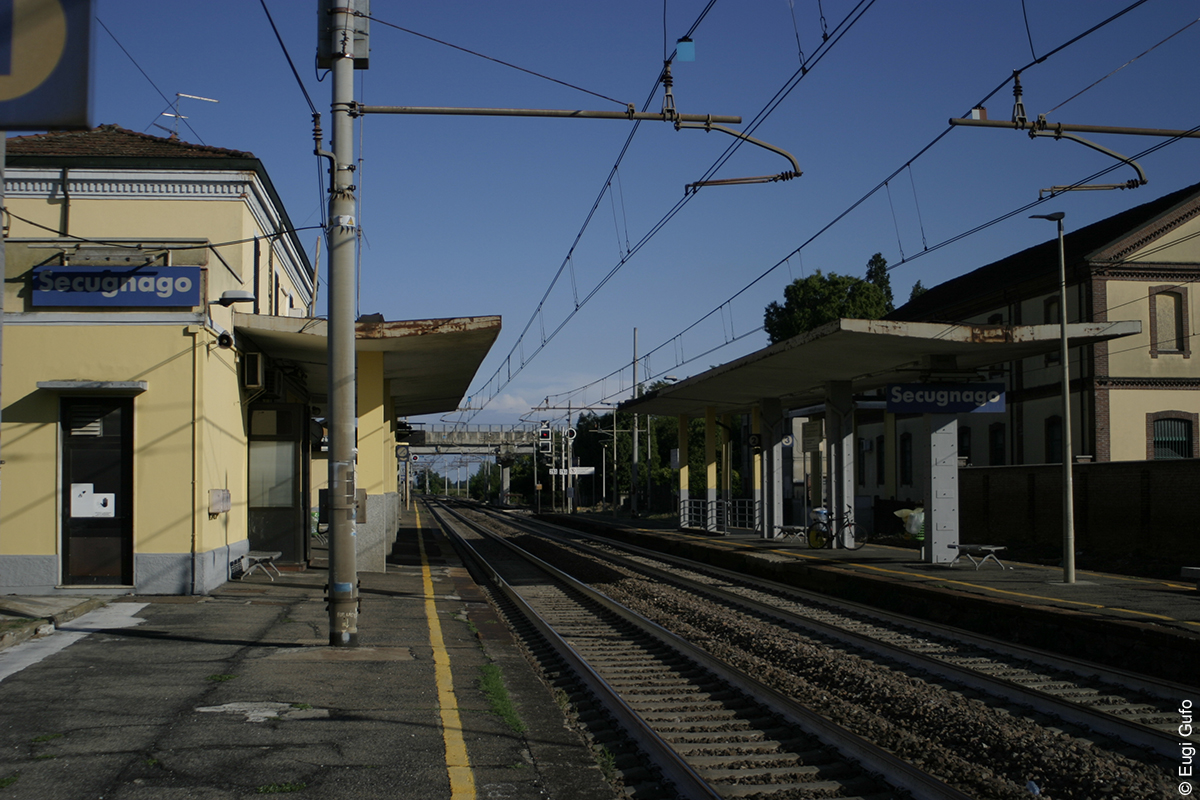
Which is perfectly normal. The station serves — and serves very usefully — commuters who live in Secugnago or neighbouring villages but work in Milan, Lodi or Piacenza. It need not be beautiful or lavishly equipped; it merely needs to exist and function.
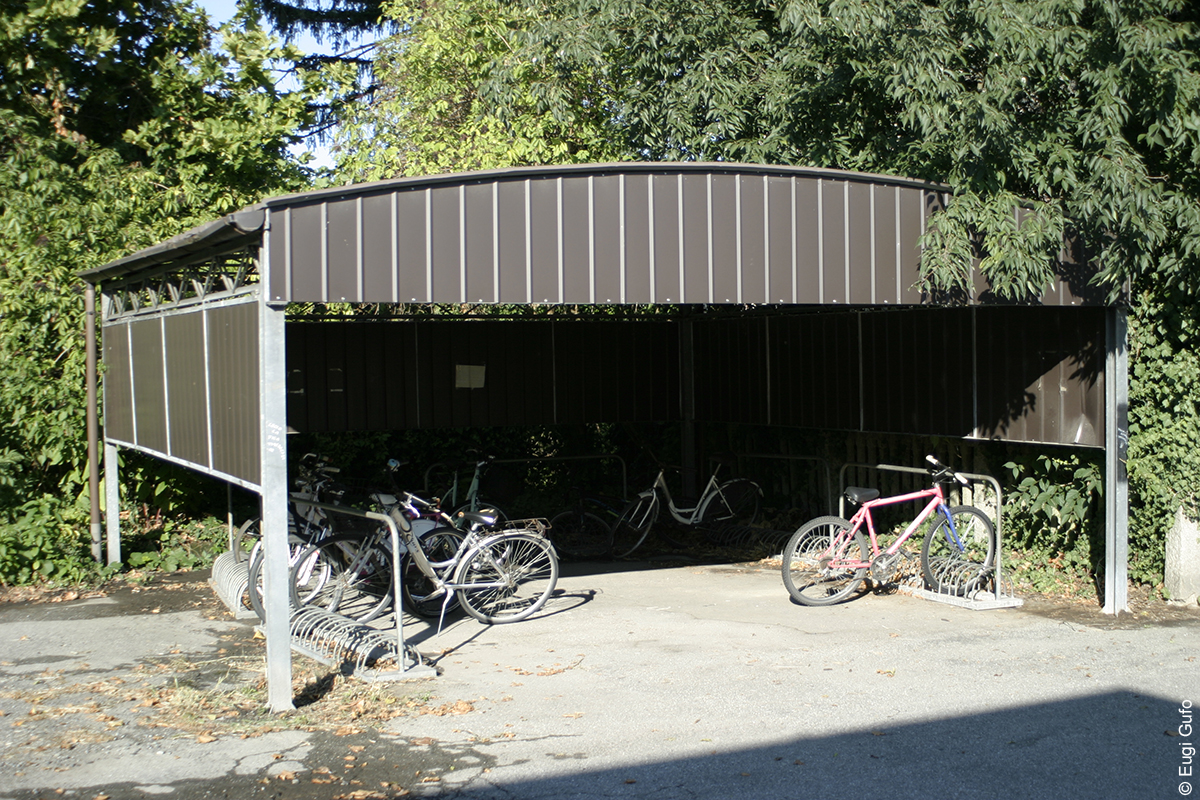
The covered bicycle parking is sensible. Were it guarded or at least under video surveillance, it would be even more sensible.
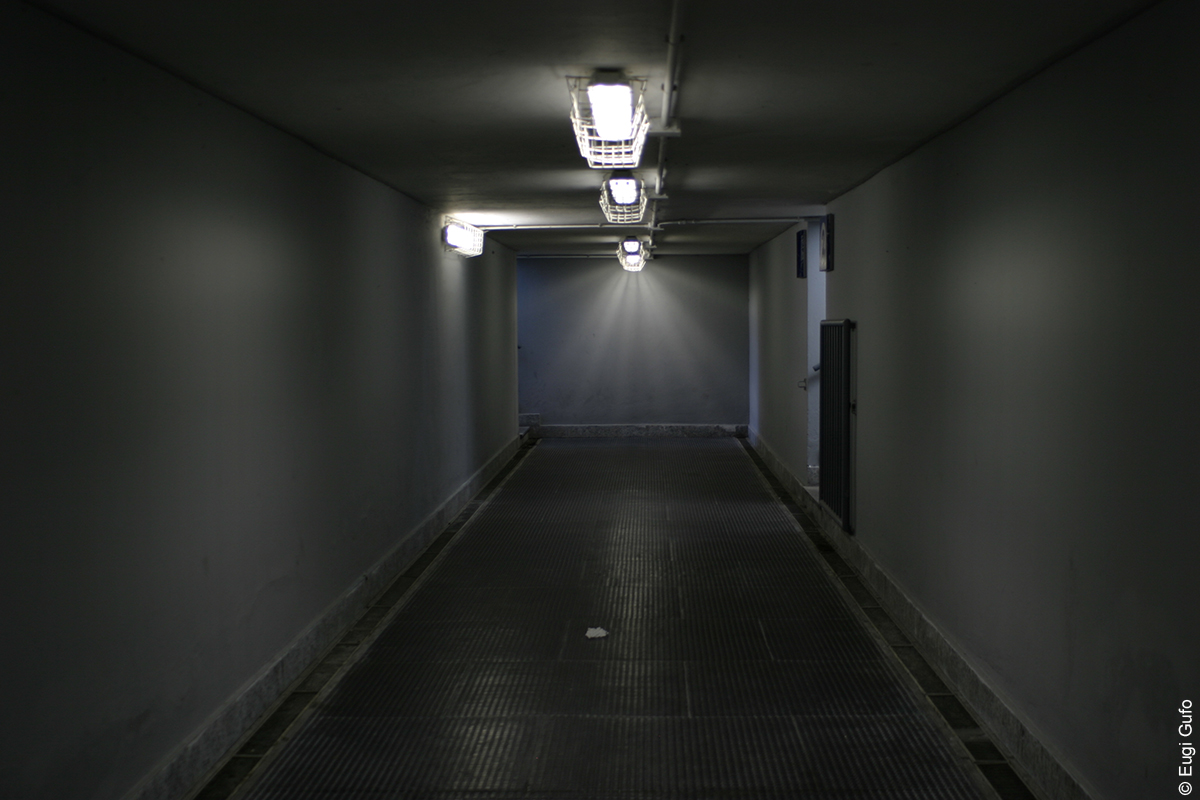
The underpass — allowing passengers to avoid crossing the tracks at surface level — is likewise practical, as residential areas lie on both sides of the railway. Curiously, this underpass appears slightly wider and marginally less depressing than the one in Lodi. Small mercies.
Naturally, there must also be a way to reach other places from the station — and, indeed, to reach Secugnago itself. For although a few residential buildings surround it, the railway station stands approximately one kilometre from the main part of the village. Between station and settlement lie agricultural fields. To reach the centre one must walk along a narrow asphalt road, almost devoid of traffic (used mainly by those collecting someone from a train). Upon reaching the cemetery, one turns left. To the right runs the «Marco Pantani» cycle-pedestrian path, which leads one knows not quite where and does not appear ideally suited to speed.
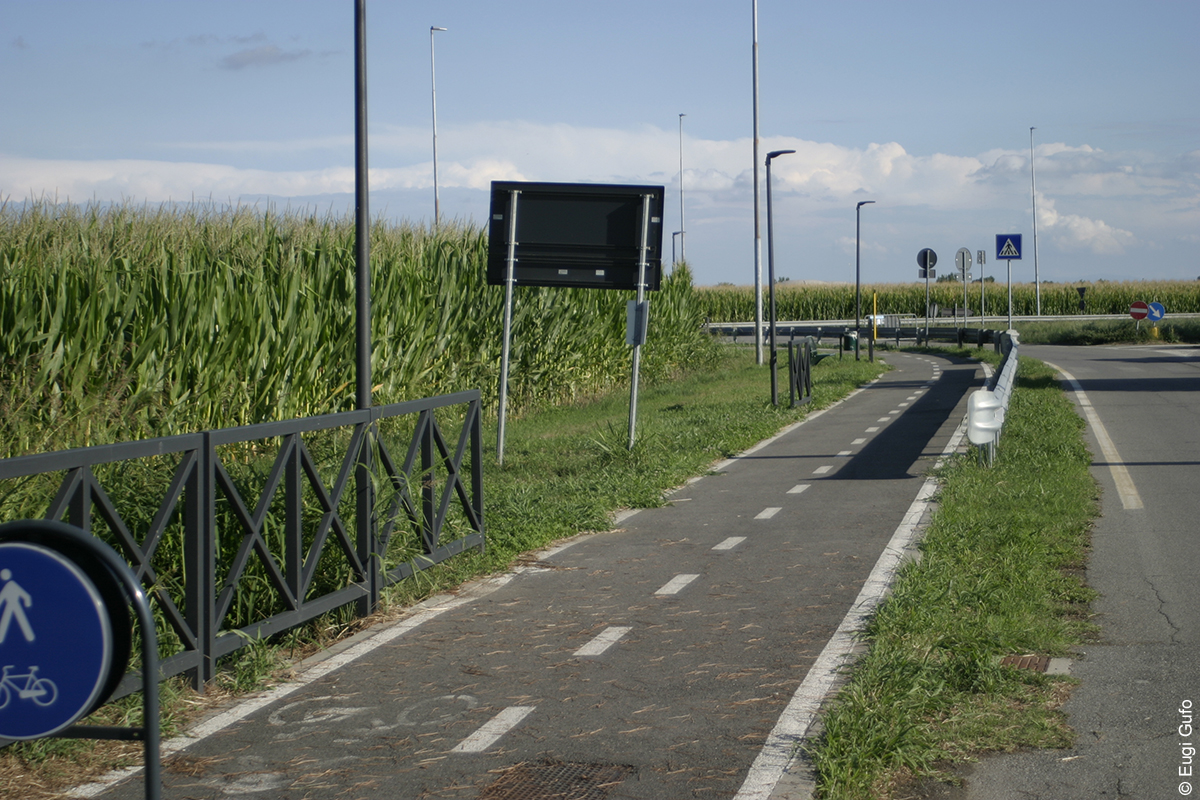
In total, the walk from station to village requires some ten to fifteen minutes at an unhurried pace. And only then does the genuinely interesting study of the territory begin. Like almost every other settlement in the world, Secugnago possesses its chronological «rings» of development. The outermost ring consists of more or less modern detached houses.
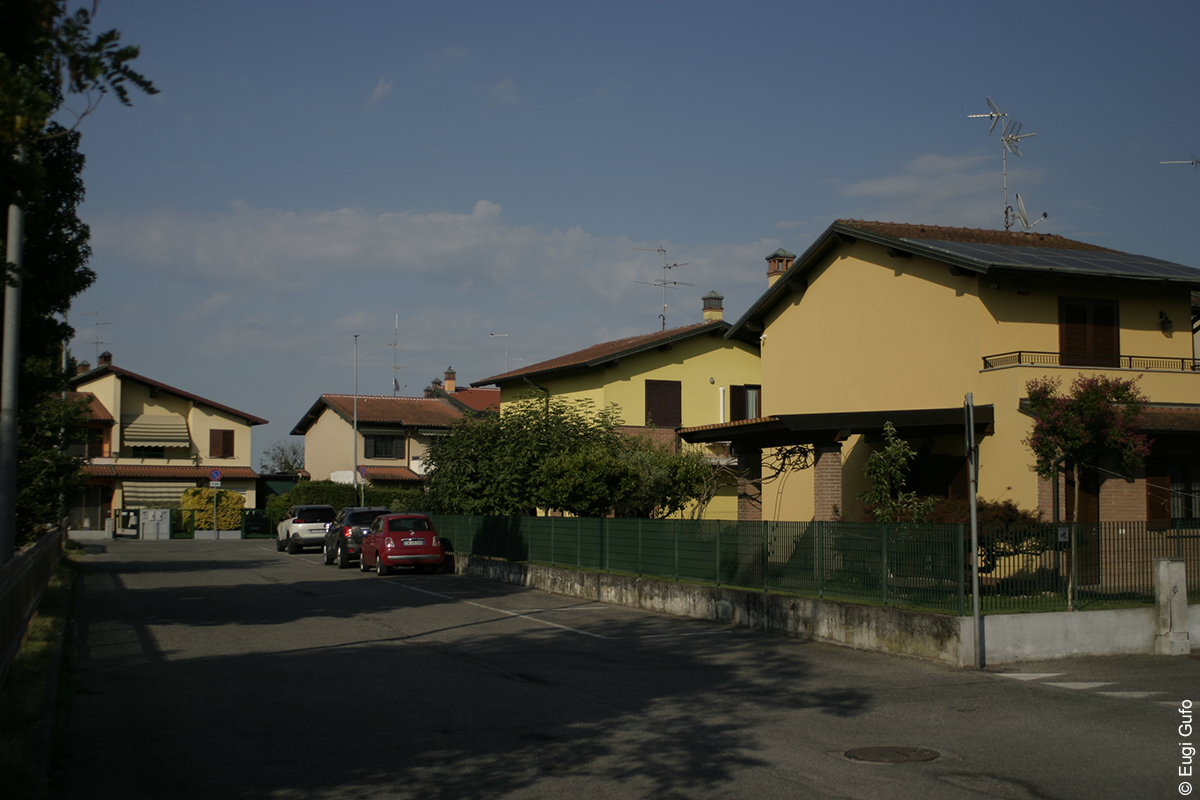
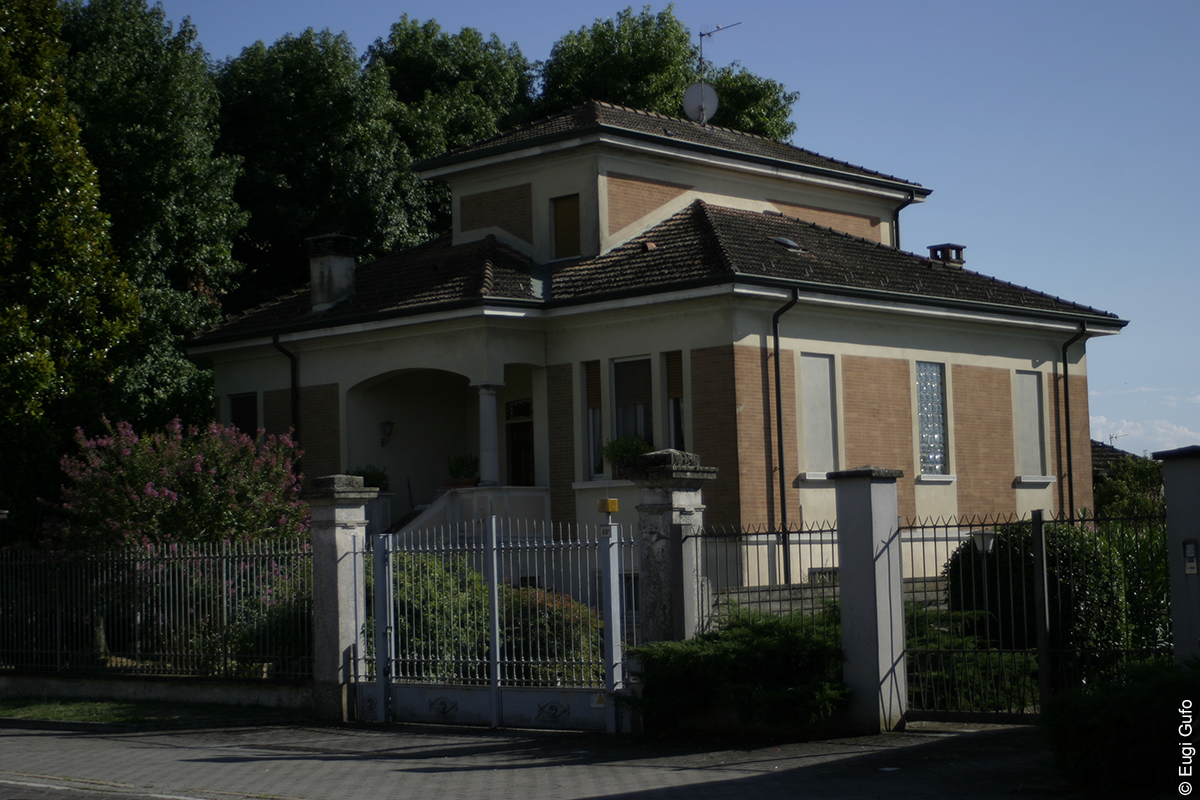
Closer to the centre, one begins to encounter older and more substantial villas.
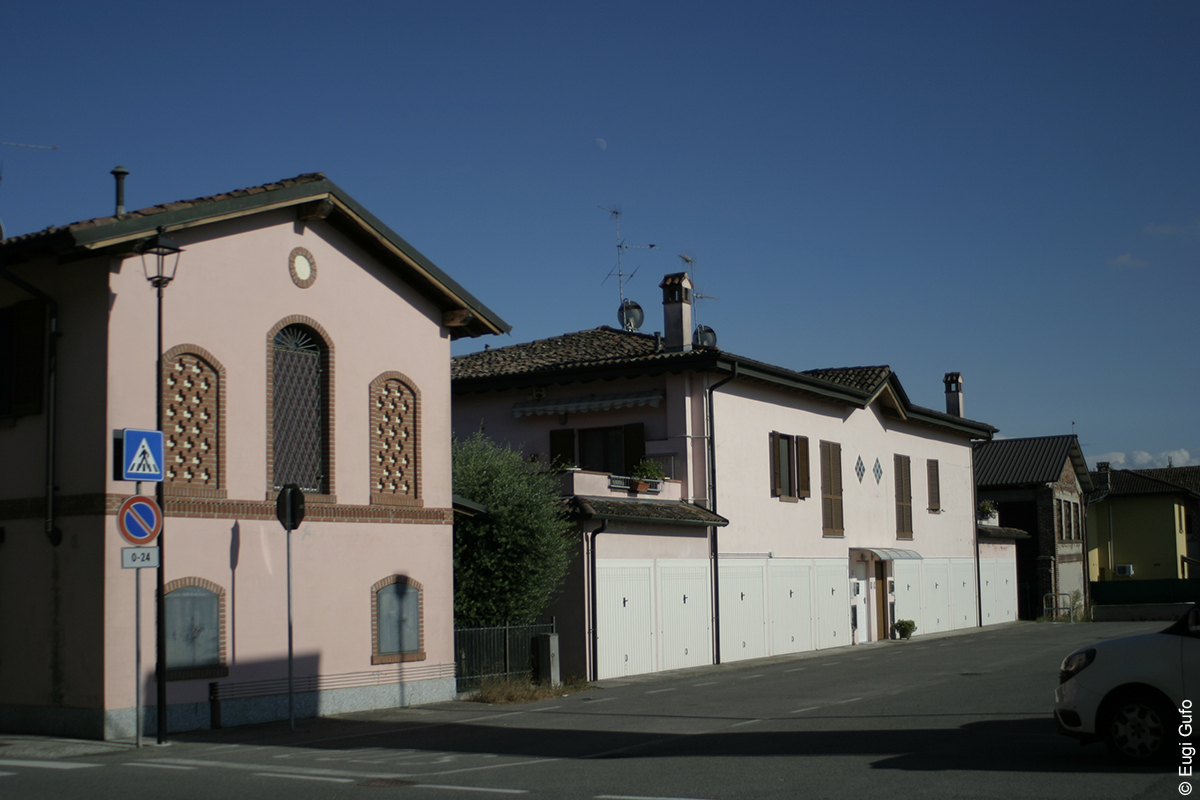
In the semi-central zones there are also former agricultural buildings now converted into residences or commercial premises of entirely different purpose. This does not, of course, imply that all local farmsteads have ceased functioning; those on the outskirts continue their work.
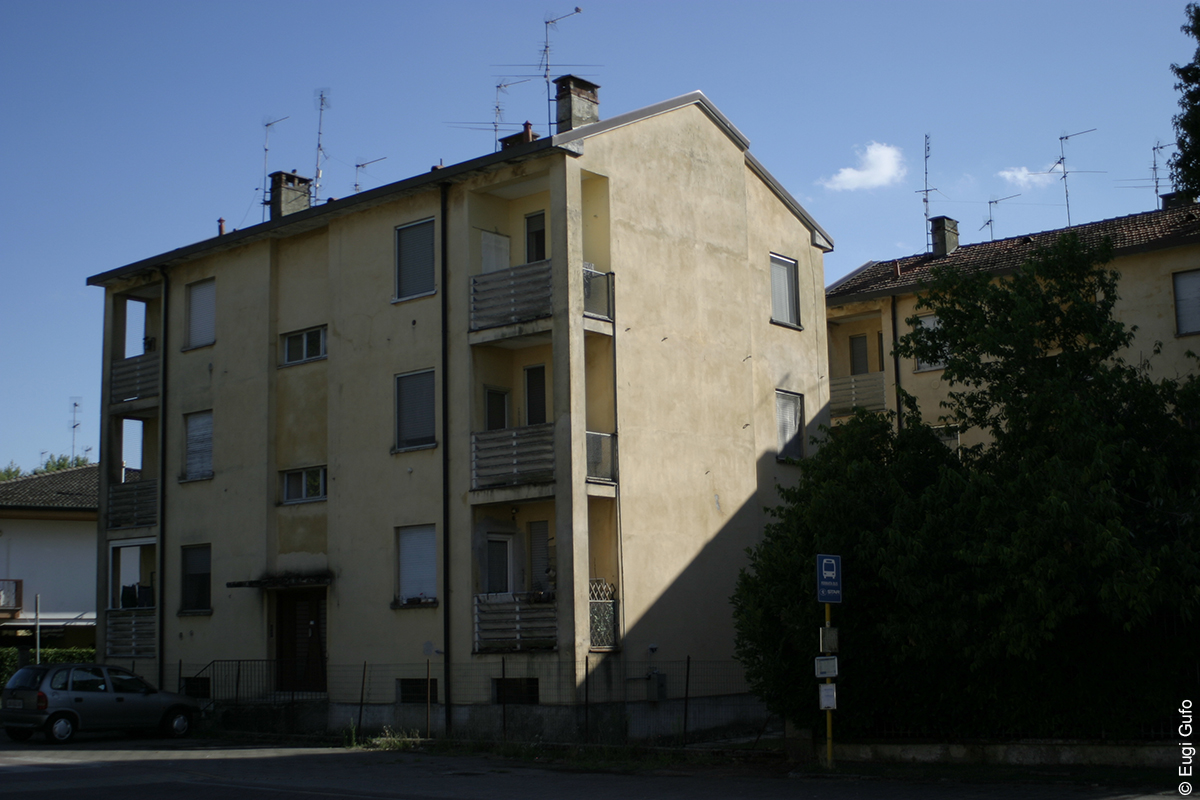
In another semi-peripheral area I observed several ageing apartment blocks. Whether they constitute social housing I cannot say. If privately owned, however, their somewhat alarming appearance and rural location (who chooses a flat in a country village? One goes there, if at all, for a house with a garden) lead me to suspect that a thirty-month mortgage might suffice for purchase. I struggle, however, to imagine a mentally balanced individual making such a choice voluntarily and with their own funds.
The true historic centre of Secugnago is typical of rural Lombard villages: composed predominantly of small private houses in highly variable states of preservation.
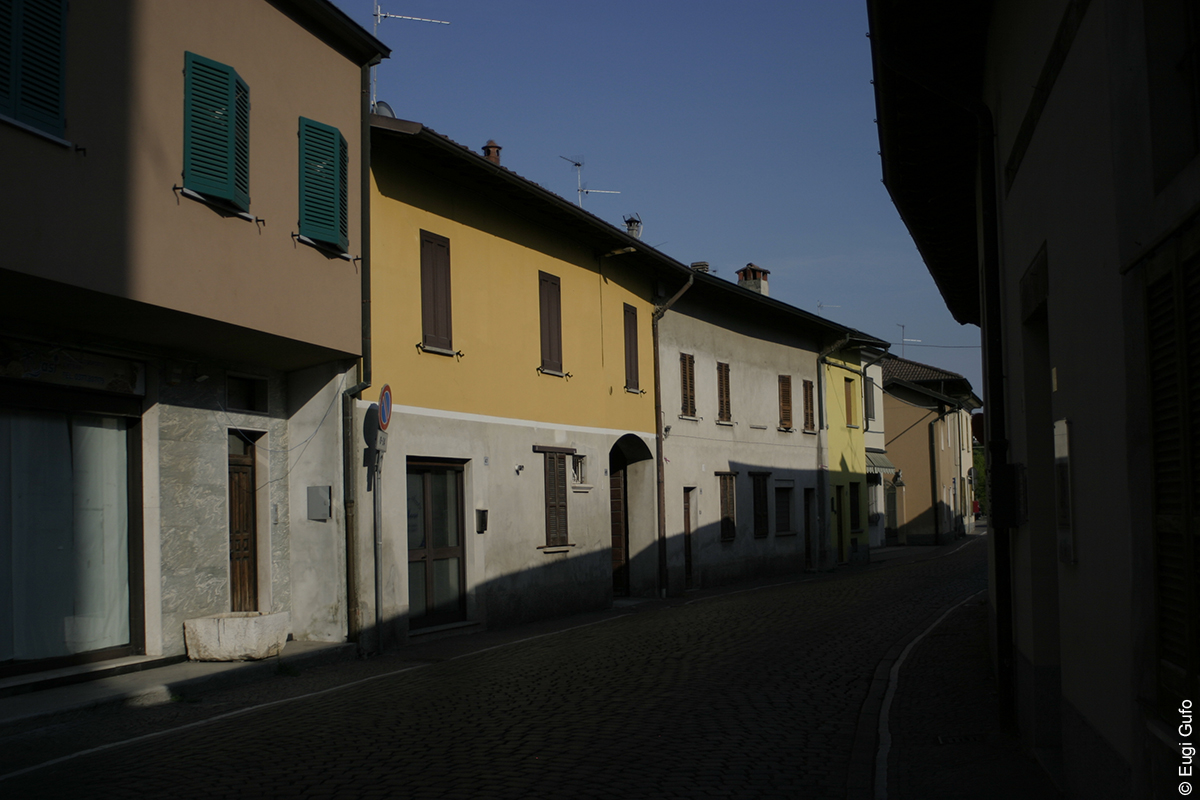
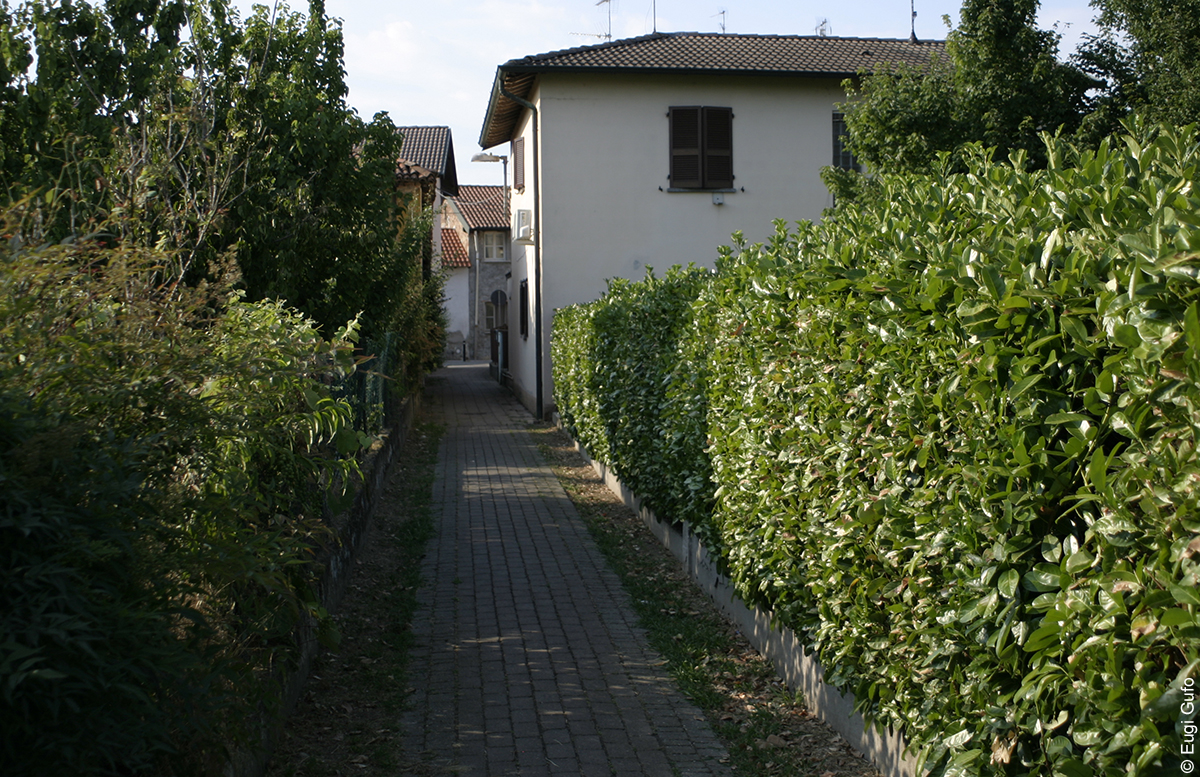
Within the centre I also encountered several narrow streets designated exclusively for pedestrians — a modern traffic solution more typical of cities than villages.
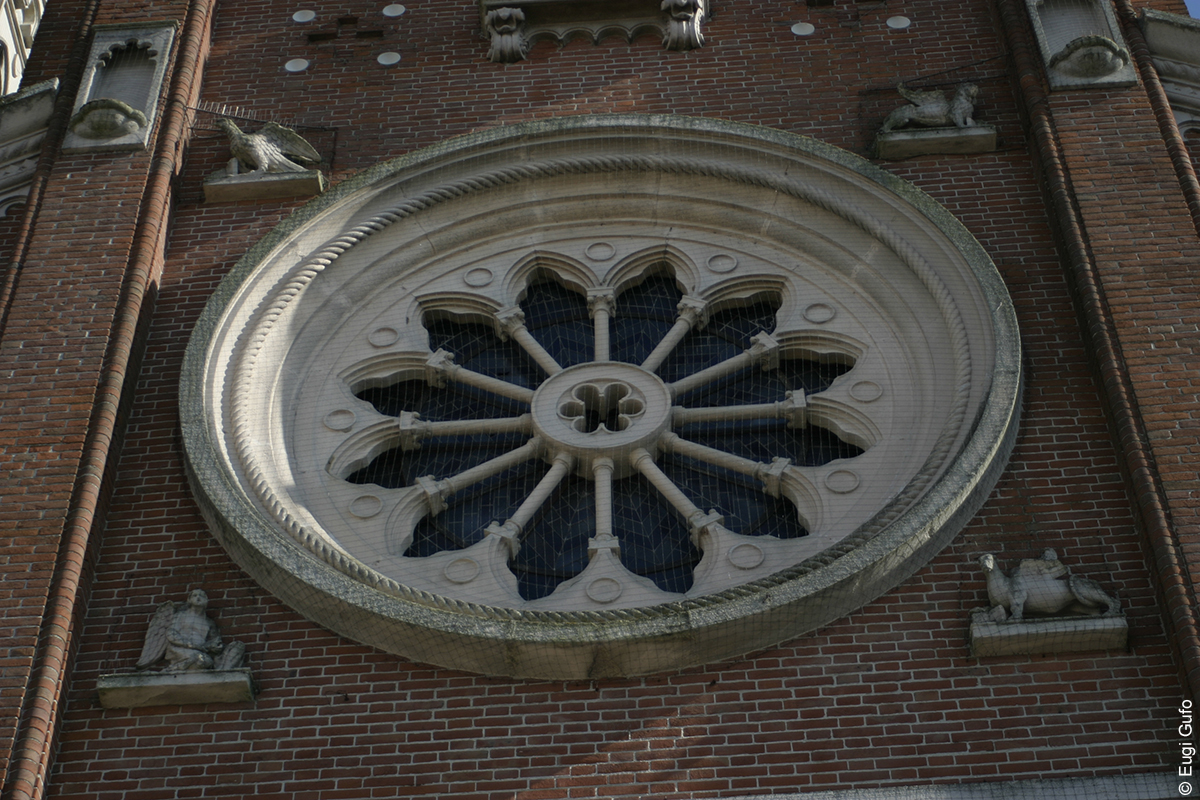
Naturally, no village centre would be complete without a church. Indeed, Secugnago’s central square is graced by two churches built side by side (at this point, why stop at two?). Of the smaller one to the left I discovered nothing — not even its name. The larger brick church is dedicated to Saint Gaudenzio and was constructed between 1927 and 1928 on the site of a predecessor demolished in 1926.
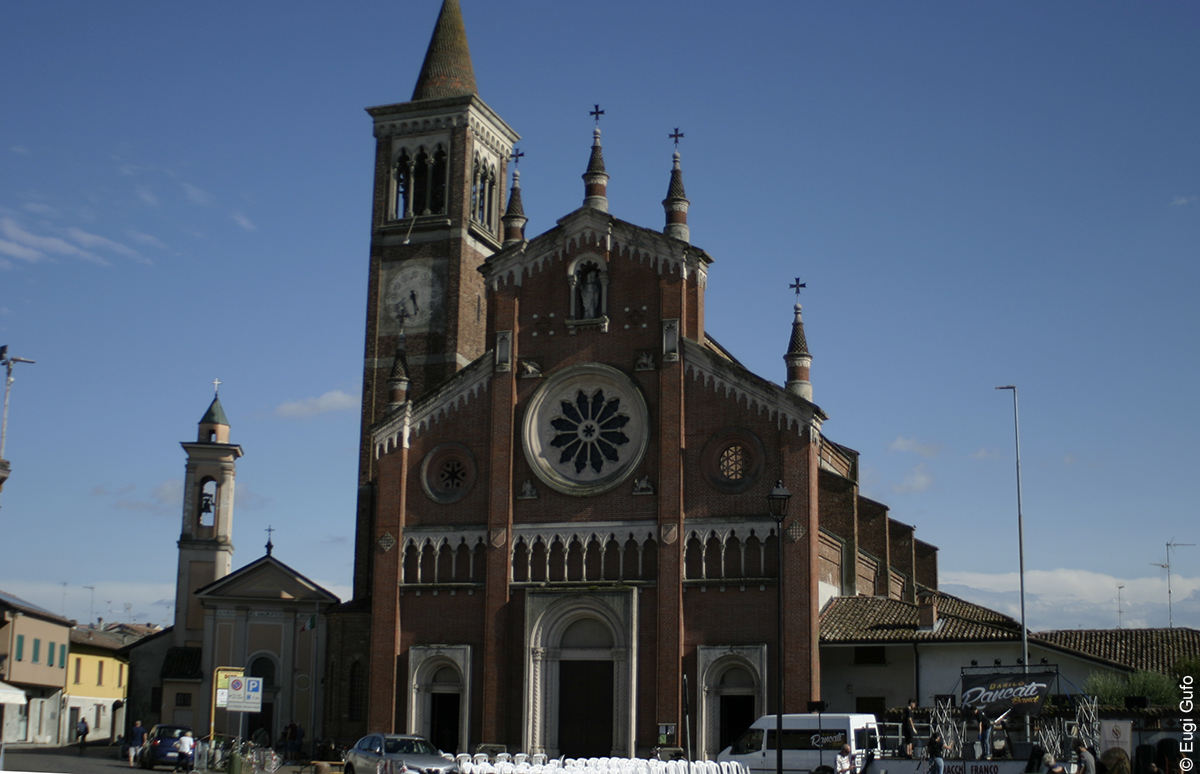
The interior of the Church of San Gaudenzio struck me as considerably more interesting than its exterior. Unfortunately, Mass was in progress at the time of my visit, and I preferred not to disturb proceedings with photography. Instead, I present a few façade details.
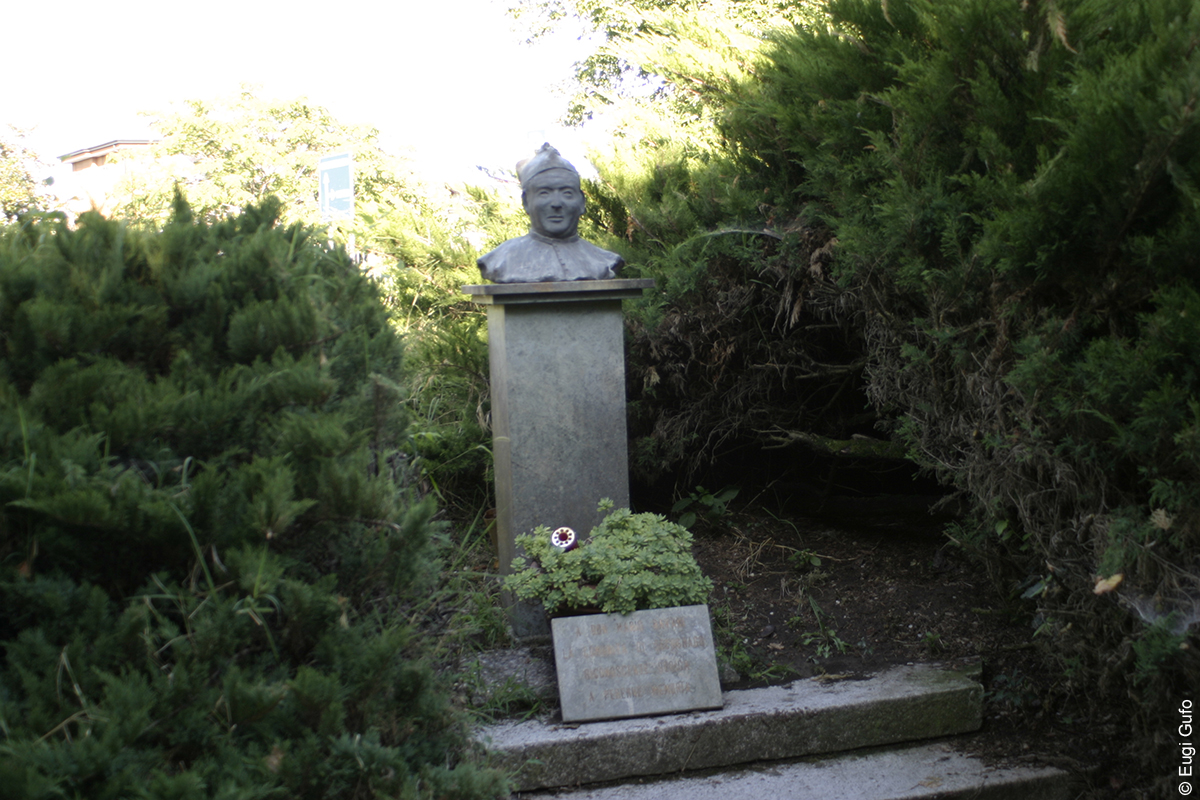
Curiously, I did not notice many other religious structures or symbols in Secugnago. The bust of an unidentified parish priest placed in a park should not count as a religious symbol, should it?
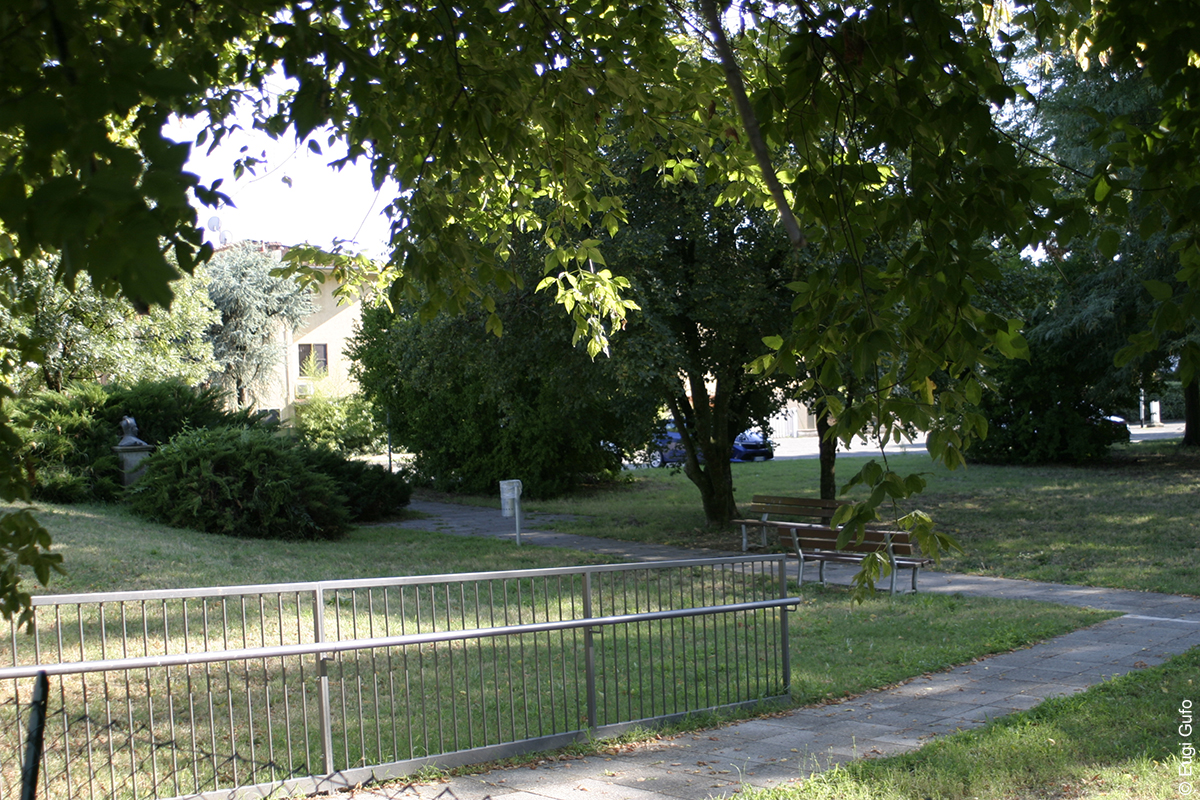
The aforementioned park is small and not particularly interesting. Its principal merit, in summer, is abundant shade.
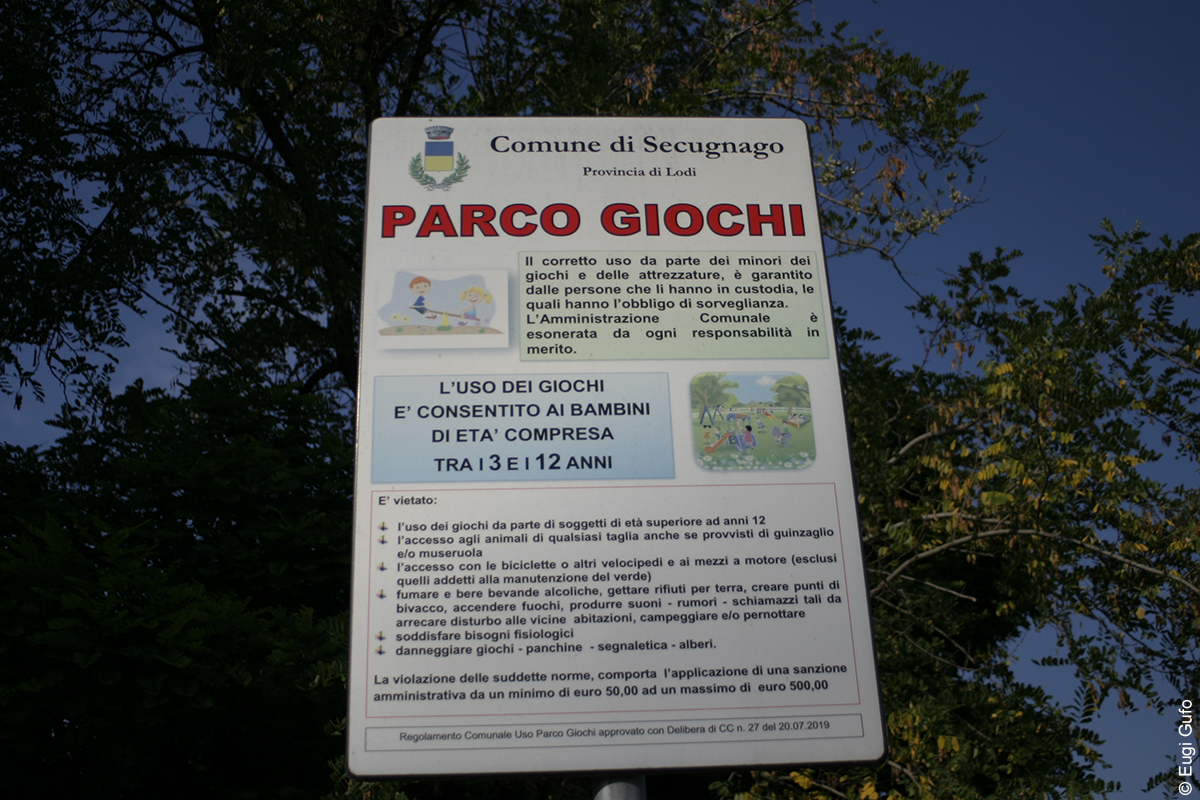
There is also a dedicated playground for children: somewhat minimalist, but functional.
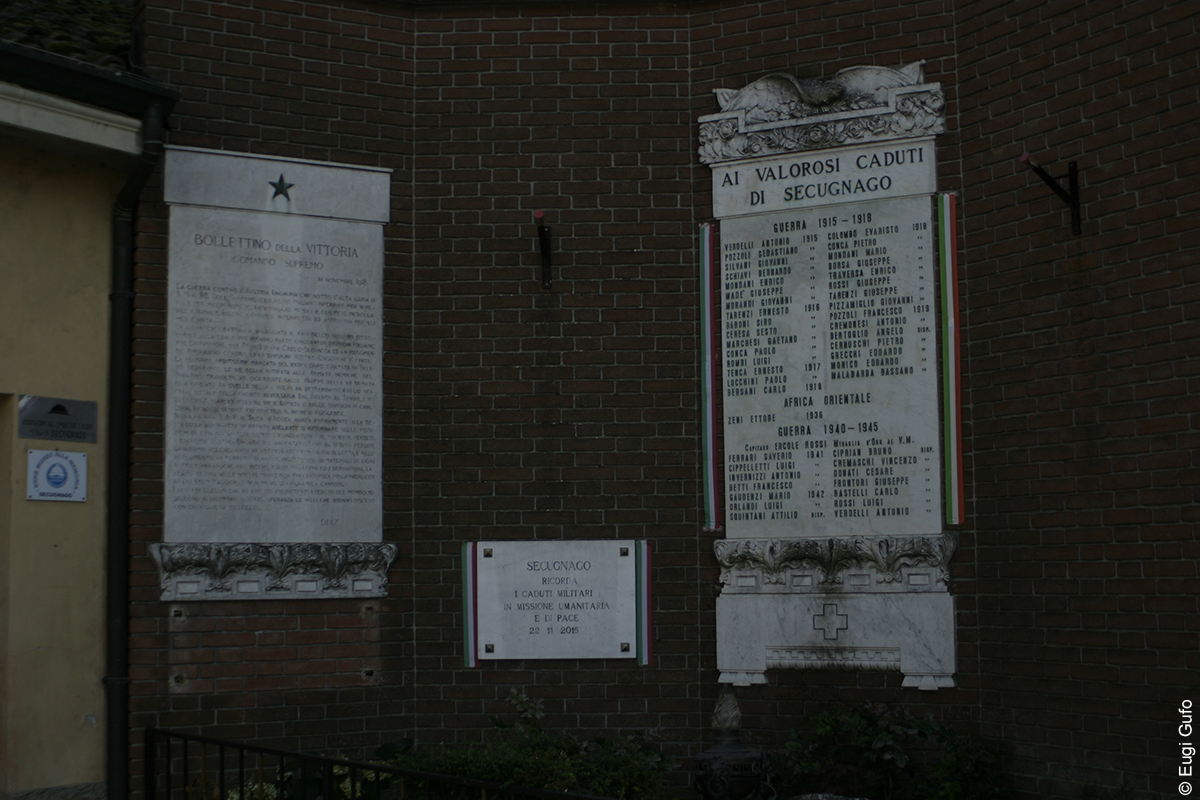
As for other monuments, I found only a sort of permanent memorial termed a «zona di rispetto.» Located in the angle formed by the two churches, it is dedicated to soldiers fallen in the two World Wars and to killed partisans. Its most conspicuous anomaly is the complete absence of sculptural works of any size.
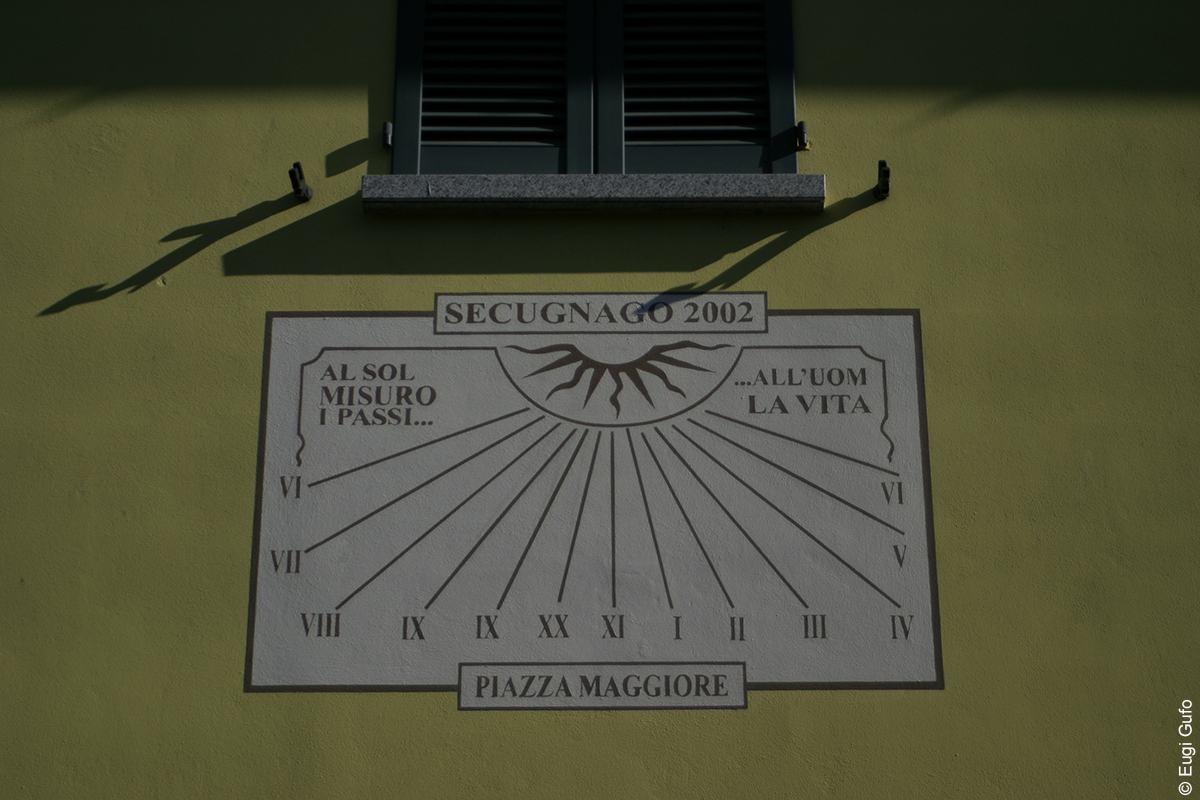
I am uncertain whether this non-functioning sundial qualifies as a monument. Did its creators not know which component to add? Did they forget? Or has someone managed to break it? I am unsure which possibility is most troubling.
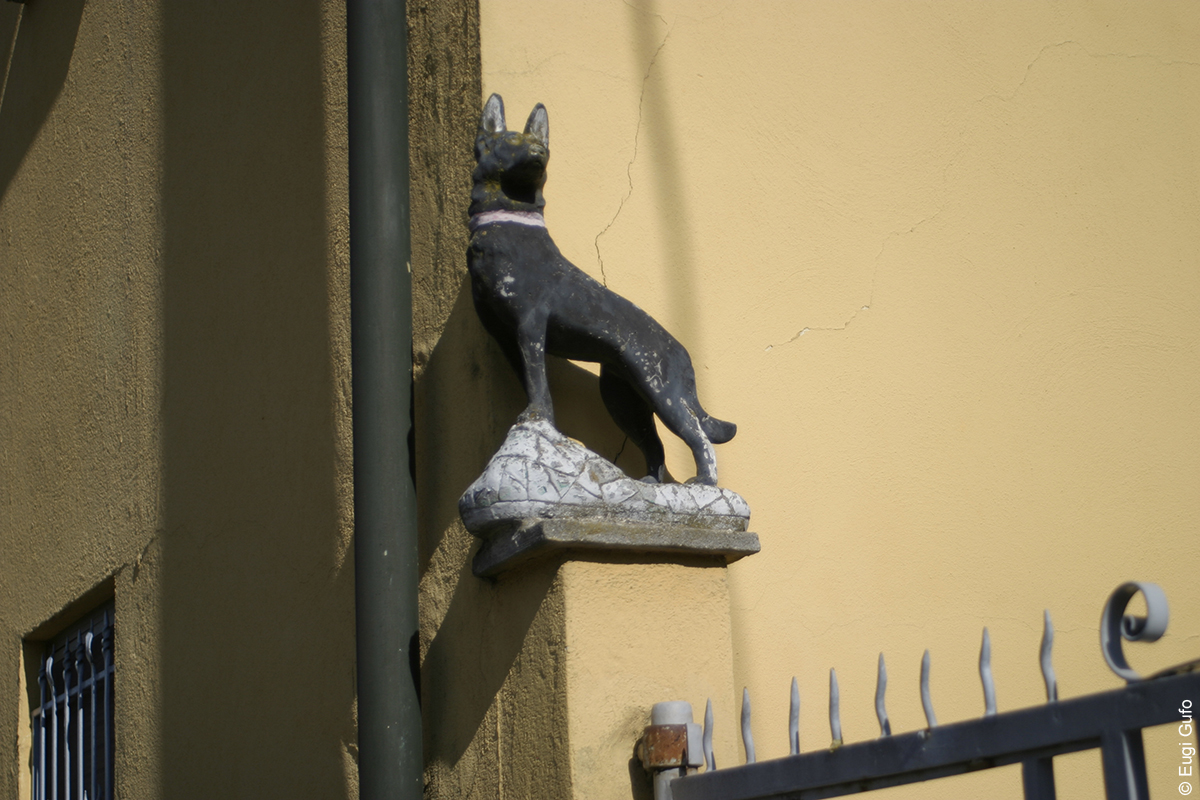
Undoubtedly a private monument, however, is this dog replacing the traditional and rather tedious gate lion (a second stands on the opposite column).
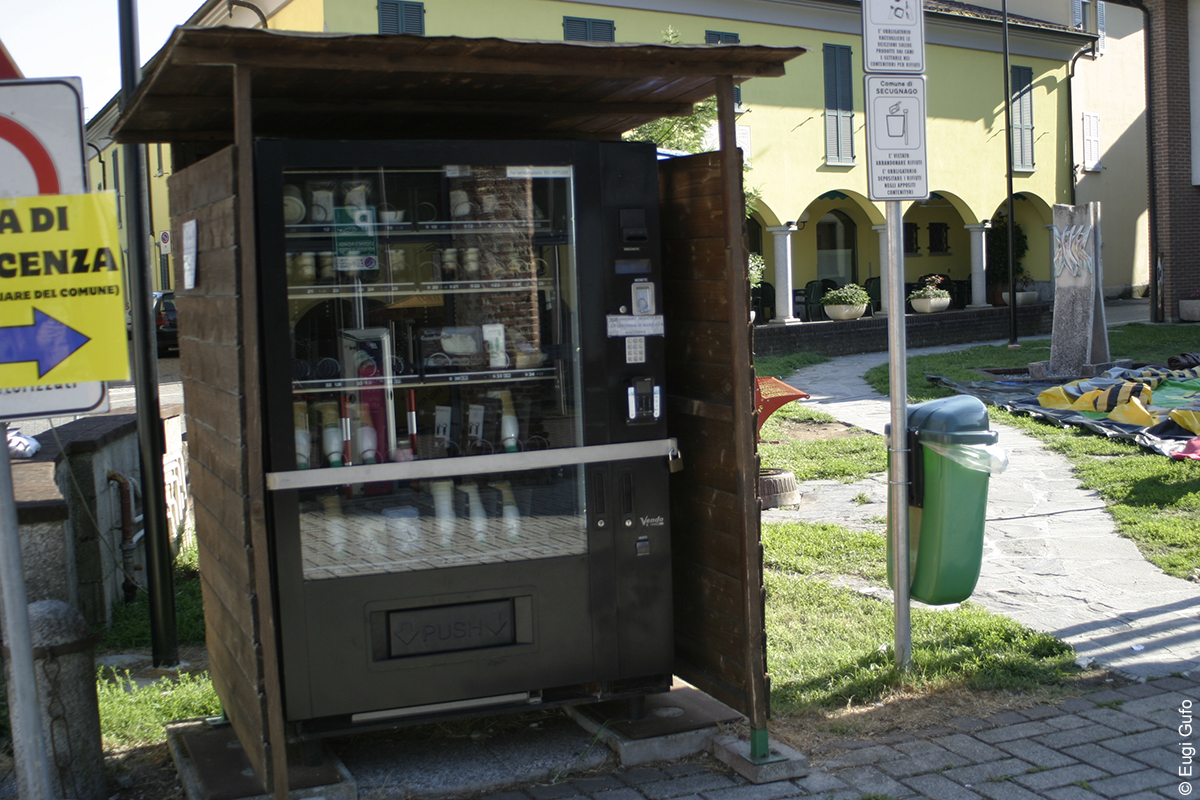
Another curiosity is a vending machine that sells neither beverages nor snacks (as is customary), nor local milk (as I have seen in certain Italian towns, for instance Manerbio), but cheeses, butter and fruit juices. The concept is intriguing; I cannot assess its popularity.
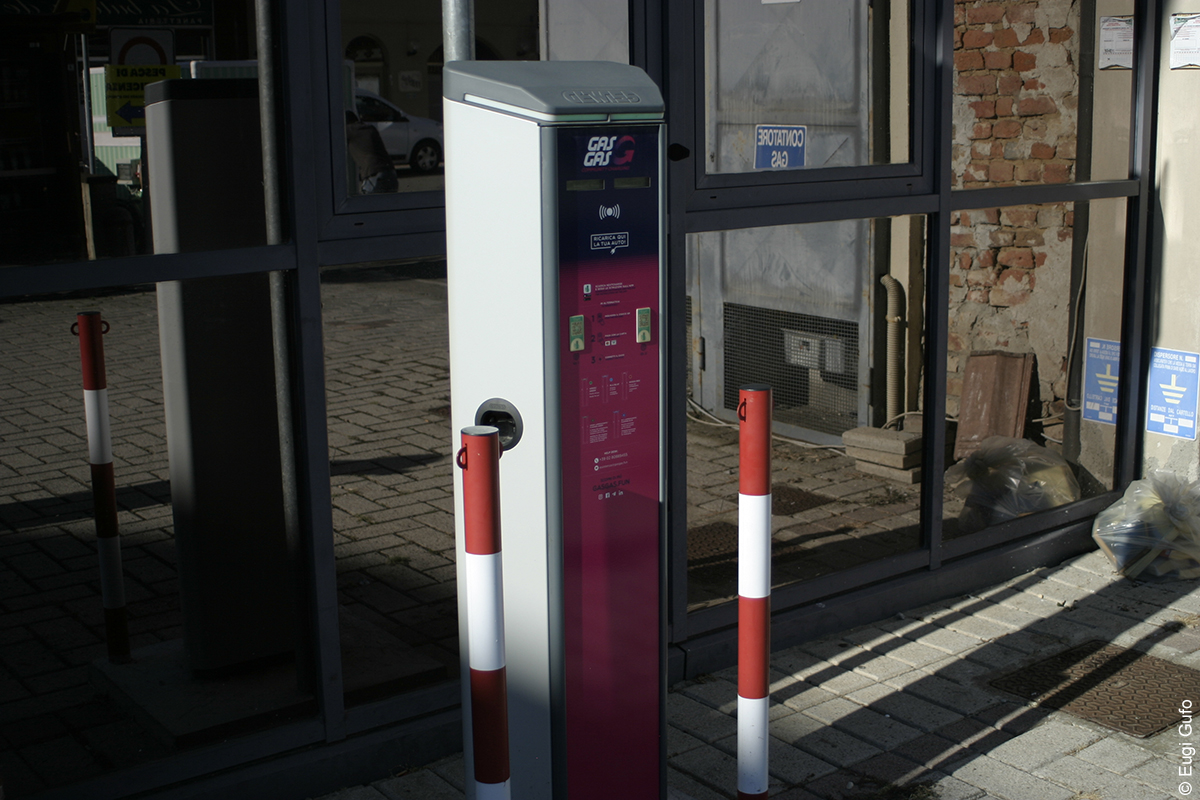
Practically opposite stands an electric vehicle charging column: only the second such installation I have observed in a small provincial village (the first was in Nosadello a few months earlier).
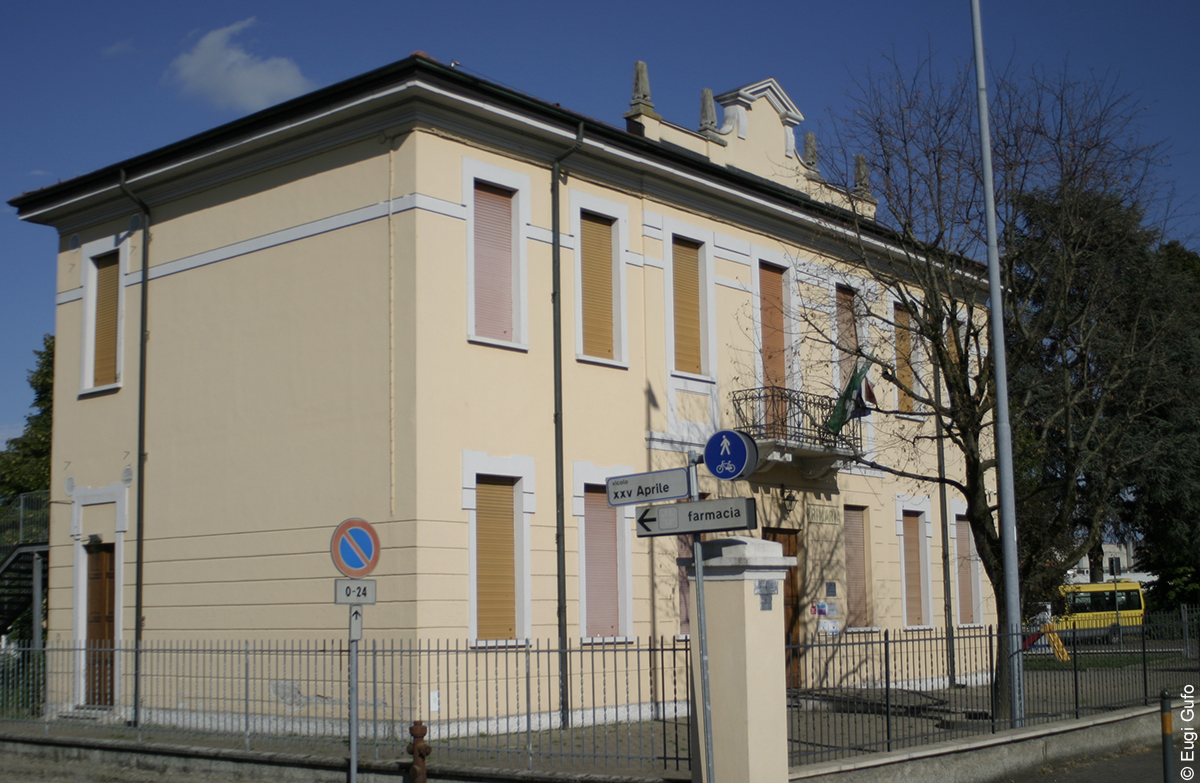
Among other useful facilities are the local primary school…
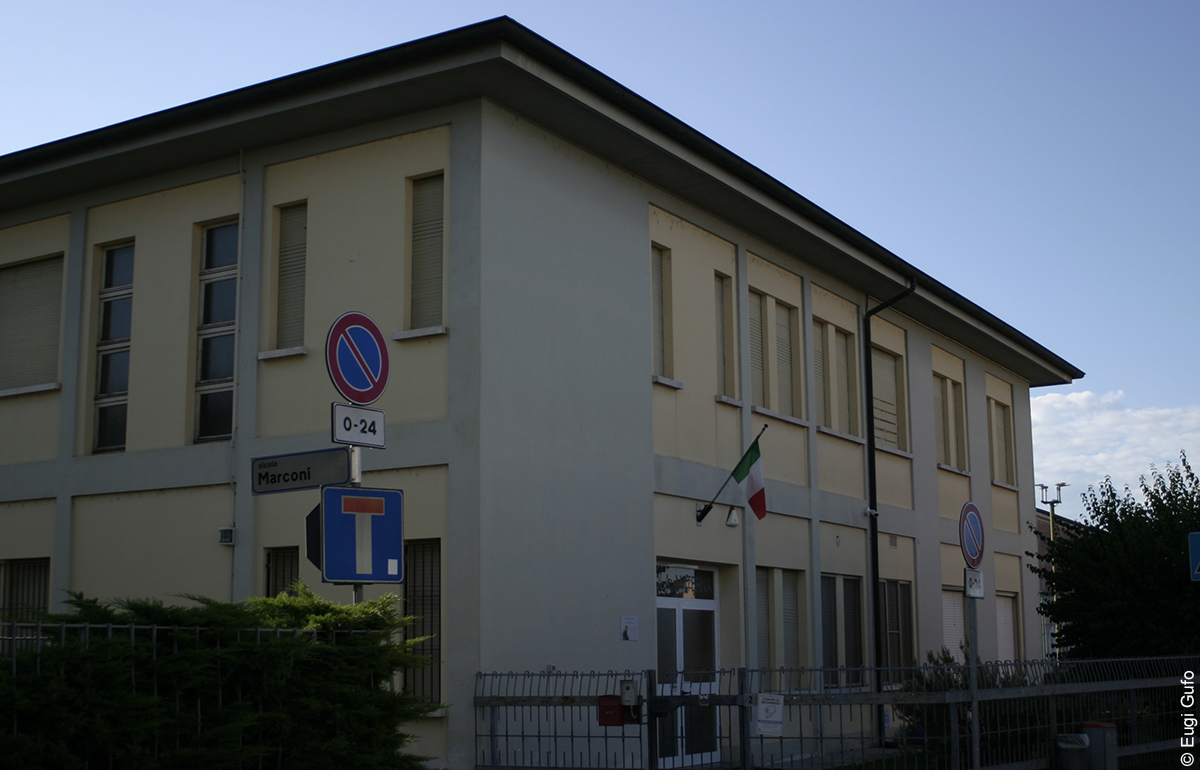
… and the nursery school, which happens to be private.
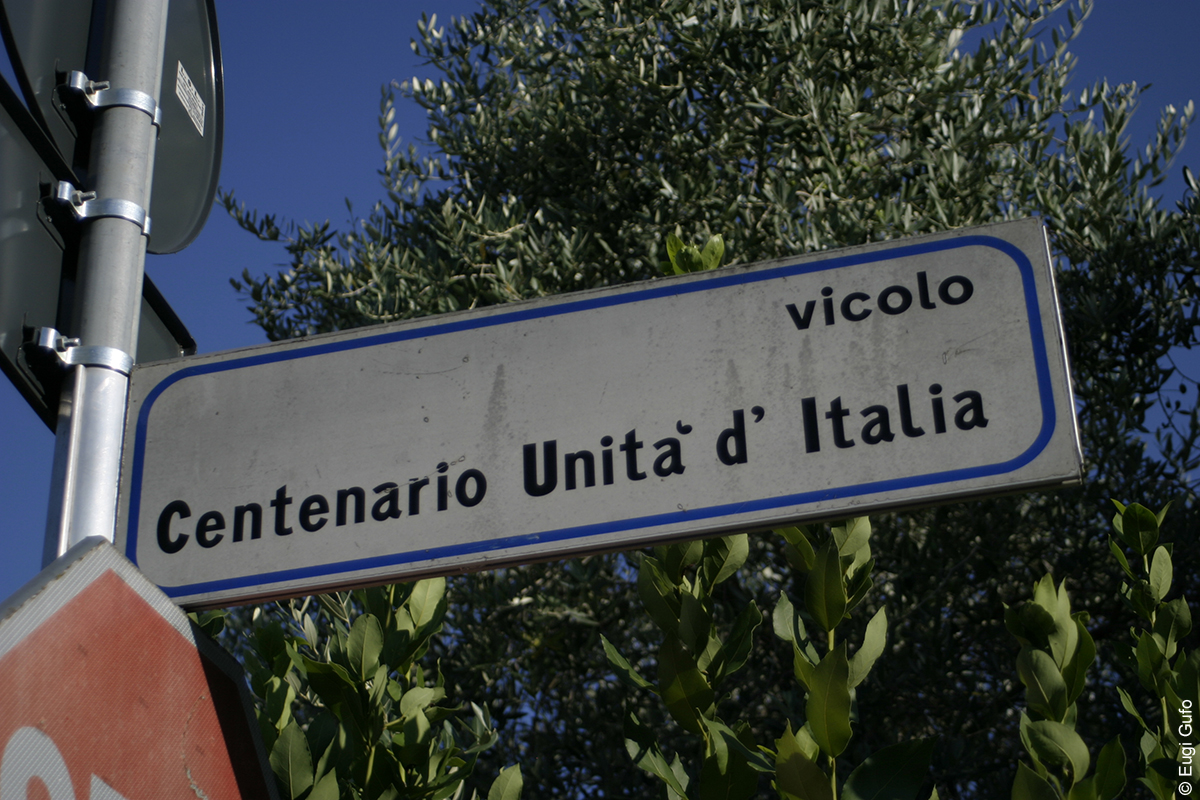
In studying local organisation, one notes that several streets in Secugnago bear names not of illustrious persons or famous places, but of concepts, events and festivals. The idea is original and, in a sense, attractive — yet imagine a resident obliged to type «vehicle Centenario Unità d’Italia» whenever entering their address, mindful of time, character limits and the presence of two special characters.
A separate sign indicates the mysterious Via Francigena: a pilgrimage route stretching from northern France to Rome, officially traversable on foot. I have heard it mentioned and encountered occasional signage, yet have never fully understood its exact course — unless it coincides for long stretches with ordinary motor roads.
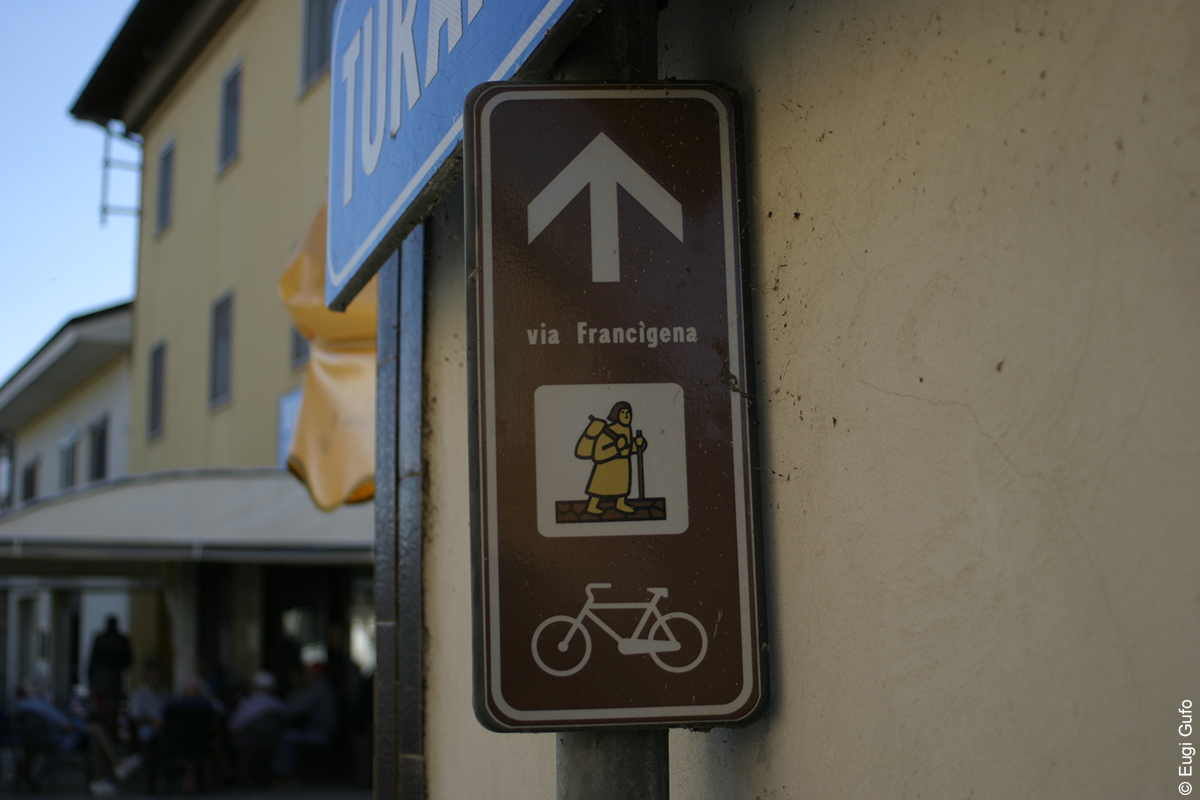
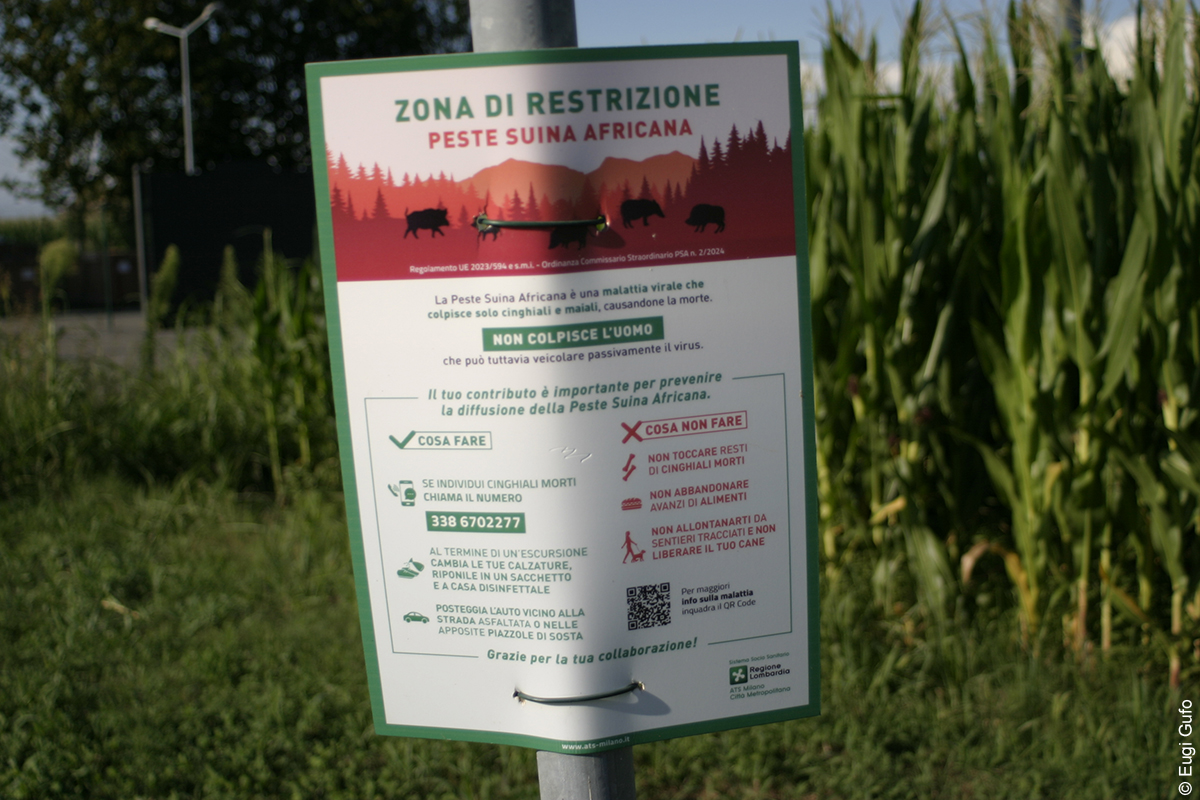
Those genuinely interested in such routes will surely find the necessary information themselves (I restrict my enthusiasm to mountain paths). Meanwhile, in Secugnago I encountered a sign of broader contemporary relevance: information regarding the spread of African swine fever in the area. No, it does not affect humans. No, I did not see deceased wild boar. Perhaps — had humanity not experienced 2020 — we would all have panicked.
And thus we have seen everything worth seeing in Secugnago. We may now return home in tranquillity and begin planning journeys of rather greater excitement.
Secugnago, 2 August 2025
↓ Show comments ↓


