


 Long live Ukraine! Fuck the war!
 RSS of site articles
For some strange — and, above all, unknown — reason, I had never thought of Reggio Emilia as a beautiful city. Logically, I revised that opinion during (indeed, already in the course of) my first visit, which took place on 27 December 2023. Certainly, I could — and perhaps should — have gone a few years earlier. But better late than never. I have now enriched my catalogue of Italian beauties worth seeing, and I am prepared to attempt to persuade you to consider this city as well.
Geographically speaking, Reggio Emilia (whose official name is Reggio nell’Emilia) is not particularly large — just over 170,000 inhabitants — and thus its historic centre (the most interesting part of any city) is relatively compact. It can be studied with great attention in the course of a single day, moving exclusively on foot. Judging from my various Google explorations, the most appreciated and well-known part of the centre among tourists is, deservedly, Piazza Camillo Prampolini. To avoid confusion, locals also call it «Piazza Grande» (which, relative to the size of the historic centre, it certainly is not small) and «Piazza Duomo» (since it hosts the cathedral, the bishop’s palace, the Town Hall, and other significant historic buildings). Until 1945, it bore the name of Vittorio Emanuele II; it was later officially dedicated to the local socialist politician Camillo Prampolini.
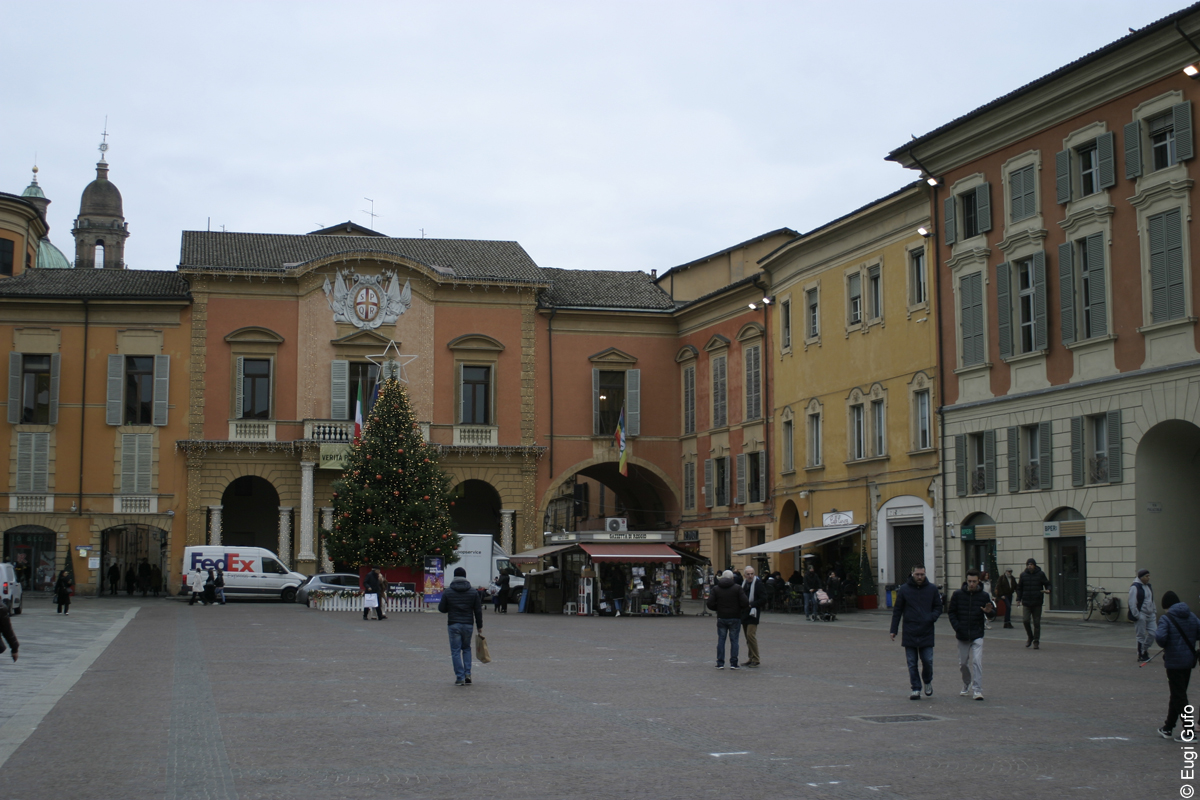
The Cathedral of Reggio Emilia, dedicated to Santa Maria Assunta, struck me as anomalous for several reasons: from the outside it does not appear particularly large; it is almost perfectly aligned with the other buildings forming the side of the square; and its façade, with its varied architectural elements, openly reveals — even to non-experts — that it has been modified several times throughout history.
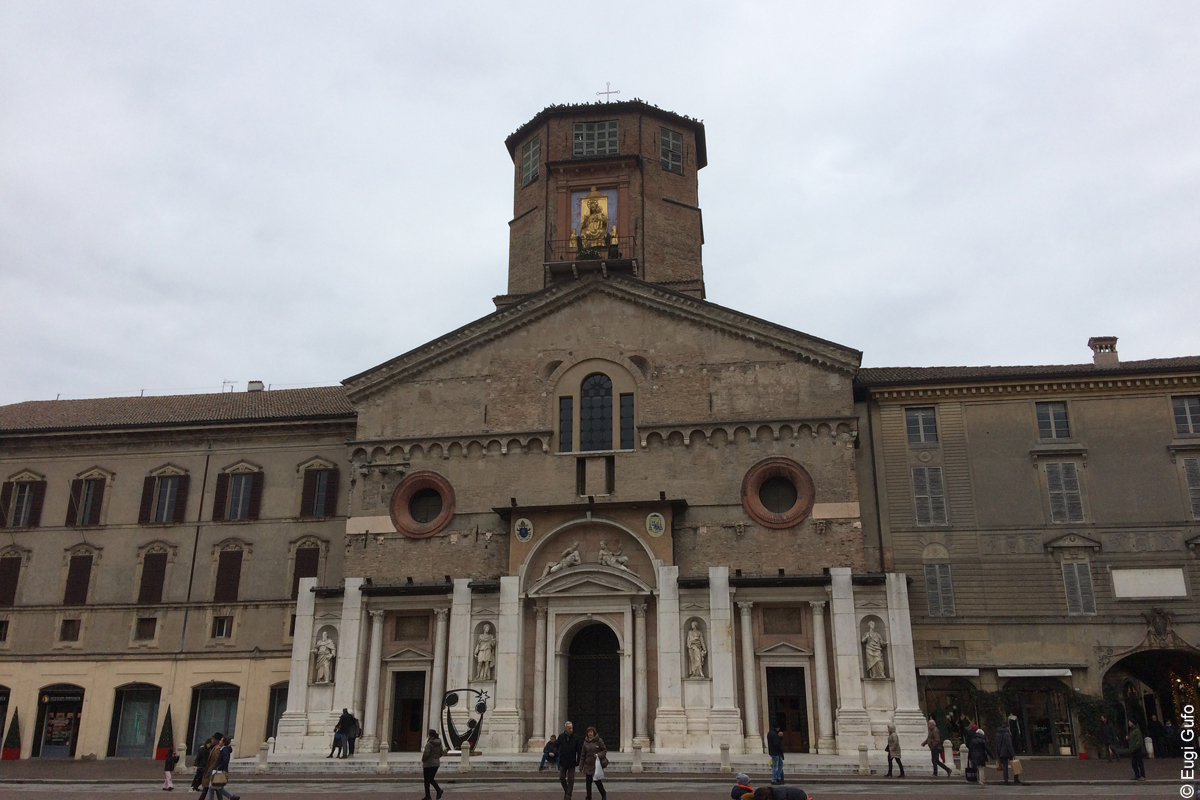
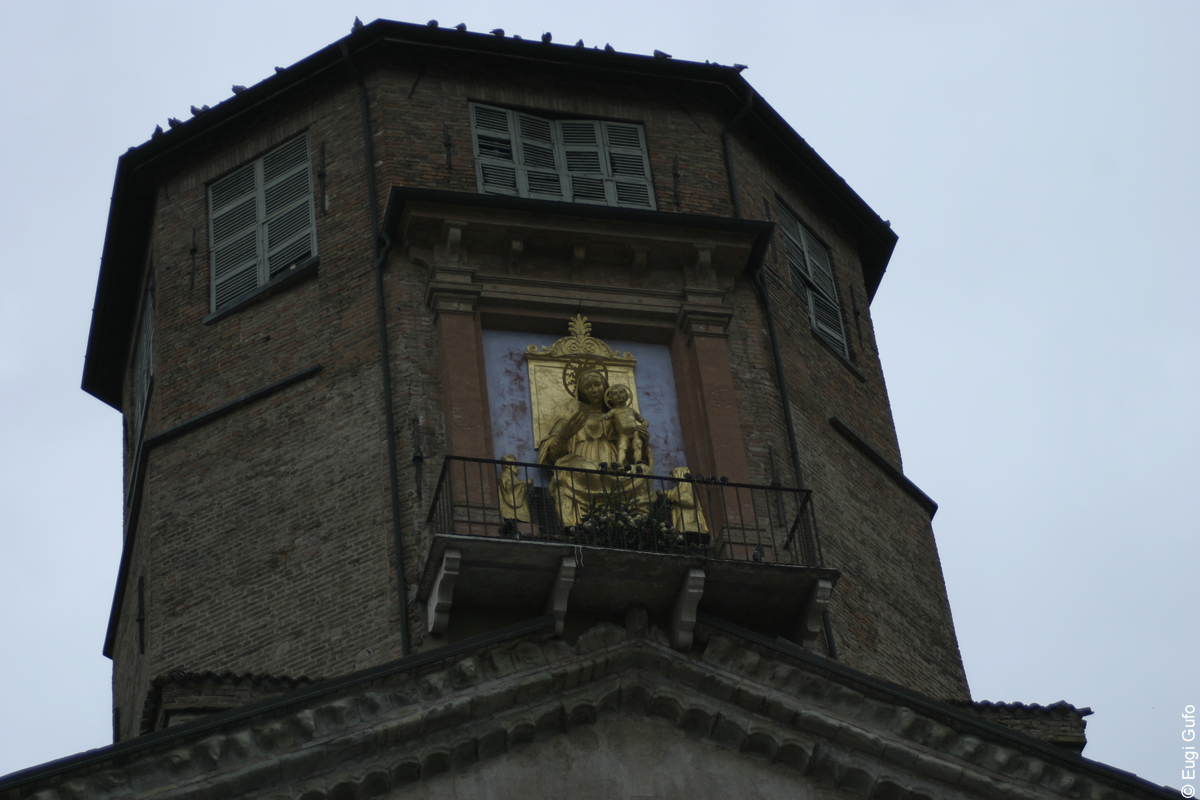
A sixteenth-century gilded bronze statue of the Madonna with Child, flanked by the donors of the work, stands on a balcony above the façade.
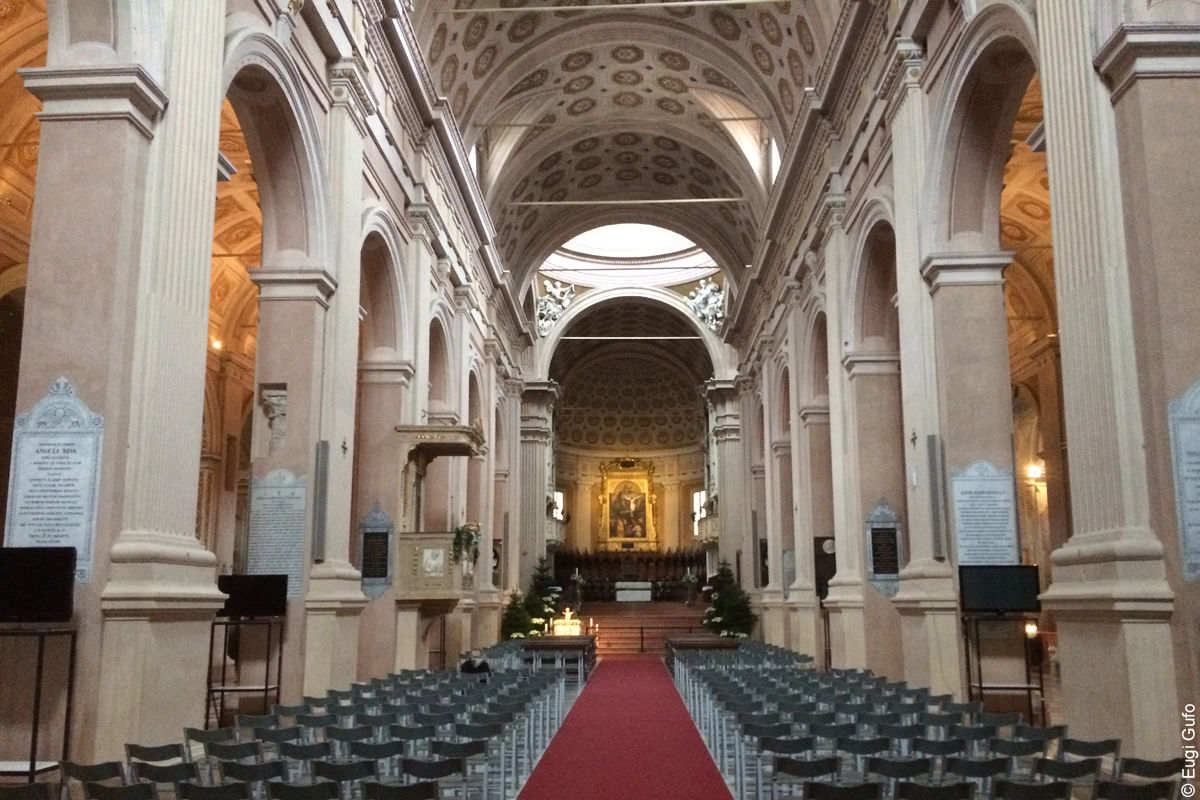
Construction of the cathedral began in the thirteenth century, whereas the interior — stylistically more uniform than the façade — dates from the first quarter of the seventeenth century. Both the cathedral and the Baptistery to its left are well worth seeing inside and out.
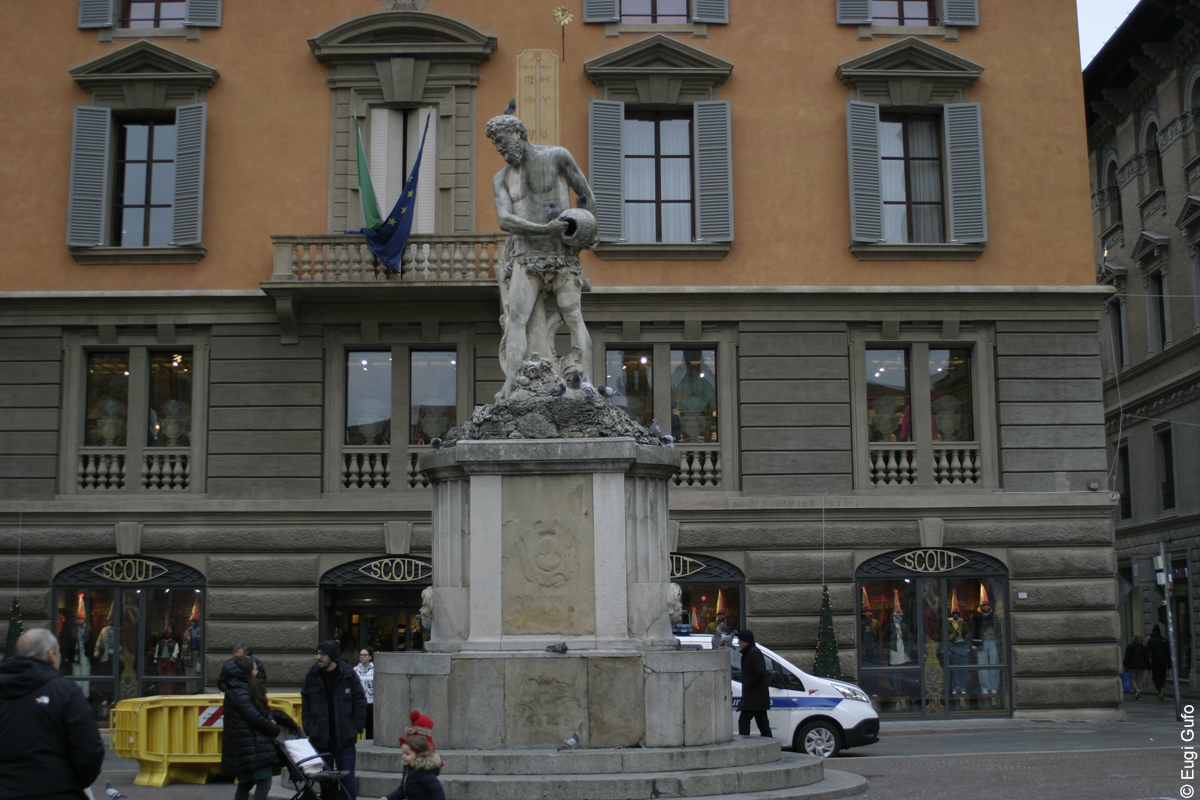
Among the other notable curiosities in Piazza Duomo, I would recommend not overlooking the elegant fountain-statue of Crostolo (a stream flowing entirely within the province and into the River Po). Access to the functional part of the fountain is disguised in what can only be described as an artistic manner.
To the right of the cathedral stands a handsome arch, under which one must absolutely pass…
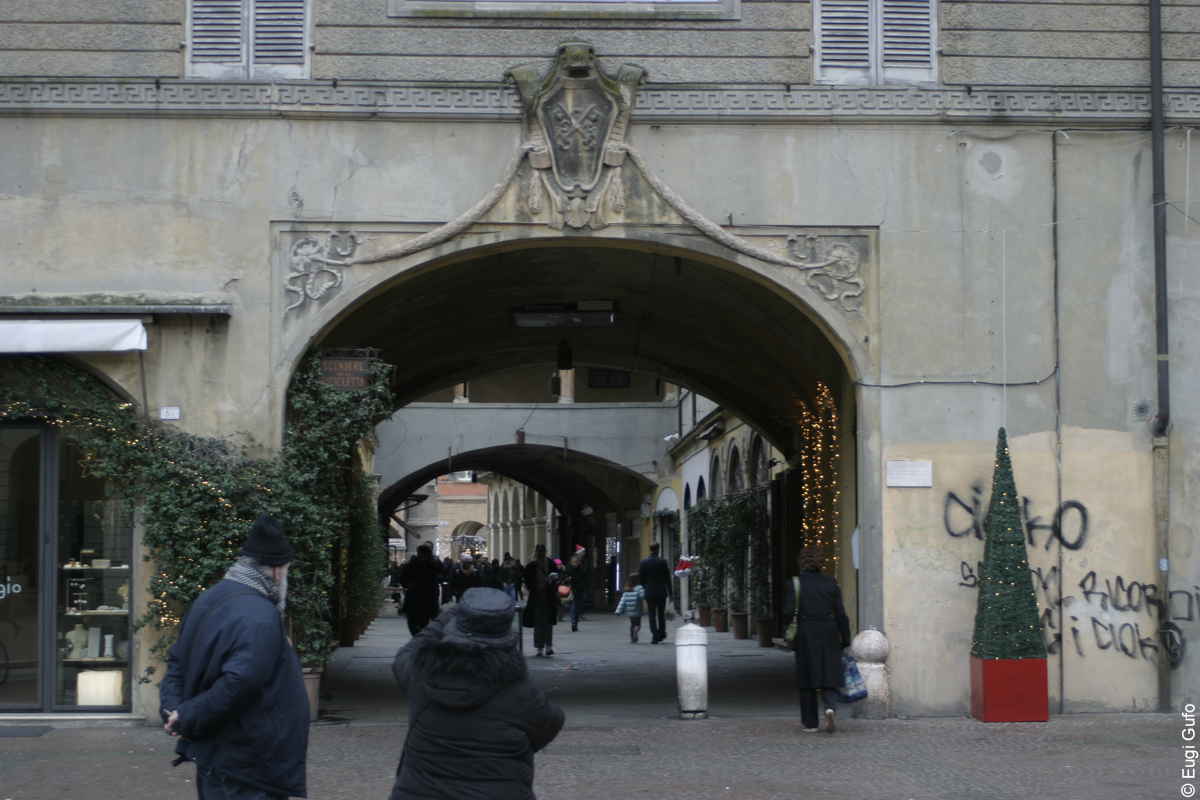
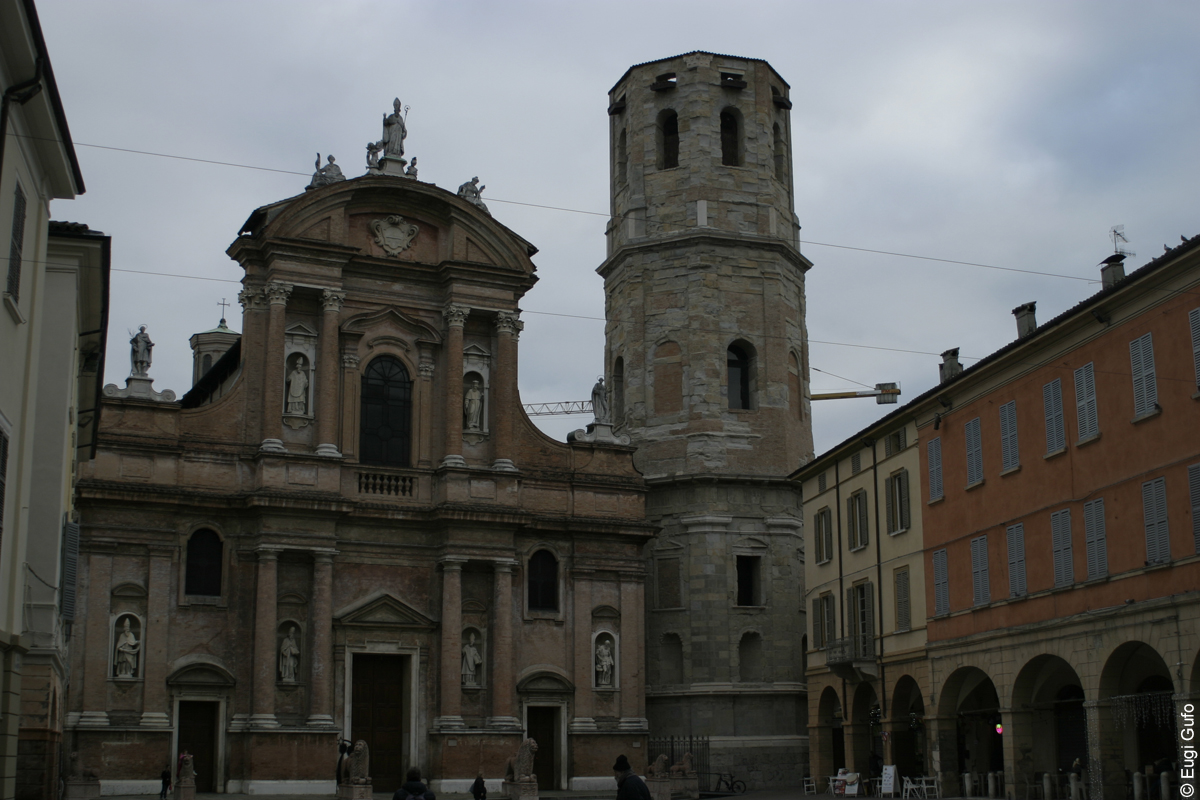
… in order to arrive at Piazza San Prospero, also known as Piazza Piccola. The popular name is an obvious contrast to Piazza Grande. The official name derives from the Basilica of San Prospero (the city’s patron saint), whose construction began in the sixteenth century and was plagued by technical difficulties. The façade was completed only in the mid-eighteenth century, while the octagonal bell tower was never finished — and remains inaccessible, unlike the rest of the church. The statues on the façade date to the fourteenth century, while the lions before the entrance may, according to one expert I overheard, date back to the eleventh century. In any case, the basilica deserves a thorough visit.
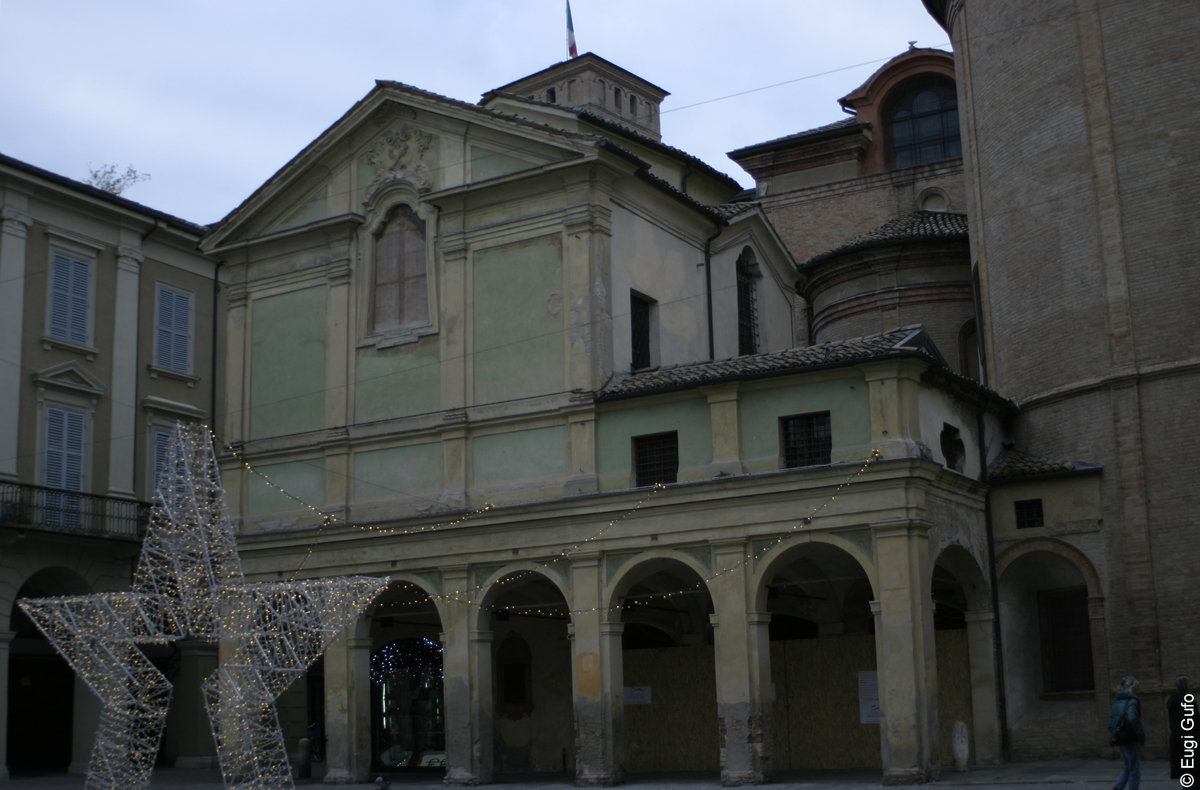
Opposite the basilica we see the rear of the cathedral — again stylistically heterogeneous.
Having explored the two principal squares, we may begin wandering through the surrounding streets in search of attractions not necessarily deemed obligatory by traditional guidebooks — and discover that there are many. One quickly notices that the historic centre of Reggio Emilia is full of arcades: it is possible to walk for hundreds of metres — even kilometres — stepping out from beneath them only to cross the occasional side street.

Arcades, of course, exist in many Italian cities. And, of course, similar unwritten rules of circulation apply beneath them everywhere. But it was precisely in Reggio Emilia that I first encountered signs explicitly reminding pedestrians of those rules.
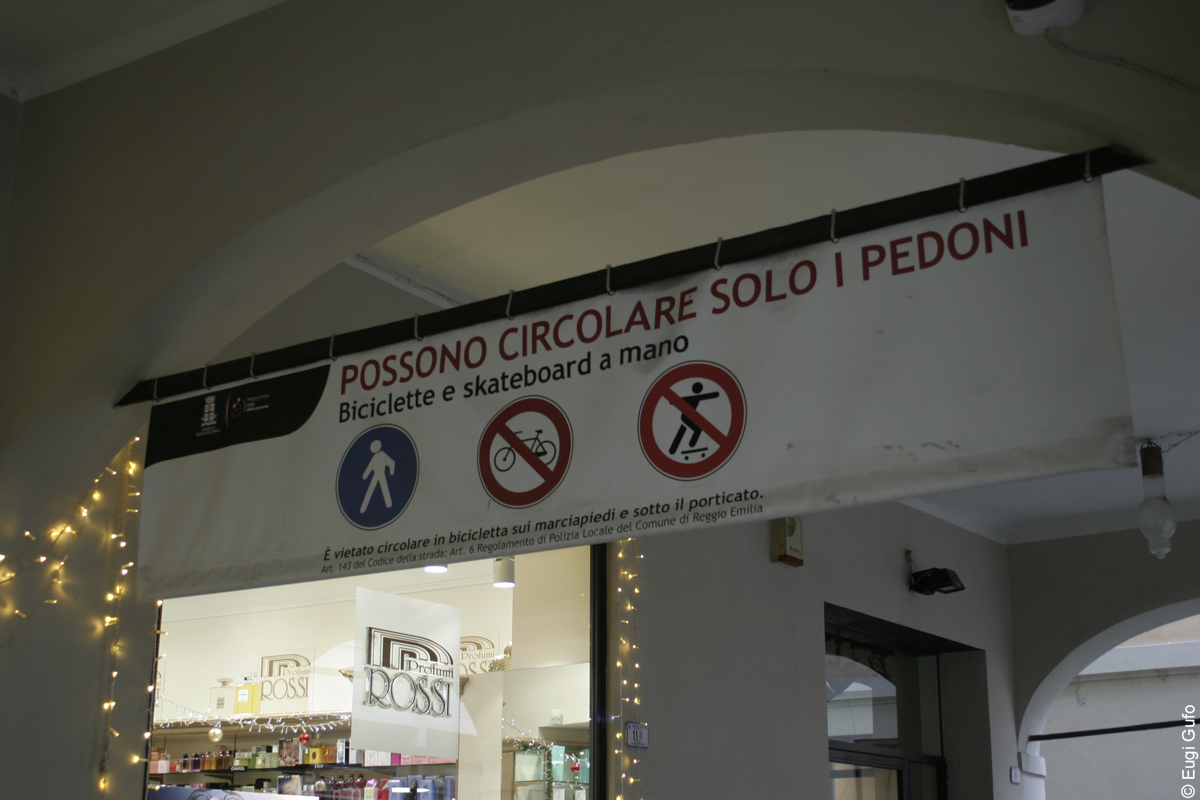
Wandering further, one inevitably encounters additional churches, sometimes unexpectedly interesting. Often they stand just around the corner of an unassuming street — such as the Church of Sant’Agostino (built in 1452, with a fine Baroque façade dating from 1746).

Then there are churches that are beautiful yet somewhat difficult to capture in a single photograph — for example, the Church of San Giorgio (rebuilt by the Jesuits in 1638 and completed in 1743).

Easier to locate than the previous one, but «in compensation» photographable only in fragments.
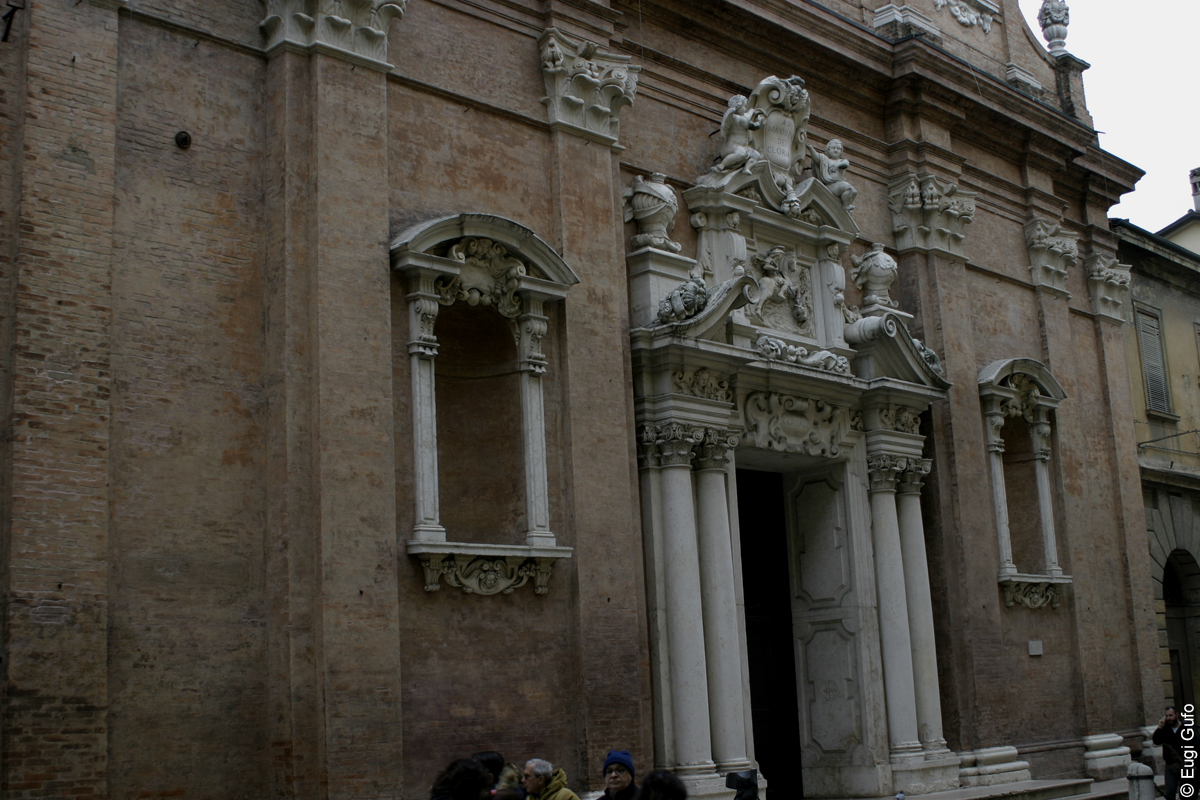
The Oratory of the Santissimo Crocifisso in capo alla Ghira (known simply as «del Cristo») is small and positioned beside a large open space offering countless perspectives: evidently, even centuries ago, architects enjoyed teasing future photographers.
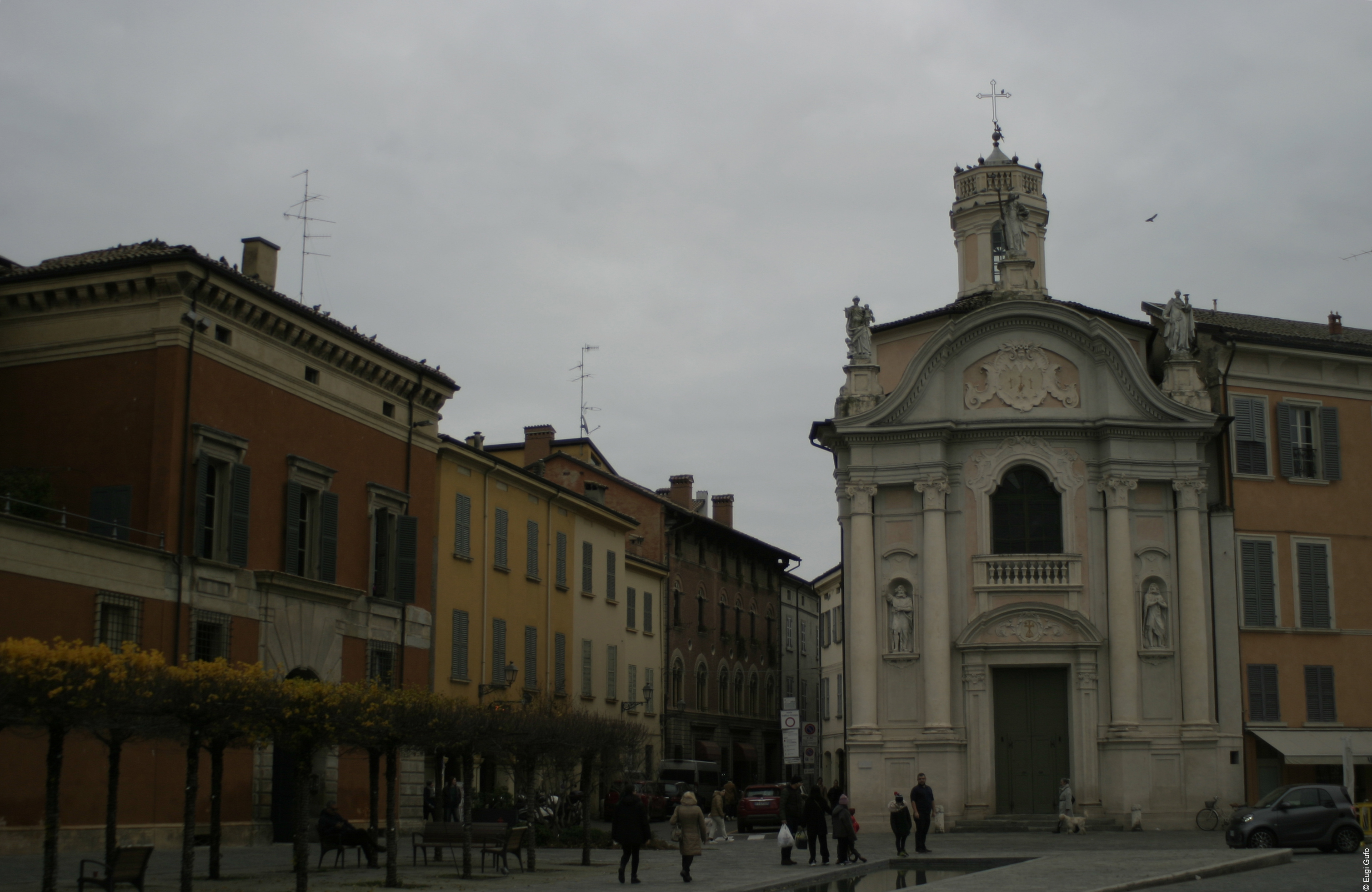
Other churches possess rather dull façades but splendid interiors — such as the Church of San Pietro (late sixteenth century). Do not be deceived by first impressions, ahahaha.

An architectural characteristic that Reggio Emilia shares with other Emilian cities I have visited (admittedly not many: Piacenza, Ravenna, Parma) is the high number of buildings — both civil and religious — with exposed brick façades. I have not conducted a statistical comparison, but I had the impression of seeing more such examples than in Lombardy. I have yet to formulate a convincing explanation.
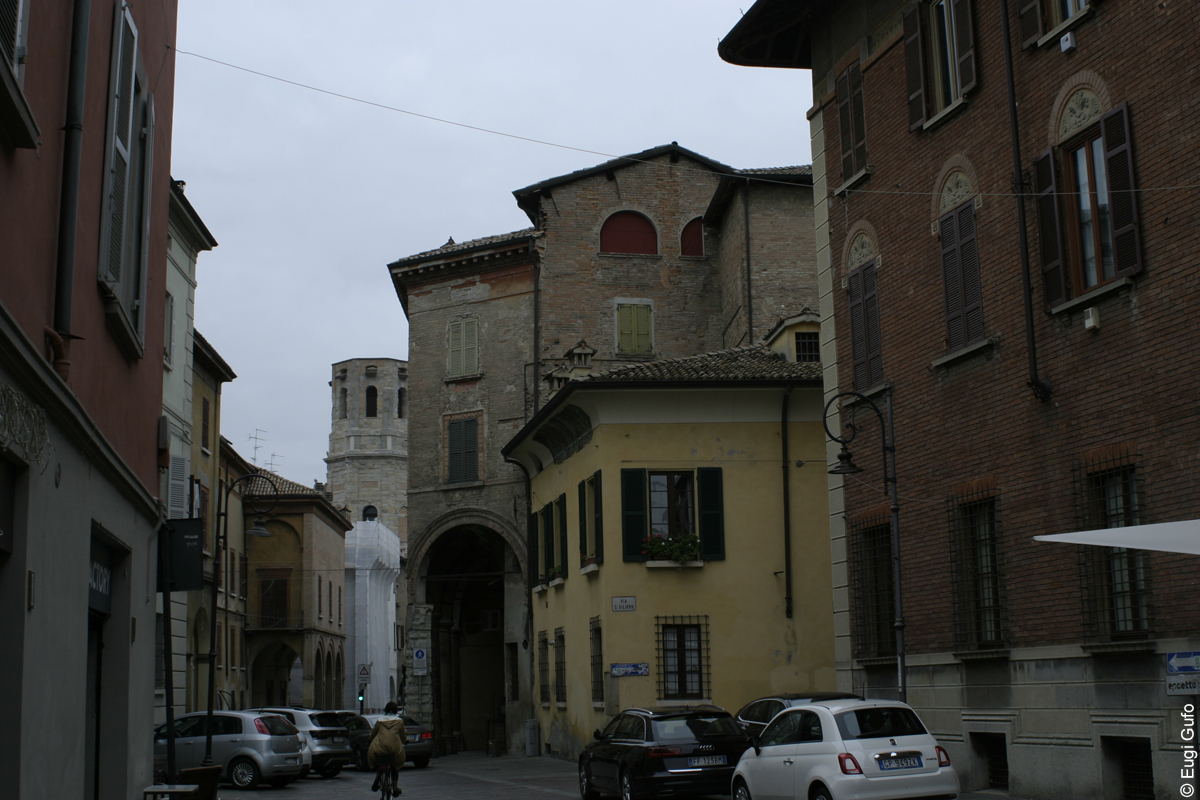
Naturally, Reggio Emilia also offers the more familiar architectural beauty to which we are accustomed.
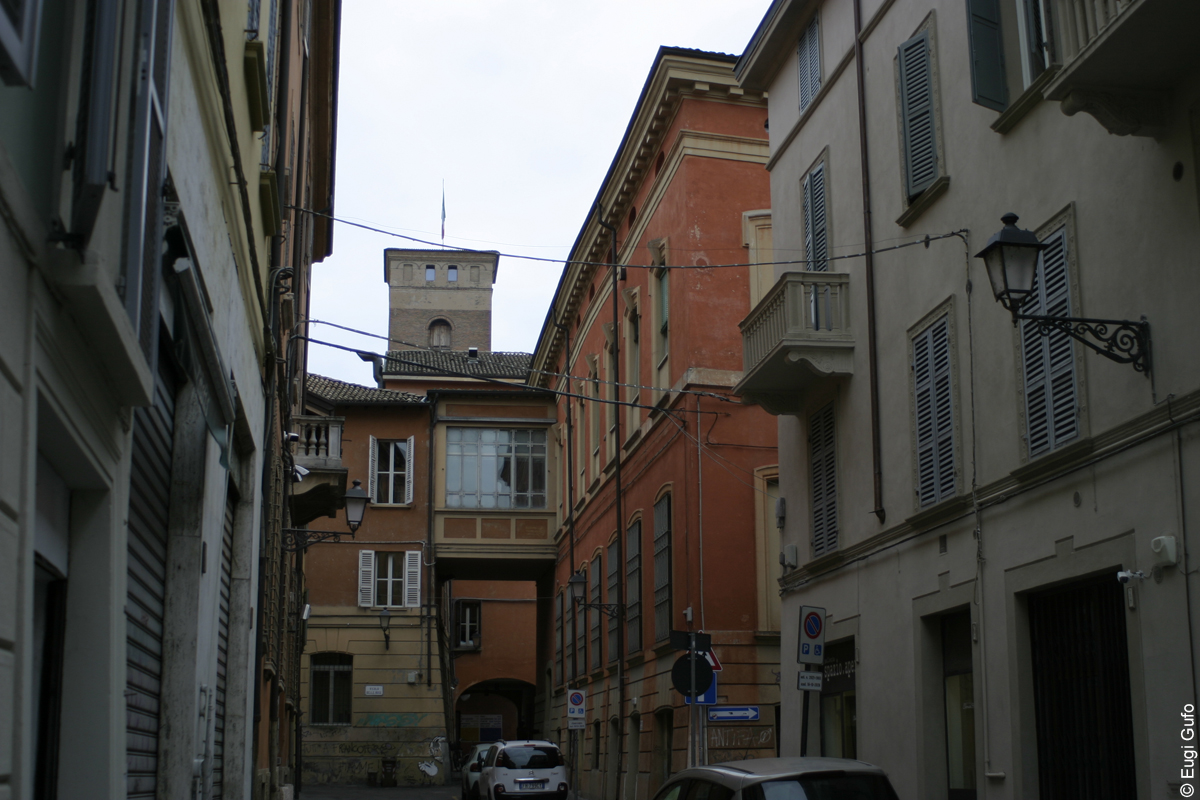
In a few streets I noticed a remarkable variety of shutter colours on neighbouring buildings — particularly charming when seen in person.
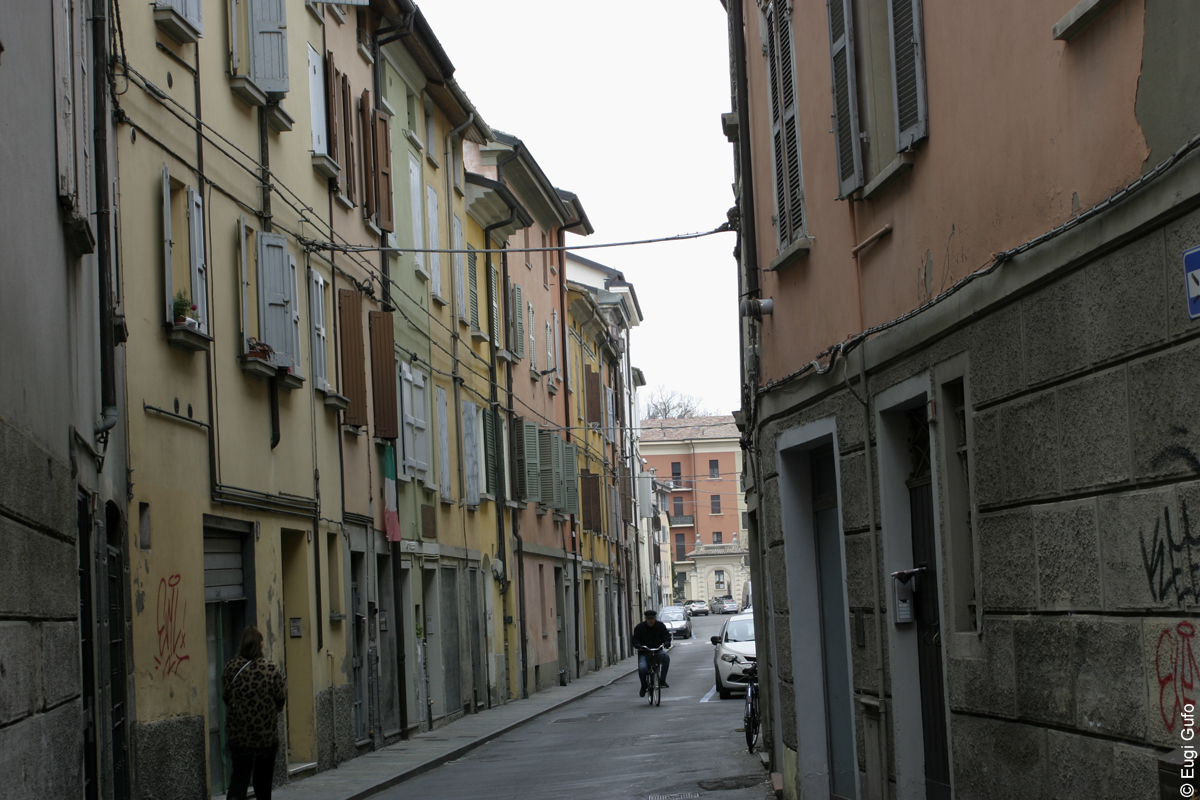
As in every city, some buildings are attractive only in their overall appearance, others only in a single detail.
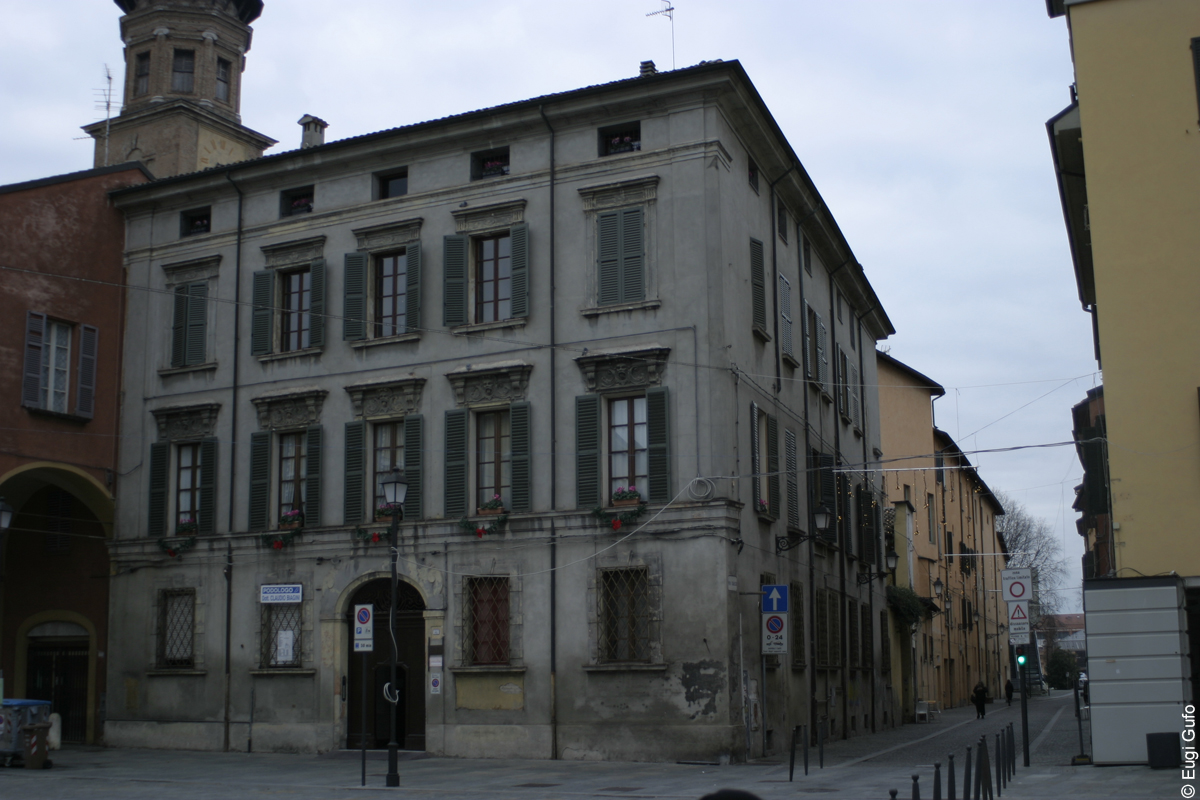
Among the most frequent decorative details on historic façades are high-relief corner sculptures (I hope this is the correct technical term). Some are in precarious condition, yet they endure.
The apparently most «extravagant» building in Reggio Emilia is the seat of the Galleria Parmeggiani, a museum of furniture, paintings, and textiles. Built in 1924 in a Gothic-Renaissance style, it reveals its artificiality from a considerable distance.

Had it been constructed a century later, one might conclude that the architect (or engineer — or both) had watched too many fantasy films and studied too little.
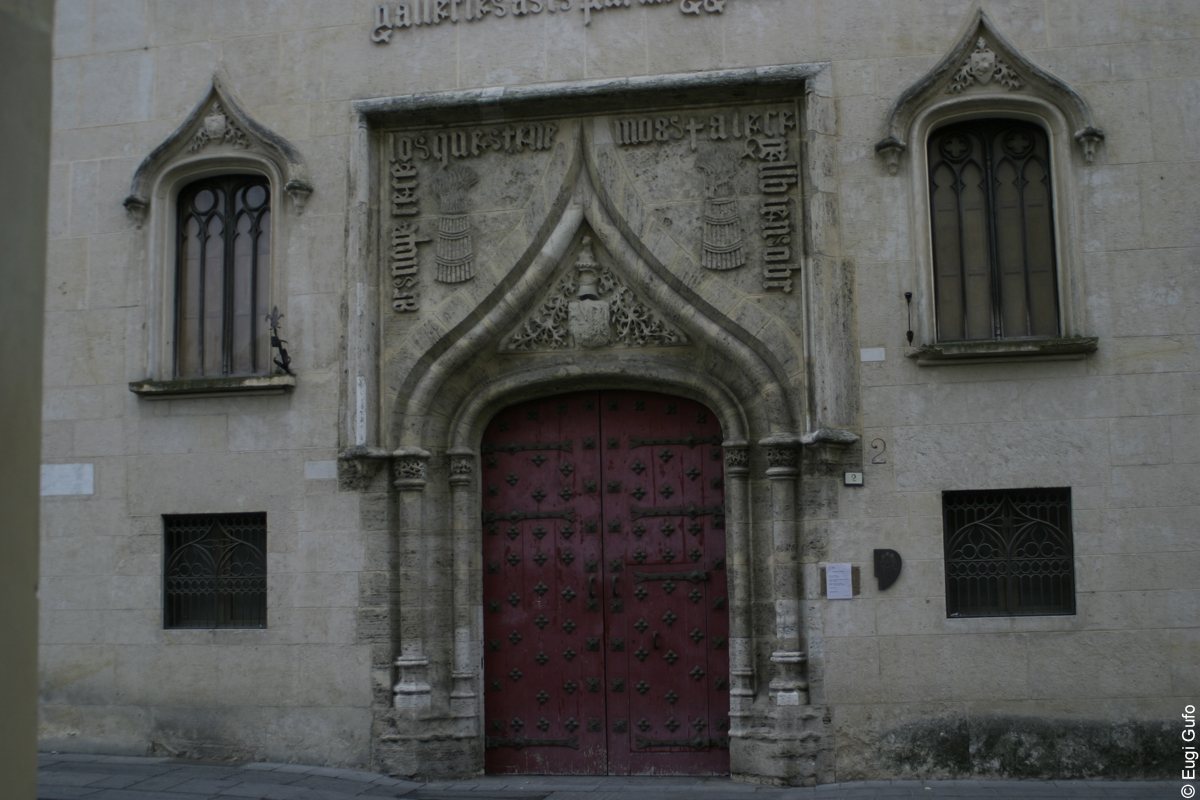
From a cultural perspective, more compelling is the surrounding district informally known as the «piazze dei teatri», where the city’s theatres are concentrated.
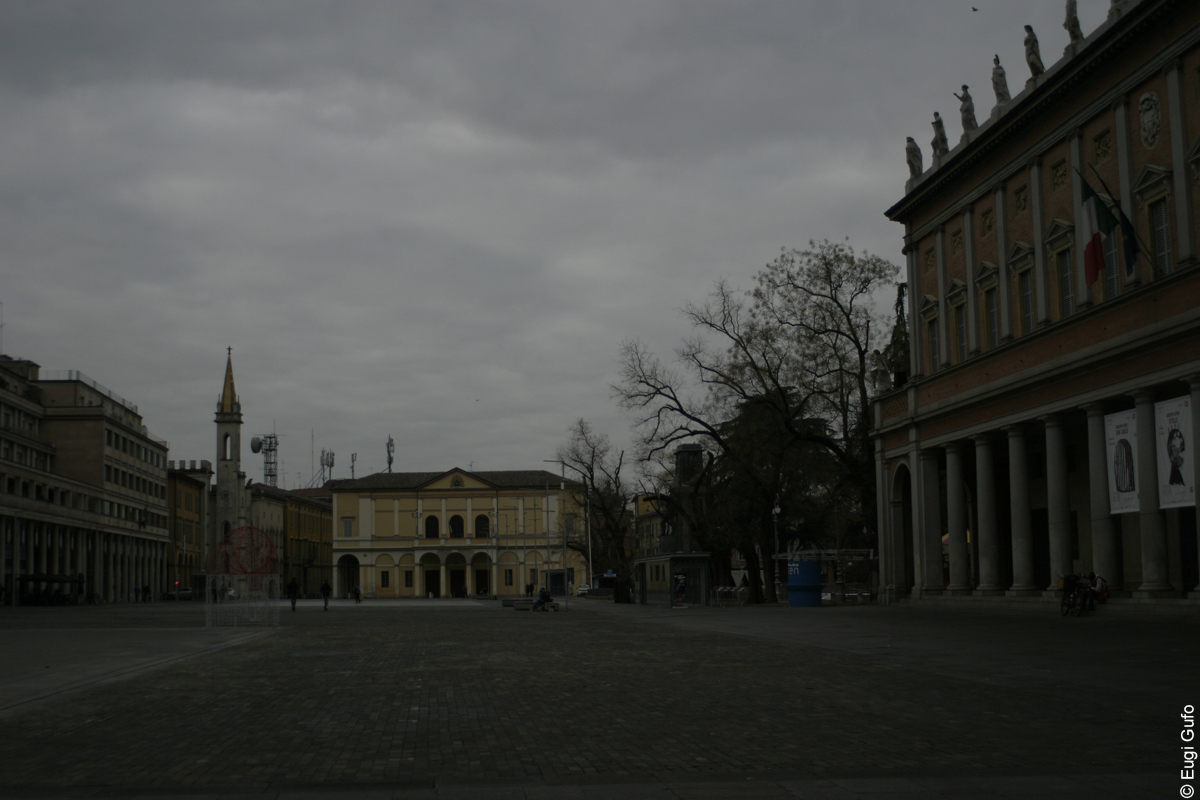
The Teatro Ariosto, built in the second half of the nineteenth century, now hosts primarily dramatic productions (though it also accommodates an orchestra).

The Teatro Municipale «Romolo Valli», constructed in the mid-nineteenth century, is an opera house. I was unable to determine why a lyrical theatre was named after a non-lyrical actor; perhaps the city administration in 1980, the year of his death, chose to honour a famous local citizen based more on the building’s size (the largest theatre in the city) than on its artistic vocation. A remarkably intellectual decision…
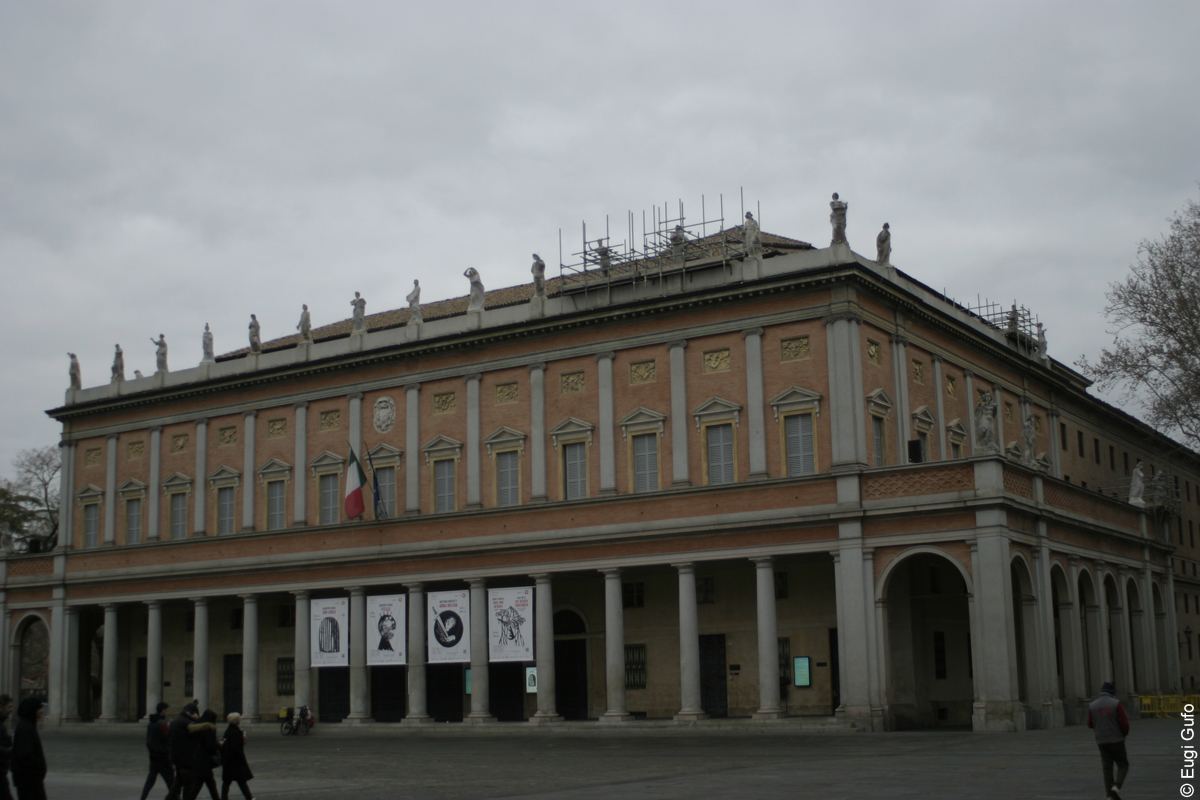
The third theatre in importance, Teatro Cavallerizza, inaugurated on 10 January 1989, bears a name reflecting its original function: until the Second World War, the building served for horse training — something still faintly perceptible in its exterior appearance.

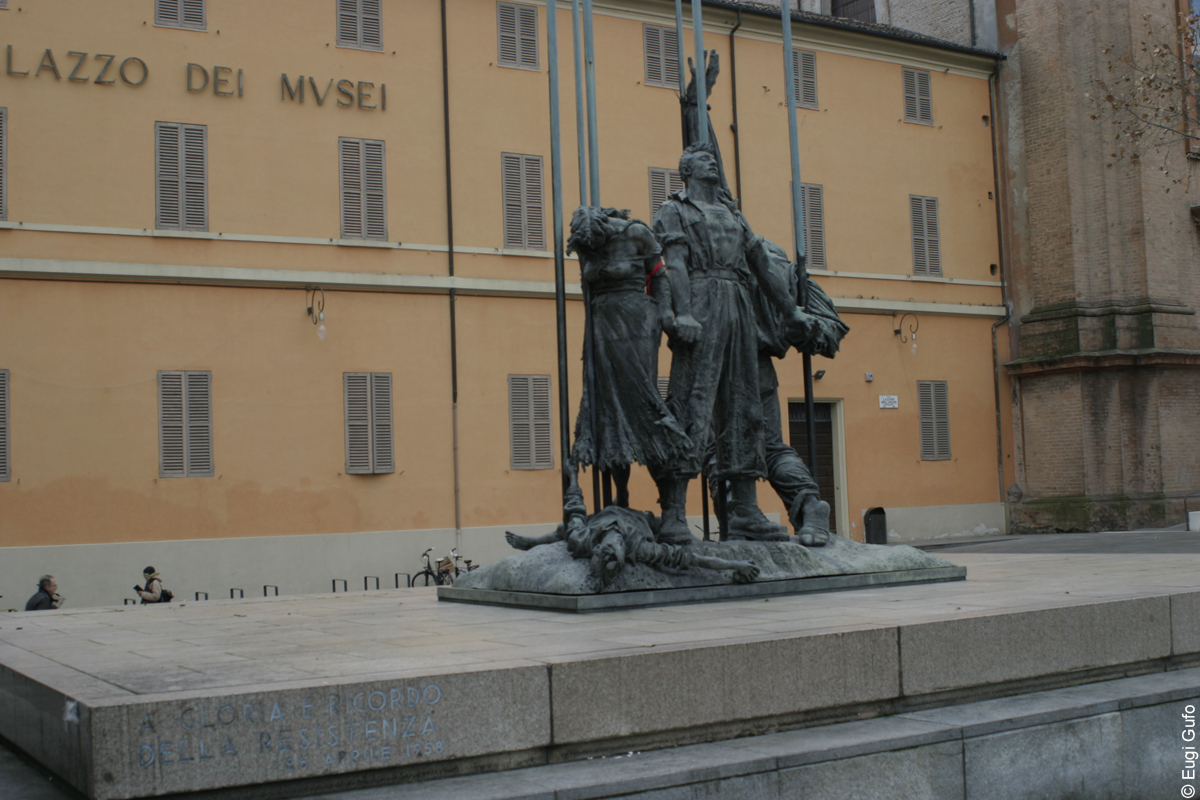
In the same area one also finds several museums, including the Palazzo dei Musei, the main seat of the civic museums since 1830, housing diverse collections.
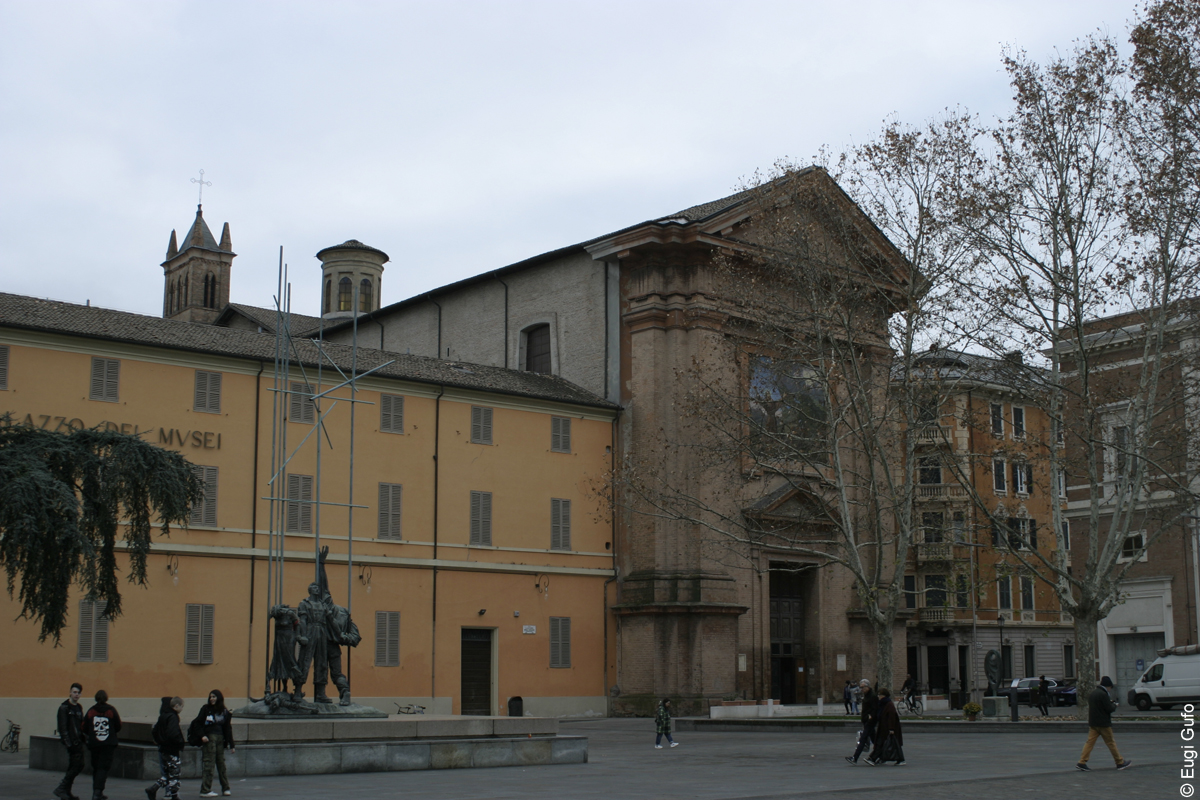
Before the museum stand two notable monuments. One is the Monument to the Resistance, depicting figures who appear almost exhausted in their struggle.
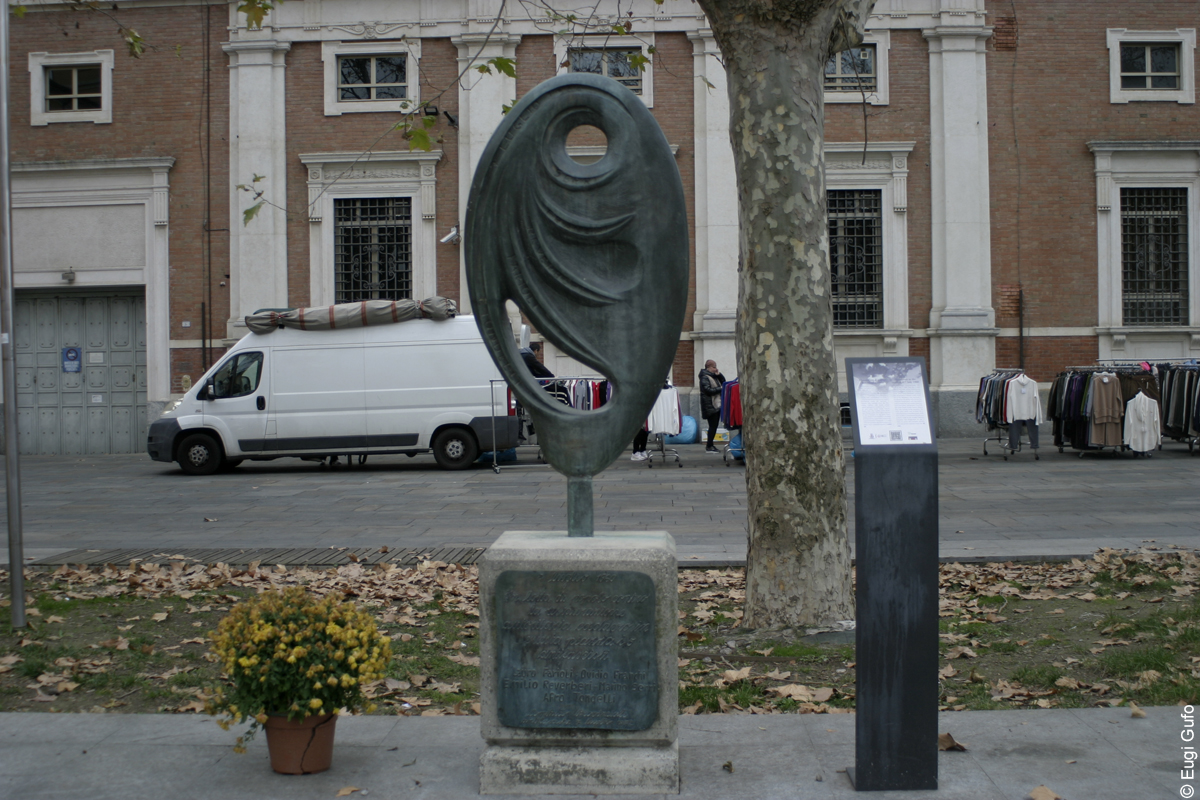
The second monument initially struck me as a cross between a fish and a human ear. In reality, it commemorates the five workers of Reggio Emilia killed by police during a demonstration on 7 July 1960. I would welcome a balanced historical source describing that event in detail: the killing of demonstrators is not something one expects from ordinary law enforcement, yet it also seems unlikely to have occurred without context.
On one of the museum’s side walls, I discovered an intriguing work of art.

Yet life does not consist solely of traditional culture. Piazza Fontanesi is considered the social centre of the city. Indeed, the surrounding buildings house numerous venues — economically varied, in my estimation — clearly aimed at the young and the young at heart.

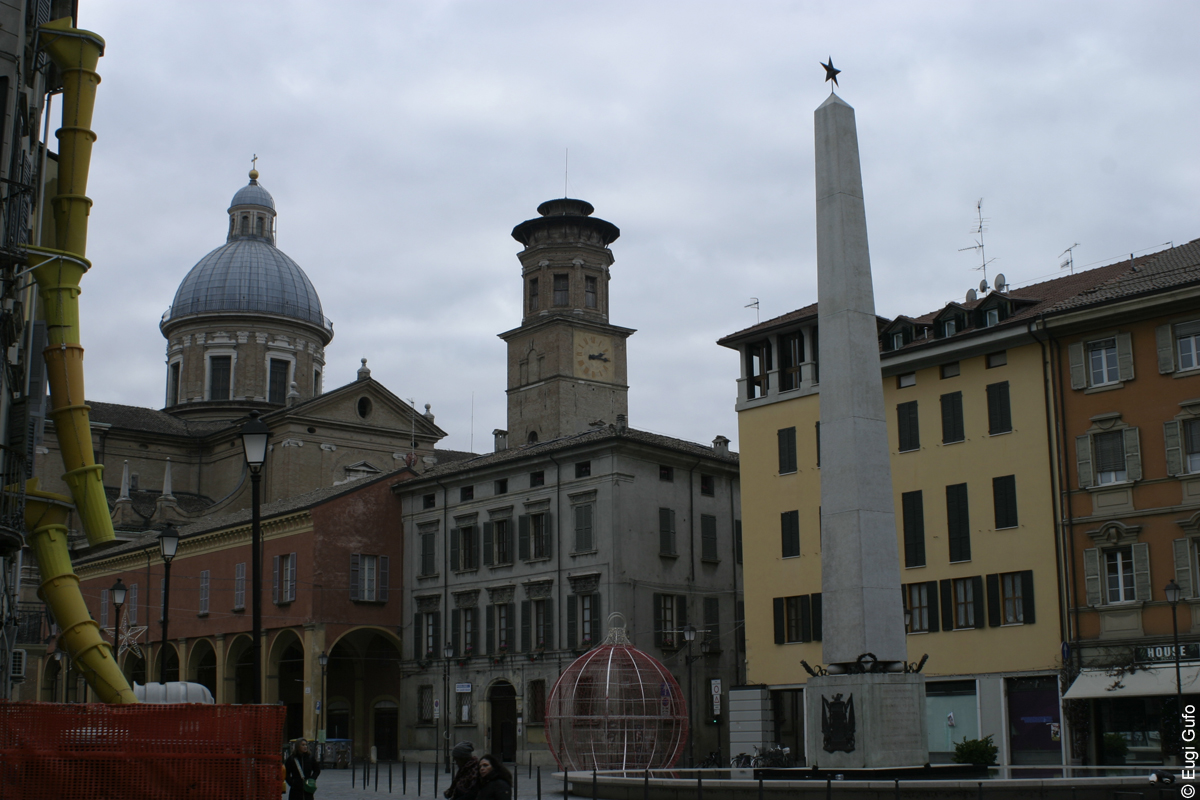
And there are also squares that are simply pleasant to behold.
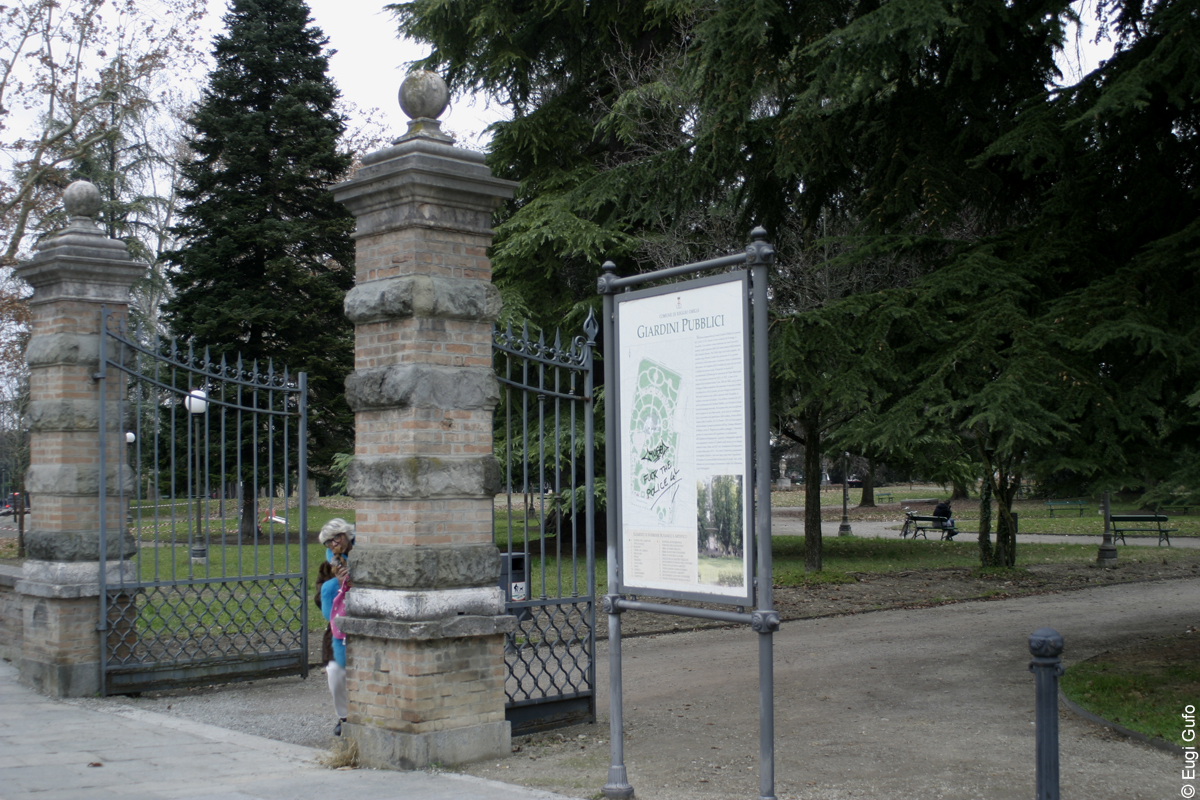
The centre also contains parks and green areas of various sizes. They are reasonably well equipped, though in winter I could only imagine their full beauty — with green leaves rather than dry ones covering the ground.
Then, quite abruptly, the historic centre ends: period buildings cease and modern ones begin.

In most cases, these modern structures are not particularly interesting…
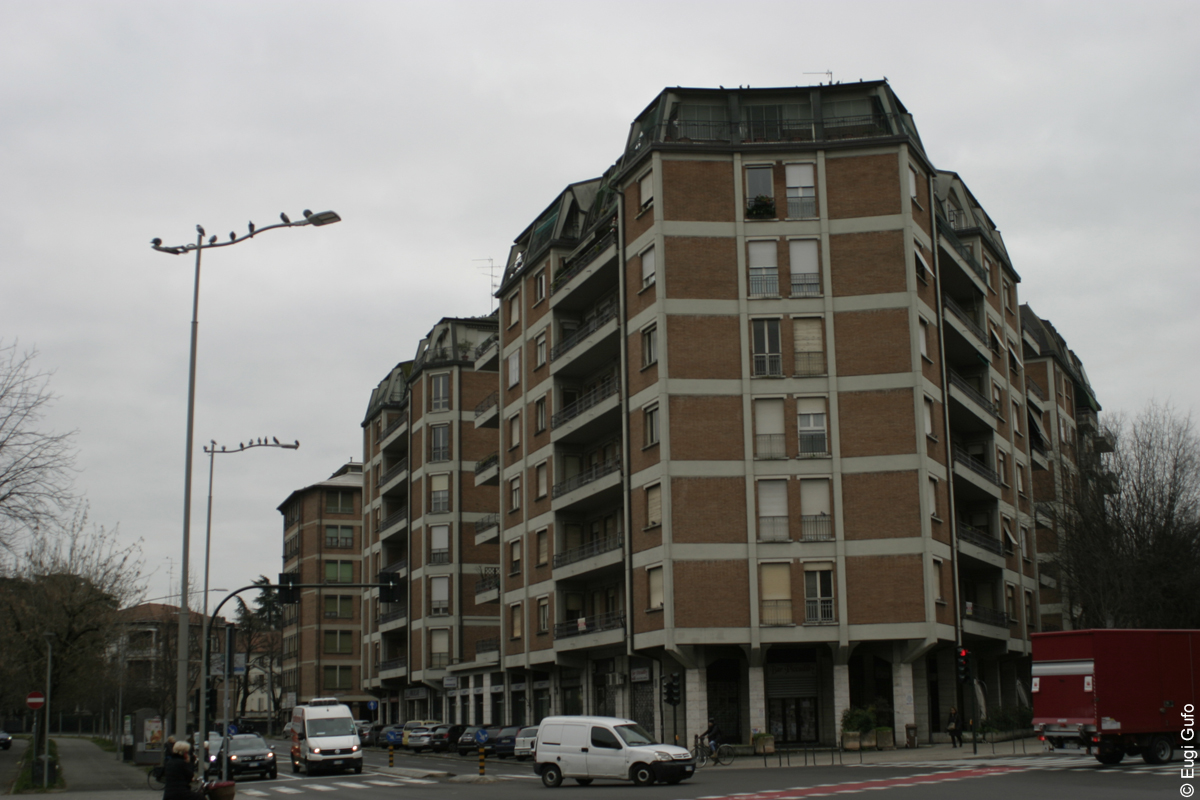
… but occasionally — in my opinion, rarely — something unusual and almost attractive appears.
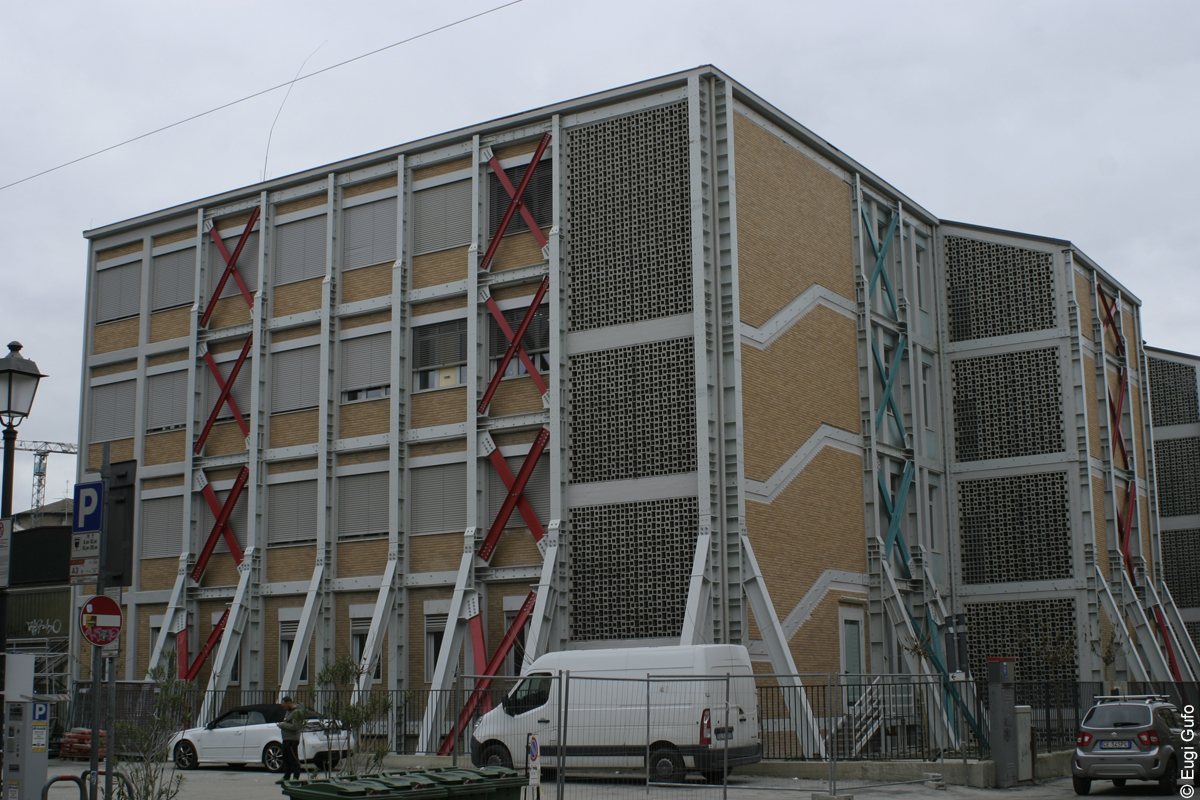
At this point, it is time to return to the railway station and board the train home.
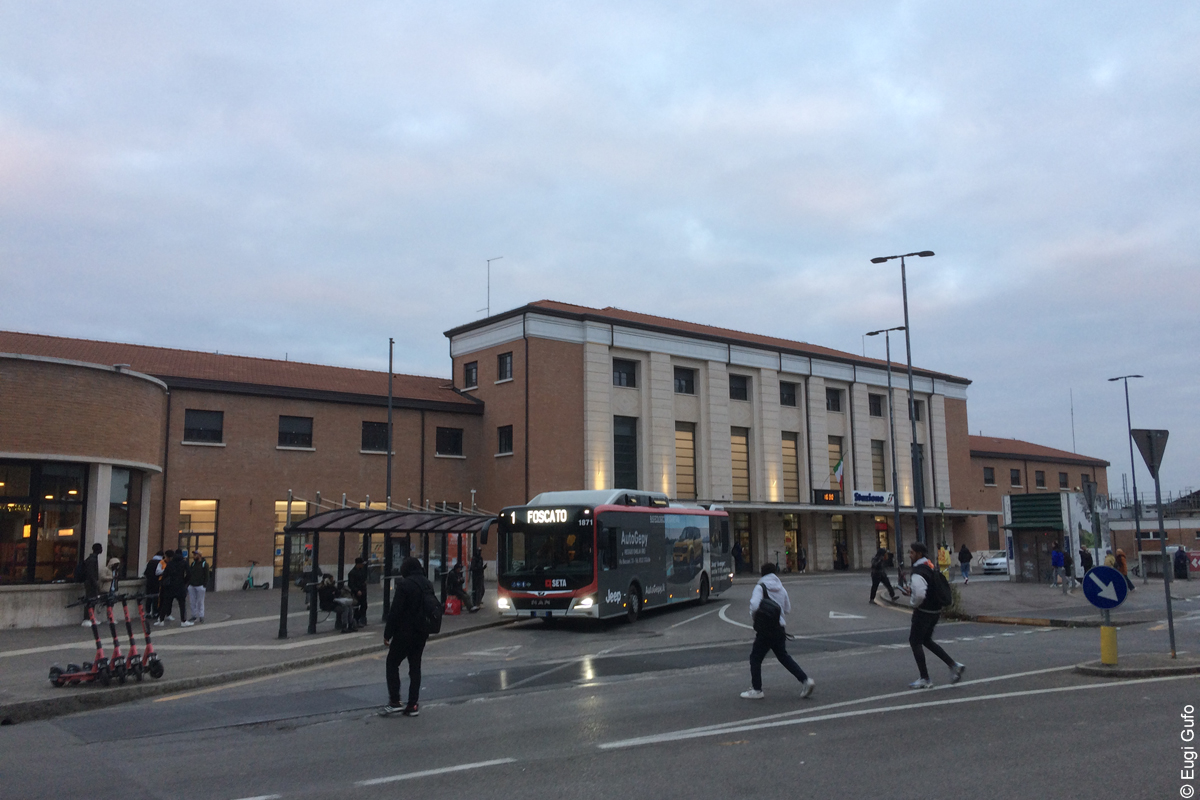
I hope I have conveyed a positive impression of Reggio Emilia. I was glad to have visited it. You might consider doing the same when the opportunity arises.
Reggio Emilia, 27 December 2023
↓ Show comments ↓


