


 Long live Ukraine! Fuck the war!
 RSS of site articles
On 27 May 2012 I visited Ravenna: as a simple tourist, without even considering the possibility of encountering traces of the recent Emilia earthquake.
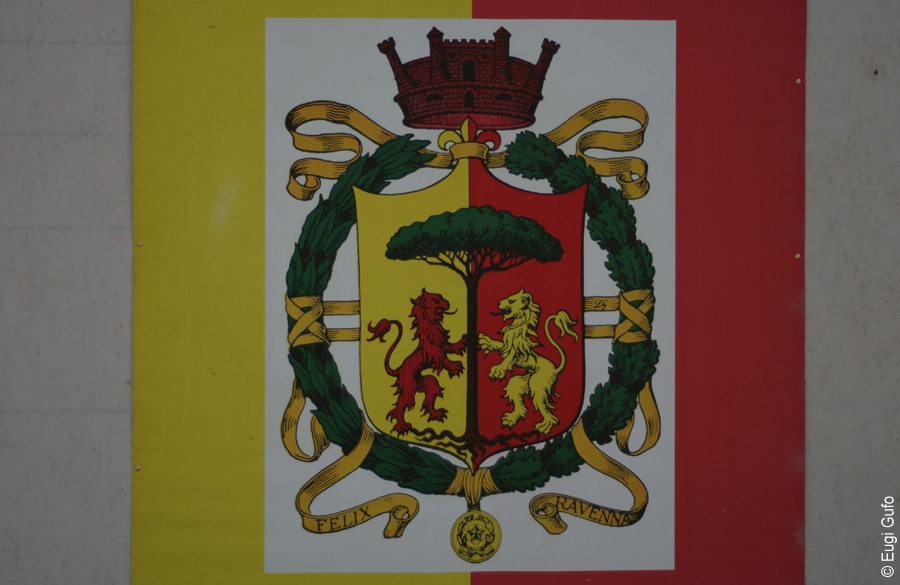
Fortunately, I did not find any signs of the earthquake. What I did find instead was a beautiful, well-preserved city, full of things to see and photograph.
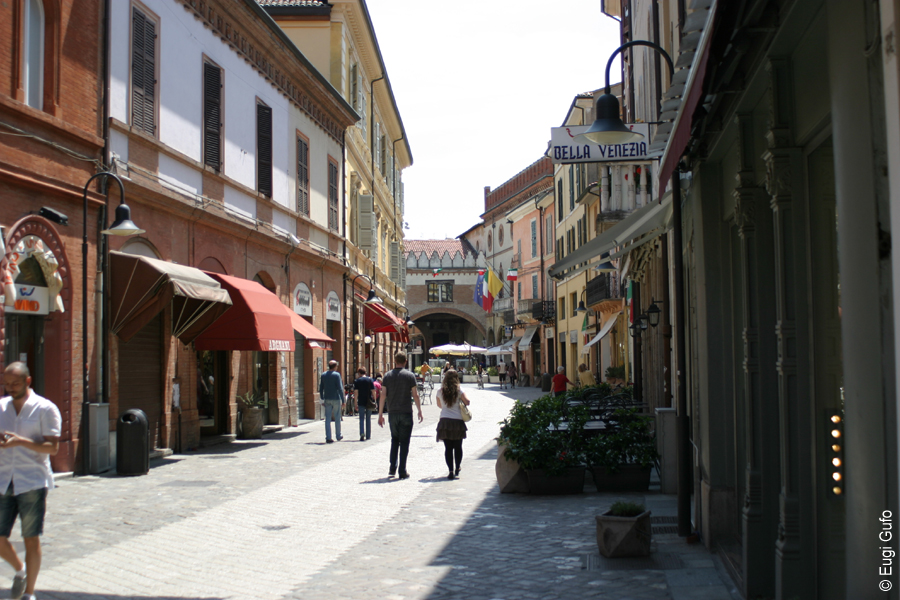
Like all Italian cities, Ravenna is full of fine civic and religious buildings. But the churches are often older than those found further north. Here, for example, is the Mausoleum of Galla Placidia from 426.

The main local peculiarity is the enormous concentration of mosaics from various periods: from the Roman era to the 17th century.
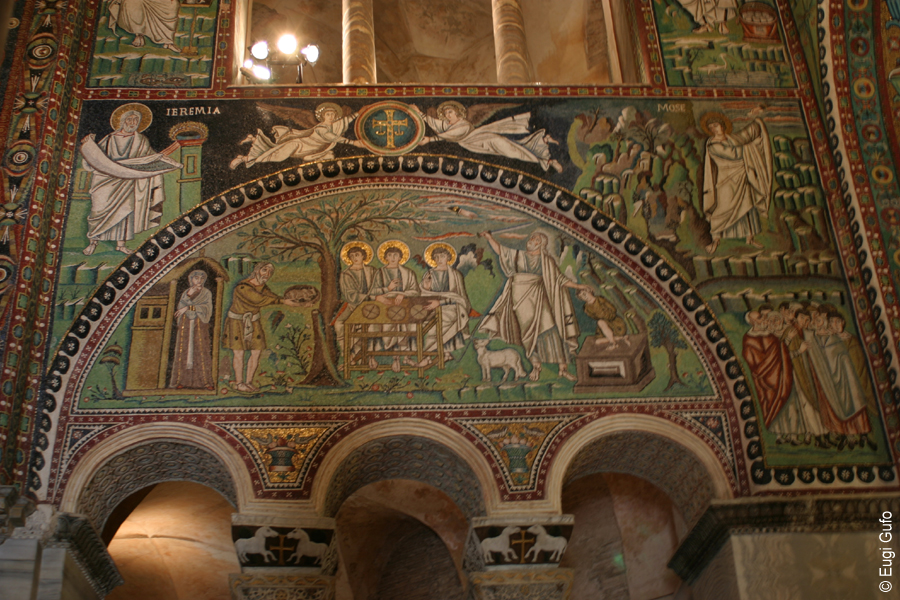
Unfortunately, they were difficult to photograph in churches where the use of flash was, at least in theory, forbidden. As a result, my photos were not outstanding (try holding a DSLR perfectly still for 30 seconds in an awkward position!).
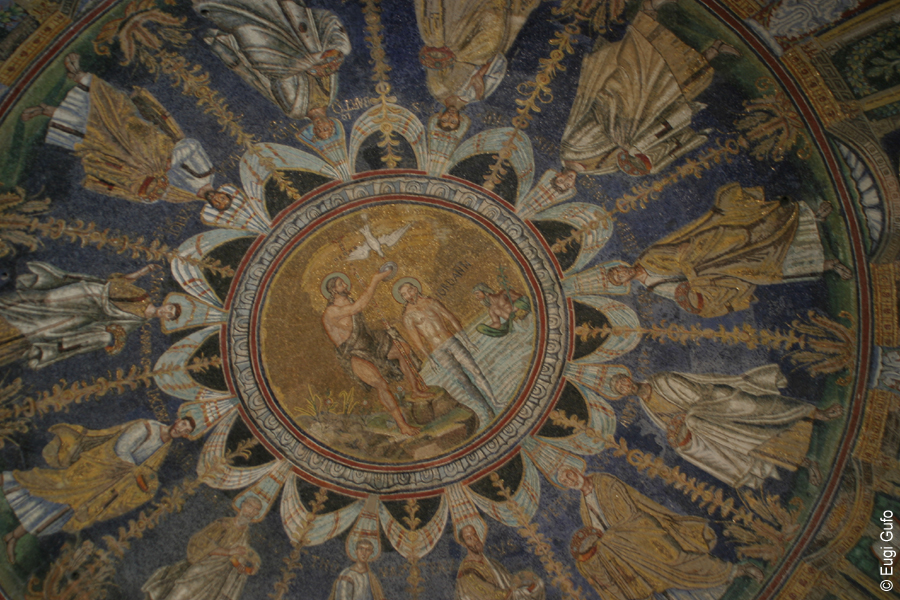
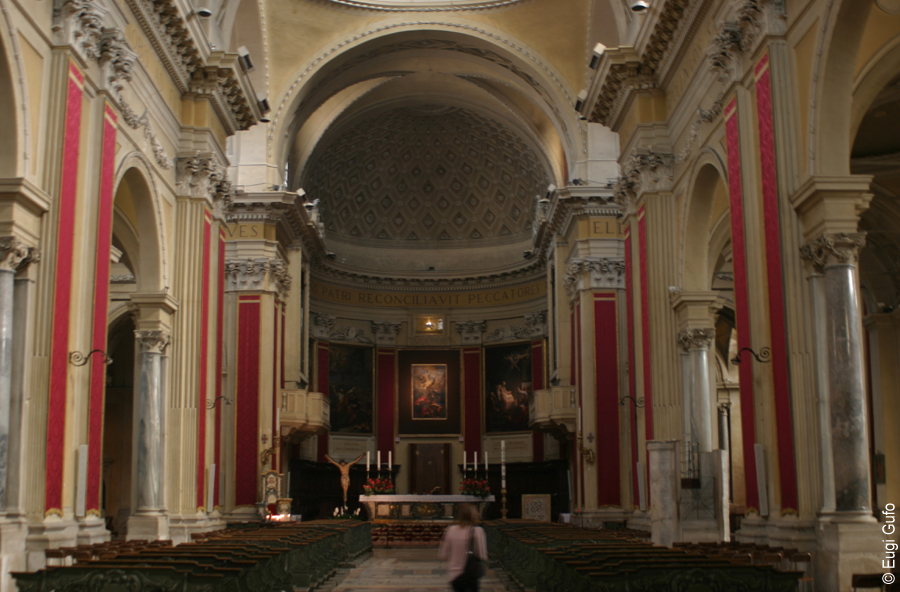
Ravenna’s cathedral is probably the only major church in the city without mosaics. Thankfully so: at a certain point I realised I could not stand studying them any longer.
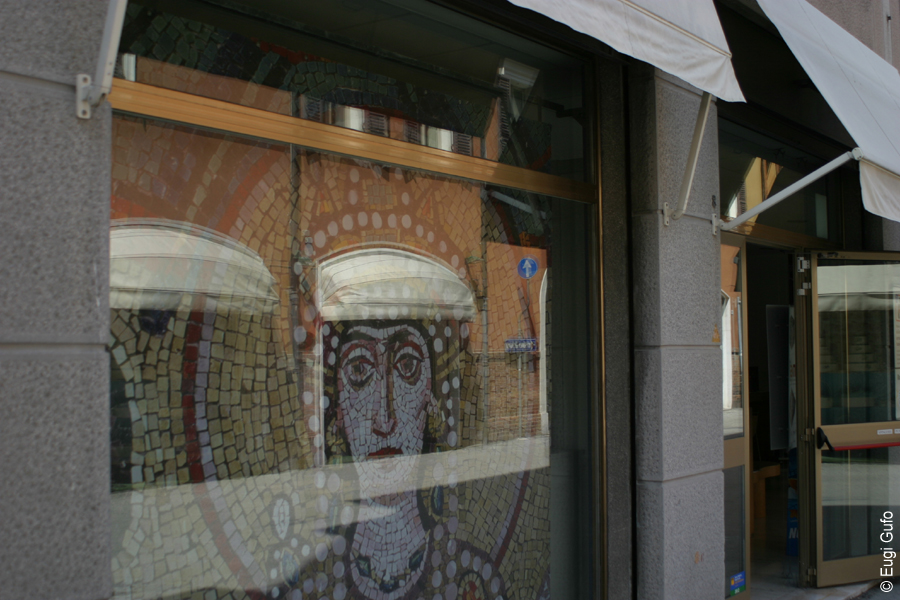
Local shopkeepers, however, exploit them extensively: I saw plenty of shop windows decorated with reproductions of the famous mosaics.
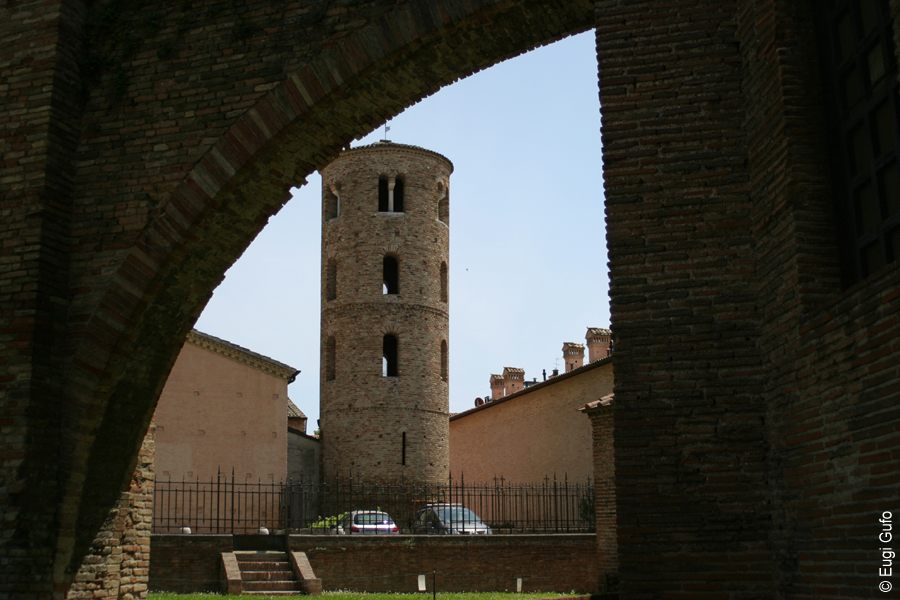
The whole city is full of towers like the one in the following photo. Their height and diameter often vary, but the structure and the «external design» are always the same.
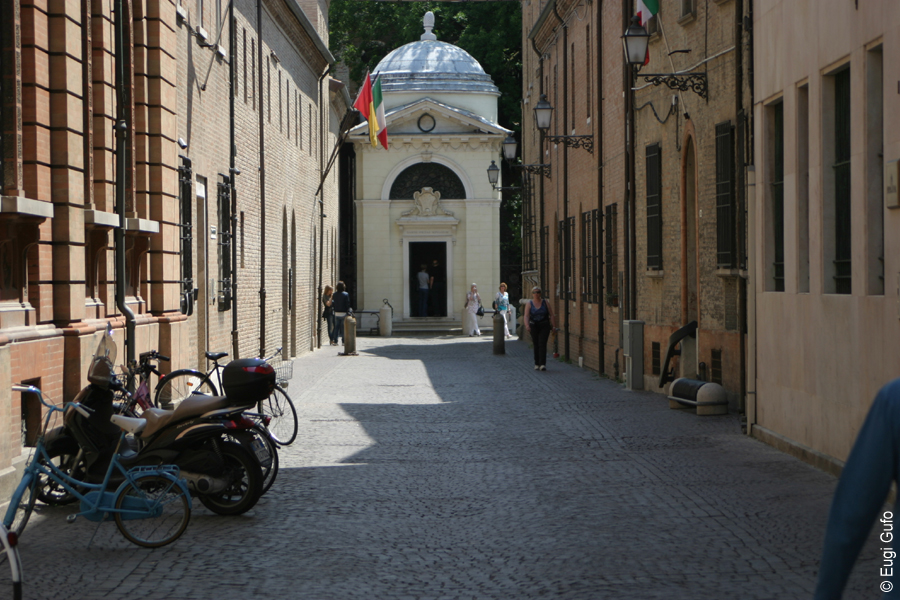
The mausoleum containing the tomb of Dante Alighieri is one of the city’s most famous and popular tourist attractions.
Inside it is tiny, no more than about 10 square metres. I had to wait around half an hour to photograph the poet’s tomb: even at lunchtime there was a constant flow of visitors.
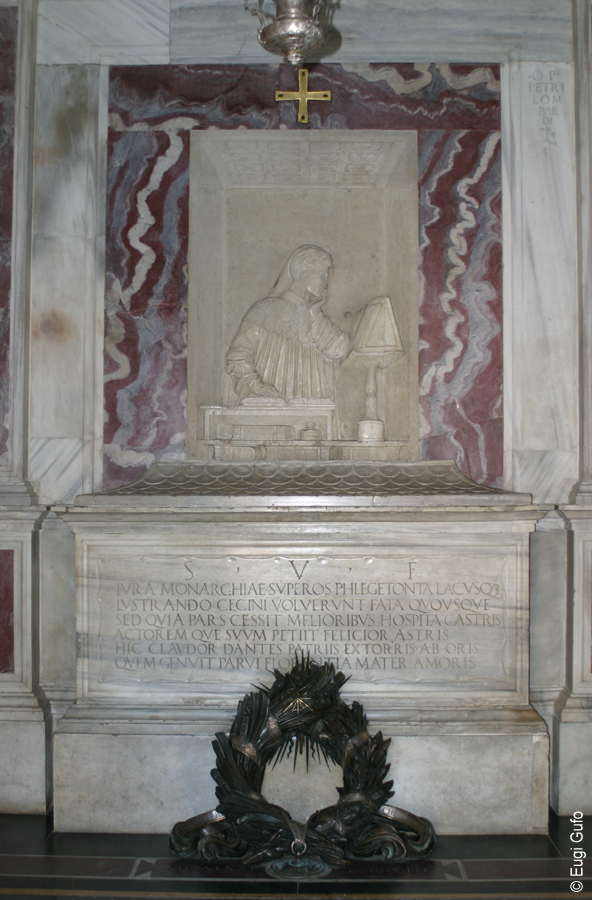
Right in front of the mausoleum, for the first time in my life, I saw an ancient lock used to secure the heavy chains that were once employed to block a carriageway.
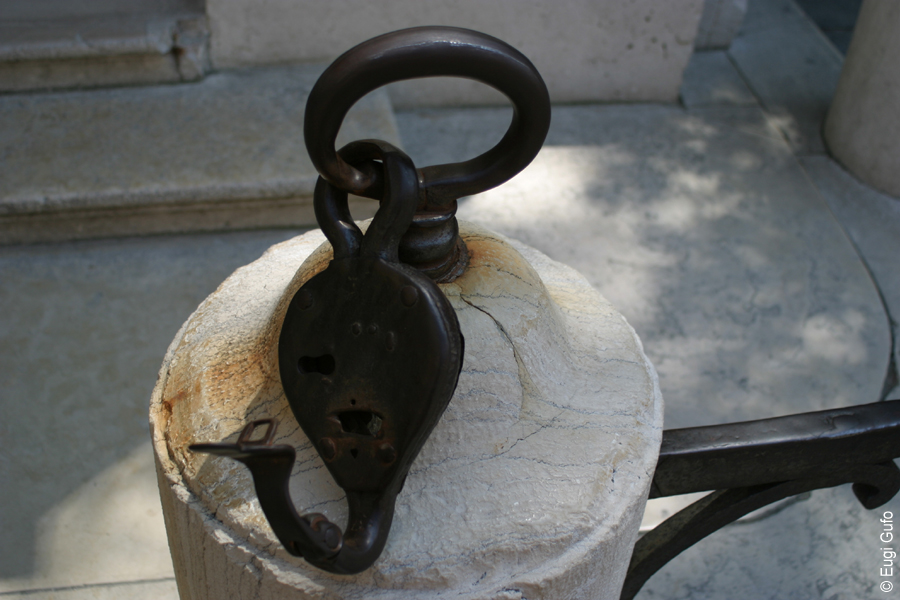
It is interesting to see how much technology has evolved over the centuries.
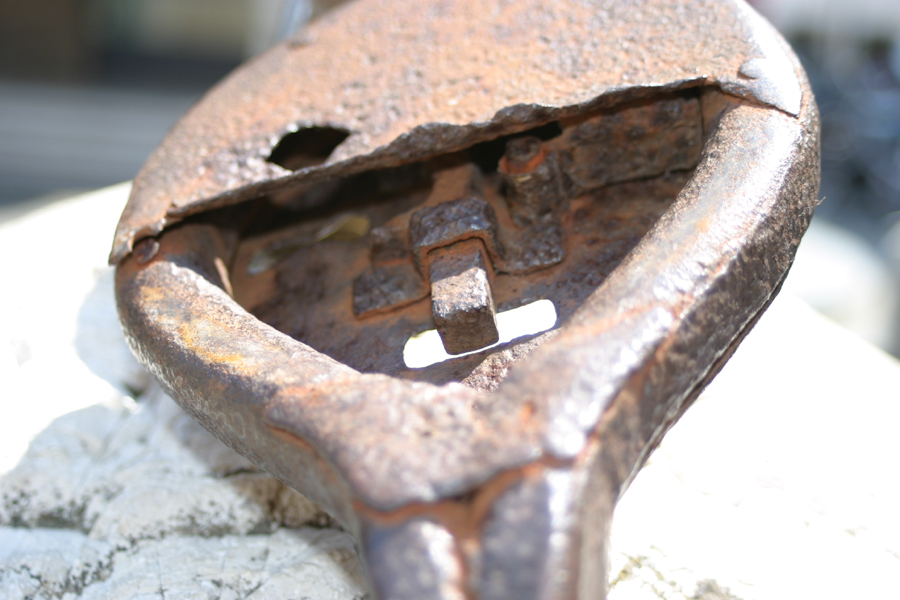
In the same area I also noticed a very old (and once surely even more beautiful) sign informing people of the prohibition on posting notices. It was certainly produced before 1930: in today’s Italian penal code the same prohibition is regulated by Article 663.
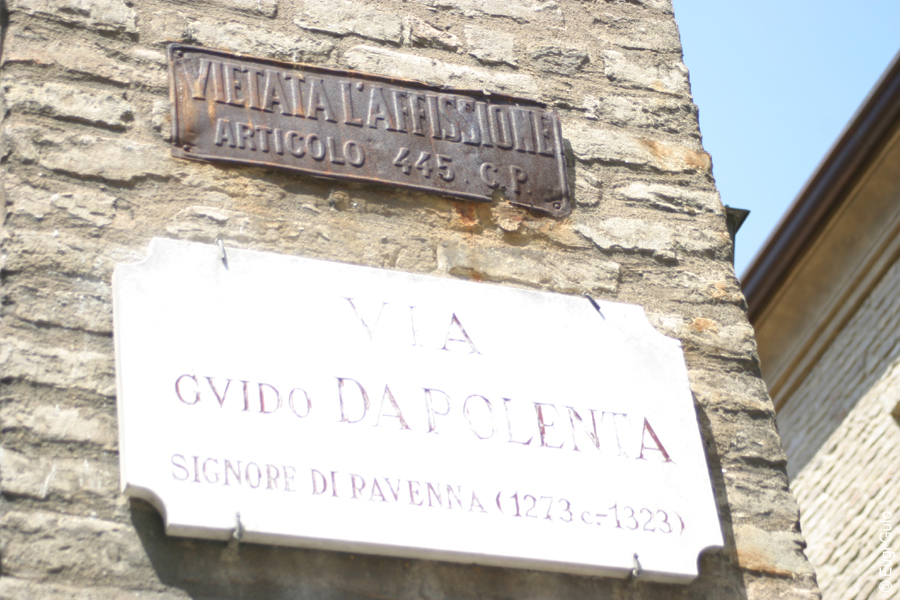
But it was not the only beautiful and interesting sign I found. Still in the city centre, I noticed a road sign painted directly onto a wall. I would not know how to date it, though.
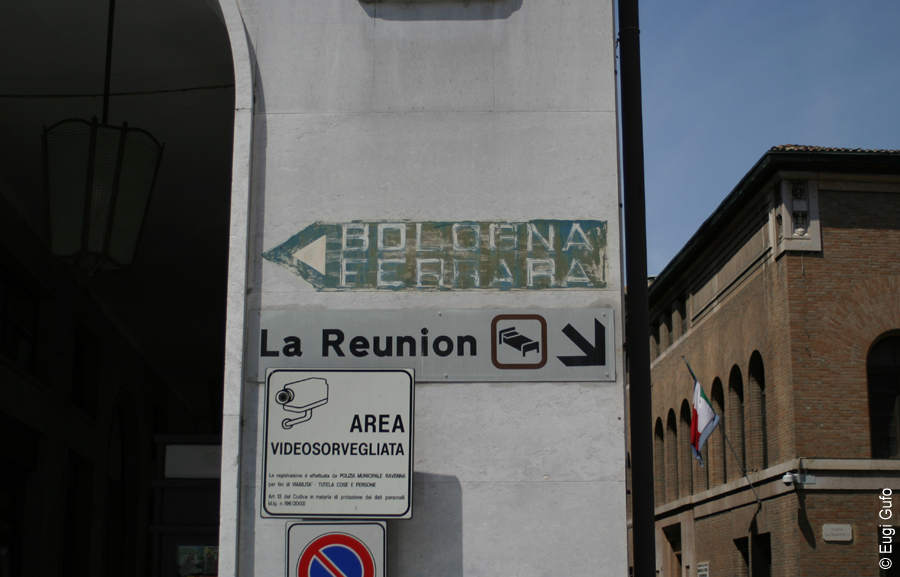
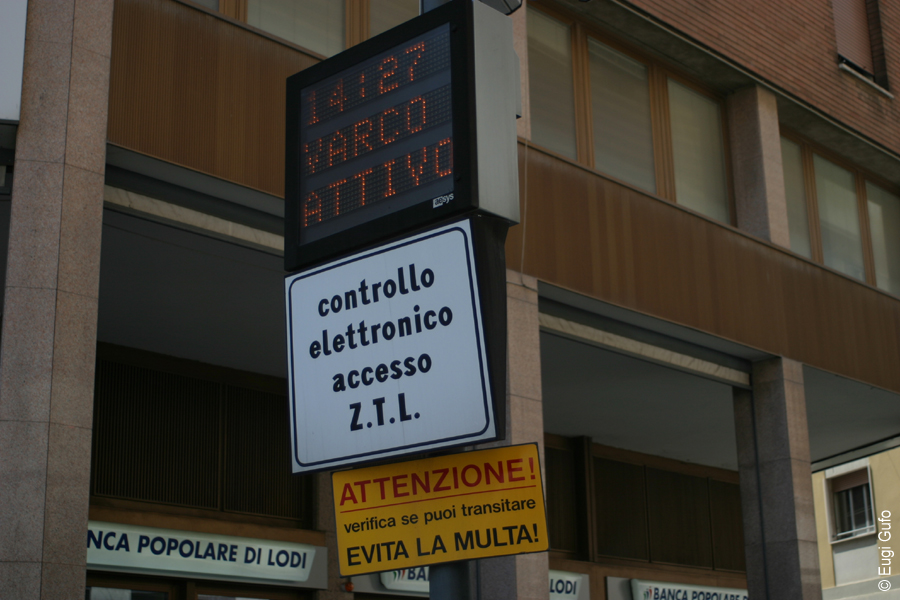
In no other city have I ever seen a collection of notices like this:
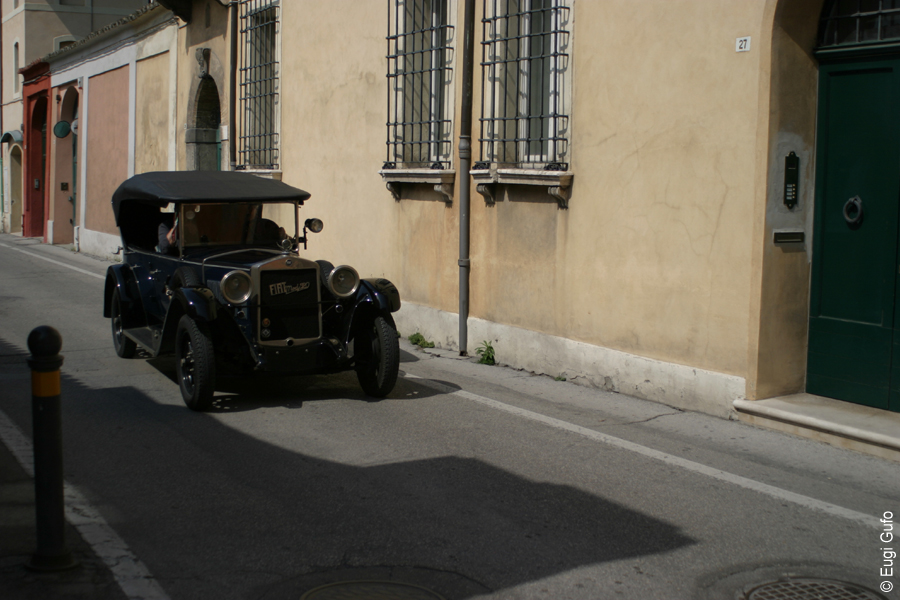
In Ravenna, even within the central bastion ring, many Euro 0 vehicles are still driven around. Their owners seem to enjoy frightening pedestrians: I jumped about two metres straight up because of the honk from this Fiat (which is also why the focus did not work).
That said, I absolutely do not mean to claim that the municipal administration is careless about the environment. Ravenna also has its own bike-sharing system, almost identical to the one in Lodi. The stations, however, did not seem particularly numerous.
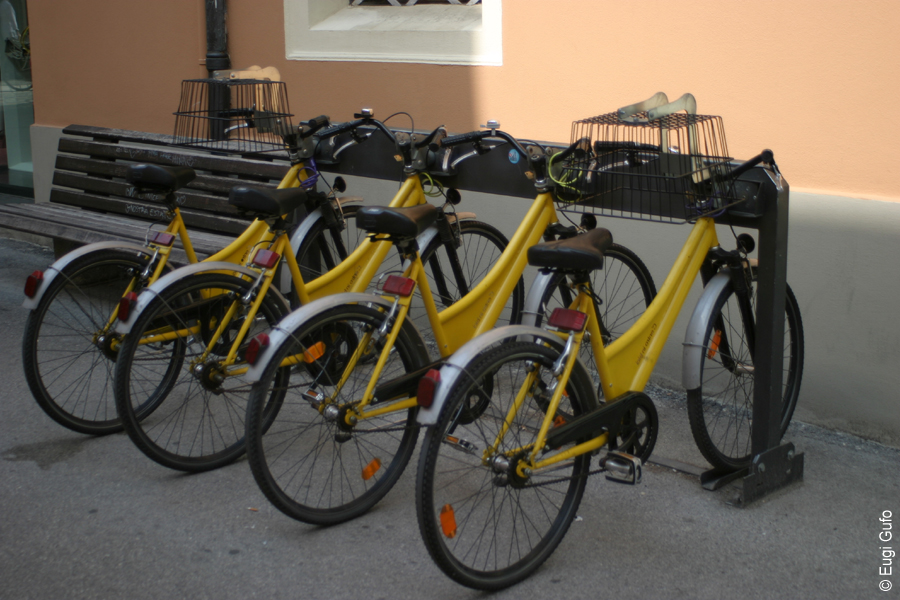
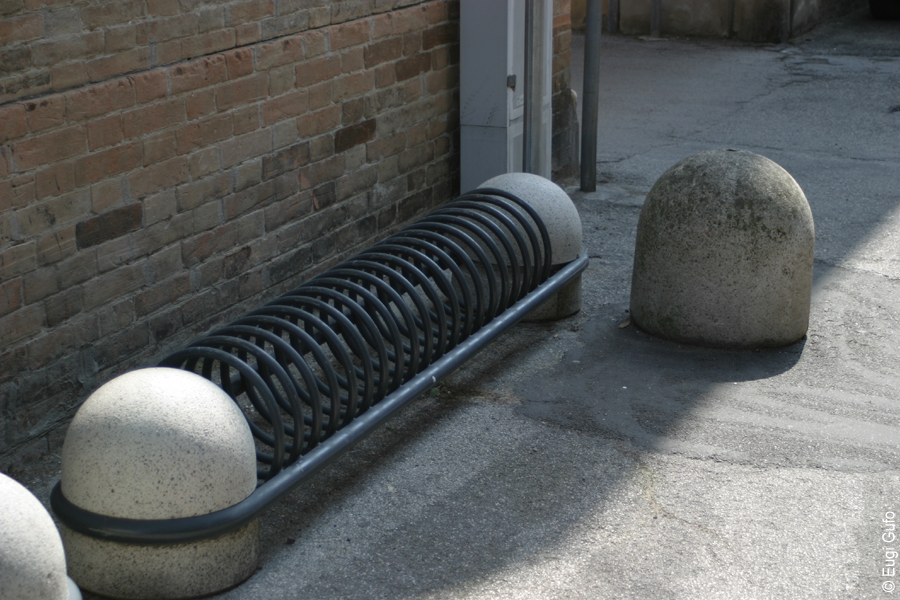
Bike racks for private bicycles are common and offer plenty of spaces.
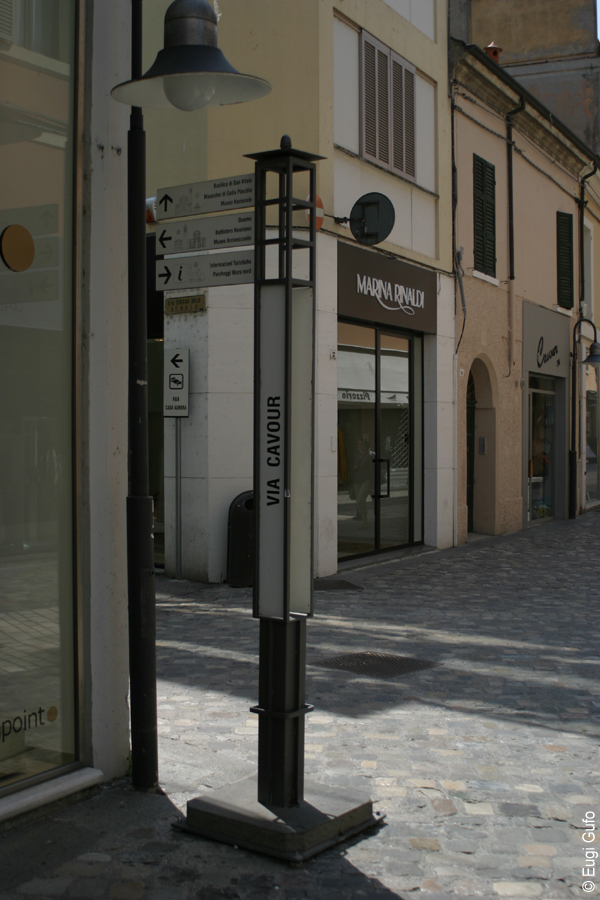
The tourist navigation system is attractive and useful, but far too difficult to find.
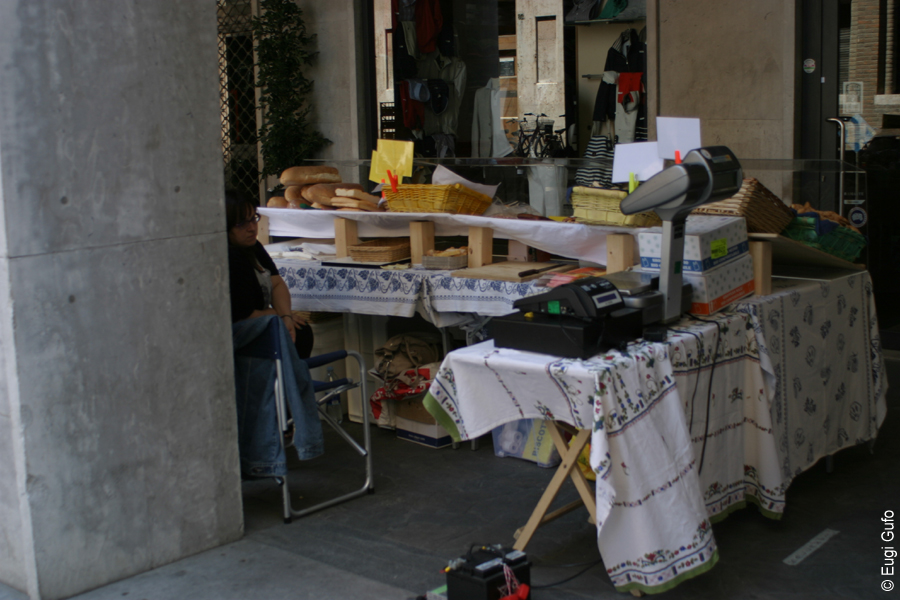
At the street markets all (!) vendors are equipped with cash registers. At least in this sector of the local economy, there is a pretence of combating tax evasion.
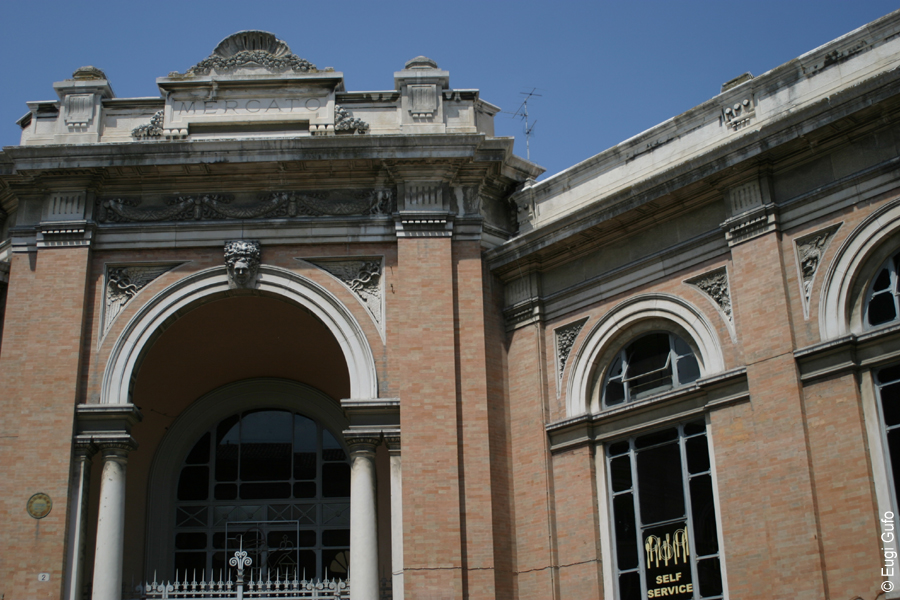
In the building that once housed the city’s ancient market, there is now a self-service canteen.
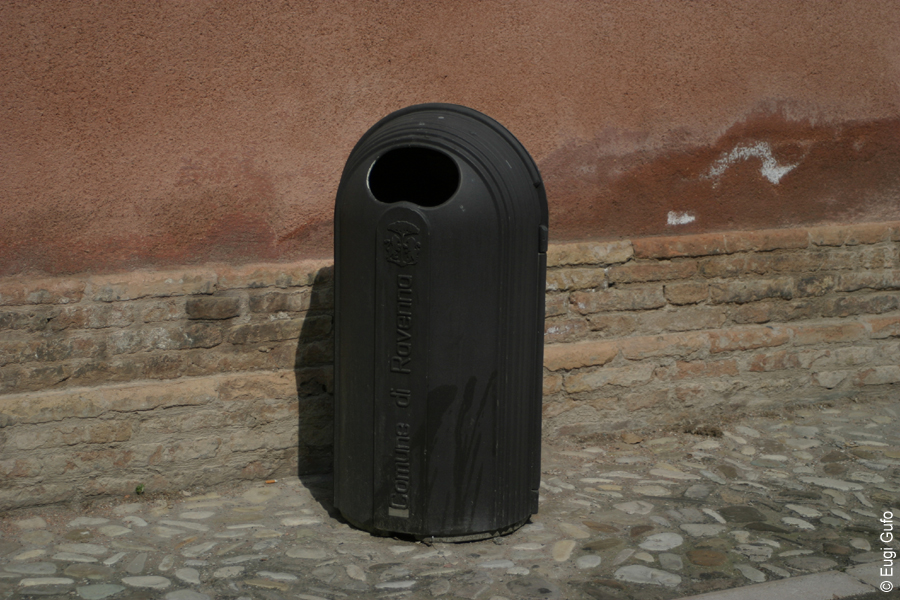
The most common litter bins in Ravenna are identical to those in Genoa. The city name, of course, is different.
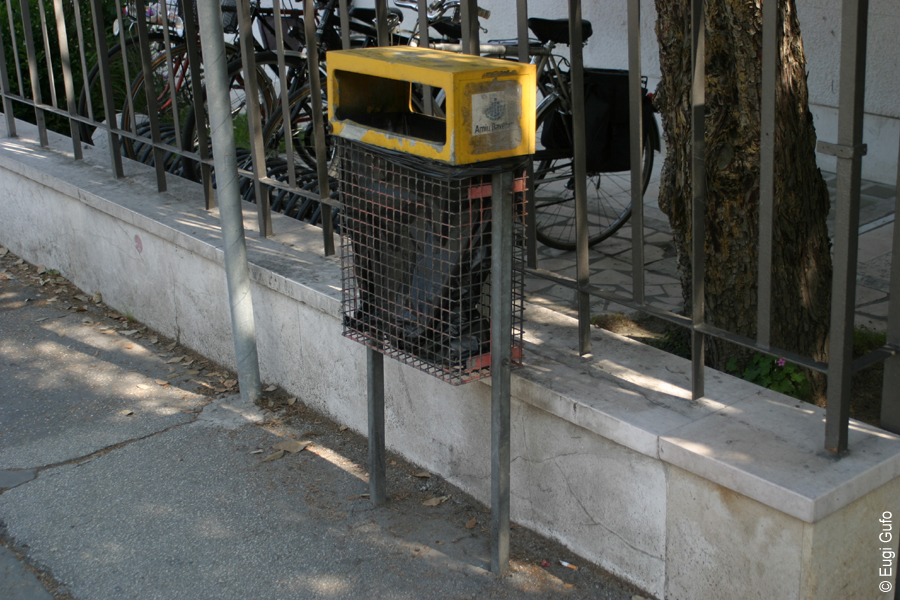
I had already seen a wire-mesh bin like this somewhere else. In Ravenna I encountered only one. It is ugly but original.
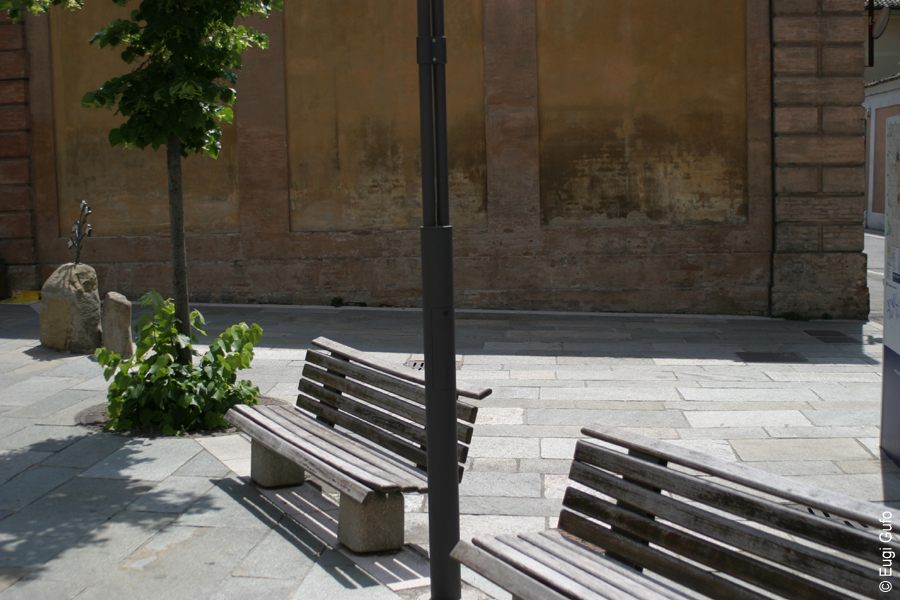
Benches are very scarce in Ravenna. And when they do exist, they are old.
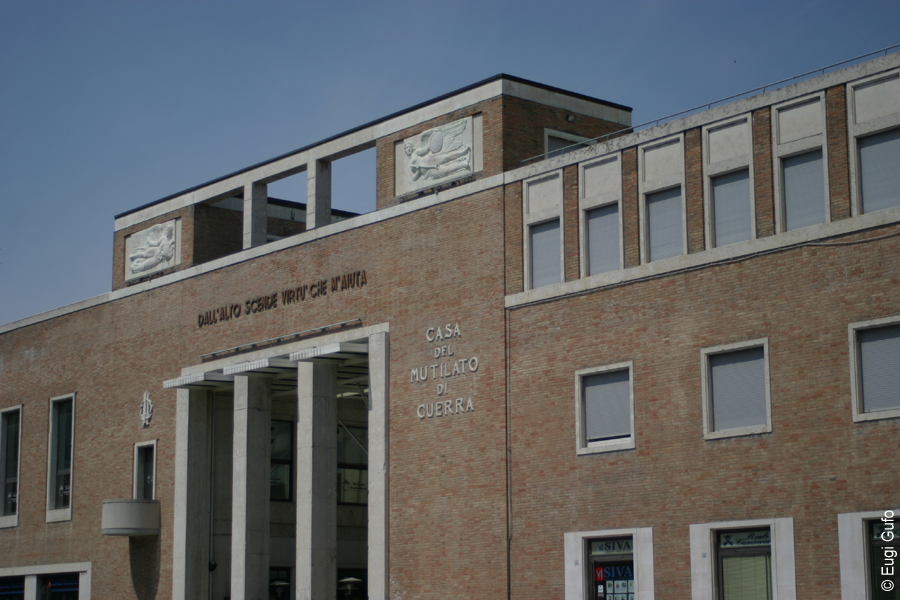
I can imagine the period in which the «House of the War Disabled» was founded, but I do not know how useful it still is in 2012.
Finally, in one of Ravenna’s oldest churches I made a sociological discovery. Everyone knows the tradition of throwing coins into fountains or similar bodies of water. And everyone knows that coins used in this way are becoming increasingly anonymous. Today, for example, we cannot say with certainty whether a 50-cent coin was thrown by a Spaniard or a German. Or by a non-EU tourist. Russian tourists, however, have found a nice way of making themselves recognisable (yes, I recognise the habit):

Ravenna, 27 May 2012
↓ Show comments ↓


