


 Long live Ukraine! Fuck the war!
 RSS of site articles
Looking at a map and/or satellite images, an average person might reasonably assume that the main tourist attraction of Pontevico (in the province of Brescia) is the large castle built in the 11th century on the banks of the River Oglio.
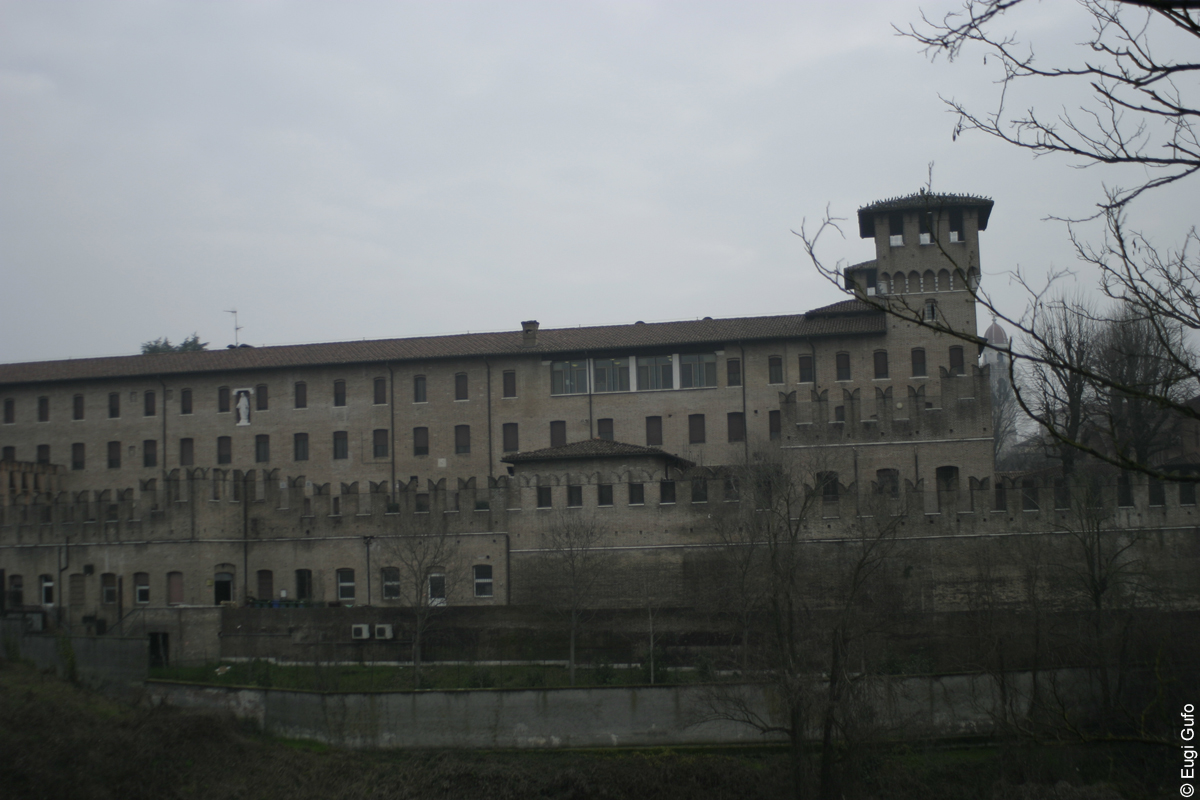
The castle is indeed large, but it has been «restored» in such a way that it now resembles an enormous modern architectural forgery. From an aesthetic point of view, I would never have managed to classify it as an ancient fortification.
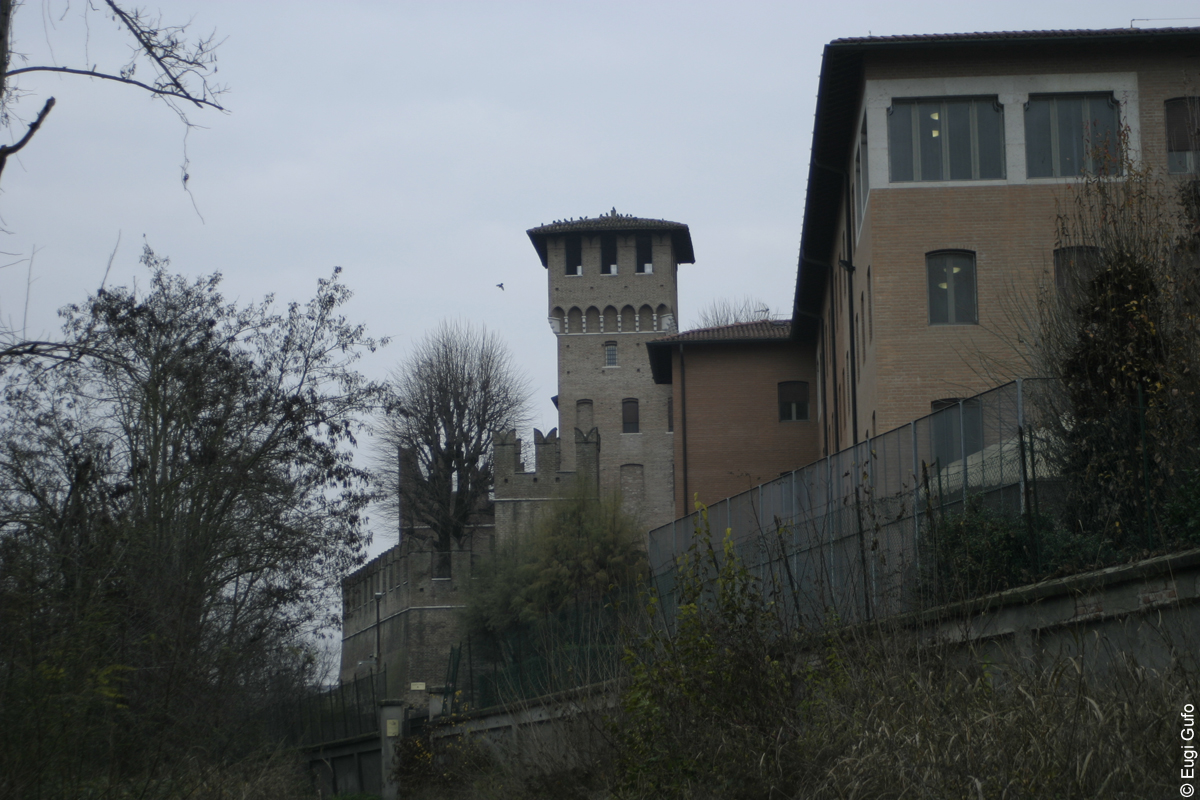
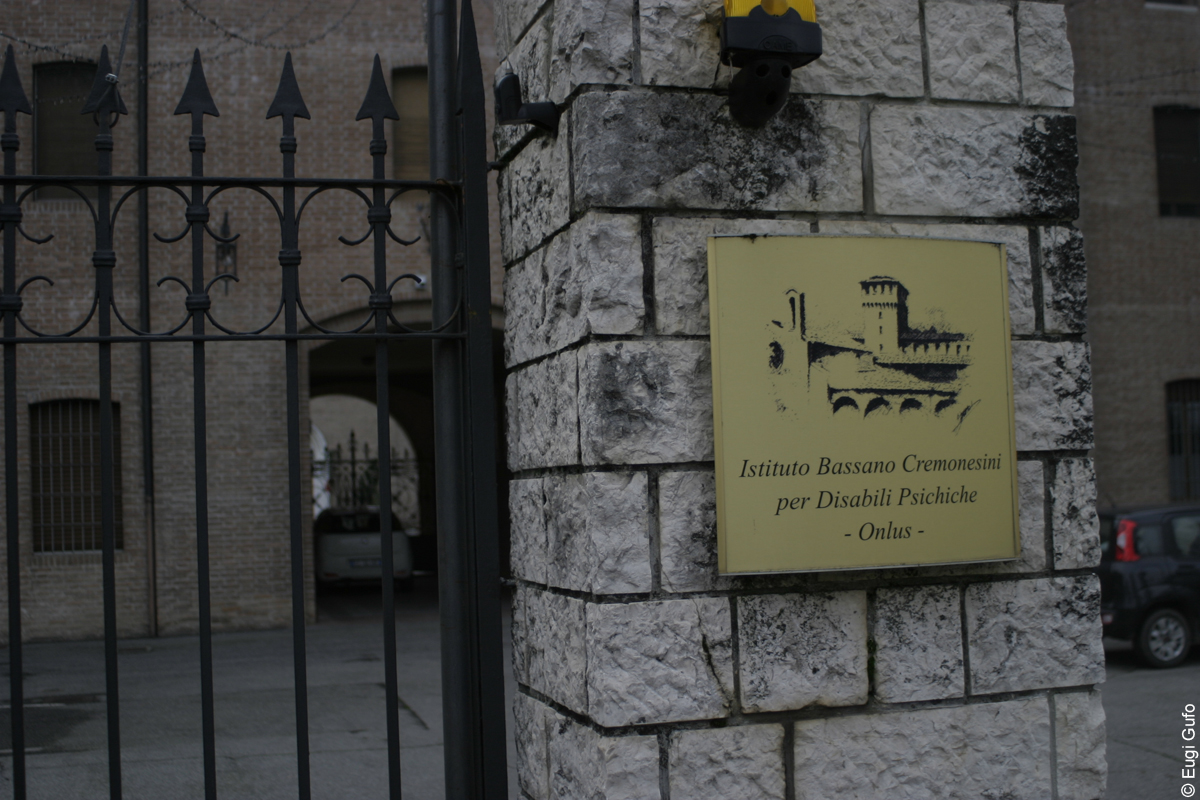
Naturally, I was curious to see the condition of the interiors — but I changed my mind instantly upon reaching the gate… For some mysterious reason…
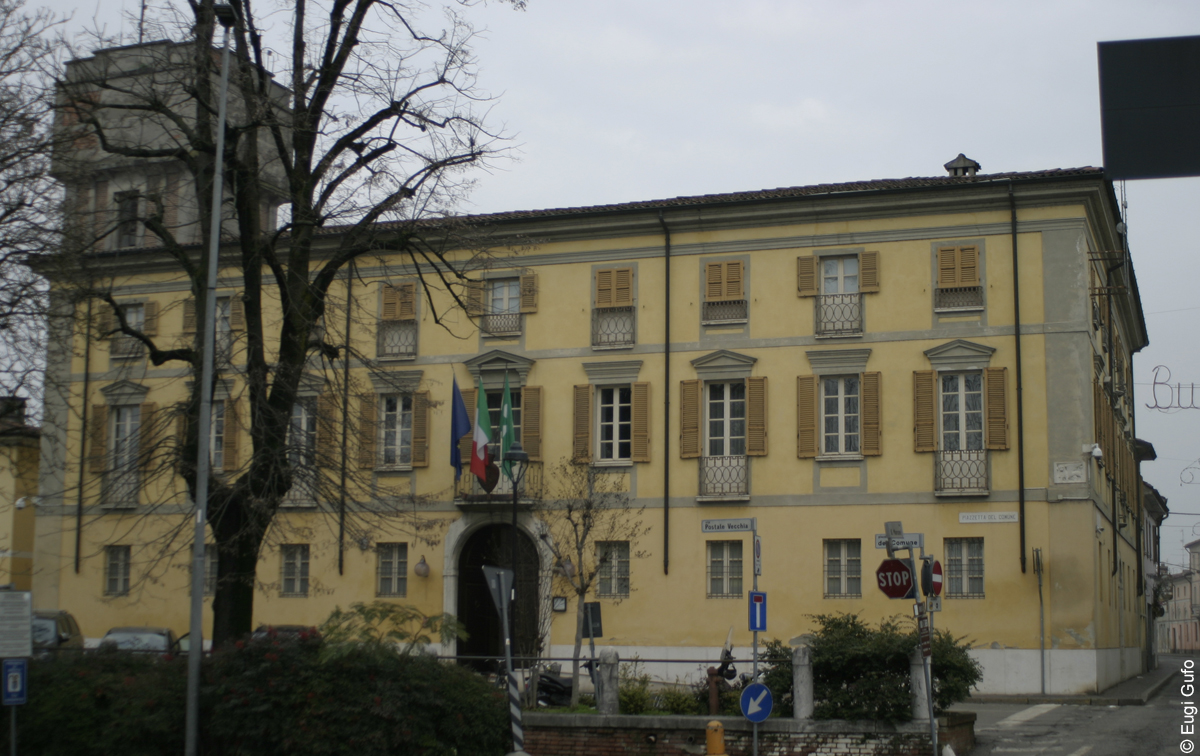
My daily life already supplies me with a sufficient number of unusual characters, so I prefer to search for curiosities and oddities in slightly less extreme locations. For example, the Town Hall… For a municipality of just over seven thousand inhabitants, it might seem somewhat oversized — but at least it is not ugly.
The largest square in Pontevico is not unattractive, yet it has effectively been transformed into a vast car park. I suddenly realised that I had become completely unaccustomed to scenes of this kind. In a large city, this space would have been turned into a park or leisure area years ago. But real life is often more complex than the radiant fantasies of environmental idealists: those who live and/or work in a small town cannot yet do without a private car. And cars must be parked somewhere. I hope the administrators of large cities that attract commuters from outside remember this as well.
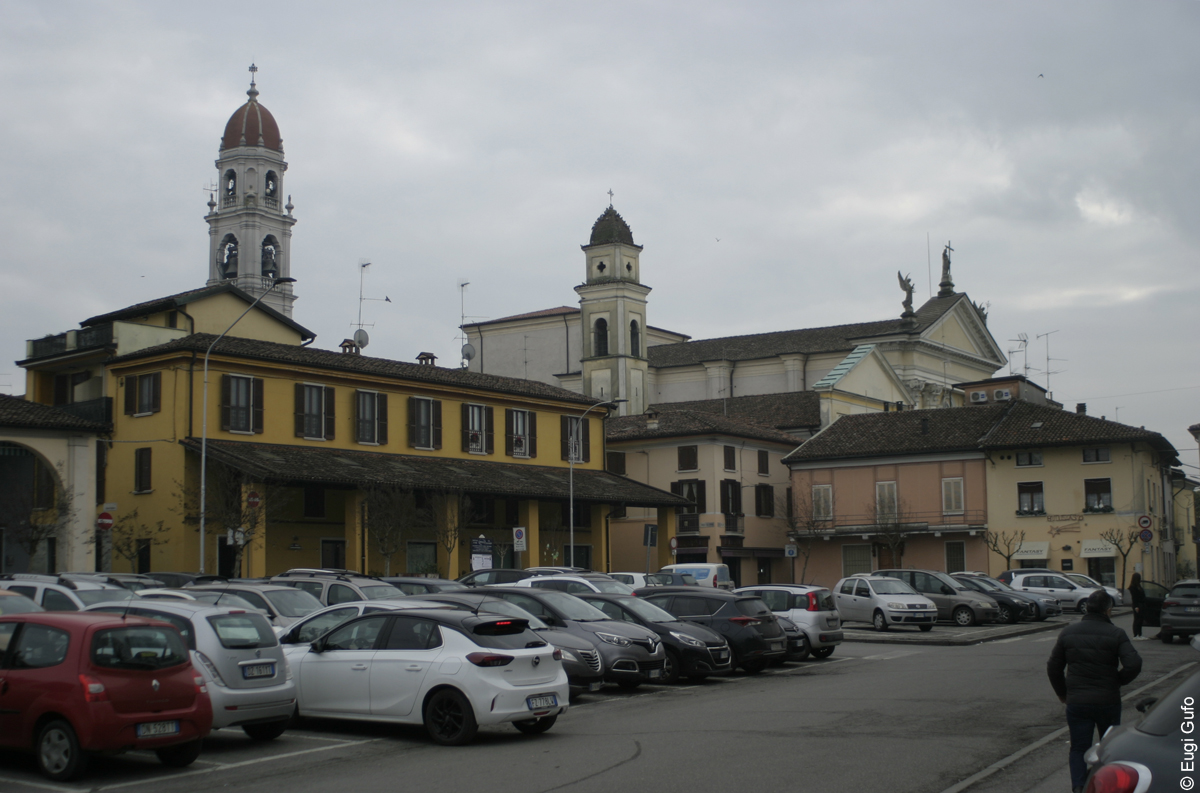
The Parish Church of Saints Thomas and Andrew was completed in its current form at the end of the 19th century, though it may in fact be considered a 20th-century building: in 1959 it was severely damaged by a major fire and subsequently restored. I do not know why at that point its managers and clients did not entertain legitimate doubts about the pleasantness of the location in the eyes of their imaginary Chief. In truth, none of the many churches built on that site across the centuries lasted particularly long — in most cases due to disputes between ecclesiastical authorities, in another case because of yet another fire… The current version of the church, in any case, did not strike me as especially remarkable.
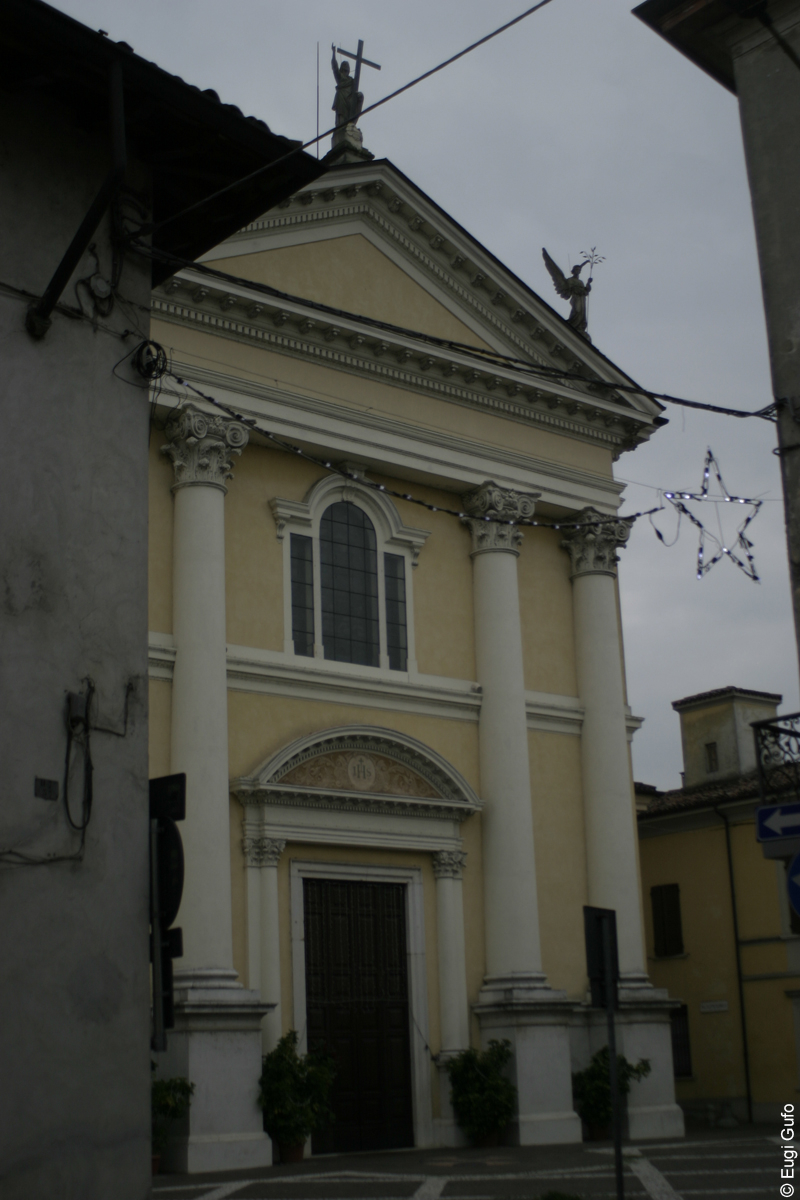
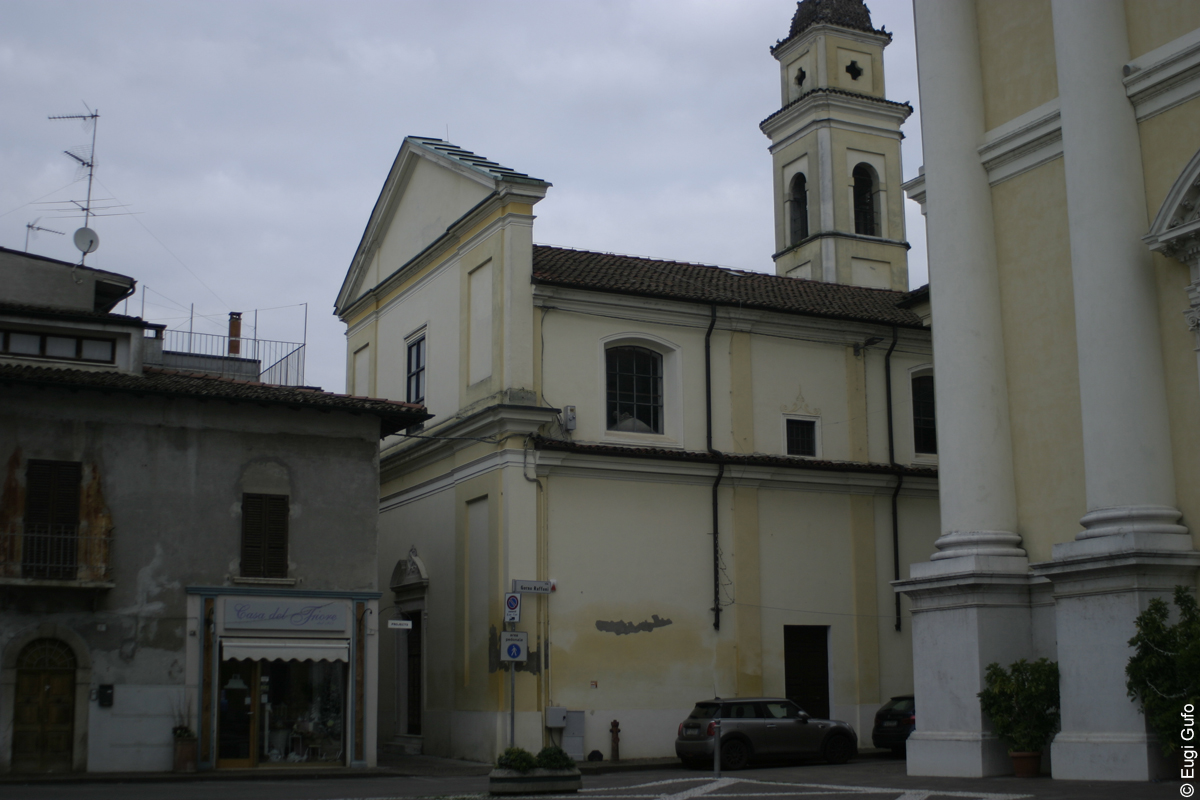
I was about to complain — yet again — that the main church of a town centre is difficult to photograph in full because of neighbouring buildings pressed too closely around it. But in Pontevico, near the aforementioned parish church, I encountered a genuinely extreme case:
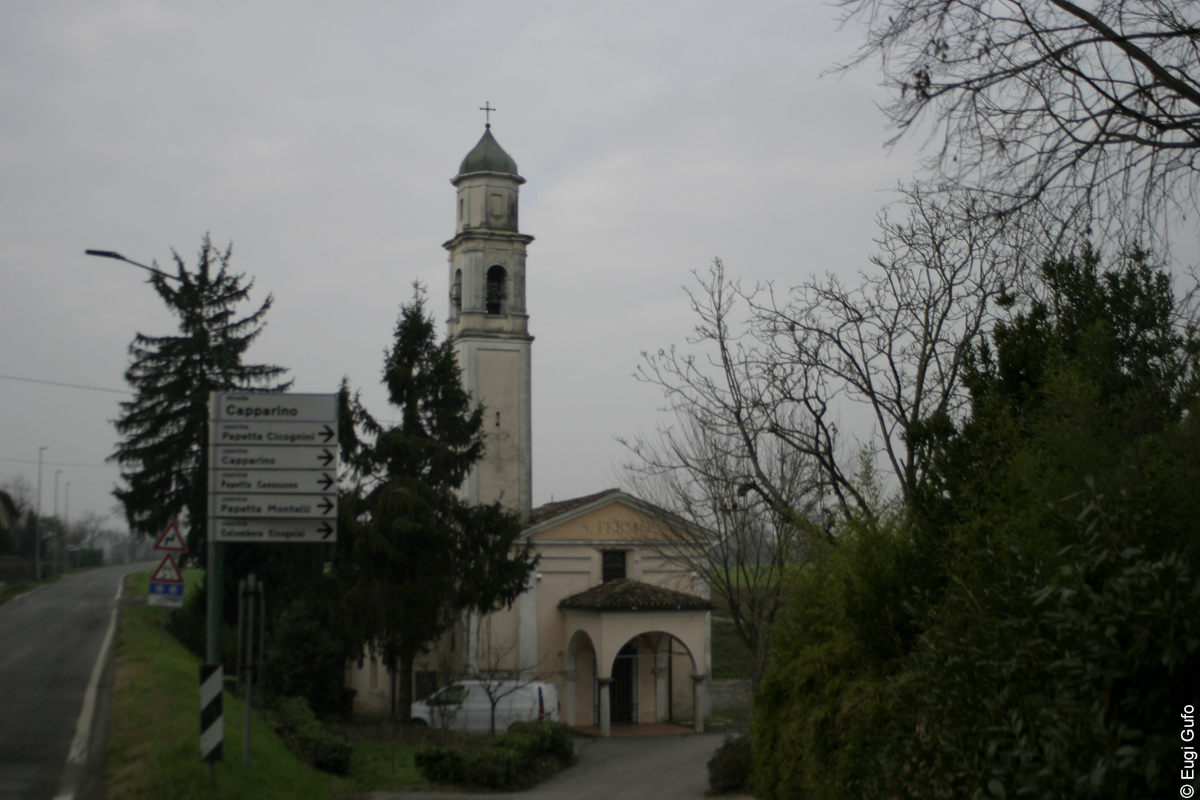
In an infinitely more advantageous position stands the outlying Church of San Fermo. Its history is curious: originally a simple 16th-century roadside shrine dedicated to the Blessed Virgin of the Strone, it was expanded at the end of the 17th century into a small church. The interior is very simple — almost minimalist — yet pleasant.
It is often equally interesting to observe the surroundings in which religious buildings coexist. For instance, here we see the entrance to a local cinema situated next to a church and an oratory. I sincerely hope the local religious official possesses a good sense of humour.
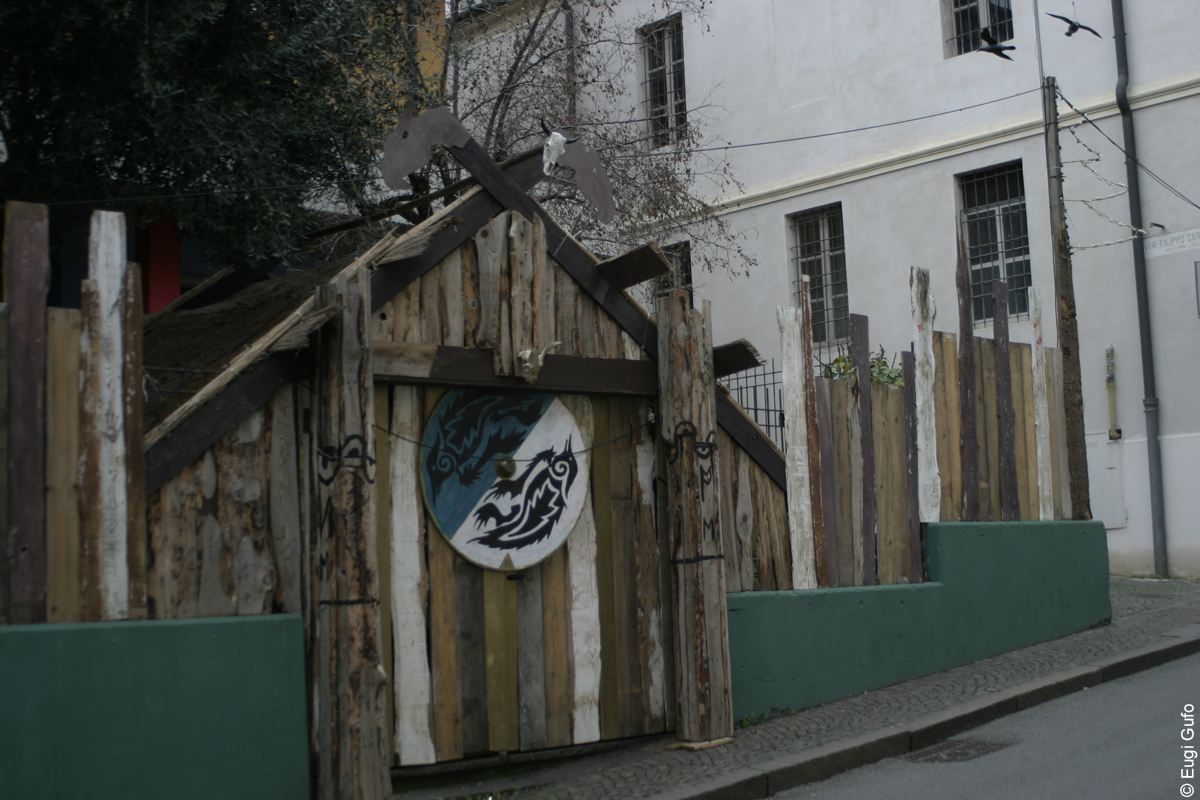
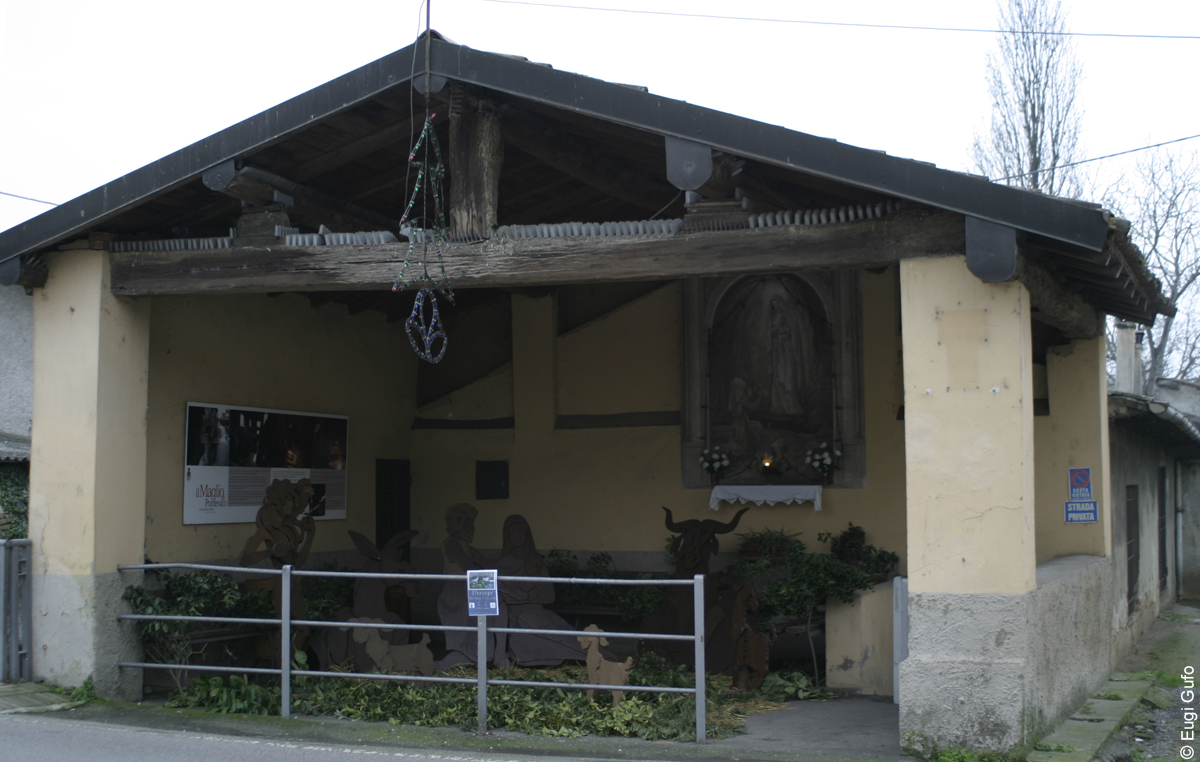
Religious constructions in Pontevico other than churches cannot always be described as beautiful — but at least they are not catastrophically banal.
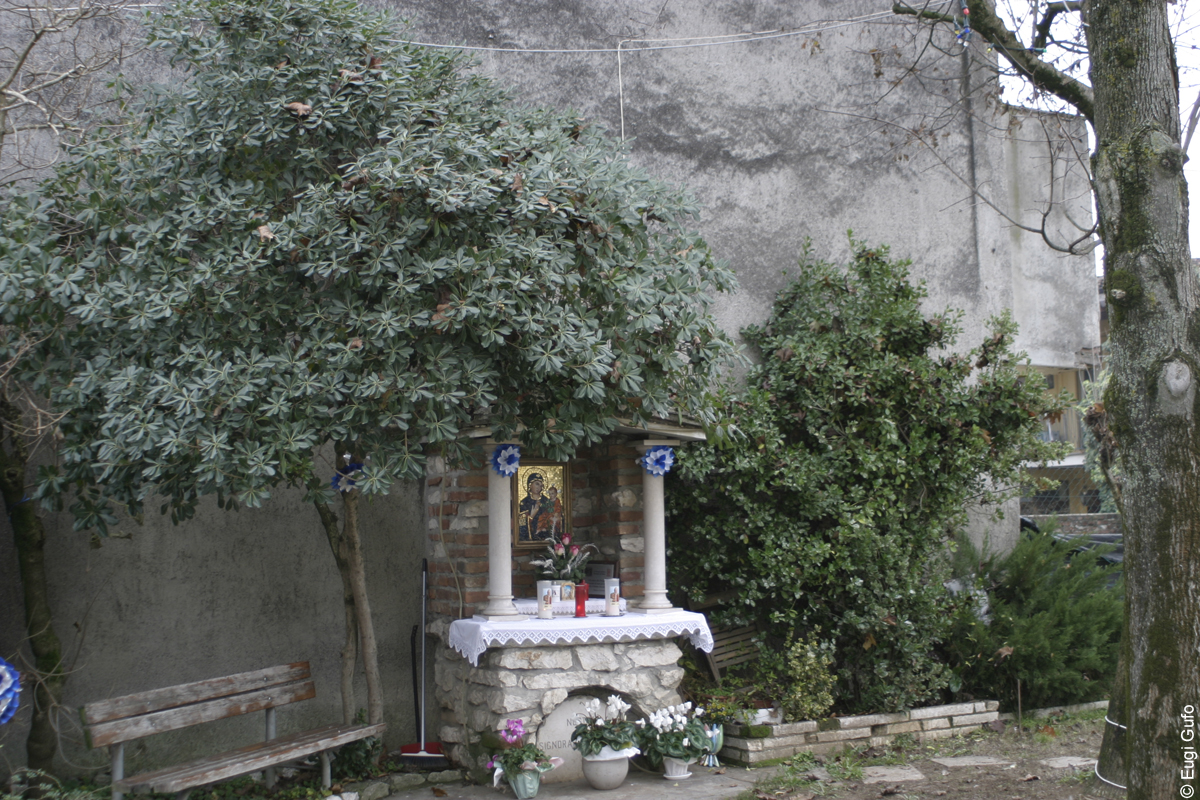
In one of the secondary streets of Pontevico’s centre — or perhaps it was no longer the centre? In villages of this size it is often difficult to classify precisely where one is — I happened to notice a handmade sign pointing towards the «presepio del borgo». Hoping for an interesting ethnographic discovery, I followed the indication and within a few dozen metres found myself before an apparently simple kiosk. Inside, however, there was a surprisingly large collection of rather curious mechanised fairy-tale figures…
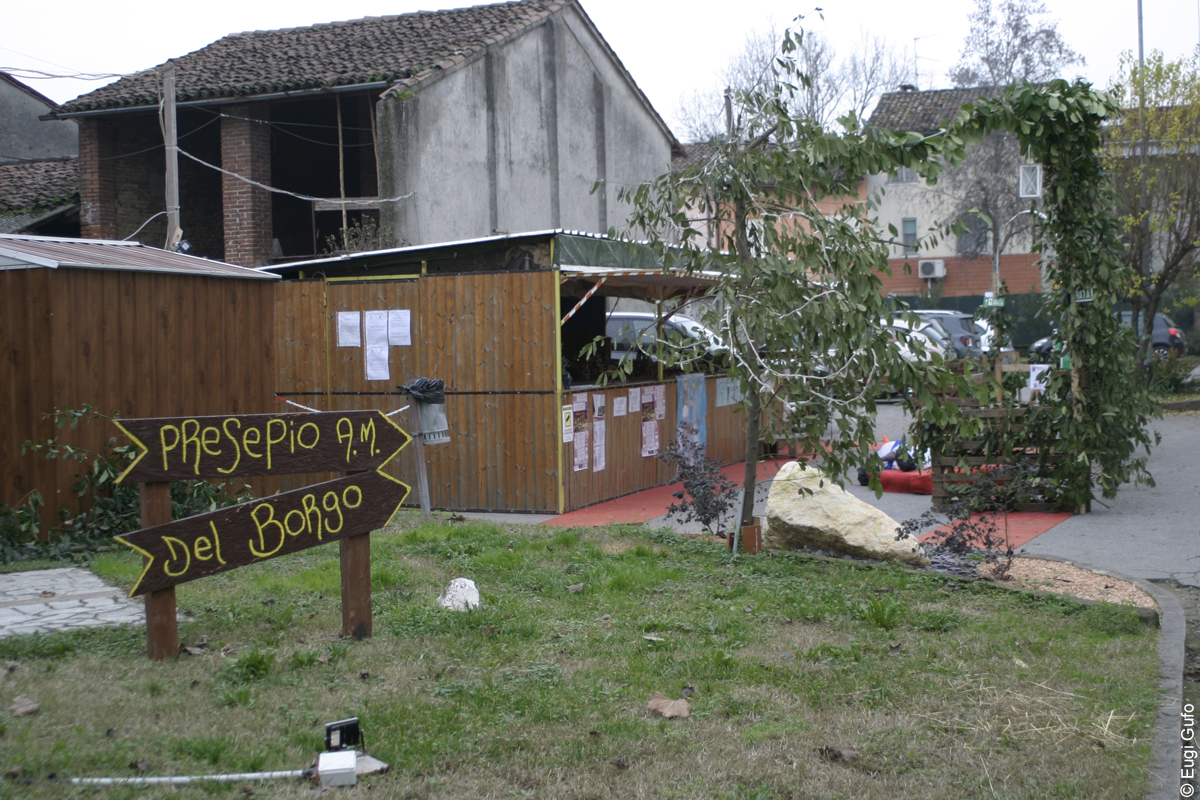
My favourite was the blacksmith. I even attempted to film it, but with outstretched arms and slightly frozen hands it was not a successful mission…
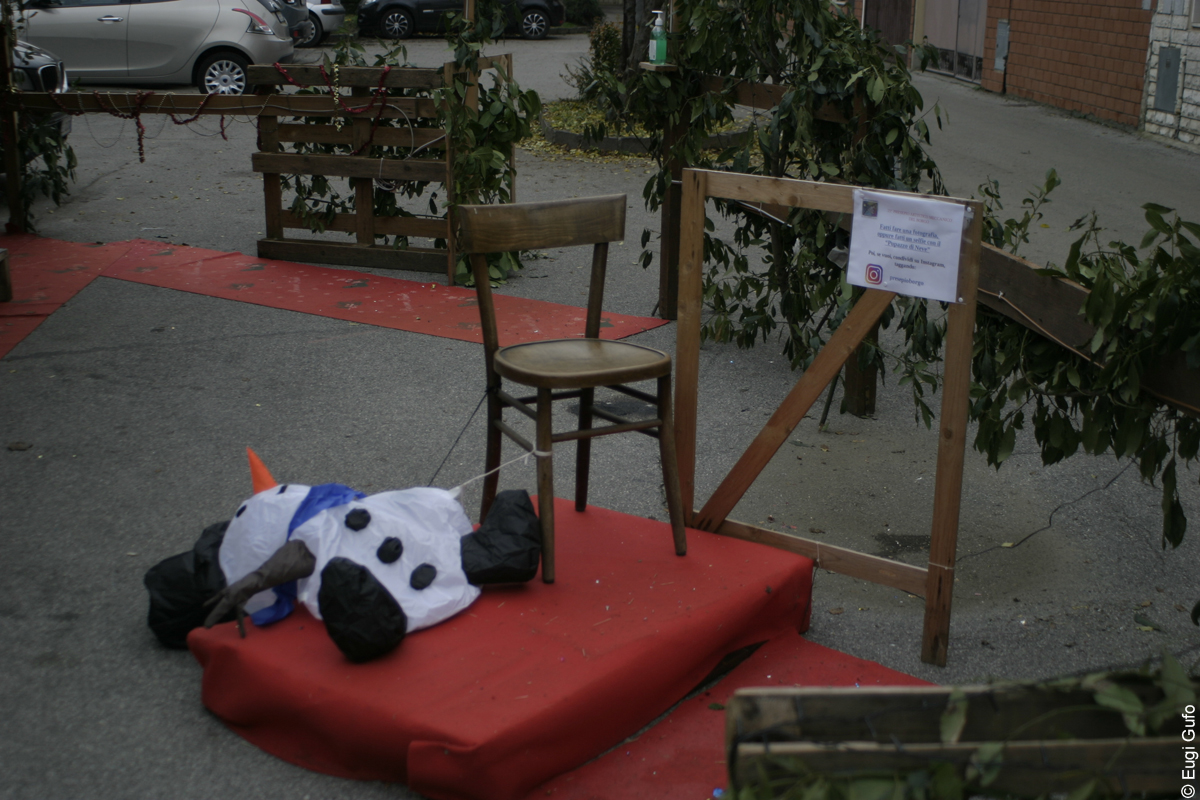
Opposite the nativity display there was a selfie station for posting on Instagram with the tag «presepioborgo». The caretaker of the station, however, appeared slightly exhausted, so I decided not to disturb him.
Another nativity scene in Pontevico was discovered at the entrance of what appeared to be a religious building… In reality, it is an old water mill for cereals, active for centuries until 1961. From 1883 onwards, a forge also operated in the same structure, producing small tools of various kinds for private customers (using steel from decommissioned railway tracks). Since 6 April 2008 the building — complete with the historical equipment used in these trades — has functioned as a working museum (meaning visitors can try the crafts themselves). The museum is privately owned (by a family) and open twice a week: Wednesdays and Saturdays, always from 8:00 to 12:00. For a non-local visitor, these hours are not particularly convenient, but the idea itself is excellent. I hope that one day the place becomes more accessible (even for me, ahahaha).
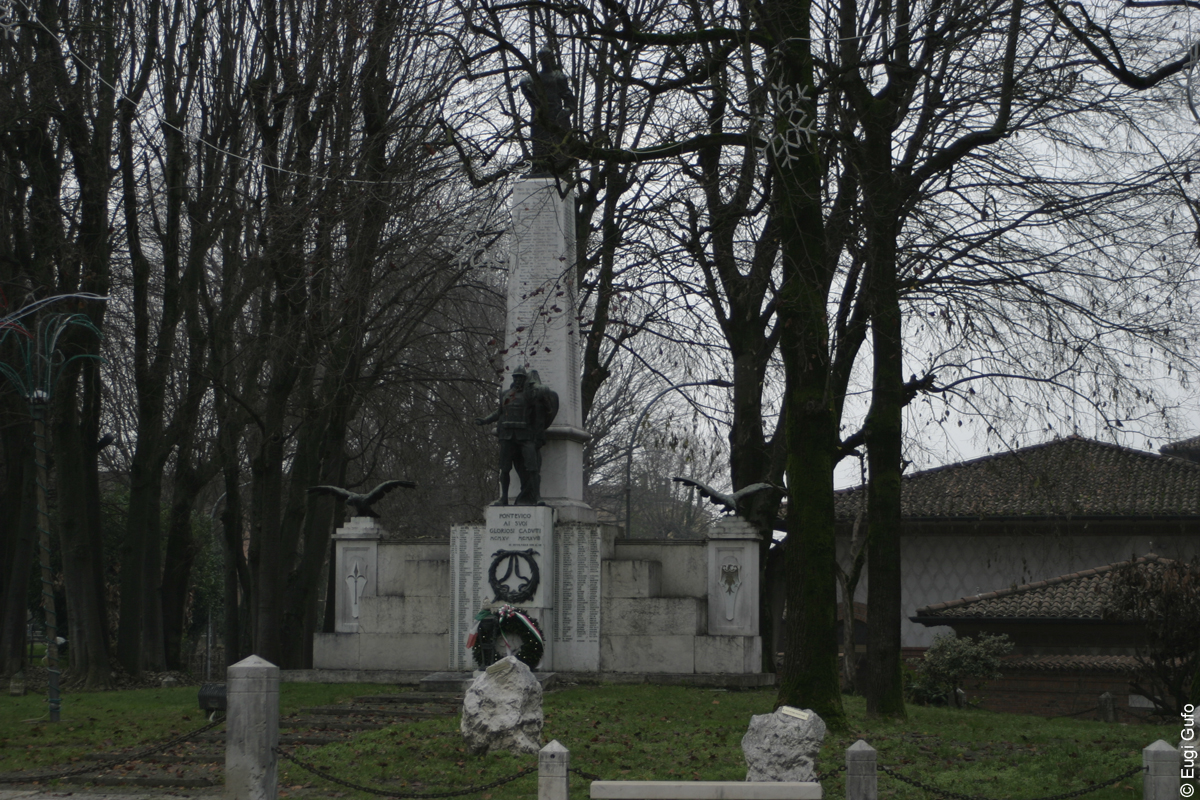
Among Pontevico’s less practical and more artistic attractions we may mention the monuments — for example, the one dedicated to the «glorious fallen» of the First World War. In truth, it impresses more by its size than by its artistic qualities.
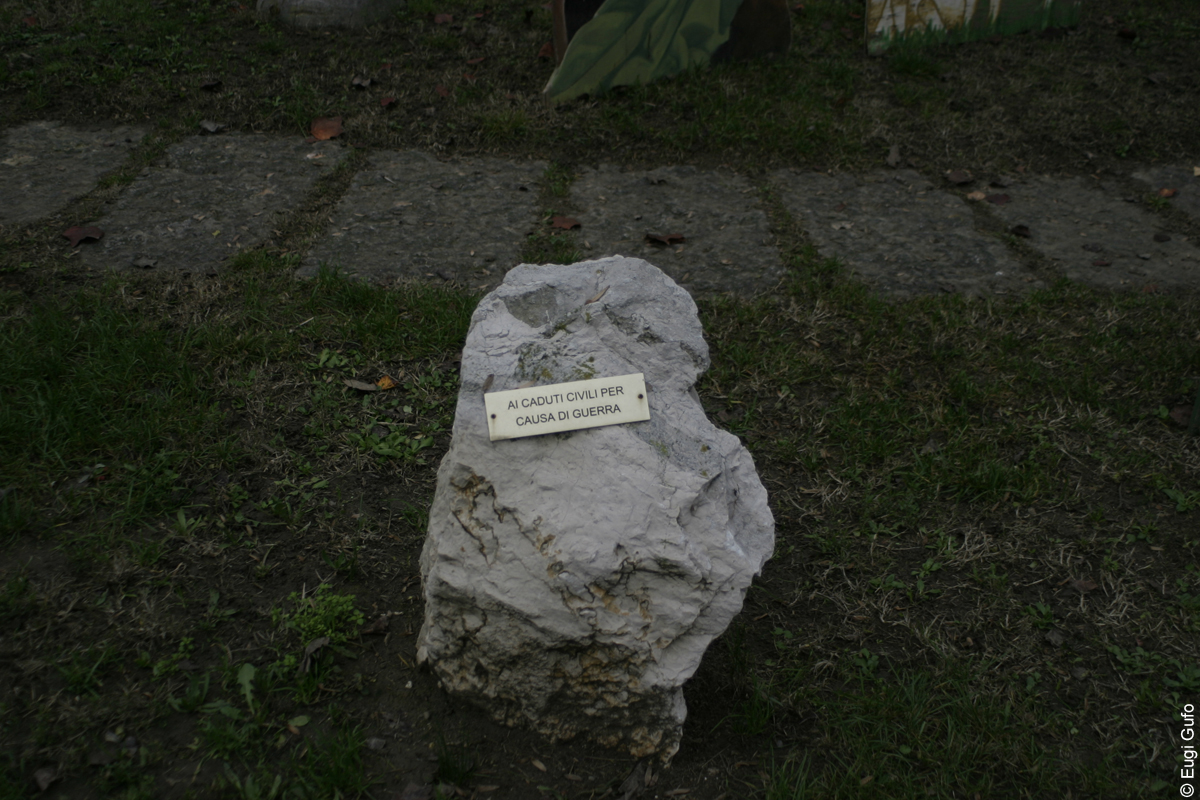
That monument is surrounded by stones of various sizes dedicated to those who perished in other tragic circumstances of the past. It may well be right to preserve their memory, but the method adopted in Pontevico is first and foremost an excellent monument to laziness: whenever a sculptural work is required, take a stone, attach a plaque, and save the effort that would have been spent negotiating with a sculptor. Note that I have deliberately refrained from commenting on the expenditure of other resources.
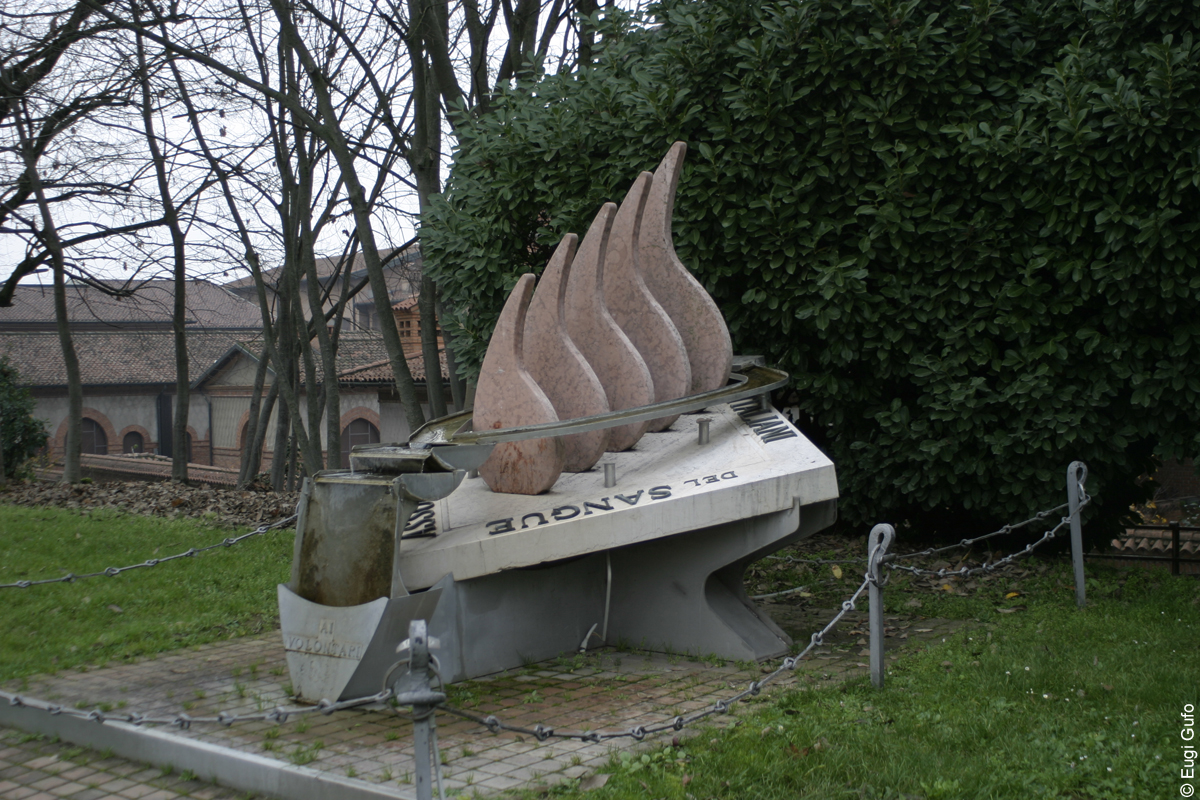
At the same time, however, I must acknowledge that Pontevico is the first Italian locality where I have noticed an AVIS monument dedicated to its volunteers. It is rather attractive — partly thanks to the flowing water.
As for Pontevico’s civil architecture, I can observe that in the small centre of the town there are several pleasant examples. I did not encounter any masterpieces, but the overall impression remains positive.
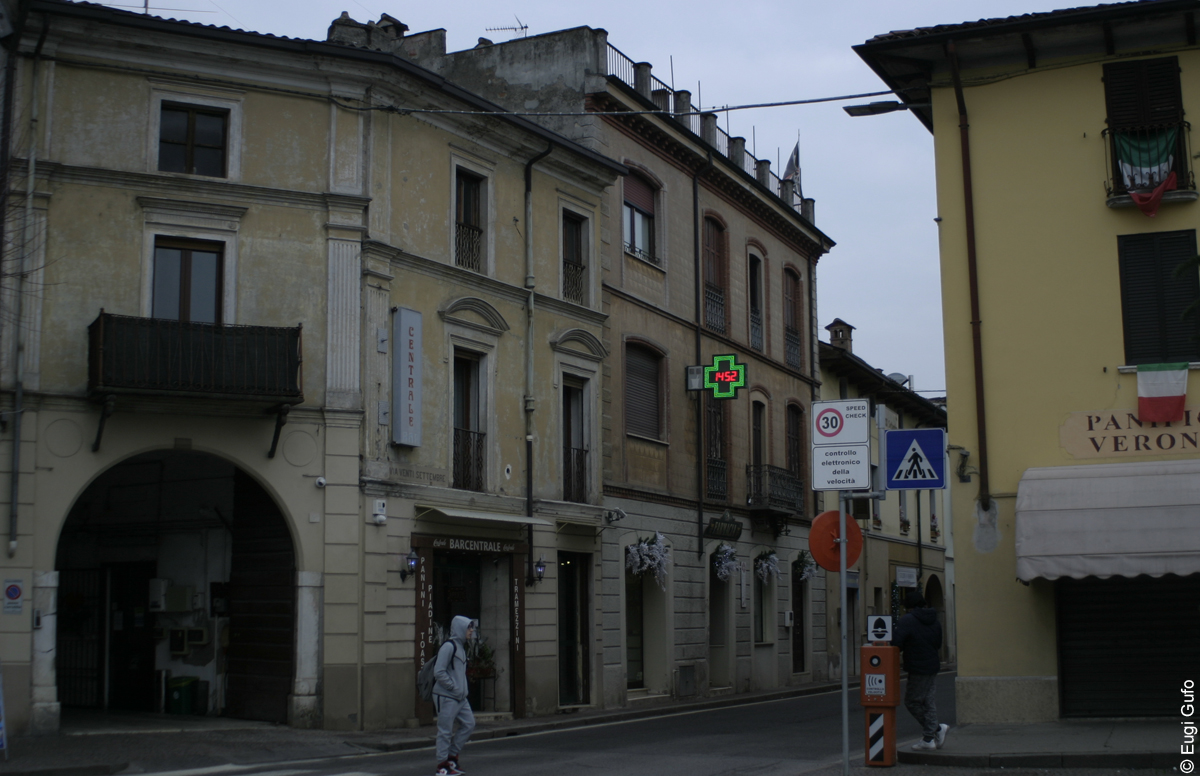
Even on the outskirts one finds private buildings that are neither trivial nor unattractive.
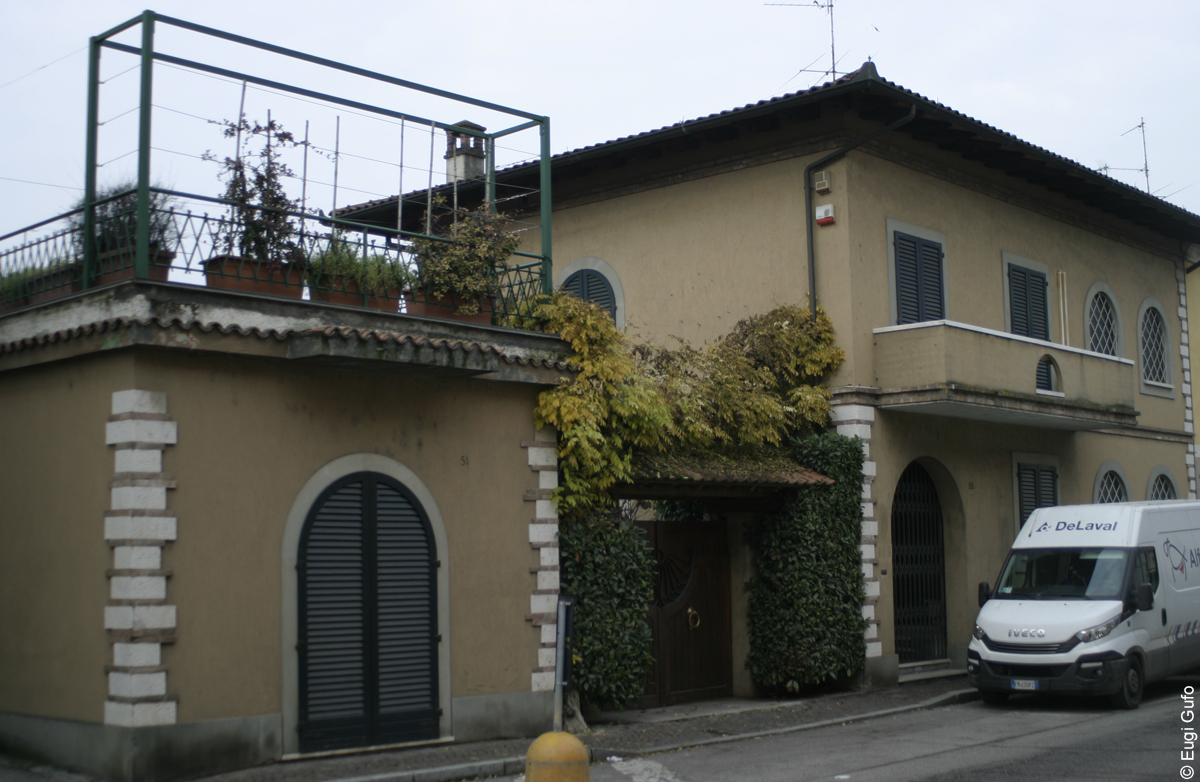
Provincial modern architecture, too, can occasionally surprise.
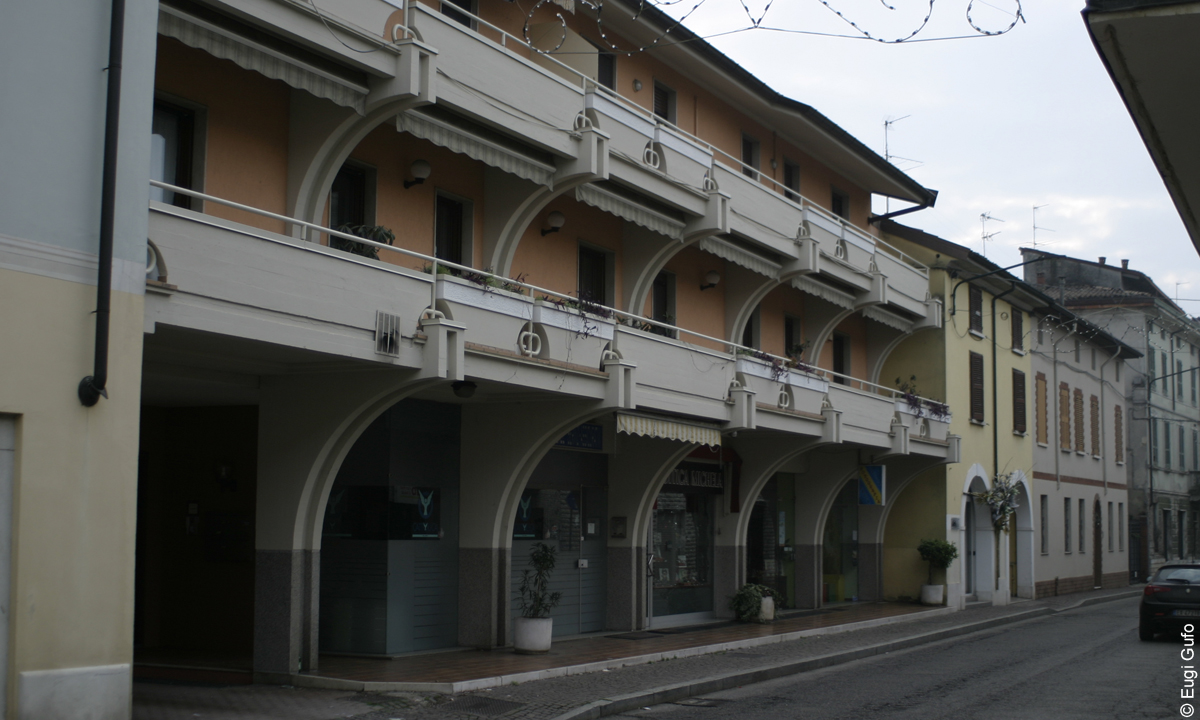
And then, some private houses in Pontevico are painted as if they stood in a seaside holiday resort (I am not entirely sure why that association arose in my mind; it may well be unfounded).
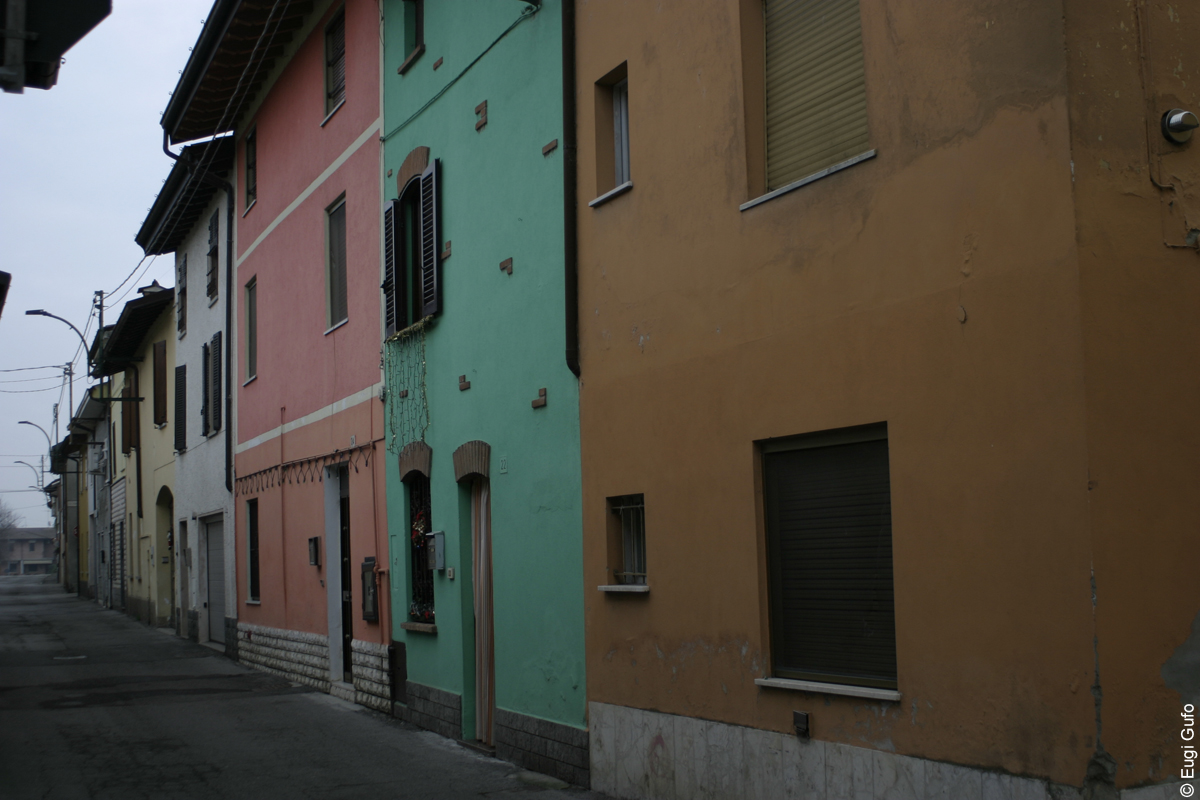
Other owners, however, with slightly weakened aesthetic judgement, overindulge in decorative enthusiasm.
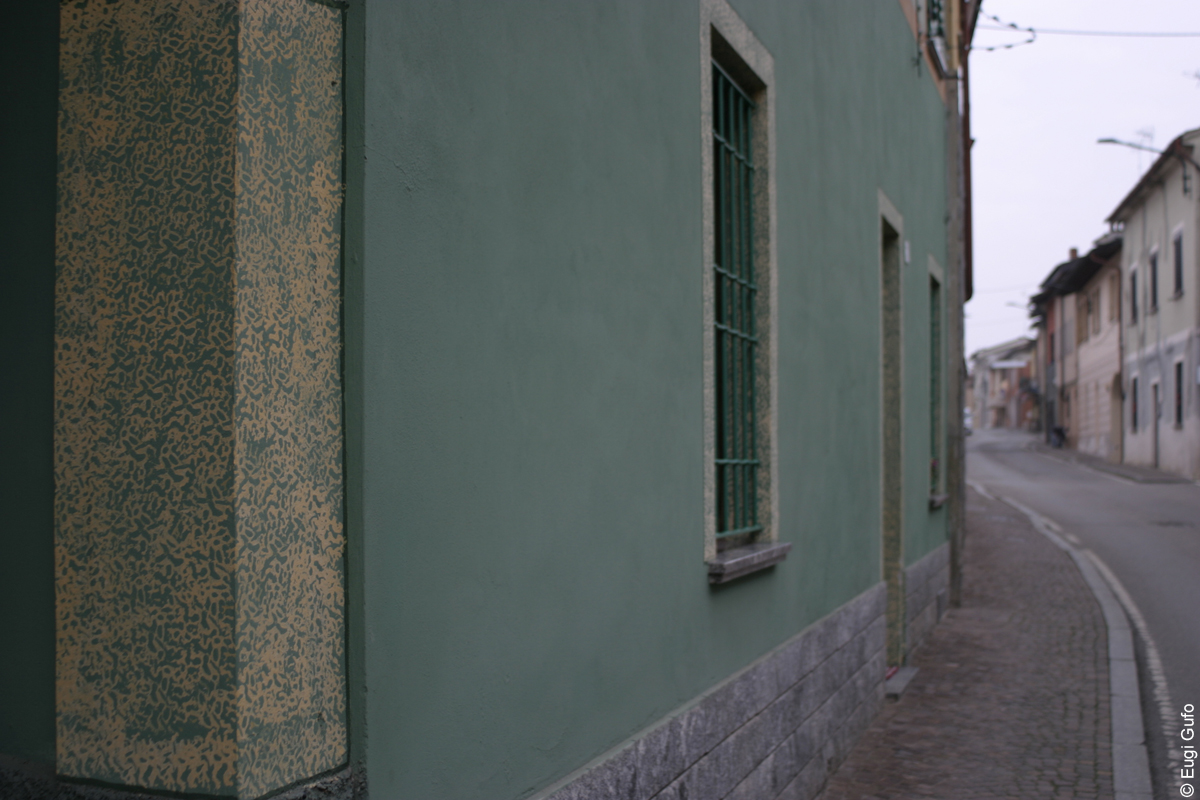
Meanwhile, the municipal plumbers overindulge in manhole covers concealing drinking-water meters.

As in nearby Robecco d’Oglio, numerous signs indicate the various cycling paths in the area. It is encouraging to discover that these routes are not merely of local importance.
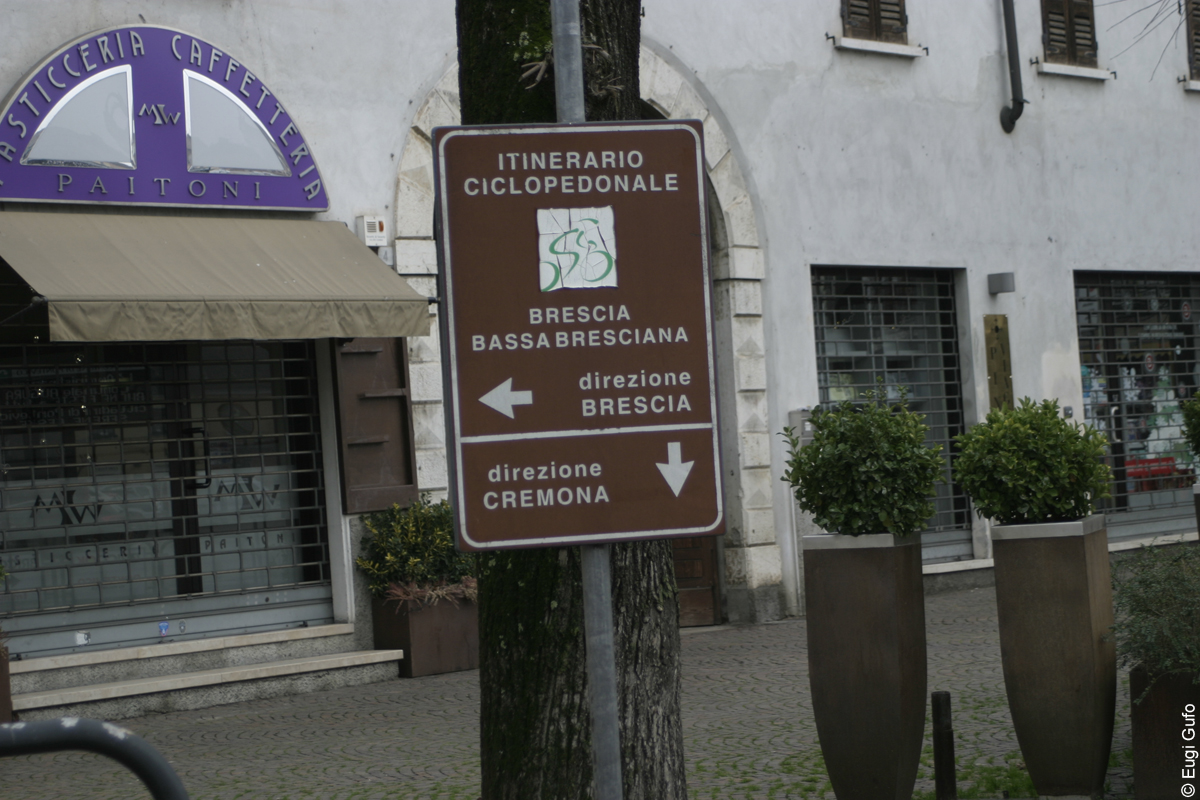
One of them not only leads towards the aforementioned neighbouring town but also passes directly by the railway station serving both settlements. From Pontevico, in particular, the station can be reached in just over ten minutes on foot at a very relaxed pace.
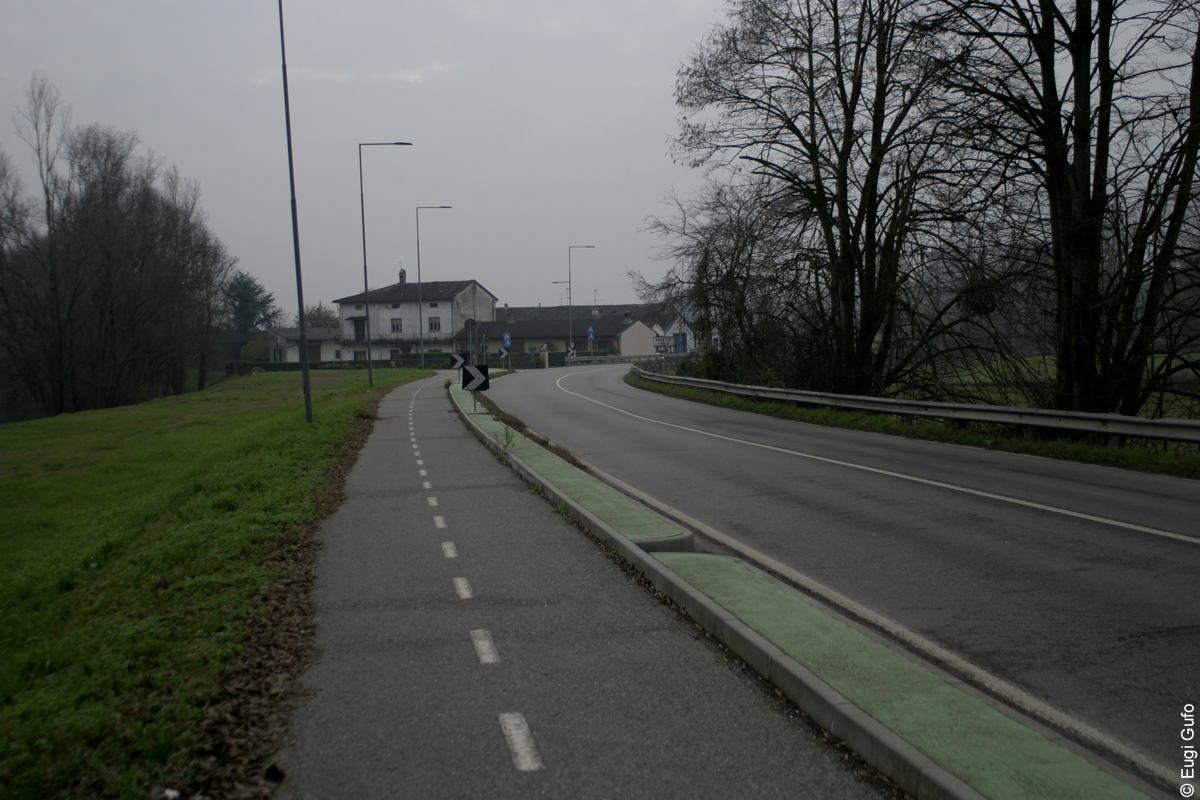
For part of its course, this cycle path runs alongside the River Oglio. Allow me to make a banal clarification: the name Pontevico does not derive from the word ponte («bridge»), but from the name of a Roman road that connected a port on the River Po to Brescia and passed through the town… I am not qualified to comment further on that linguistic concept.
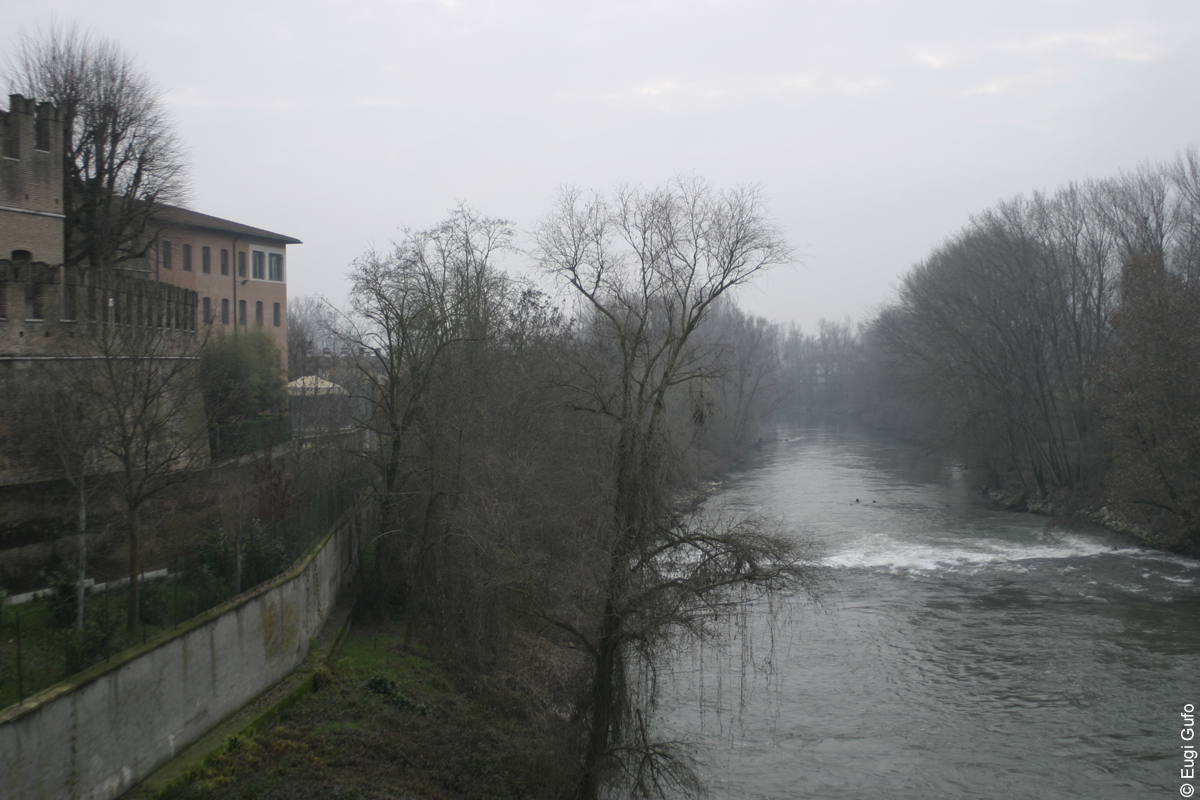
Well then, that is all. I would say I expected slightly more from this place…
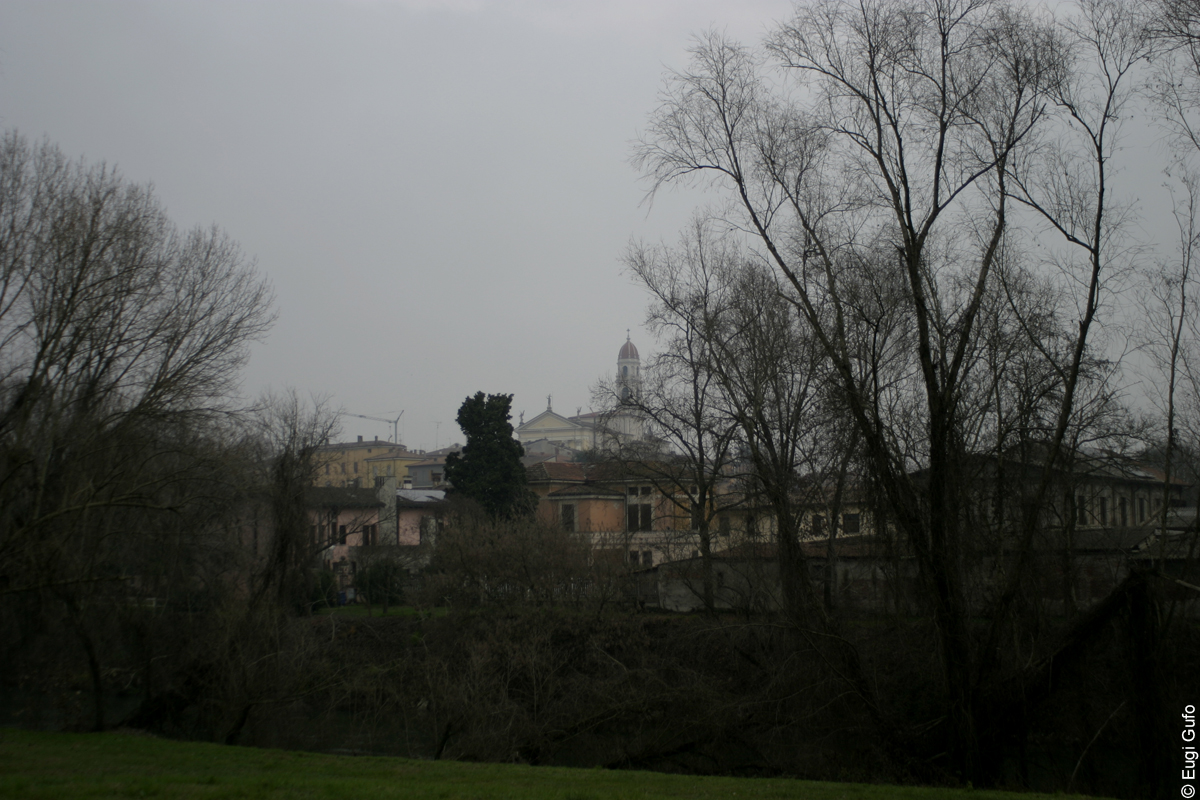
Even though, as you have seen, there are residents who make genuine efforts to render Pontevico somewhat less unattractive.
Pontevico, 28 December 2022
↓ Show comments ↓


