


 Long live Ukraine! Fuck the war!
 RSS of site articles
One July day I visited, albeit in passing, Piadena (in the Province of Cremona). It is one of the more peculiar places I have encountered in Italy. A century ago — perhaps slightly more — it might well have harboured ambitions of becoming a city. Indeed, it probably did. At some point, however, for reasons now obscure, it appears to have relinquished the effort. What remains is a large, densely built-up settlement of two- and three-storey historic buildings.
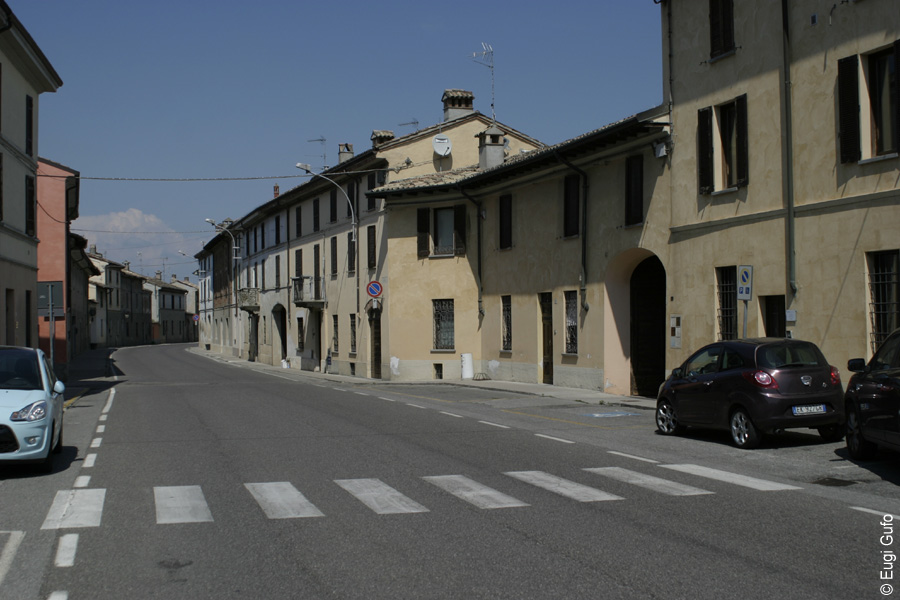
It could have become a genuinely handsome town.
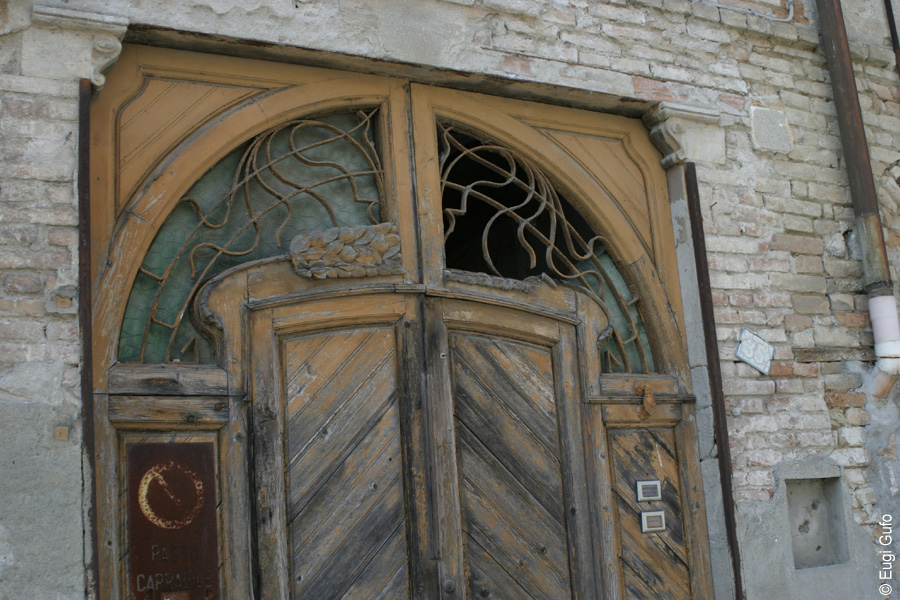
The parish church presents a somewhat coarse façade, not particularly inviting.
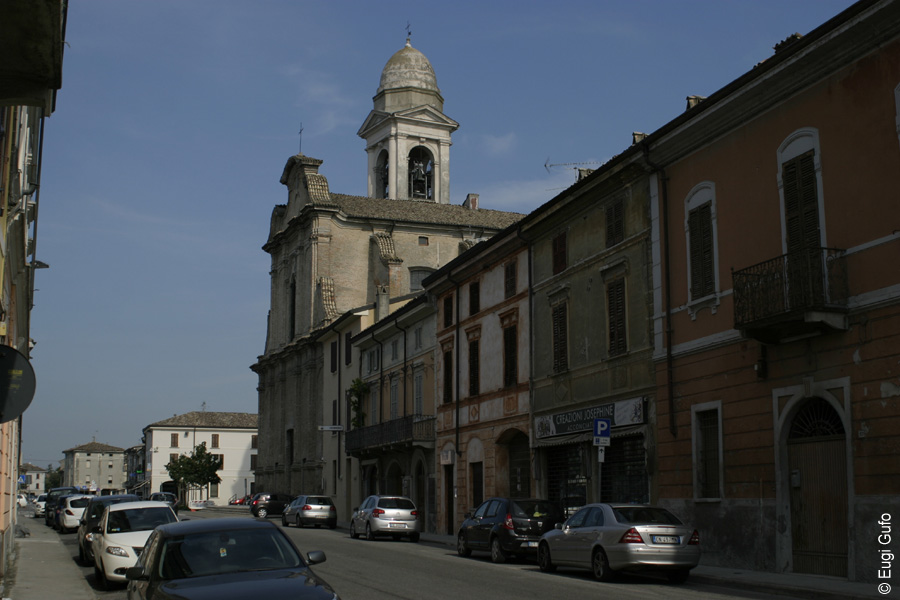
In reality, however, it deserves to be seen — especially inside.
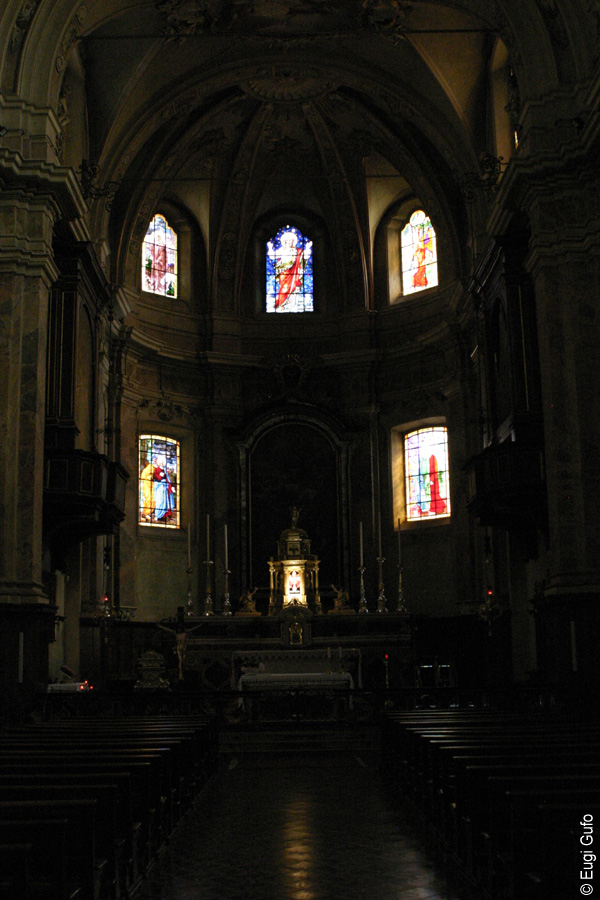
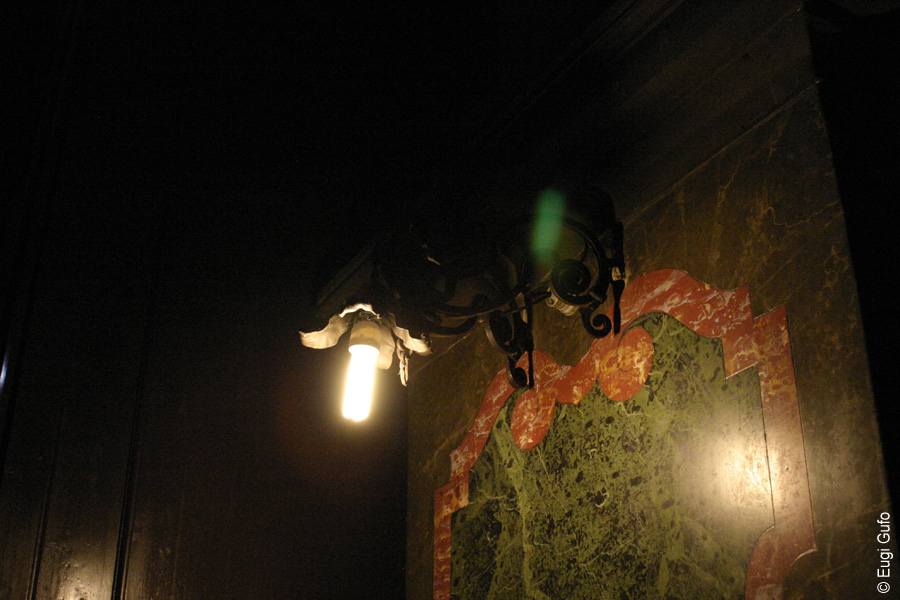
Regrettably, the low-energy light bulbs, of a distinctly uncompromising design, are displayed with the same visual authority as the other sacred objects.
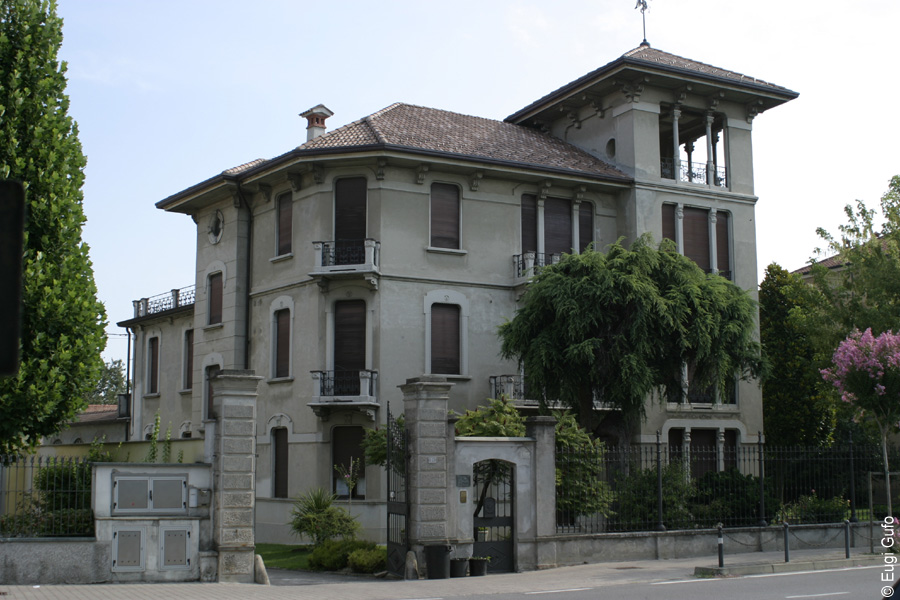
Having completed the cultural component of the visit, one discovers that beyond the «centre» lies a considerable number of substantial private villas. Their architectural quality and physical condition vary, yet most appear to be inhabited — a circumstance no longer self-evident in many small Italian localities.
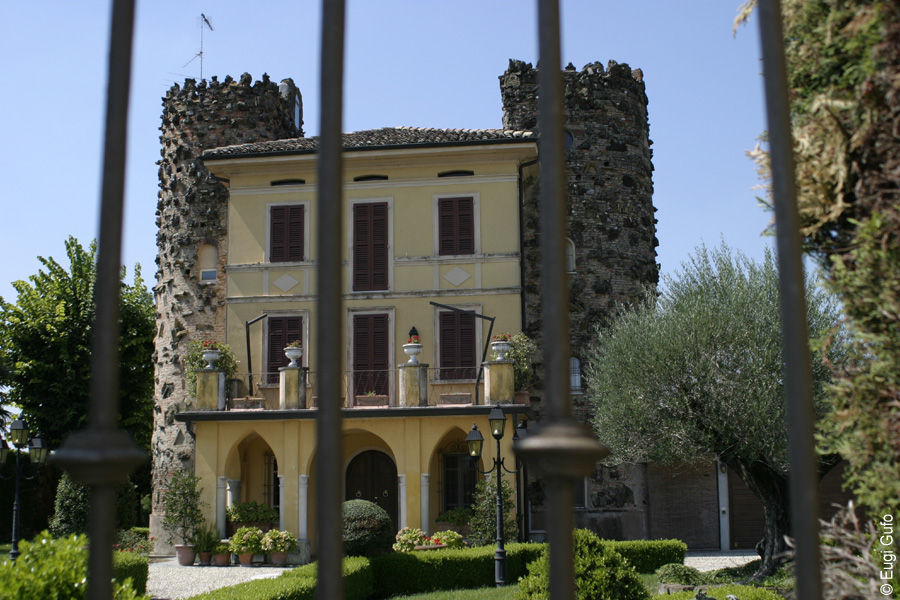
This one, although not a prison, is likewise inhabited. Its aesthetic language is… direct.
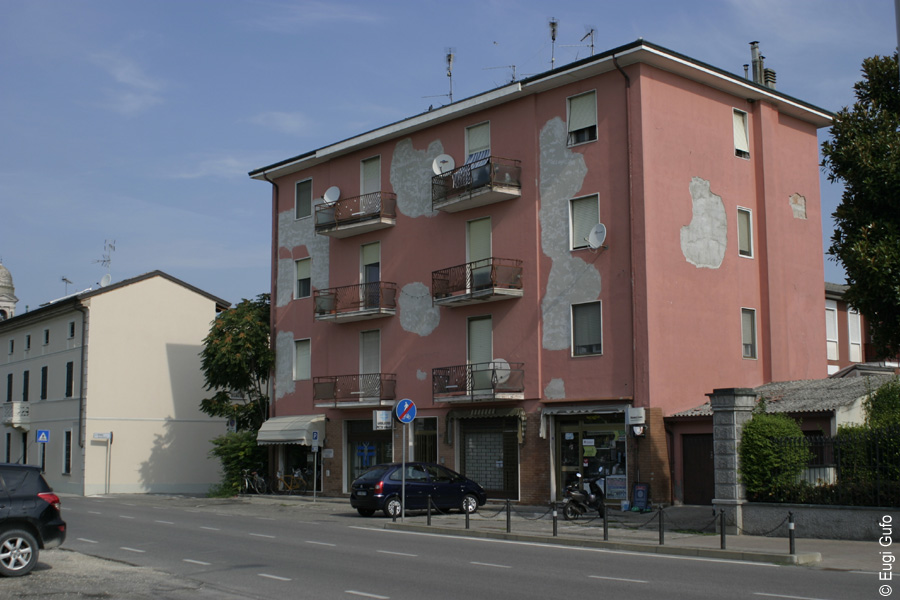
Paradoxically, the most dilapidated building I observed was not the oldest. It is, I suspect, the one constructed according to the lowest local standards. I would not object to its discreet removal.
The function of certain other modern structures can be deduced only with assistance from explanatory signage.
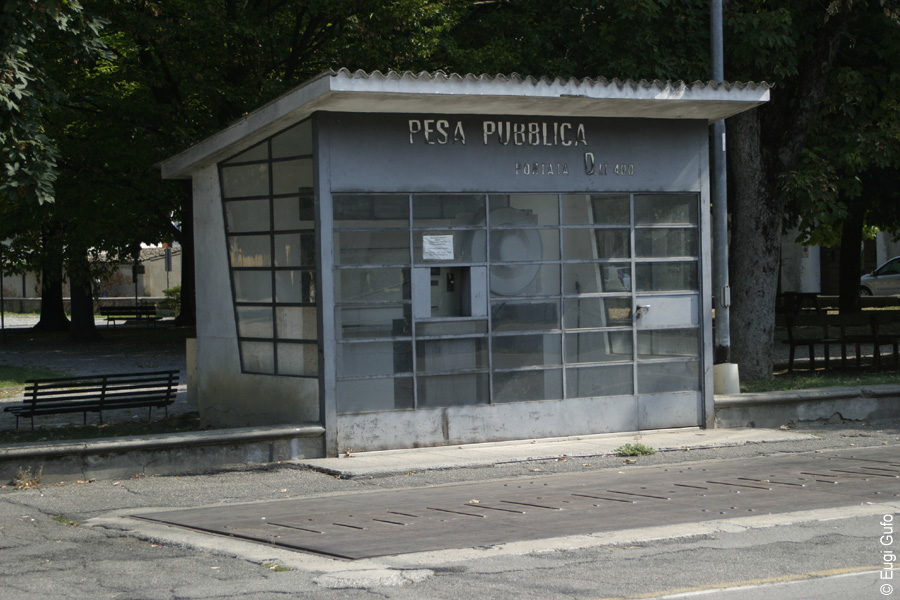
Everyone — myself included — knows the purpose of a public weighbridge. I was pleased, at last, to encounter one apparently still operational. Had the opening hours been communicated in a more decipherable manner, I might even have considered testing it.
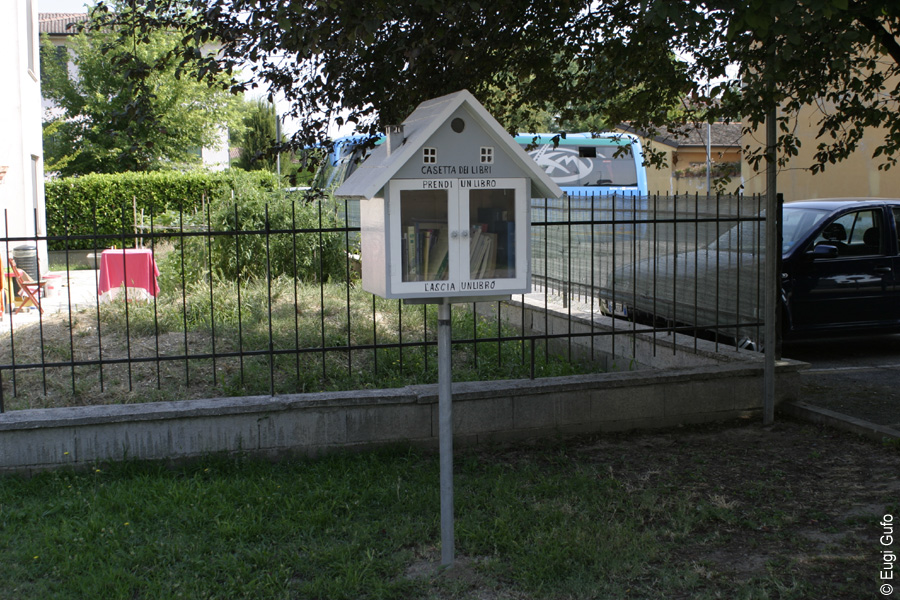
A different functional typology is currently spreading across Italy: the small «book house» intended for the exchange of printed volumes. The literary standard of the donated works is not uniformly elevated. This is, however, entirely predictable; I too retain the more compelling books for personal use.
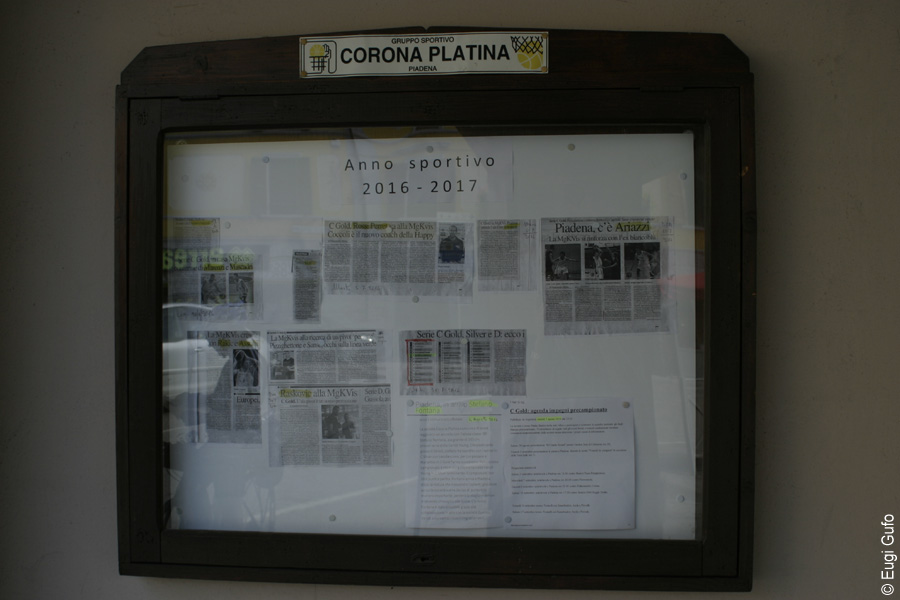
Municipal noticeboards devoted to sport are, fortunately, less ubiquitous. It is worth recording that Piadena’s is not dedicated to the usual football.
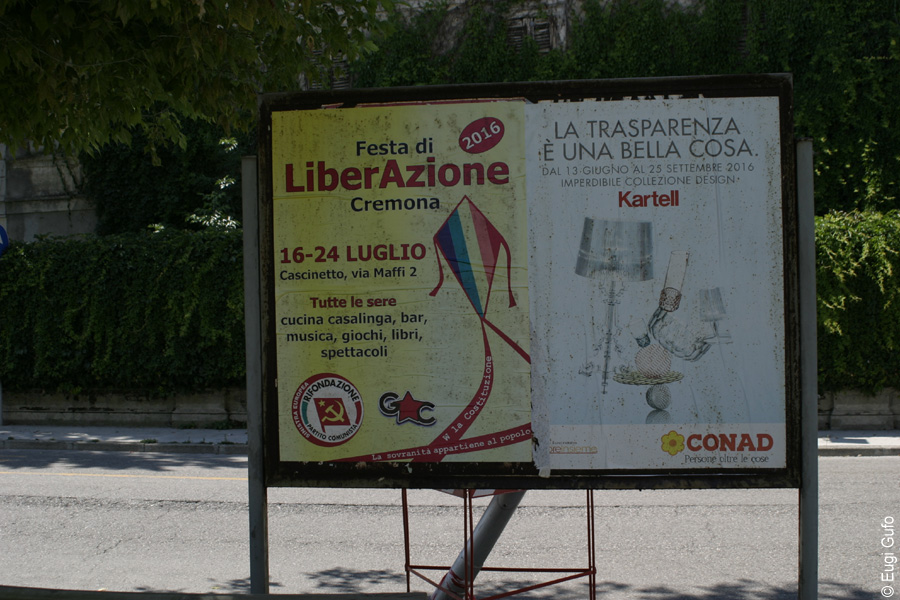
«Liberation Festival» in July? The sign prompted me to revisit a chapter of Italian history — which is never a wasted exercise.
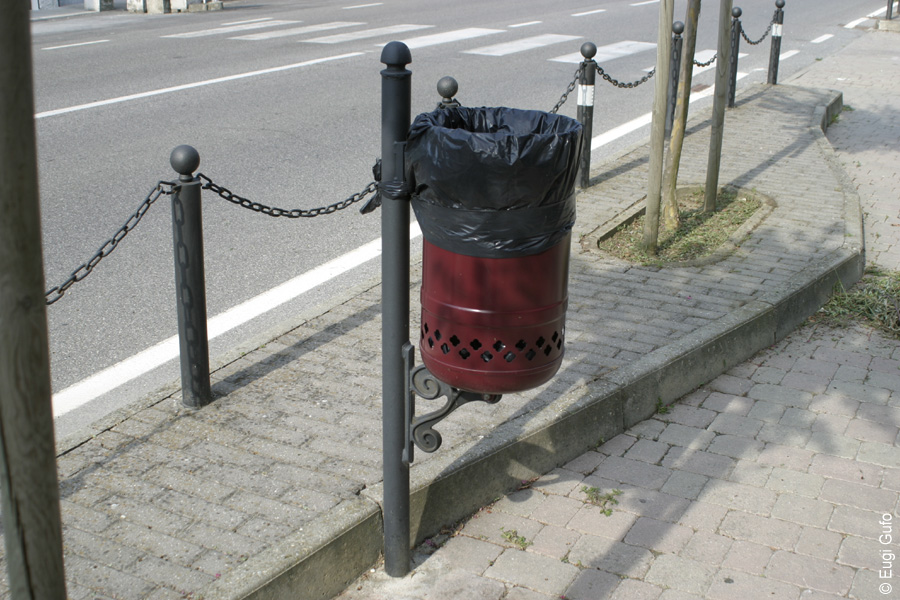
Even in the fabric of everyday life, minor discoveries are possible. A model of litter bin widely distributed throughout Italy appears here in a two-tone version rather than the customary black.
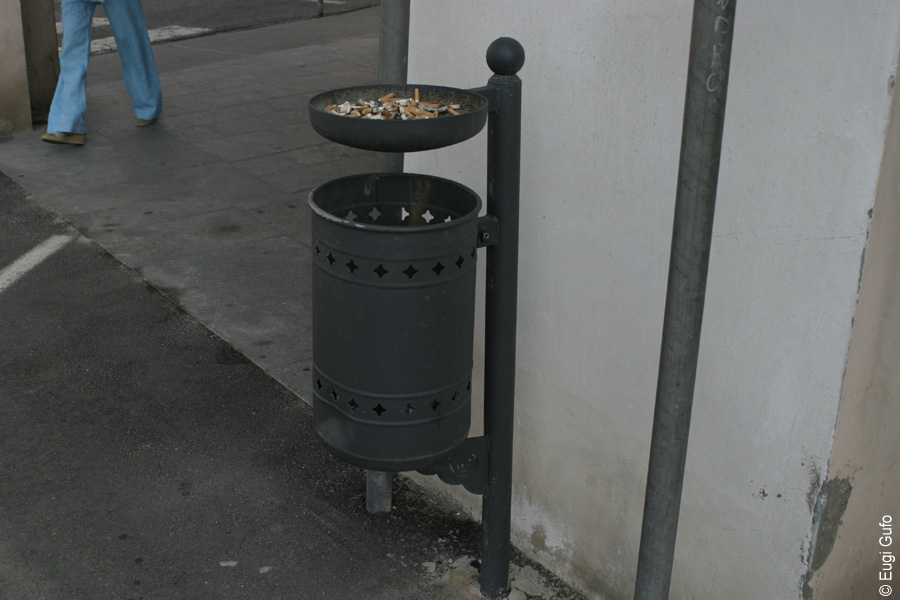
In the town centre, the lids of all bins have been installed in reverse. It is, in fact, an intelligent solution: slightly less rainwater enters the container, and passers-by are deprived of any plausible excuse for discarding cigarette ends on the pavement or extinguishing them against a wall.
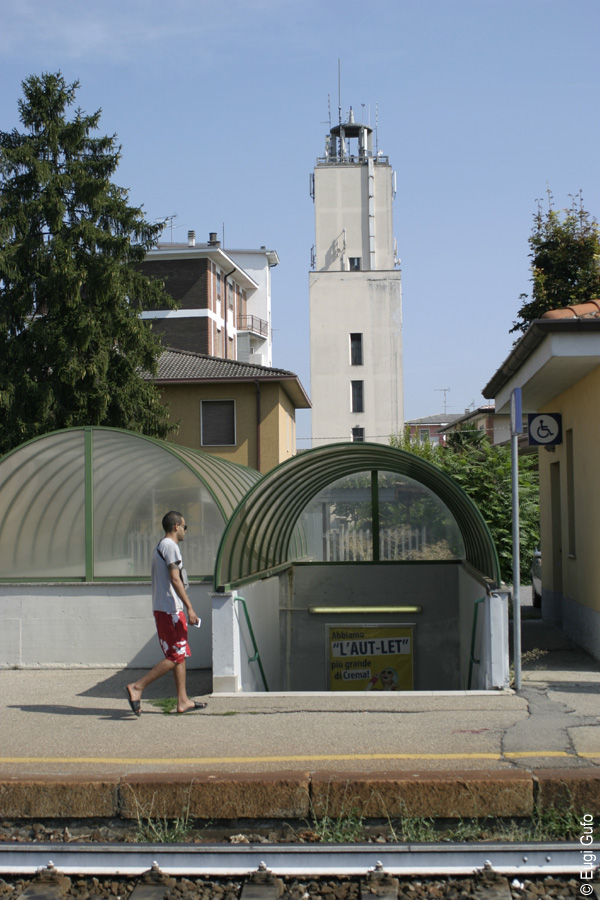
With this, I conclude the inventory of noteworthy observations in Piadena. One final mention must be made of the inexplicably elegant railway station (for a settlement of approximately three thousand inhabitants). Of particular historical interest is the former goods registration window.
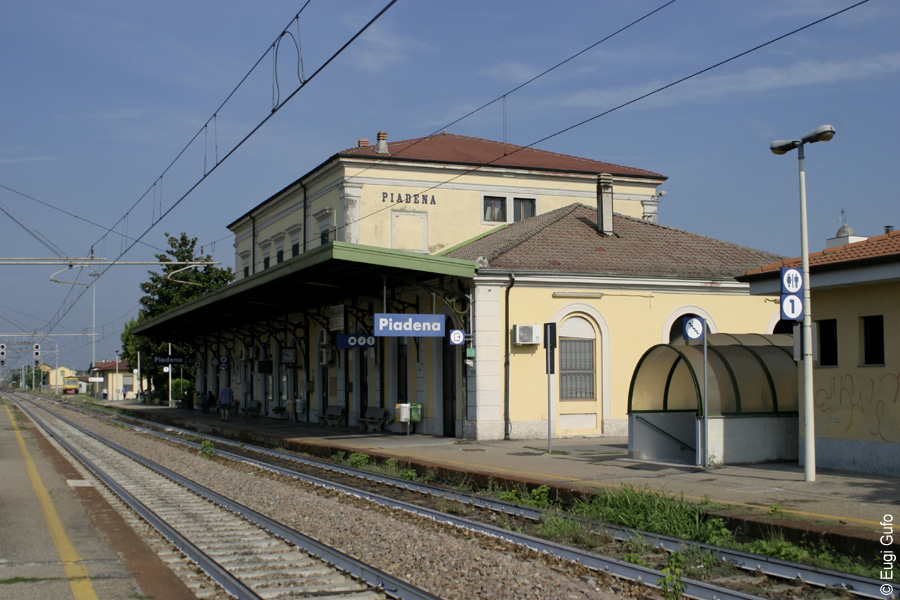
Beyond that, it remains a town in the middle of the countryside.
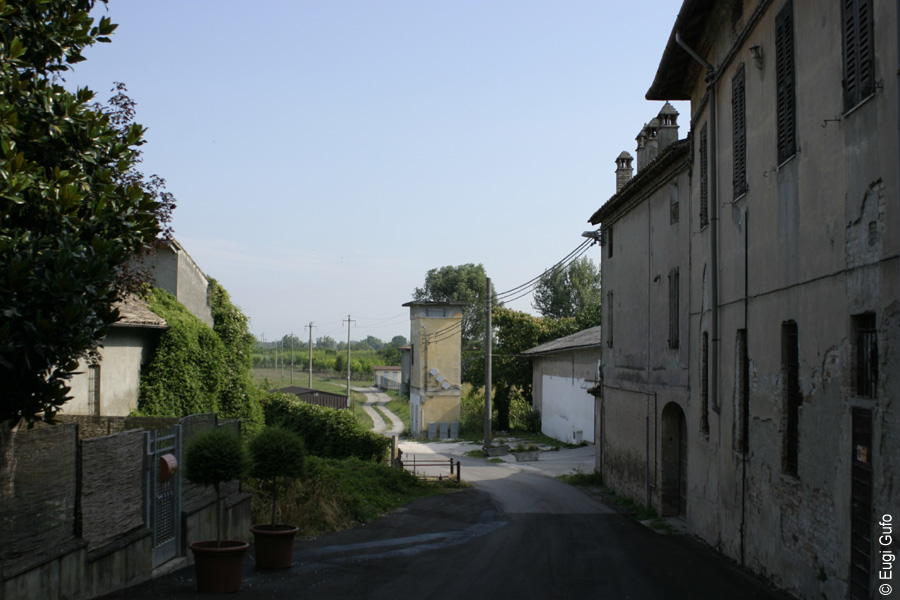
Piadena, 30 July 2016
↓ Show comments ↓


