


 Long live Ukraine! Fuck the war!
 RSS of site articles
My escape from the exceptional Milanese heat brought me, on 25 July, to Lovere on Lake Iseo (in the province of Bergamo). I expected to find a perfectly polished, classic lakeside resort town — and instead no: it is genuinely beautiful even for those who travel in order to study towns rather than beaches.
Lovere has some beautiful squares along the lakeside…
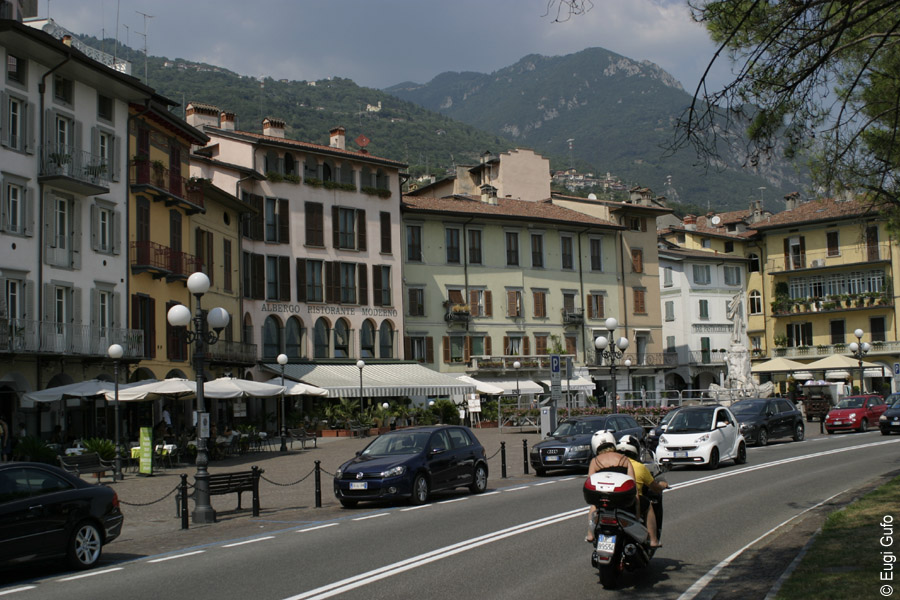
… and small but equally attractive squares in areas further away from the water.
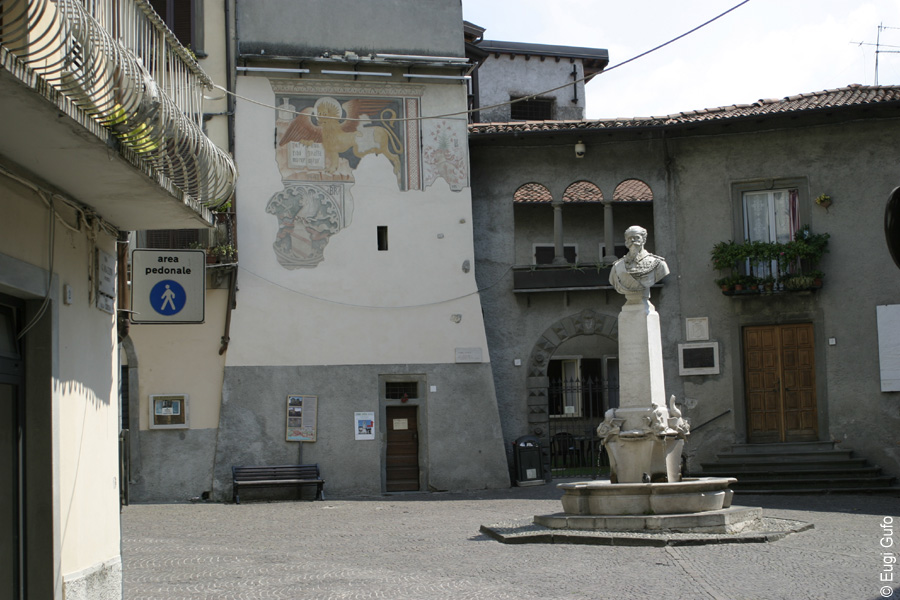
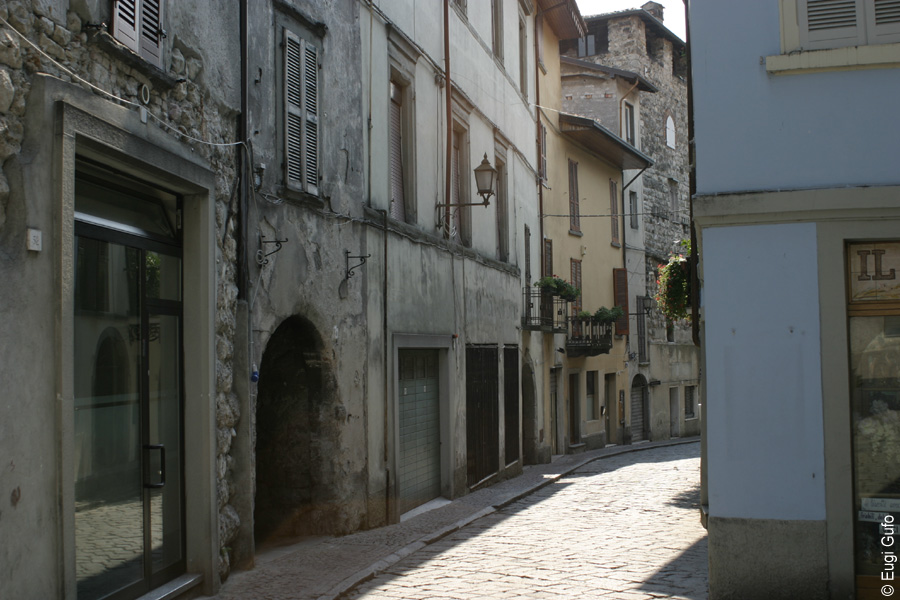
The medieval streets are also pleasant to wander through. Their numerous ascents and descents are not always easy to tackle under the intense summer sun, but, fortunately, shaded areas are frequent.
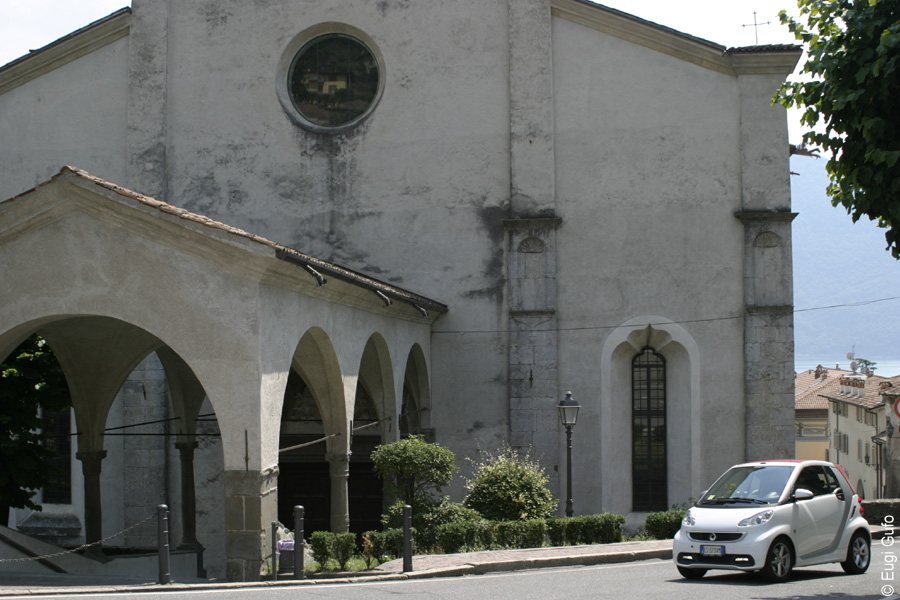
The hillside position of the town centre has nevertheless compelled local architects to adopt rather curious solutions. The façade of Lovere Cathedral, for instance, is half the height of its rear side. The entrance portico is built above a staircase with a gradient of approximately 30 degrees.
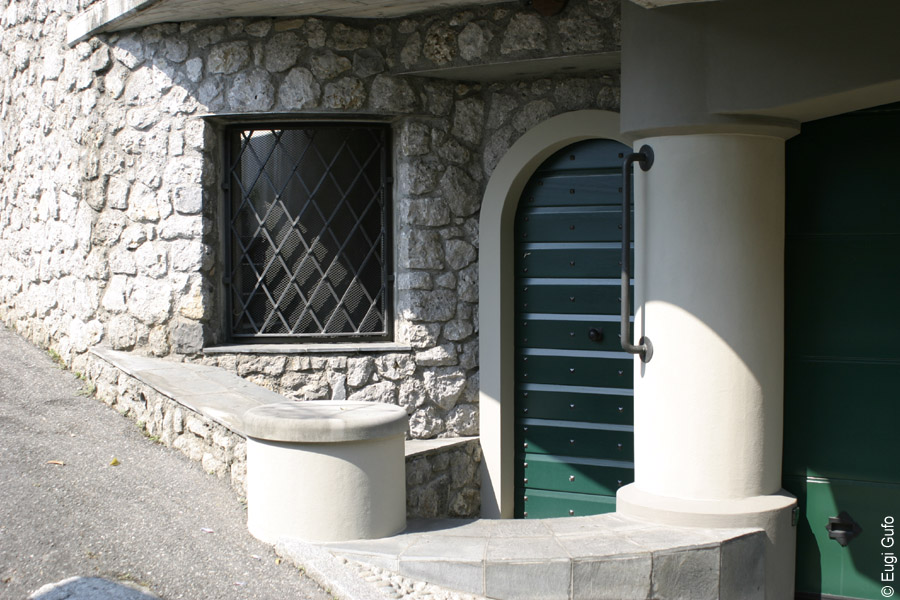
Yet interesting choices have also been made for more modern buildings.
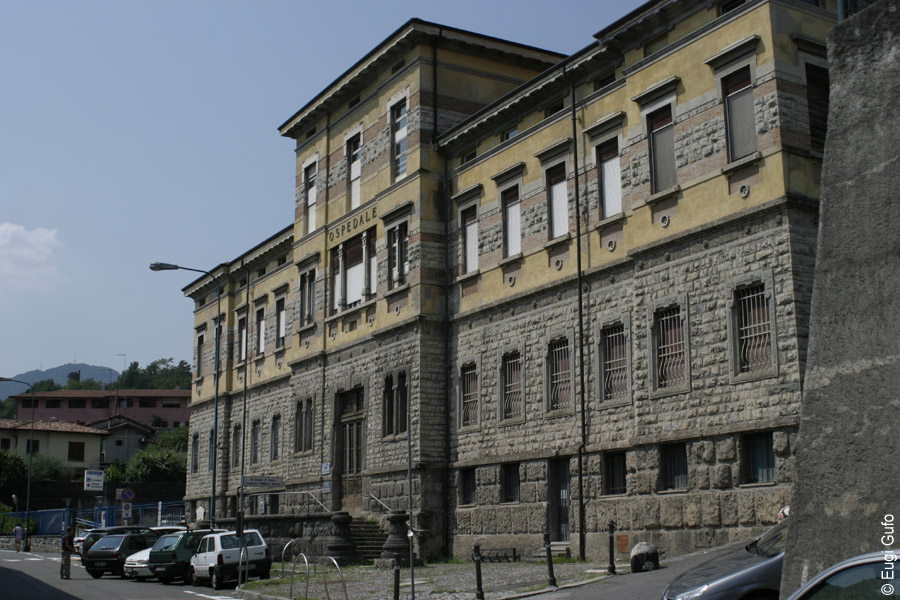
Yes, it is quite true: Lovere is a paradise for creative architects. The town hospital, for example, resembles a prison.
In various parts of the municipality — even in the centre — abandoned private villas are frequently visible. They are not as numerous as in Treviglio, but neither are they few. I hope that Lovere’s tourist specificity will favour their timely restoration: for now, they are not in critical condition.

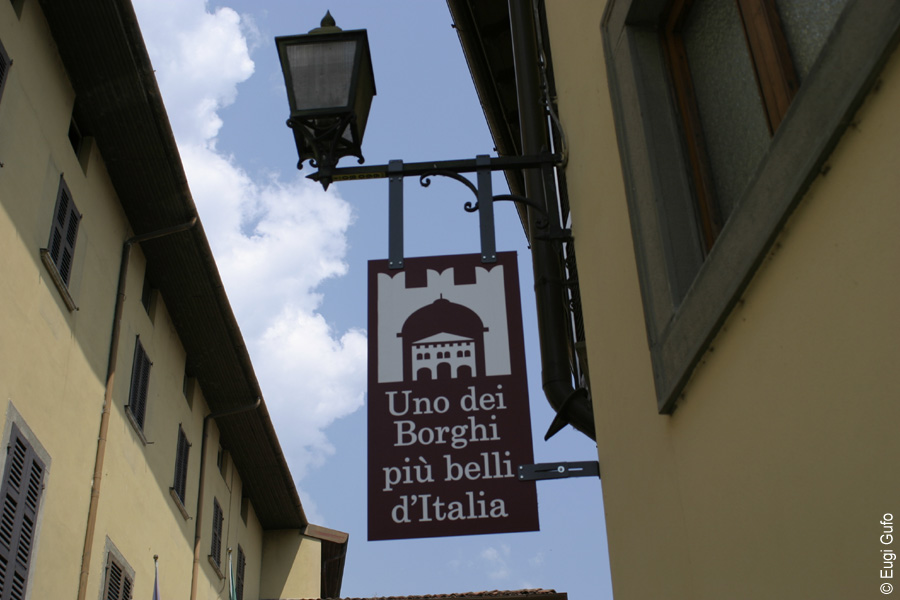
The title «One of the Most Beautiful Villages in Italy» is to be regarded as deserved. But it must immediately be specified that it was deserved by the ancestors of the current inhabitants. The latter, by contrast, are not even capable of installing and fixing a sign in an aesthetically pleasing manner.
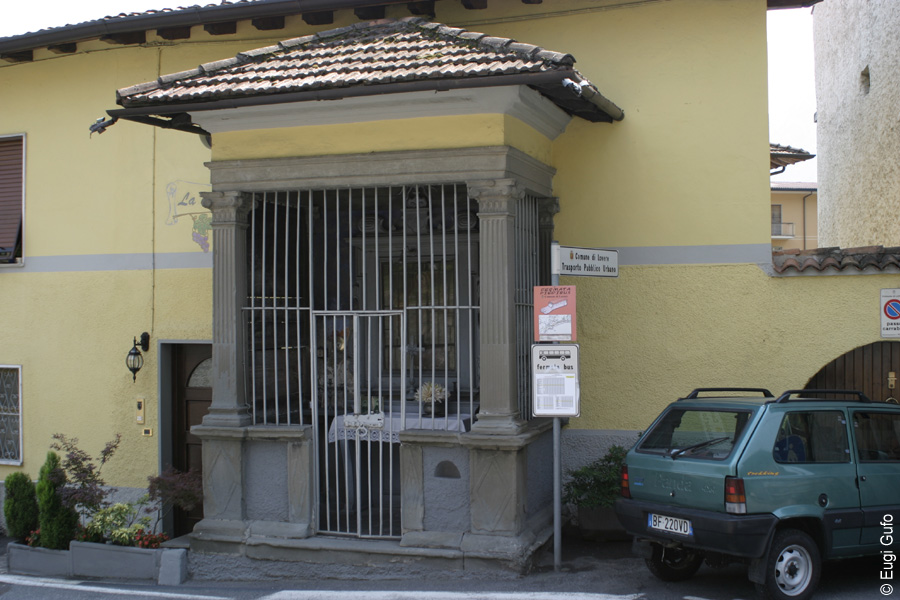
Every grille, even when installed on a religious building, inevitably calls to mind the prison theme.
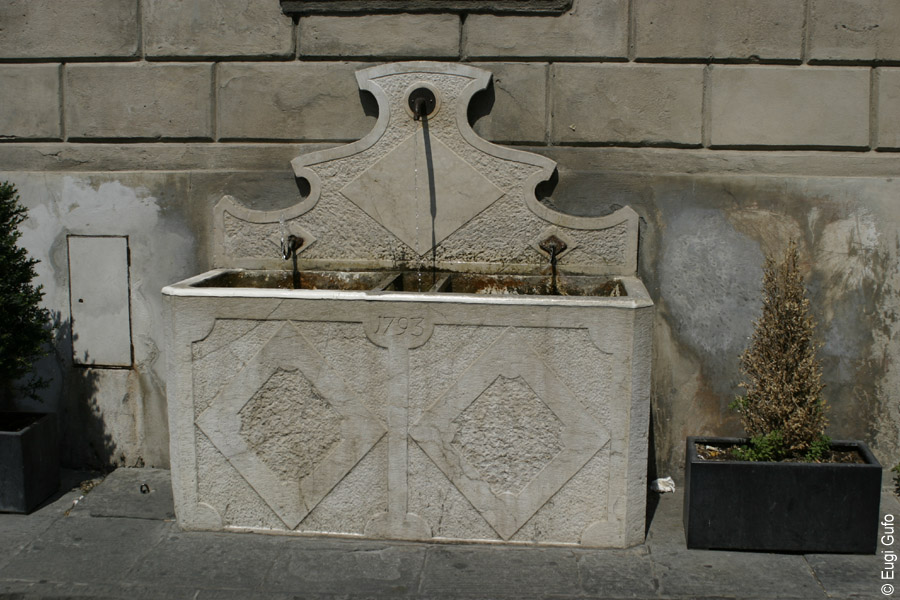
Fortunately, Lovere is full of small historical details to discover… It seems scarcely credible that, in this specific case, the year of construction is 1793, while the «fine from 1,000 to 5,000 lire» will undoubtedly encourage our grandchildren to study economic history.
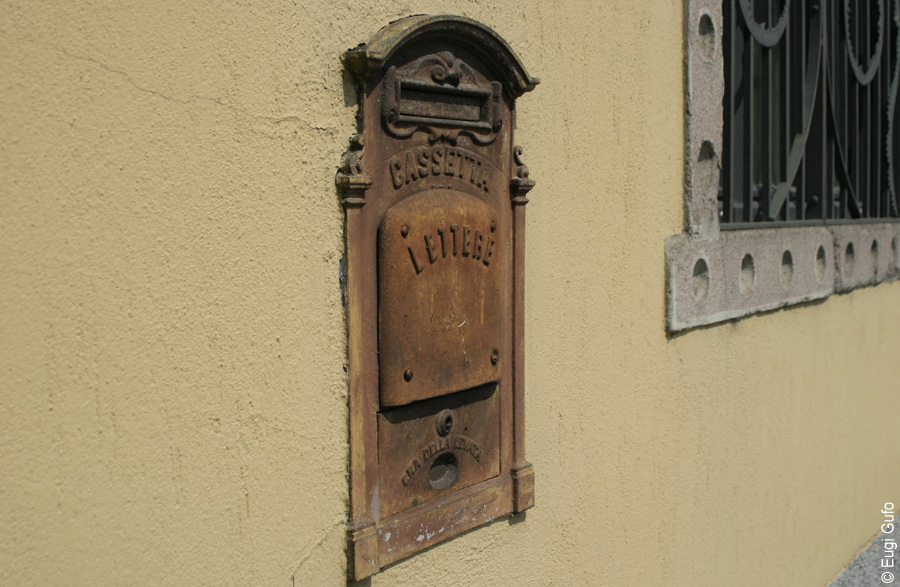
The oldest Italian post box I have ever seen is present in Lovere in numerous examples. To clarify: this is not a private mailbox (as its size and wall-mounted position might suggest) but a public one, intended for posting letters.
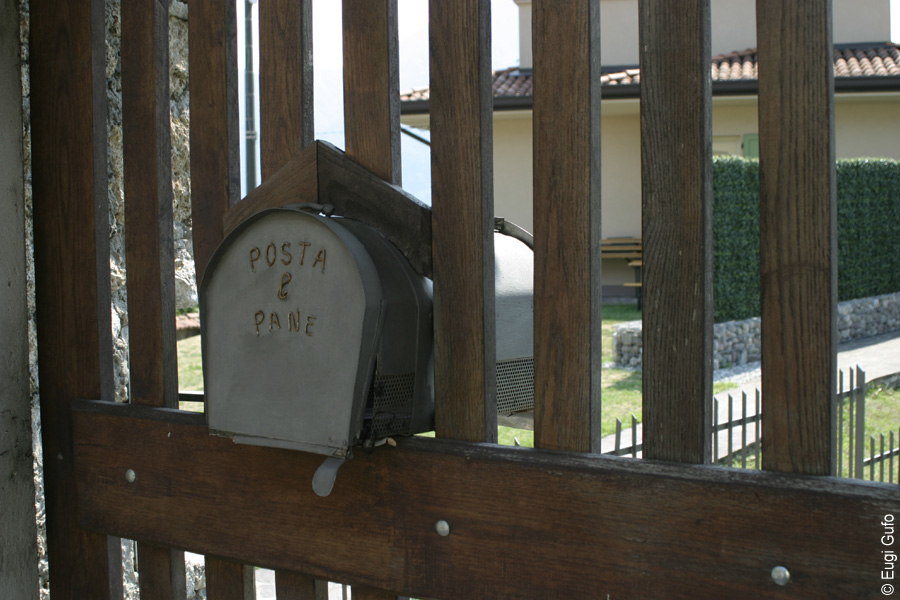
The American-style mailbox has been adapted to Italian reality and usage.
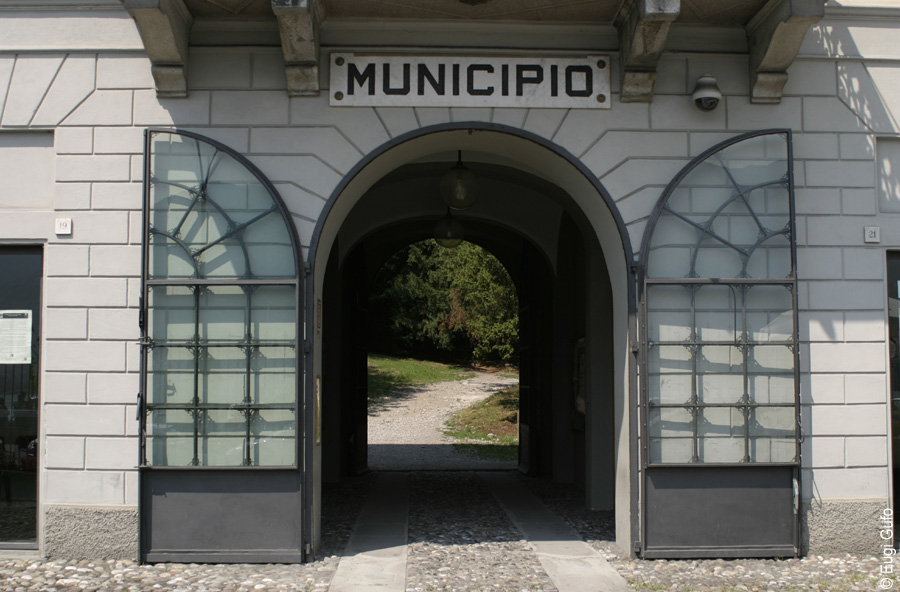
The entrance to the Town Hall resembles a gateway to another world. The paradise of bureaucrats, perhaps? Who knows…
Lovere’s lakeside promenade is divided into several sections, each bearing the name of some historical figure.
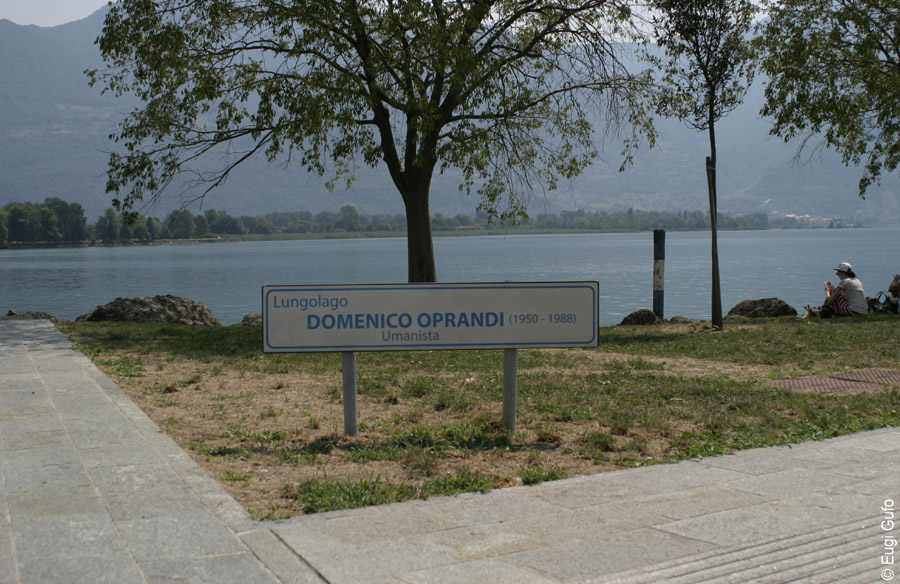
The division into sections consists in the diversification of the street furniture. The most attractive among them is undoubtedly this one:
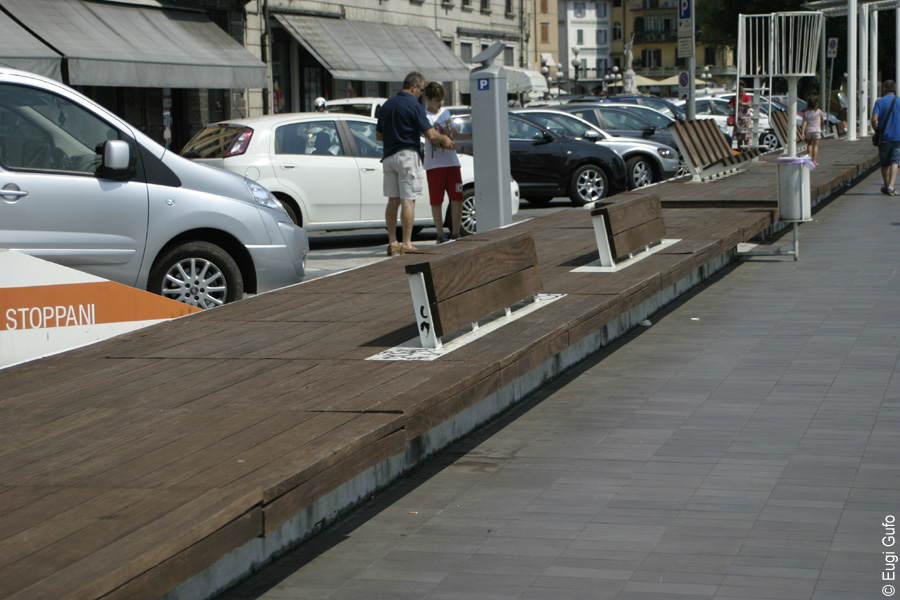
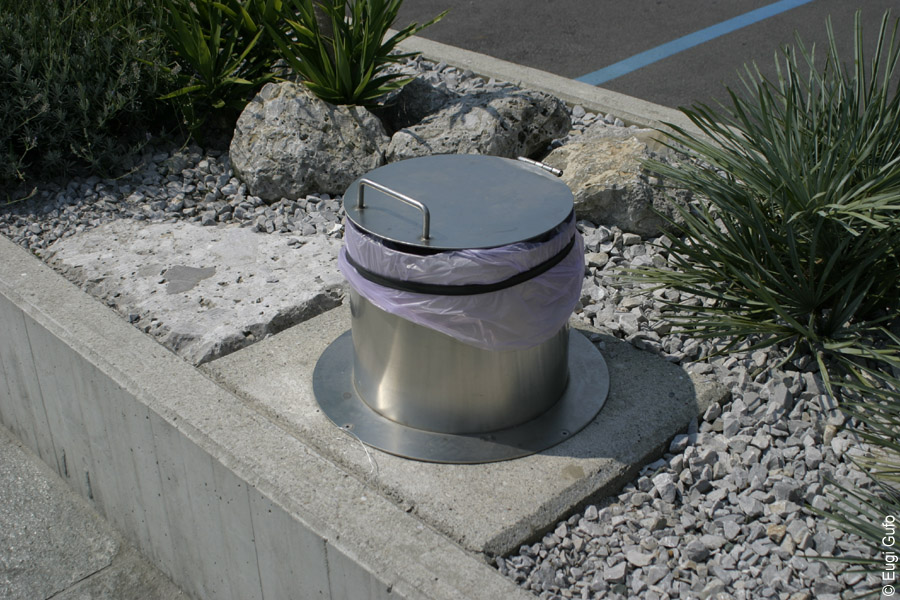
Another section of the promenade, with a rather distinctive appearance, is characterised by a high degree of cementification and litter bins that at first glance resemble underground refuse containers.
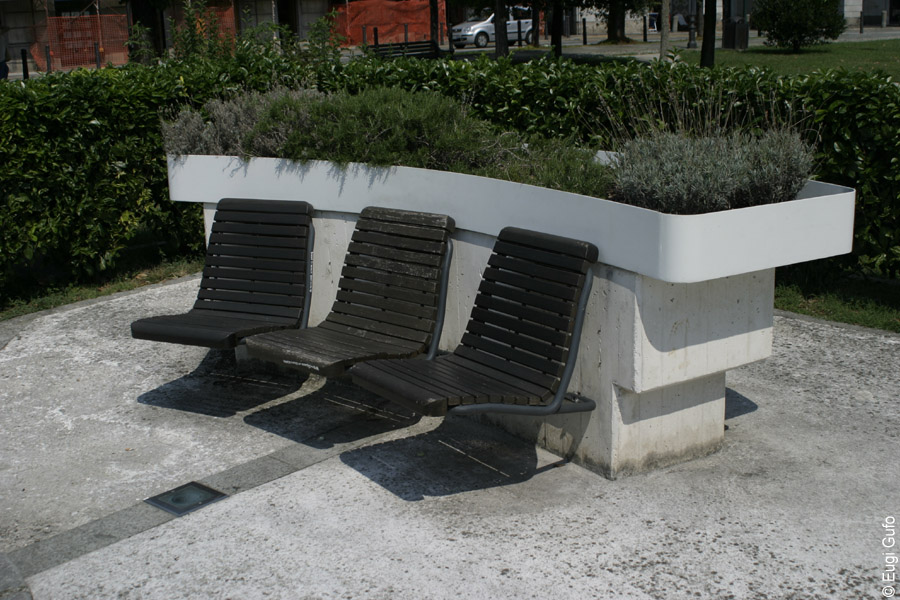
On other stretches of the lakeside we find simple benches of various models.

Only in one spot did I see particular benches similar to those observed in a park in Crema.
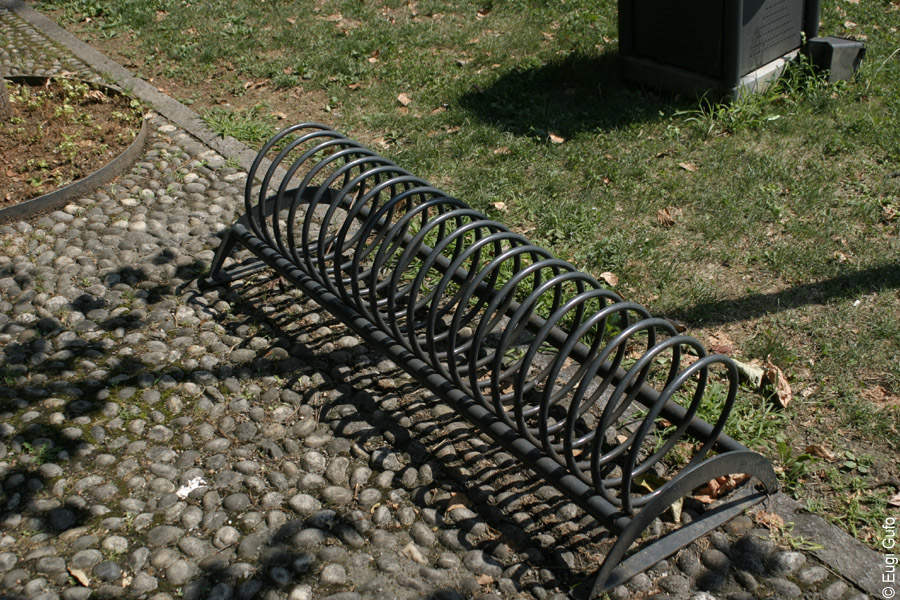
The bicycle racks have nothing noteworthy about them except their limited security.
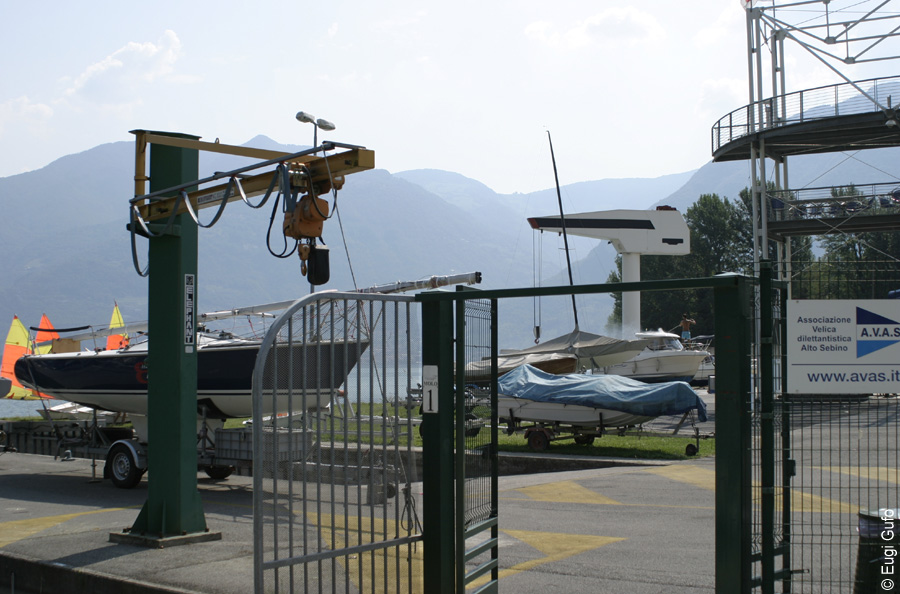
However, it would be incorrect to speak only of the mainland and neglect the fact that Lovere is located almost «at the top» of Lake Iseo.

The cranes in the local harbour are of astonishing beauty. One even resembles a miniature control tower.
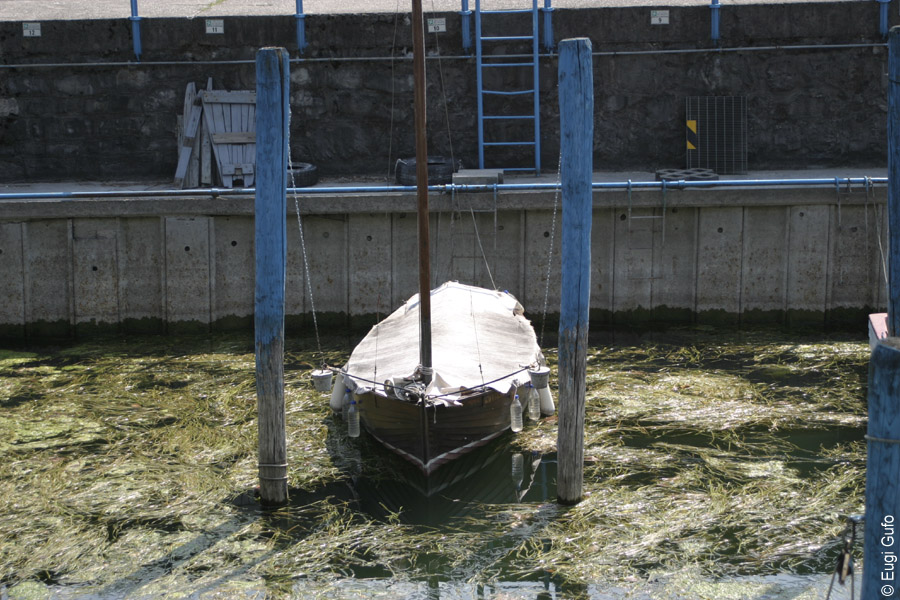
Owners of slightly more modest boats economise by using concrete counterweights for secure mooring.
Those without their own boat may use public transport to reach neighbouring towns.

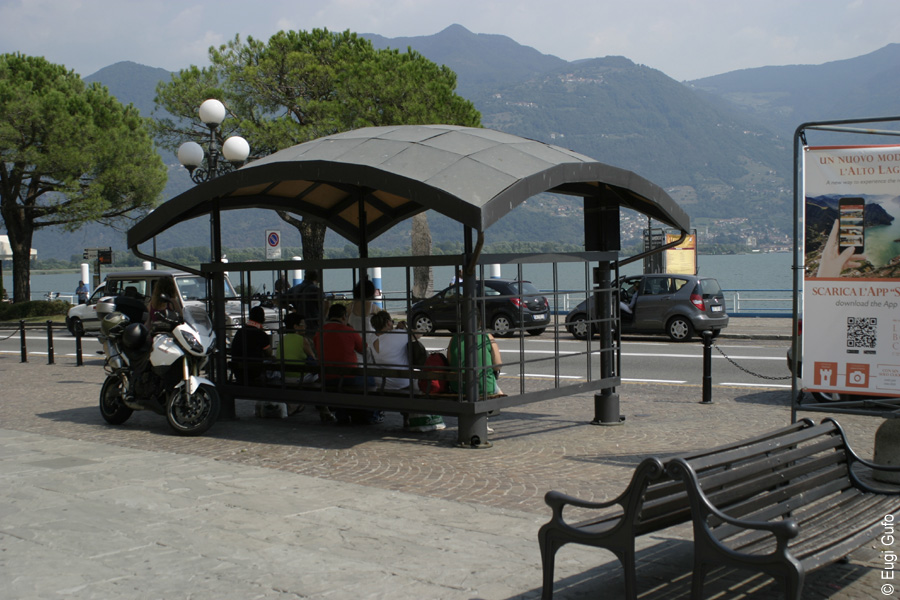
I cannot comment much on the quality of the service, but at least the stops are comfortable and covered.
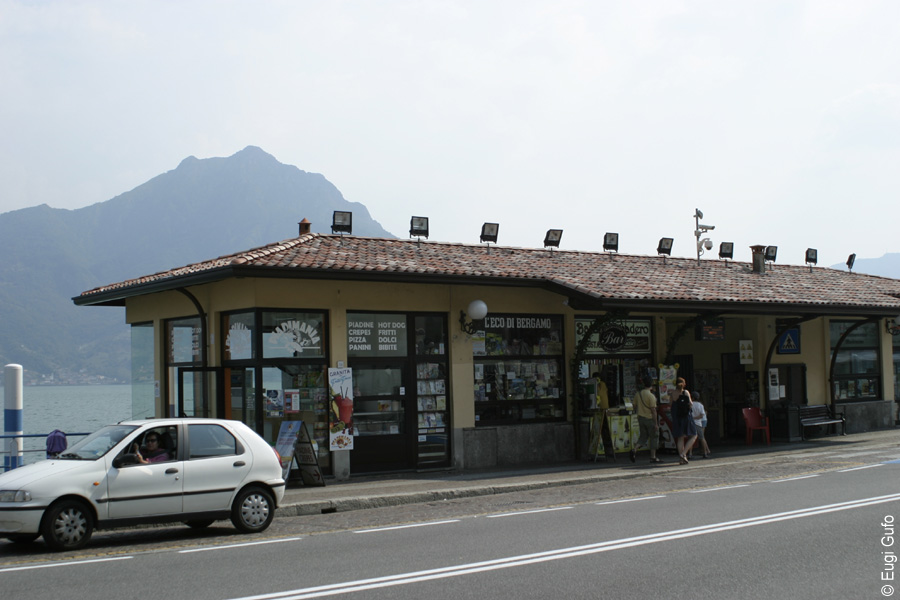
Those who prefer to travel by land may take the bus to or from Bergamo (relatively frequent).
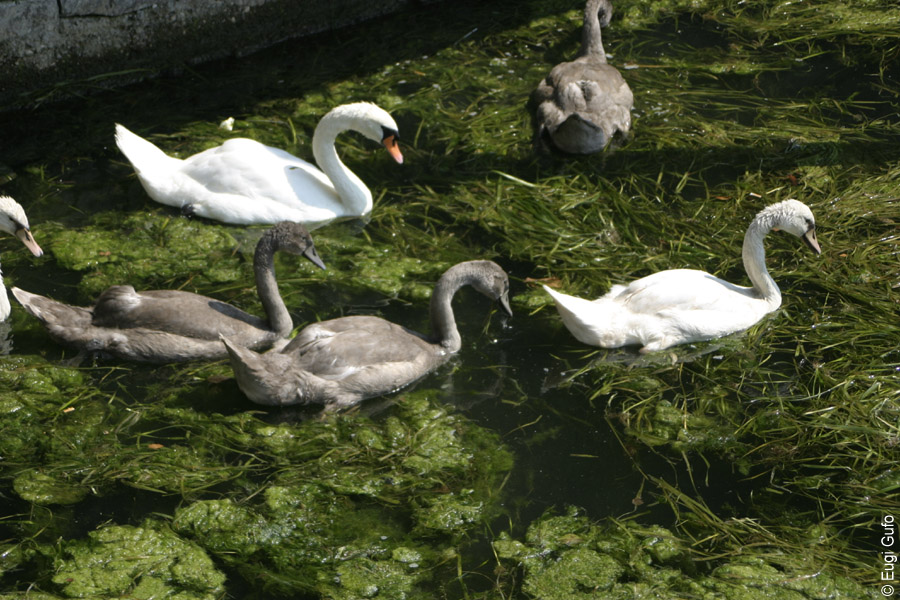
Of those who move on their own legs via water, I saw only swans… The grey ones I had never encountered before.
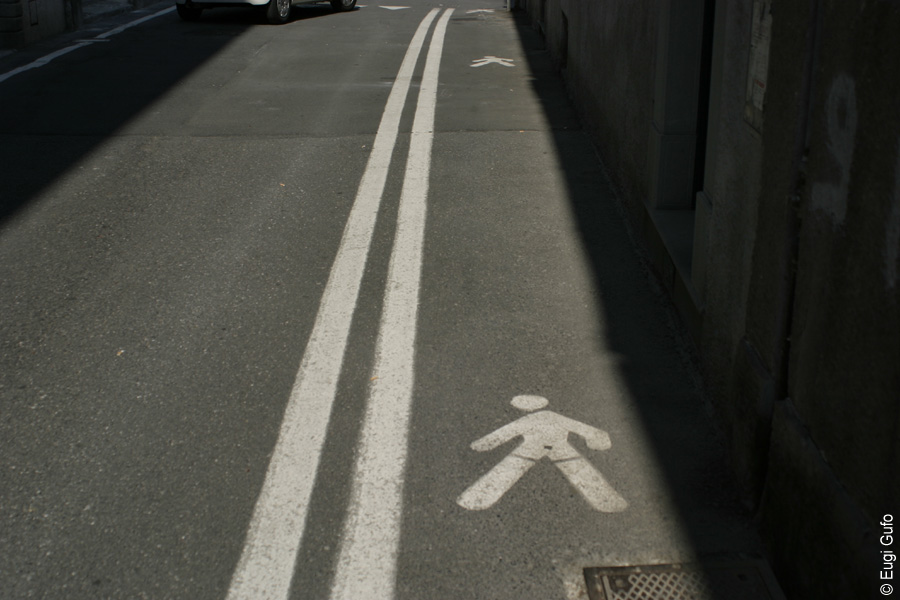
There are many creatures who move on their own legs on land. Yet, curiously, almost all pavements in Lovere are constructed in this manner:
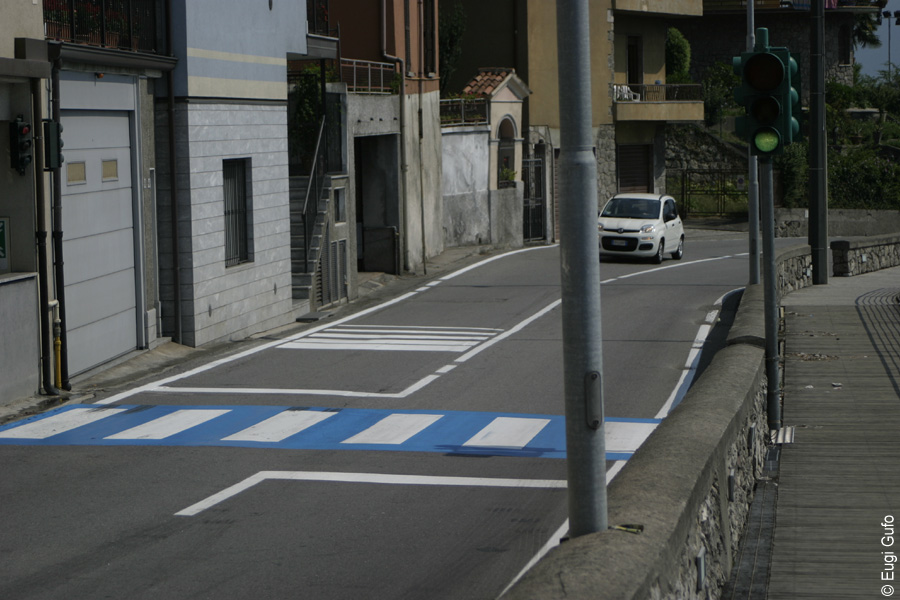
And the pedestrian crossings are painted on a blue background rather than a red one.
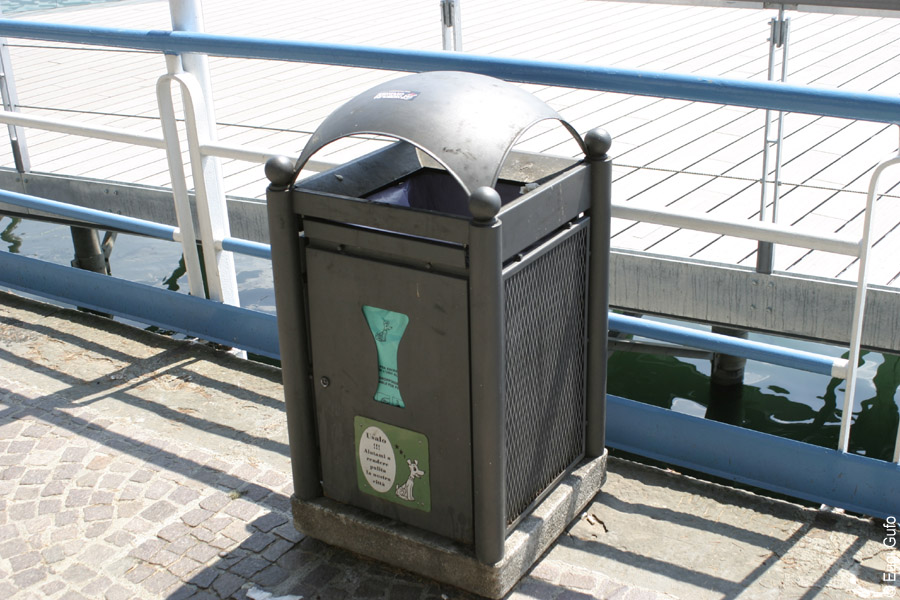
Some litter bins have a truly peculiar appearance.
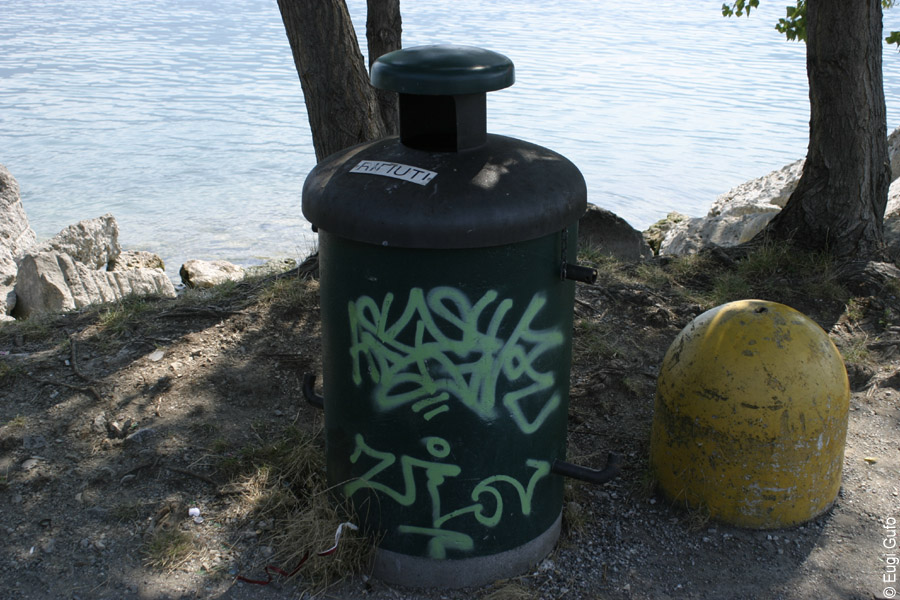
Next to a very common Italian bin model (see, for example, Mantua and Manerbio) I noticed an extremely rare object: a large, standalone ashtray. The only other town where I have witnessed a similar miracle was Treviglio.

Some of the extremely common bins, however, are equipped with bags for collecting dog waste: only in Lovere have I observed this highly useful modification.
Yet the study of litter bins did not distract me from the search for other local peculiarities. The elevated concrete basin painted grey serves to irrigate public flowerpots using rainwater collected from the roofs along the street:
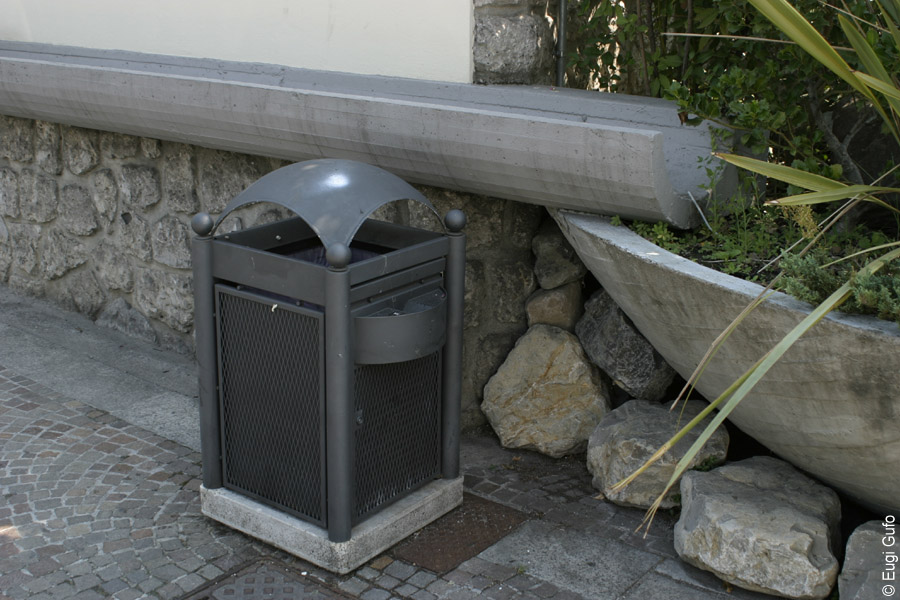
Well, the engineers of Lovere certainly know a thing or two!
Lovere, 25 July 2015
↓ Show comments ↓


