


 Long live Ukraine! Fuck the war!
 RSS of site articles
In recounting my visit to Erba (in the Province of Como), I risk a certain lack of impartiality. I had boarded the train in autumn — which, for reasons known only to Milan, is officially considered winter — and disembarked in what could only be described as spring: recognisable almost everywhere by a particular quality of light, the awakening of plants, and a noticeable improvement in public morale. The date, however, remained identical in both cities.
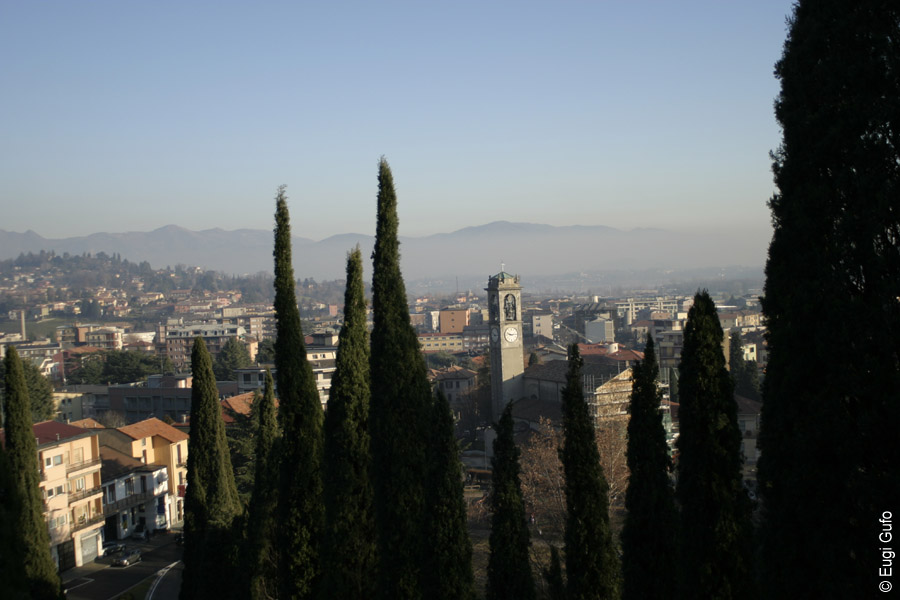
With this meteorological advantage duly acknowledged, I can report that Erba is, on the whole, rather pleasant. In the historic centre one observes a fortunate coexistence between older buildings and more recent constructions.
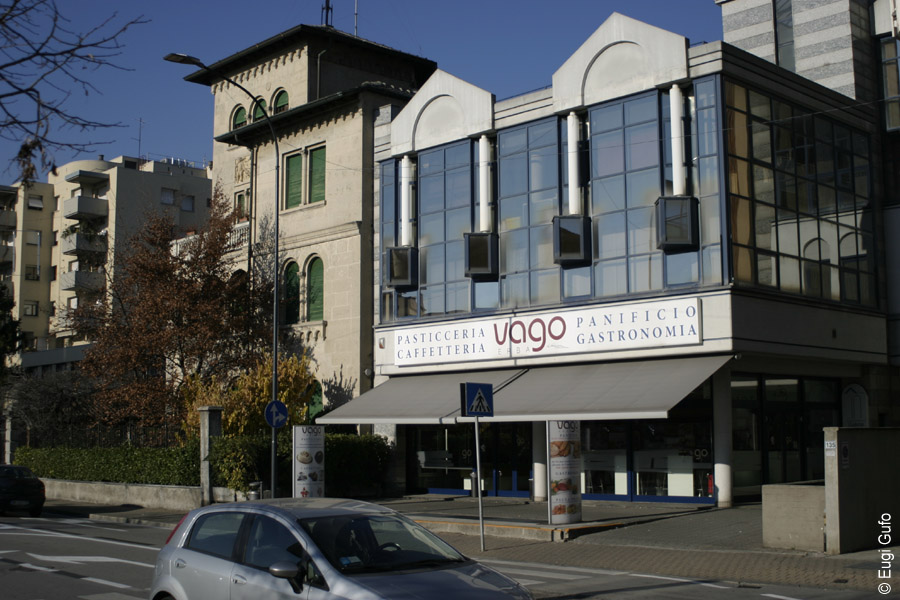
Paradoxically, many of the older buildings, when considered individually, possess little distinction…
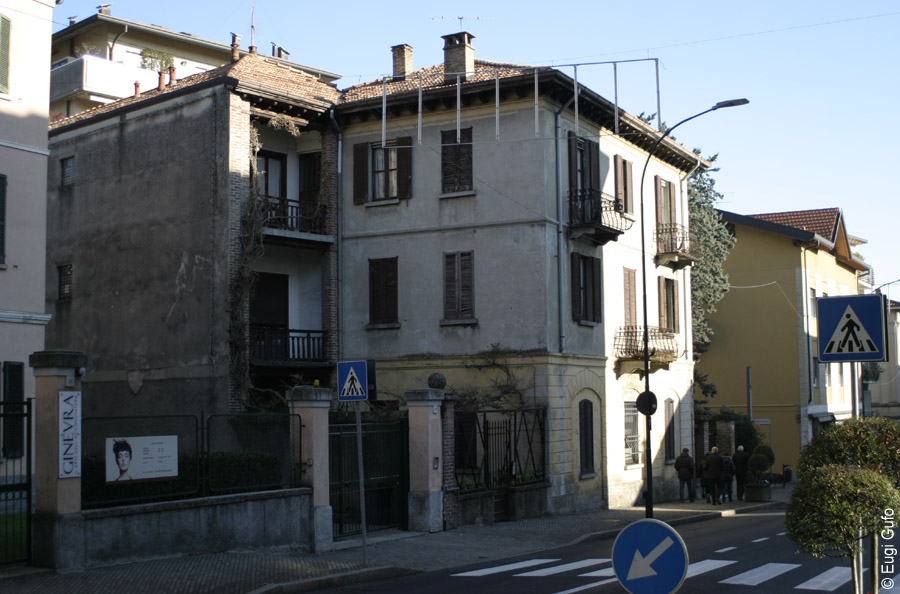
…whereas several of the modern ones might reasonably aspire to more frequented locations.
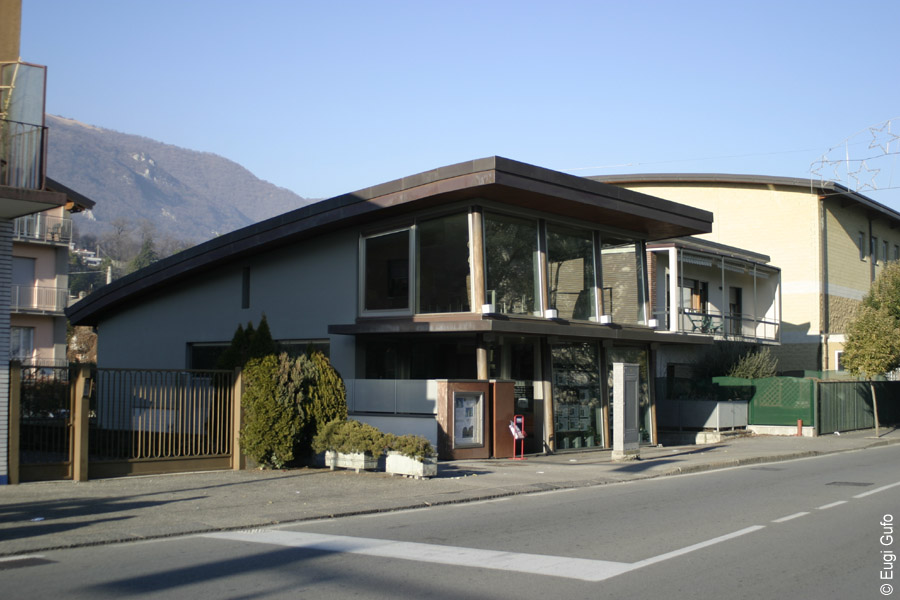
The Town Hall is the least stimulating building in the vicinity.

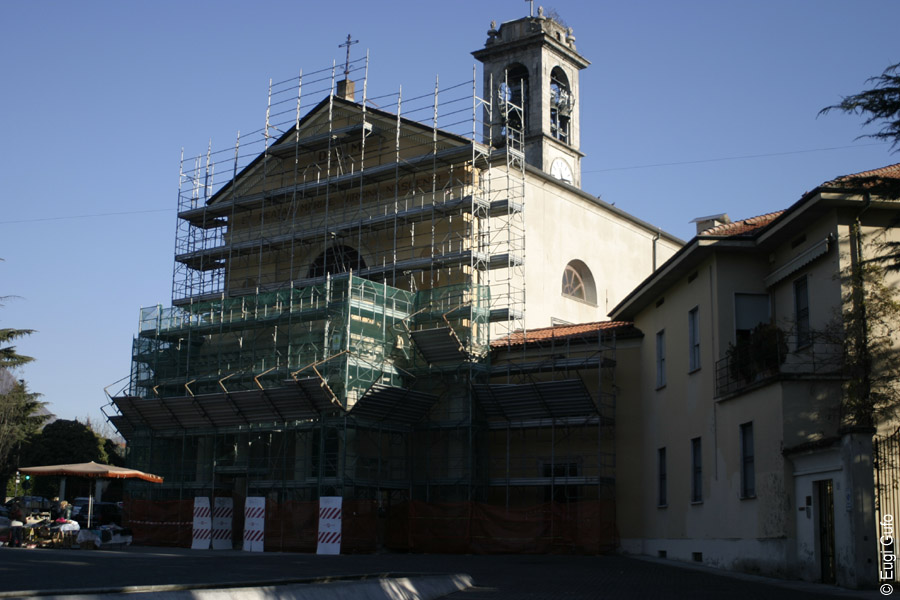
The rapprochement between old and new reaches its peak in the renovation of the local cathedral. From the outside, nothing unusual is apparent; within, however, two architectural tendencies separated by several centuries coexist with surprising confidence. A photograph would not adequately convey the effect. It is advisable to see it in person.
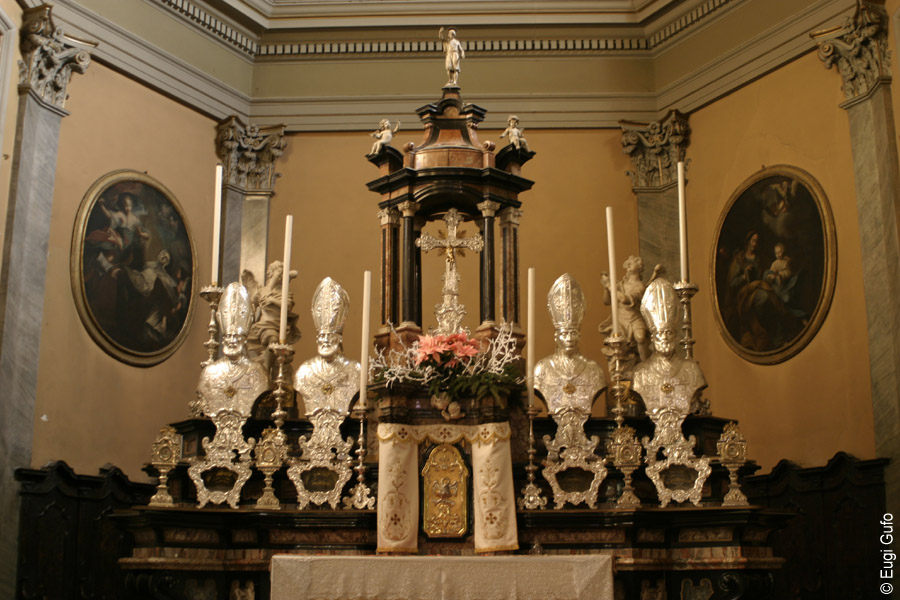
Of the interior I shall show only the episcopal heads on the altar — an uncommon feature in Northern Italy.
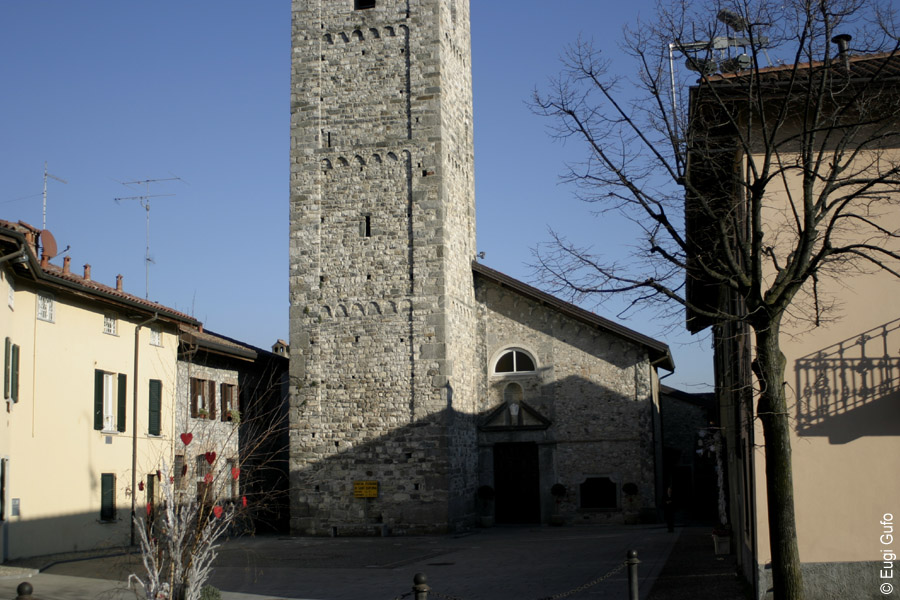
The other churches of Erba are interesting, though their detailed description is best left to specialists.
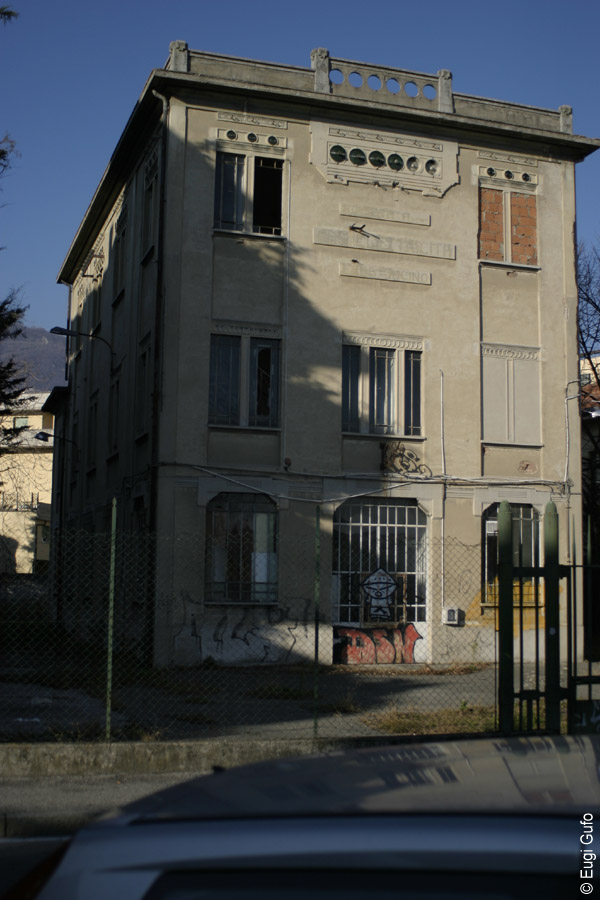
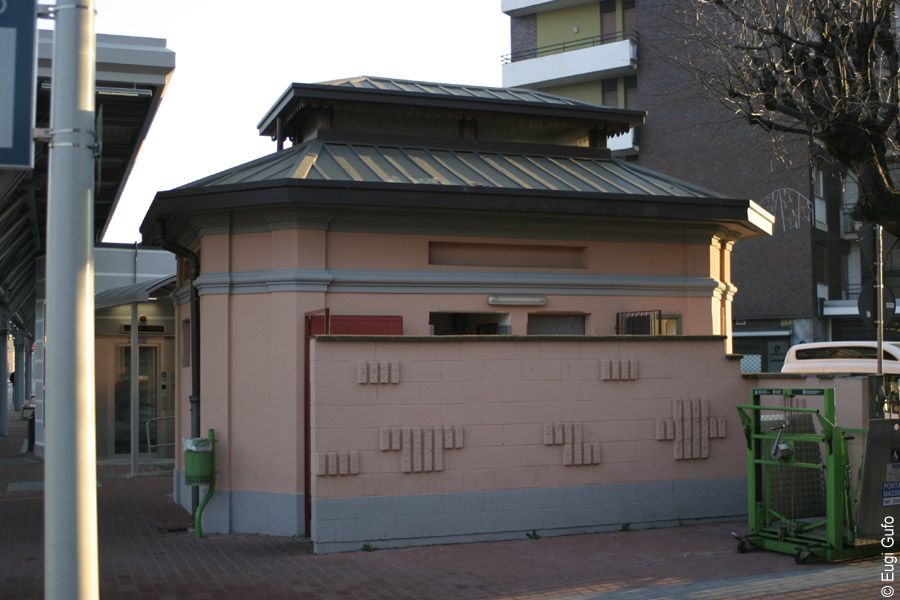
Another example of the «friendship» between past and present is the former electrical substation. One cannot help wondering why such aesthetic ambition is no longer customary.
Even industry still active in the twenty-first century appears respectful of its historic premises.
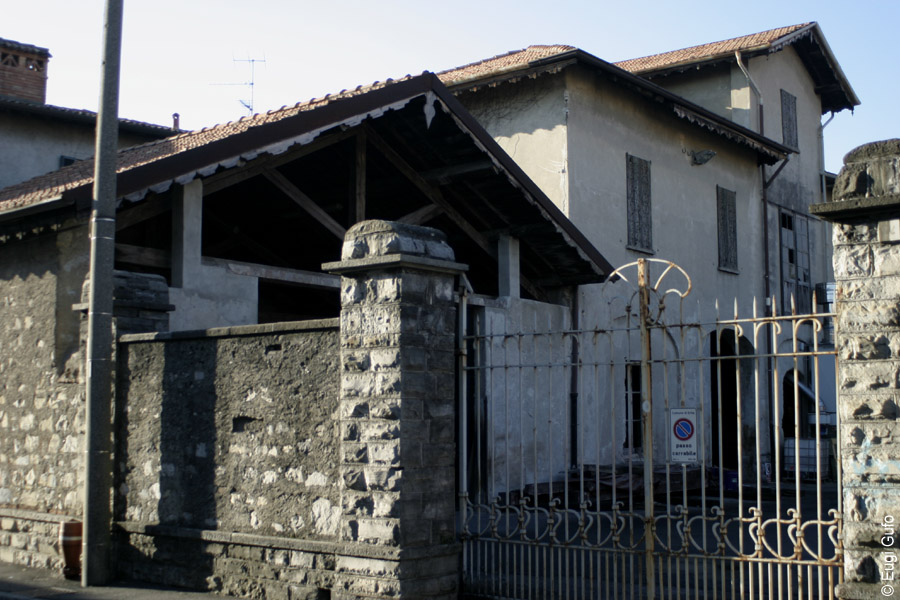
It is often individual residents who compromise their period homes through enthusiastic applications of contemporary building materials.
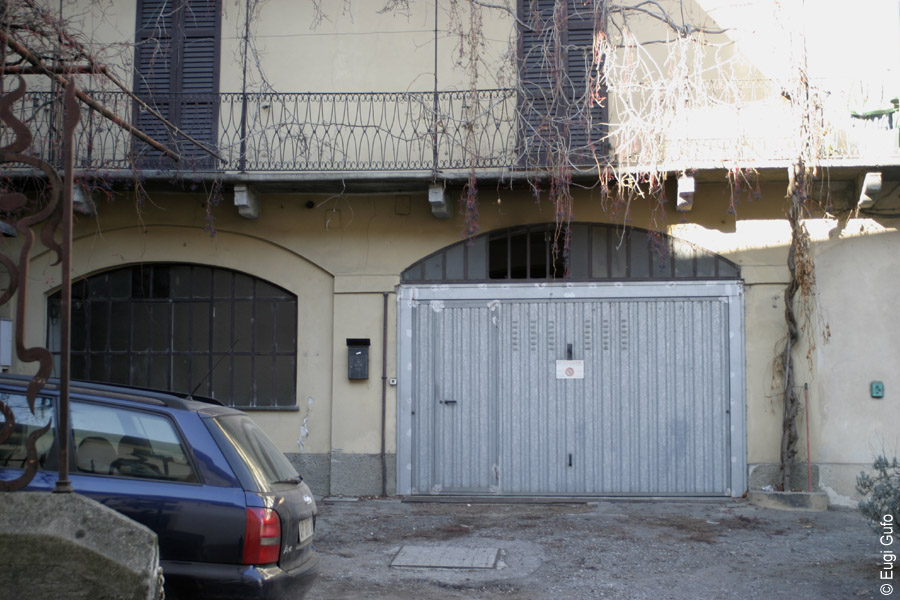
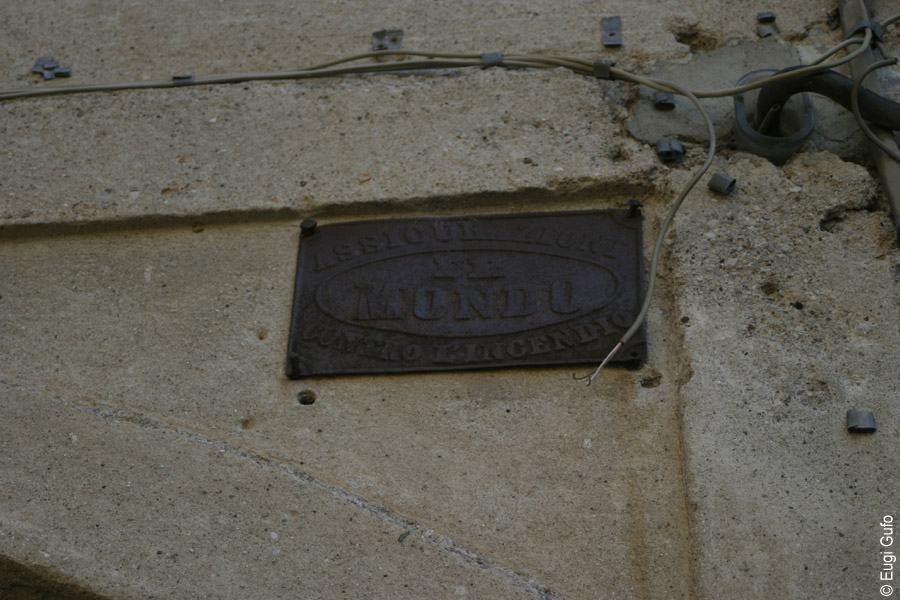
Fortunately, there are historically responsible inhabitants who preserve intriguing artefacts from the past. For example, an insurance plaque remains in situ.
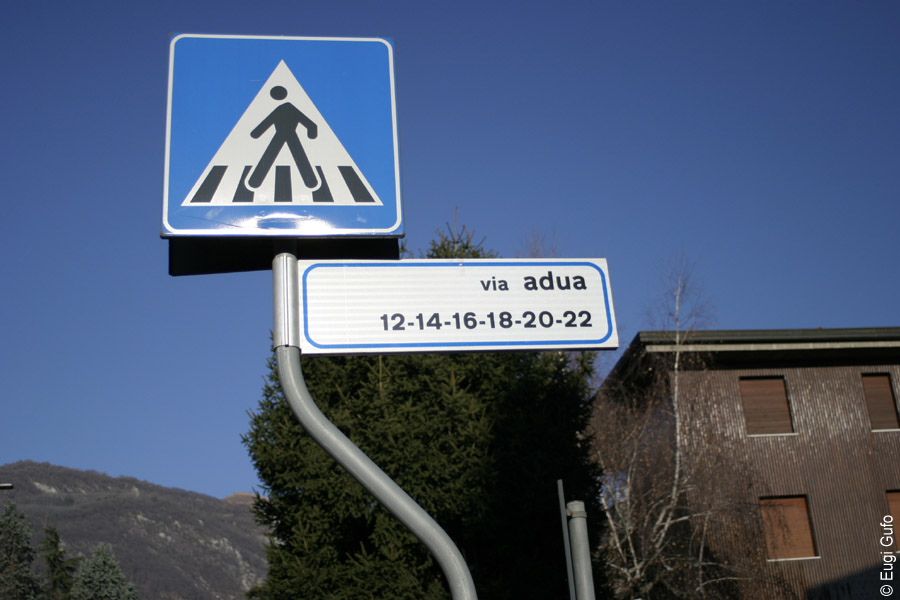
On the subject of plaques: in the outskirts, street name signs also indicate the house numbers corresponding to each segment (as in Gambolò). A commendable gesture towards orientation.
Returning to the historical heritage: certain companies — including the railways — deserve praise for retaining, after renovation works, the counter of the old station bar.
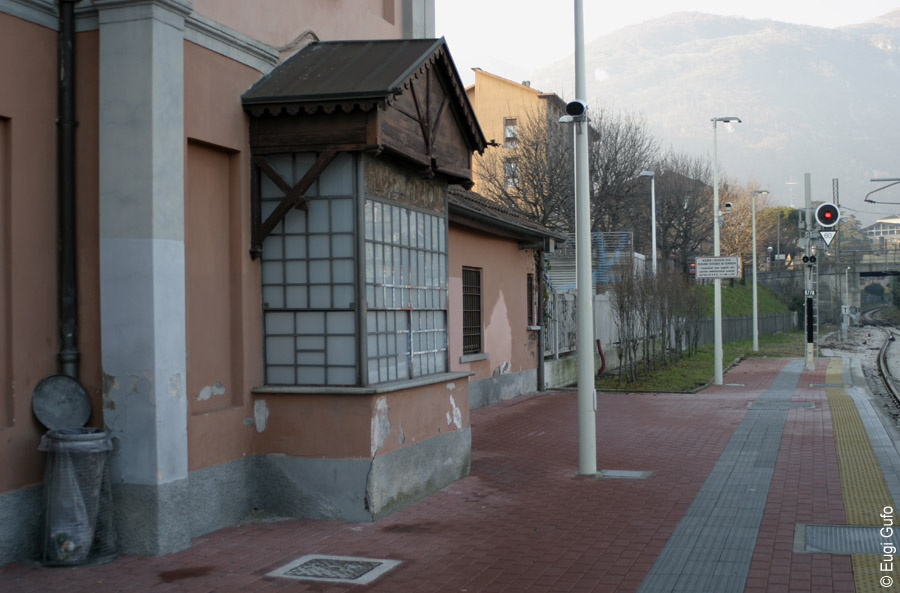
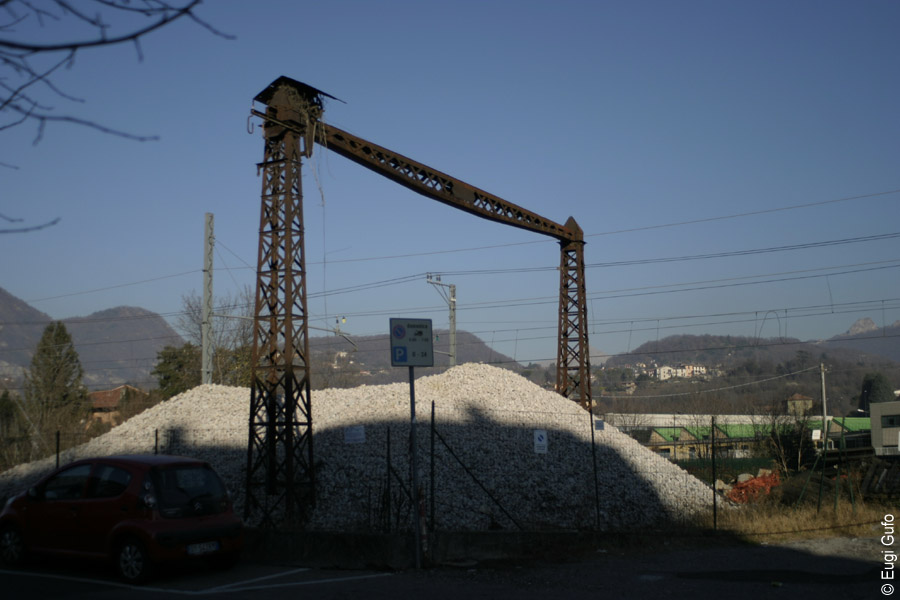
As well as a period technical structure:
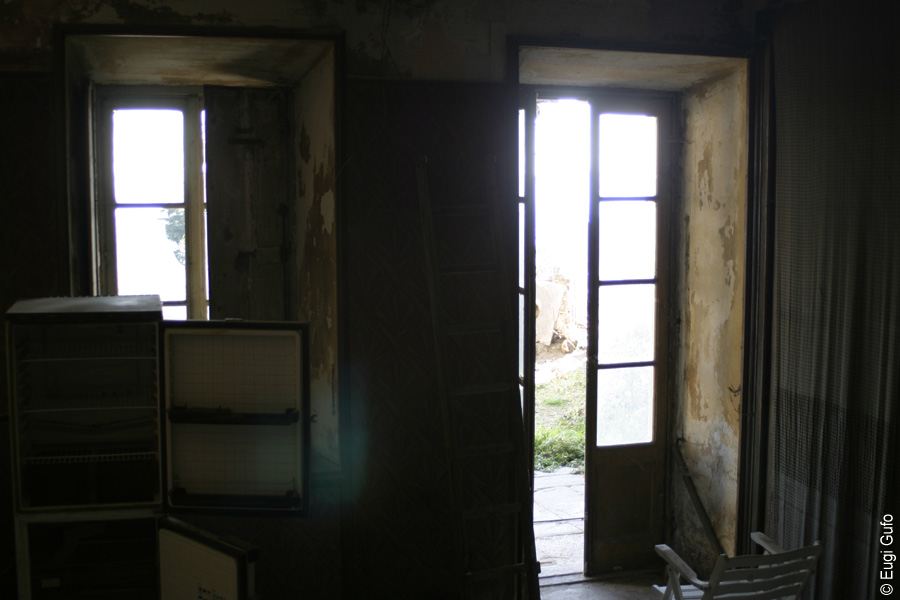
One former resident, having departed for more promising horizons, has left behind a thoughtful gift for attentive photographers.
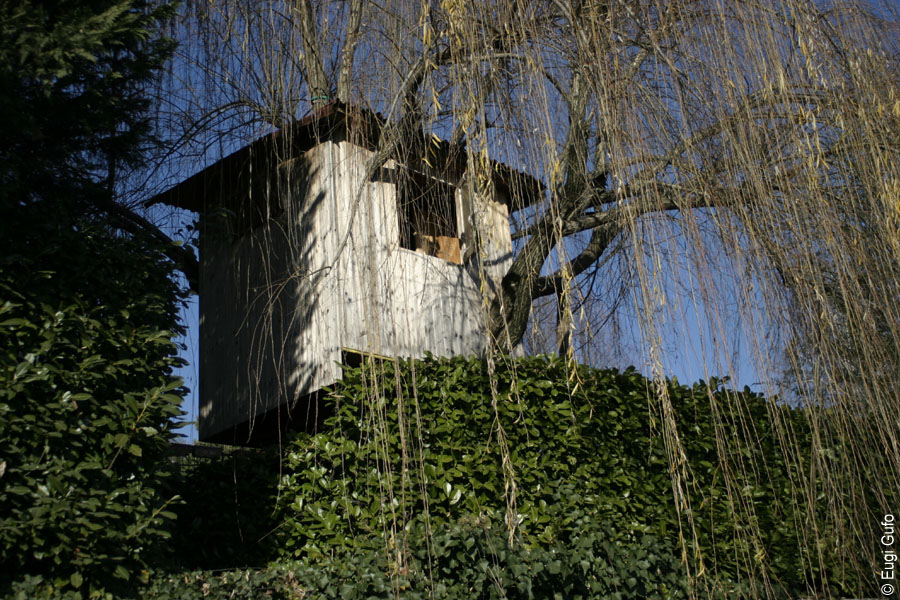
Among those who remain are parents capable of offering their children notably elegant presents.
And what does the municipality contribute? Among other things, it maintains attractive parks. One lies behind the monument to the fallen of the First World War.
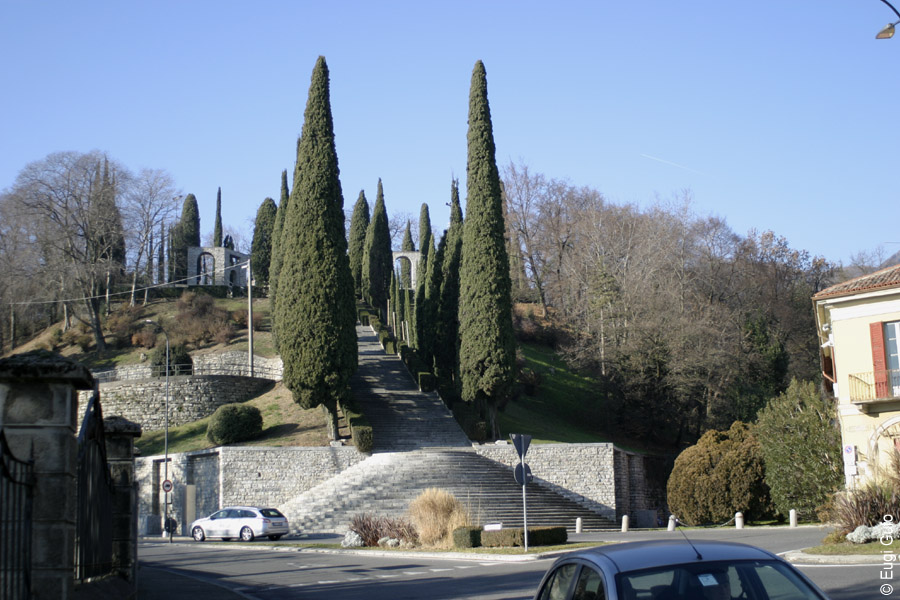
It is a park of unusual proportions — long, narrow, and largely uphill — yet intriguing. It includes an open-air summer theatre, complete with technical installations mounted discreetly among the surrounding trees…

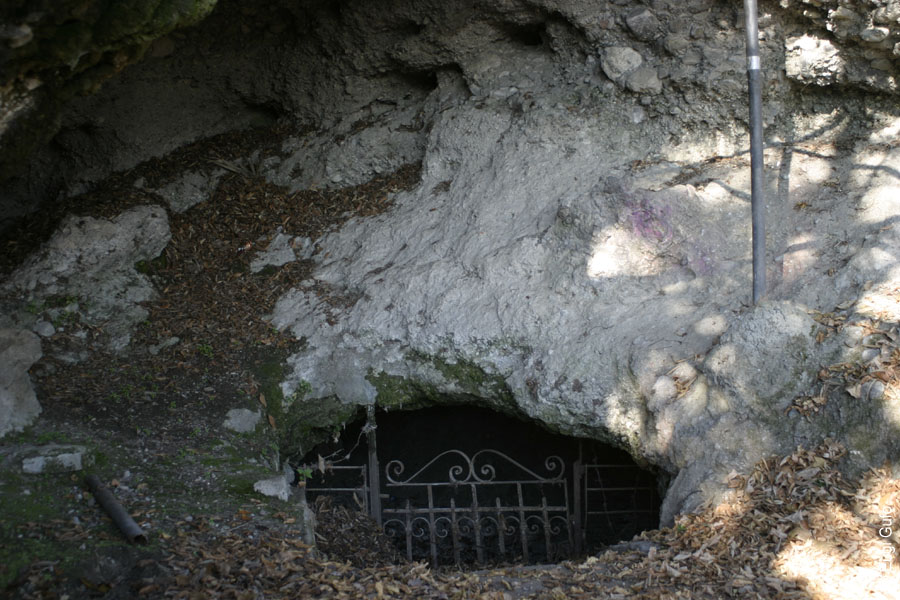
…and underground passages that have been inaccessible for several decades. One trusts they are not currently residential.
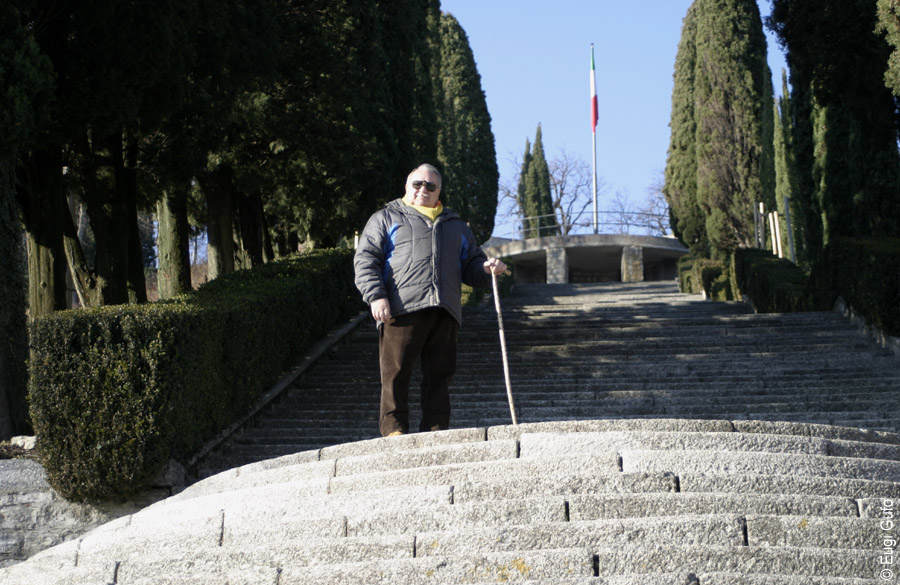
A particularly amiable local gentleman asked to be photographed on the staircase. Regrettably, I almost immediately forgot his name. Should any reader recognise him, kindly extend my greetings.
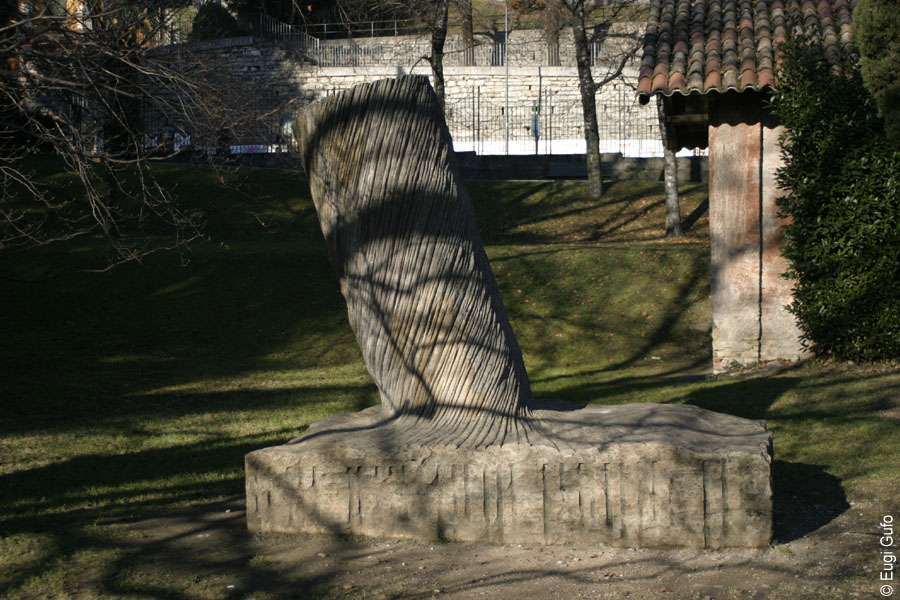
The other principal park distinguishes itself mainly by the generous quantity of outdoor «artworks» and a spirit of civic self-management.
Returning to municipal commitment in matters of urban decorum: litter bins for small waste have been elevated to the rank of monuments.
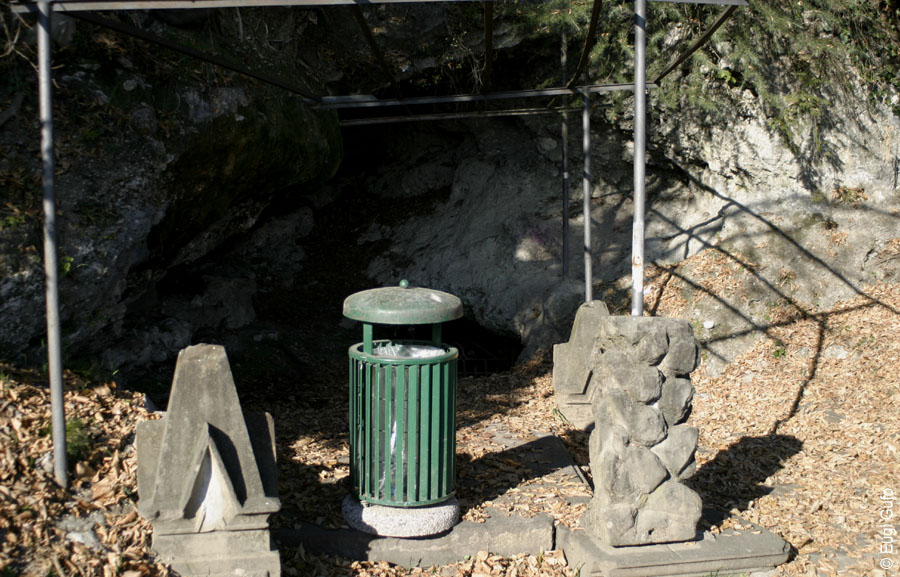
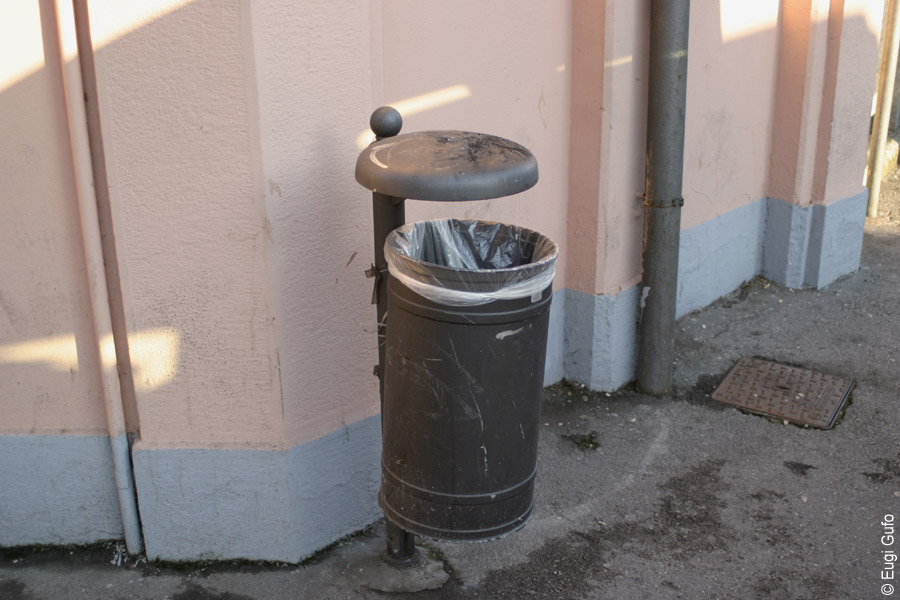
The models prevalent in Erba are, unfortunately, both limited in variety and aesthetically unpersuasive. Only those at the railway station are equipped with ashtrays; elsewhere, smokers and street sweepers appear to negotiate independently.
A minor miracle of daily life: in the last-mentioned park, a public toilet was observed — clean, functional, and free of charge. I briefly suspected a dream, but dreams cannot, fortunately or unfortunately, be photographed.
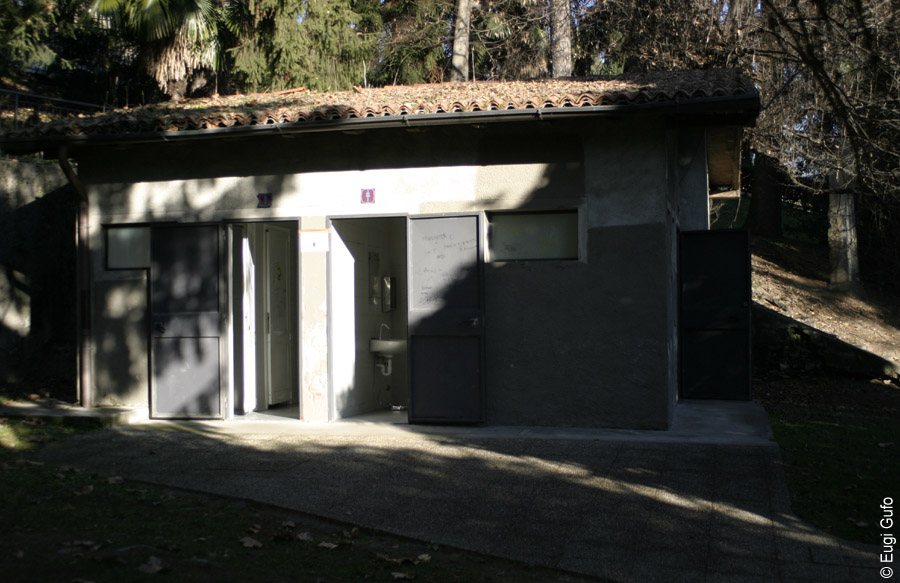
Another architectural curiosity in a related category: the station toilet lacks gender symbols at the entrances. I was therefore obliged to choose at random. The fact that I am still alive suggests the decision was correct.
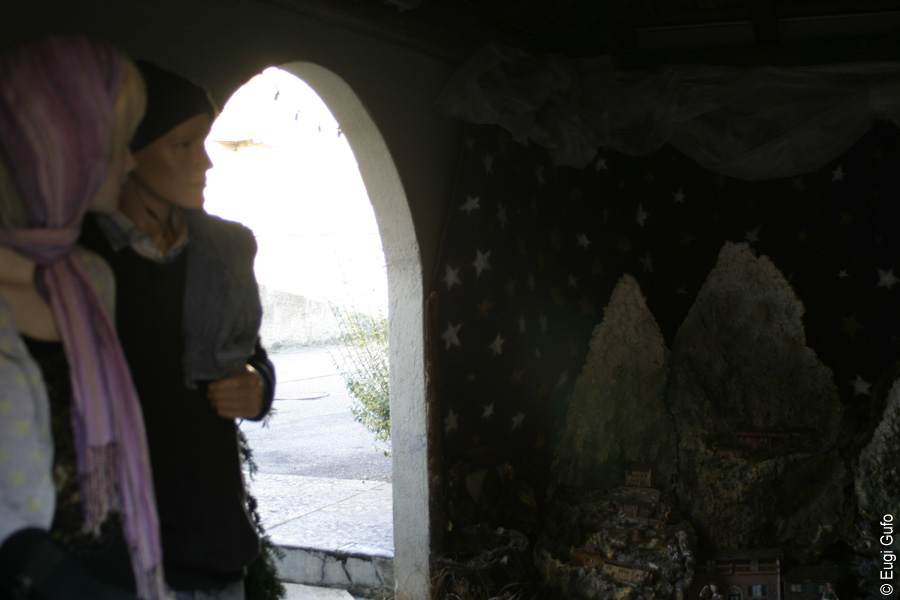
Perhaps it is time to move to higher matters. The highest, indeed. A close examination of one of the nativity scenes displayed in the town initially startled me. Reactions may vary.
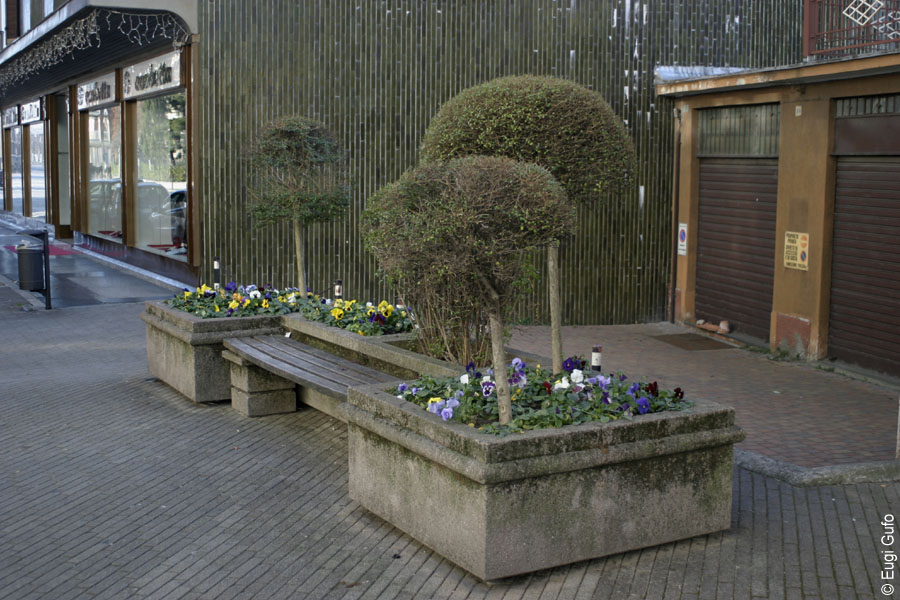
Recovery from such aesthetic intensity can be facilitated by one of the many benches in the centre — amenities that would prove beneficial in virtually any city.
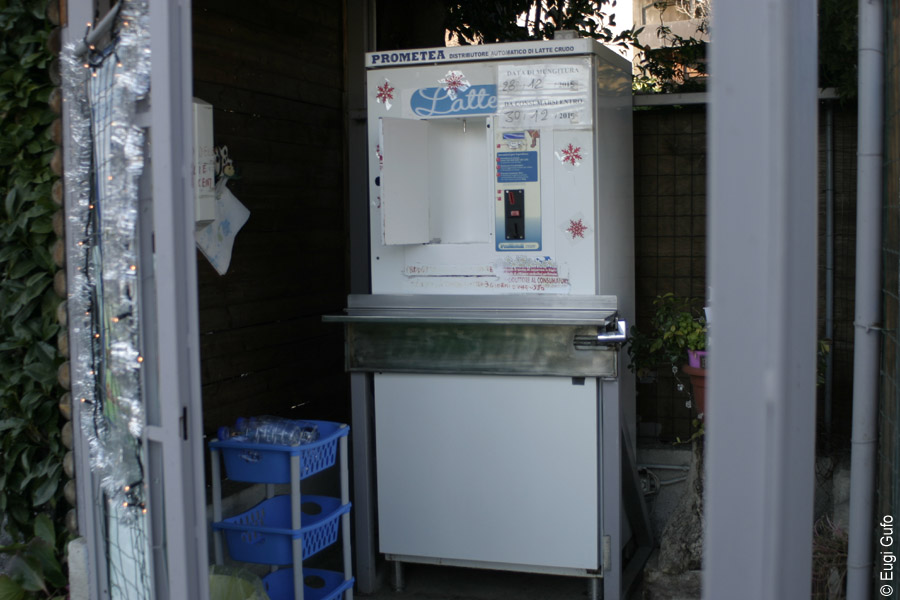
And what of local businesses? A dairy farm, for instance, has installed a fresh milk vending machine by its gate. Bottles, if I understood correctly, are included in the price. Efficiency and pastoral charm coexist.
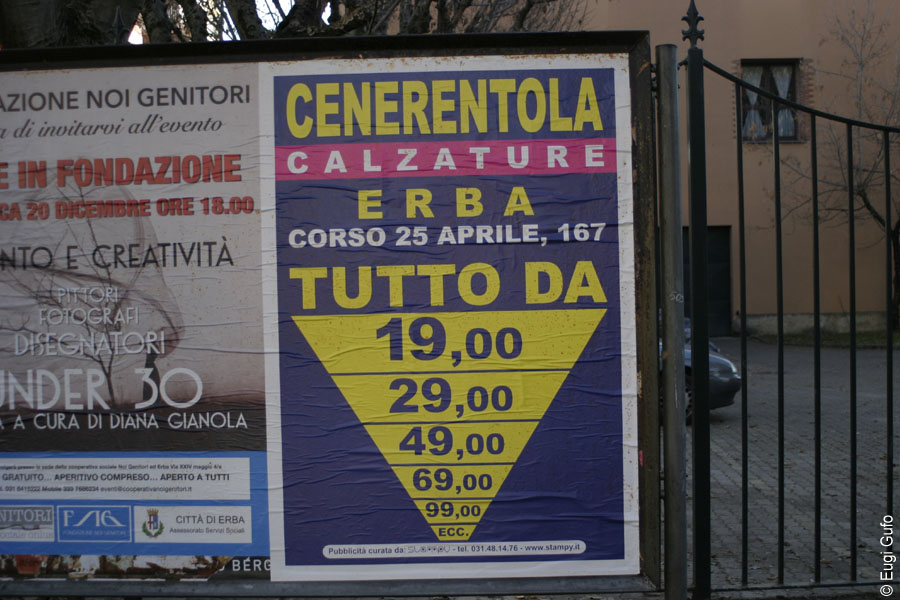
The town’s sole advertising agency appears to rely upon a single graphic device, applied consistently across all its billboards. Consistency, at least, is not lacking.
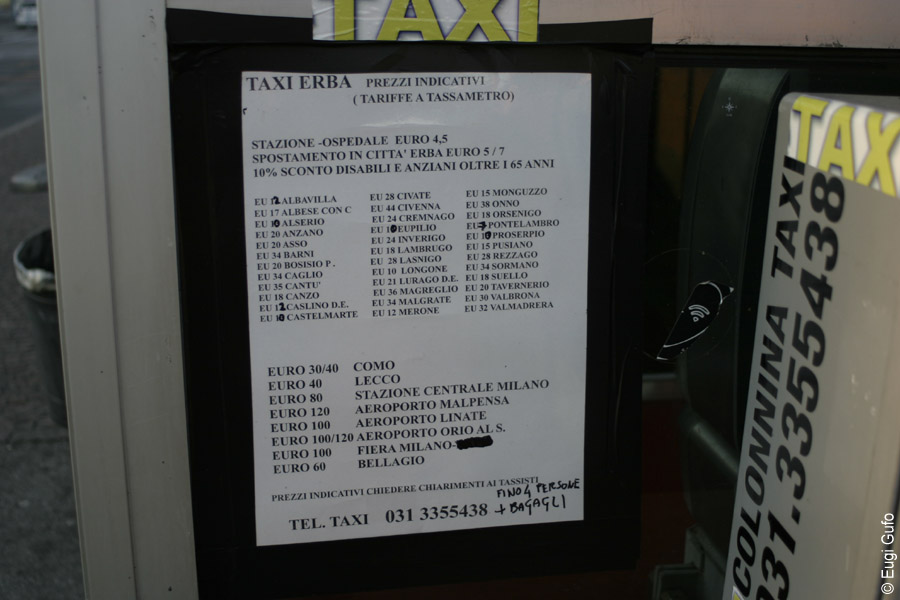
Local taxi drivers display a public price list (observed near the station). Transparency is always welcome.
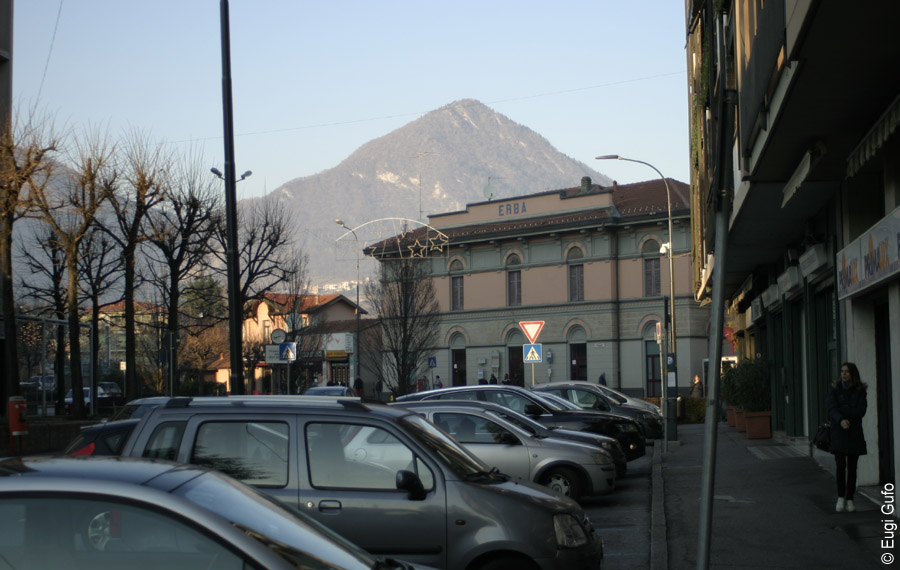
Having mentioned the railway station repeatedly, I should finally present it: it is relatively attractive.
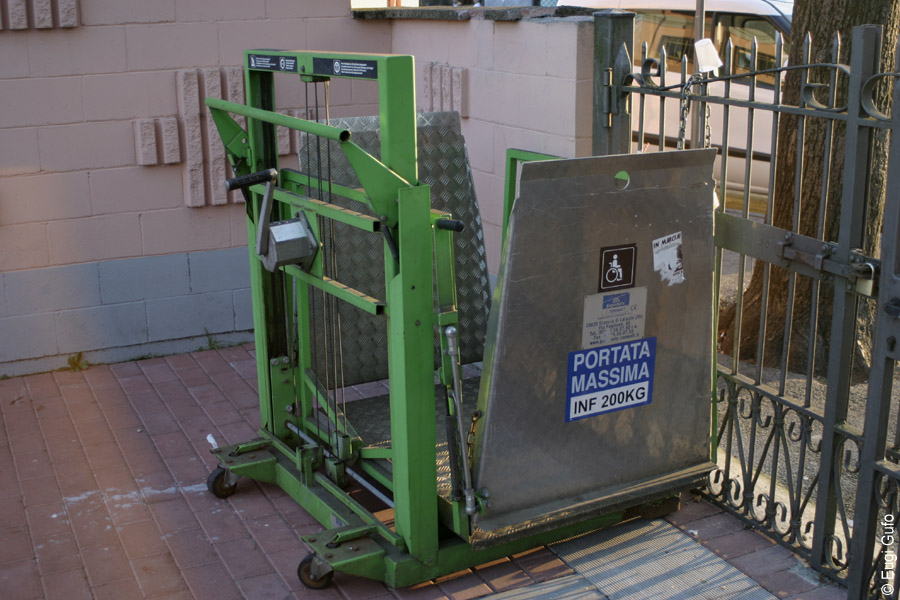
I also received official confirmation of the purpose of this device: it assists passengers with disabilities.
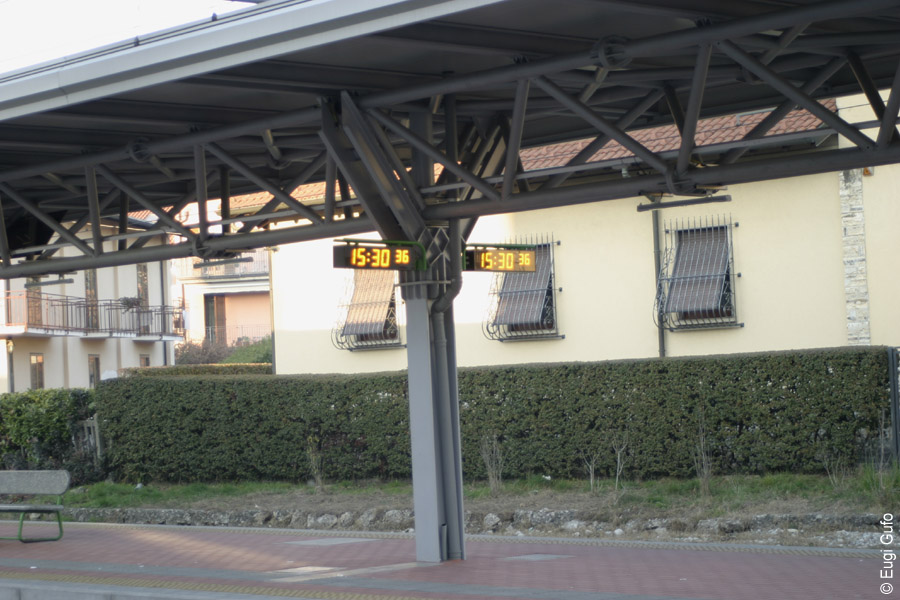
Digital clocks at the station — functioning and accurate. Approval is warranted.
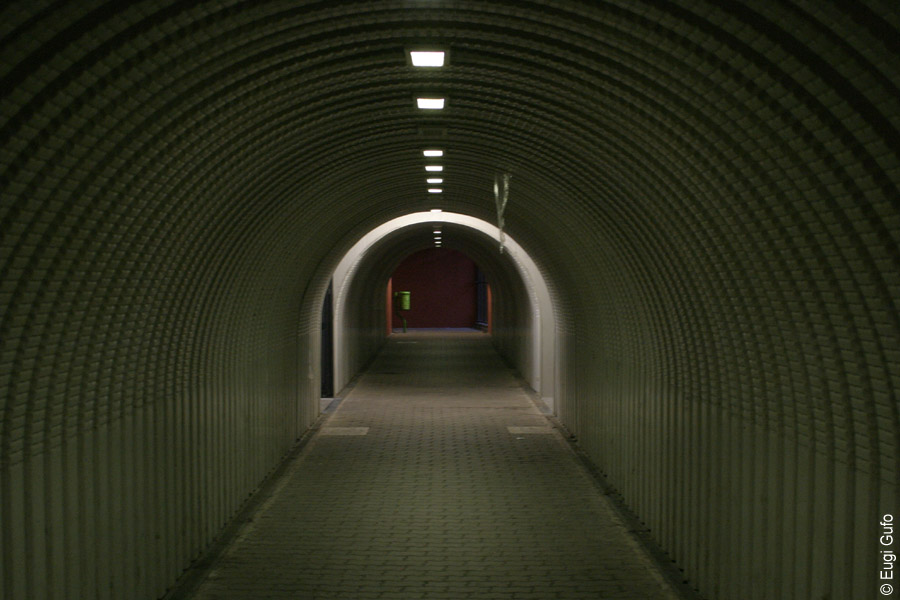
I conclude with an image of one of the most elegant underpasses I have encountered.
My final words concern, once again, the inhabitants. It is genuinely rare to encounter an entire town population so consistently pleasant. When, for instance, I entered through the wide-open gate of a handsome villa (a sign nearby suggested an exhibition), I was informed with exceptional courtesy that it was, in fact, a private residence. I withdrew under my own power and without haste.
Erba, 19 December 2015
↓ Show comments ↓


