


 Long live Ukraine! Fuck the war!
 RSS of site articles
Almost a year earlier — in mid-August 2022 — I had solemnly promised myself that I would return to Dervio in order to study it properly and uncover all its hidden beauties. Well: I almost kept that promise. I write «almost» because I did return, I explored the entire village thoroughly, yet I did not discover quite as many beauties as I had optimistically anticipated. Still, I found something. And I shall now report everything in due order.
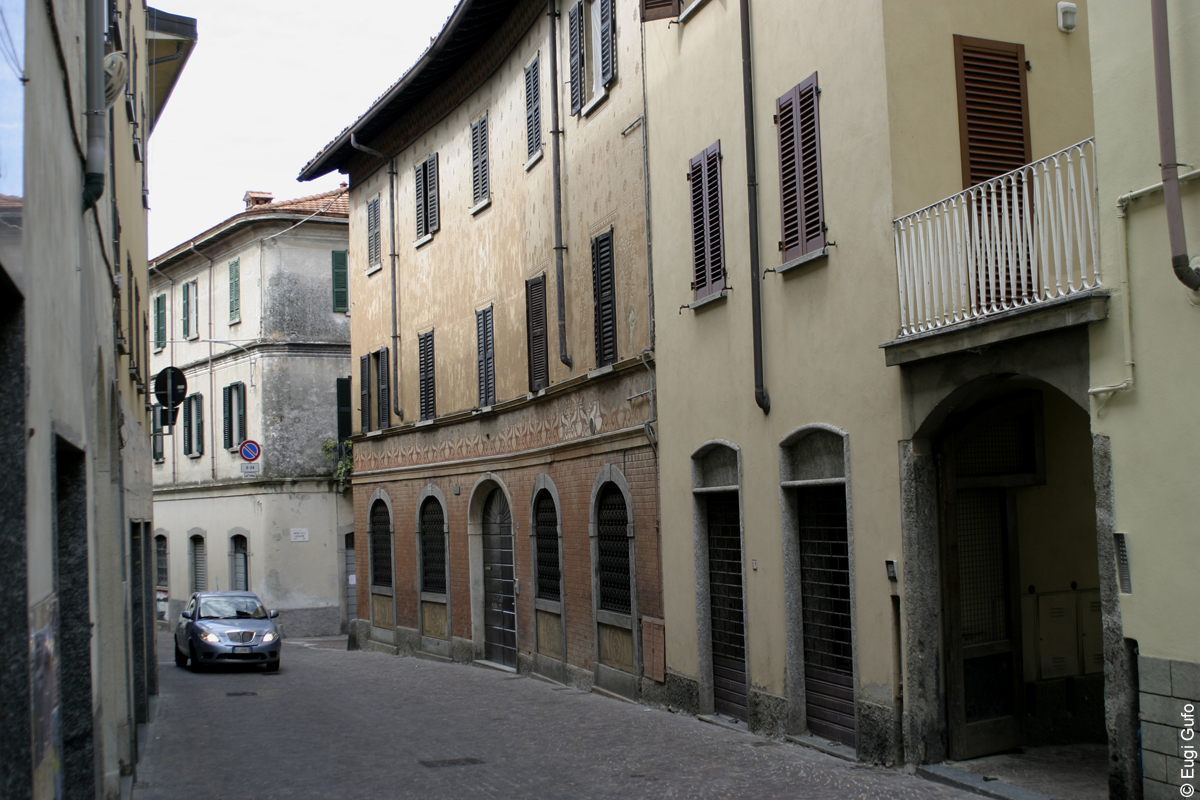
The private civil architecture of Dervio remains somewhat modest, so my impression from a year earlier has been confirmed.
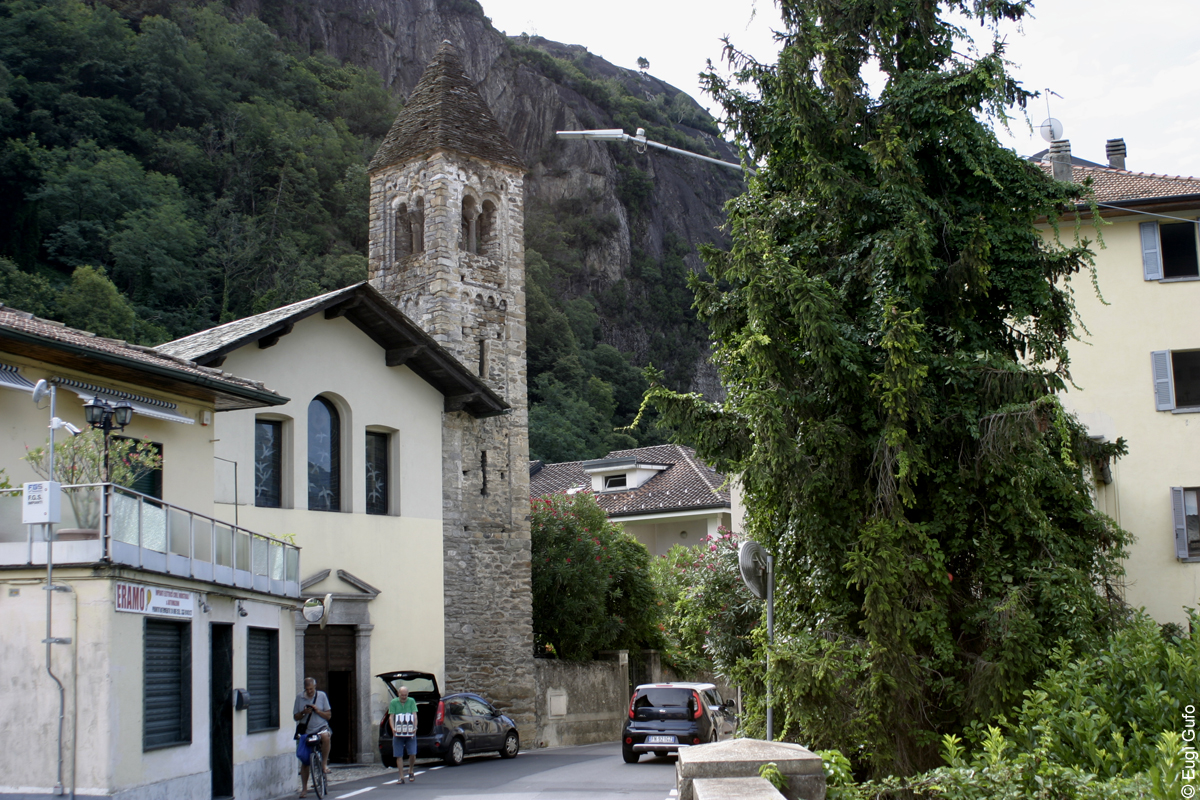
This time, however, I managed to enter the church of Saints Quirico and Giulitta (built no later than the early ninth century).
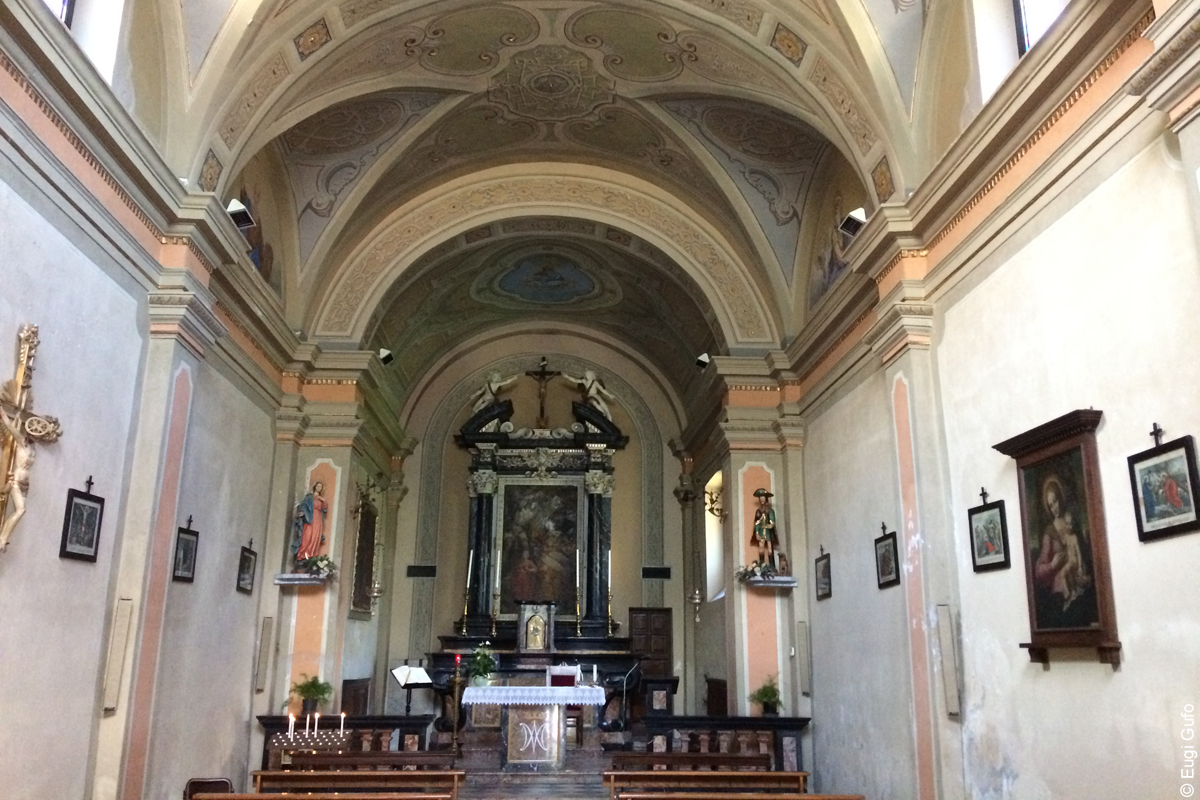
Inside, it is very simple — partly, I suspect, because the lateral frescoes were already lost centuries ago. Yet simplicity, too, may qualify as beauty. My only unresolved doubt concerns the statue of the gentleman with the staff: who exactly is he? A historical figure? A mythological one? A local personality unfairly forgotten?
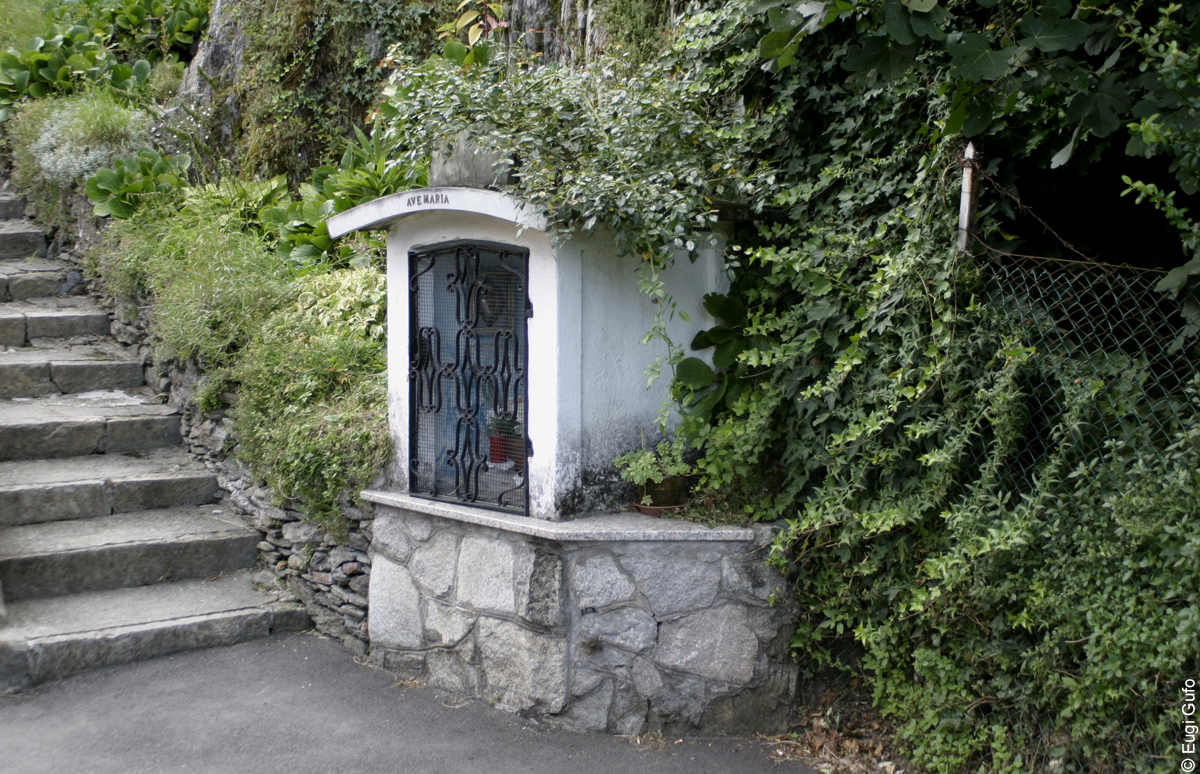
In Dervio I also discovered that it is apparently possible to send paper letters to the Madonna. Those better informed than I surely know (or know how to discover) the precise postal address. I was instead struck by the modest size of the letterboxes. Evidently, digitalisation has reached even Heaven.
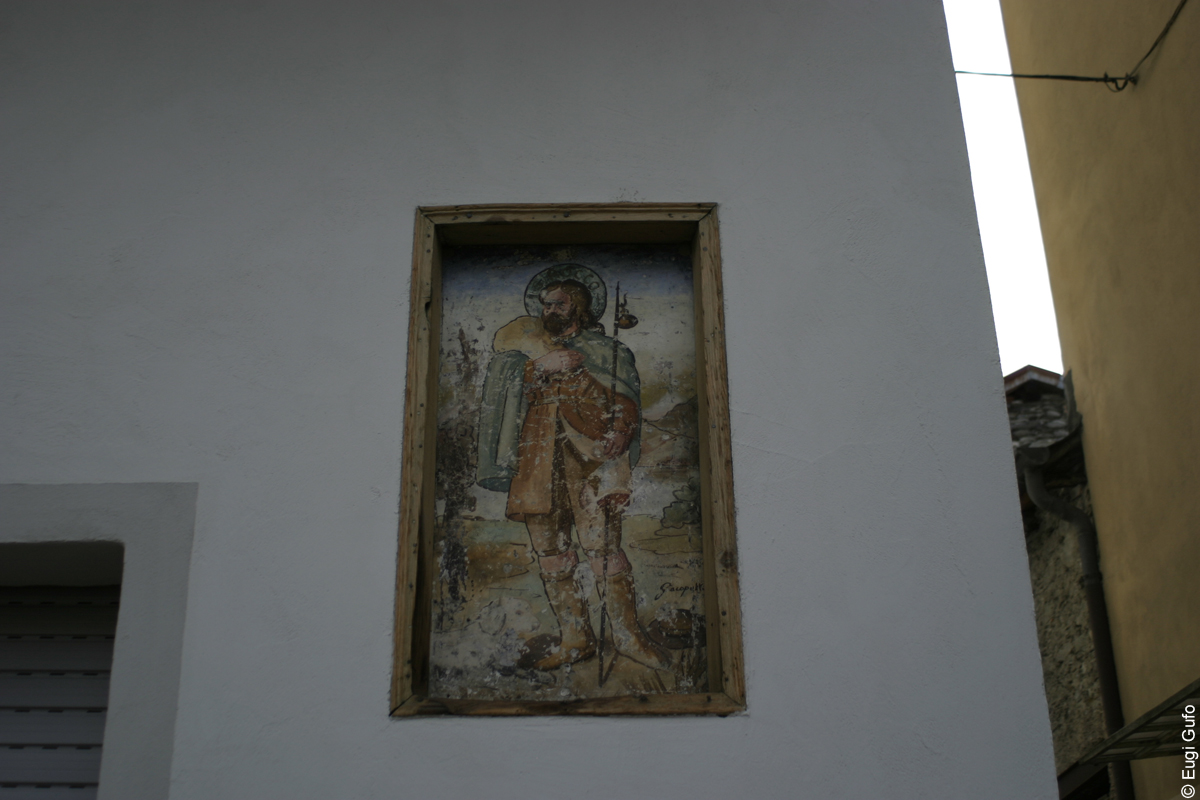
But I would not wish Dervio to appear excessively devout on the basis of this account. Let us therefore restore balance by considering some local artistic and historical peculiarities. For instance: here it is quite common to decorate bricked-up doors and windows with paintings (or should one call them frescoes?). Only a minority are religious in content.
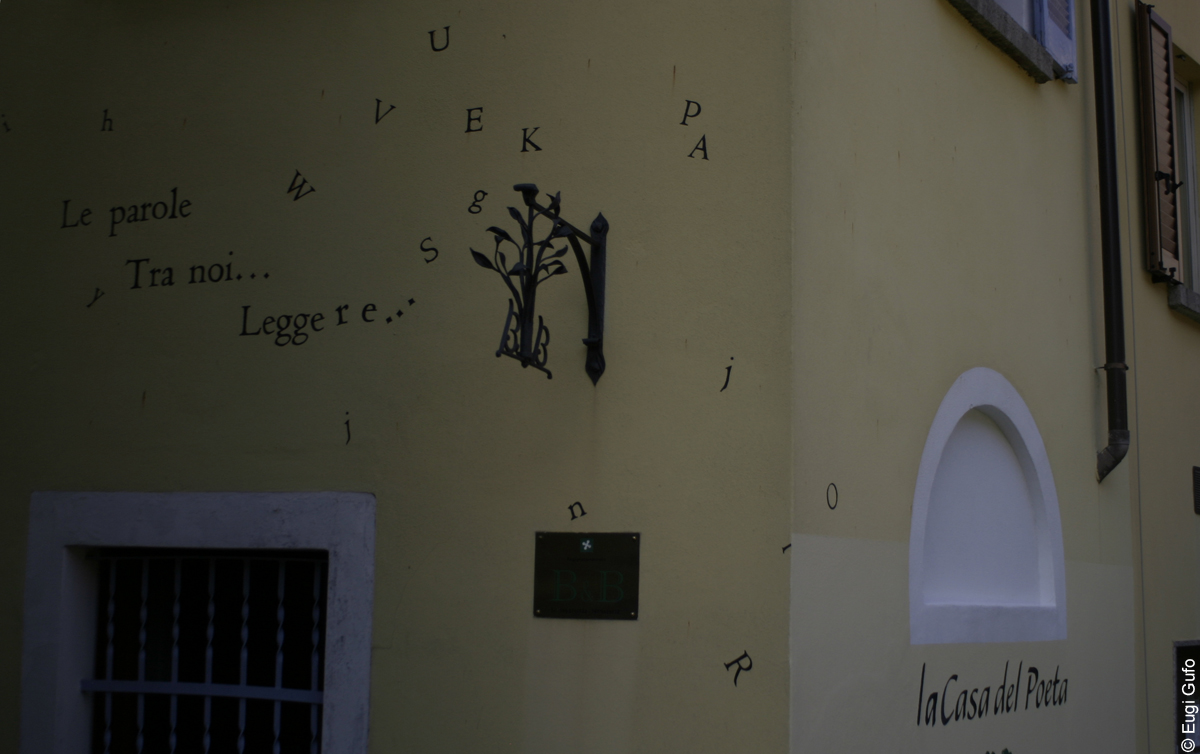
The «House of the Poet» is charmingly decorated — the building where the twentieth-century local poet Ezio Cariboni once lived. It has now been converted into a Bed & Breakfast, yet the attempt to preserve local cultural memory is commendable — even for those of us who are not ardent poetry enthusiasts.
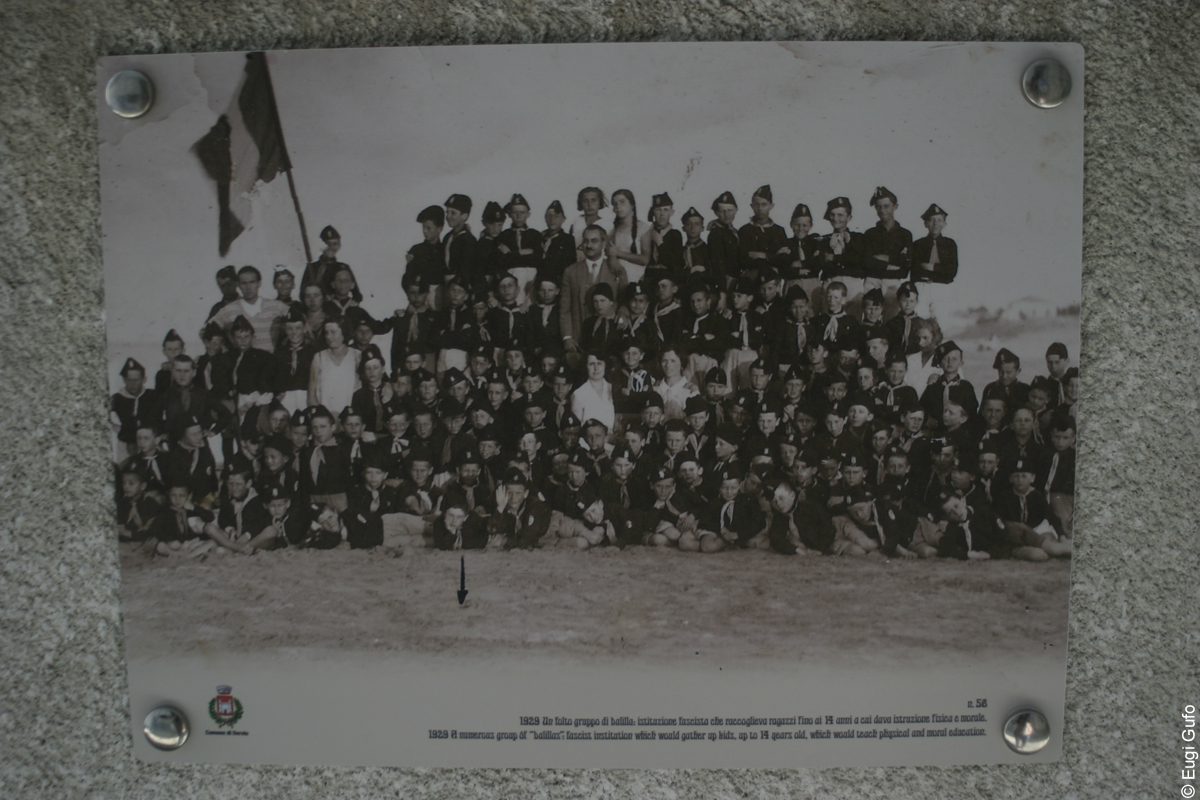
Along one of the central streets, numerous historical photographs of the town are displayed on the walls. Curiously, almost all of them date from the first three decades of the twentieth century. It is undoubtedly important not to pretend that certain periods never occurred, but an exhibition not explicitly thematic might reasonably cover a broader time span — or at least a wider variety of social aspects. In any case, I photographed only part of the display.
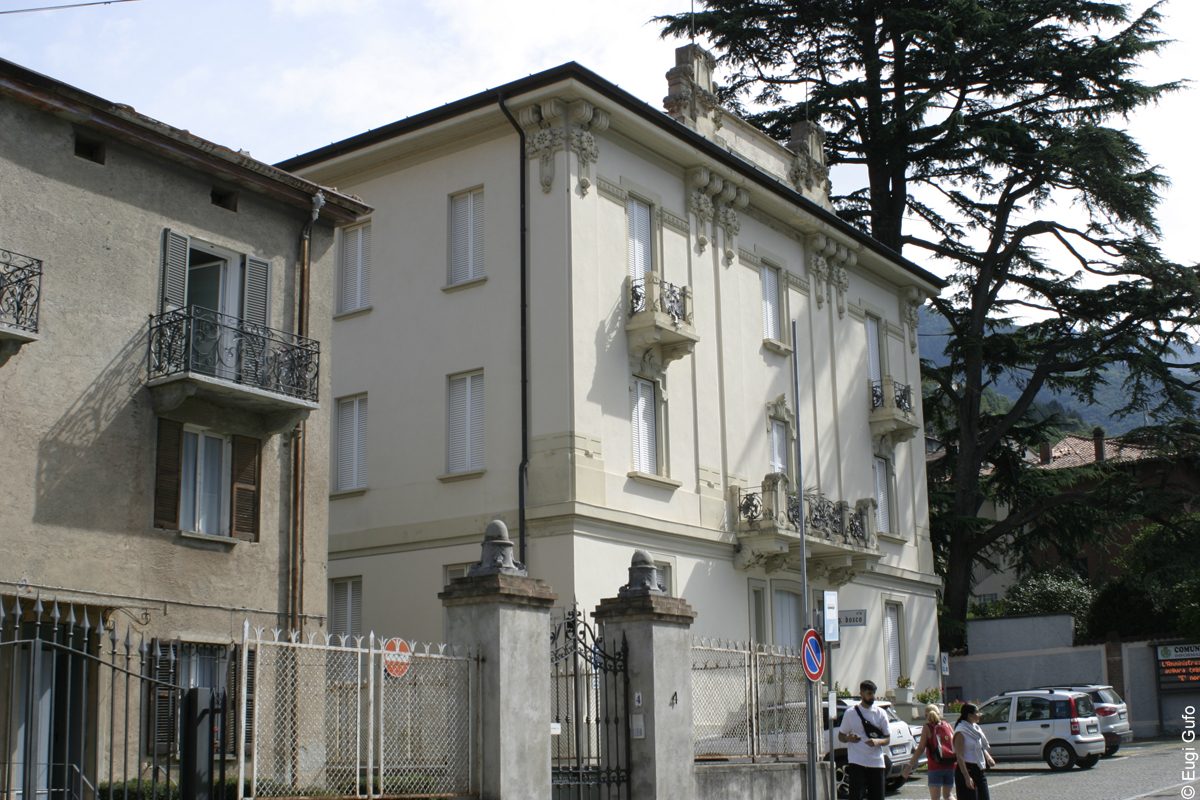
By contrast, one of the most attractive historic buildings houses the municipal library.
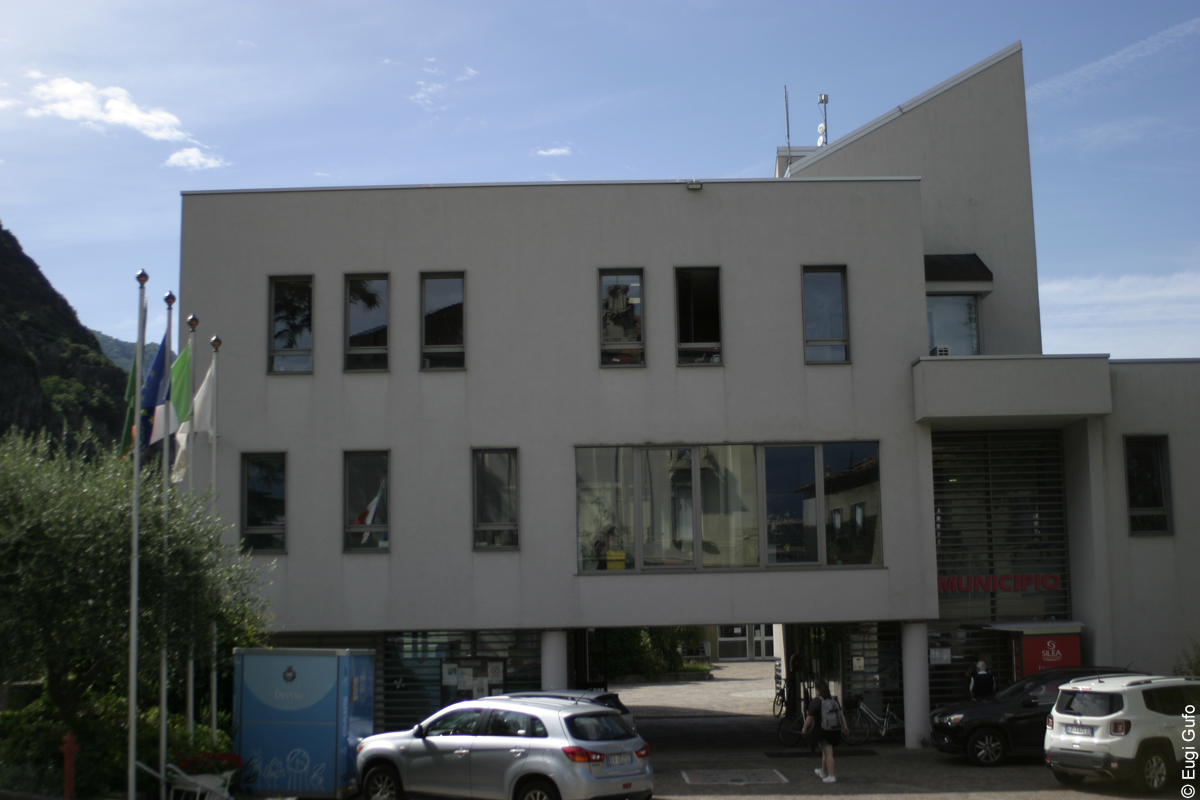
Whereas one of the least attractive modern buildings serves as the Town Hall.
The historic washhouse in the centre possesses nothing particularly distinctive — and has even been restored in such a way that it now looks suspiciously recent.
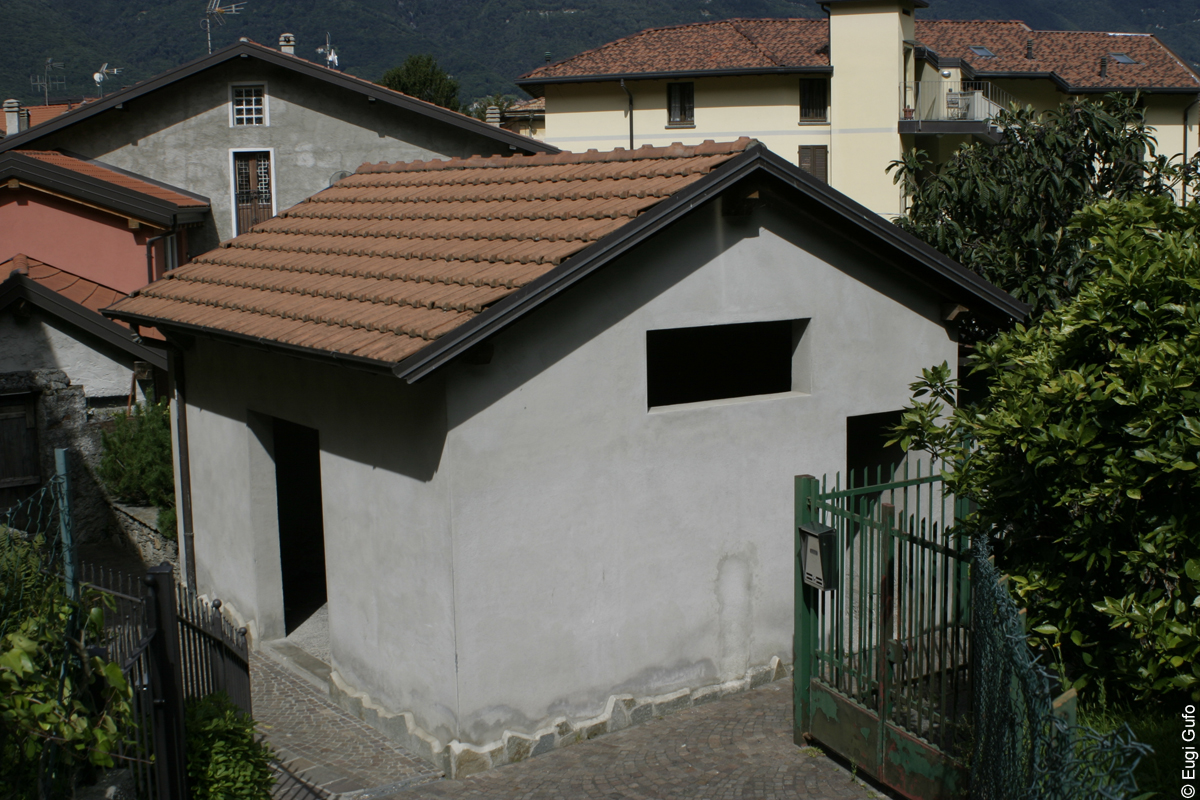
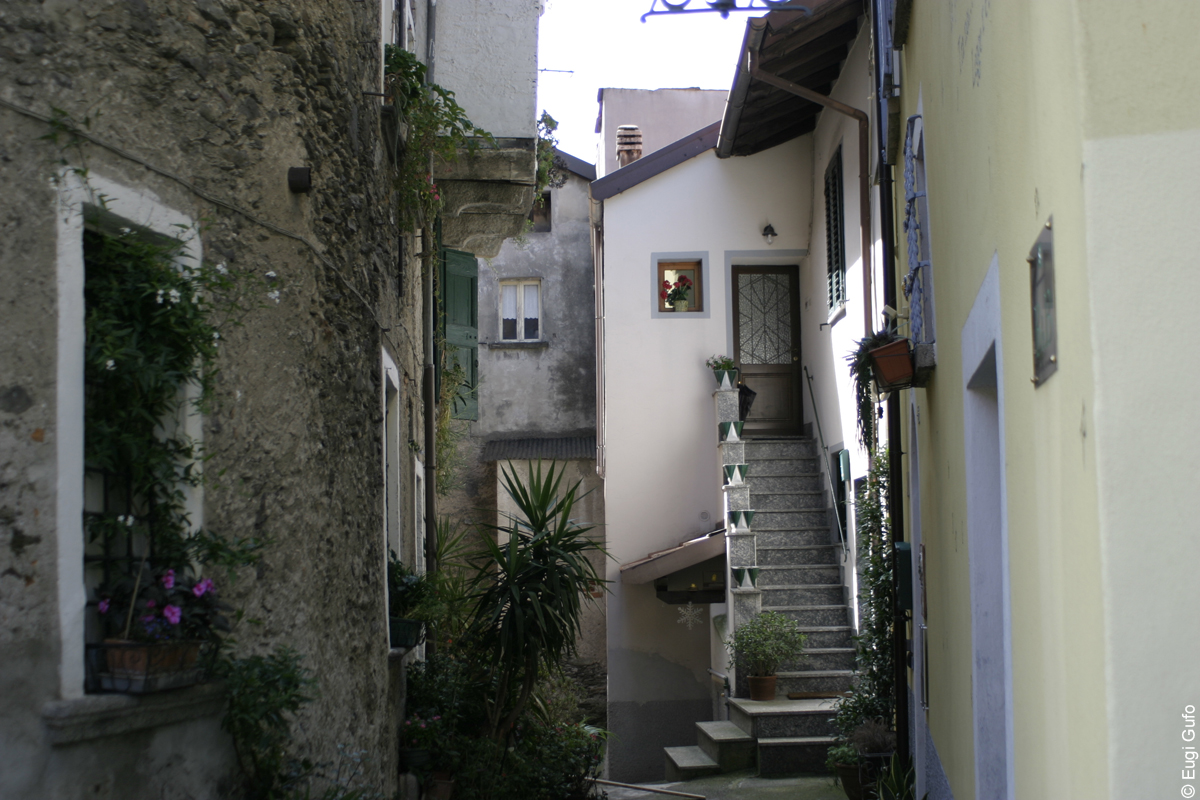
This is not to imply that the centre of Dervio is ugly. On the contrary, small aesthetically pleasing corners appear quite frequently.
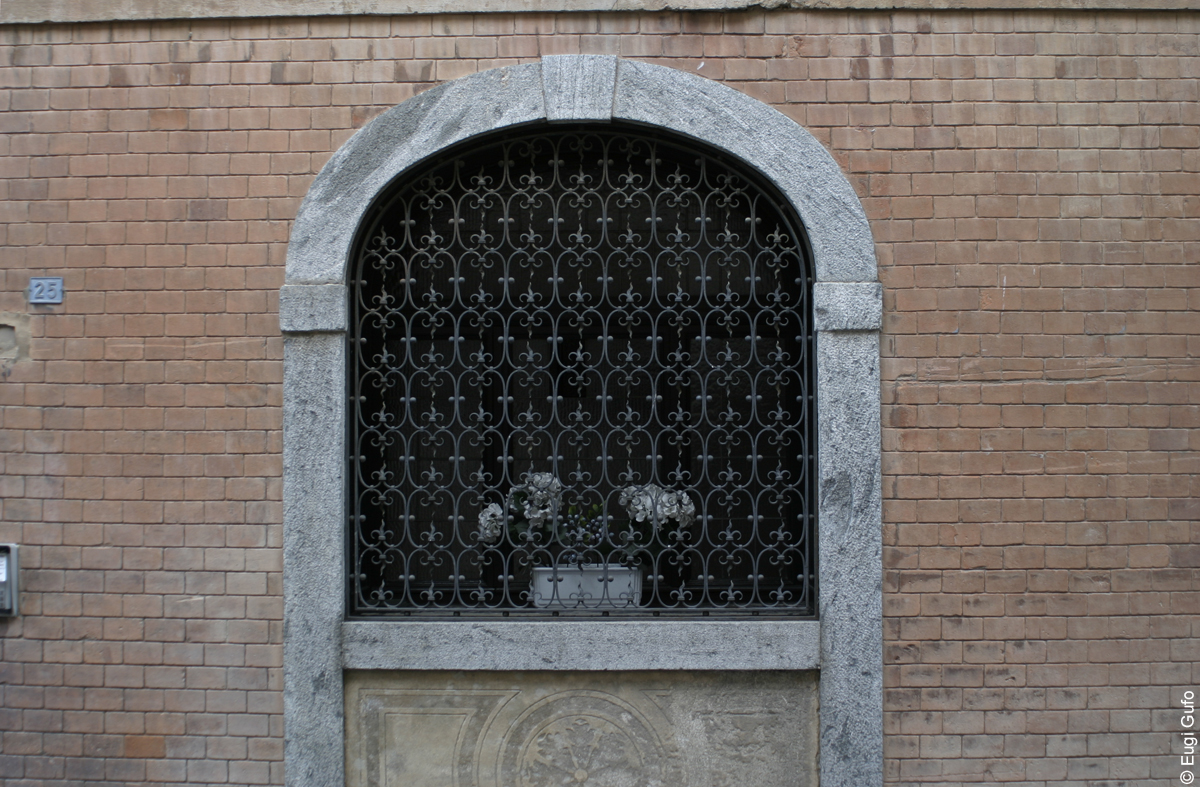
Likewise, certain architectural details are genuinely refined and attractive.
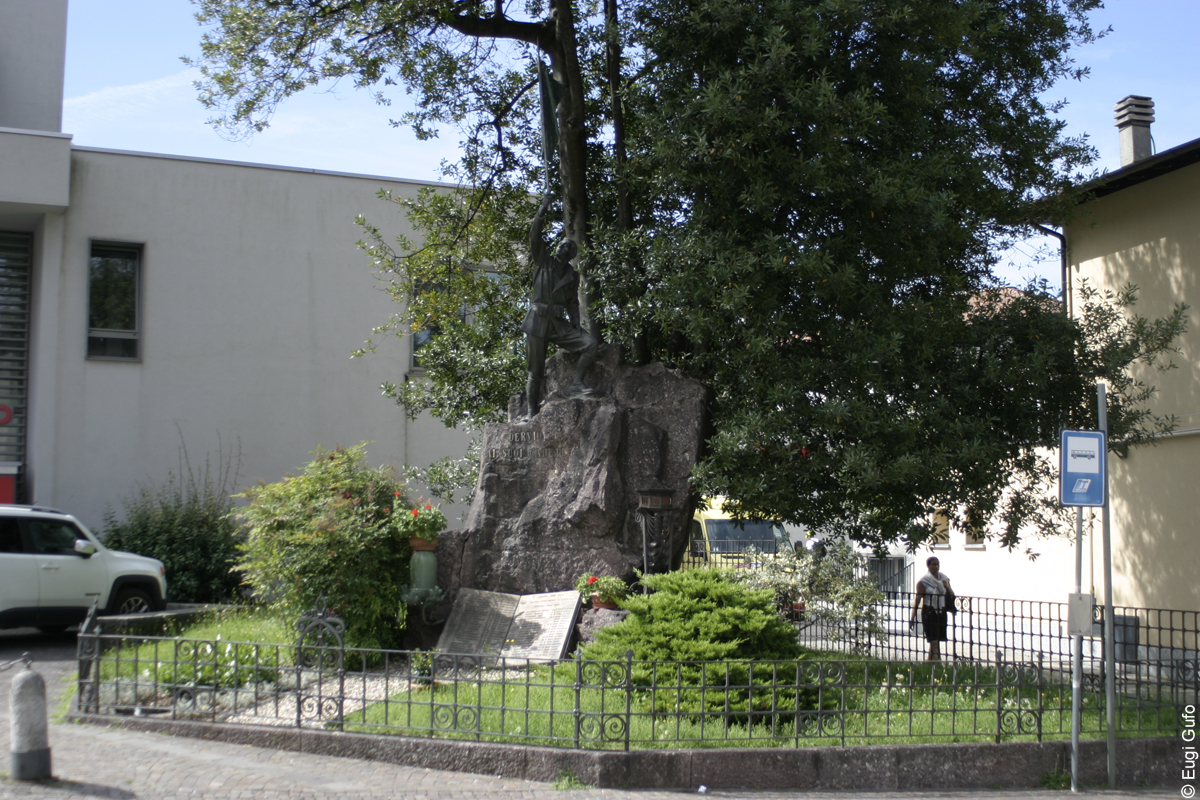
The war memorial mentions, among other conflicts, the Ethiopian War — the first time I have noticed such a reference in Italy. While I was photographing it, an elderly gentleman regarded me with an expression of inexplicable admiration.
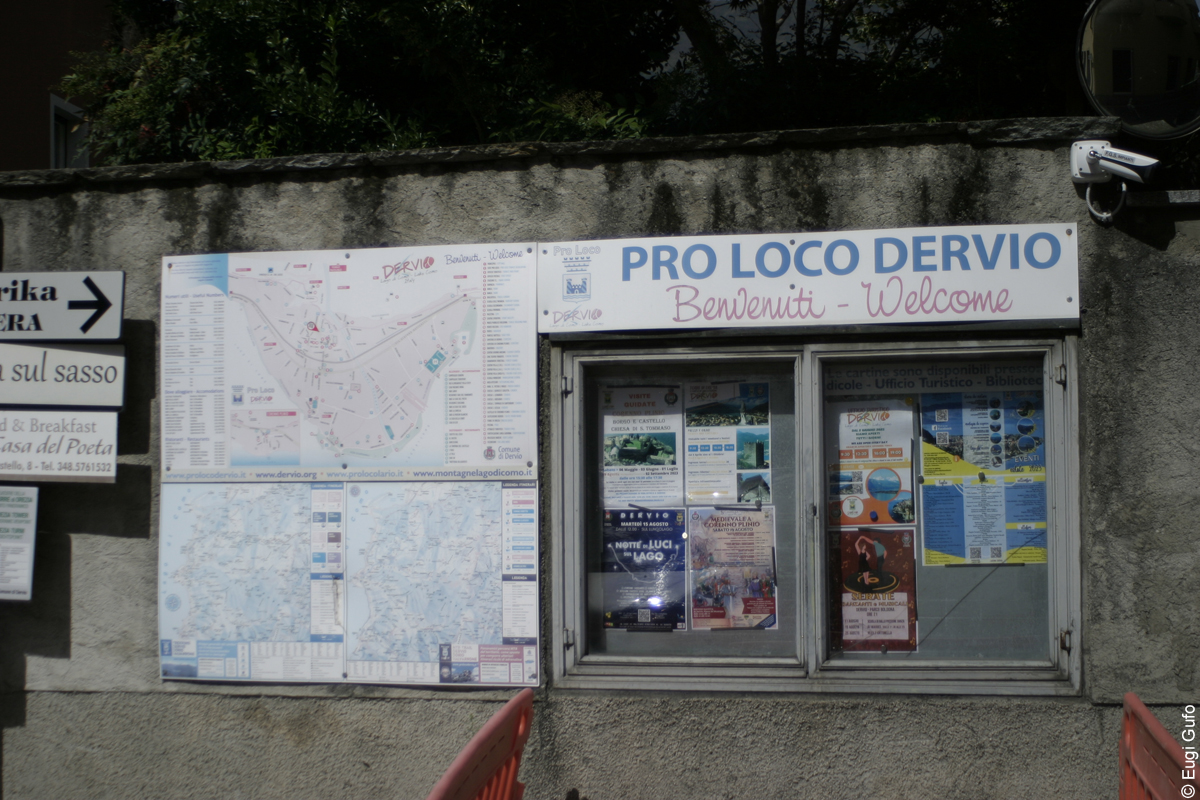
The local pro loco association did very well to install a stand with a central map (marking all principal attractions) and additional topographic maps of the surrounding areas. The difficulty lies in the material chosen: a brilliant white surface that reflects sunlight magnificently. In summer, the maps are physically unreadable. Moreover, the «You are here» indicator is merely a sticker, vulnerable to entirely predictable meteorological forces.
At least I realised I had now seen virtually everything in Dervio and could resume the Sentiero del Viandante towards Colico. This mountain path is consistently beautiful.
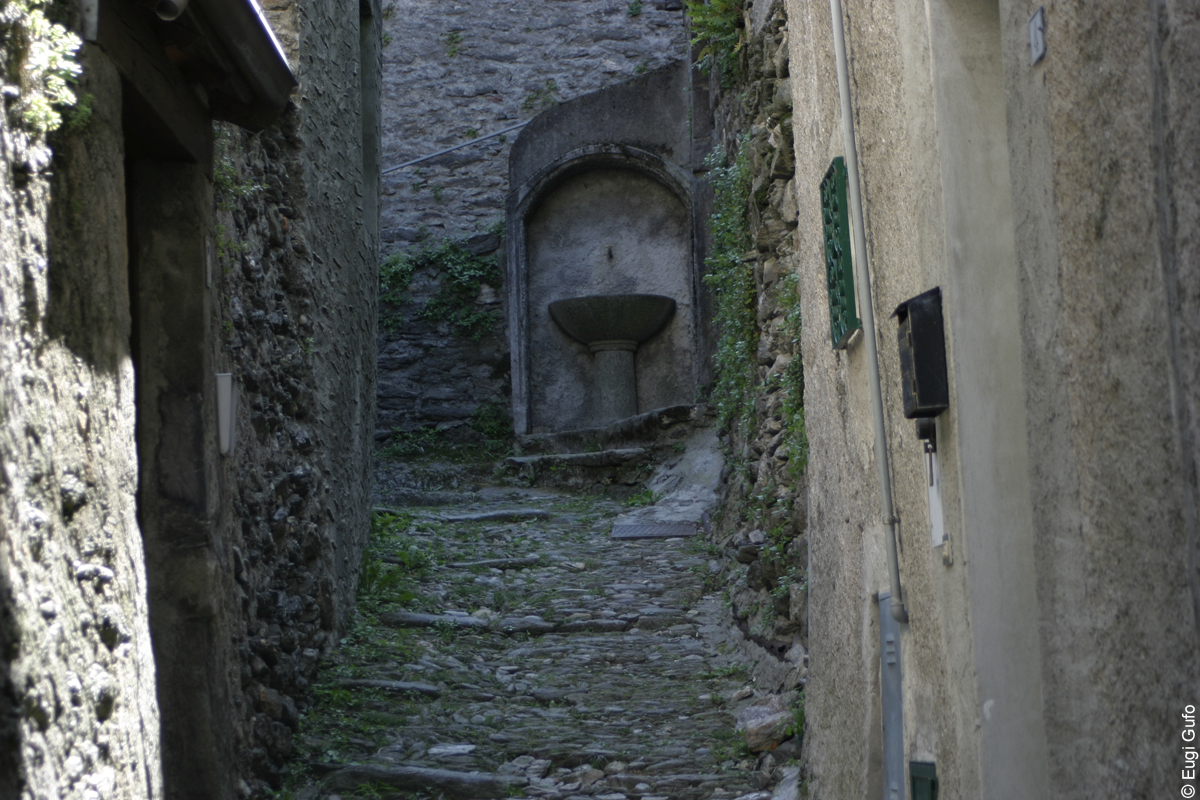
Along the trail — still within Dervio’s territory — one encounters charming private vegetable gardens.
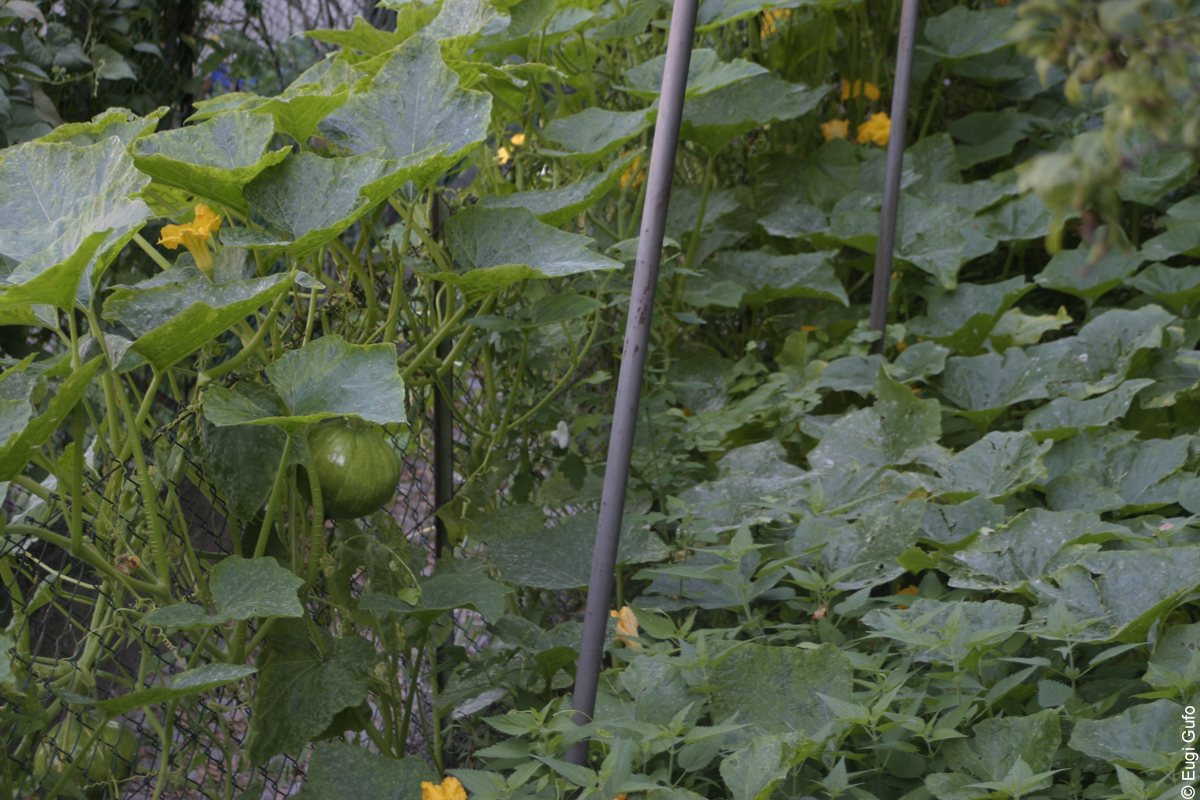
And, naturally, ancient architecture…
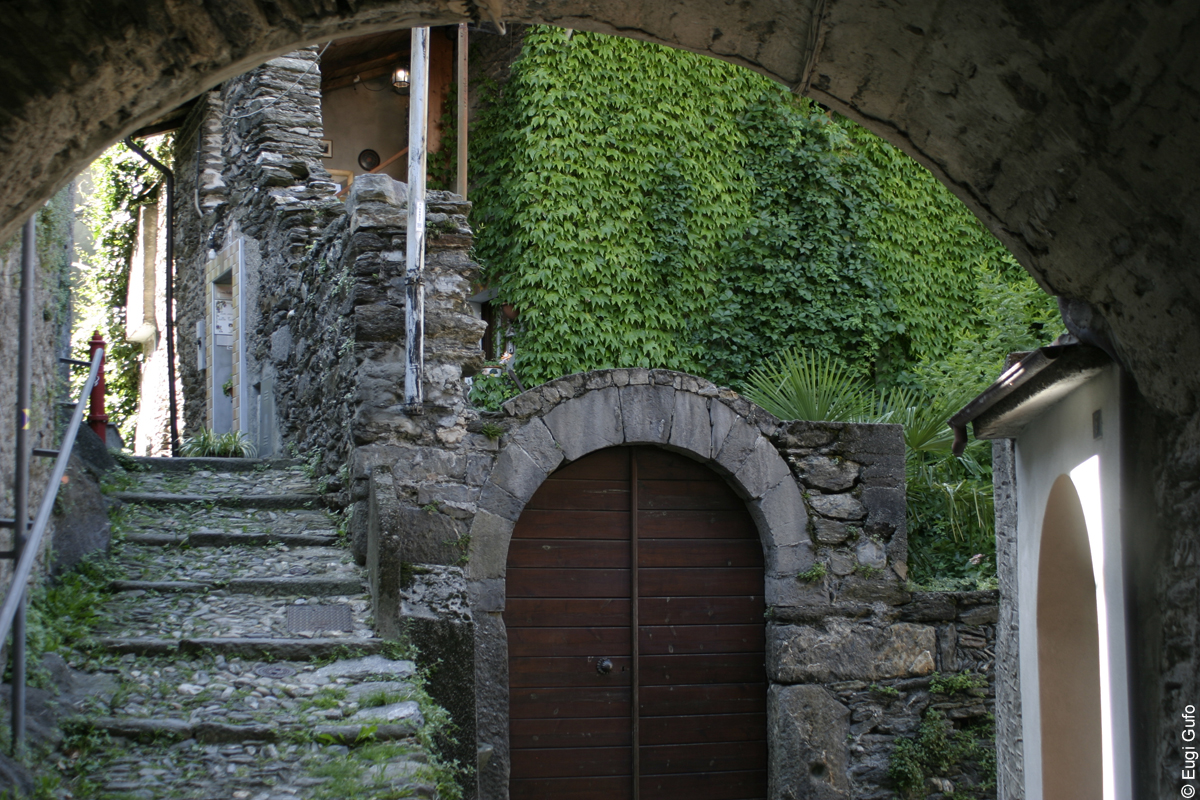
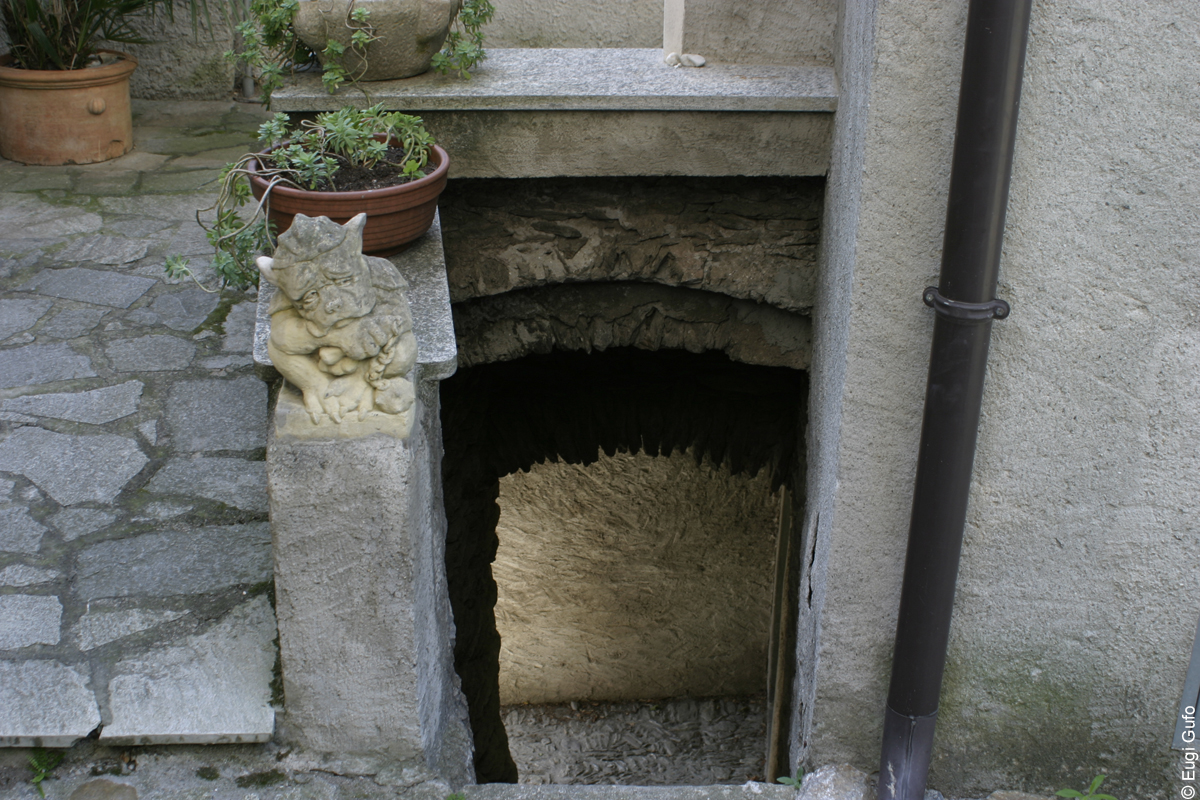
One staircase descending from the trail into the unknown is guarded by a remarkably well-chosen sculpture.
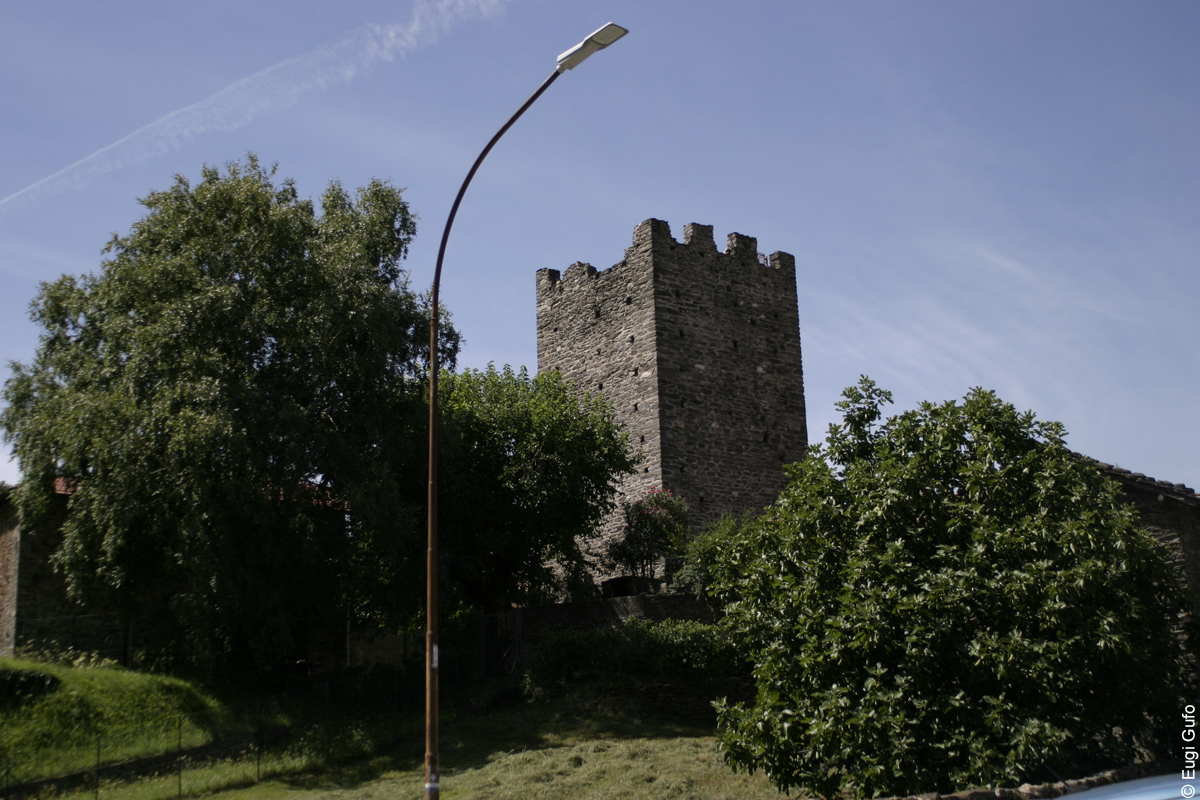
The Torre di Orezia — all that remains of the medieval castle first mentioned in 1039 — is unfortunately open (for a fee) only on weekends and public holidays. It may well be interesting, but I had selected the wrong weekday.
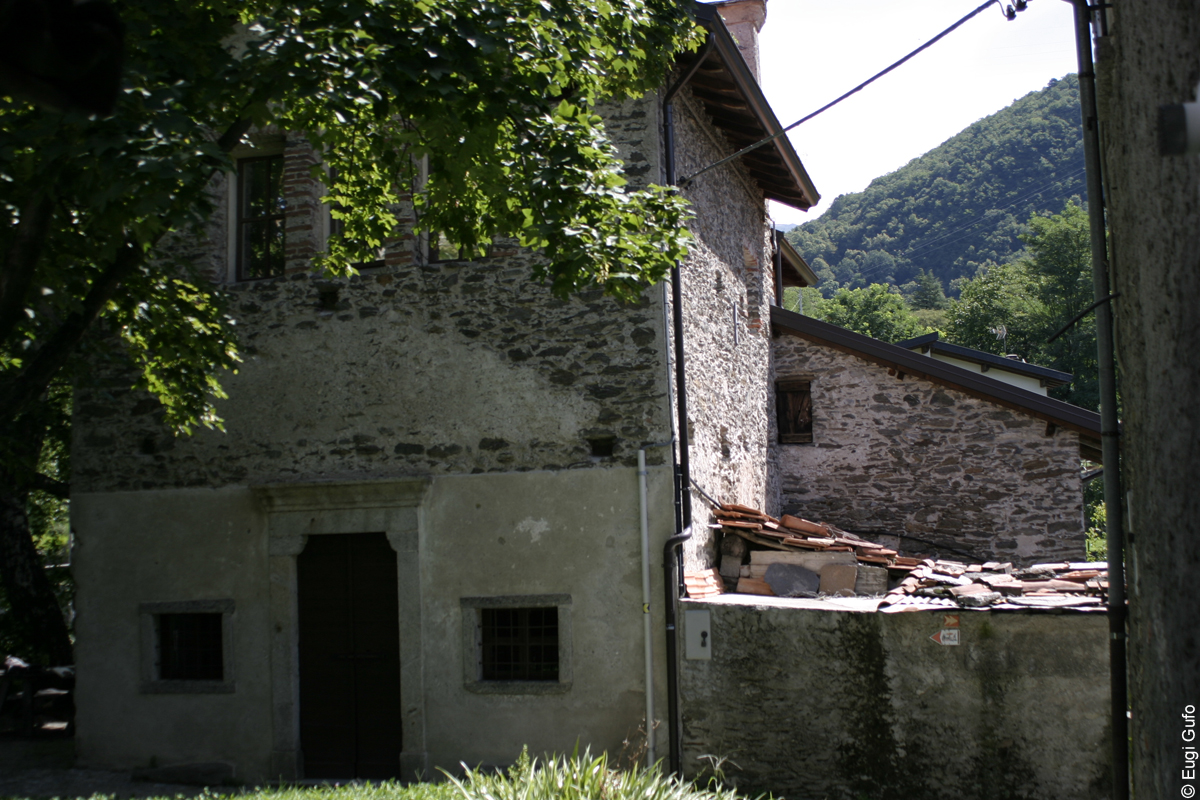
Likewise, the nearby church of San Leonardo, built no later than the thirteenth century and located directly opposite the tower, seems promising — yet it too opens only on weekends and holidays. On weekdays it provides shade for adjacent picnic tables: useful and comfortable, though curiously lacking rubbish bins.
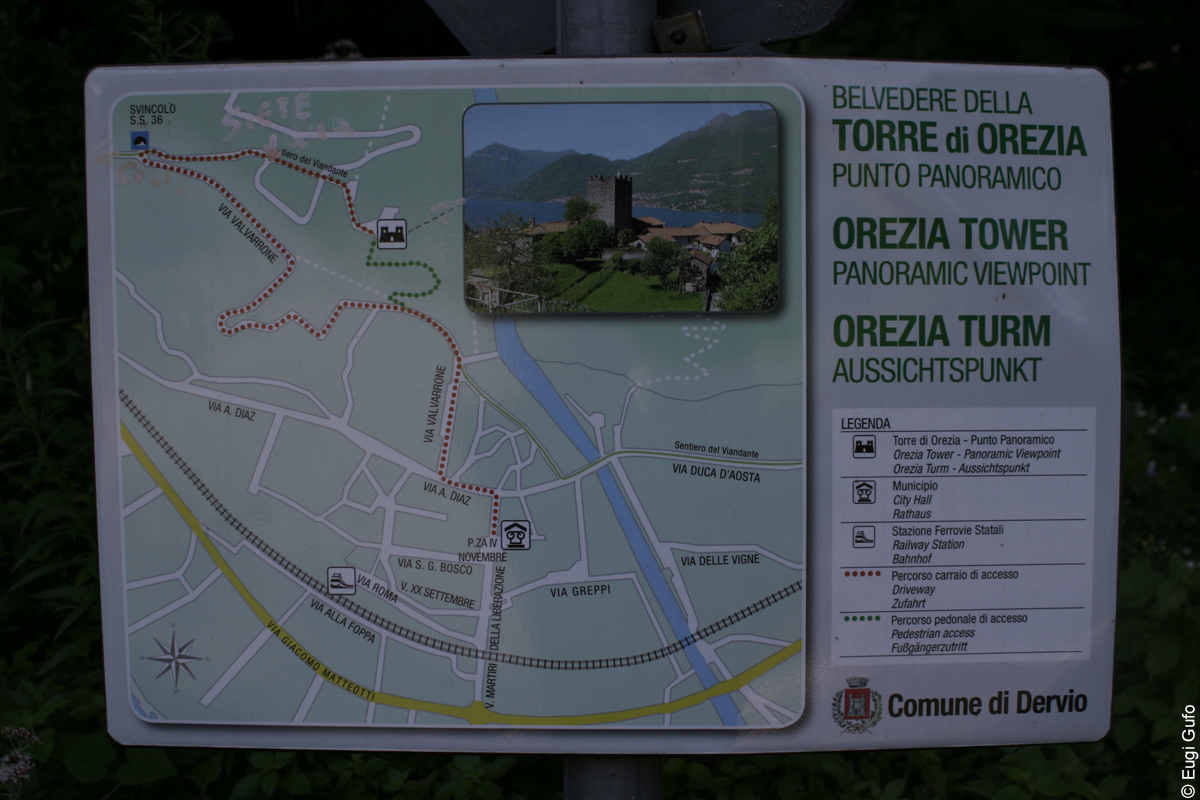
The map displayed on the nearby information stand may be the least useful in existence: what purpose does it serve once one has already arrived at the tower?
Fortunately, I am well prepared regarding my route, and so I resume my beloved path.
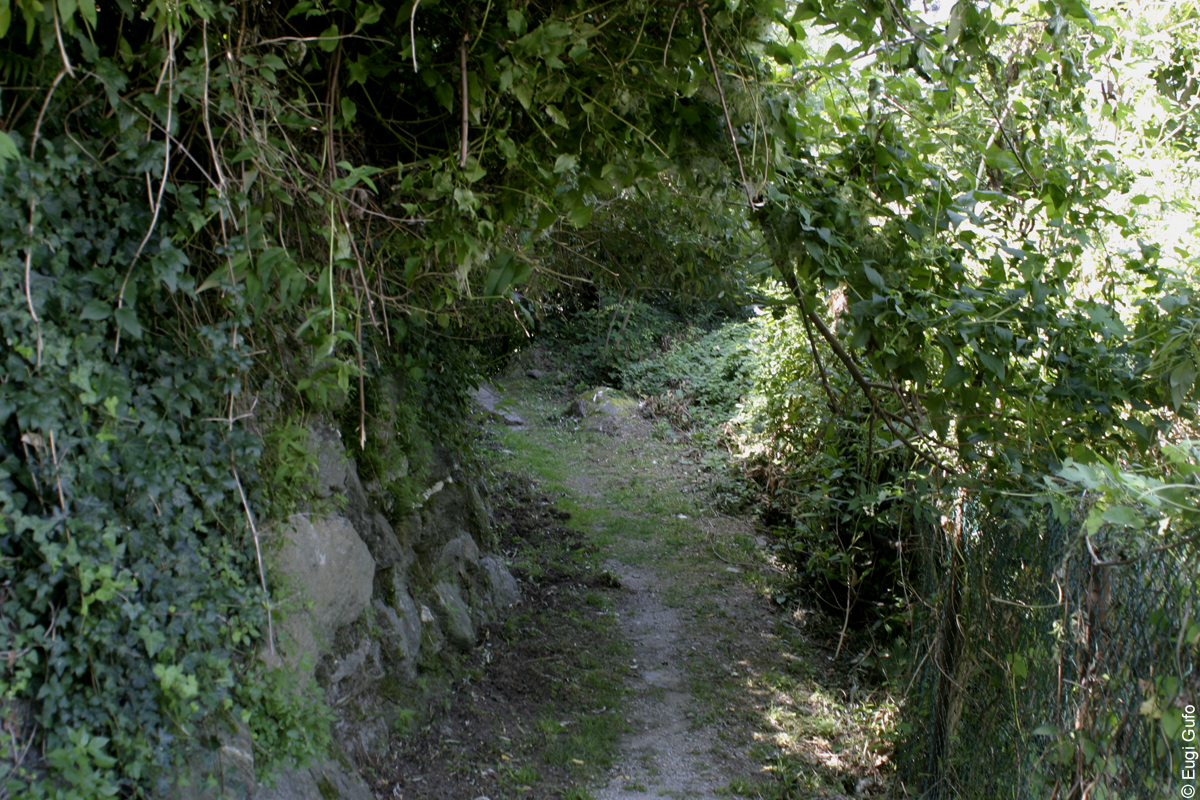
I walk while keeping Lake Como in view and attempting not to notice the somewhat excessive quantity of electrical cables in this area.
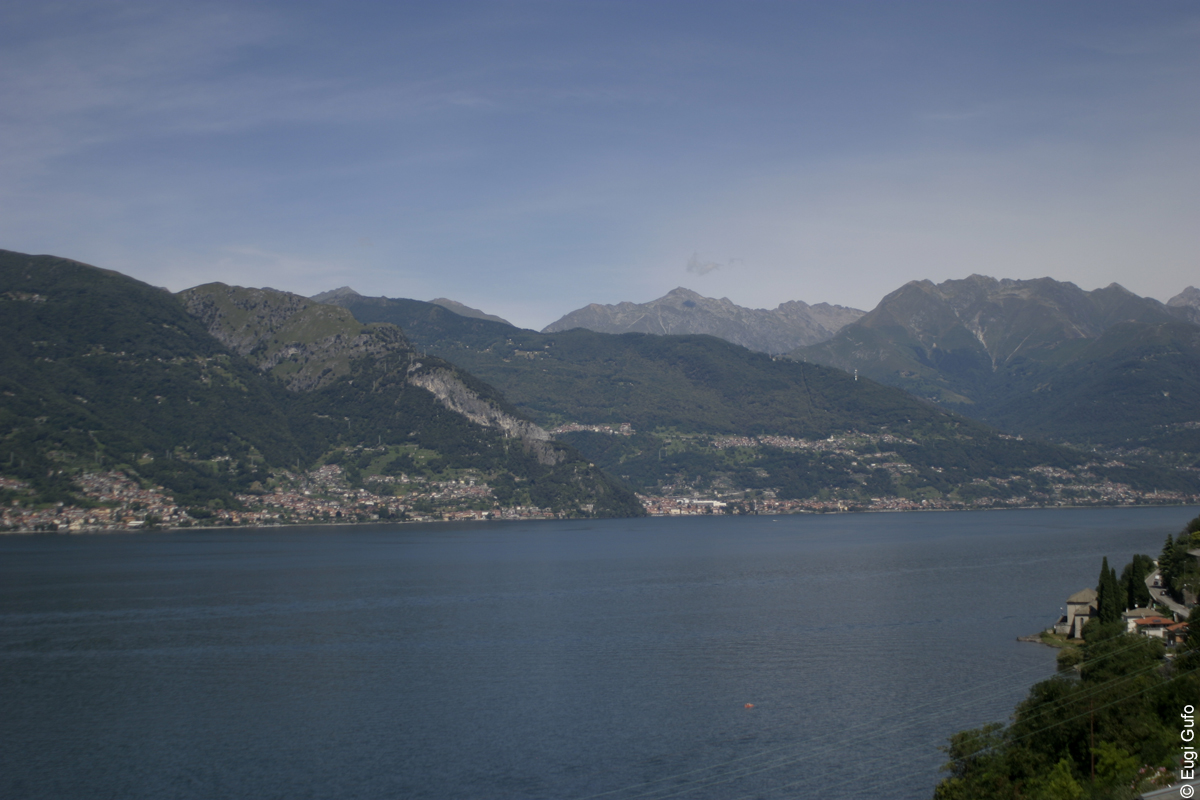
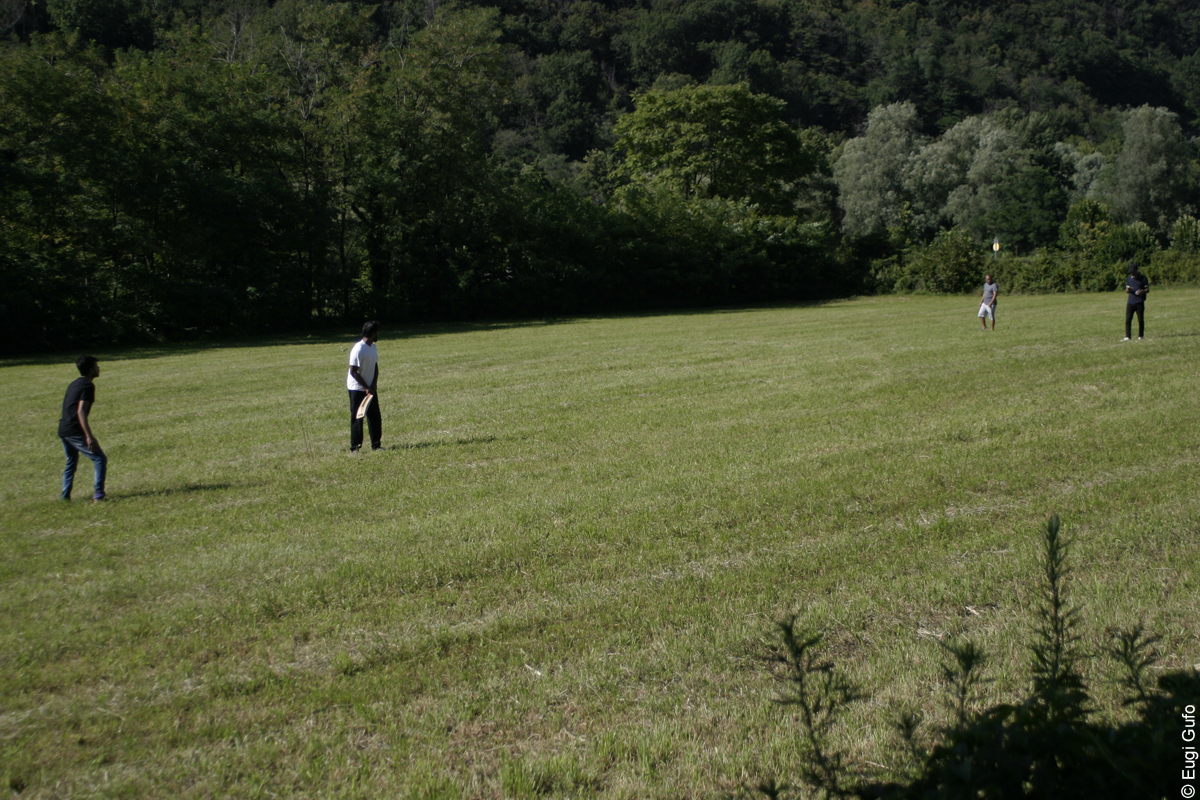
Soon I reach Corenno Plinio — formally a frazione of Dervio — which deserves a detailed account of its own. Proceeding further towards other settlements, I encounter scenes both unusual and endearing: for instance, a group of friends playing cricket in the middle of a meadow.
To summarise this modest excursion: Dervio does not require an excessive allocation of one’s time. Passing through along the Sentiero del Viandante is entirely sufficient to observe its most interesting elements.
Efficient, scenic, and mercifully concise.
Dervio, 9 August 2023
↓ Show comments ↓


