


 Long live Ukraine! Fuck the war!
 RSS of site articles
Unfortunately, my visit to Dervio on 17 August 2022 was not particularly fortunate — rather like my visit to Varenna the previous August. The town was the final scheduled stop of a long mountain walk, and once again I reached the centre not exactly at the peak of my physical powers. However, it appears I am somewhat better trained than before: from a purely quantitative perspective, I managed to see a few more things.
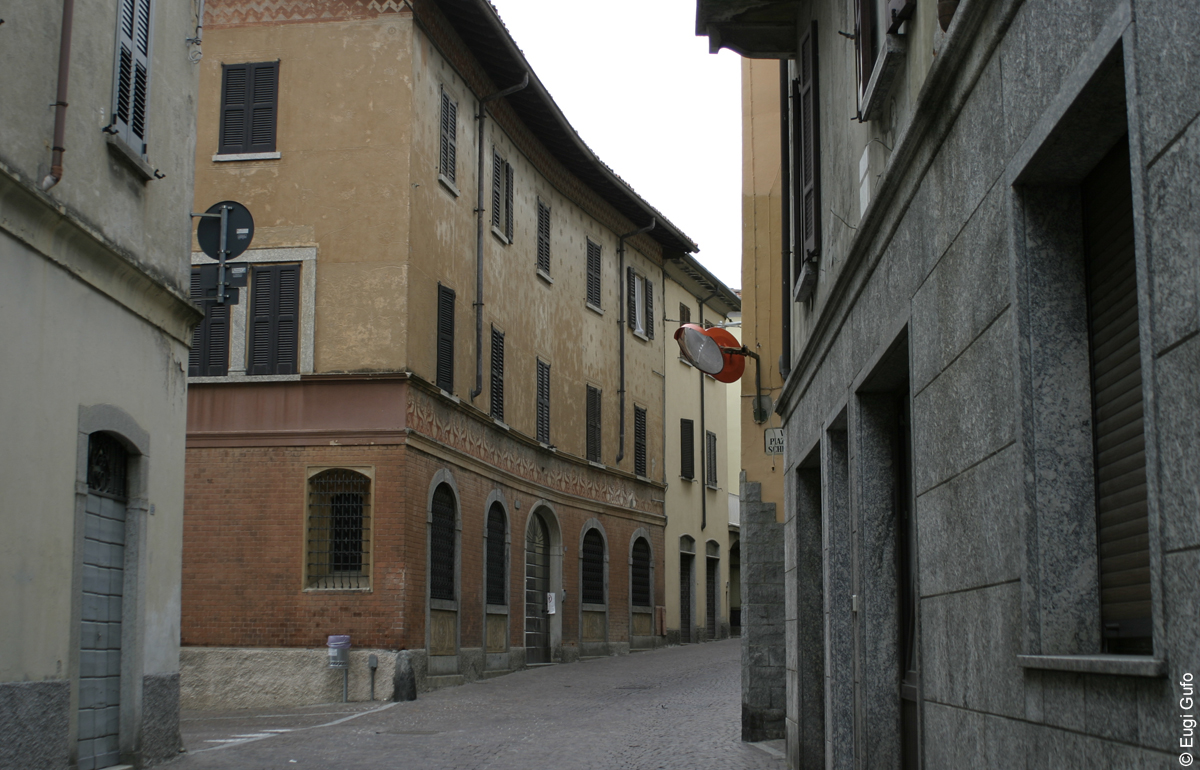
The historic centre of Dervio does not boast especially remarkable civic buildings. Or perhaps I simply failed to locate them?
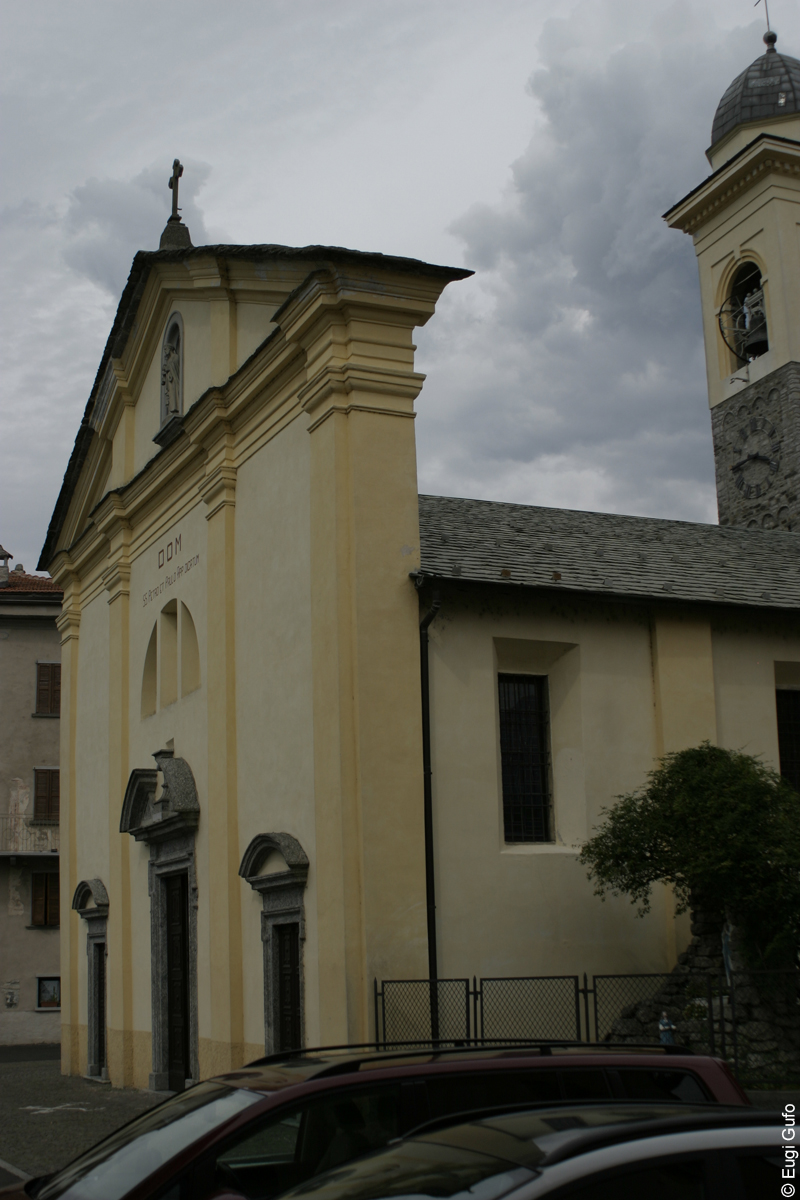
The provost church of Saints Peter and Paul — built in the thirteenth century and modified several times in subsequent centuries — is interesting mainly for its rather curious stylistic mixture, visible both inside and out. It also intrigued me because, at the time of my visit, a lady was practising on the organ: she was frequently quite successful.
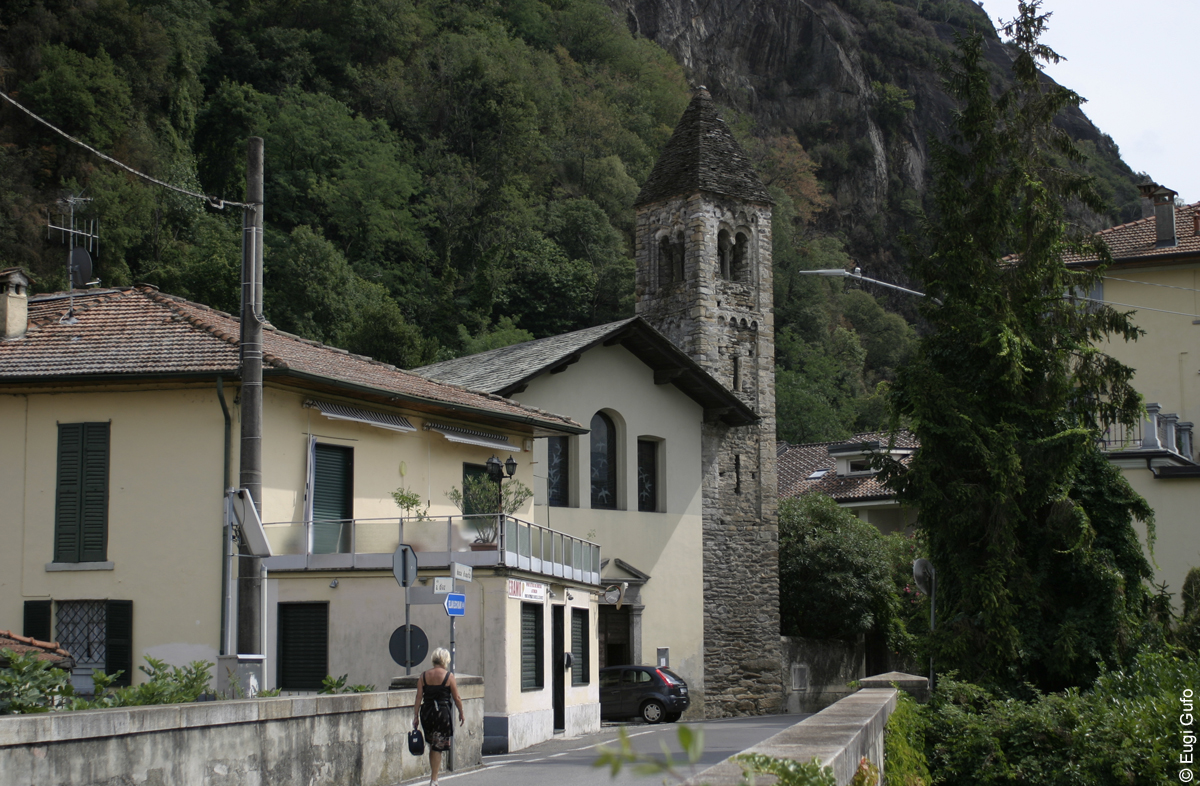
The Church of Saints Quirico and Giulitta was first mentioned in a written document dated 3 March 814. It struck me as more interesting than the previous church, but unfortunately I found it closed.
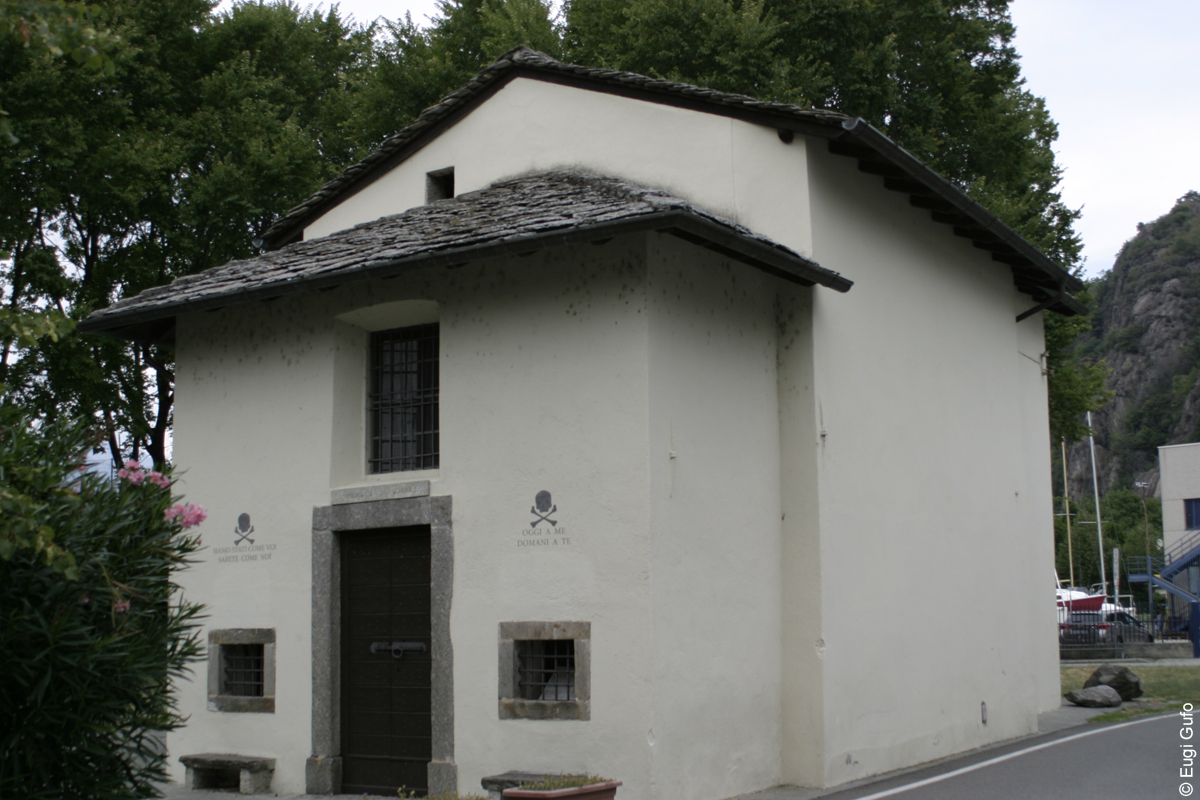
The Church of Santa Cecilia — located very close to the waterfront of Lake Como — is the most cheerful church in the town. I should very much like to see more churches of this kind around the world.
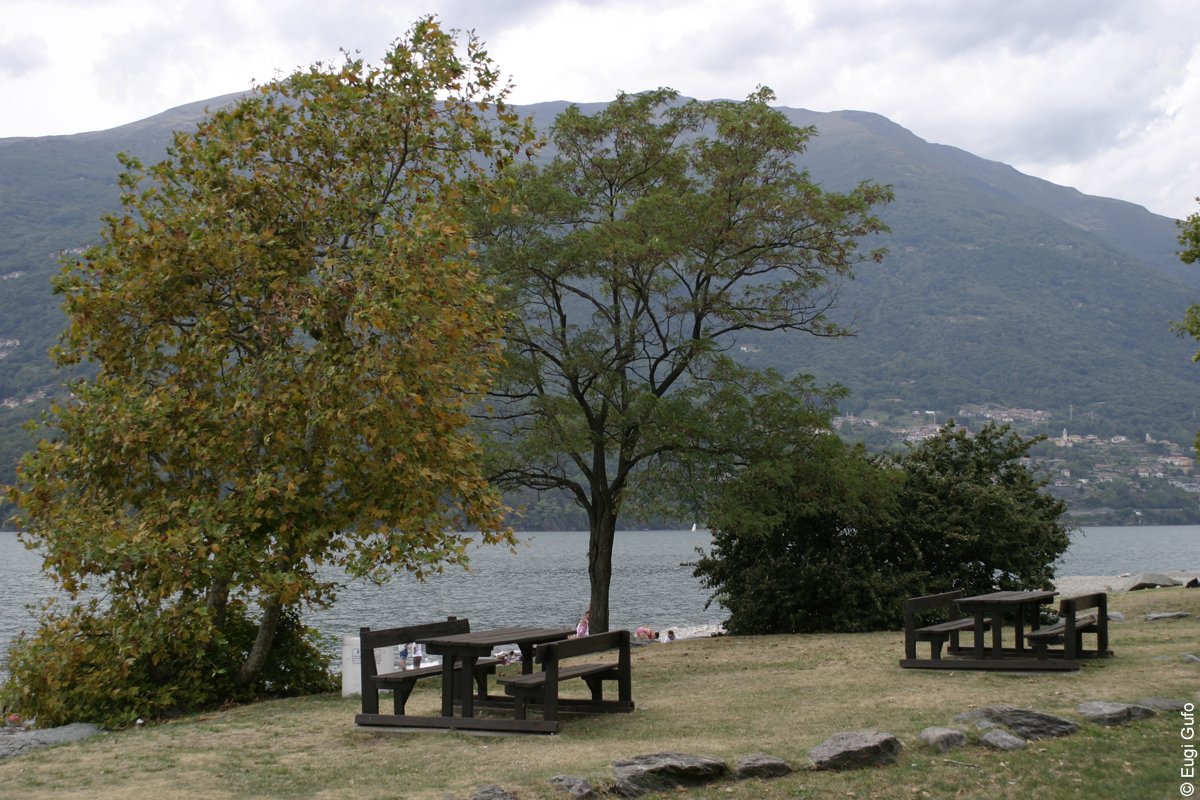
The waterfront in Dervio does not offer other architecturally significant attractions. A considerable portion of it consists of a fairly well-kept beach-park (although visibly affected by the drought of 2022), but it is not especially compelling.
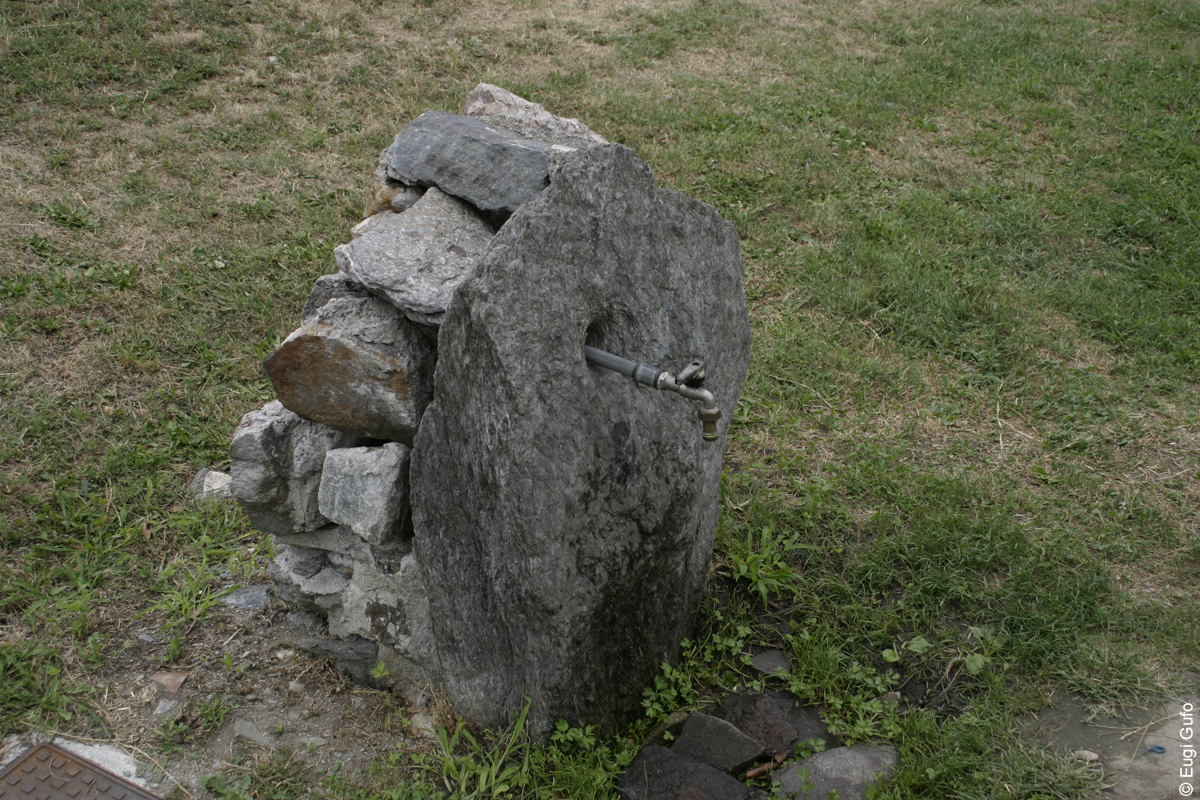
Among the park’s details, I can highlight only an original drinking fountain, executed somewhat approximately compared to what must have been the architect’s initial vision.
From an artistic standpoint, the sign prohibiting the feeding of swans and ducks is far more interesting. Strangely enough, this entirely reasonable notice was spotted in only one section of the waterfront.

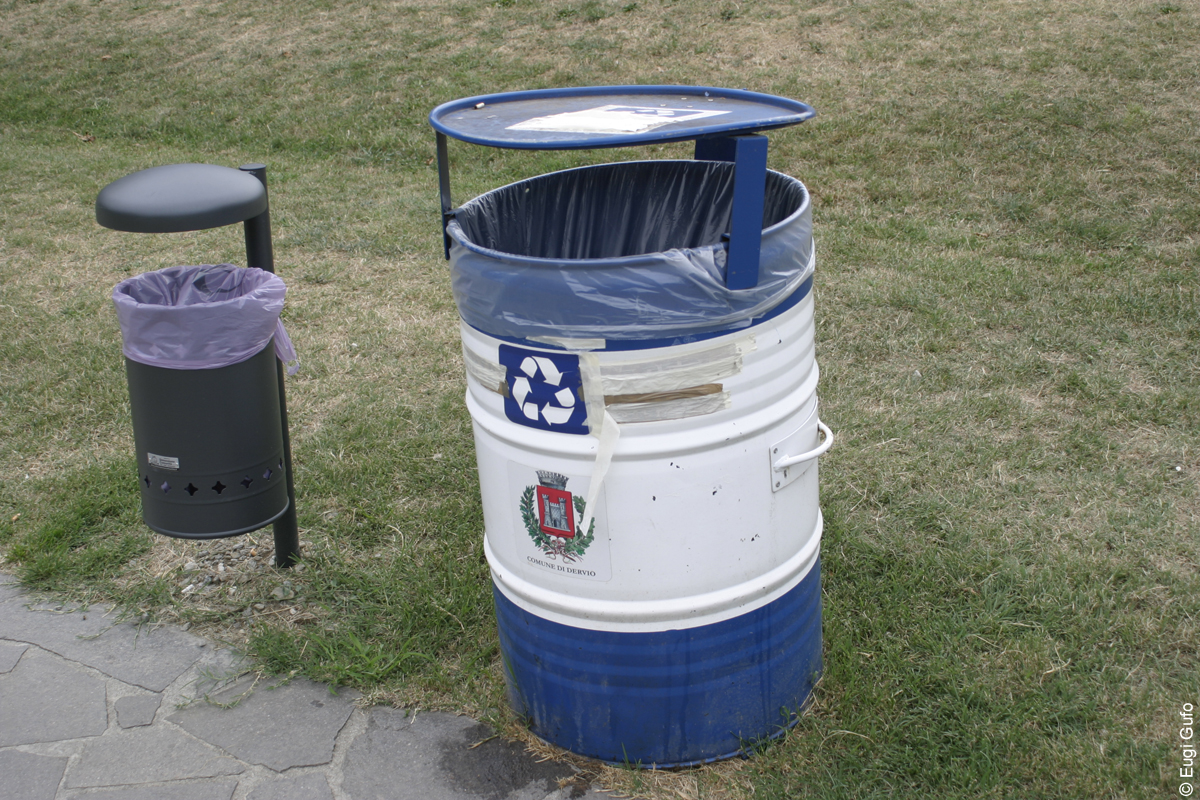
From a functional perspective, the large litter bins made from old metal barrels are noteworthy. It is clear that the area receives a substantial number of visitors.
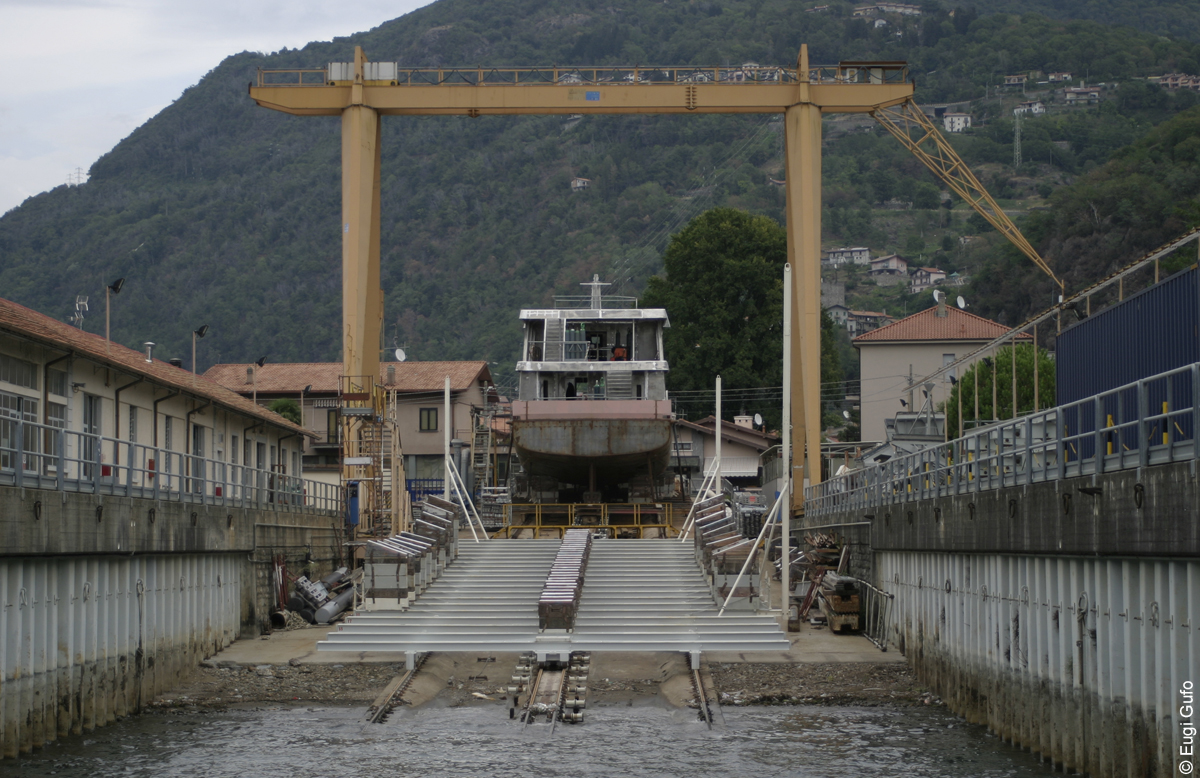
The waterfront is divided into two sections by the exit from the local shipyard of Navigazione Laghi, based in Como (the company also operates shipyards in Ancona, Como and Peschiera del Garda). Except during the relatively rare moments when a vessel needs to enter or leave, it is possible to cross in front of the exit via a small — yet robust and reassuringly solid — bridge. One may also observe, of course, whichever vessel happens to be under construction or repair at that particular historical moment.
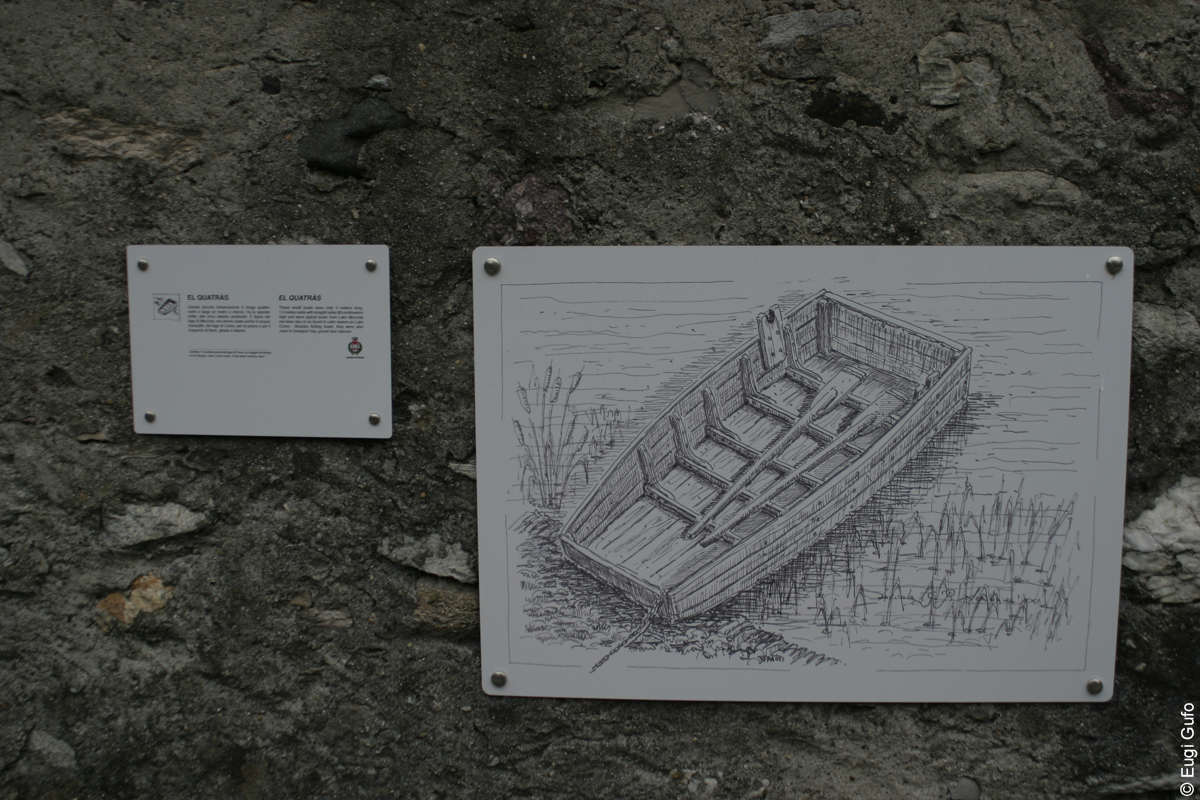
The activity of this shipyard appears to be historically important for the town. Evidence for this can be found in a nearby street, where drawings and brief descriptions of numerous types of boats are displayed along a wall.
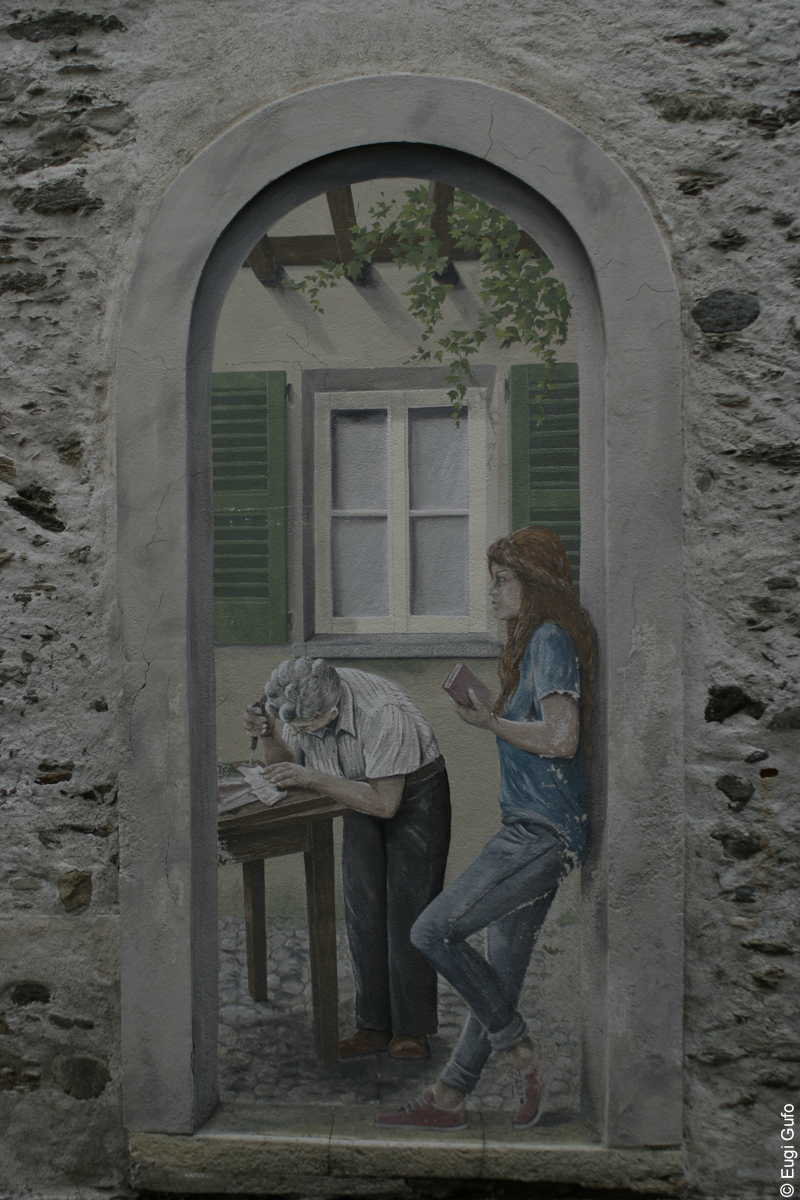
Traditional street art in Dervio is represented solely by this mural painted within the arch of a bricked-up doorway (I was unable to determine what exactly the gentleman is doing, and therefore what the young lady might be waiting for).
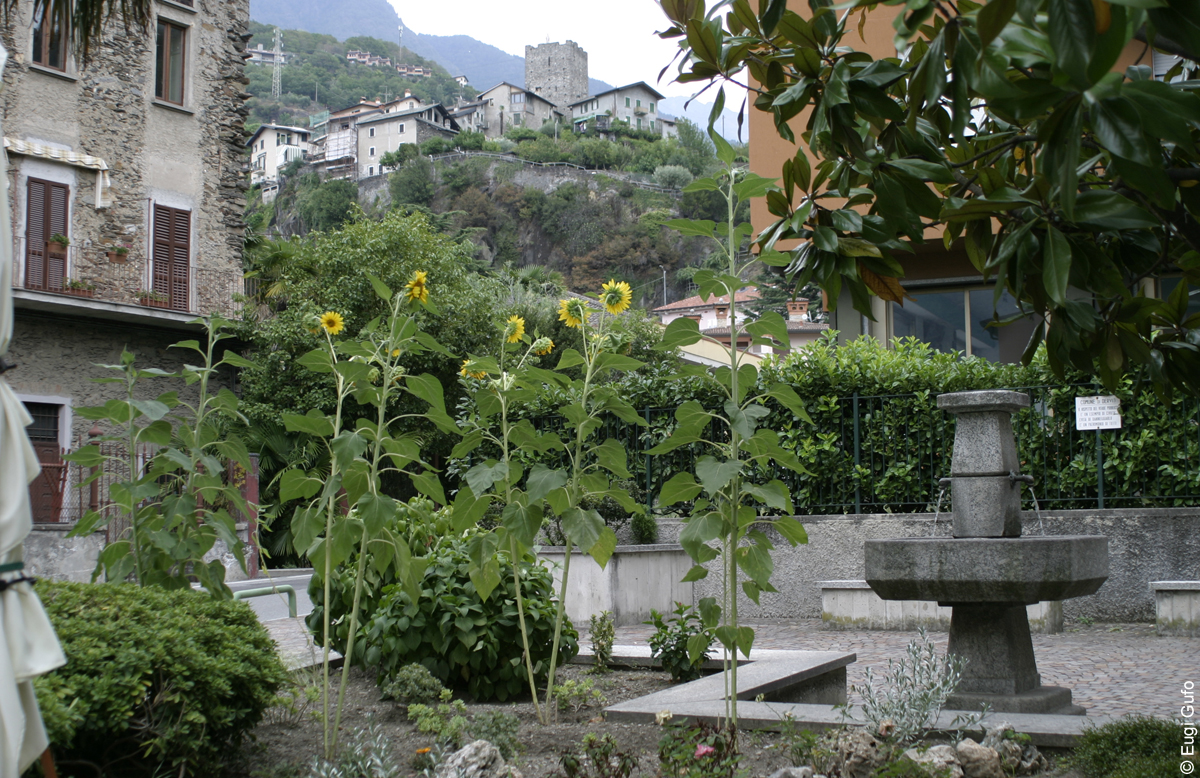
In a flowerbed in the centre, sunflowers are growing — though with blooms somewhat smaller than the average size I have observed over the course of my life. I am unsure whether their presence is purely an aesthetic choice or also a pragmatic one (although a comparable pragmatism almost a century ago did not end particularly well).
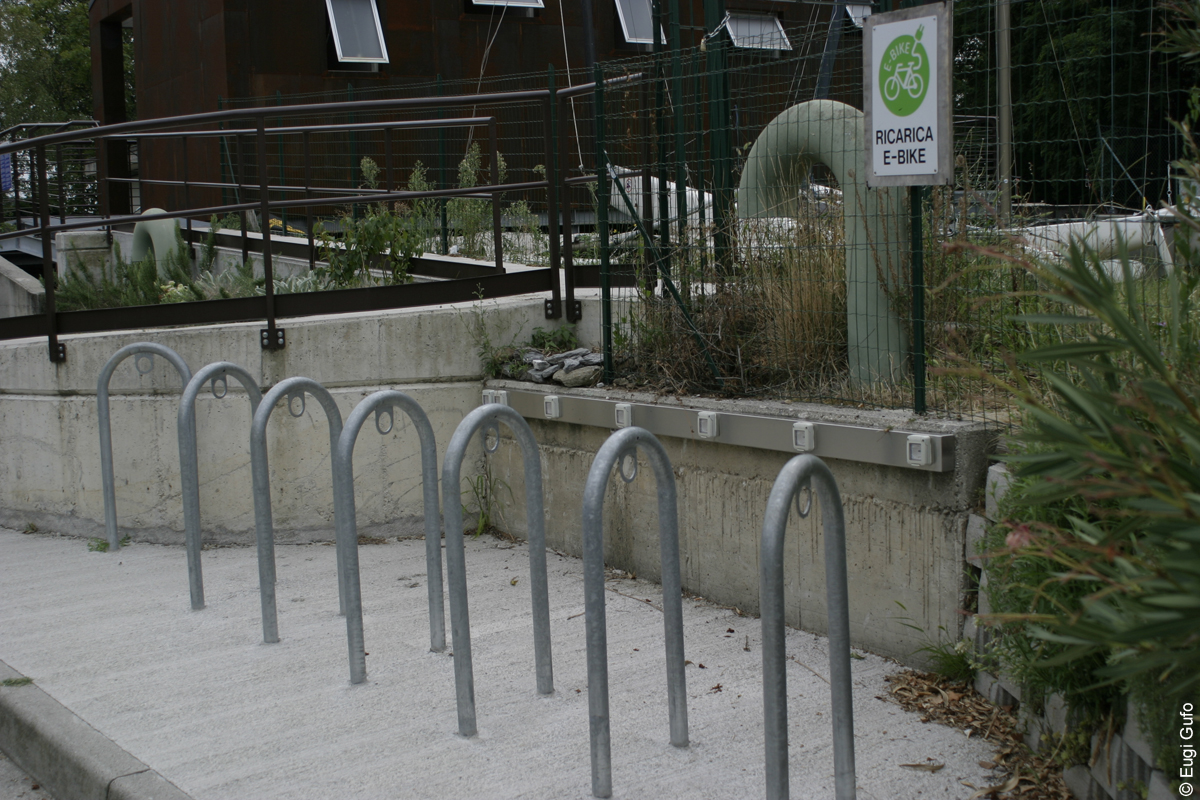
The public charging station for private electric bicycles is implemented in the most straightforward manner imaginable: a rack with simple electrical sockets. Should you happen to pass through Dervio, do not forget your charger.
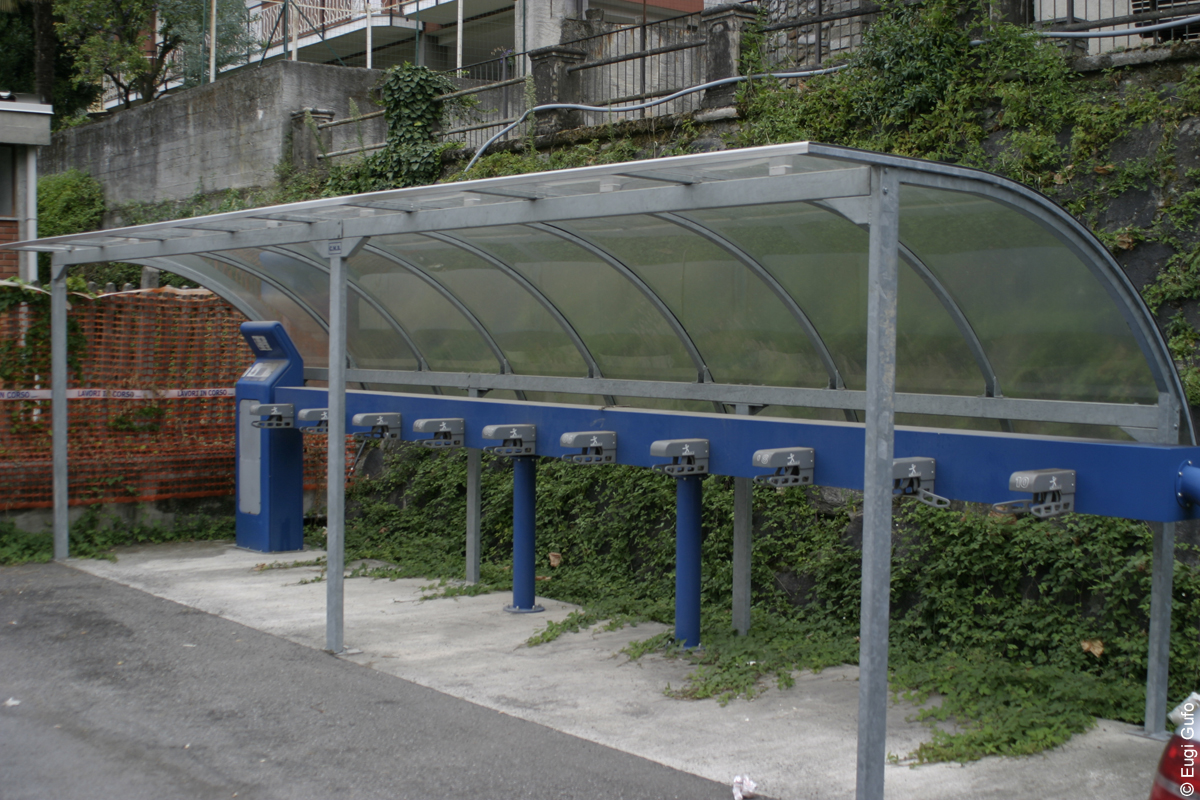
The only bike-sharing station I saw in the entire town is located near the railway station and gives the impression of having been abandoned for quite some time — perhaps years. If that were indeed the case, I would not be surprised. Such services make economic sense in cities; in small towns, people generally find it quicker to walk, or to use a car if they need to travel beyond the municipal boundaries.
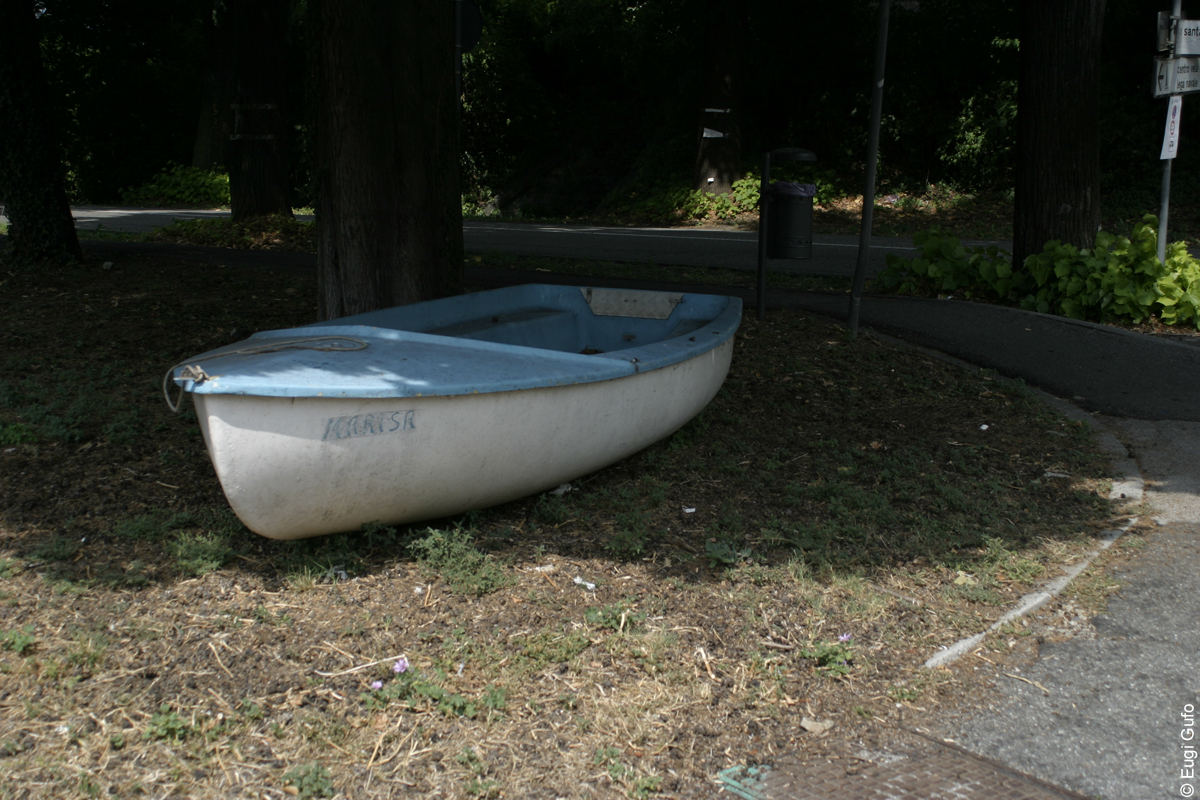
Speaking of private vehicles: in Dervio, too, there are those who park illegally on grassy areas.
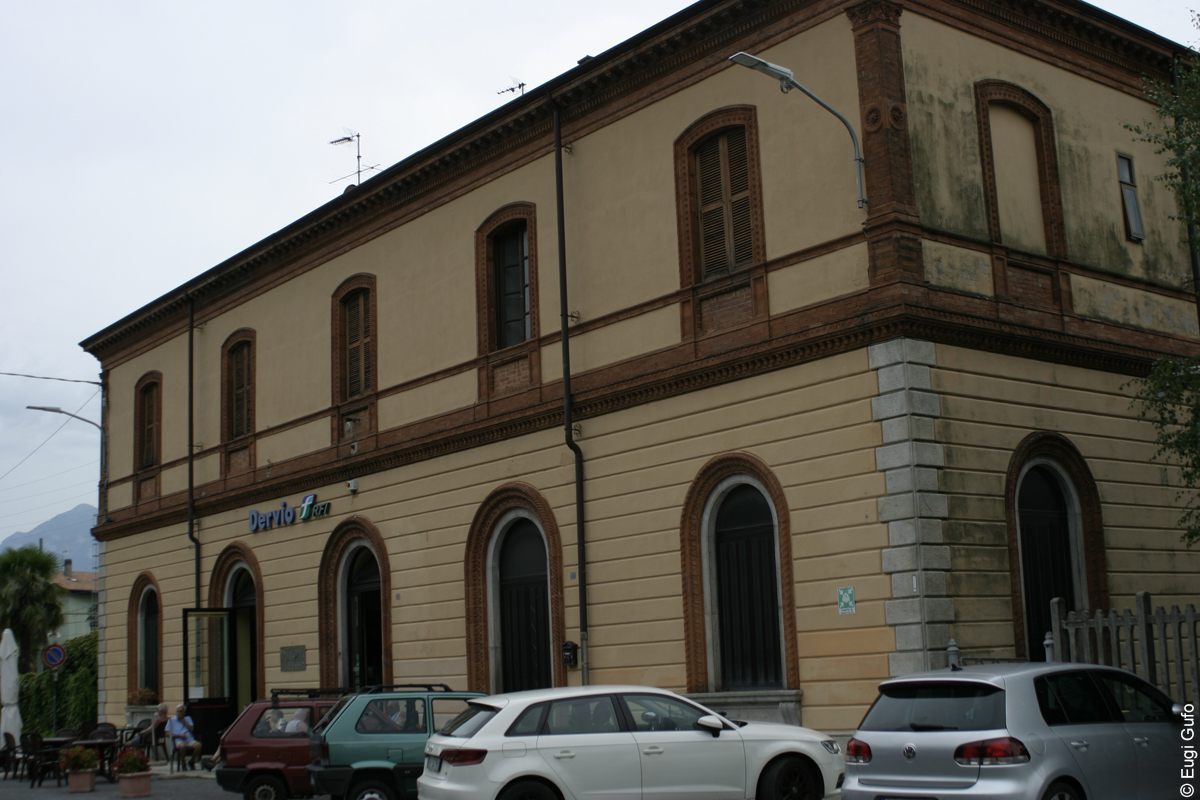
And thus I have shown you all the relevant things observed in Dervio during this brief visit. Only the local railway station remains — built in a style typical of the area, of which I have already seen many similar examples near Lake Como.
For now, that is all. But I know for certain that I shall return to Dervio to examine several interesting military structures — from various periods — located outside the main settlement.
Stay tuned.
Dervio, 17 August 2022
↓ Show comments ↓


