


 Long live Ukraine! Fuck the war!
 RSS of site articles
When choosing the destination for a new August trip, this time I decided to apply two criteria. The first had by then become typical of my 2020: a place not overly crowded, where one could walk and breathe peacefully without a mask. The second criterion was meant to guarantee the artistic or cultural quality of the destination. Fortunately, a few weeks earlier I had discovered the existence of the «Orange Flag», an award granted by the Touring Club Italiano to the most interesting small inland municipalities.
By adhering to these two criteria, the outcome of my choice turned out to be very similar to the one that had led me to Canzo at the beginning of June: this time I selected Chiavenna, a small and attractive town from which several mountain trails depart (though more demanding than those of Canzo).
As usual, I begin my account with a description of the built-up area.
The historic centre of Chiavenna is not very large, yet it encompasses a significant portion of the town’s developed area. It conveys a great sense of tranquillity and is full of buildings that are interesting both as a whole and in their individual details.
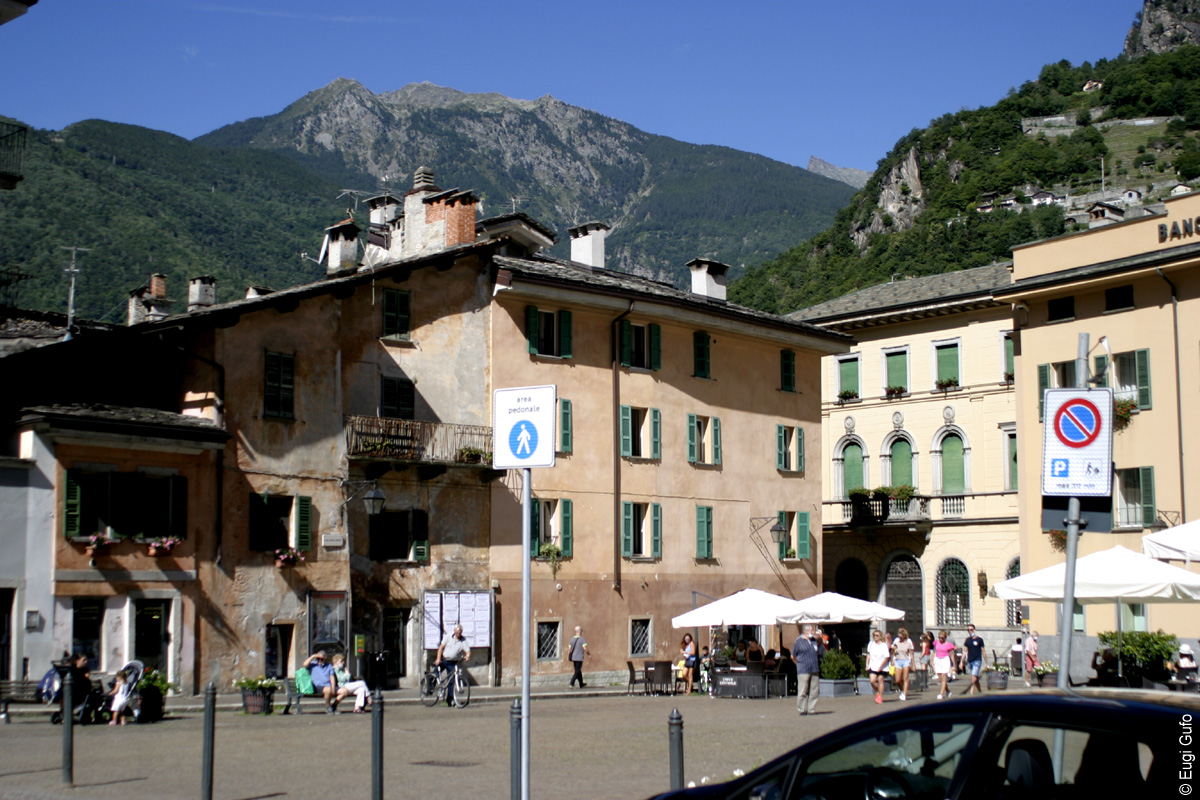
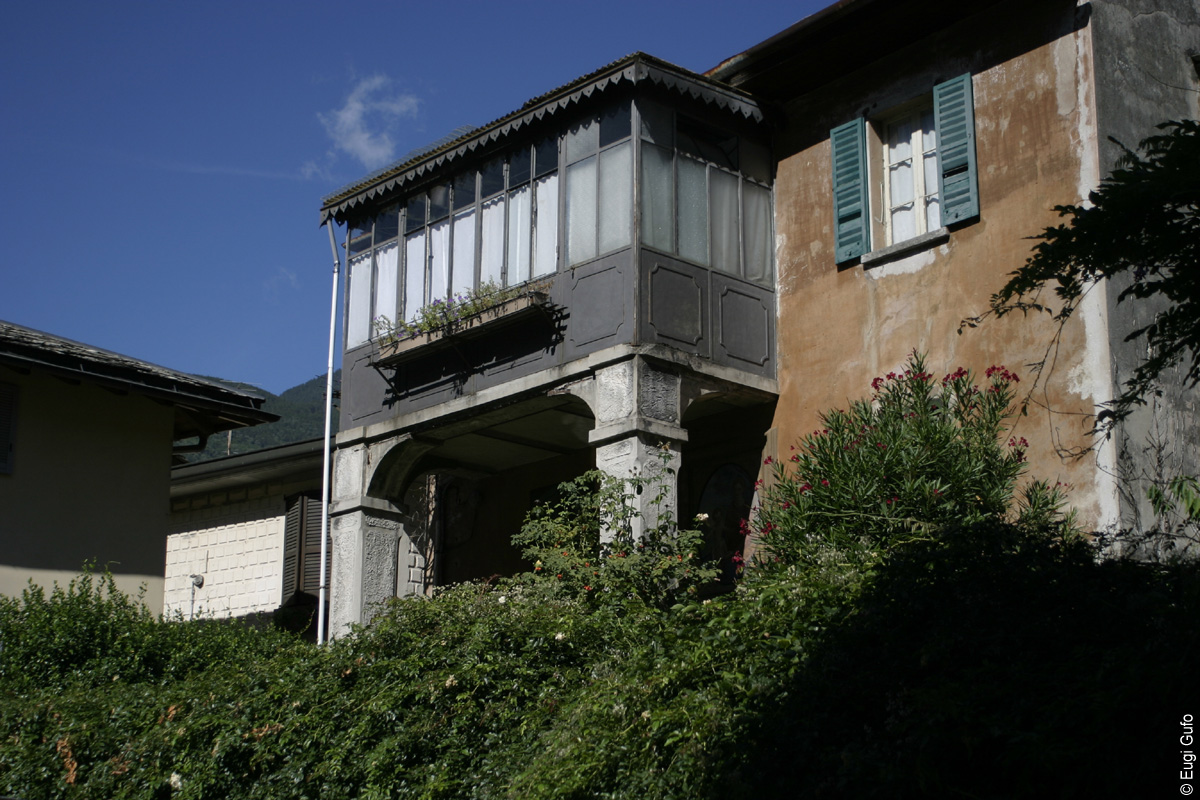
Some beautiful details are easily noticeable; others, more curious, reveal themselves only to an adequately attentive visitor.
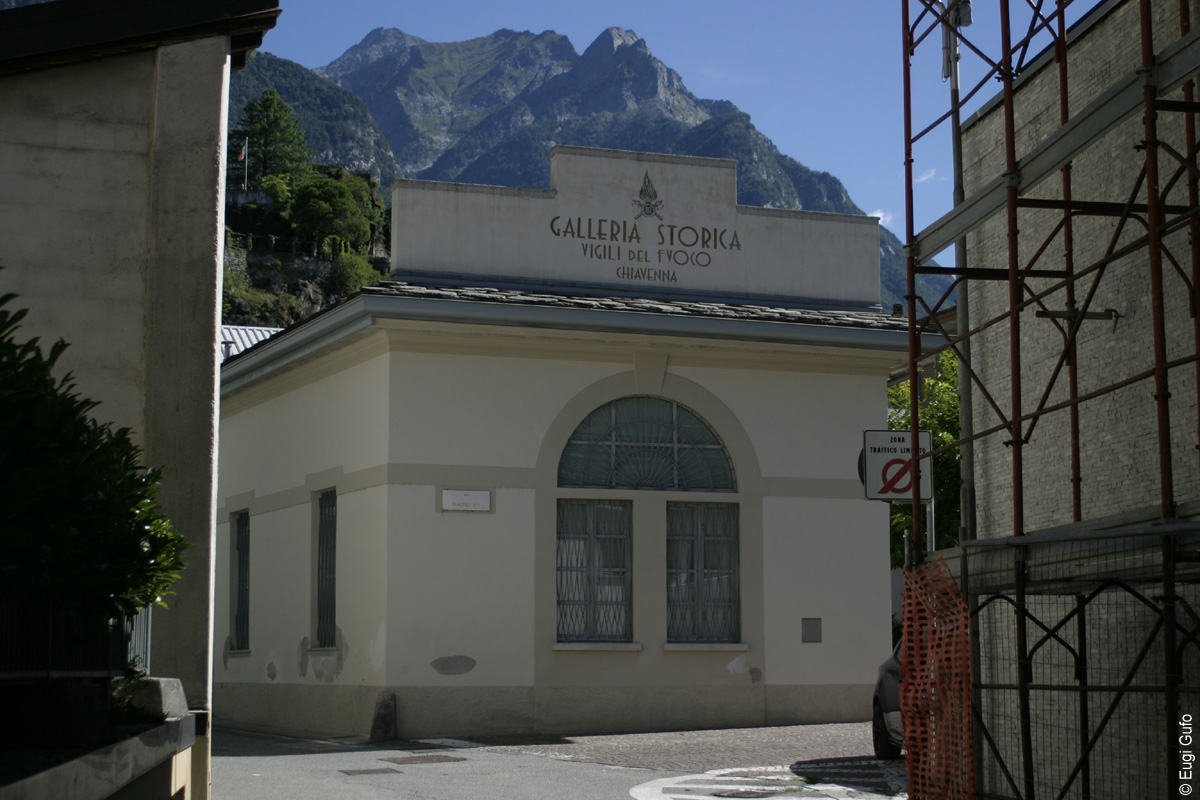
Chiavenna is also home to one of the potentially most curious museums in the world: the Fire Brigade Museum, which collects fire engines and equipment from the first half of the twentieth century. Unfortunately, it is open only on Saturday afternoons, so I am unable to comment on its actual quality.
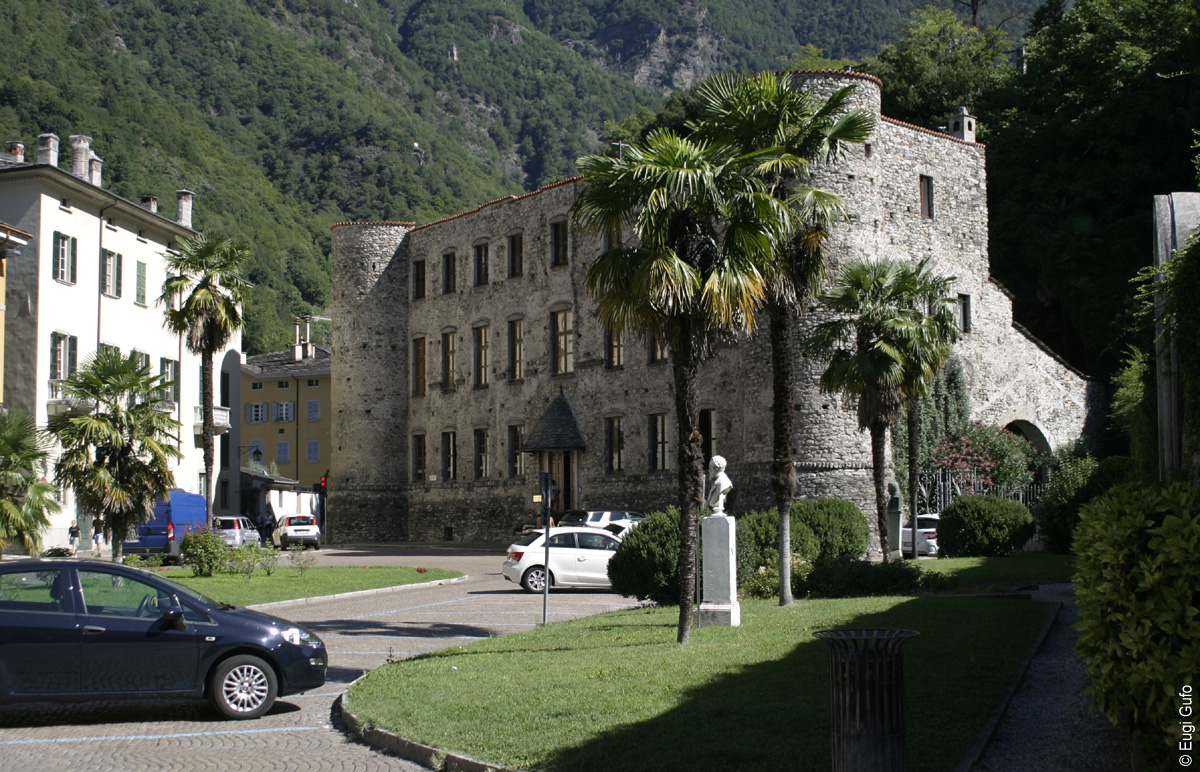
The Castle of the Counts Balbiani (built shortly after the mid-fifteenth century) is instead a major disappointment. It is said that only the façade and the two lateral towers remain «original» (although most of my readers will understand that a castle could not originally have had windows and an entrance of that type), while the rest was demolished in 1525 by the Grisons and rebuilt in 1930 by persons unknown. Moreover, the castle — also known as Palazzo Balbiani — is privately owned and therefore cannot be visited inside.
Decidedly more beautiful is the Collegiate Church of San Lorenzo, built in the fifth century and enlarged in the centuries that followed.
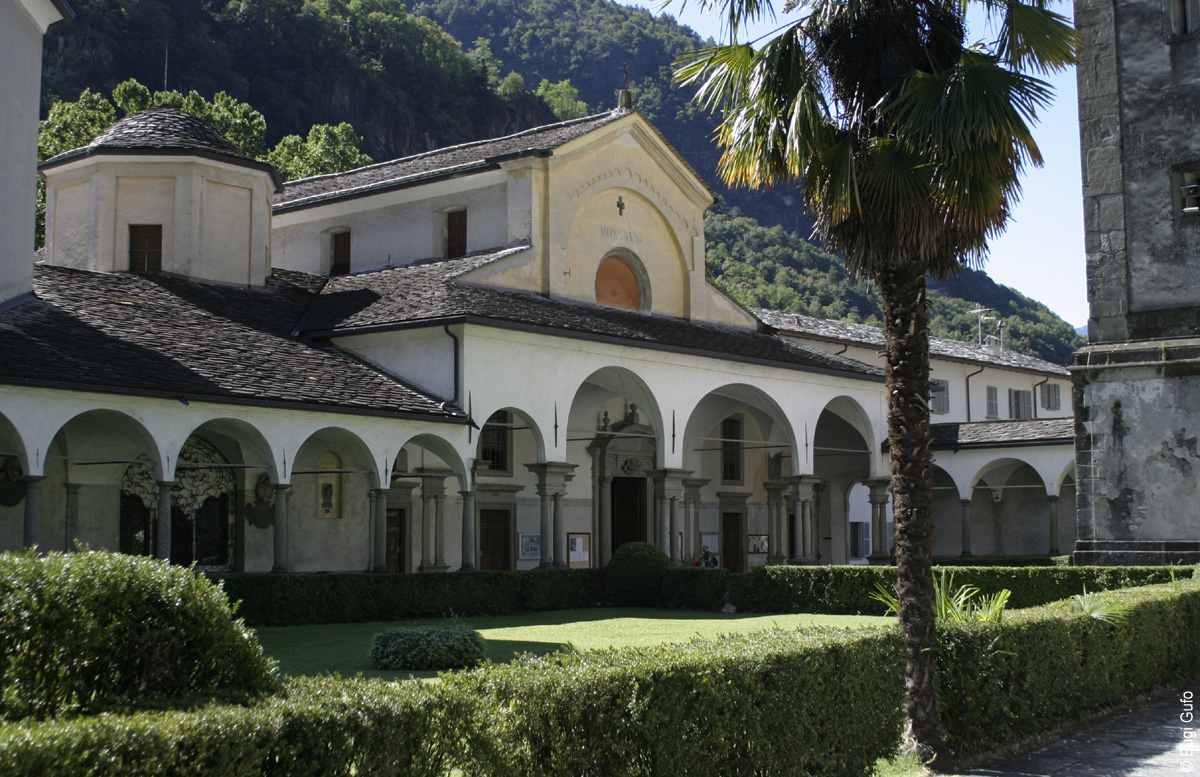
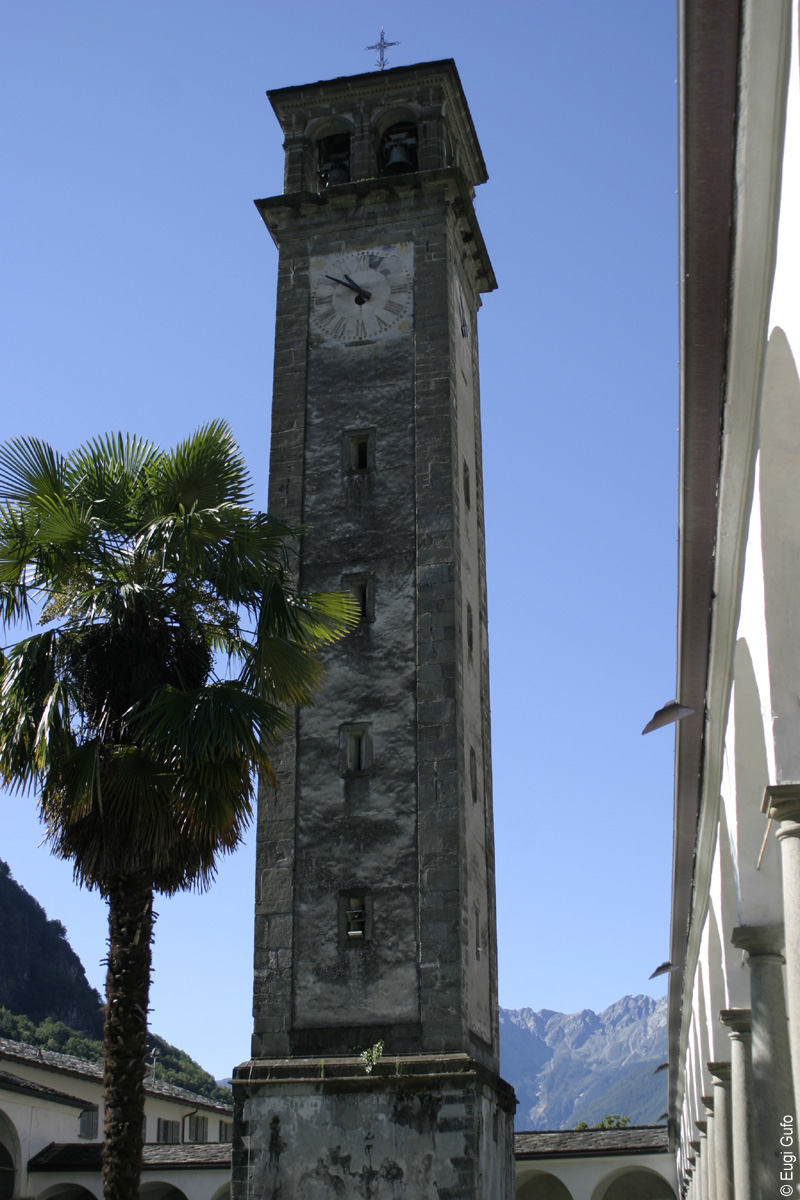
Only the height of the bell tower seems somewhat disproportionate to the size of the church itself.
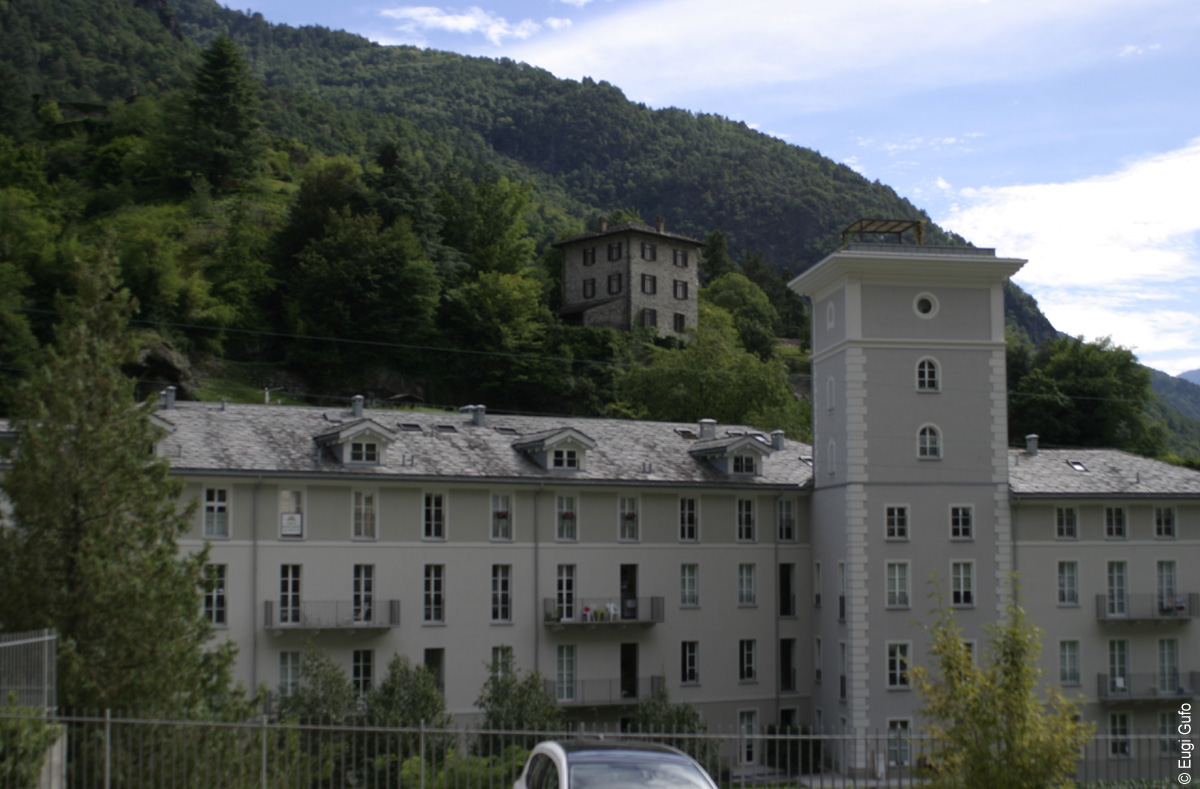
Towards the outskirts, the density of interesting buildings naturally decreases, and at times it becomes difficult to determine whether a building has been stylised to appear ancient or restored with excessive zeal.
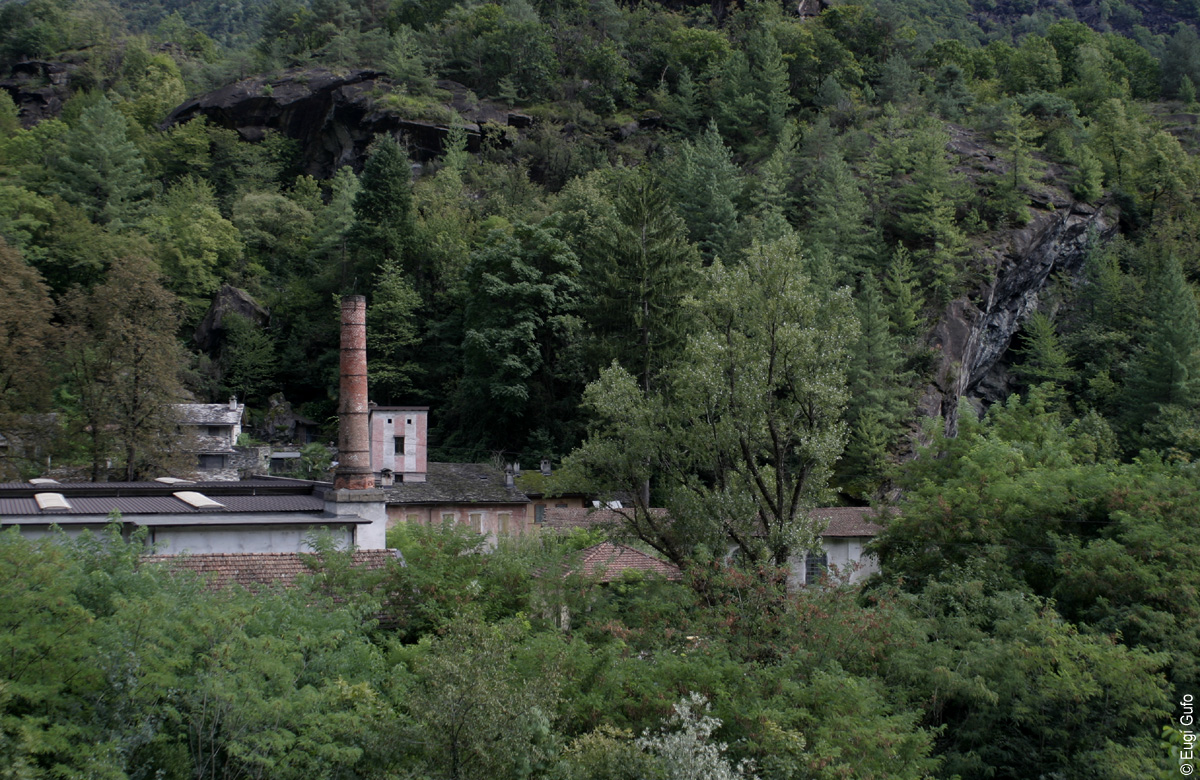
Local industry does not appear to be particularly active…
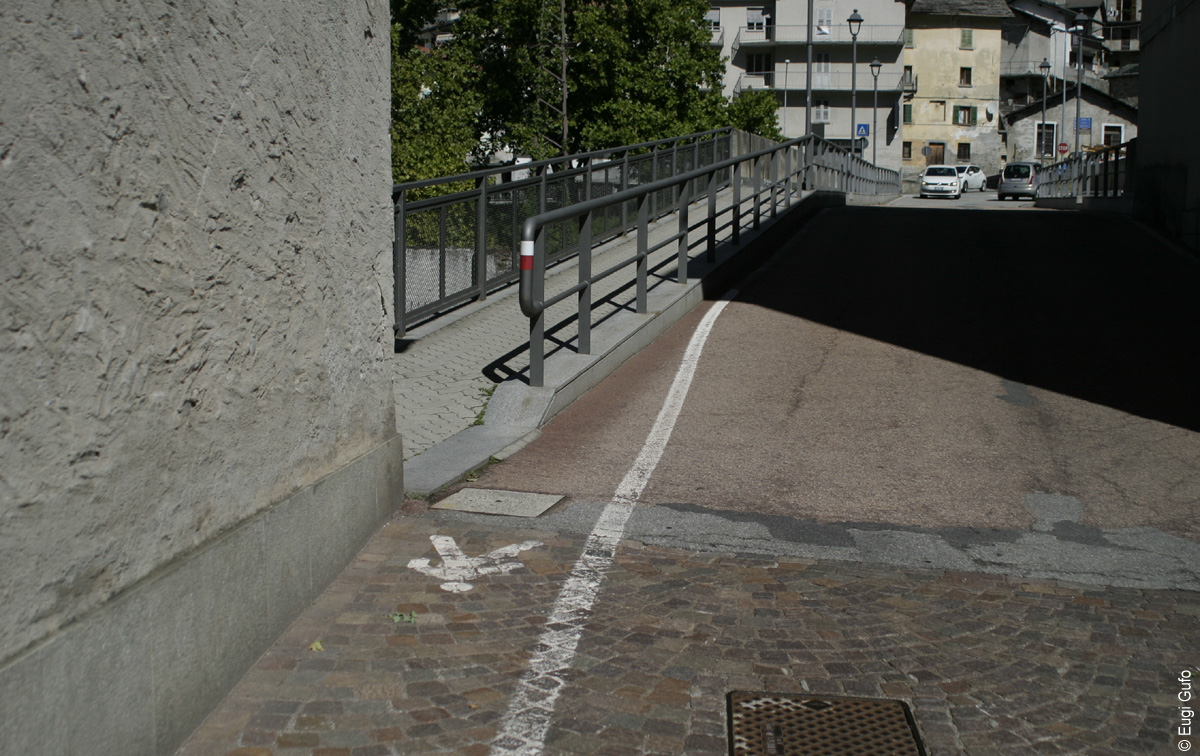
But perhaps it is time to explore the area’s natural riches. On the way, let us pay some attention to more modern human works. For example, it is curious how Chiavenna’s pavements transition from a physical state to a purely graphic one.
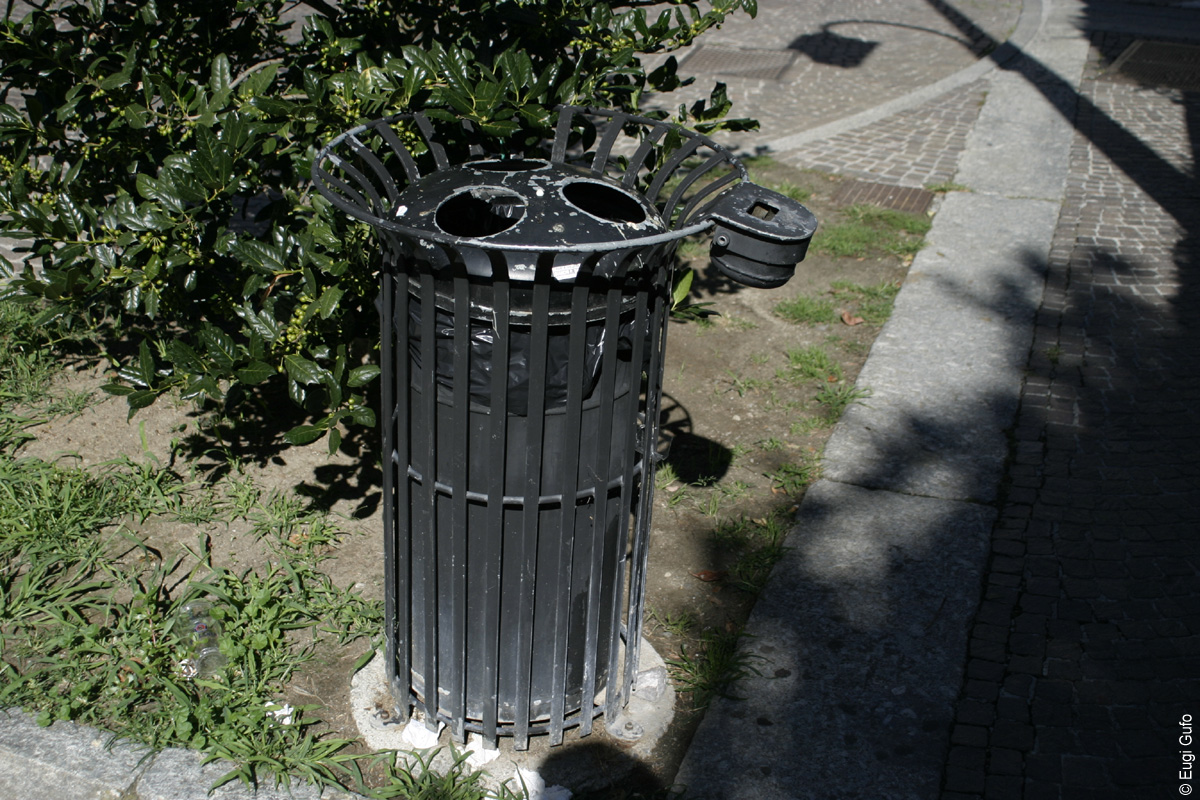
The litter bins in Chiavenna resemble those of Milan, yet they offer two additional important features: an ashtray and sections for separate waste collection. Moreover (or consequently), they are protected against the insertion of bulky rubbish.
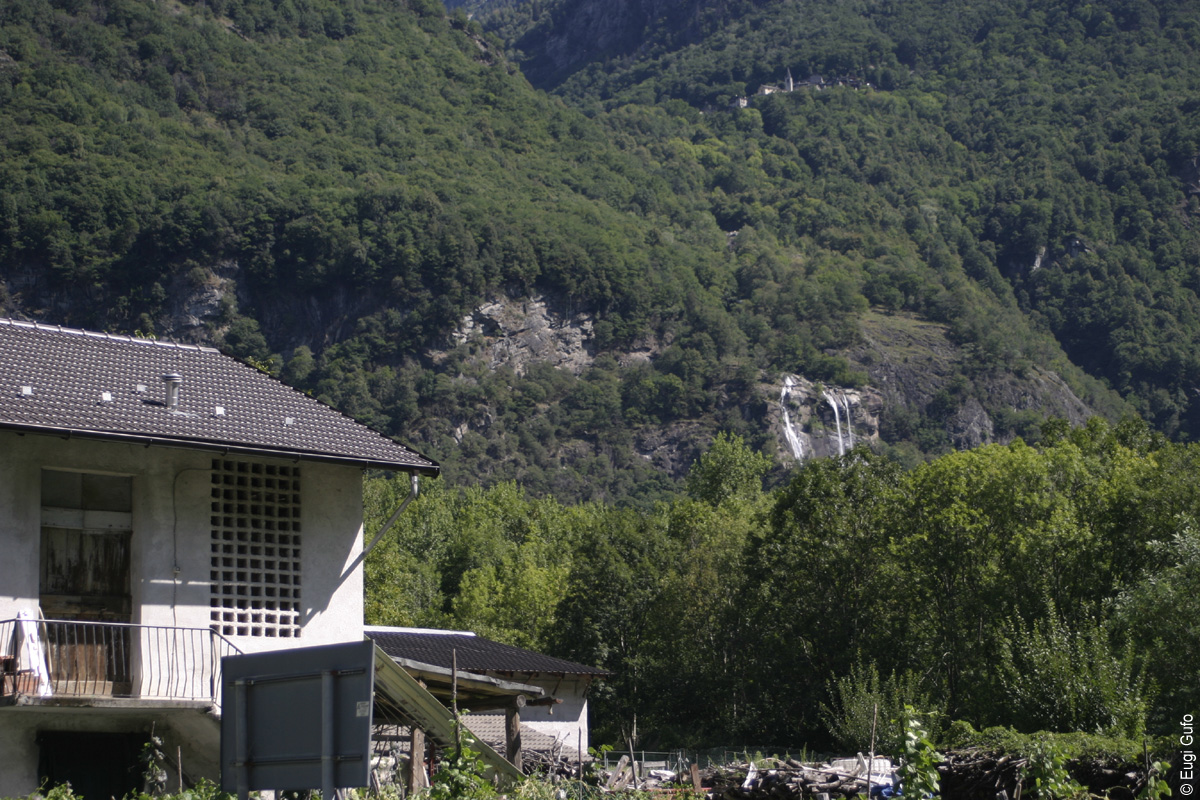
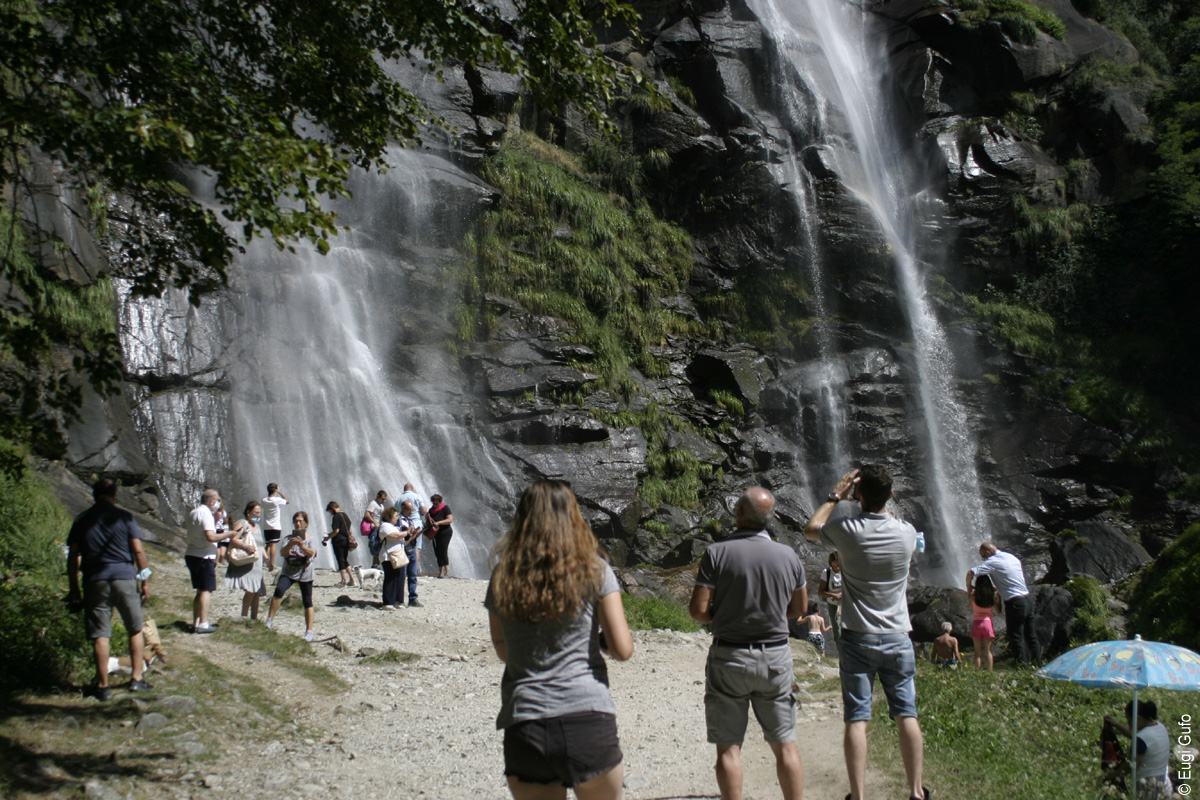
While observing all these details, however, we must not lose sight of one of the main objectives of our journey: the Cascate dell’Acquafraggia. They are easily reachable on foot from Chiavenna’s historic centre. Walking along the pavement/cycle path beside the former State Road 37 towards Piuro, one arrives in about half an hour (I hope you are reasonably good walkers). Already just beyond halfway, however, you can confirm with your own eyes that you are heading in the right direction.
They are certainly not Niagara Falls, but by Italian standards the sight is still rather impressive.
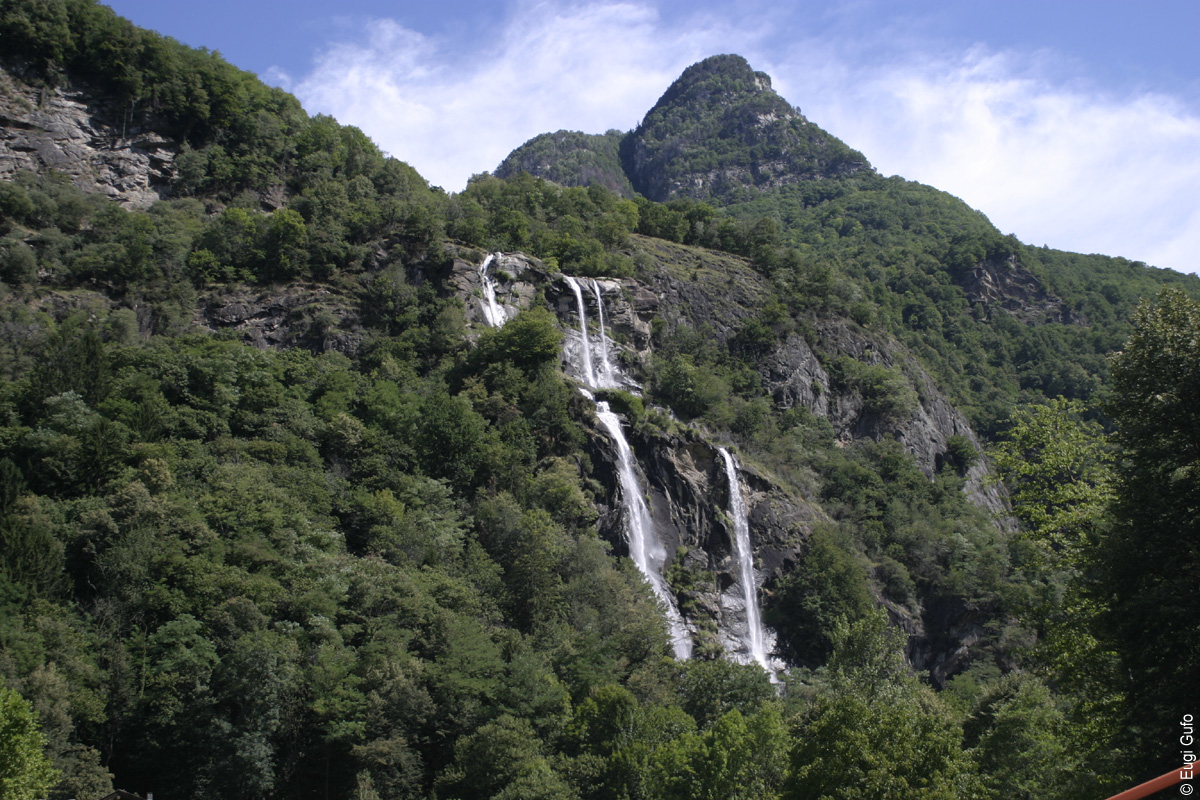
It should be noted that in summer, even in the year of the Covid-19 pandemic, these waterfalls are well visited. Anyone wishing to see them without too many fellow humans should try going in spring or on a weekday outside mid-August.
Furthermore, bear in mind that in summer the riverbed and the adjacent meadow are full of bathers. Those interested in this pastime may join the masses. Or do precisely the opposite.
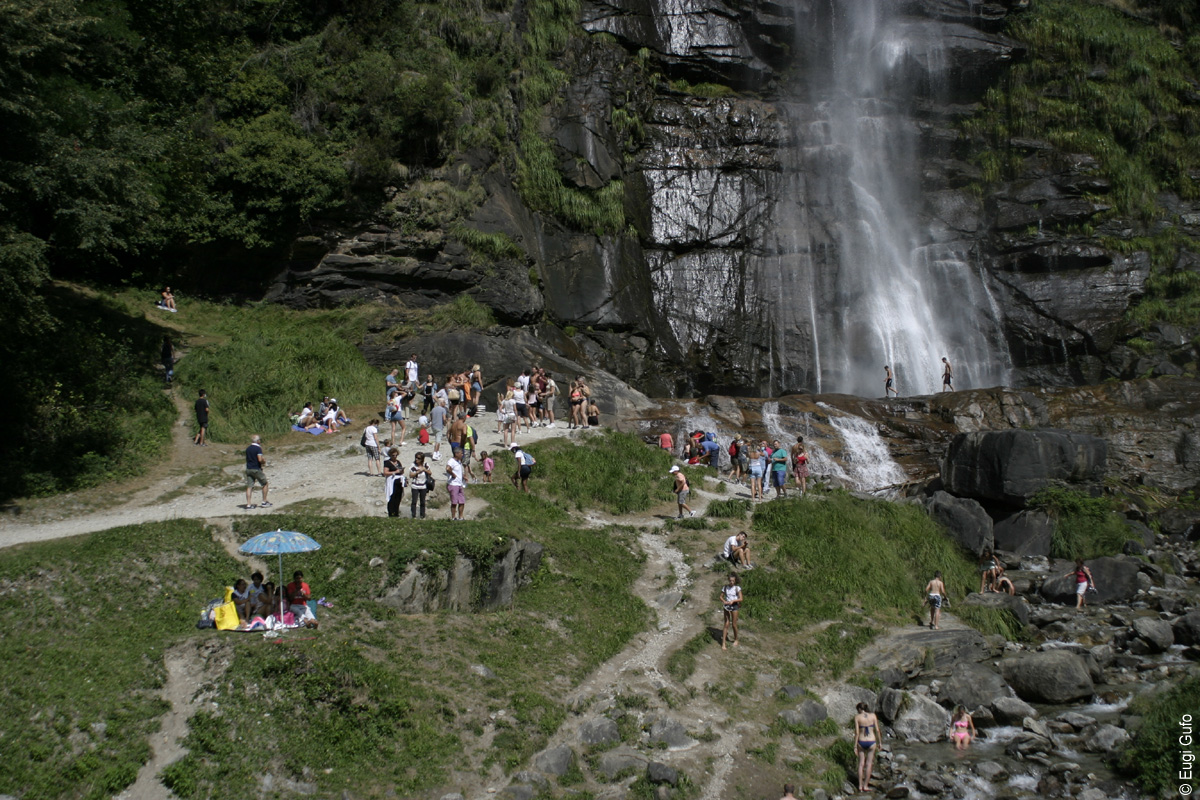
From the waterfalls, several mountain trails begin. One in particular interested me because it is the only way to reach Savogno, a village that remained completely uninhabited from 1968 to 2011. Since 2011, it has been permanently inhabited by just one (1) person. I might venture a guess as to the reason for its limited residential popularity: the only way to reach it is by climbing 2,886 somewhat uneven steps (I can confirm that I climbed them all, though I was not the one who counted them — I would have made mistakes and had to start again from scratch).
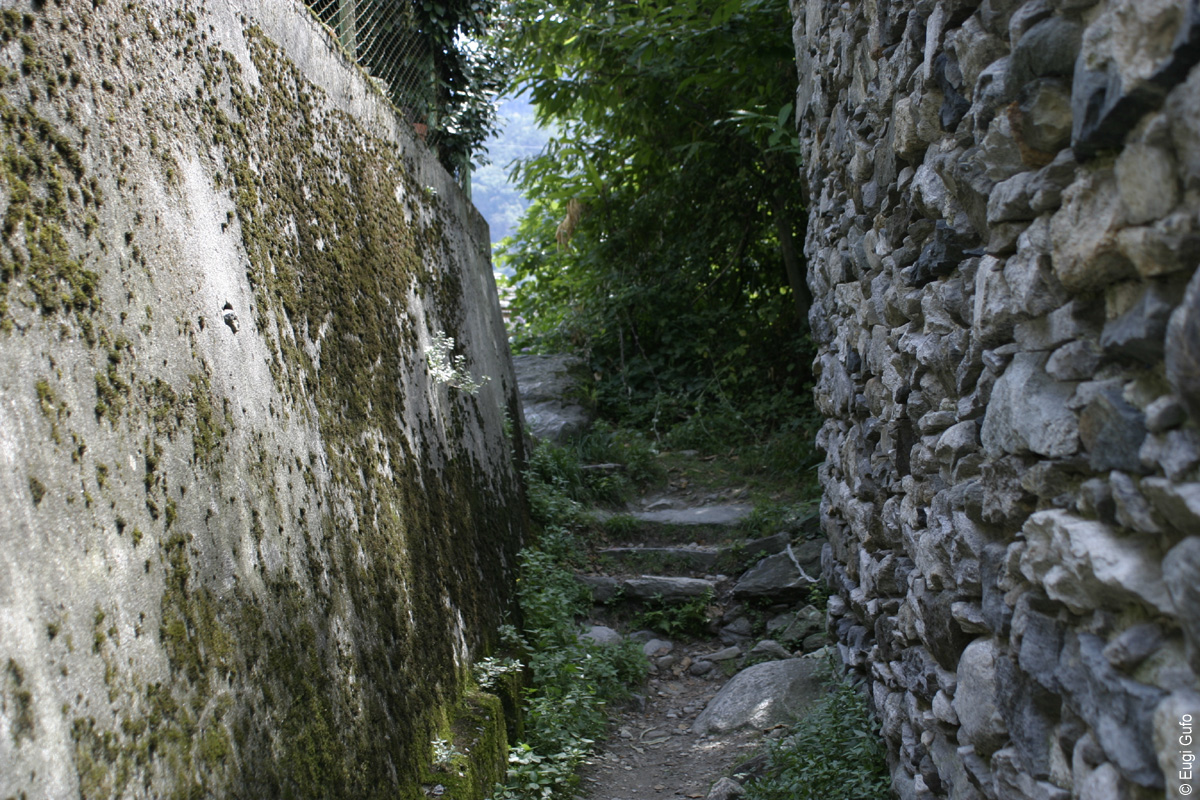
During the ascent, if one pays attention, several interesting traces of past human activity become visible. For example, some caves walled up and fitted with doors (I have already seen something similar in Finale Ligure).
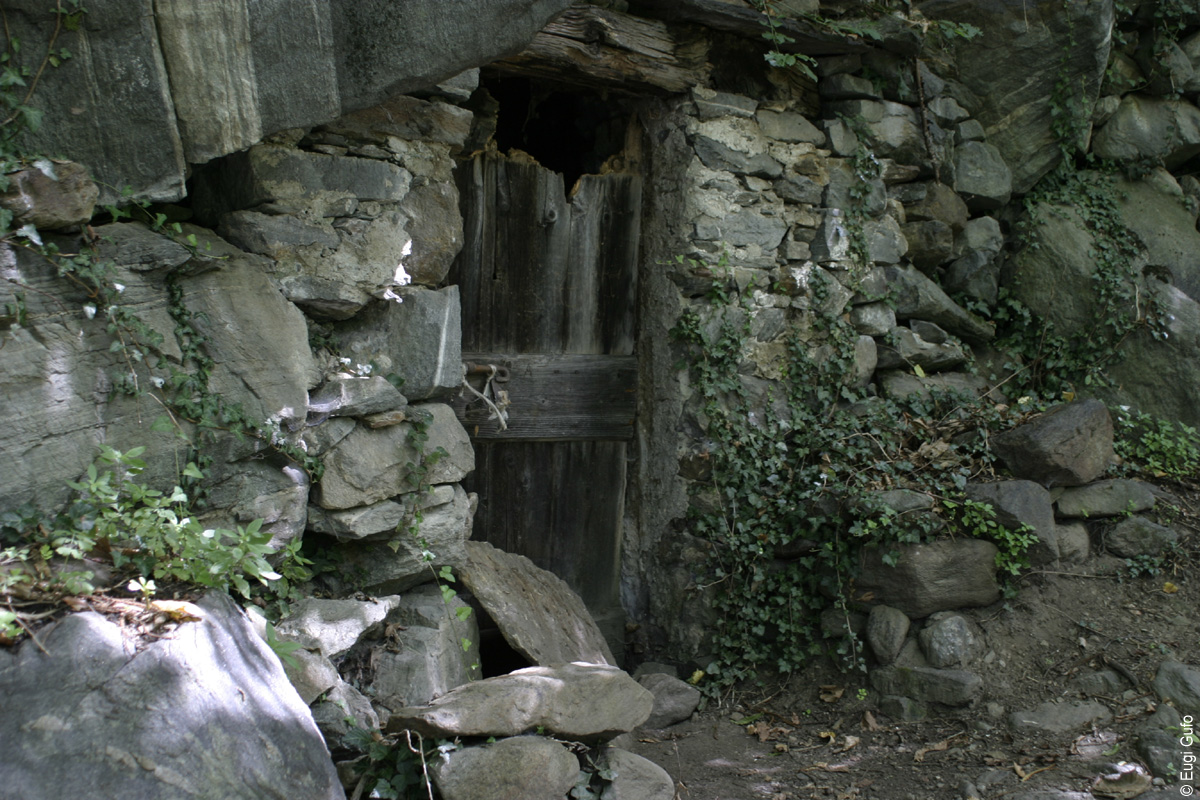
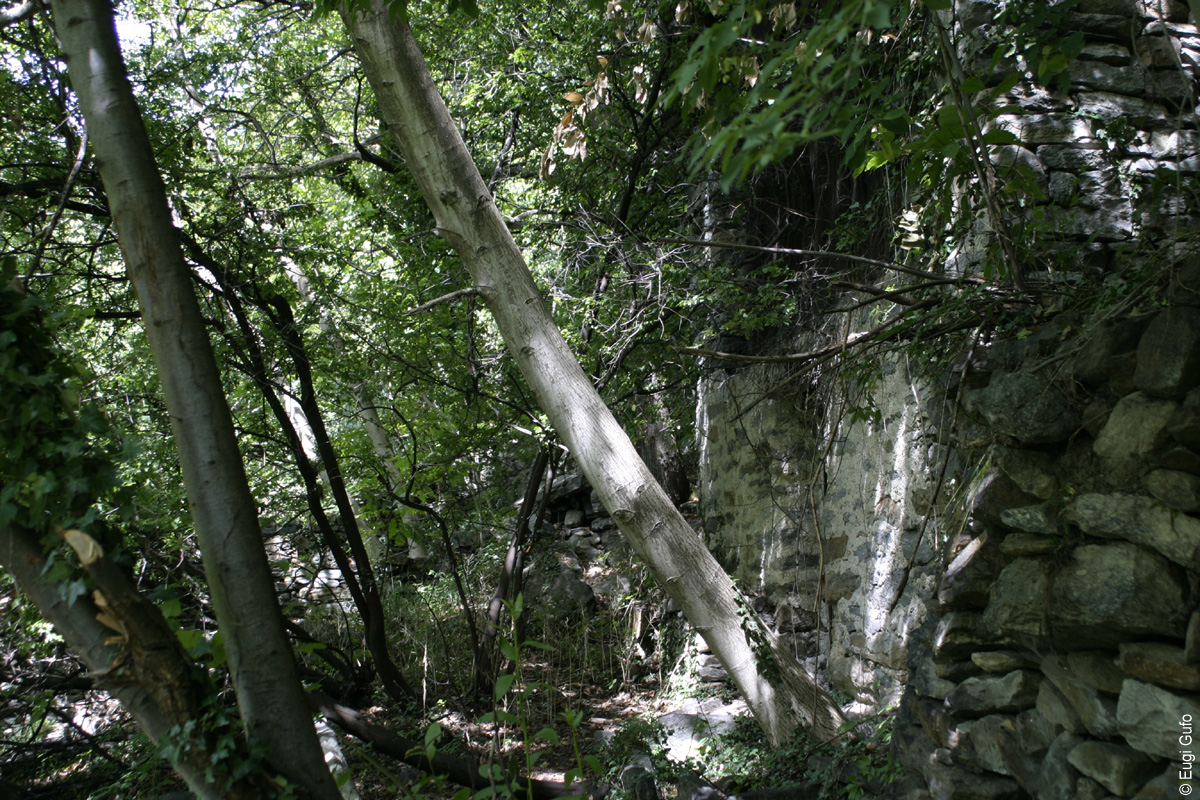
Much more frequent along the same route are abandoned stone cottages. Their state of preservation varies greatly, yet all seem to have been unused for decades. Very often, these buildings have been camouflaged by nature — so effectively that the passer-by notices them only when standing a few metres away.
At the beginning of the climb, I chose the direct route to Savogno (rather than the trail including a panoramic section overlooking the waterfalls), and it was probably for this reason that I was able to contemplate some beautiful views of the Valchiavenna.
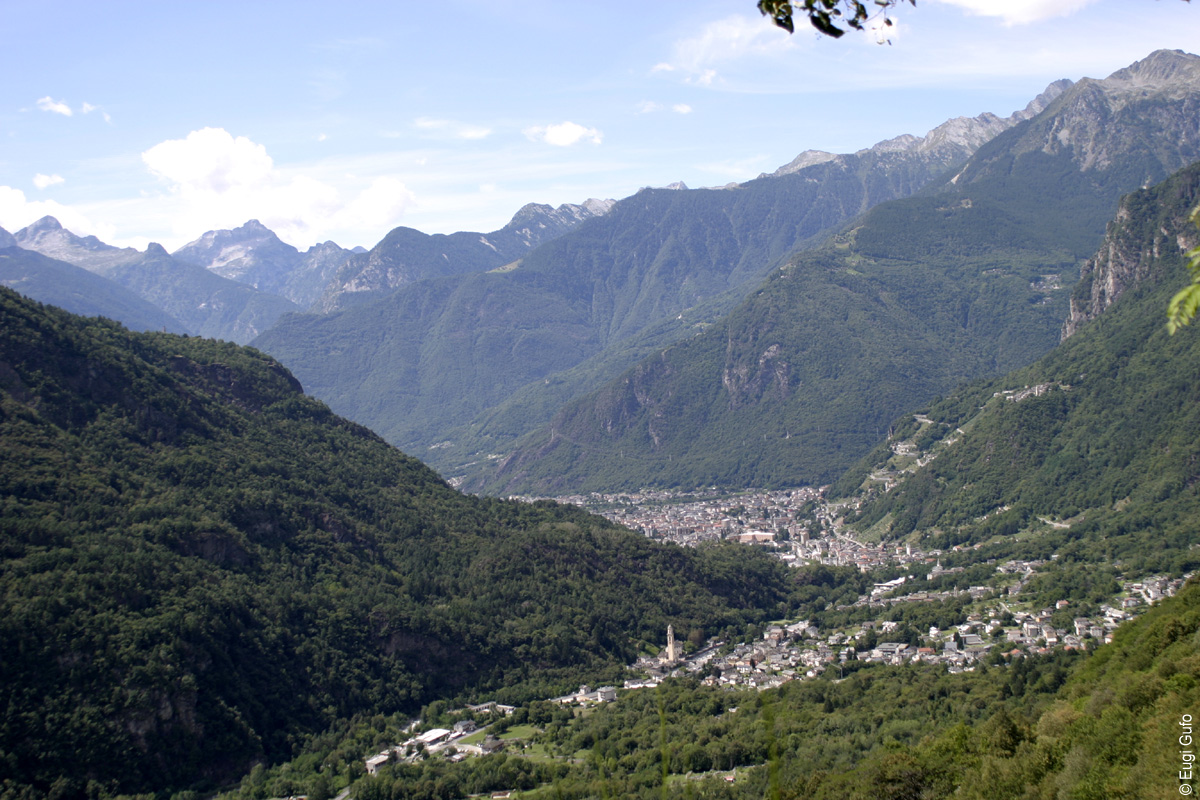
The ascent to Savogno was physically somewhat demanding, but by no means pointless. I would prefer to speak about the final result in a separate account.
Until next time!
Chiavenna, 19 August 2020
↓ Show comments ↓


