


 Long live Ukraine! Fuck the war!
 RSS of site articles
Camerata Cornello is a small town in the Province of Bergamo, located in the upper Val Brembana, and is known mainly for several minor historical and cultural sites scattered across its municipal territory. Those smaller locations deserve separate articles; this time, however, I shall focus on the actual settlement of Camerata Cornello itself.
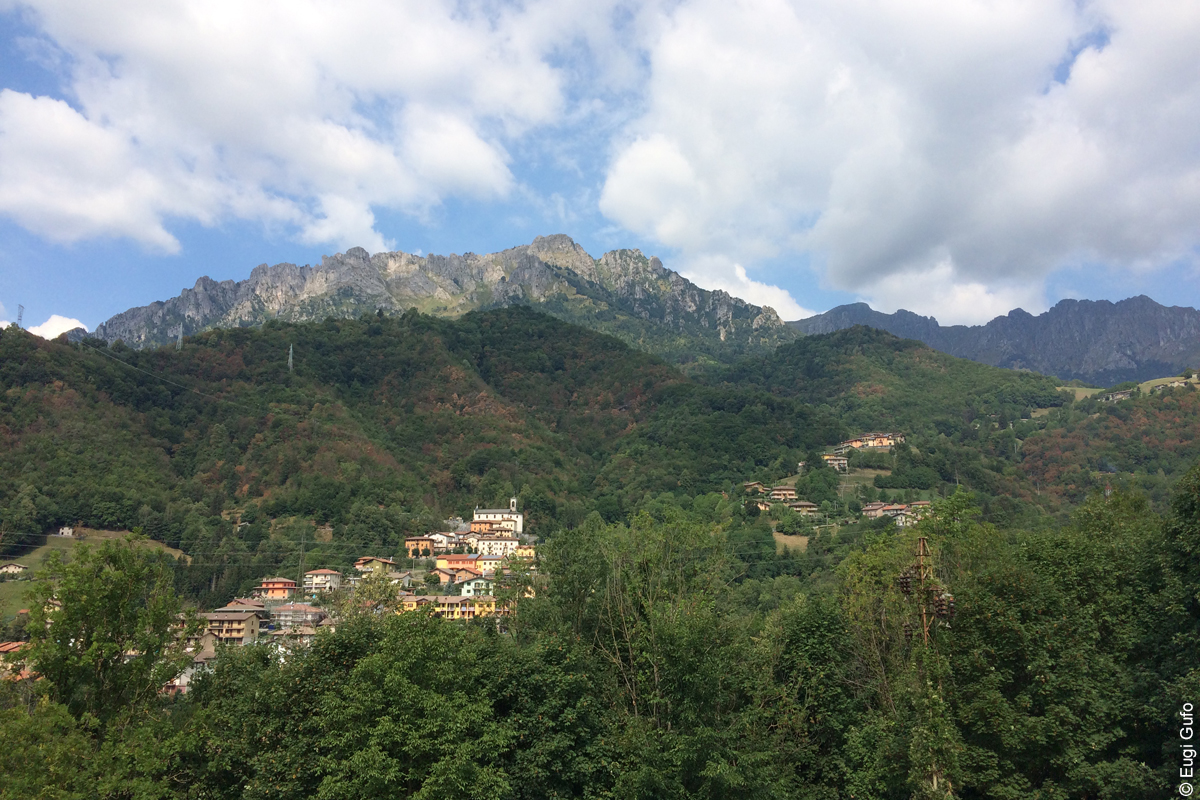
The architecture of Camerata Cornello, generally speaking, has nothing particularly distinctive about it: most buildings have been renovated in a way that has erased nearly all of their original identity, or they date from relatively recent decades.
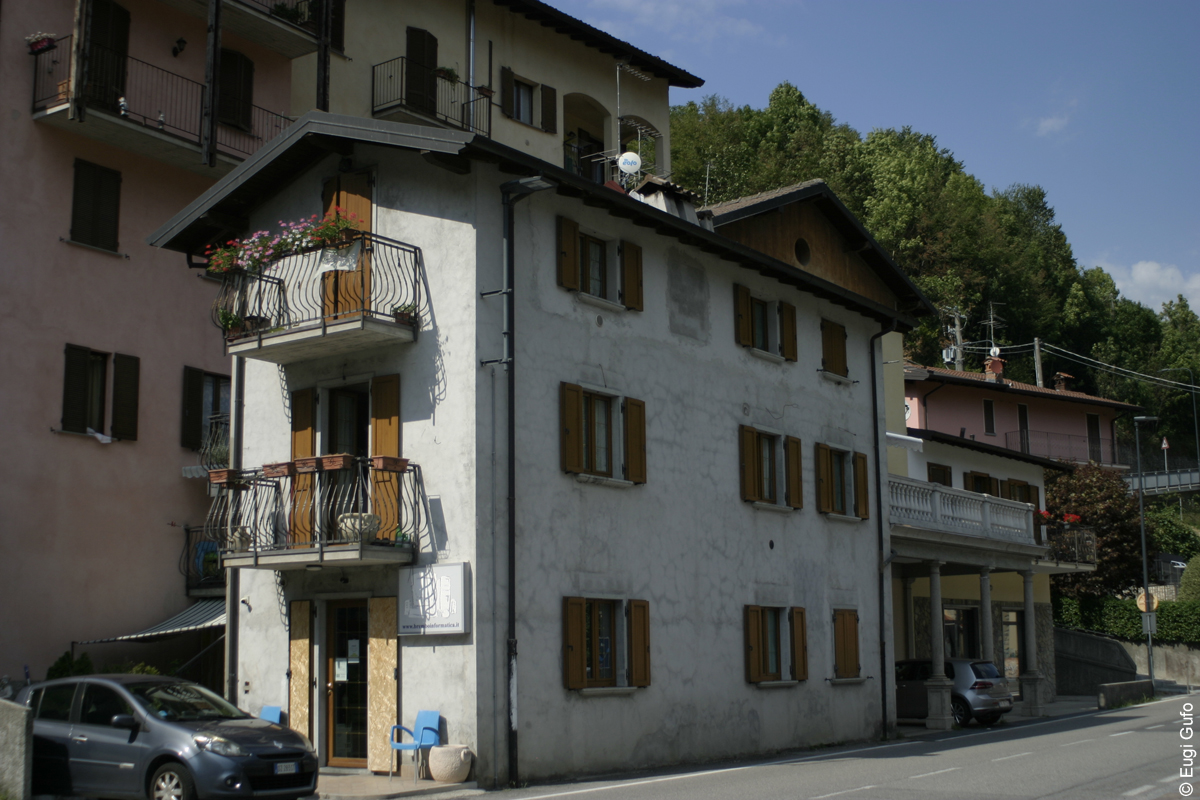
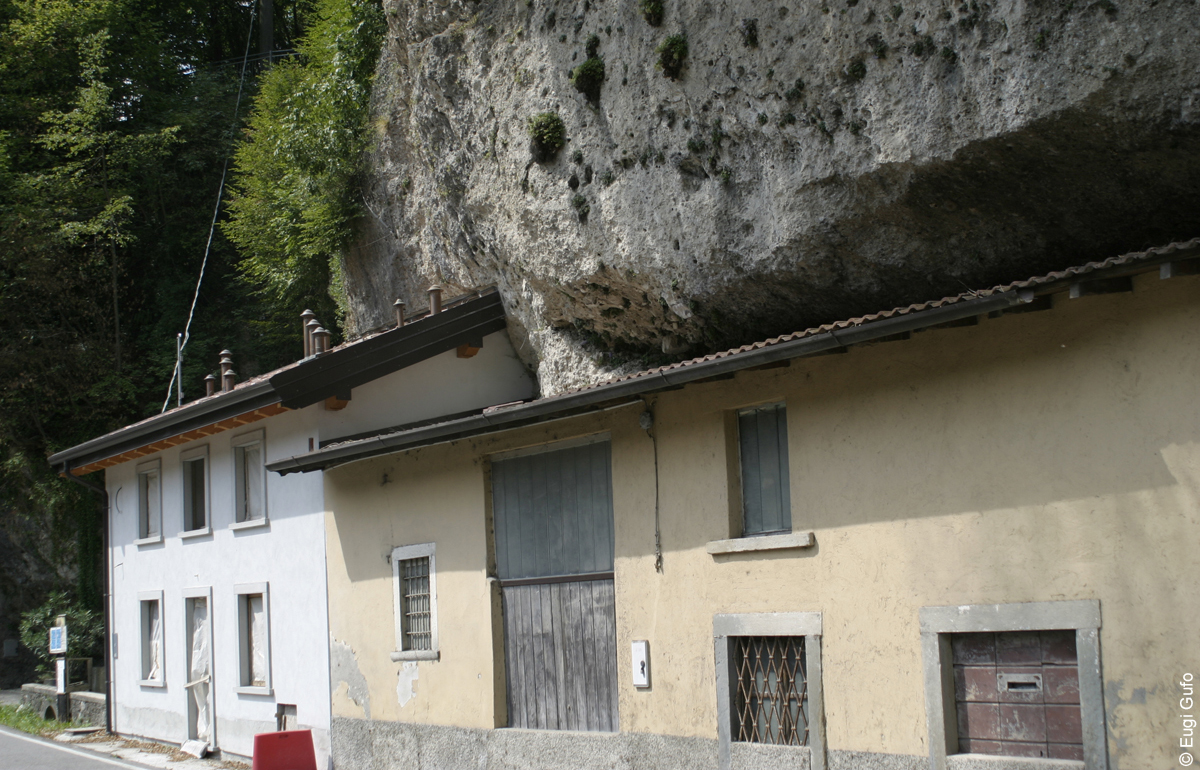
Only a handful of the older structures are interesting, chiefly because they appear to be almost glued to the rocks of the nearby mountain.
At first, I was intrigued by what seemed to be an abandoned industrial area on the opposite bank of the Brembo. Upon approaching it, however, I discovered that it belongs to a separate administrative entity called Centrale Bergamasca, which — surprise — operates a hydroelectric power station. The older section of the plant is indeed disused, while the more modern and less conspicuous part continues to function regularly. I briefly felt tempted to infiltrate the abandoned buildings, but the sight of exposed high-voltage cables and leaf-covered, potentially slippery paths persuaded me otherwise. No, I am no longer ten years old.

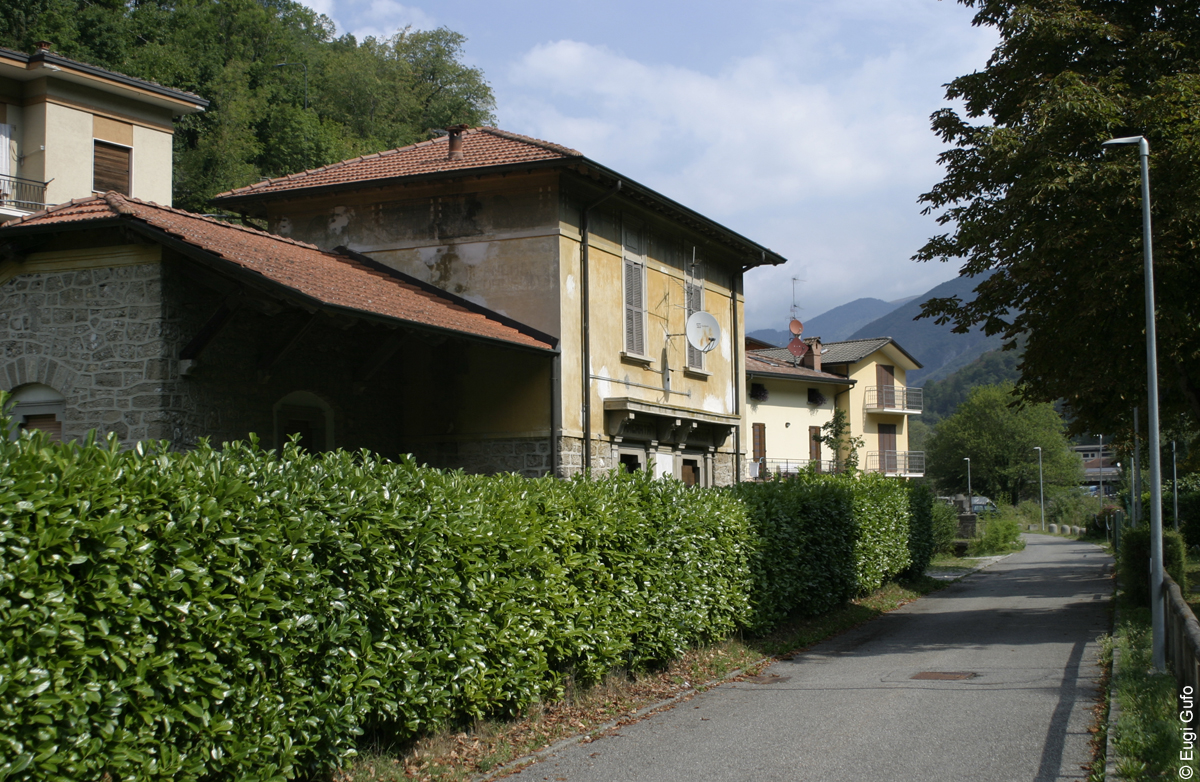
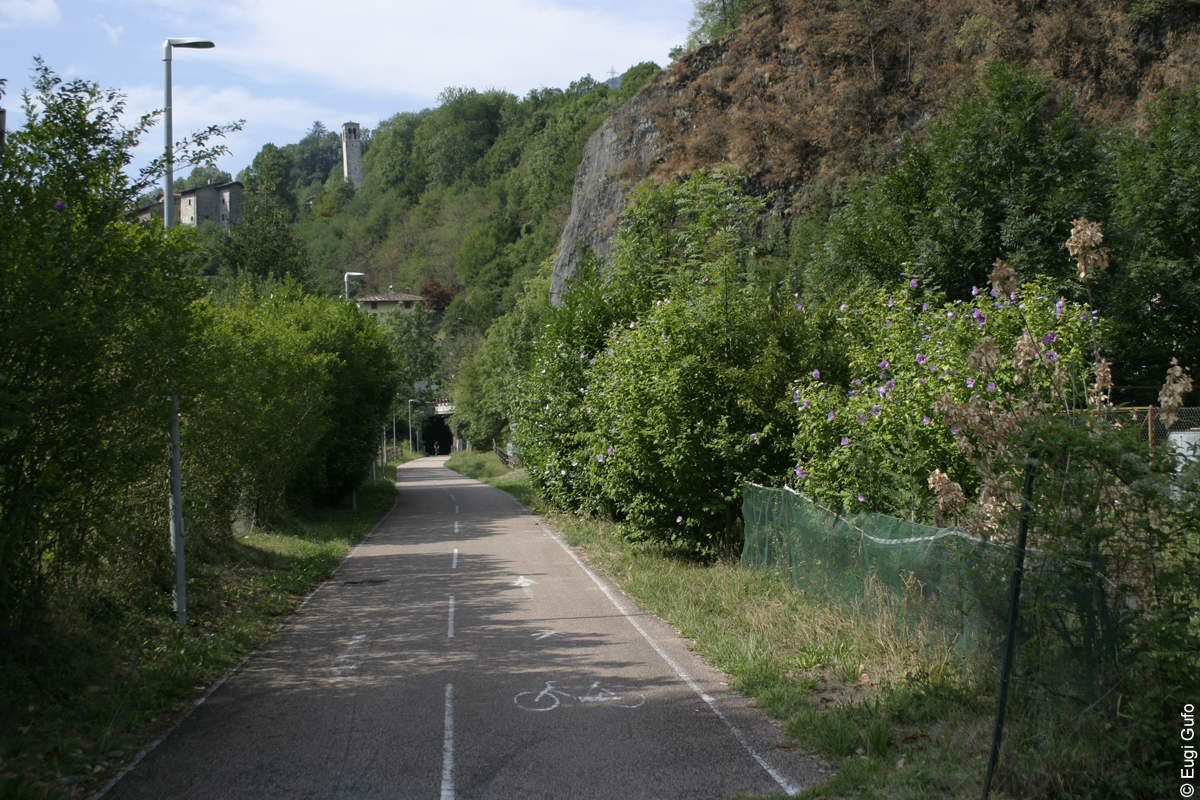
Let us therefore return to the municipal territory. Between 1906 and 1966, Camerata Cornello was crossed by an electrified railway running from Bergamo to Piazza Brembana. Today, a cycle path runs in place of the tracks (still parallel to the Brembo), while the former railway station building appears to be used for residential purposes — though I would not swear to it.
Some of the private villas in Camerata Cornello are original in design, but not especially attractive.
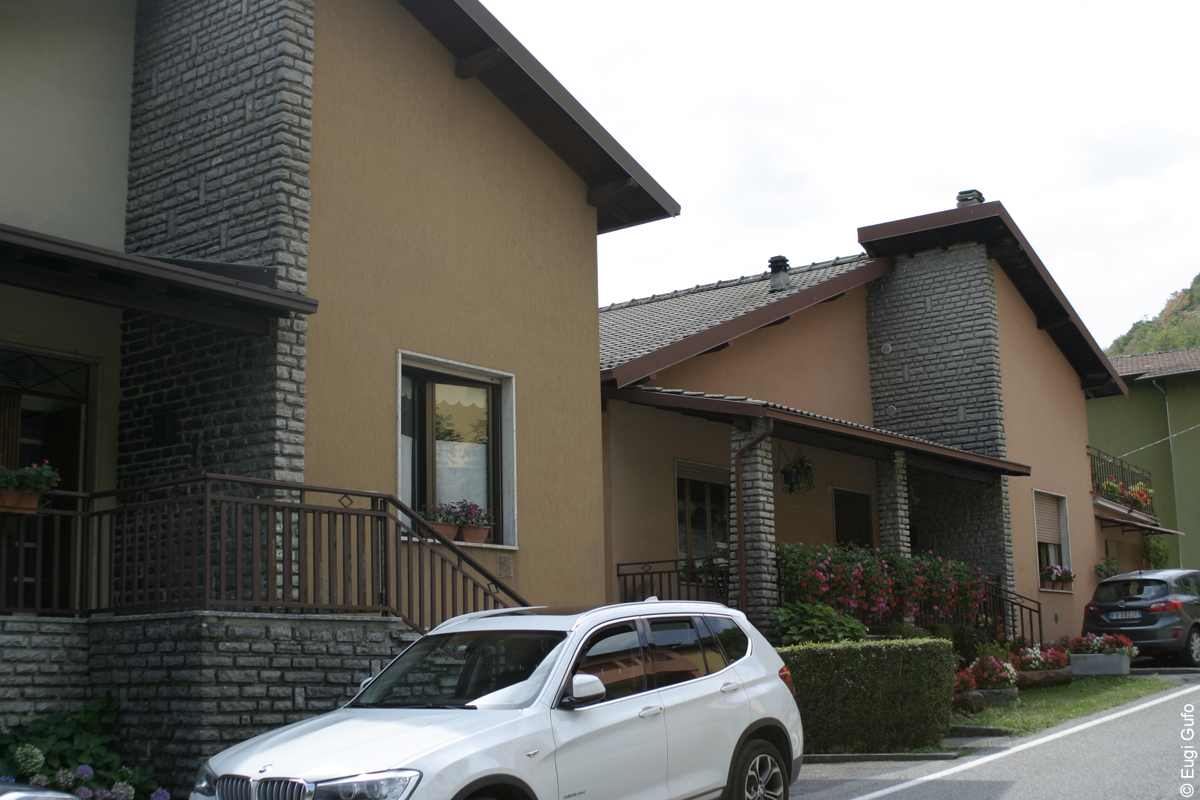
Certain industrial buildings are rather odd: they look as though the bricklayers abandoned them halfway through construction, although they must in fact be deliberately finished in that way. They even reminded me of those Albanian villas left visibly incomplete in order to be inhabited without paying property taxes, thanks to somewhat peculiar national legislation.

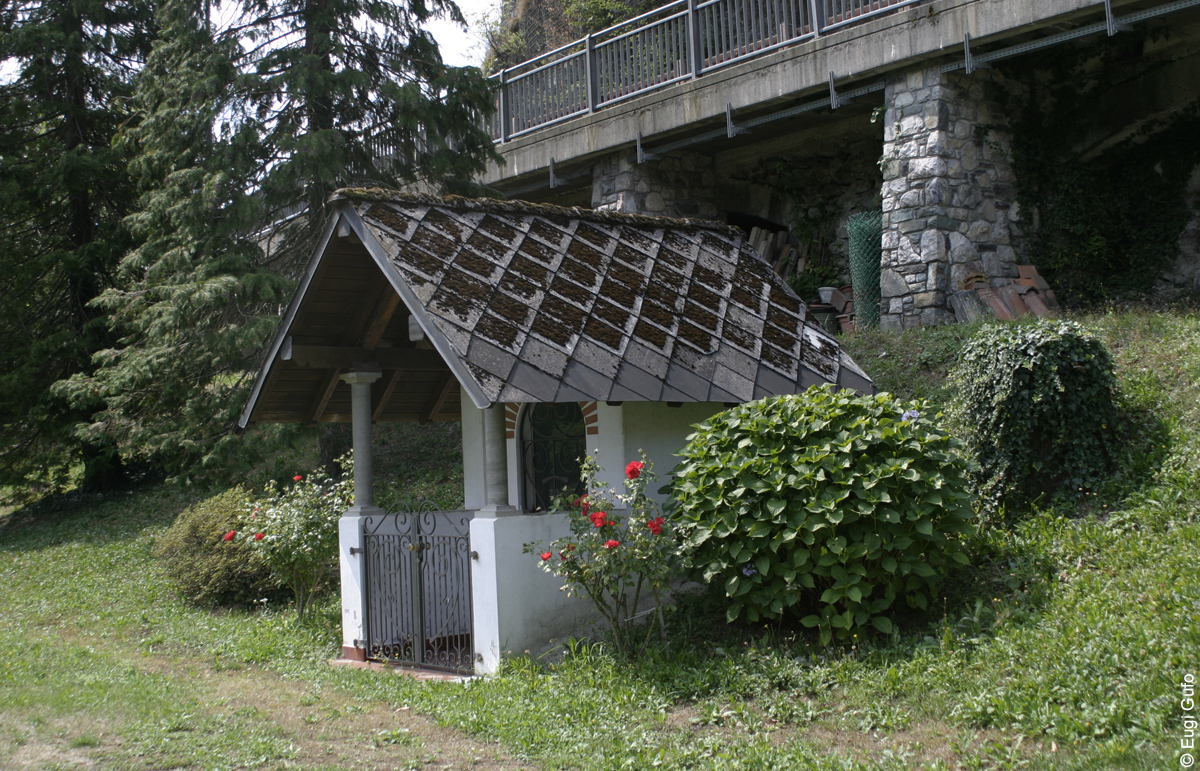
Strangely enough, there are very few religious buildings. Some of them seem interesting only when viewed from a distance.
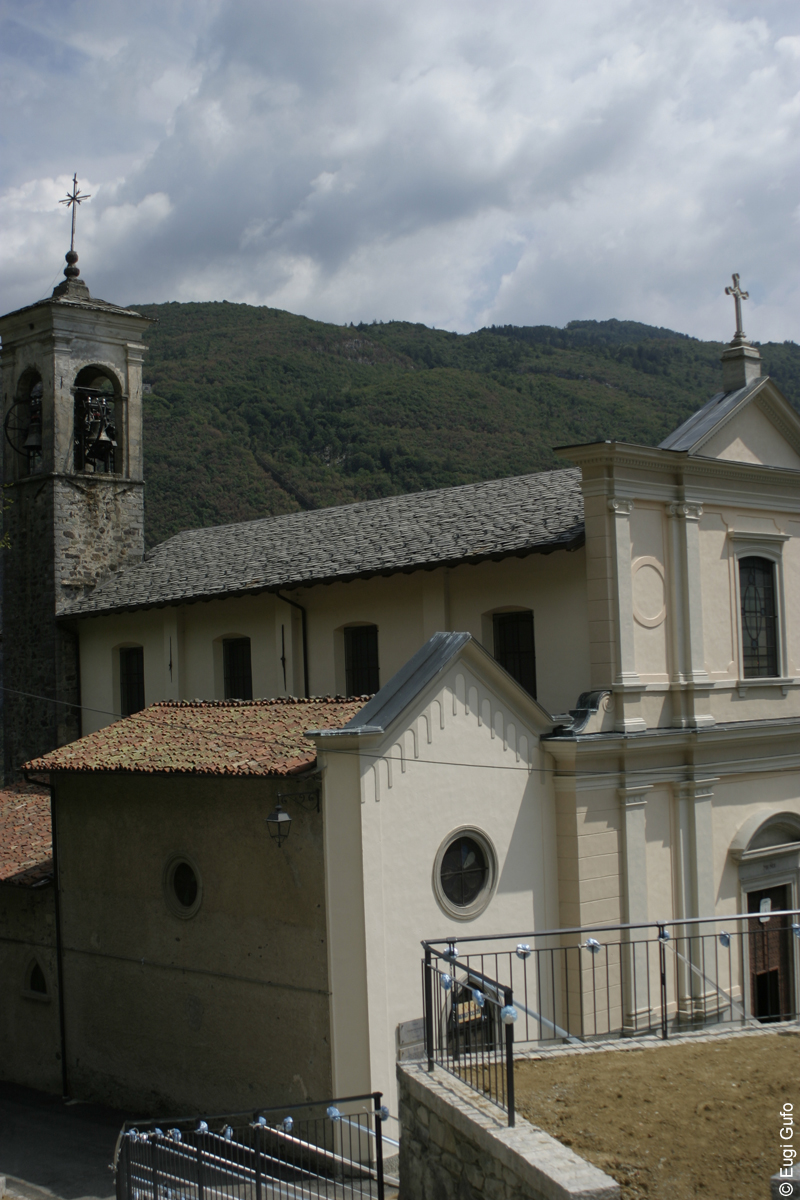
At the highest point of the town — which, as you have seen, stands on a hill — we find the only church: the parish church of Santa Maria Assunta. It is not particularly remarkable from an artistic perspective, yet it is one of the more attractive buildings in the village.
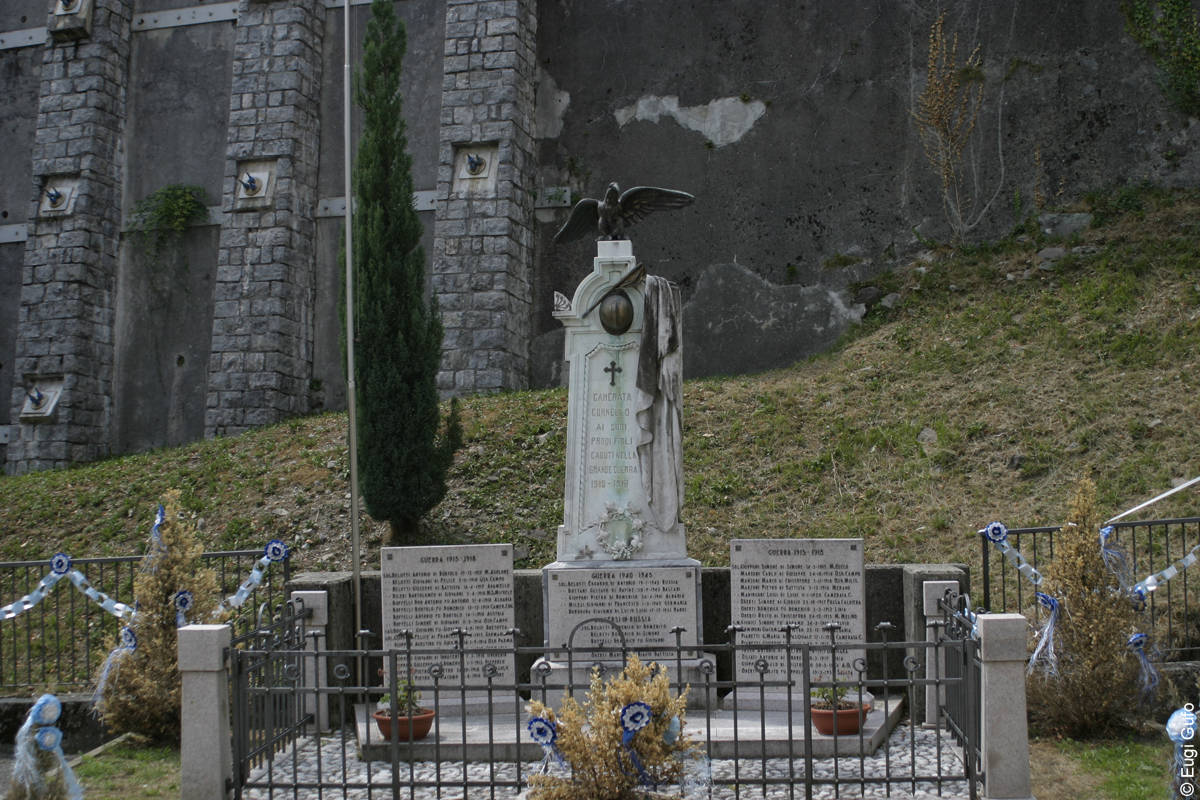
In front of the church stands the monument to the citizens of Camerata who died in the two World Wars. I was somewhat struck by the numerical difference between those killed in the First (listed on the two side plaques) and those killed in the Second (listed on the central plaque fixed at the base of the obelisk).
Also opposite the church lies the village cemetery, which offers little of particular interest. It is better to take advantage of the altitude and contemplate the surrounding landscape instead.
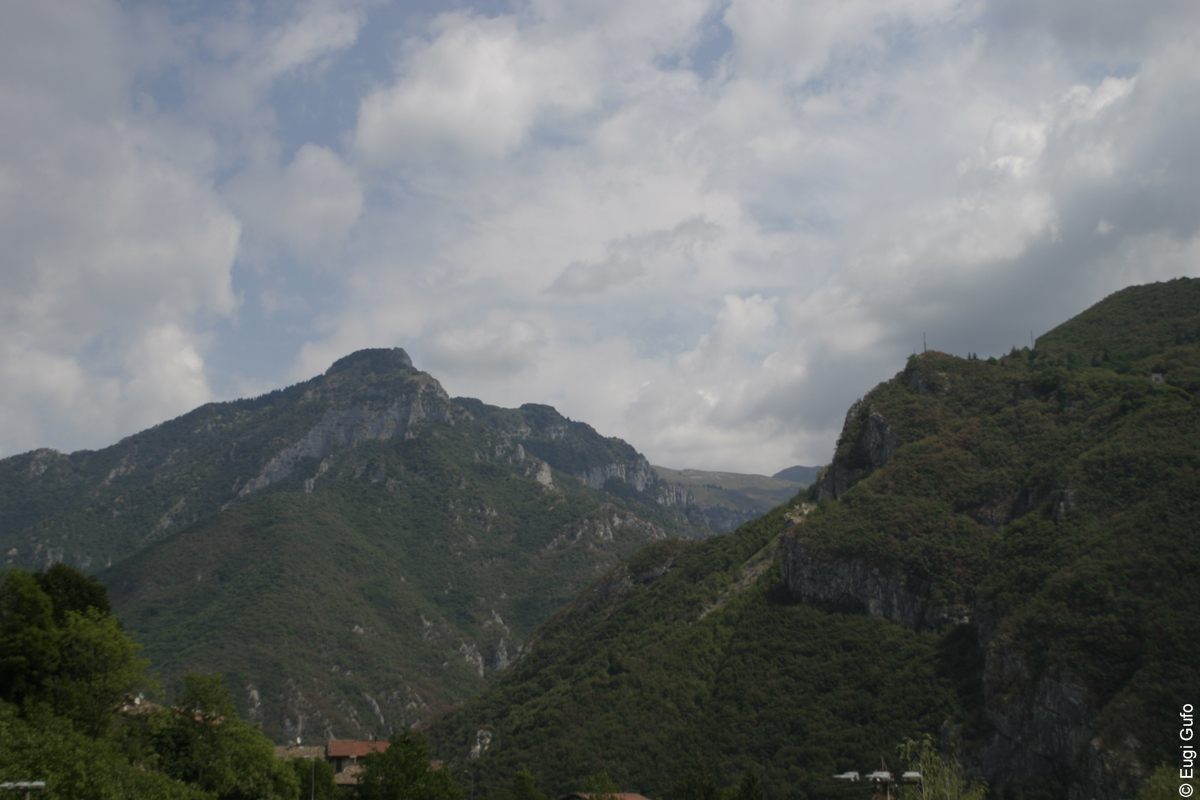
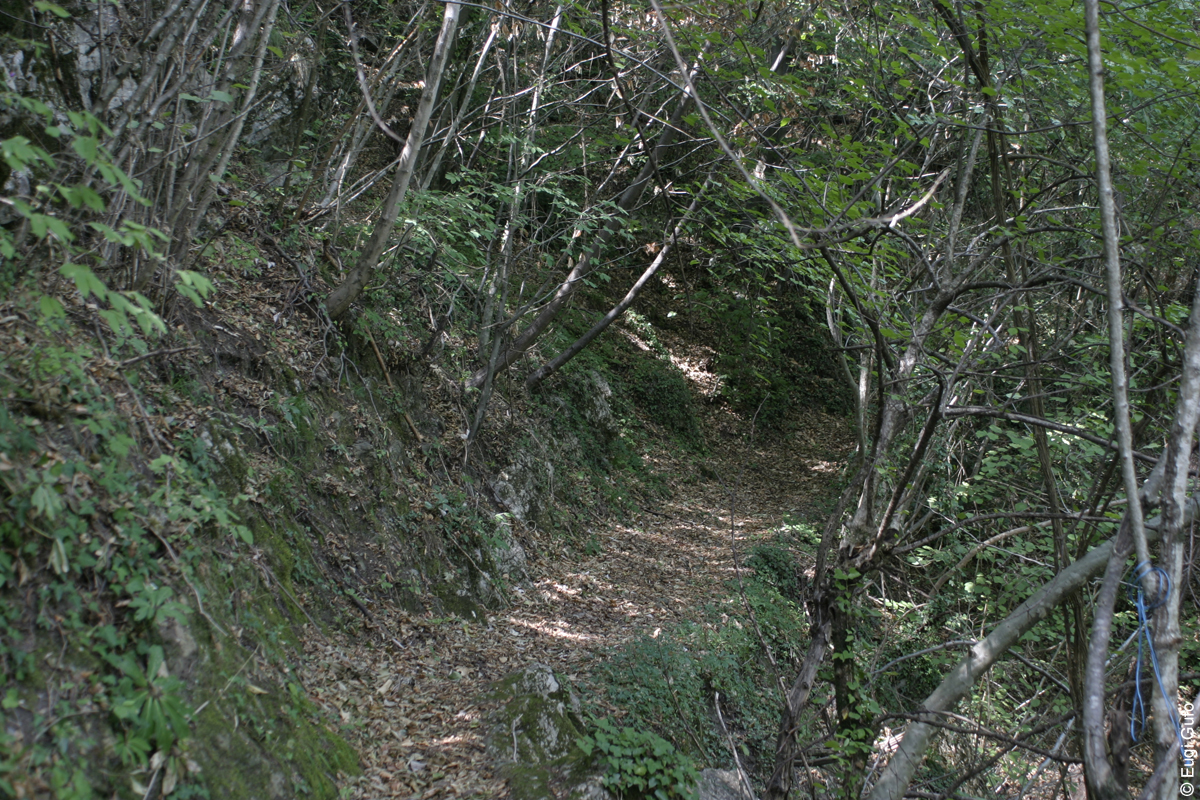
From both the church and several other points in the village, mountain paths begin. Unfortunately, they are rather poorly signposted, making it frequently impossible to determine where they lead or how long they are. Anyone seriously interested would be well advised to gather proper information beforehand, obtain a topographical map, or simply embrace the concept of wandering at random.
The attractive cycle path (already mentioned above), which has replaced the old Val Brembana railway, is, by contrast, well signposted. It appears to be greatly appreciated by cyclists of all ages and athletic abilities.
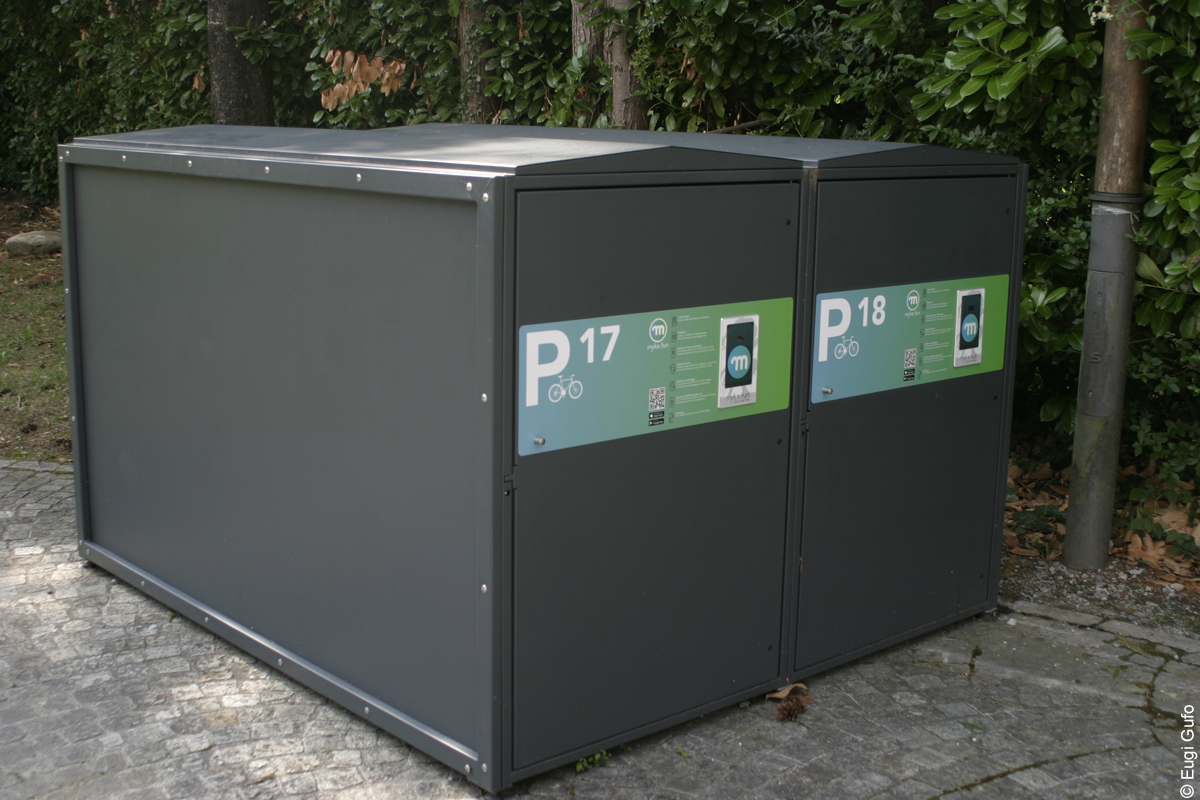
Not only is the path signposted, it is also well equipped. For the first time in my life, I encountered a private bicycle car park consisting of lockable boxes. These parking units are paid and require the installation of a smartphone app, but they guarantee maximum protection for bicycles — not only from thieves, but also from rain and sun.
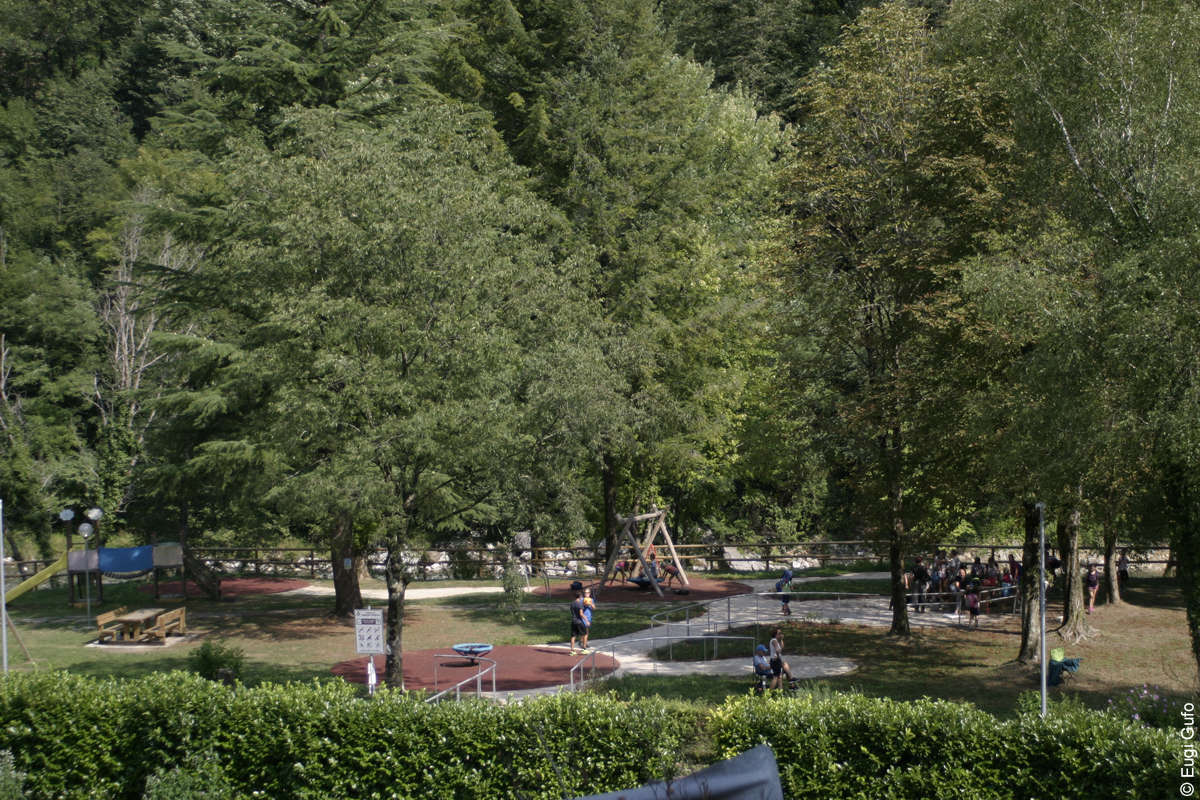
Along the riverside, I also noticed a small park, which, however, has little of particular note.
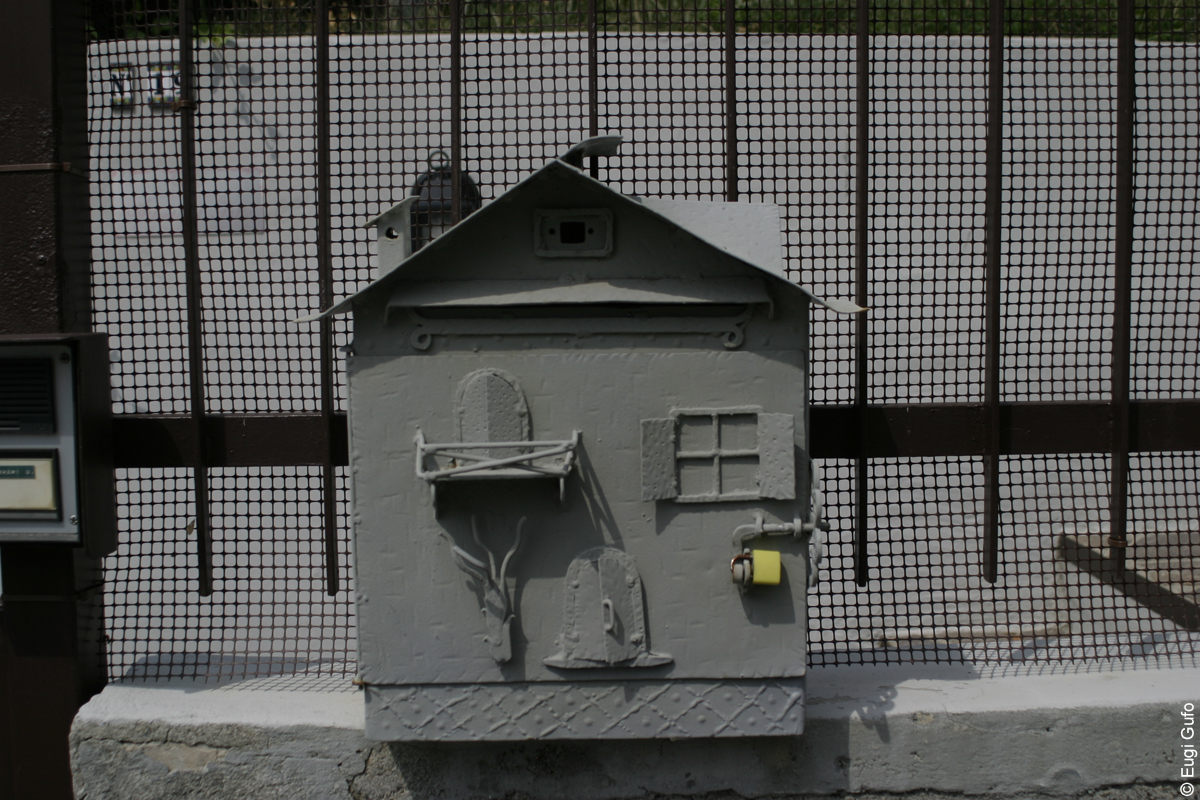
Among the minor details of Camerata Cornello, only a few letterboxes deserve mention…
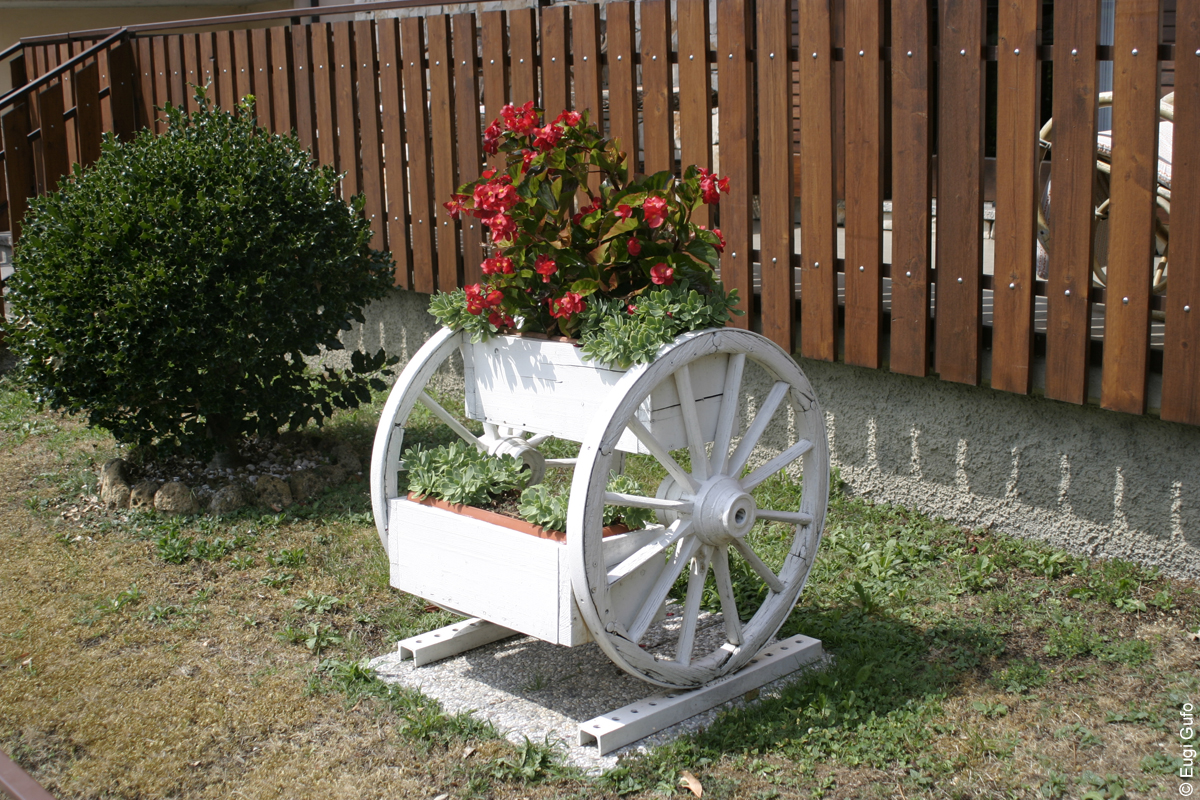
… as well as certain inventive arrangements of flower pots.
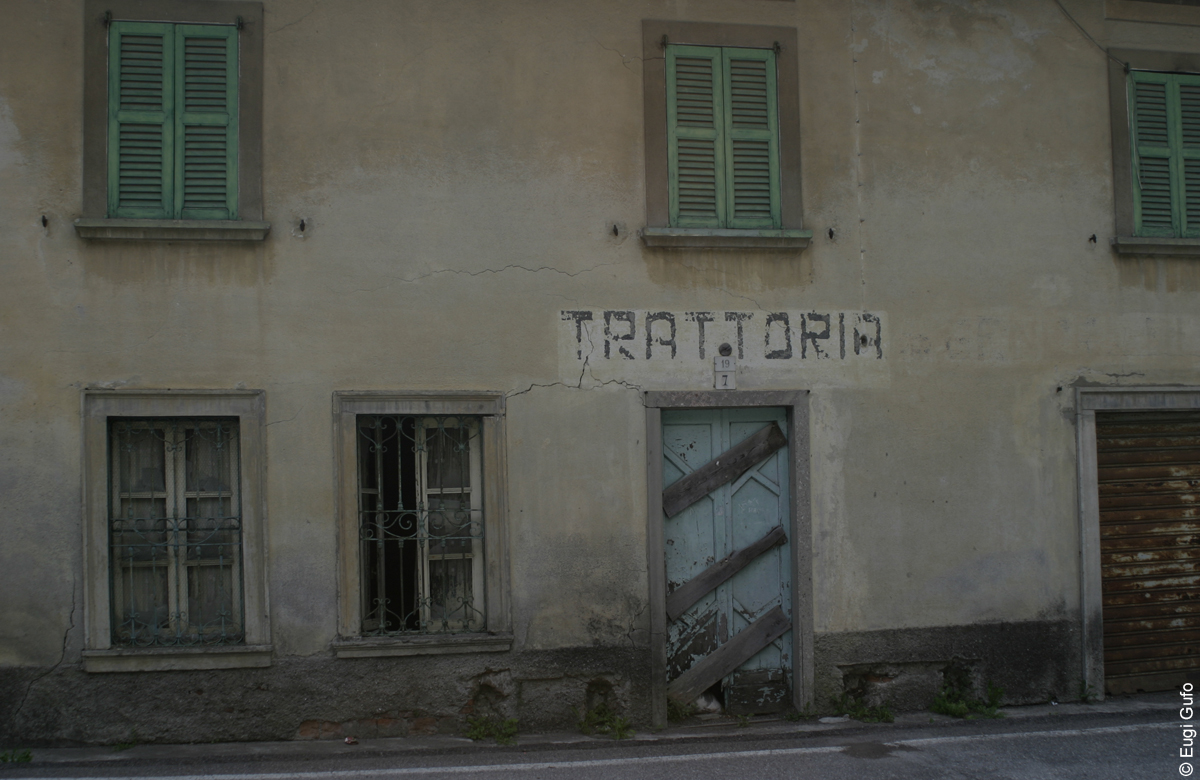
In short, Camerata Cornello has so few genuinely relevant attractions that any initiatives aimed at potential tourists appear to have expired years ago.
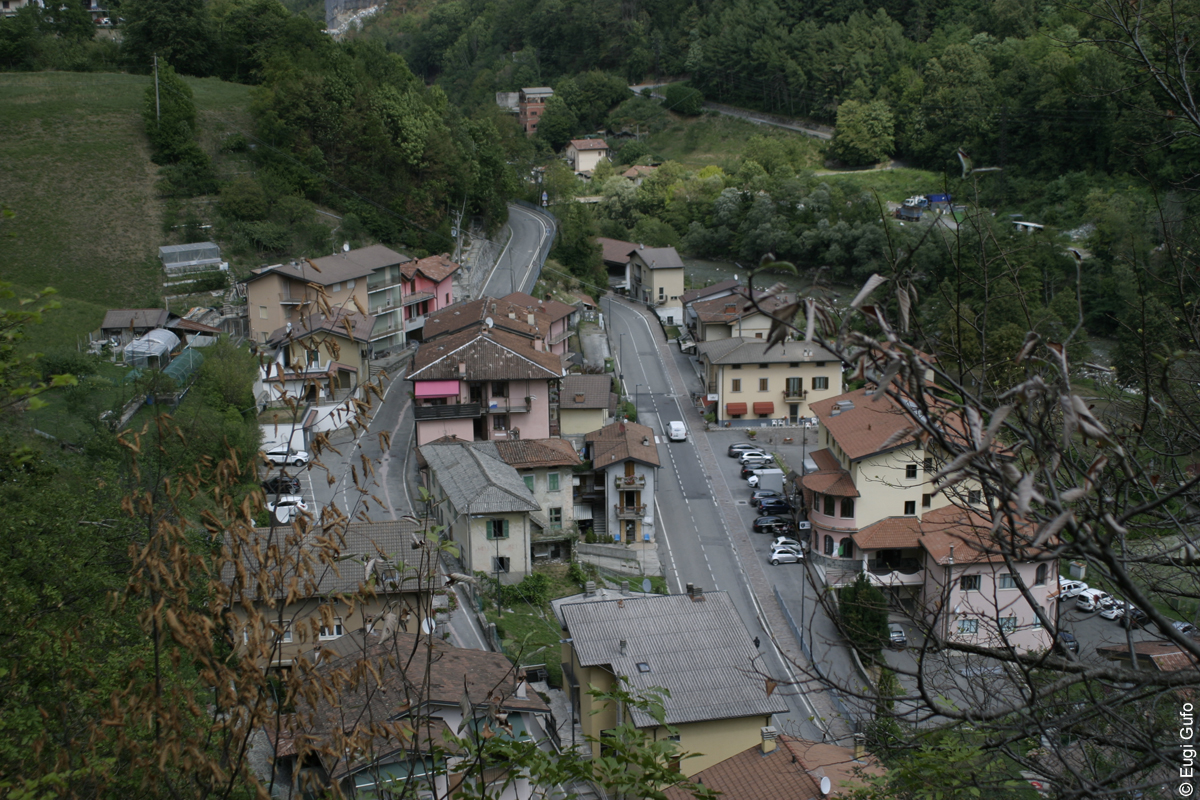
Roughly one third of the settlement is visible in this photograph:
In reality, within the same municipal territory — not far from the main settlement — there is a small location of exceptional beauty and interest which I wholeheartedly recommend to everyone: Cornello dei Tasso. Given its particular character, I have chosen to dedicate a separate article to it.
Camerata Cornello, 11 August 2022
↓ Show comments ↓


