


 Long live Ukraine! Fuck the war!
 RSS of site articles
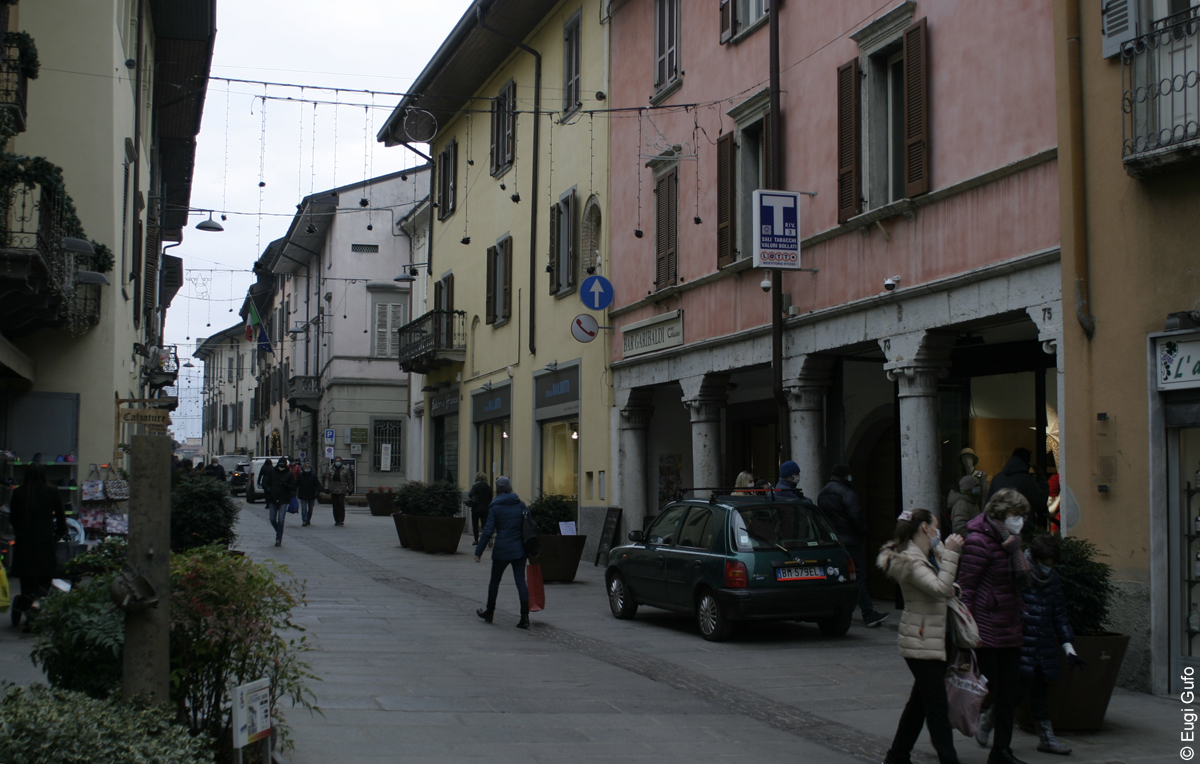
Albino (province of Bergamo) does not formally possess the title of «city»; it is officially just a town. Substantively, however, it is so large, interesting and aesthetically pleasing that I instinctively classify it as a small city.
True, Albino lacks skyscrapers and grand boulevards. Yet its historic centre is extensive, well structured and, in any case, attractive.
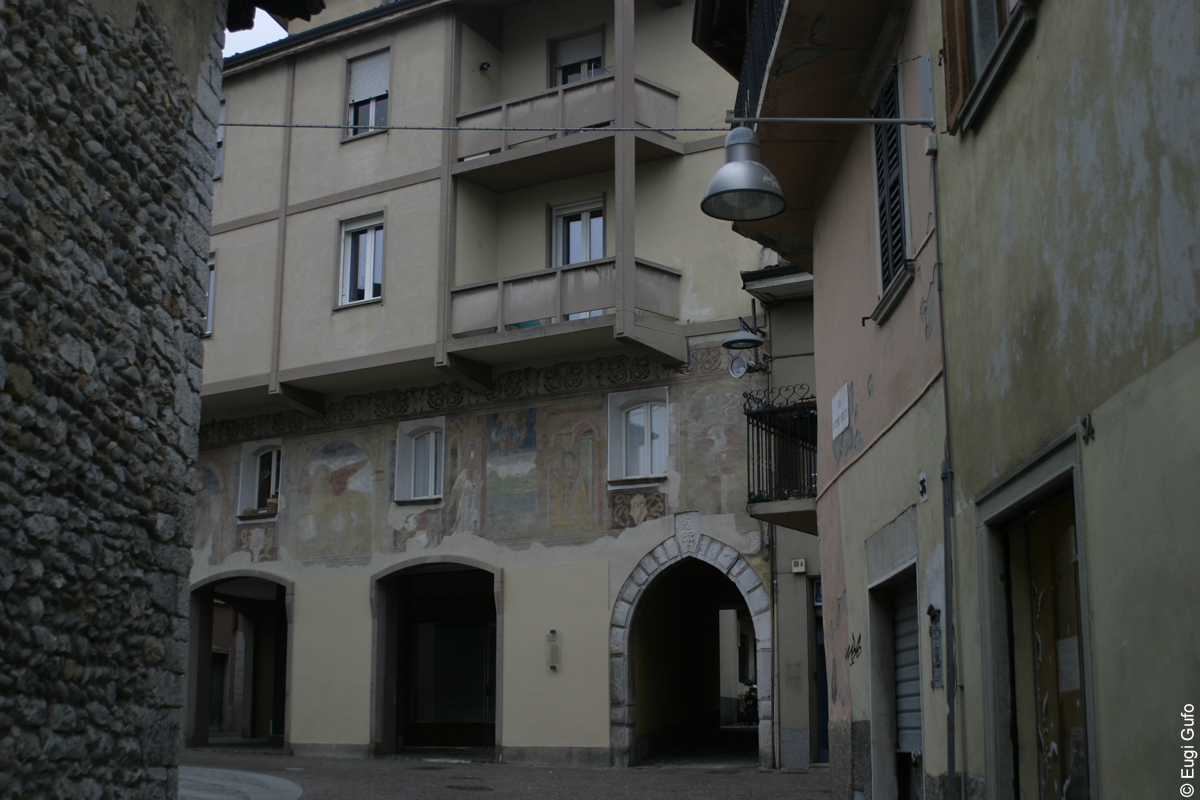
Occasionally one encounters historic buildings whose appearance leaves one uncertain whether they were restored in a vandalistic manner or expanded over time in an even more vandalistic fashion. The results, regardless of intent, are undeniably curious.
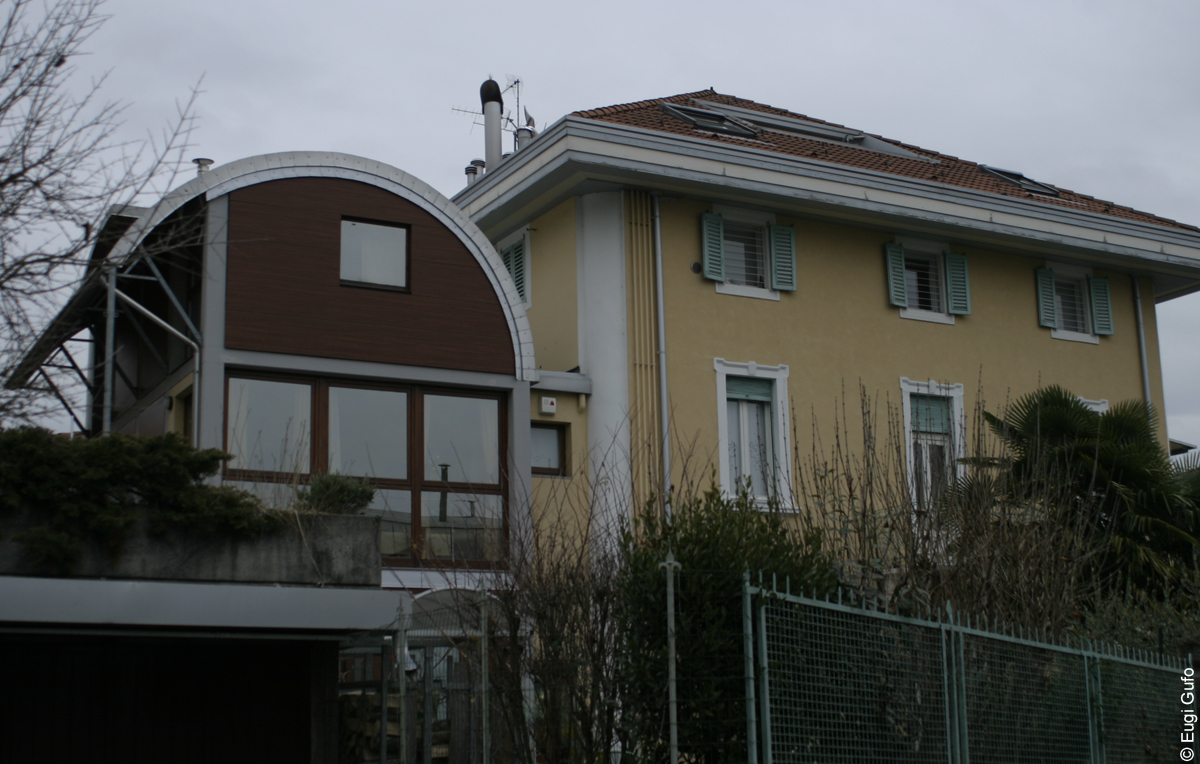
On the other hand, I must acknowledge that Albino frequently offers convincing examples of modern architecture as well.
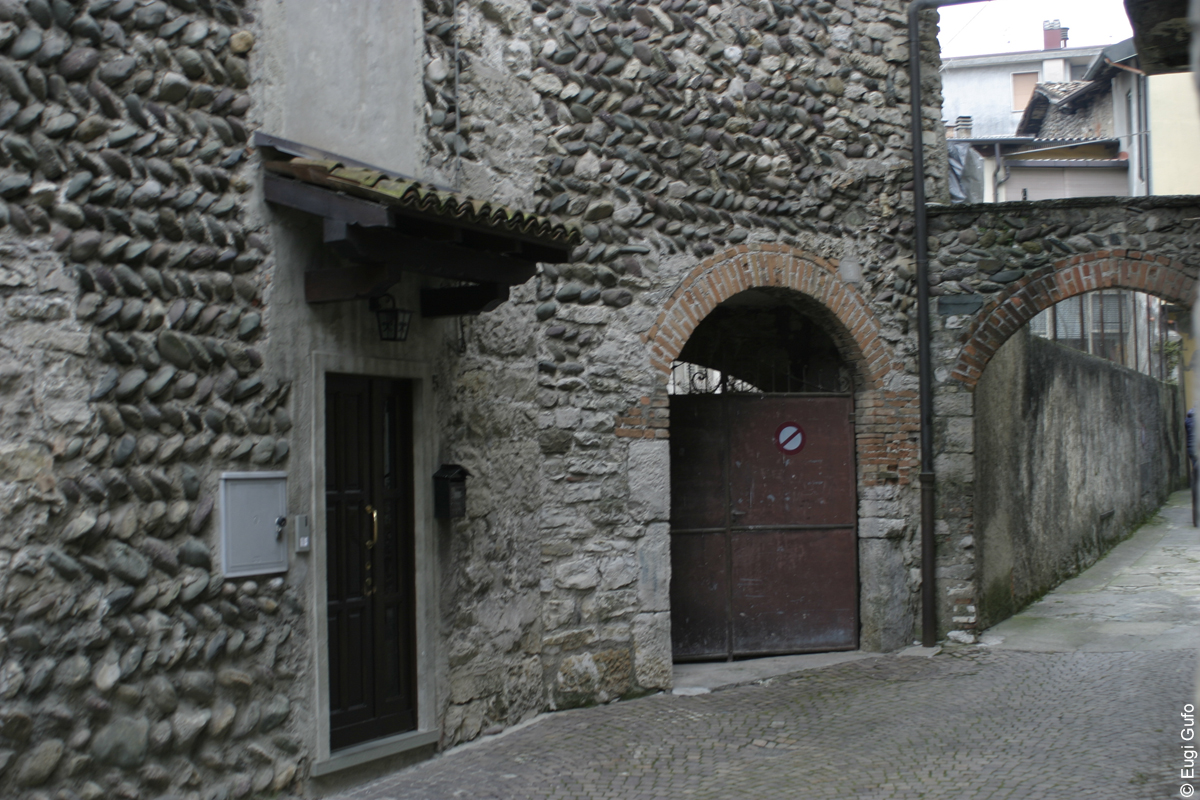
As in all living settlements — those that grow and change — Albino sometimes presents unusual clusters of buildings, styles and eras compressed into a single visual experience.

I can therefore assure you that a walk through Albino is unlikely to induce boredom. Architectural styles across its territory are sufficiently varied; one merely needs to remember to explore even the seemingly less significant streets of the centre.
As in virtually all Italian towns, religious architecture is widely present here too.
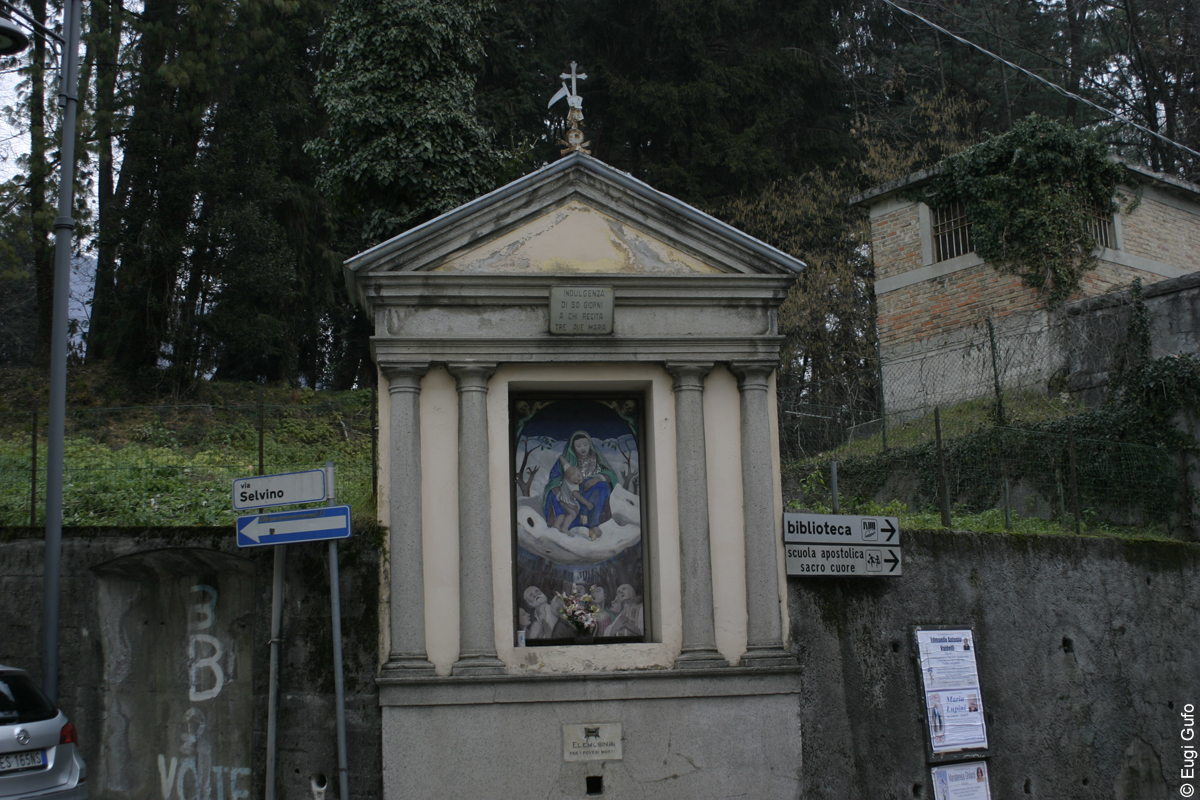
Albino’s churches, much like its civil buildings, differ greatly in style. Some of these styles — at least according to my personal observations — are relatively rare in Lombardy.
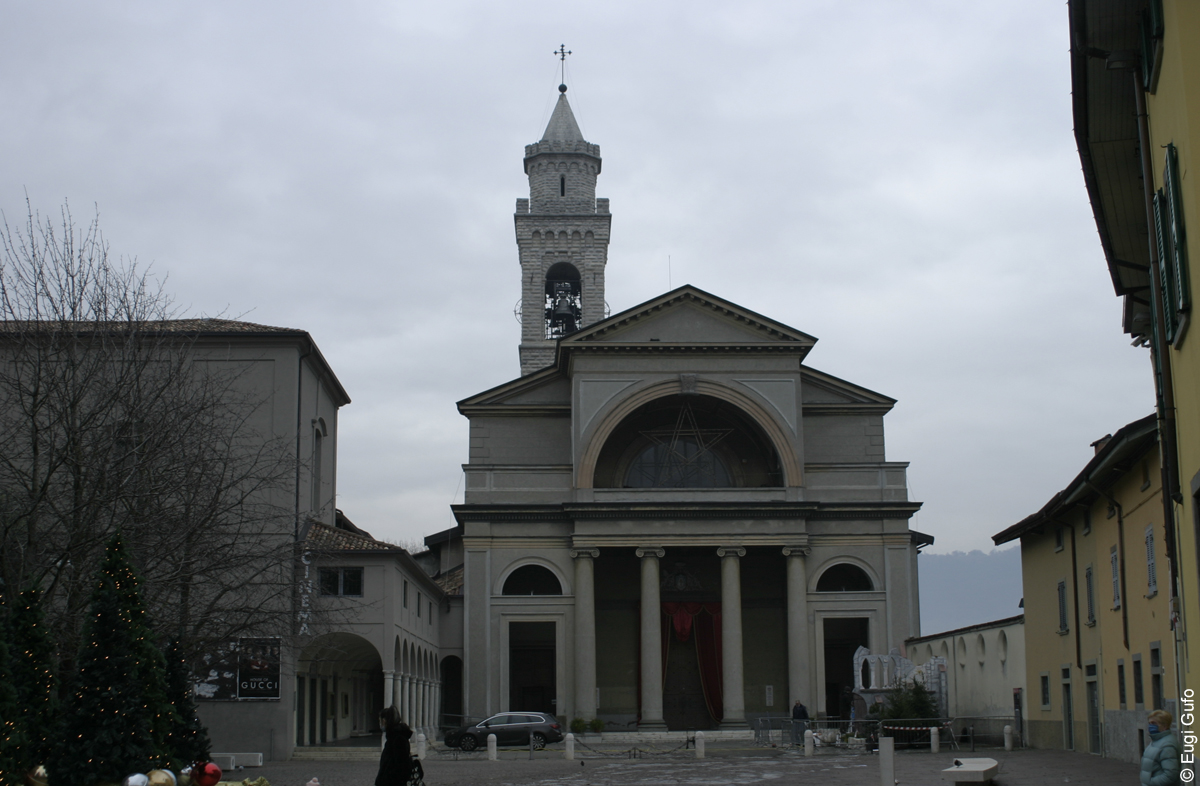
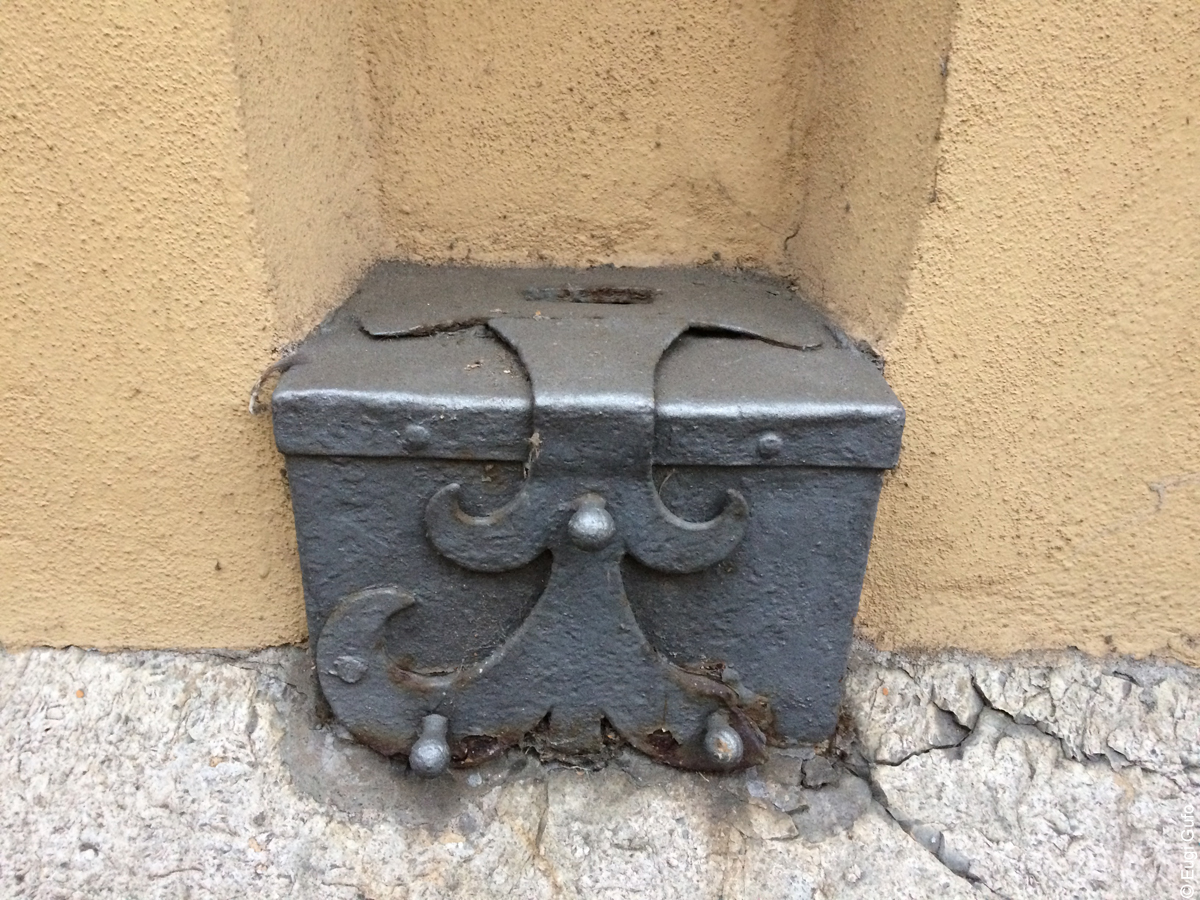
Certain churches deserve careful study not only inside but also outside. On the lateral wall of the Santuario della Beata Vergine del Miracolo della Gamba, for instance, I discovered a small instrument I do not recall having seen elsewhere.
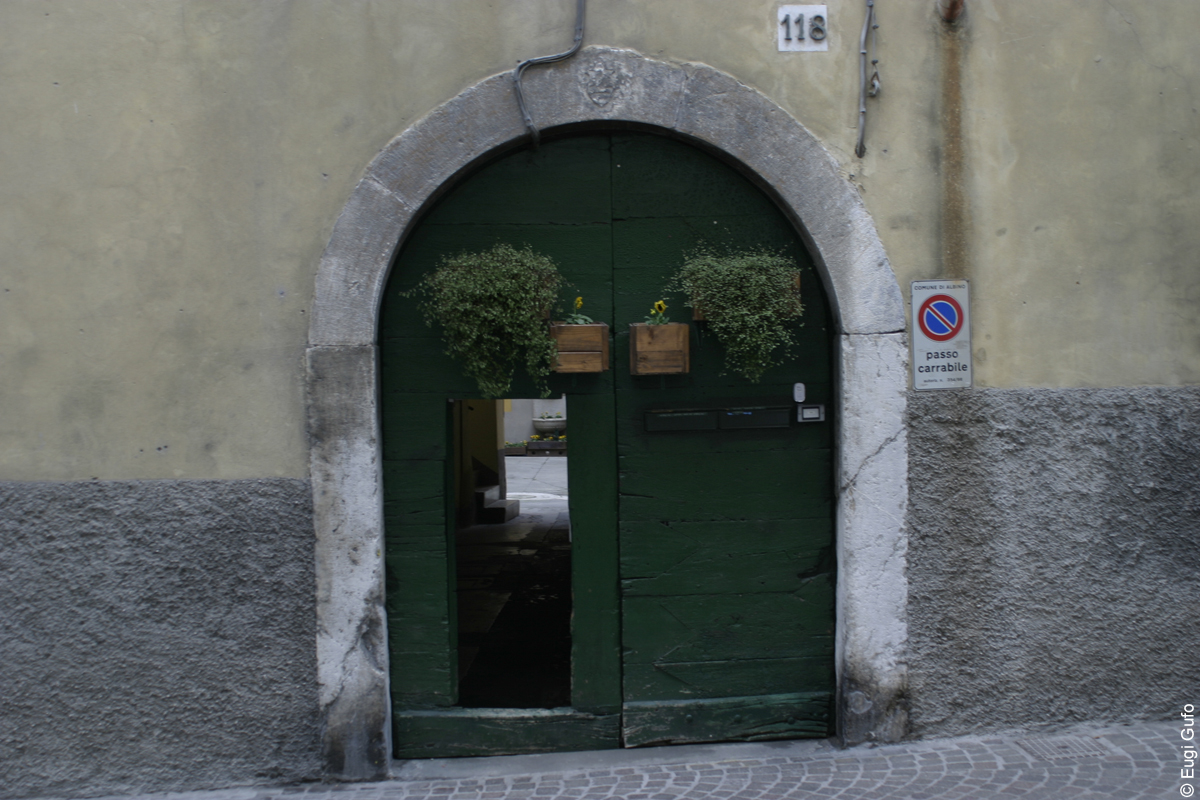
Civil architecture also offers many details worth admiring. In the historic centre I noted a high concentration of particularly fine antique doors.
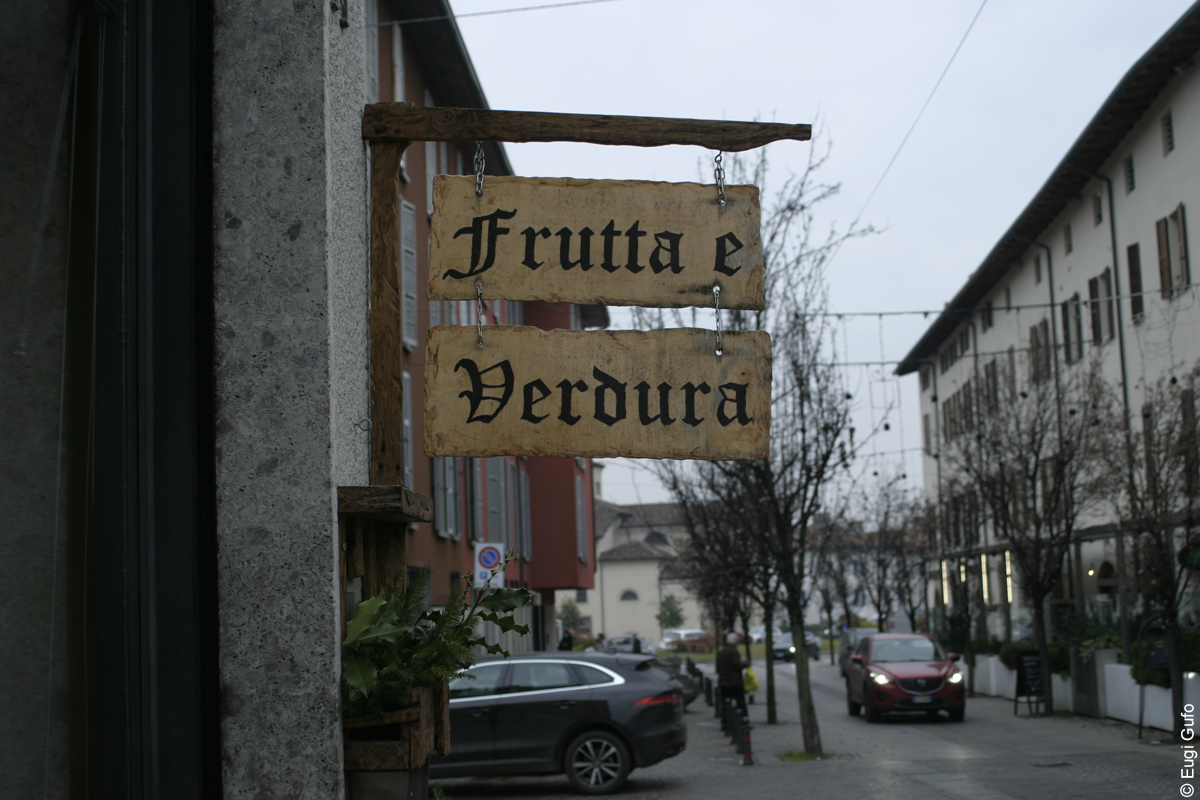
It appears that all commercial establishments in the historic centre adhere to a unified standard of pseudo-antique perpendicular shop signs. I am unsure who initiated this initiative, but while execution quality might occasionally have been higher, the concept itself is not without merit.
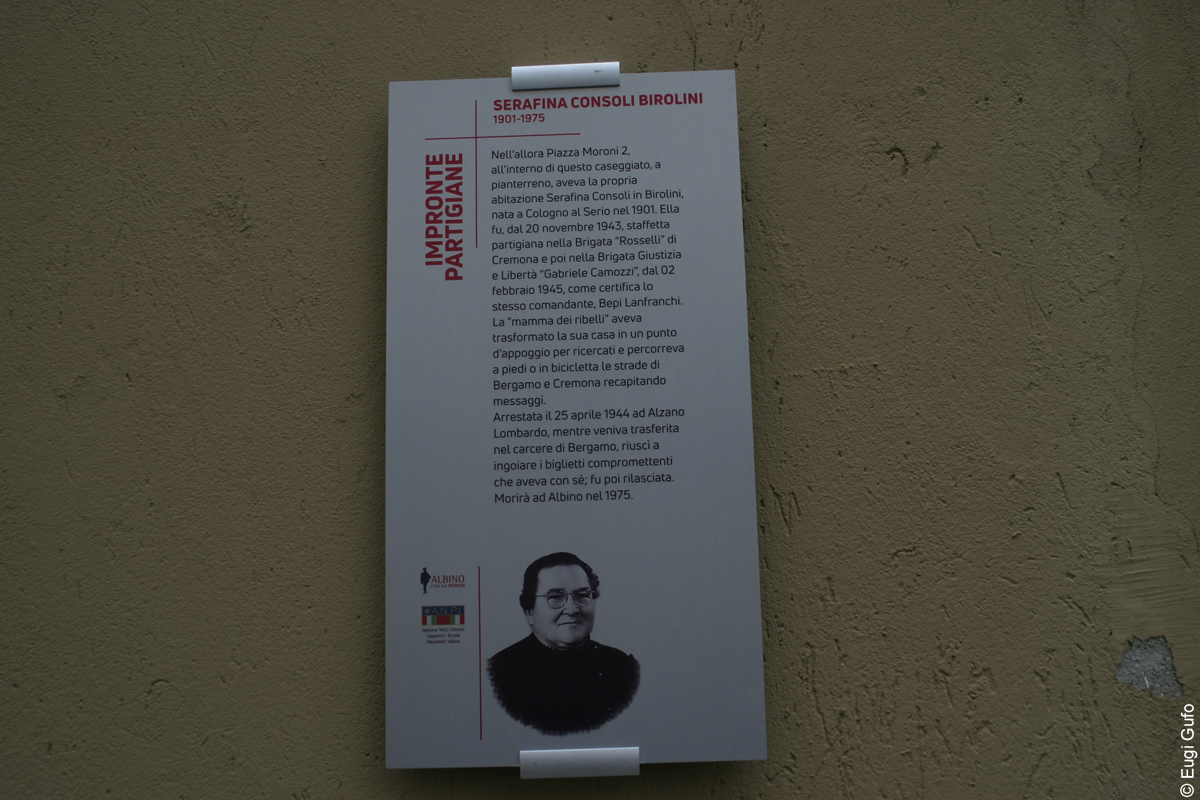
Even smaller details deserve attention: commemorative and informational plaques affixed to older buildings recount local people and events associated with those structures. It is always local history — yet often genuinely interesting.
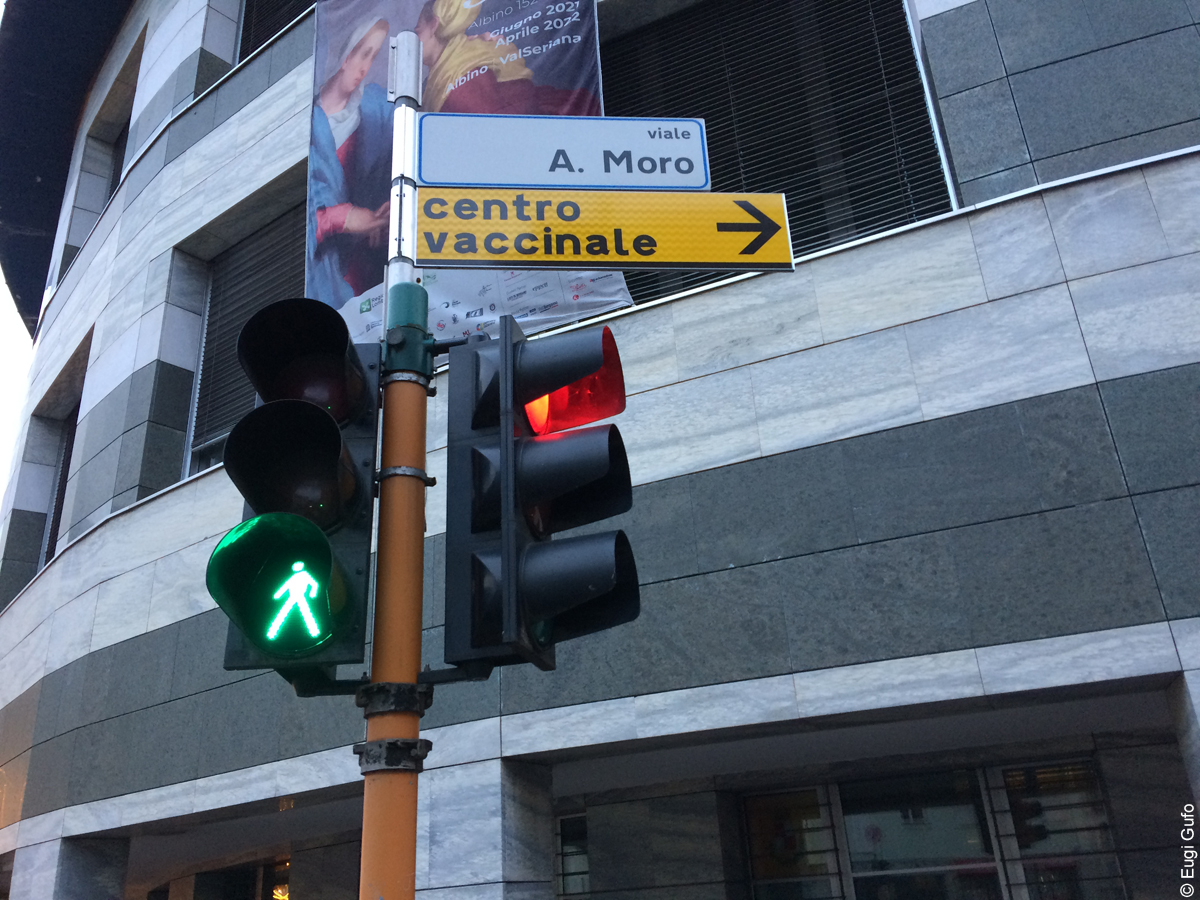
Speaking of signage: in several parts of Albino I noticed distinctly 2021-style signs. I do not recall encountering similar ones elsewhere. Above all, I sincerely hope there will soon be no need for them ever again. To avoid misunderstanding: vaccination is one of humanity’s finest inventions. The Covid-19 pandemic should have made that clear to everyone. At the same time, one may reasonably hope for a future world free from pandemics altogether.
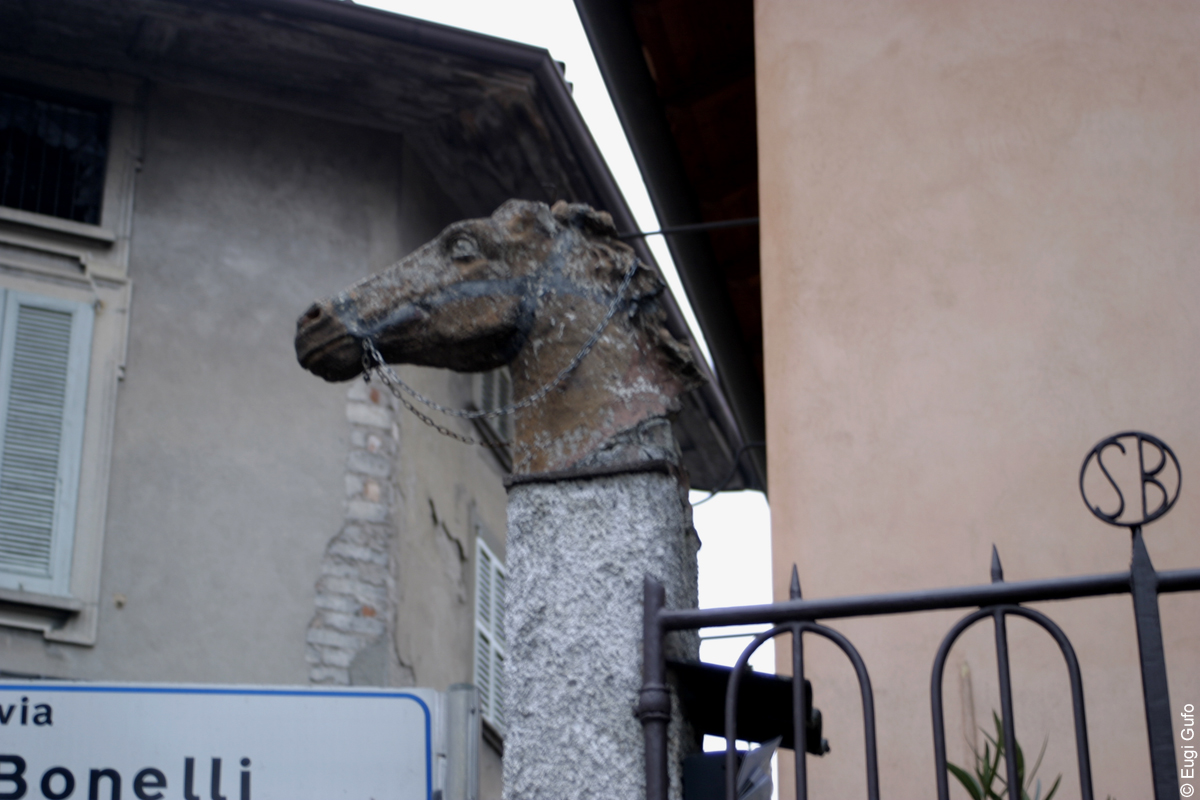
But let us return to lighter matters. We are all familiar with the questionable fashion of placing lion statues atop gate pillars. A resident of Albino has opted for a rather original alternative (although the horse’s expression does appear mildly suspicious).
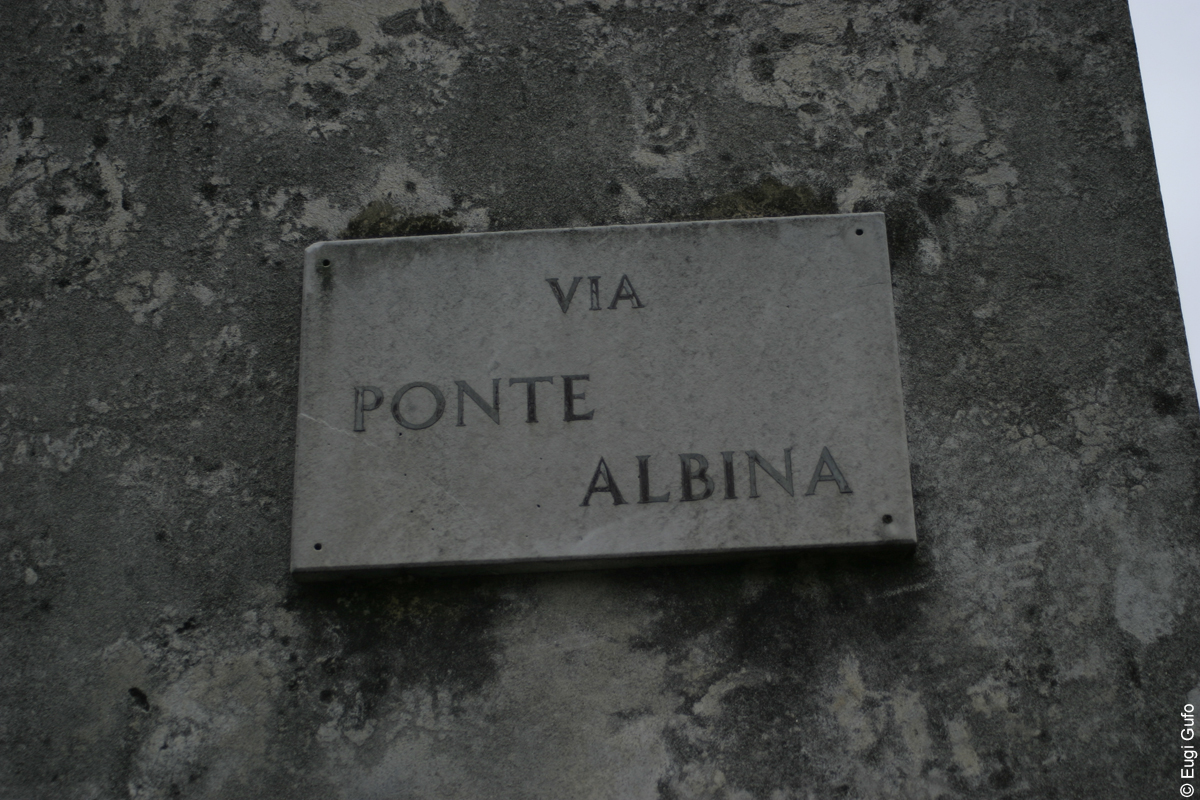
Albino features several types of street name plaques, but only one truly original and interesting variant — the one with text (finally) not centred. Congratulations to those who found the courage to break the pattern.
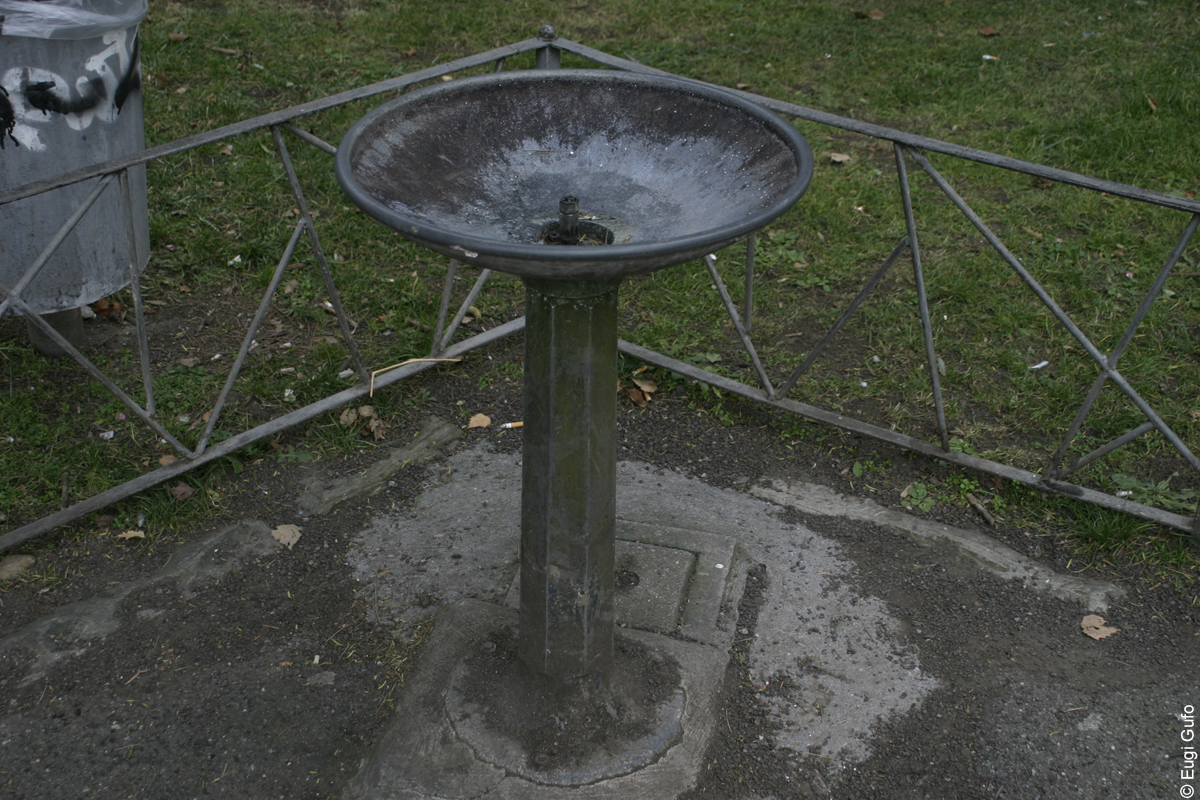
Another distinctive aspect of Albino is the considerable variety of public drinking fountains. Whether the water is truly potable, however, I cannot confirm; I did not conduct field tests.
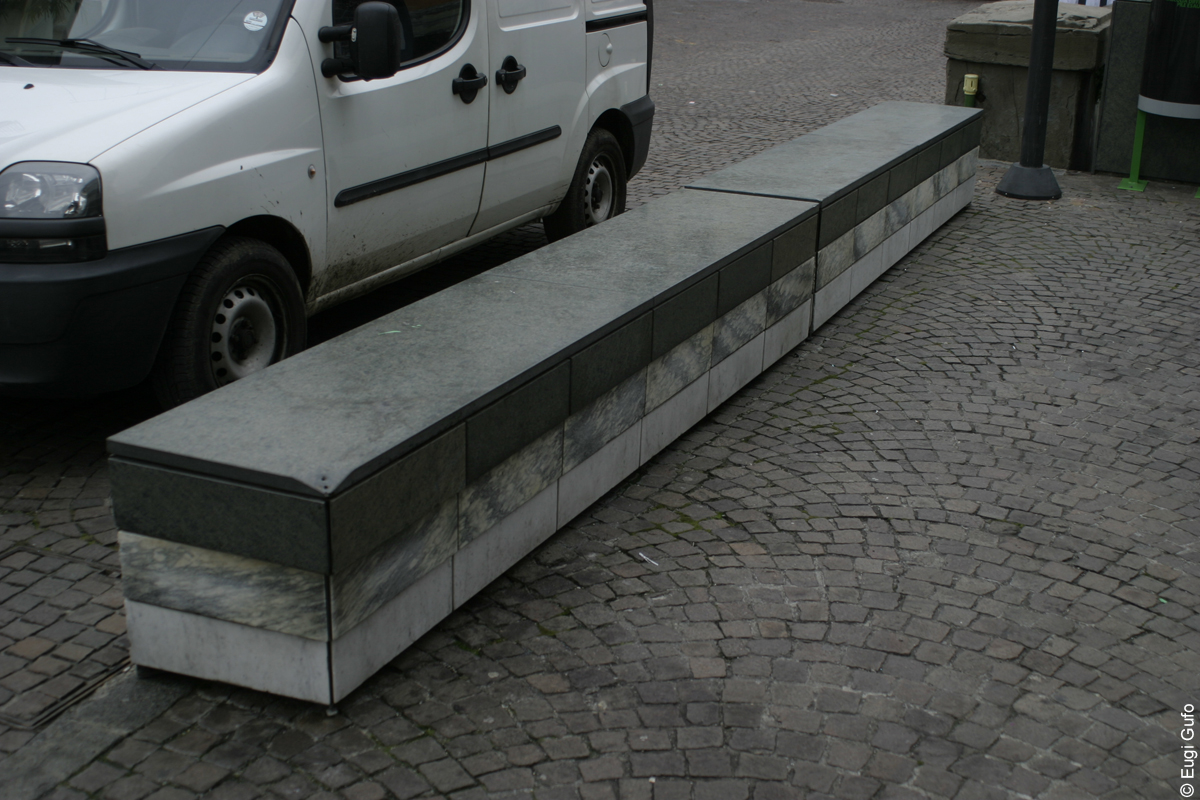
The benches of Albino are equally diverse. Some are of very simple design…
… others slightly more complex, though still generously long.
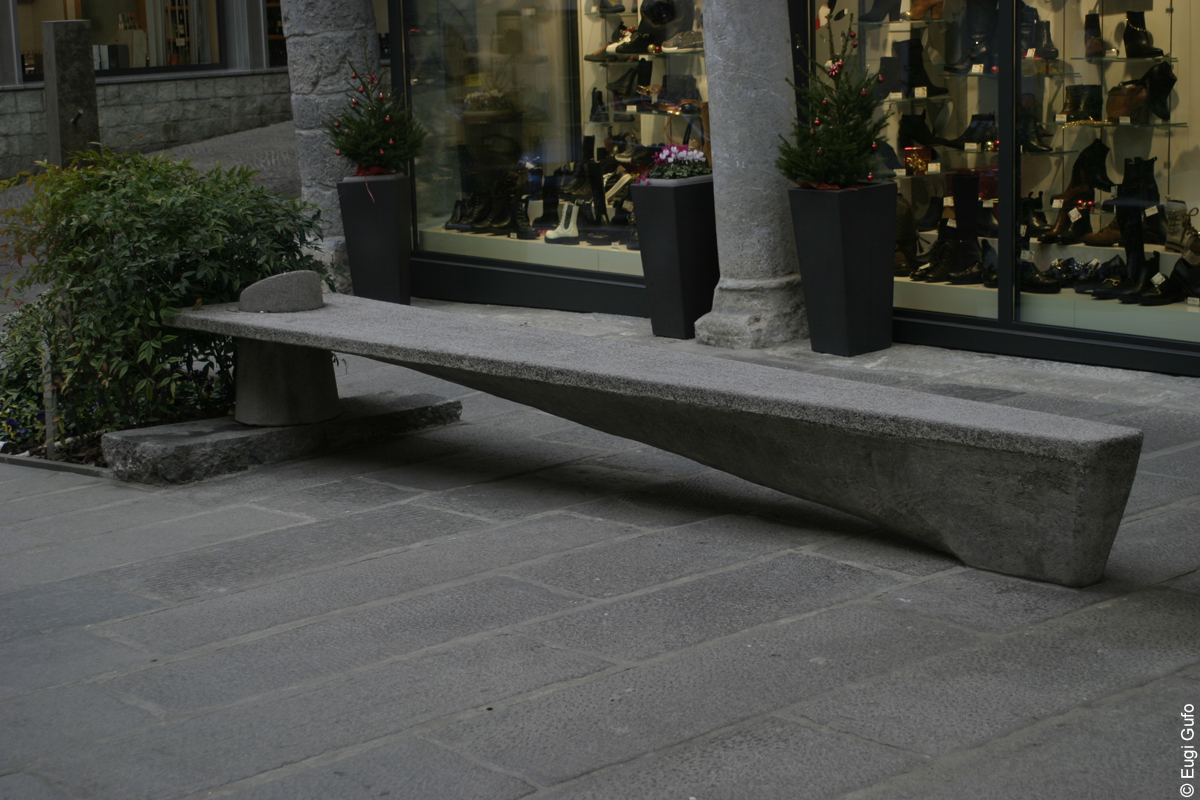
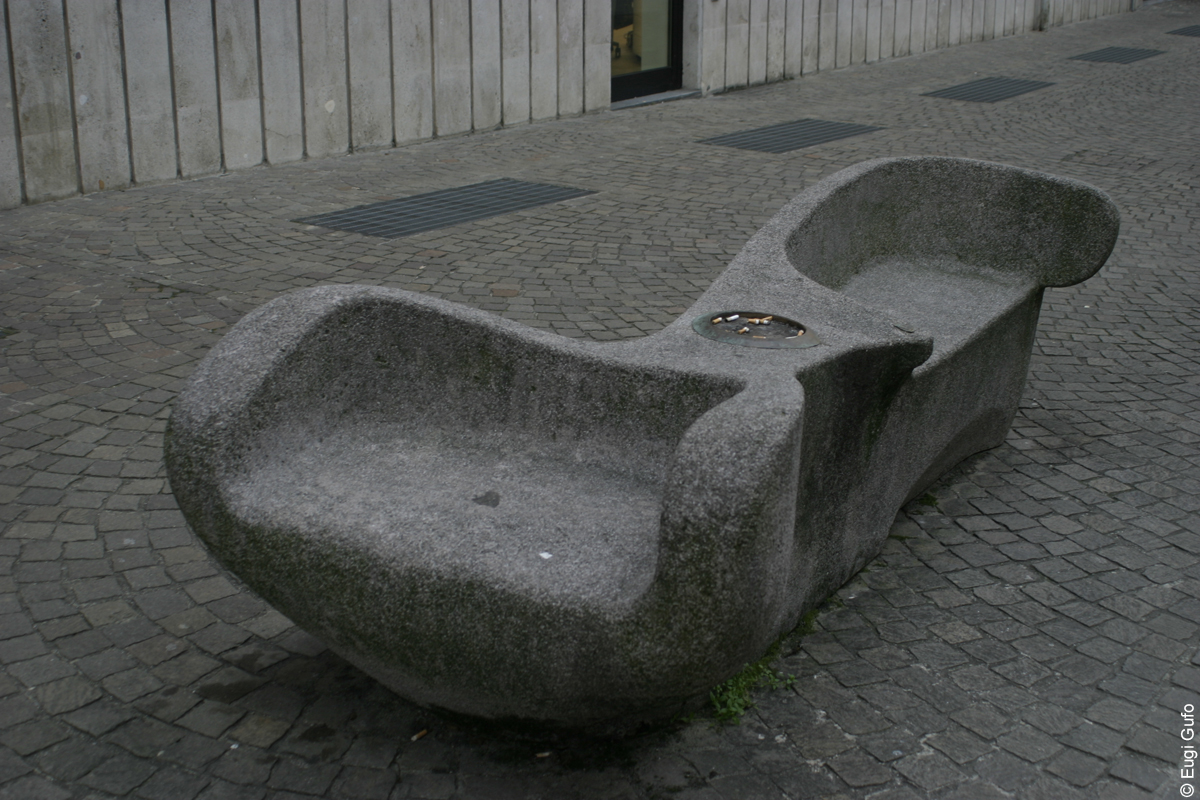
And in one area of town I encountered a group of highly original benches — almost unique.
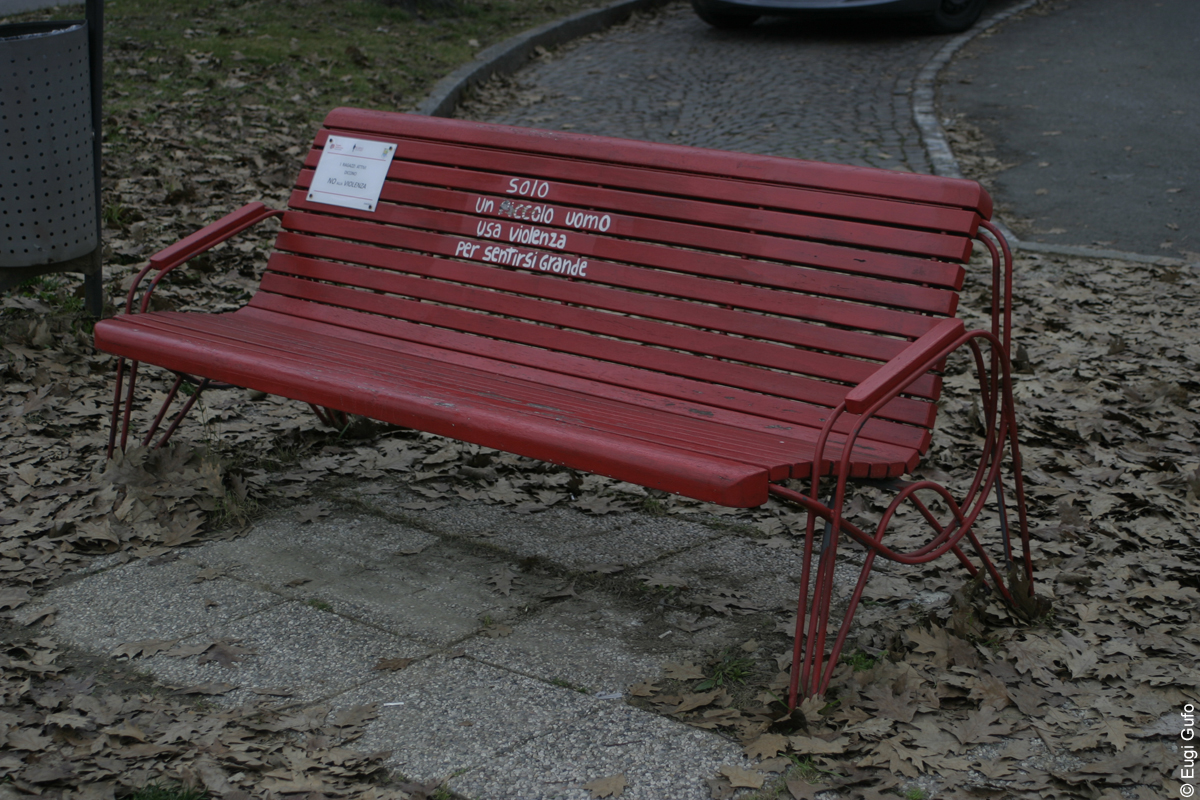
Unfortunately, I am evidently too insensitive to grasp the deeper symbolic meaning of benches dedicated to combating violence against women (although I am, of course, opposed to violence itself).
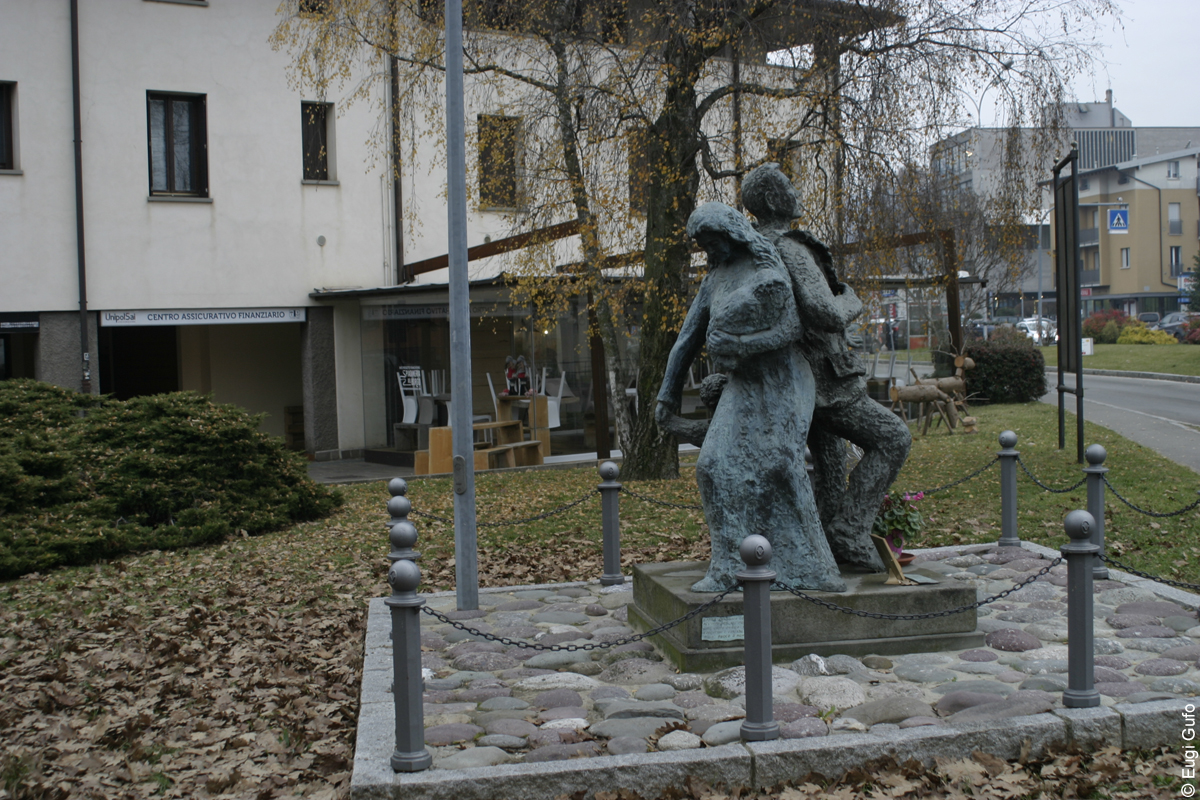
This monument from 1997 also appears, at first glance, to relate to a similar theme. Only subsequent online research revealed that it is dedicated to Salvo D’Acquisto.
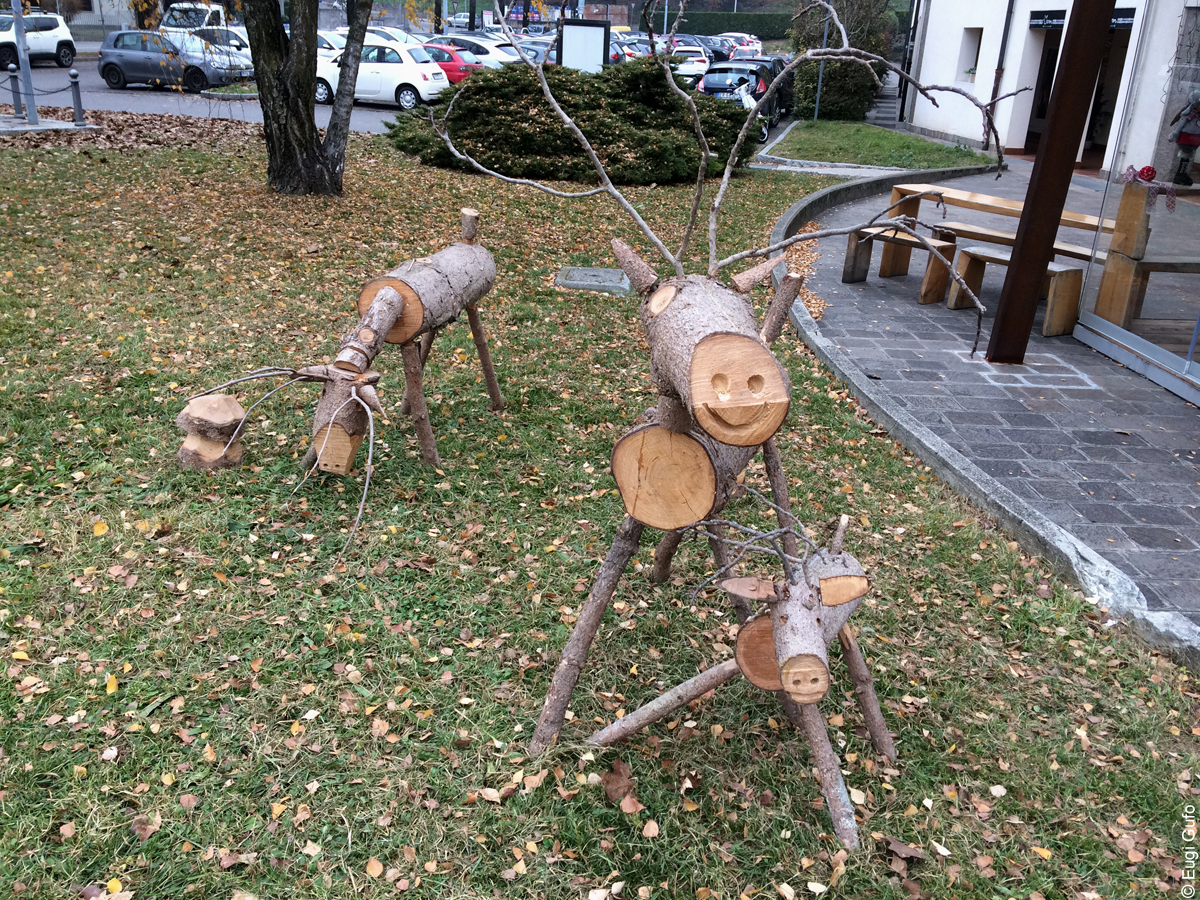
The most modern sculpture — apparently seasonal — is, in a certain sense, more aesthetically pleasing. It is certainly more immediately comprehensible.
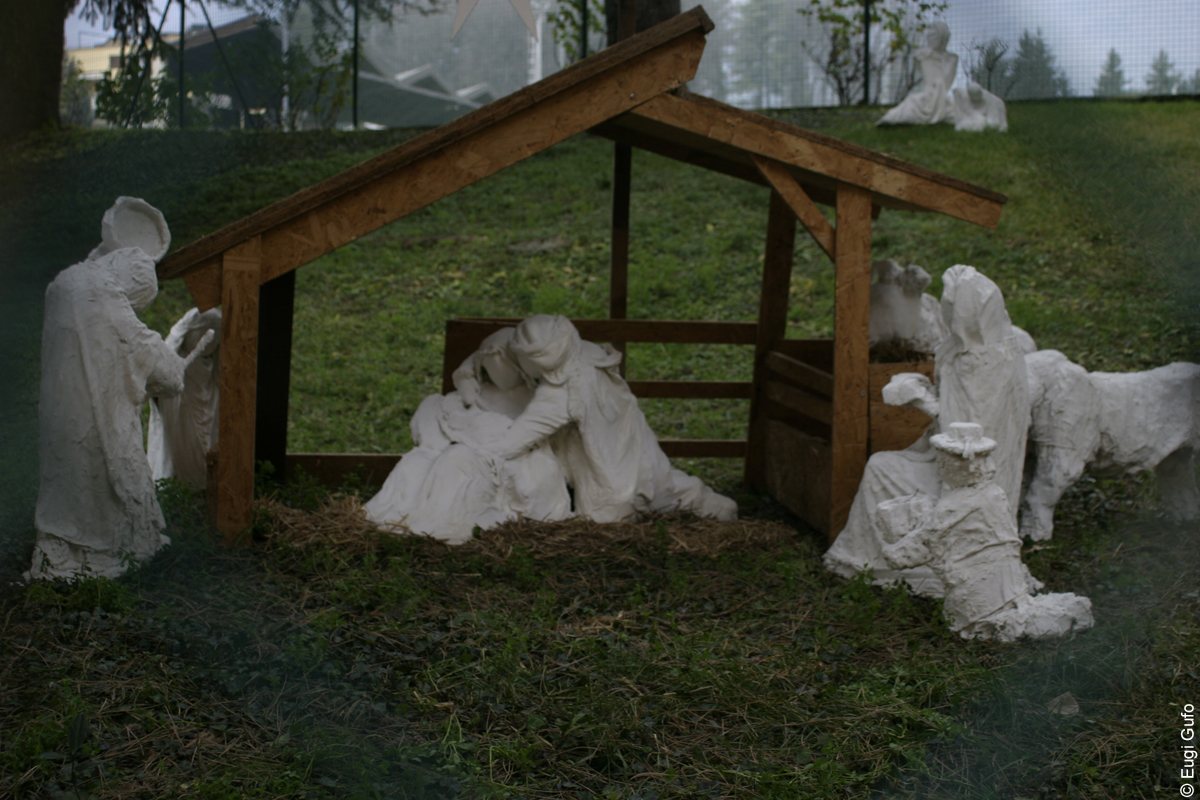
Visiting Albino during the Christmas period allowed me to observe numerous contemporary installations. For example, within the sports centre grounds there was a nativity scene that was not only stylistically curious (all figures resembled ghosts) but also spread across an area of approximately ten by two metres. Unfortunately, the gate was closed, so I was obliged to insert my camera through various gaps in the fence, frequently photographing in semi-random directions.
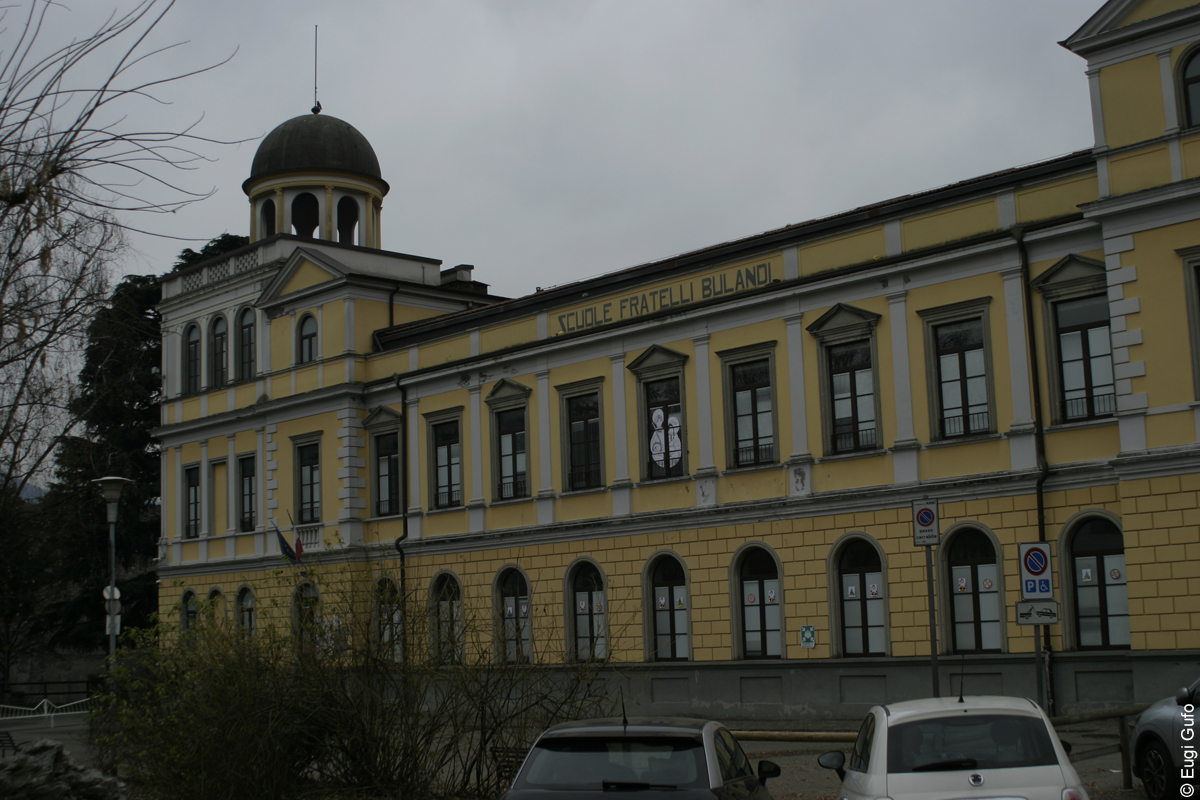
Returning to Albino’s permanent features: the building housing this primary school is perhaps one of the most attractive school buildings I have seen in Italy.
The municipal territory is crossed by several waterways, the largest and most well-known being the Serio.
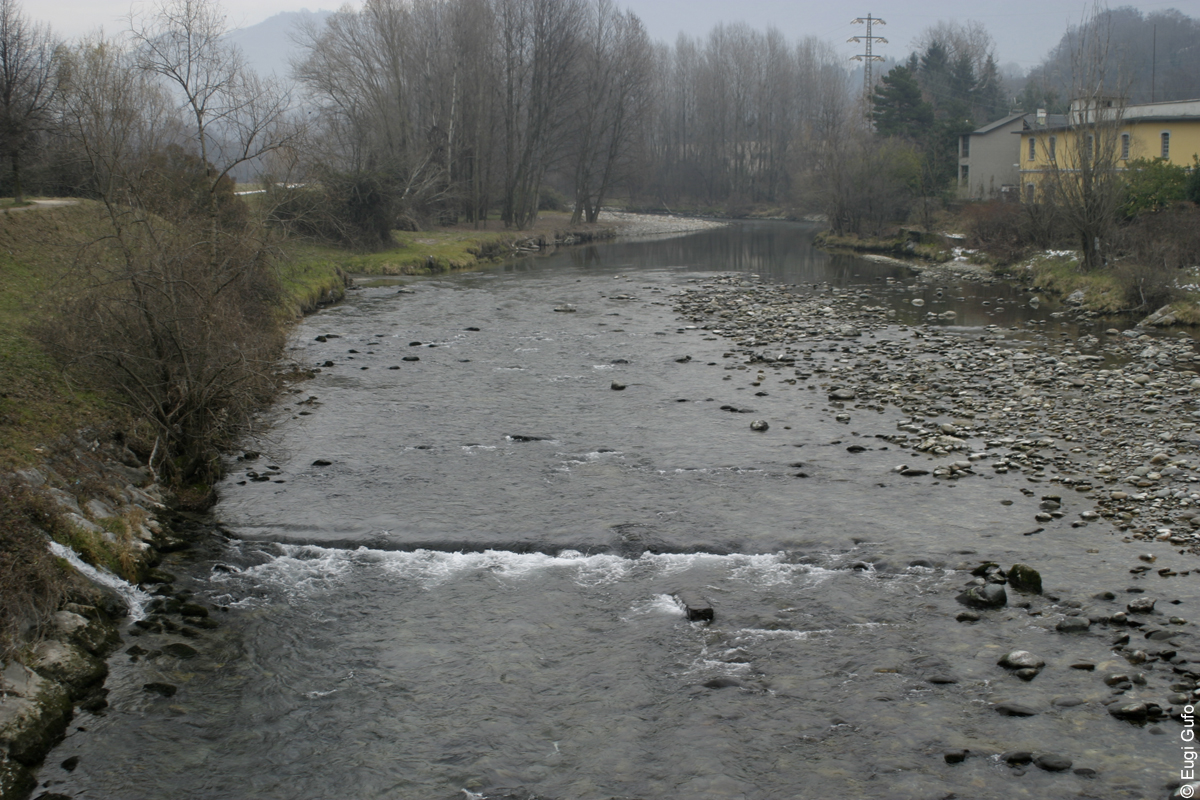
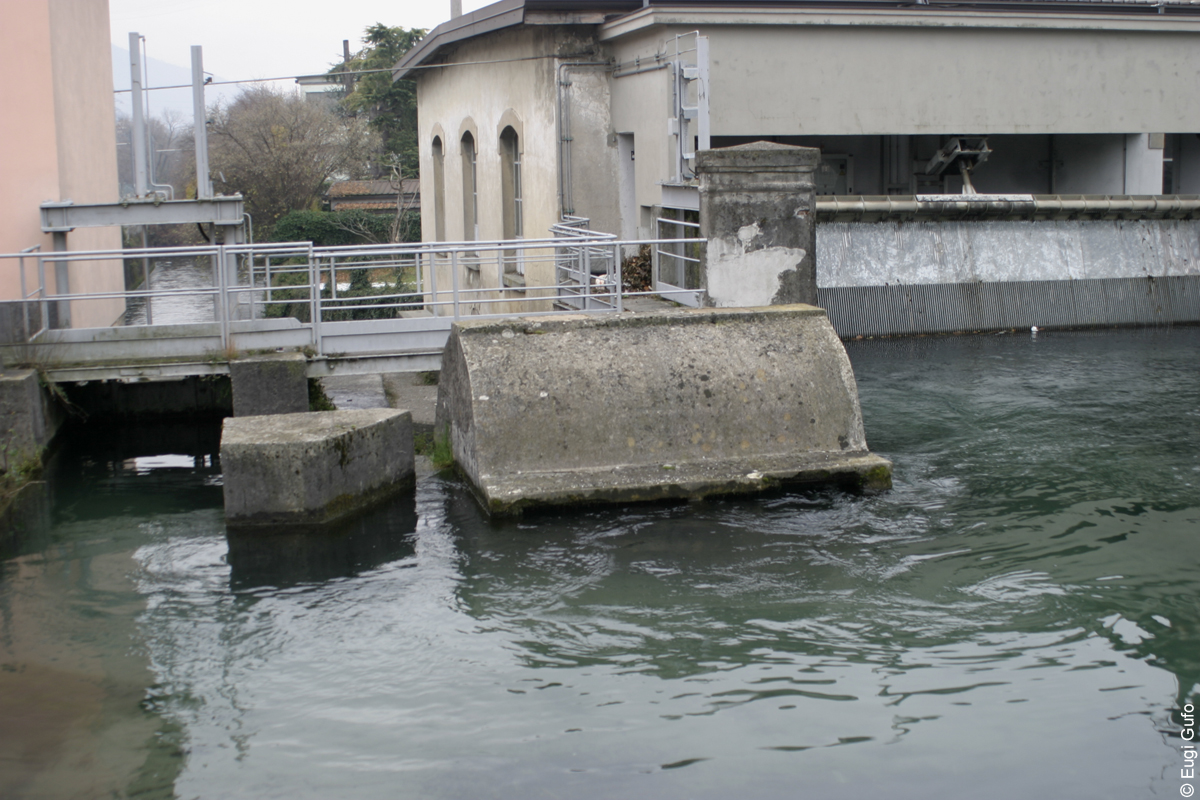
Here the river is relevant for two reasons. First, it is utilised for electricity generation directly within the built-up area.
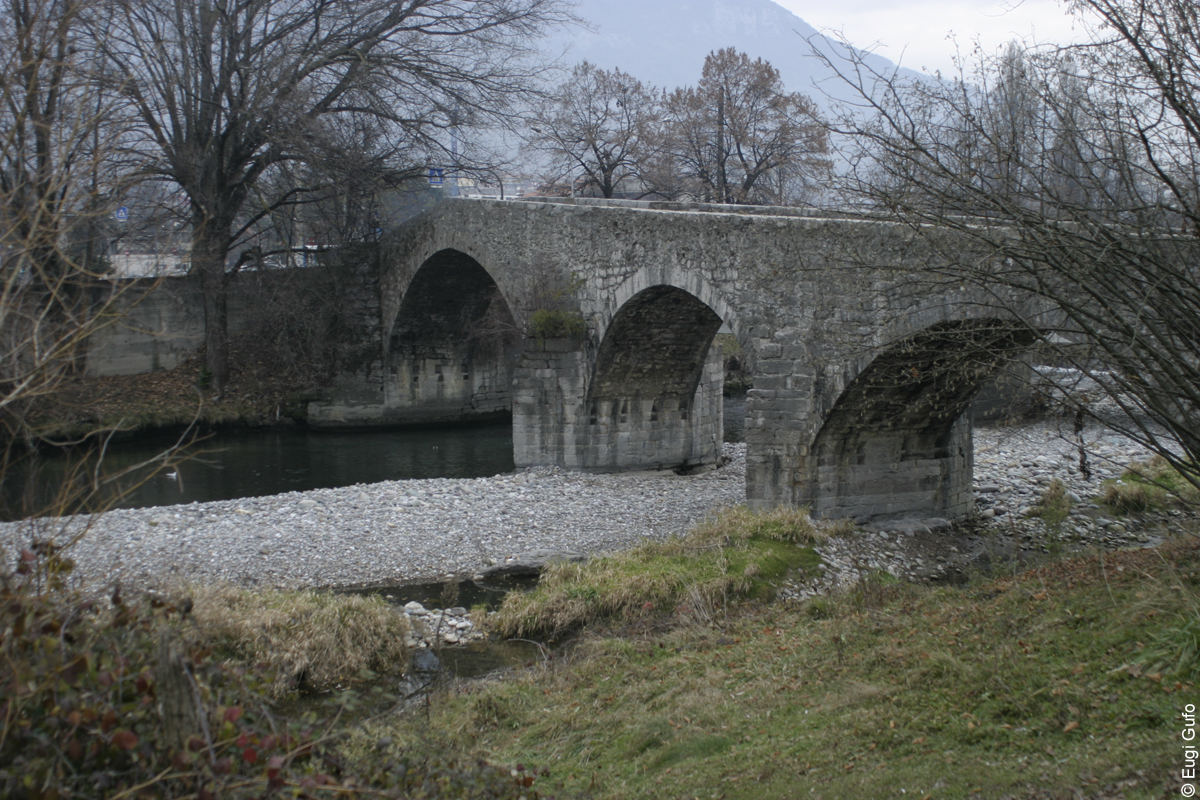
Second, it offers the pleasure of viewing a well-preserved 14th-century Romanesque bridge, now functioning as a pedestrian and cycle crossing.
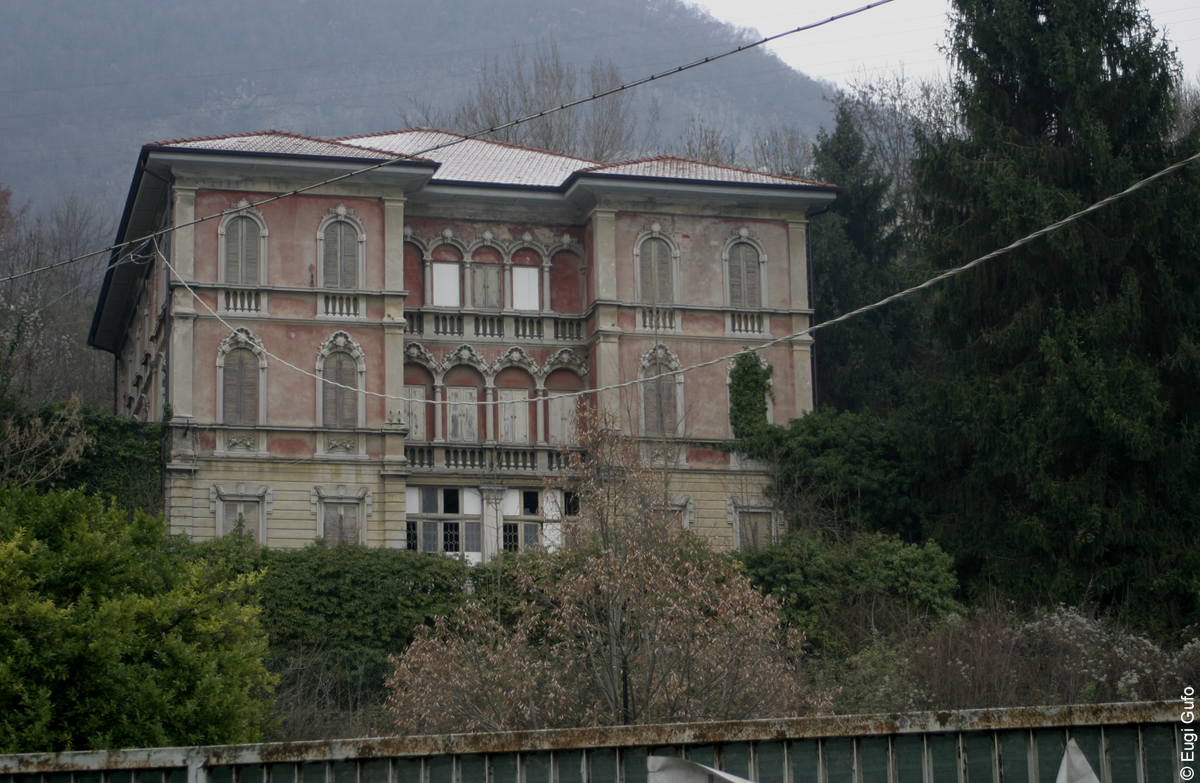
Of the former Honegger cotton mill on the opposite bank I saw little. However, the apparently abandoned villa of the former factory owners prompted reflection on the misfortune of such buildings: beautiful, yet excessively large and consequently expensive to maintain. They have virtually no chance of returning to private residential use — there are not enough billionaires interested in relocating to small provincial towns. Outside major cities, such villas also have limited prospects of becoming luxury hotels or corporate headquarters. I am genuinely unsure how this rather melancholy phenomenon might be addressed.
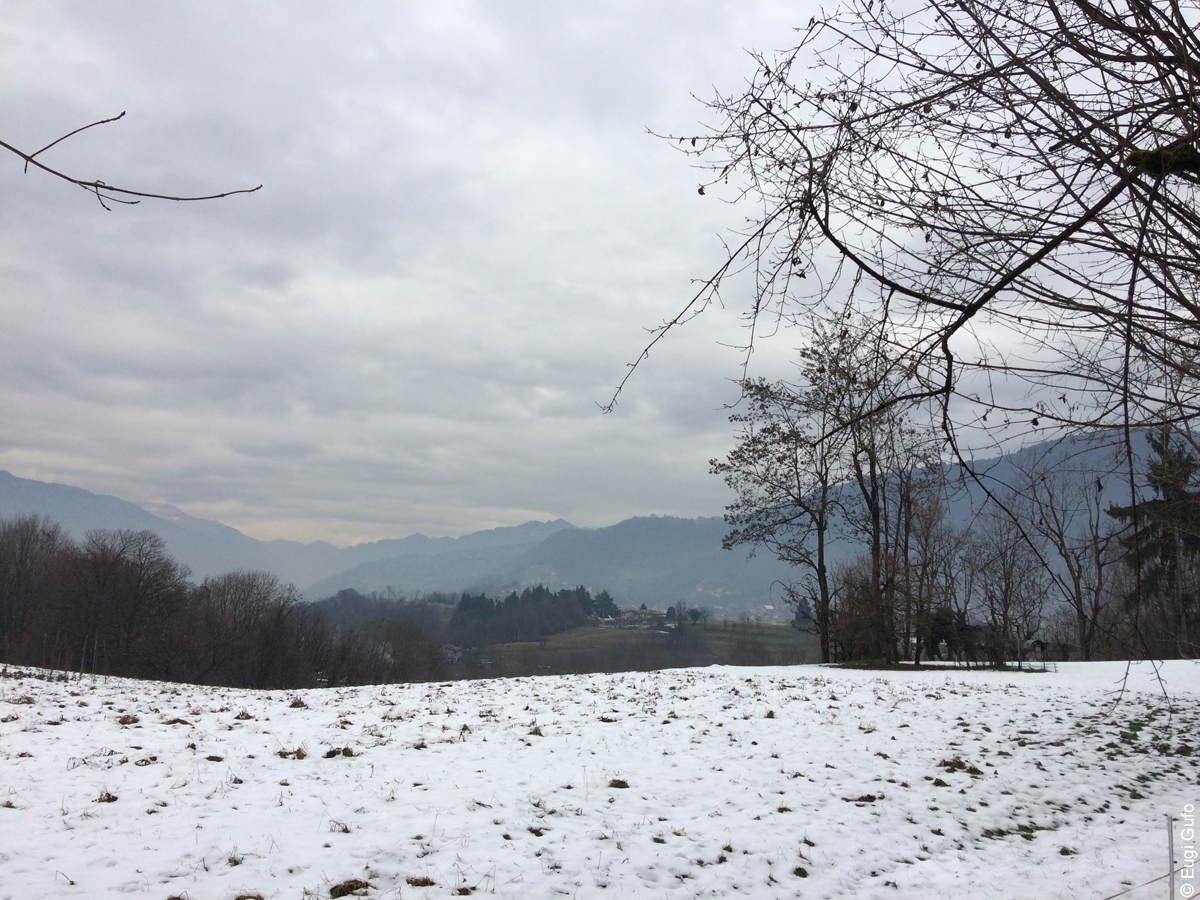
Around Albino there are also several natural areas and small historic hamlets worth exploring — though probably more comfortably visited in spring or summer. In winter, the paths leading there tend to become somewhat muddy.
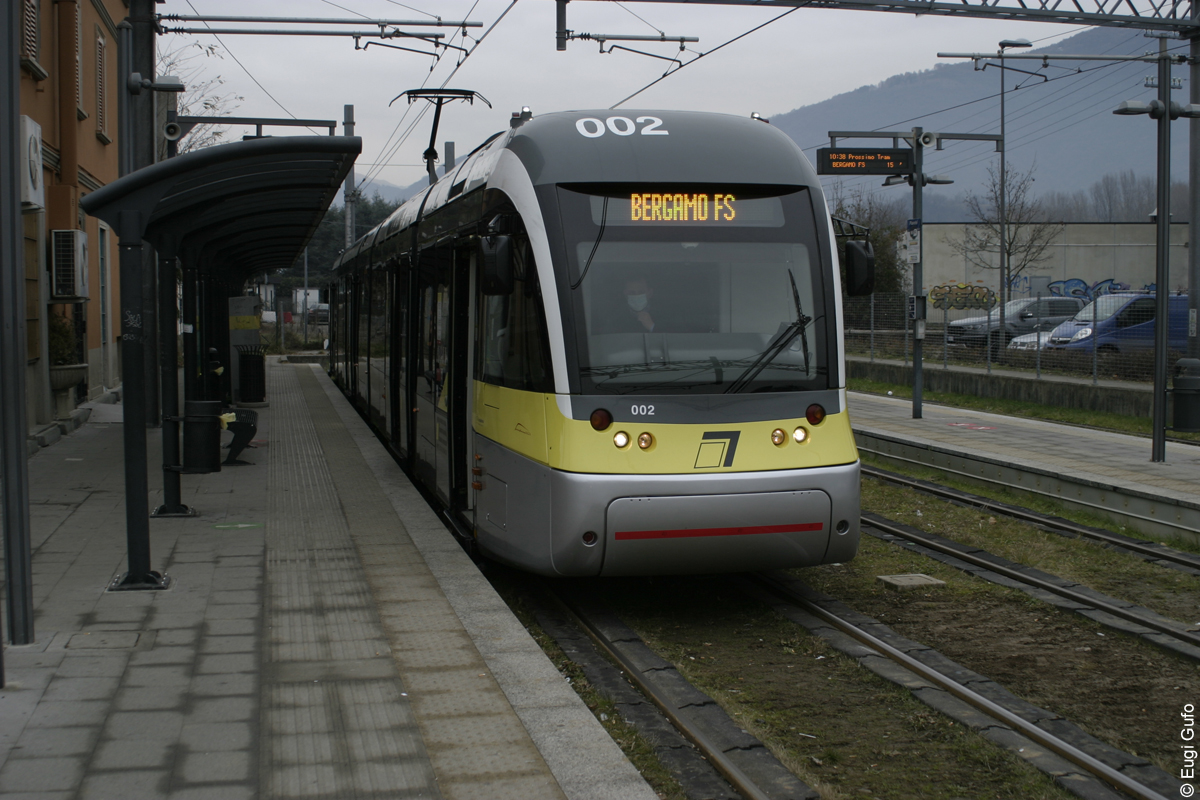
In conclusion, Albino is easily reached by public transport. From Bergamo railway station one may take an interurban tram terminating in Albino (at the time of my visit it was the only line of its kind). The entire route runs on a reserved and fenced track, so travel time depends solely on traffic light fortune: approximately thirty minutes.
Interurban tramways — so named because each line once connected a series of small municipalities — were widespread in northern Italy between the late 19th and early 20th centuries, before rapidly disappearing. Fortunately, this line (and the historic Albino station) was restored in 2009. I can confirm that it is both convenient and aesthetically pleasing — and it will likely prove useful for one of my forthcoming trips, inspired by a reader already distinguished for particularly thoughtful suggestions. Tickets can be purchased from the machine installed onboard.
I hope I have conveyed a reasonably accurate image of Albino.
Albino, 24 December 2021
↓ Show comments ↓


