


 Long live Ukraine! Fuck the war!
 RSS of site articles
My first motoring article devoted to a lorry will be even less technical than usual. I still need more practice… To begin with, I thought I would tell you about the Russian ZiL-130 lorry.

Some of my readers might find its «face» familiar. And indeed, many of you have seen it in the films by Timur Bekmambetov, Night Watch (2004) and Day Watch (2005).
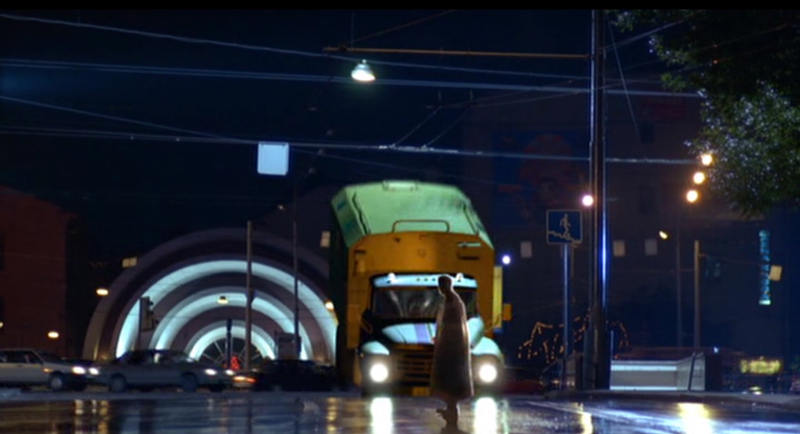
First of all, as usual, here are a few figures for the basic model: length 6,675 mm, width 2,500 mm, height 2,400 mm, ground clearance 220 mm, rear track 1,790 mm, front track 1,800 mm. The lorry’s kerb weight is 4,300 kg and its payload is 6,000 kg.

The ZiL-130 engine is a V8, four-stroke unit; displacement 5,969 cm³, maximum output 150 hp at 3,200 rpm. The carburettor has two chambers (in fact, there are two carburettors connected to one another). The top speed is 90 km/h, with a fuel consumption of 32 litres per 100 km. The fuel tank has a capacity of 175 litres.
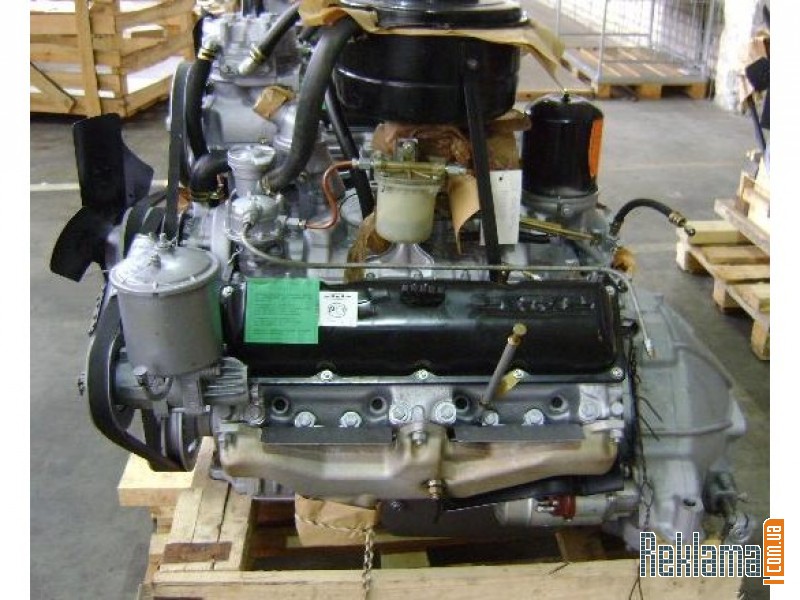
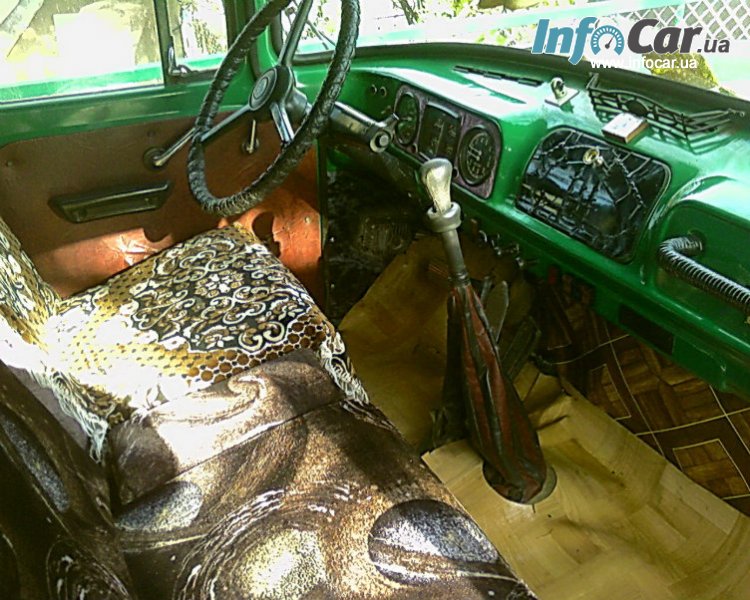
For the first time in the history of the Soviet motor industry, a three-seat cab, hydraulic power steering, a synchronised five-speed gearbox and a wet windscreen washing system were introduced.
The height of the load platform from the ground is 1,300–1,400 mm, corresponding to the floor height of freight wagons. This feature makes it possible to carry out loading and unloading without the use of additional ramps.
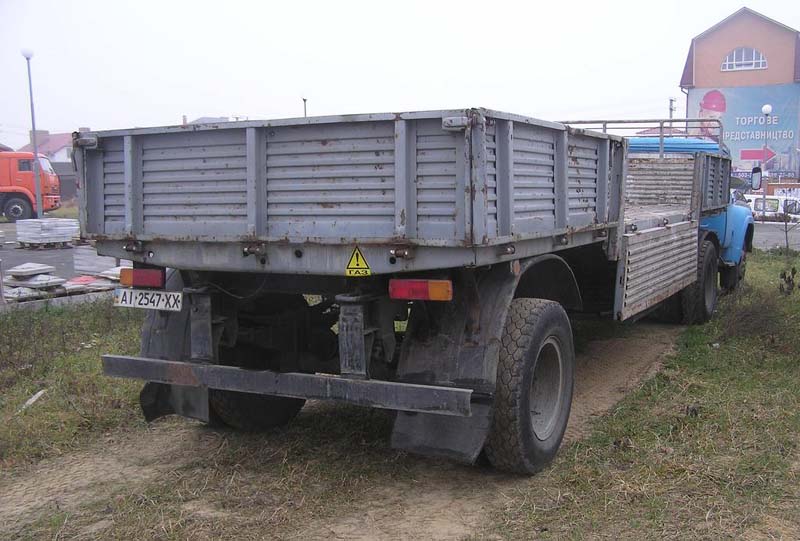
The ZiL-130 was modernised in 1966 and again in 1977. In 1977, among other changes, the radiator grille was altered.
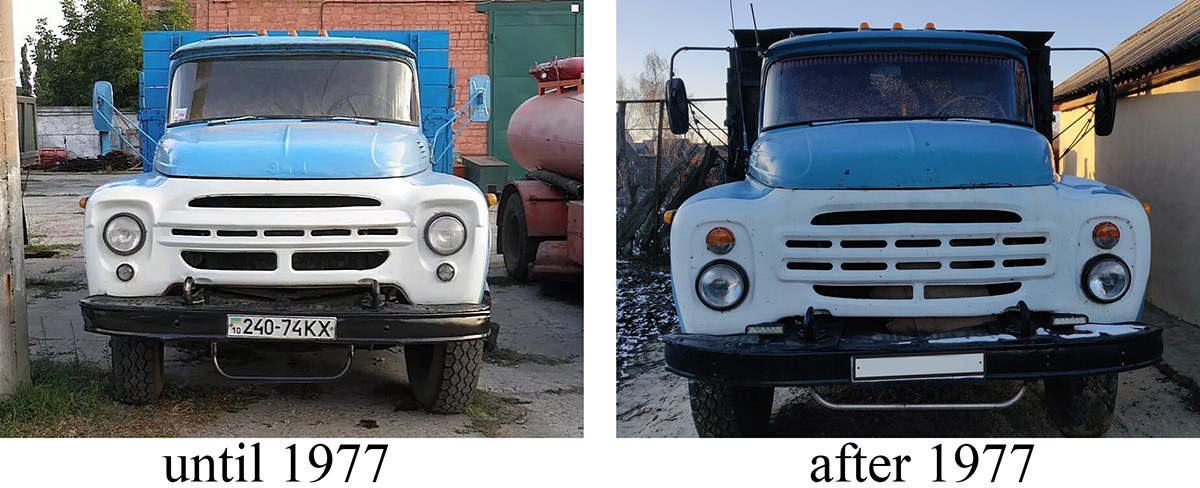
The ZiL-130 was produced from 1962 to 1994: during those years, countless versions were built for specific purposes. I shall show you only the most widespread ones and, in some cases, those still used in Russia today.
First of all, the fire engine:

The tanker lorry which in the USSR was used for transporting all kinds of liquids, both food and non-food:

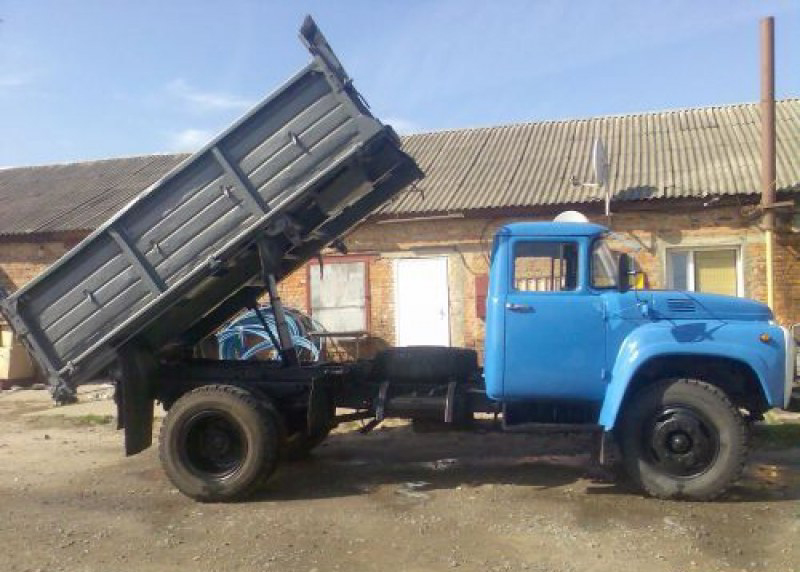
The now-classic tipper lorry was this one:
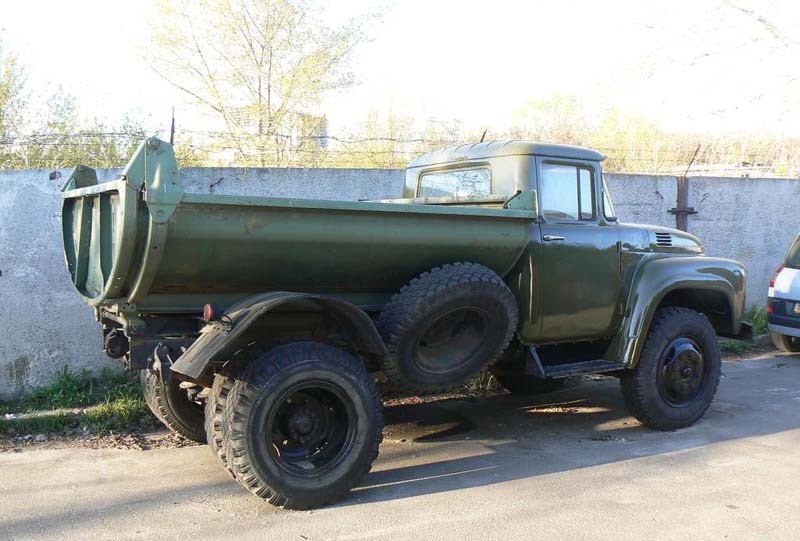
But there was also a version with a more regular-shaped body:
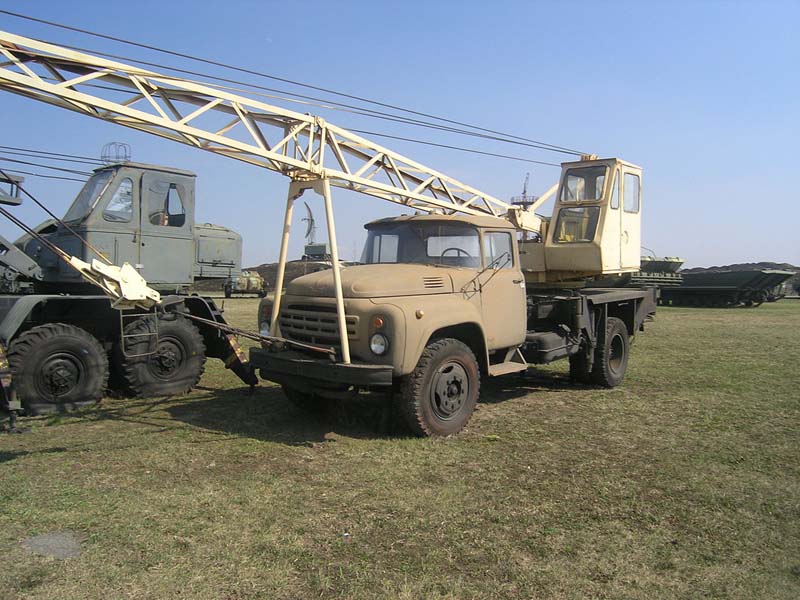
And then the crane. It is worth noting the separate operator’s cab: inside are all the controls for the boom; it rotates together with the boom, as it is mounted on the same movable base.
The ZiL-130 was often used by various municipal emergency services (electricity, gas, etc.). Therefore, its use in the above-mentioned films was not accidental.

For transporting ordinary goods, it was often not the open ZiL-130 (as in the first photograph) that was used, but the version with a metal or canvas cover.
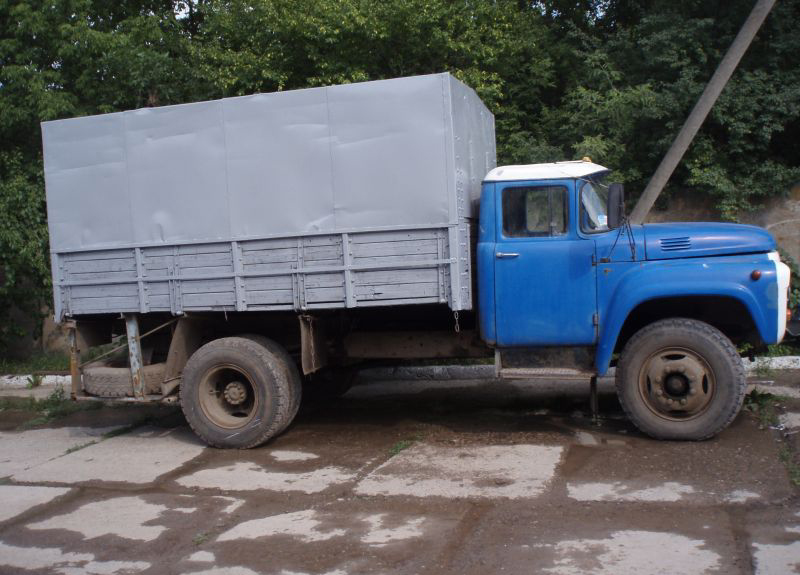
I could go on listing another 257 versions of the ZiL-130, but I do not think they would interest you. So I shall conclude with two small curiosities. The first: until the end of the 1980s, the ZiL factory suffered from a catastrophic labour shortage and therefore used conscripted soldiers and employees of the companies ordering the lorries to assemble the «130».
The second: in 32 years of history (from 1962 to 1994), 3,380,000 ZiL-130 lorries were produced. From 1992 onwards it was also manufactured (and exclusively from 1994) by the Ural Automobile Plant; from 2004 the plant has been known as AMUR, and the model of the lorry was renamed AMUR-53131.
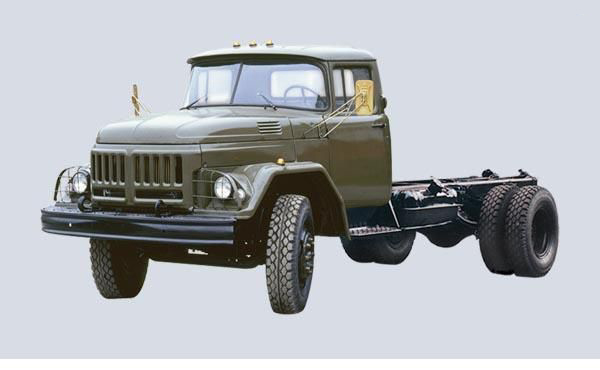
The AMUR-53131 is still produced today, albeit slightly modernised in every respect. It now has the following appearance:
§1. ZIL-130 (the One of the Others)
↓ Show comments ↓

