


 Long live Ukraine! Fuck the war!
 RSS of site articles
In the general vicinity of Milano there exists a modest constellation of minute settlements whose names I hear with reassuring regularity — and about which I know absolutely nothing. This surely happens to you as well, although you may never have paused to notice it.
I, on the other hand, occasionally decide to investigate one of these places — usually when the frequency with which I have heard a particular name finally overcomes scepticism and triggers curiosity. Sometimes I am fortunate and find myself in a charming and interesting town; sometimes the expedition proves distinctly disappointing. To minimise risk (or, if one prefers, to maximise the probability of luck), I tend to visit several small localities within the same area during a single journey. One such excursion led me to the surroundings of Spino d’Adda.
I shall describe the other villages in separate articles. Here, I shall focus exclusively on Spino d’Adda. I wonder whether you have heard its name — and, if so, how many times?
Spino d’Adda is a municipality of just over seven thousand inhabitants. Formally it belongs to the Province of Cremona, yet it lies only 19 kilometres from Milan (and 55 from Cremona). Like almost every settlement on Earth, it possesses an area dignified with the term «historic centre»: a handful of streets and two squares. And, as in all historic centres worldwide, older buildings of various periods predominate. Here are some of the more noteworthy examples:
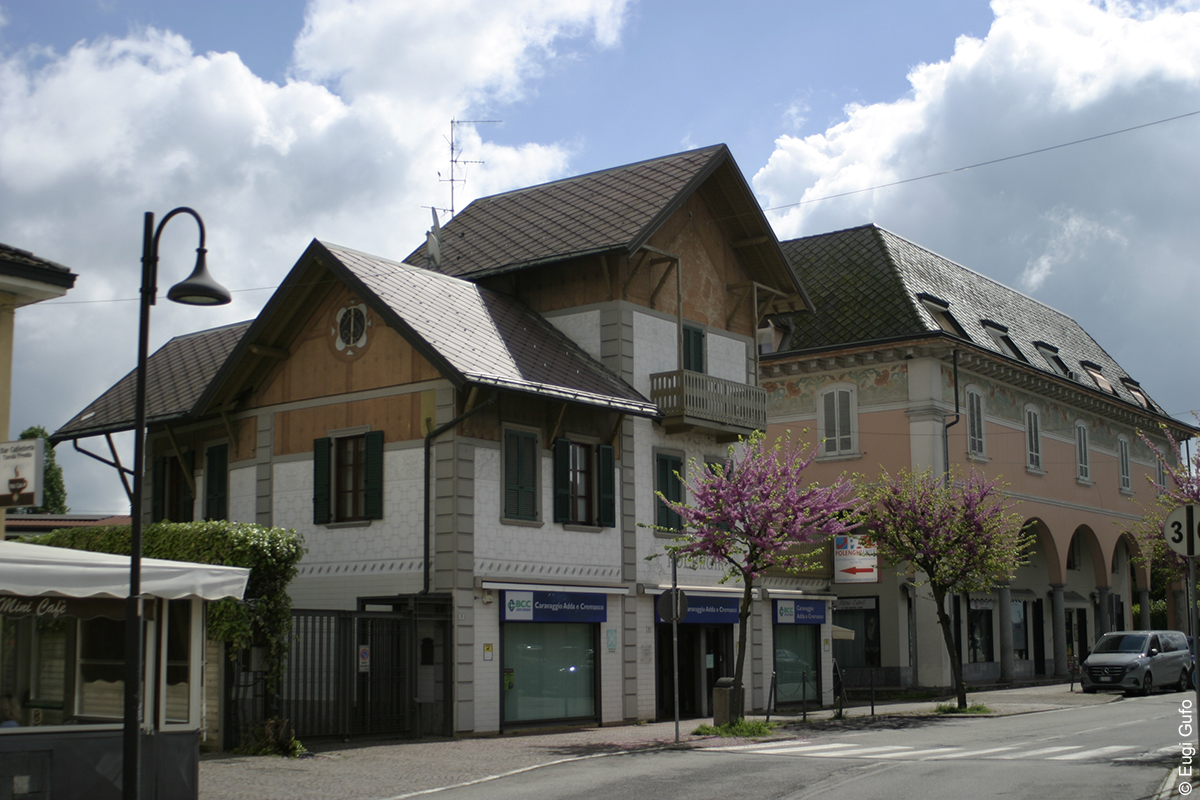
One of the historically most significant buildings in Spino d’Adda is Villa Casati Zineroni dell’Orto, constructed at the beginning of the sixteenth century on the foundations of a fourteenth-century Visconti castle (destroyed during a battle between the League of Cambrai and the Republic of Venice). The villa acquired its definitive appearance between the late eighteenth and early nineteenth centuries. Its owners have remained the same family since the beginning: the former feudal lords of Spino. This explains a charming everyday peculiarity — on the large intercom panel, only first names are displayed, no surnames.
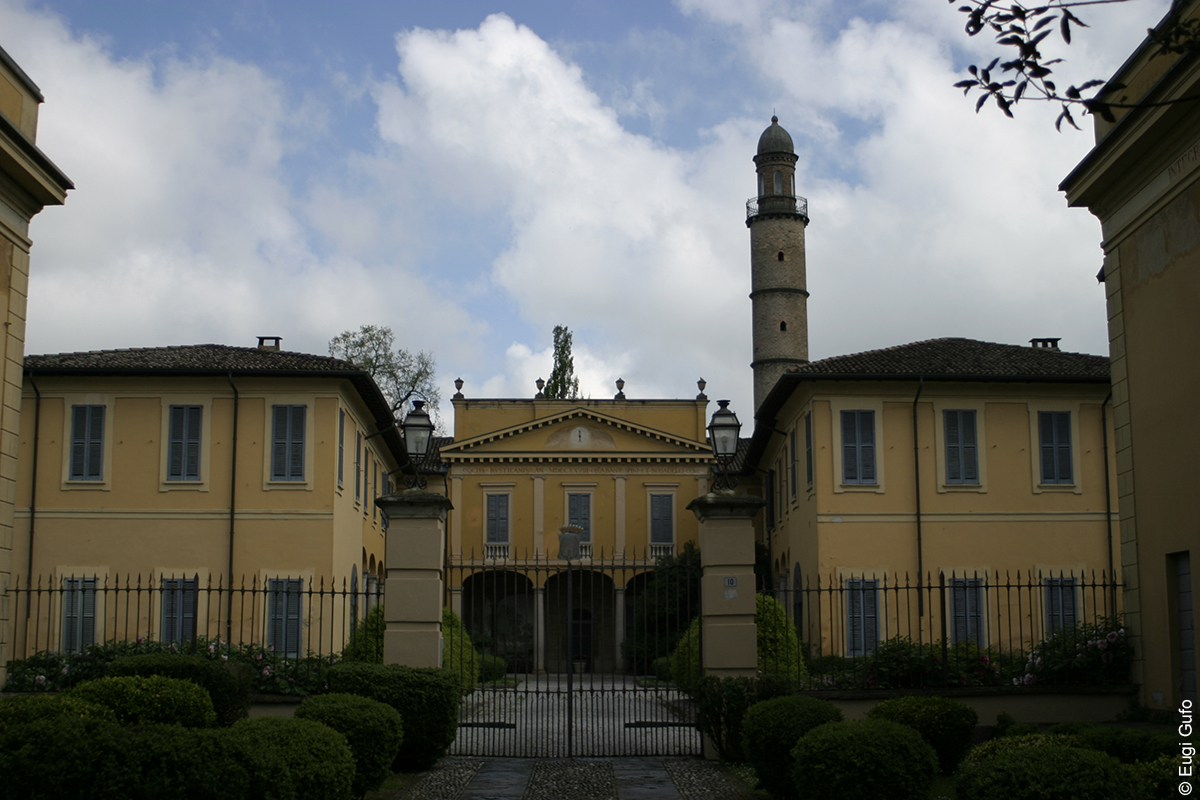
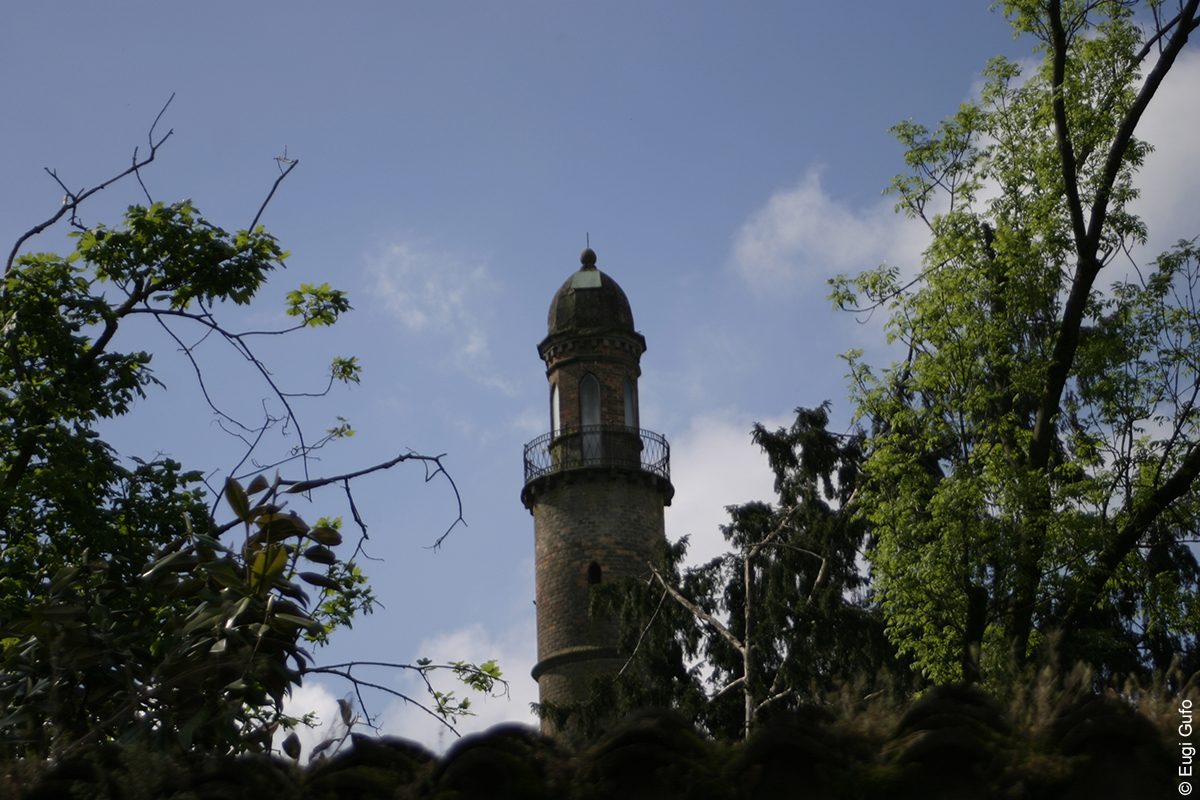
The villa is a private residence rather than a museum; I can therefore comment only on its exterior features. The most curious of these is the «minaret», erected in 1818 — allegedly in keeping with the fashion of the era. It is a genuine tower, climbable to the top (or at least it once was). One must take care not to mistake it for part of a place of worship, especially since from a distance — and from behind the fence — its connection to the villa is not immediately obvious.
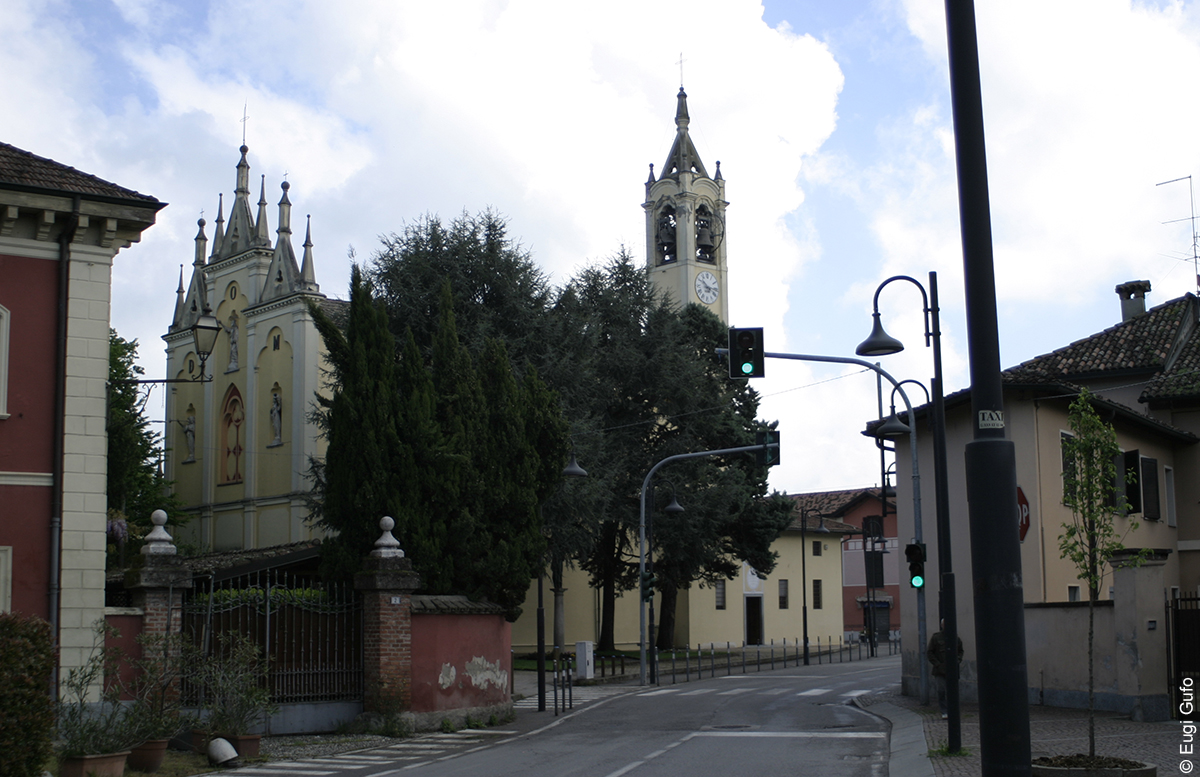
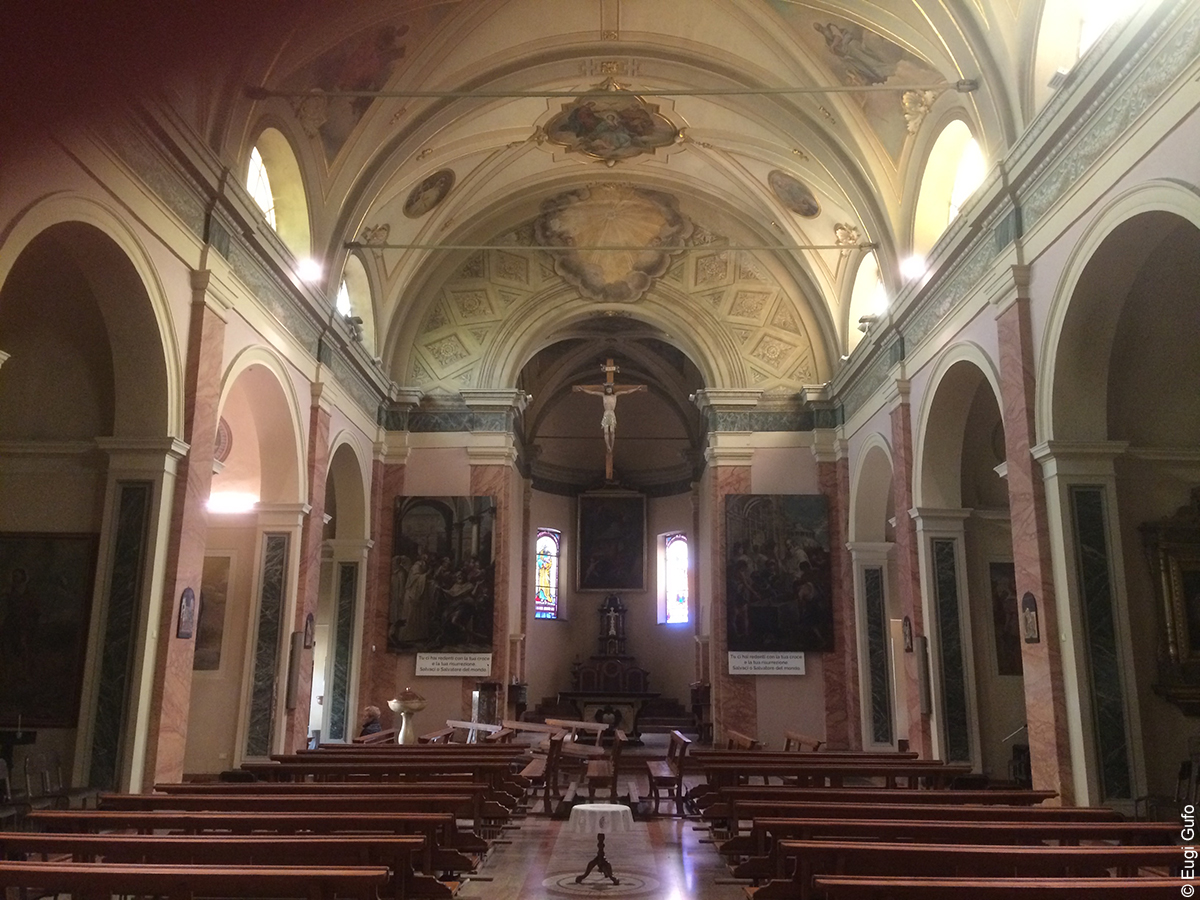
The principal church (and one of only two in the municipality) is dedicated to Saint James the Apostle. It was completely rebuilt in the sixteenth century and substantially remodelled in the early twentieth. Its exterior is not particularly remarkable, except perhaps for one detail: the façade does not face the square but rather one of the side gates of the aforementioned villa. Between the church portal and the villa gate lies only a very narrow street.
The interior is simple, attractive, and well maintained. It is occasionally refreshing to remember that churches need not be excessive.
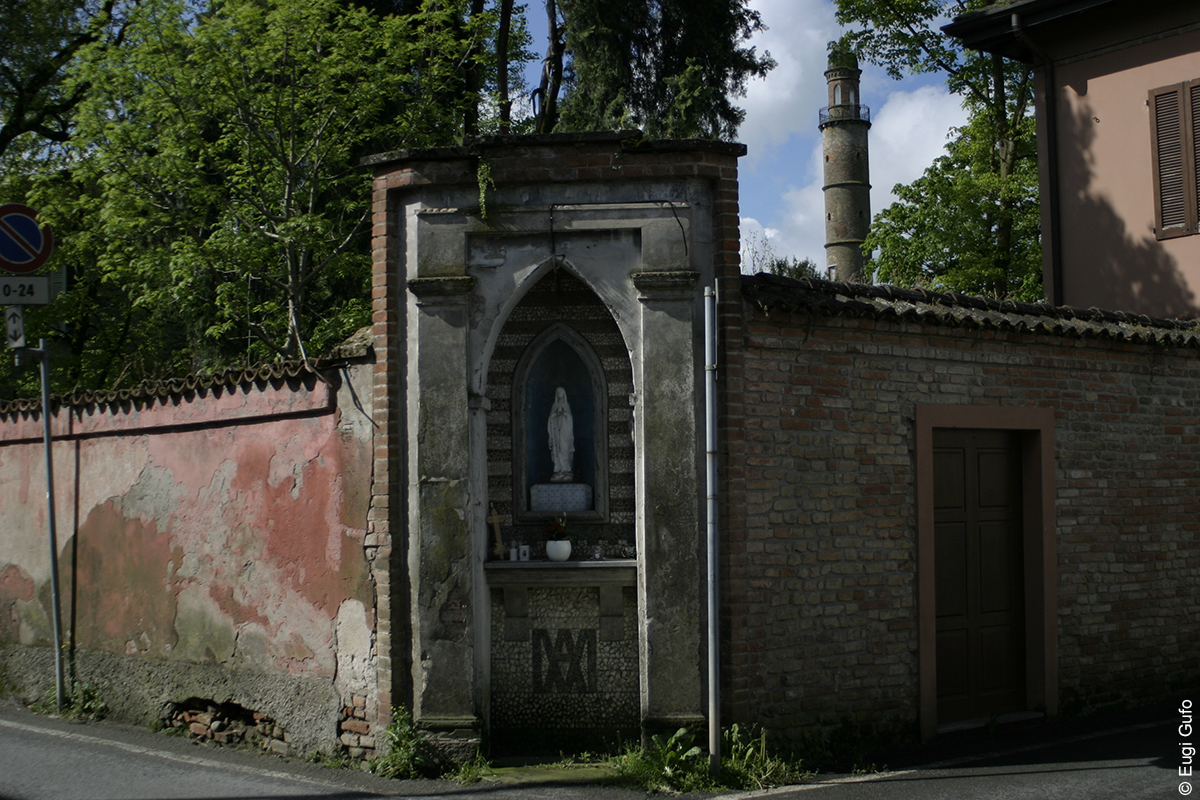
By Italian standards, Spino d’Adda has remarkably few religious buildings. Within the historic centre, beyond the church already shown, I encountered only this:
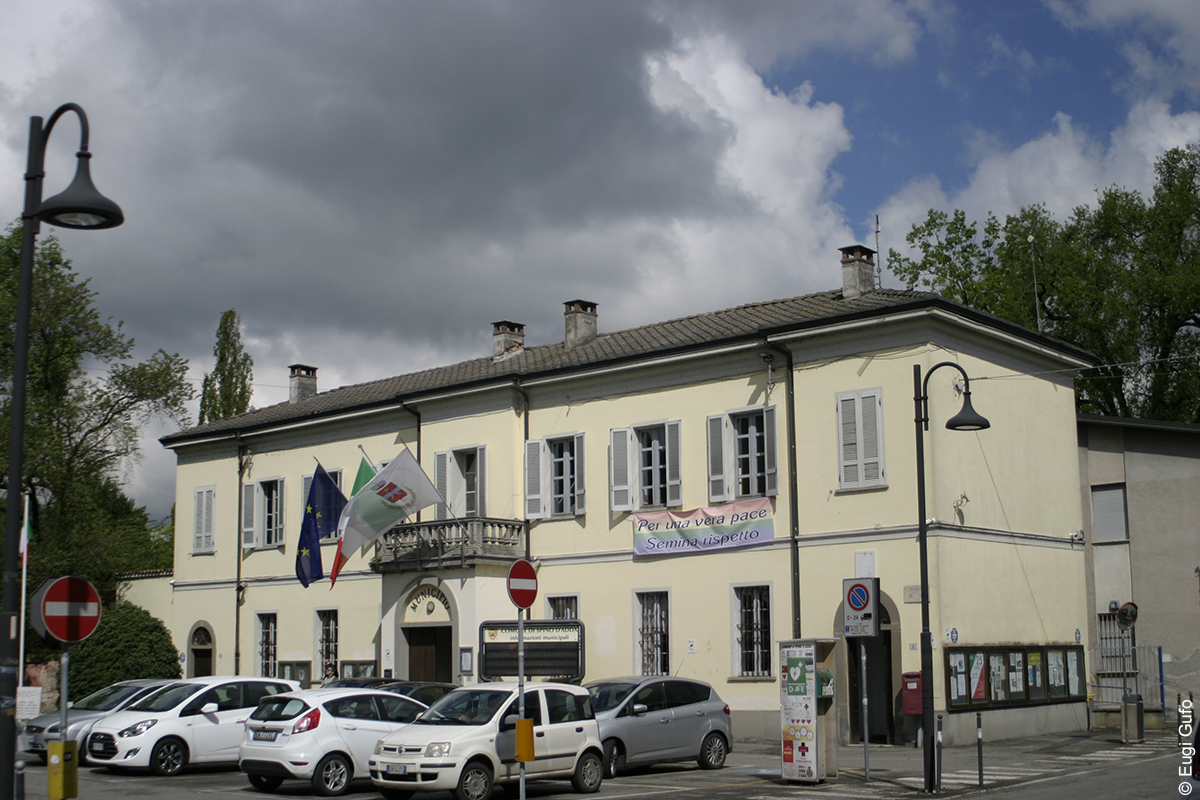
What is easily found, however, is the Town Hall — located a few steps from the church.
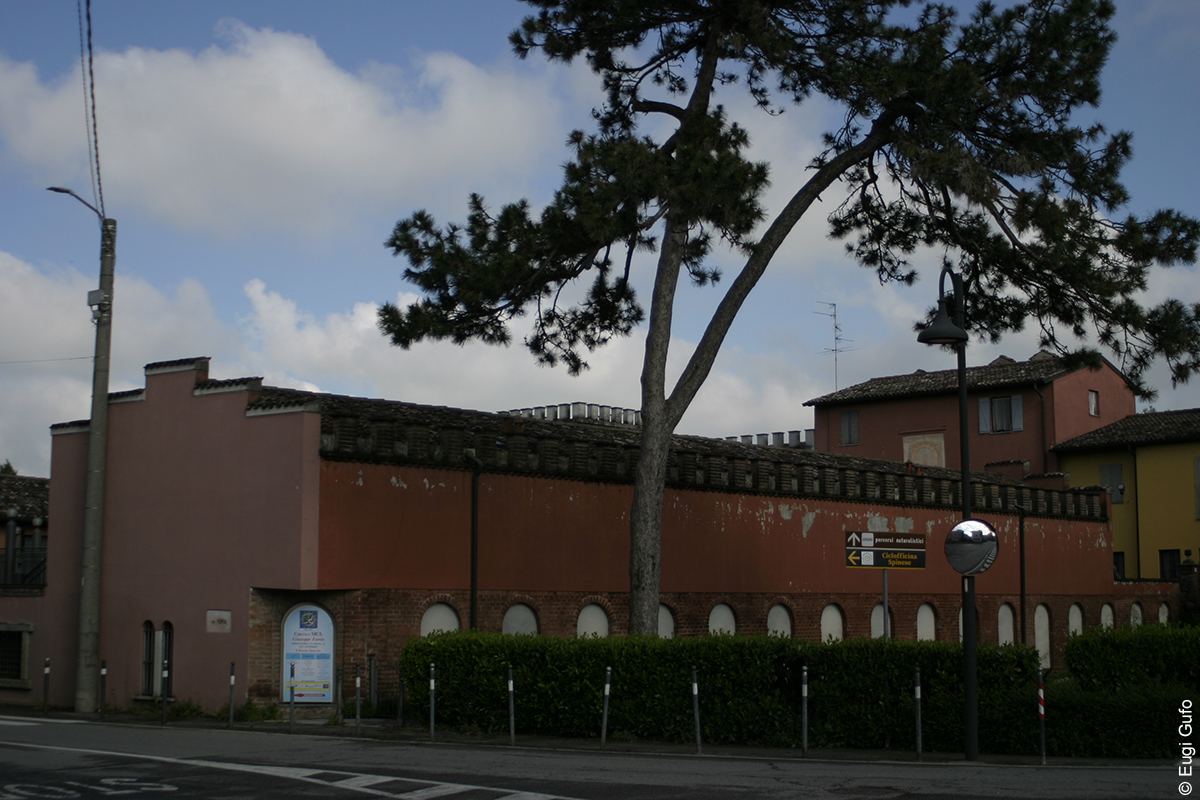
Nearby — although in a settlement of this size everything feels nearby to someone accustomed to large cities — stands a building aesthetically reminiscent of a miniature nineteenth-century factory. Given its position, I presume (only presume) that it once housed the villa’s stables. Today it contains flats and the offices of several organisations.
The absence of historic industry in the centre may not be a misfortune. The presence of craftsmanship, on the other hand, certainly is a virtue.
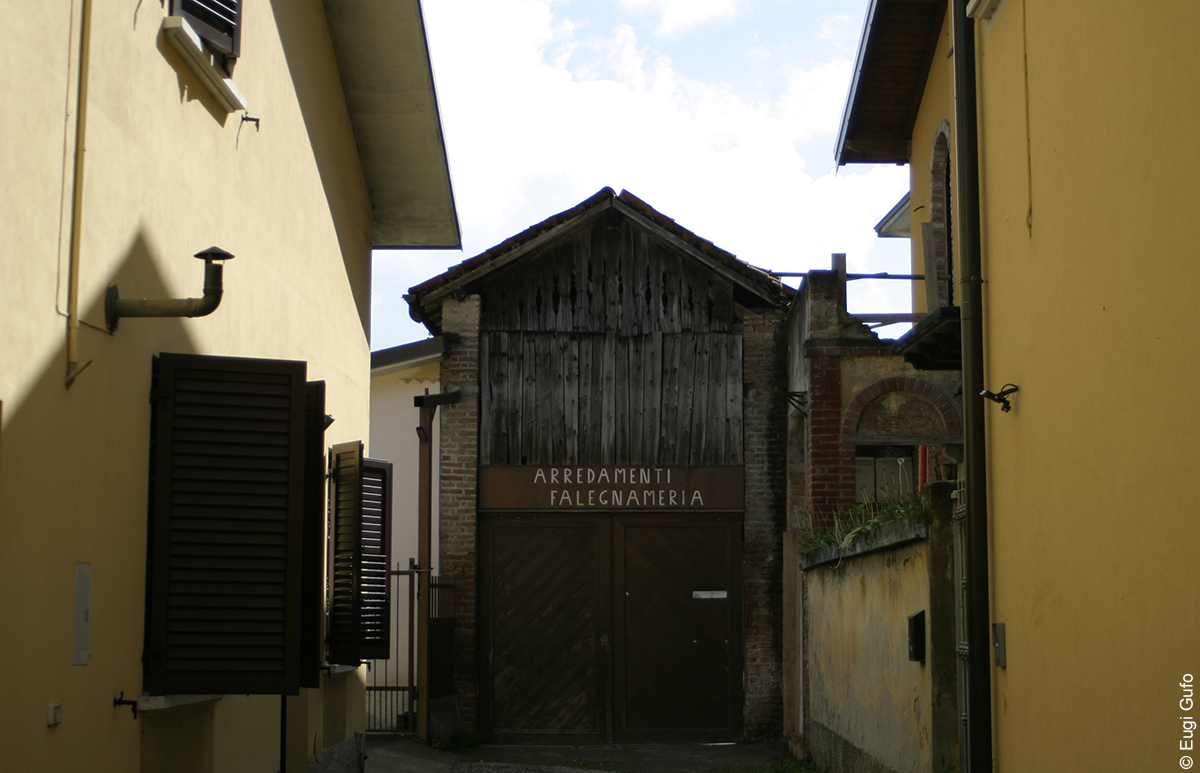
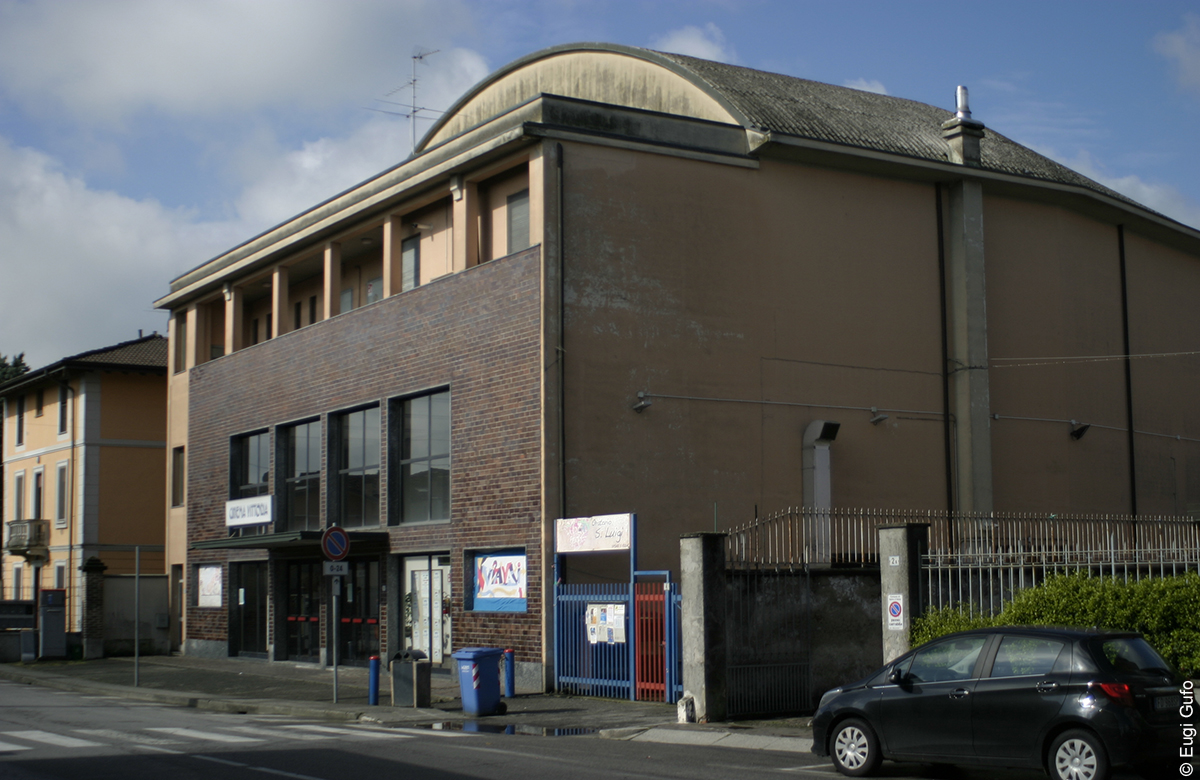
Cultural venues are also present: «Cinema Vittoria» appears still to function, though no longer as a commercial enterprise but under parish management.
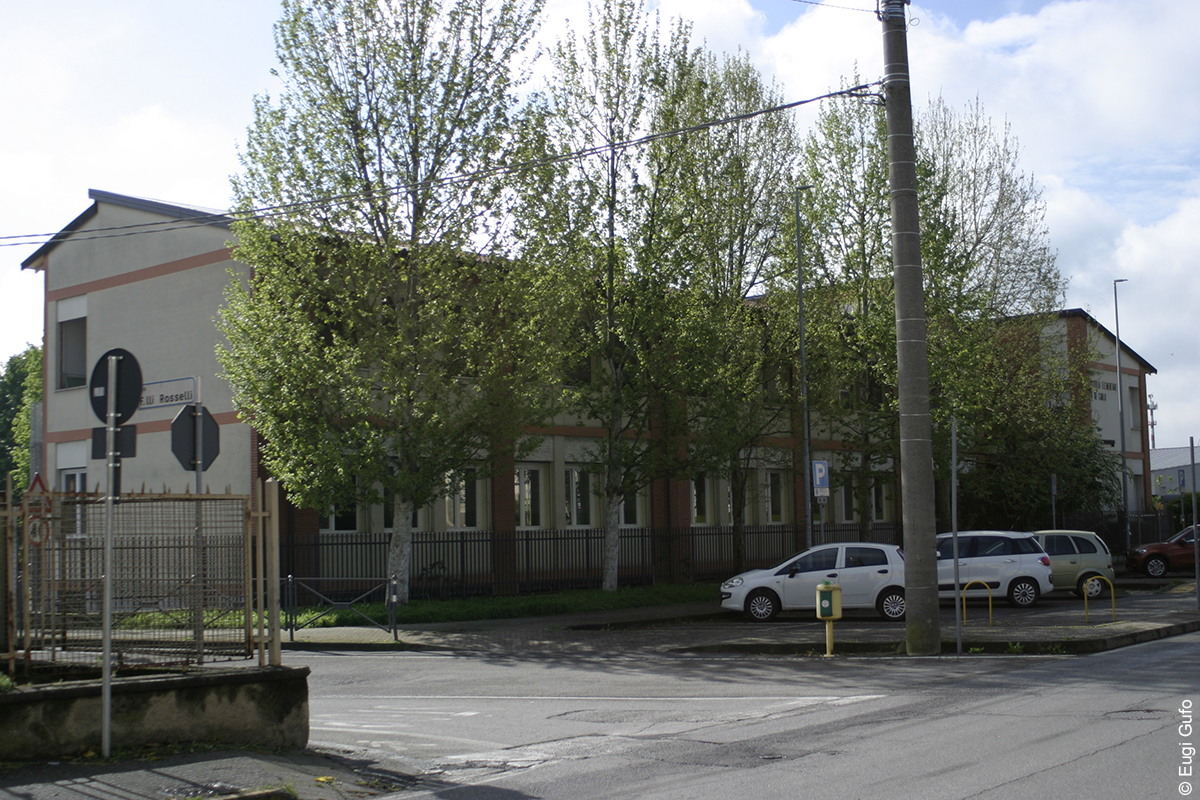
Naturally, there are schools — albeit only primary and lower secondary.
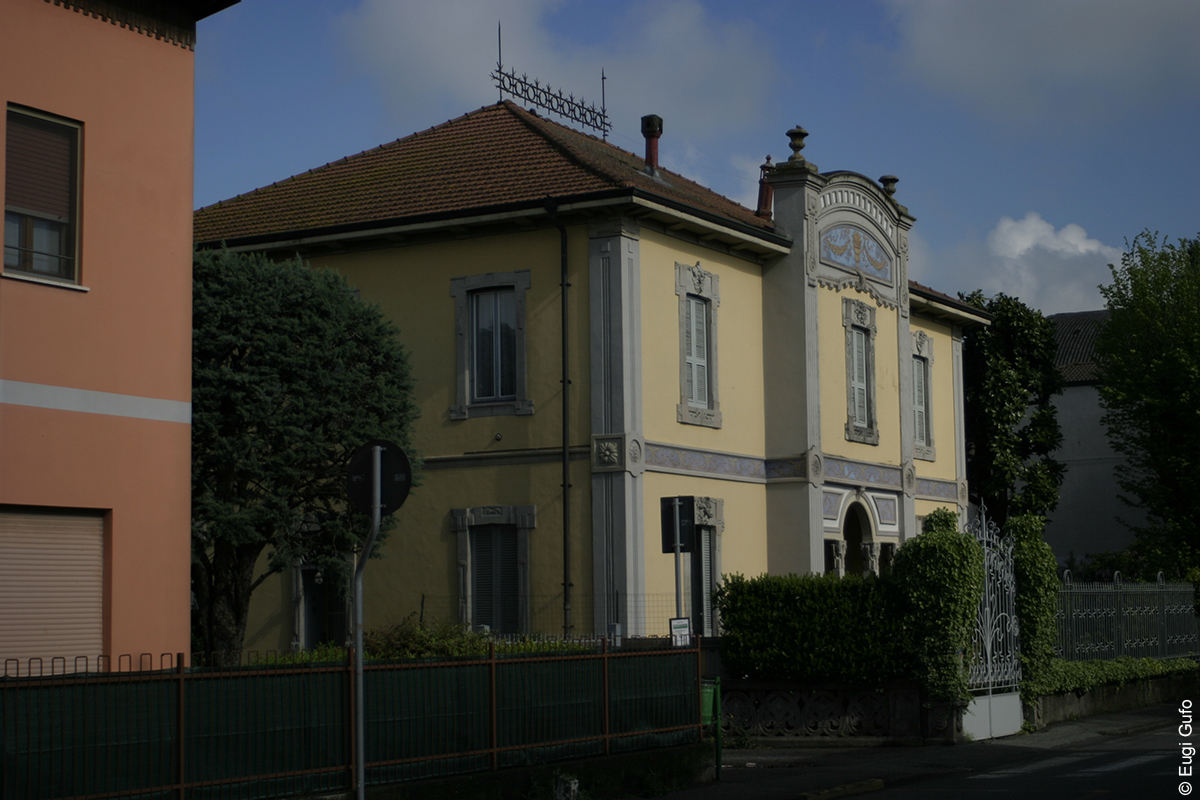
Spino d’Adda also contains a few buildings whose original purpose is currently unknown (or only broadly conjecturable), yet which are attractive by local standards and well maintained.
At the same time, there are several enormous modern apartment blocks.
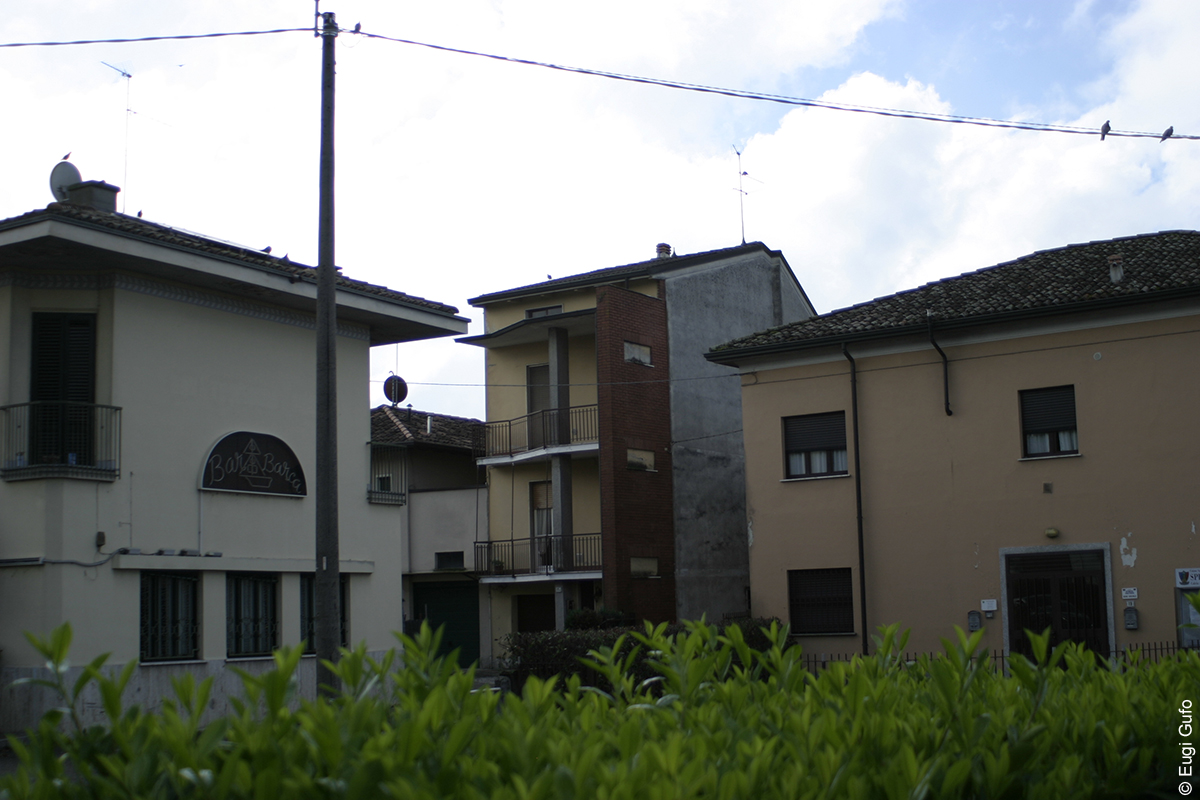
At the Oratorio «San Luigi» they are not devoted solely to cinema: football occupies a similarly prominent position.
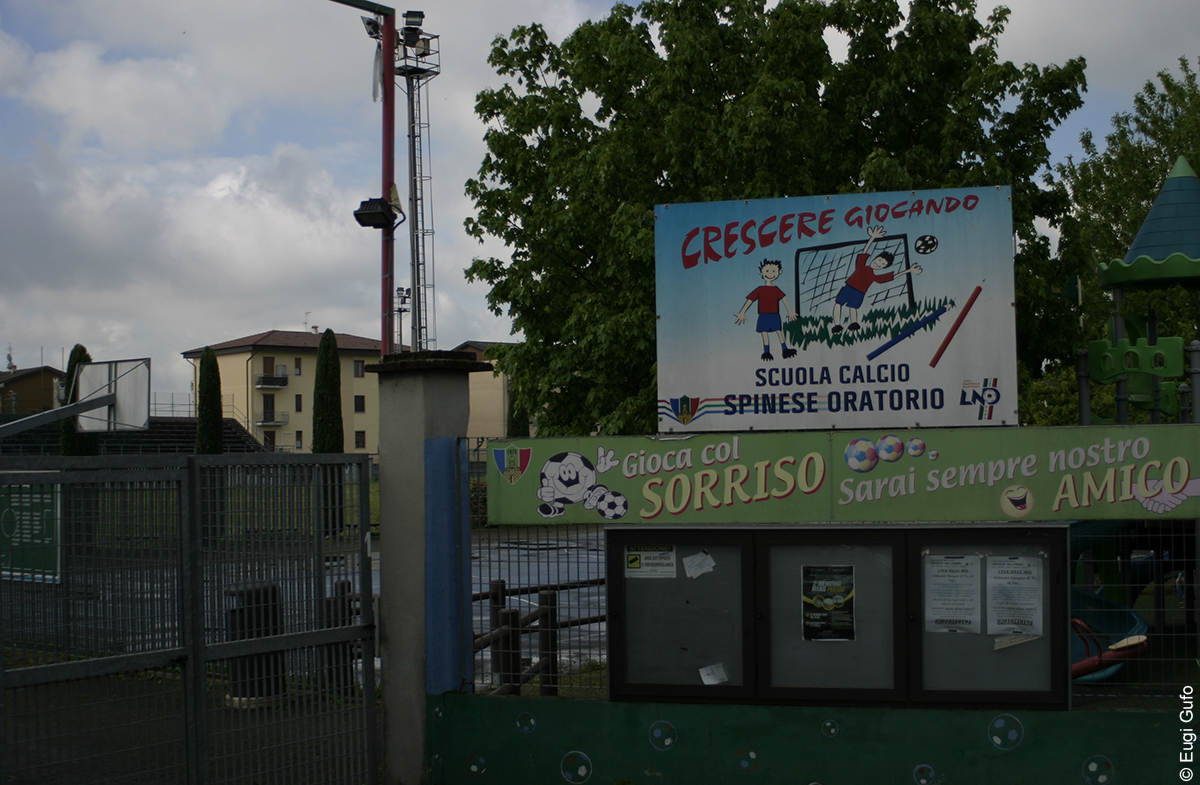
Indeed, they are so devoted that they maintain their own football club composed of former parish youths now grown up: U.S.D. Spinese Oratorio (which in the 2024–2025 season played in the Seconda Categoria Cremona, Group I).
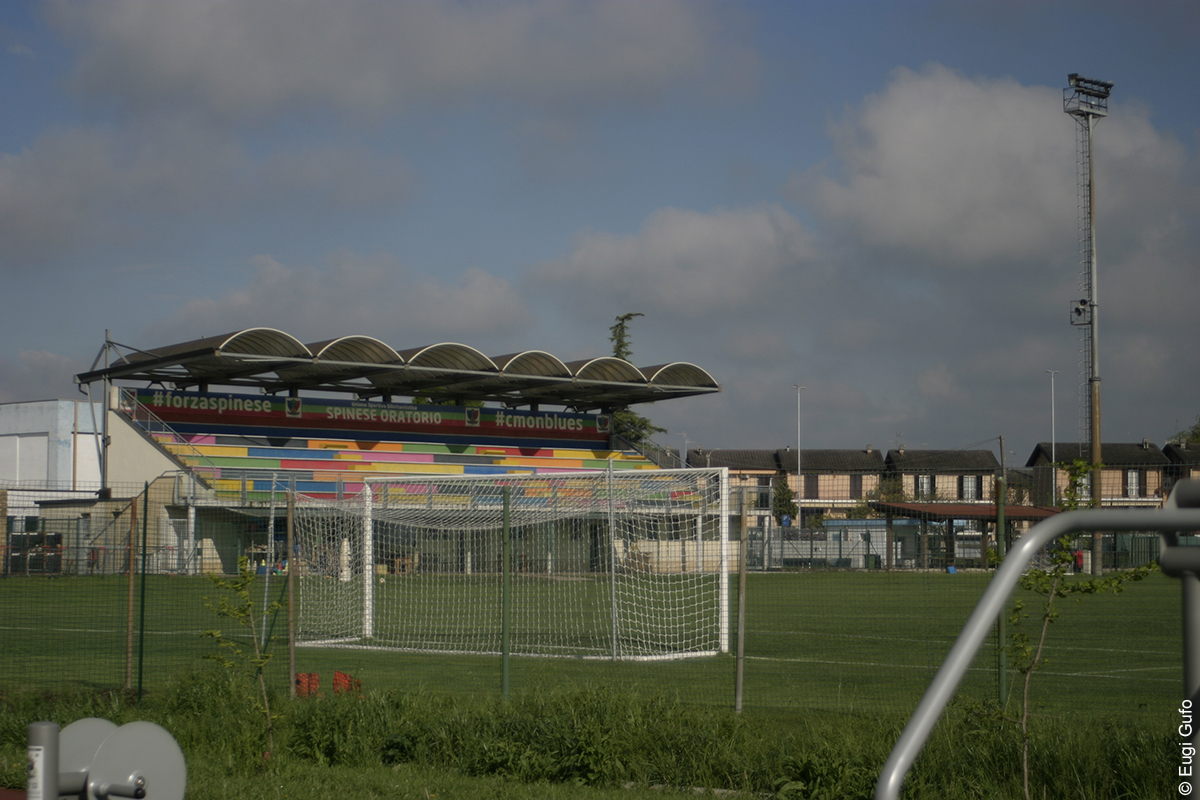
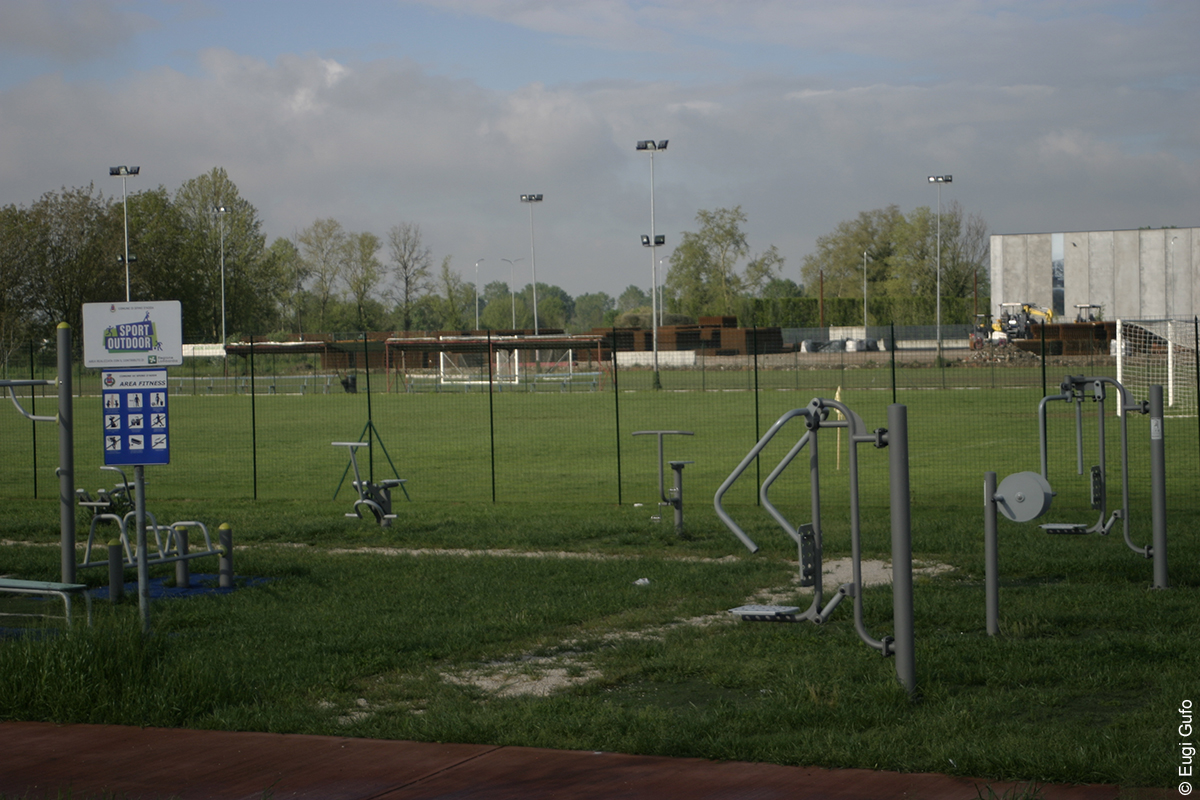
I suspect that sport in general is appreciated here, not merely football. Near the stadium, for instance, I encountered a fitness area equipped more generously than similar installations I have seen elsewhere — although certain machines remain entirely incomprehensible to me.
Let us return to matters of broader interest. Spino d’Adda possesses several parks: diminutive in size, yet green, tidy, and thoughtfully equipped for children.
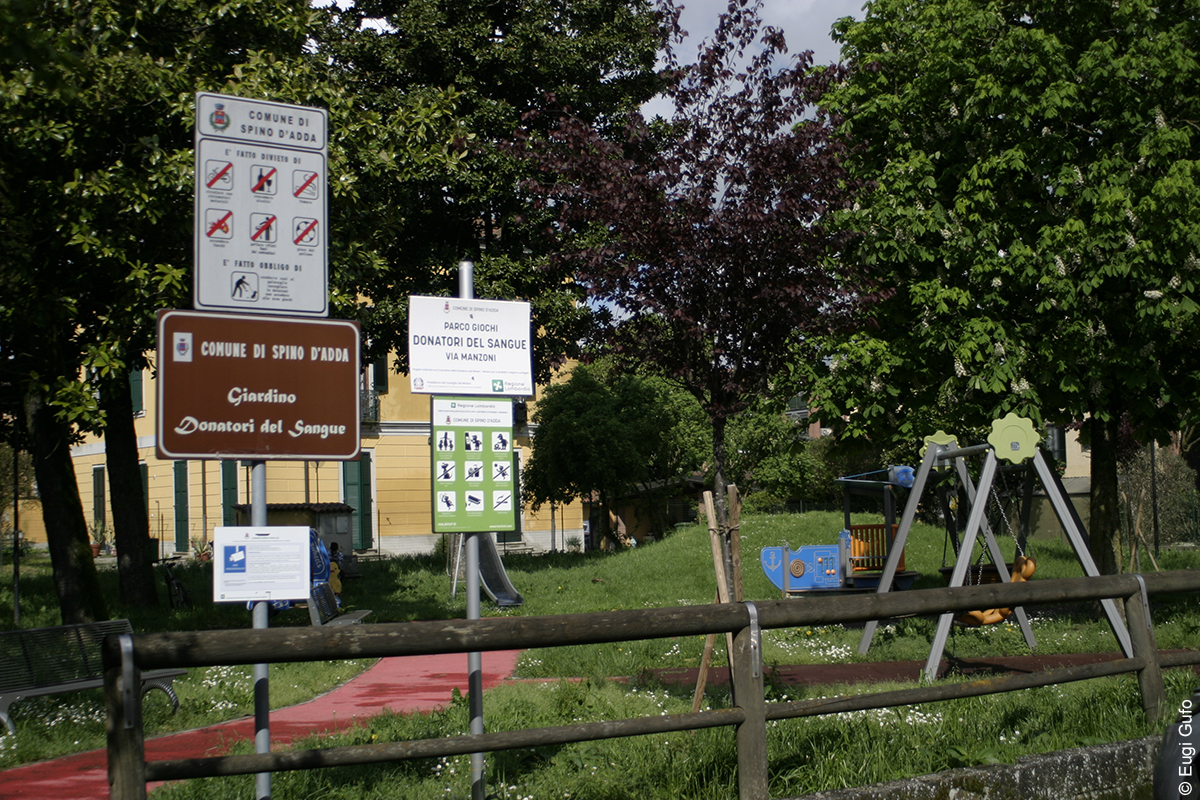
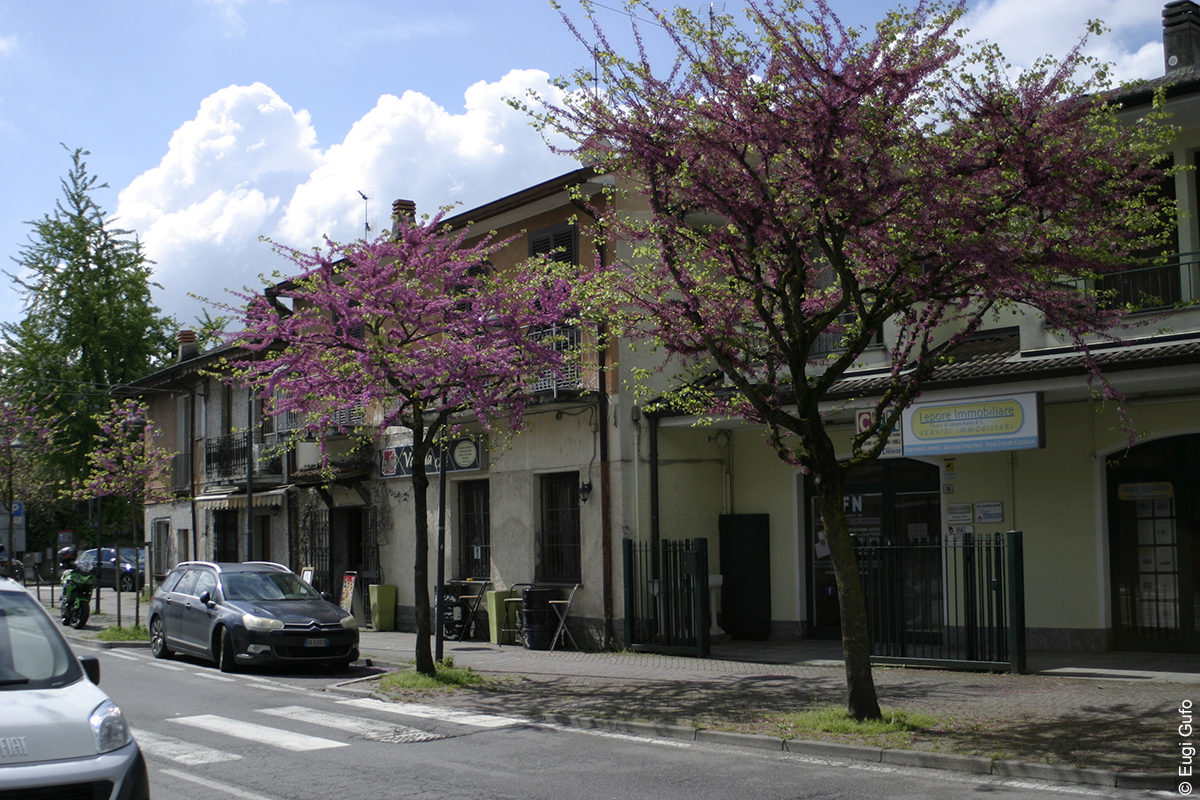
The streets, too, are lined with numerous trees.
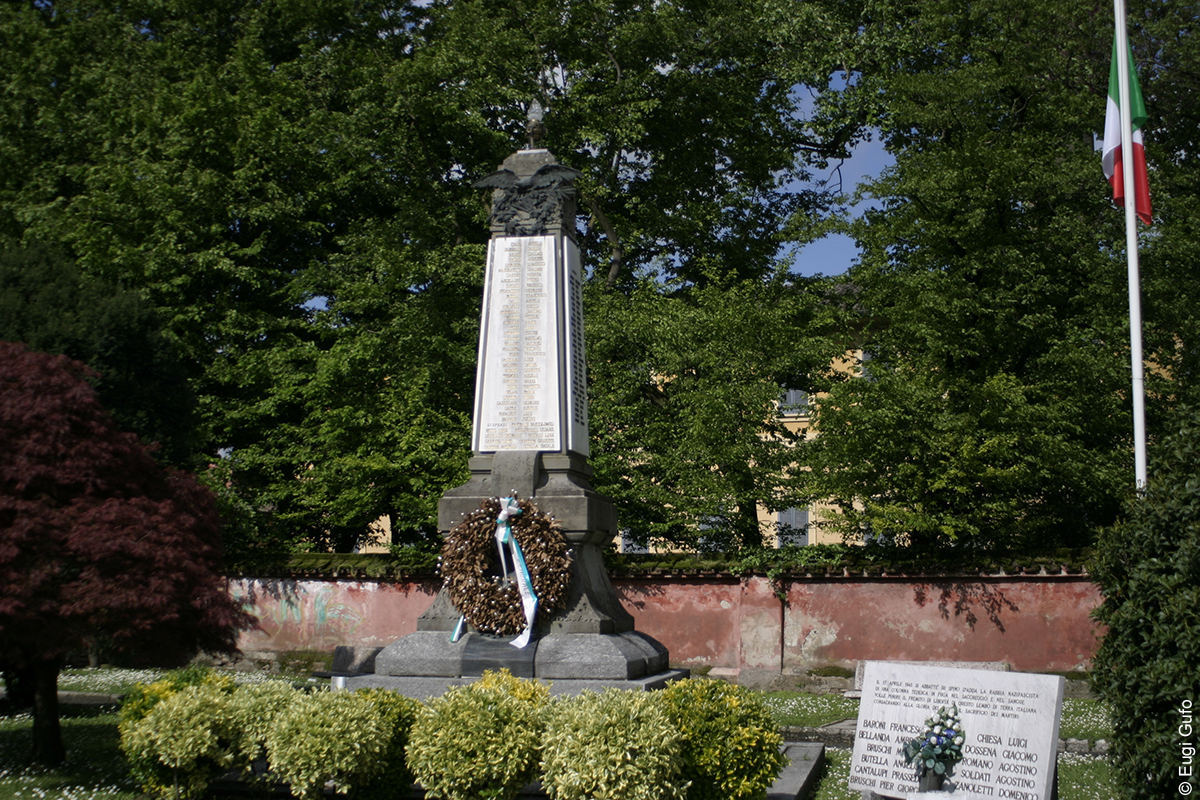
As for monuments, I found only one: that dedicated to the fallen of the wars.
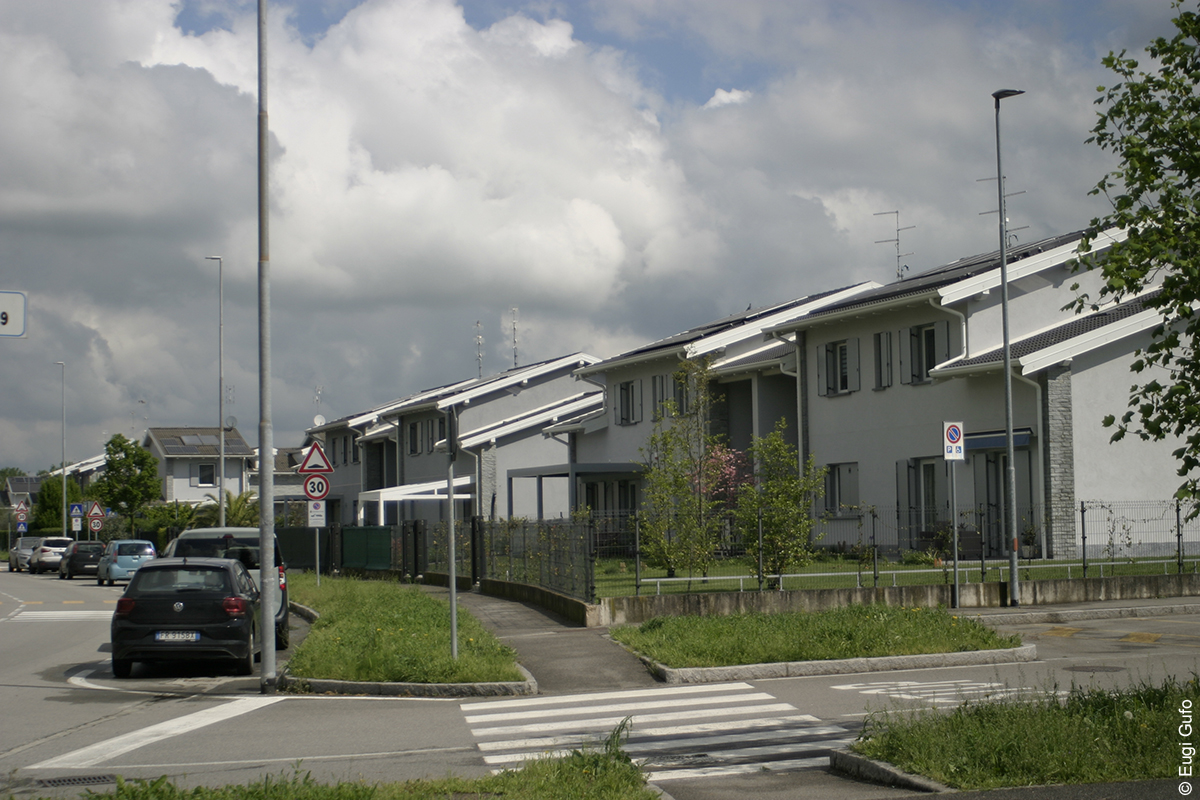
And thus the sights within the historic centre are already exhausted. The outskirts of Spino d’Adda are as unremarkable as those of almost any town in the world — whether relatively modern and filled with apartment blocks…
… or relatively old and filled with private houses…
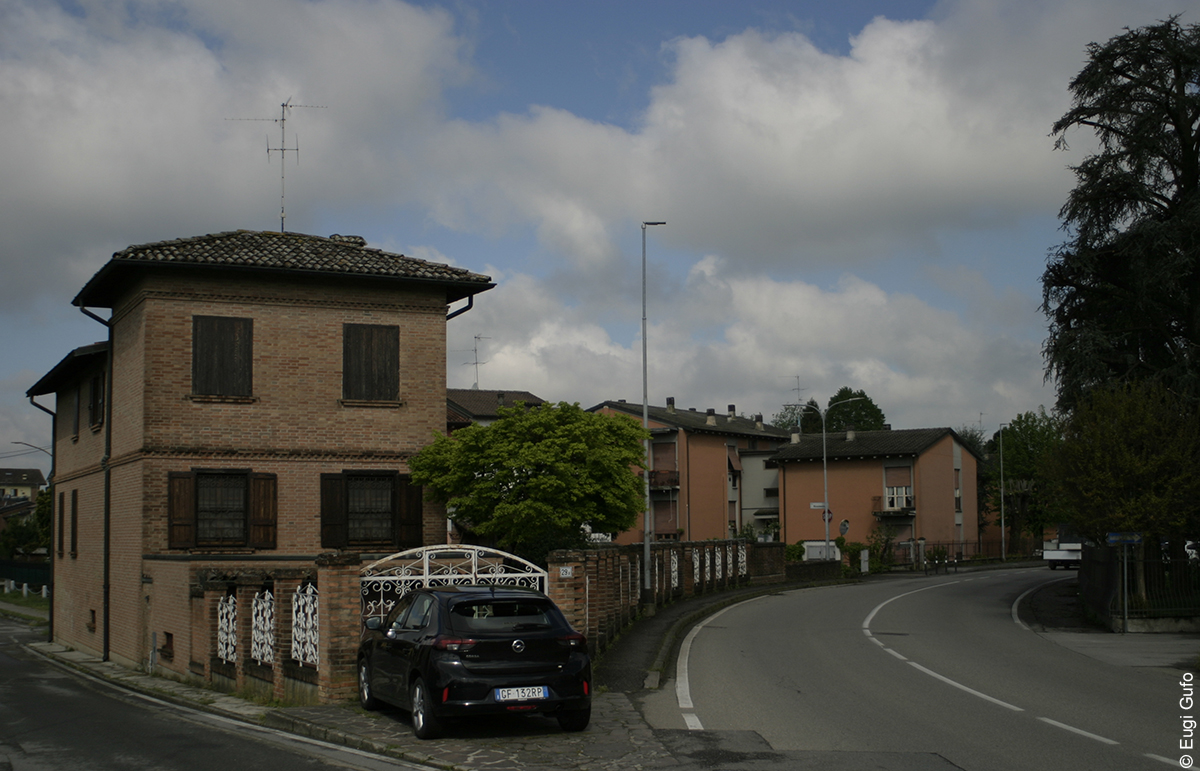
… since no one appears especially concerned with stylistic coherence or historical atmosphere. The same observation applies, naturally, to the industrial zone.
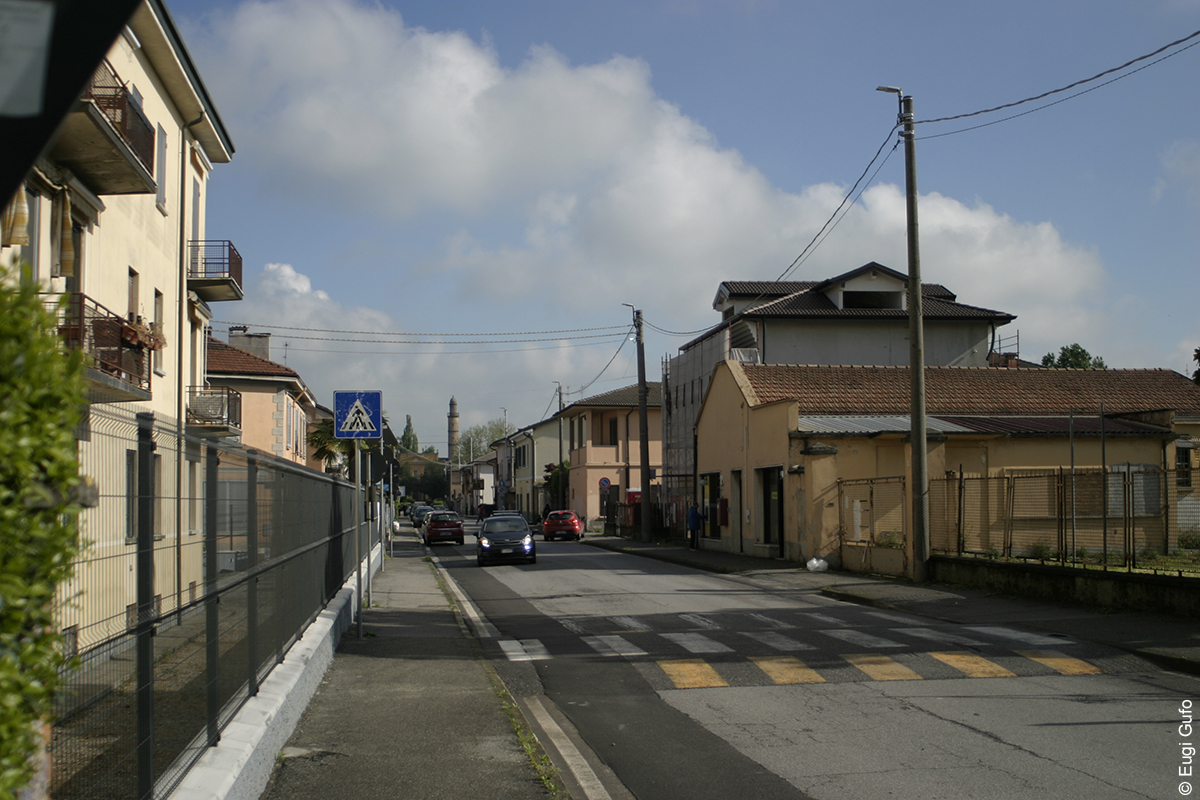
The town as a whole is small; it is therefore unsurprising that it offers relatively few attractions.
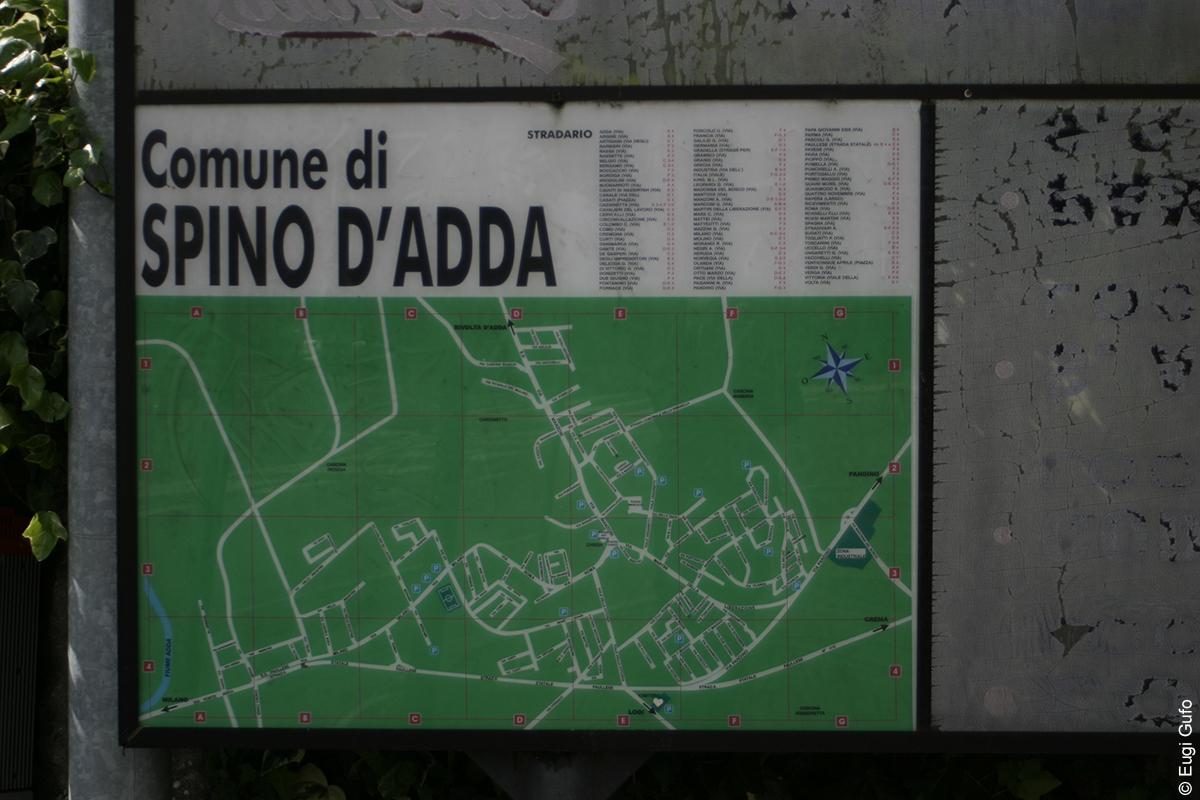
Let us then take the road toward other potentially interesting localities in the area. It begins as a peripheral pavement and gradually transforms into an «interurban» pedestrian-and-cycle path.
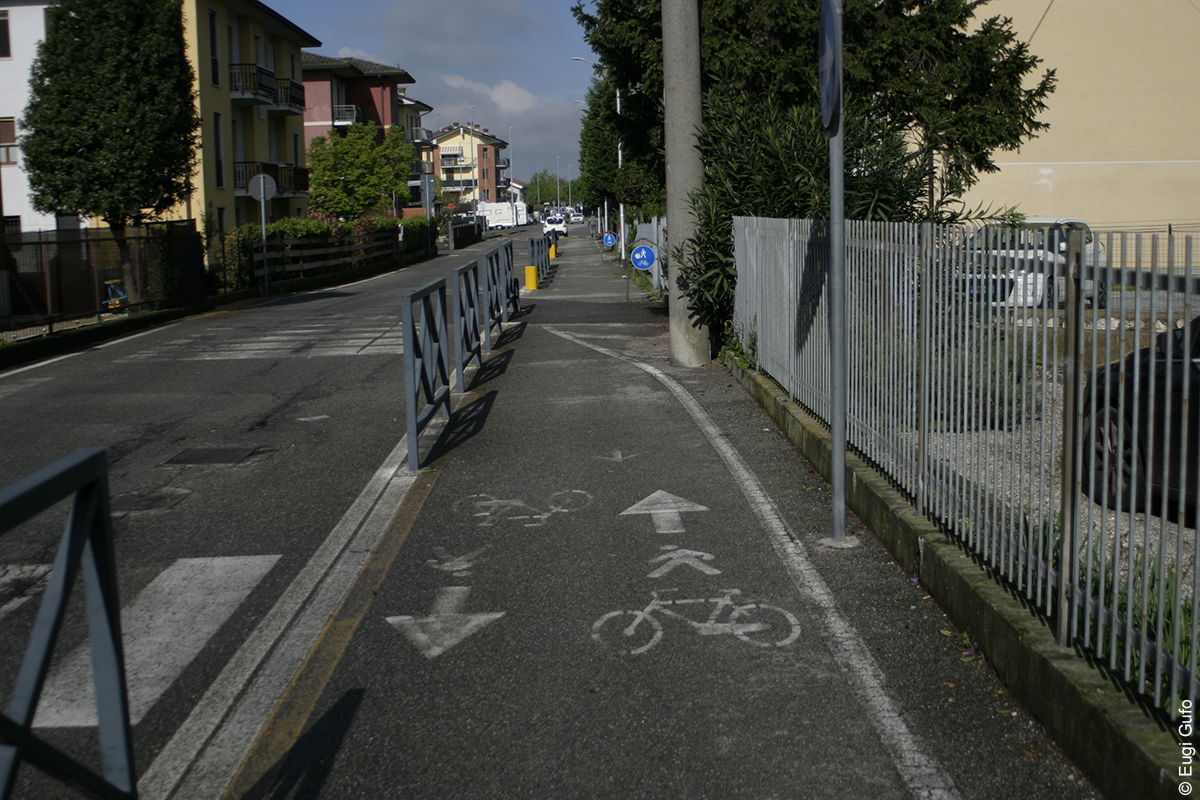
We shall not proceed toward the River Adda (where, frankly, there is nothing of interest), but in the opposite direction. We already know that the town is crossed by several small watercourses.
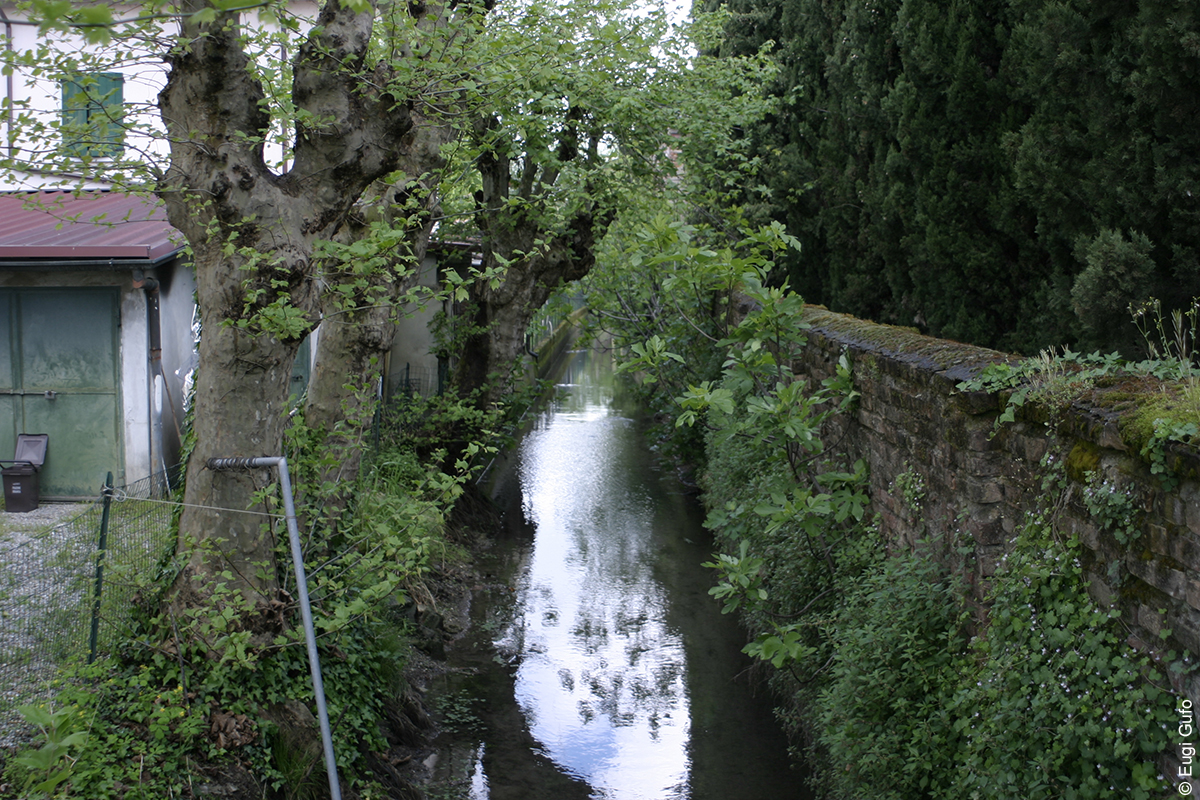
As we advance toward the edge of the settlement, it begins increasingly to resemble a village…
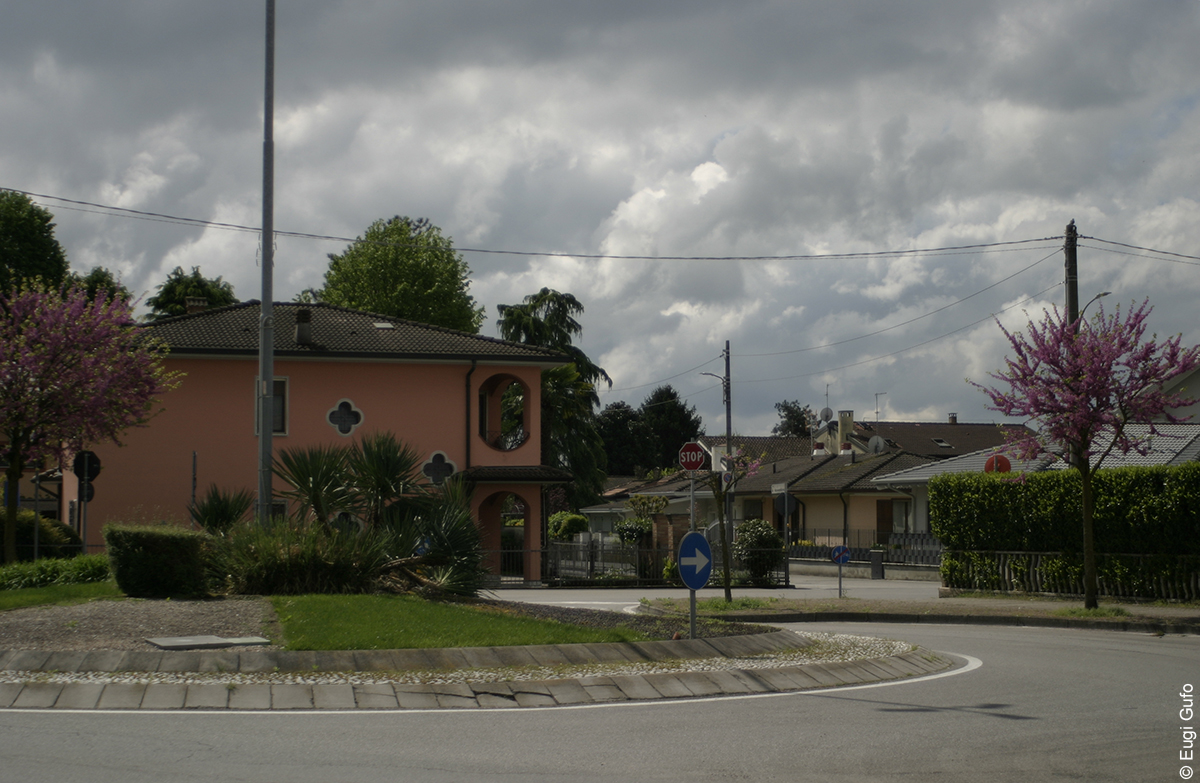
Then a rural hamlet…
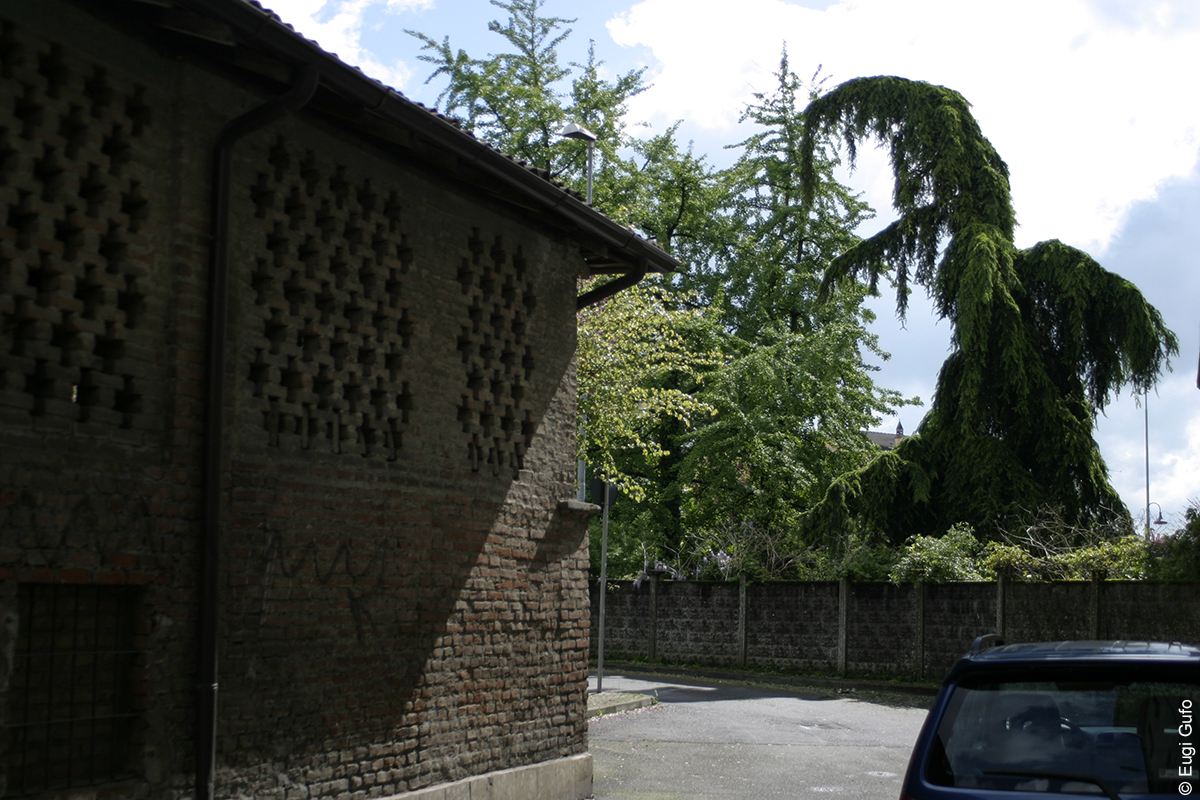
And finally the countryside proper begins. The next four kilometres of walking will be spent largely among the fields, along the cycle path already mentioned.
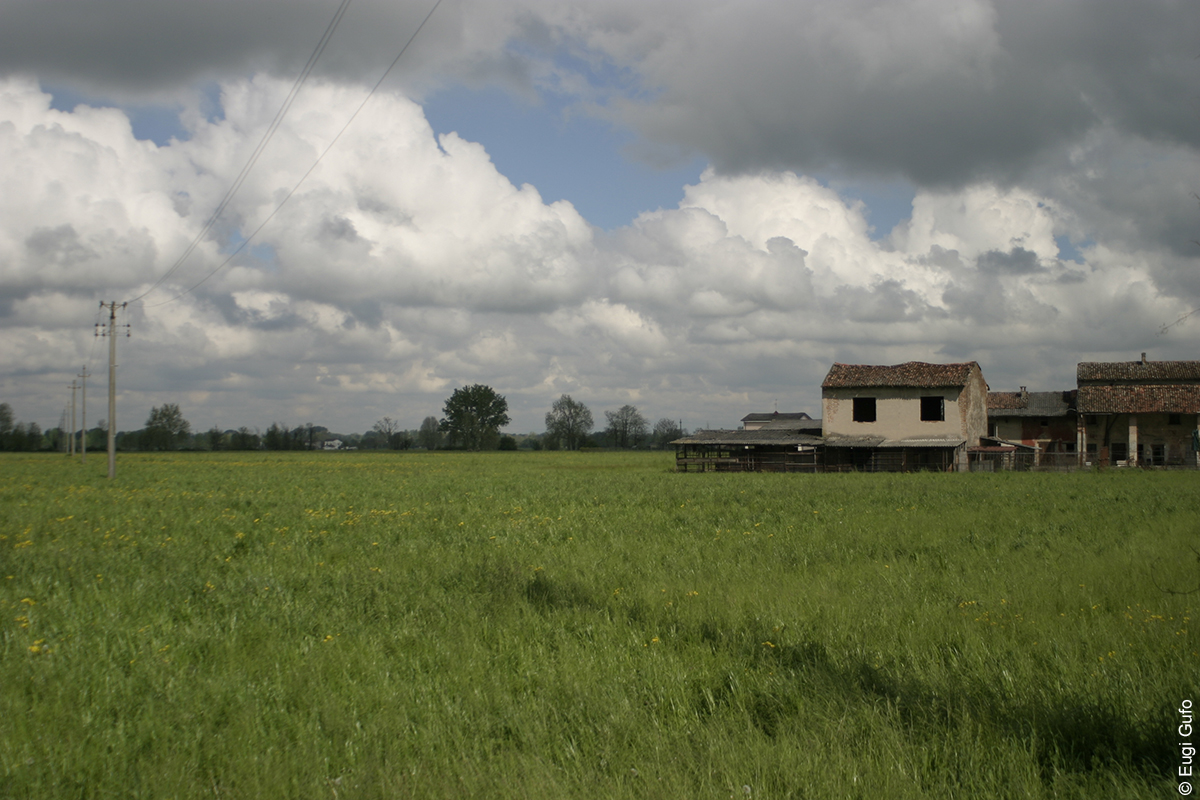
But that, I fear, must wait for the next instalment — lest too many subjects be inelegantly combined in a single narrative.
Spino d’Adda, 18 April 2025
↓ Show comments ↓

