


 Long live Ukraine! Fuck the war!
 RSS of site articles
Without overthinking it — and without lying to yourselves — try to answer: what is the very first thing that comes to mind when you hear the name of the city of Modena? At least one thing? Excellent, same here… And since my mind contained very little information about Modena as a city in its own right, I eventually found an opportunity to go there, see it with my own eyes, clear my head of stereotypes and fill it with real knowledge.
Now, having the opportunity — and perhaps even the mission — to liberate and inform the mind of at least one of my readers, I shall begin my account of my December 2024 visit to Modena with what any story about an ancient city should begin: its finest architectural examples. One of the most important is the Duomo, built in Romanesque-Gothic style. The official name of the church is the Cathedral of Santa Maria Assunta; construction lasted from 1099 to 1389, while the consecration took place in 1184.
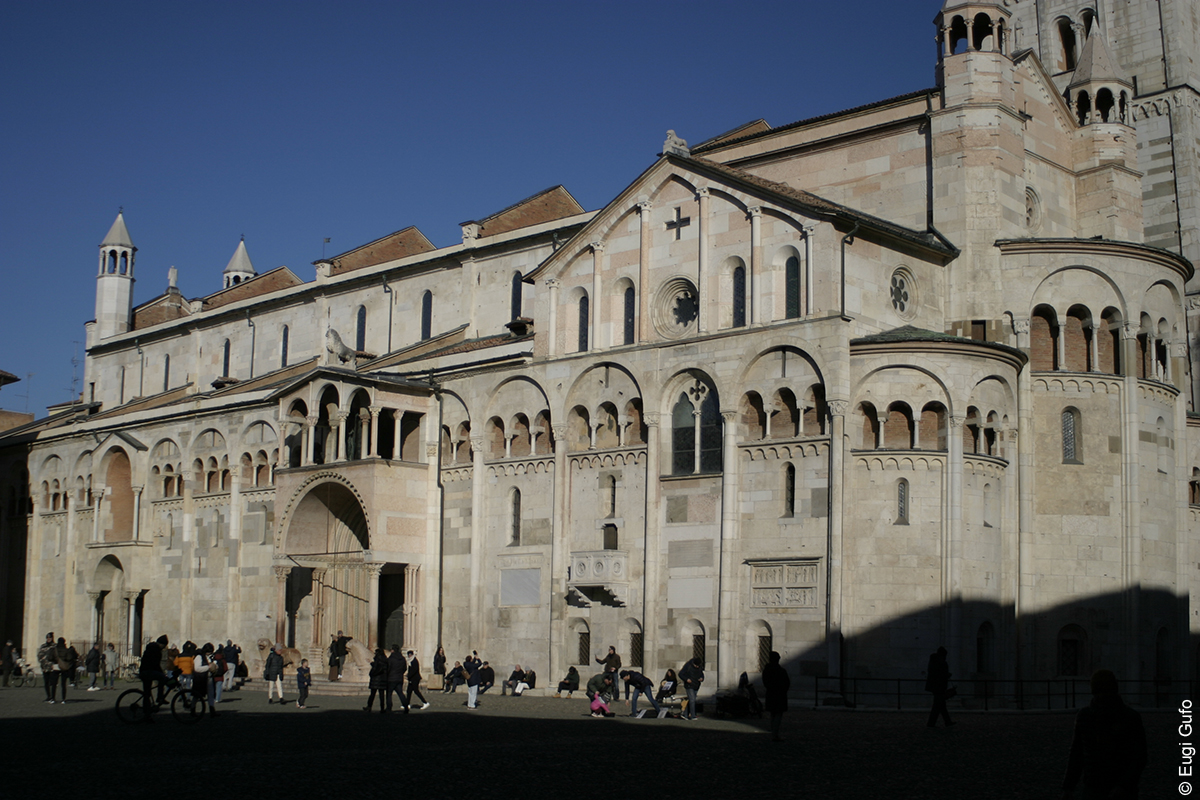
The two cathedral portals opening onto the city’s main square (Piazza Grande, about which I shall write more below) might at first make the average tourist think this is an unusually wide and asymmetrical façade. Only by walking around the Duomo does one discover the unusual truth: the façade of Modena’s cathedral does not face the main square (or perhaps it would be more accurate to say that the main square was not created in front of the façade?). One realises this by taking one of the streets leading off the square and suddenly seeing the rear of the cathedral.
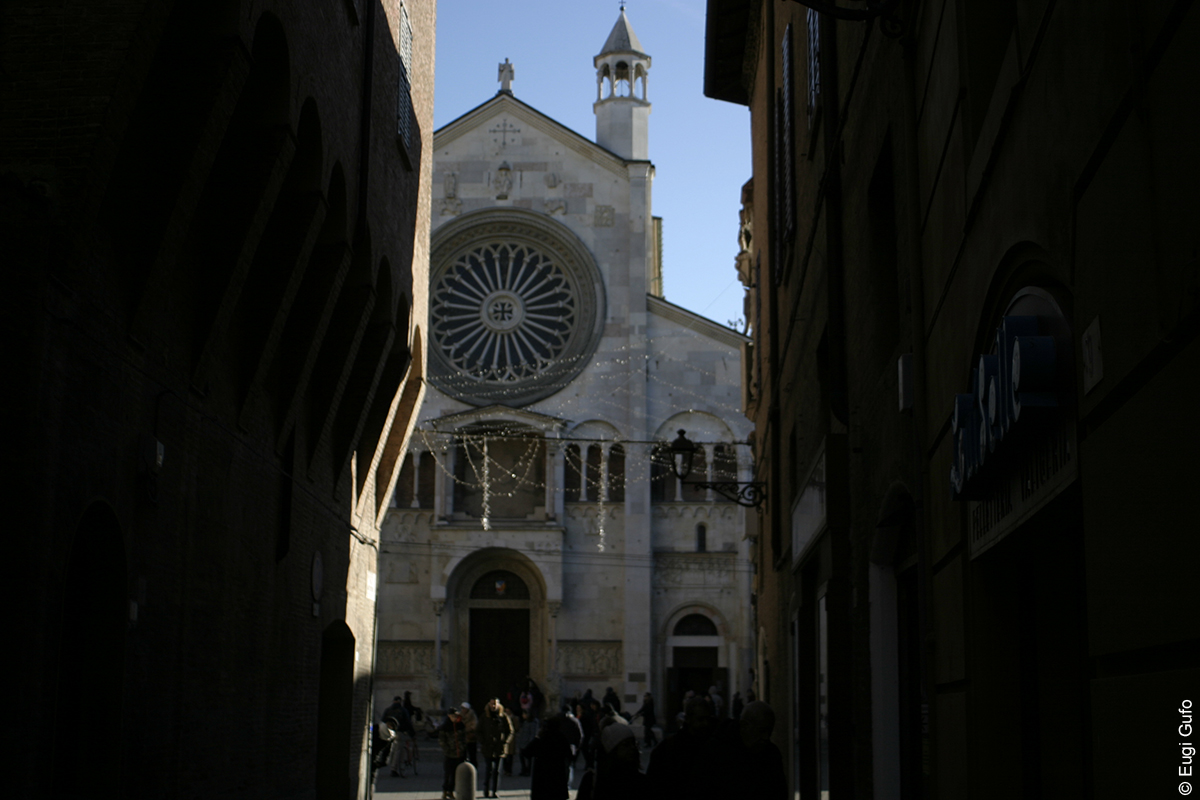
Or indeed the façade itself — which is actually better viewed in full from the street opposite, so closely is it hemmed in by other buildings. It is traditionally beautiful, but I must admit that I almost preferred the slightly chaotic side elevation.
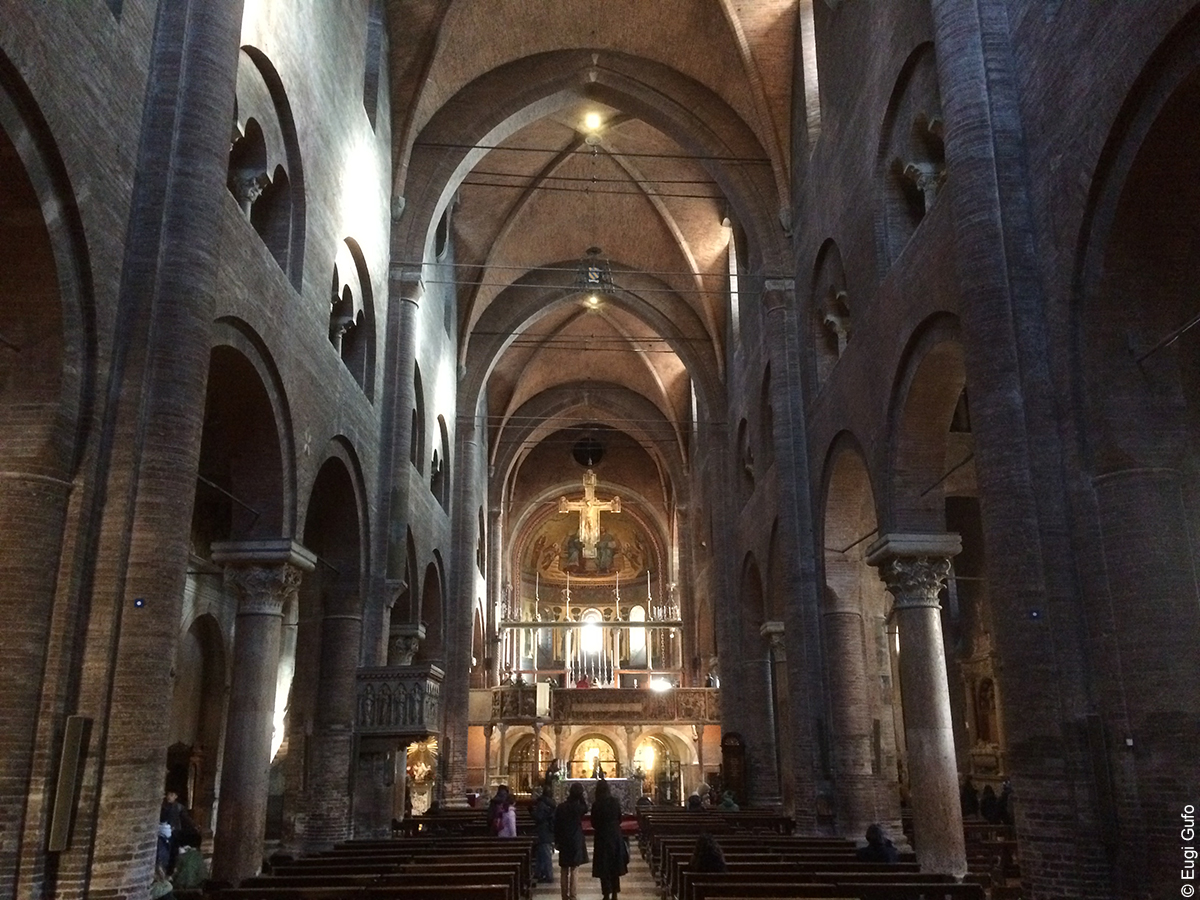
Inside, the Duomo is beautiful and stylistically more «uniform» than the lateral exterior, yet it also contains numerous small details of a non-purely architectural nature that deserve careful study.
In a separate paragraph I should specify that inside the Modenese Duomo there are several interesting terracotta works that must not be overlooked.
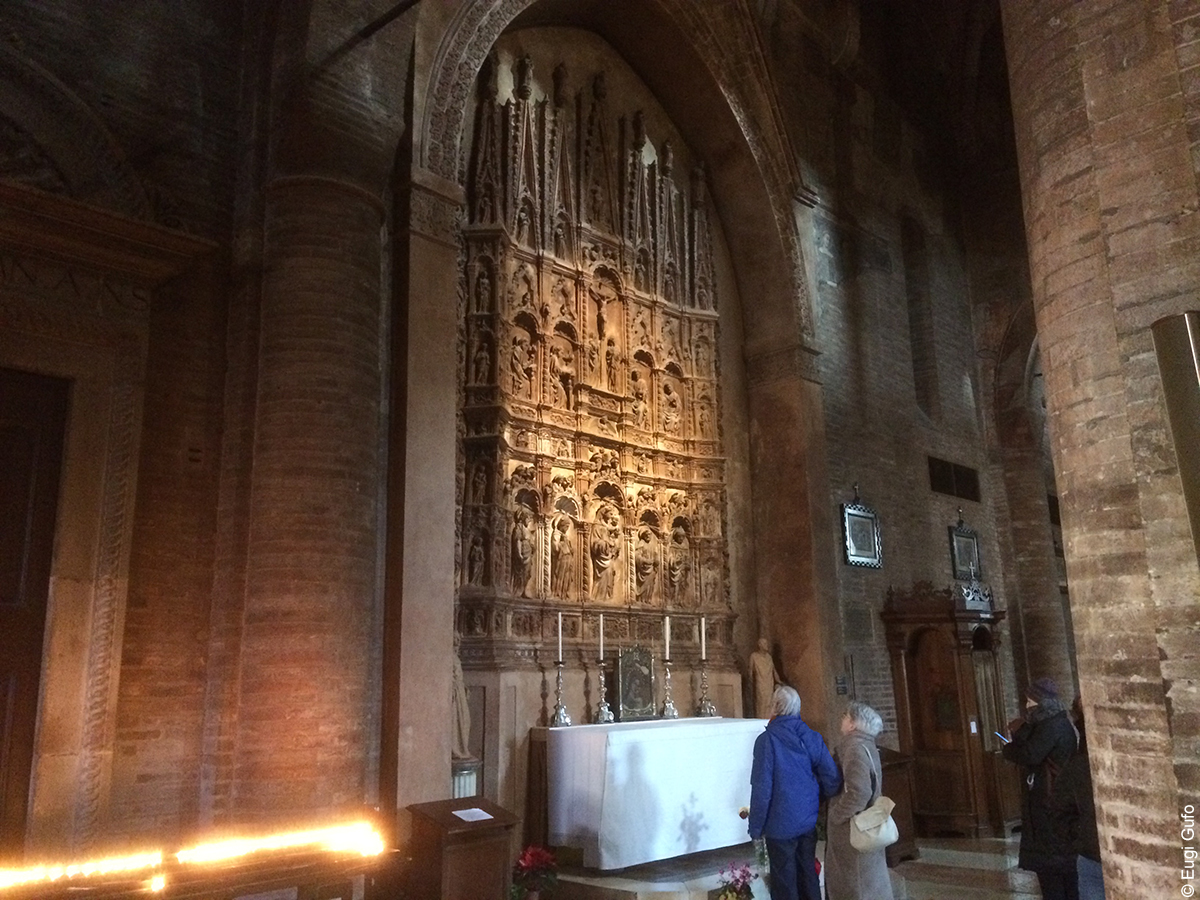
The apse area behind the high altar is structured as an originally designed raised gallery, but it is not the cathedral’s main attraction…
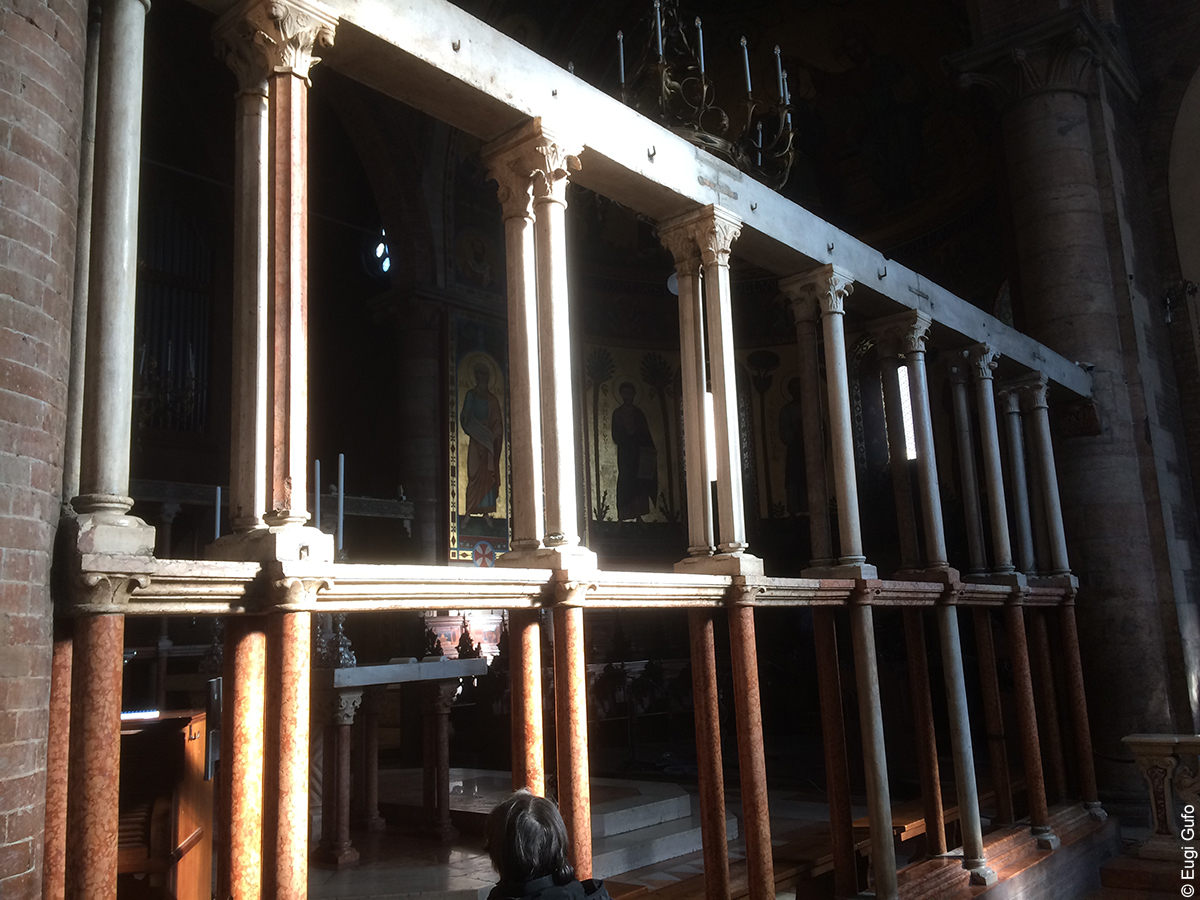
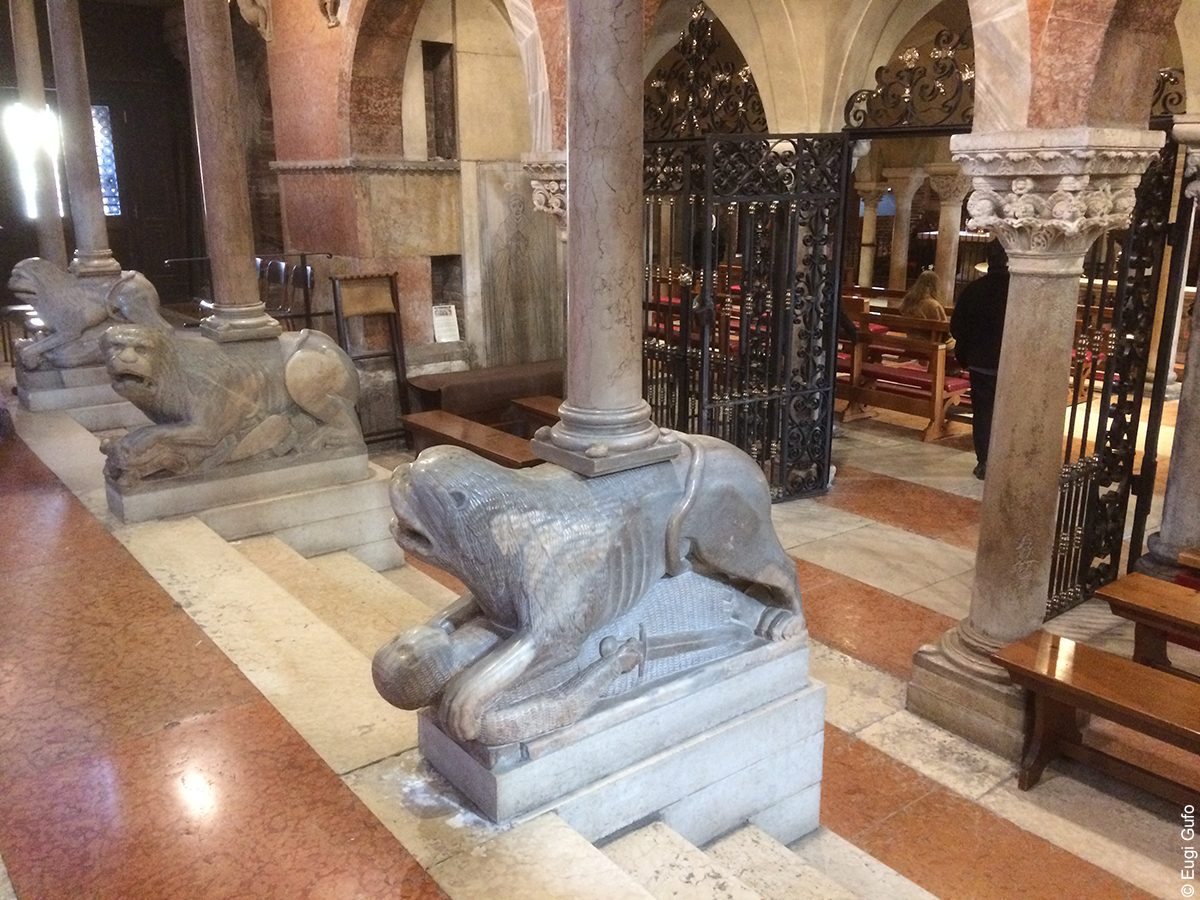
It was created primarily to allow access to the crypt containing the relics of Saint Geminianus, the patron saint of Modena. The crypt is interesting chiefly for the overall beauty of its atmosphere rather than for the simple fourth-century sarcophagus (which is opened every 31 January for the saint’s feast day). Also worth noting are the 1480 terracotta nativity scene, several other tombs, and the video surveillance of the donation box (for some technical reason, the divine eye does not reach this particular corner of the building).
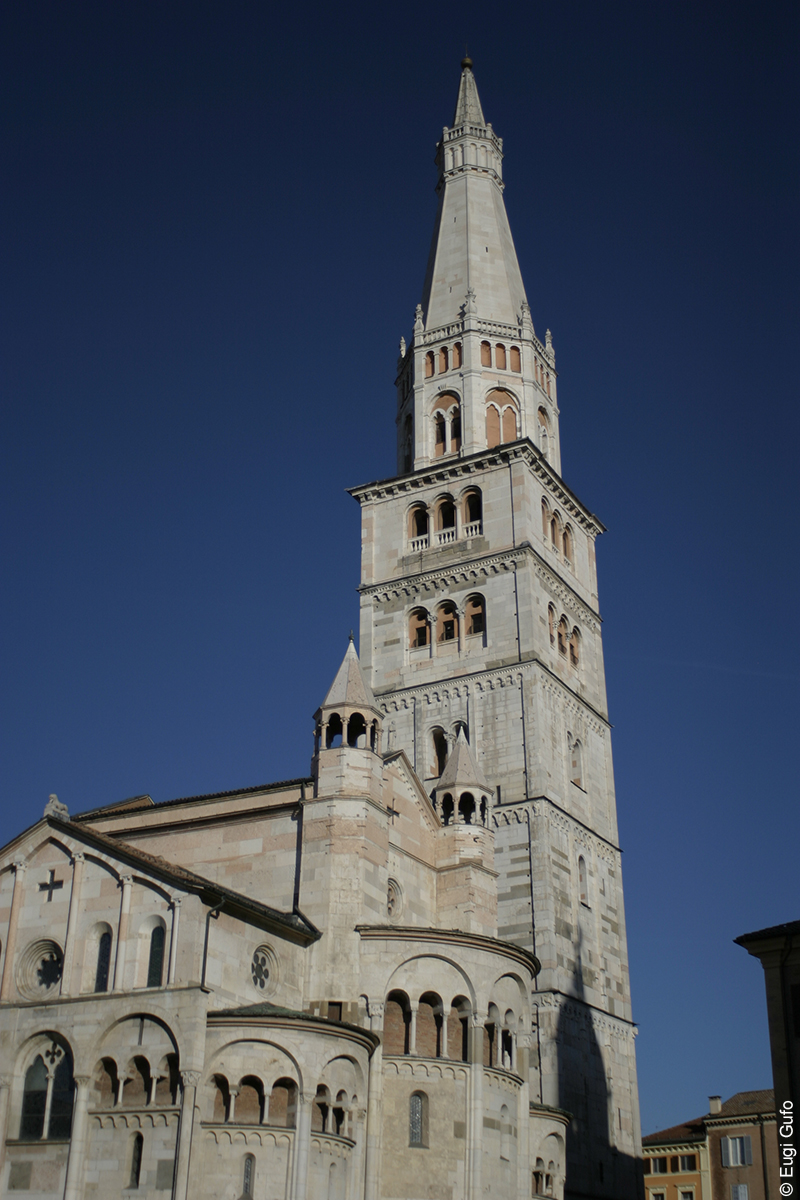
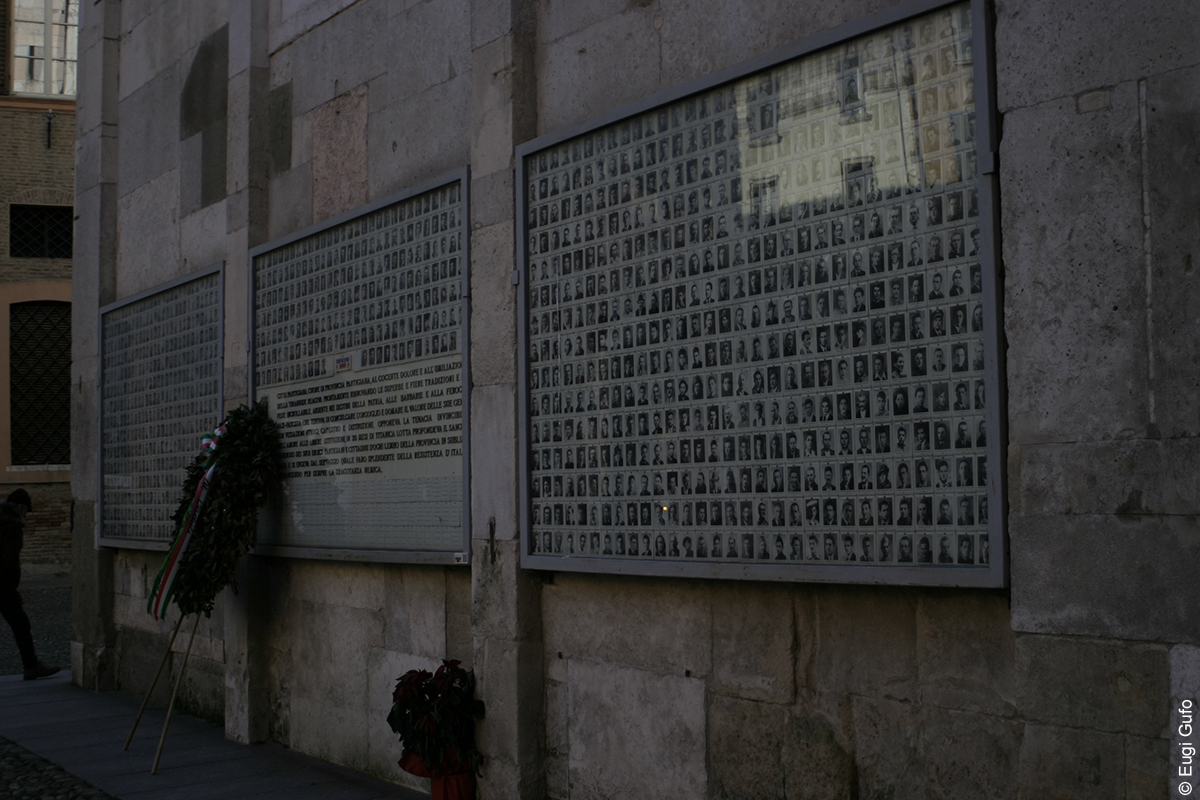
The cathedral’s bell tower, known as the Ghirlandina, stands 86.12 metres high and is physically detached from the church. It was constructed in stages between 1130 and 1319. Today it is one of the city’s symbols and also serves as a civic tower. Since I have already shown it in earlier photographs, I shall now present a modern detail: three large display boards featuring photographs of local partisans killed during the war. Not all those listed had photographs (try explaining that to today’s schoolchildren, hahaha), so on some plaques only names and, where available, dates of birth are shown — in those cases four names per plaque instead of one.
In Piazza Grande — where we saw the long side of the Duomo — there is also a second noteworthy building: the Town Hall. It is said (and one can partly see it with the naked eye) that it was not originally a single palace but a series of administrative buildings constructed at different times (from 1046 onwards), damaged by an earthquake in 1651 and later unified into what we see today during renovations carried out between the late seventeenth and early eighteenth centuries. The other buildings on the square did not strike me as especially remarkable, though they are by no means ugly.
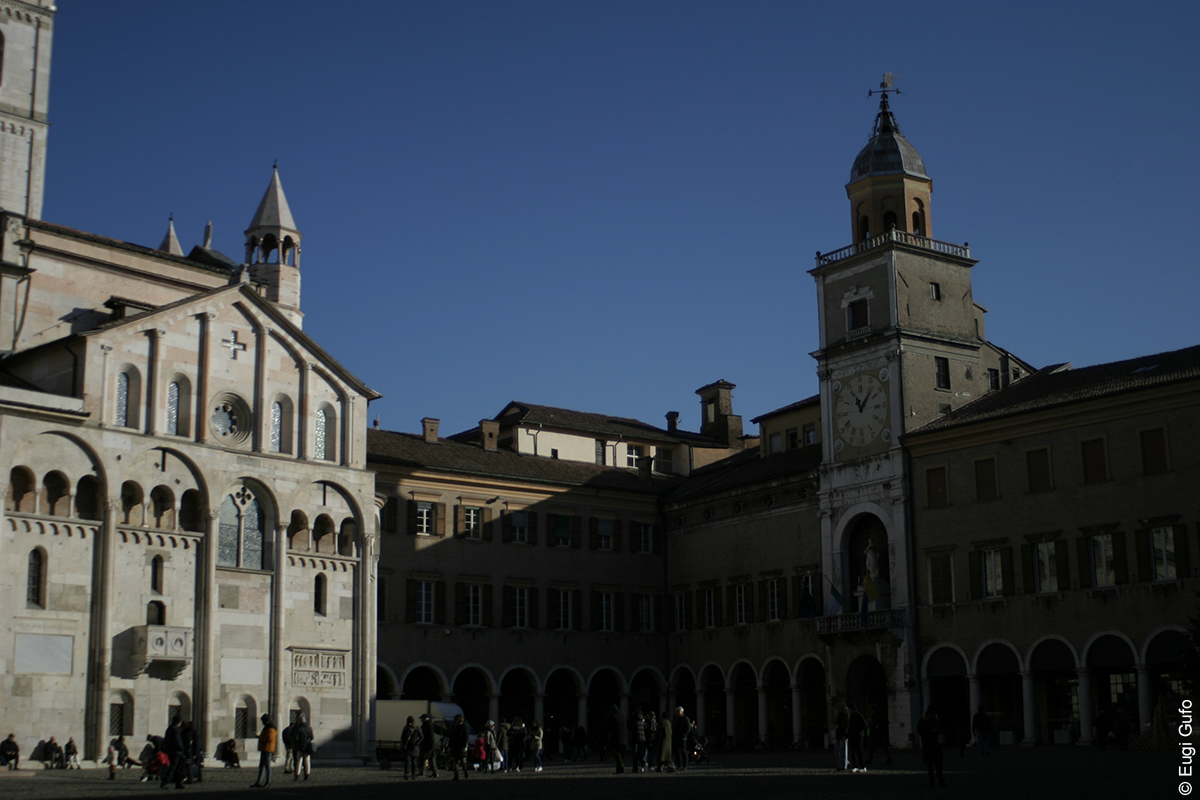
It was precisely from this square that my discovery of a long series of sculptural works scattered throughout the historic centre began. Not all of them occupy what we might call traditional positions: some are rather elevated.
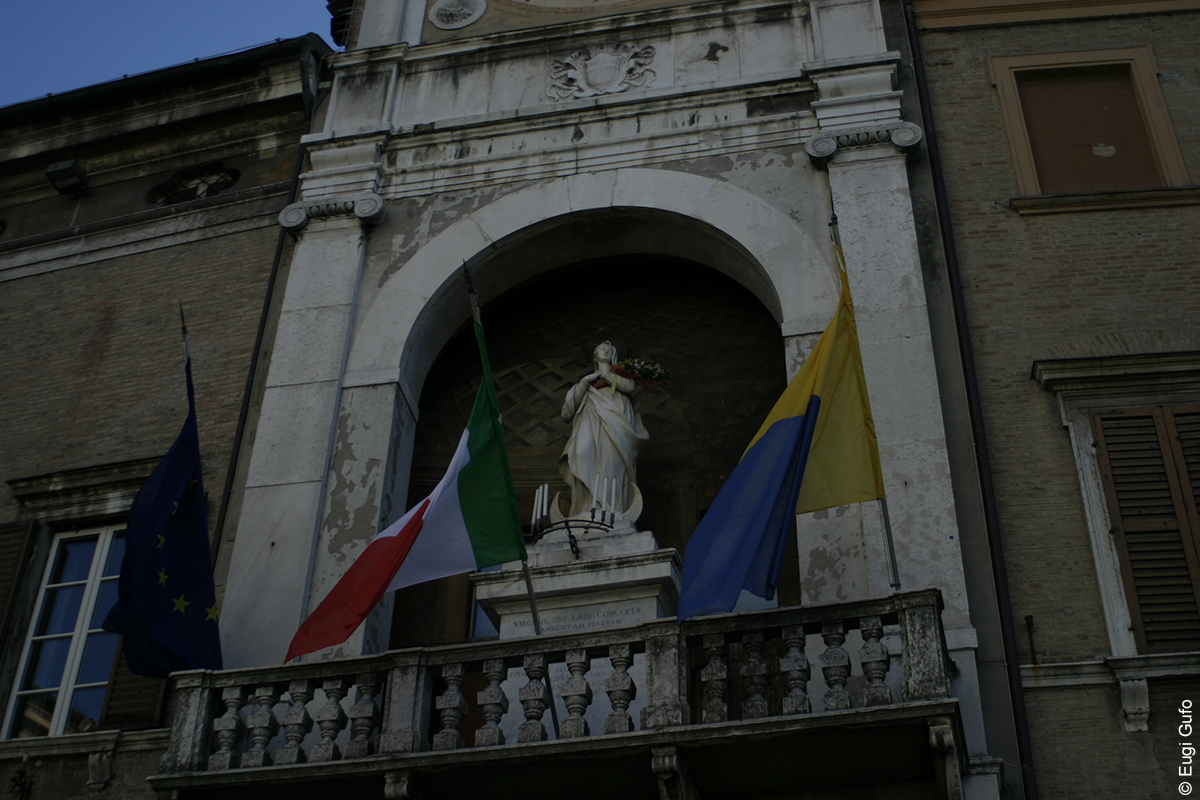
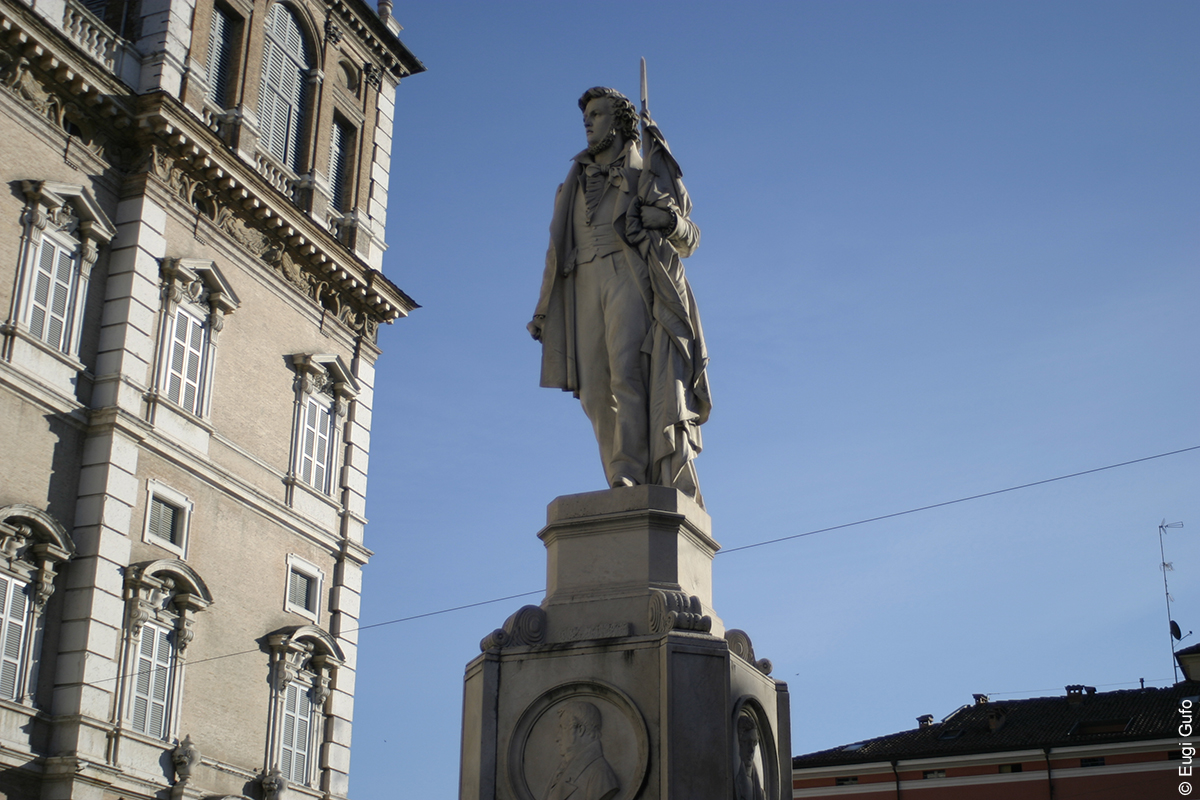
Some sculptures commemorate real historical figures connected with Modena: the «patriot» Ciro Menotti, the writer Alessandro Tassoni, or the intellectual Ludovico Antonio Muratori — among many others.
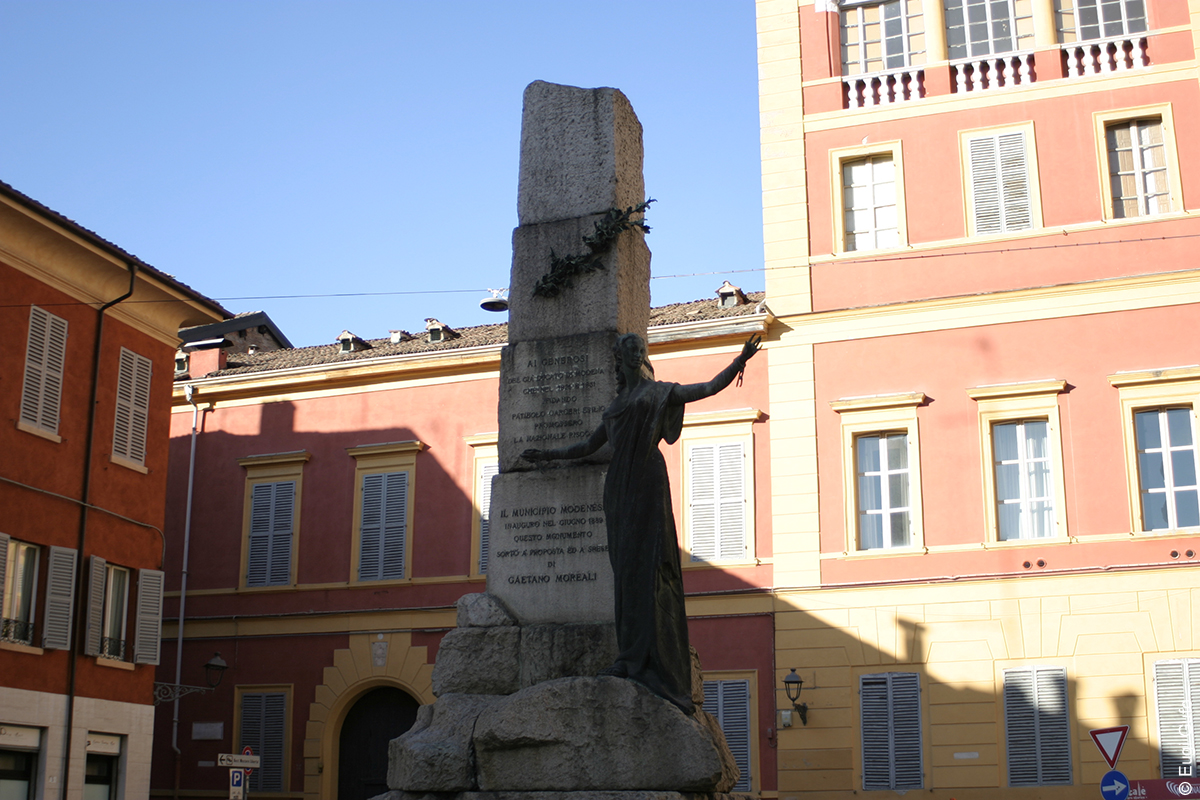
Other sculptures are more abstract in content: for instance, the Monument to Liberty (reconstructed on the site of a similar monument that existed before the Fascist era).
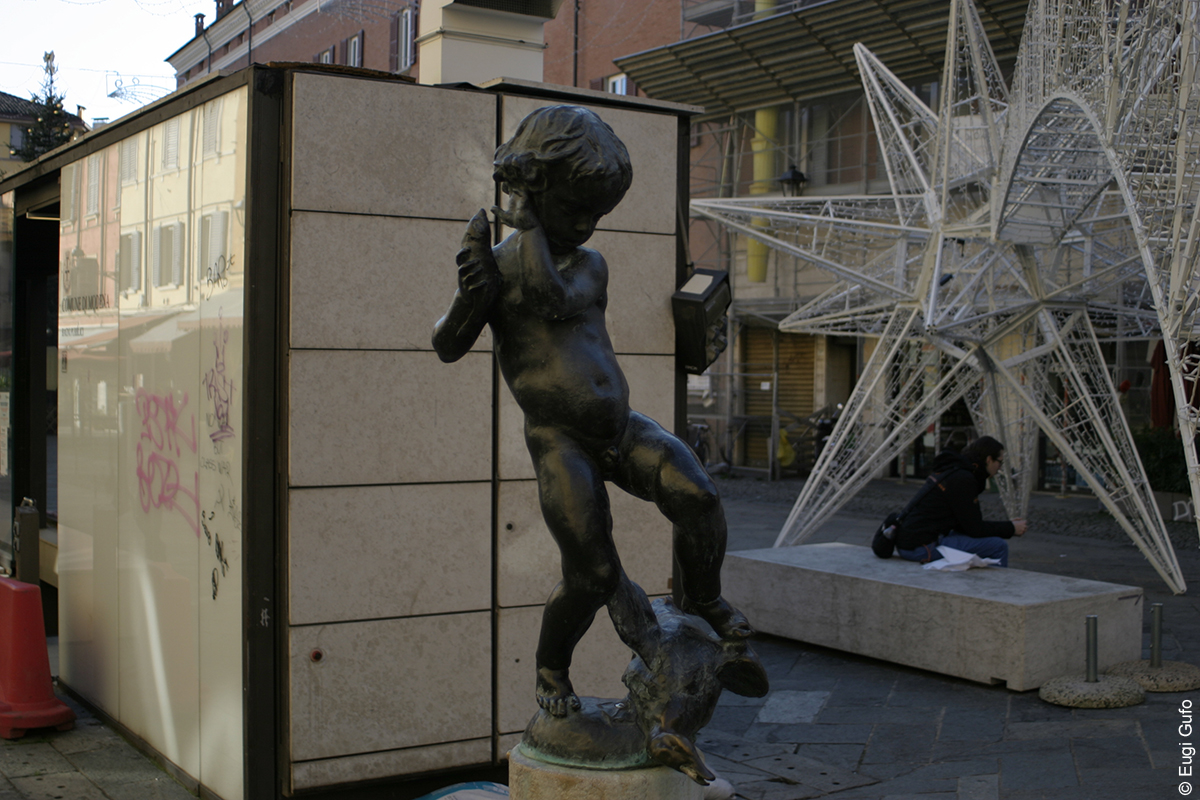
And then there are pure works of art: for example, the statue of a naughty boy stealing a fish from a duck. Ahem — but do ducks really eat fish that large? Apparently, for the sculptor, two things are important in life: securing a fish for dinner and giving the bird a gratuitous kick. Typical childish behaviour.
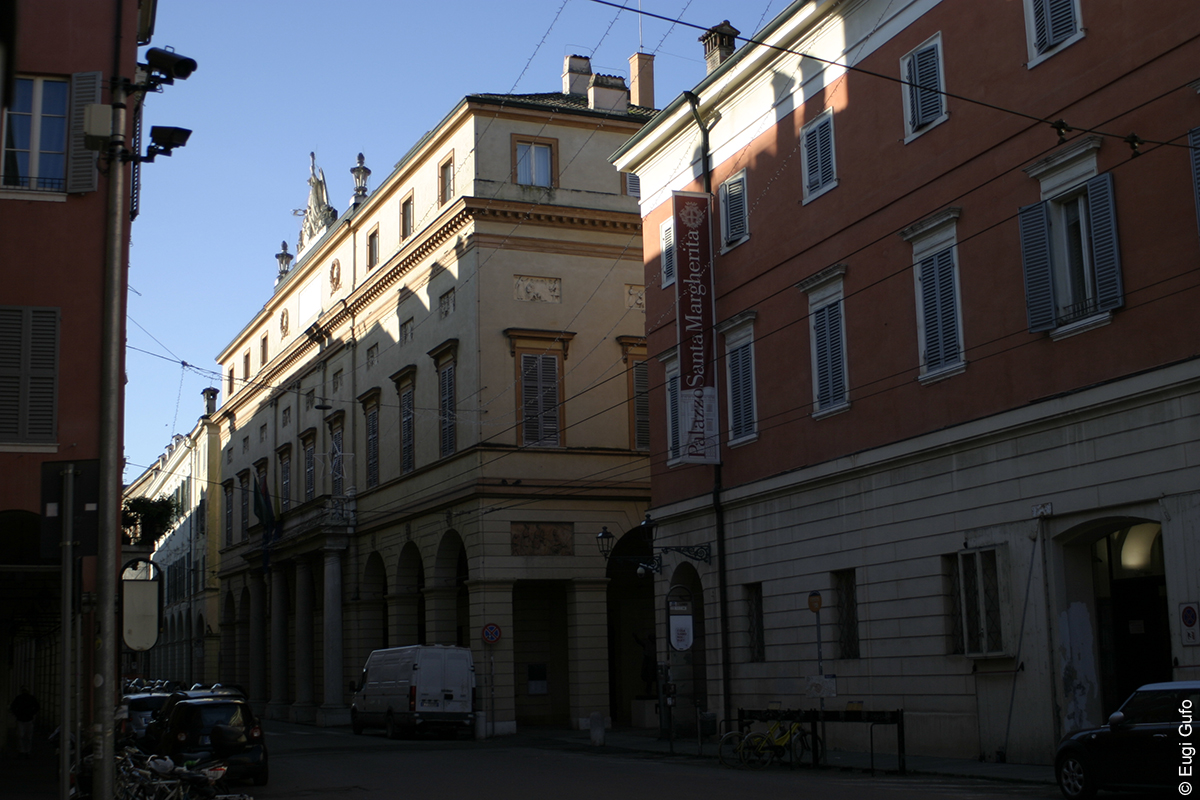
The monument I appreciated most, however, is that dedicated to the Modenese Luciano Pavarotti. It stands under the porticoes of the Teatro Lirico Comunale (which now bears his name), to the right of the main entrance. According to the plaque, the monument was inaugurated on the tenth anniversary of the singer’s death — 6 September 2017.

The theatre itself is not easy to notice unless one knows exactly where to look, as it is situated along a relatively narrow street (rather like La Scala in Milan before 1858). But at least now you are warned.
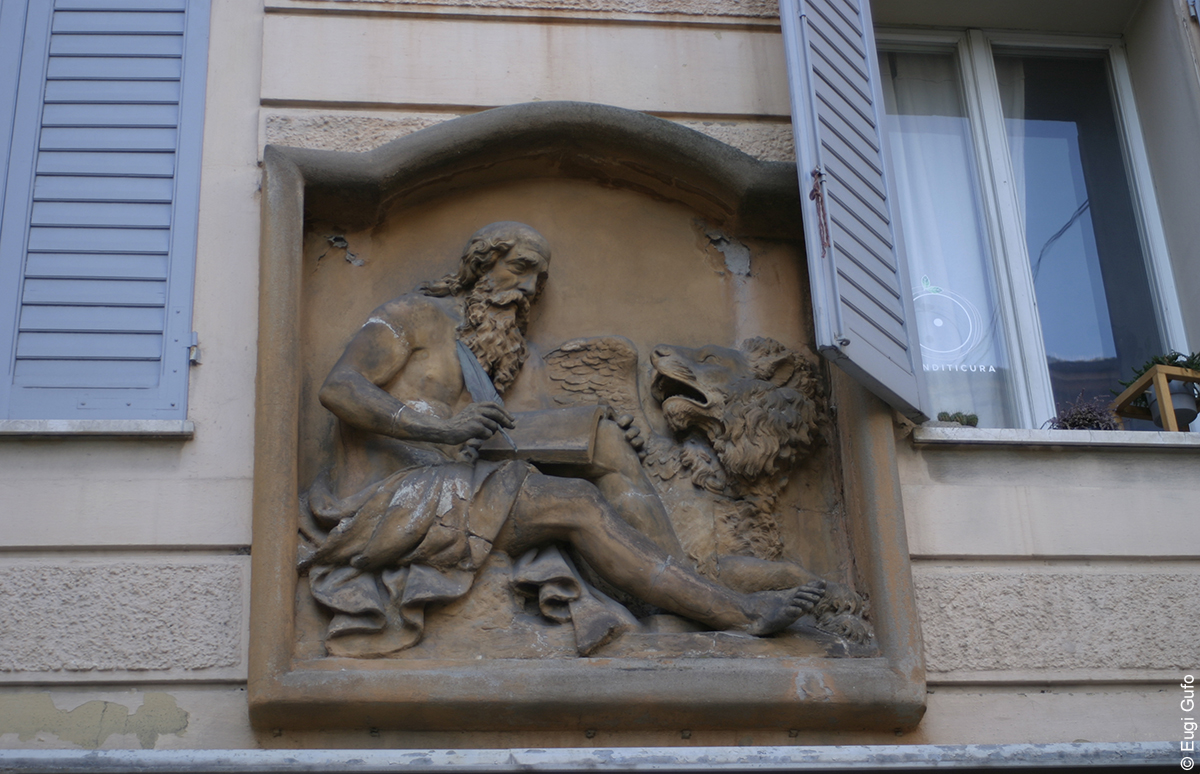
Besides statues, Modena also features some interesting bas-reliefs — though not many.
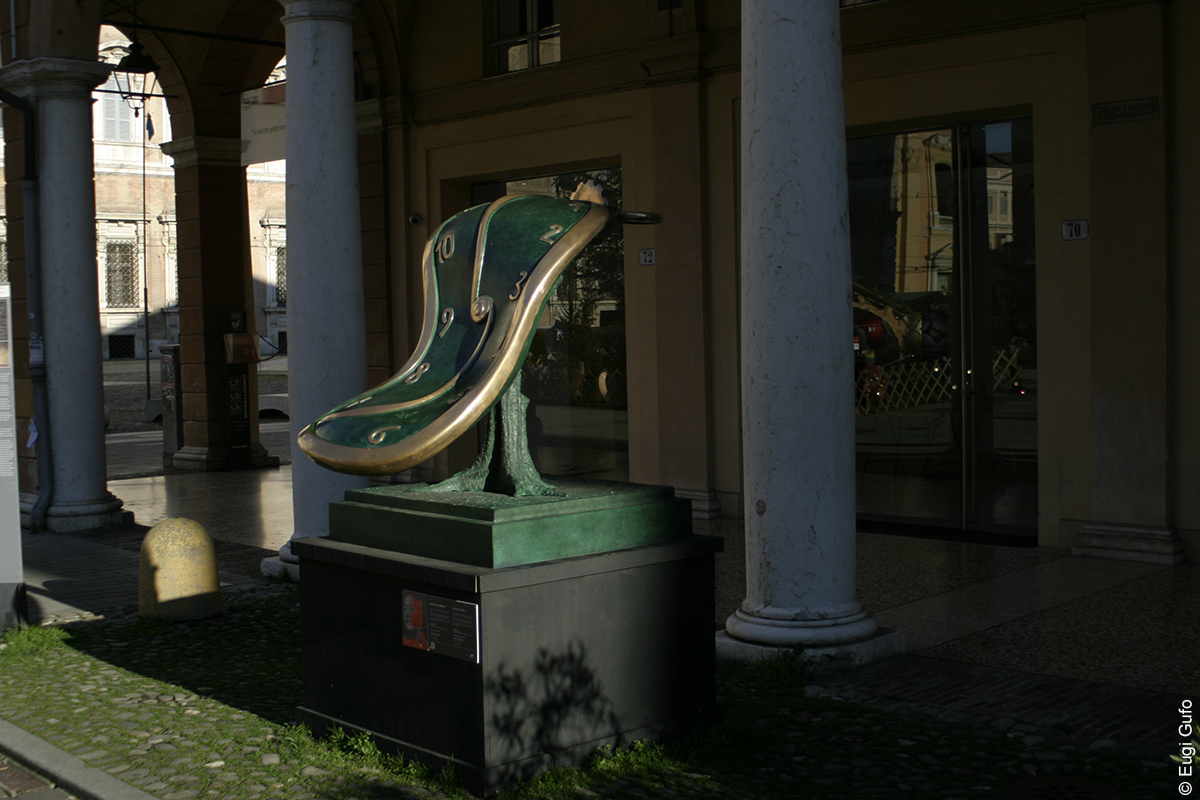
In certain parts of the centre, for some curious reason, replicas of works by Salvador Dalí are displayed.
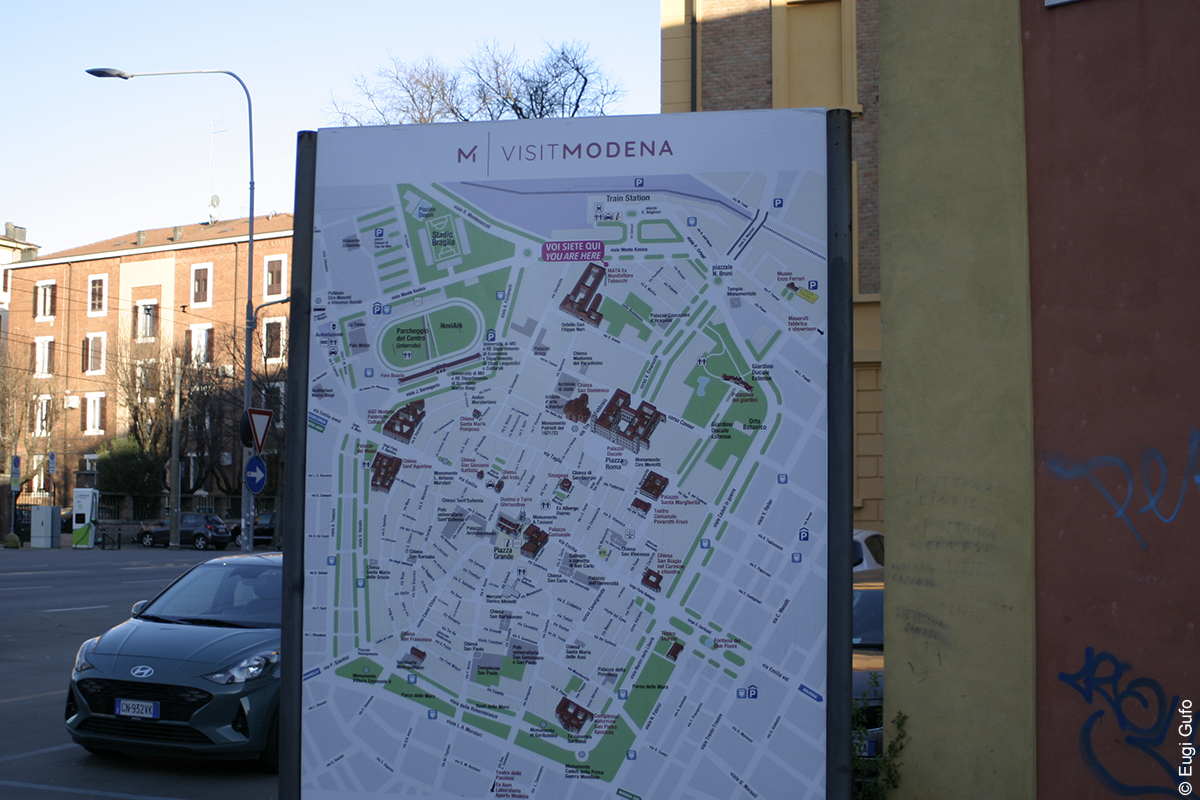
The historic centre of Modena is surprisingly small — on the map below it is enclosed by green dashed lines — and can be crossed entirely on foot in under half an hour at a leisurely pace. Consequently, tourist attractions of each specific type are not particularly numerous.
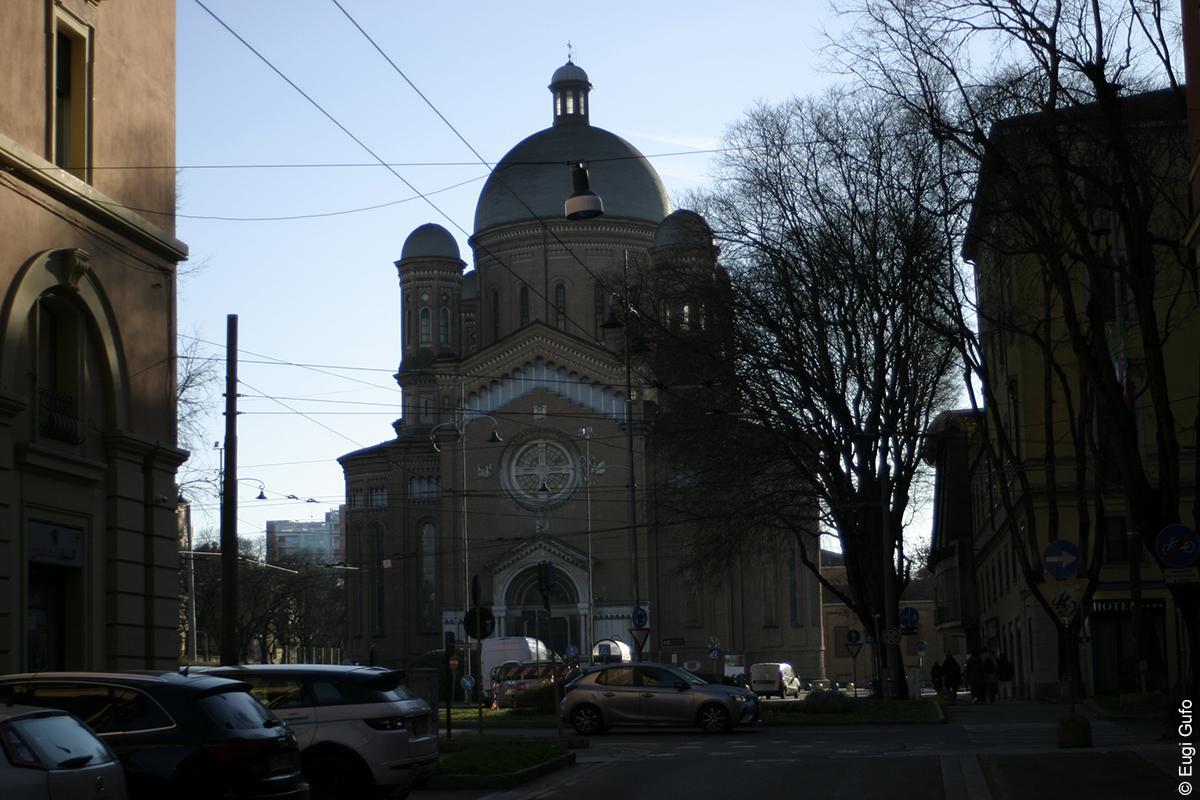
As usual, the most represented architectural attractions are churches. Unlike the Duomo, most were closed when I passed by, but even their exteriors were often interesting. For example, the Monumental Temple to the War Dead, built between 1923 and 1929. As you can easily imagine, it was originally intended to commemorate those fallen in the First World War.
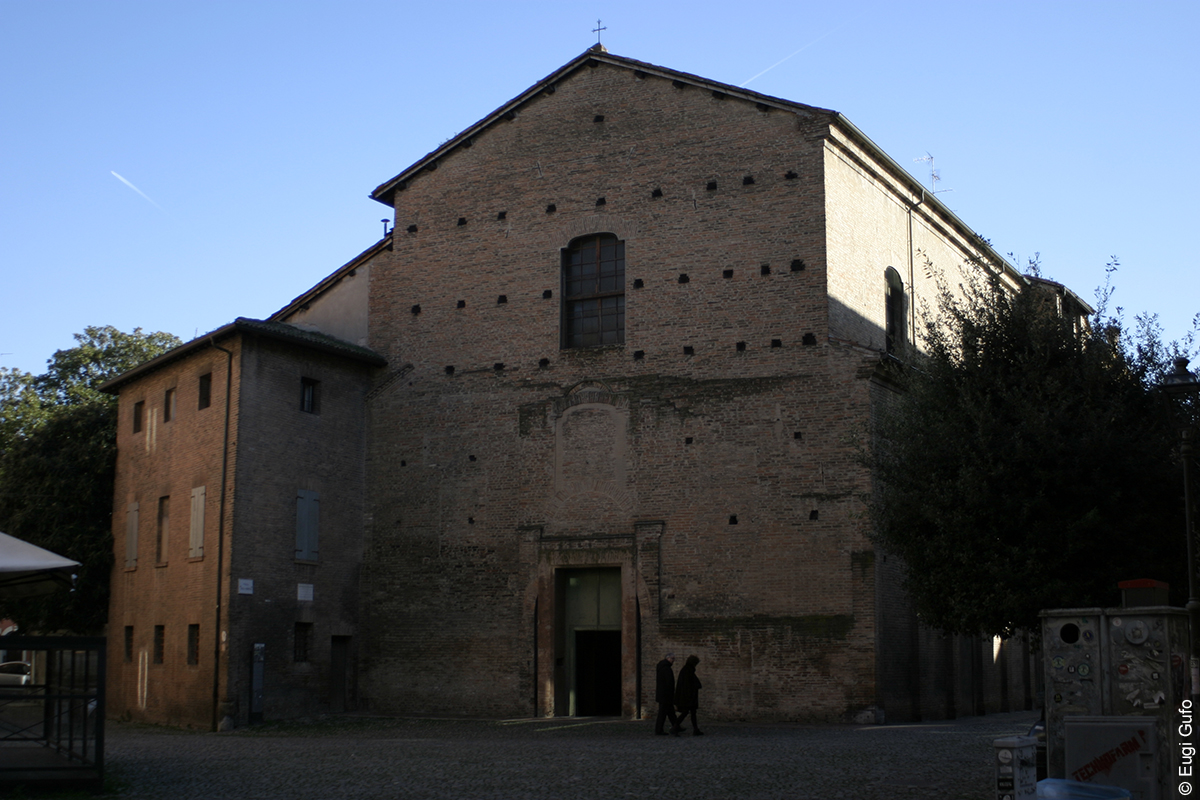
The Church of Santa Maria delle Asse (or SS. Trinità), one of the city’s oldest (late sixteenth century), is — according to my personal taste — among the least interesting inside, despite what popular sources may claim.
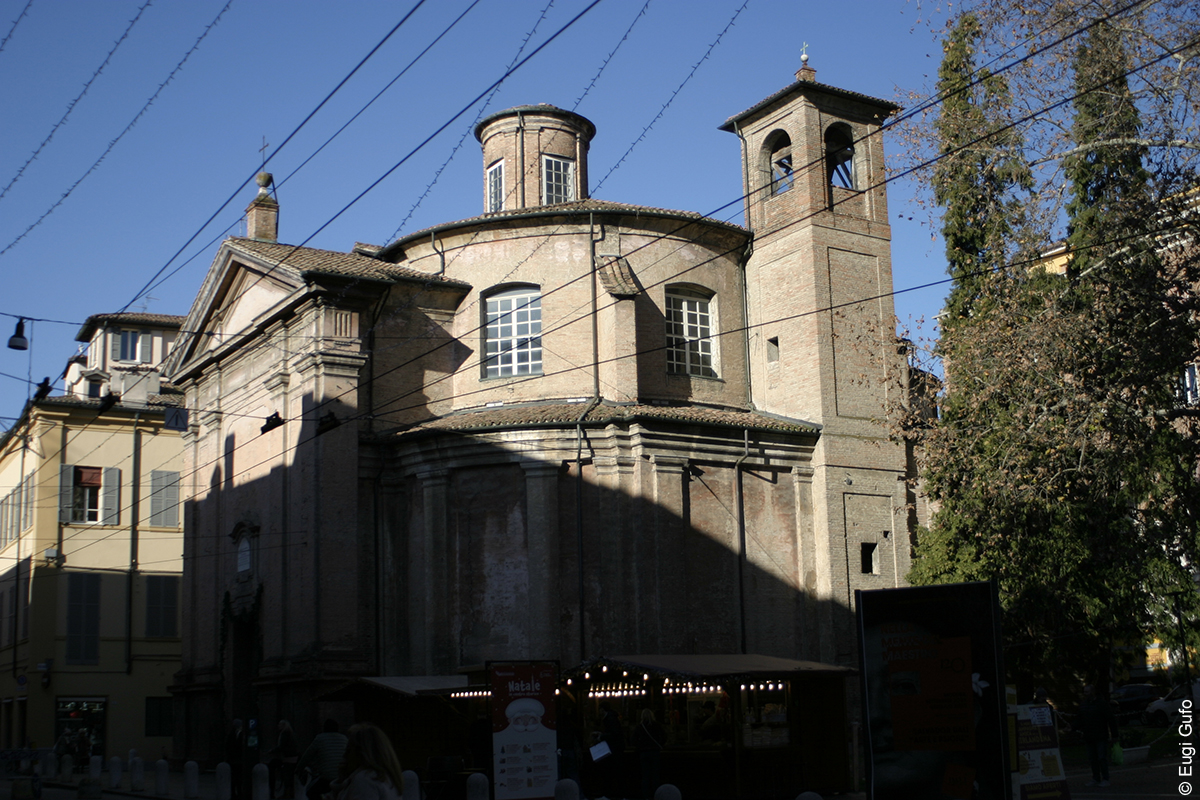
The church that intrigued me most was that dedicated to Saint John the Baptist. It has a rare shape and, apart from the Duomo, is the only ancient church in the city not squeezed in on both sides by other buildings. It is said to contain interesting fifteenth-century sculptures, but I could not verify this: it was closed.
And there are many more churches in Modena worthy of study — I shall not list them all, lest this account turn into an encyclopaedia.
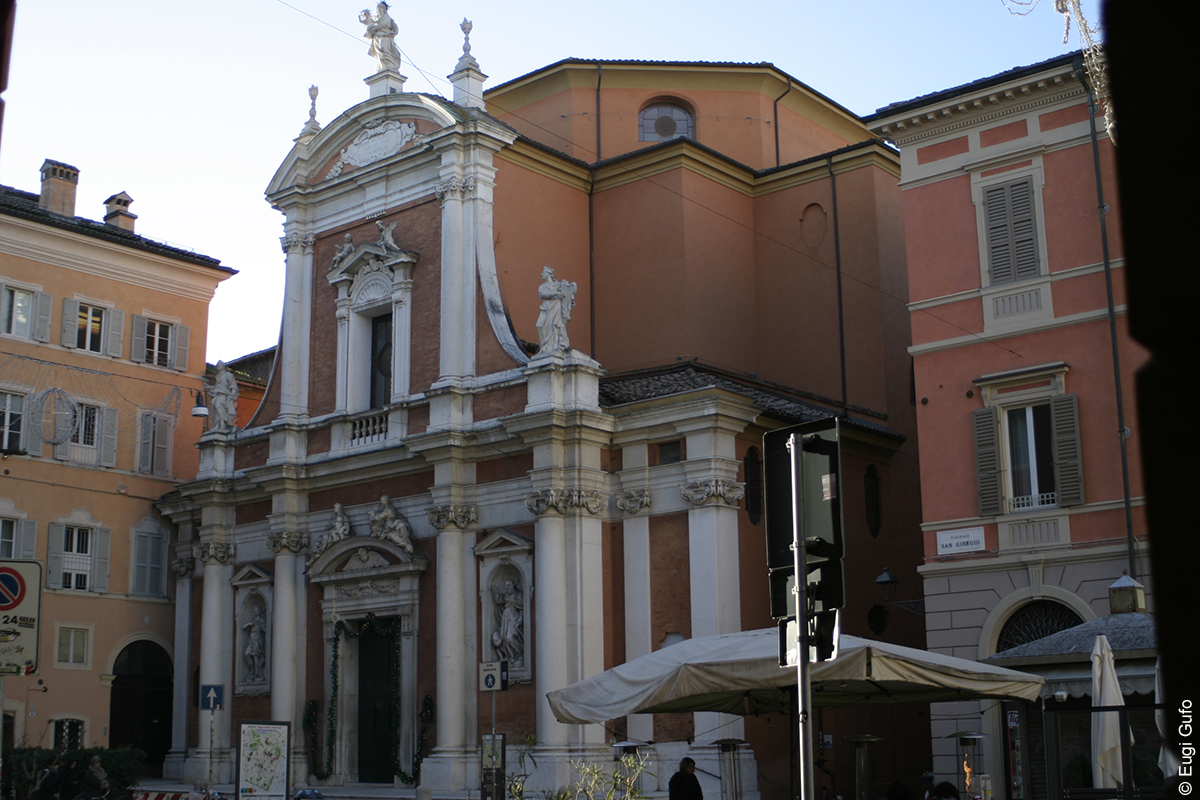
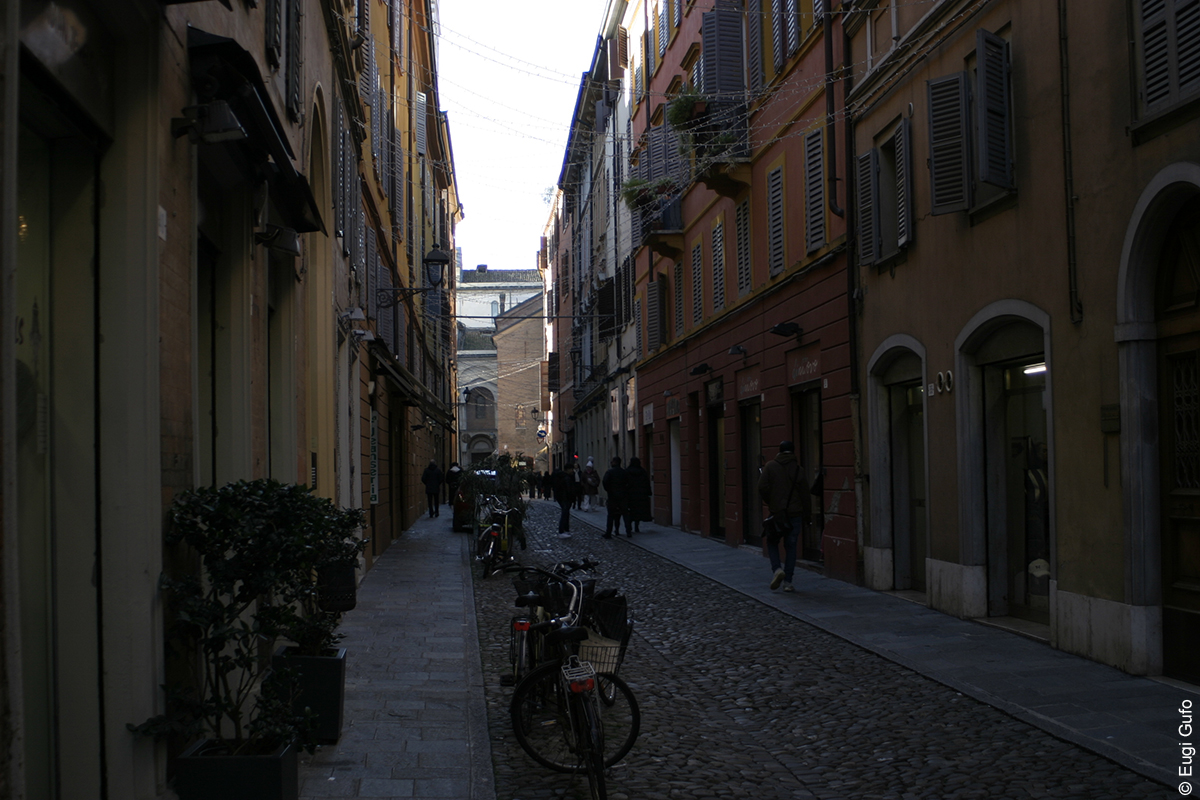
You may have noticed that most churches not only lack space at the sides but also have little in front of them. This should not make you think the historic centre is entirely cramped: in reality, open spaces are not lacking. Yet genuinely narrow streets are also plentiful.
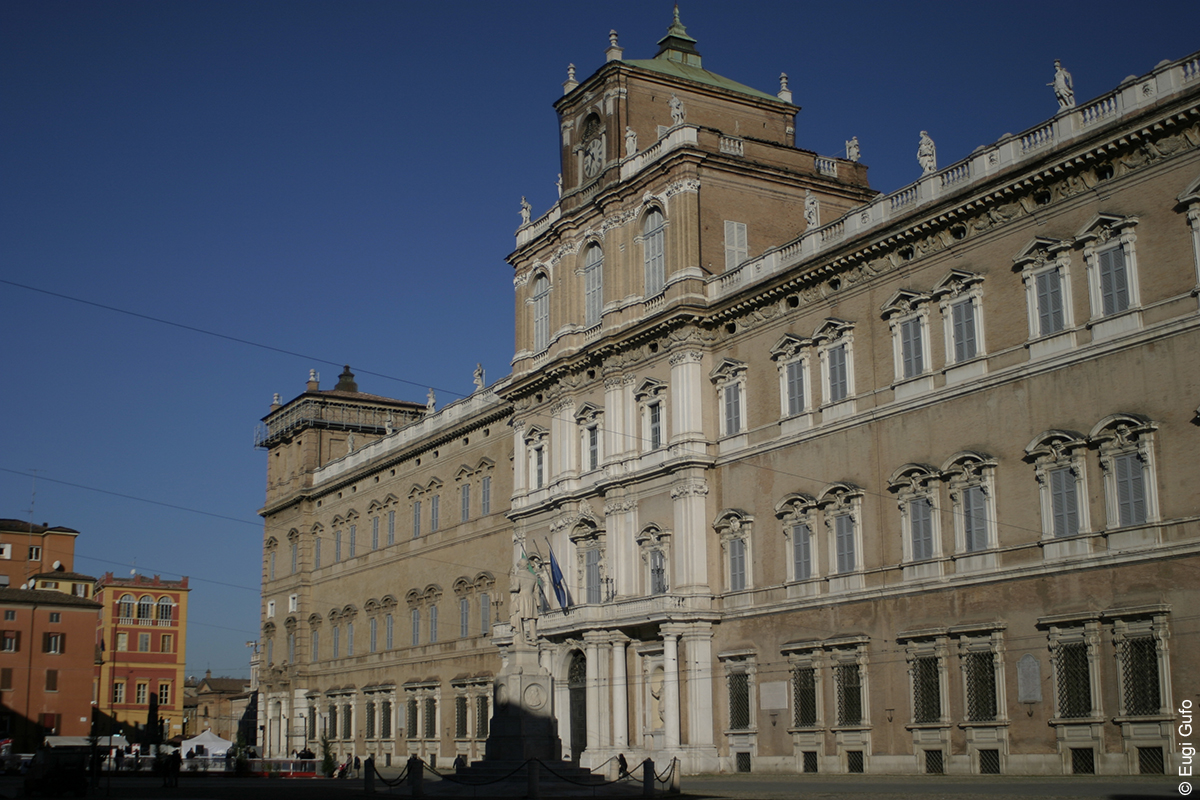
When I speak of «open spaces», of course, I mean within the context of the centre’s relatively modest scale. In absolute terms, no square in Modena can seriously be considered large by anyone familiar with the grand piazzas of major cities. On the other hand, most Modenese squares boast at least one large and attractive building: for example, the Ducal Palace in Piazza Roma. Formerly the Rivalenti-d’Este palace, its construction period (1629 into the twentieth century) far outlasted the physical existence of the Este dynasty. Since Italian unification, the Ducal Palace has housed the Military Academy of Modena and the Geographical Observatory.
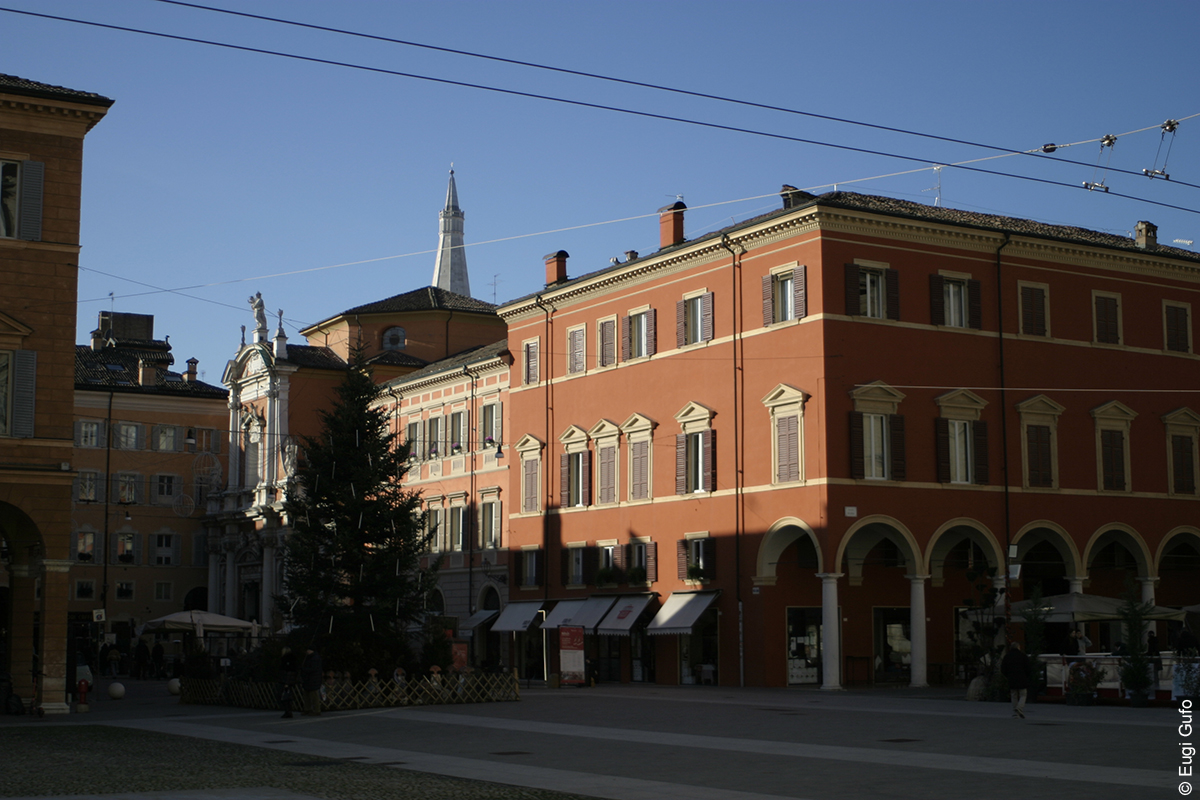
Naturally, each square is also lined with numerous smaller and less historically significant — at least beyond the local context — but still handsome buildings.
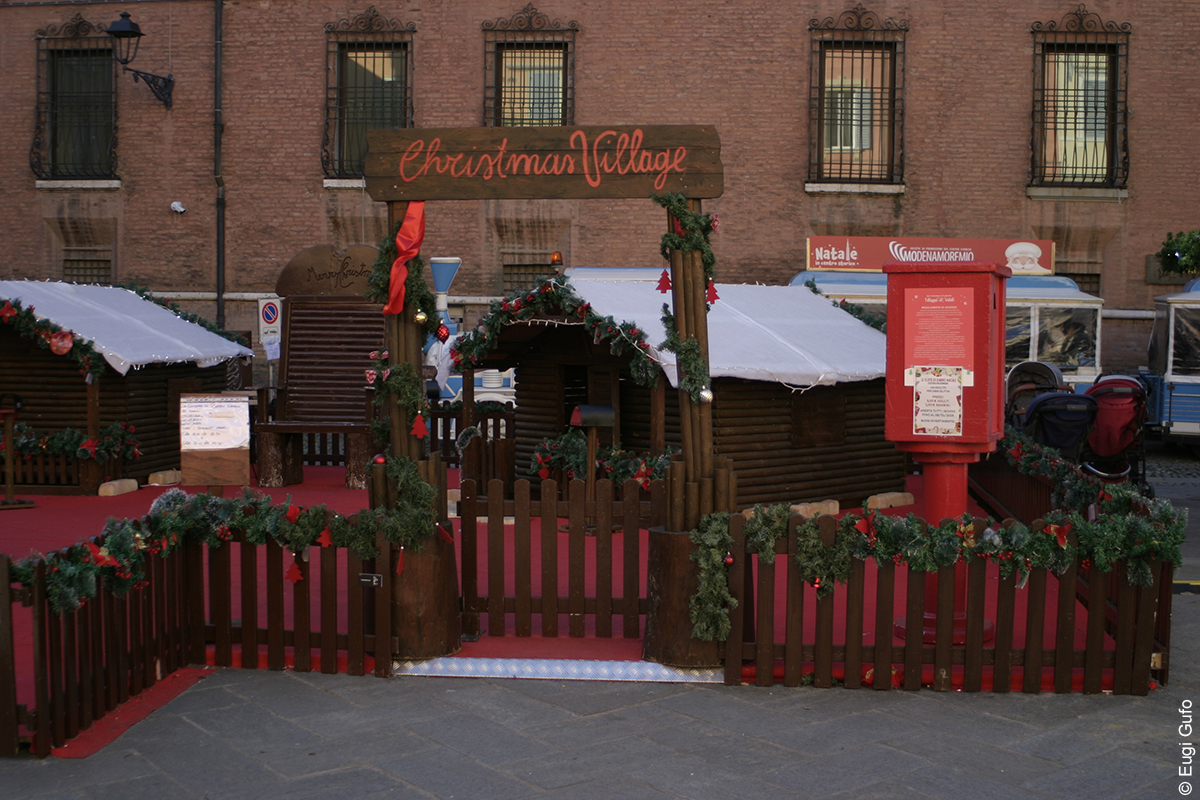
And of course, Modena has squares where events are organised for locals and tourists alike. I happened to see the «Christmas Village»… It is perfectly understandable that on 27 December the throne was already empty: its «owner» was on a well-deserved holiday. I can also understand why the large postbox was still there — optimism must be spread, and people encouraged to think about the next Christmas. But I would have been curious to know whom all those wooden huts (which in Russia I would call izbas) were meant for.
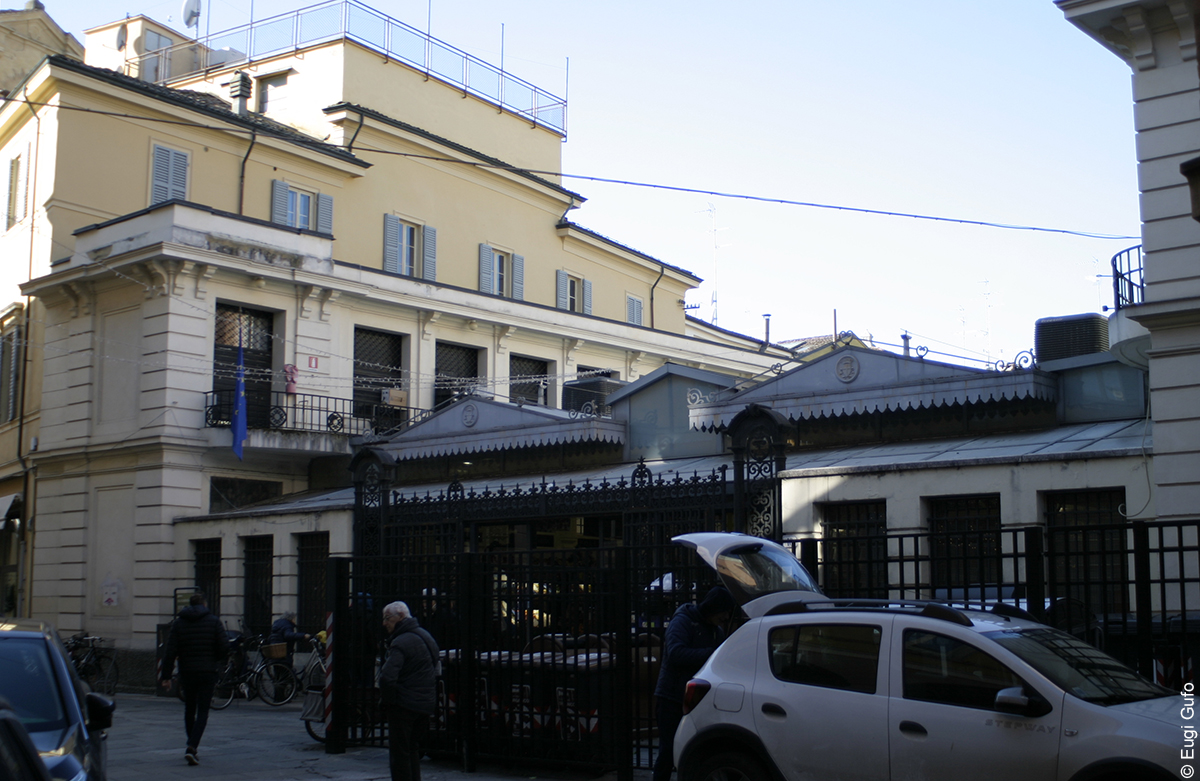
The Mercato Albinelli could be considered a former square — a covered market conceived in the early twentieth century by then mayor Luigi Albinelli, built between 1929 and 1931 and inaugurated on the ninth anniversary of the March on Rome. Today it remains, as originally intended, a food market (apart from a newsstand) with several small restaurants. Overall, it struck me as small but charming: well-stocked, clean, popular but not excessively crowded. I was not used to seeing markets quite like this.
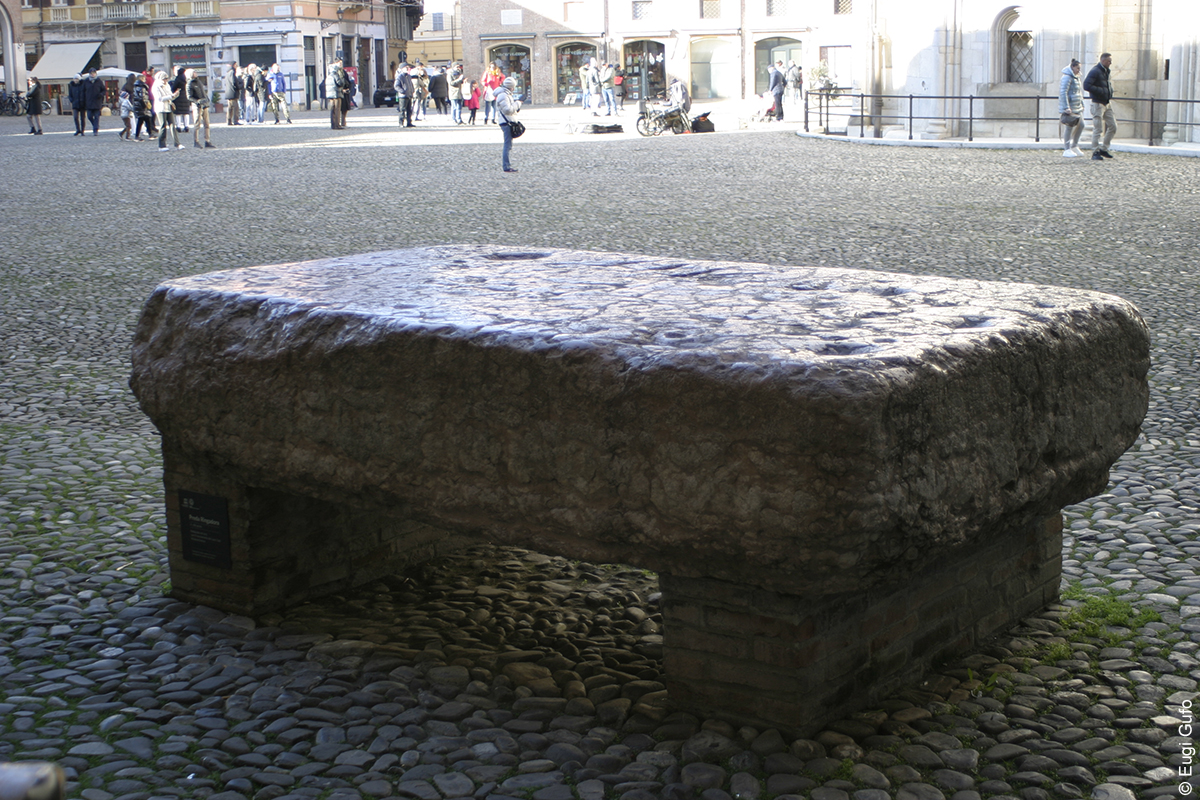
In one corner of Piazza Grande, near the Town Hall, stands one of the city’s strangest and least noticed monuments: the «Preda Ringadora», probably dating between the tenth and thirteenth centuries. According to one explanation I found online, it is an «oration stone» (a literal translation from the Modenese dialect), used as a platform during public assemblies. Another theory suggests it was used for public corporal punishment. In any case, it was turned into a monument only in the interwar period. The 2013 «restoration» likely concerned the brick supports holding the stone. If your city lacks historical monuments, take a lesson from the Modenese: stones are everywhere, and stories can easily be invented.
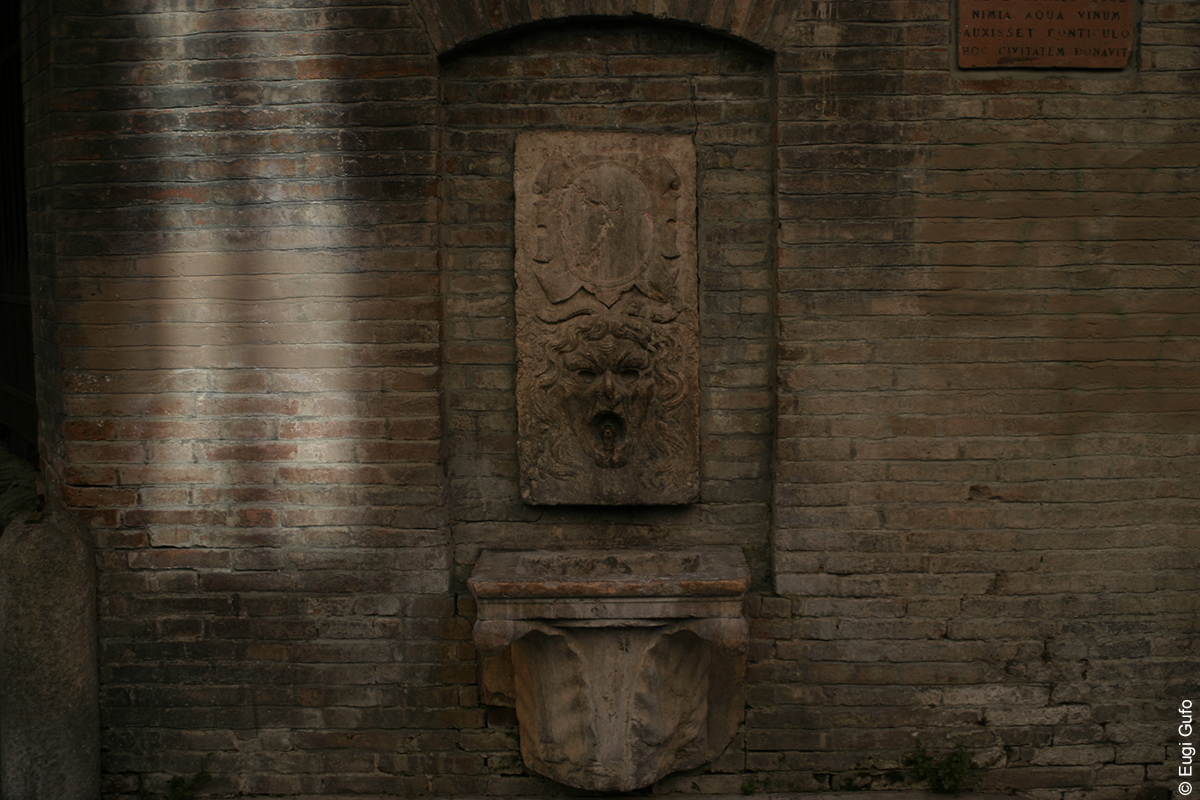
More recent functional objects are often easier to understand — though they rarely achieve monument status. Even if sometimes they deserve it.
Those wishing to drink from a somewhat safer source can go to a bar… It is no surprise that the name of one of Modena’s most famous and beloved sons has already been commercialised. This is neither good nor bad — simply normal. Still, it was curious for me to see this phenomenon manifested so concretely in real life for the first time.
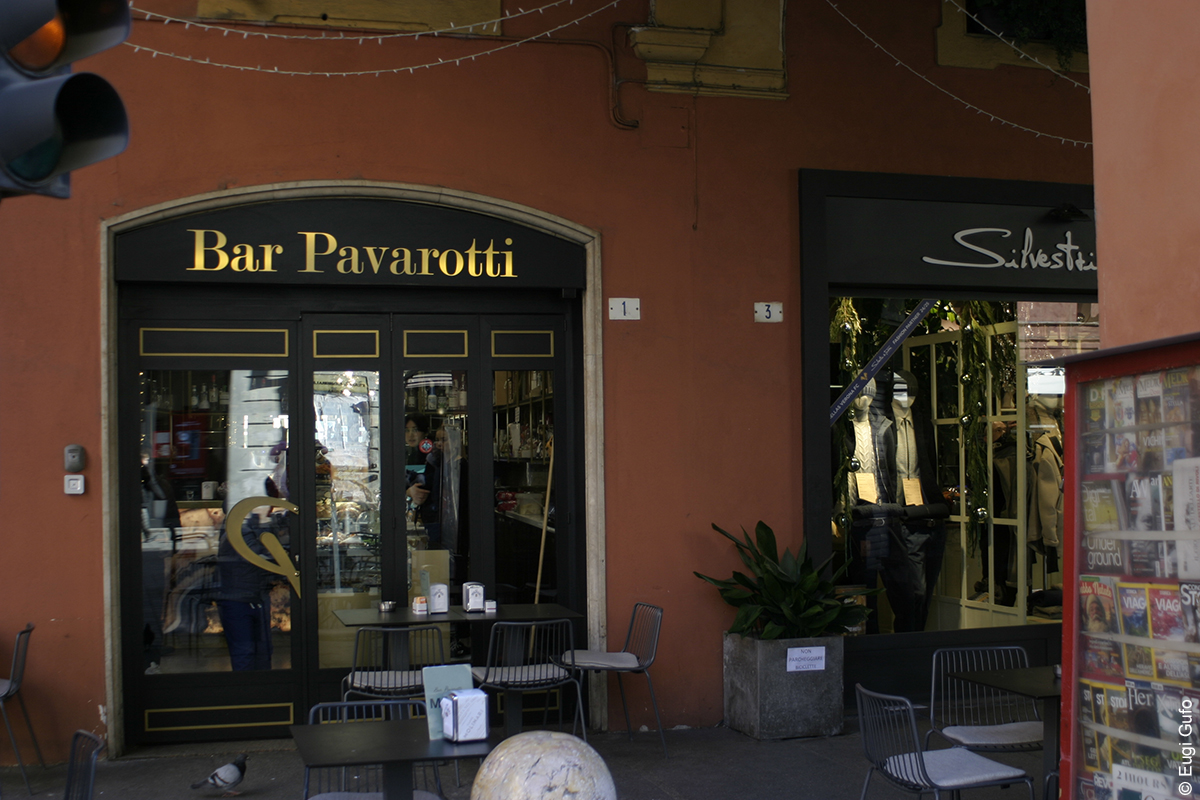
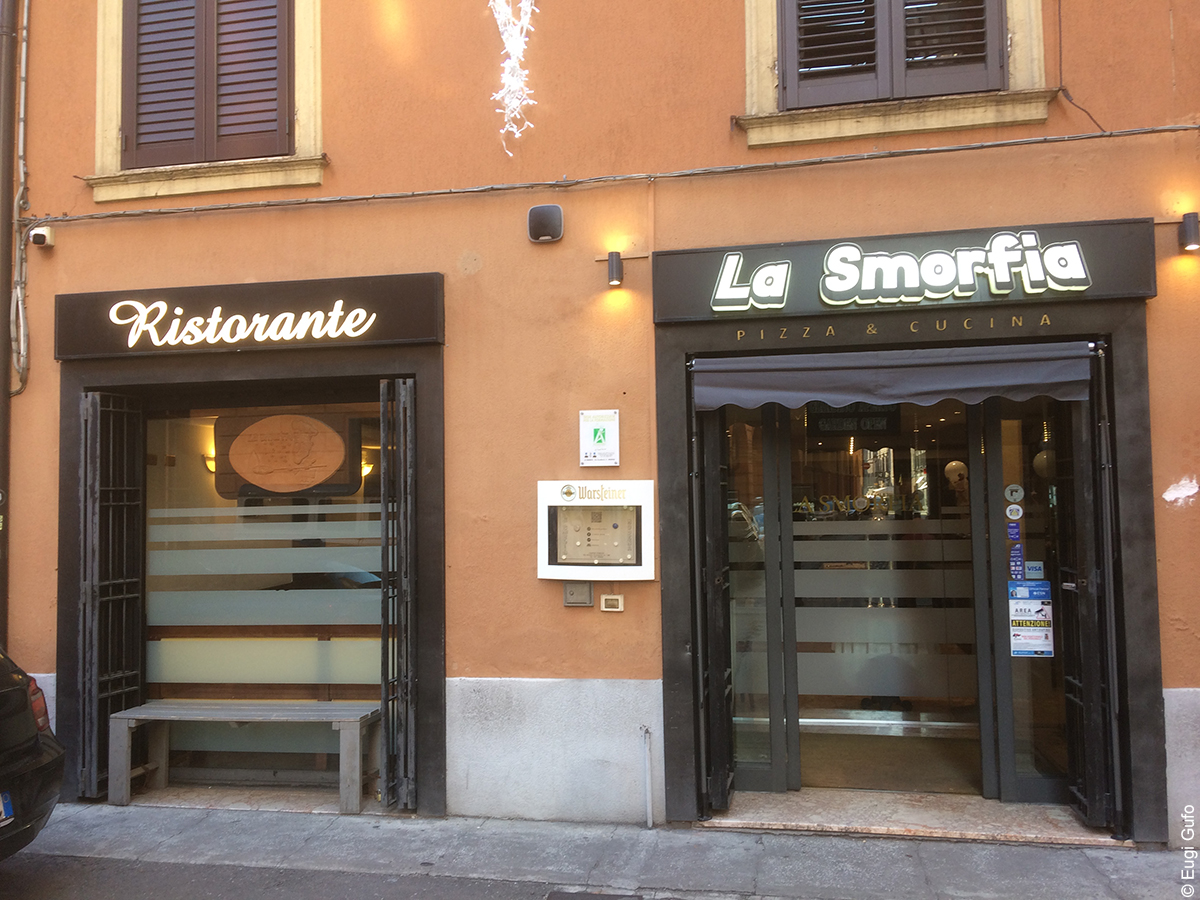
Then there are establishments whose names are less fortunate: one fixates on a single meaning of a word and forgets all the others that may sound awkward in certain contexts. Passers-by might wonder whether it describes customers’ reaction to the food quality (a courageous confession indeed) — and, uncertain, remain merely passers-by.
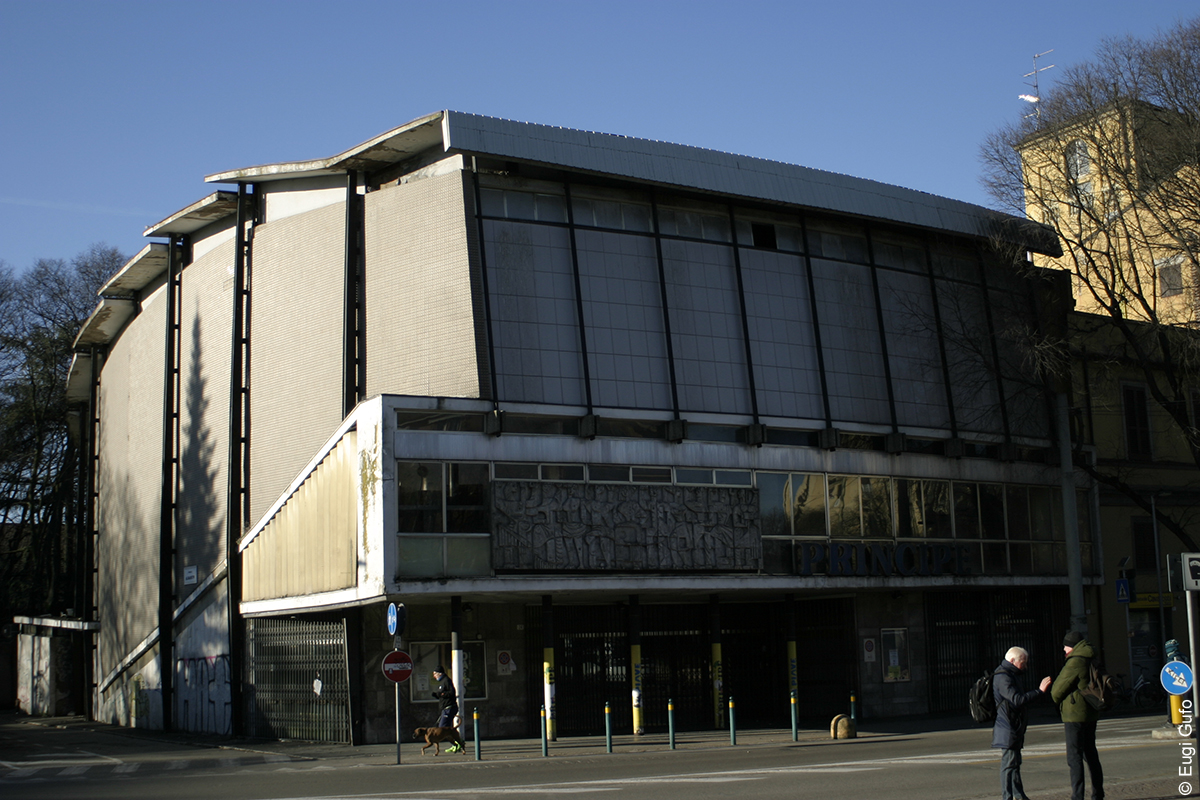
The «Principe» cinema, built between 1955 and 1961, appears to have been closed for many years: near the entrance there are still posters from 2008. Despite its modest size, I hope it will be restored somehow.
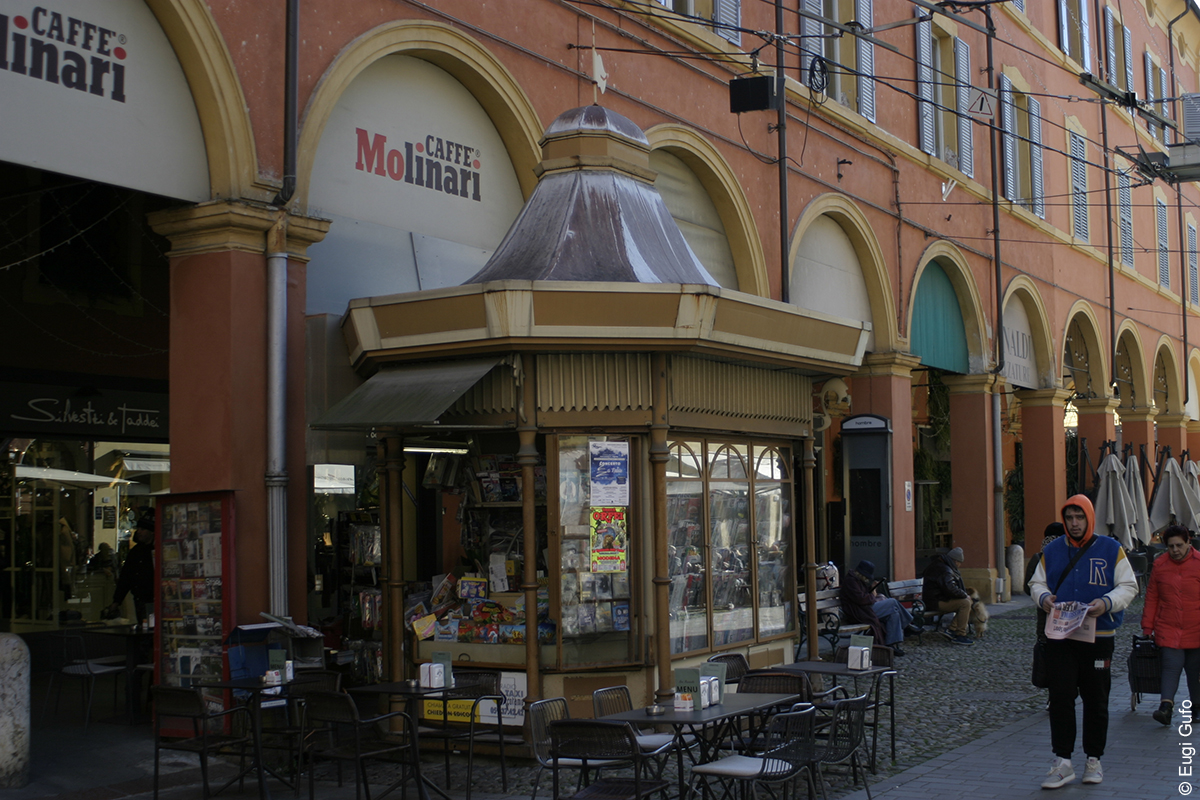
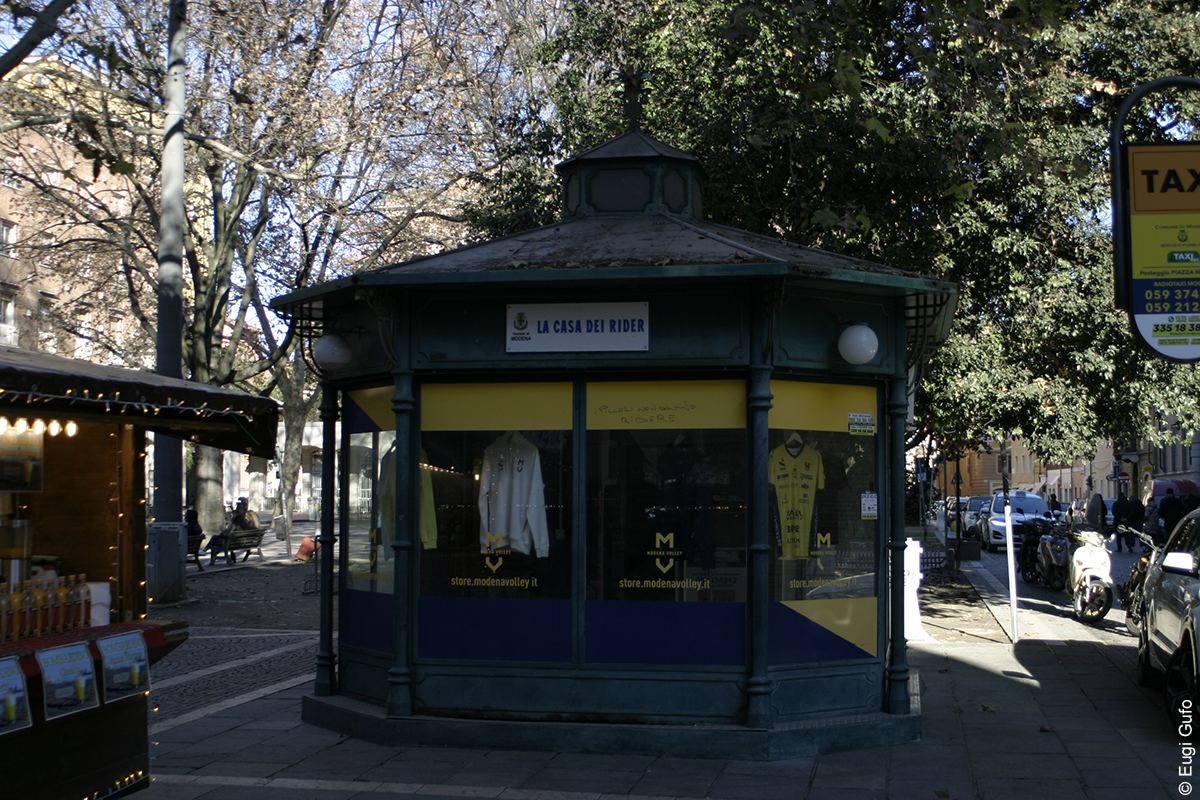
I fully understand why cinemas worldwide are closing. What I do not understand is how so many newsstands still survive (even though their numbers have fallen sharply in the past 10–15 years). The newsstands in Modena’s centre are stylistically very similar: not beautiful, but not dreadful either.
And occasionally there are kiosks specialising in… something unclear. The official name does not help; popular humour only confuses matters further. Thus one cannot really judge their economic usefulness.
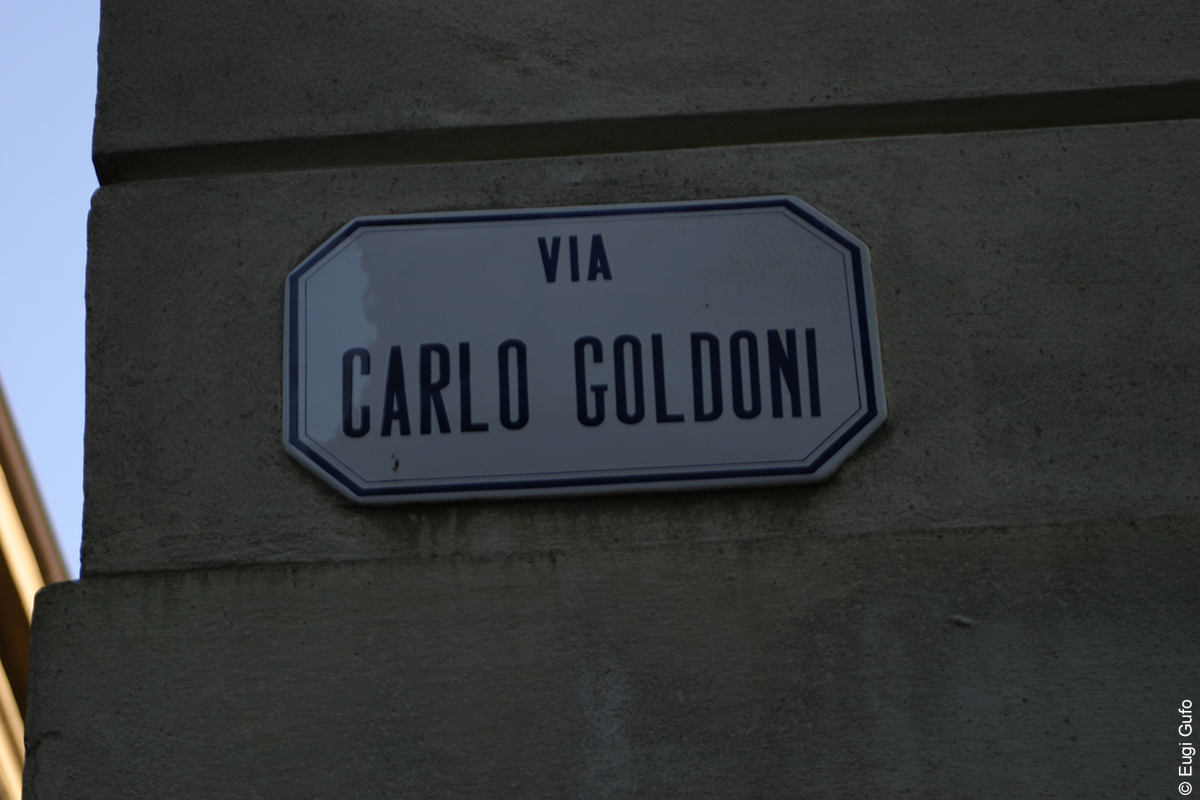
Street-name plaques, meanwhile, lack a unified style. Some types I like (though not all weather well), others less so.
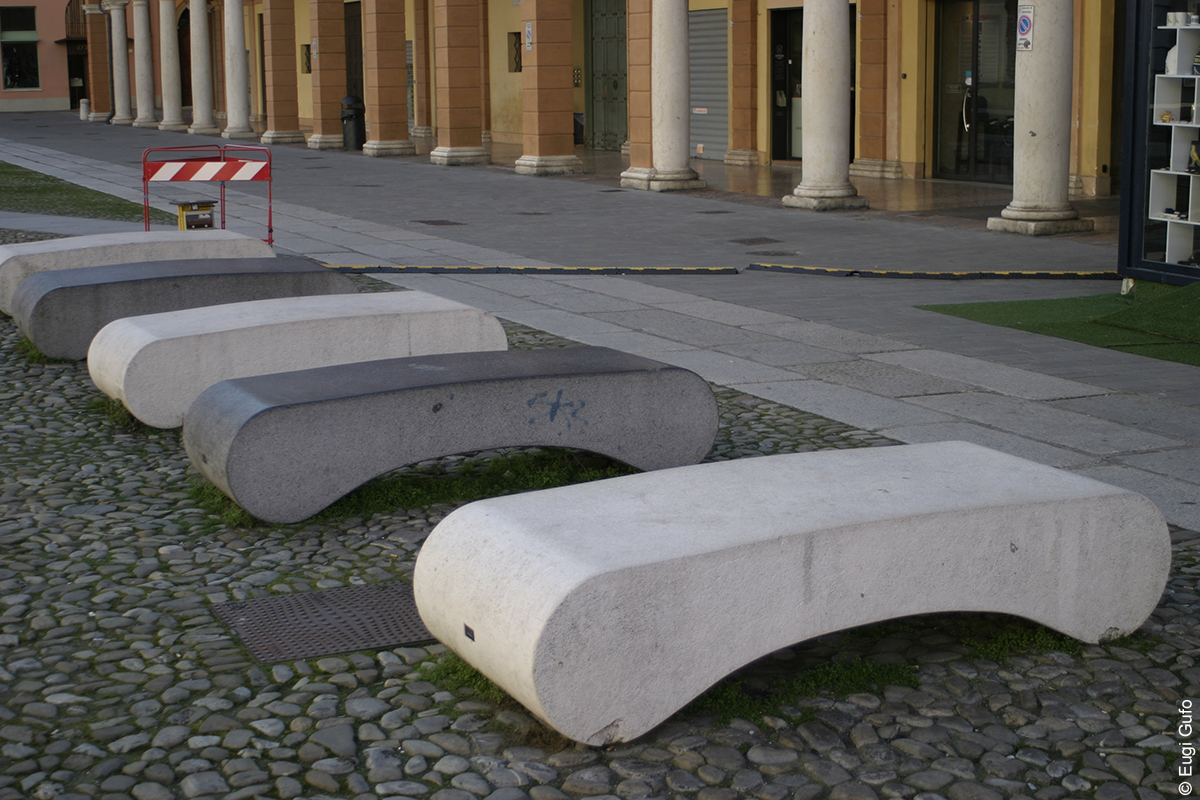
A completely new bench model — for me, at least — was spotted in only one square. But in generous numbers.
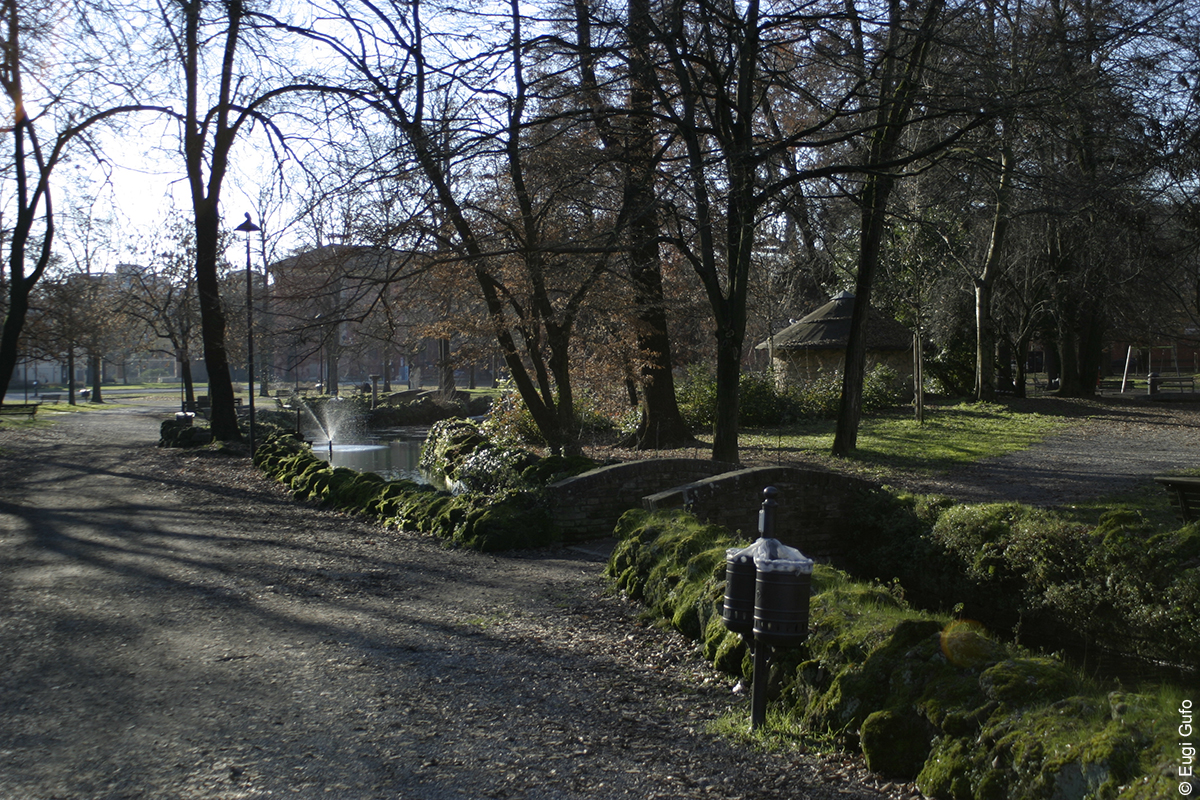
For those wishing to remain outdoors without settling for a simple bench, Modena also offers parks. The central ones possess all the classic park features and are pleasant to visit even in passing. For example, the Giardino Ducale Estense:
This space near the city stadium initially seemed rather strange to me: a vast lawn surrounded by an asphalt track with no markings for any specific sport, and two buildings along the long sides — one «ordinary», the other shaped like a small grandstand. But thanks to an information board, I learned that it is an old hippodrome (dating to the 1870s) transformed in the twentieth century into a «park» with minimal effort: nothing planted, structure unchanged. Essentially, it is a huge open space that surely becomes entirely useless whenever the hot summer sun appears.
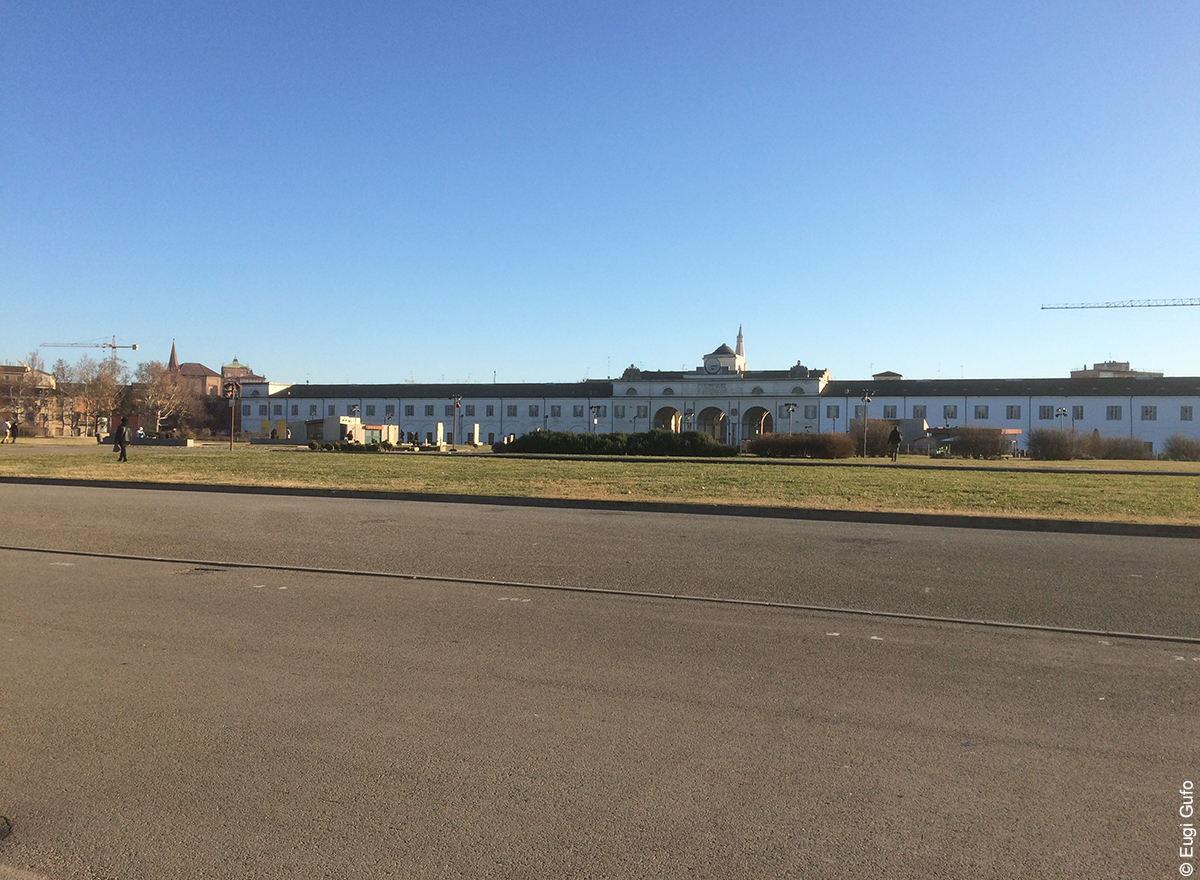
At the same time, preserving the historic building was the right decision.
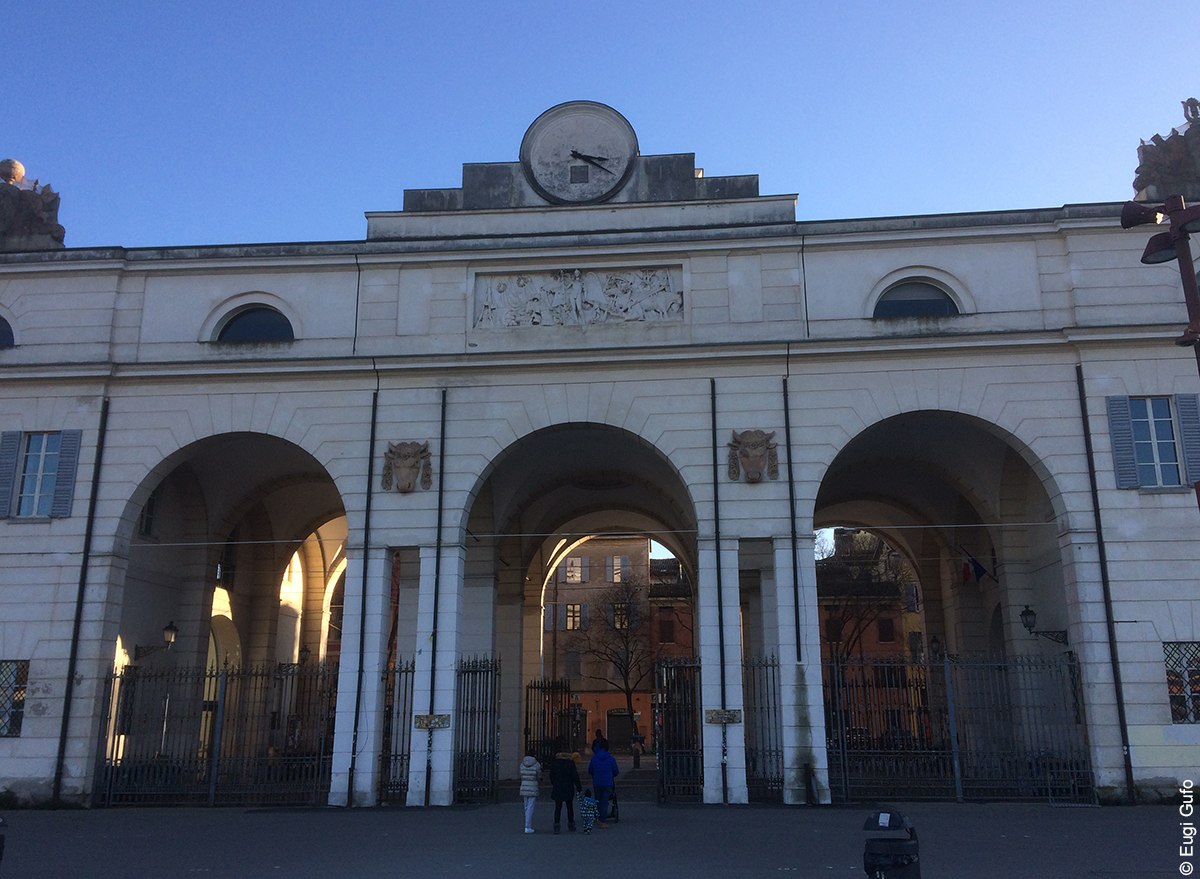
The grandstand, I presume, is now used only on rare festive occasions.
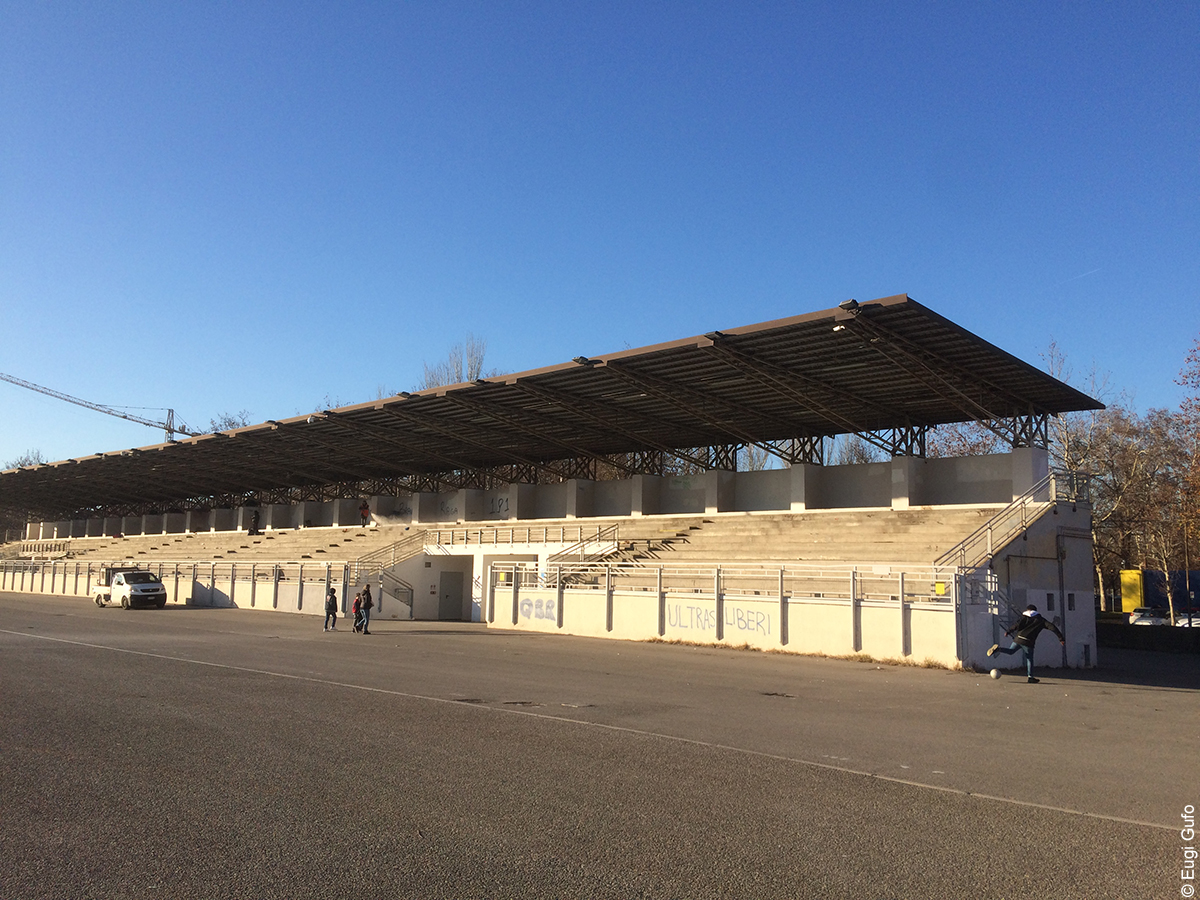
Since I was nearby, I attempted to see the local stadium. Attempt failed: it is small and surrounded by a wall. Not being a football fanatic, I did not go in search of secret entrances.
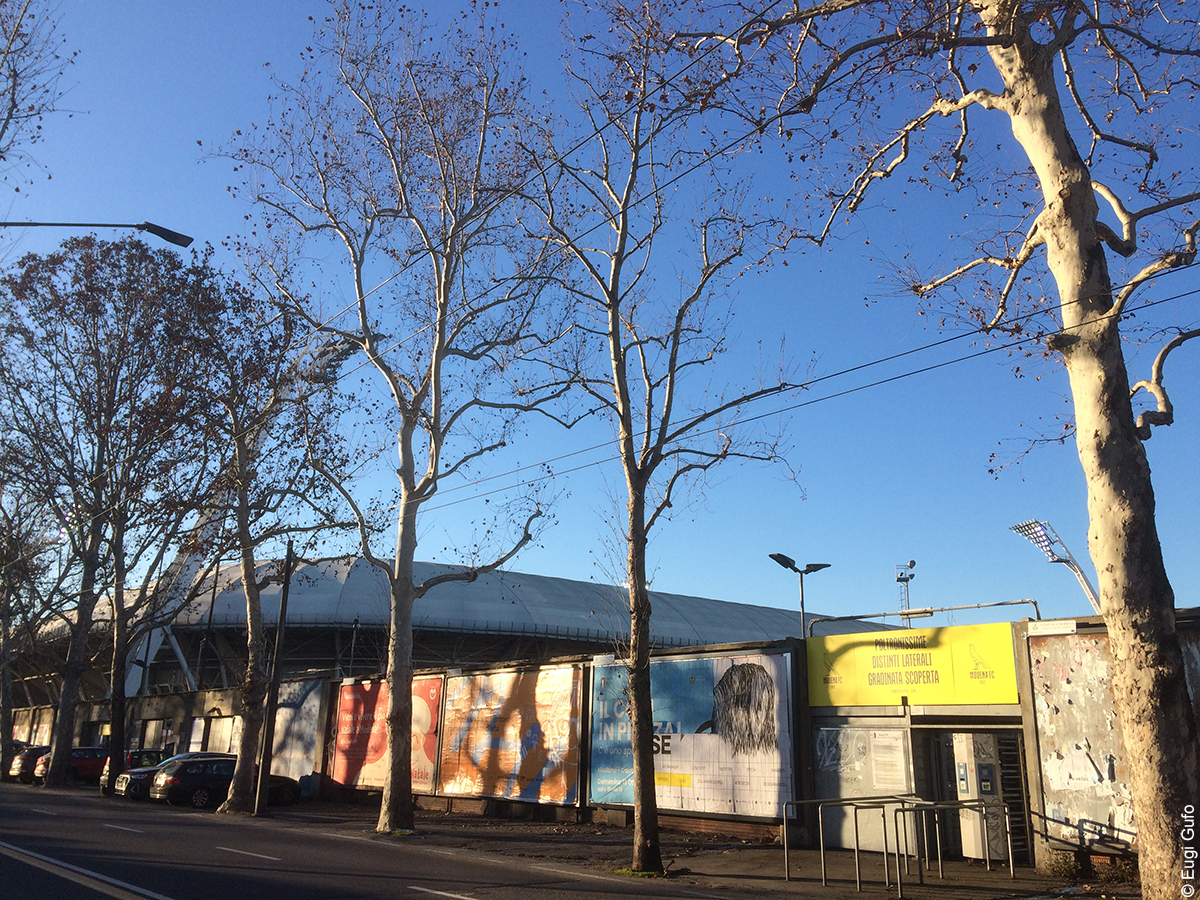
So I returned to the city, where I found, among other things, the former tobacco factory. Originally part of a convent, it was converted to industrial production in 1850. The factory was expanded in 1902 (acquiring the dimensions visible in the photos) and closed exactly one hundred years later, in 2002. In 2007 it was declared a building of cultural interest. Since 2019, works have been underway to convert it gradually for other uses beneficial to the local economy.
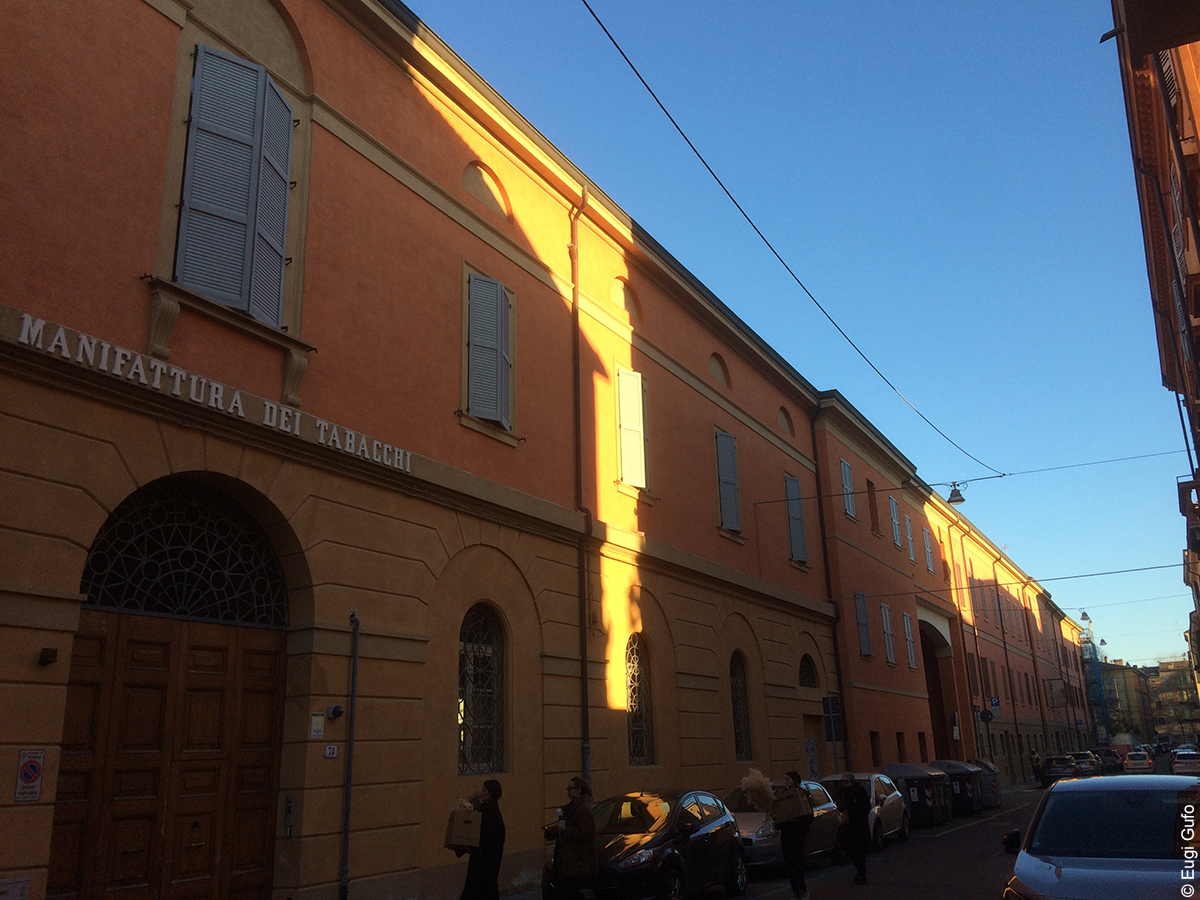
Naturally, the former tobacco factory is not the only large building in Modena undergoing recovery.
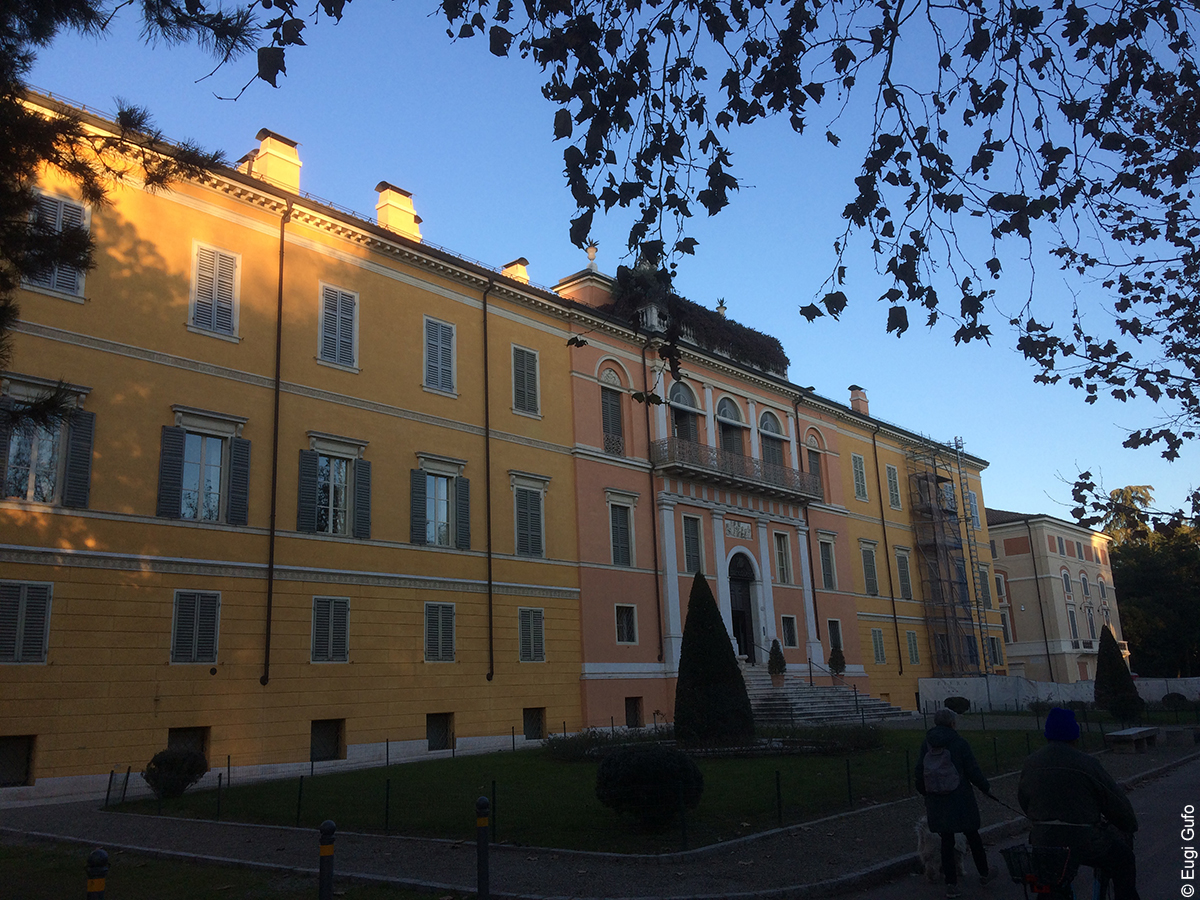
One of the few unfortunate exceptions is the former Garibaldi Barracks: the building contains remnants of sixteenth-century decoration; until the Napoleonic era it was part of a monastery, later transformed into a French barracks, then Italian… Since the early 1990s it has stood abandoned, and its condition has steadily worsened. In 2021 it was purchased by a private company, so there is still hope for restoration.

With this, I conclude the description of Modena’s traditional attractions: we have already seen the main ones. I shall only add that near Modena railway station I saw one of the most interesting secure bicycle parking facilities in northern Italy.
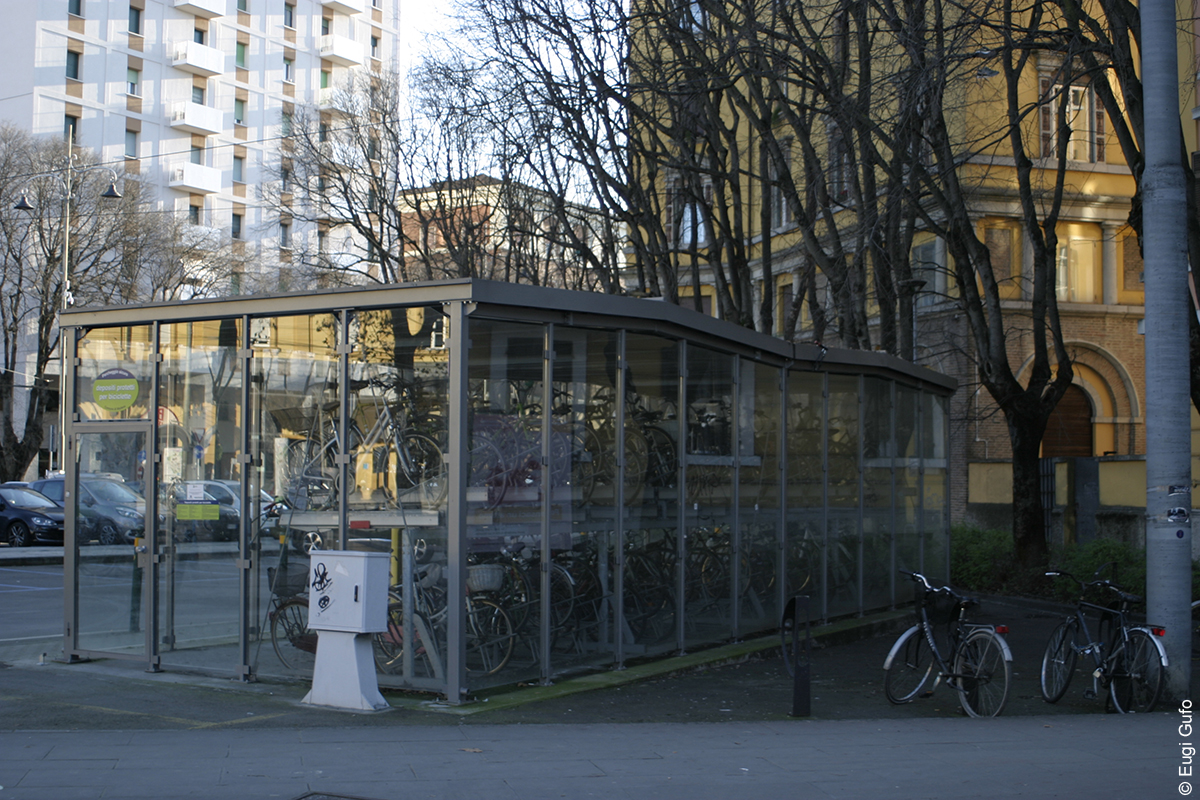
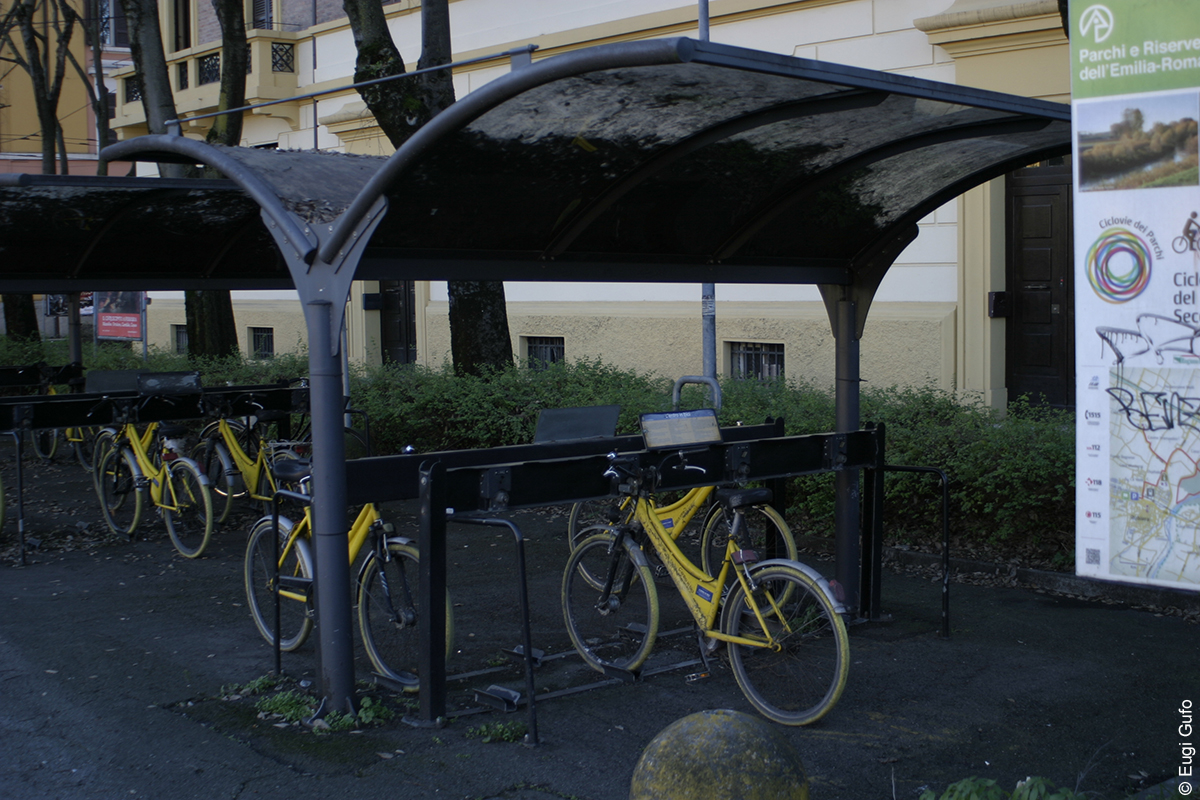
Indeed, I saw countless bicycles and parking areas throughout the city… The strangest thing is that during my entire day exploring Modena I did not encounter a single Ferrari. Not one. I could pretend to be a deceived tourist, appeal to some specialised authority and claim compensation for severe moral damage… But I am not that wicked. And besides, I did see an ancient (by now) bike-sharing system.
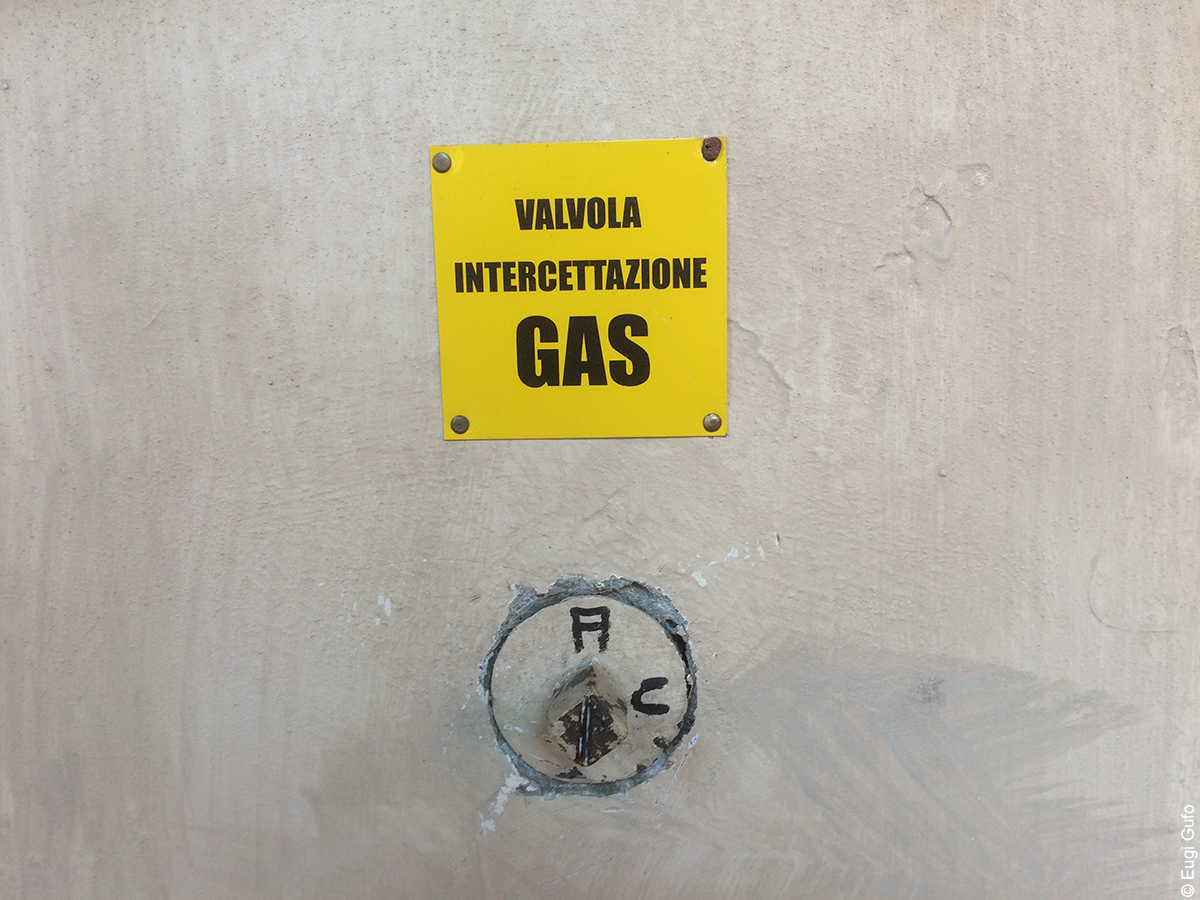
And now that is truly all. Before leaving, let us remember to close everything properly.
If you are planning to visit Modena sooner or later, let me warn you once more: its centre is so small that, even if you visit all the museums and all the churches in a single day, you will genuinely manage to see everything.
Modena, 27 December 2024
↓ Show comments ↓

