


 Long live Ukraine! Fuck the war!
 RSS of site articles
In August 2024 I finally visited Val Codera — a magnificent mountain area to which I devoted no fewer than three photographic reports. My ascent into the valley, however, had begun in a rather uninspiring village on the shores of Lake Mezzola. Later, reflecting on this curious disparity in touristic quality between two neighbouring areas, I was struck — perhaps — by a bout of what can only be described as touristic self-harm. I began to wonder whether other villages along the same shore, just a few kilometres away, might be equally… underwhelming.
The most logical way to resolve such a doubt was to see for myself. So I selected an available date (24 December, naturally) and chose two nearby localities — thus maximising the scientific utility of the excursion. Today, therefore, I present the first of the two: Verceia, a municipality of just over one thousand inhabitants in the vast province of Sondrio.
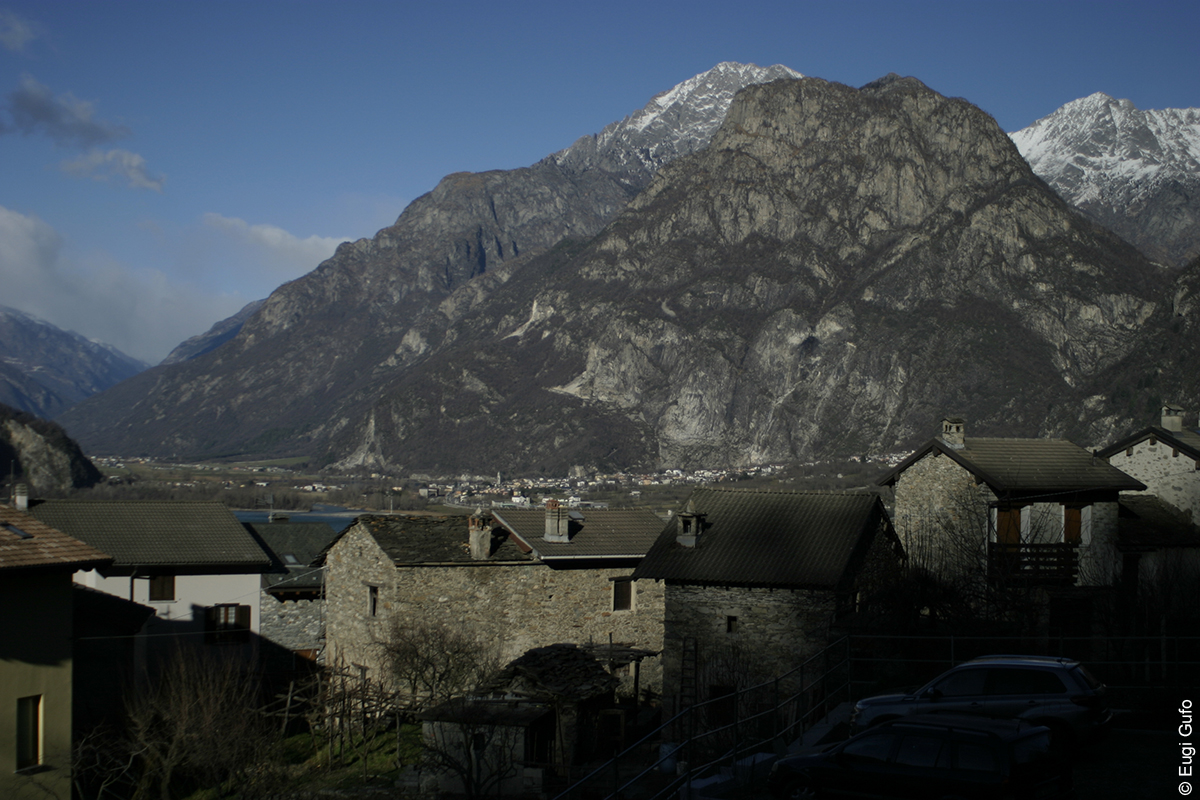
The oldest part of the village — that which, with a modest effort of imagination, may be called the historic centre — consists of typical mountain-style buildings. It is a style I appreciate greatly: it conveys peace and quiet dignity.
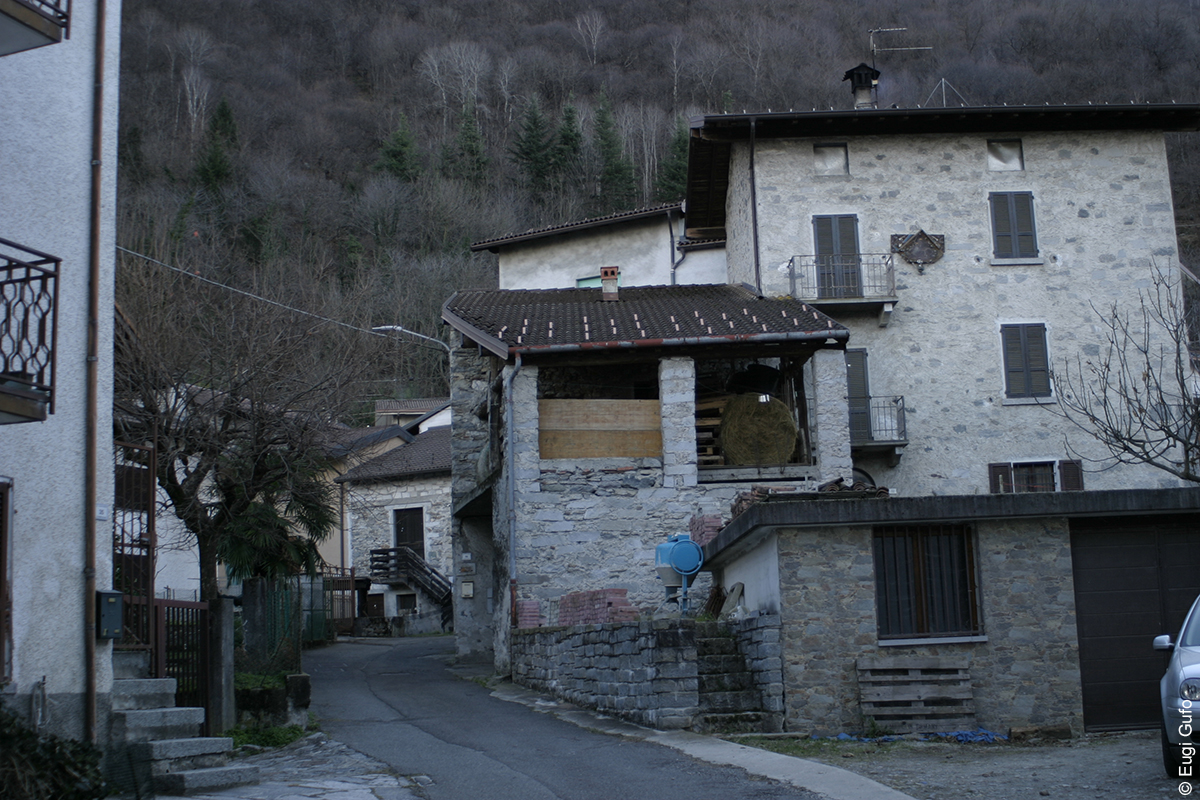
Some of these houses are restored and reasonably well maintained.
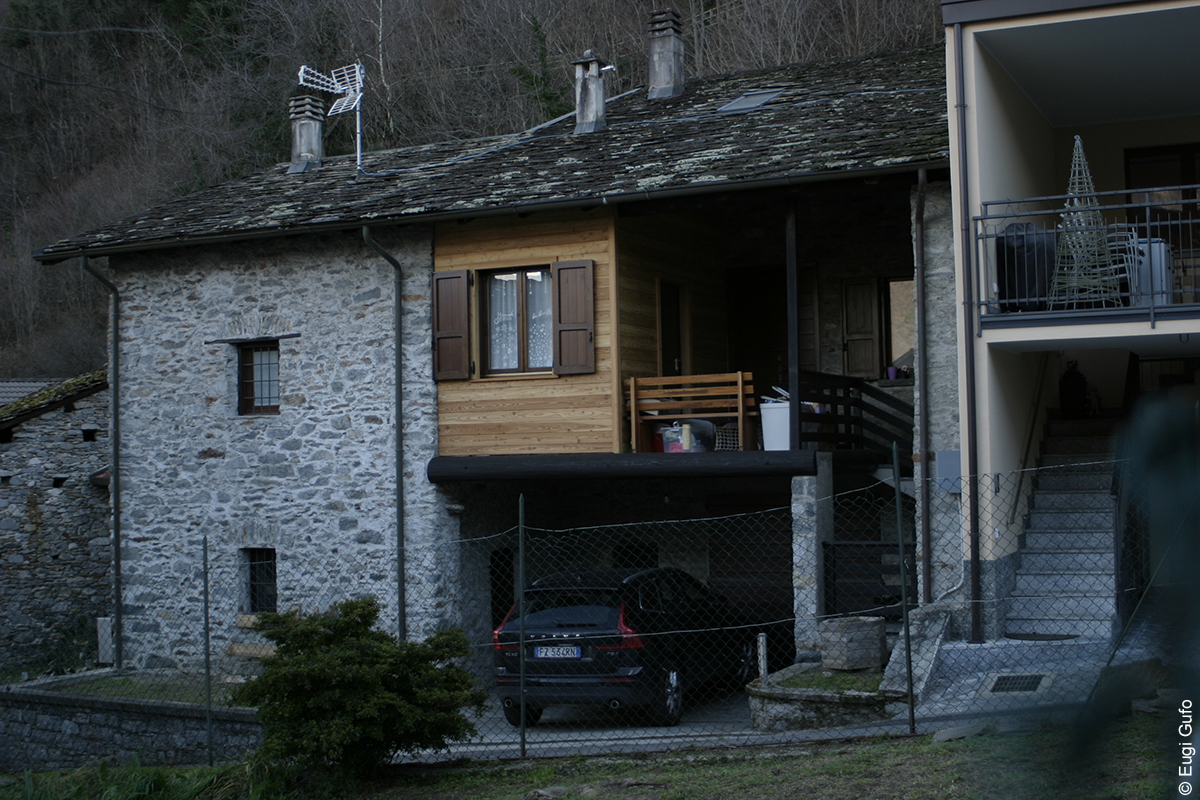
Others have been restored in a manner that I can only describe as stylistically alarming (according to my entirely impartial criteria).
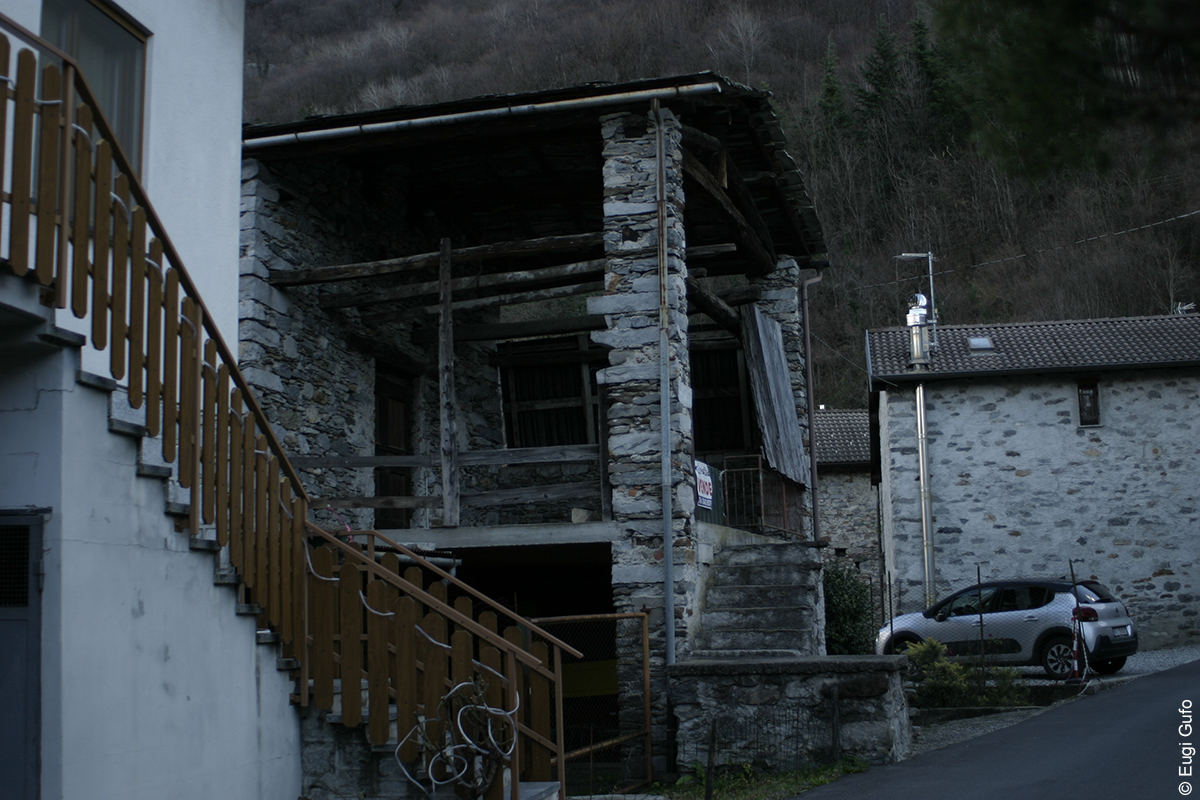
Then there are houses of various periods and styles, somewhat neglected and currently for sale. A few of them deserve rescue.
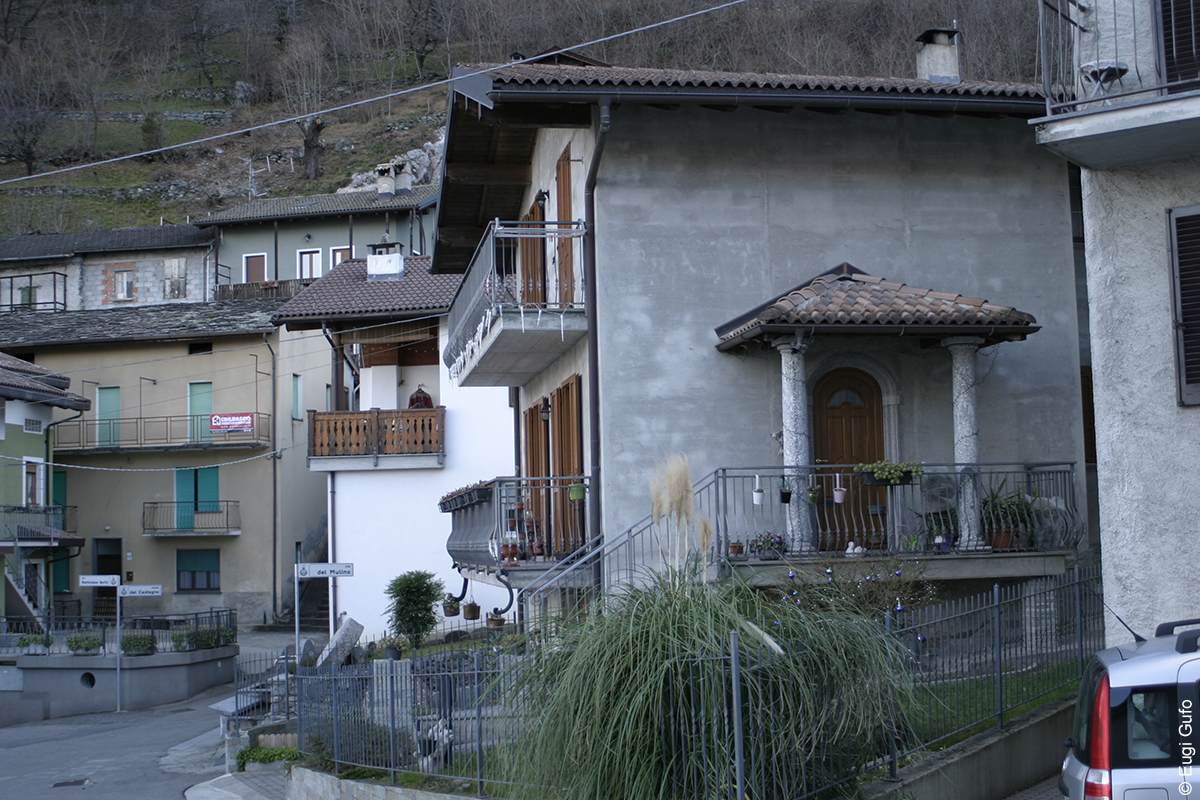
Certain buildings have been renovated so thoroughly that their original construction period is now anyone’s guess.
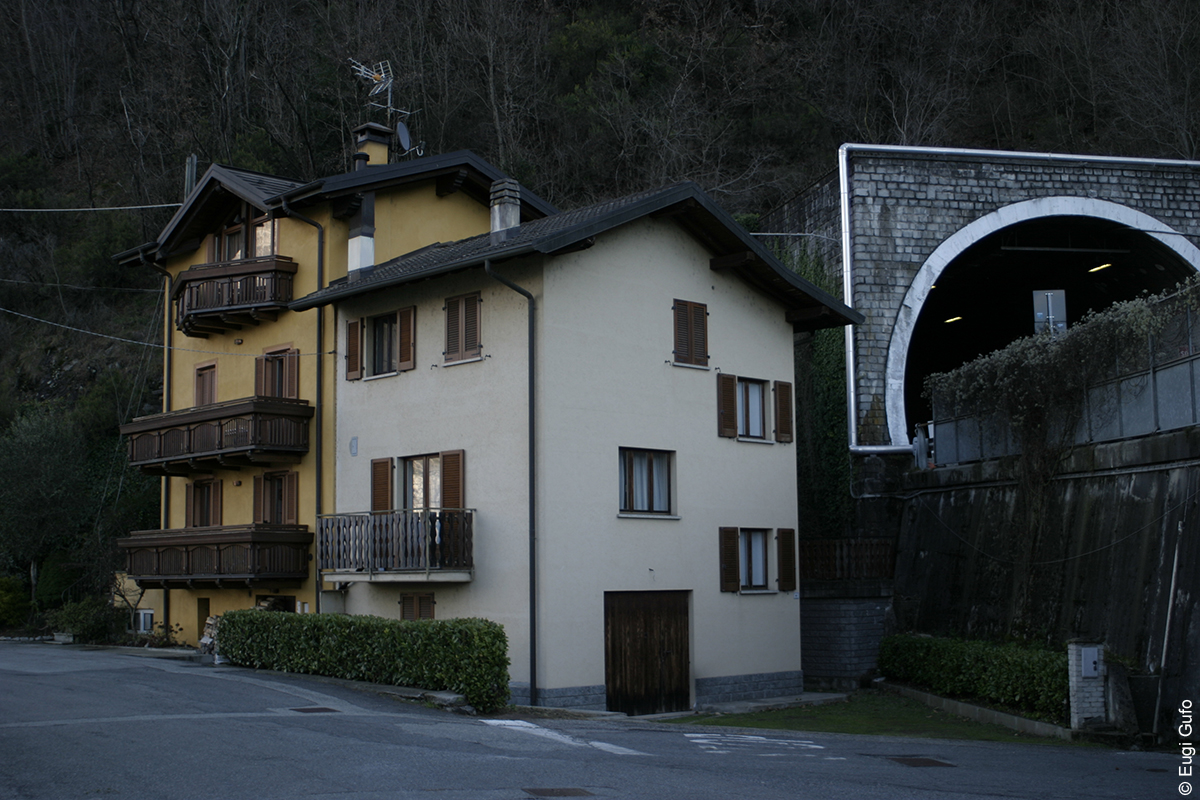
And, inevitably, there are a few examples of modern architecture. Some are moderately interesting.
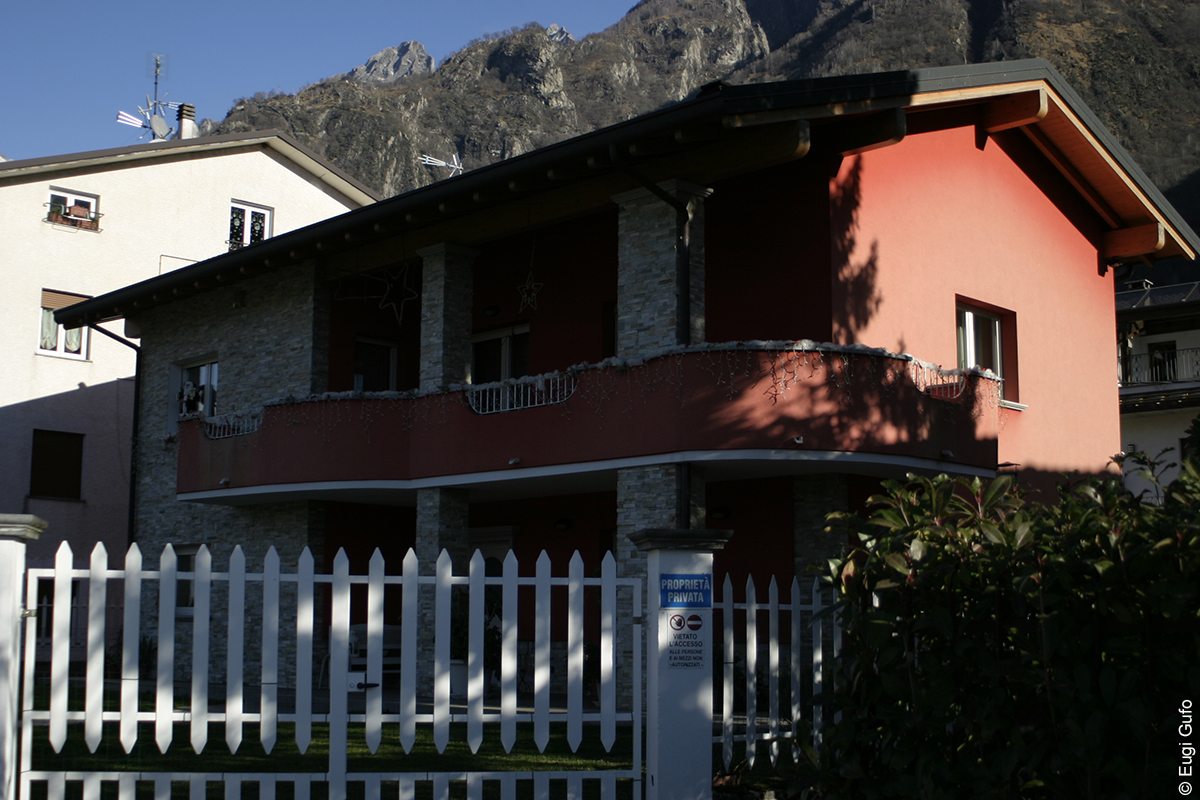
Or perhaps this is the real historic centre: more compact, multi-storey buildings gathered together in closer formation?
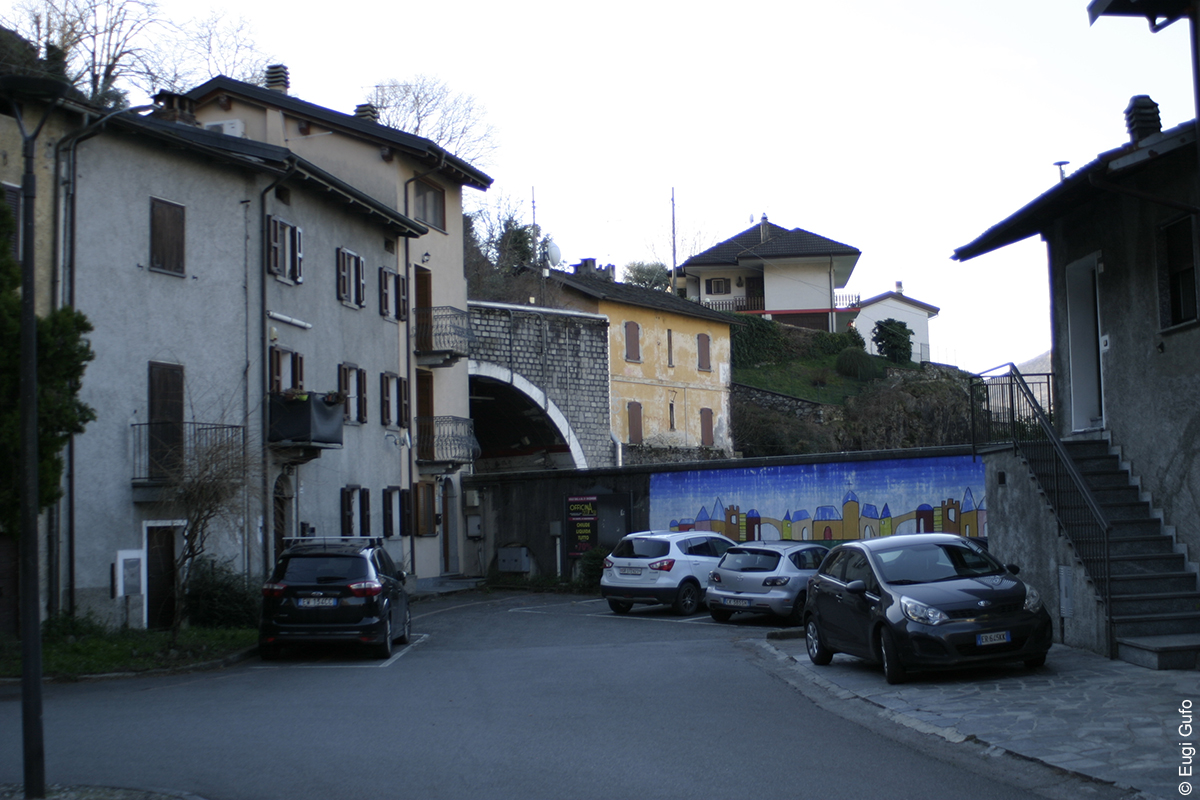
Possibly so, since this area also contains the village church — built at the end of the 17th century, dedicated to Saint Fedele, and elevated to parish status in 1886.
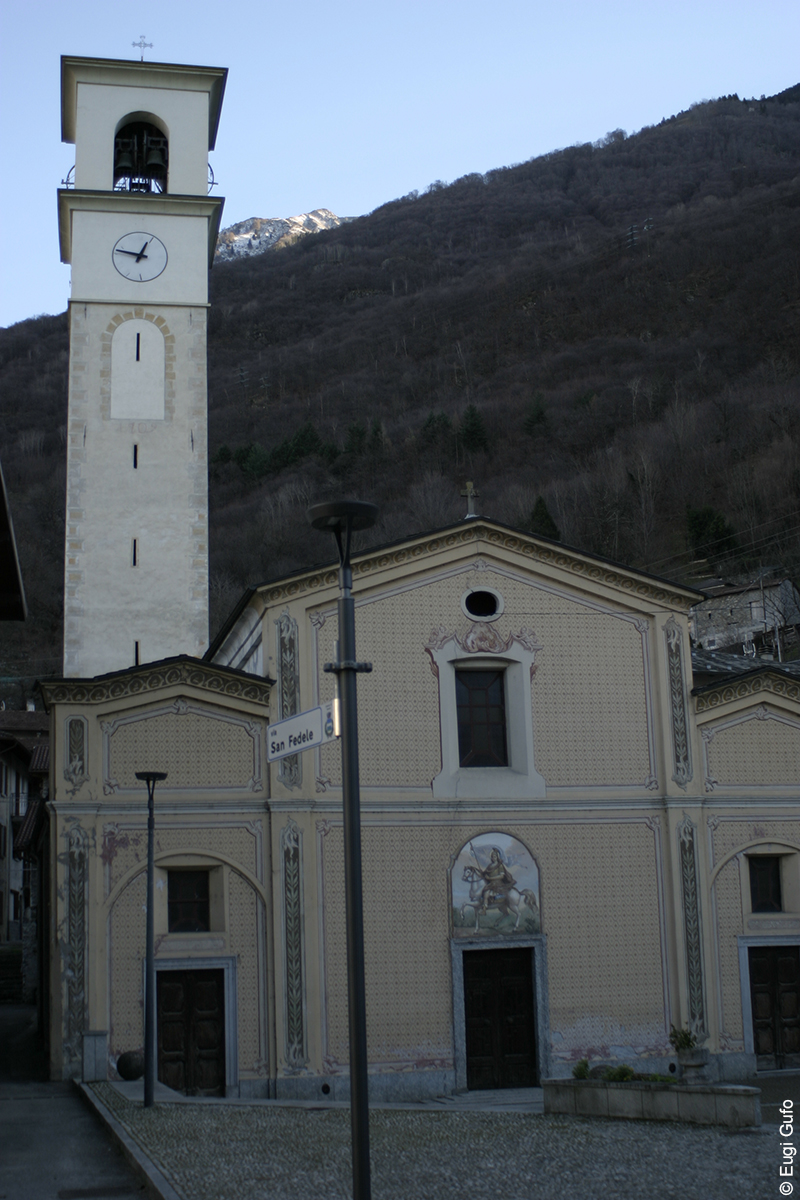
I cannot report on its interior, as it was closed during my visit.
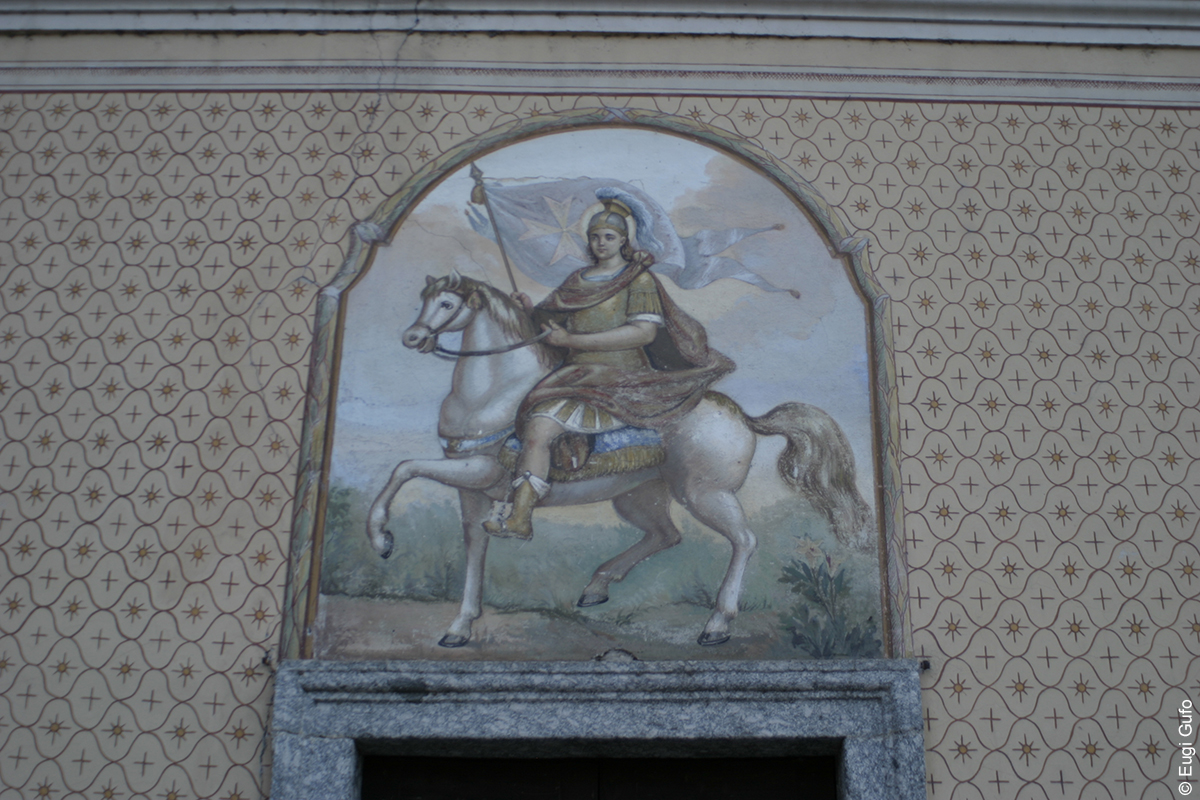
In two different parts of the village (and there may well be more), I noticed rather puzzling religious road signs. The one in the next photograph, for example, stands next to the railway station toilet — geographically distant from any place of worship. What could it mean? That Verceia celebrates festive Mass in the lavatory? One hesitates to speculate.
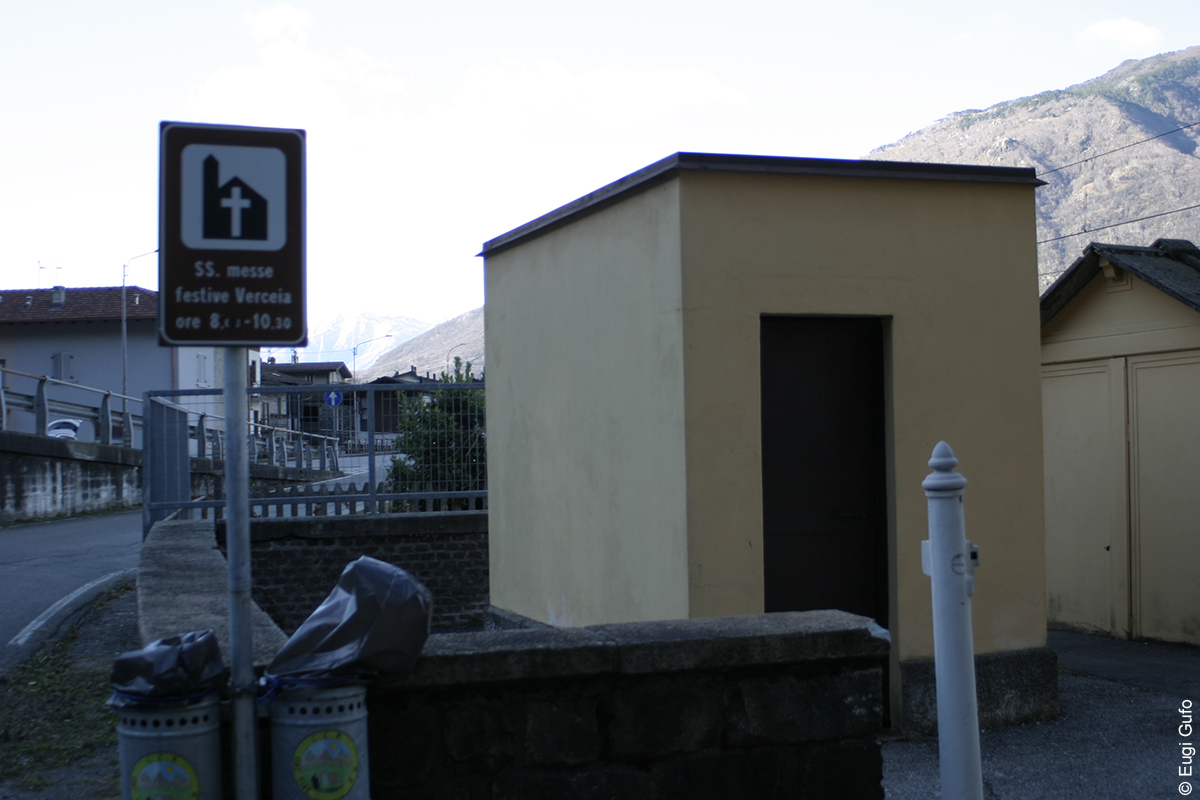
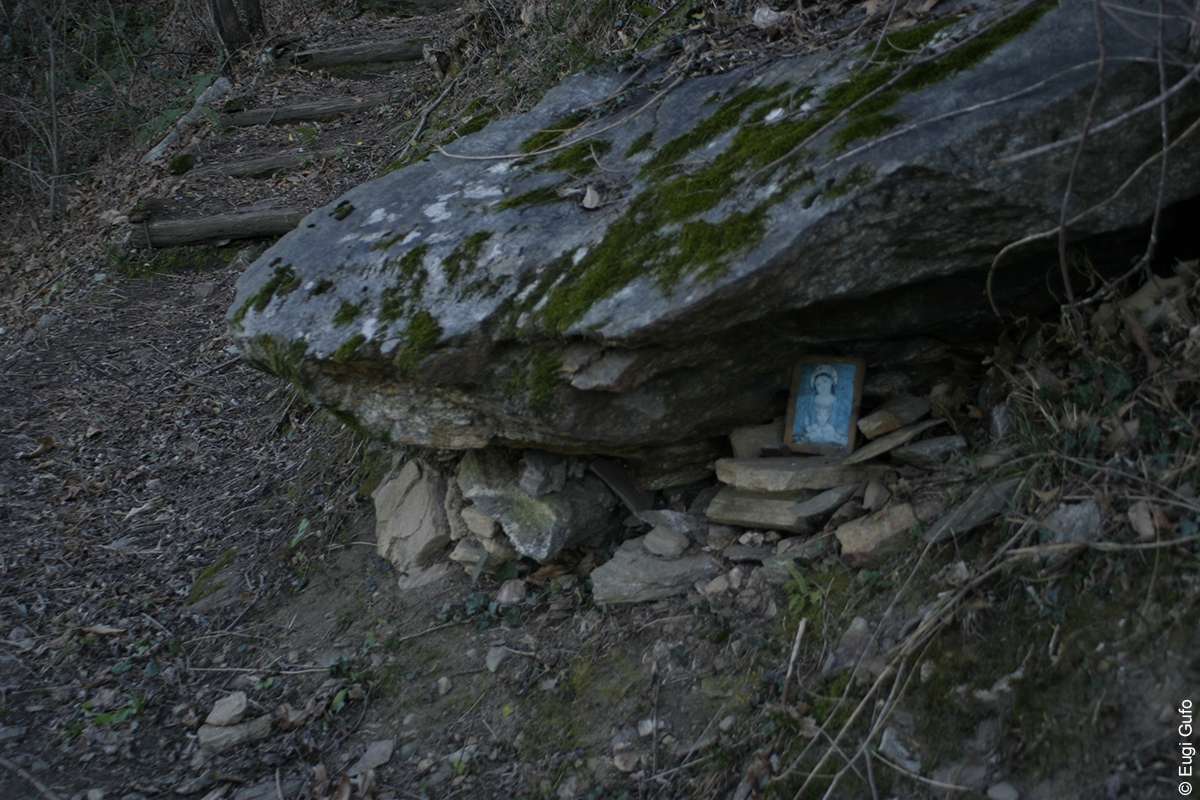
More traditional and comprehensible religious artworks can also be found within the municipality.

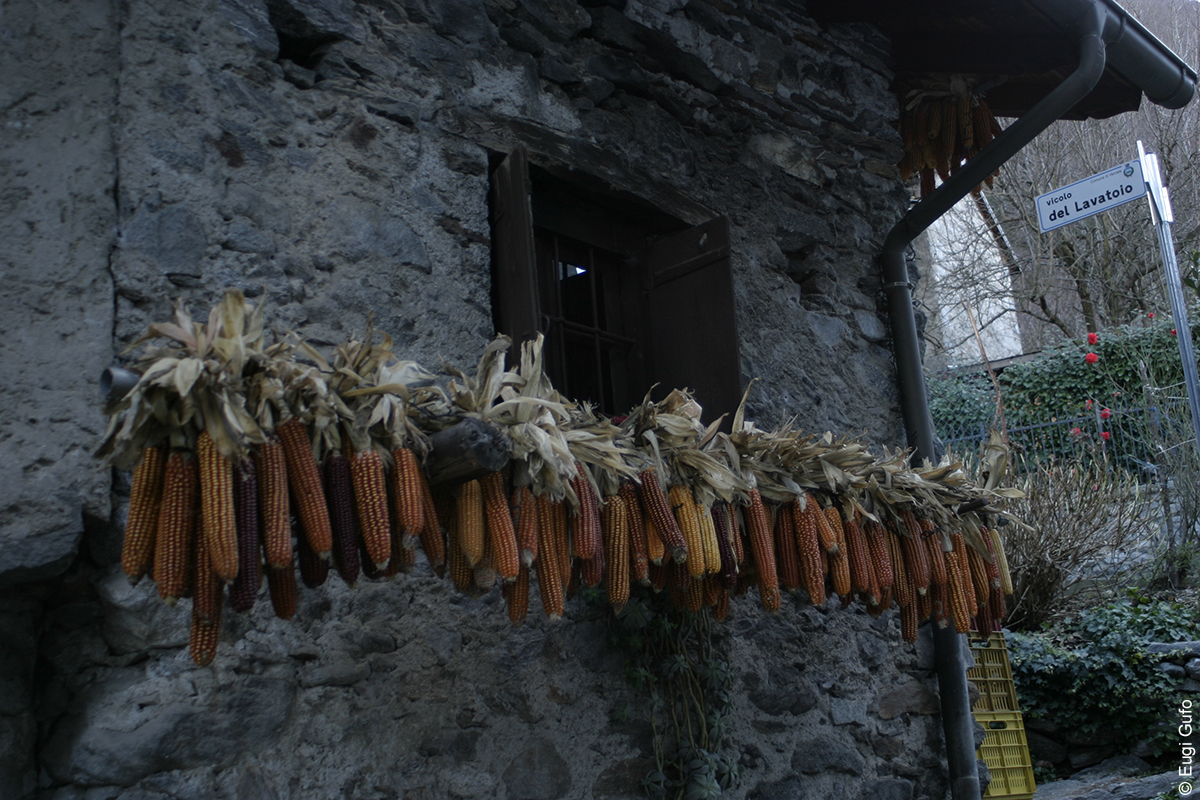
On two houses I observed long rows of corn cobs hanging from the façades. At first I assumed this was a particularly original decorative effort for some seasonal celebration. A friendly local farmer kindly clarified that this is simply how he dries the corn before using it as sheep feed. Practicality triumphs over aesthetics.
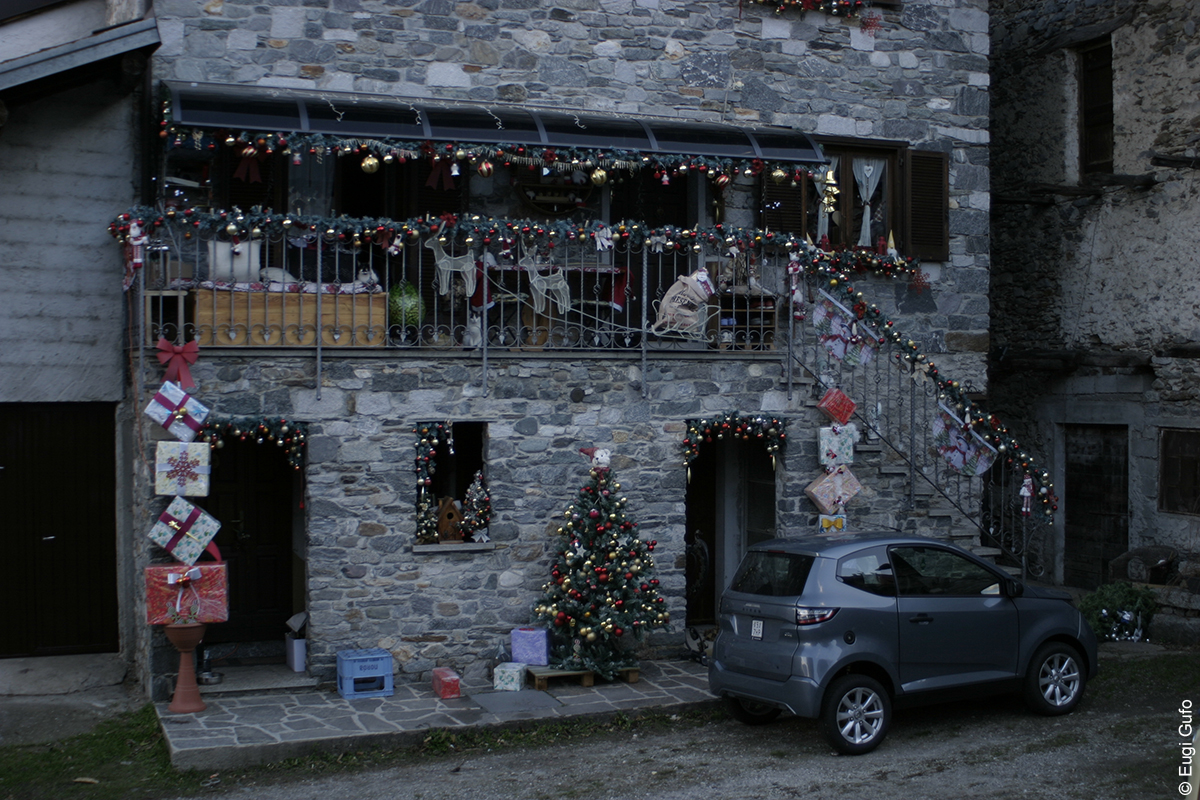
Christmas decorations, on the other hand, are easily identifiable. The «most Christmas» house in Verceia is undoubtedly this one:
Meanwhile, the owners of another property appear to have crucified Father Christmas. Perhaps dissatisfaction with previous gifts. Or perhaps a pre-emptive explanation to the children.
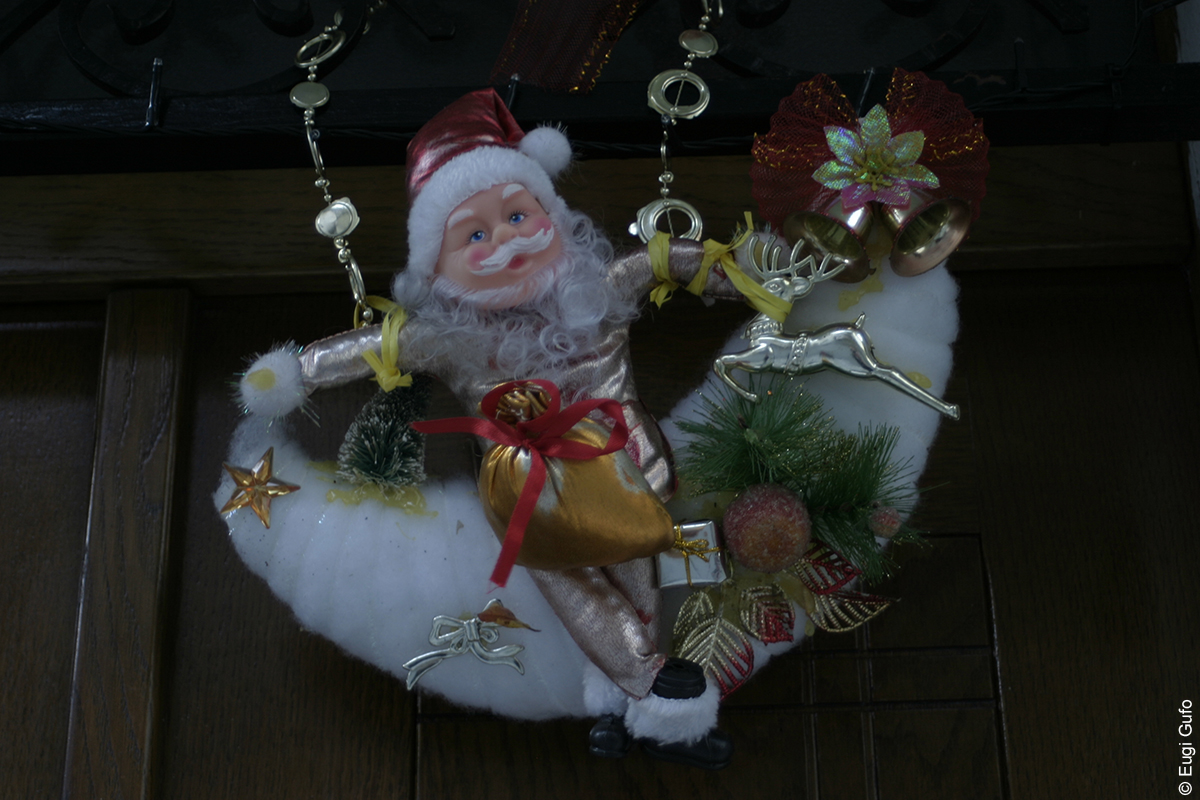
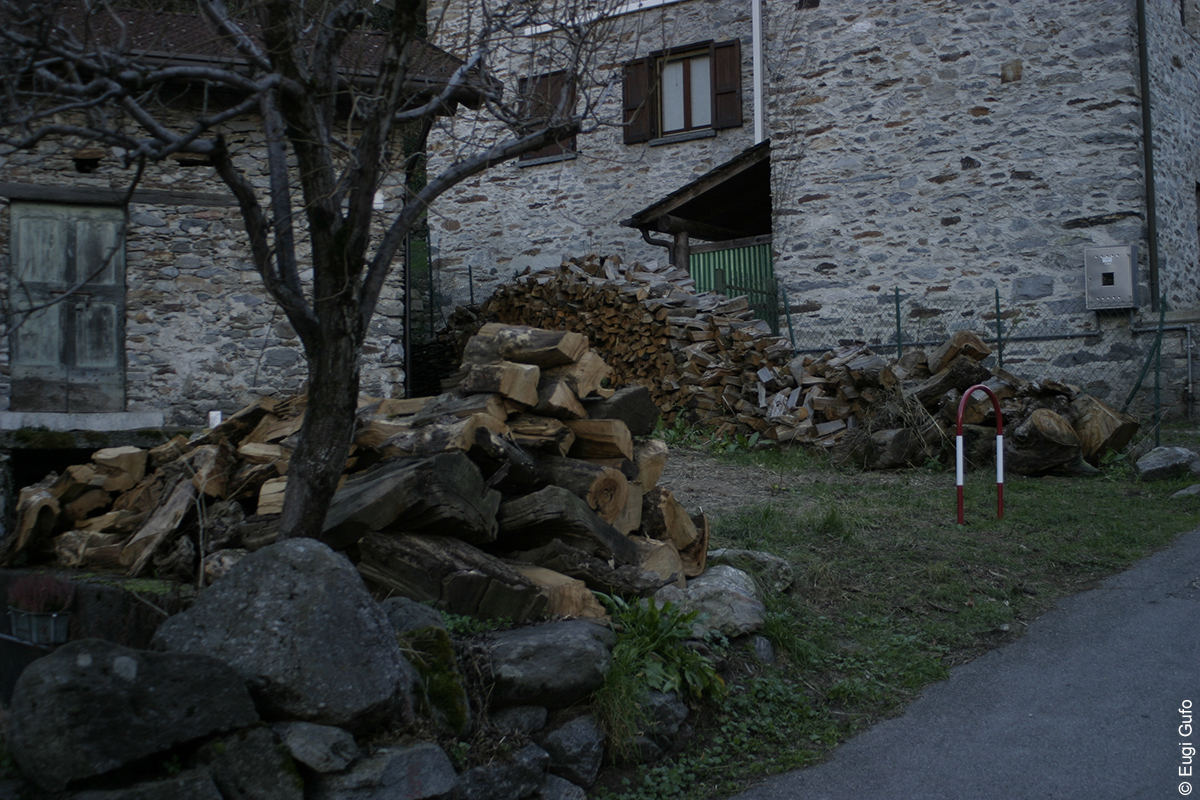
Most modern Christmas decorations, however, are mass-produced and therefore hardly unique. We seek something more characteristic. Firewood stacks, for example, are increasingly rare outside mountain villages (and not because such villages are dominated by pizzerias). In this respect, Verceia does not disappoint.
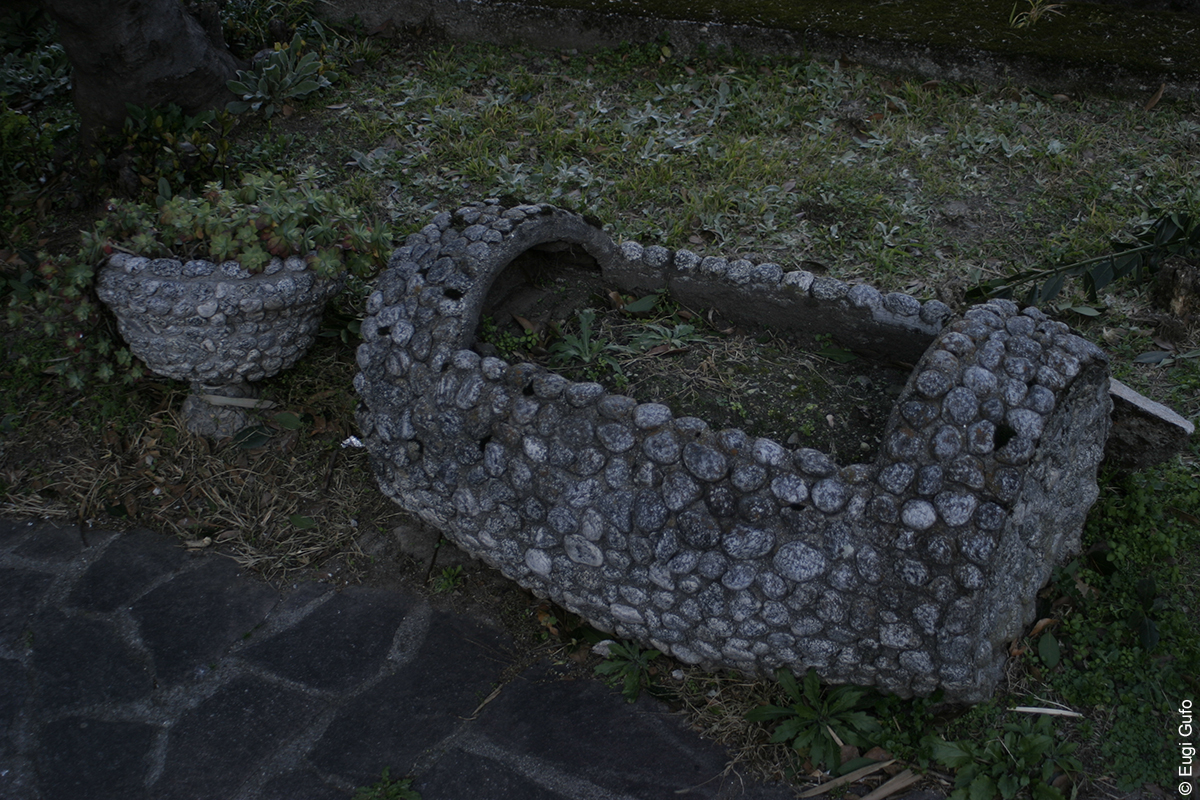
It may be the first time I have seen outdoor flower pots constructed from pebbles. Until proven otherwise, I shall regard them as a local peculiarity.
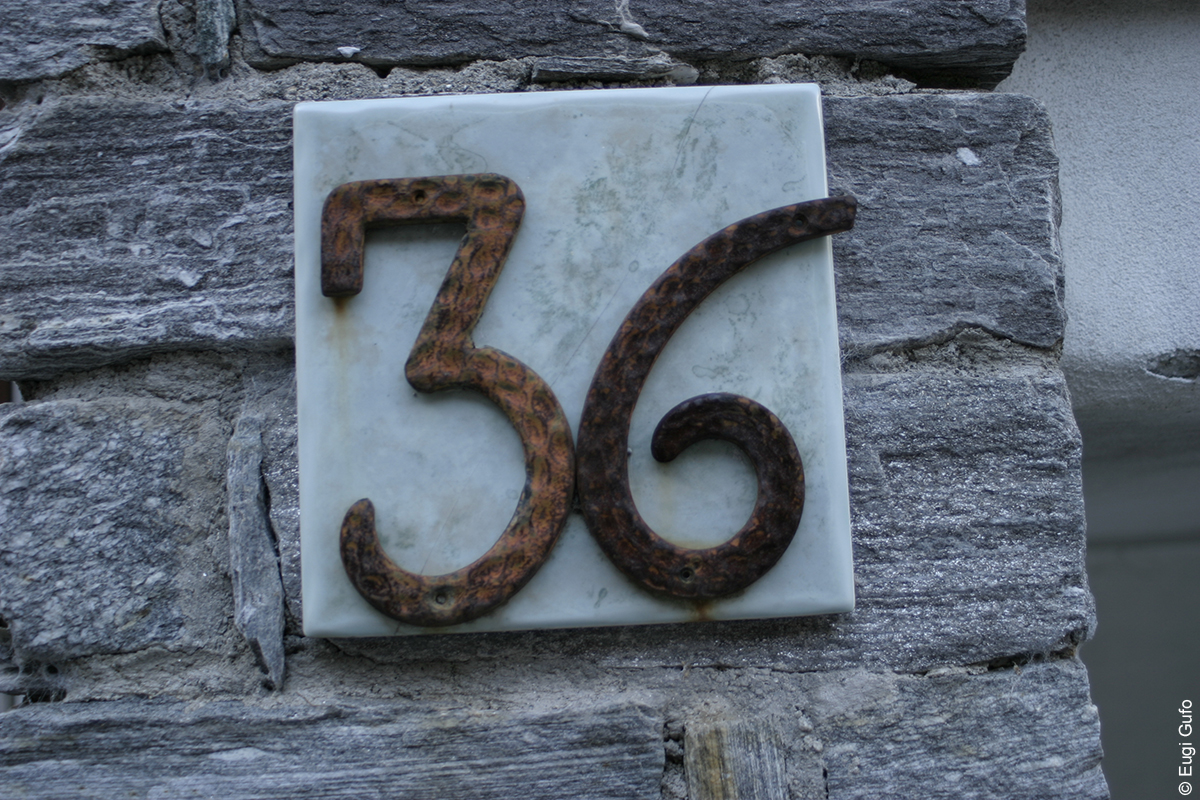
Equally novel was a house number fashioned from old horseshoes — or so it would seem from the shape of the digits.
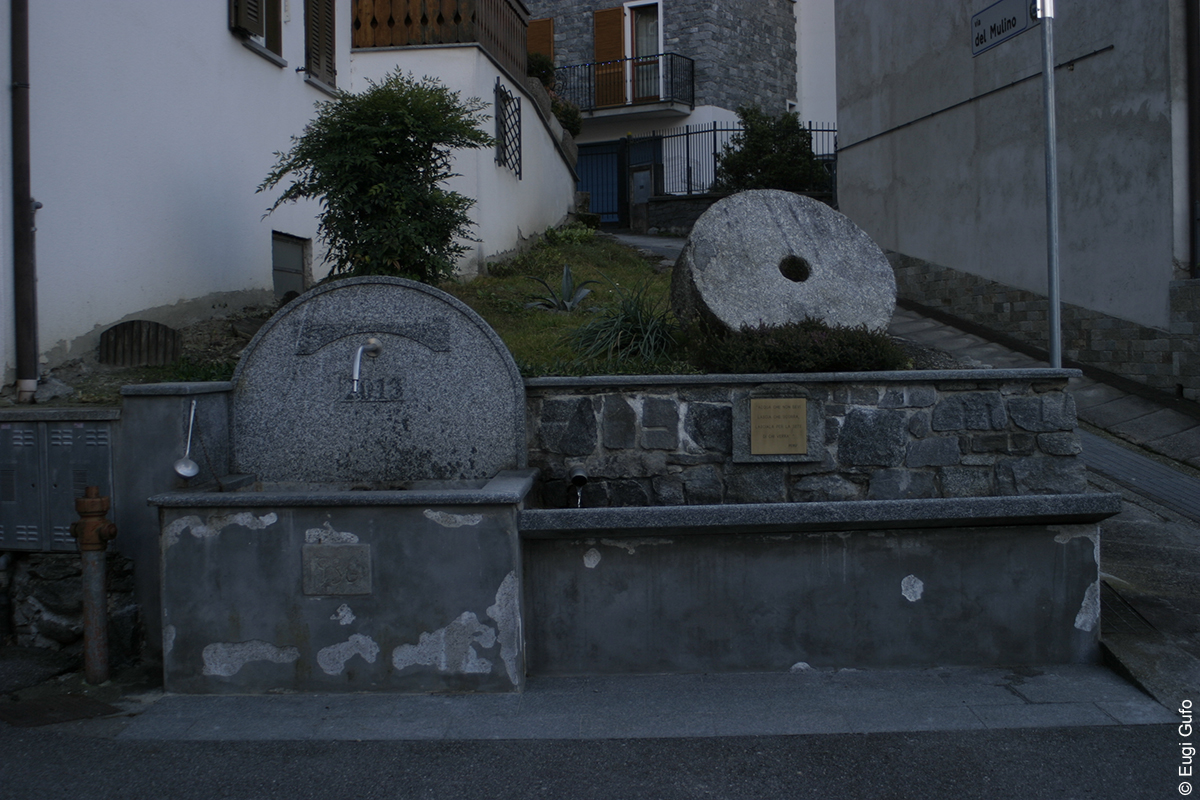
The local washhouse — built or restored in 2013 — is, by contrast, rather conventional.
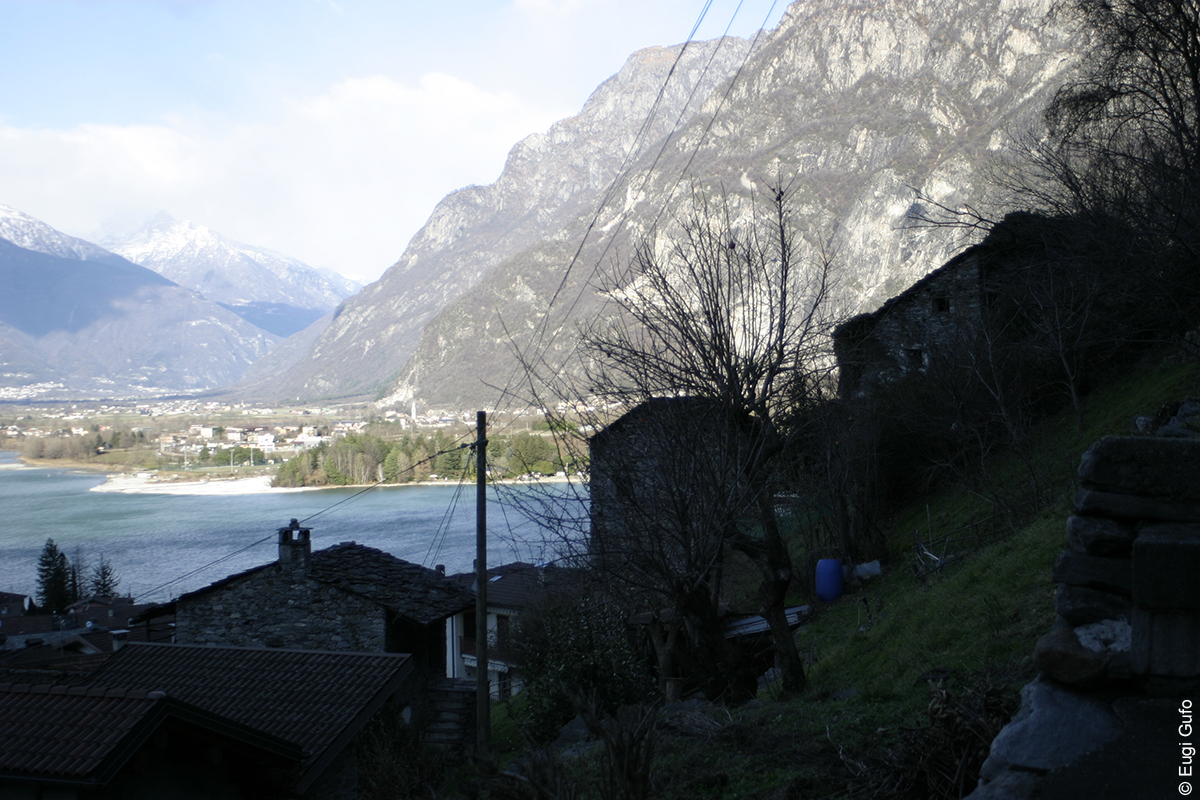
From many points in the village, even near the centre, one glimpses the waters of Lake Mezzola.
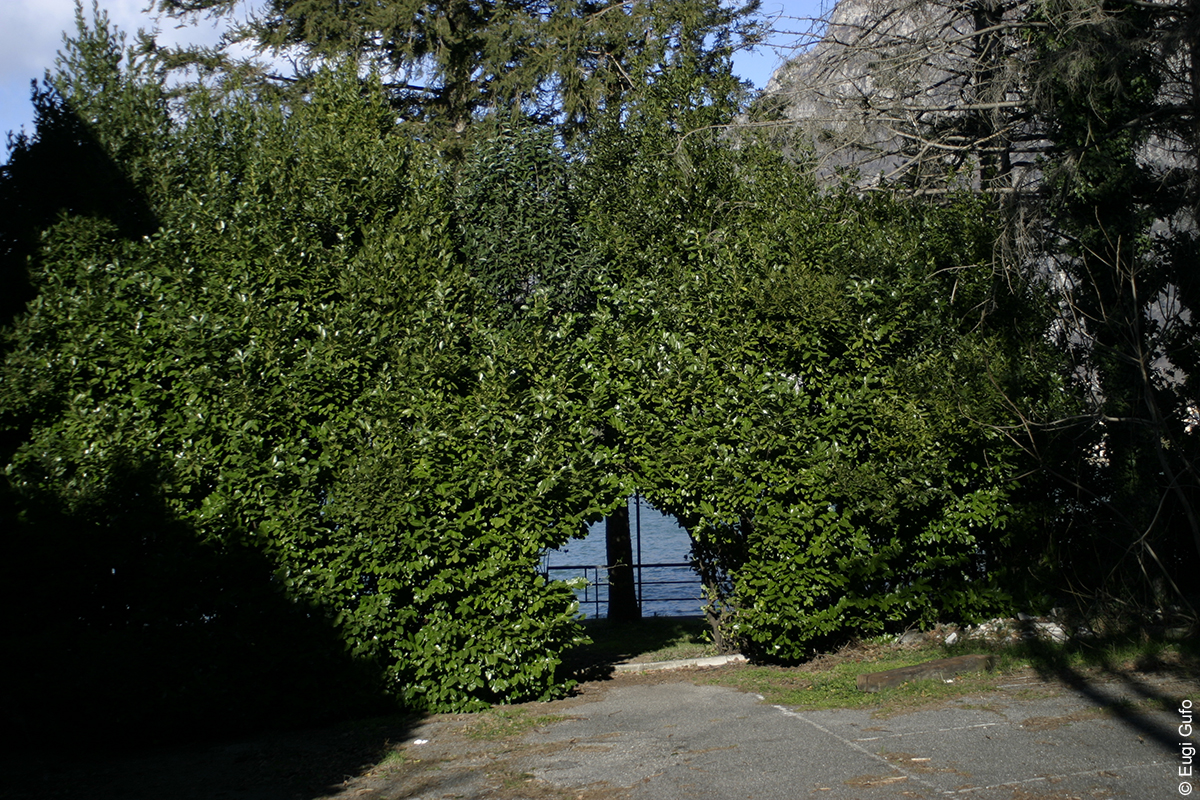
Access points to the lake, however, are relatively few and must be sought with attention.
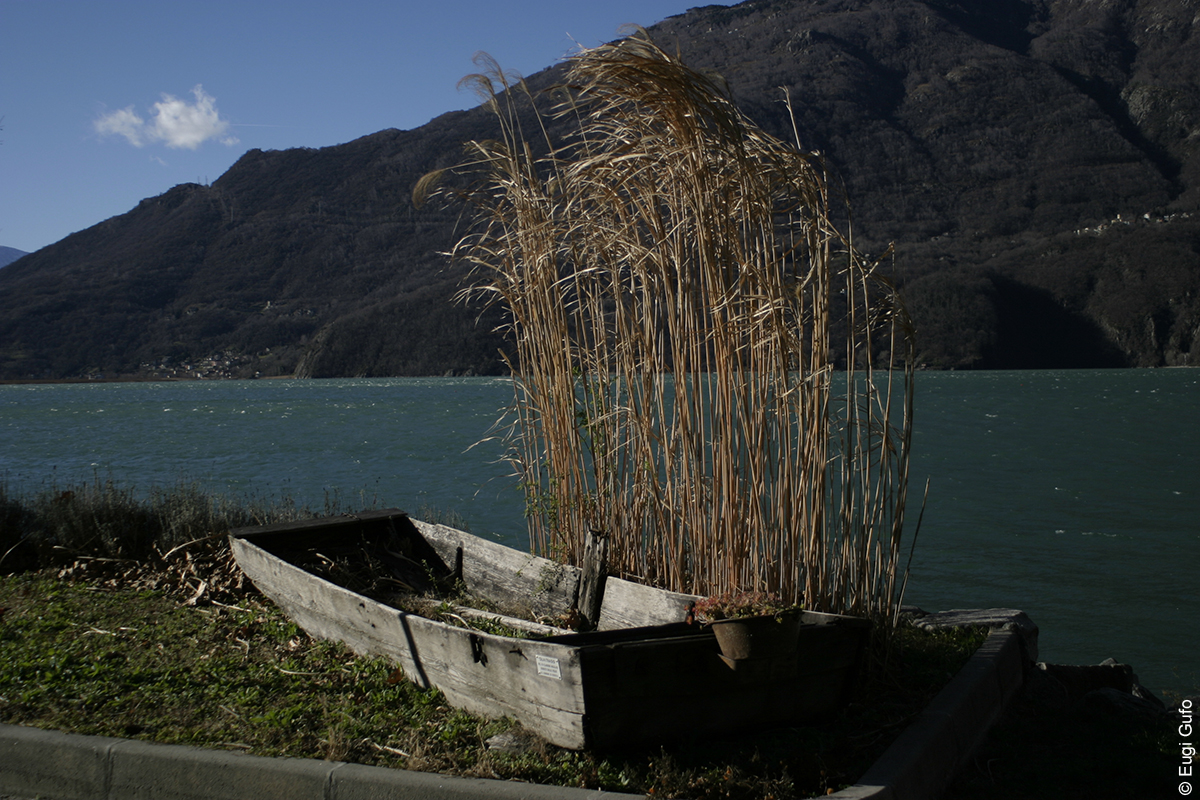
The lakeside promenade exists only in short stretches, but it allows for pleasant contemplation of the scenery.
There is even a micro-beach equipped with a shower. I have read, however, that the water quality of Lake Mezzola is not ideal for swimming — fortunately, this particular pastime does not tempt me.
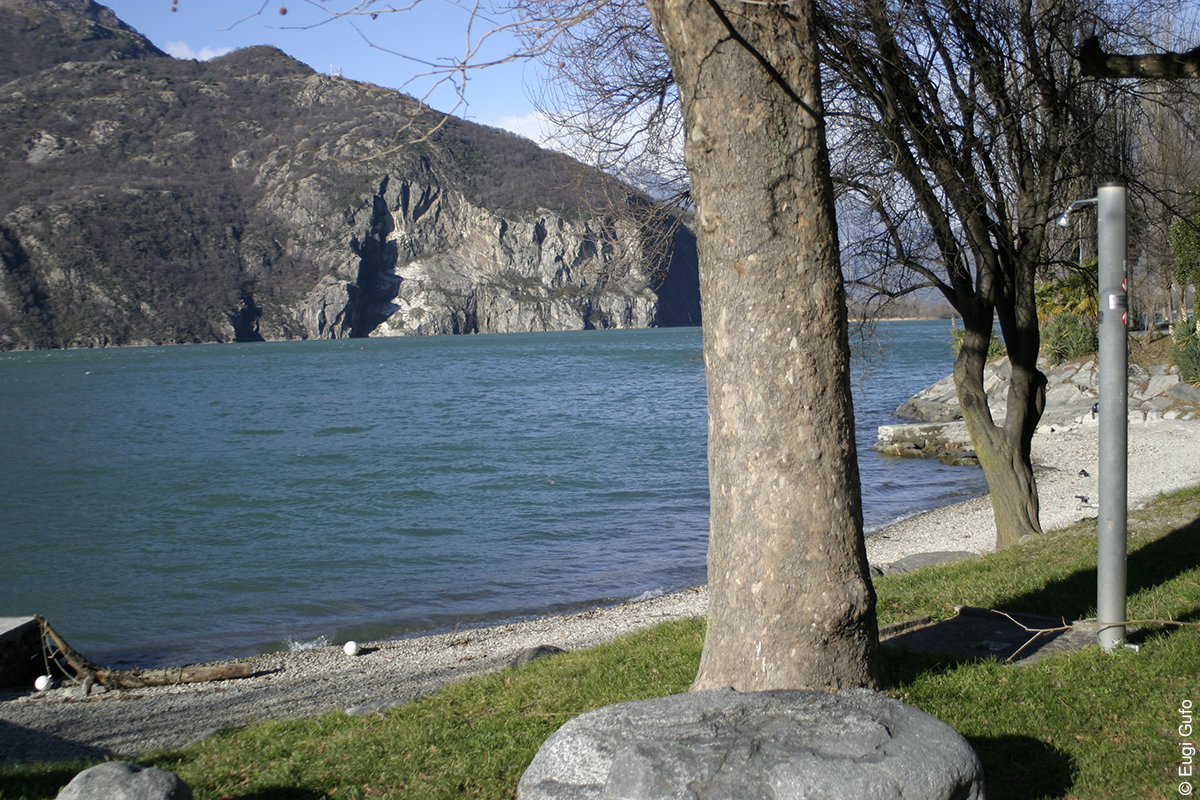
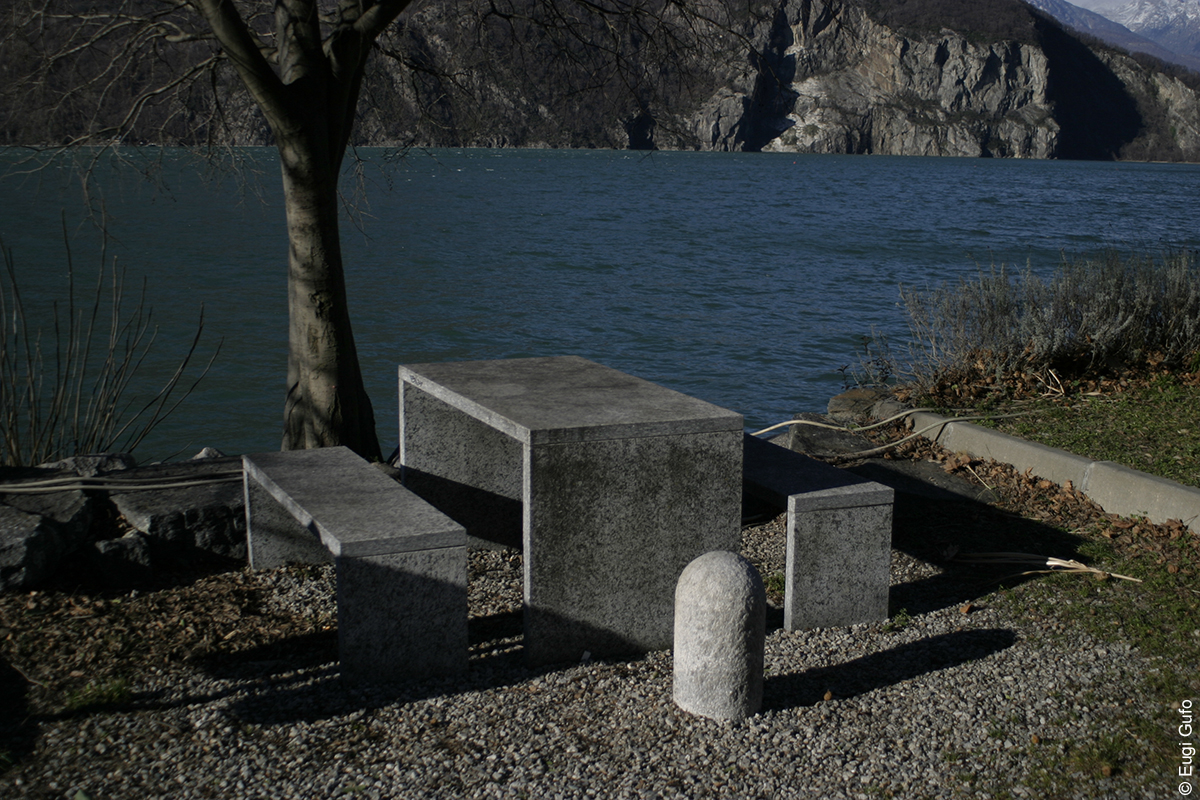
One section of the lakeside hosts numerous benches, some with tables. Owing to their solar enthusiasm, they may be less useful in summer, though spring and autumn should suit them well.
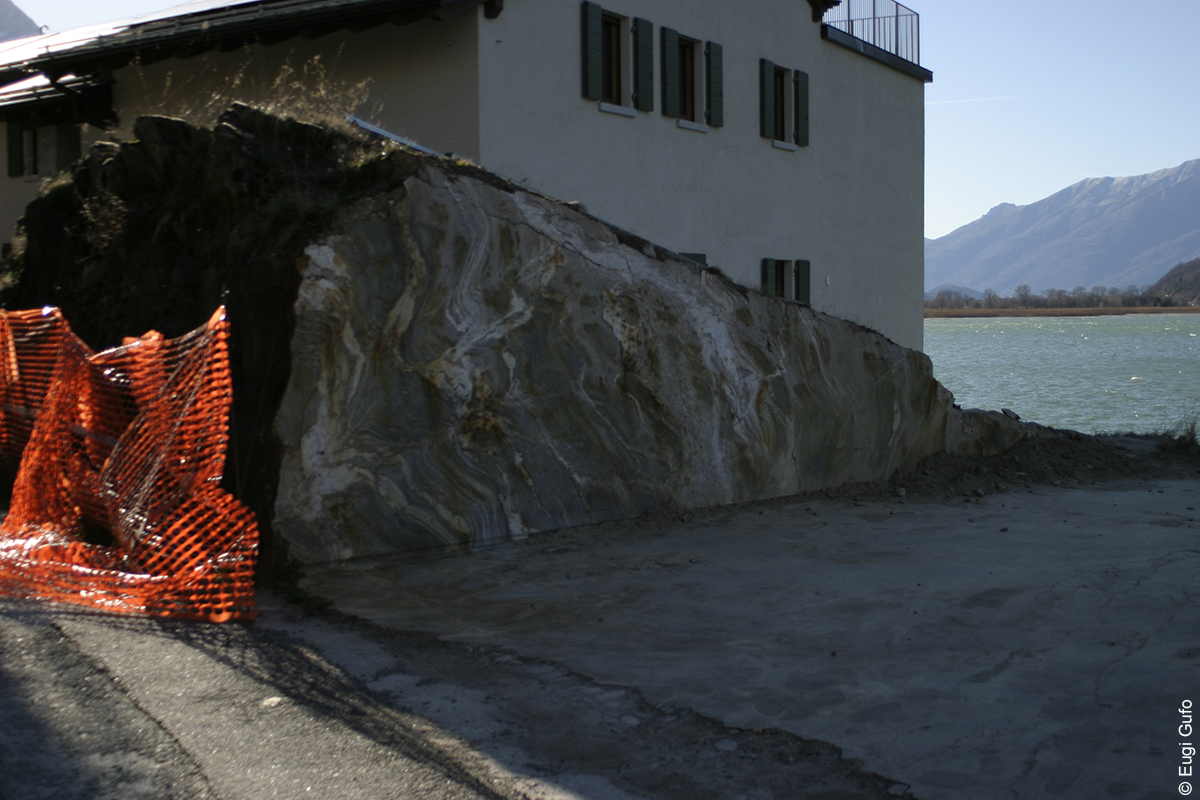
Along the lakeside one may also admire a practical demonstration of the phrase «to raze to the ground.»
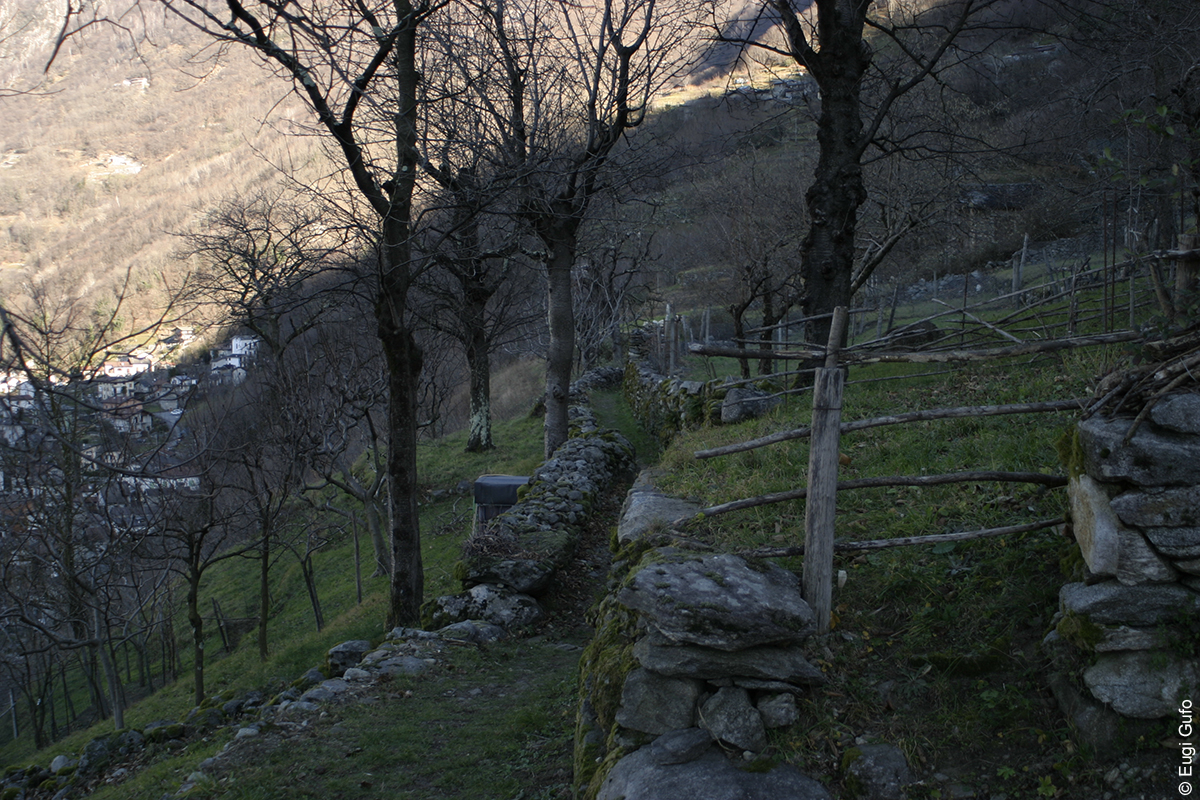
In several areas of the village, mountain trails are clearly signposted. Some are reputedly beautiful and recommended to lovers of alpine walking…
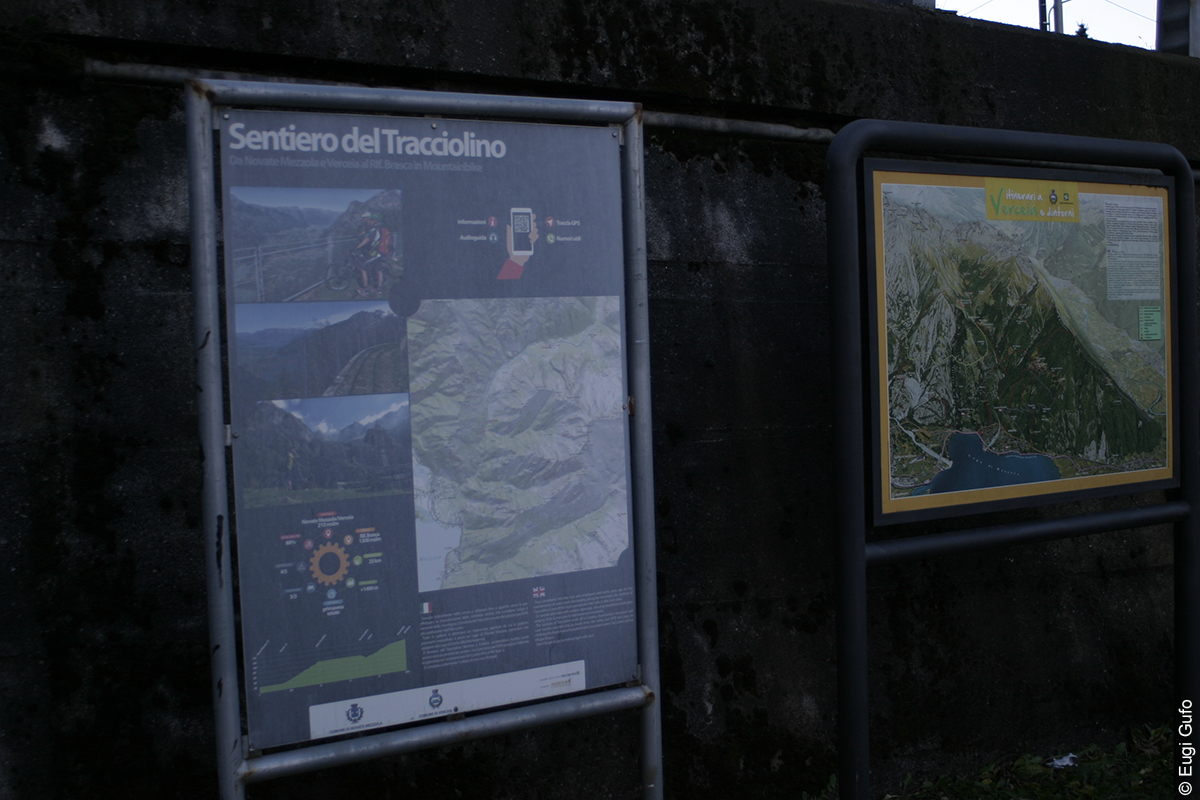
… while others lead toward Verceia’s lower-lying hamlets.
These are attractive trails in every sense, but I would discourage winter excursions. Many sections are covered with thick layers of dry leaves; at each step one cannot quite determine where the foot will land, and the risk of an undignified fall is considerable.
Even randomly placed images (and names) of oriental fairy-tale characters may not save you.
And so, we have seen everything that winter was prepared to reveal in Verceia. As planned, we now proceed to explore one of the neighbouring villages. We shall not take the bus — even if it collects us from a modern stop.

Nor shall we take the train; we already used it to arrive here.
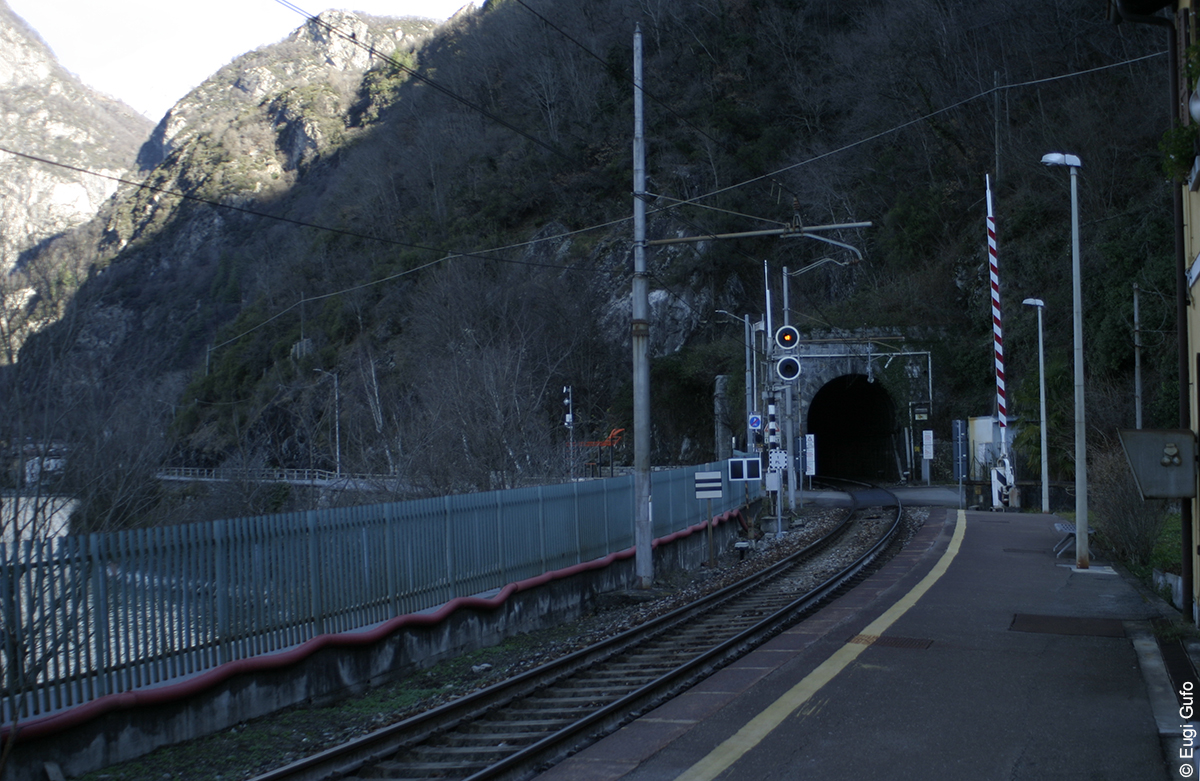
Let us attempt something more entertaining: we shall walk. The nearest village lies only a few kilometres away, and along the pedestrian route one encounters scenery that might easily have hosted scenes from The Lord of the Rings: The Fellowship of the Ring or The Hobbit: An Unexpected Journey.
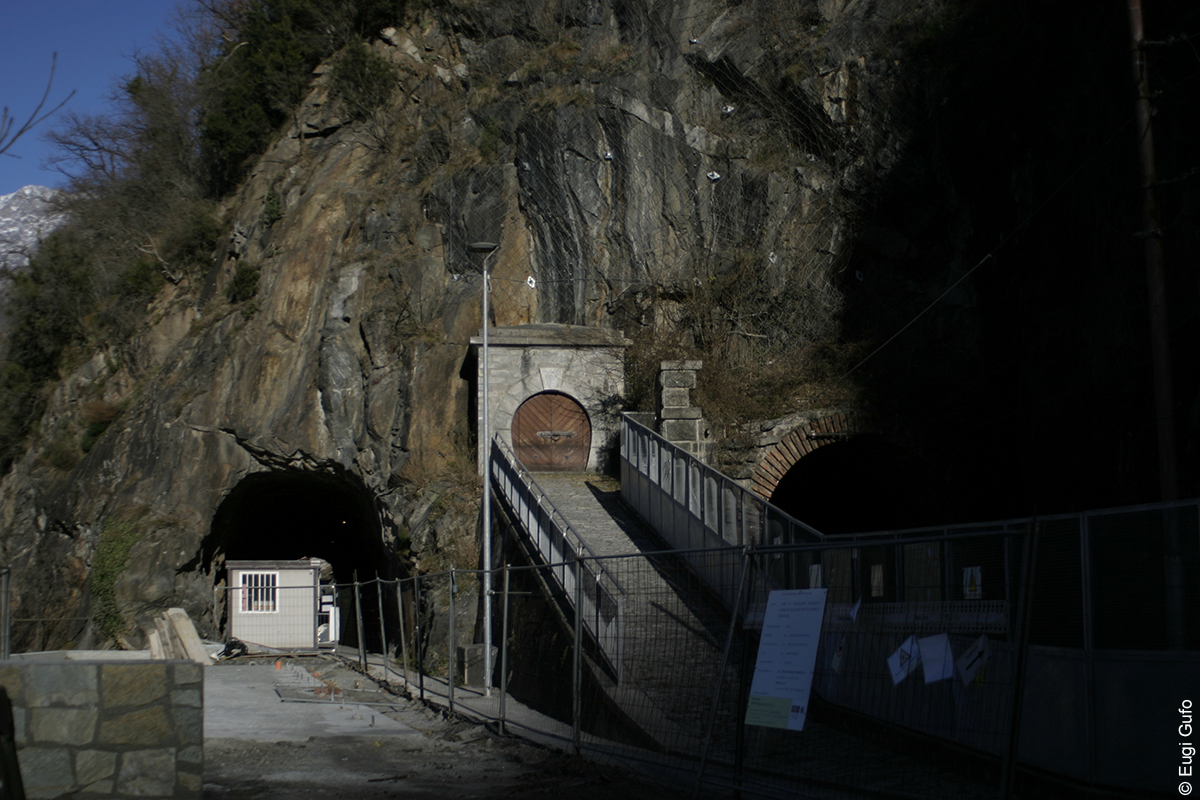
We do not hurry, yet we arrive swiftly enough.
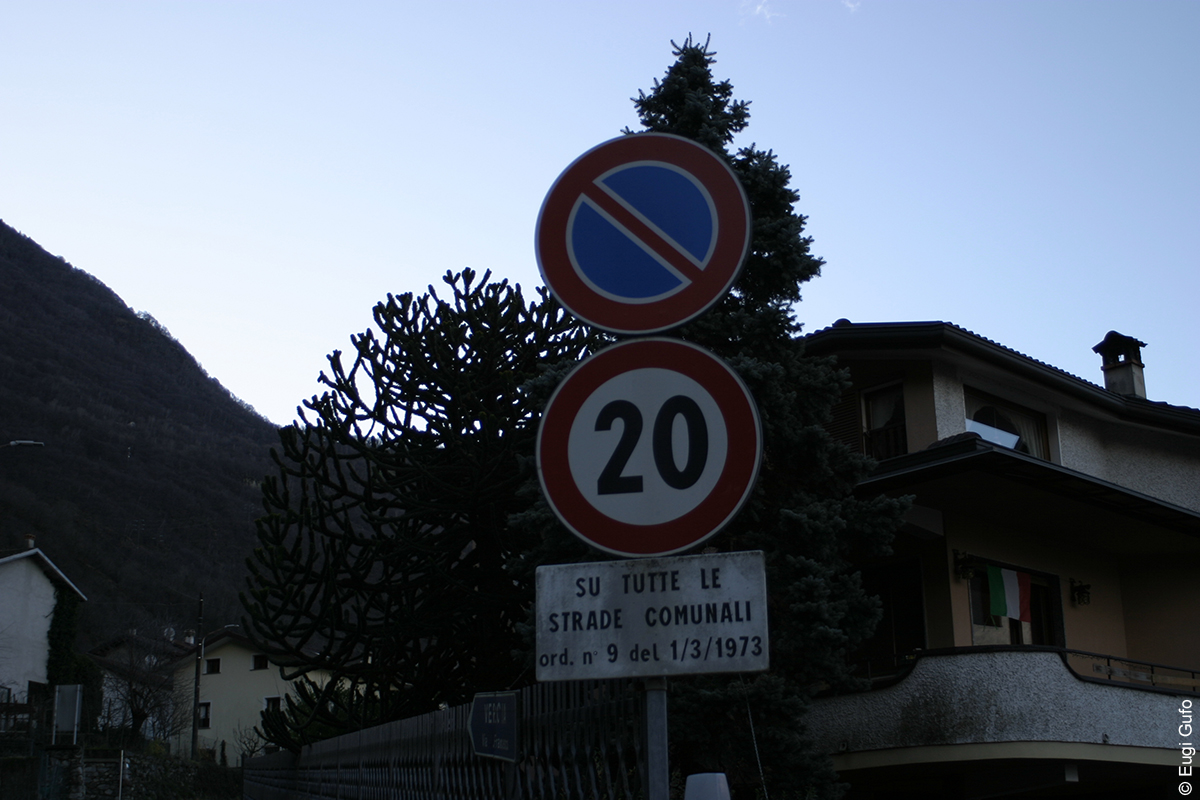
After a genuinely beautiful walk — propelled by a rather determined wind — I reached Dubino.
But that, naturally, is another story.
Verceia, 24 December 2024
↓ Show comments ↓

