


 Long live Ukraine! Fuck the war!
 RSS of site articles
The exploration of Val Codera — to which I devoted a respectable portion of my summer holidays in 2024 — would have been rather pointless without a proper study of Codera itself, the largest (or perhaps merely the least small?) of the valley’s ten villages. Besides its relative size and the small matter of having lent its name to the entire valley, Codera is significant for another reason: it is currently the only settlement in the valley with permanent residents (assuming, of course, that my sources were not indulging in creative fiction).
What does a mountain village look like when it can be reached only by climbing for over an hour along a trail — or by helicopter? Allow me to show you.
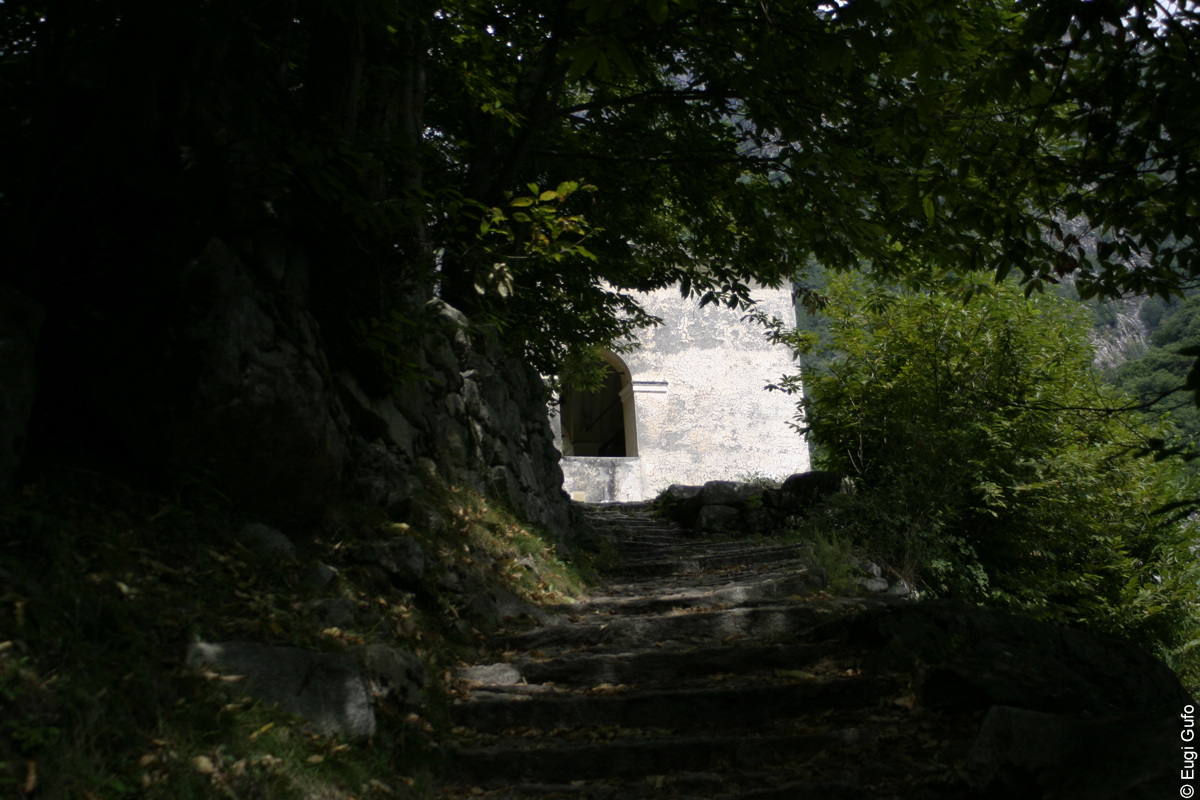
To reach it, I set out from Novate Mezzola and followed the branch of the trail that passes through Avedée. Having already described that section in loving detail, it seems logical to begin this account with the final steps before entering Codera. At a certain point, not only does the path begin to look noticeably more «friendly», but the chapels lining it grow larger and better cared for — an unmistakable sign that civilisation (of a sort) is near.
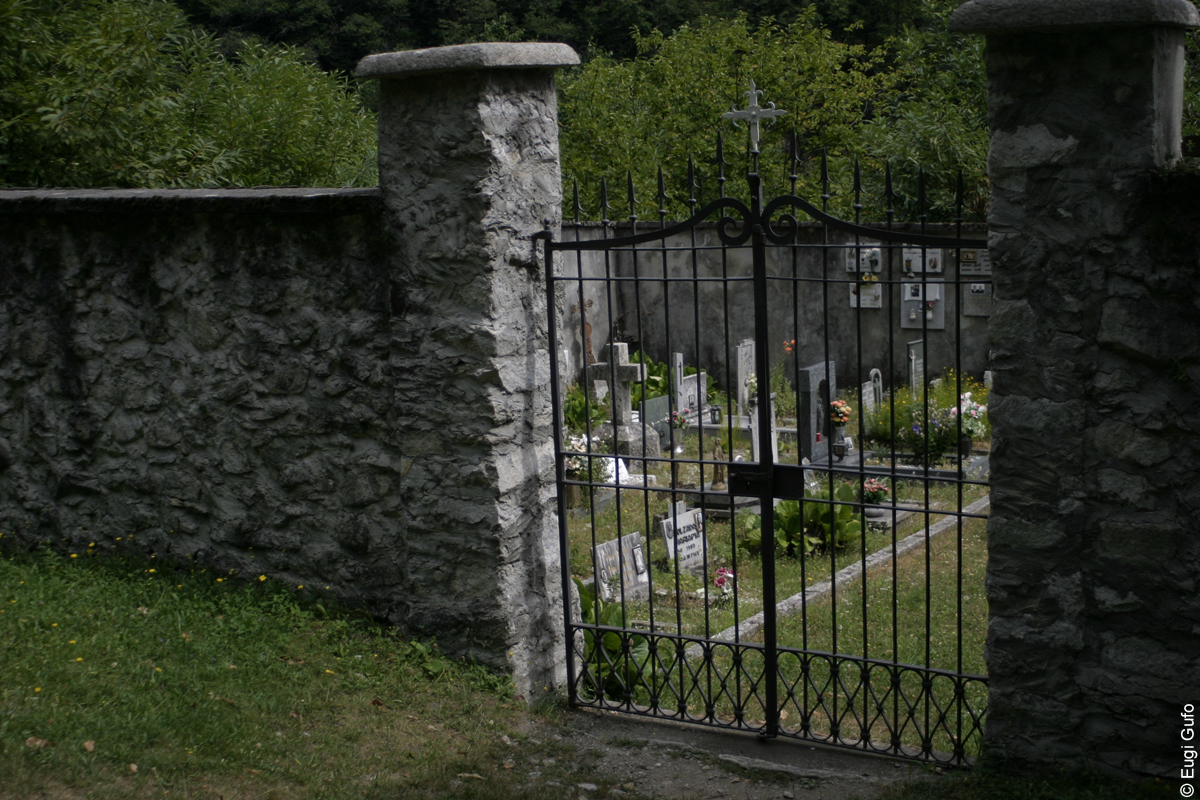
Then, quite suddenly, on the right appears the local cemetery. It cannot measure much more than 15 by 15 metres. The locked gate prevented an exhaustive inspection, yet I managed to observe two ethnographically interesting details. First: the most «recent» graves I could identify dated from the mid-1980s — which briefly led me to question whether Codera was still inhabited at all. Second: the surnames on the gravestones displayed remarkably little variety. Many repeated themselves — perfectly normal in tiny, isolated communities where a handful of families constitute the entire demographic universe.
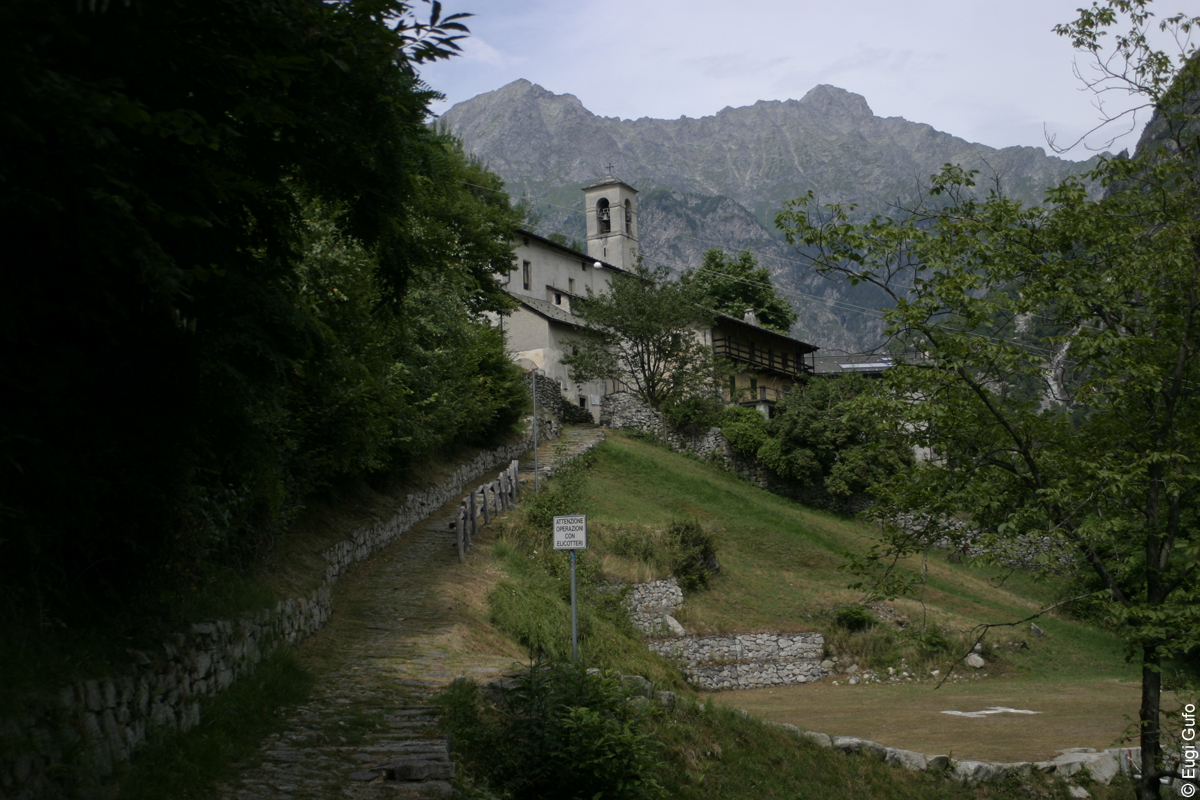
Back to the path, then — and to livelier matters. After a few dozen metres, the first houses of Codera appear, along with the village helipad.
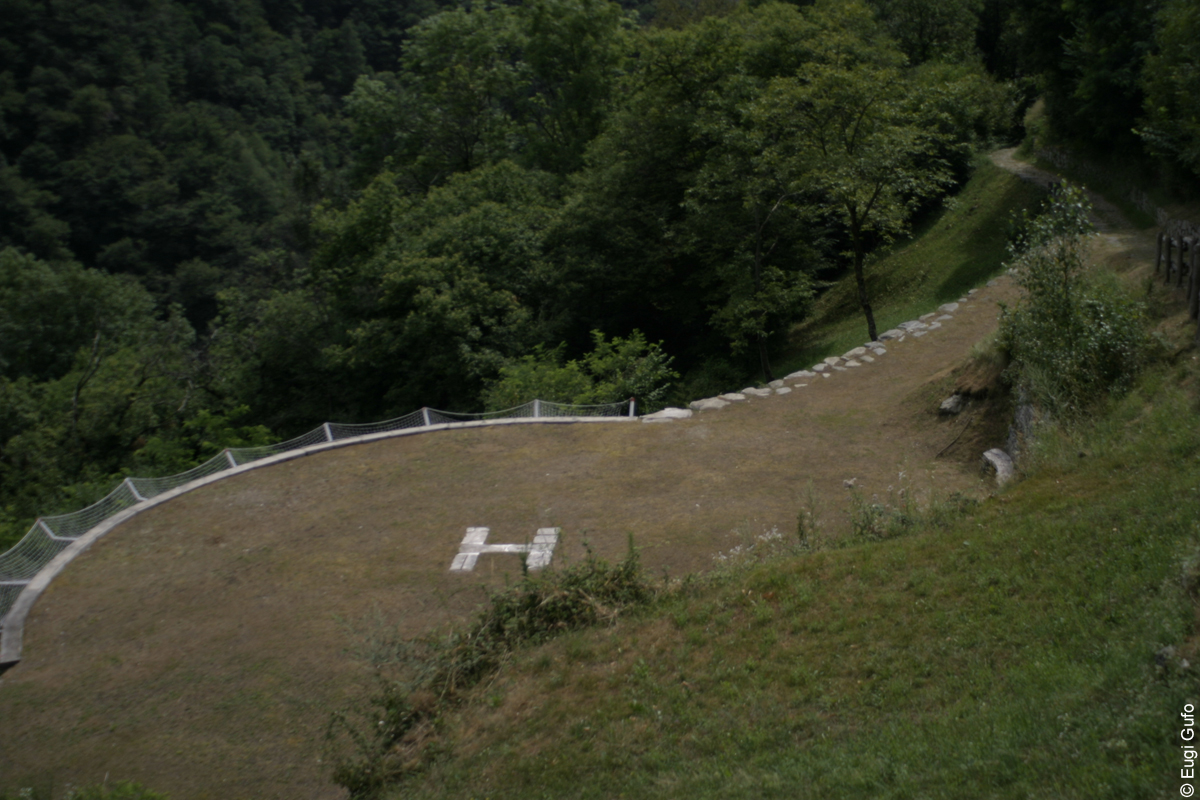
I knew that Val Codera can be reached only on foot or by helicopter, but Codera’s is the only properly equipped helipad I noticed (others may exist discreetly elsewhere, or perhaps I was distracted by something shinier). In any case, a helicopter trip from Novate Mezzola to Codera costs €40 per person (up to €70 for other destinations in the valley), while transporting bulky goods — up to 900 kg — costs €190 (up to €300 elsewhere in the valley).
After reading these prices, I reached a quiet but firm conclusion: Val Codera is probably inhabited mainly by people who are neither particularly elderly nor dramatically out of shape. Others may visit for holidays, but daily life here demands functioning knees. This, incidentally, may help explain the cemetery situation mentioned earlier.
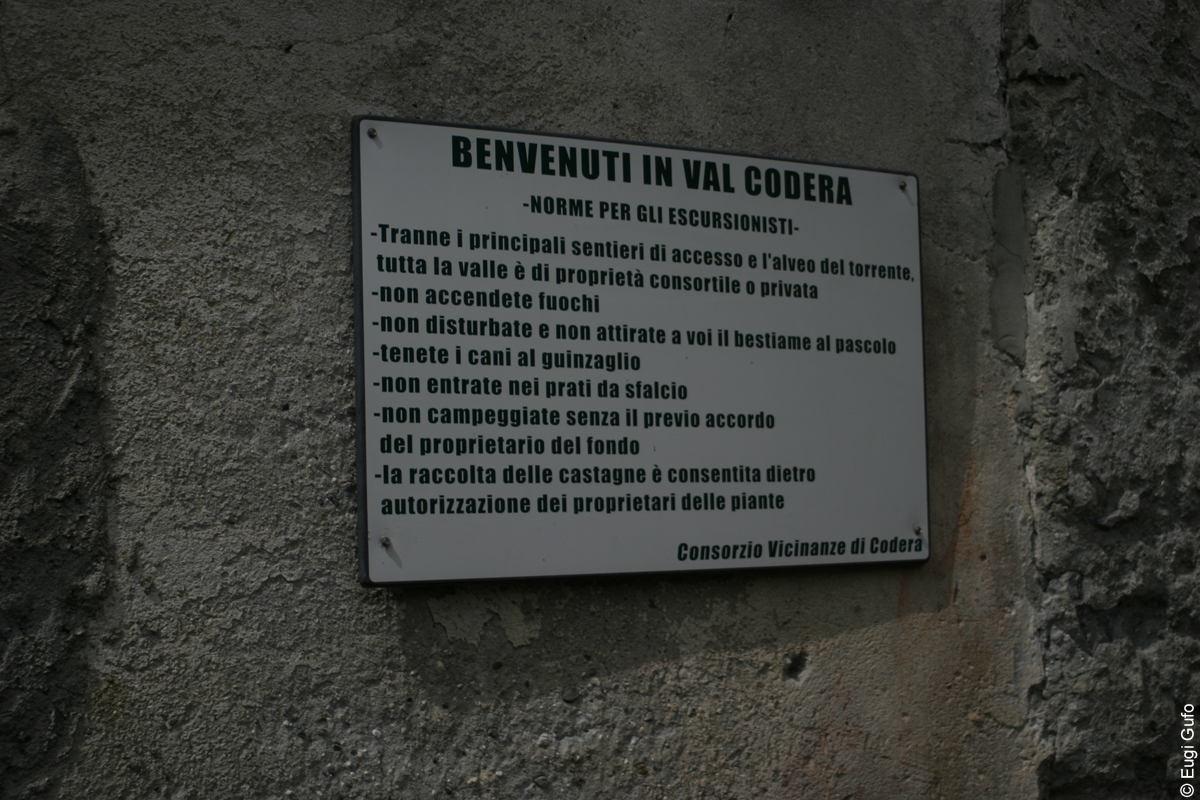
At the entrance to the village stands a sign listing behavioural rules. I had, regrettably, violated rule No. 2 almost immediately — but the fire in question was extremely small, located mere centimetres from my nose, and of very short duration. No one noticed. I trust we may leave it there.
Another sign at the entrance forbids bicycles and motorcycles. This is faintly comical. The trail connecting the valley to the plain is, in my opinion, practically impossible even for world champions of mountain biking or enduro. At certain points it runs along the edge of a near-vertical drop, it is riddled with irregular stone steps, and includes rather tight turns. I estimate that 99.999% of cyclists or motorcyclists would simply fail to arrive alive — unless, of course, they chose to carry their vehicle in their arms.
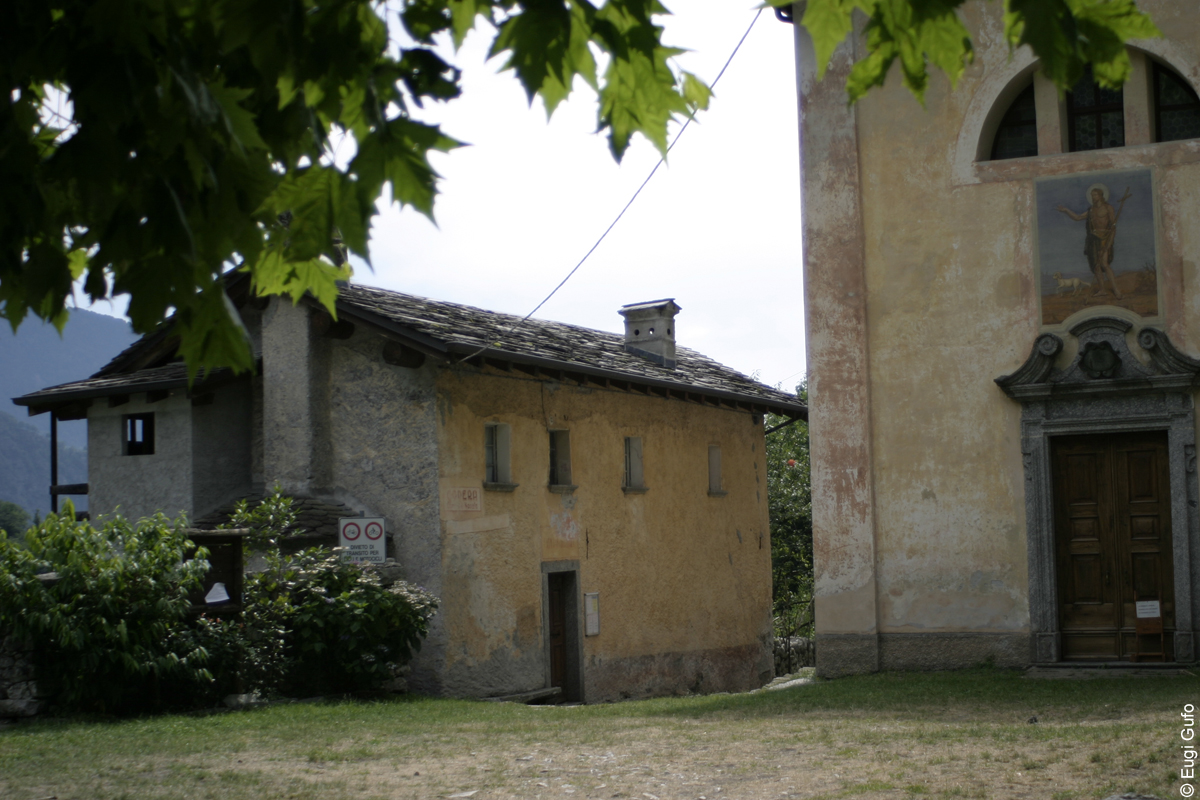
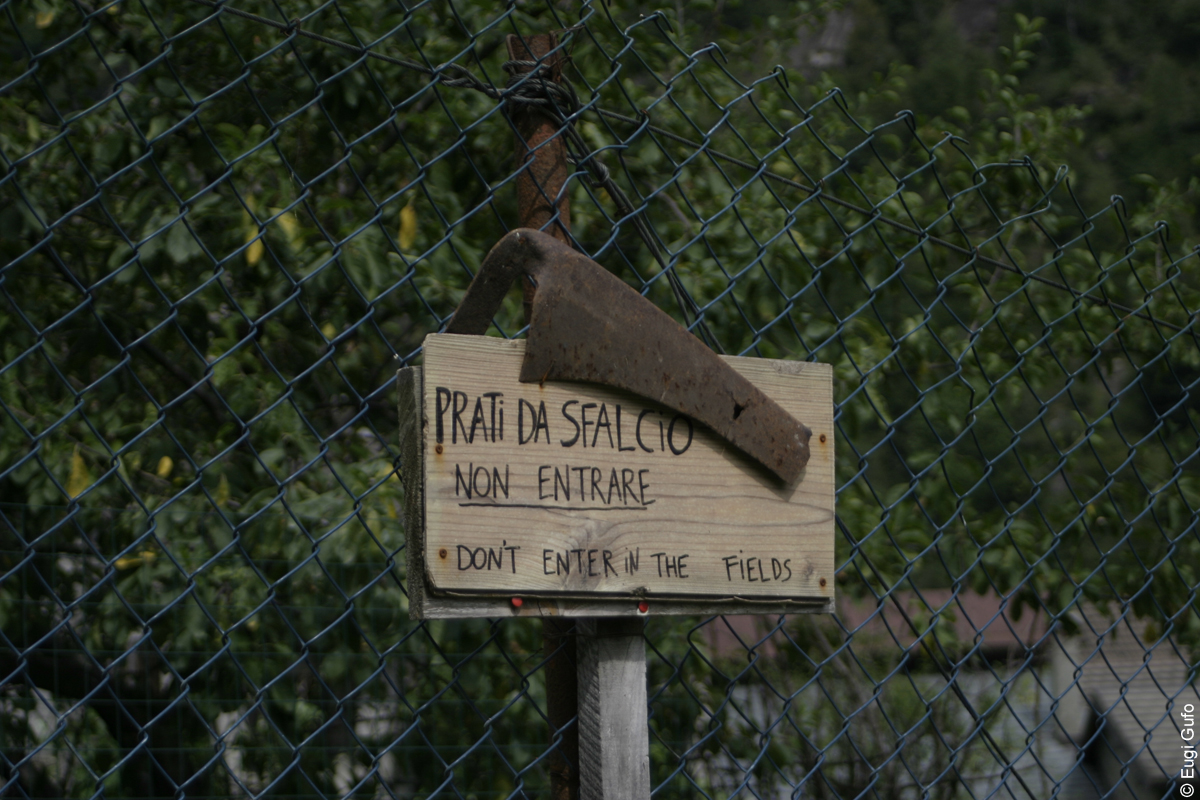
Within Codera itself, however, one finds signage that is at once useful, charming, and faintly amusing.
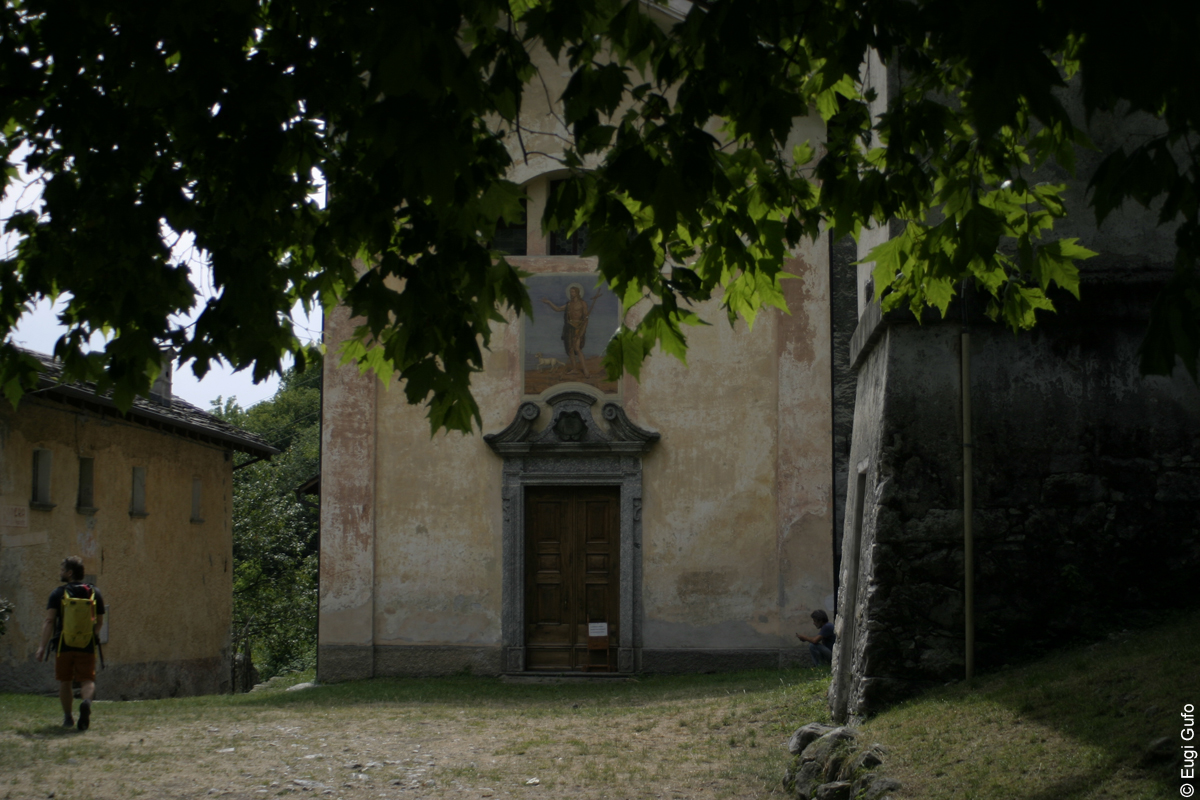
Now to the genuinely interesting matters. The small church of St John the Baptist dates presumably from the early 16th century (though its first documented mention appears in 1651), and until 1764 it was dedicated to St Martin. Sadly, it was closed at the time of my visit — as was the nearby bell tower.
A few metres diagonally from the church stands the former school building, later converted into a mountain refuge after decades of abandonment. In 1933, the entire valley had around five hundred inhabitants; after the war, that number declined steadily to fifteen (2021 census). Unsurprisingly, there are no longer enough school-aged children to justify a functioning school — especially when they would have had to walk from other villages. Hikers, however, do exist in sufficient numbers, and for them «La Locanda» provides food and, if necessary, shelter for the night.
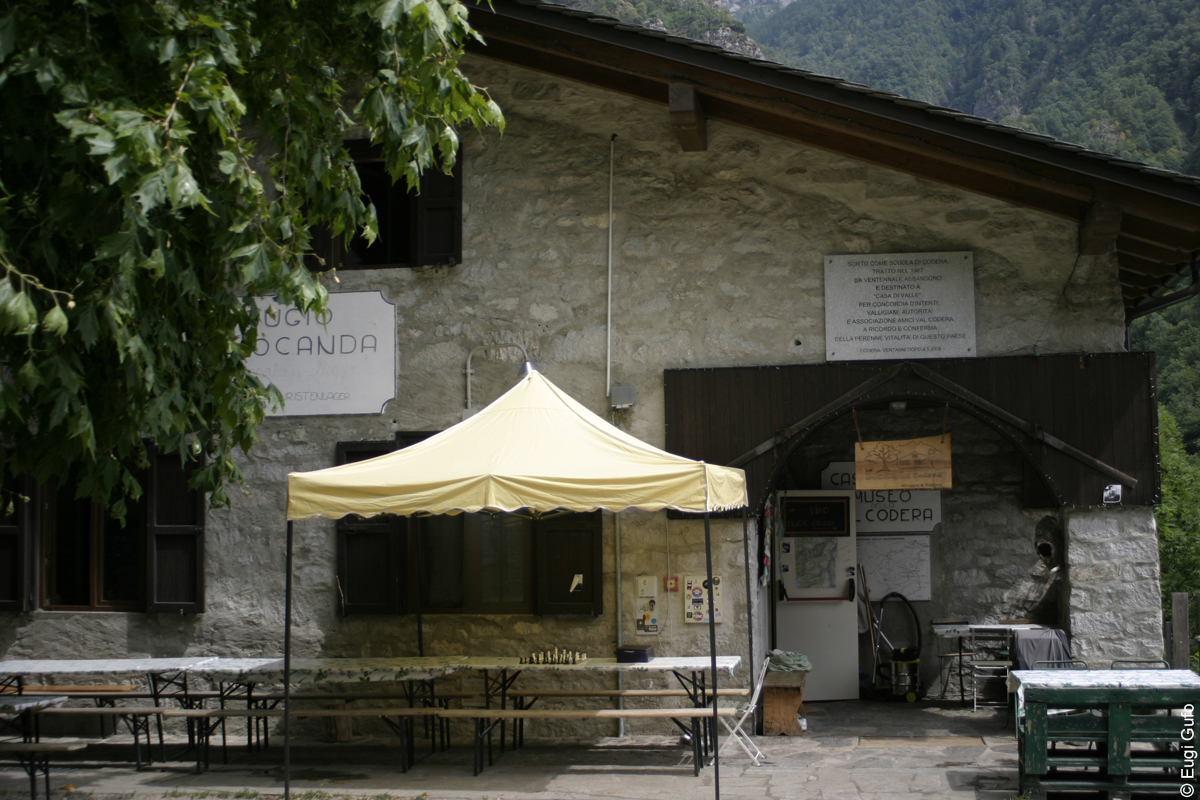
As for residential buildings, I noticed none that were abandoned or collapsing. On the contrary, all appear intact, well maintained, and used at least periodically.
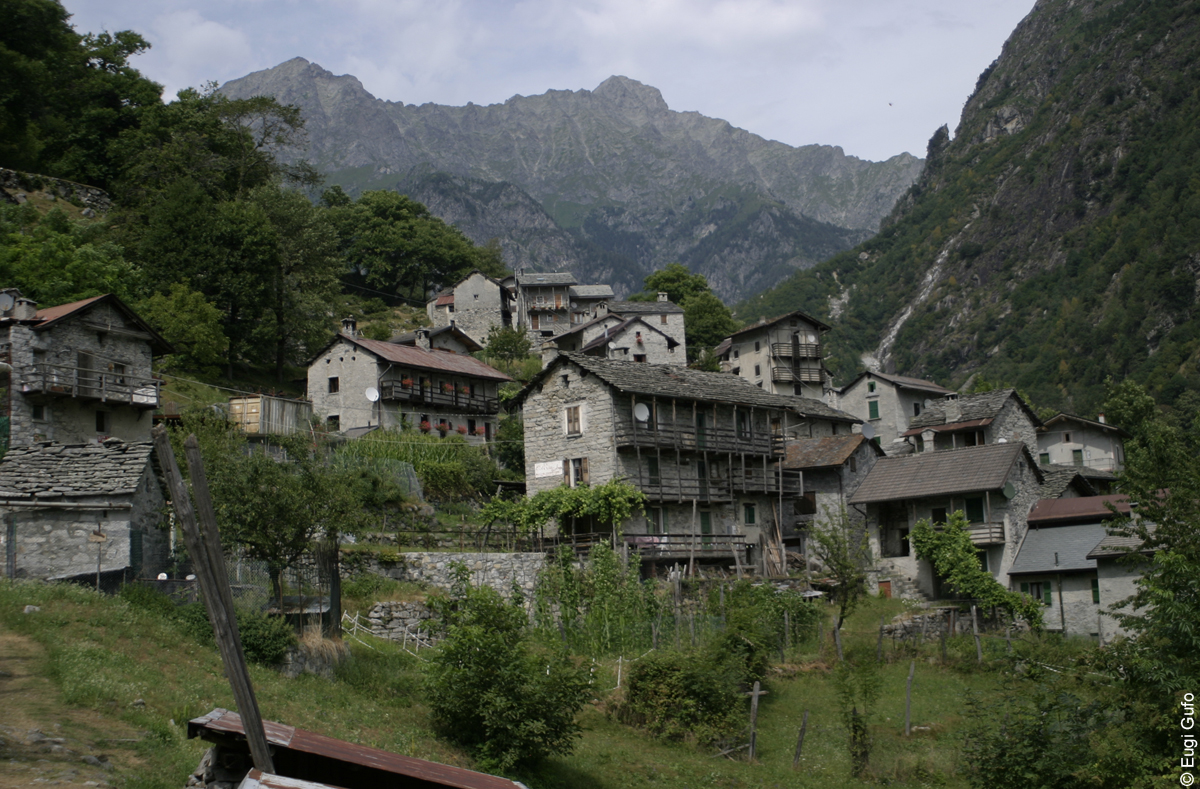
Some houses are, in fact, meticulously cared for. It is evident even at a glance that Codera contains far more habitable properties than its fifteen official residents (who may, in any case, belong to the same extended families). I therefore presume that many houses serve as holiday homes and/or remote-working refuges — inherited or acquired precisely for the privilege of tranquillity.
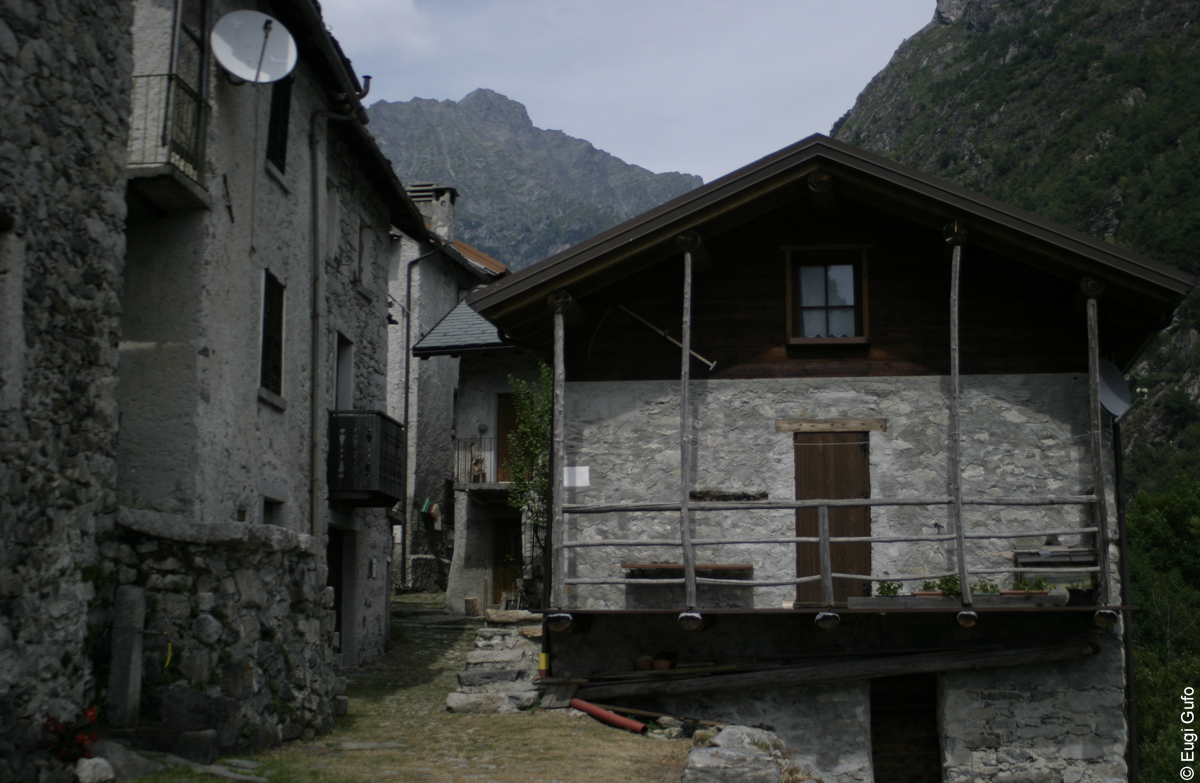
Some façades are adorned with artwork.
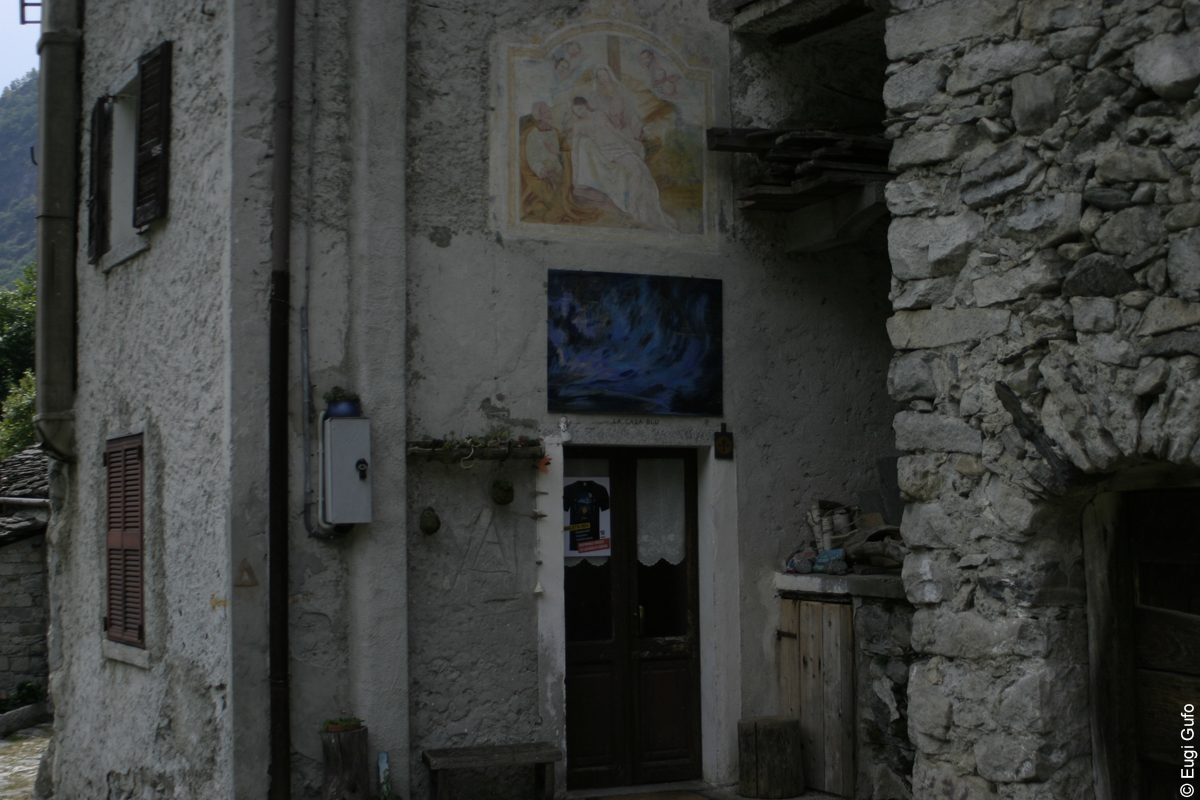
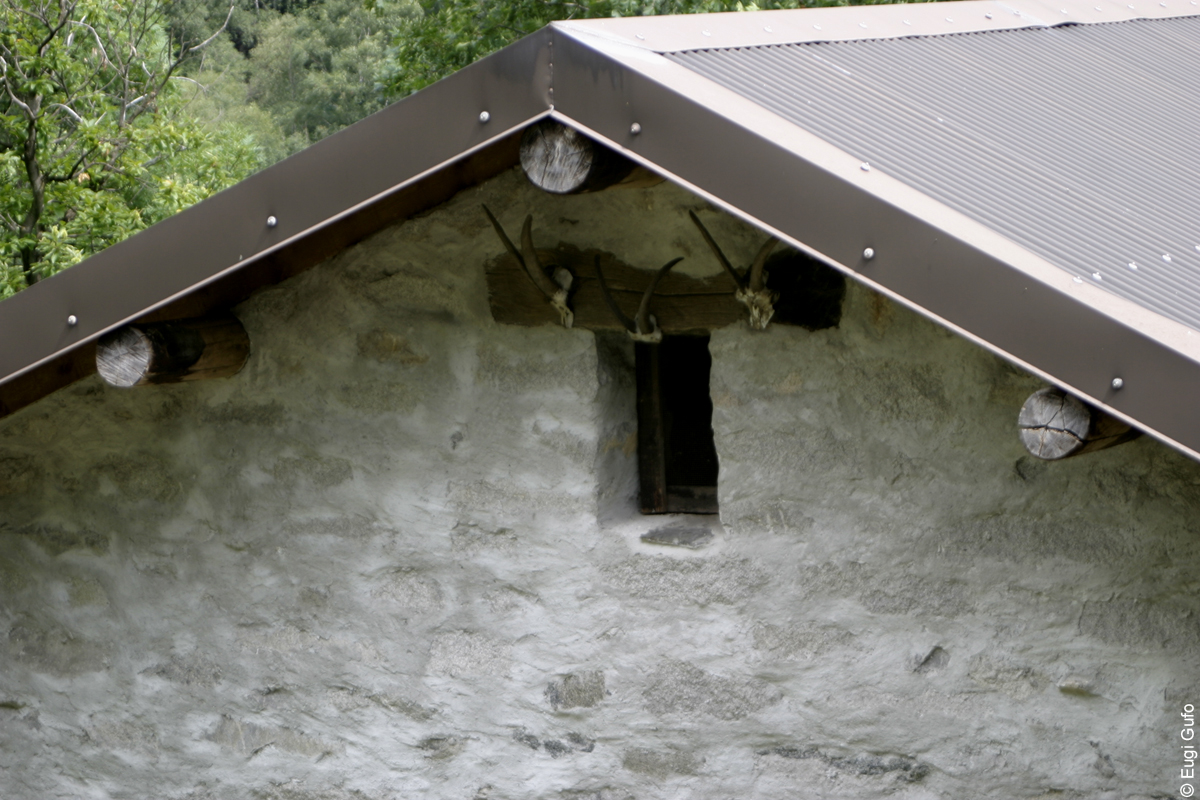
Others display trophies of a distinctly alpine persuasion.
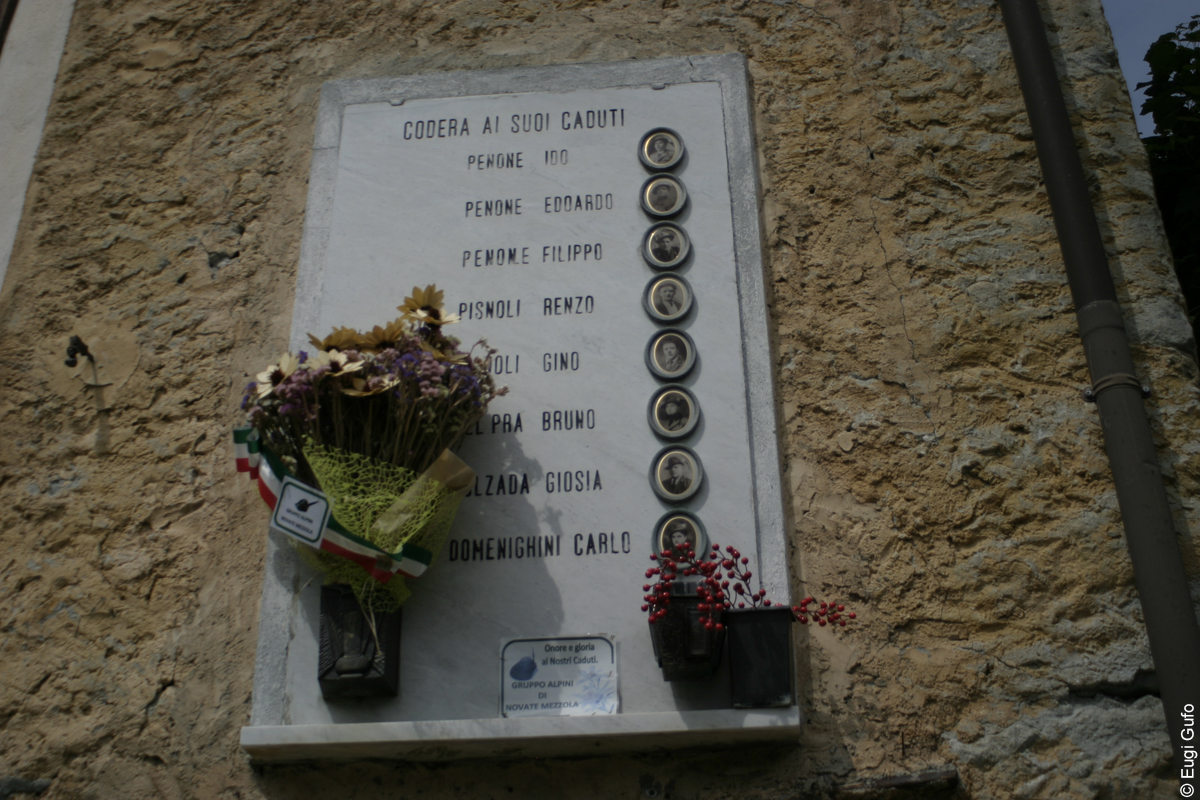
On the façade of the local Oratory is a plaque commemorating fallen inhabitants of Codera. Fallen in which war? Judging by the photographic style, one might suspect the First World War — yet I found neither confirmation nor contradiction.
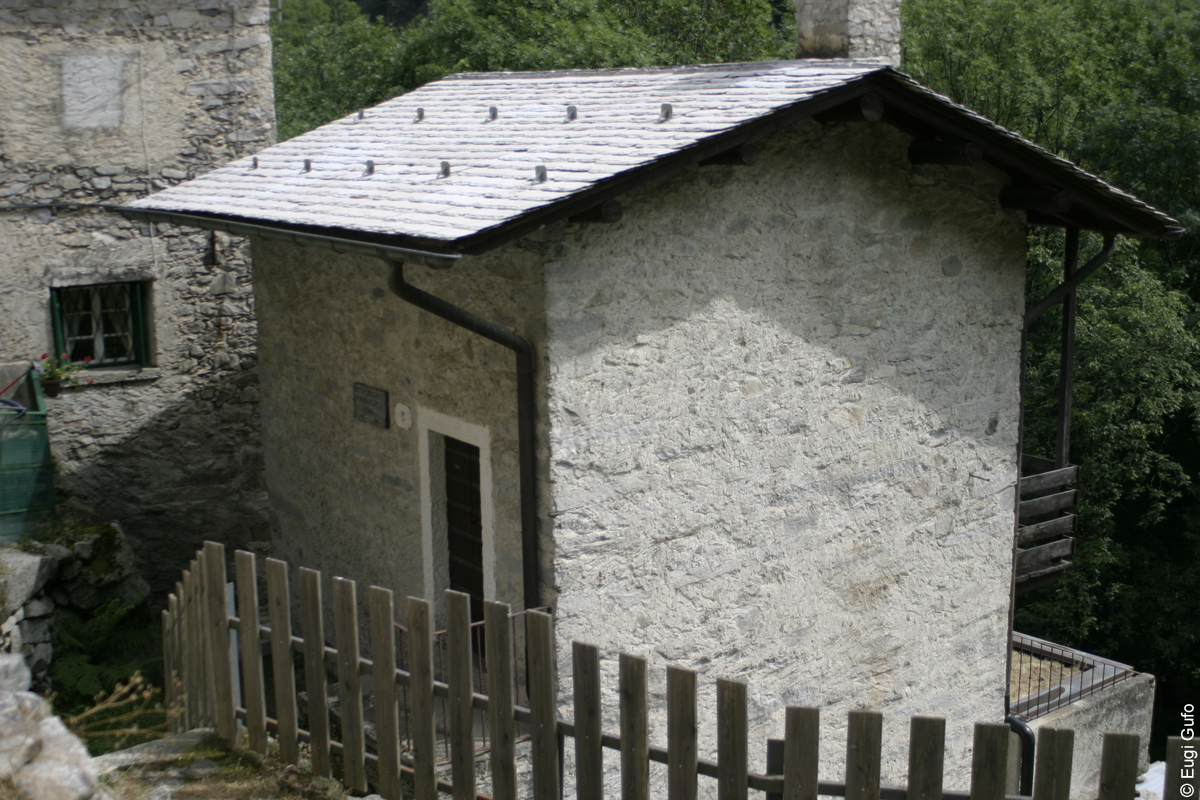
On one of the village’s smallest houses, a granite plaque reads: «Baita dell’avo Penone Carlo, Codera 1870–1958.» Who exactly this ancestor was remains a mystery to me; I would gladly accept clarification from any local authority on the matter.
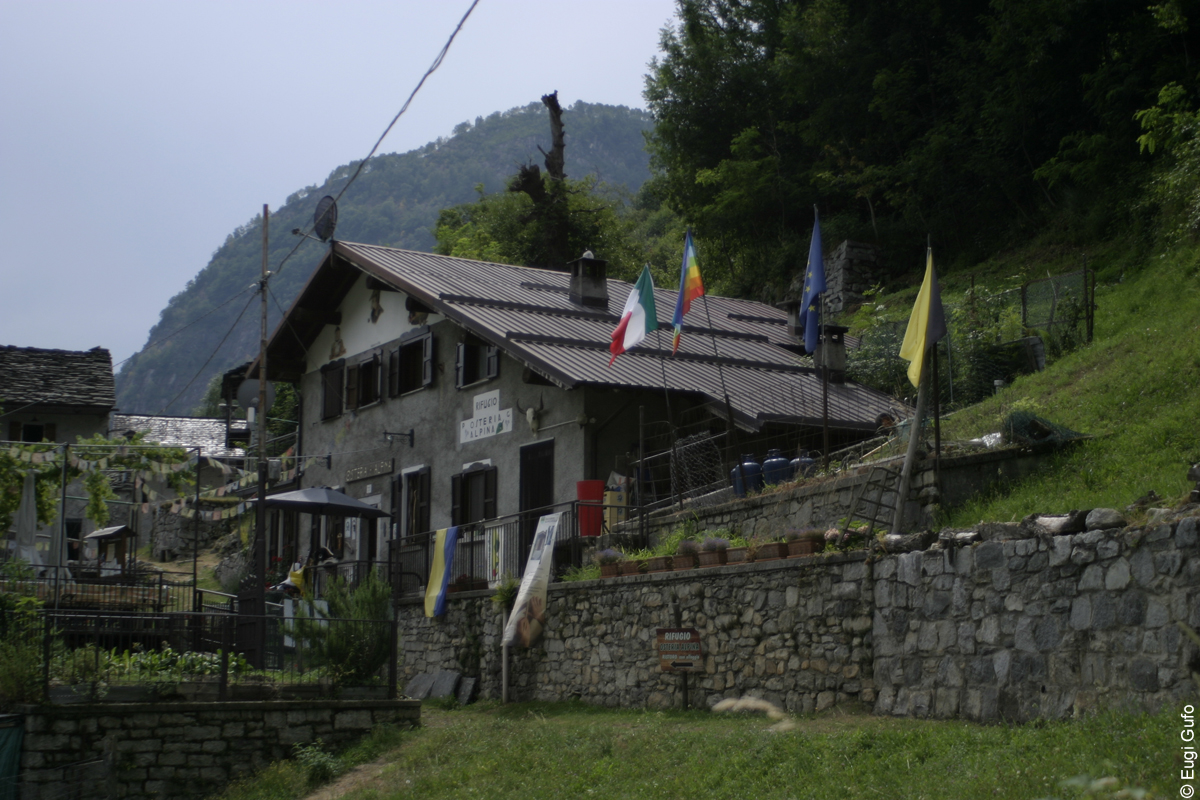
Beyond private dwellings, Codera also offers certain «services» (the term may be interpreted generously). In addition to the aforementioned refuge-restaurant, there is an «Osteria Alpina», whose signs promise cuisine based largely on local products and good wine. As with the refuge, I cannot comment on the actual quality — I did not attempt entry, and having arrived after lunchtime, I might well have encountered one of those charmingly Italian temporal anomalies that render establishments simultaneously open and unavailable.
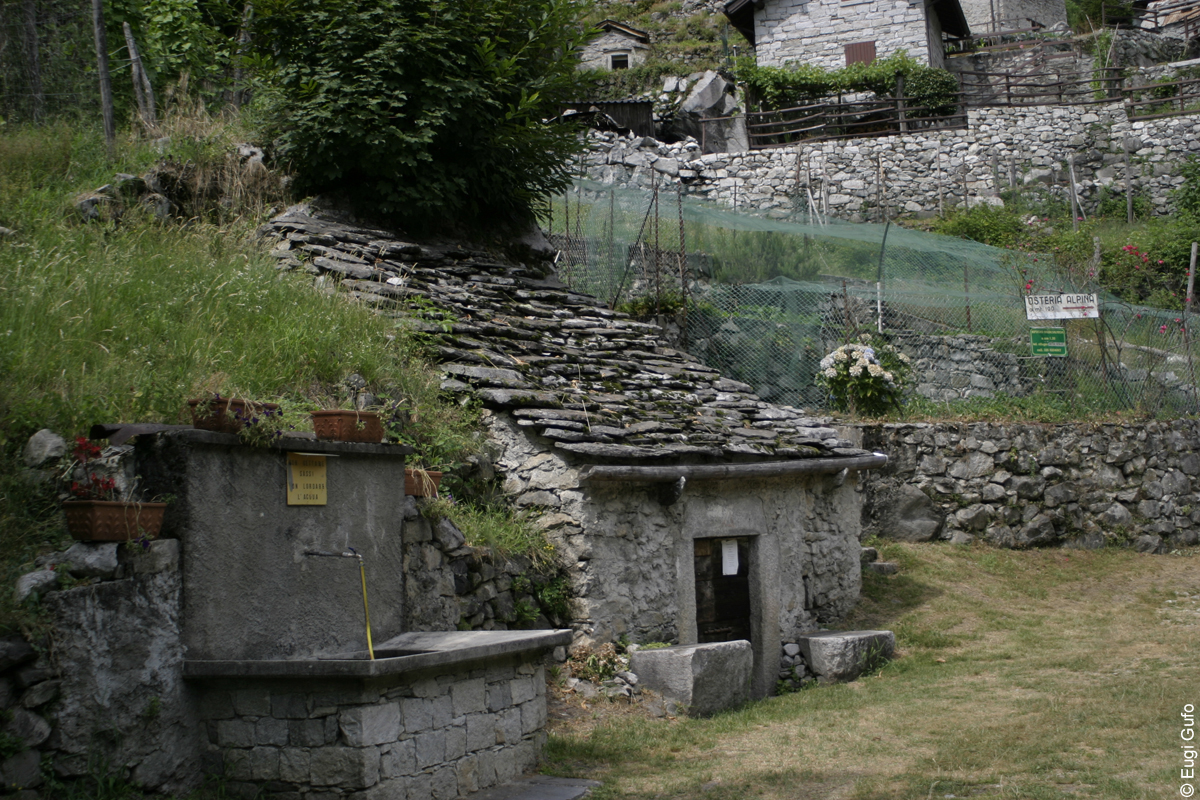
There is also a water fountain — potentially life-saving in an emergency, though I did not test its quality.
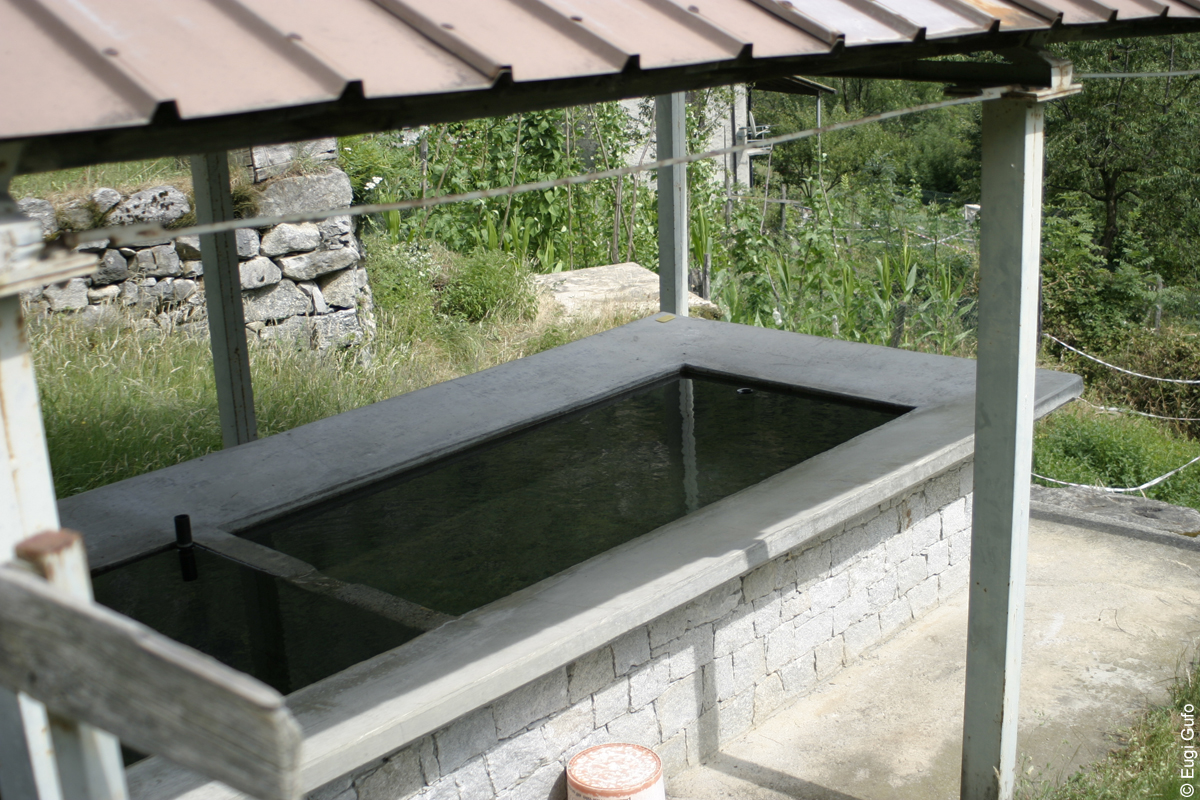
The village washhouse appears relatively recent, yet it was likely built on the site of an older historical structure.
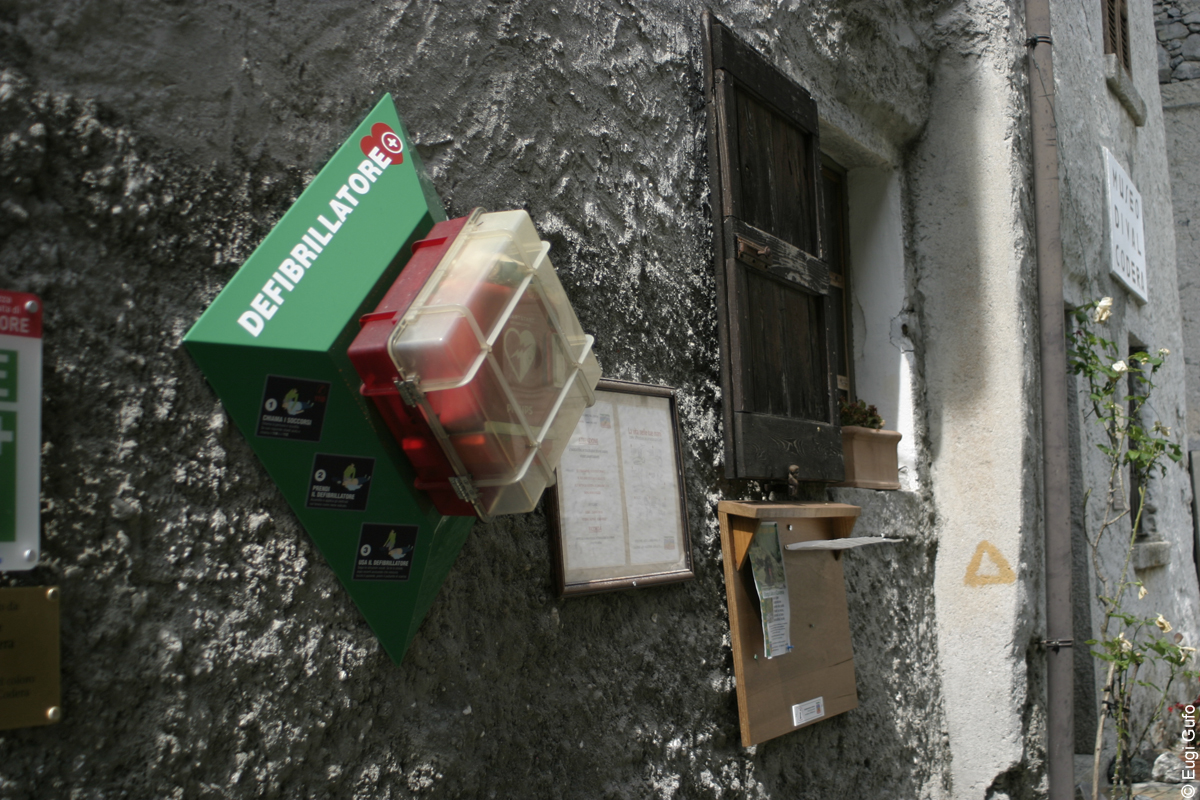
On the wall of the building housing the local museum (which seemed closed) there is even a defibrillator. One does not always expect such preparedness in a village of this size.
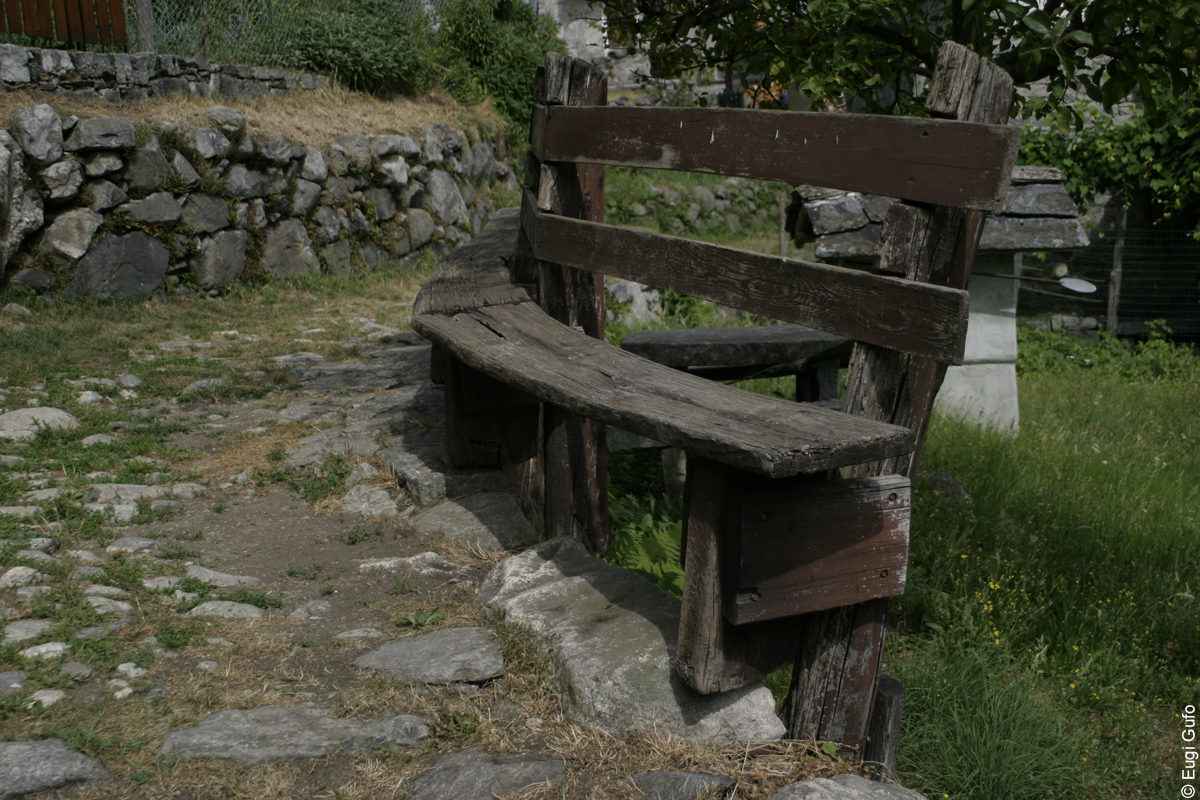
Equally rare — and rather elegant — is the presence of a bench. Its only flaw is enthusiastic exposure to direct sunlight.
The rest of Codera’s quiet charm reveals itself simply by observing corners and perspectives with mild curiosity.
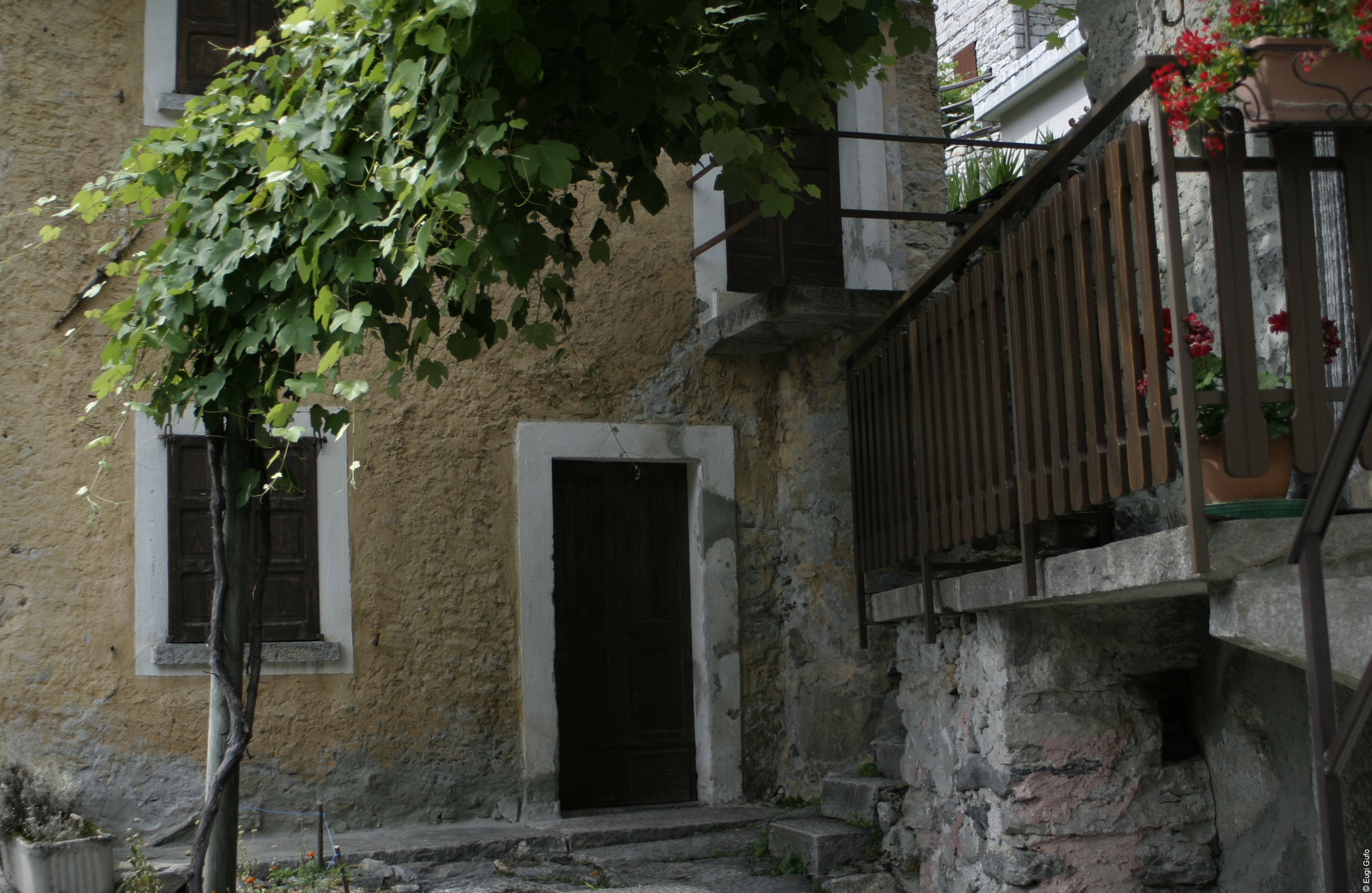
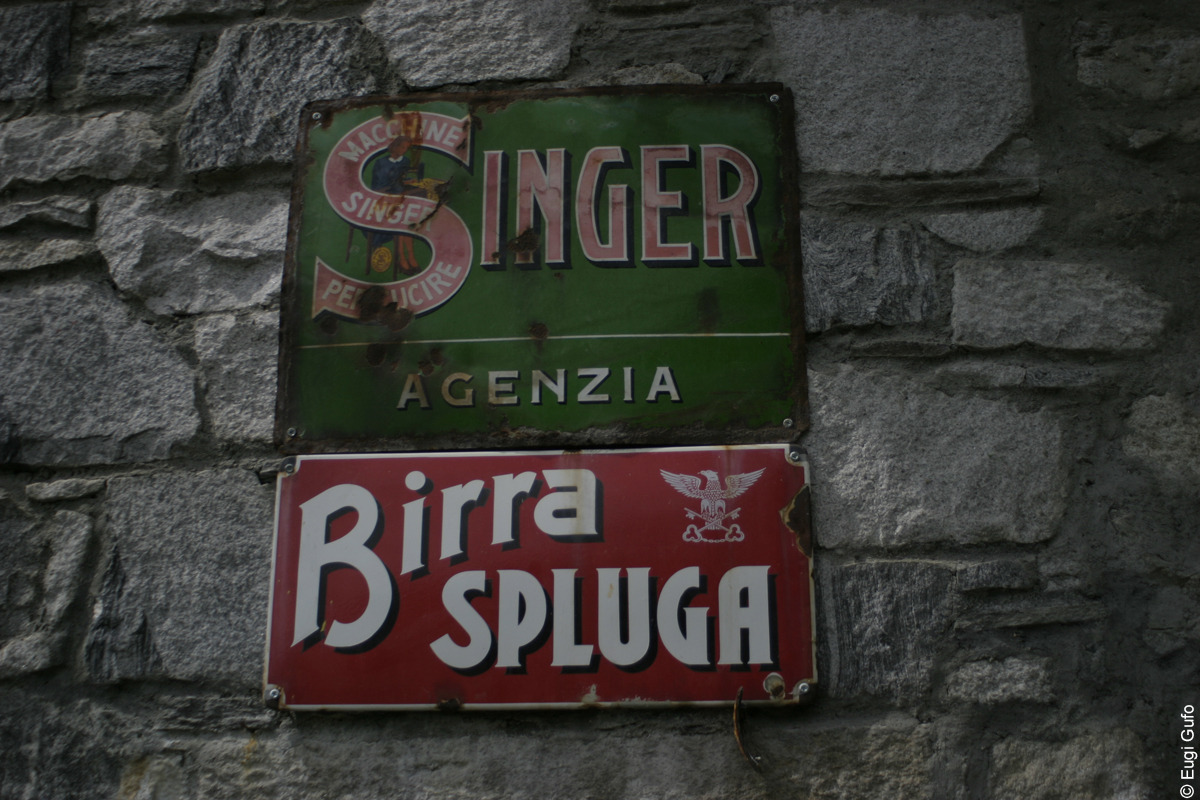
As you have seen, the village is tiny, yet rich in small, rare details — provided one bothers to look. I, for instance, found two old shop signs; one of them must be at least fifty years old. I would never have expected to encounter it outside a museum, and I shall be genuinely sorry if it eventually succumbs to rain, sun, and time.
And thus concludes my account of Codera. Should you happen to find yourself walking a trail in this area, do make the slight detour. It is a small place — but not, I think, an insignificant one.
Codera, 7 August 2024
↓ Show comments ↓

