


 Long live Ukraine! Fuck the war!
 RSS of site articles
Why, in my mind as an occasional wine drinker, was the name of the Piedmontese city of Casale Monferrato associated exclusively with wine? I honestly cannot say. Perhaps, in some obscure corner of memory, there lingers the image of a label glimpsed by chance many years ago. Yet in early December 2023 it was neither nostalgia nor oenological ambition that determined my destination. I had simply noticed that Casale Monferrato is relatively easy to reach from Milan and sufficiently ancient — and frequently mentioned — to justify investigation.
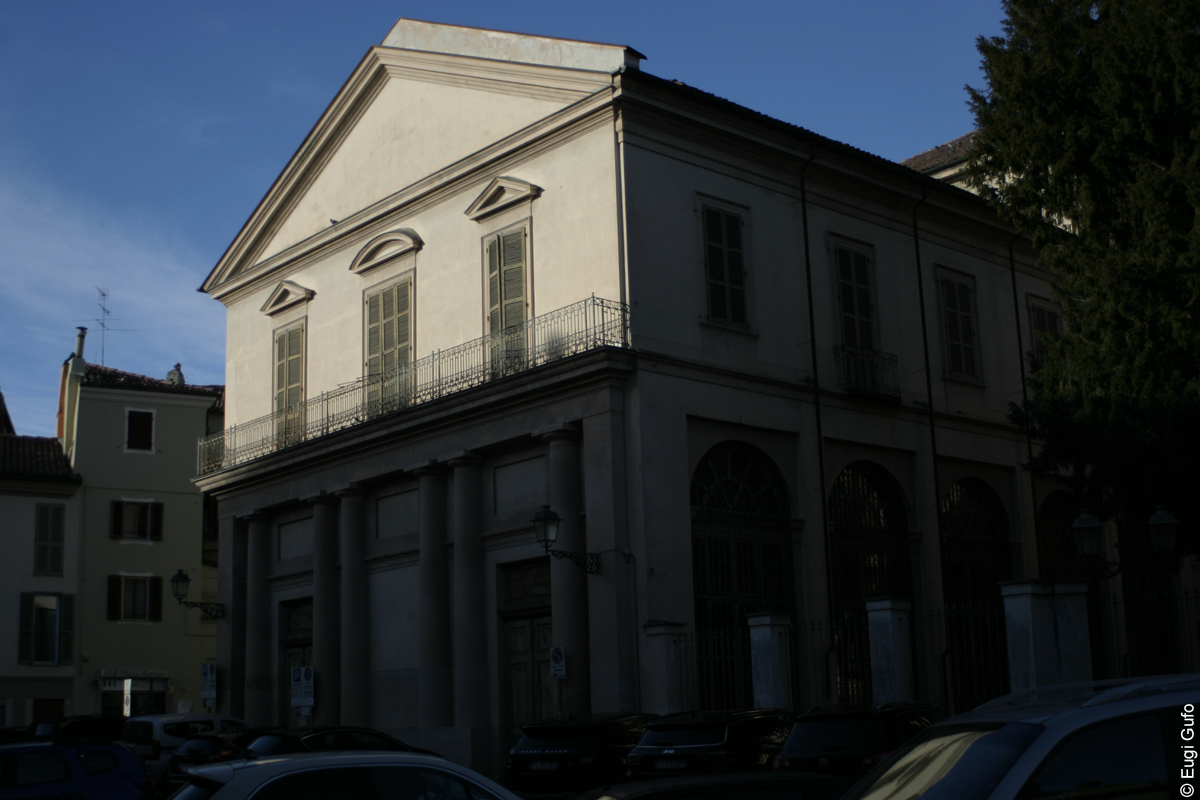
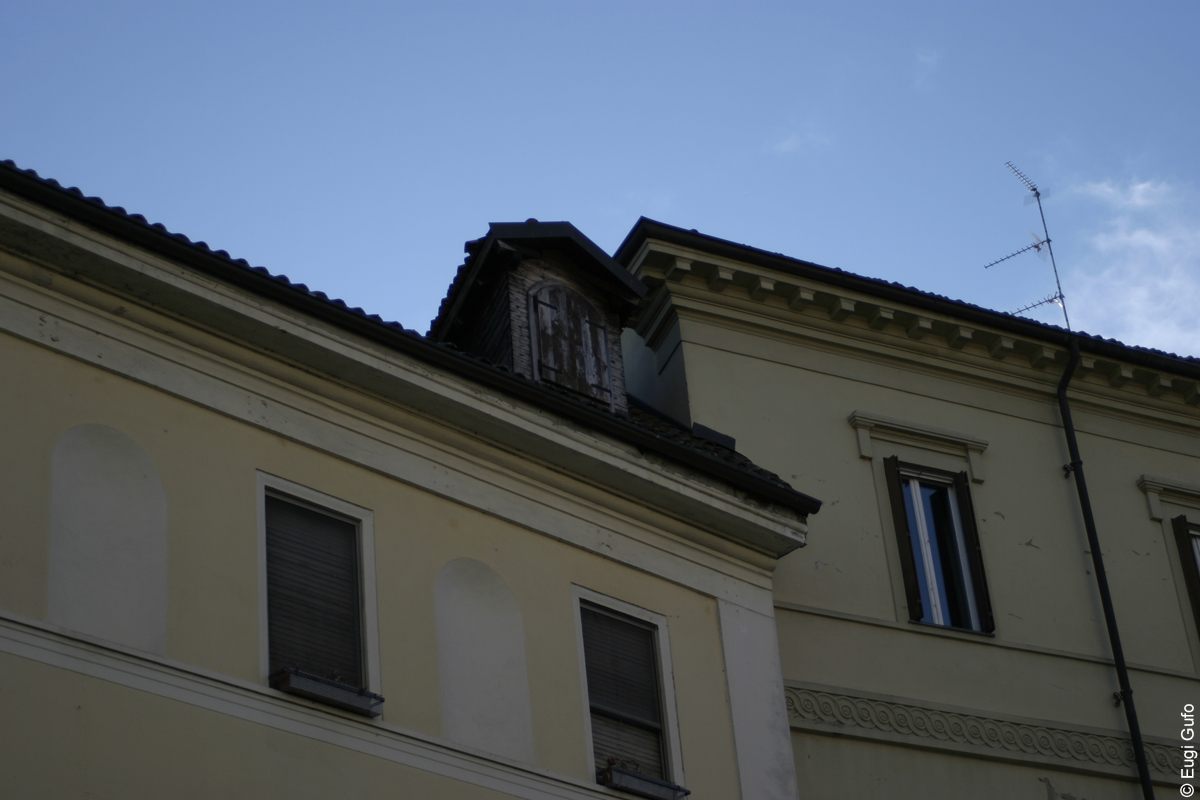
Administratively, the city lies in the Province of Alessandria and is the second most populous municipality after Alessandria itself. Geographically, however, the built-up area is not particularly extensive. The historic centre is so compact that it can be thoroughly explored in a few hours. At the same time, this very compactness presents certain difficulties for the photographer. Most buildings can only be captured from angles of this kind:
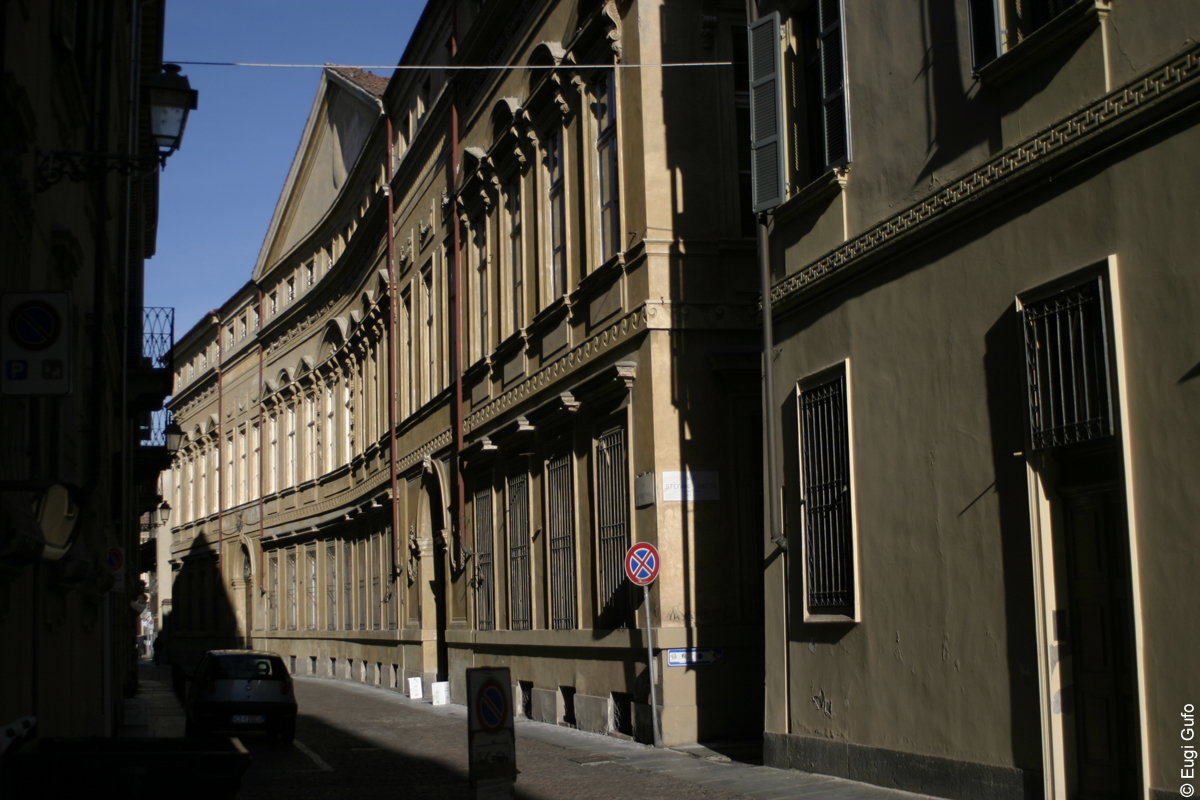
This applies not only to secular palaces, but also to many churches…
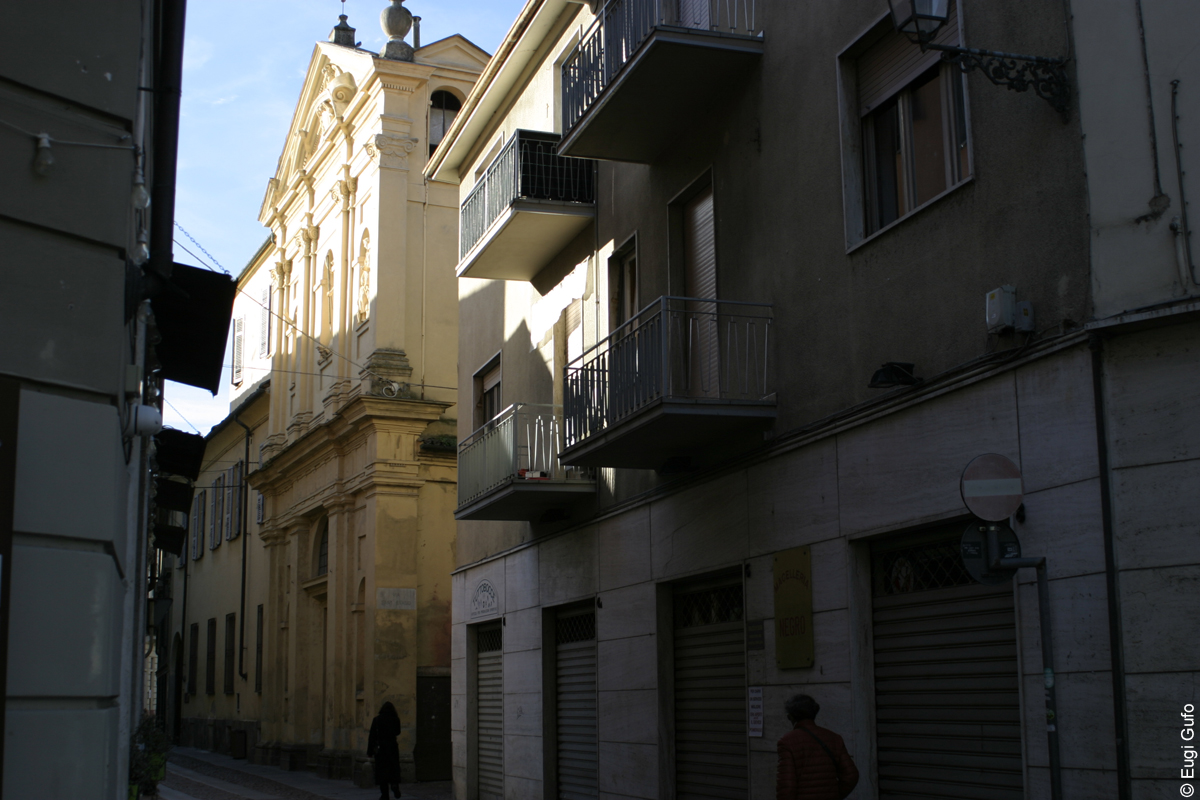
… which often can be photographed only in fragments.
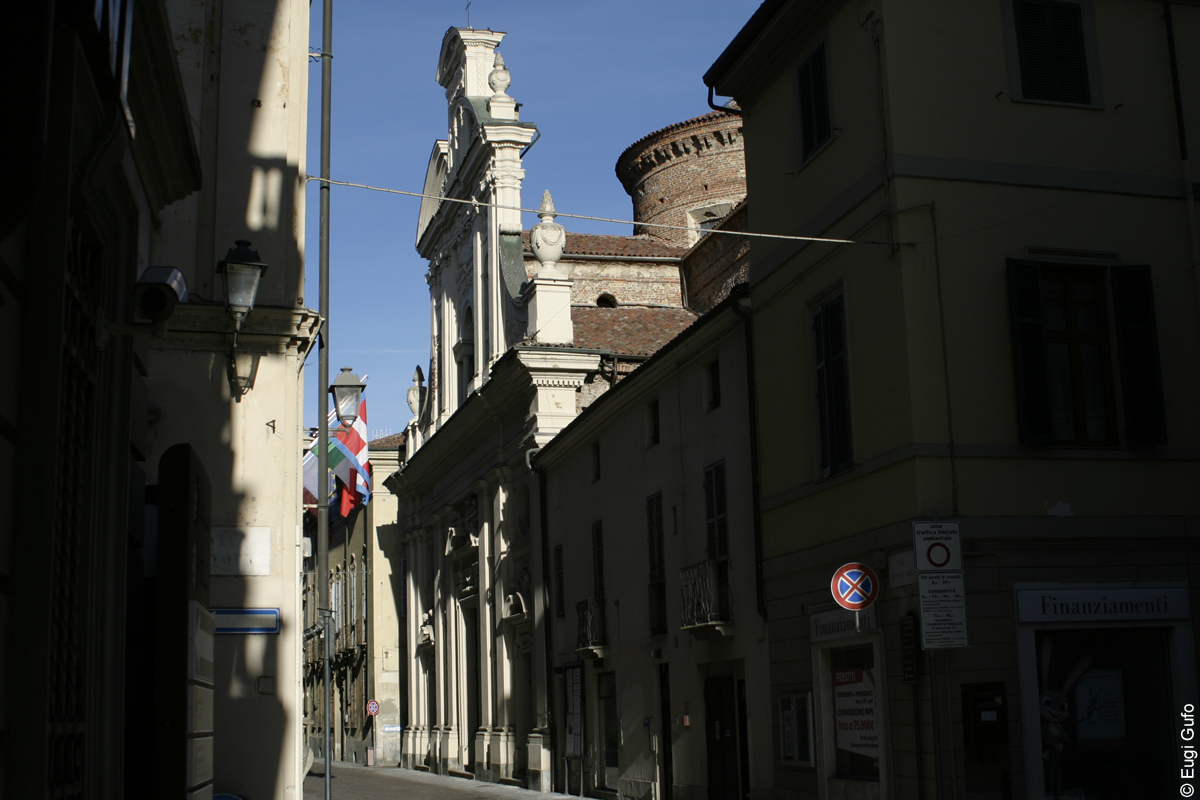
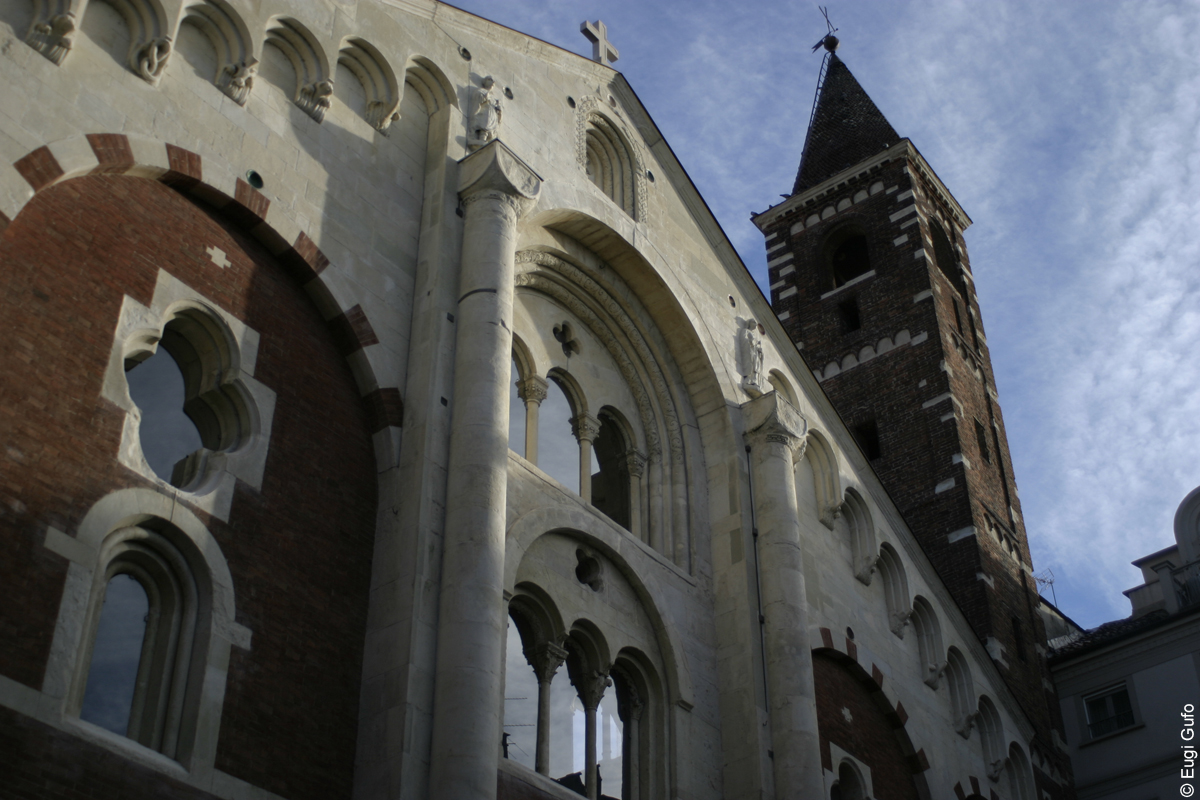
The same is true of the Cathedral of Sant’Evasio, which stands — somewhat unexpectedly — not in a broad piazza but at the intersection of relatively narrow streets. It can therefore be photographed only in vertical sections…
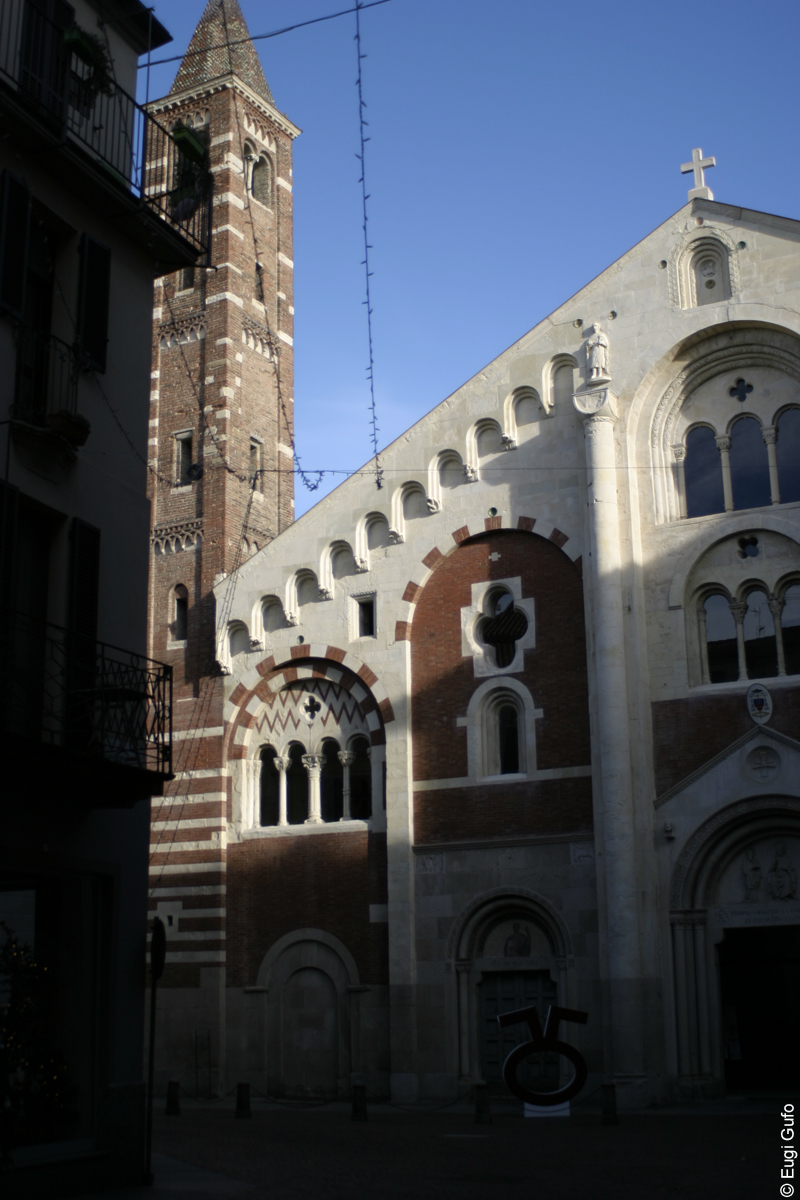
… or horizontal ones. Consequently, all the «complete» images you will find online are either taken with wide-angle lenses (and thus slightly distorted) or assembled from multiple partial shots.
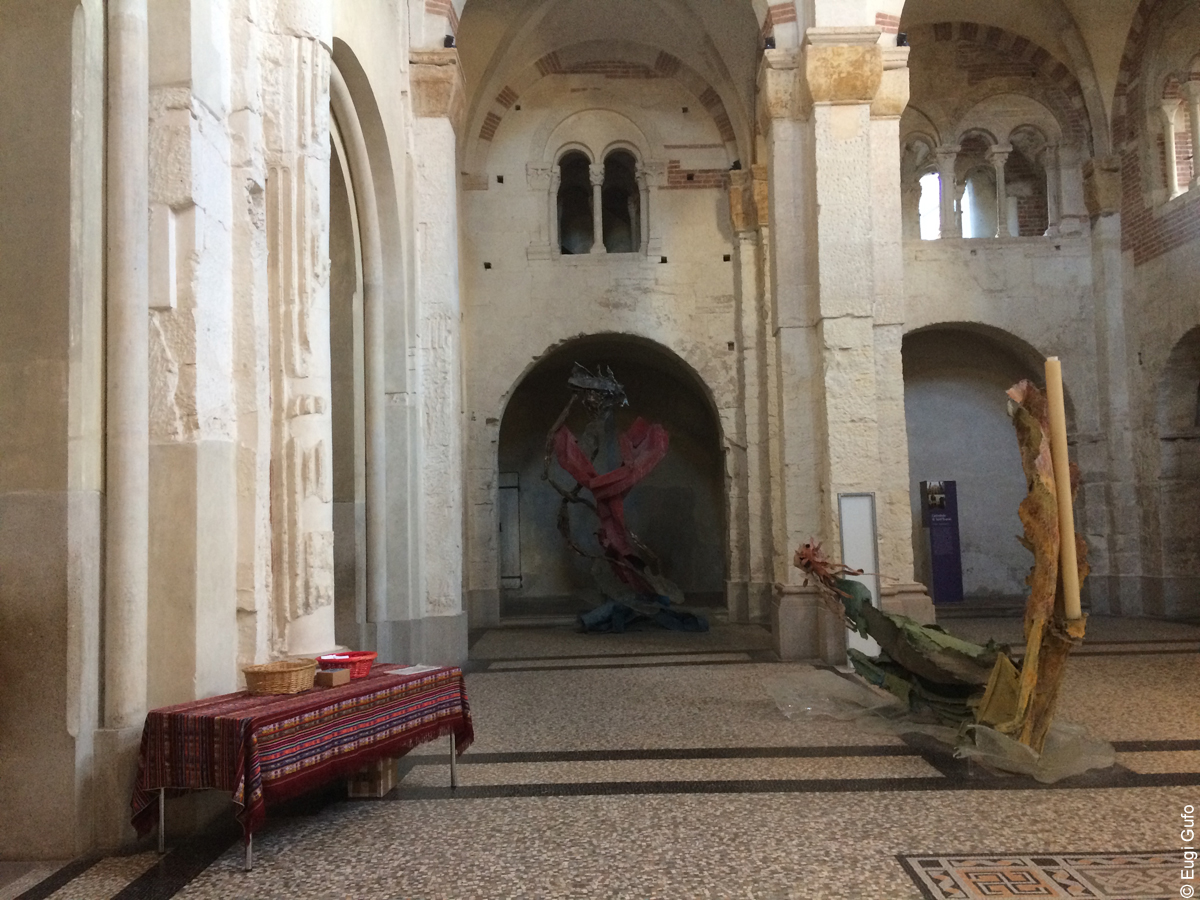
The interior of this eleventh-century cathedral deserves attention primarily for its architectural structure. There are not many churches with a narthex — an entrance hall typical of Byzantine churches — and the narthex here even contains works of modern art.
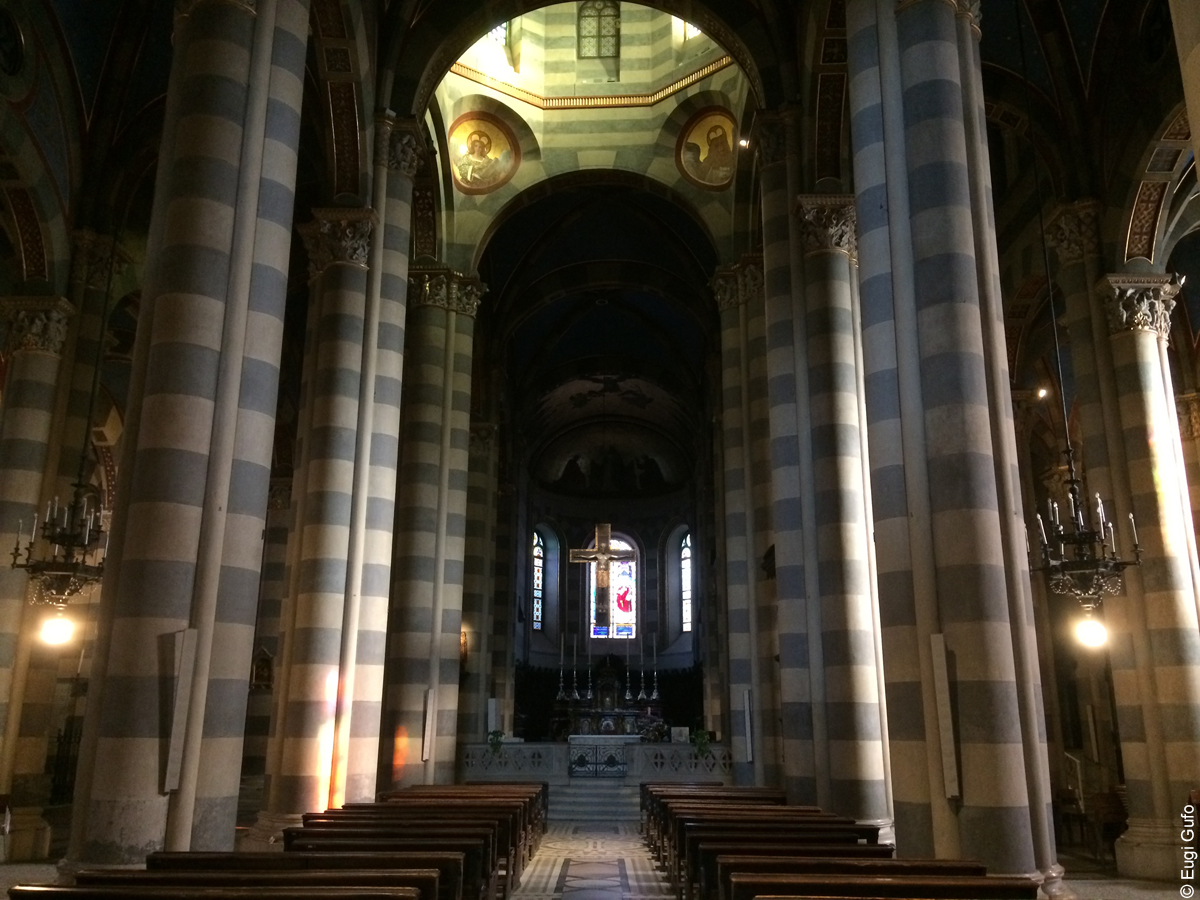
The main nave space is beautiful in the familiar way appreciated by amateur enthusiasts of Lombard Romanesque architecture.
Churches in Casale Monferrato that can be photographed comfortably from the outside are not numerous — but they do exist.
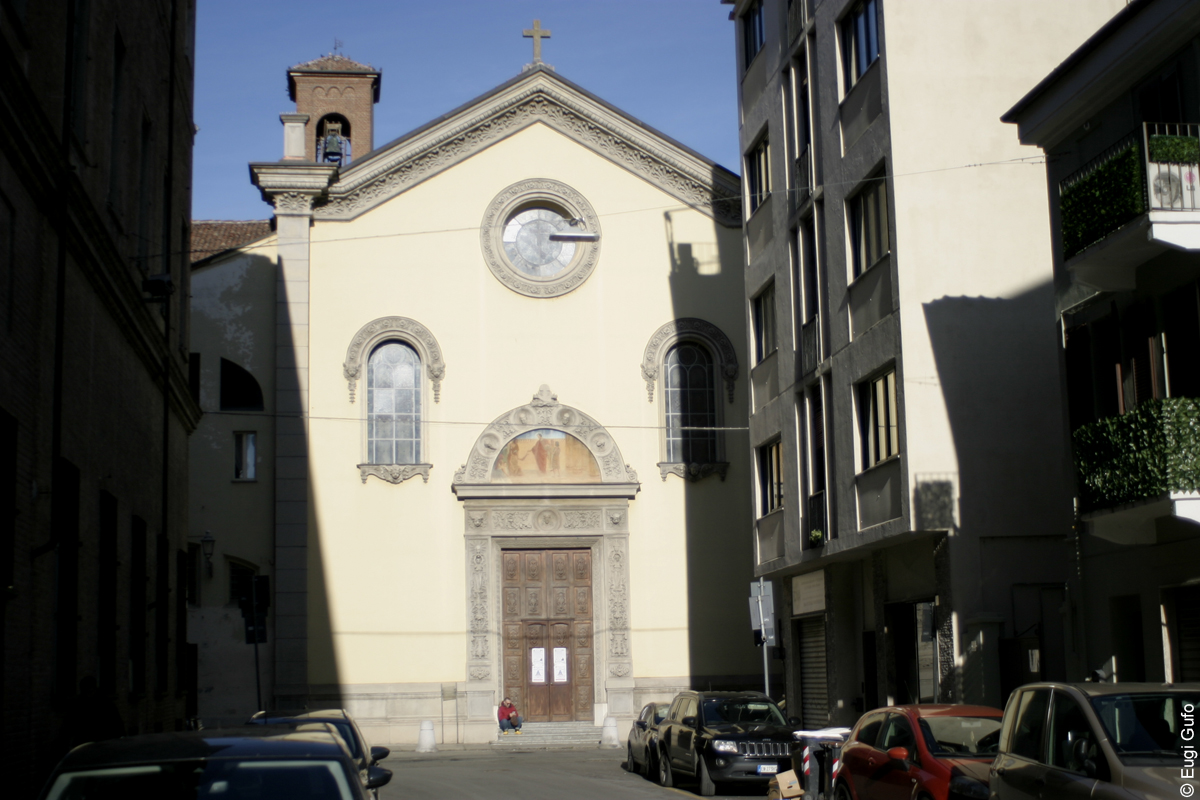
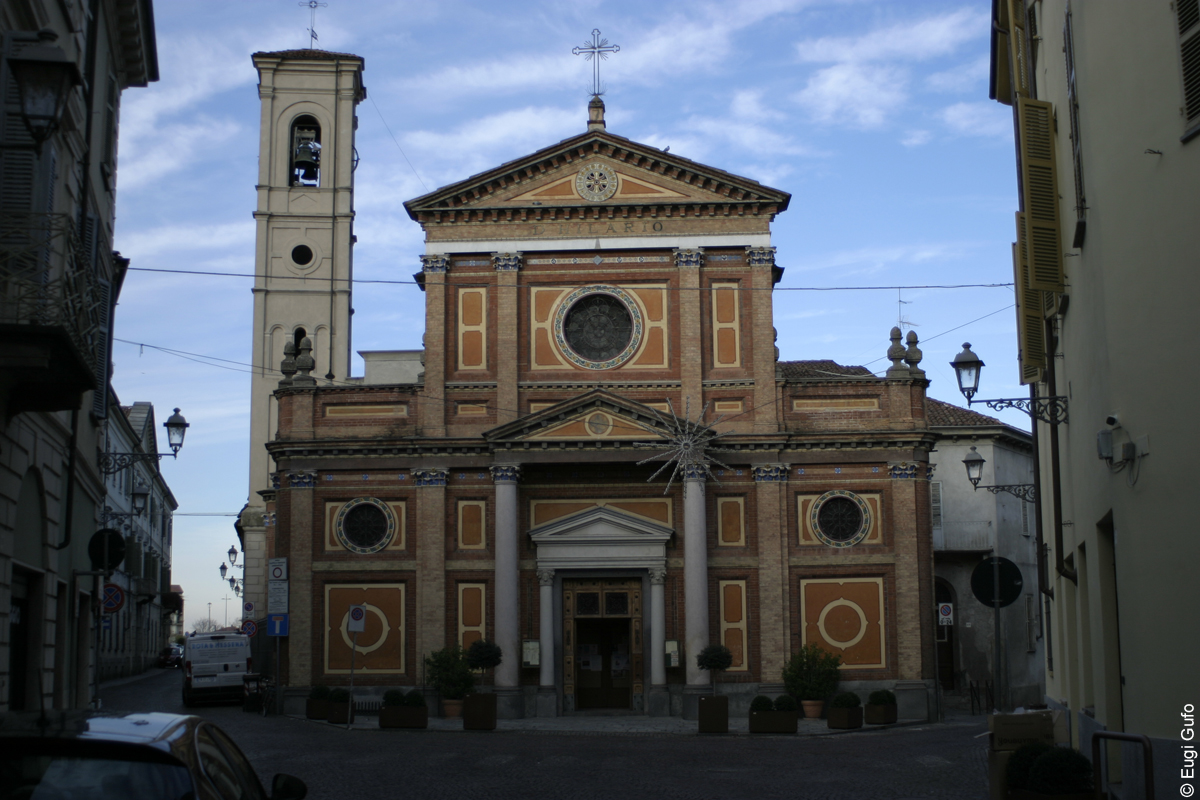
For example, the parish church of Sant’Ilario (sixteenth century) with a façade of a cheerfulness rarely encountered in northern Italy.
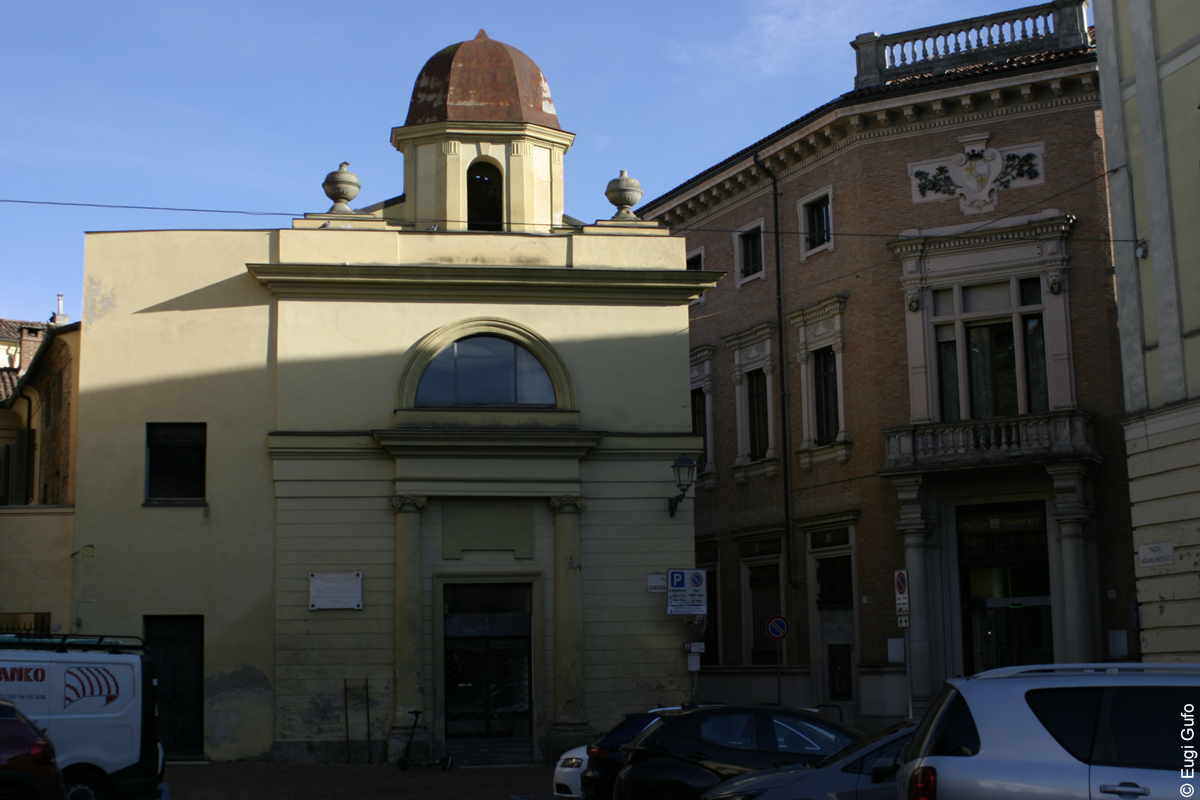
Or a splendid Baroque example: the church of Santa Caterina (eighteenth century), originally part of a convent now altered and converted to secular use.

The former church of the Confraternity of the Trinity (eighteenth century) is also easy to frame. In this specific case, you may safely refrain from attempting to view the interior: the building now serves as a commercial space.
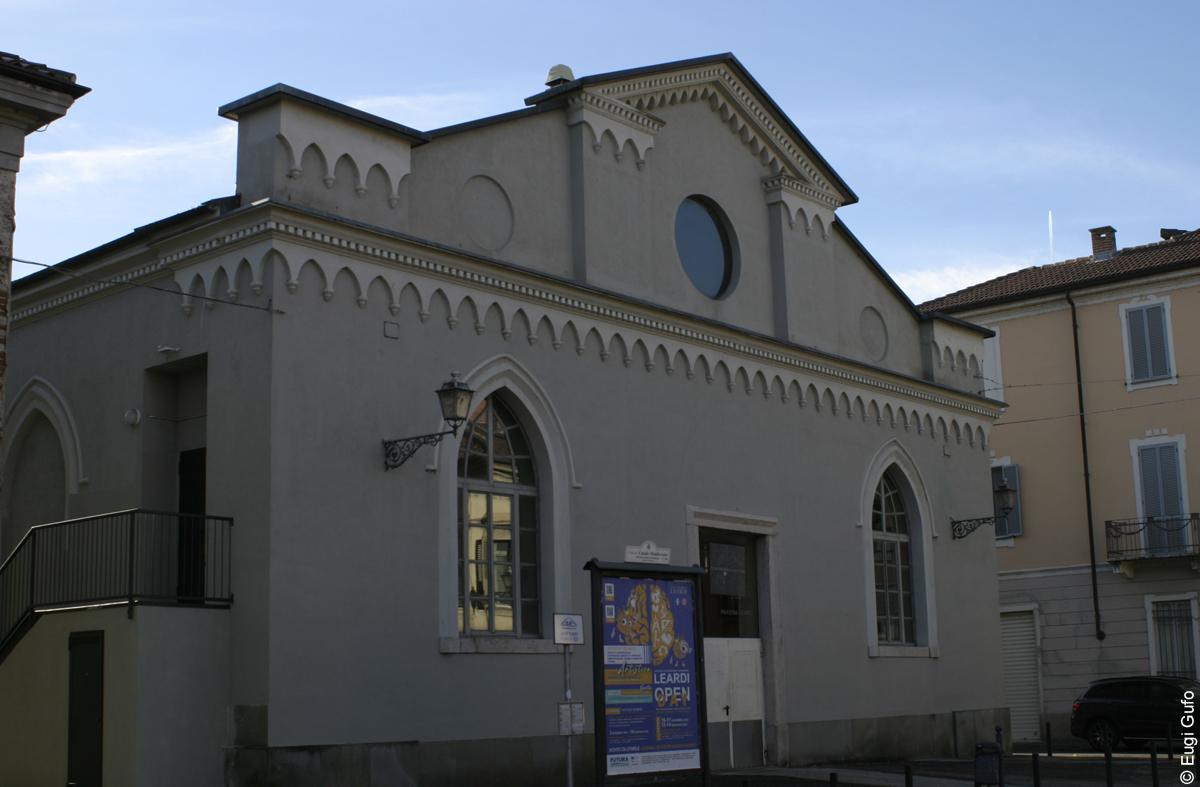
This structure also appears to be a former church, though I found no informative signage nearby.
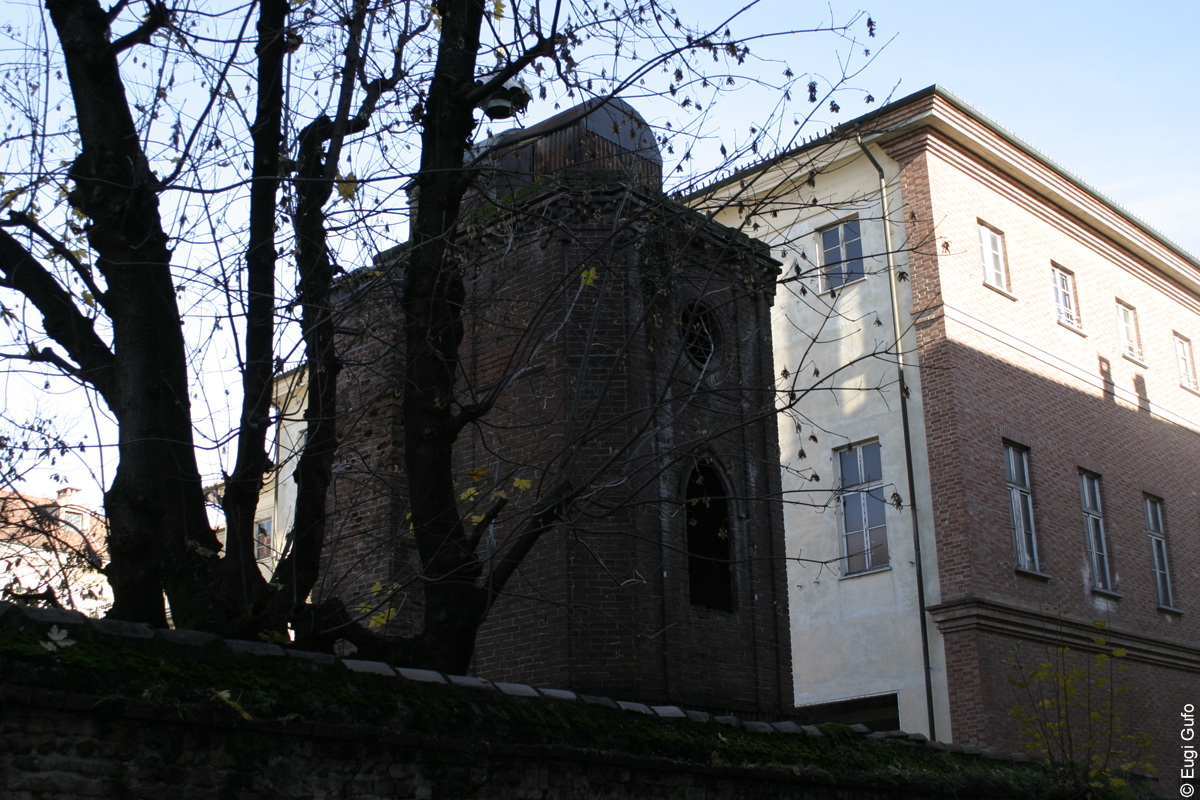
Behind the brick fence of a private courtyard I glimpsed a mysterious tower resembling a private chapel abandoned decades ago. Again, no helpful information was available to guide further research.
The most effectively converted deconsecrated religious building in Casale Monferrato, however, is this one:
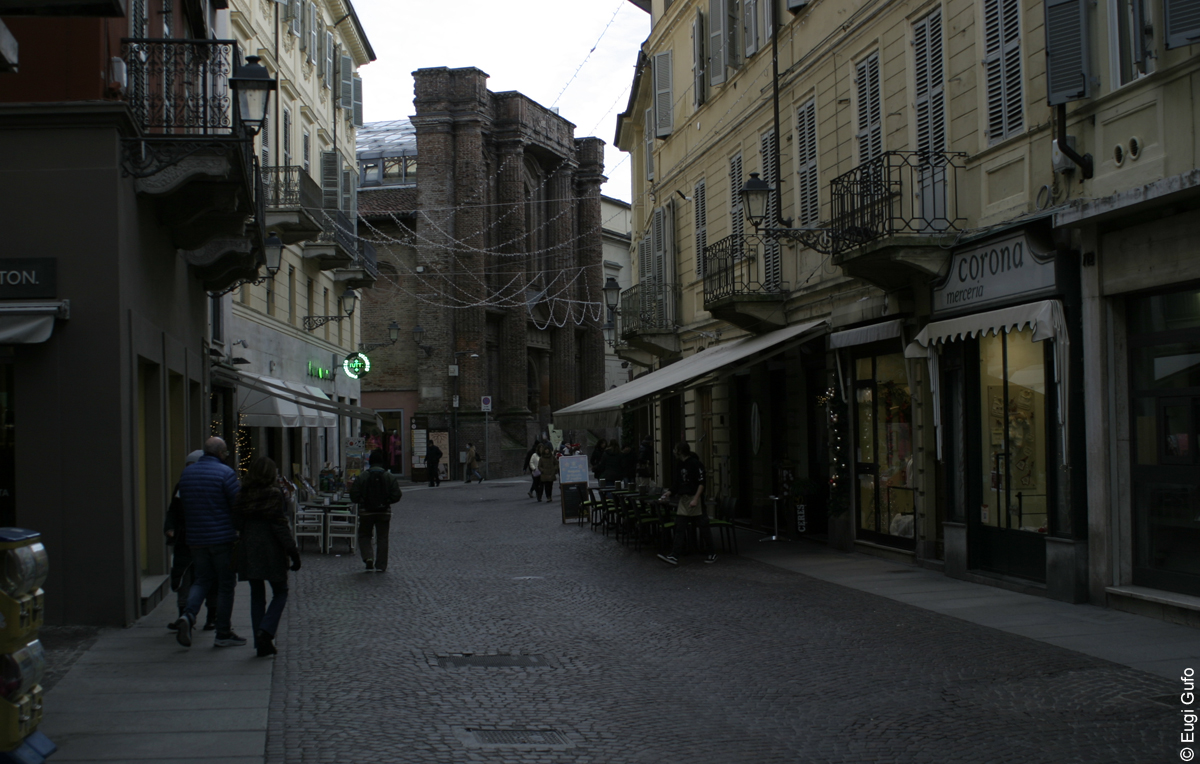
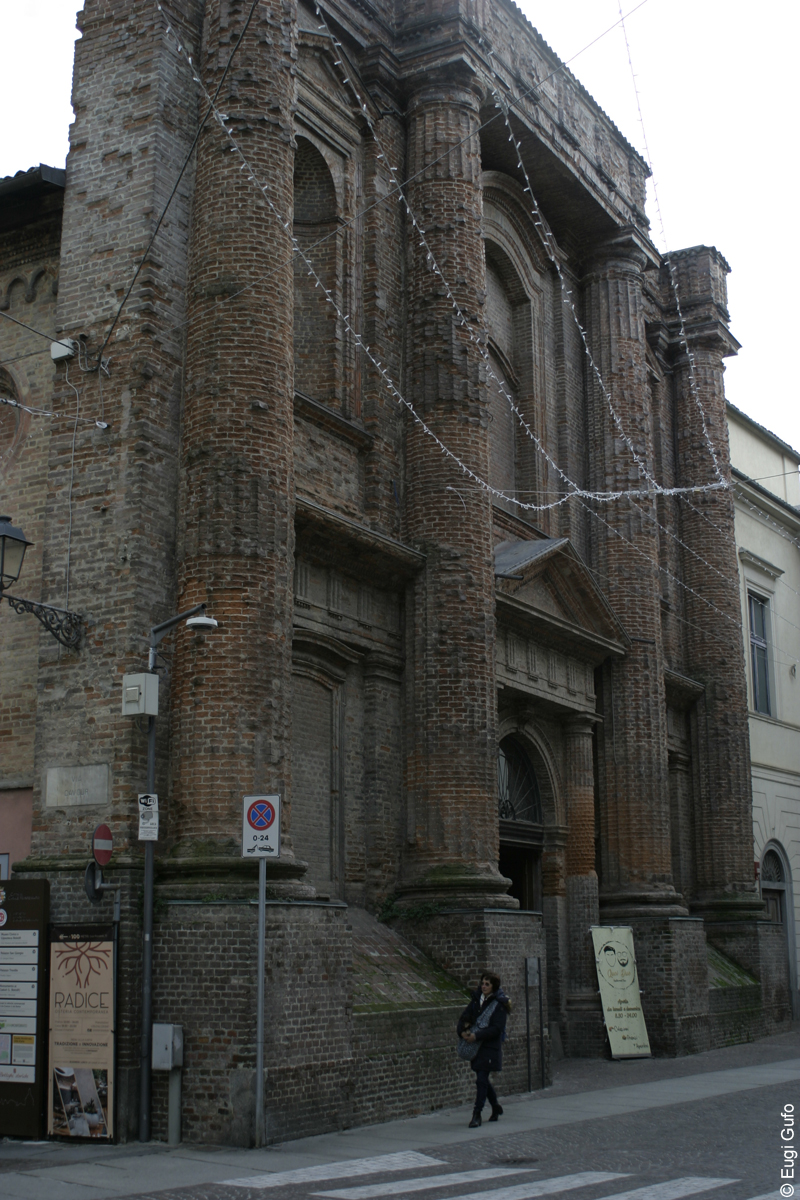
It is the former church of Santa Croce (fourteenth century), whose façade was never completed. Today it houses a small shopping centre — thus, in a certain sense, preserving the essence of its original communal function.
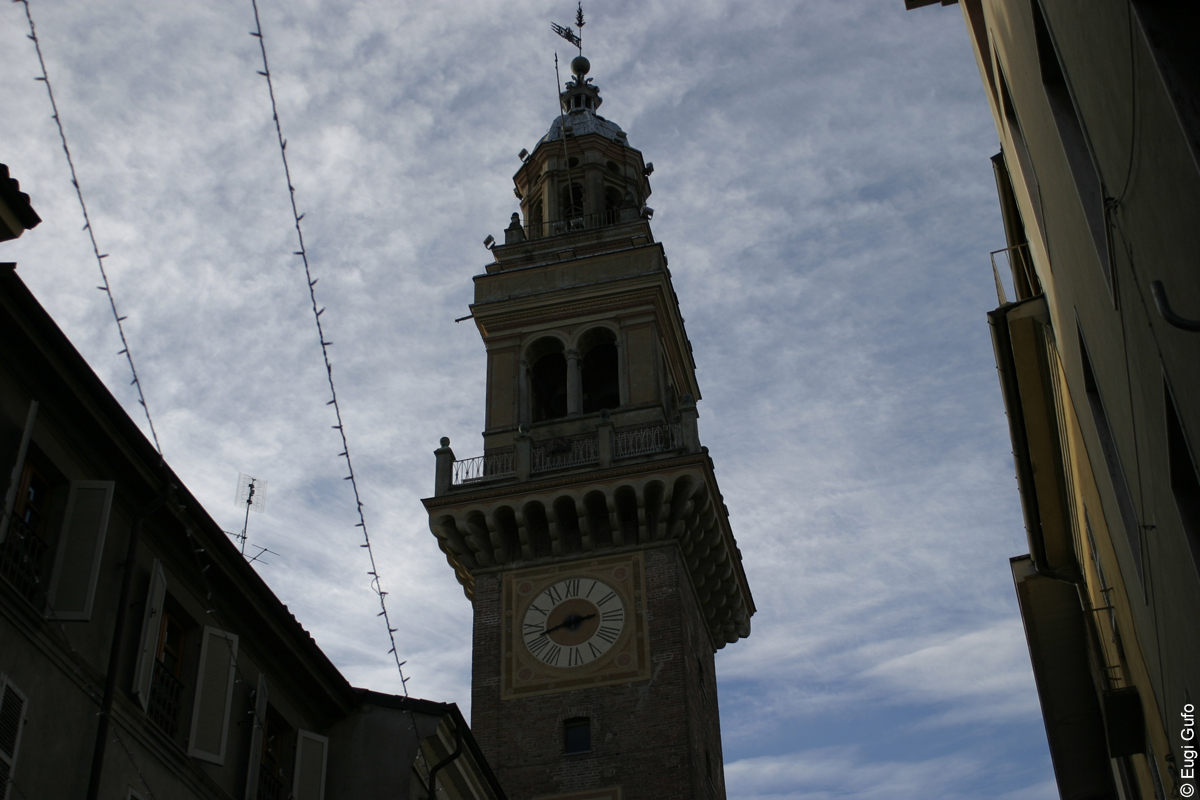
Let us now abandon the churches. They are not the sole contributors to Casale’s beauty. Consider, for example, one of the city’s principal civic symbols: the civic tower, whose main body was probably constructed in the eleventh century. It is important to note that it does not belong to the adjacent church of Santo Stefano.
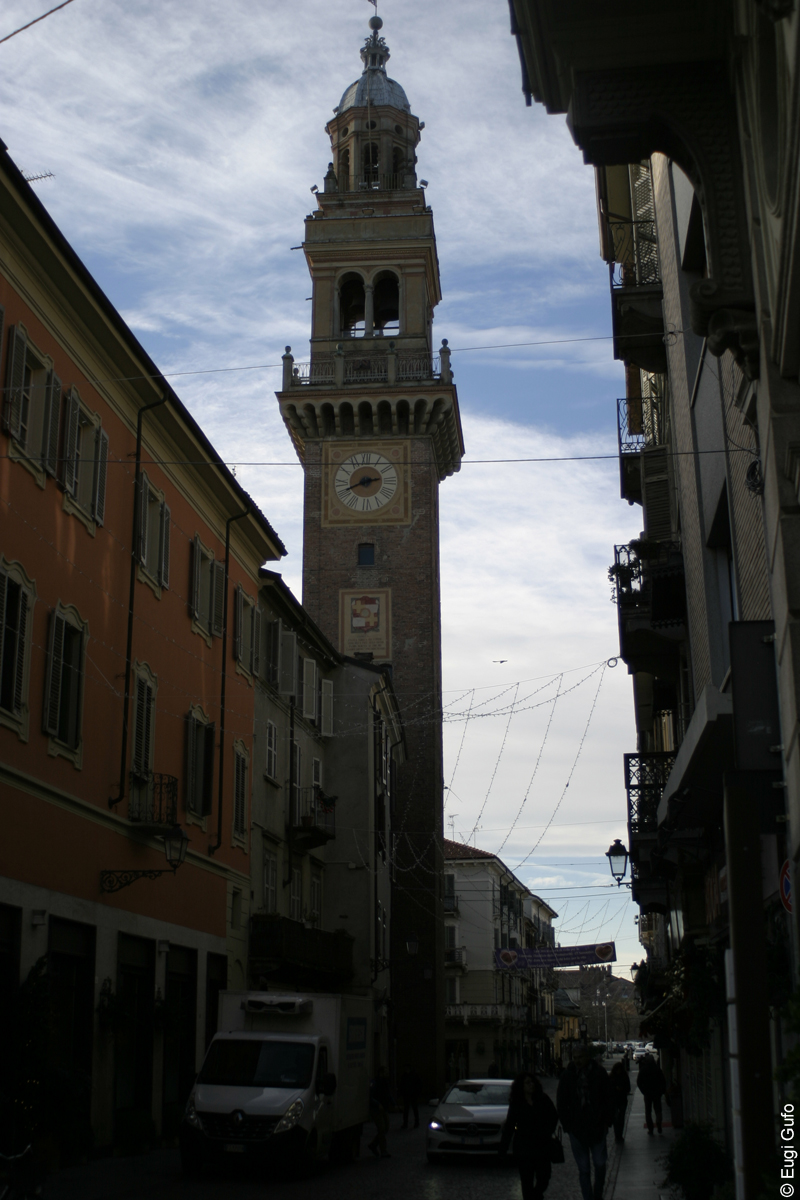
The tower currently stands at 60 metres, though it was not always so tall: the section above the clock was added in the sixteenth century. The clock itself was replaced in 1780 after the previous one was struck by lightning. The coat of arms displayed on one side — officially recognised in 1936 — lists the families that held the city in fief and the diocese headquartered there. The plaster was removed during restoration works in 1920. Unfortunately, the tower is open to visitors (free of charge) only at weekends. My visit fell on a Thursday; thus I was denied the panoramic view. One day I shall attempt again.
Casale Monferrato also offers several attractive squares. Regrettably, in preparation for the winter festivities, the municipal administration chose to decorate one of them with a «shooting star» that unsuccessfully imitates the celebrated star of the Arena di Verona.
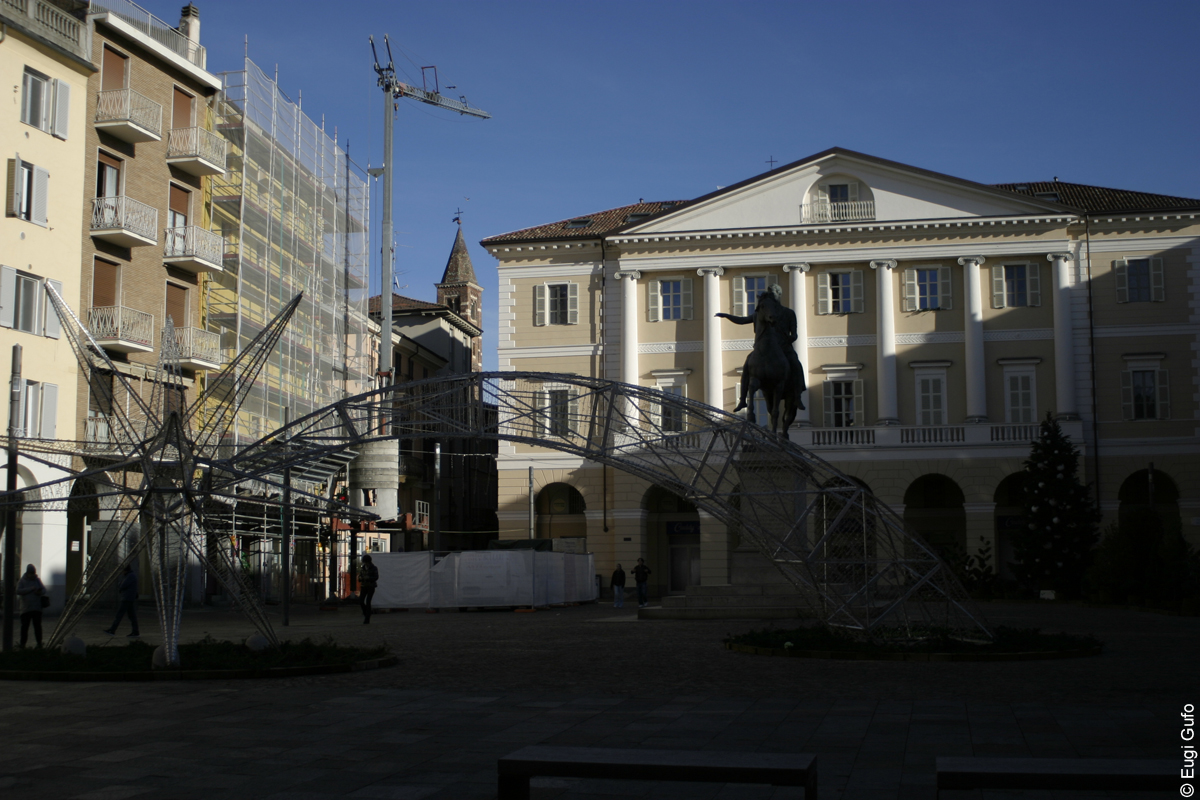
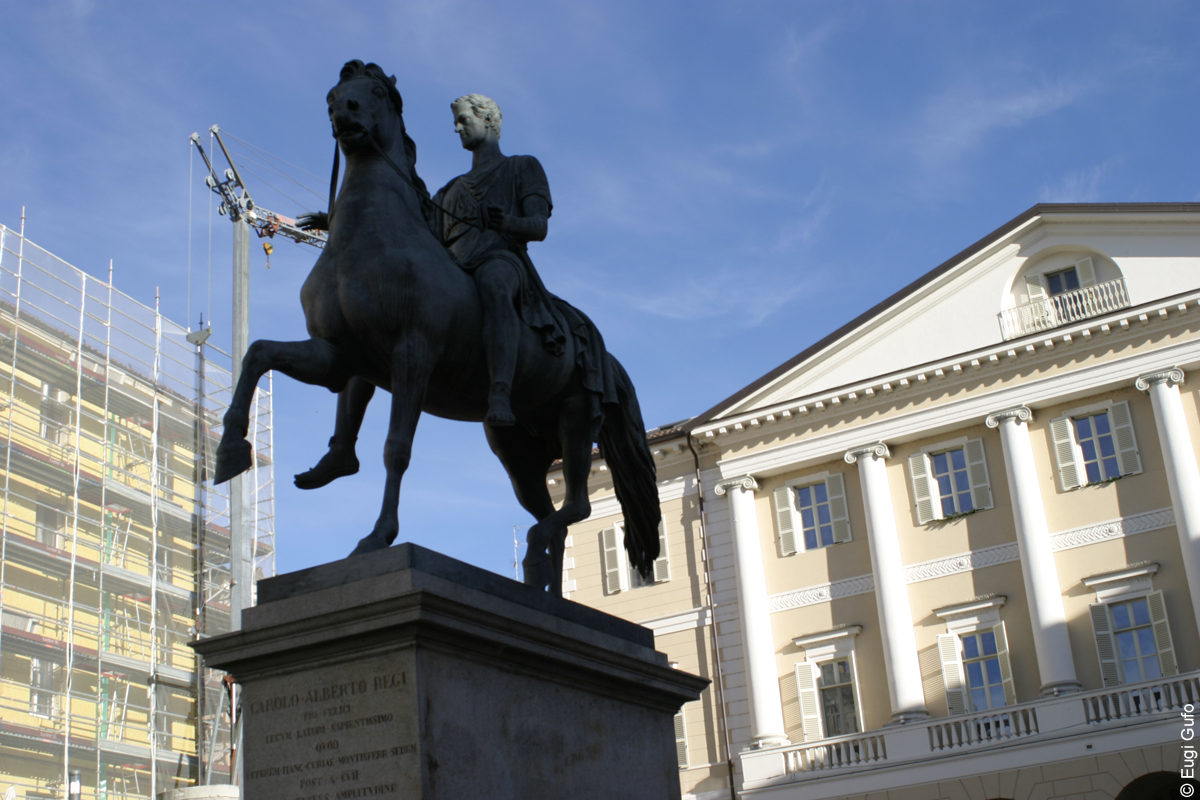
Fortunately, the squares also host permanent monuments created by far more capable hands. On the same square stands the monument to Carlo Alberto di Savoia, produced in Milan and erected in 1843. It was commissioned after the king elevated the city to the seat of the Senate in 1837. For reasons that may be symbolic, he is depicted rather like a Roman emperor.
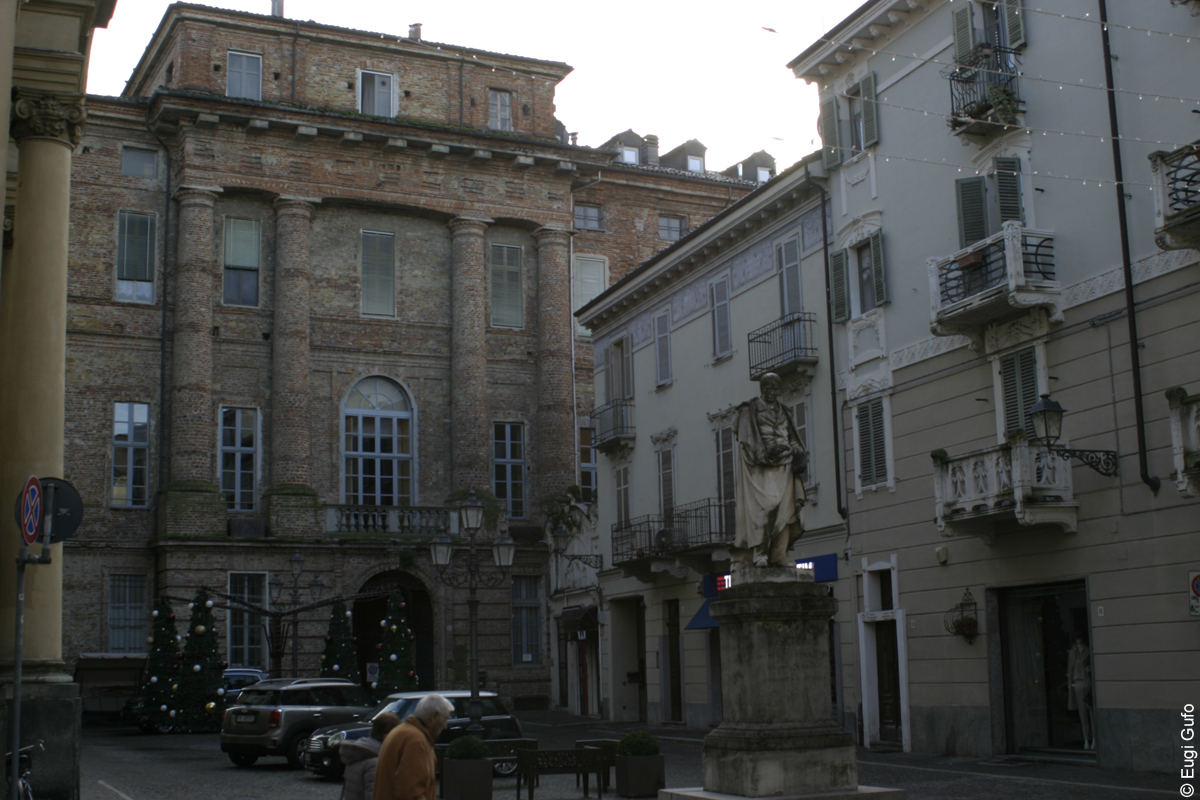
The monument to Luigi Canina — architect, archaeologist, and architectural historian born here — was erected in 1865 in Piazza Santo Stefano, near the civic tower.
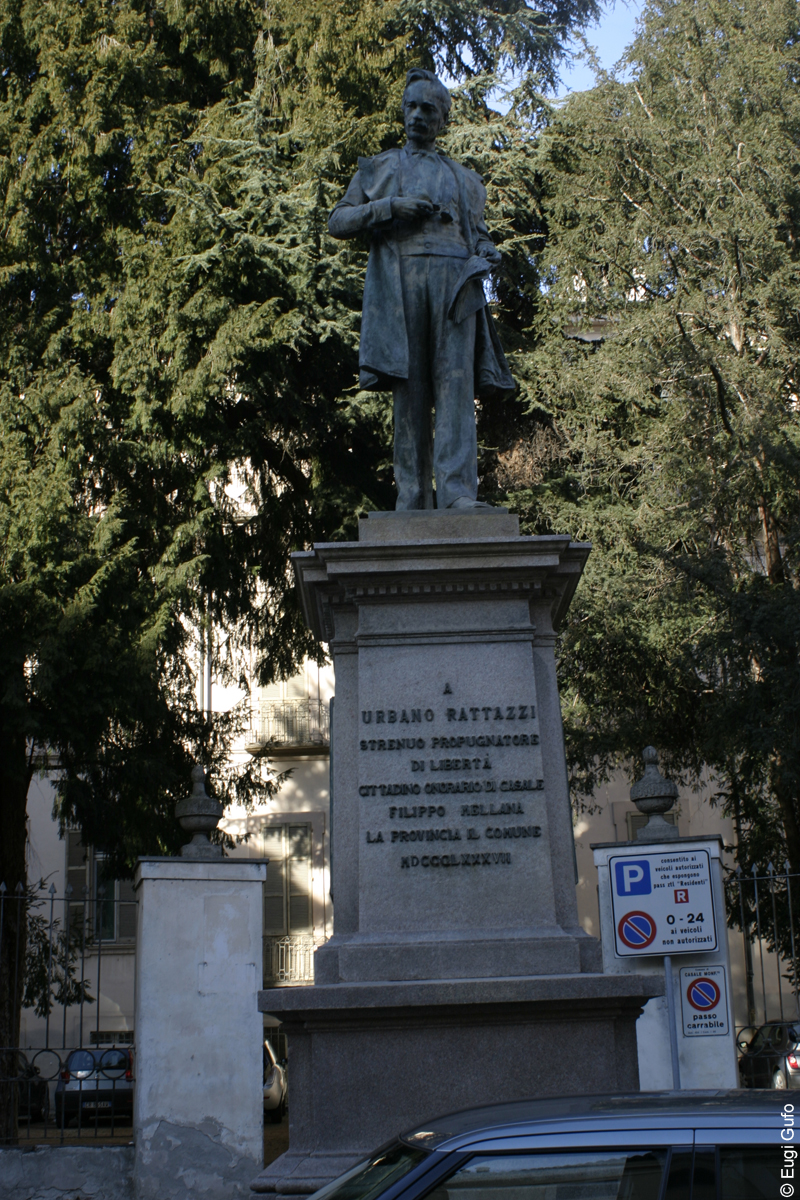
Likewise, the nineteenth-century politician Urbano Rattazzi (Prime Minister of the Kingdom of Italy for nine months) earned both a monument and honorary citizenship, likely owing to his later role as President of the Provincial Council of Alessandria.
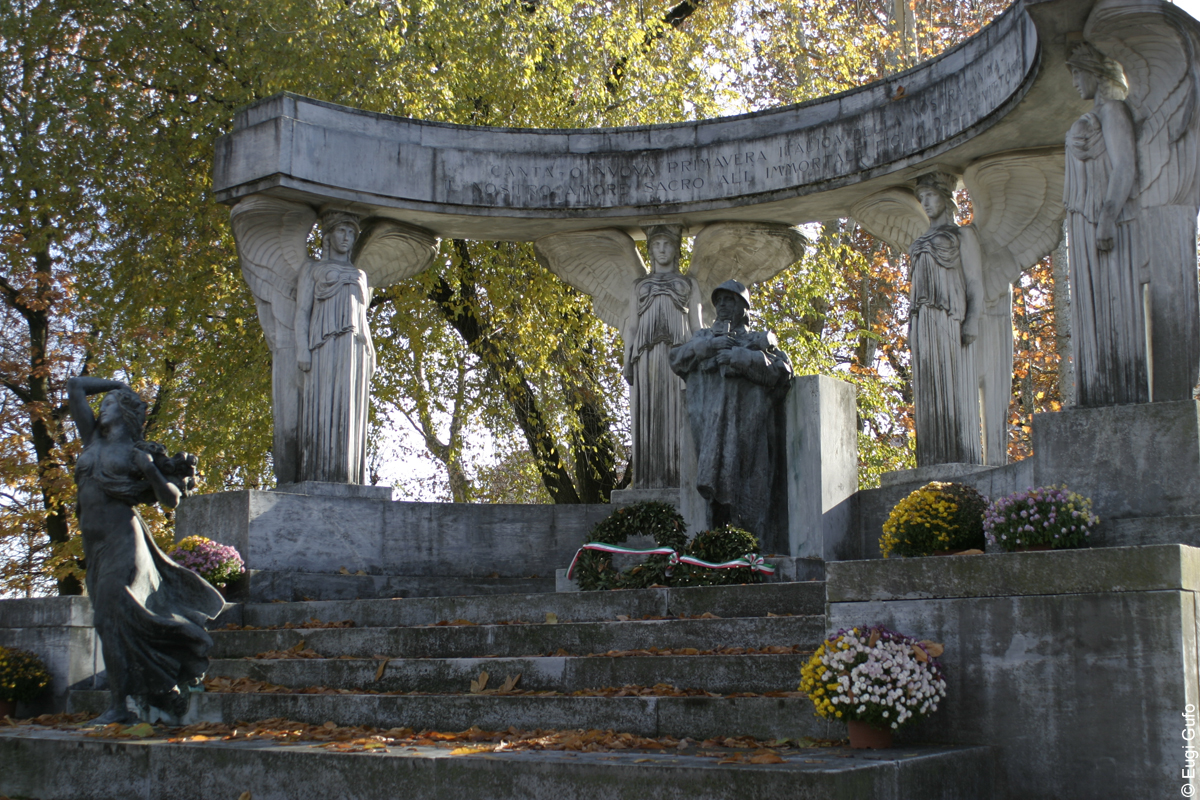
The monument to those fallen in the First World War — inaugurated in 1928 by Vittorio Emanuele III — is today somewhat enigmatic. It bears no textual indication of the event or individuals commemorated. I inferred its dedication solely from stylistic clues and confirmed this interpretation later during research.
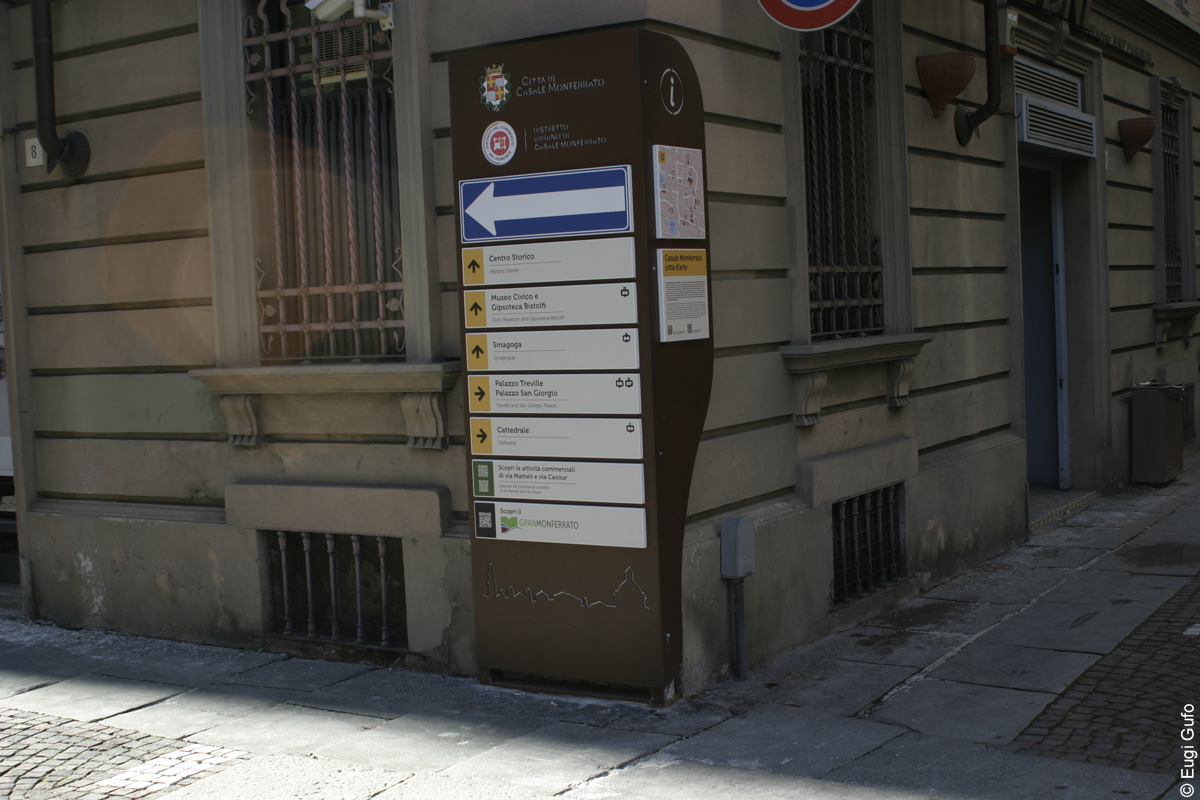
Yet I have dwelt too long on sculptural monuments, as though Casale lacked larger and more imposing structures. In fact, it possesses many, clearly signposted throughout the historic centre.
Just beyond the centre, near the River Po, stands the Castle of the Palaeologi, built in the fourteenth century.
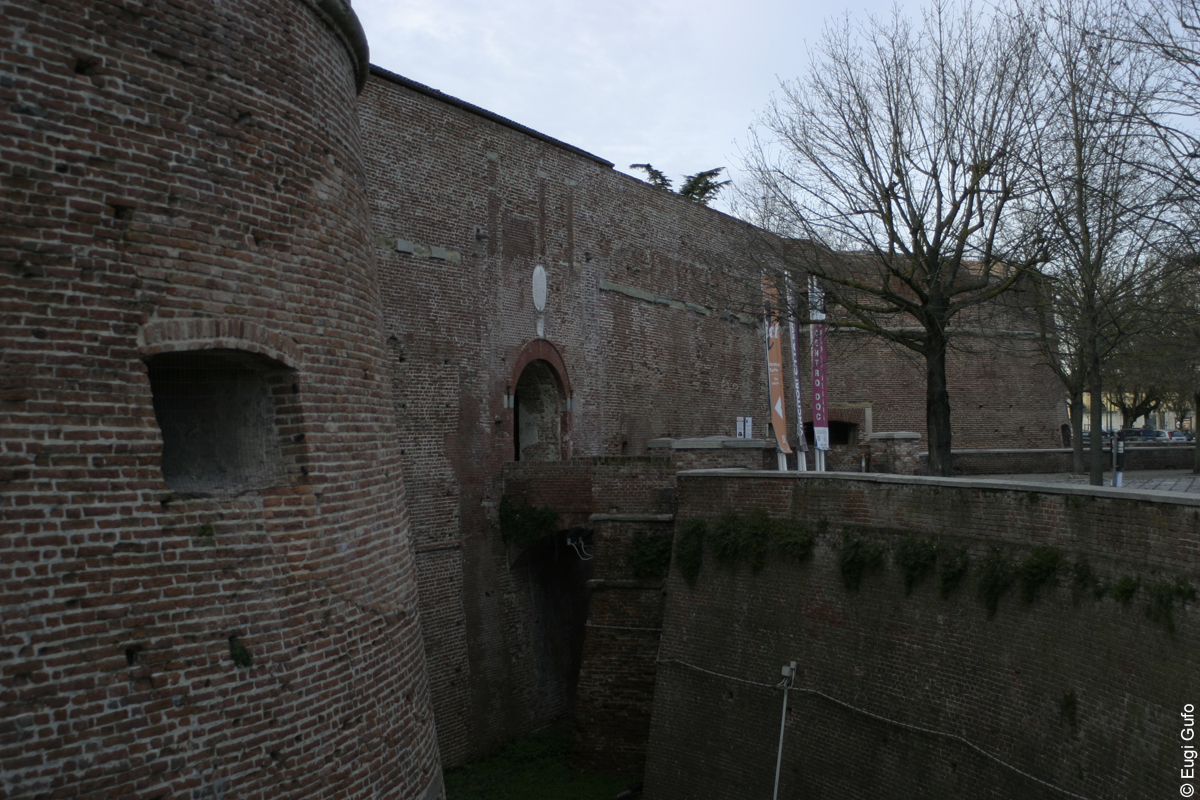
Its exterior presents a curious impression: the walls seem not particularly high, and the corner bastions have evidently lost their upper portions. Informational panels hang beneath the entrance arch, though they add little to what any moderately prepared tourist might already know.
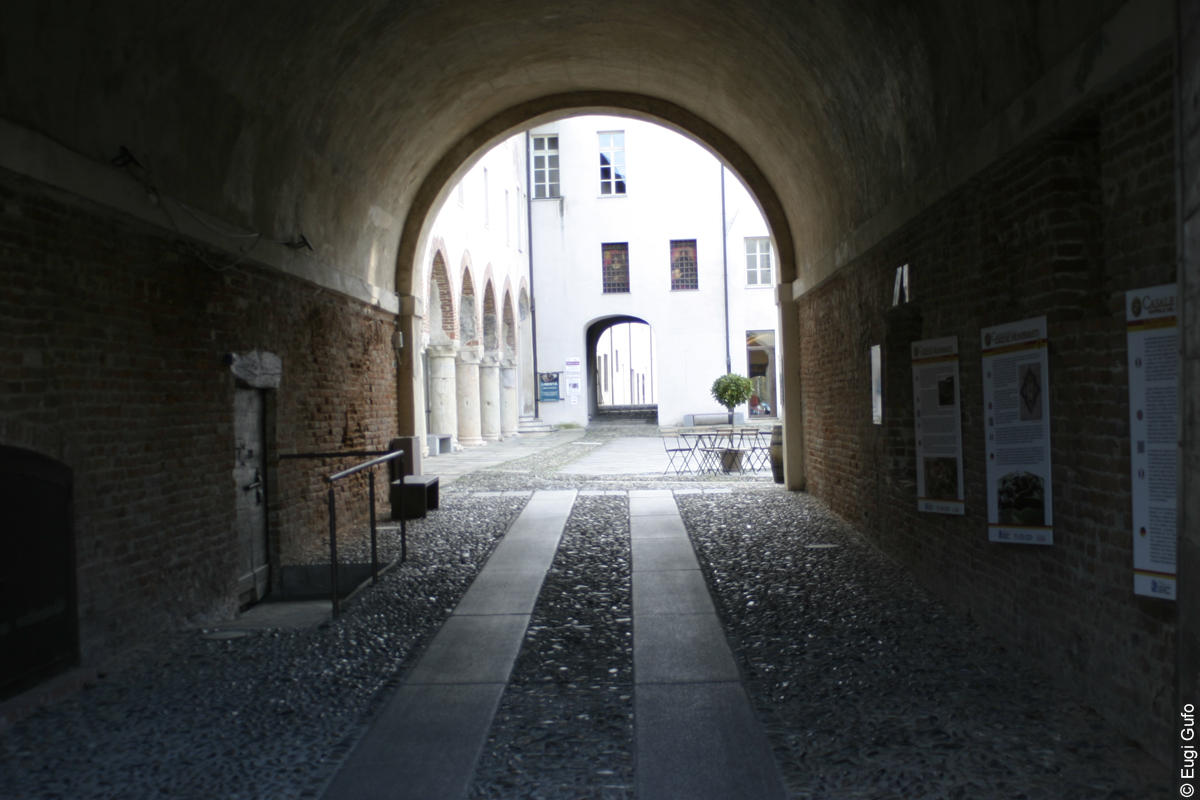
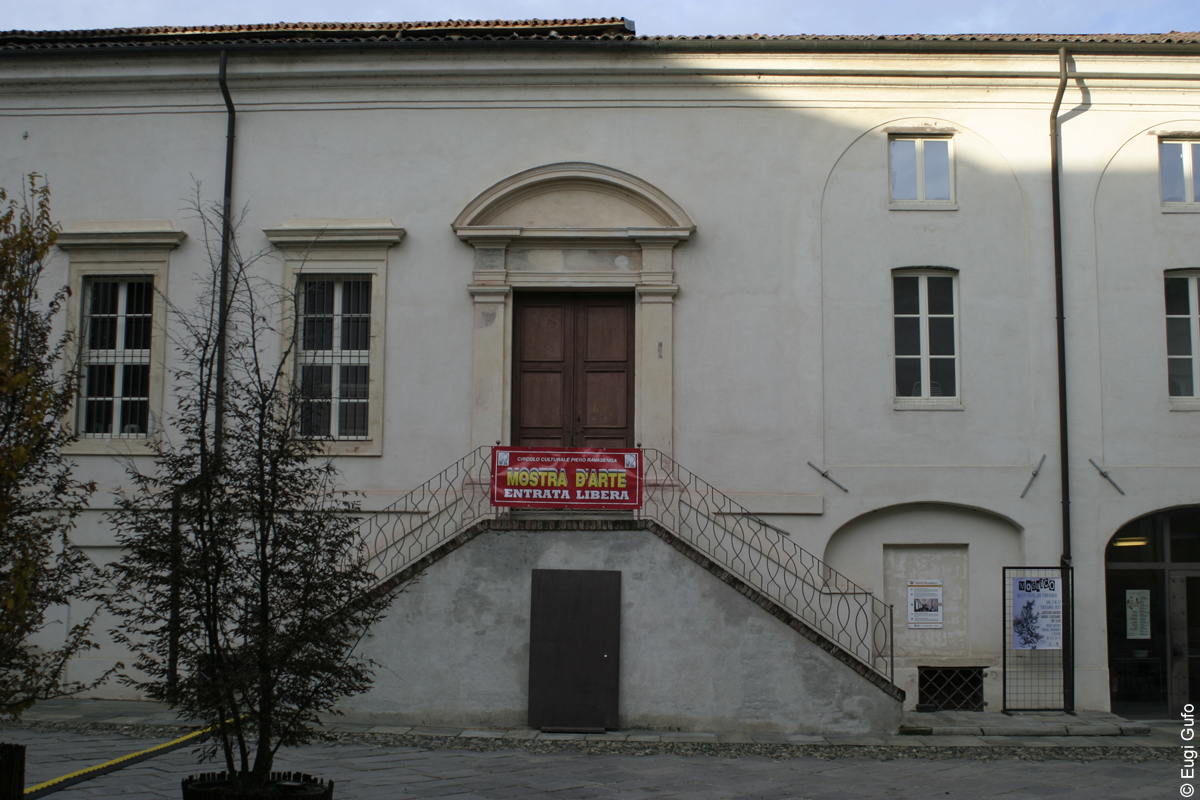
The first of the two inner courtyards has been restored. Unfortunately, the result bears little resemblance to the structure’s original military purpose: it now contains a wine shop, exhibition space (both closed during my visit), and a tourist information office.
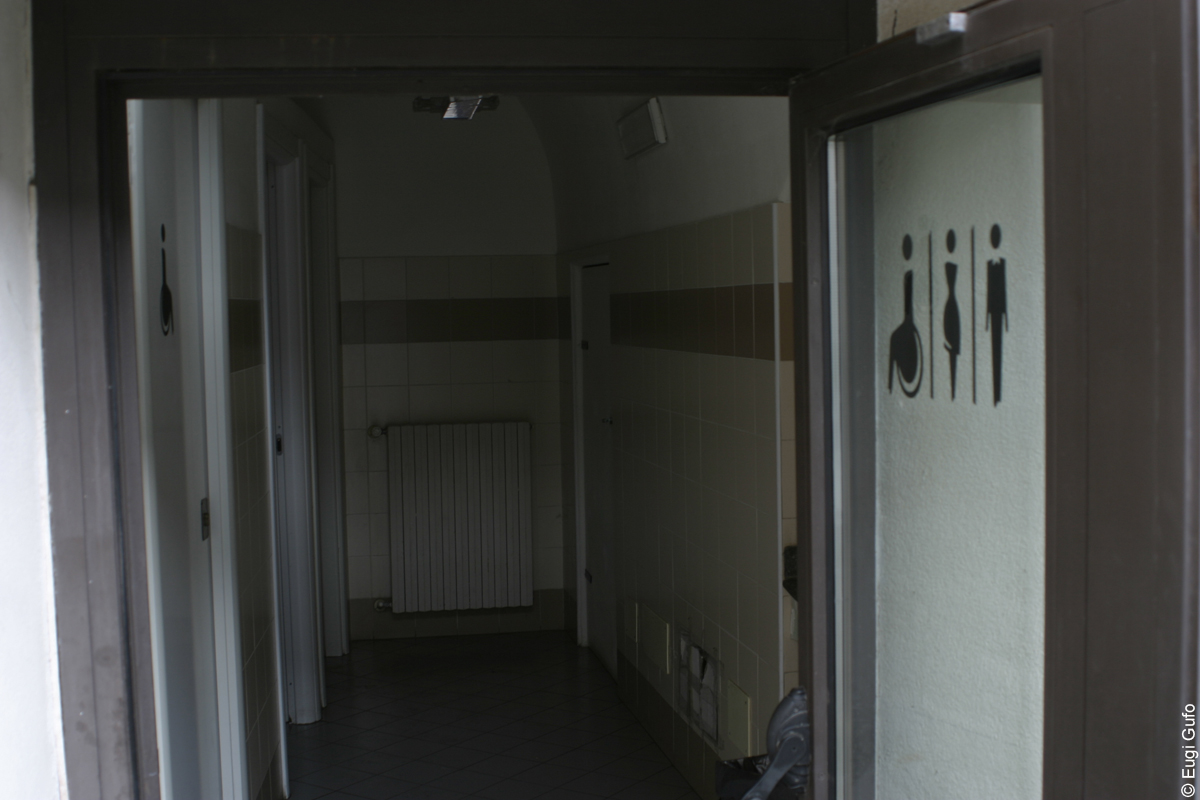
Unexpectedly, the same courtyard also houses a facility essential to the serene life of any traveller: open, free, and reasonably clean.
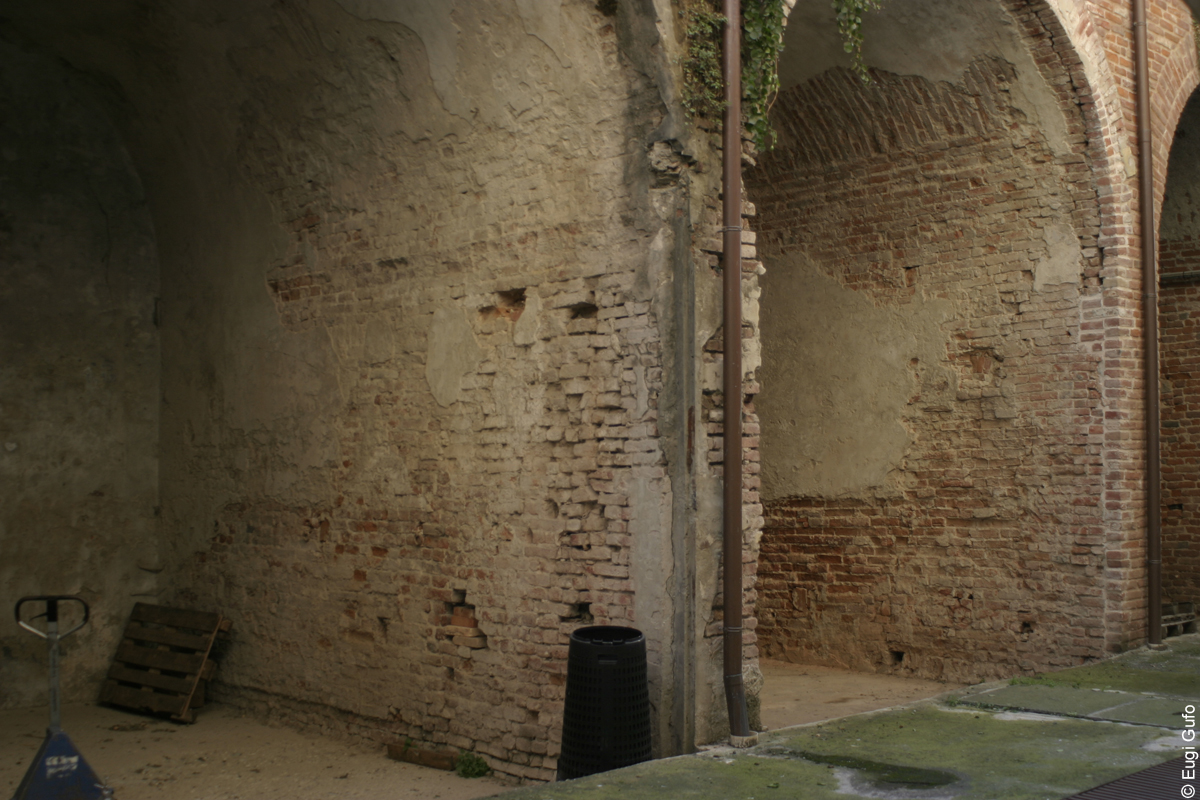
The second courtyard remains only partially restored and appears, at first glance, rather empty.

The lateral interior spaces within the walls — probably once stables and storage rooms — are now completely vacant.
At this point I must reveal a secret: in the second courtyard there is a ramp leading up onto the walls.
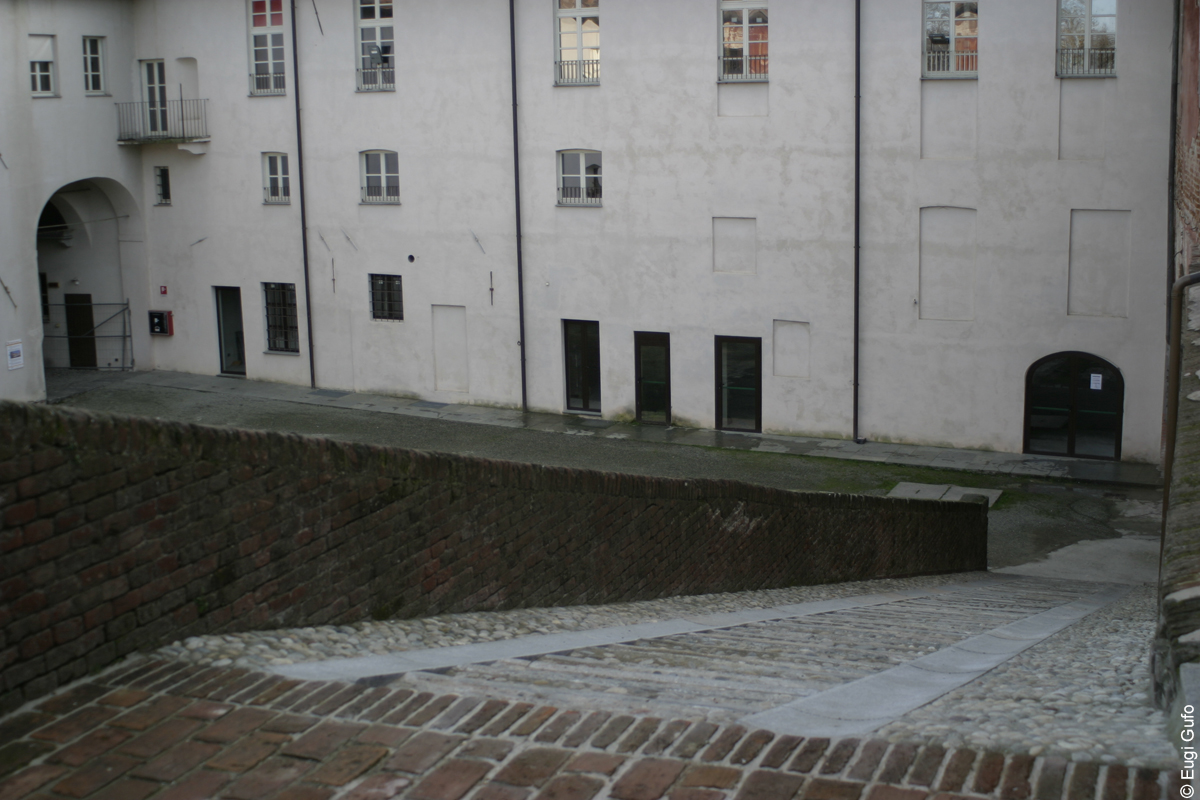
In one corner of the first courtyard, a traditional covered staircase also leads upward. I noticed the entrance to a lift beneath one of the inner arches, though I did not see its counterpart above.
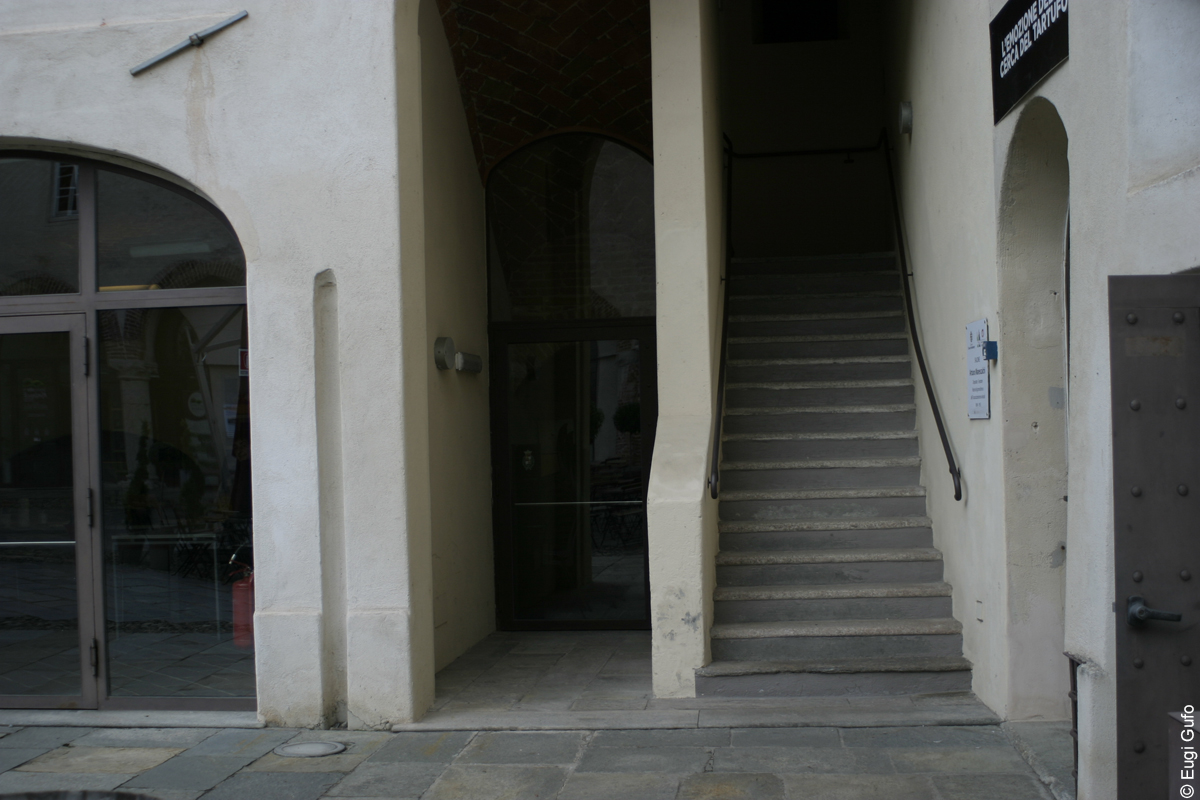
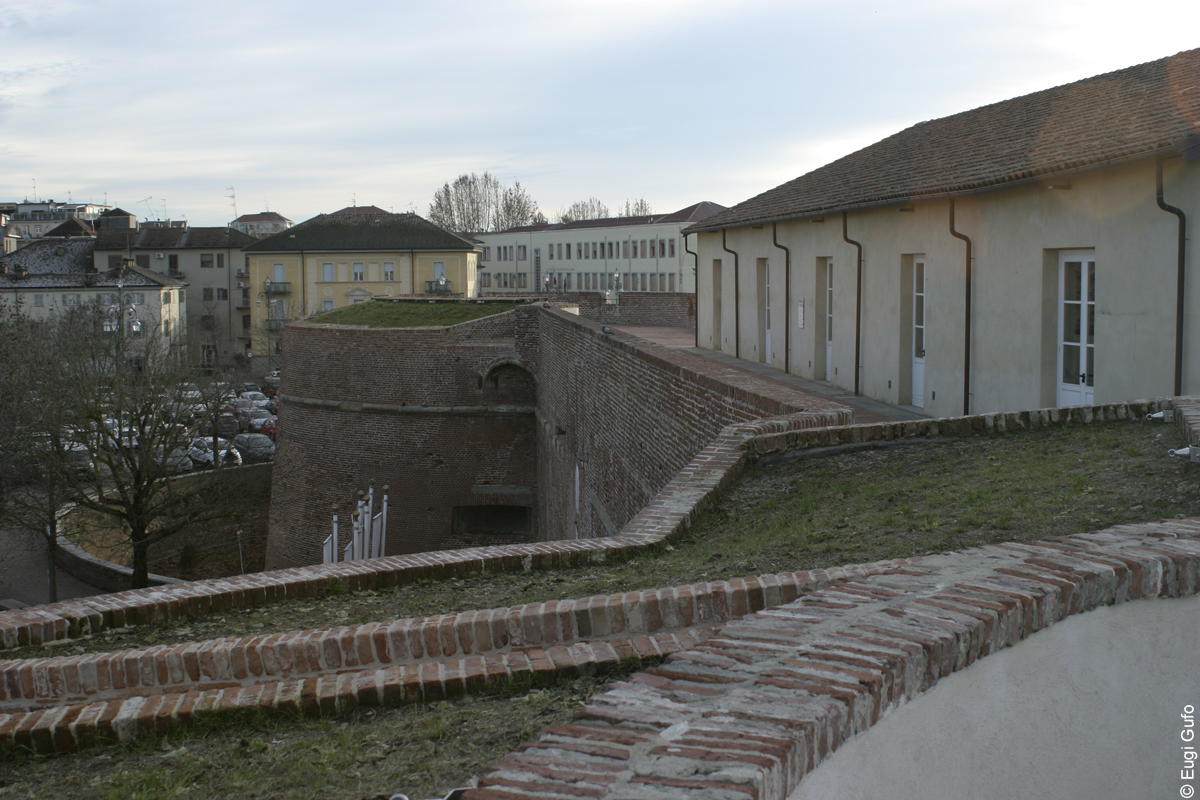
Atop the walls stretches a broad terrace, allowing a complete circuit with views over both castle and surrounding territory.
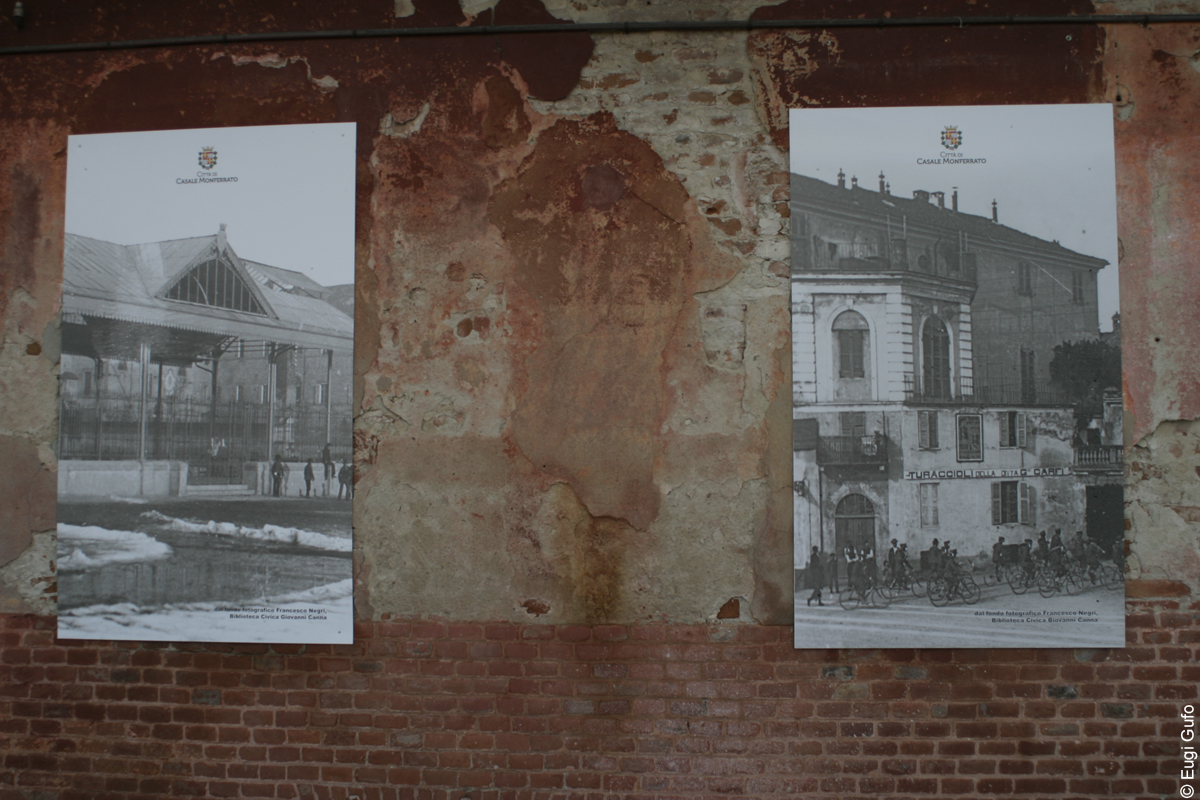
In one section of the terrace, old photographs of Casale Monferrato from the early twentieth century are displayed.
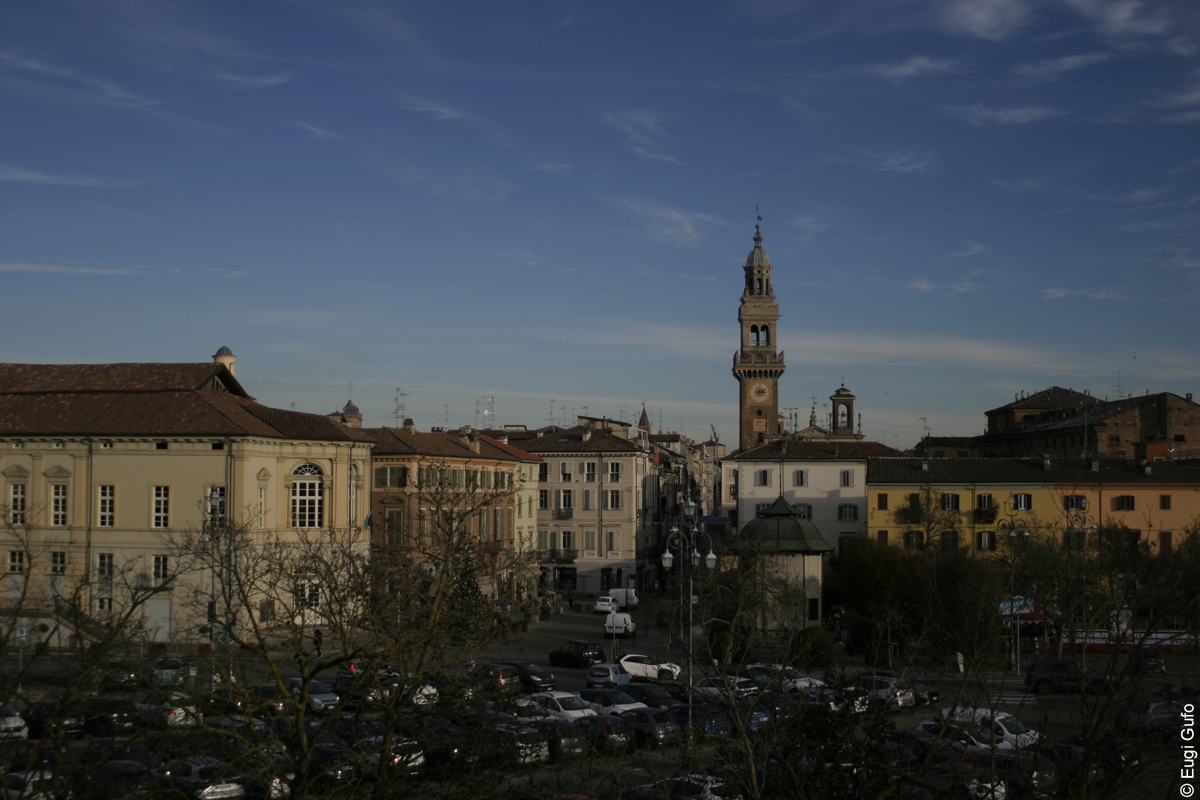
Naturally, I could not resist photographing the city from the roof of a bastion.
Afterwards, I returned to the centre to seek further details.
For instance: I always forget to investigate whether Karlsson — the literary character created by the Swedish writer Astrid Lindgren — was popular in Italy. If you know her, I have additional reason to suspect you read good books. If you also know Karlsson, I suspect you encountered good books as a child. If you know neither, this does not condemn you — but perhaps do not focus too intently on this image.
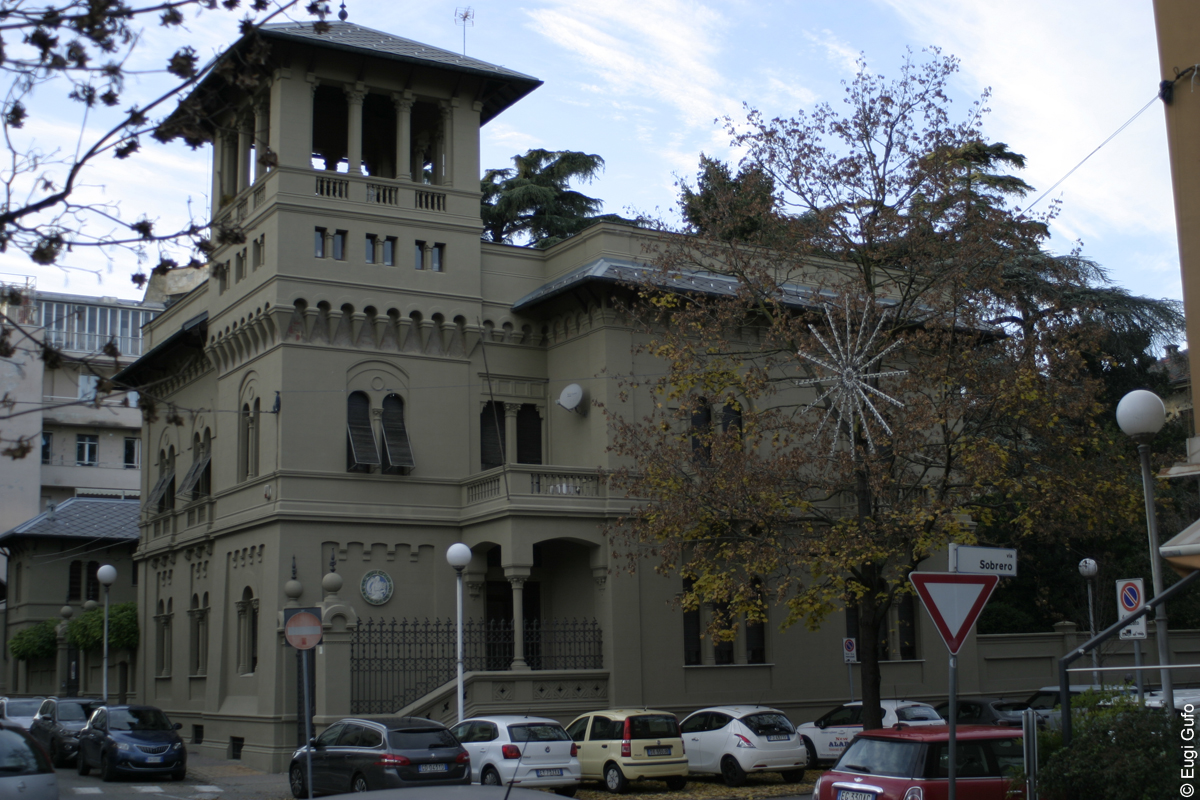
The owners of a faux castle have painted their residence in near-camouflage tones. There is, admittedly, a certain logic in that decision.
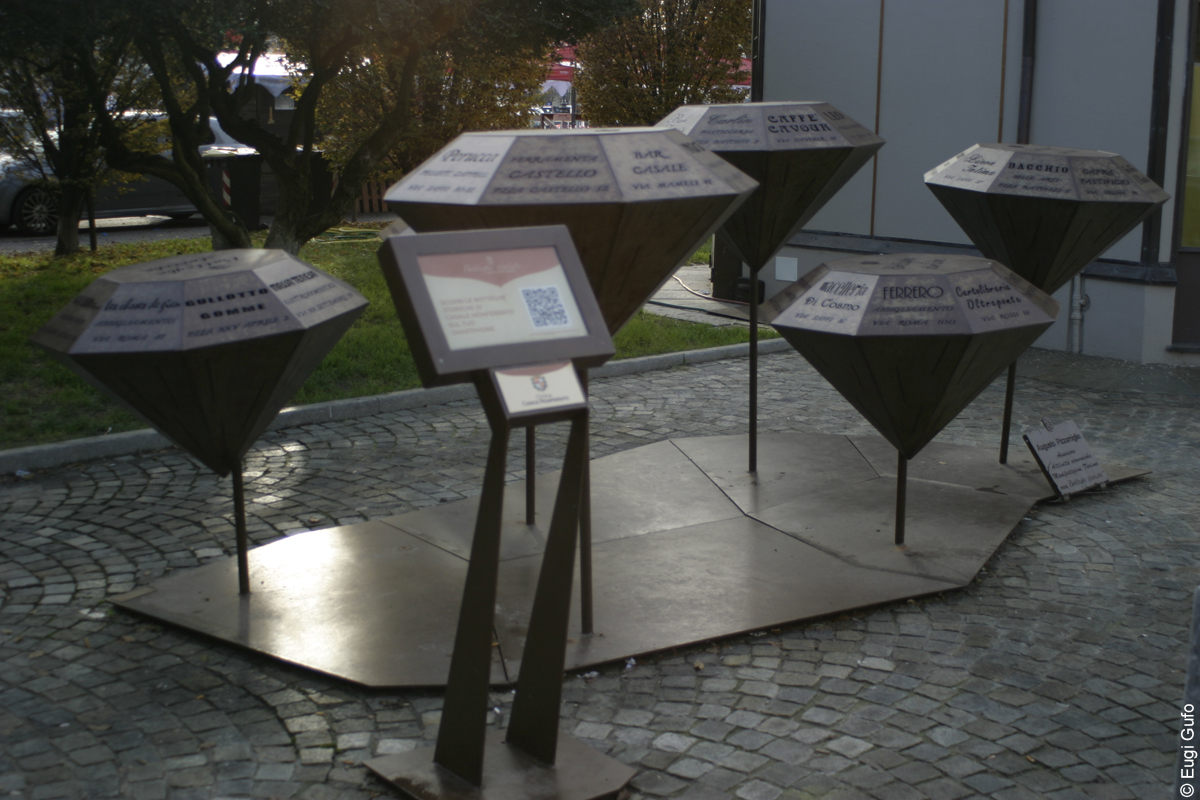
Near the real castle stands a curious three-dimensional display listing local businesses — almost a work of modern art, likely funded by the businesses themselves.
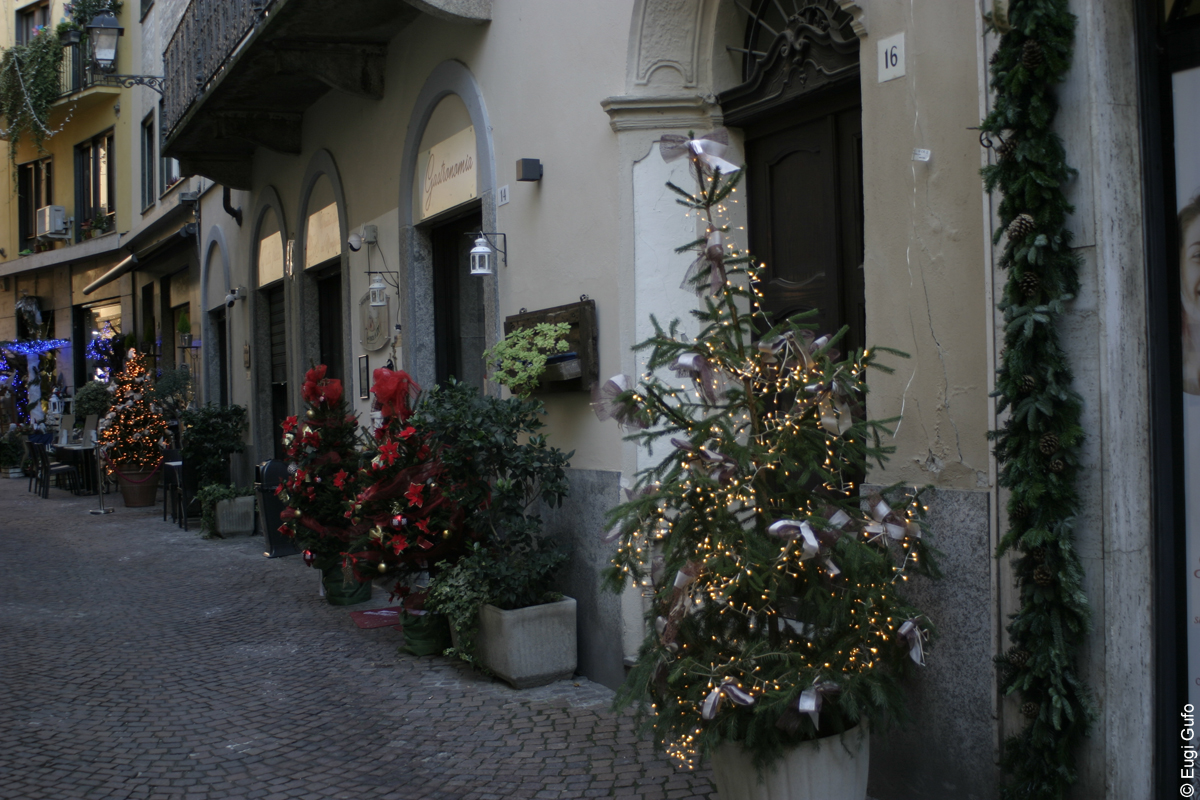
One of the more commercial streets resembles a «Christmas forest», evoking — in spirit — certain well-known areas of Milan.
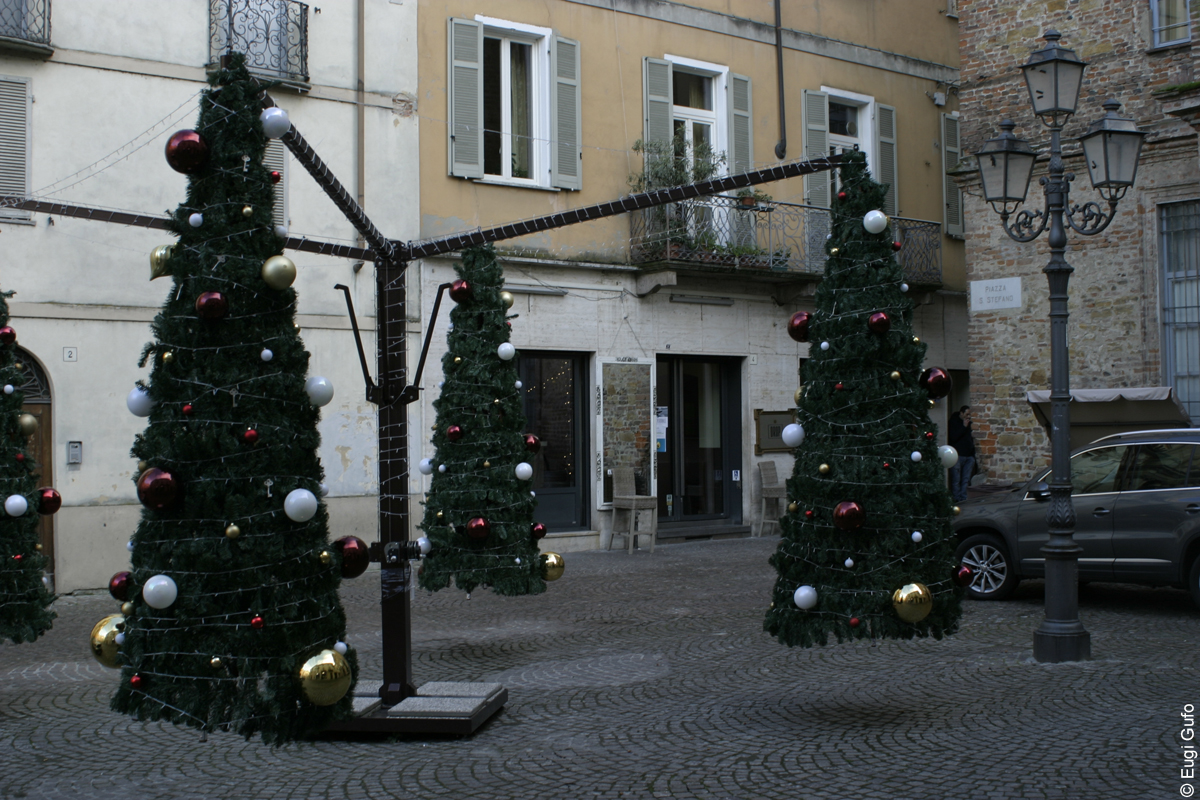
A local café ingeniously repurposed the bases of summer umbrellas to suspend hanging Christmas trees — solving two problems at once. Engineers might consider similar domestic applications.
Nearly two hours after arrival, I finally encountered the first obvious confirmation of my personal stereotype: «Casale Monferrato is a wine city.» I am always pleased when stereotypes fail to dominate reality.

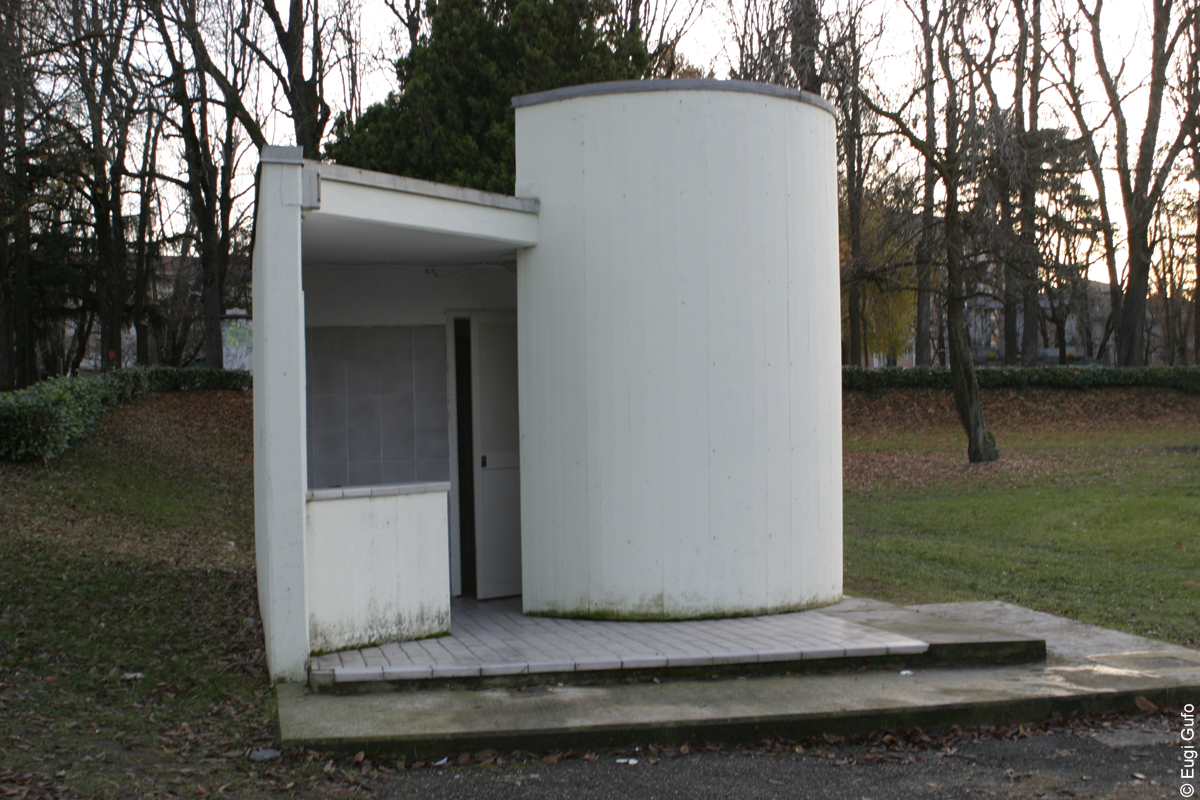
Throughout my empirical exploration I encountered numerous parks and green areas of varying size. Unfortunately, they are organised somewhat monotonously — often simple straight rows of trees with paved paths between them. A typical example is the «park» near the railway station.
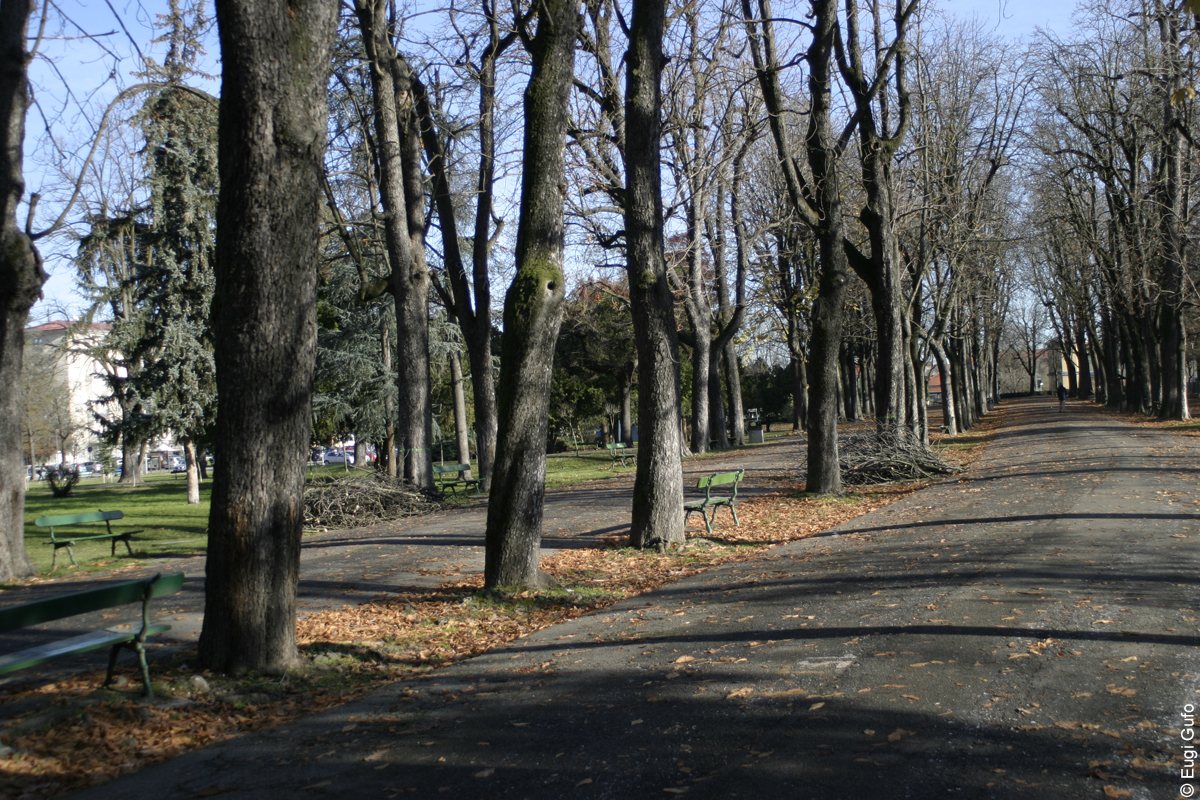
Its most interesting feature is the presence of informational stands about the plants growing there.

In the same park I observed a structure unfamiliar to me in Italy (though common in northern Europe). It would be both useful and civilising — yet at the time of my visit the drainage seemed somewhat blocked.
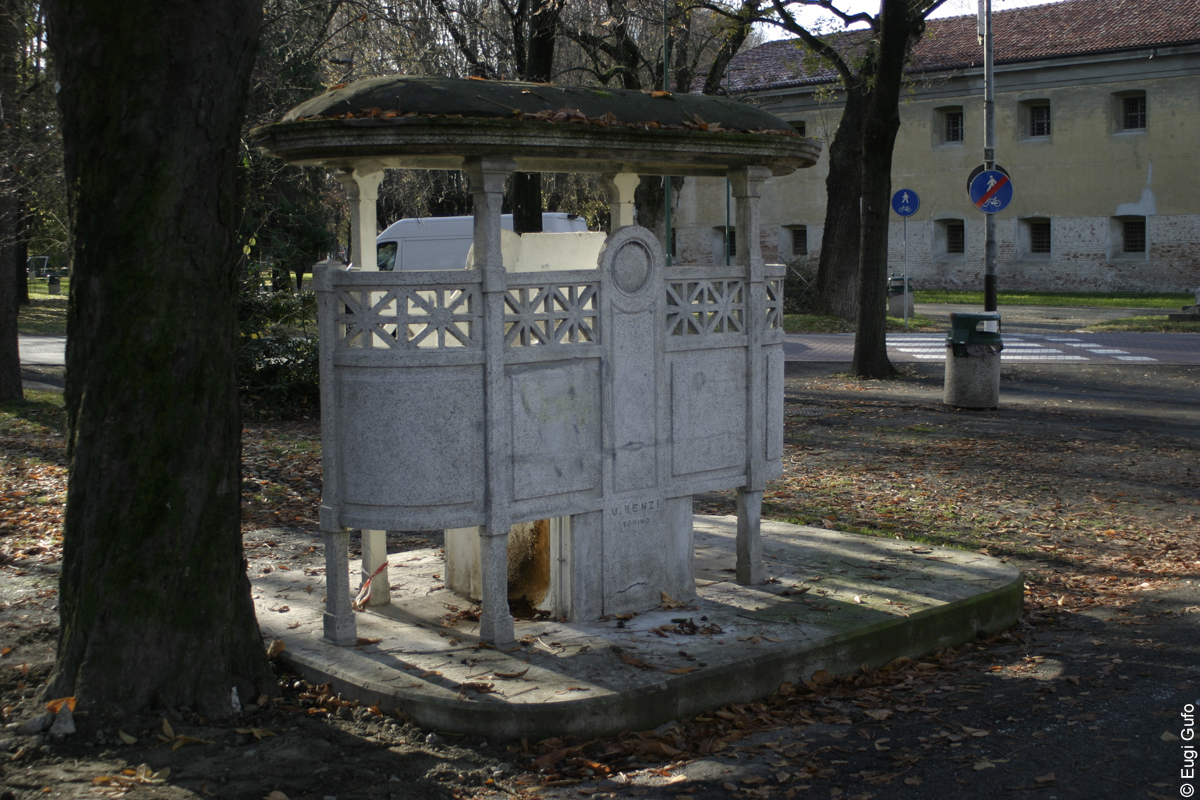
Nearby stood a more traditional Italian equivalent, which I did not inspect.
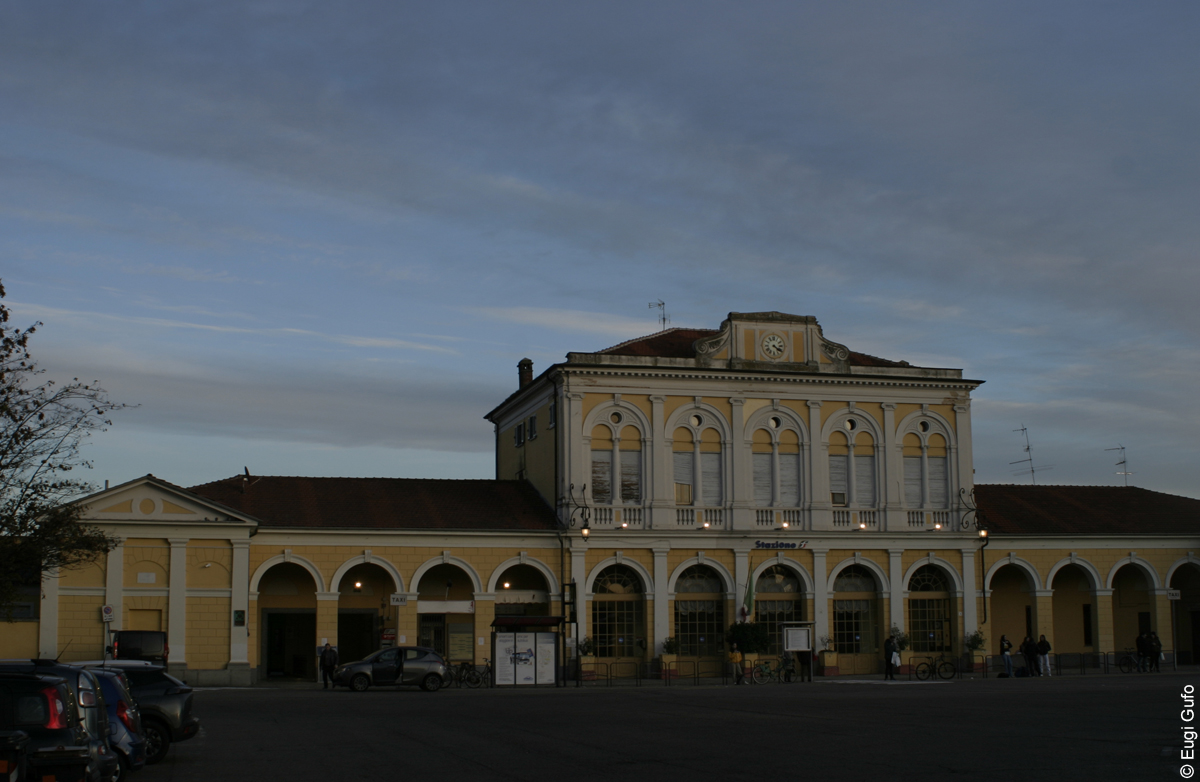
Eventually I returned to the railway station: relatively attractive and well equipped. Time to go home.
In conclusion, I can assure you that Casale Monferrato is truly a beautiful city. I have shown only a fraction of its attractions — partly because, as noted at the beginning, it is not always easy to photograph properly. But I guarantee: it is worth seeing with your own eyes.
Casale Monferrato, 7 December 2023
↓ Show comments ↓

