


 Long live Ukraine! Fuck the war!
 RSS of site articles
When, during spelling, an Italian reachs the letter D, he usually names this beautiful city. But how many of you have actually been there? How many could locate it quickly on a map? I shall not venture hypotheses.
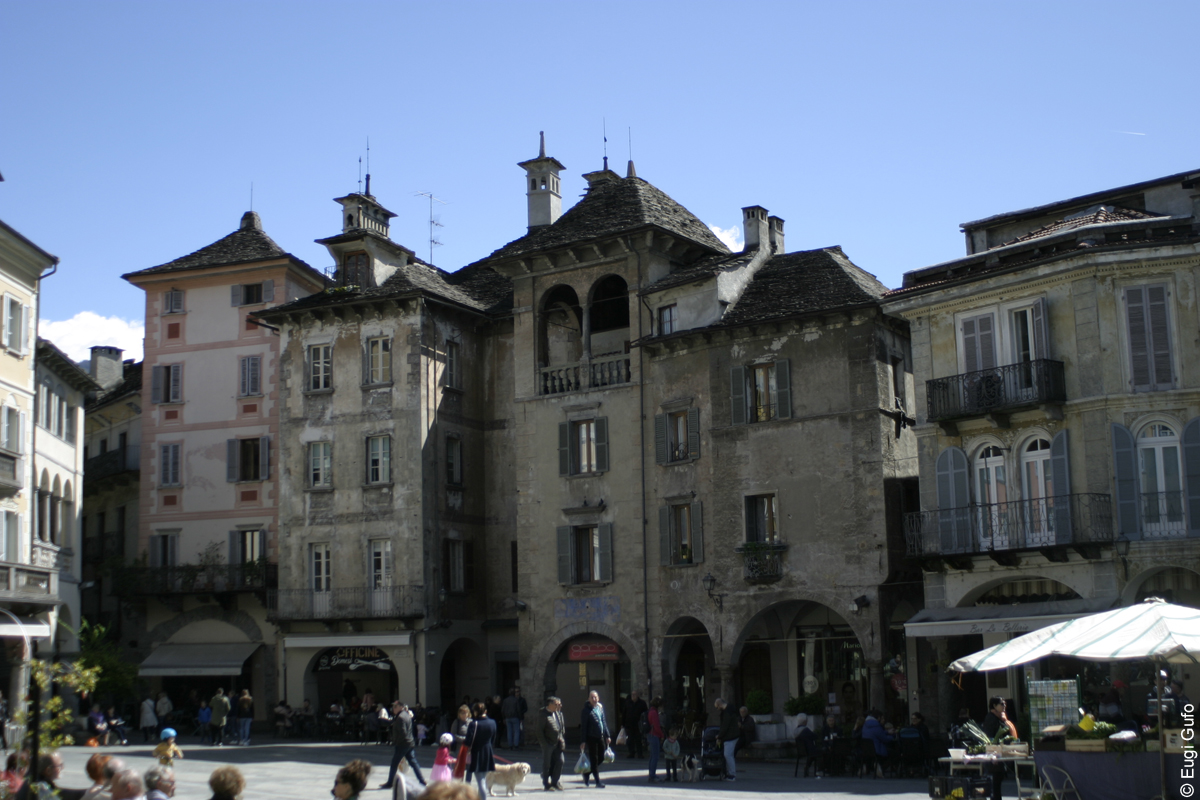
I, personally, could no longer resist. Having heard the name Domodossola pronounced an infinite number of times over the years, I felt almost morally obliged to verify its existence in person. Otherwise my mind might have definitively classified it as a purely mythological location. Nothing rational — merely a small and curious psychological side effect. Fortunately, Domodossola is easily reachable from Milan (and elsewhere) by train. And it is very much worth the journey: though small, the town is full of beauty that can be appreciated from many different angles.
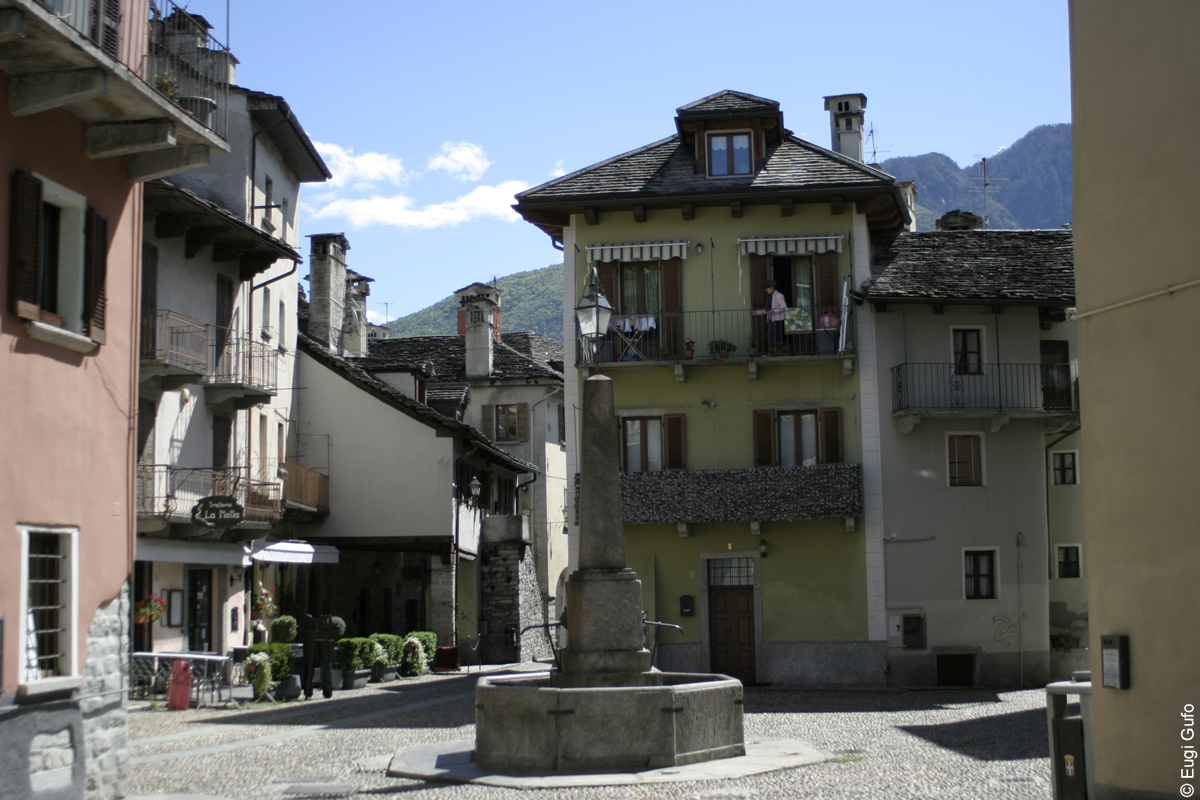
Not only the central Piazza Mercanti (from the opening slideshow) is interesting, but also the smaller squares — and even those spaces which at first glance appear to be mere streets.
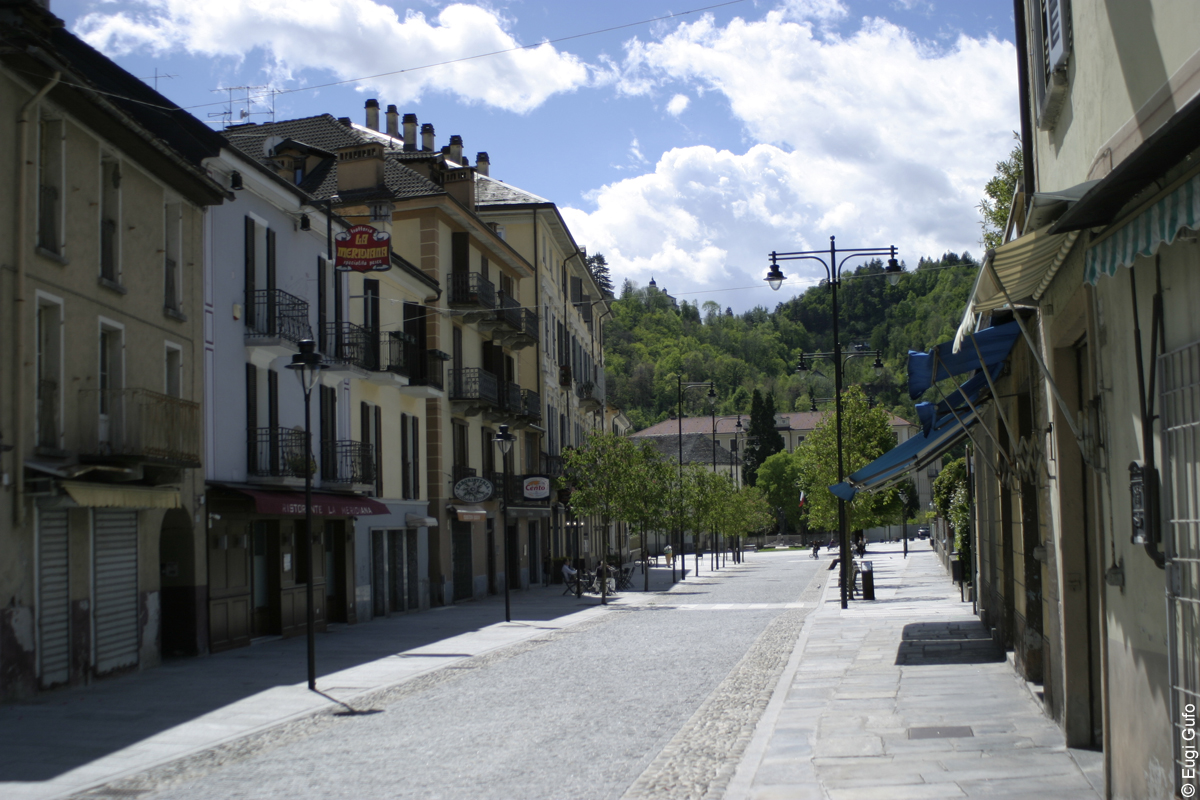
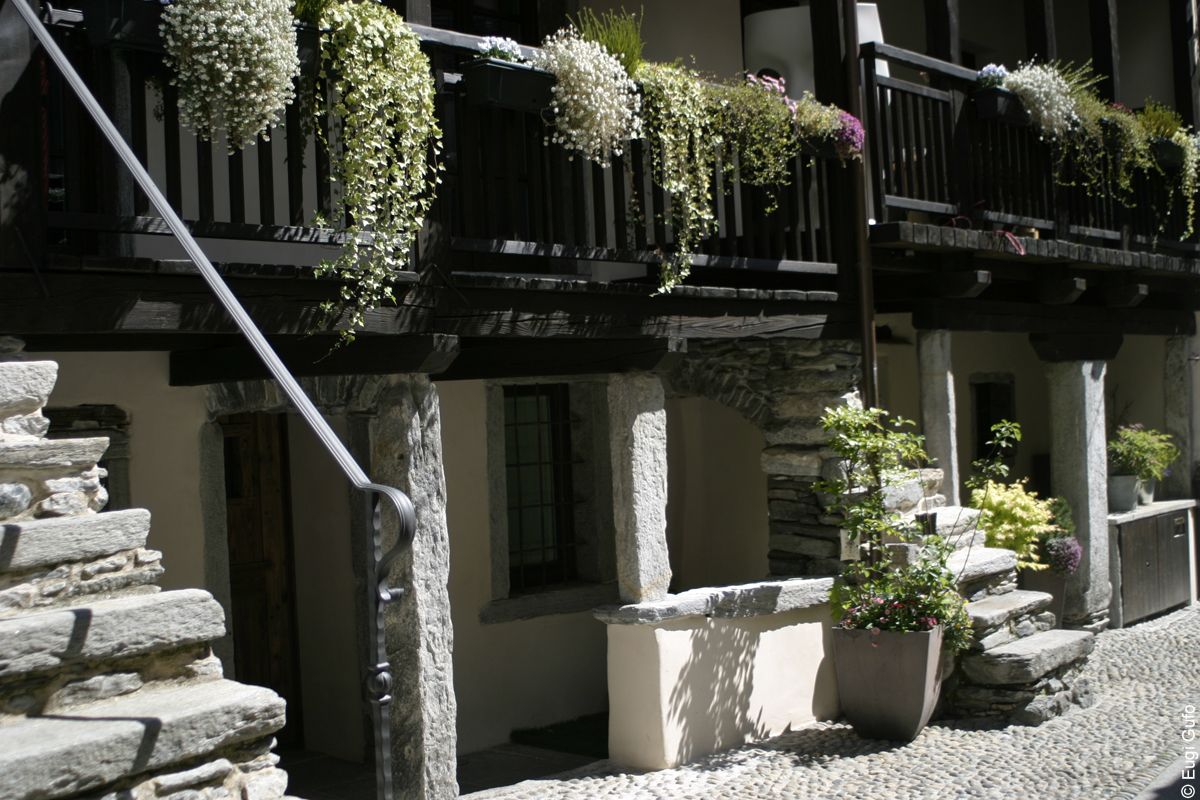
Virtually all the streets of the centre are attractive, regardless of size. Domodossola is therefore one of those places that may be explored quite safely at random, without any precise touristic objective.
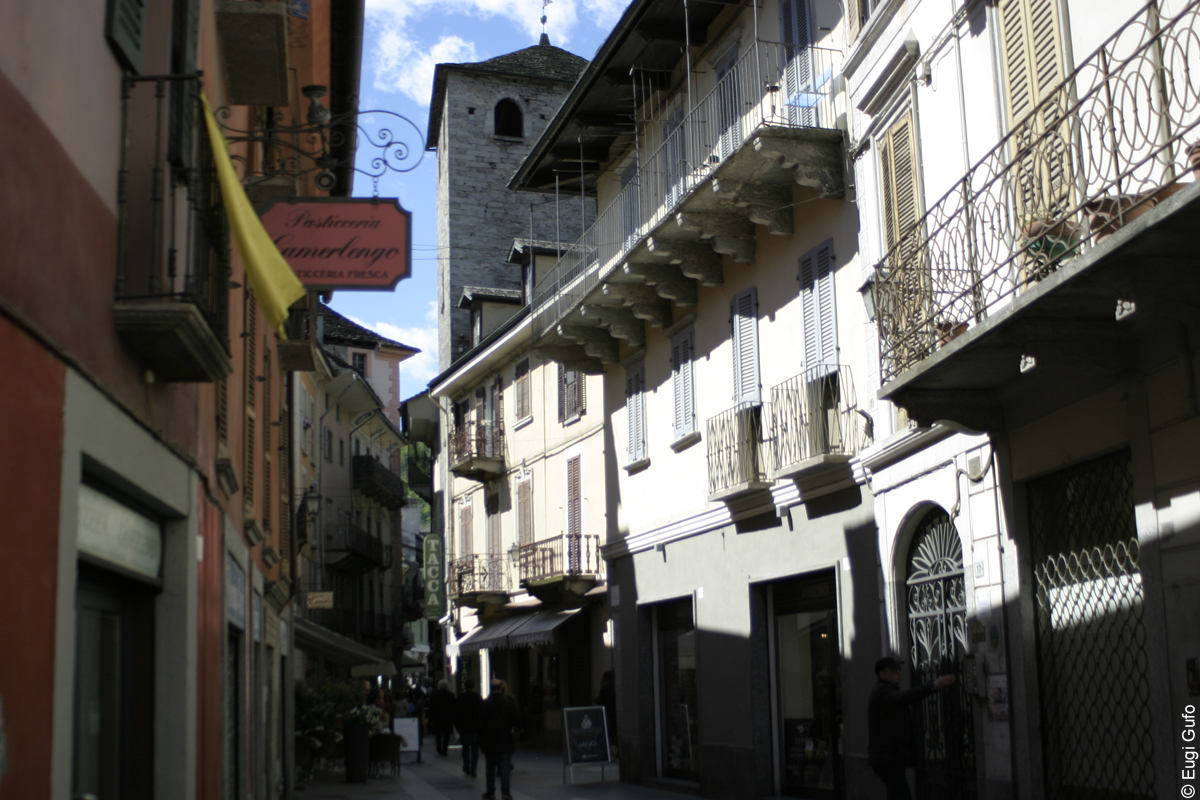
It abounds in small architectural details that deserve contemplation simply for existing — not because they necessarily possess profound historical meaning (often, they do not).
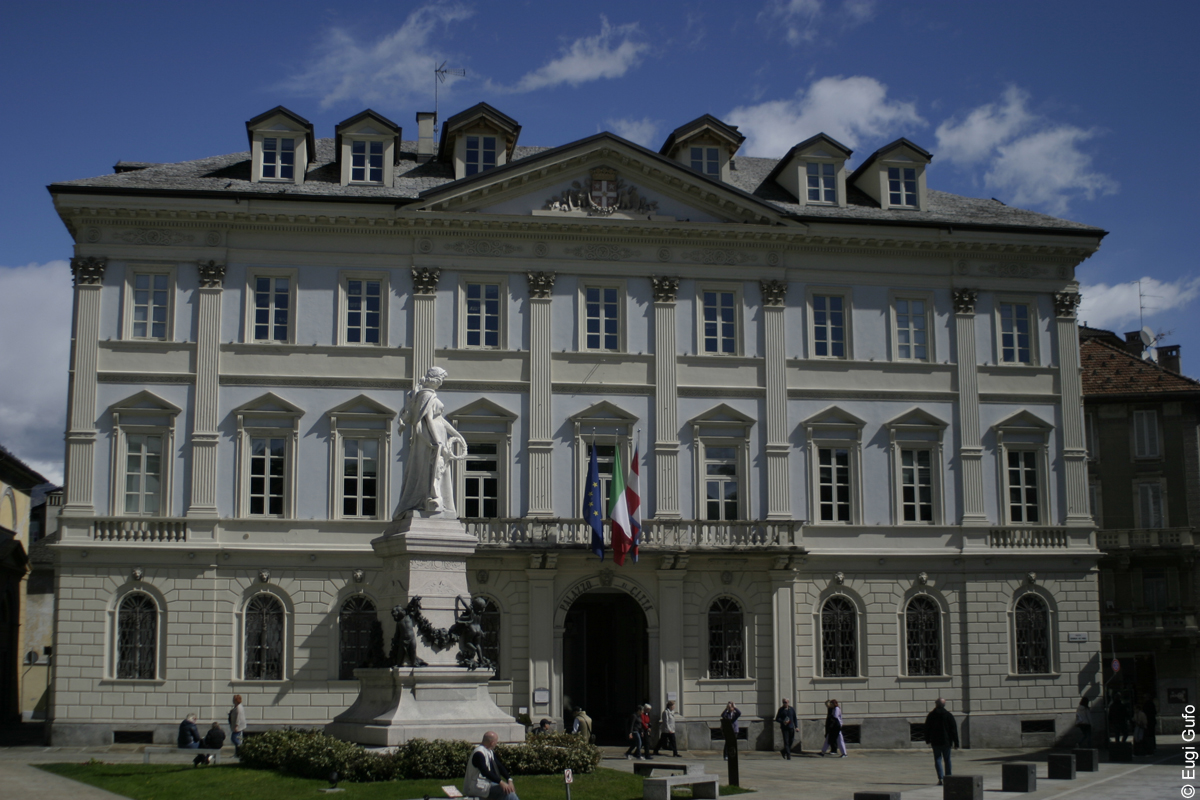
More concretely, one may mention the Palazzo di Città (Town Hall), built in 1847. At first glance it appears notable chiefly for its façade and its unexpectedly small — yet charming — internal courtyard. Inside, however, one finds the Council Chamber, which performs not only its institutional function but also a museum role. From 9 September to 22 October 1944 it hosted the provisional government of the Repubblica dell’Ossola, and since 1984 copies of documents and photographs from that brief historical episode have been displayed there. If you have already acquainted yourself with the Republic’s history, you may wish to see the room.
As for religious architecture, the Collegiata dei Santi Gervasio e Protasio certainly deserves mention. I have read that it is a reconstruction carried out between 1792 and 1798 on the site of a pre-existing church, though I could not determine how faithful the reconstruction might be.
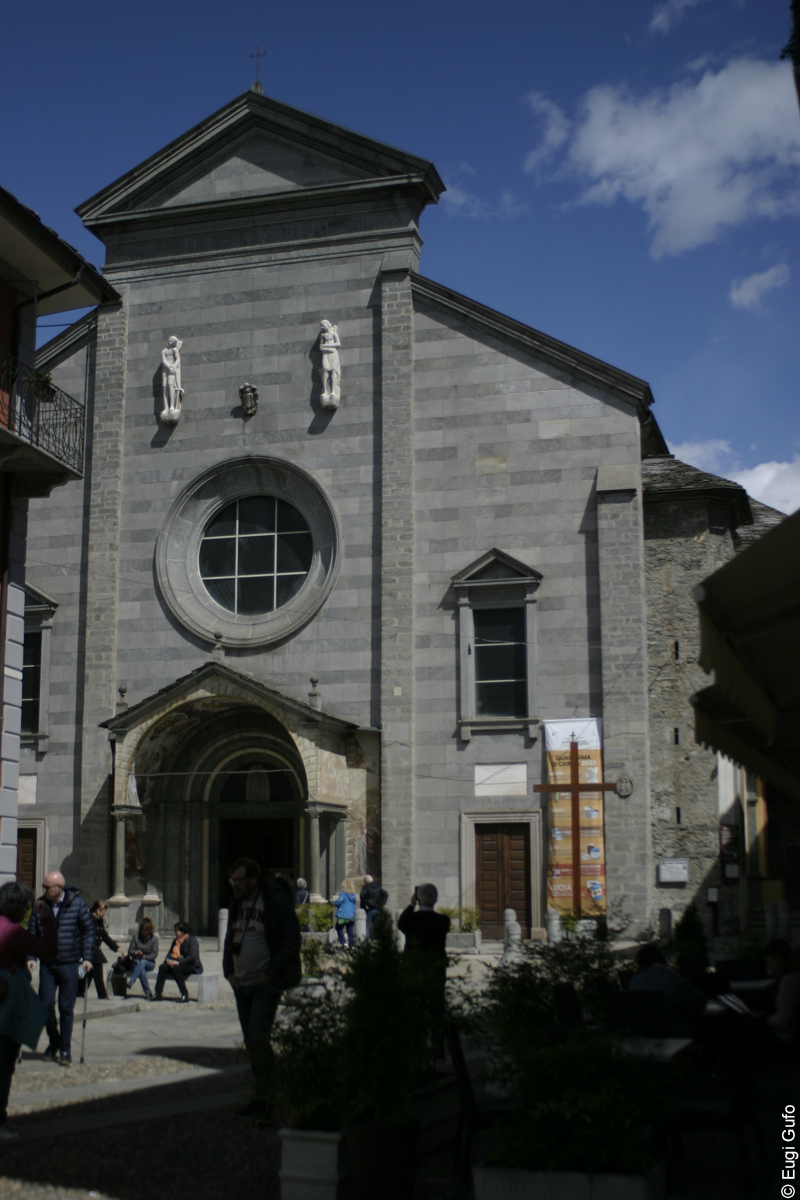
The façade, however, was only completed in 1954, once funds were finally found. It is highly probable — perhaps even certain — that the century-and-a-half delay accounts for the stylistic discrepancy between façade and earlier portal. Indeed, some art historians once confided to me that in 1950s Italy the words «restoration» and «reconstruction» were occasionally employed to describe what were, in reality, acts of architectural barbarism.
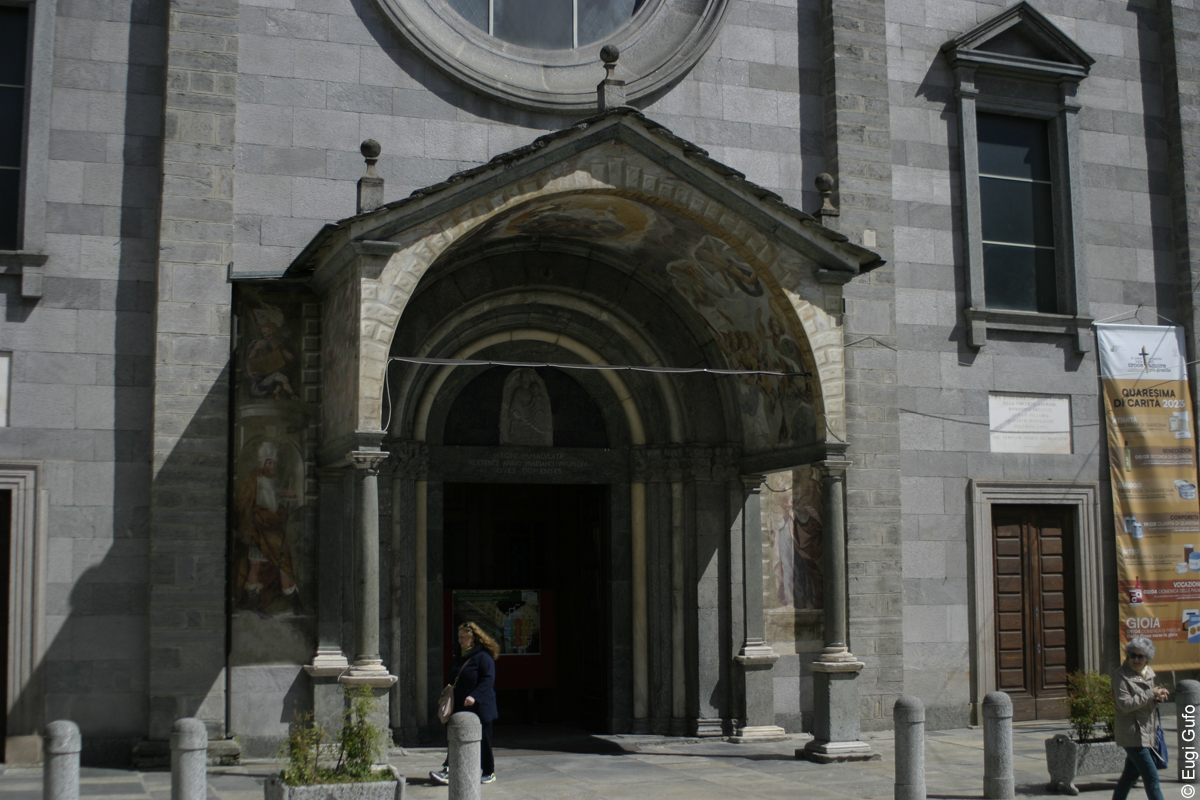
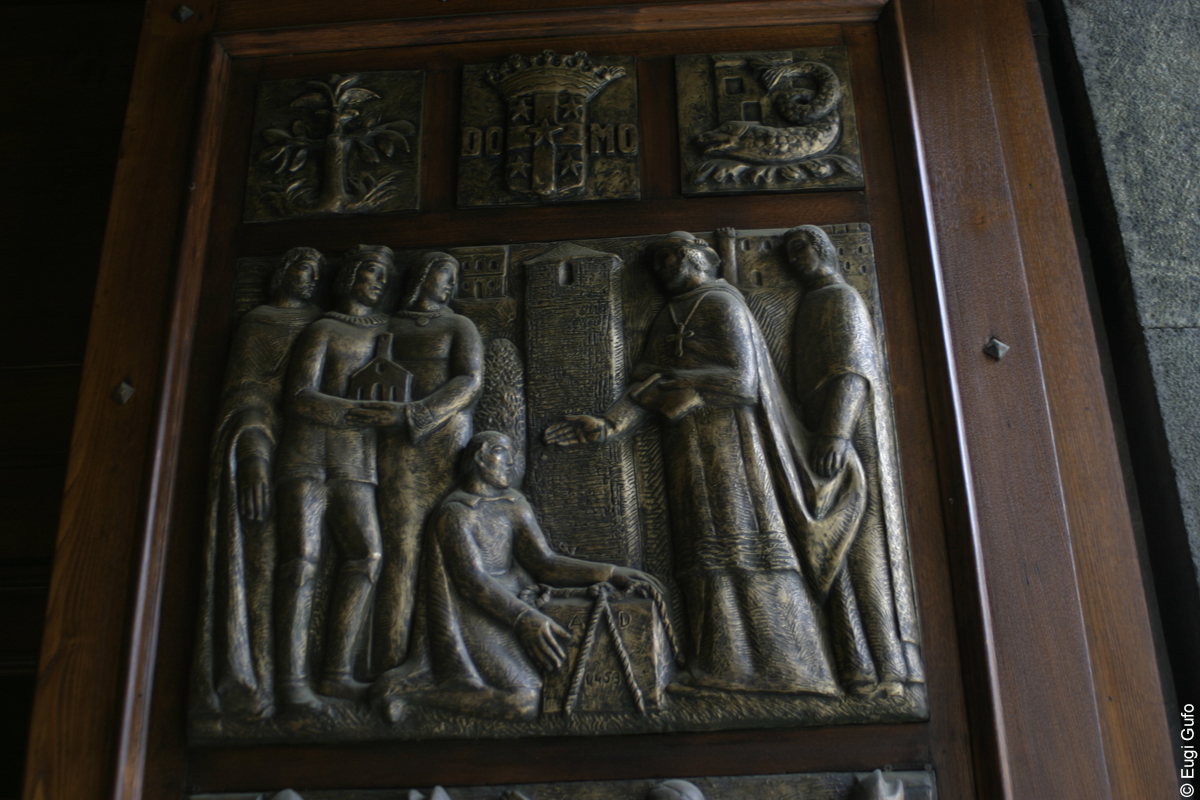
The main door does not look particularly eighteenth-century either, but it is undoubtedly preferable to the façade.
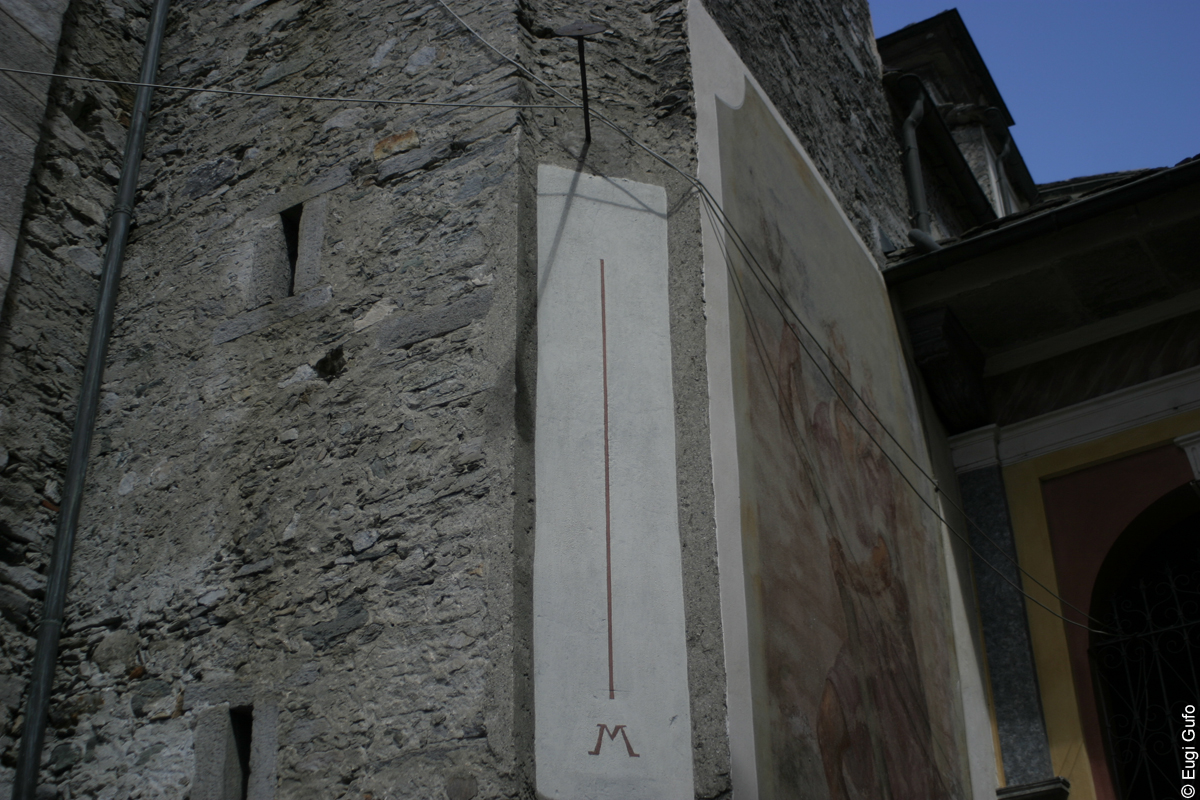
On one side of the church I found a delightful curiosity: a sundial complete with seasonal instructions for accurate time-reading.
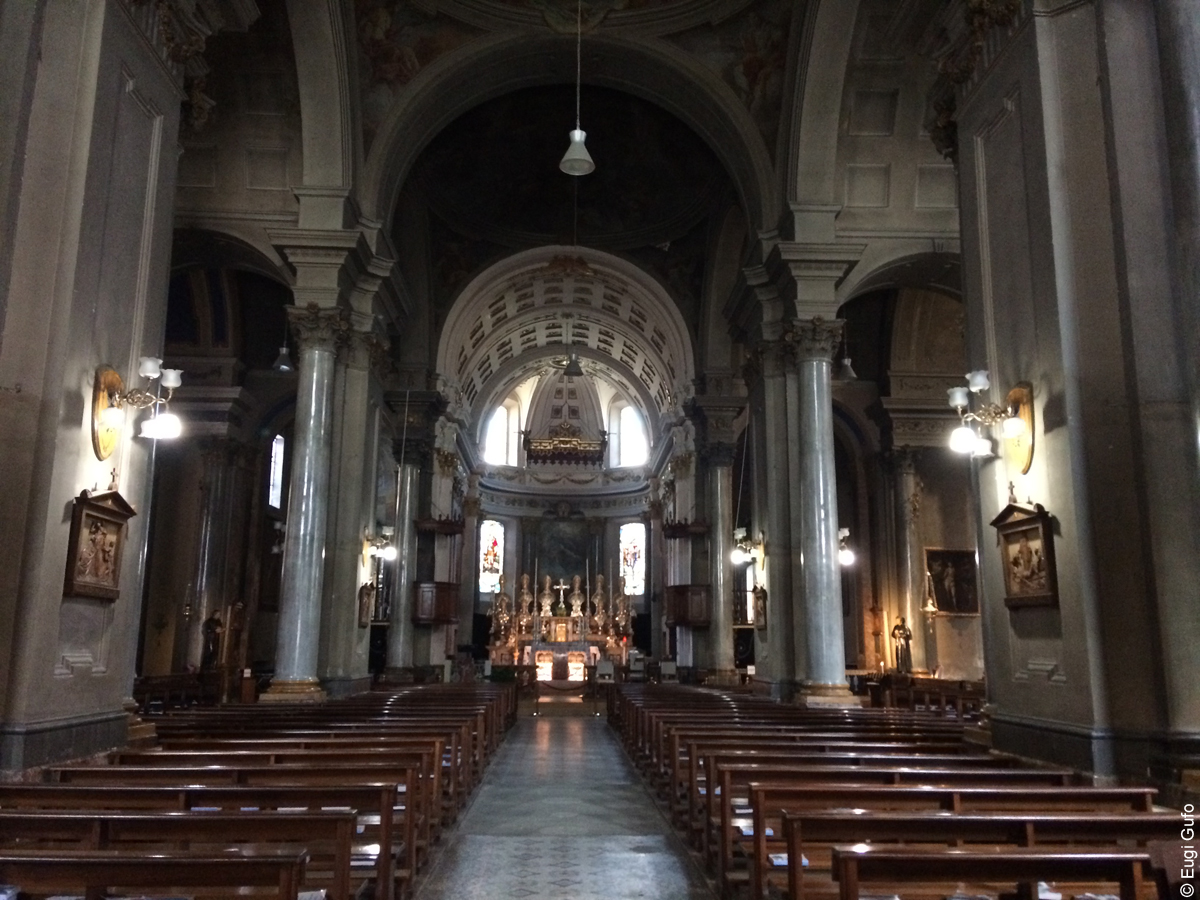
Inside, the church is fairly beautiful and richly decorated with marble, stucco, and gold.
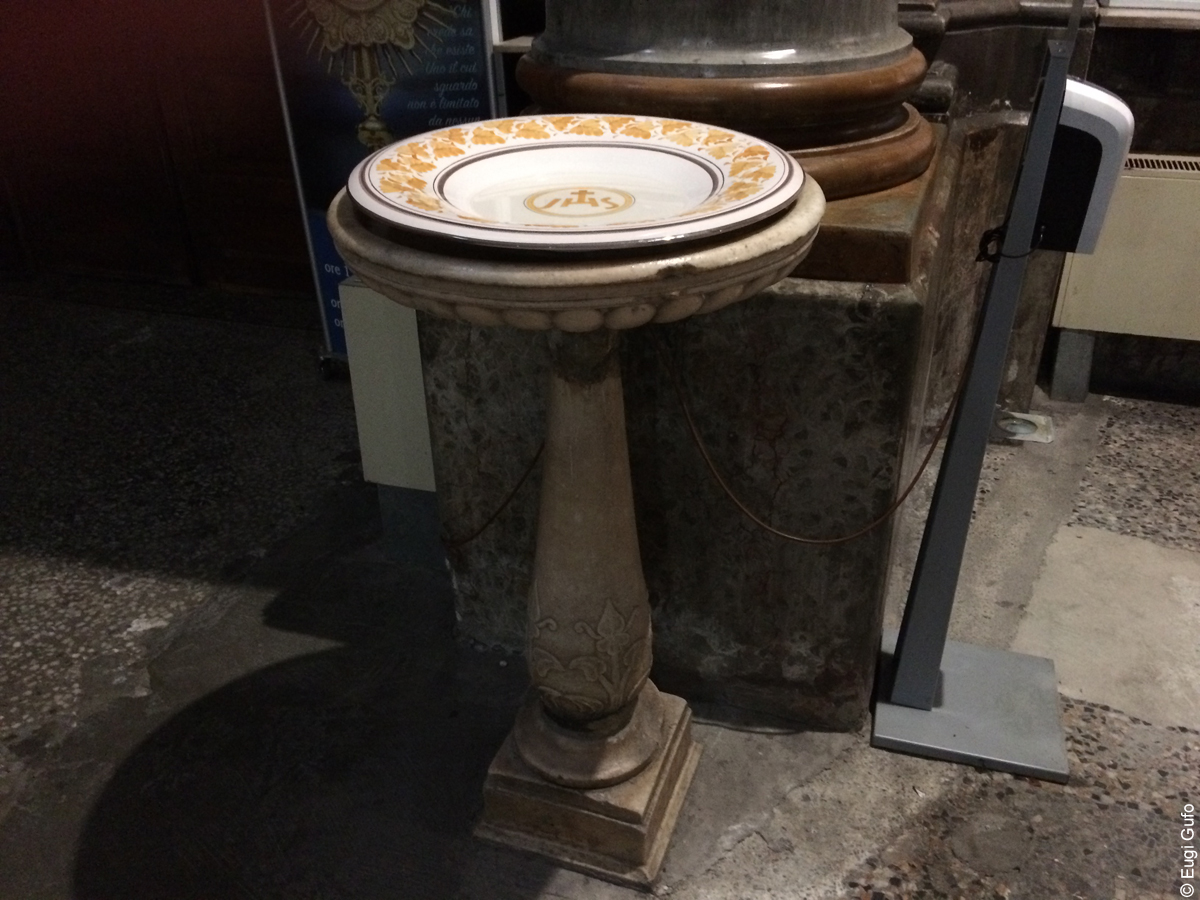
Yet I am invariably attentive to peculiarities and local oddities. In this principal church, besides somewhat stylistically alien modern chandeliers, I noticed unusual ceramic dishes placed in the holy water fonts and modern display cases for religious merchandising.
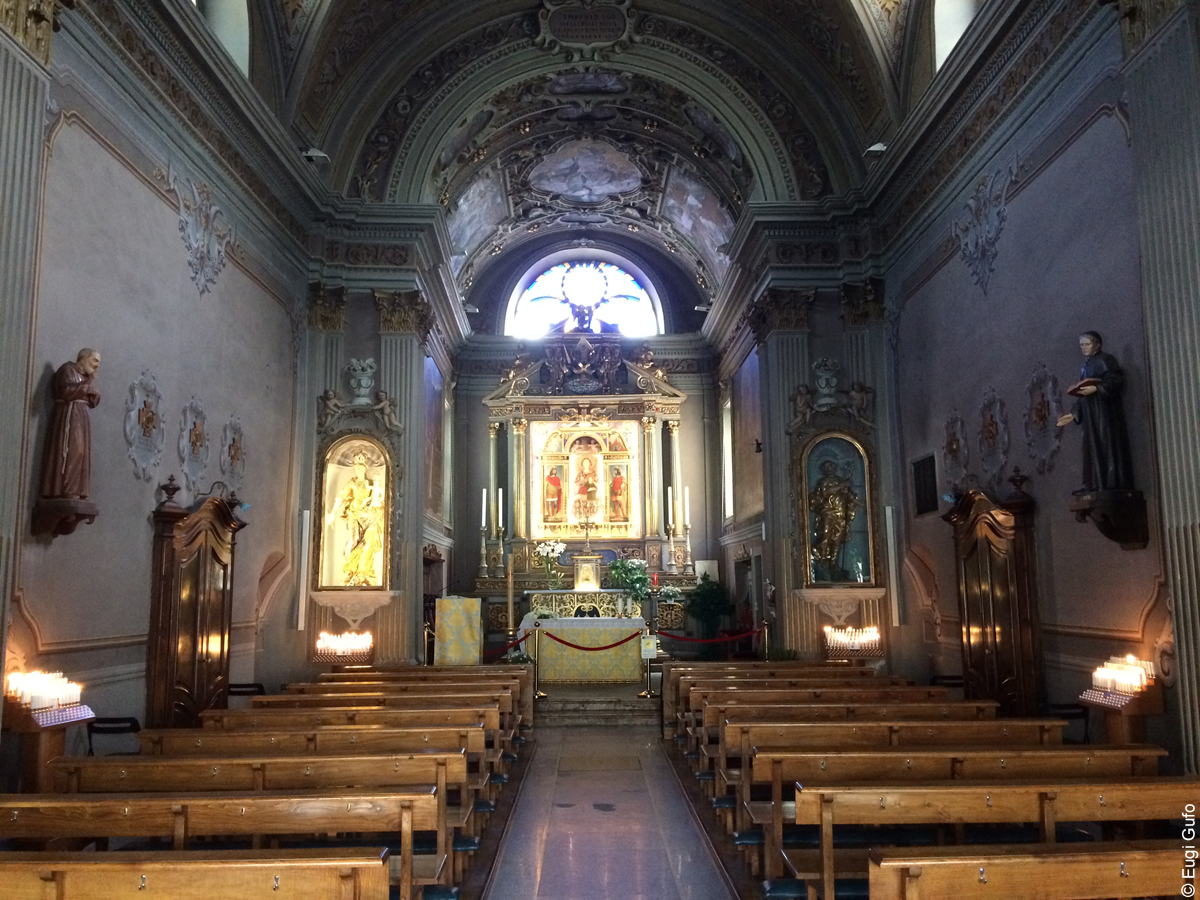
Another interesting church within the town is the small Santuario della Madonna della Neve, built in the seventeenth century and dedicated to the anomalous summer snowfall on Rome’s Esquiline Hill. Why such a dedication here, I cannot quite determine — but I happily leave everyone the freedom to speculate wildly.
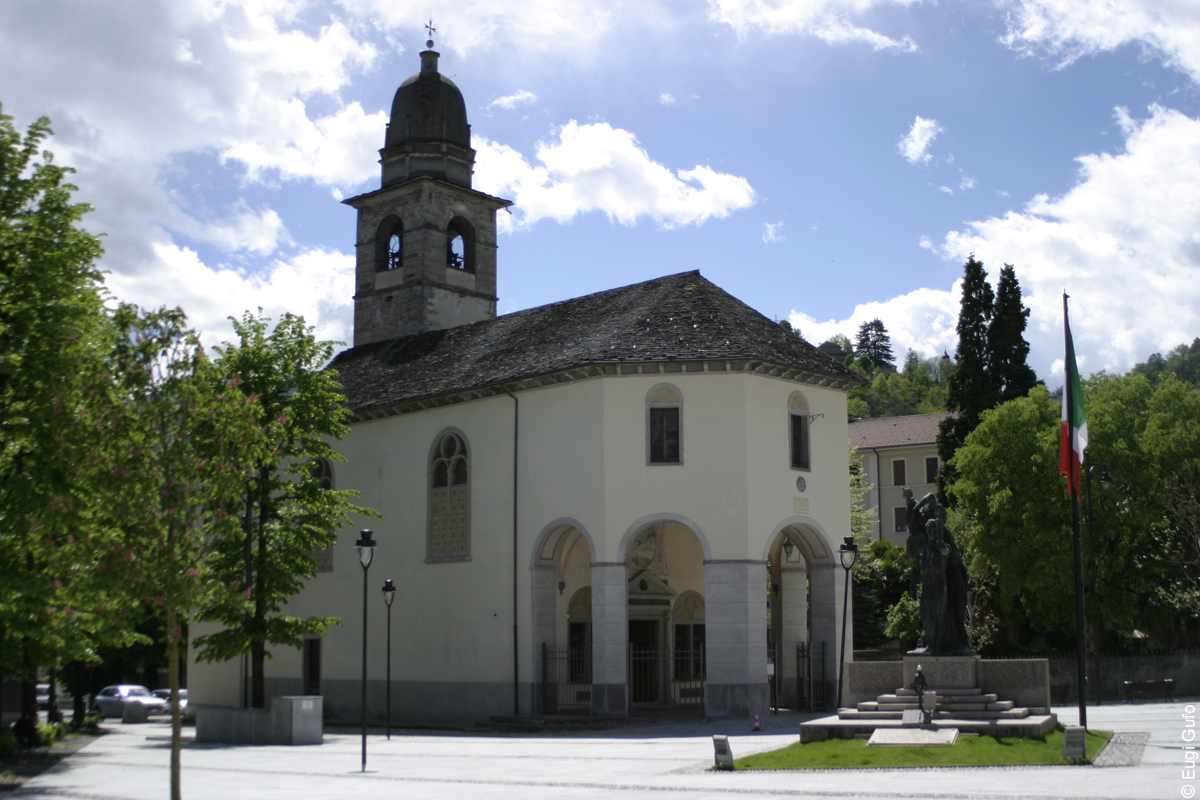
The sanctuary itself pleased me, among other reasons, for its relationship with sunlight — a relatively rare quality in Italian churches.
However, the majority of Domodossola’s religious architecture lies outside the town centre. On the Colle Mattarella — almost attached to the town — stands, from the mid-seventeenth century onward, the Sacro Monte Calvario: a complex of religious buildings accessible via a wide, paved path of mostly gentle gradient. Along this path — at a certain point officially termed the «Percorso Devozionale» — stands a series of chapels of varying size and style. If I understood correctly, they correspond to the Stations of the Cross.
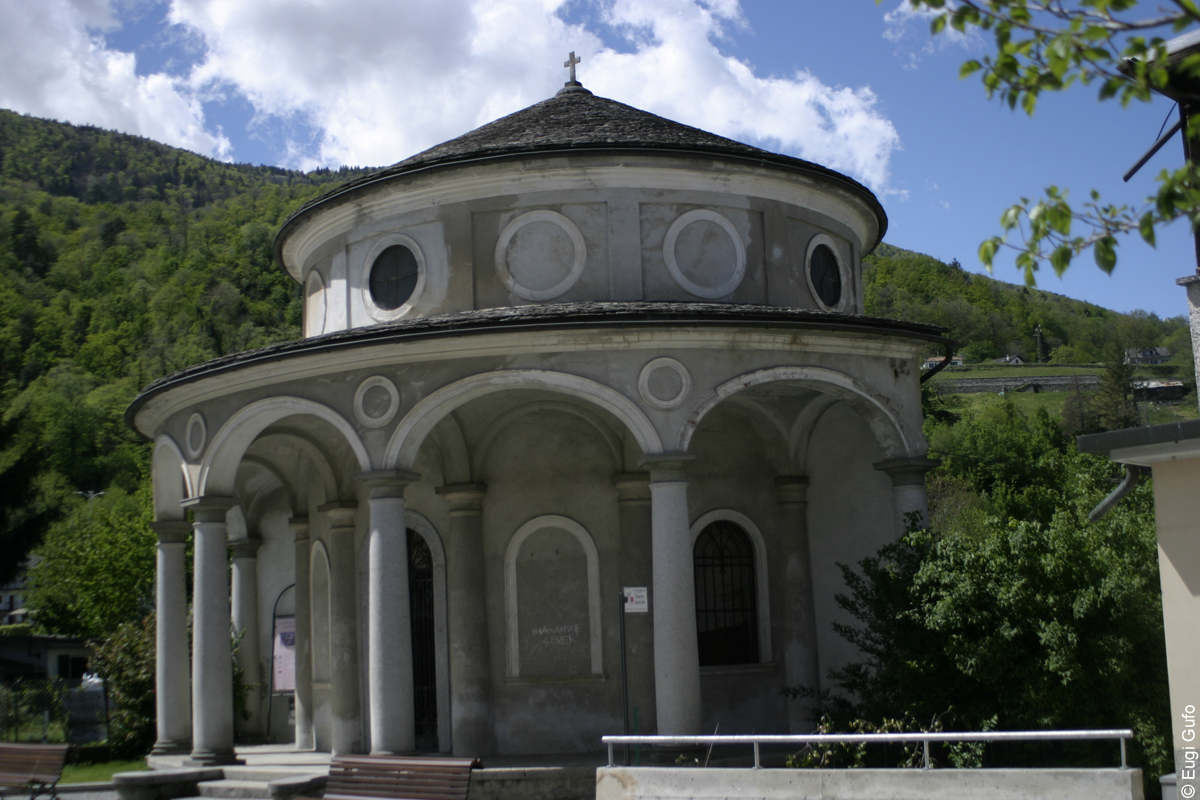
Unfortunately, I could not find unequivocal confirmation of this interpretation: most chapels were closed behind grilles, with insufficient lighting for careful external study.
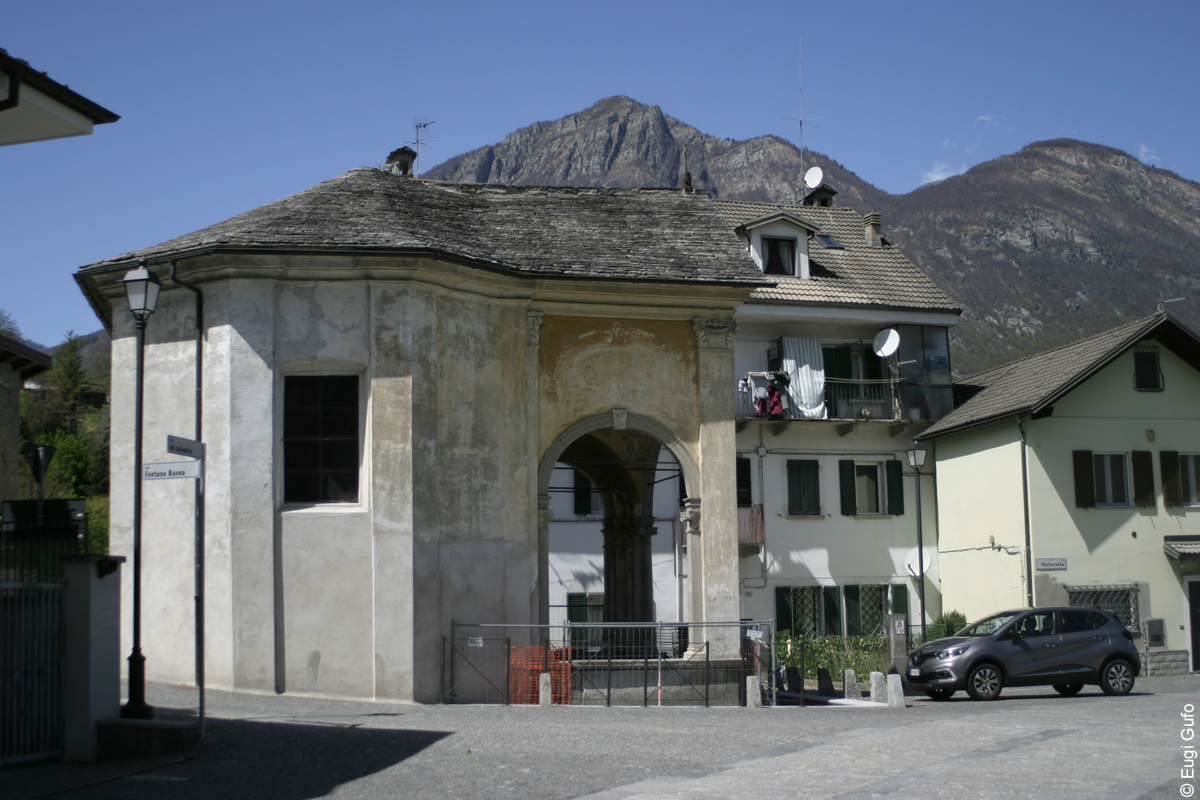
One of the first chapels was under restoration. In each chapel, however, one glimpses curious sculptural scenes.
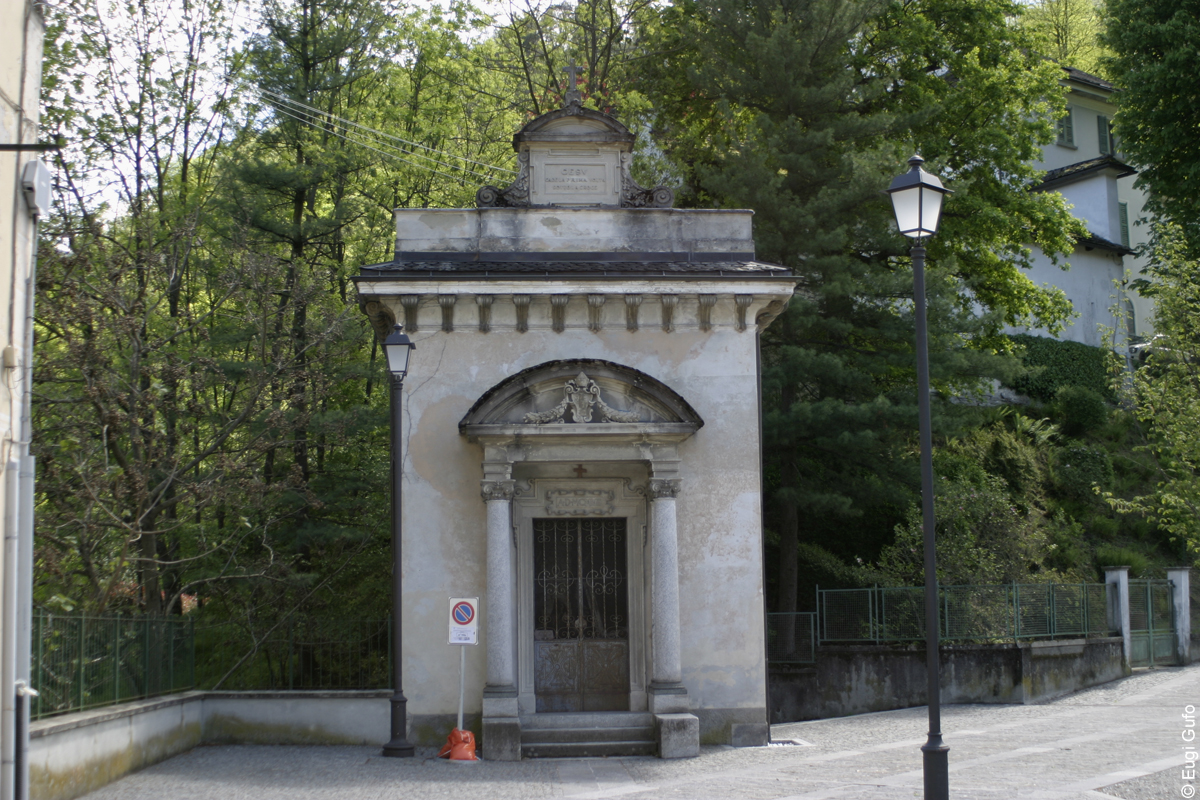
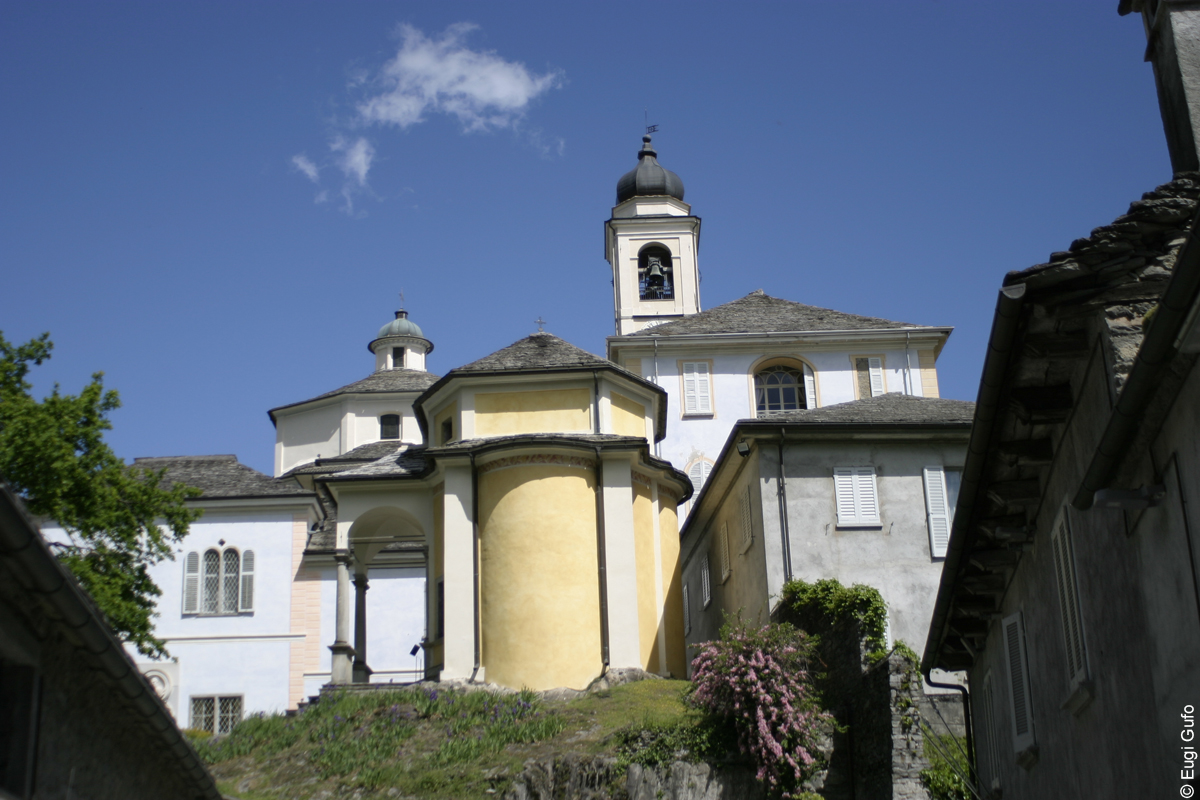
The entire Sacro Monte complex dates from the seventeenth century. To analyse it thoroughly from an artistic standpoint would require several screens of text, so I merely note two things: firstly, the complex is beautiful even from a purely landscape perspective; secondly, its inclusion in 2003 on the UNESCO World Heritage List is entirely justified.
The same hill is also interesting for the remains of Castello Mattarella, built no later than the tenth century and destroyed by Swiss soldiers in 1415 during the war with the Duchy of Milan. What remains — not inconsiderable — lies partly within the religious area and partly within a small but attractive park.
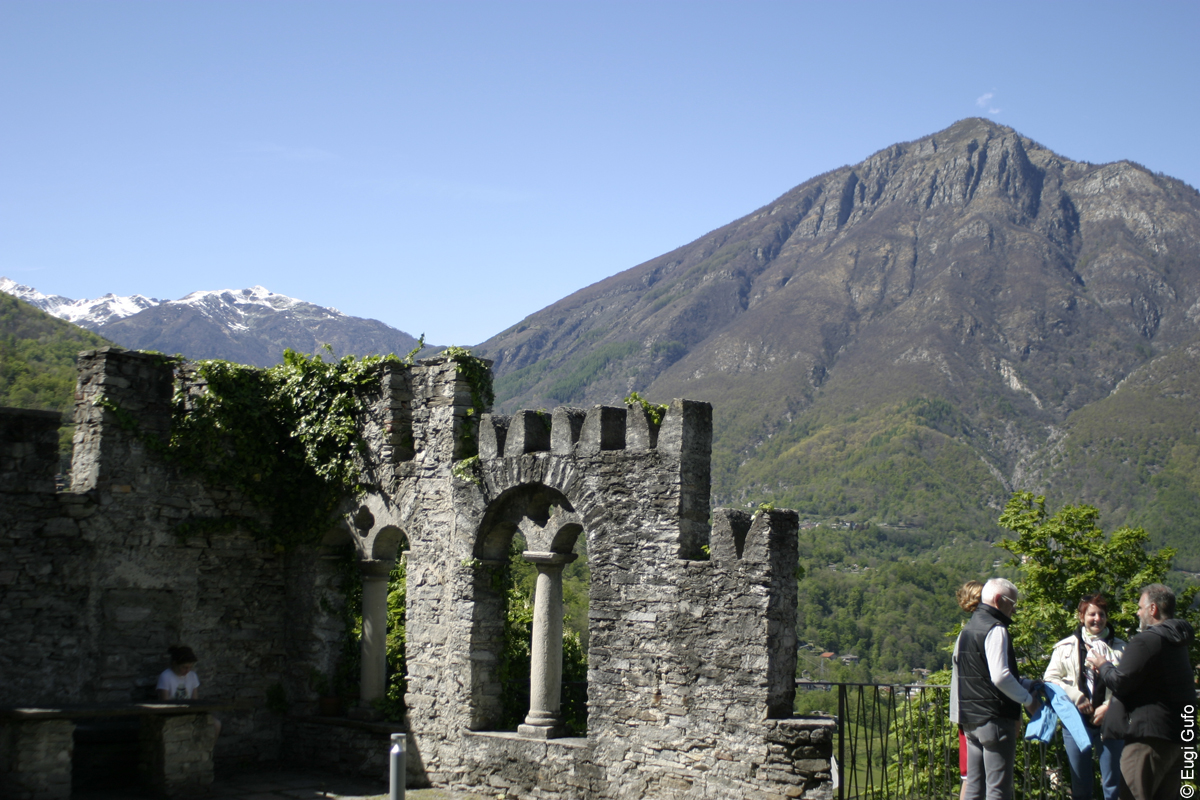
From the castle one enjoys a fine view over Domodossola and the surrounding mountains.
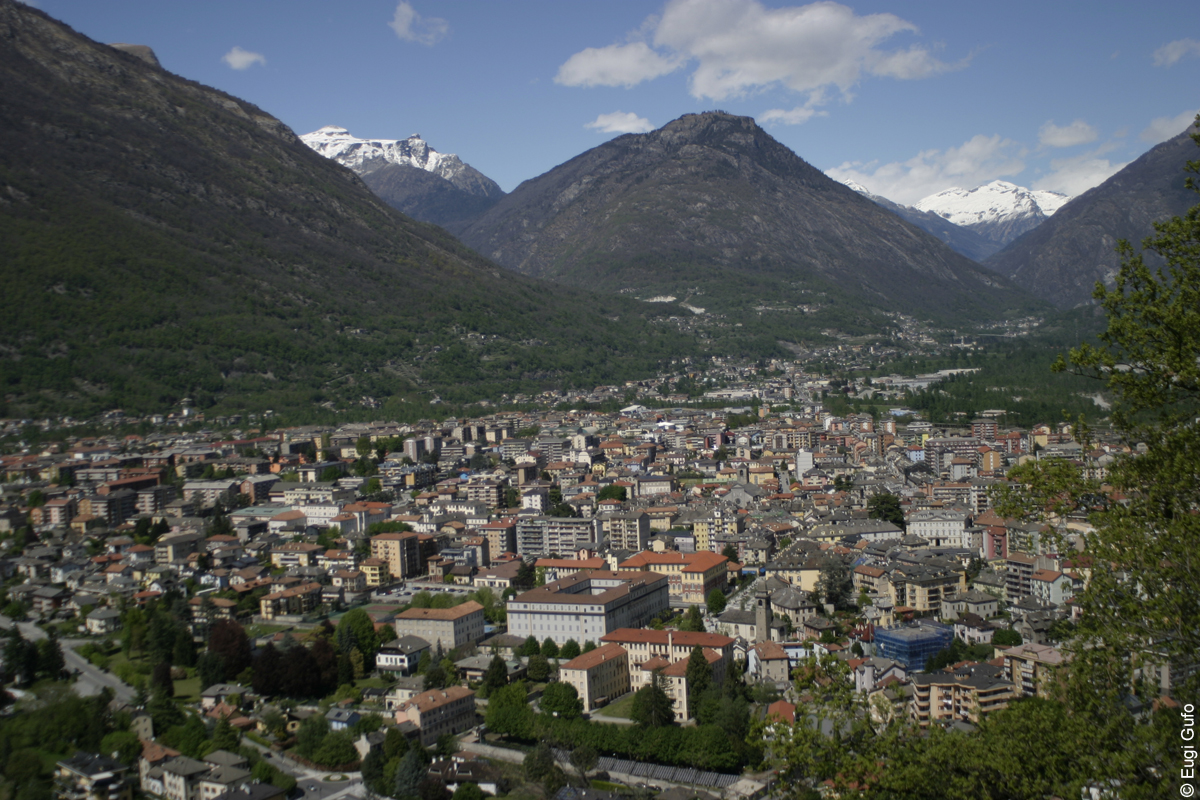
Across those hills and mountains run numerous hiking trails of varying length and difficulty; you will almost certainly find one to your taste.
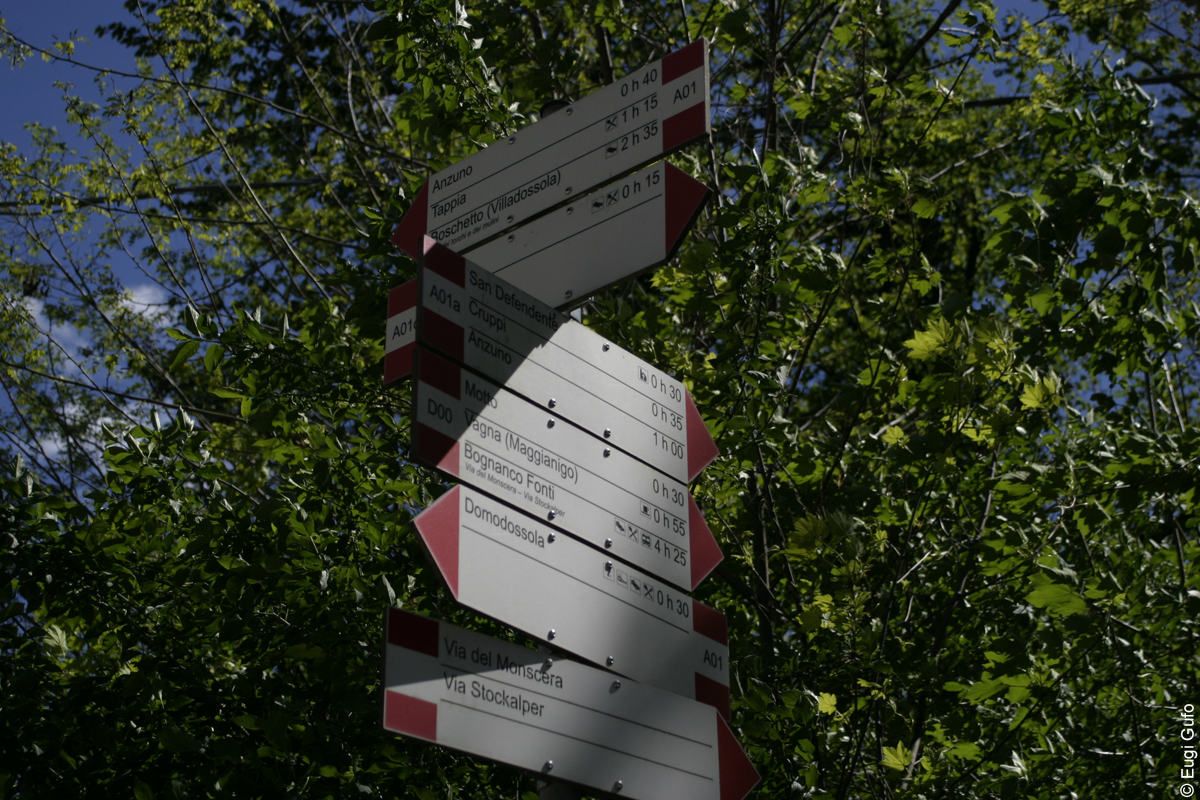
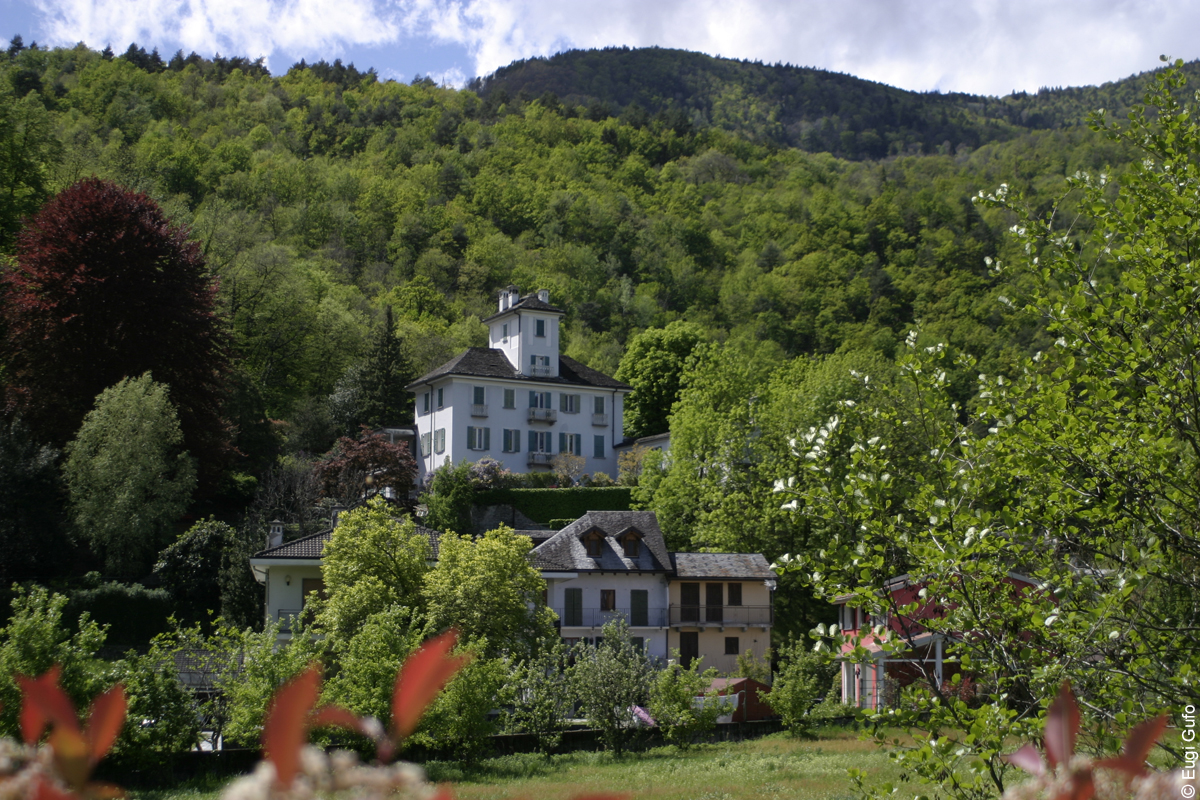
While walking, you may contemplate nature or human artefacts of varying quality.
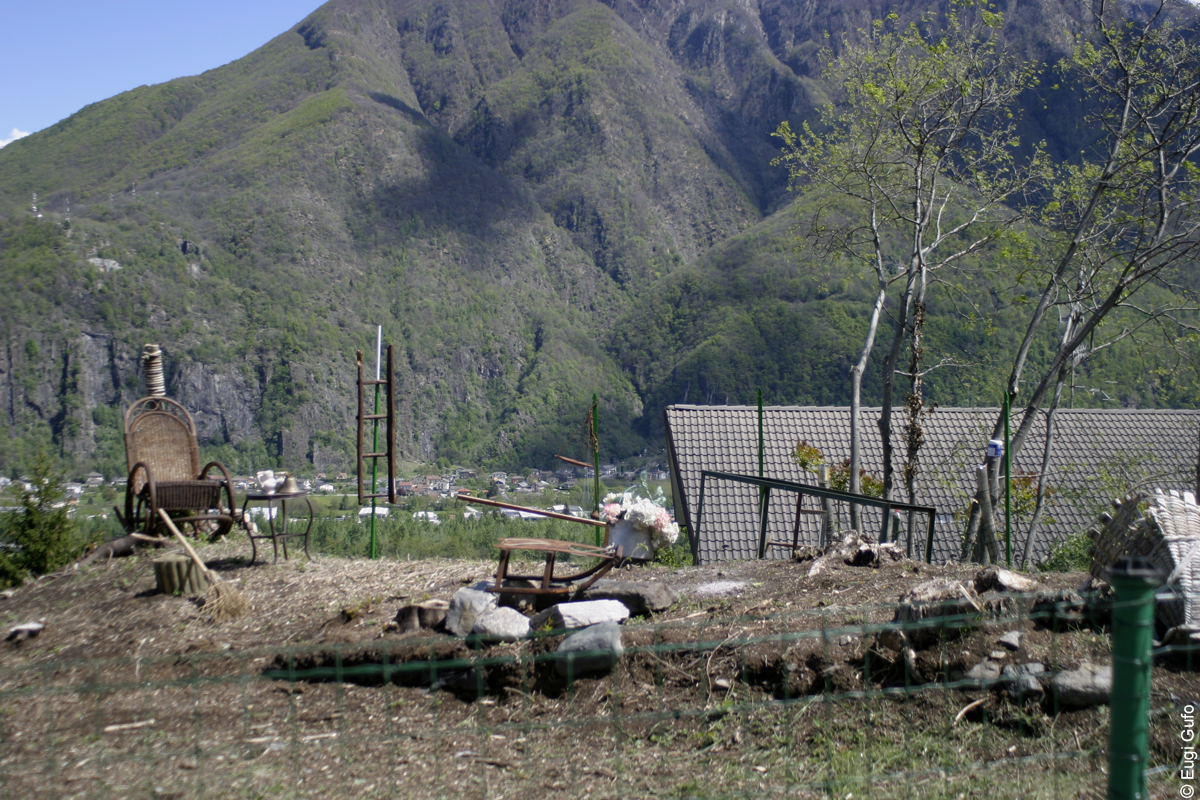
You may also encounter mysterious arrangements — objects placed on the ground as if forming an art installation. My only hypothesis concerns the phases of human life (perhaps specifically female life?), but I cannot be certain. I cannot even be certain it is art.
I might have consulted the locals, but at that moment they were resting…
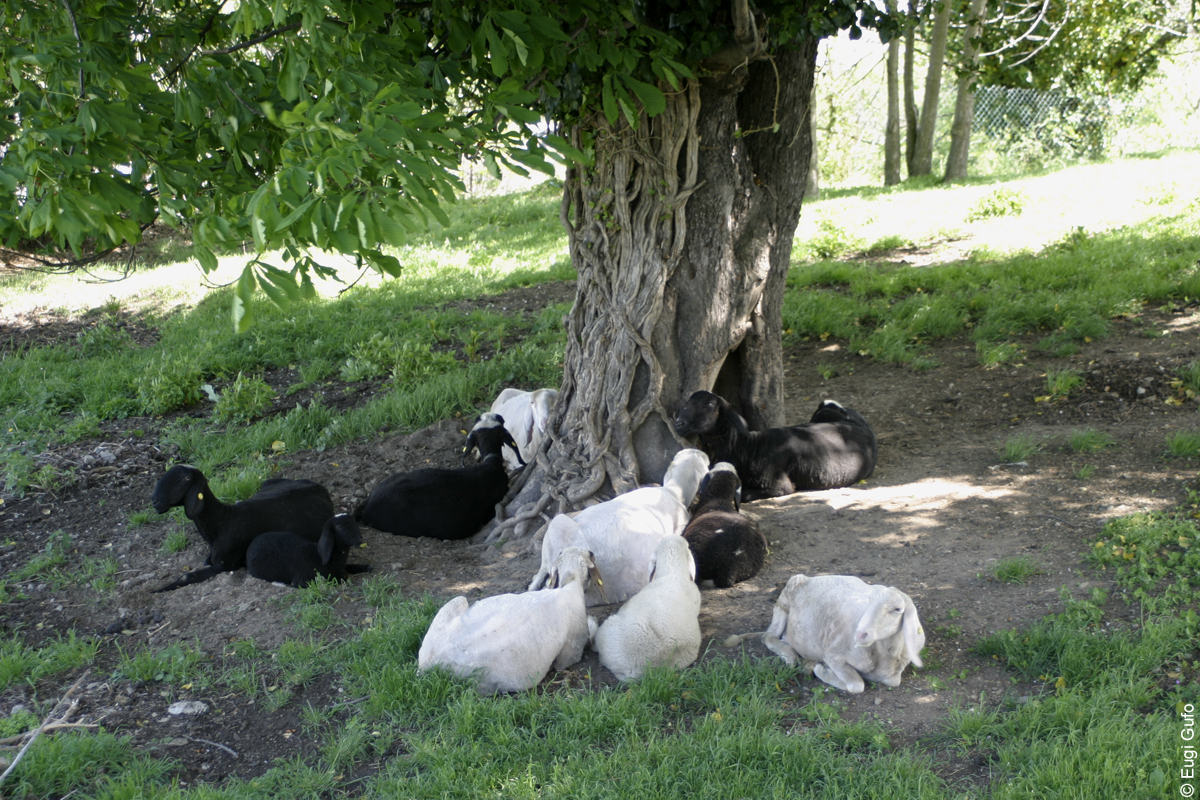
… or eating.
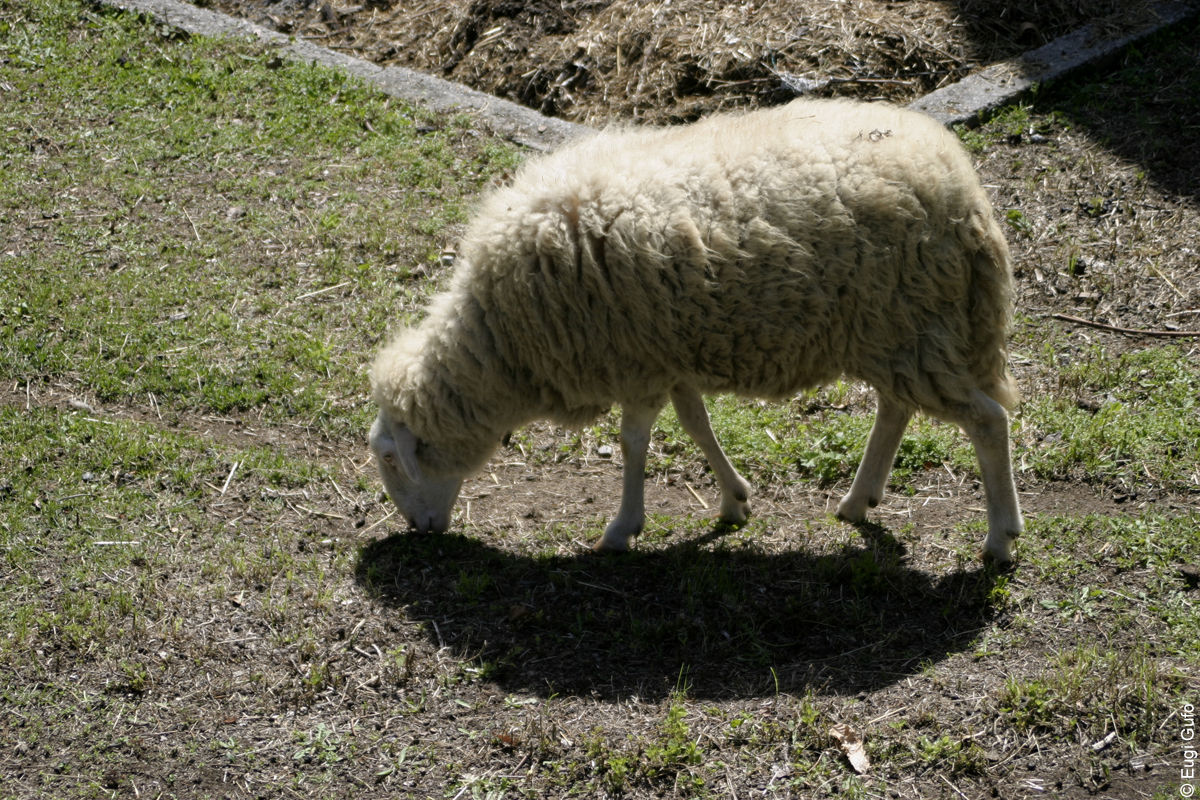
Is that a Roman theatre? Ah — no.
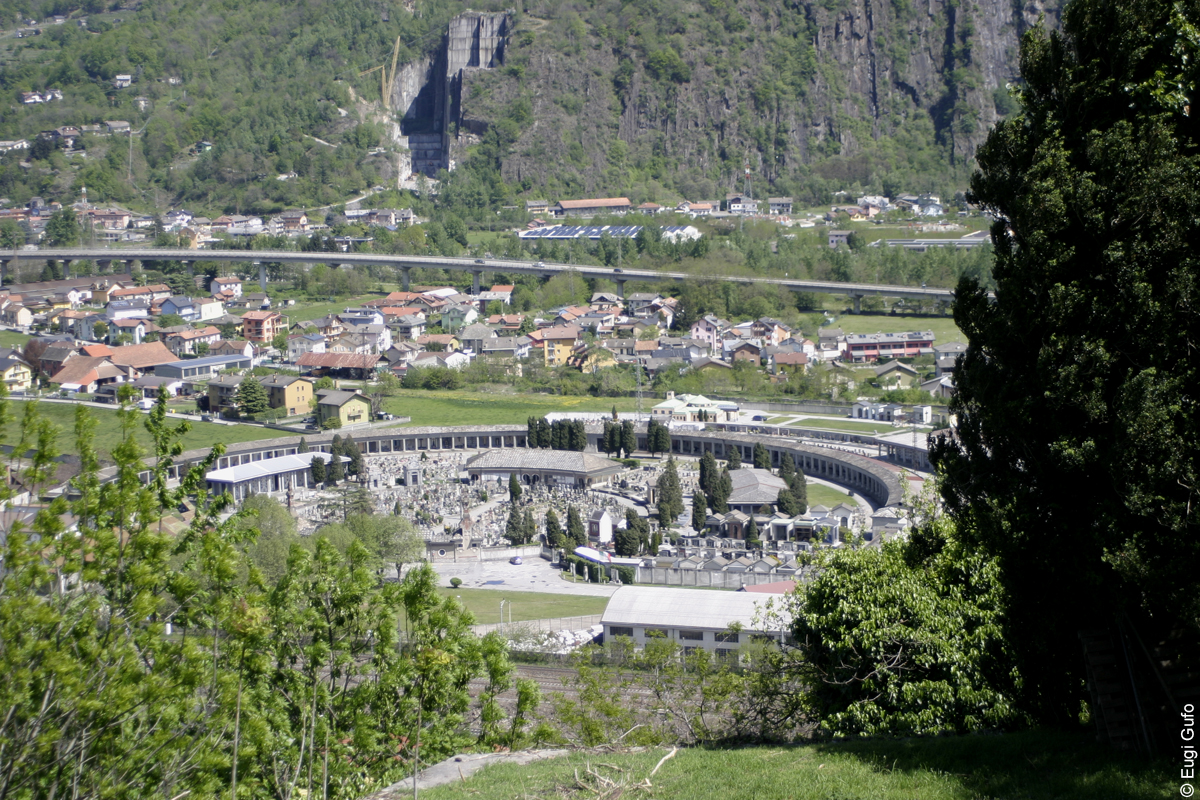
Naturally, not every hilltop discovery satisfies expectations: the so-called Torre Mattarella resembles, from outside, a rather dull palace with a rather dull tower.
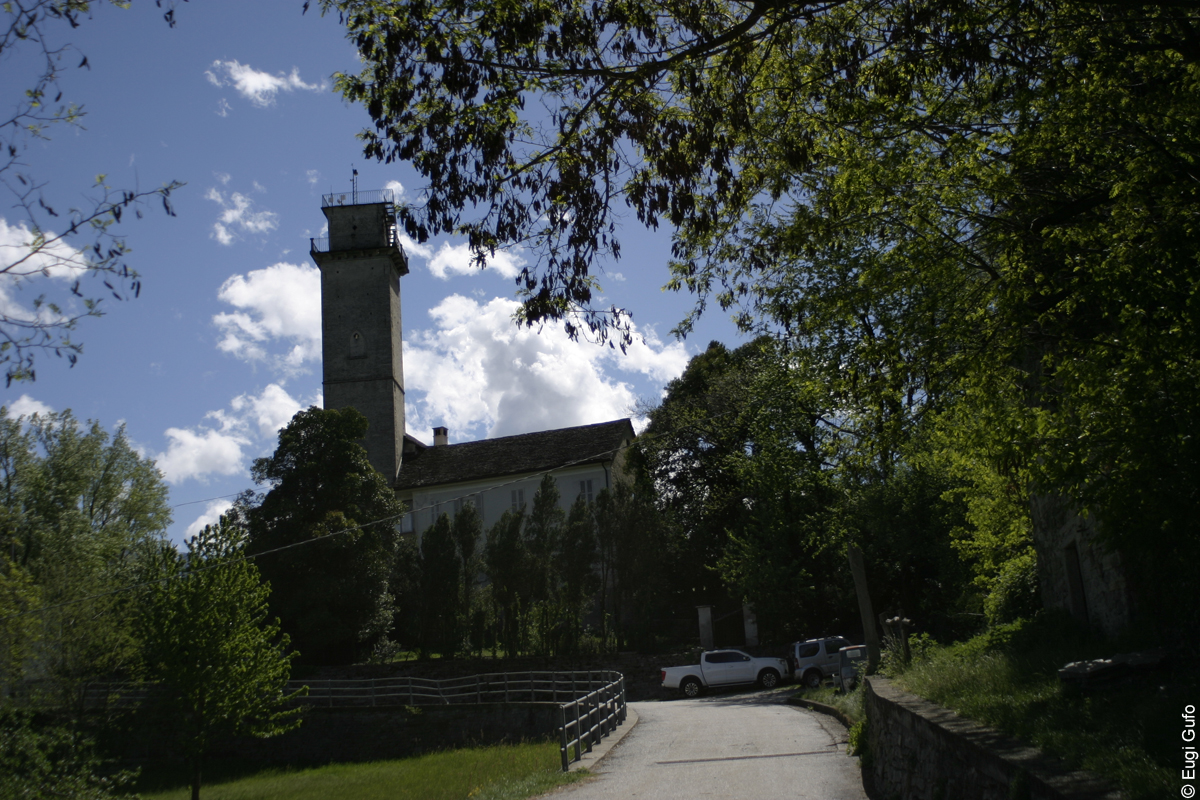
Even within the town centre, some towers appear strangely purposeless.
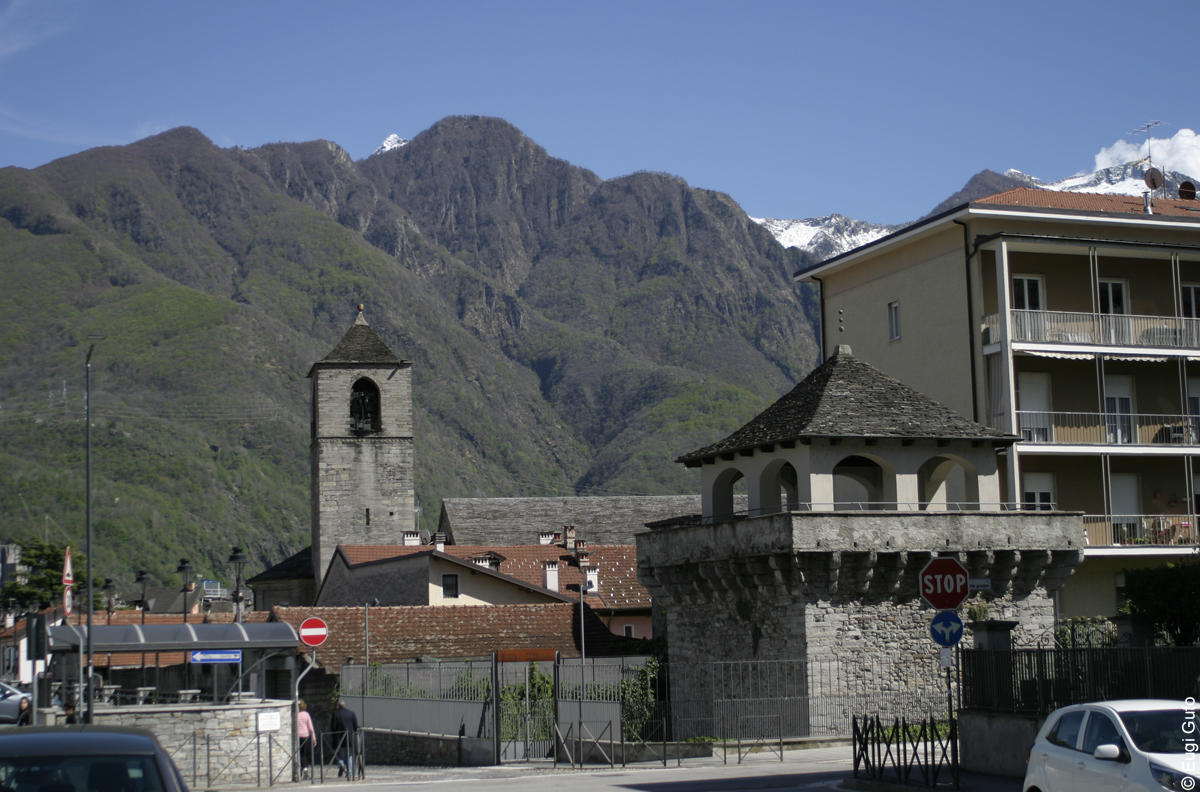
And buildings of unquestionable utility are occasionally in somewhat precarious condition.
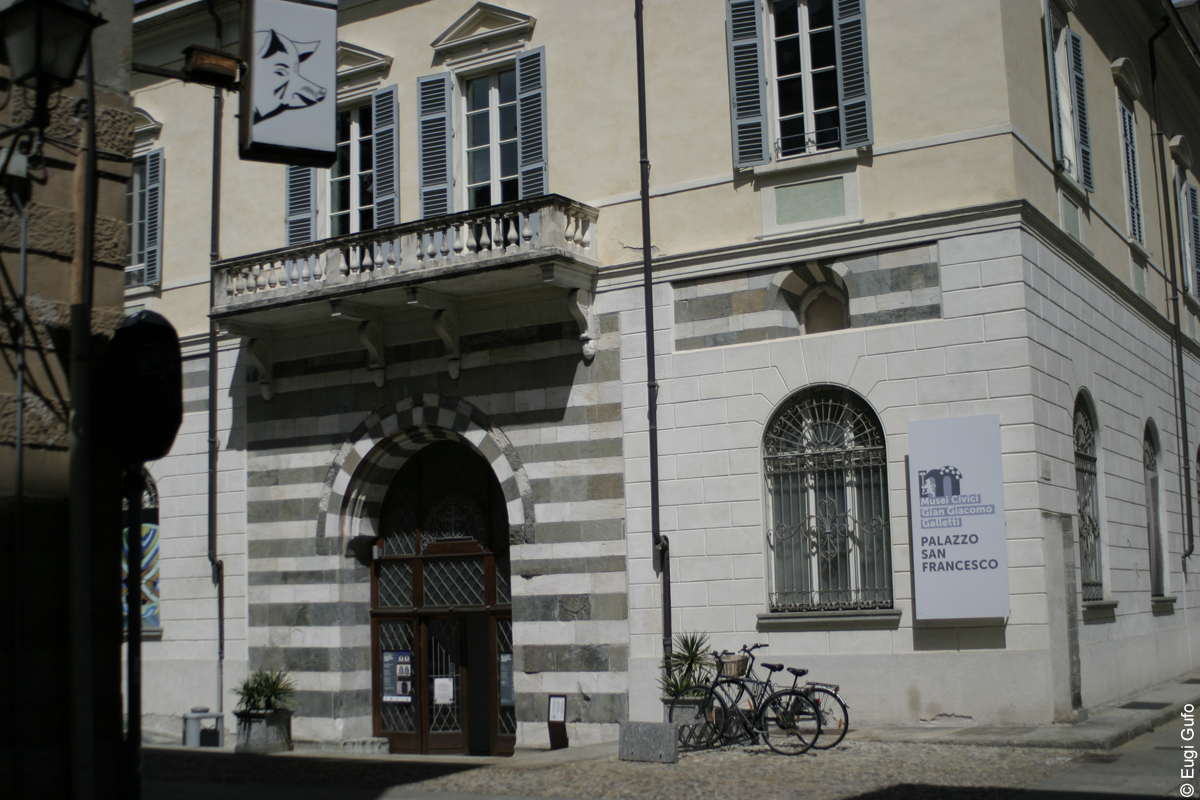
One structure deserving special attention is Palazzo San Francesco. Essentially a thirteenth-century church, it was purchased in the early nineteenth century by a private family and converted into a two-storey residence. In the early twentieth century new private owners transformed the ground floor into a school. In 1986 it became municipal property, was restored, and converted into a museum. Besides surviving church frescoes, it permanently houses early twentieth-century Italian paintings. Upper floors are intended to accommodate local archaeological collections in future. Temporary exhibitions are also organised. Recognition is easy: a fragment of the original church façade has been preserved, giving the building an unmistakable character.
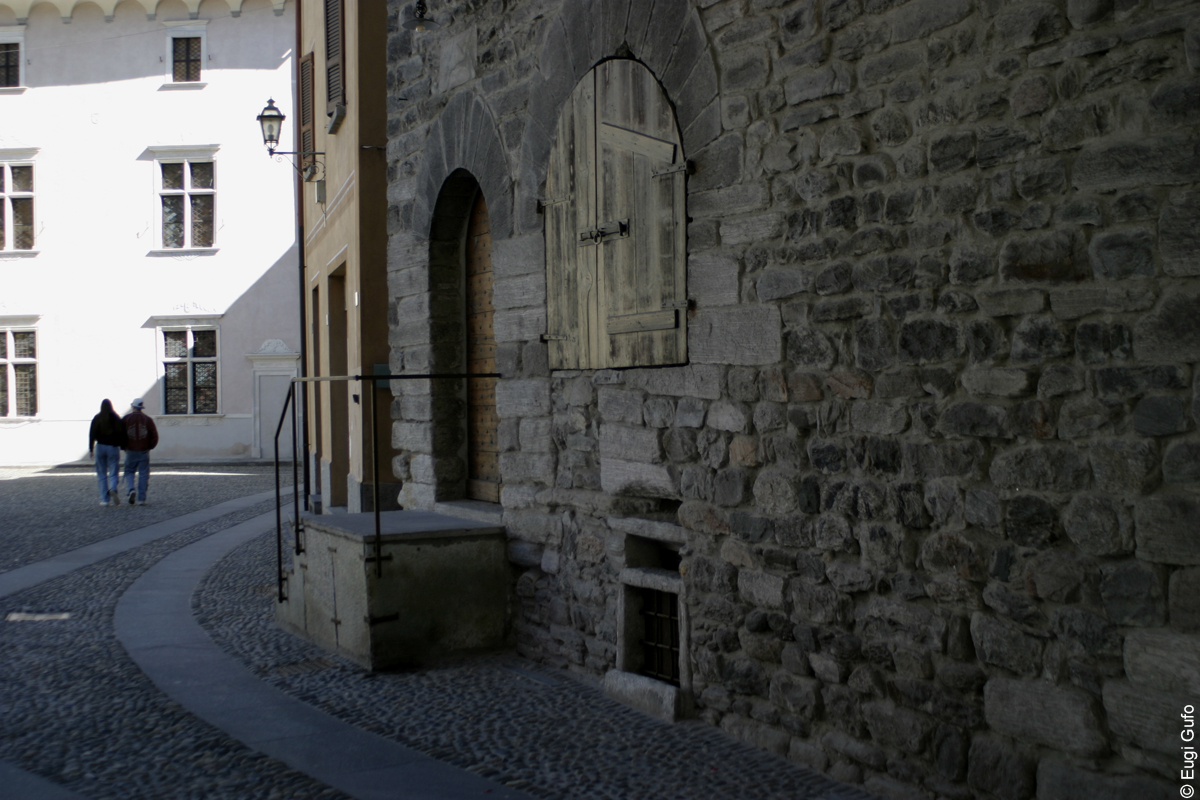
Those restoring Domodossola’s historic buildings today are attentive even to the smallest details.
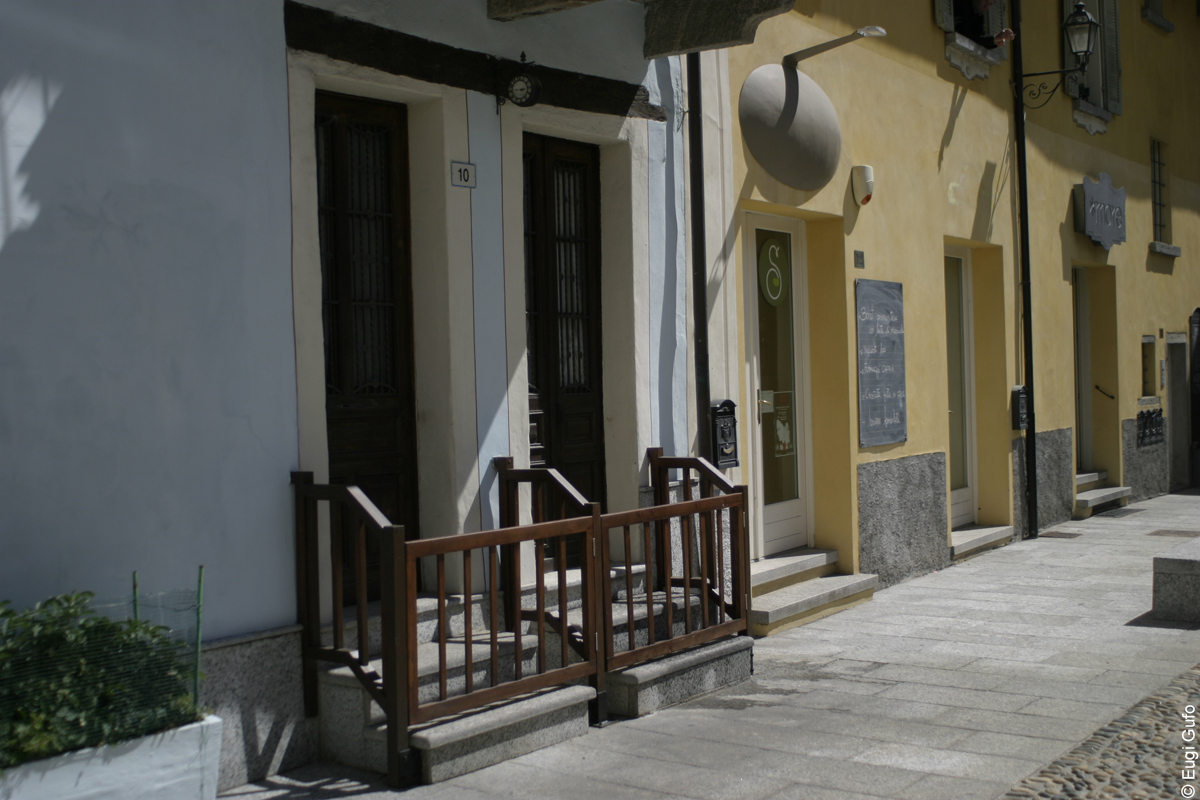
Interesting curiosities also appear among modern details — for example, miniature gates protecting private entrance steps from one knows not whom. Evil dwarves? Or small hairy fellows intent on discarding a ring?
Sometimes old and less-old details coexist: street names painted directly on plaster beside slightly less ancient metal plaques.
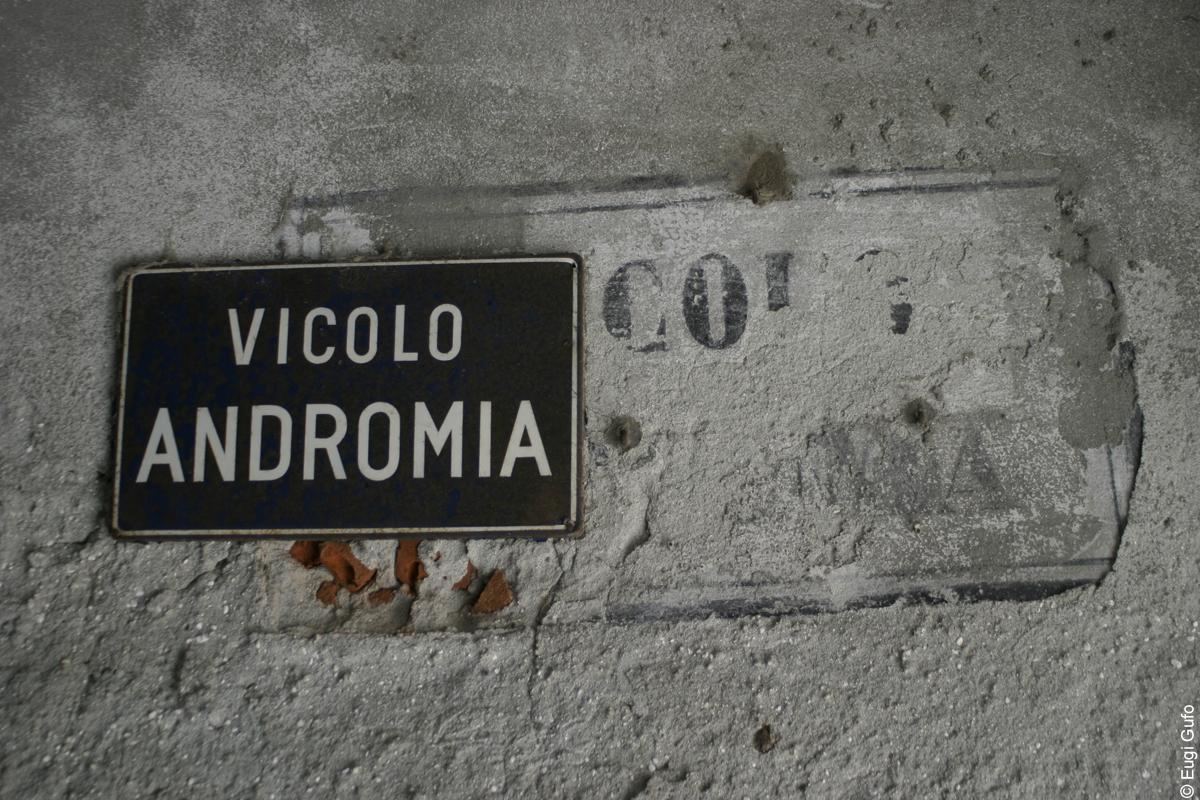
Newer signs exist as well, though they sometimes convey the impression of a roughly executed good idea.
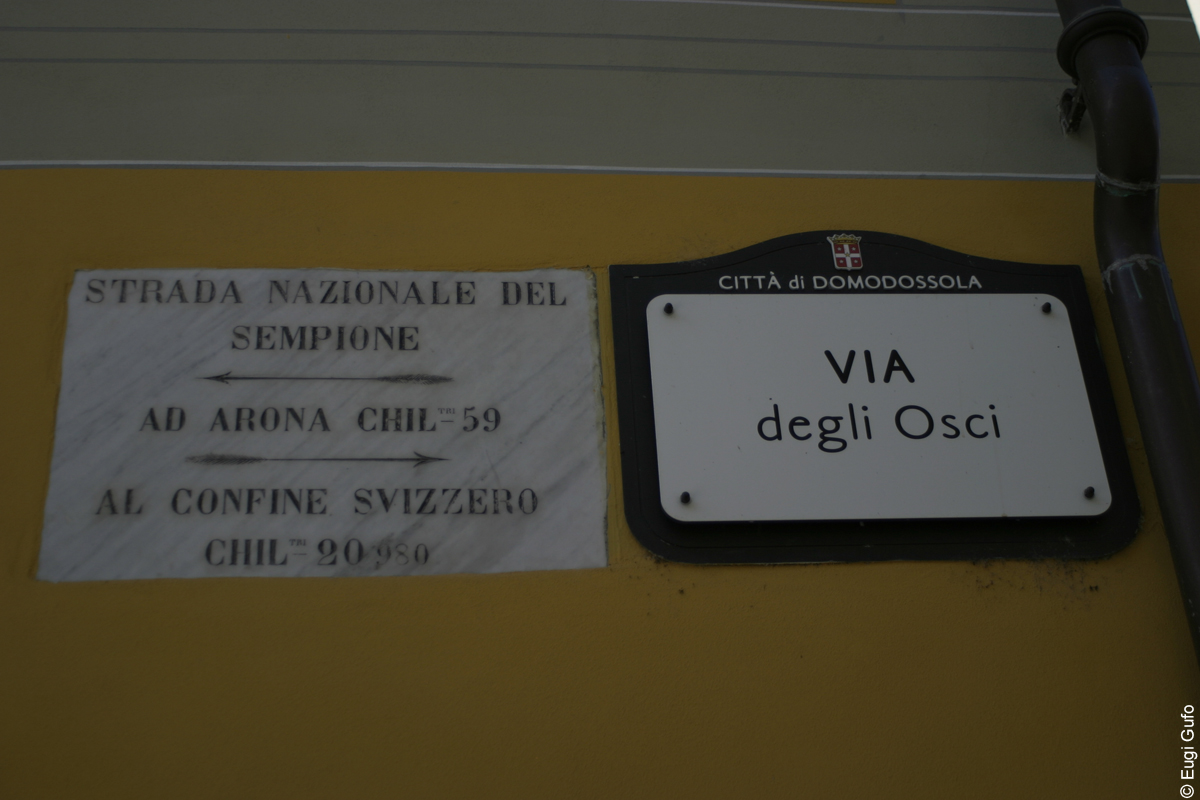
Yet these modern signs are used in multiple ways, not solely for toponymy.
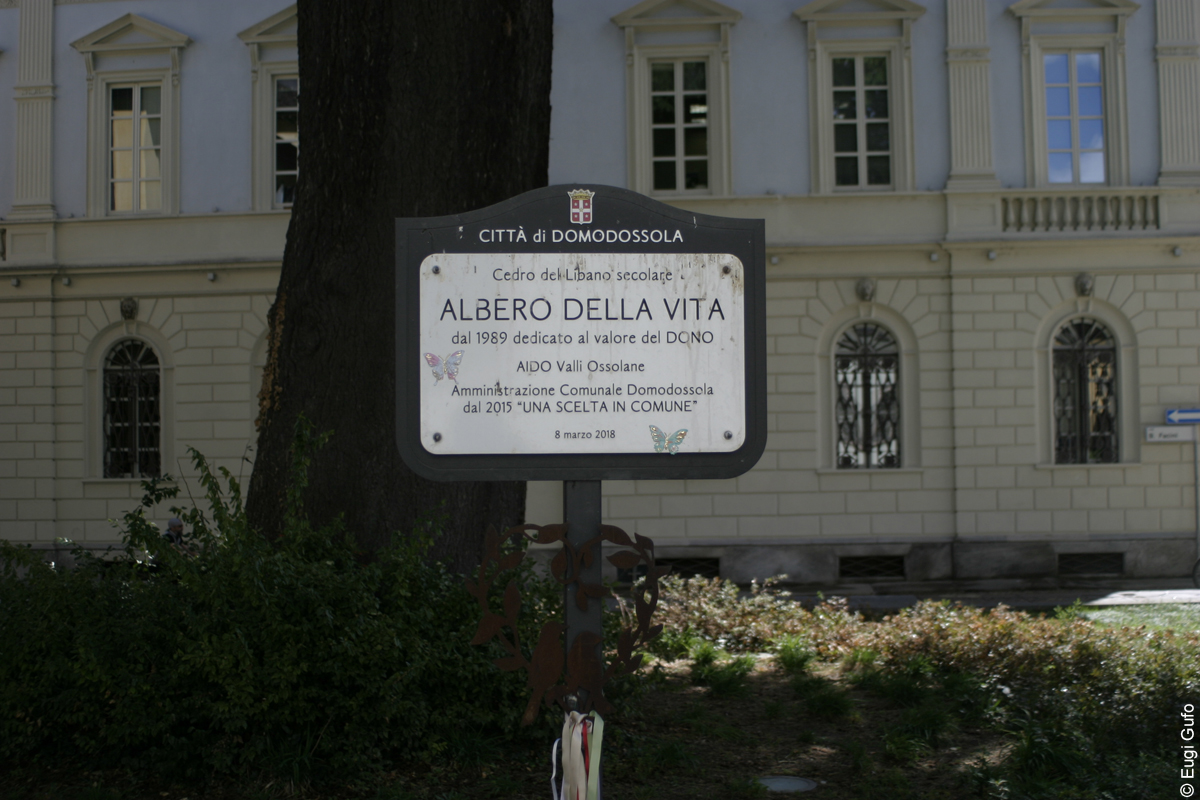
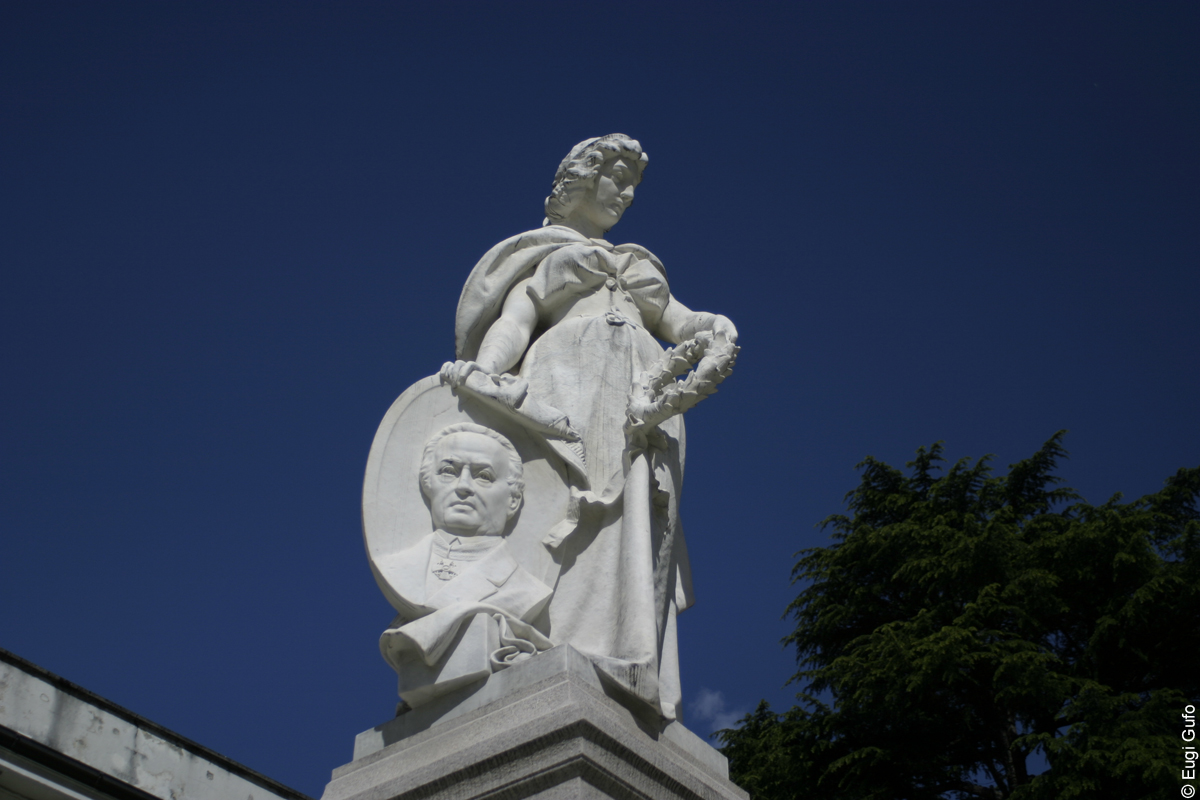
Among human-made monuments, one stands before the Town Hall: the 1899 monument to Gian Giacomo Galletti — entrepreneur, benefactor, and deputy of the Kingdom of Italy (1869–1873). Curiously, he appears only upon a shield, as though a secondary character. Should I attempt to identify the goddess from the peculiar assortment of objects she holds? I have a hypothesis, though classical iconography would suggest different attributes.
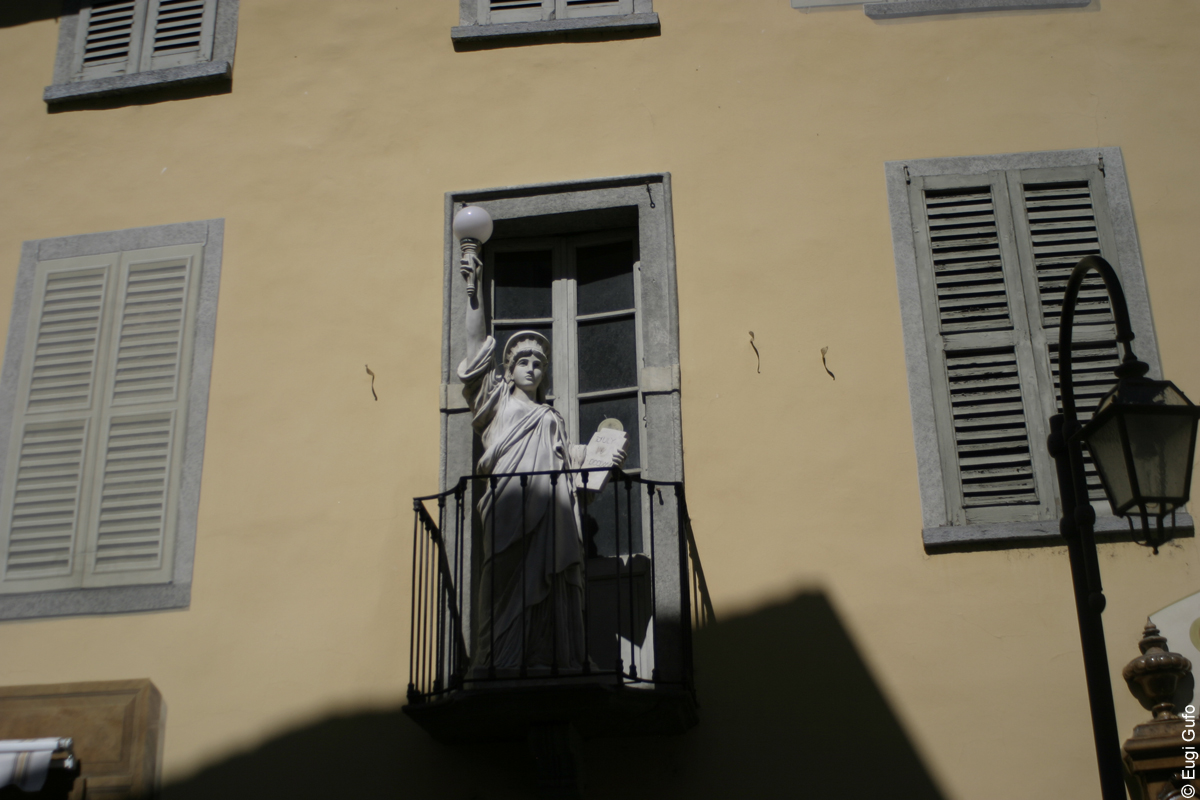
Even more anomalous is the local Statue of Liberty — placed on a balcony and apparently equipped with an electric torch. One hopes the residents appreciate nocturnal illumination.
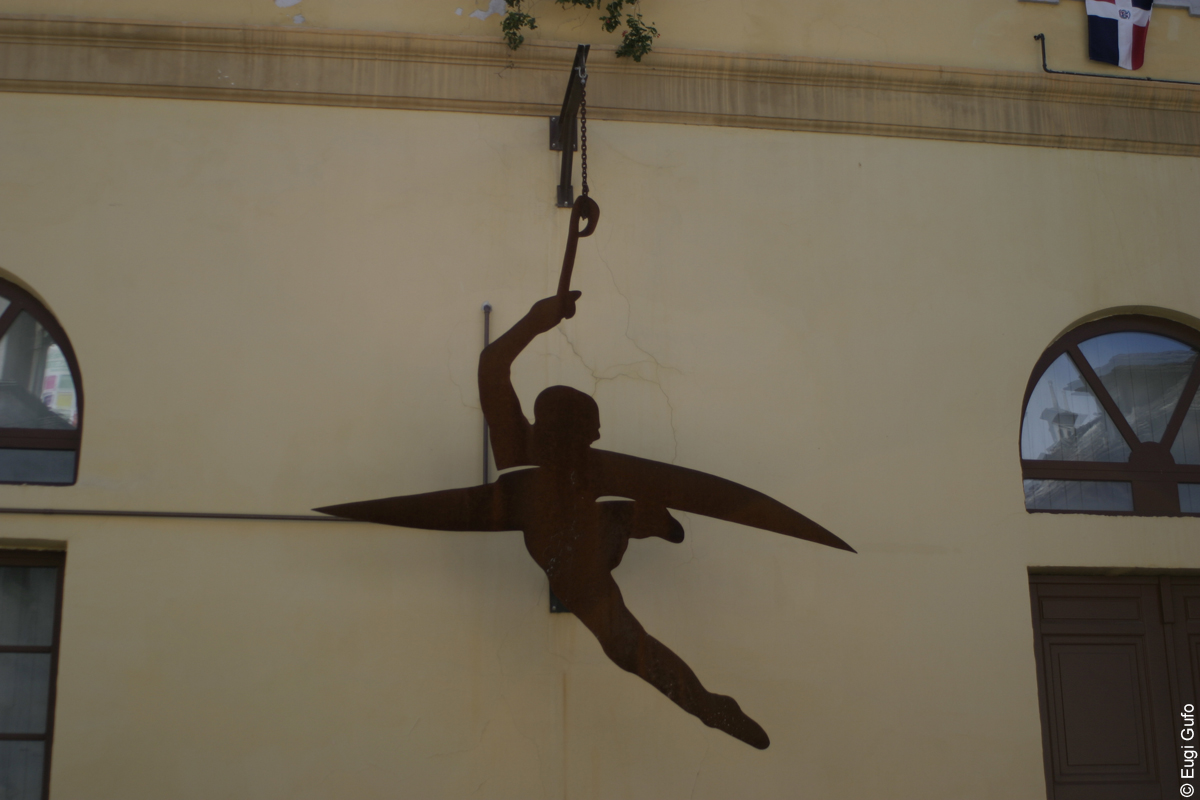
There are also modern monuments aesthetically interesting, though accompanied by explanatory texts that clarify little for ordinary mortals endowed with eyes and brains. Feel free to test this proposition.
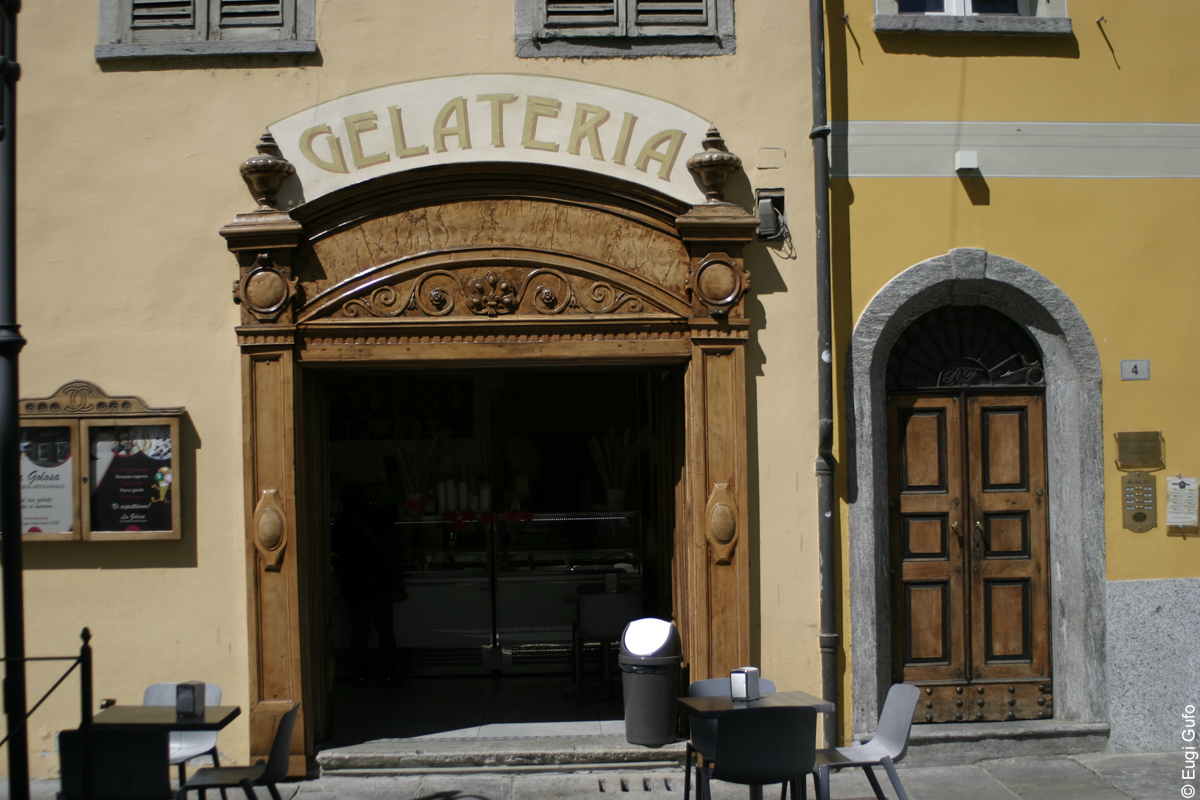
Occasionally even a shop entrance may approach the status of art.
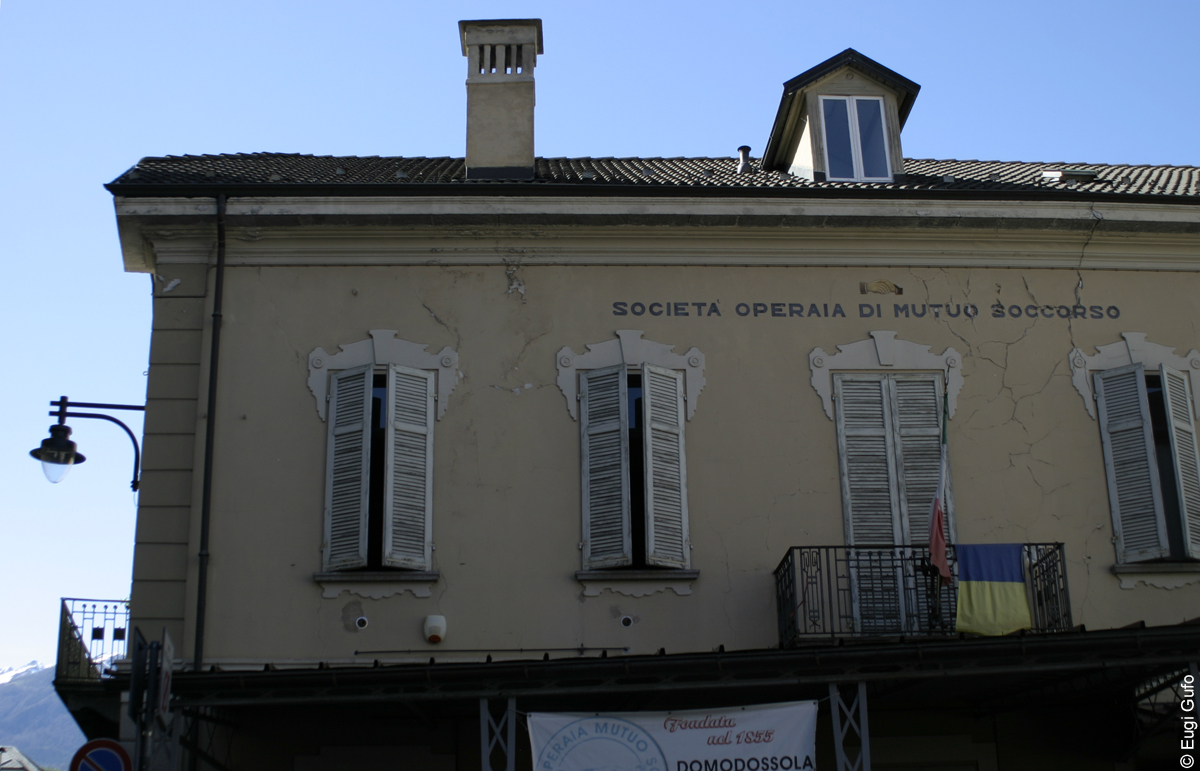
No further unusual artworks were discovered. The Ukrainian flag displayed is not artistic whim but one of the defining symbols of the present historical moment.
And that, I believe, covers the principal attractions of Domodossola. The town is small yet filled with details I could describe for ten additional screens — though I shall spare you. My purpose was simply to convey that Domodossola is beautiful and worth visiting. Should I pass through again, I will almost certainly produce an equally concise account.
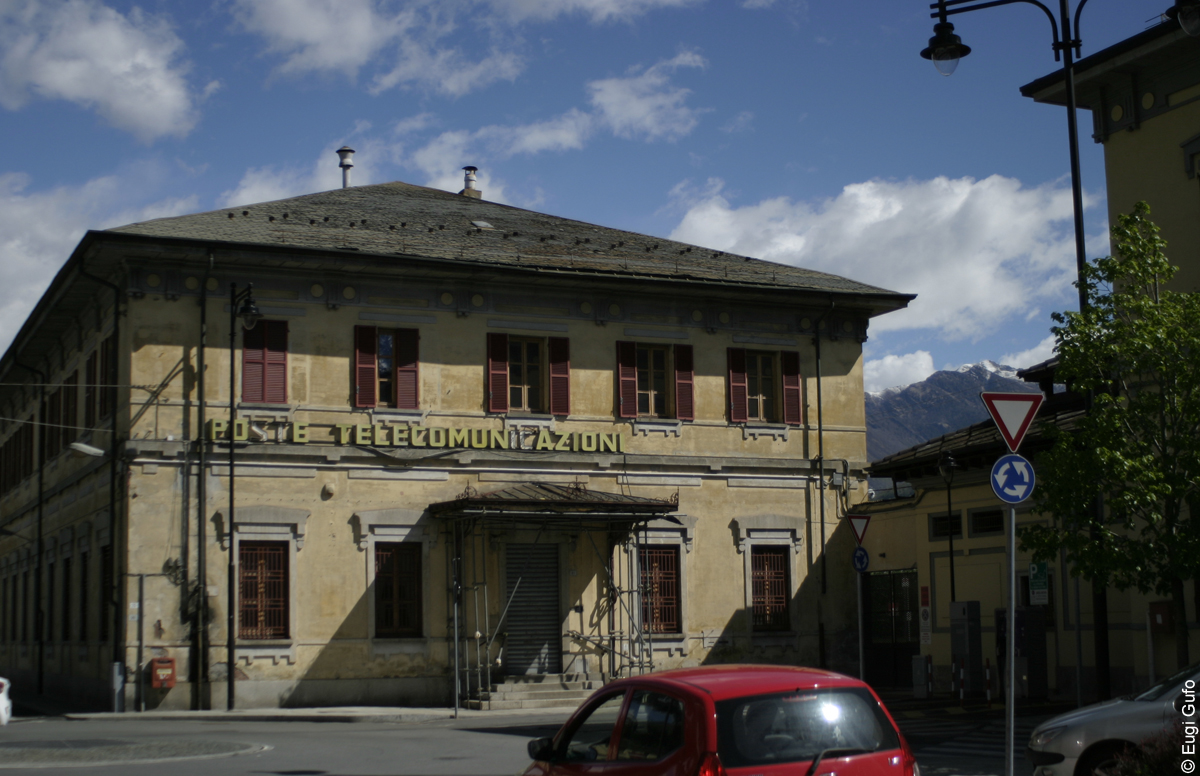
For now, I conclude with the photographs of the 1906 railway station — international in status, as it lies on the line connecting Italy and Switzerland.
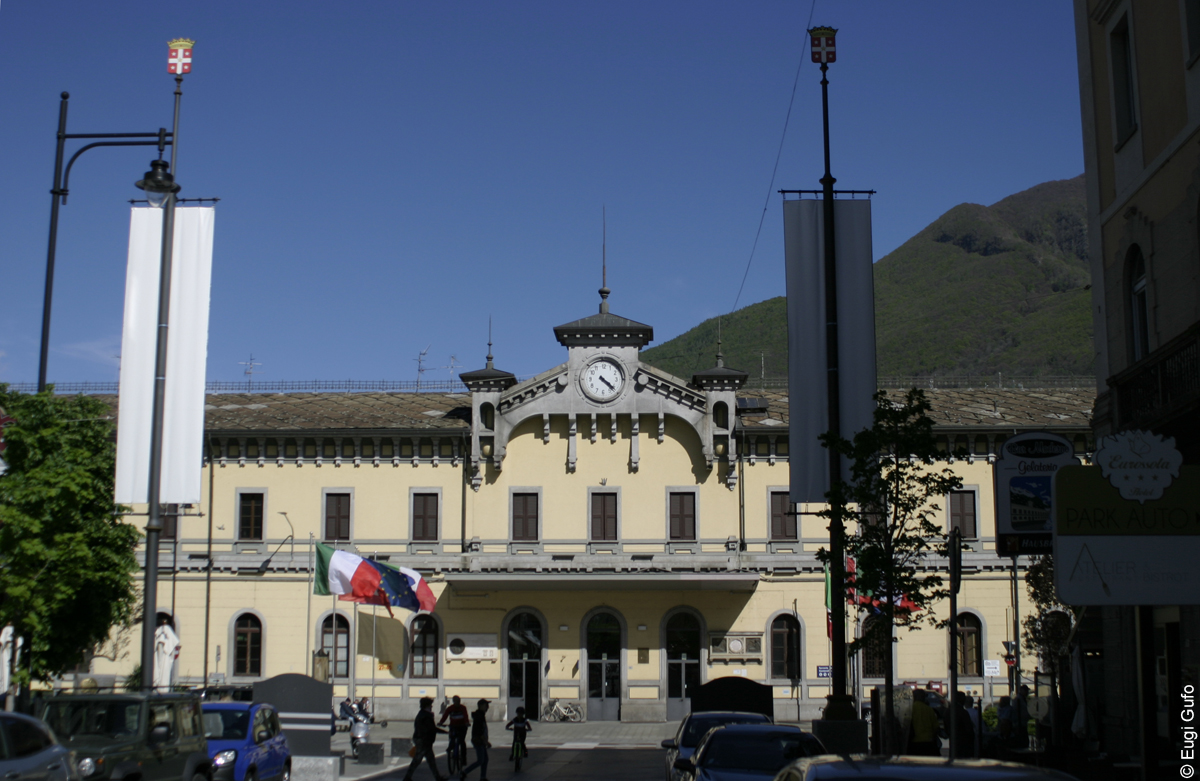
In short: a journey technically feasible for all. No one will be disappointed.
Domodossola, 24 April 2023
↓ Show comments ↓

