


 Long live Ukraine! Fuck the war!
 RSS of site articles
Robecco d’Oglio, a municipality in the province of Cremona, is essentially a medium-sized village featuring the architecture typical of places of this kind: its historic centre appears as a curious hybrid between rural construction and the suburban style of a small provincial town.
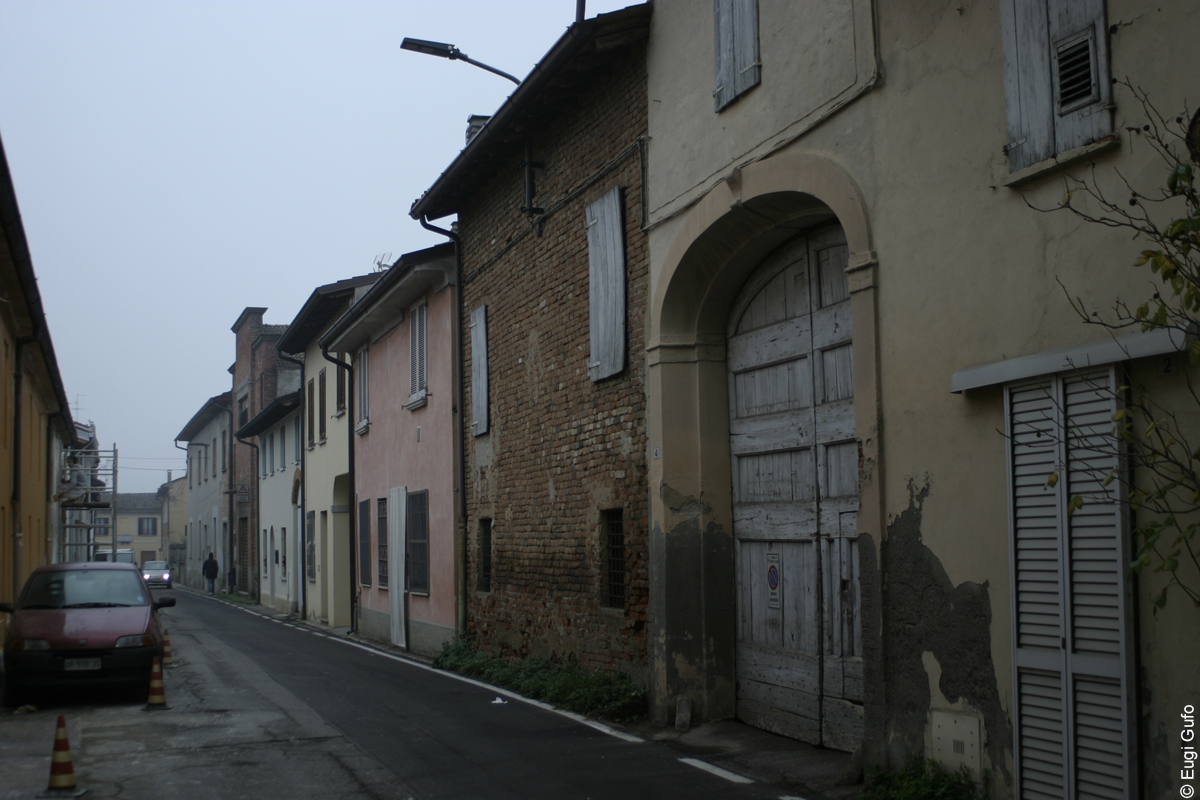
Some of the older buildings have been restored somewhat approximately or modernised in a slightly barbaric manner, yet I did not encounter any irreparable catastrophes.
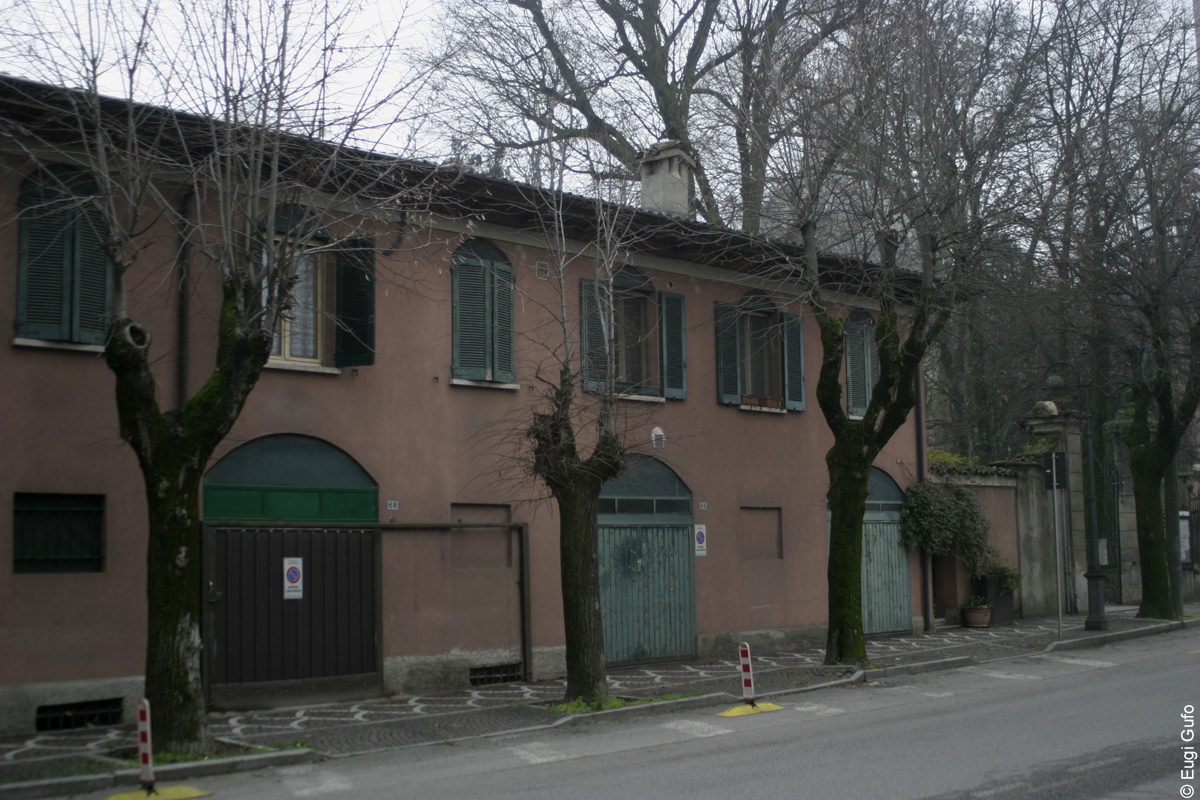
As in all villages, private villas of every possible size and stylistic ambition are easily found in the centre of Robecco d’Oglio.
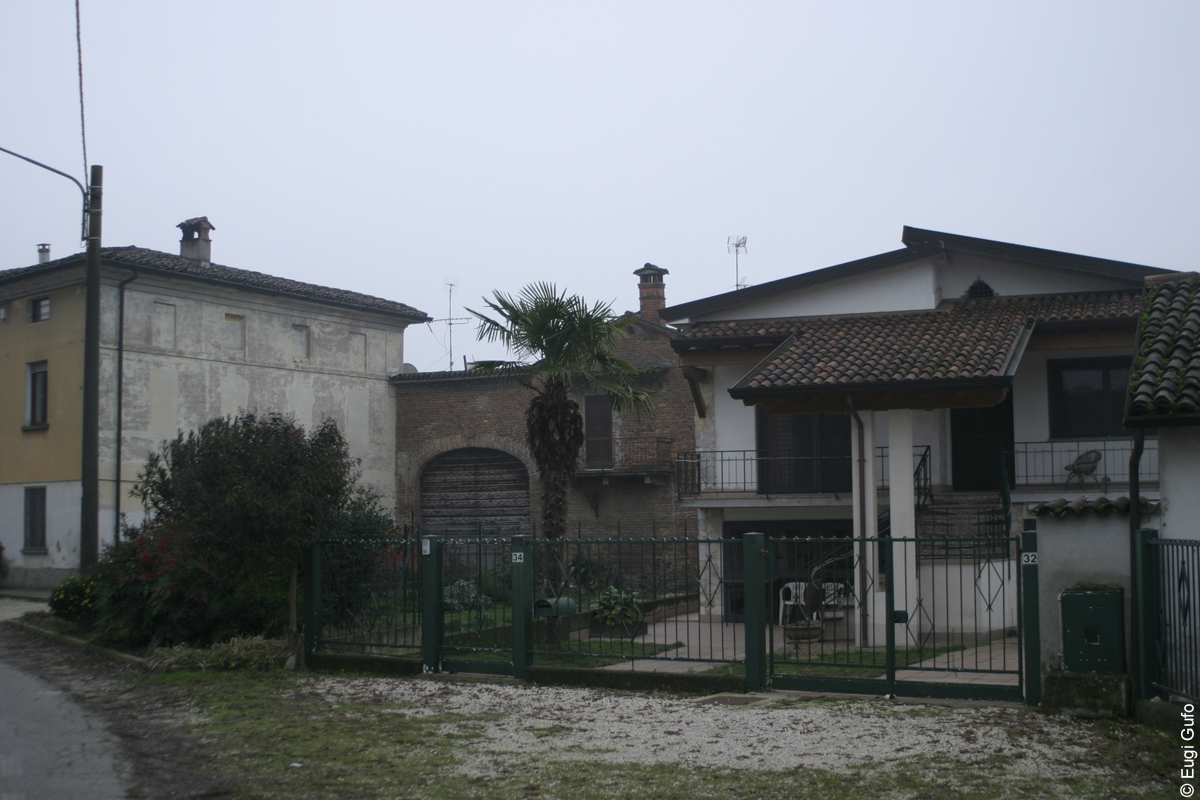
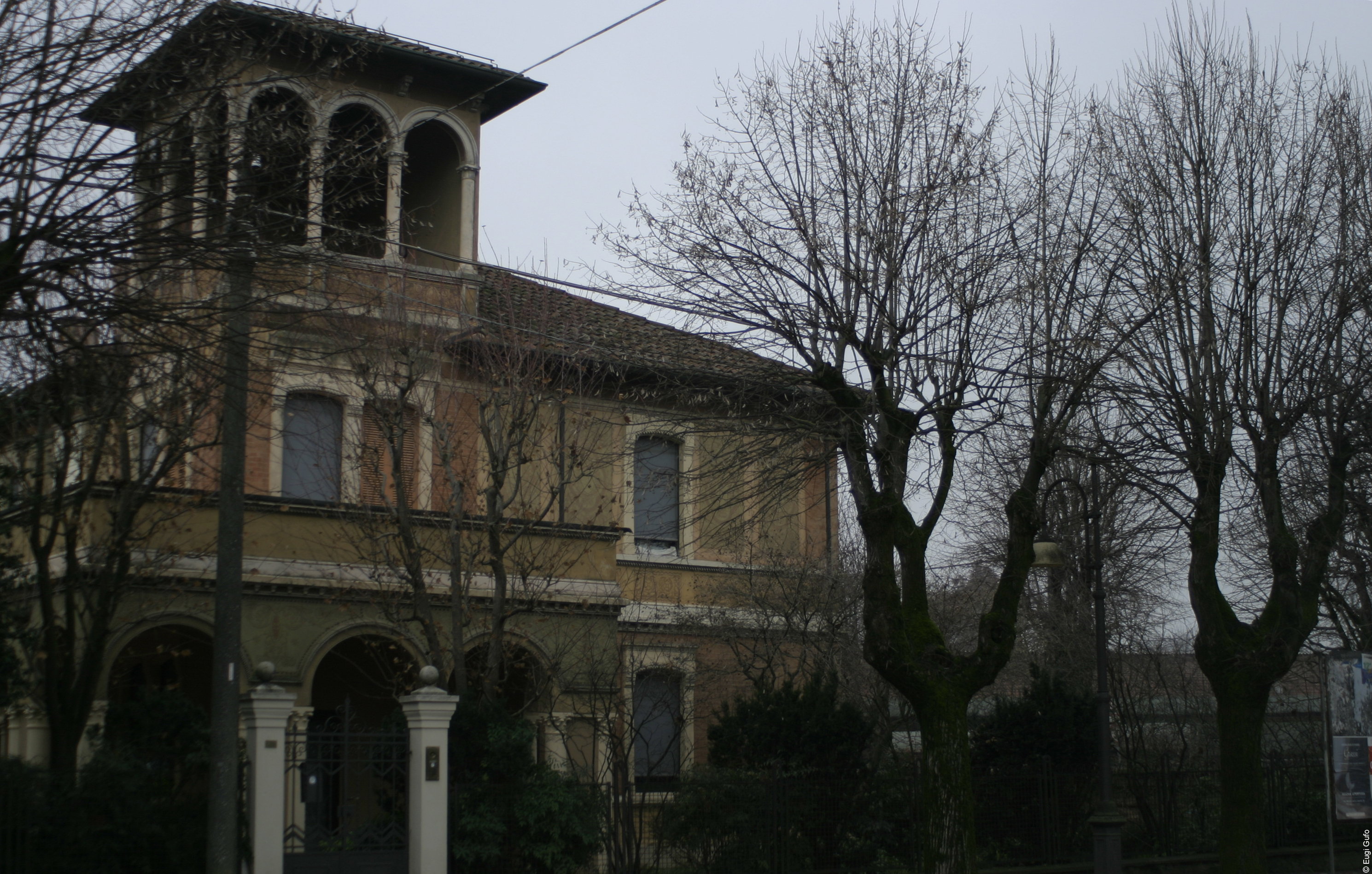
Some of these villas might even qualify as buildings of historical and cultural significance. Perhaps.
However, the truly great and mysterious characteristic that unites almost all Italian villages of this type is the constant presence of a church whose size appears disproportionate to the number of potential local «clients.» In Robecco d’Oglio, in particular, one finds the Parish Church of Saints Joseph and Blaise, visible from a considerable distance — even from outside the municipal boundaries.
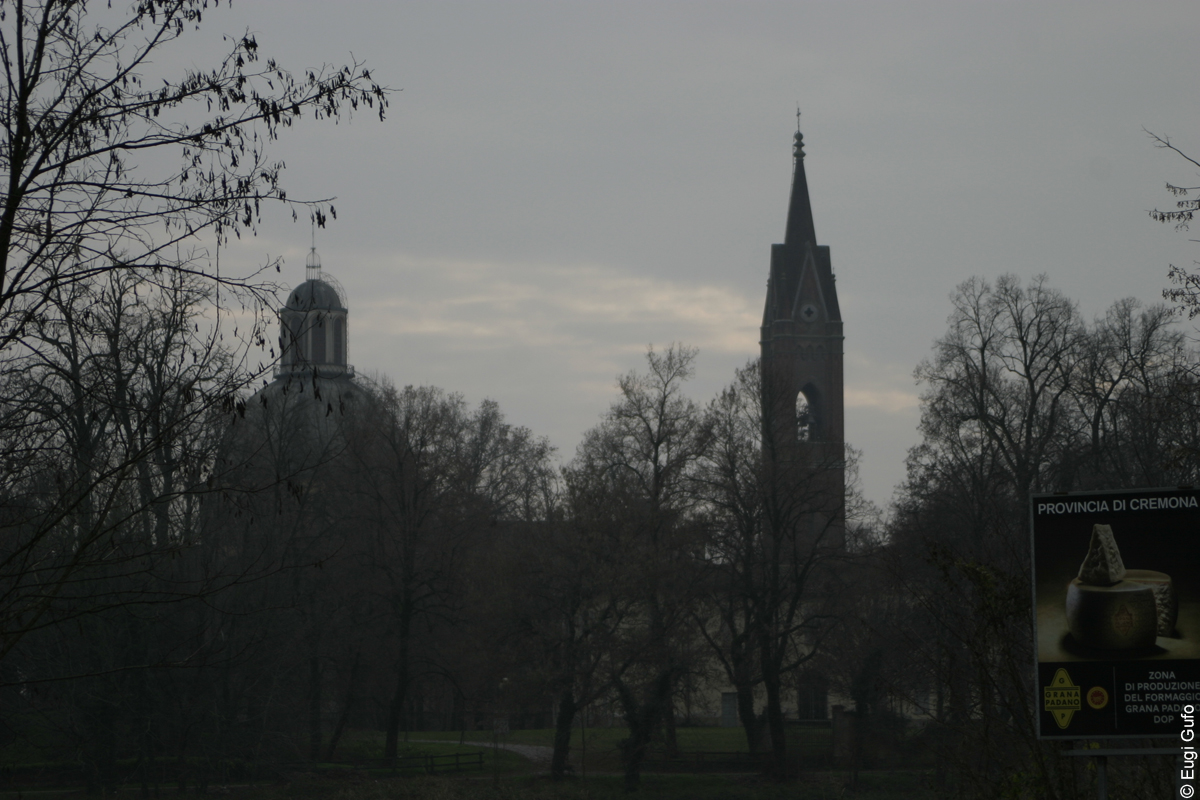
At first glance, this church, built between 1892 and 1895, seems rather unremarkable…
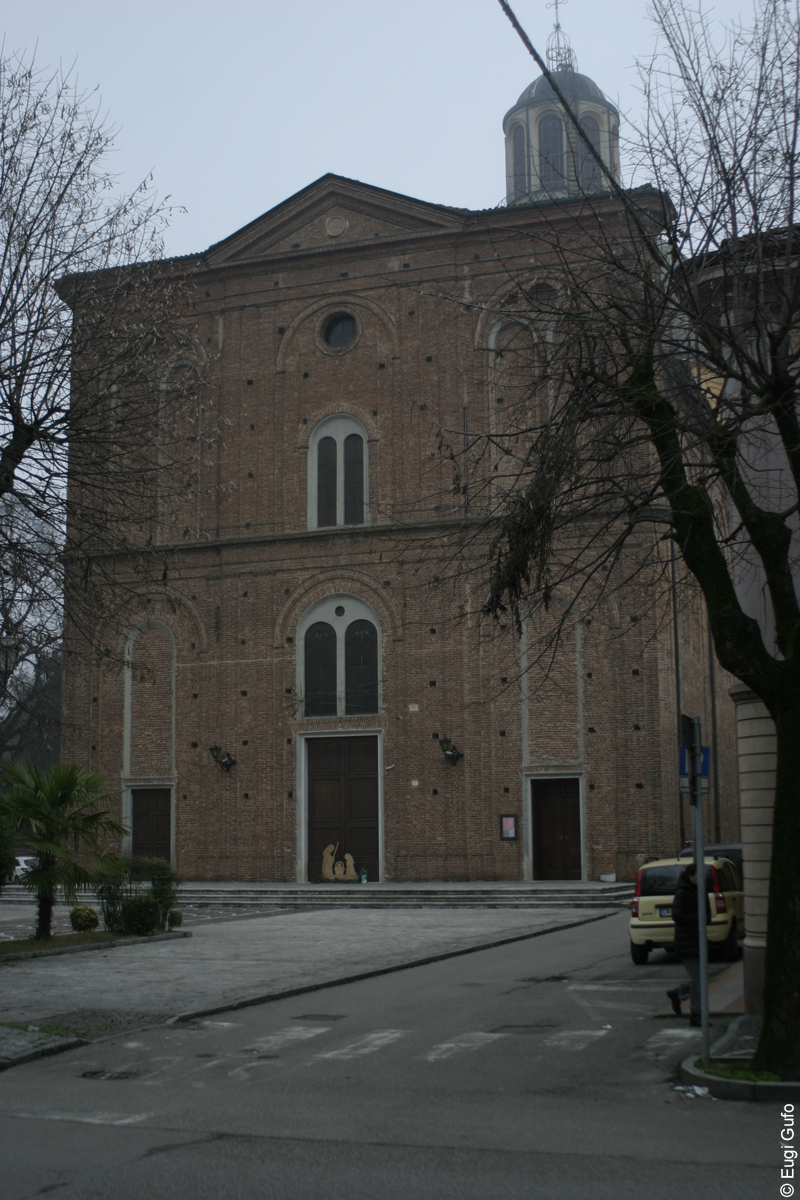
In reality, however, it deserves more careful study inside than outside: it contains frescoes from the first half of the 20th century and 18th- and 19th-century paintings belonging to the Cremonese school.
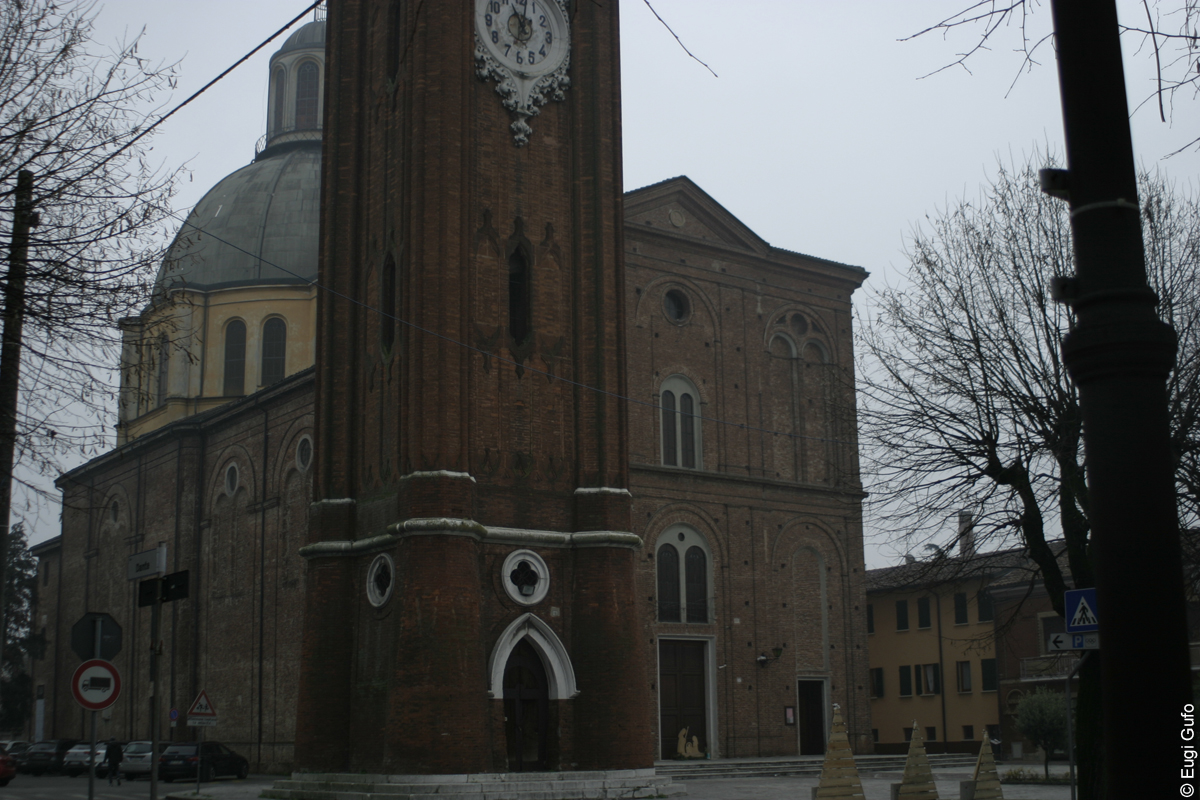
The bell tower, located a few metres from the church, rises 65 metres high and is therefore somewhat difficult to capture entirely in a photograph. Aesthetically, it is more attractive than the church itself — probably because it was built in a different period (between 1853 and 1862) and by different engineers. The spire, in fact, was added only in 1932.
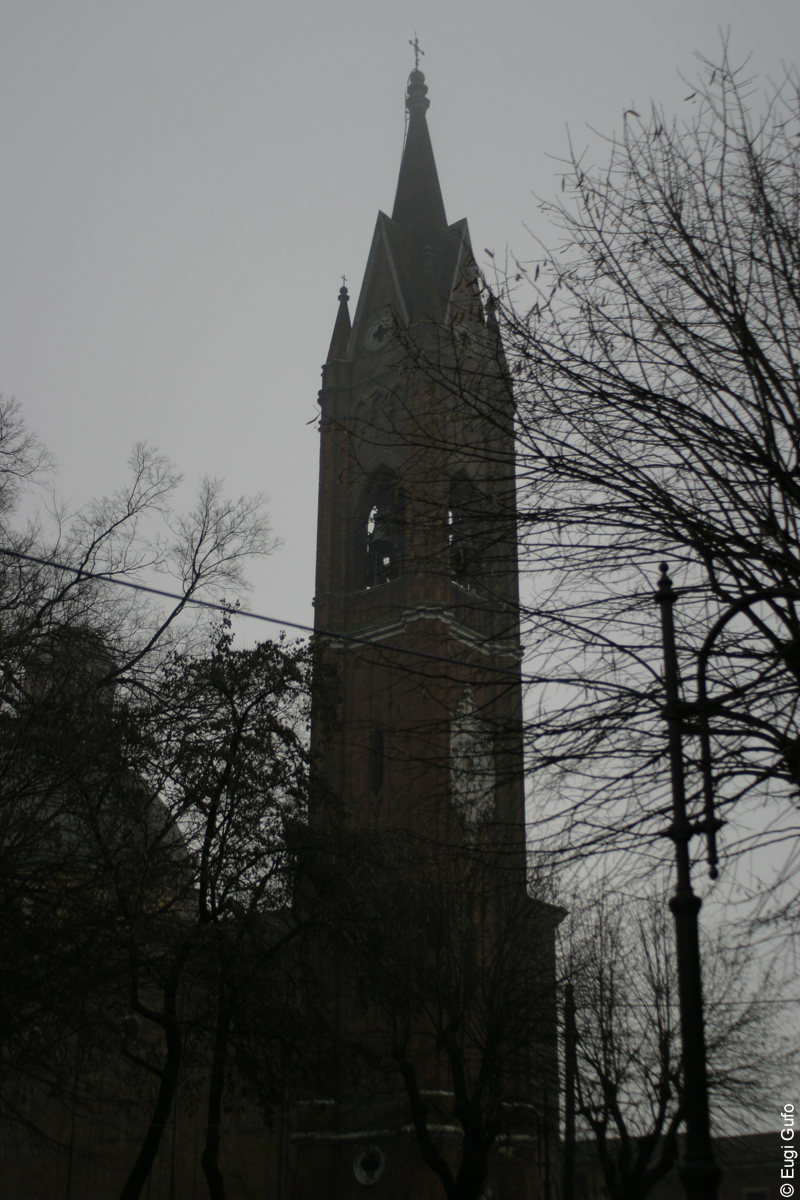
The two most interesting details of this neo-Gothic tower are the clock and the base, which for some inexplicable reason reminded me of the nozzles of a Soyuz rocket…

Another important historic building in Robecco d’Oglio is Villa Barni Della Scala, dating from the 18th century and now housing the municipal offices and the public library. I have read that the villa’s interiors were heavily modified during restorations carried out in the 1970s and 1980s. The exterior, however, was never particularly striking to begin with.

The villa stands in the middle of a pleasant English-style park created in the 1830s, which must be quite beautiful in spring and summer.

The development of this park was promoted by the opera singer Giuditta Grisi, fairly well known across Europe in the 1820s and 1830s, who was married to Count Cristoforo Barni di Roncadello, the villa’s owner. Giuditta Grisi died at only 35 years of age in 1840; a few years later, a statue representing her was installed in the park.
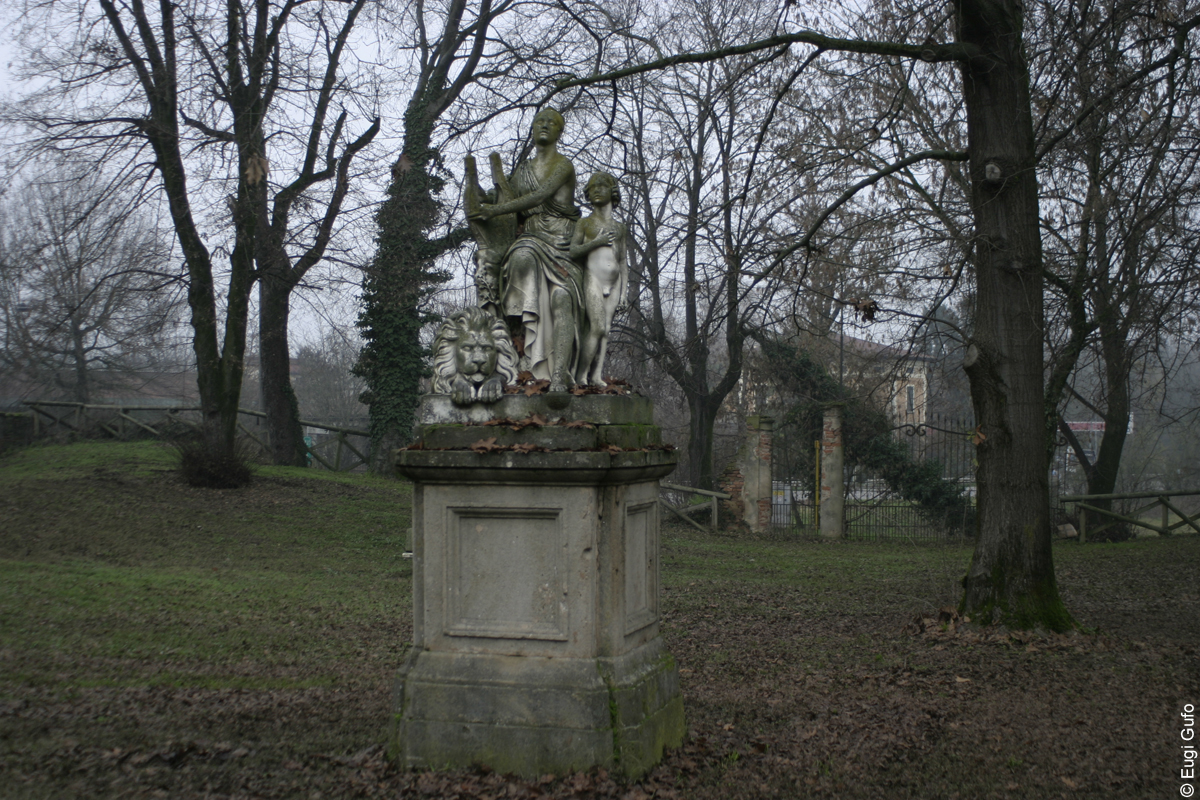
Speaking of statues… In the same park one finds a delightful visual remedy for anyone tired of seeing the usual female figures without heads and/or without arms. It took me about a minute to understand what exactly I was looking at.
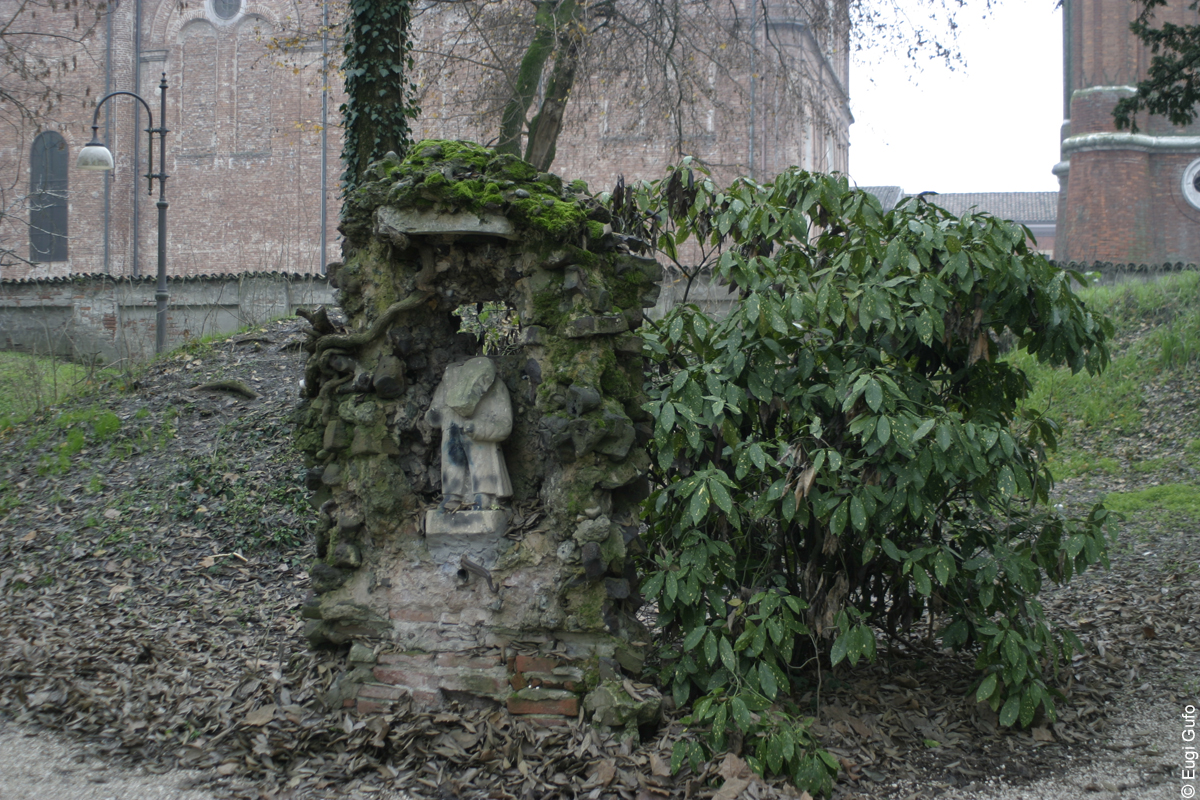
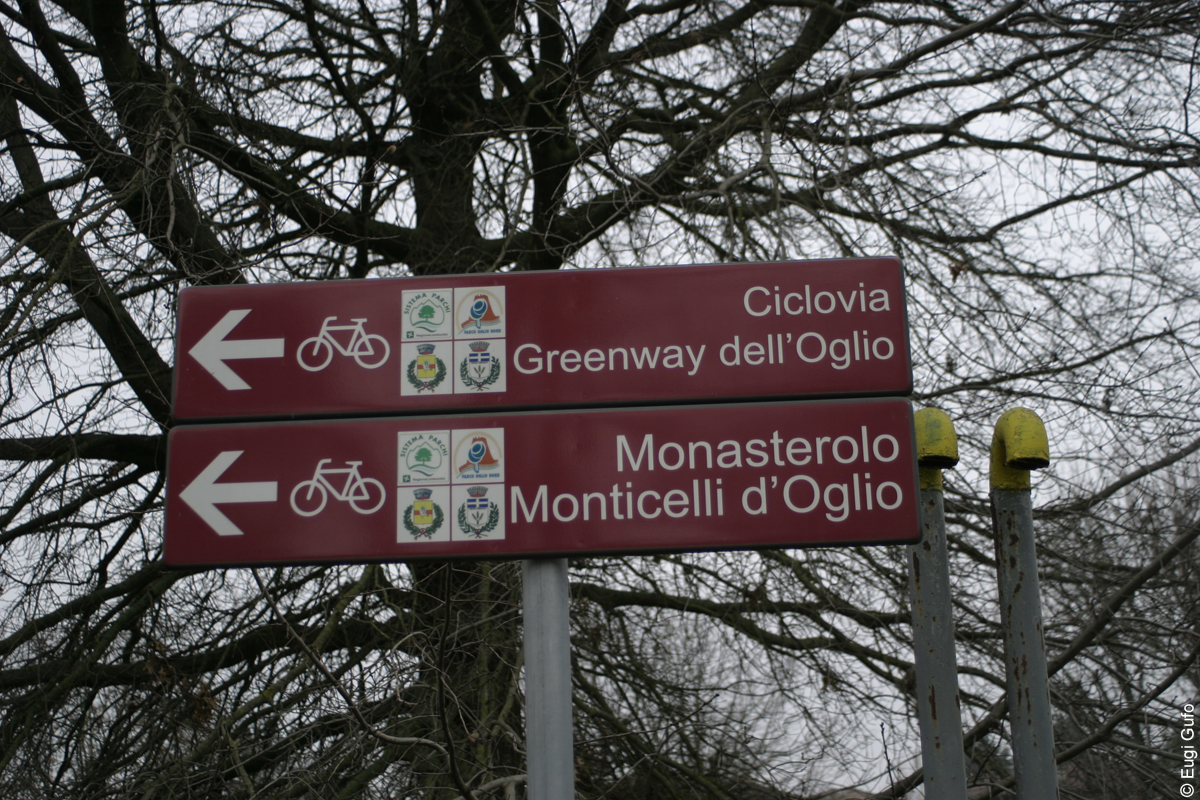
And that is essentially all: there are no other particularly noteworthy attractions in Robecco d’Oglio. I shall conclude by observing that throughout the municipal territory there are numerous signs indicating the various cycling paths in the area. This type of signage deserves wide imitation by other Italian municipalities: the admirable tendency to increase the number of cycling routes becomes far less useful without adequate informational support.
At this point you have probably asked yourselves what I was doing in such a small locality with so few attractions. Well, I was simply passing through: Robecco d’Oglio shares its railway station with Pontevico, which was the true objective of that particular journey.
Robecco d’Oglio, 28 December 2022
↓ Show comments ↓

