


 Long live Ukraine! Fuck the war!
 RSS of site articles
For Saint Ambrose’s Day — a public holiday in Milan — I had planned what promised to be a beautiful and interesting trip, albeit logistically somewhat peculiar and therefore calculated with careful attention to detail. On the morning of departure, once I arrived at the railway station (because studying how a place can be reached by public transport also helps to understand the place itself), I discovered that rail traffic toward my intended destination — along with many other destinations in that direction — had been suspended due to a technical failure.
As a consequence, in order not to waste a precious day off, I had to improvise — instantly — a tourist excursion in the opposite direction. And thus I found myself in Colico.
In truth, my medium-to-long-term plans already included a summer visit to Colico in order to see one very specific and rather unusual thing (you may attempt to guess what). This time, however, I had to content myself with being a traditional — albeit spontaneous — tourist. But let us proceed in order.
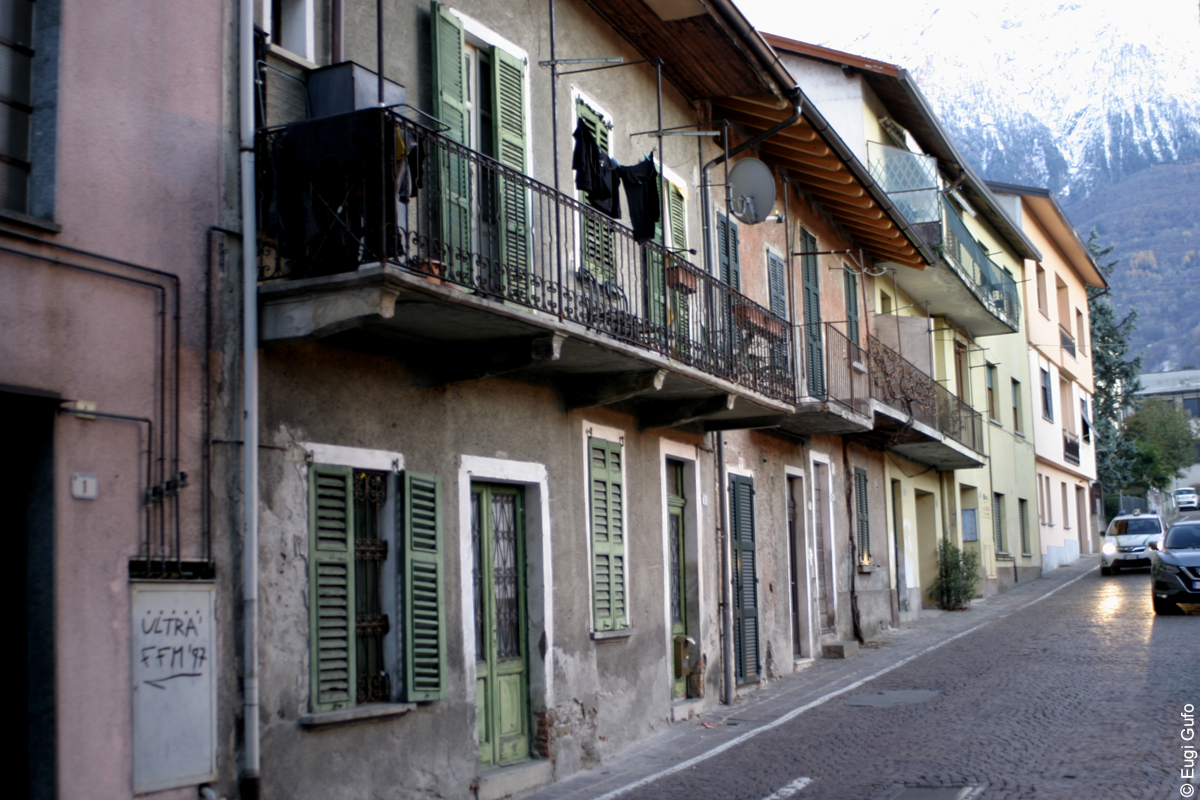
From a purely architectural point of view, Colico’s main settlement did not make a particularly strong impression on me. On the contrary, the majority of its buildings vanished from my memory within two or three nanoseconds.
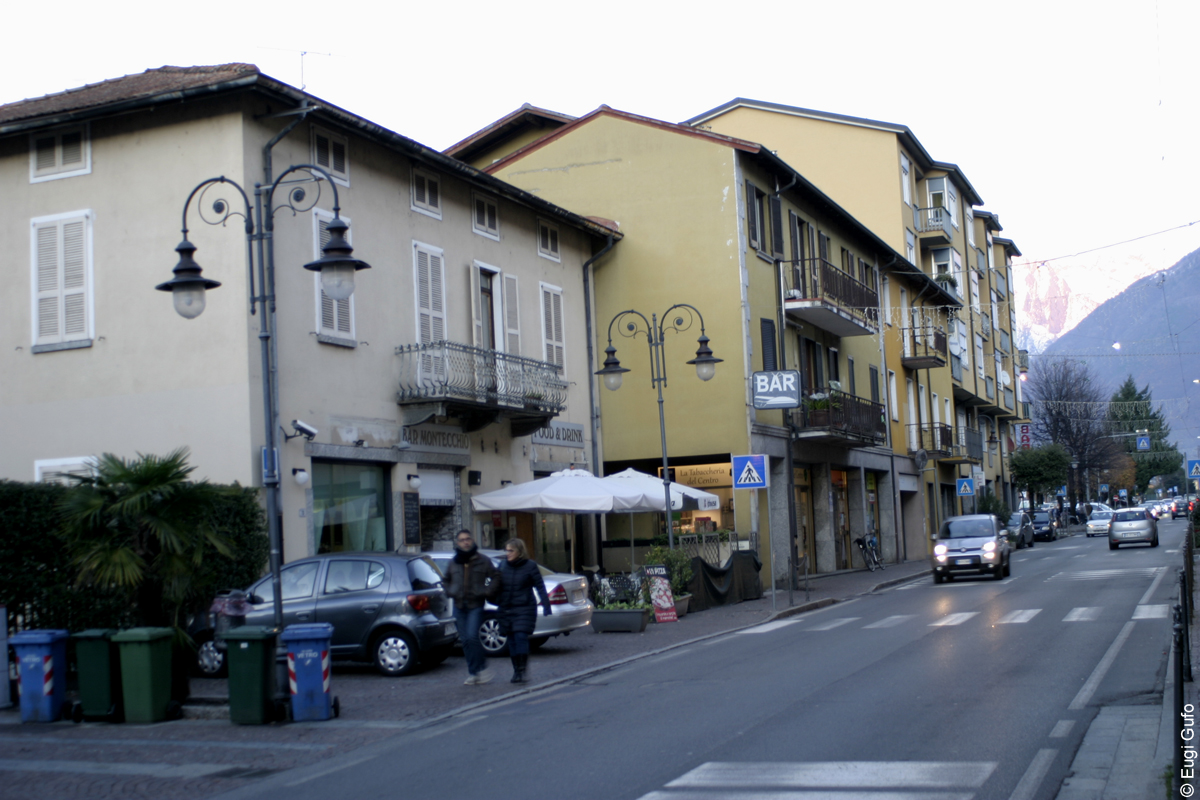
Among the older buildings, those with external balconies (ringhiera style) almost seemed the most interesting.
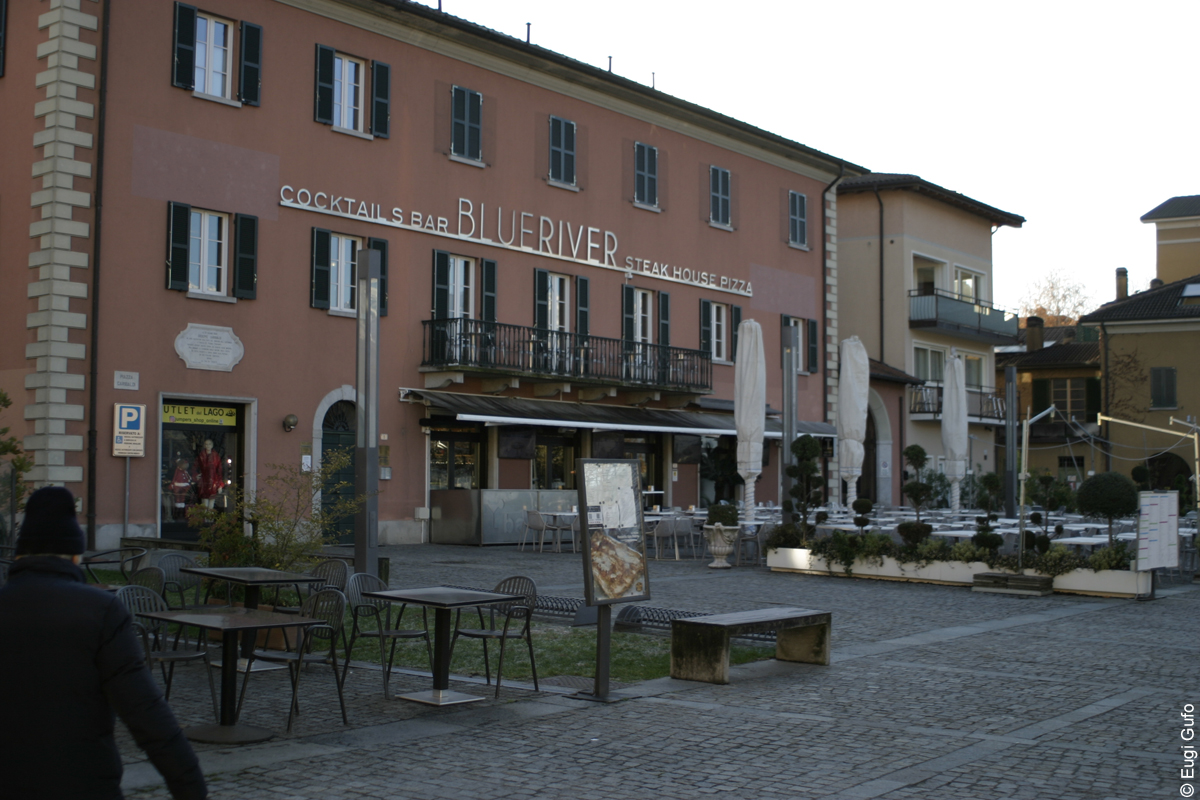
Not even along the lakeside promenade of Lake Como — typically the most tourist-oriented area in towns of this kind — was anything especially remarkable to be found. The «most beautiful» building would be this one:
Even the private boat dock is extremely small.
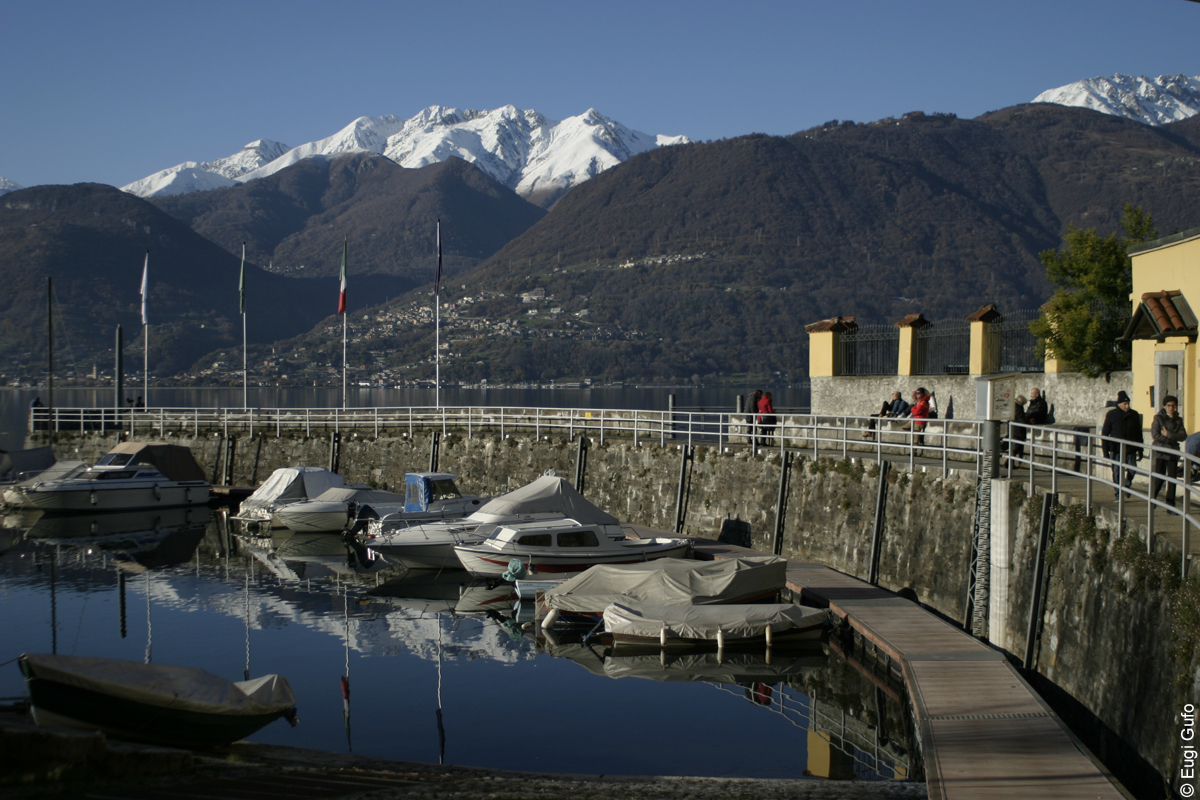
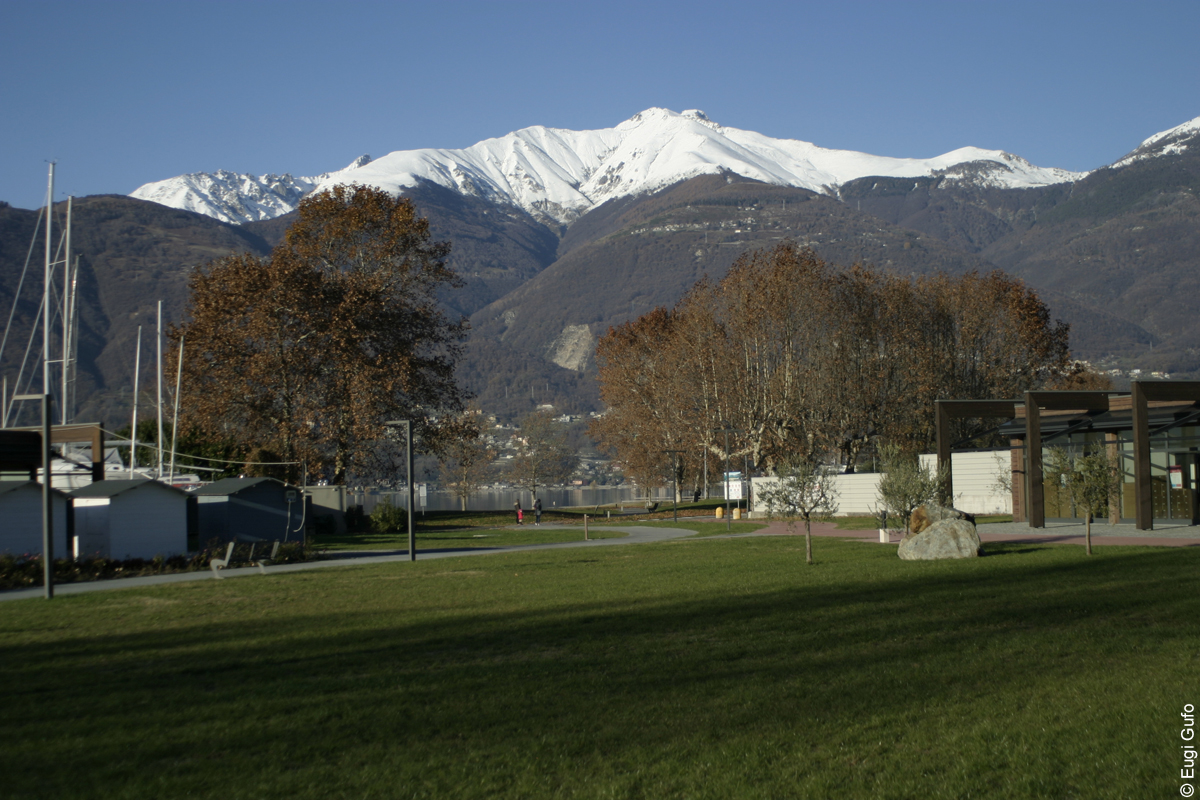
On the positive side, nearly the entire lakeside features a well-maintained lawn — in some stretches it begins to resemble a park. In spring and early autumn it must be a pleasant place to sit in the sun… says someone who maintains a relationship of mutual hostility (hahaha) with the summer sun.
As a smoker, I can also add that finding a trash bin along this same promenade is remarkably difficult. Benches, however, are plentiful.
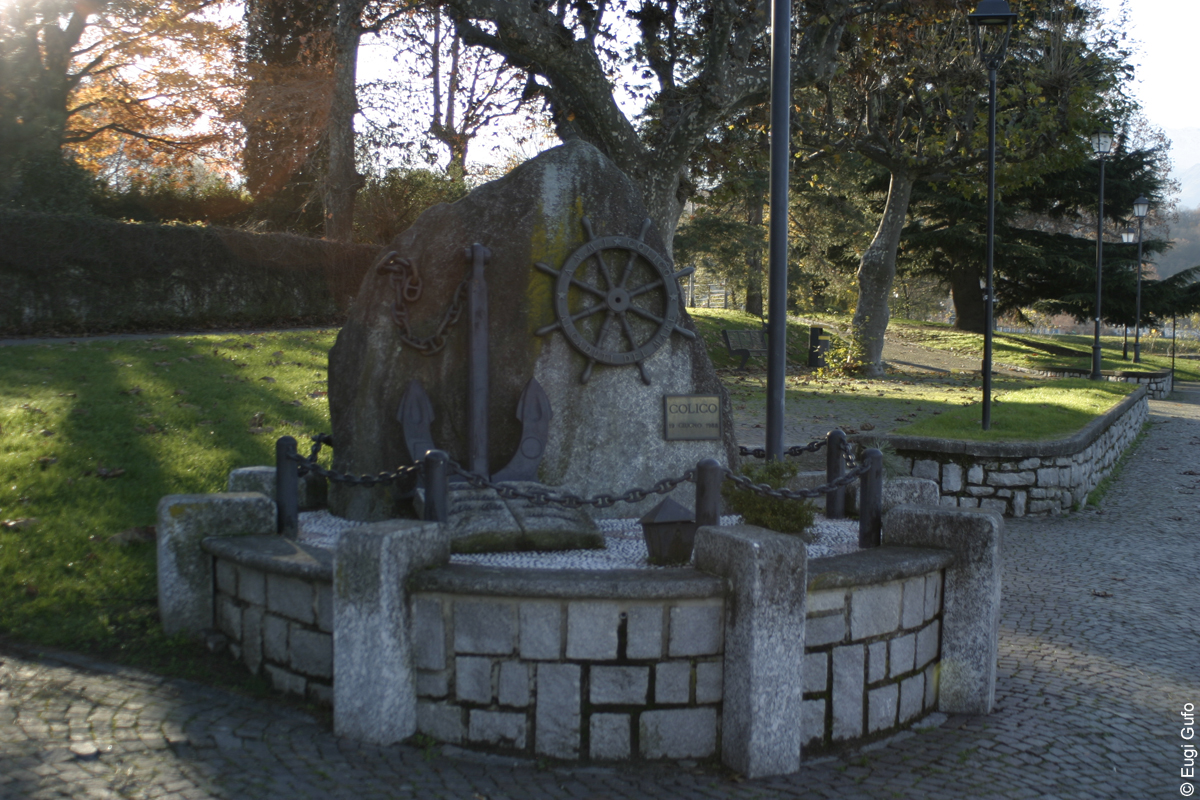
Having visited many Italian municipalities, I have often encountered monuments dedicated to sailors erected in places far removed from any water. In Colico, at least, there is a lake.
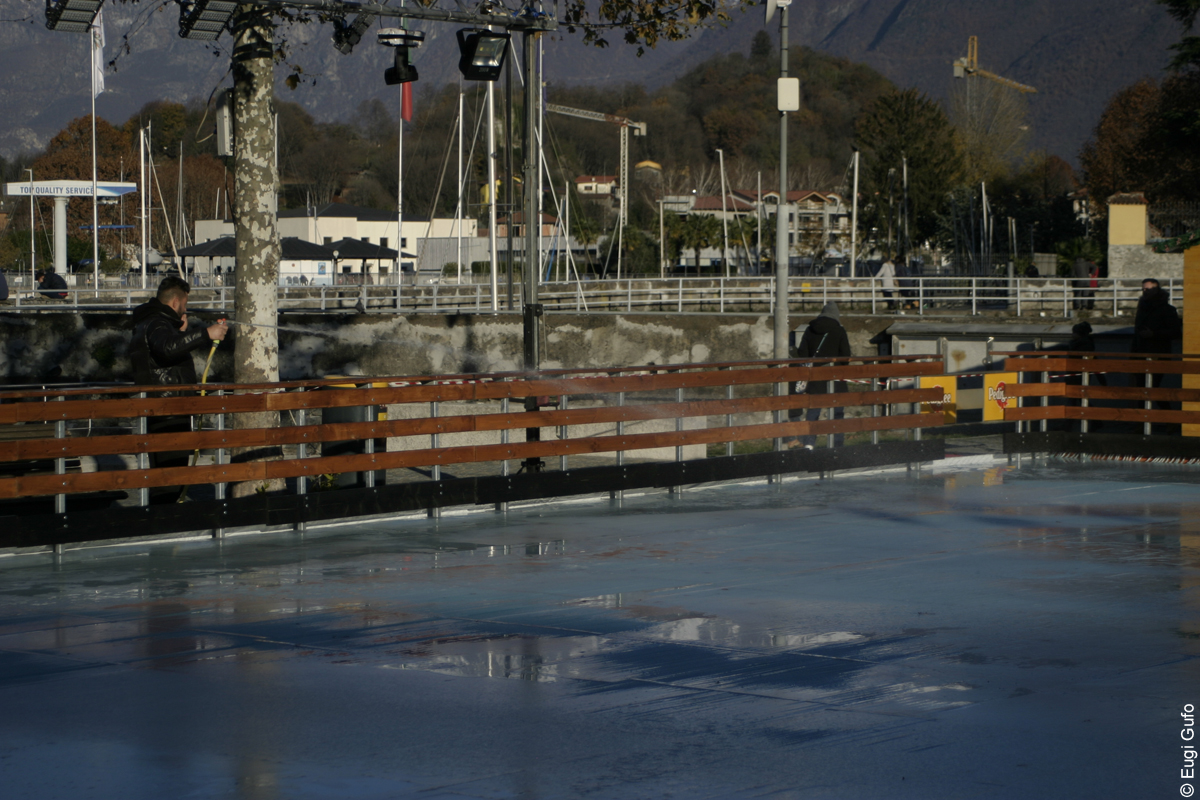
Still along the lakeside, I finally witnessed how an Italian skating rink is prepared: a gentleman with a hose spraying water over a surface cooled by generators.
But perhaps I should return to more interesting matters. Strangely, within Colico’s main settlement there are very few religious buildings — by Italian standards. The largest church is that of San Giorgio, built in the 20th century and artistically not particularly interesting (a fact unrelated to its century of construction).
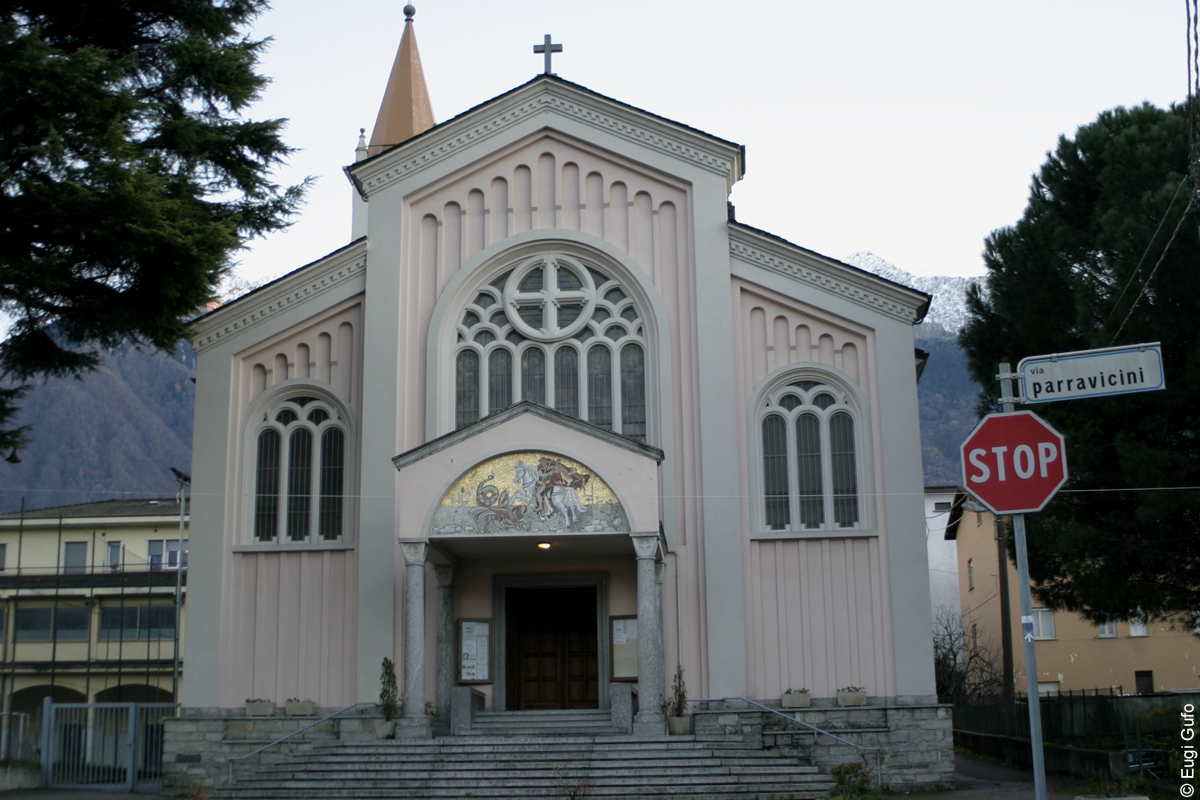
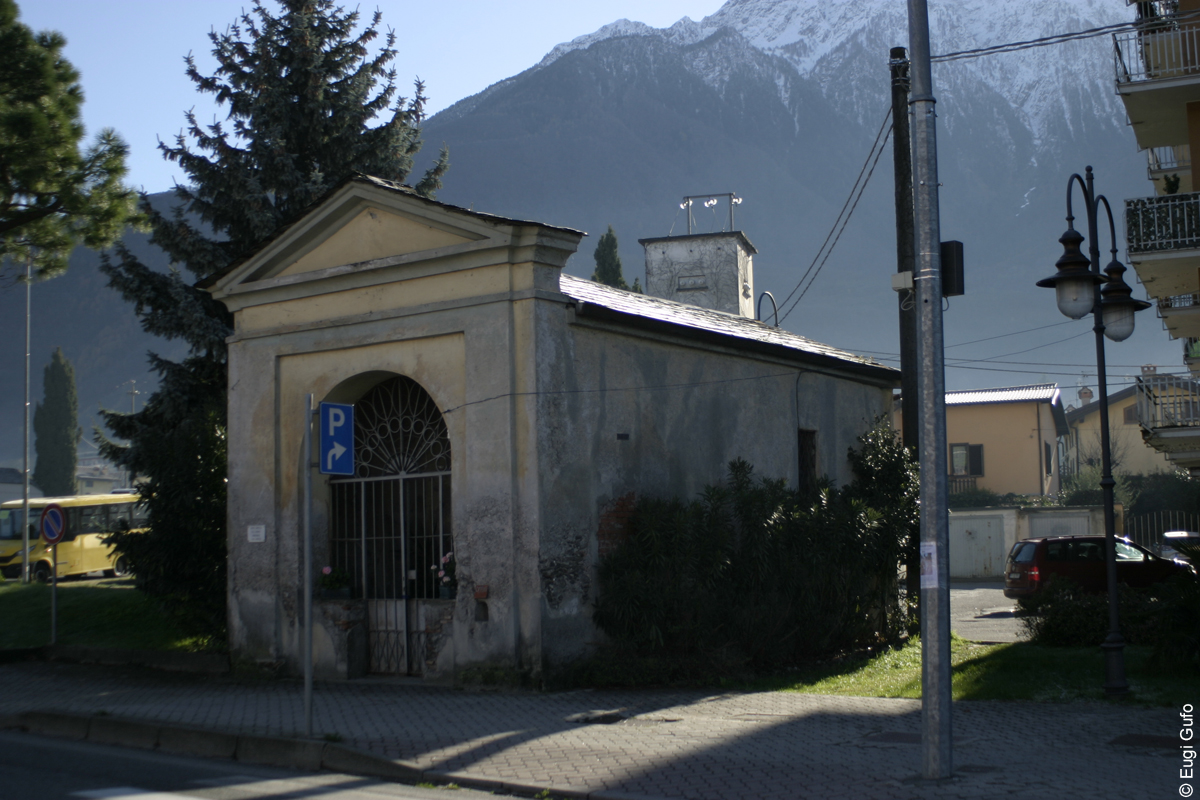
One could even argue that this chapel — also dedicated to San Giorgio — is decidedly more interesting (despite the presence of an utterly pointless and rather silly sign on its façade).
At this point I must reveal my great discovery: all the most beautiful and interesting things in Colico are located outside the main settlement.
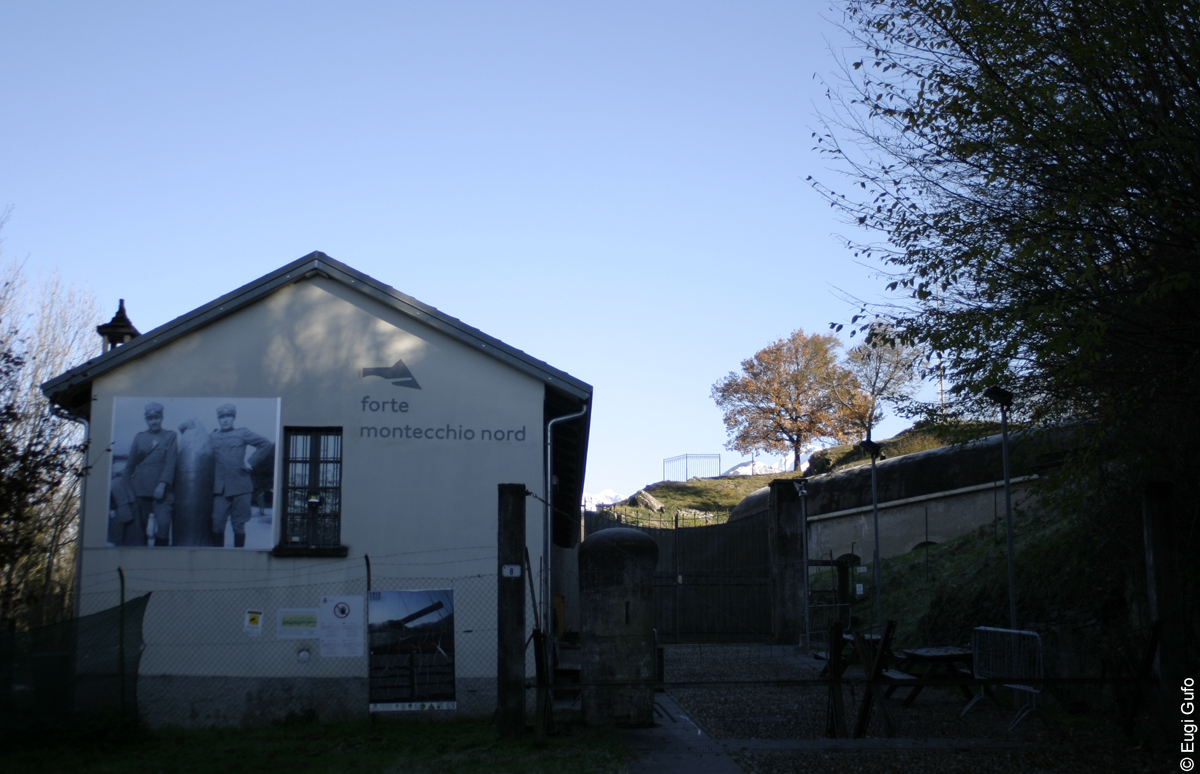
Before visiting Colico in person, I knew only of the existence of Forte Montecchio Nord: the only Italian military fort from the First World War preserved without alterations to its original functional and aesthetic appearance. Yes — cannons included. The easiest period for visiting runs from June to September; at other times, advance booking is required. I am indeed considering returning one summer (or perhaps spring?) to properly explore the external fortifications as well.
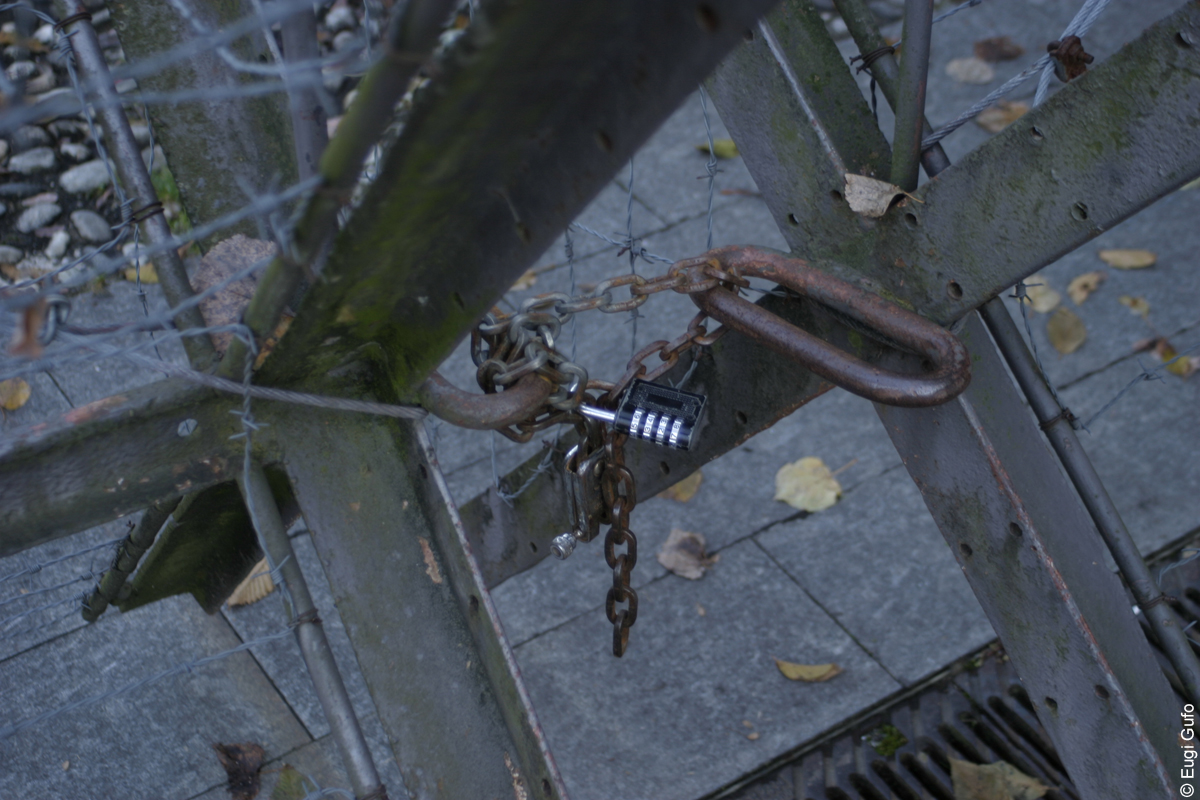
In winter, however, the barbed-wire gates blocking access to the fort’s grounds are secured in an almost hyper-secure manner. Early 20th-century military engineers would envy today’s technology.
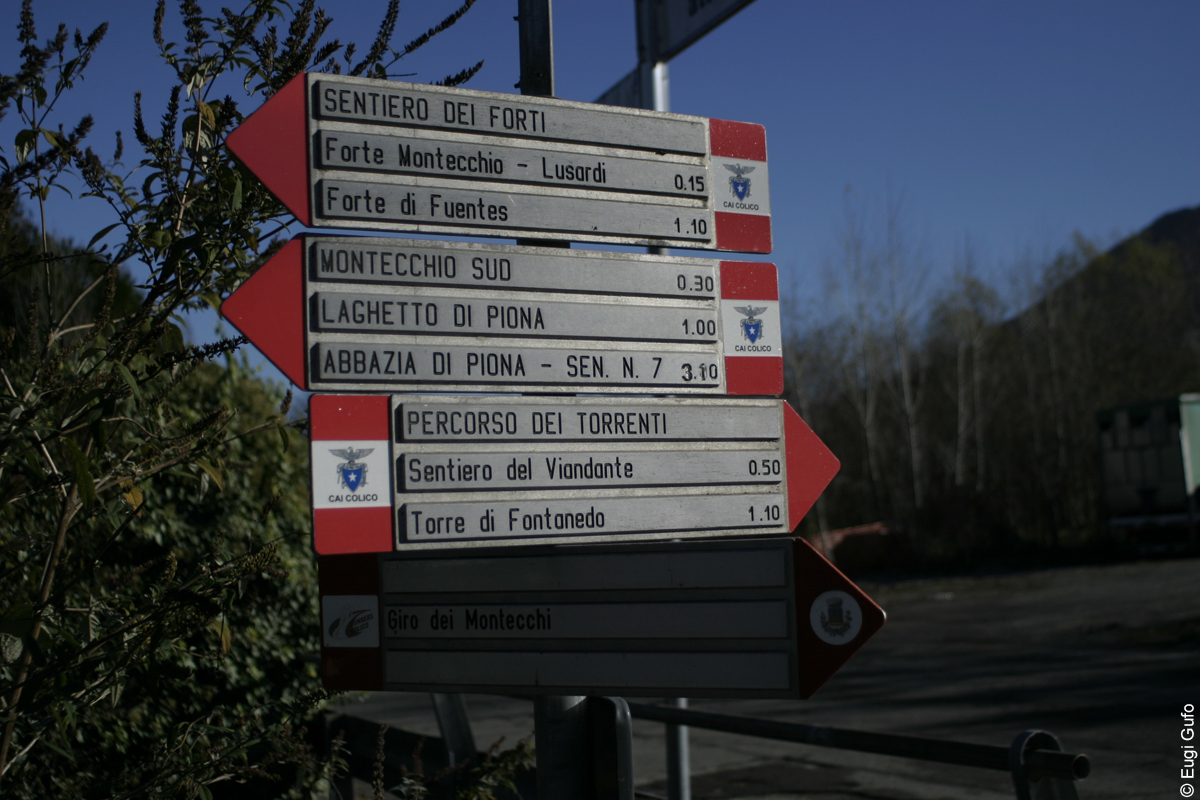
The path from the town centre to the fort is short and easily walkable. After passing the locked entrance, I decided to follow a short semicircular trail in order to re-enter the town from a different point.
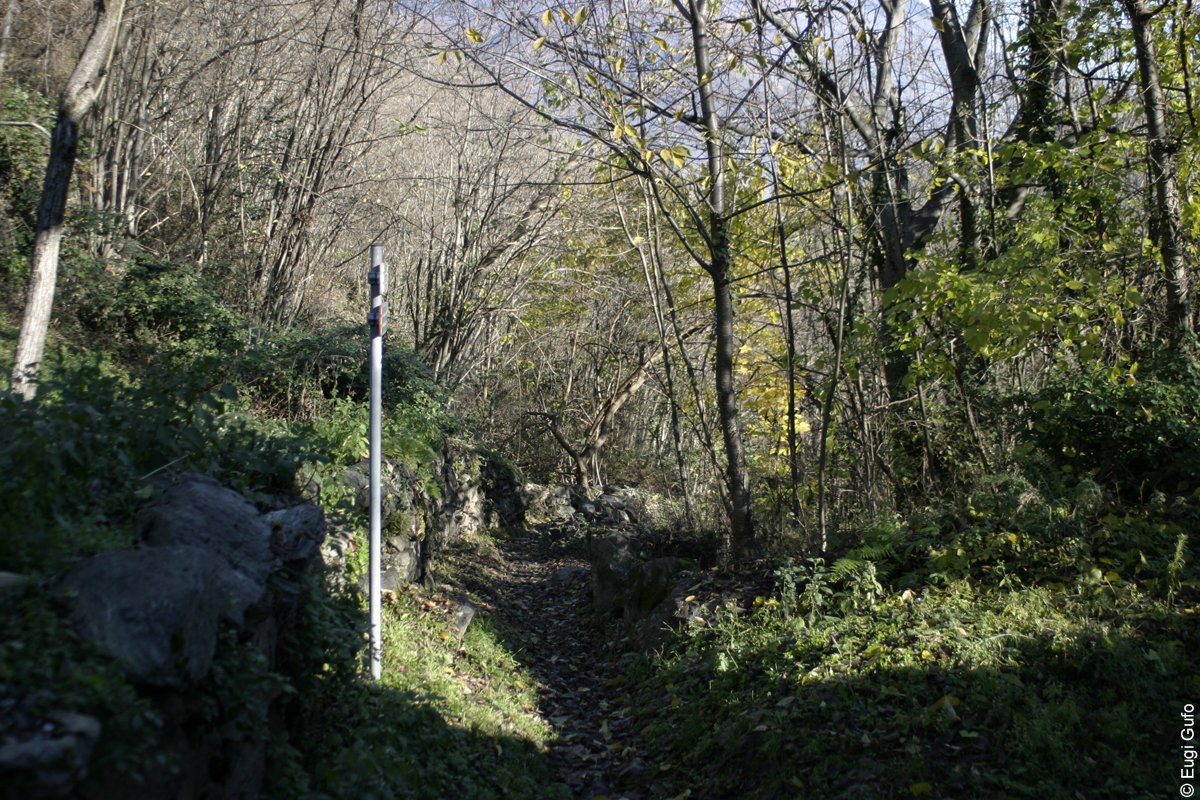
It proved to be an excellent choice, as the trails were beautiful from several perspectives. For example, from a naturalistic one:
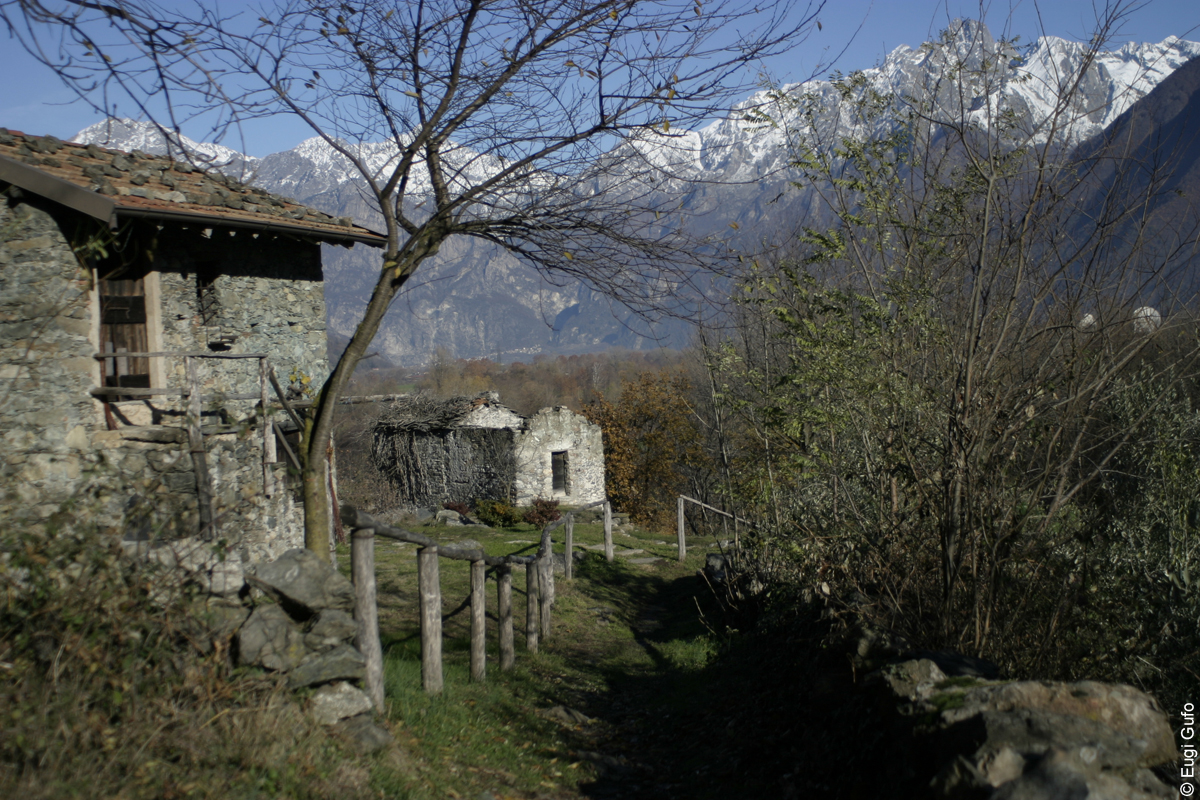
But also from a landscape perspective:
Moreover, the path allowed me to pass through some very small (yet charming) hamlets of Colico…

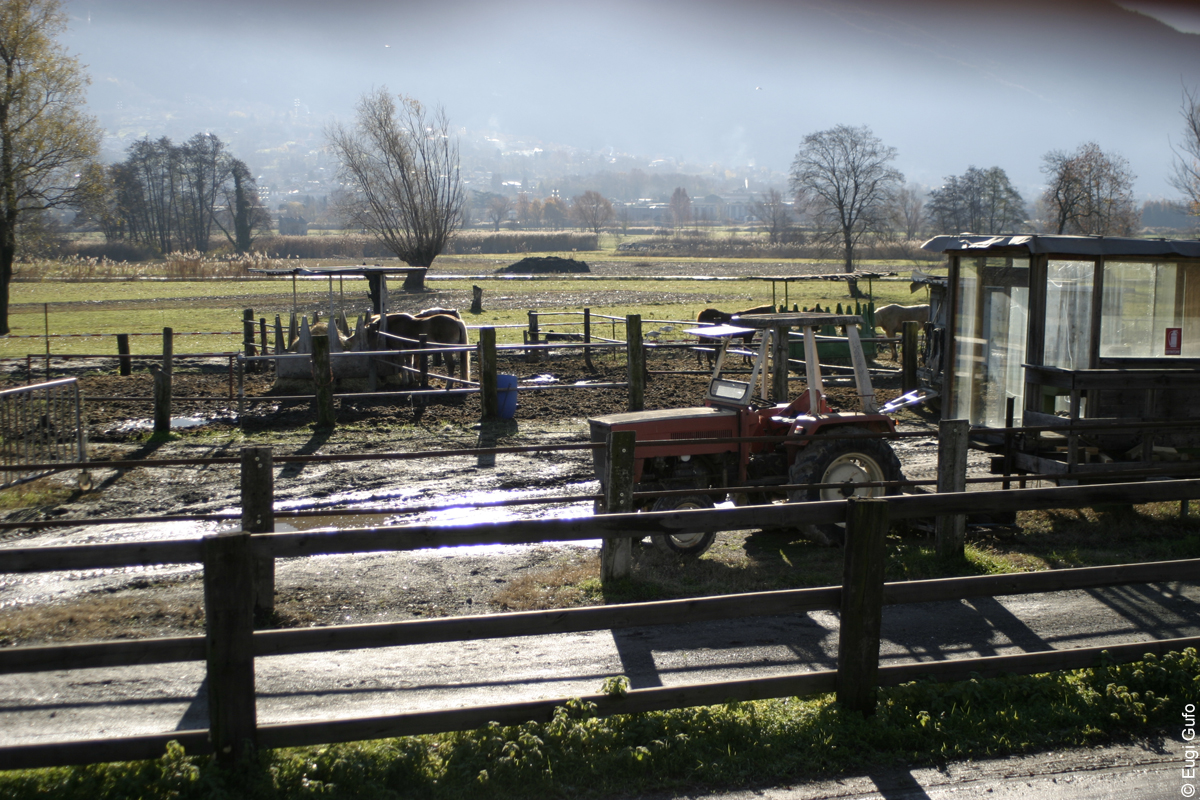
… and to discover that the town is surrounded by tiny — yet apparently interesting — agricultural activities.
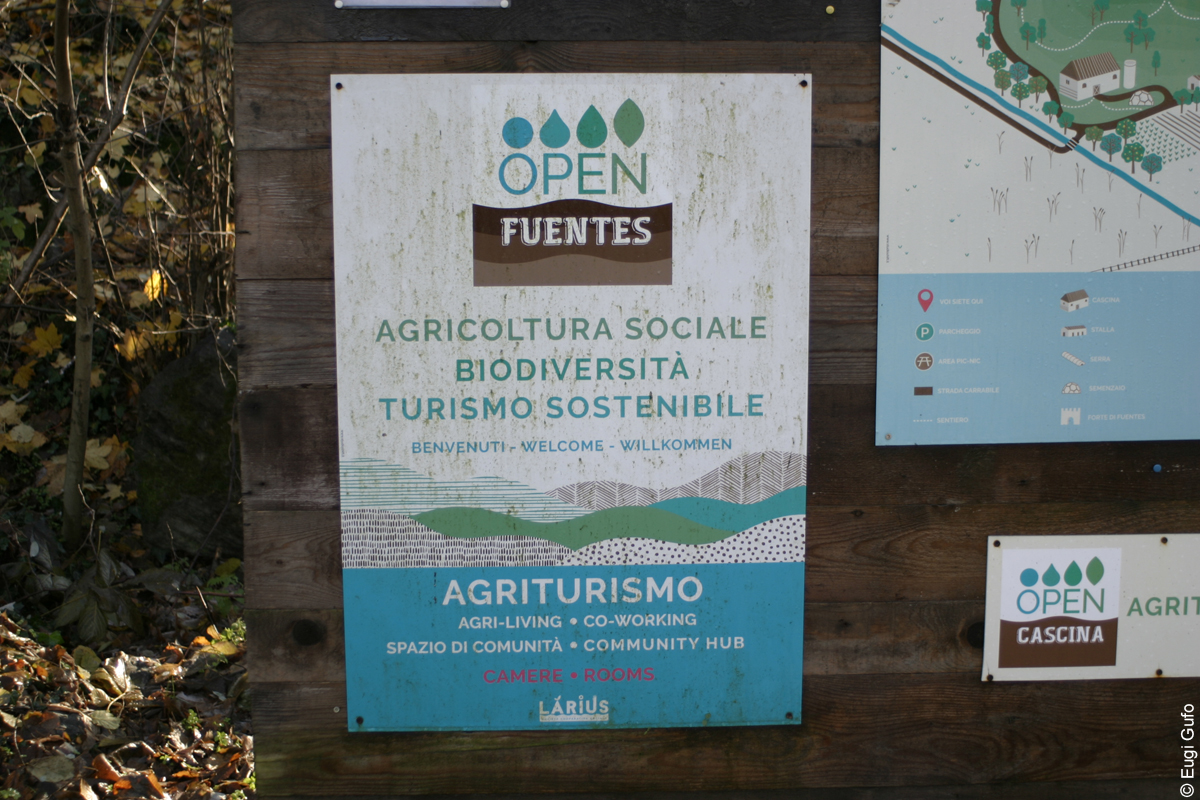
The owners (or managers?) of one of these enterprises, in particular, have clearly grasped the Great Secret of Marketing: advertisements must contain as many fashionable buzzwords as possible.
And now we approach Colico again. The lake reappears… Ah no, that is merely my new visual interpretation of the expression «at the end of the world.»
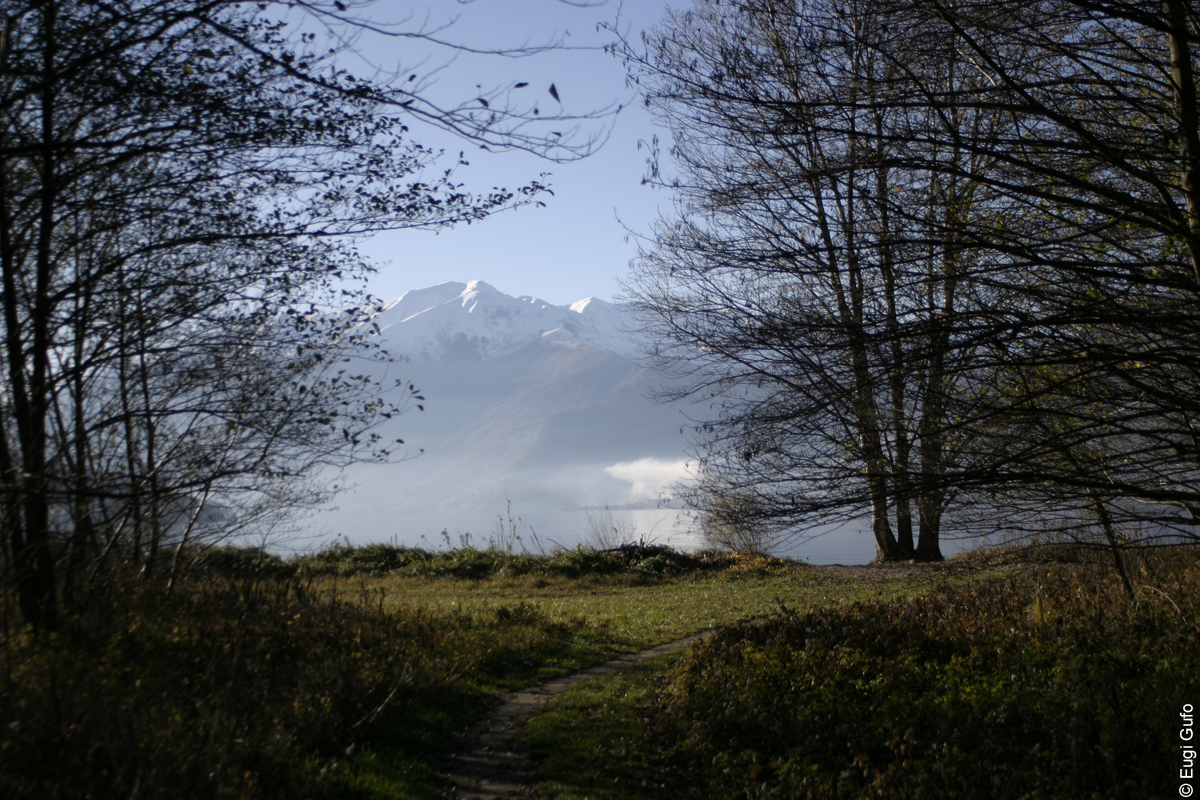
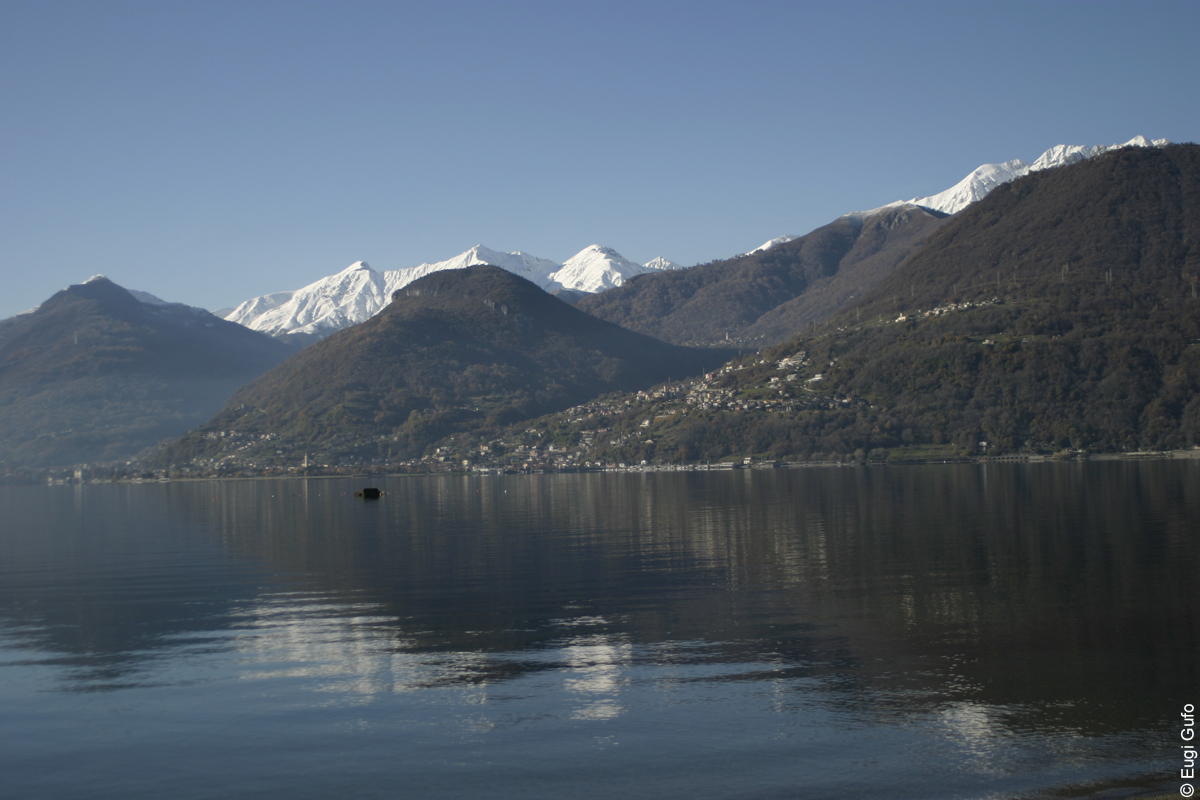
The actual lake is this:
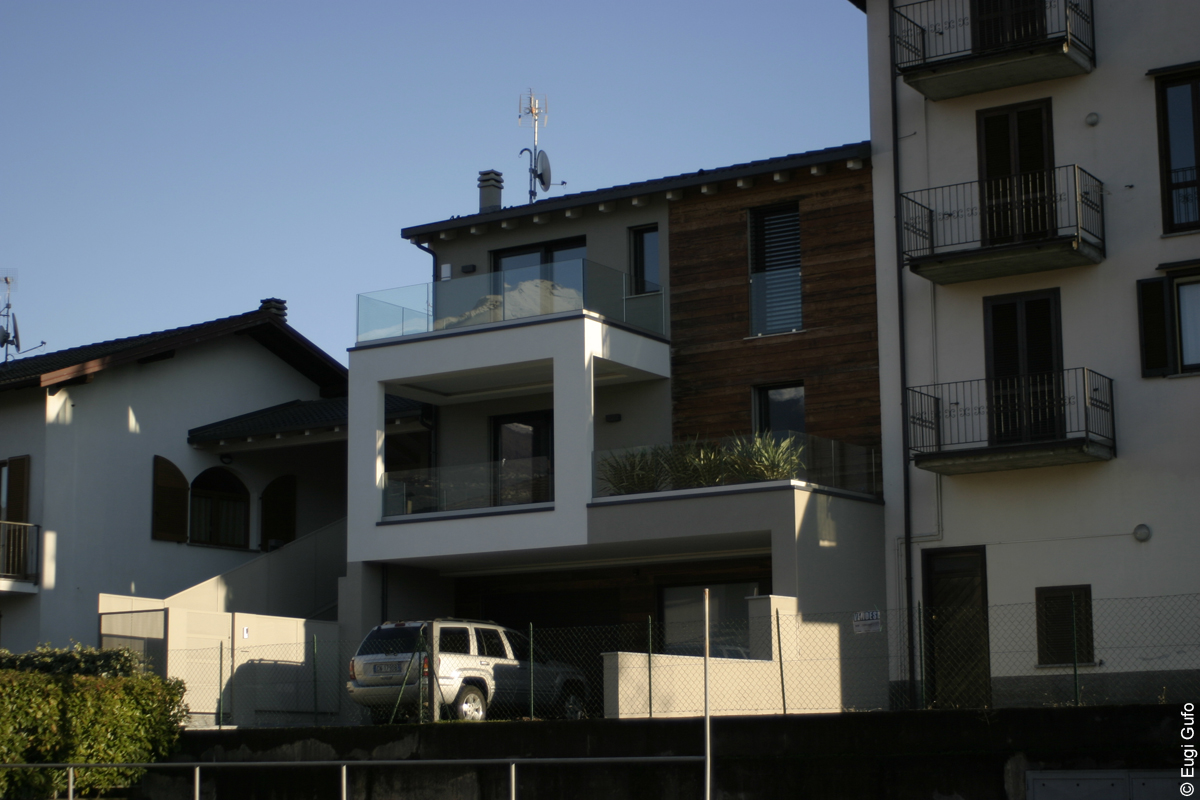
Back in Colico, let us examine one of its larger hamlets: Villatico, physically attached to the main settlement. It begins with some interesting modern architecture (finally!).
Then continues with older architecture that, in this specific case, is somewhat less interesting…
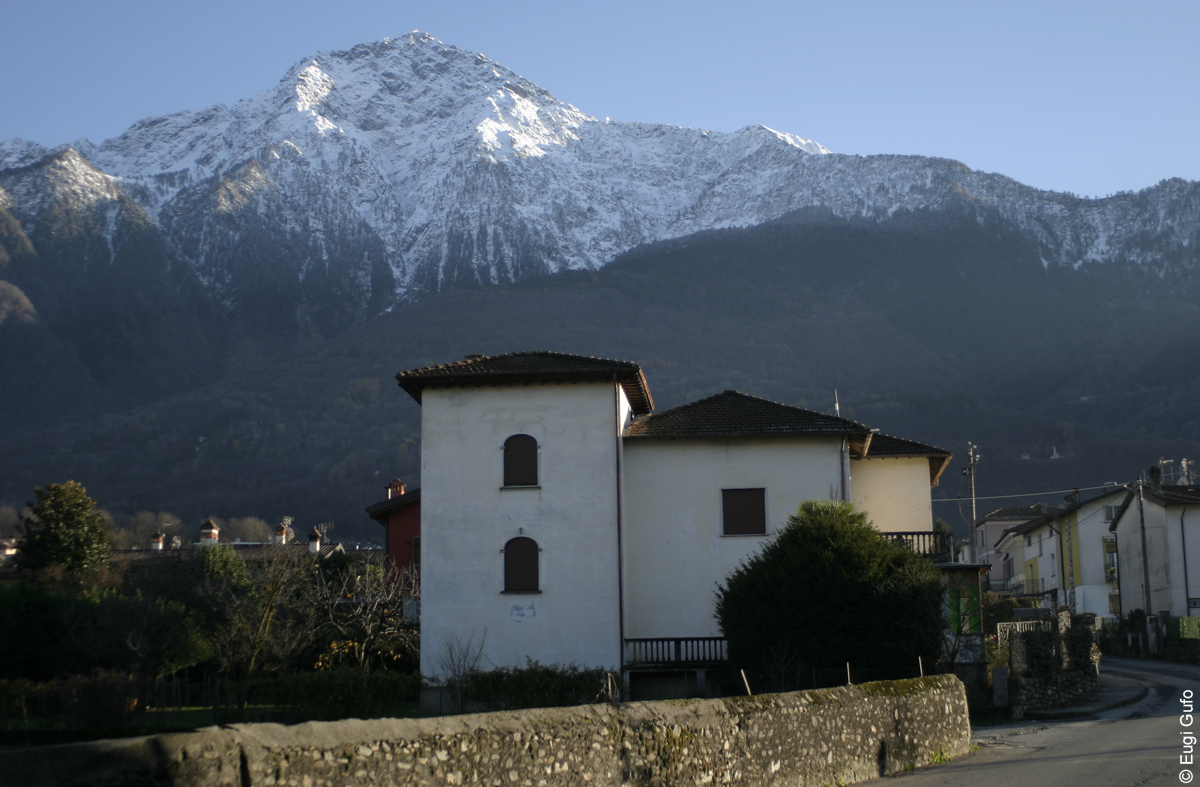
… before stabilising at a reasonably good level.

According to certain road signs, some ancient mills should also be present within this hamlet. In practice, however, those signs are positioned so poorly — at least from a pedestrian’s perspective — that I managed to find only one mill. And without a small informational sign placed at the beginning of a side street, I would never have guessed that the private house in the middle of private land had once been a mill.
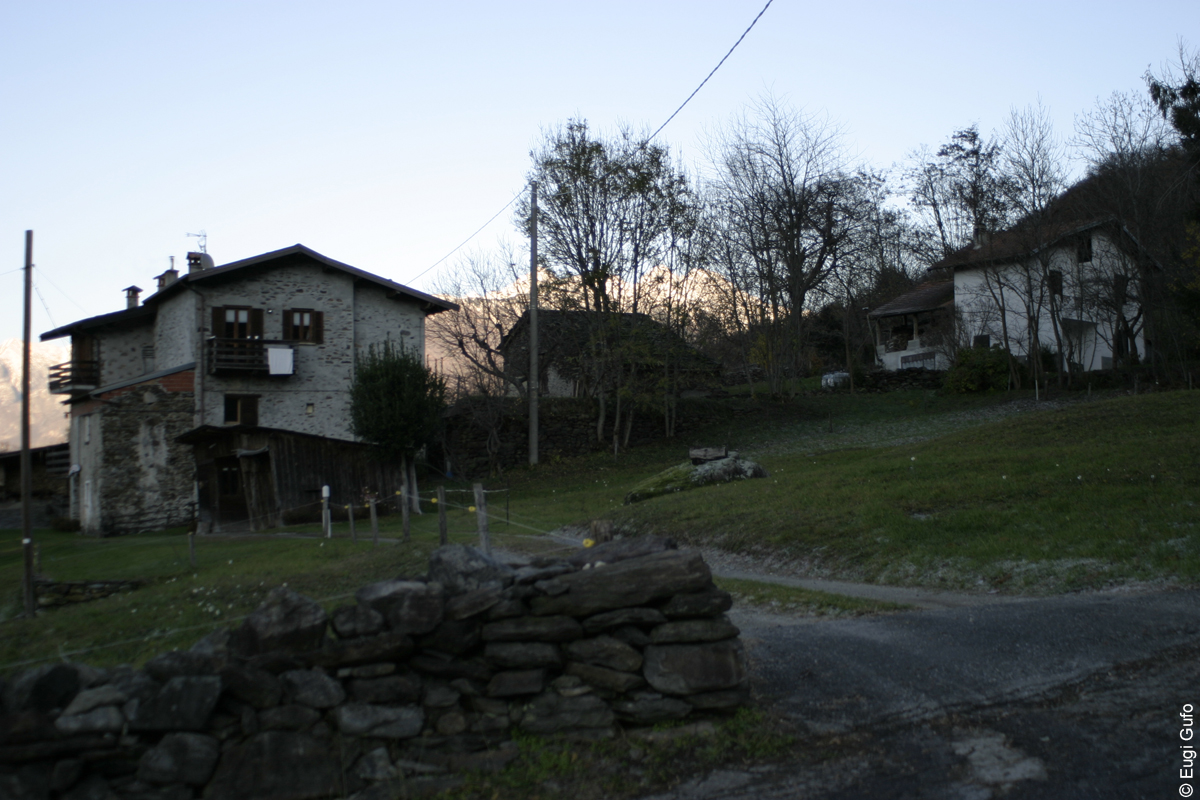
Consequently, lovers of careful study of ancient architecture must content themselves with the Church of San Bernardino (probably built in the 13th century).
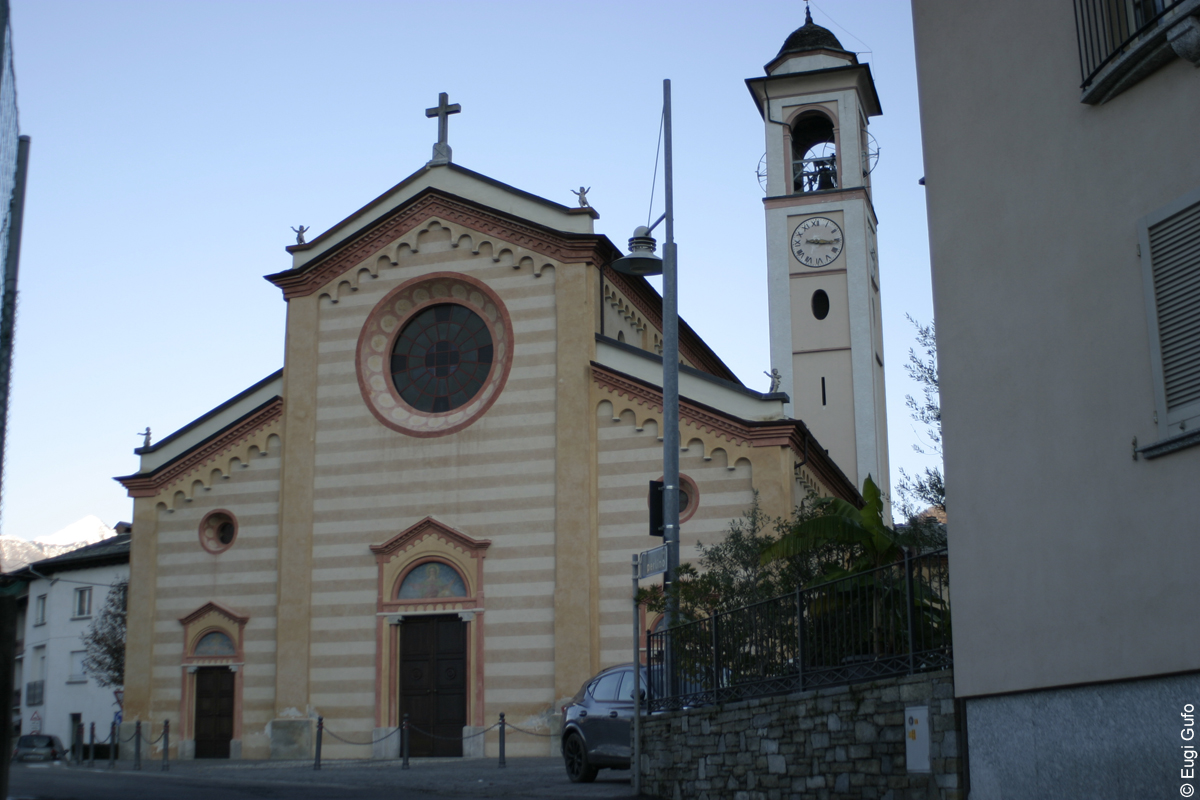
Or attempt to imagine what Colico — with all its hamlets — might look like if it were maintained just a little better by residents and individual property owners.

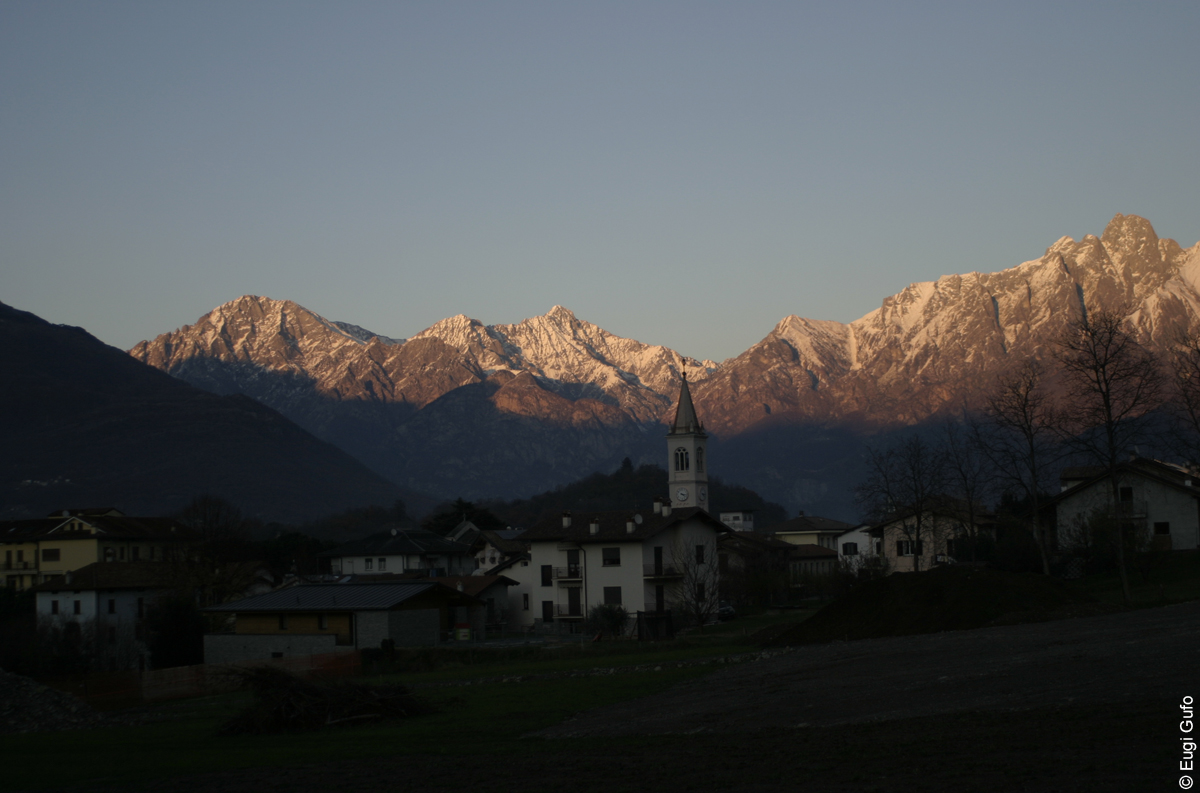
For now, it seems beautiful only from afar.
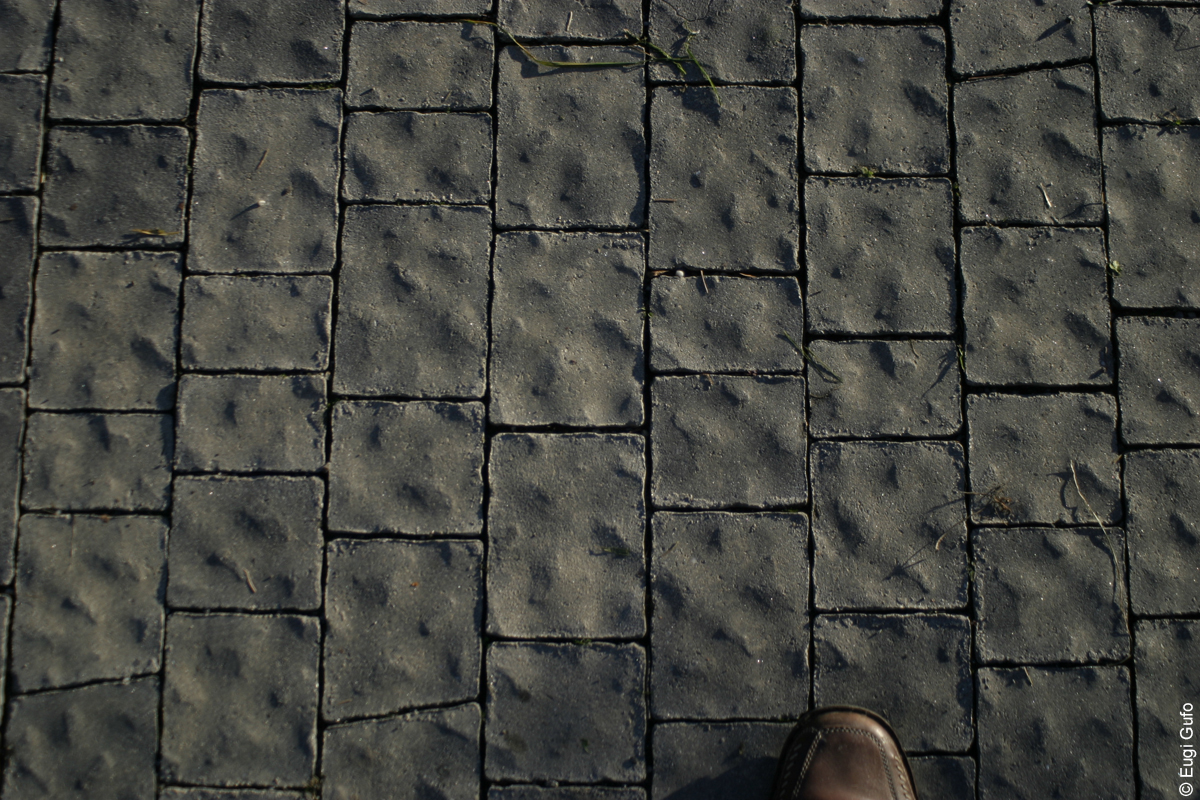
As for interesting close-up details, only a few remain to be mentioned. For example: why is it only in Colico that I have encountered this anti-slip sidewalk paving? In winter it would be extremely useful in many cities.
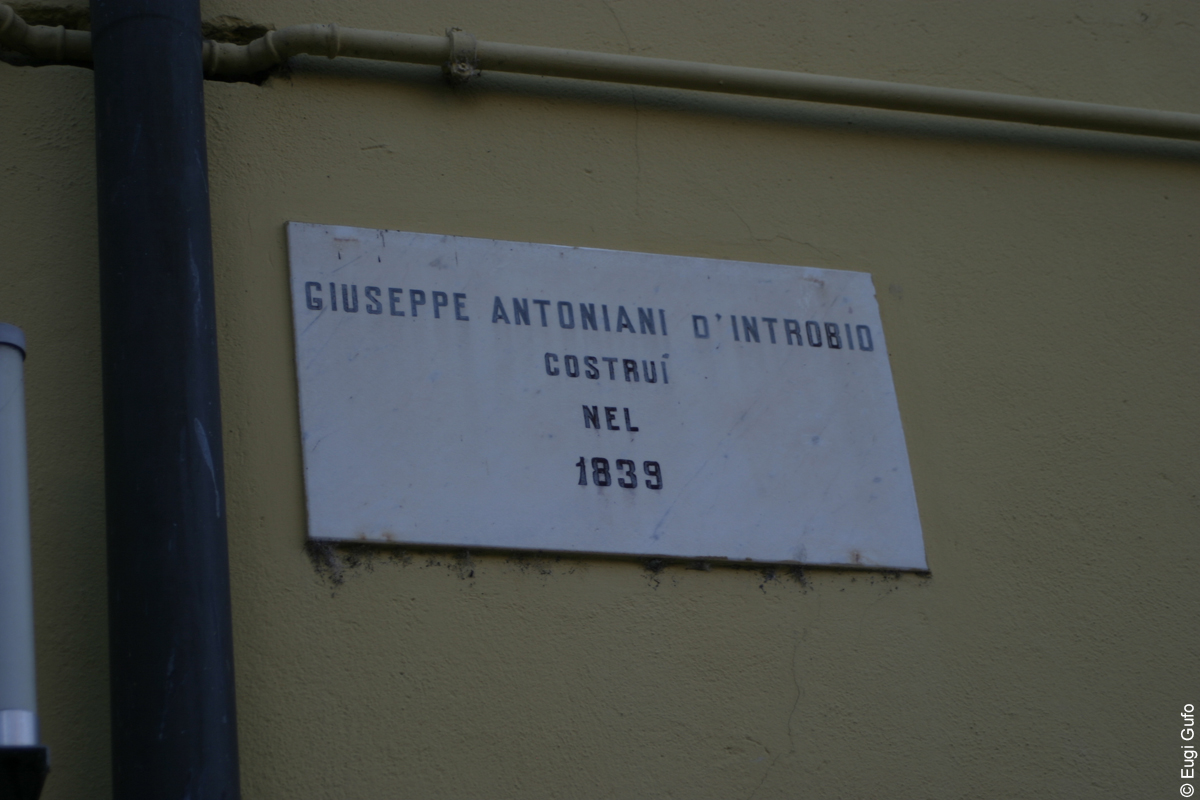
Street name plaques are somewhat poor…
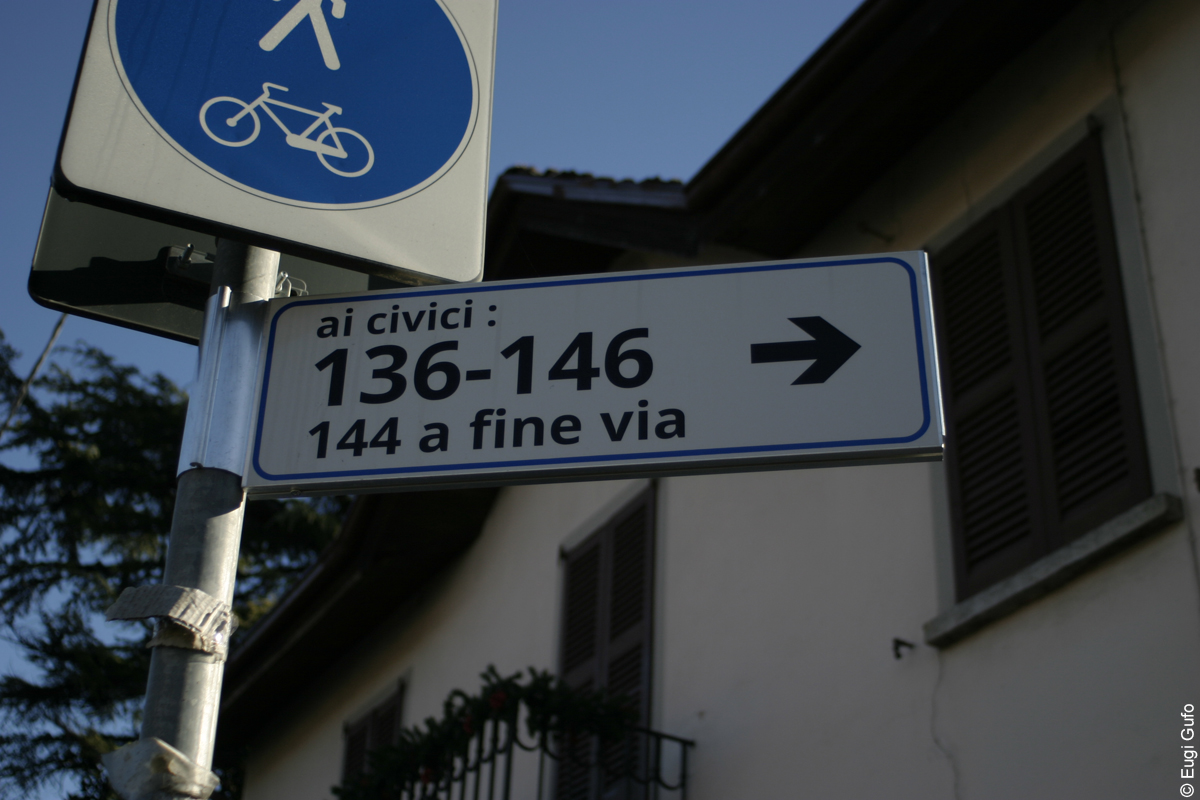
Whereas the house number indicators, though not particularly original, represent a rare example of practical usefulness in our imperfect world.
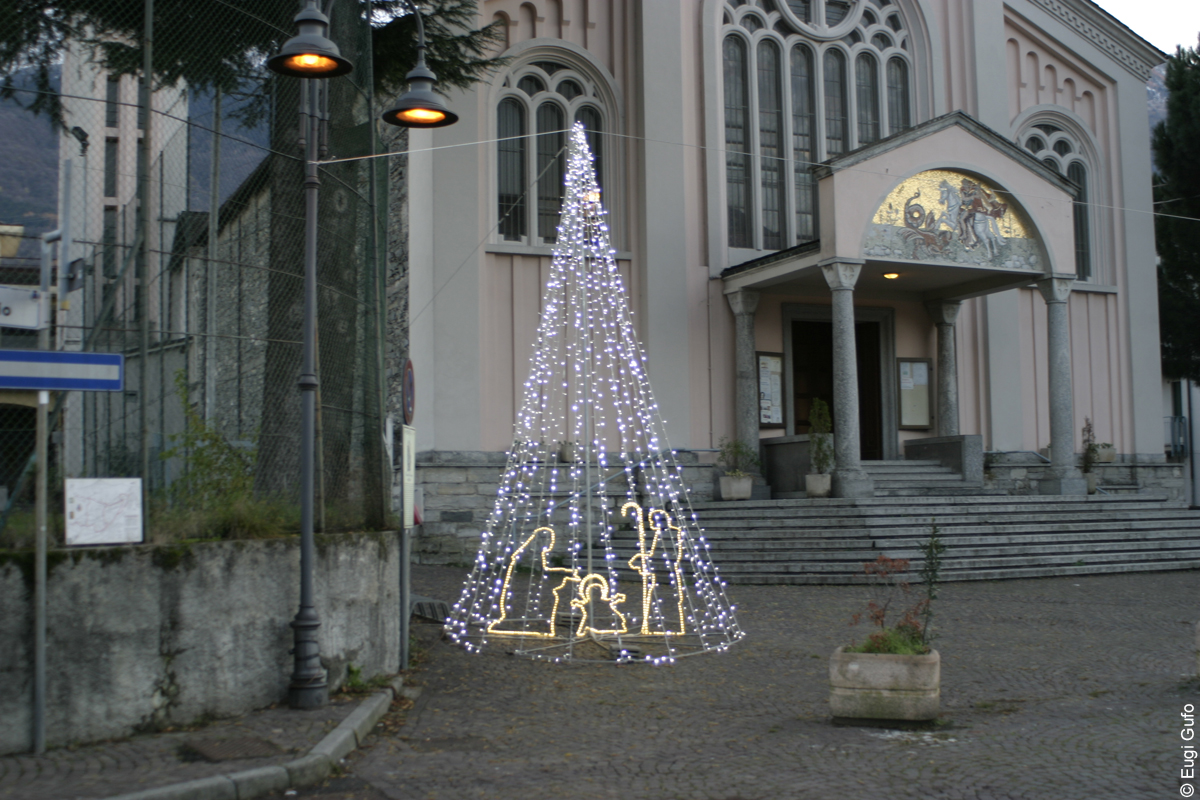
Municipal Christmas decorations are, unfortunately and inexplicably, identical throughout the entire territory of Colico. They are also fairly minimalist — perhaps due to the current energy situation (even in Milan, for Christmas 2022, I noticed far fewer lights than usual).
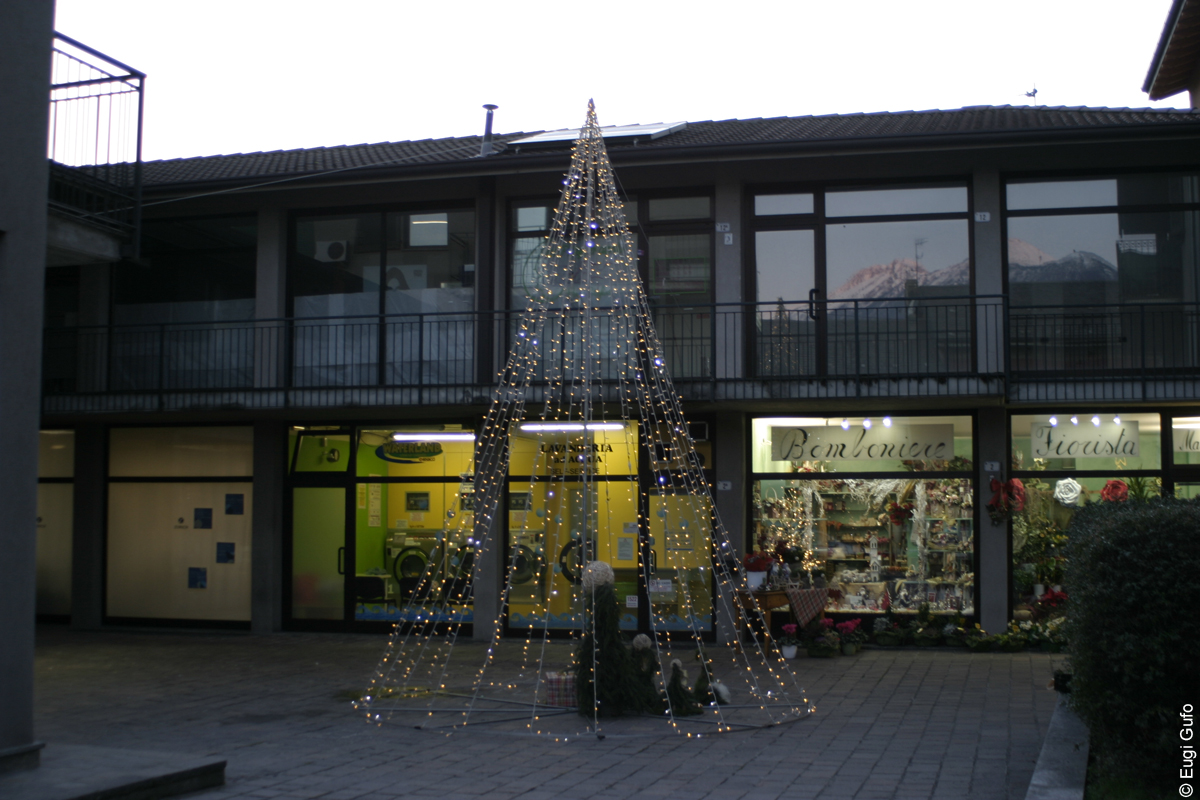
Only some private individuals and businesses attempt to create something different.
At Colico’s railway station, however, one finds a fine commemorative plaque produced in two languages with almost identical text.
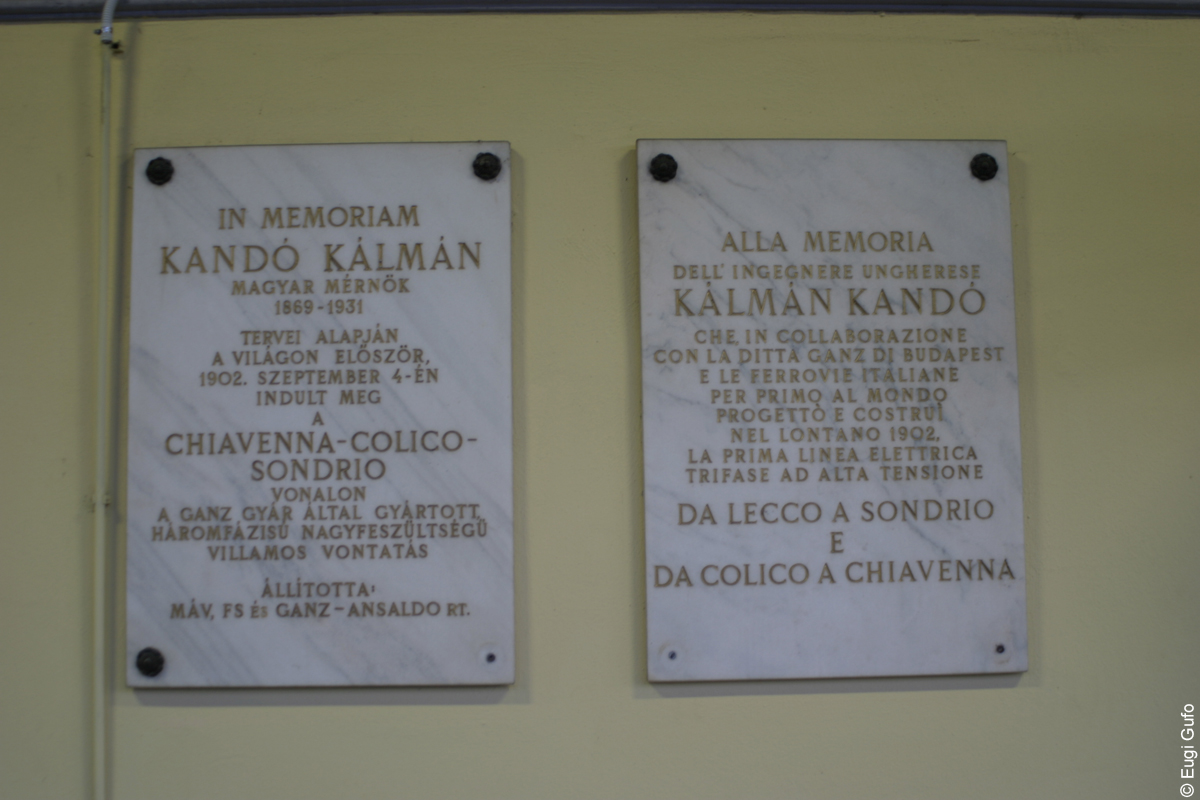
Ah — here we are again at the station. At this point, we depart for Milan.
I now know that unless there exists some secret portion of Colico carefully hidden from tourists, the town offers almost everything — except architectural masterpieces.
Colico, 7 December 2022
↓ Show comments ↓

