


 Long live Ukraine! Fuck the war!
 RSS of site articles
Clusone, a municipality located in the north-eastern part of the province of Bergamo, is so extensive and so charming that it really ought to qualify as a small city. Formally, however, it remains «just» a town — and that is probably why it is not particularly well-known (or seriously considered) by potential tourists who might have appreciated it from several different angles.
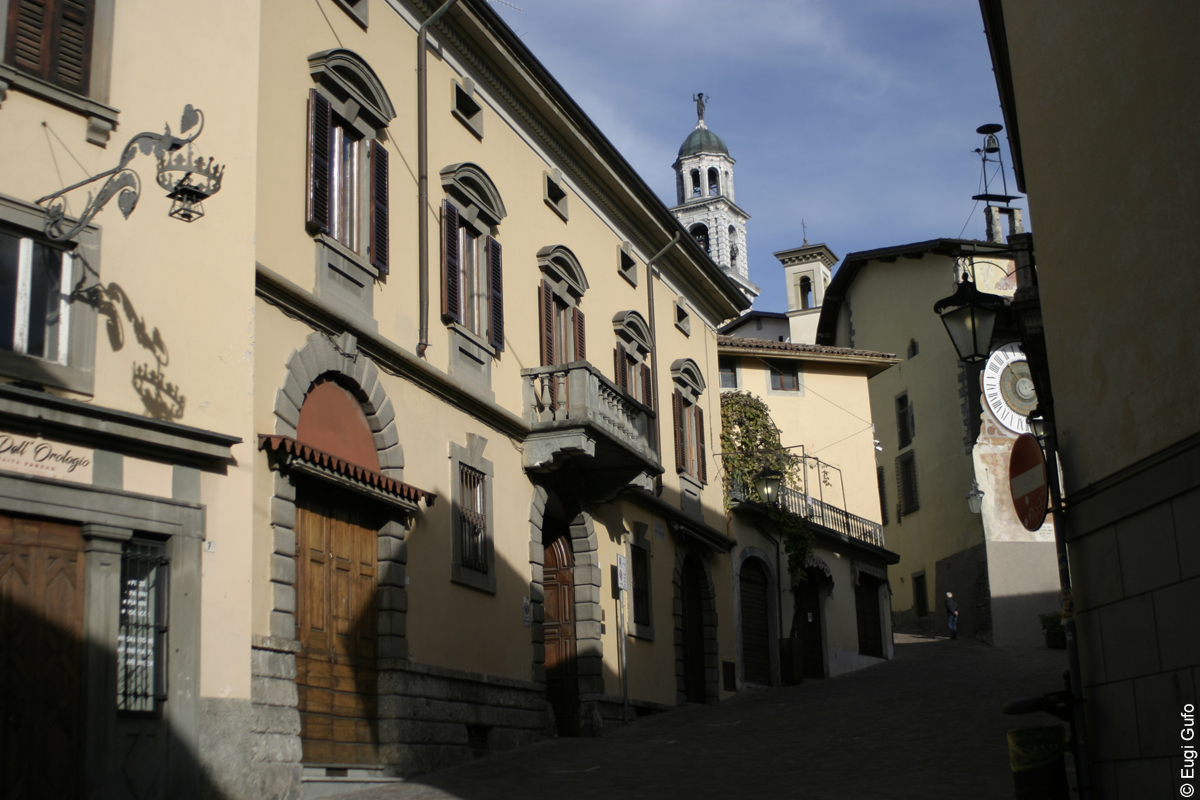
The historic centre of Clusone, for example, is delightful even when explored without any plan whatsoever, simply wandering through its numerous streets — wide and less wide.
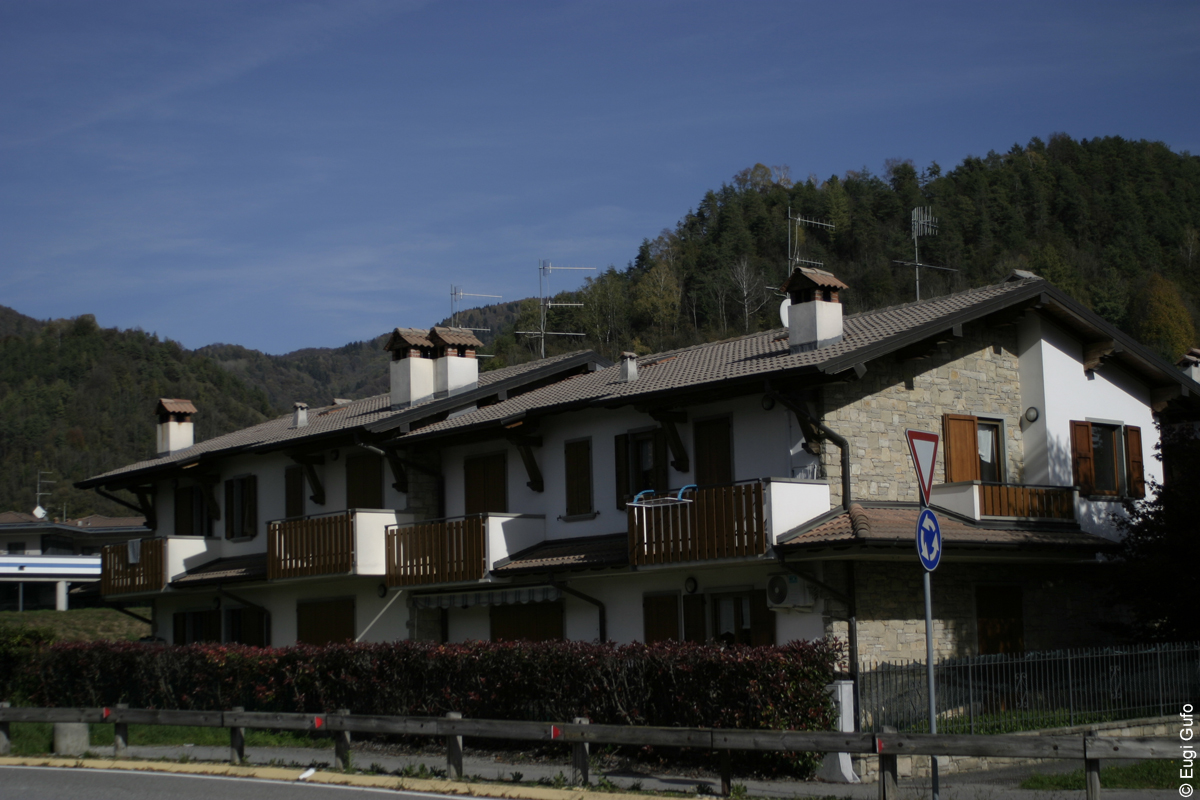
The modern architecture in the outskirts is often aesthetically pleasing as well, though — for my personal taste — it is best contemplated in small doses (and I would write this about any suburb, not only Clusone’s).
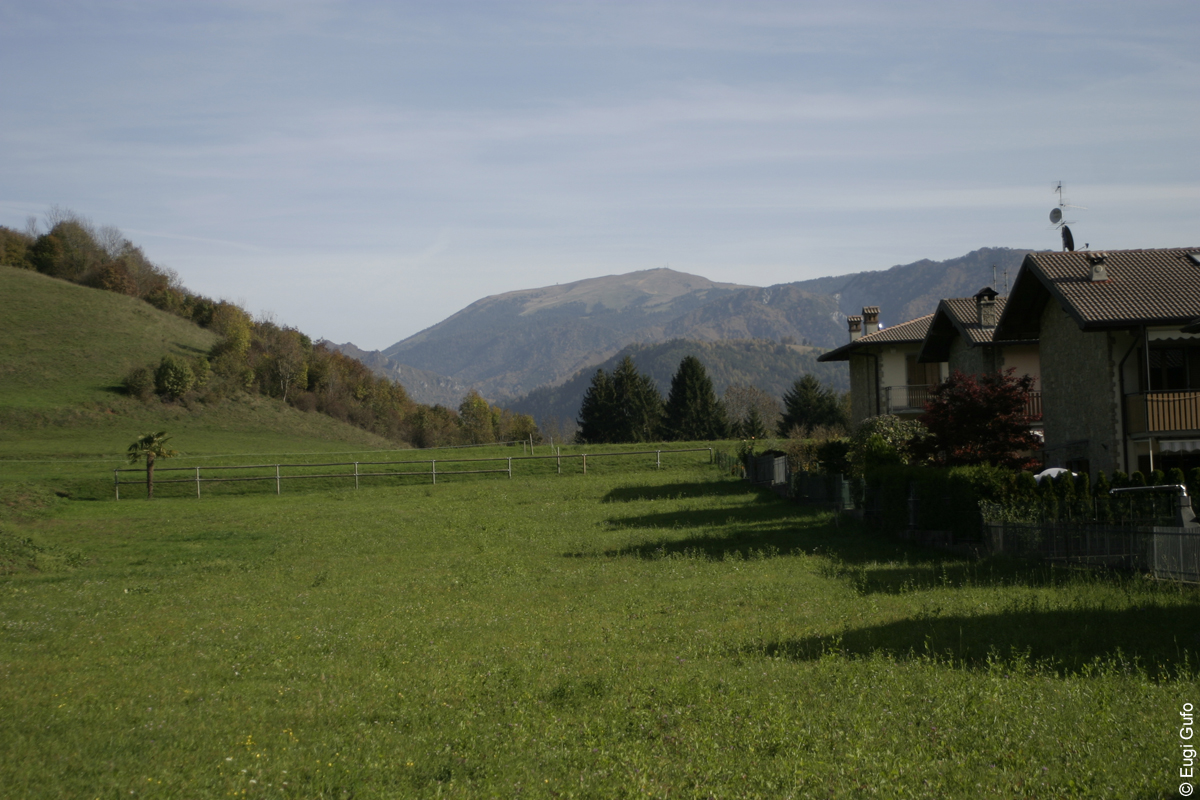
The truly interesting aspect of Clusone’s outskirts, however, is the view that opens up immediately after the last private houses.
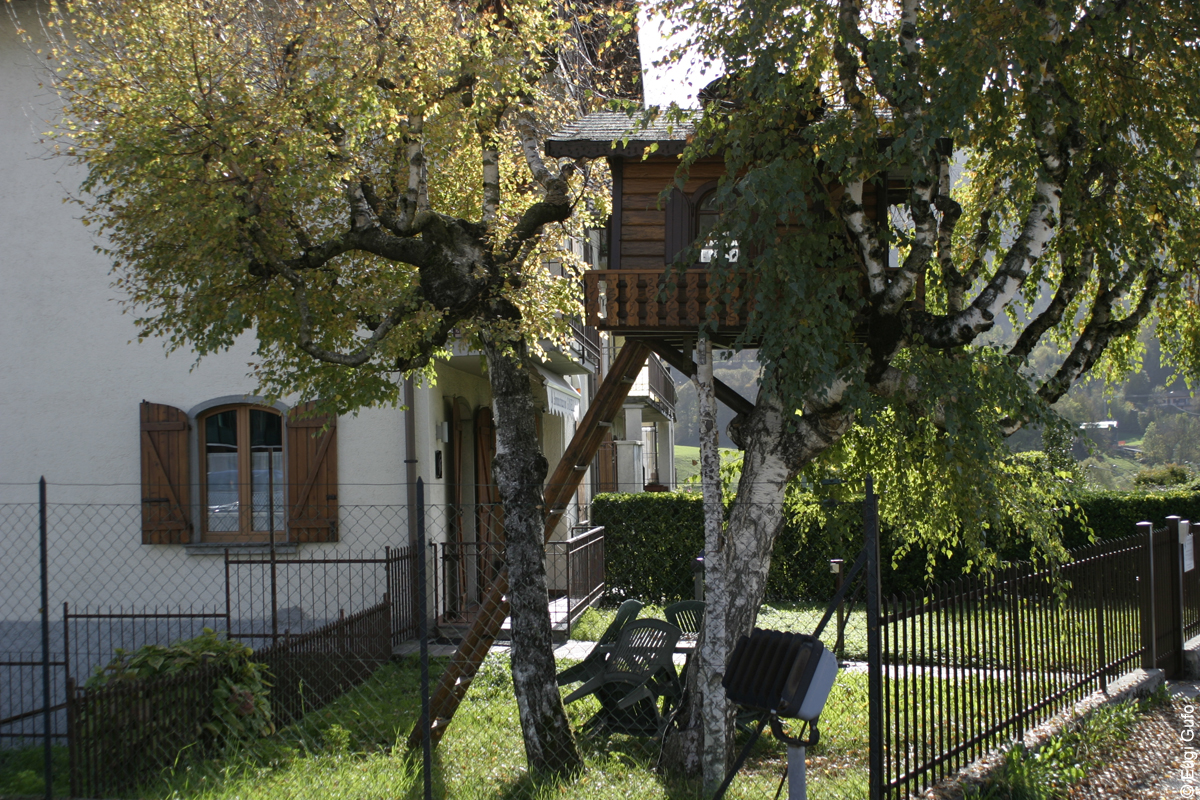
Living in a private house with a garden on the edge of town allows one not only to contemplate such views but also to create something pleasantly unusual for children.
Even Clusone’s former residents have earned themselves a calming environment.
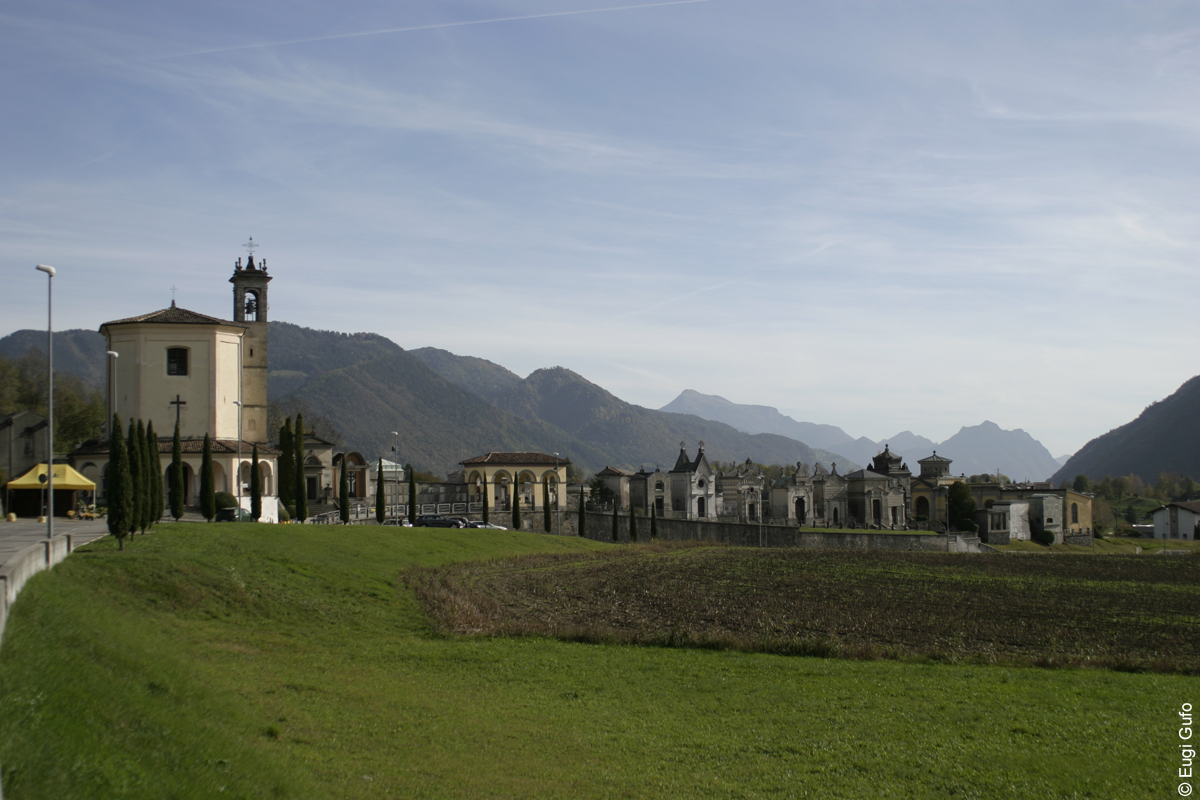
But let us return to the centre, where there are many beautiful — and considerably more cheerful — things to see.
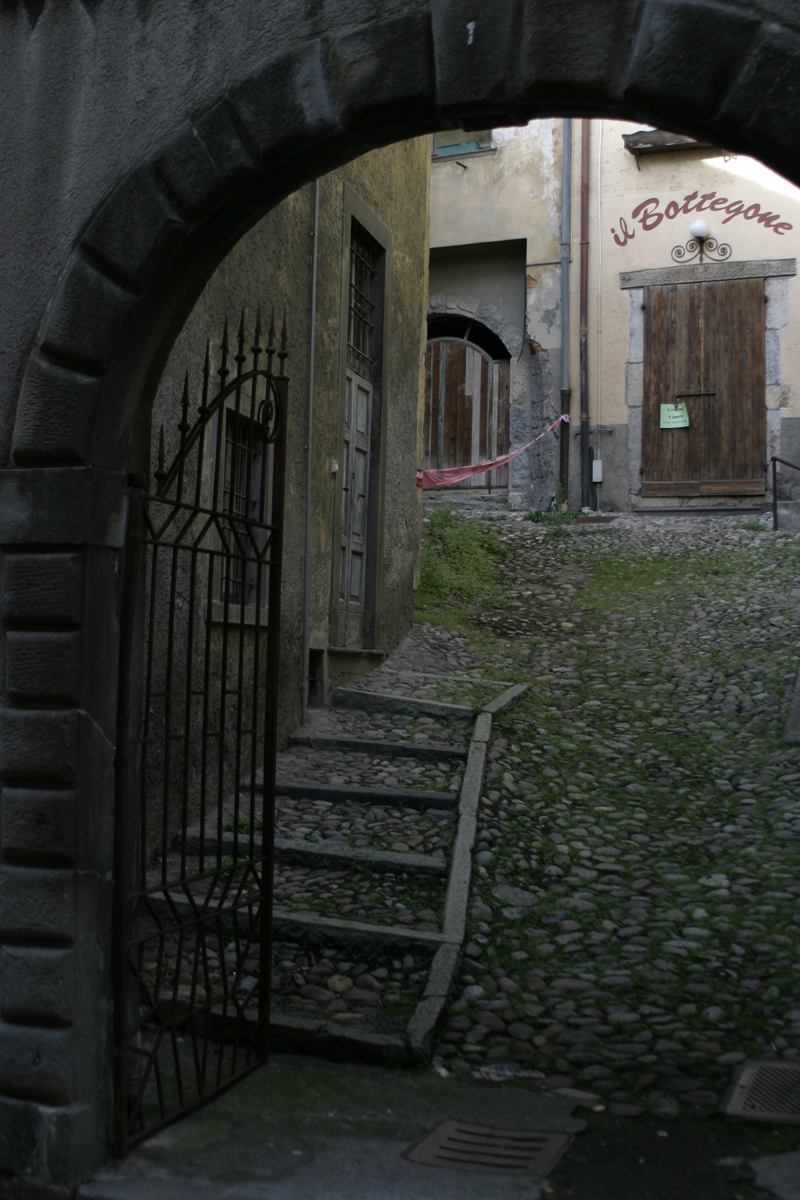
One of the most interesting civic buildings in central Clusone is the Town Hall: a palace built between the 11th and 12th centuries for defensive purposes. Today, in the 21st century, one may freely enter its courtyard, cross it, and admire various beautiful and intriguing details. Even more beautiful and intriguing are the fresco-covered façades — but we shall arrive at those in due course.
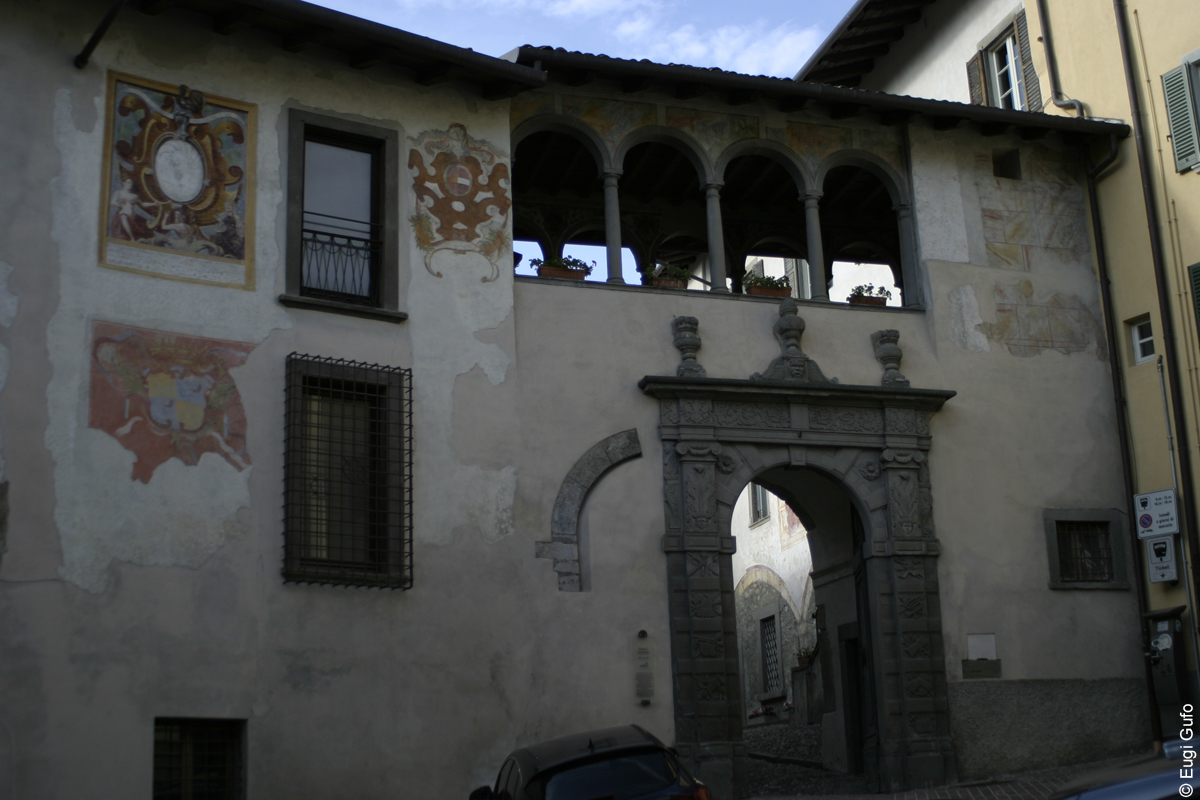
Another institutional building is also interesting, albeit of a very different kind: the former district prison. The structure is said to have been built in the 15th century and then substantially modified between the 17th and 18th centuries. It originally belonged to a family that became extinct in the first half of the 19th century. After passing into state ownership, between the late 19th and early 20th centuries the palace was divided among three new «residents»: the tax office, the customs guards’ barracks (later the headquarters of the Guardia di Finanza), and the prison. None of these residents has remained since the 1970s. Consequently, in March 2004 the State put the entire building up for sale (together with seven other prisons in seven other Italian towns). Despite some interest from the Municipality of Clusone, the sale ultimately went through: the building was reportedly purchased by a company (whose name remains unknown to me) and still stands abandoned today. Restoring its original beauty — frequently mentioned in various sources and easily inferred from the wealth of its first owners — would certainly be a positive development. Transforming it into a museum of the prison system, however, might be equally interesting.
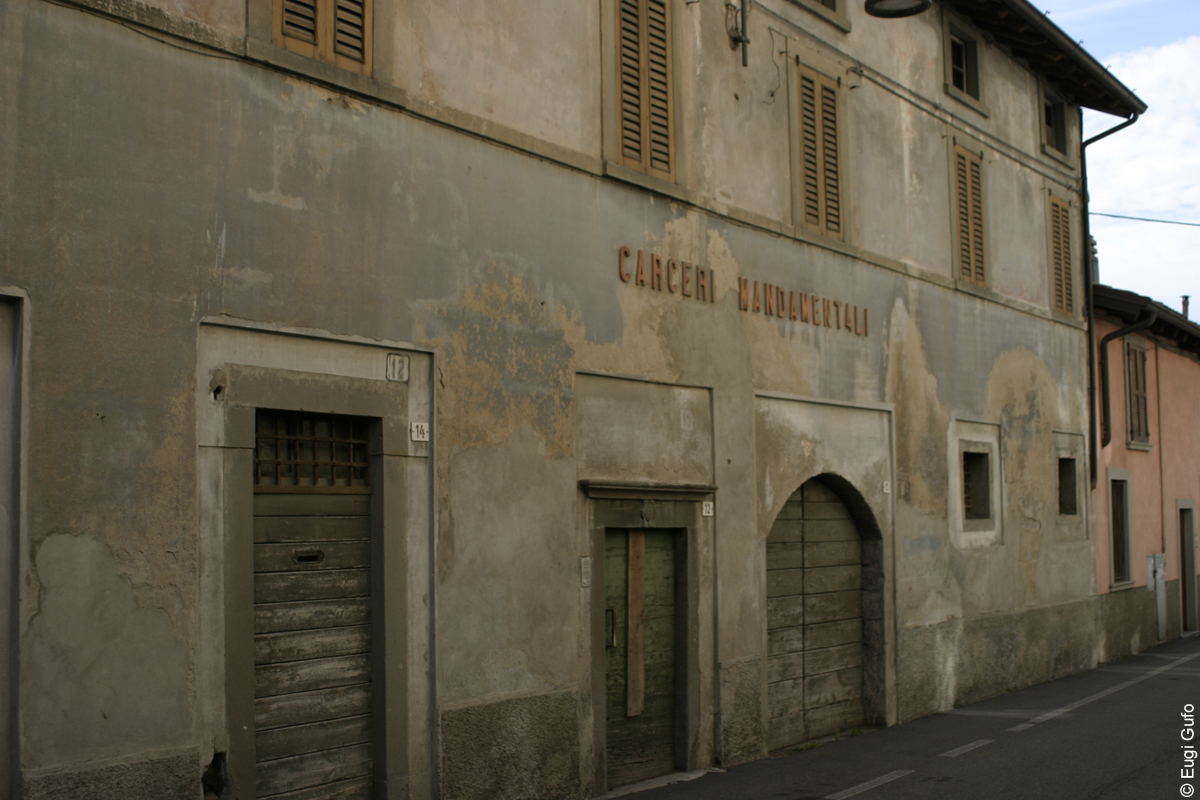
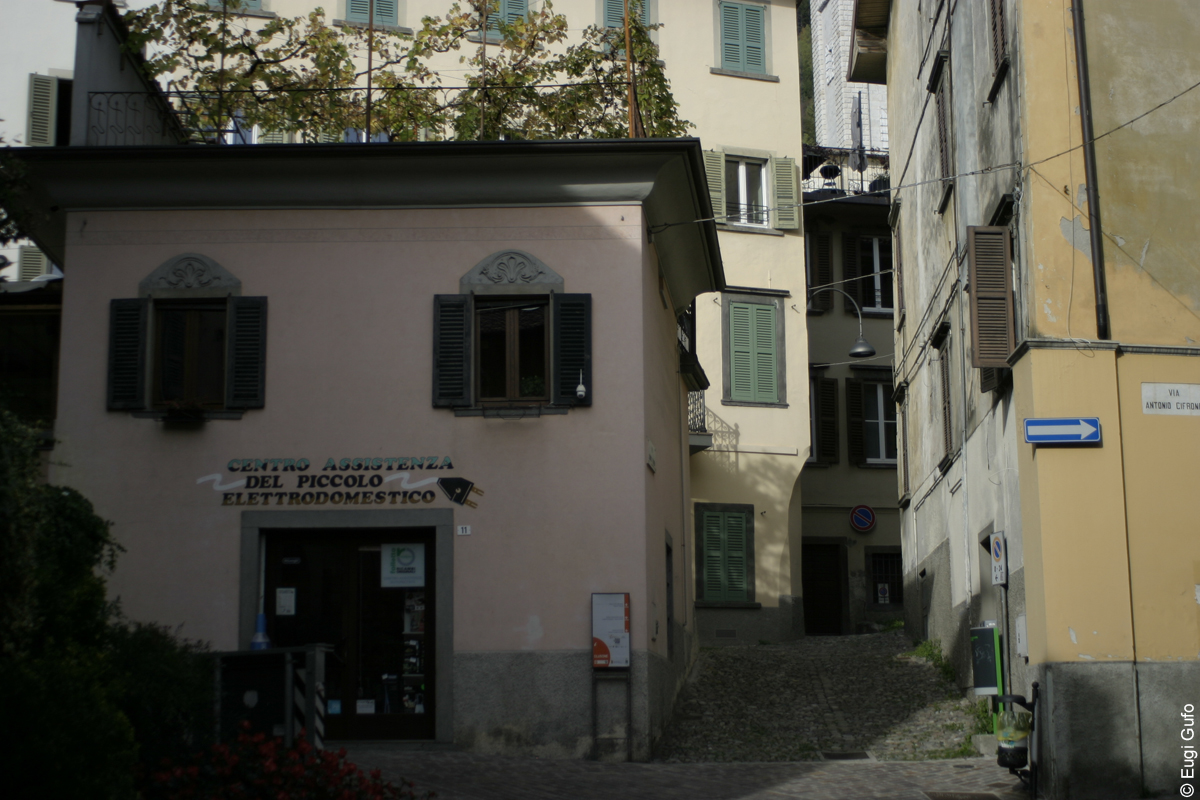
Buildings managed by more responsible companies — even small ones — are in decidedly better condition.
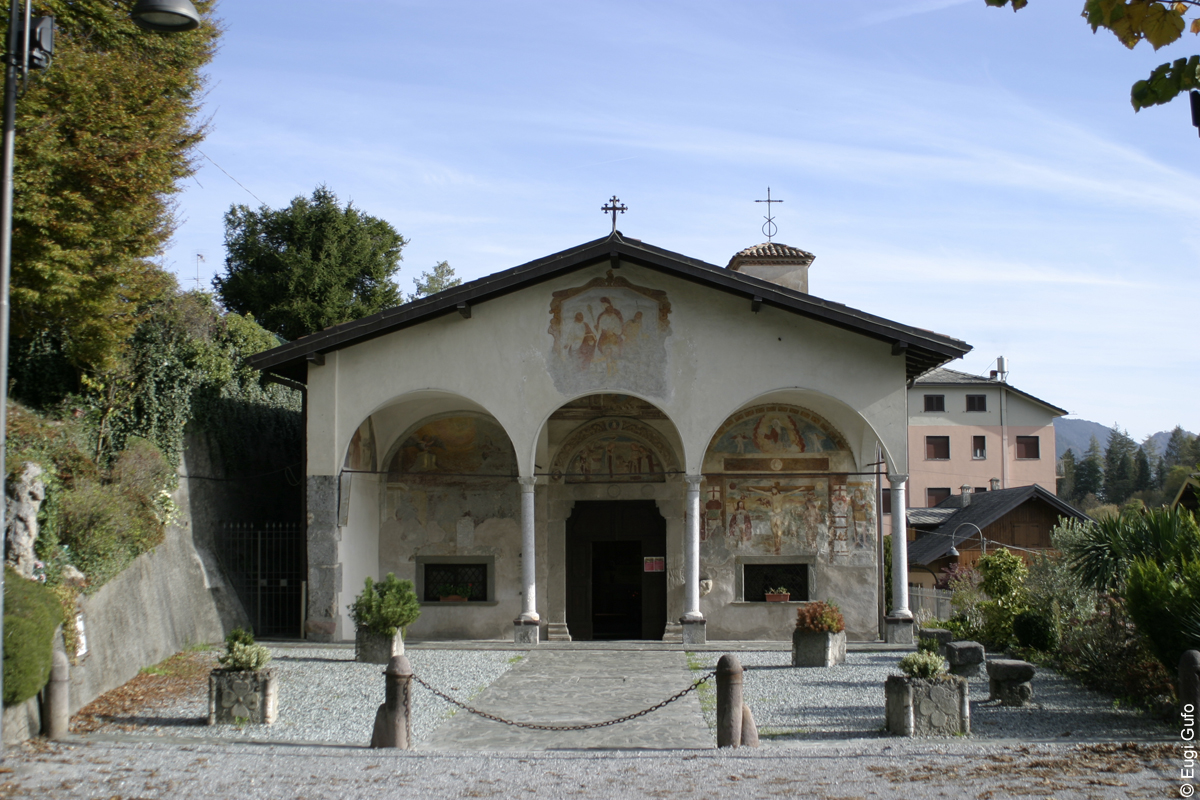
Religious buildings, however, are consistently well maintained. I would begin with the Church of the Beata Vergine del Paradiso (also known as the Church of the Paradiso), built in the 14th century using stones taken from demolished Guelph and Ghibelline fortifications, and enlarged several times in subsequent centuries. It is almost certainly this fact that explains the striking contrast between its exterior appearance and its interior stylistic language. The central portal seems to belong to a third style altogether (it was installed in 1993, replacing an old wooden portal). Overall, however, it is a beautiful and interesting church, well worth seeing.
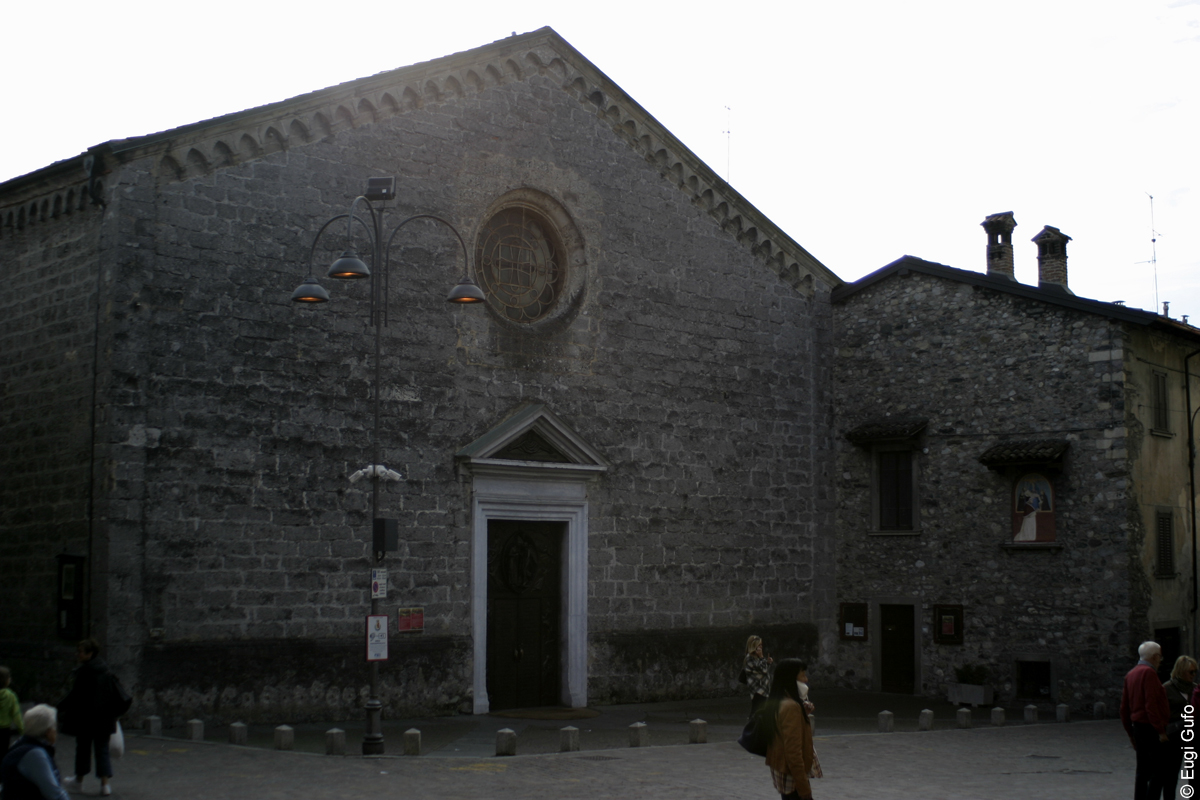
The most stylistically coherent church — and the one I appreciated the most — is that of Saints Defendente and Rocco (built between 1470 and 1471): small and very simple, it is decorated inside and out with frescoes that are fascinating to study. Only part of them has survived to this day, but they remain beautiful nonetheless.
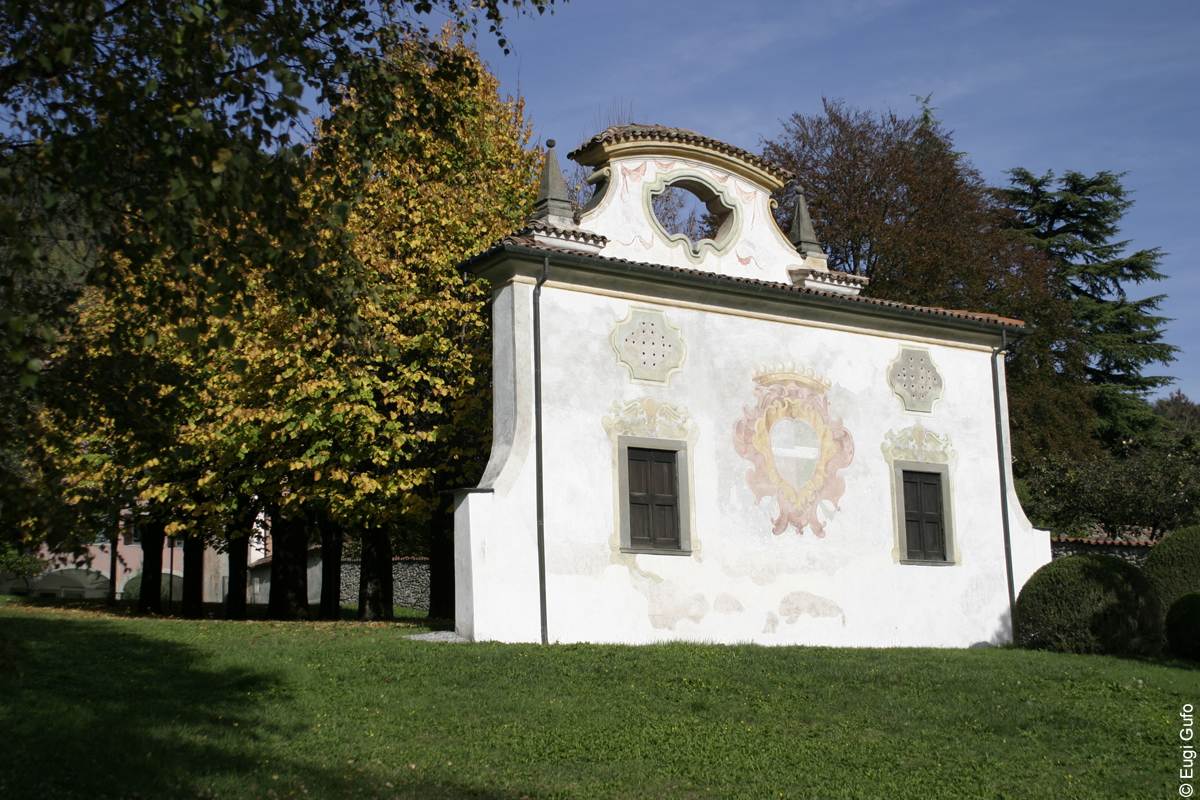
Another building, presumably of religious origin — and therefore all the more intriguing because of this mystery — is fenced off on all sides and visible from only two. I have not yet managed to discover its name, its history, or, above all, the reason for its very unusual current structure. I shall continue investigating.
The Church of Saint Anne (late 15th century) appears to be the most dilapidated from the outside, yet its interior is interesting as well. My only disappointment was not being able to properly see its unusual stained-glass windows (they almost look as if made from the bottoms of bottles, hahaha): inside, they are nearly entirely concealed by the gallery that supports the organ.
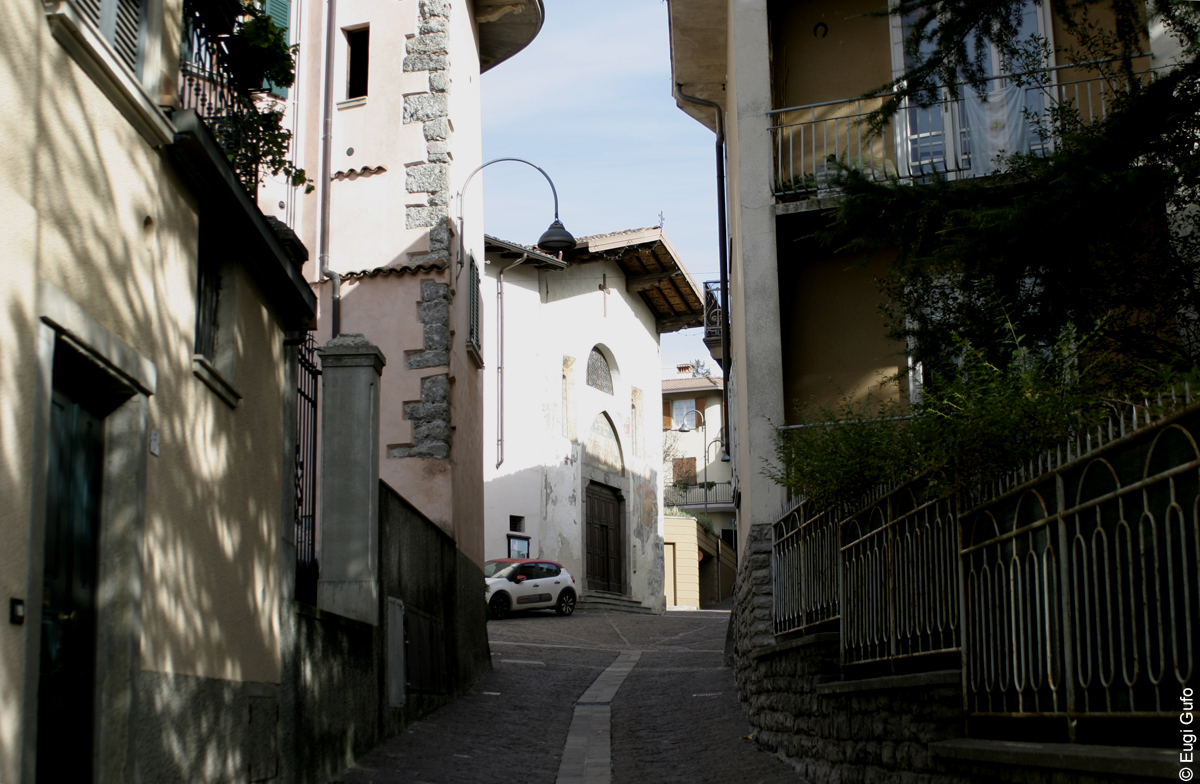
Then there are the smaller churches of Clusone, perfectly wedged between ordinary residential buildings — I was genuinely surprised each time I noticed one.

The most important religious building in Clusone, however, is the Basilica of Santa Maria Assunta. Its bell tower is visible from almost everywhere in town, making it impossible not to find.
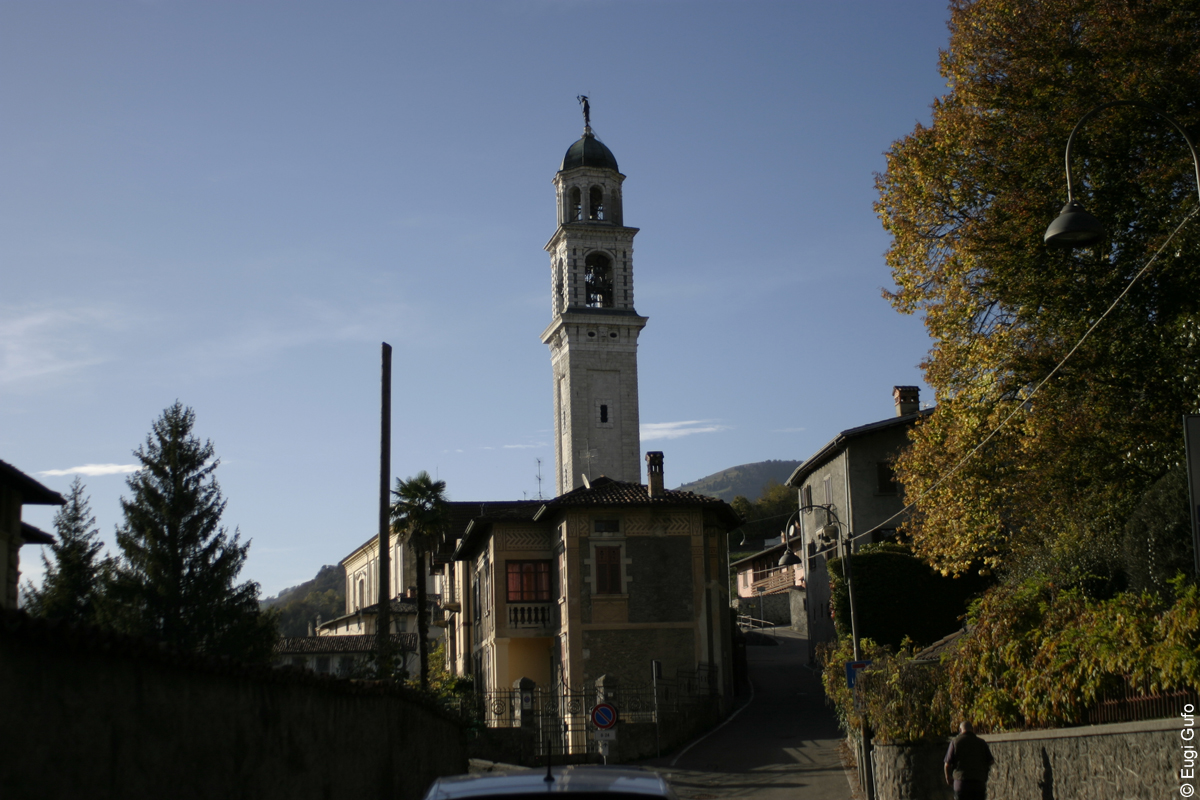
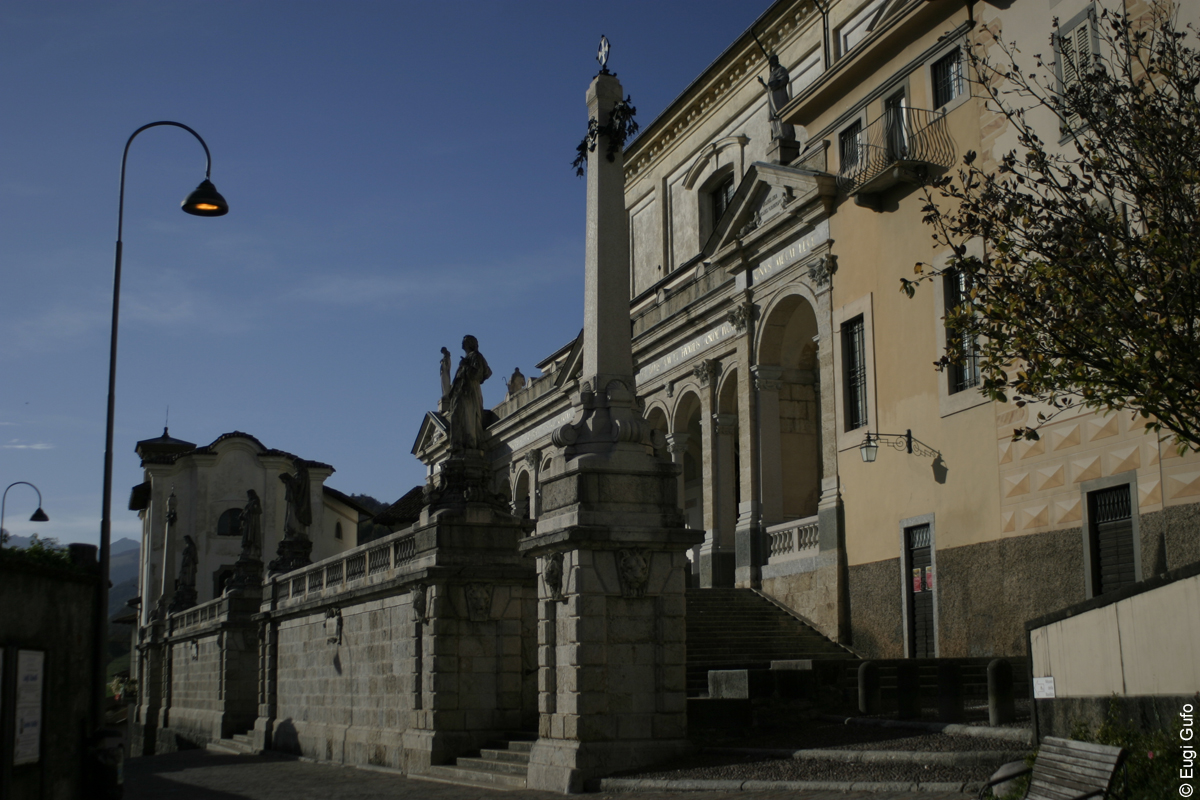
Located on a hill, the basilica (built at the end of the 18th century on the site of an ancient Roman temple and several later churches) is beautiful both as an object of careful architectural study and as a vantage point for contemplating soothing mountain landscapes.
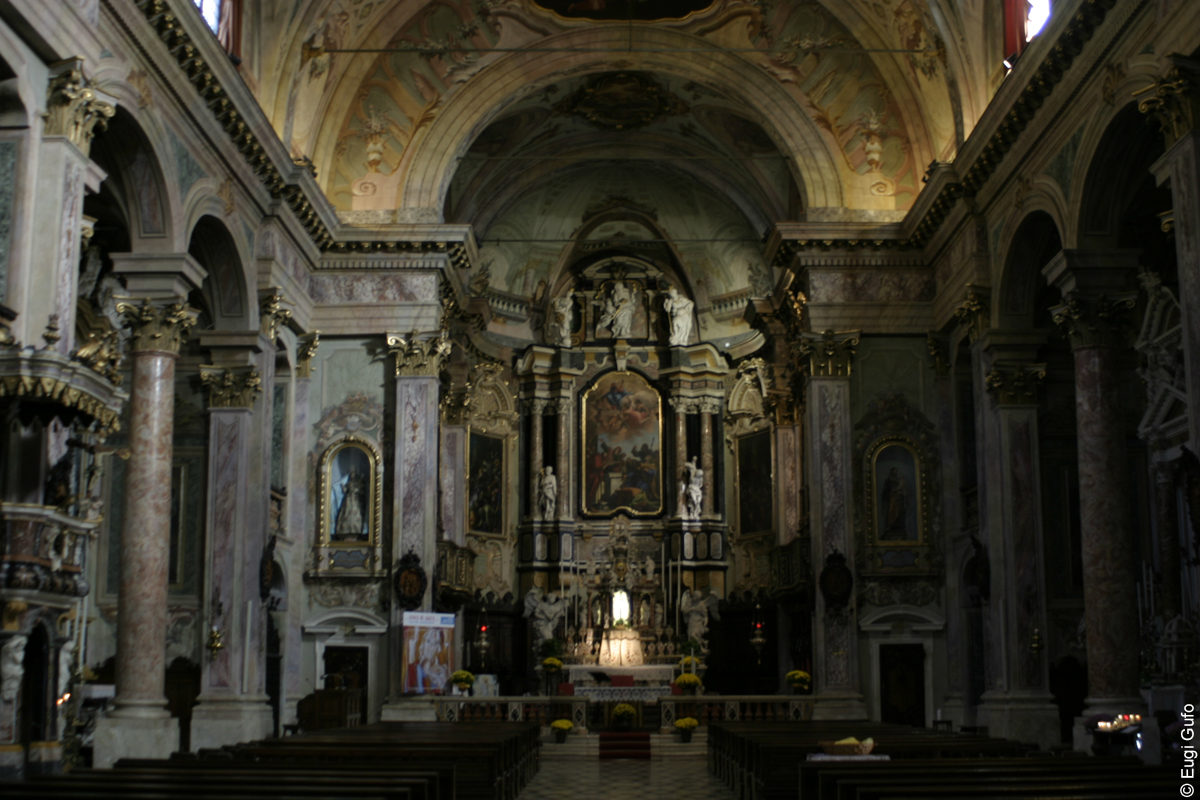
Inside, the basilica does not boast the abundance of frescoes found in other churches of Clusone, but it is beautiful for other reasons. It is far too large to be described in a few words — suffice it to say: it must be seen.
Part of the same architectural complex are two additional religious buildings. One of them is the Oratory of San Luigi Gonzaga (late 18th century), which — rather unfortunately — fades slightly into its surroundings but should not be overlooked by tourists who have been duly warned by me. Consider yourselves warned: do not forget to step inside.
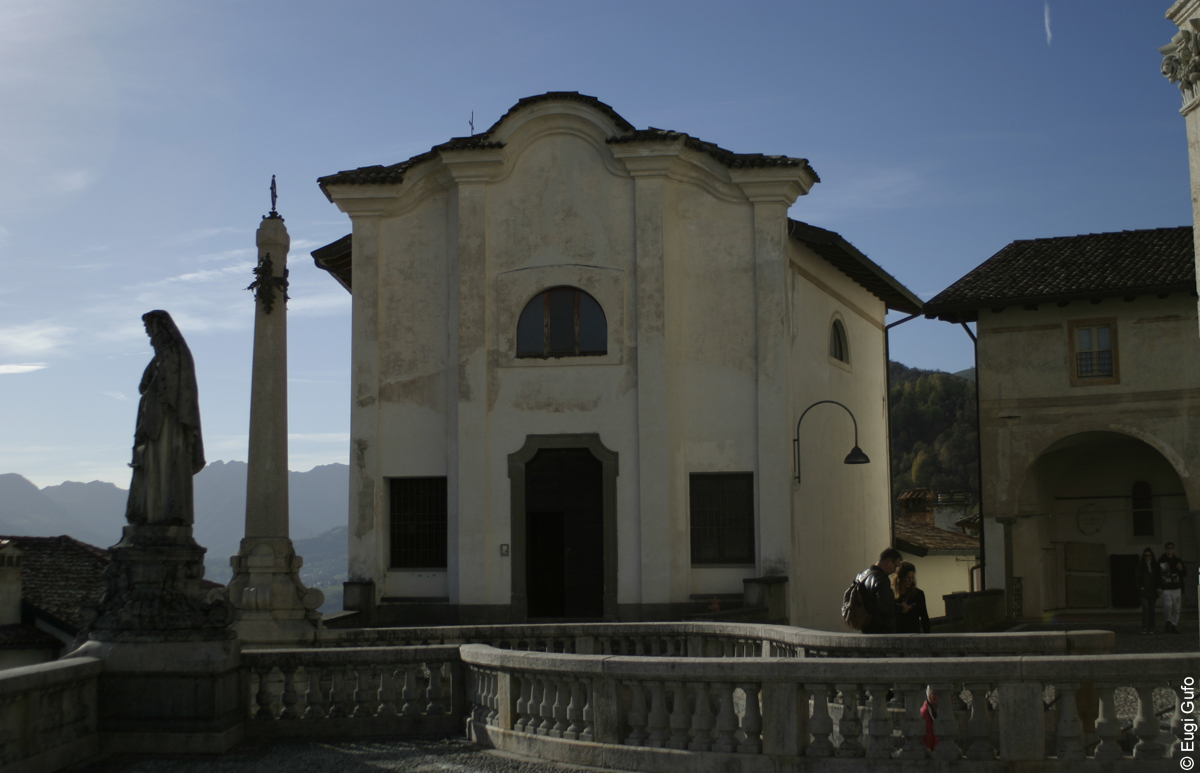
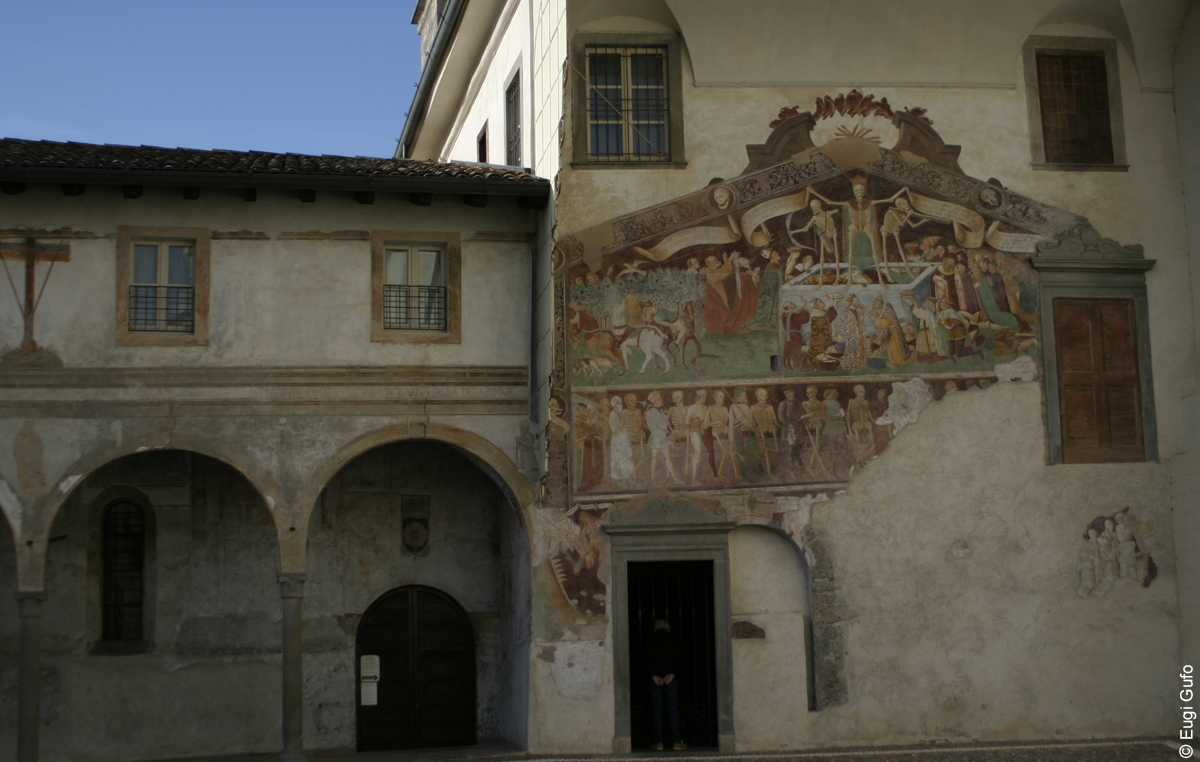
The second building flanking the basilica is the Oratory of the Disciplini (mid-14th century). At the time of my visit, the interior was inaccessible, but I was fully compensated by the exterior frescoes and by the (clandestine, hahaha) eavesdropping on a brief art-historical explanation delivered by the leader — or guide? who knows — of a small tour group that happened to arrive simultaneously with me. Thus I can now confidently inform you that the magnificent façade fresco (barbarously damaged by the construction of an external staircase in the 17th century, later removed in 1868) was painted in the last quarter of the 15th century. Its upper section depicts the Triumph of Death and the Meeting of the Three Living and the Three Dead (two themes rather popular in the Middle Ages; only the former relates in some way to Europe’s experience of the Black Death). The lower section shows the Dance of Death, in which each character is accompanied by their own Death. I have never before encountered a work of this kind with comparable quality, size, and state of preservation. I would say that this fresco alone constitutes sufficient reason to visit Clusone.
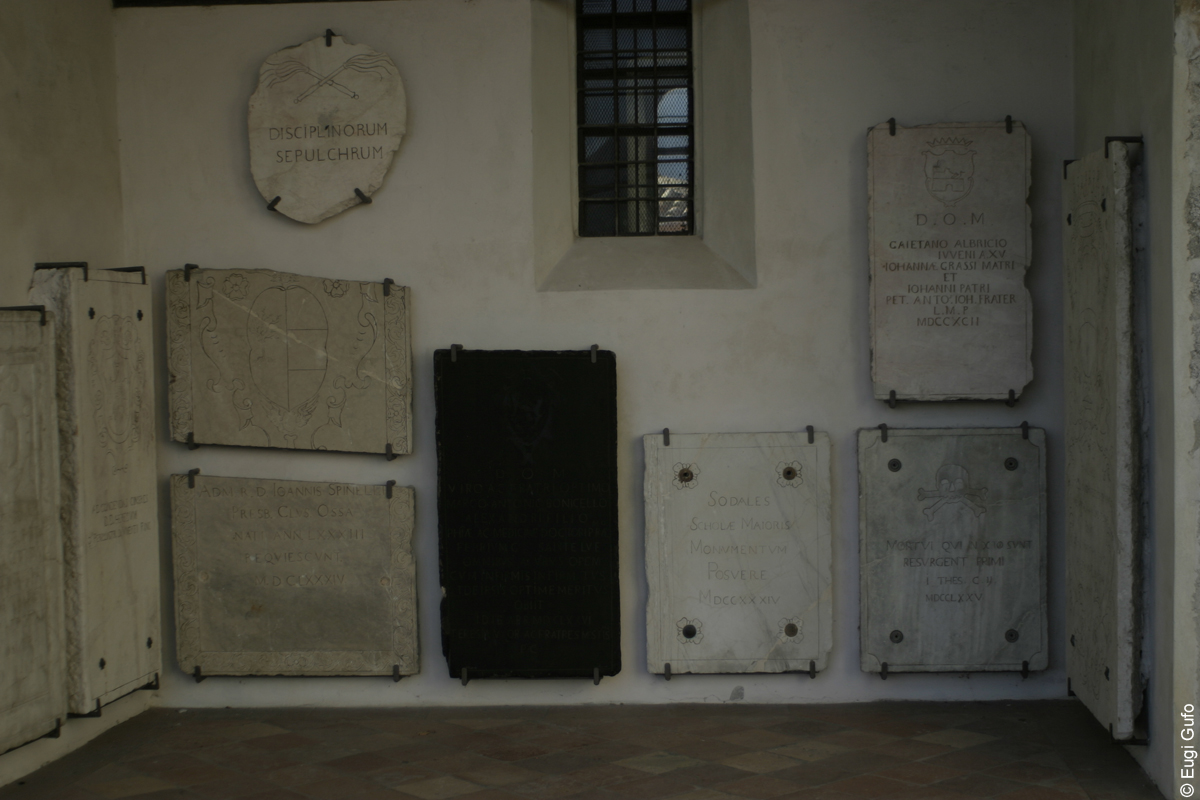
Under the porticoes of the same Oratory, the theme of death continues in a relatively extensive display of tombstones…
Naturally, Clusone also has relatively modern churches — though I am not certain everyone will have the strength to see those as well.
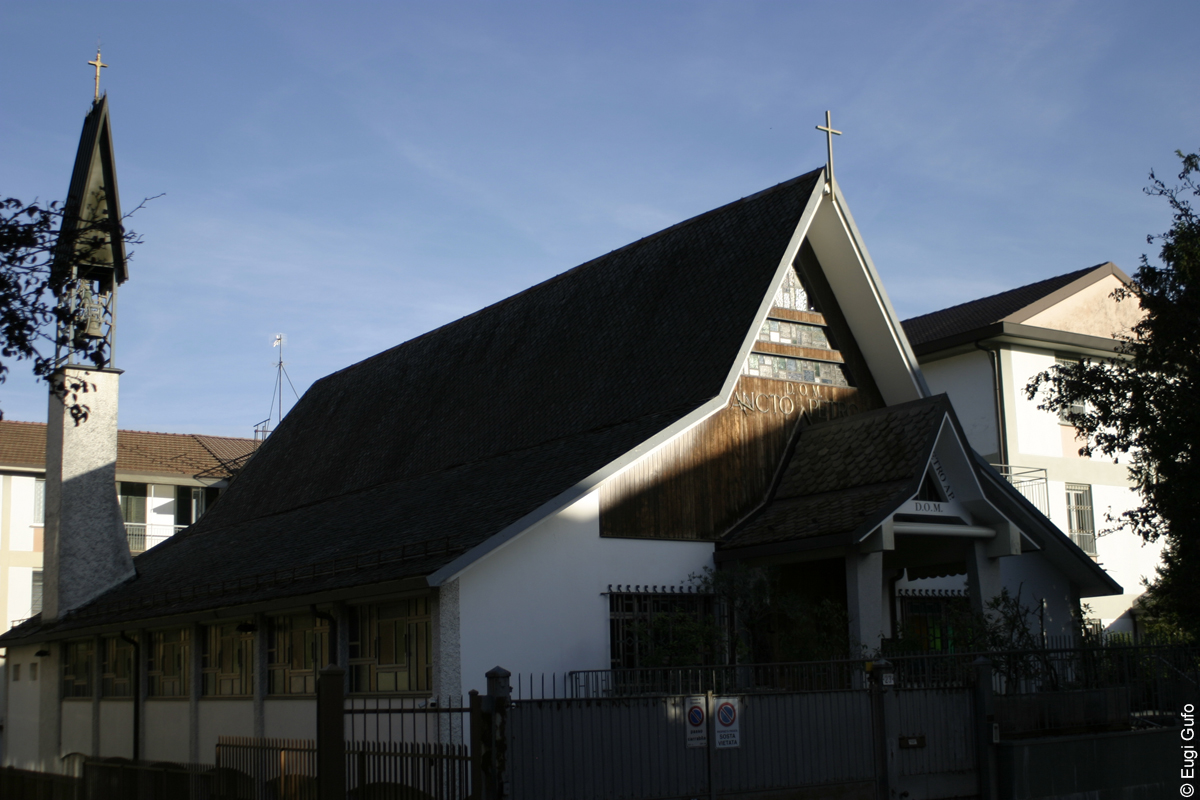
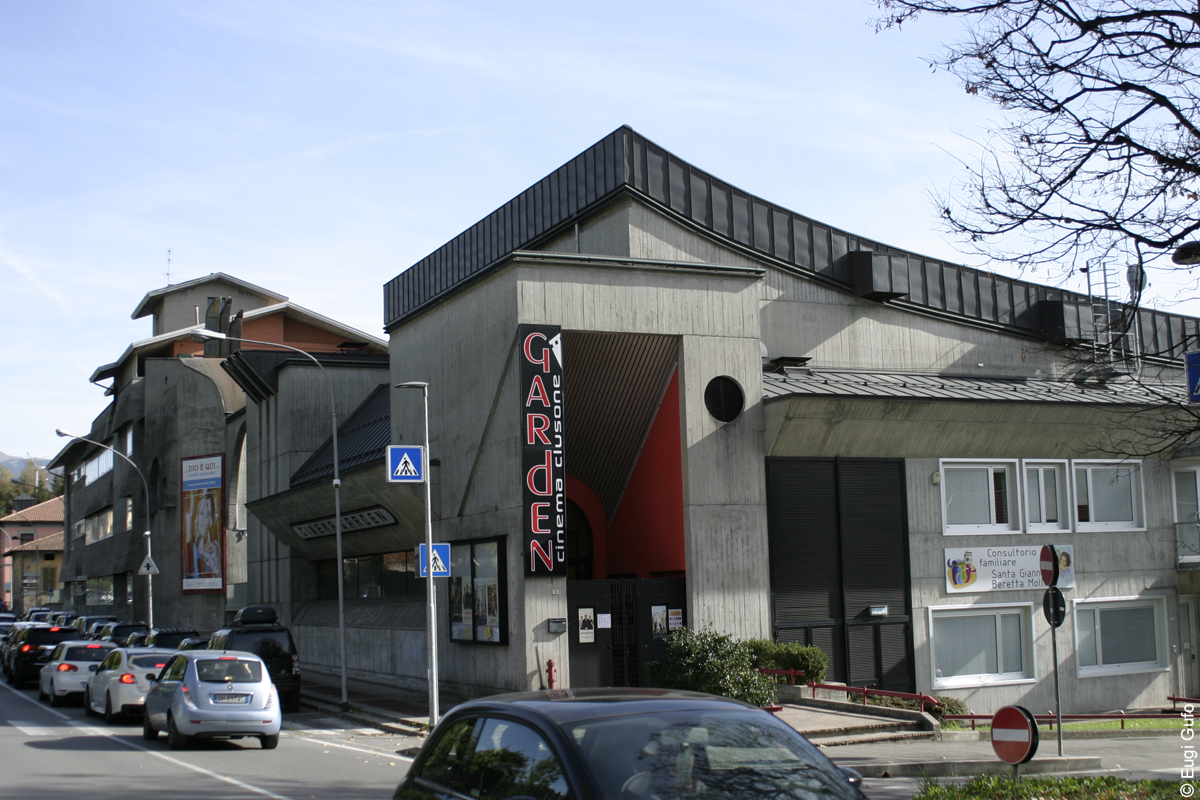
Even the local cinema — apparently a vast «temple of culture» — is in fact housed in the same building as a modern oratory… an aesthetically somewhat terrifying oratory that nevertheless claims to be the official seat of that mythological entity…
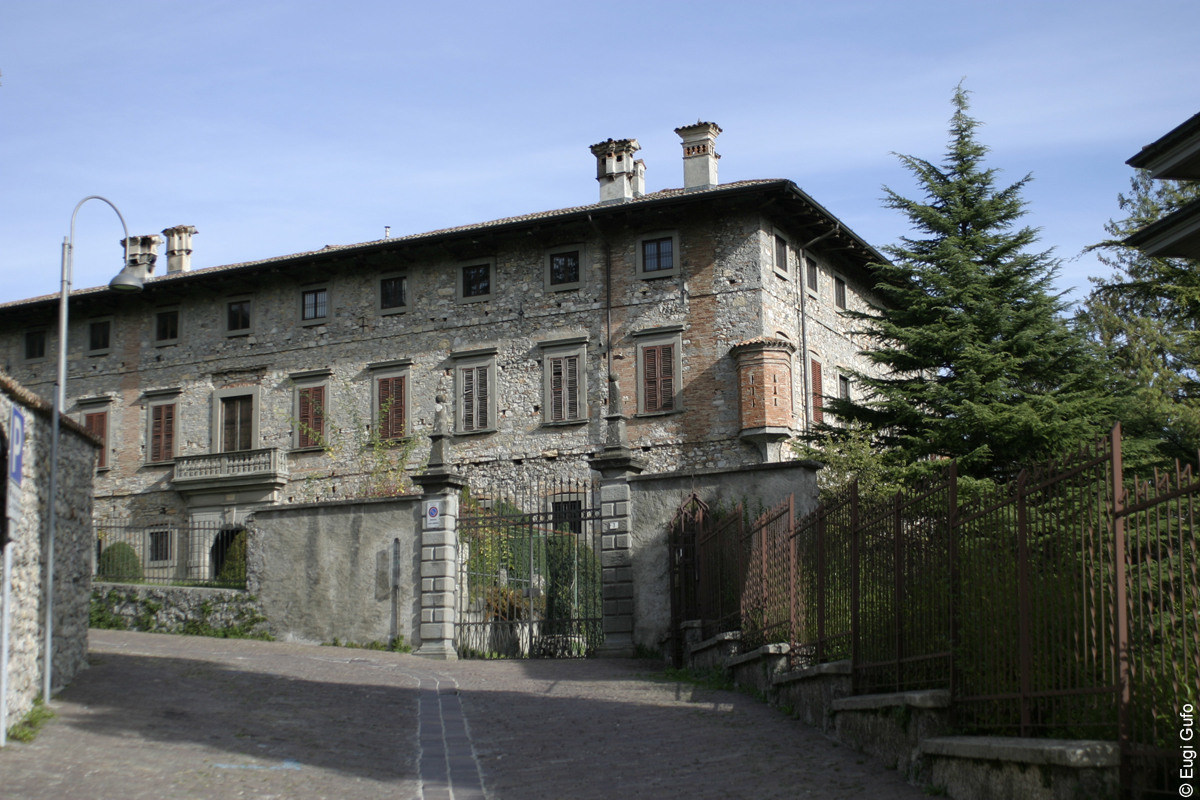
But let us finally return to Clusone’s civic architecture: I would not wish to appear a religious fanatic. One of the most beautiful private historic buildings is Palazzo Fogaccia, built between the late 17th and early 18th centuries for Count Vittoria Maria Fogaccia. Today the palace still belongs to the count’s descendants, serves as a private residence, and only occasionally hosts concerts and guided tours. In 1910 it was recognised by the Ministry of Public Education as a work of important artistic value — apparently deservedly so, as the interior is richly decorated with frescoes and other artworks. How one is supposed to learn about a scheduled guided tour, however, remains a mystery to me.
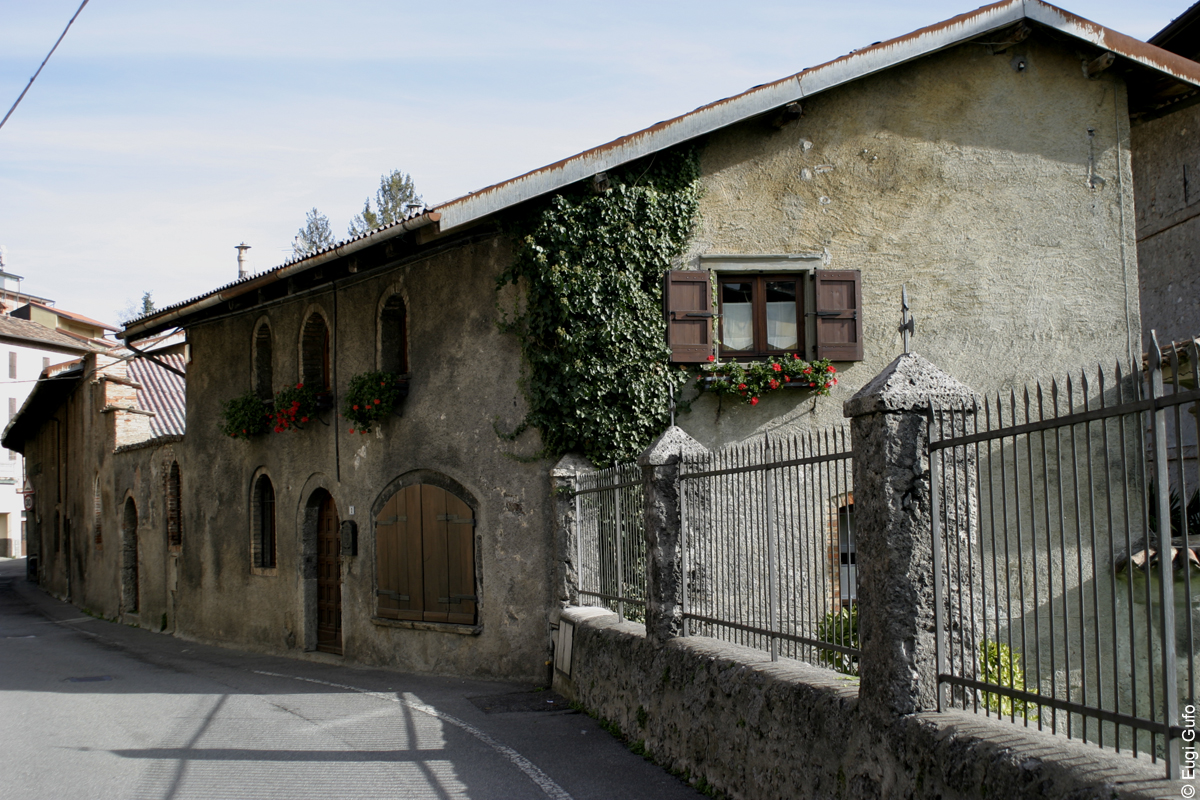
Nearby stands a series of apparently older houses, aesthetically pleasing and partly abandoned. In my opinion, they deserve to be preserved and protected (even if I understand that the mission is complicated by the fact that historic buildings may be restored but not fundamentally restructured).
Among Clusone’s historic settings, the square facing the already-mentioned Town Hall is equally interesting. Its façade, in particular, draws attention for two reasons:
1) the astronomical clock tower, built in 1583 and still functioning, marking the movements of the sun and moon, the hours of the day and the length of the night, equinoxes and solstices, zodiac constellations, lunar phases, months, hours and minutes. The mechanism must be wound manually every day (and has been faithfully wound since installation);
2) the frescoes depicting the city’s coat of arms and the heraldic shields of the Venetian podestàs who governed Clusone from 1470 onward.
That said, I would advise you not to neglect the other palaces surrounding the same square.
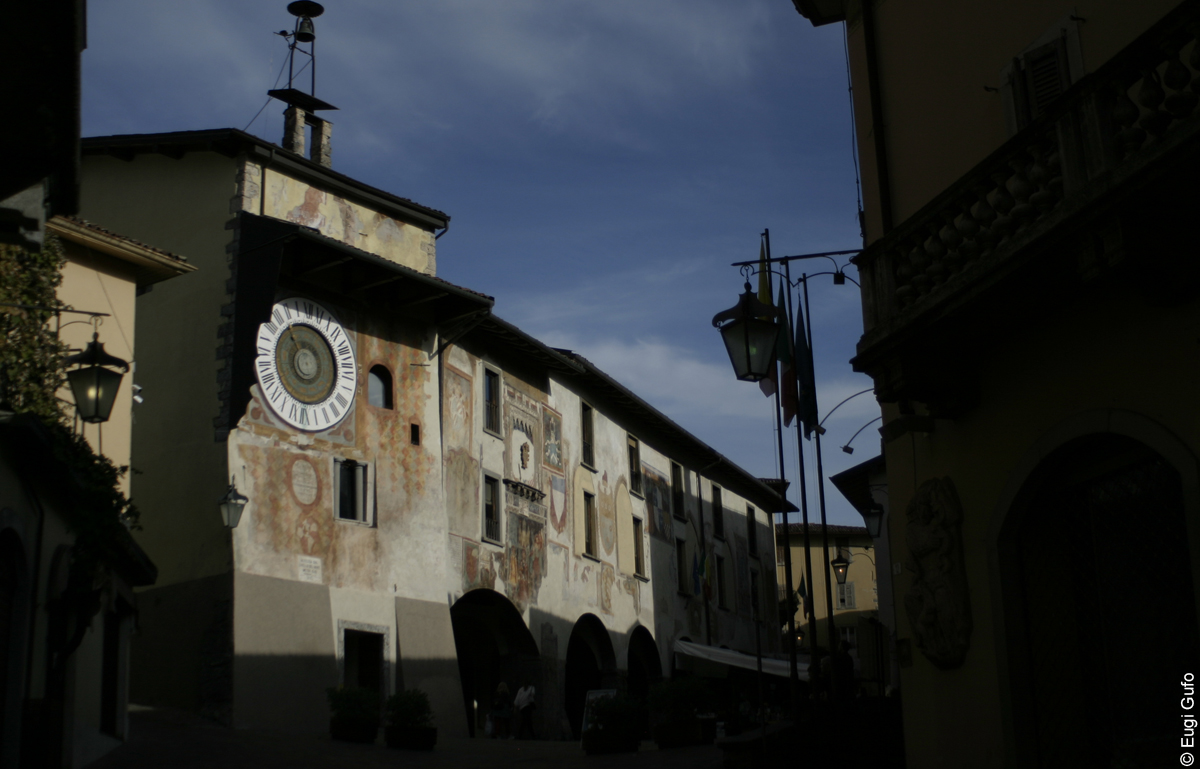
The Fanzago clock — a cutting-edge mechanism for its time — deserves detailed study.
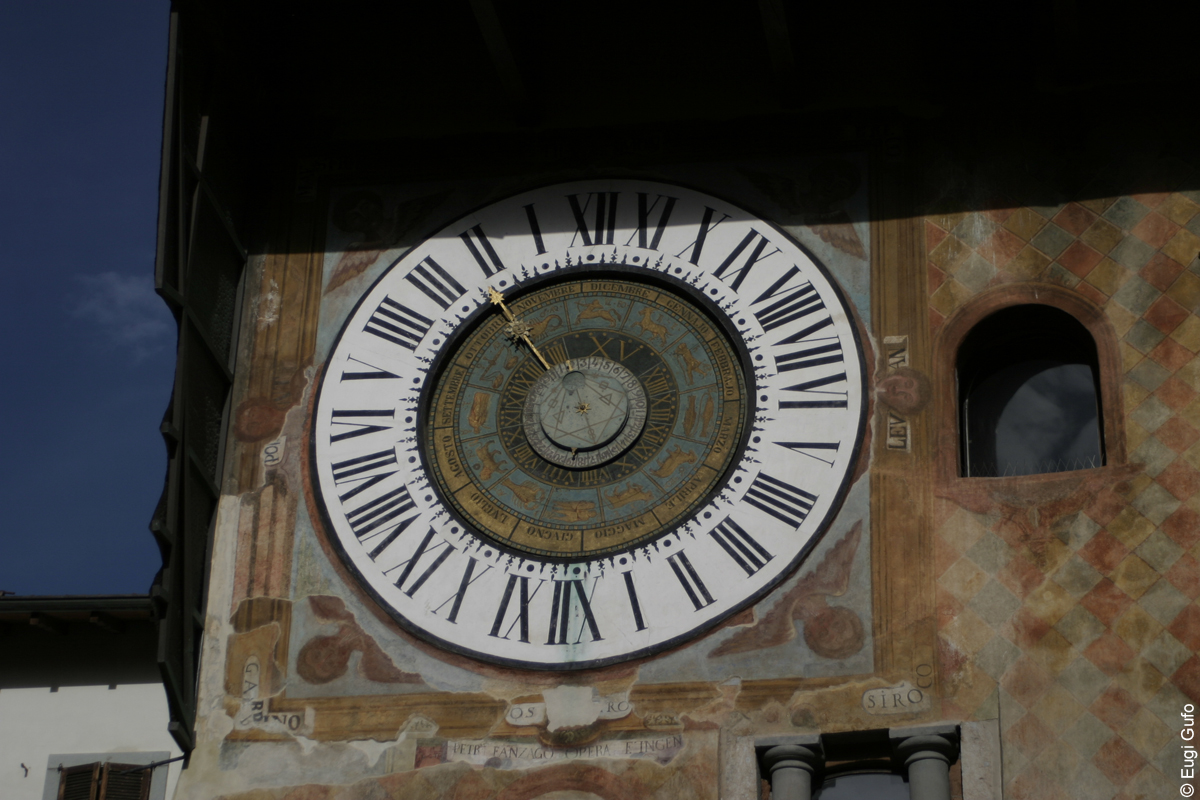
Not without reason, the beauty of the Town Hall is — in a positive sense — capitalised upon by local commercial activities.
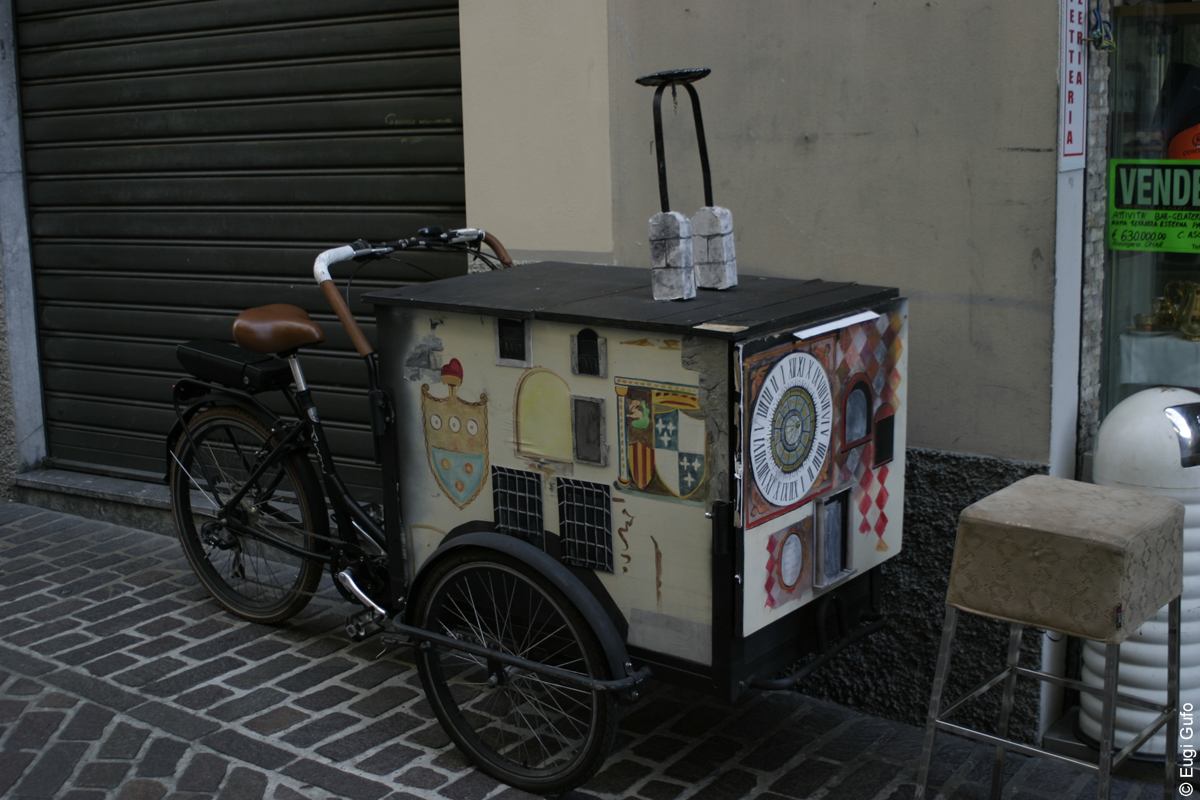
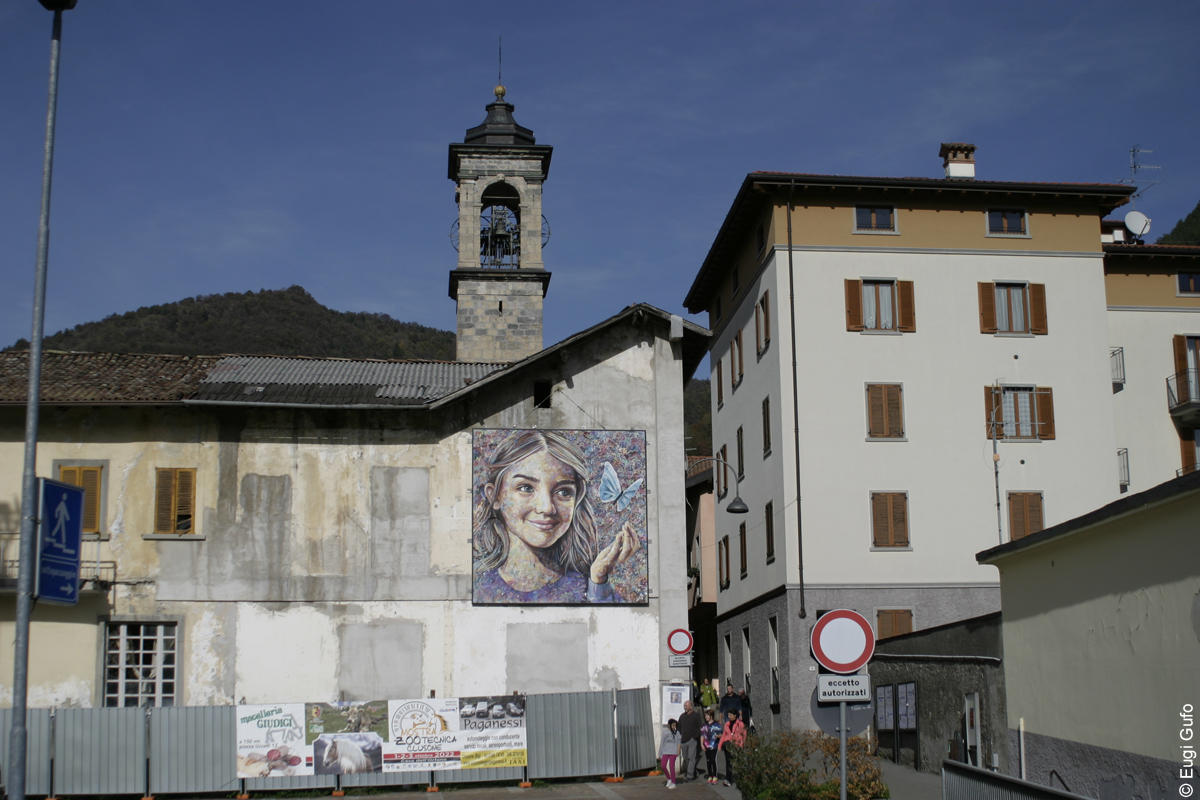
Unfortunately, the modern art present in Clusone does not quite reach the same level of quality.
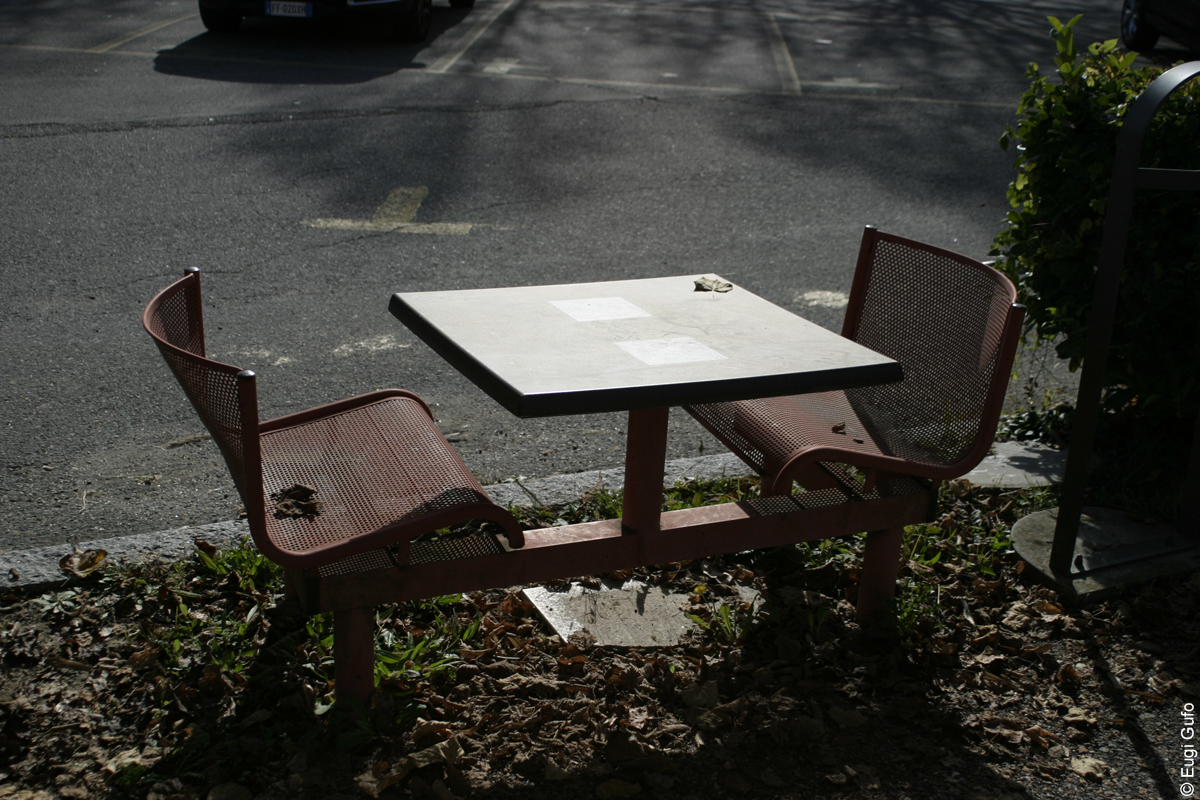
This deficiency is at least partially compensated by curious, original, and useful pieces of urban furniture — almost ingenious.
Still, I continue to hope that abandoned antiquity will be restored.
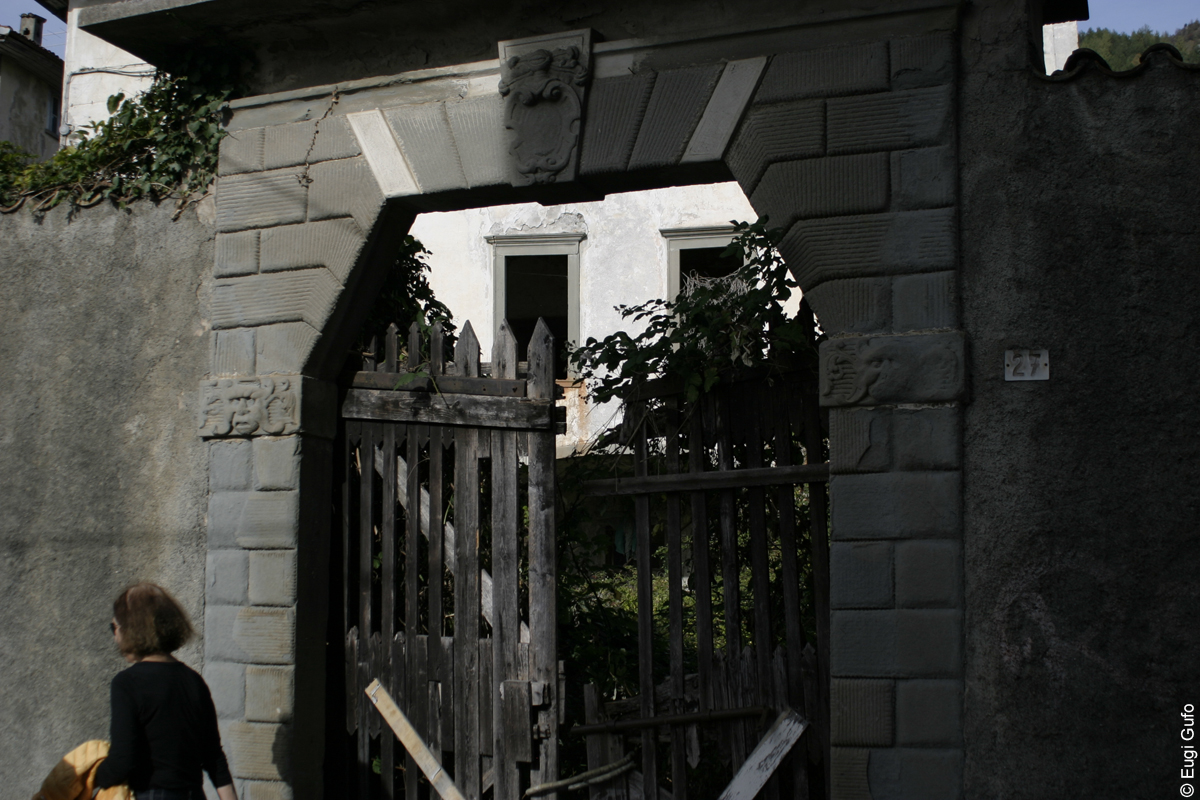
In some cases, everything depends solely on the will of wealthy private owners. For example, one of the most beautiful large private villas is currently for sale: it ought to be rescued.
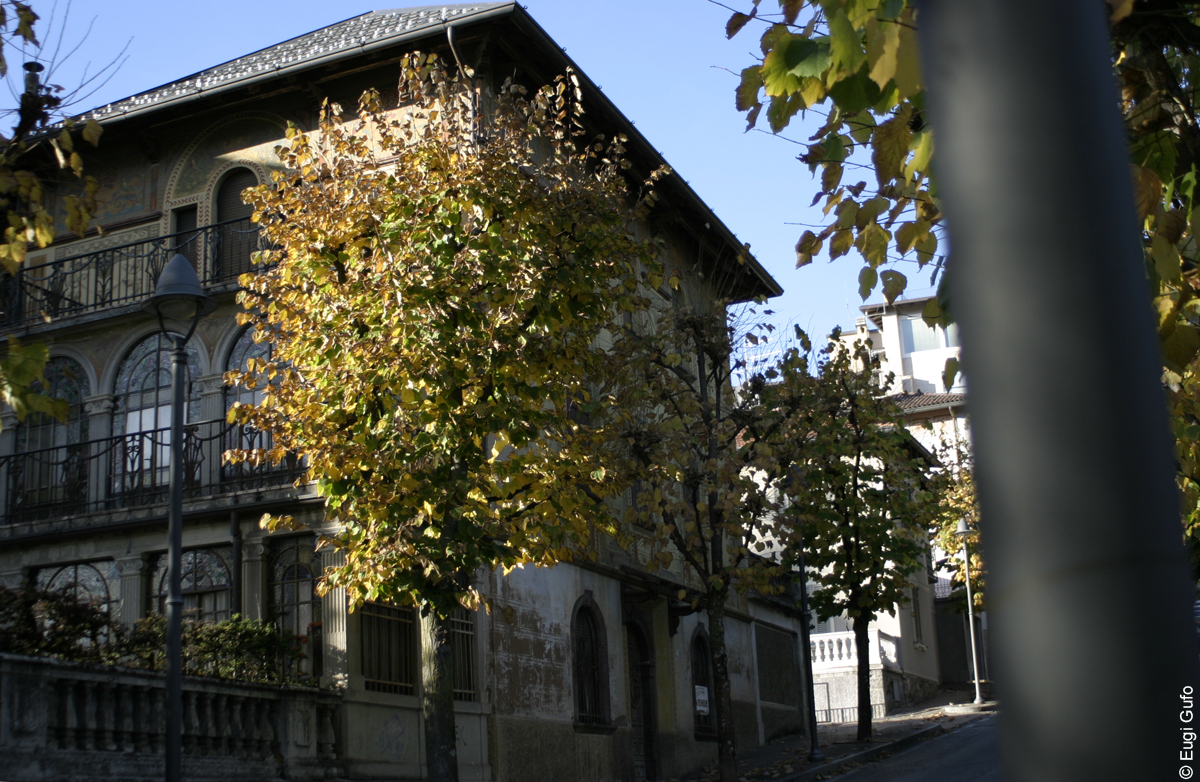
The important thing is not to entrust everything to some «genius» who understands absolutely nothing about the surrounding world…
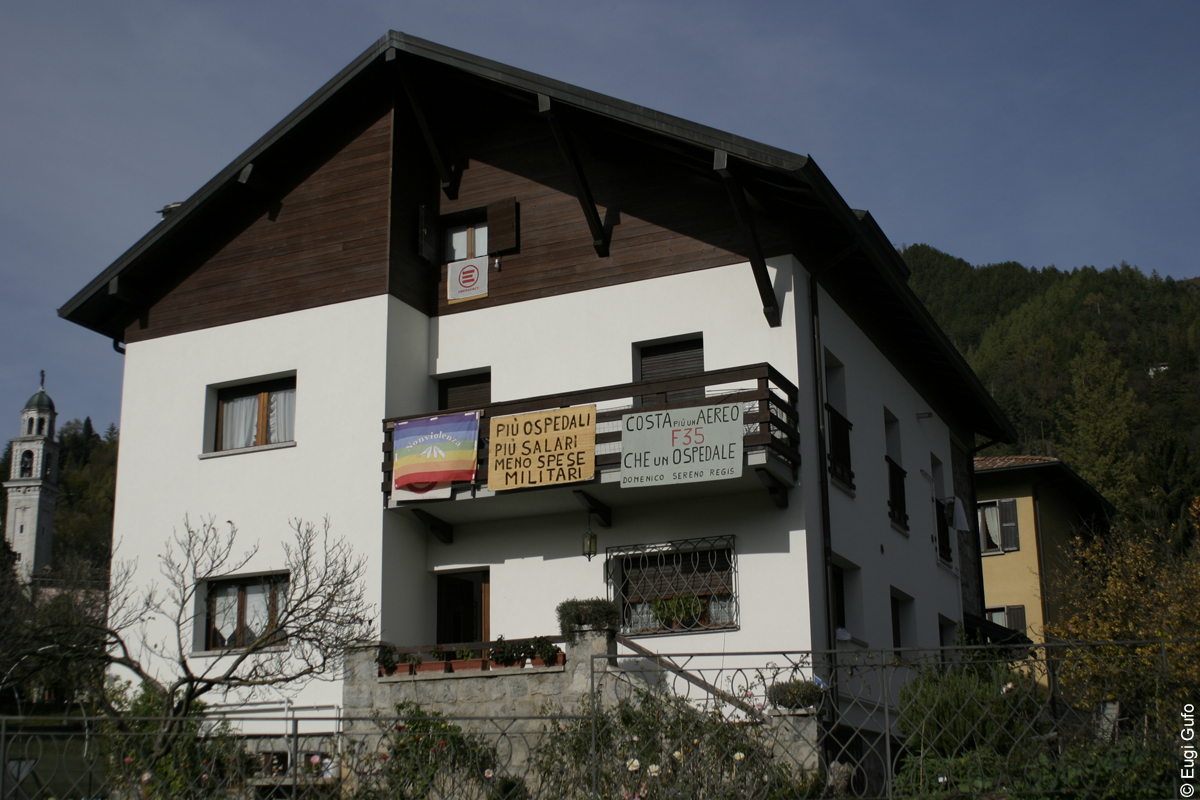
Well, I shall end my account of my visit to Clusone here. I hope I have managed to convey at least part of its beauty.
P.S. Allow me to remind everyone that October and November are the best months for city tourism, as they correspond to the period of the year with the fewest tourists around. If and when you have the opportunity to verify this claim personally, do try — you will be satisfied.
Clusone, 31 October 2022
↓ Show comments ↓

