


 Long live Ukraine! Fuck the war!
 RSS of site articles
For almost exactly one year, starting from 18 August 2021, I felt indebted to Varenna. During my visit on that date, I had been far too exhausted — after a full day of mountain walking — to explore the village with the attention it properly deserves. Consequently, I considered it only fair (as well as interesting and useful) to begin my new summer mountain trip of 2022 precisely from the historic centre of Varenna.
It is hardly a great surprise, but I shall write it anyway: I was not mistaken. The historic centre of Varenna is small, yet very beautiful and conveniently structured for systematic exploration. For instance, all the main churches of the village overlook the same square.
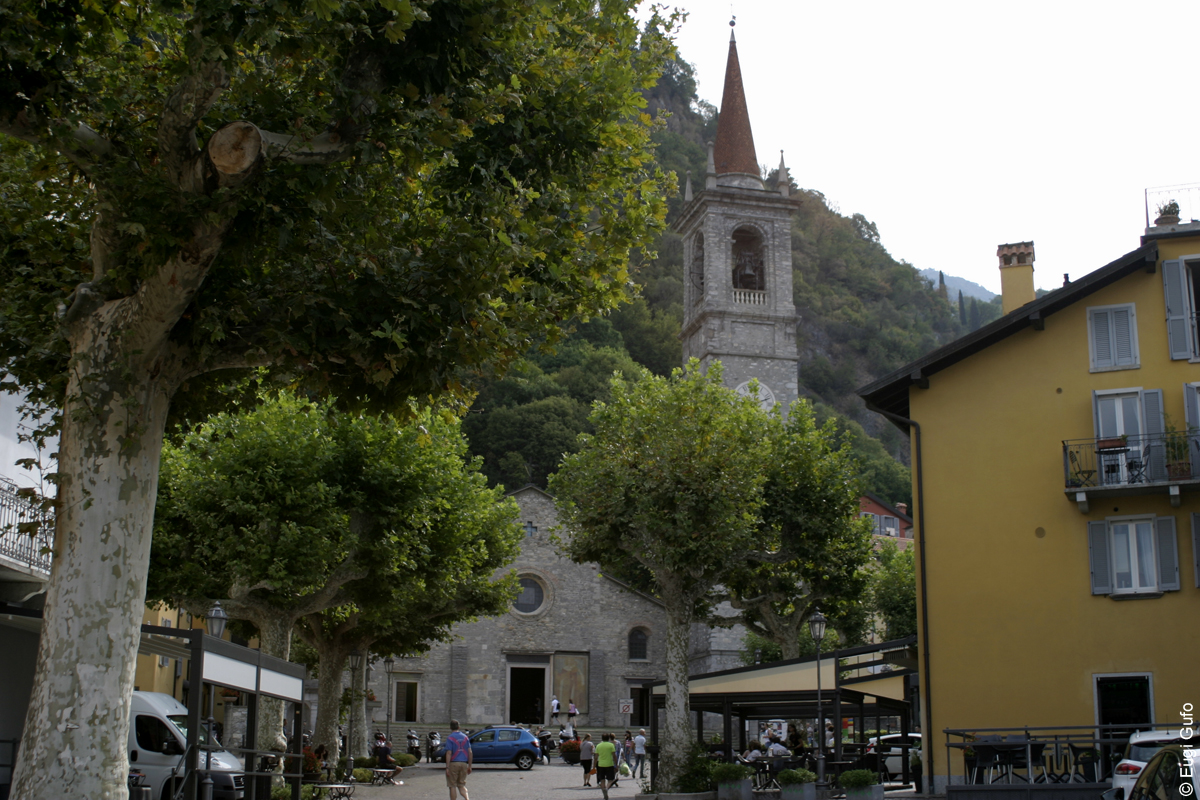
The most notable among them is the Church of San Giorgio, built in the thirteenth century and partially reworked in subsequent periods. Unfortunately, I was unable to study it in every minute detail because Mass was in progress when I arrived. I did not wish to disturb the few elderly attendees excessively, but I was still able to admire the thirteenth-century frescoes on the walls and columns, as well as the sixteenth-century crucifix. It is certainly a building to recommend to anyone interested in religious art.

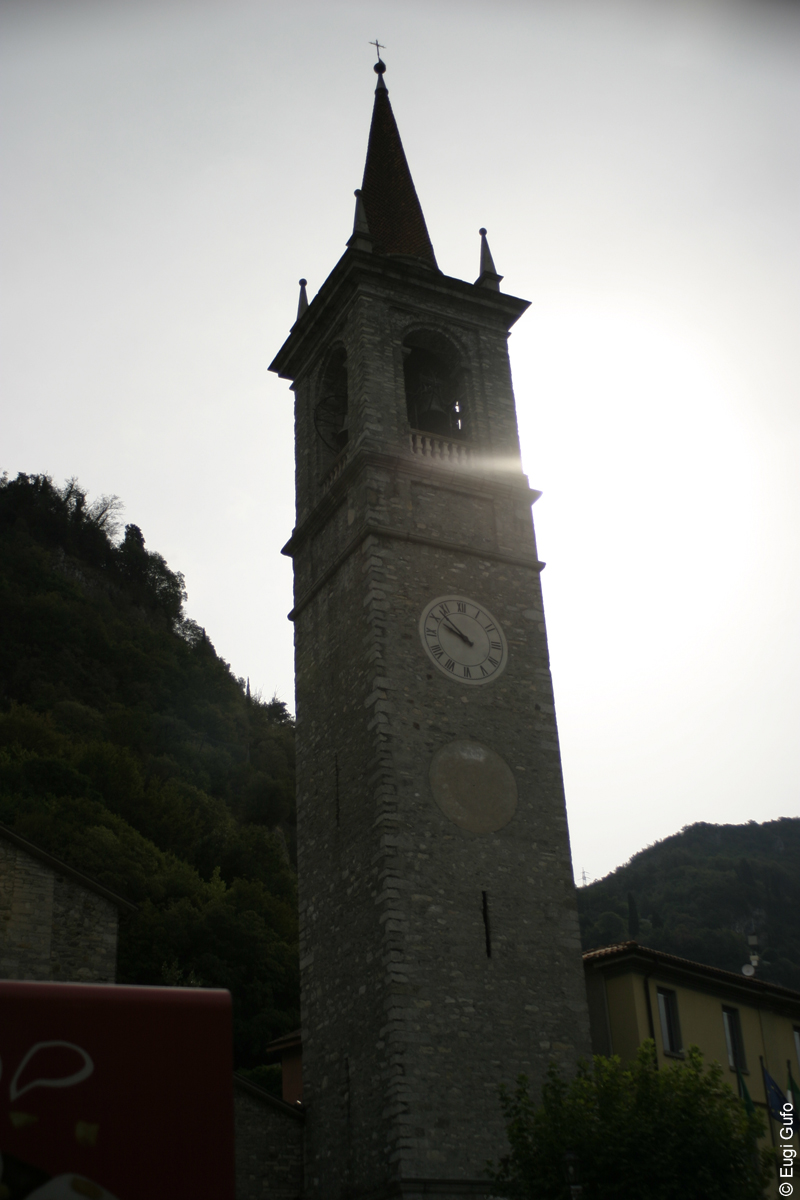
The bell tower, meanwhile, dates from the fifteenth century. A large plaque above its entrance states that an «ancient family of marble workers» wished to restore the monument in 1978. It remains unclear whether that wish materialised into concrete action, but today the tower appears to be in good condition.
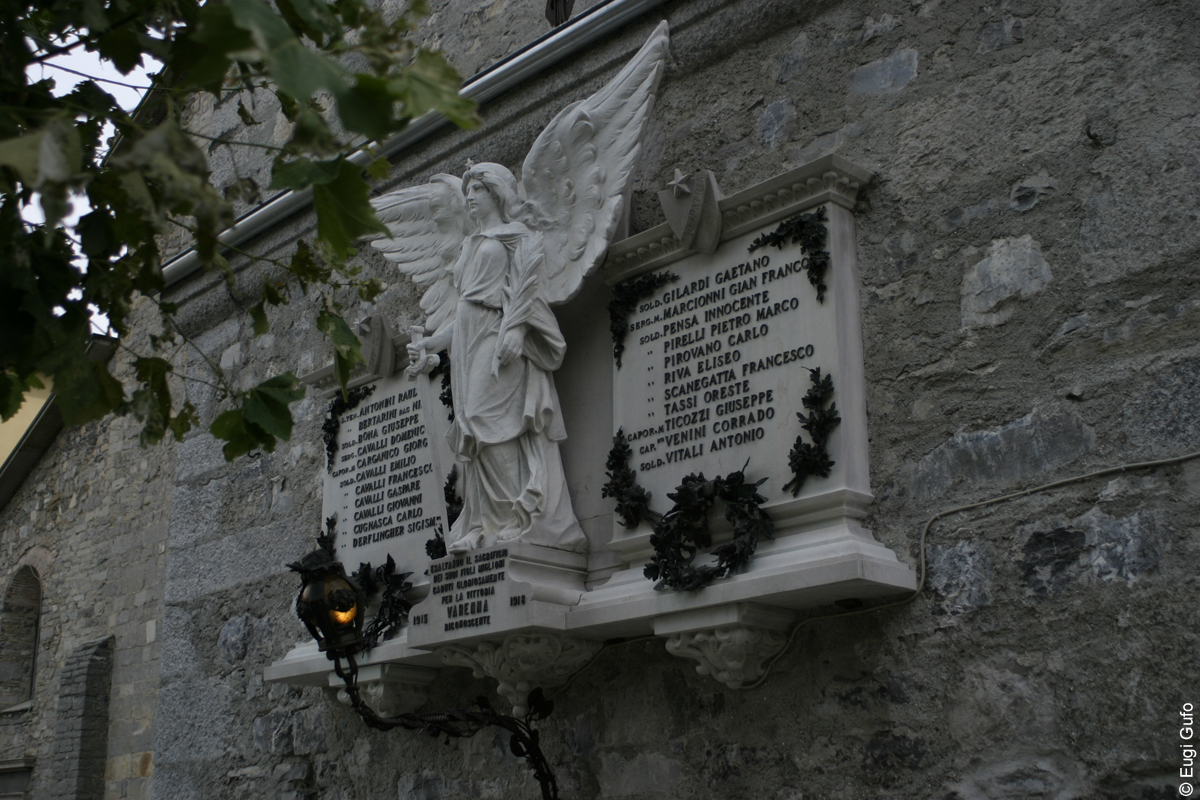
At the base of the bell tower stands a monument to those who «fell for victory» during the First World War. Victory for whom? Fallen with what collective outcome? Unfortunately, everyone carries their own interpretation of history. The only certainty is that war, in general, is dreadful. And the First World War remains one of the conflicts with the least comprehensible causes and objectives.
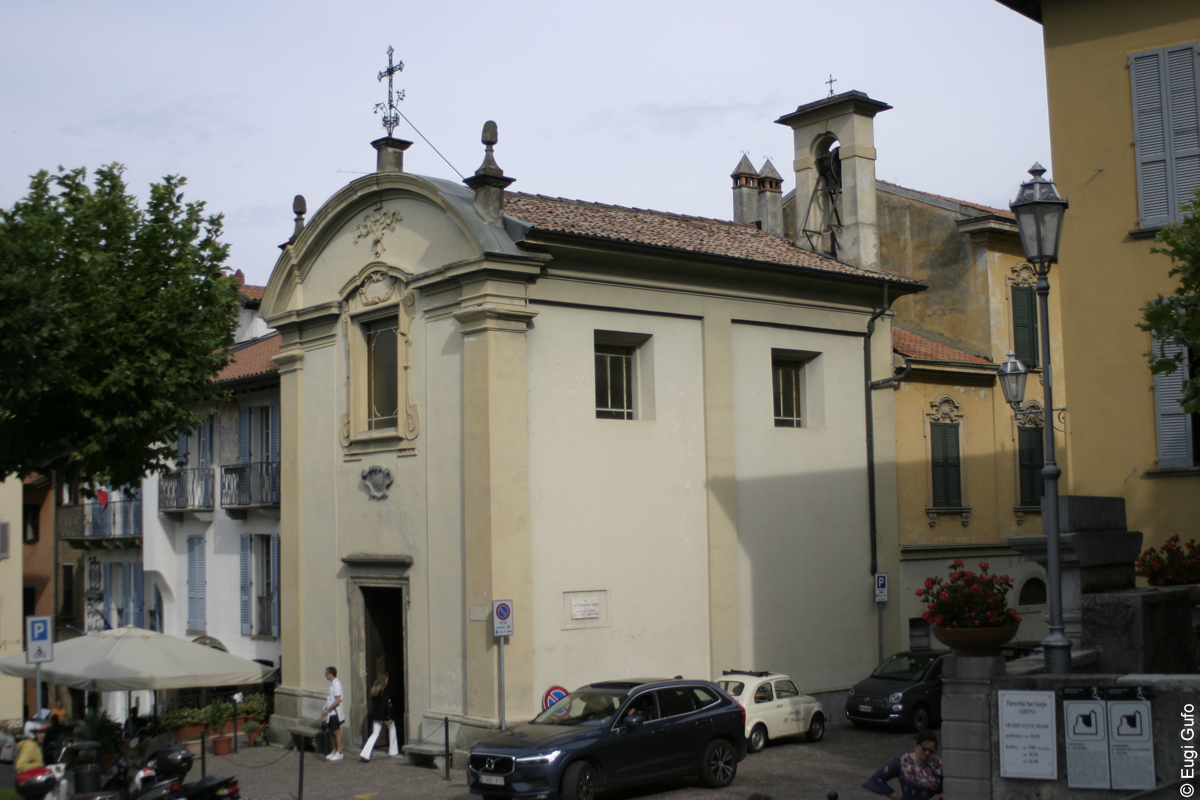
A few steps — literally — from the church just described stands the tiny Church of Santa Maria delle Grazie. It is open to visitors, but the interior is almost completely bare and considerably less interesting than the previous one.
At the opposite end of the square stands the unusual and rather beautiful Church of San Giovanni Battista (presumably built in the eleventh century). It is unusual because it has no façade. Or, more accurately, it no longer has one: its technically frontal side faces the walls of residential buildings, rendering it entirely invisible from what would logically be the main perspective. Only from inside the church can one see the oculus and, with very careful observation, the outline of the bricked-up entrance door. I truly cannot imagine how such a situation came about. All I can say is that entry is now through three small side doors.

The interior of San Giovanni Battista is interesting mainly for the remains of frescoes, which seem to possess more historical than artistic value.

At the beginning of one of the streets branching off from the central square stands the former Church of Santa Maria, positioned between the Town Hall (on the left) and the nursery school (on the right). It was closed, so I cannot comment on its artistic quality or structural condition.

It was curious to discover that the tourist information point is located inside the school building (and appears to be quite popular with visitors from various countries). However, I had already planned all my routes in advance, so I did not go in.
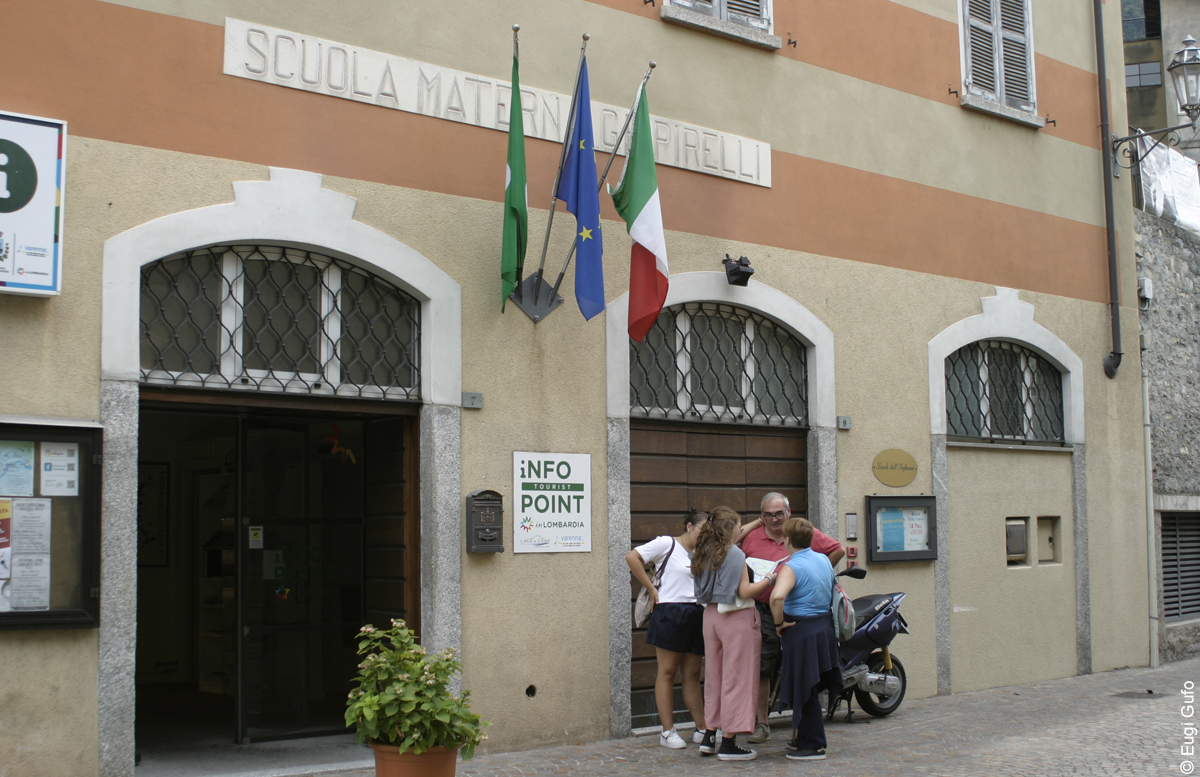
One of the primary objectives of my visit to Varenna was simply to wander through the streets of the centre and contemplate some beauty. There is plenty of beauty to contemplate.
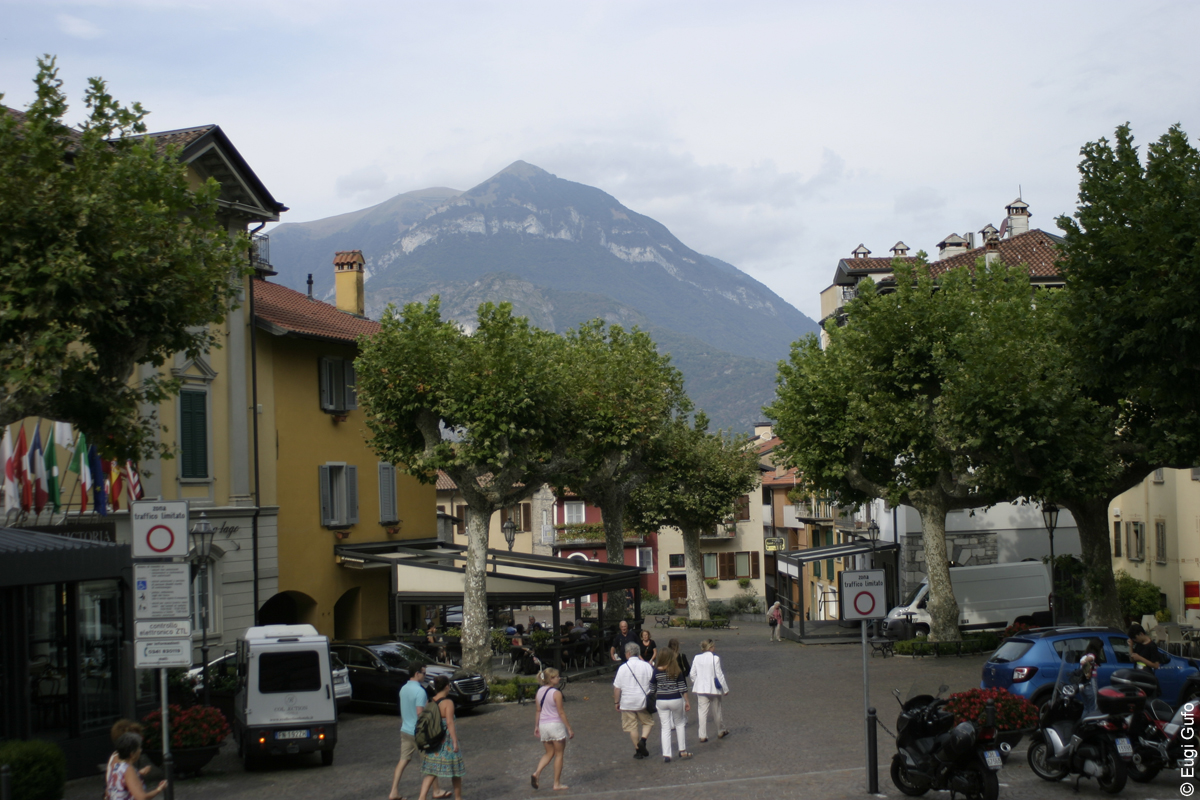
The view of the lake is, as always, magnificent. In this area, that hardly qualifies as a revelation.
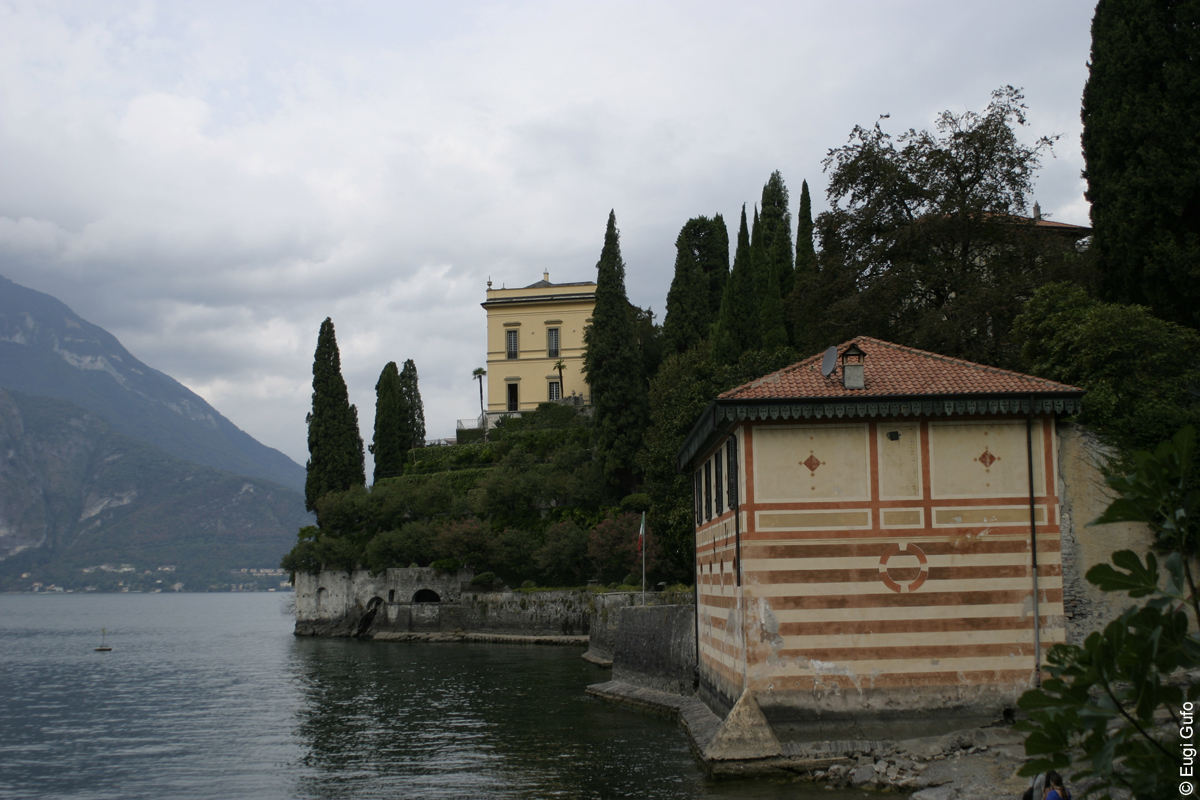
In order to maximise opportunities for lake contemplation, the municipality has constructed a long, wide and sturdy suspended metal walkway connecting two sections of the waterfront that are otherwise separated by private property.
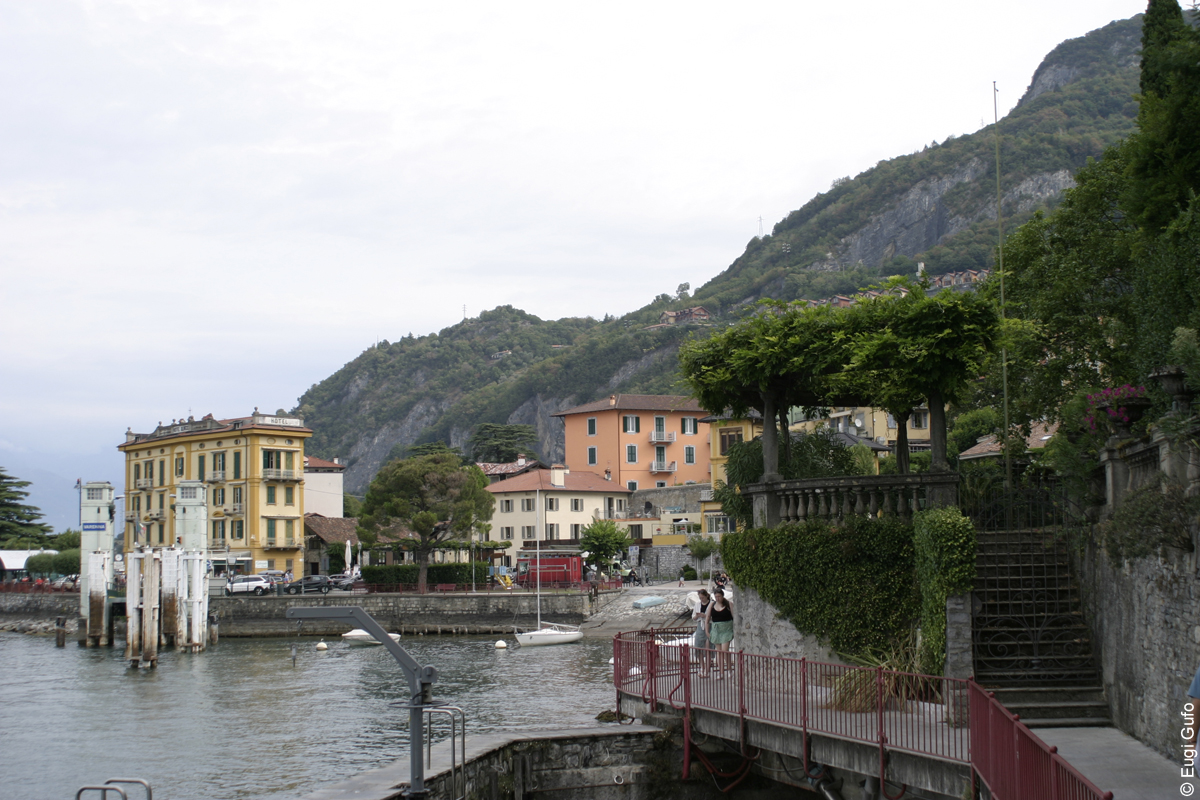
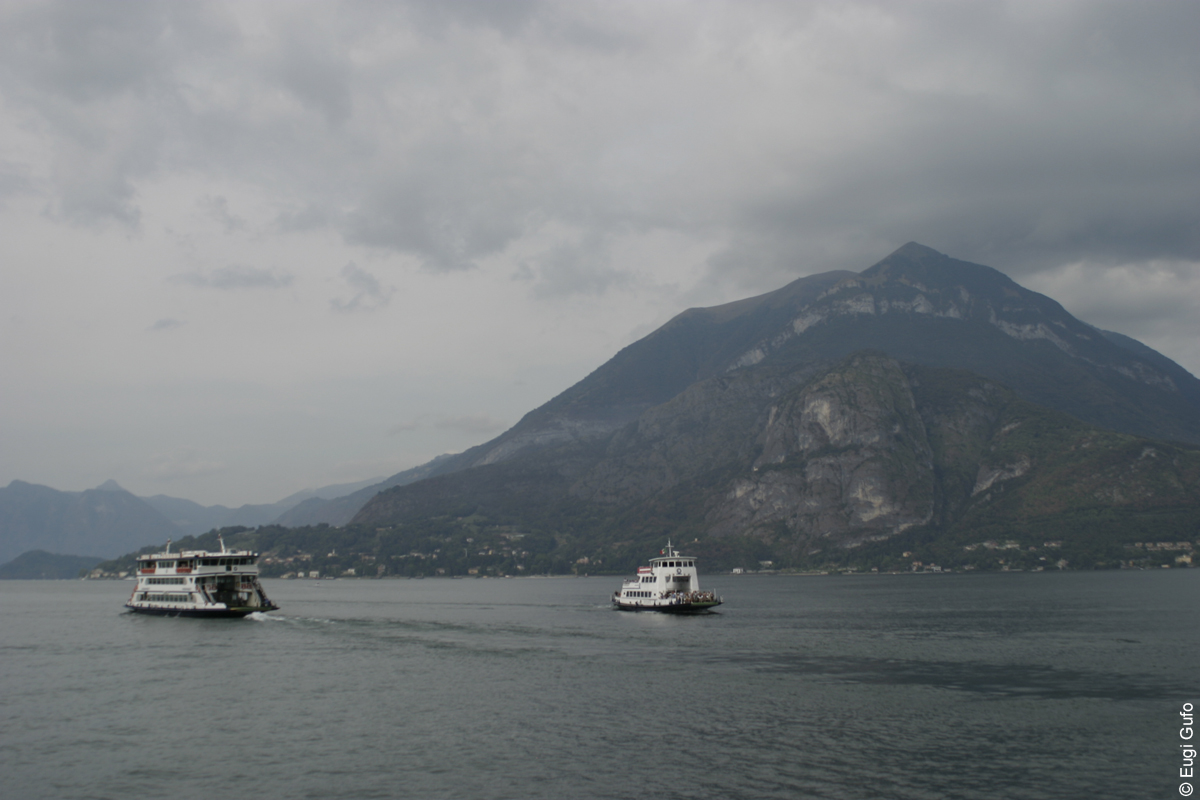
The lake remains fairly busy even when the sky is slightly overcast. Indeed, those who venture out in their boats on summer days like this one are at least spared being incinerated by the sun within two nanoseconds.
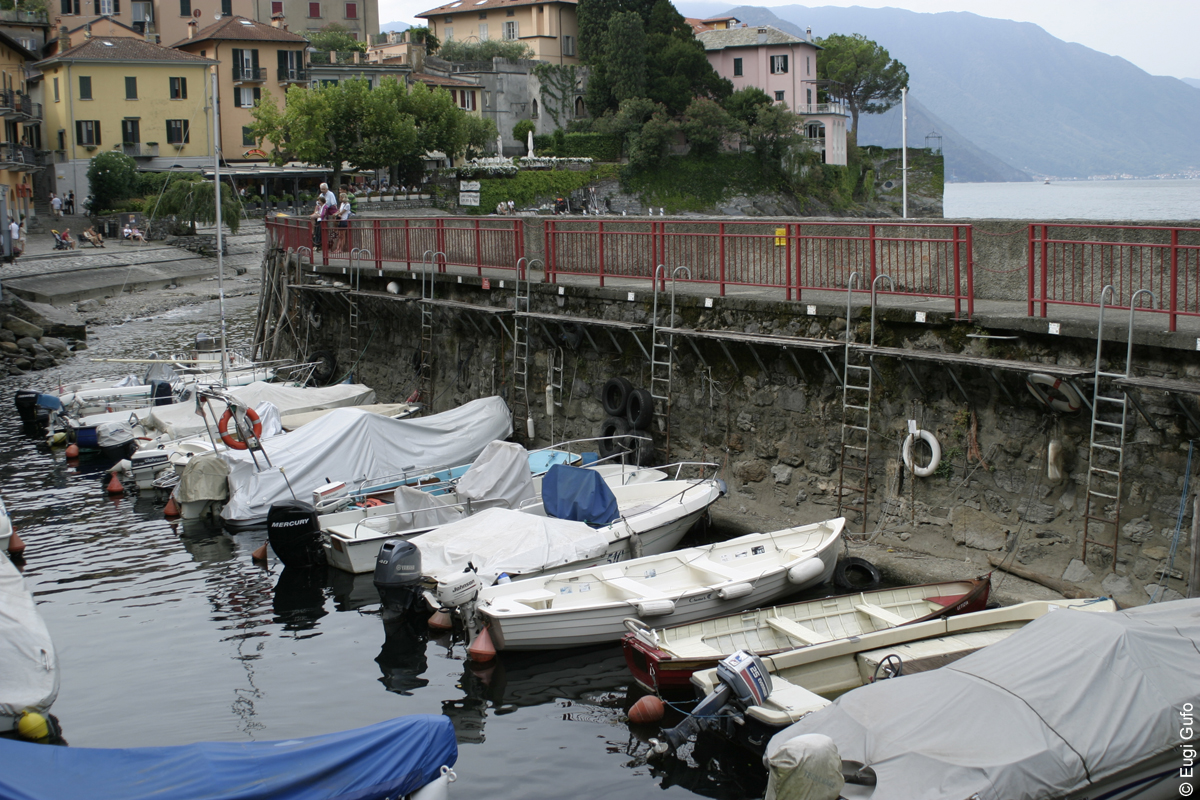
Speaking of the hot summer: the drought of 2022 produced visible effects on Lake Como as well. The pre-drought water level — presumably the lake’s normal level — can be deduced from the rust marks on the ladders and from the height at which the tyres (used as fenders) are attached.
As for human-made decorative elements, it is worth noting that, unlike several other towns, Varenna makes relatively restrained use of the lake’s image in its urban furnishings. In fact, I can show you only one truly interesting example:

This peculiarity, however, does not make Varenna any less beautiful.
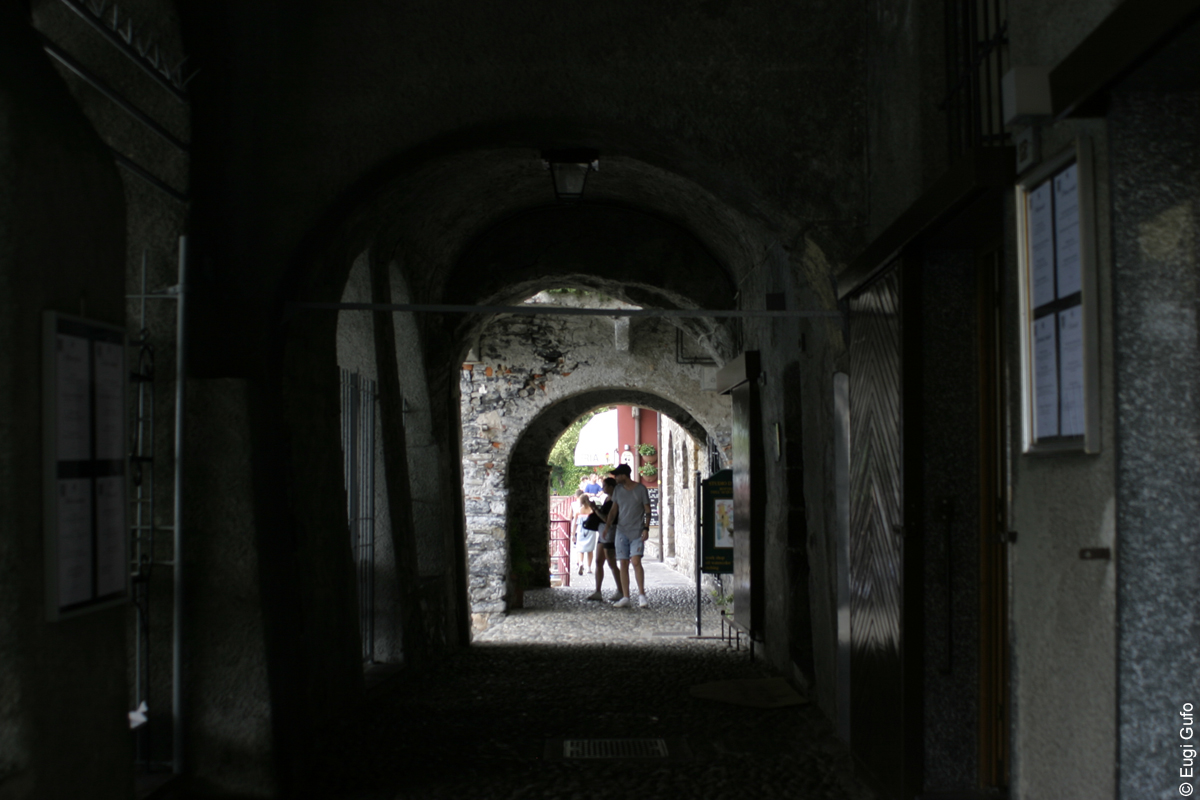
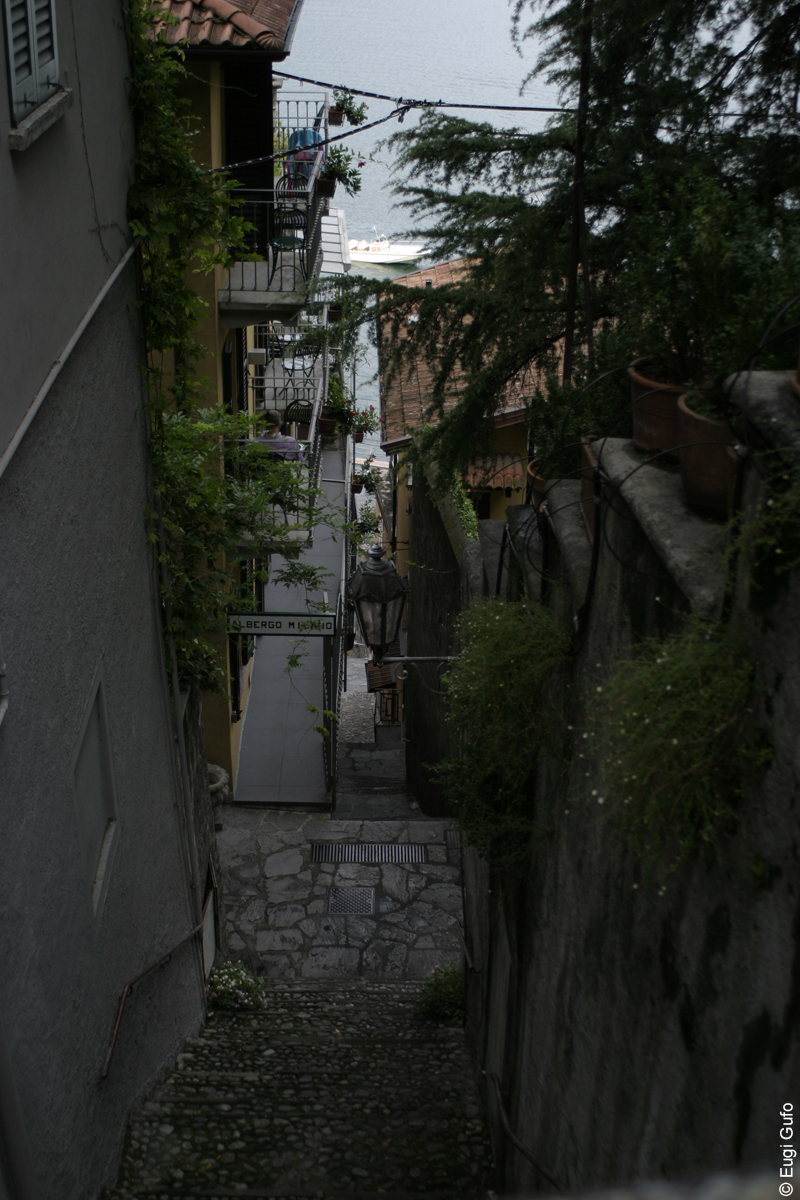
Varenna is one of the few places where vertical photographs genuinely make sense.
Someone in the local administration clearly took a liking to circular benches built around trees. From an aesthetic standpoint, they are undoubtedly attractive. From a practical perspective, however, they are often rather inconvenient: imagine sitting in a group and attempting to converse with the people positioned to your right and left.

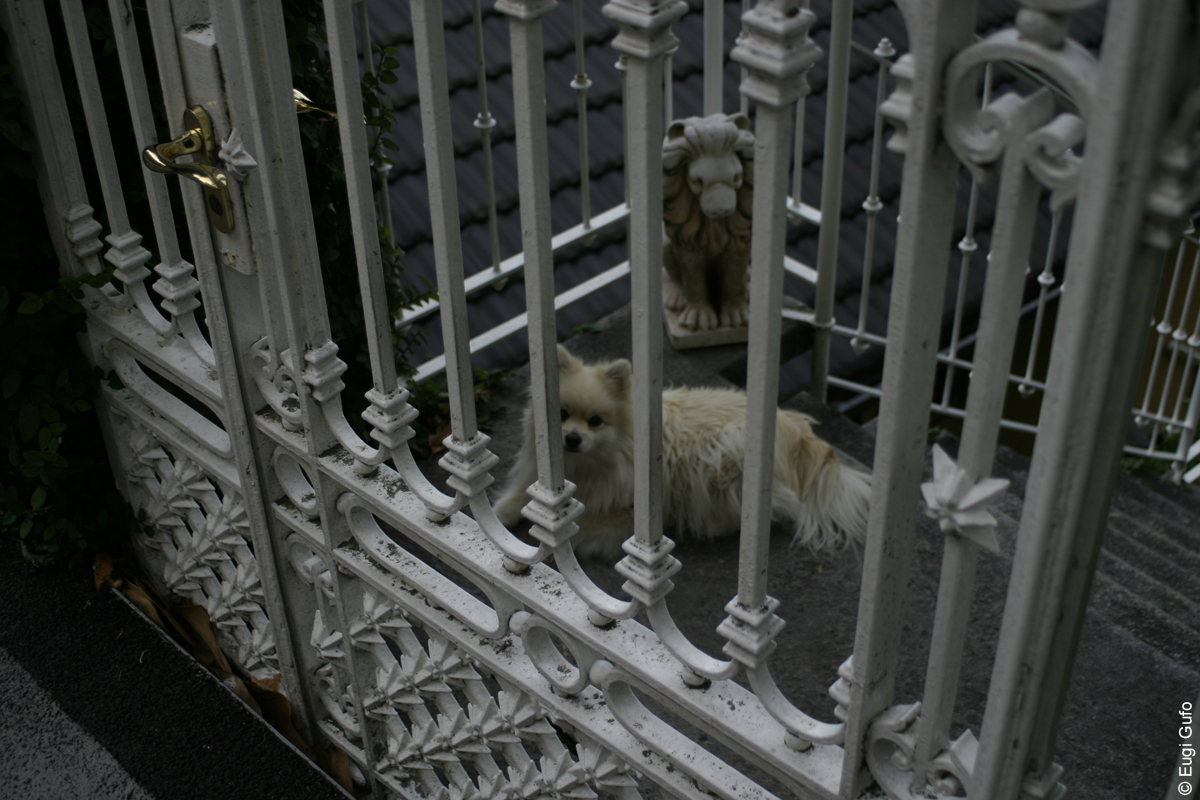
On the positive side, Varenna may confidently be described as a dog-friendly municipality.

At the same time, it is a municipality of friendly dogs.
It is also easily accessible by train.
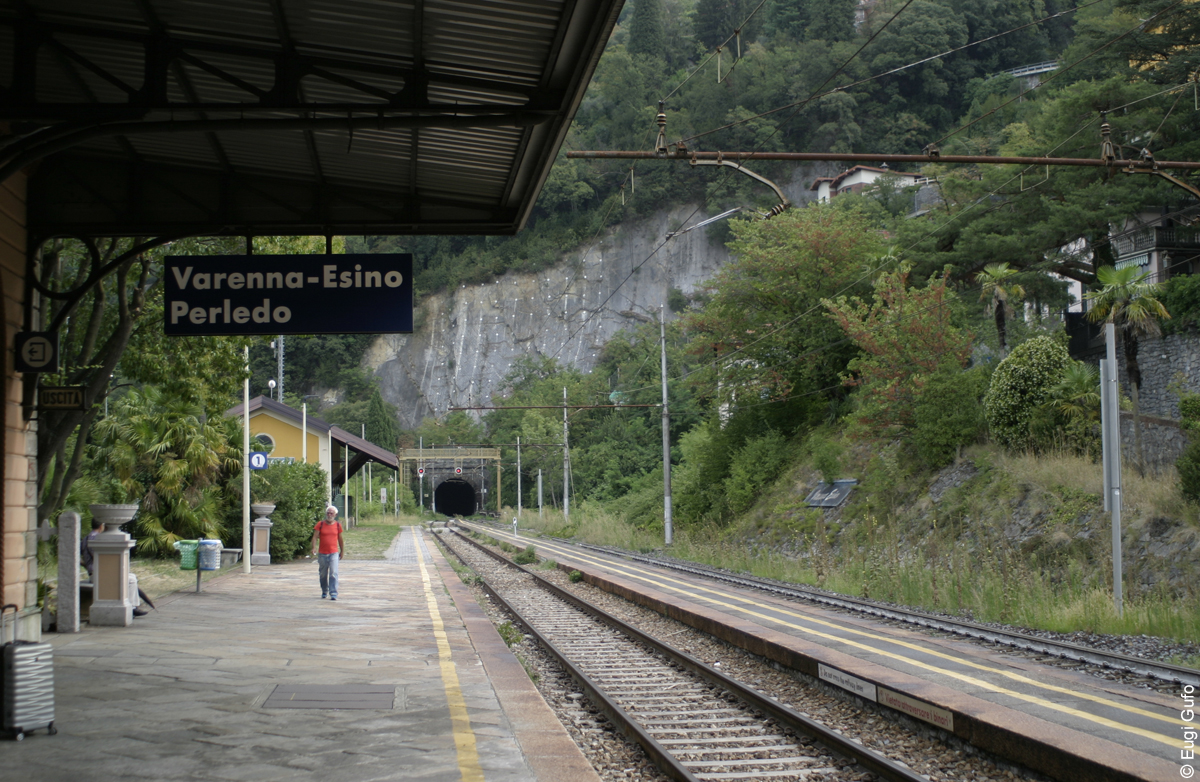
This makes it a convenient starting or finishing point for mountain walks of varying lengths — for example, those along the Sentiero del Viandante, which passes through several towns served by the same railway line.

If you happen to visit this area, do make a stop in Varenna. It is genuinely a beautiful place.
Varenna, 17 August 2022
↓ Show comments ↓

