


 Long live Ukraine! Fuck the war!
 RSS of site articles
The small medieval village of Cornello dei Tasso is officially a hamlet of Camerata Cornello, although in reality it ought to be regarded as its historic centre. Formally, it is not — presumably because of its physical detachment from the main settlement and, indeed, its rather effective isolation from the surrounding world. Precisely thanks to that isolation, it is today one of the best-preserved medieval villages in Lombardy and is therefore rightfully included in the list of «I Borghi più belli d’Italia» [«The most beautiful villages in Italy»].
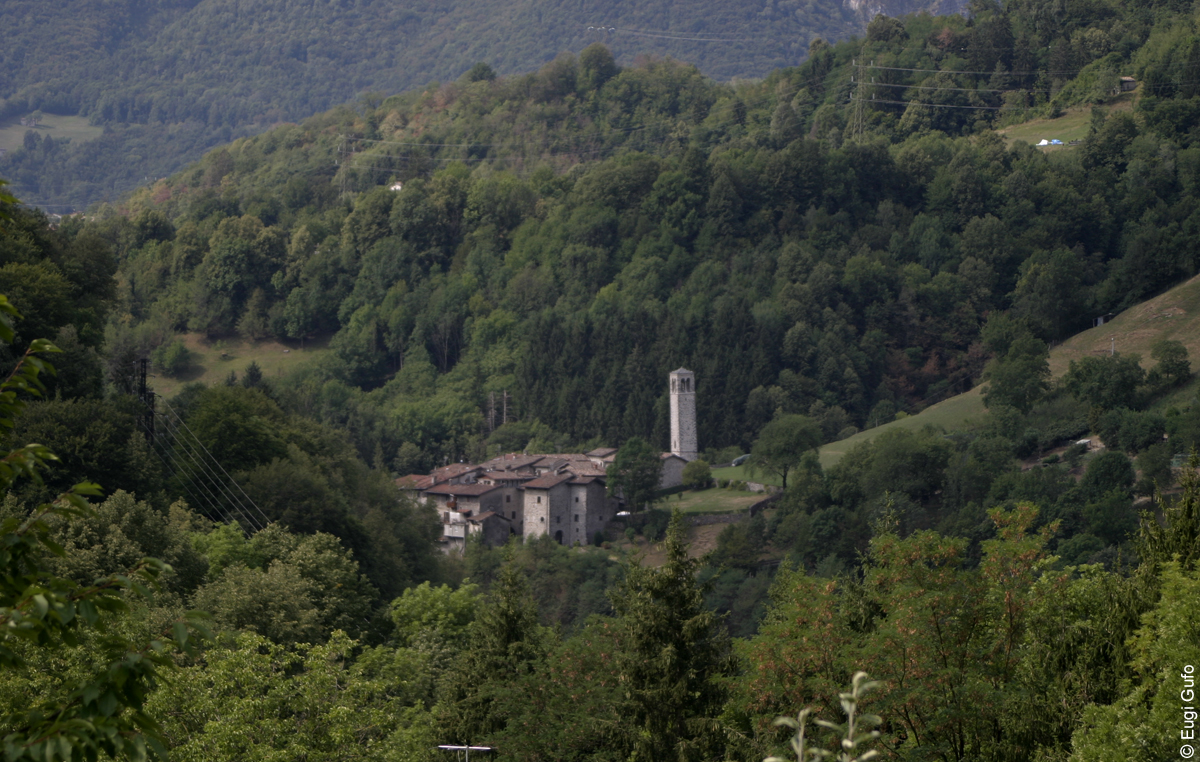
Cornello’s physical isolation began in 1593, the year in which the merchants’ road that ran through it lost its logistical importance in favour of a flatter route that eventually became somewhat less perilous from a criminal perspective. Cornello, thus rendered in a sense «useless» (and already perched inconveniently on a mountainside, far from major road infrastructure), effectively froze in its urban development. In the twentieth and twenty-first centuries, this isolation was deliberately maintained so as not to alter its precious historical appearance. Consequently, there is — and never has been — any road for cars leading to the village. It can only be reached on foot: either via a path from one of the neighbouring towns (Camerata Cornello on one side or San Giovanni Bianco on the other), or via a cobbled mule track that passes near a small car park. I, for instance, set off from the centre of Camerata Cornello, took a slightly eccentric route, and eventually found myself on the mule track after passing the car park. I can now testify to two things: 1) the car park is only a few minutes’ walk from Cornello; 2) the mule track is in structurally perfect condition and has no particularly steep ascents or descents (meaning that it can be managed quite comfortably by people of any age or level of fitness).

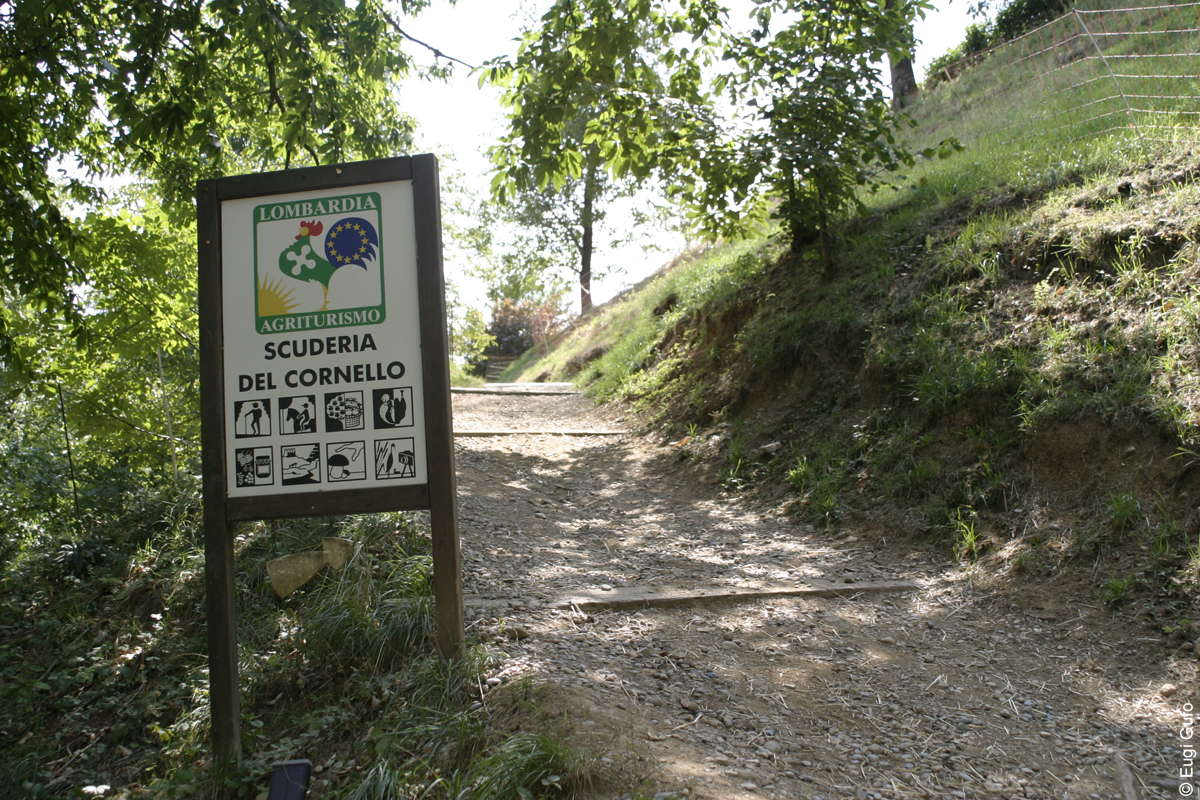
About halfway between the car park and the village, there is a turning for Scuderia Cornello: a riding school (with horses and ponies) combined with an educational farm. It might prove both interesting and beneficial for children raised in cities. It deserves a separate account.
We now proceed towards Cornello dei Tasso: its walls are visible from a fair distance, but the entrance appears almost suddenly.

Essentially, the mule track we have just followed — and its continuation beyond the village gate — forms, if I have oriented myself correctly, part of the Via Mercatorum: the merchants’ road that until 1593 connected Bergamo with the Val Seriana.
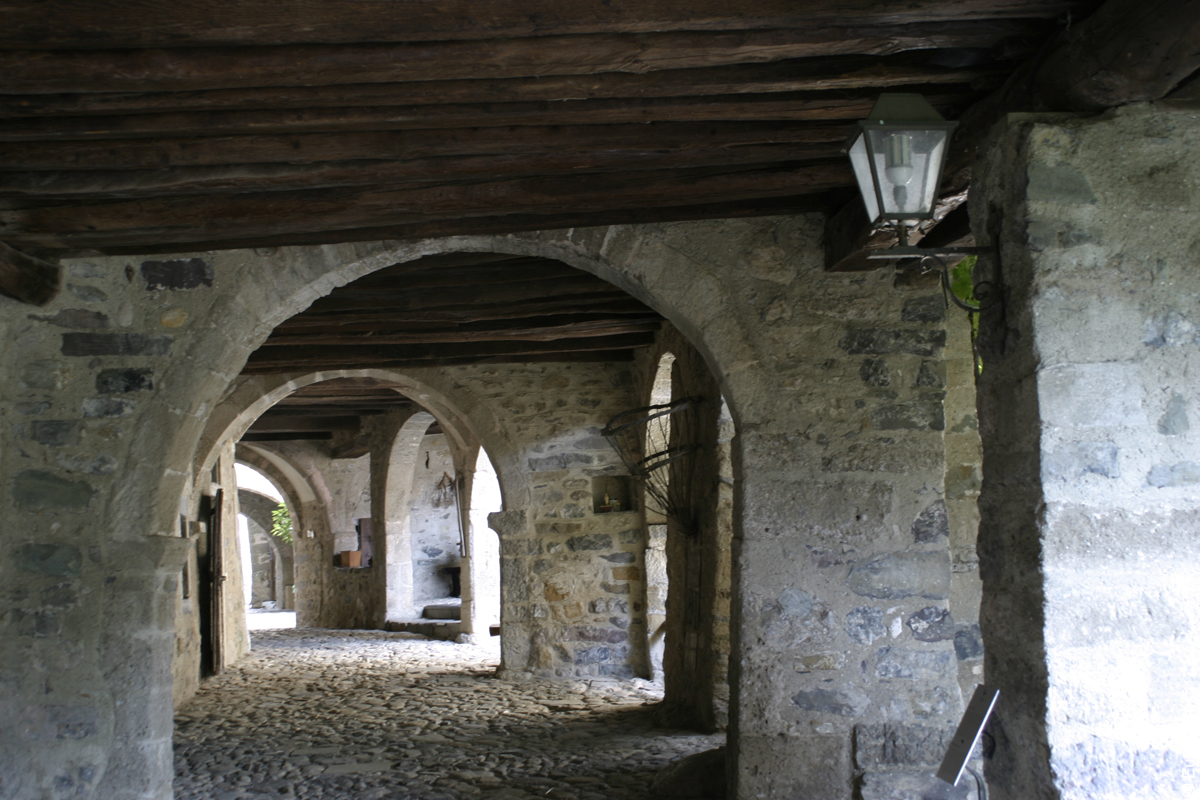
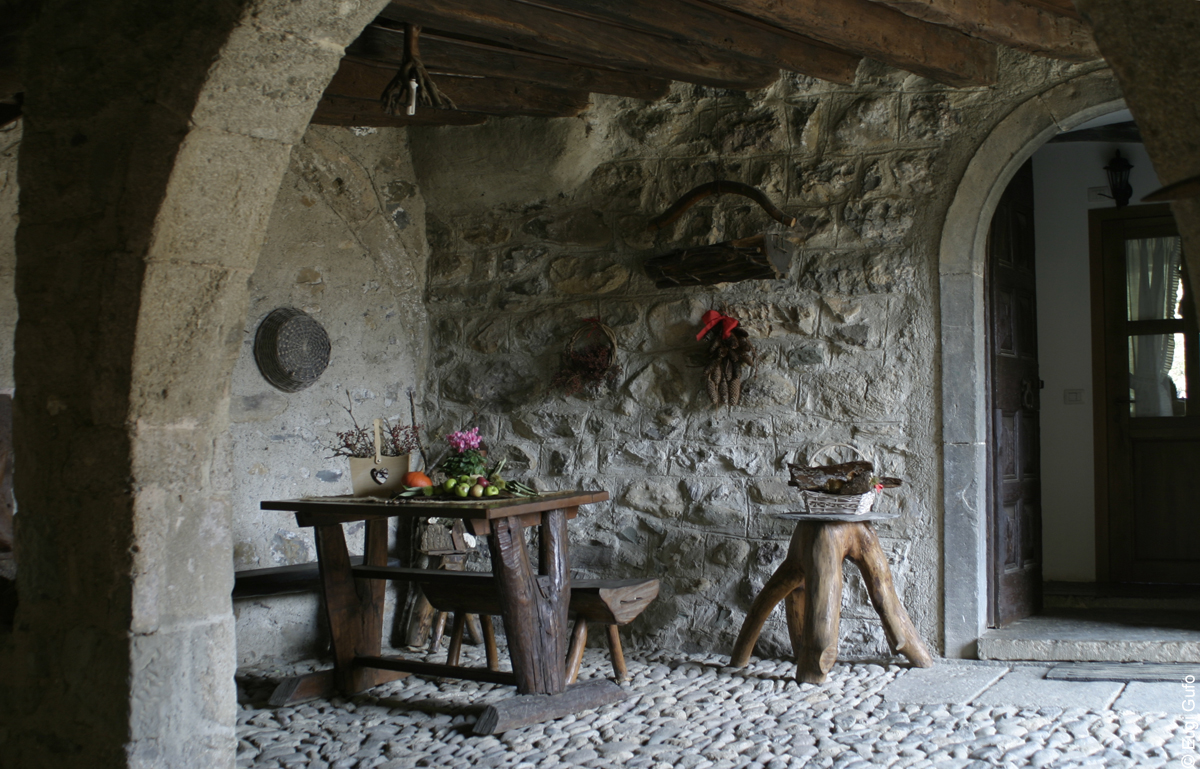
Along this route, under the arcade on the right (if arriving, as I did, from Camerata Cornello), one finds a row of former shops. In the Middle Ages, the only market in the Val Brembana was held here, and travelling merchants would sell or exchange part of their goods along this very street.

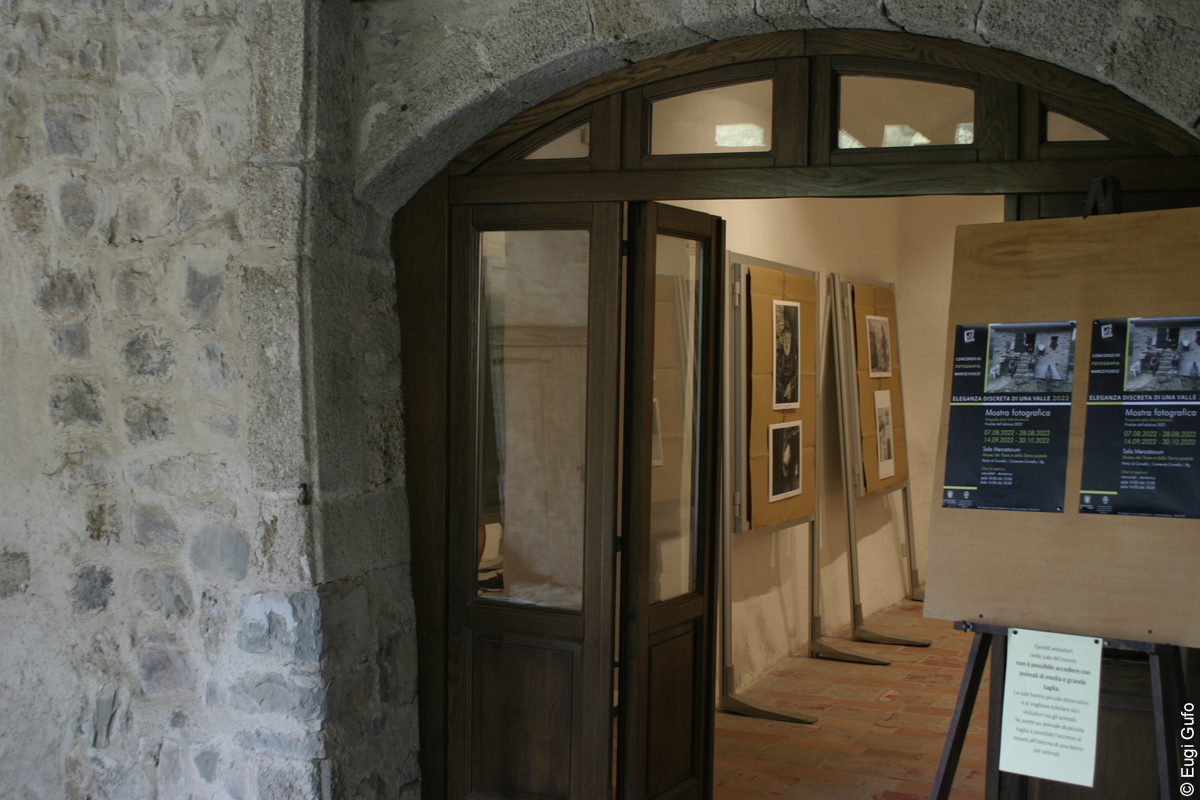
Today, some of these former shops appear disused, while others have been repurposed. One relatively large space, for example, is used for temporary exhibitions by the Museo dei Tasso. At the time of my visit, a photographic exhibition dedicated to Cornello itself was on display. Some of the shots were genuinely interesting. I shall return to the museum shortly.
For now, I can report that almost the entire merchants’ street is aesthetically pleasing, even if certain individual elements occasionally feel slightly theatrical.
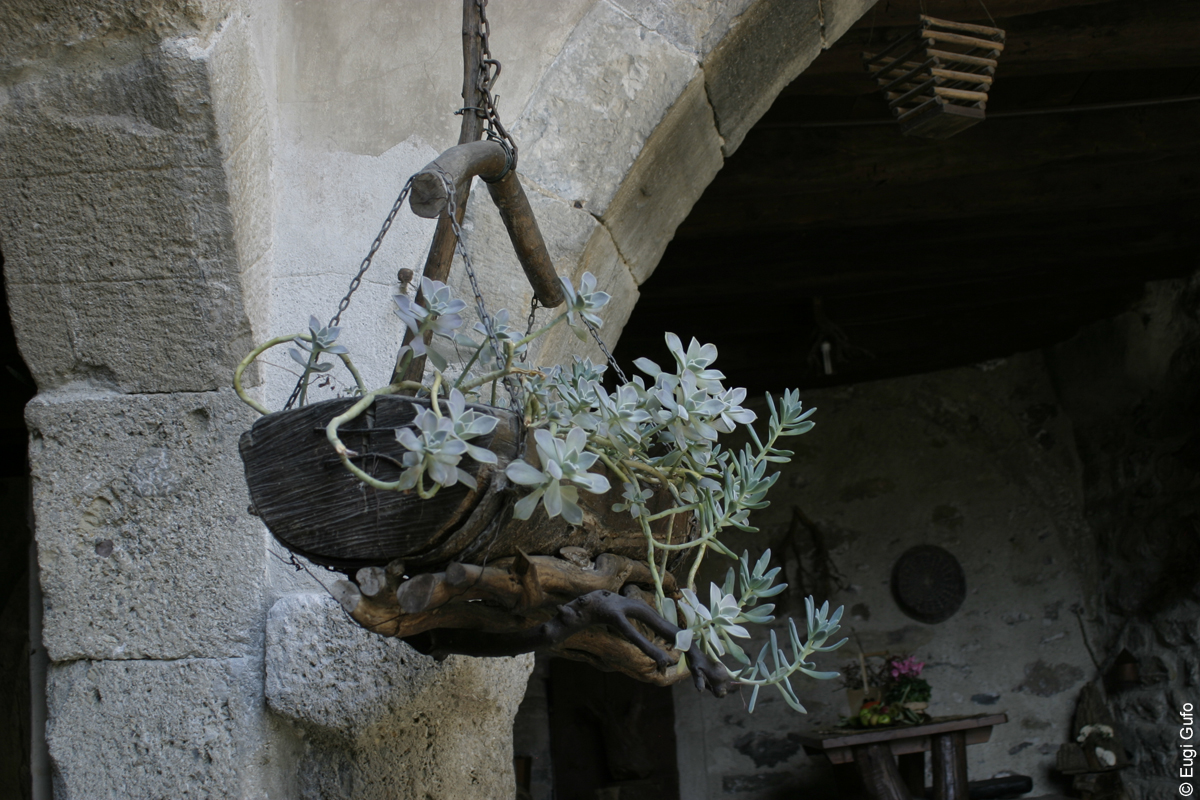
This observation does not apply to the handcrafted flower pots: the majority of them are genuinely interesting.
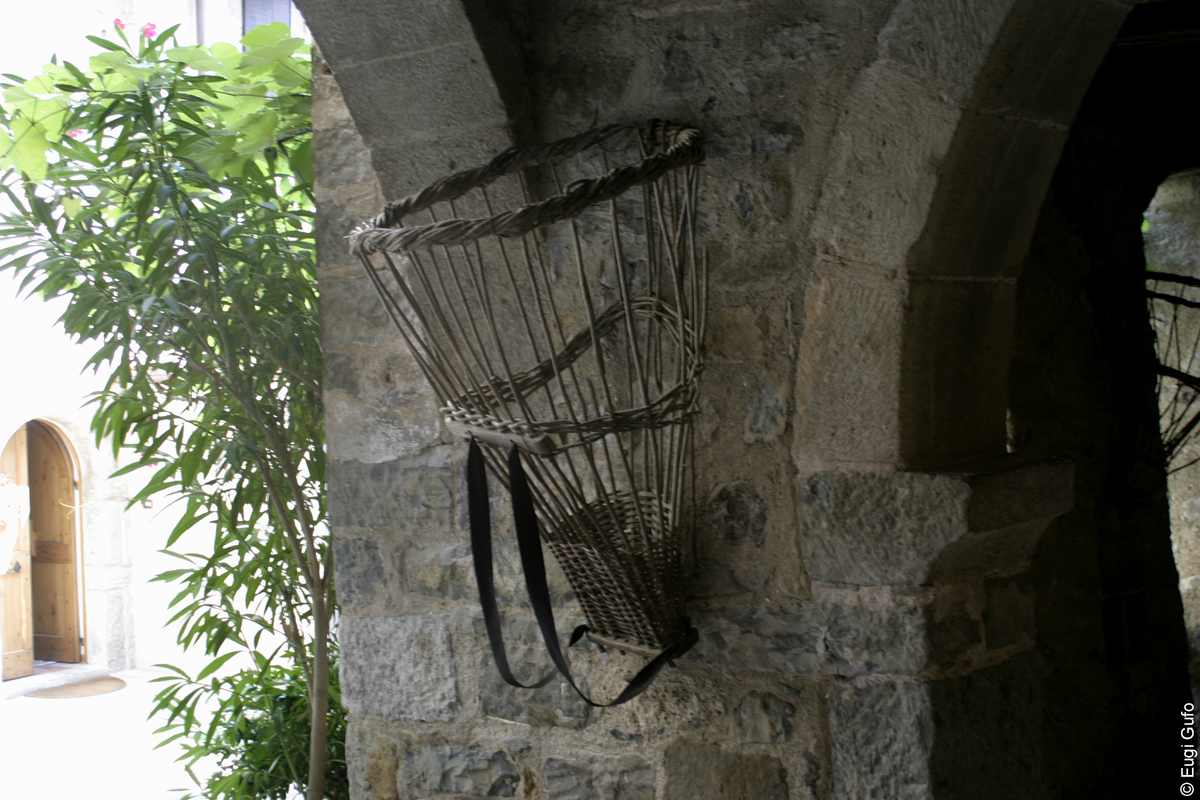
In some places, tools once used in everyday life are also displayed.
Naturally, the merchants’ street is not the only street in the village, nor the only one worth seeing.
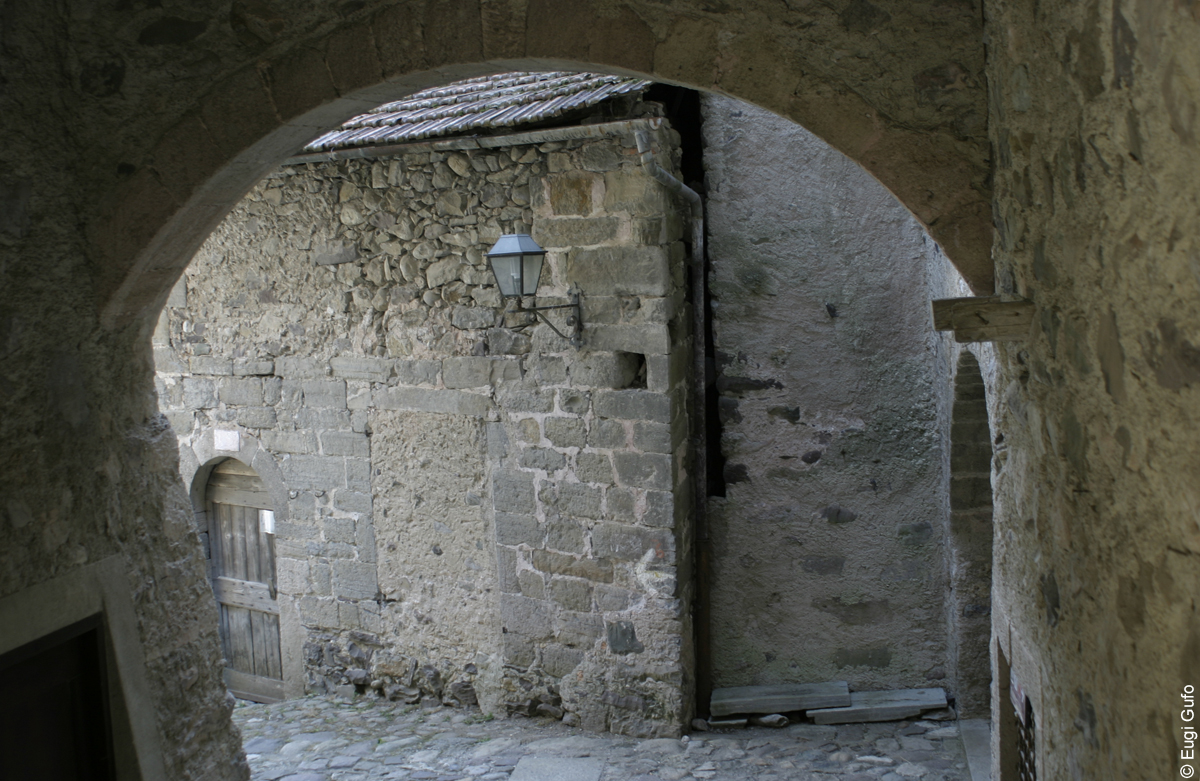
Despite the fact that restoration works carried out from the 1980s onwards have left fairly visible traces, Cornello dei Tasso still largely appears as an authentic medieval place.

At this point, I should finally explain the name of the village, as many of my readers may (alas!) never have heard of it. The name can be divided into two parts: «Cornello» and «dei Tasso». The origin of the first part is uncertain (it probably derives from the word corna, which in the Bergamasque dialect means rock or stone). The second part refers to the Tasso family, who settled in Cornello at the beginning of the thirteenth century. As you may imagine, they were not an ordinary family — otherwise they would hardly have been immortalised in a toponym, however small the locality.
Among the illustrious descendants of the Tasso family of Cornello were the poet and writer Torquato Tasso and several entrepreneurs who, from the early sixteenth century onwards, created the first version of a European postal service. It is also claimed that the word «taxi» entered global vocabulary thanks to the family’s enterprise, which at some point began transporting human passengers alongside mail deliveries — more precisely, this service was first offered by the Germanised branch of the family, the Thurn und Taxis. Today, at least two palaces in Cornello dei Tasso were once inhabited by different generations of the family.
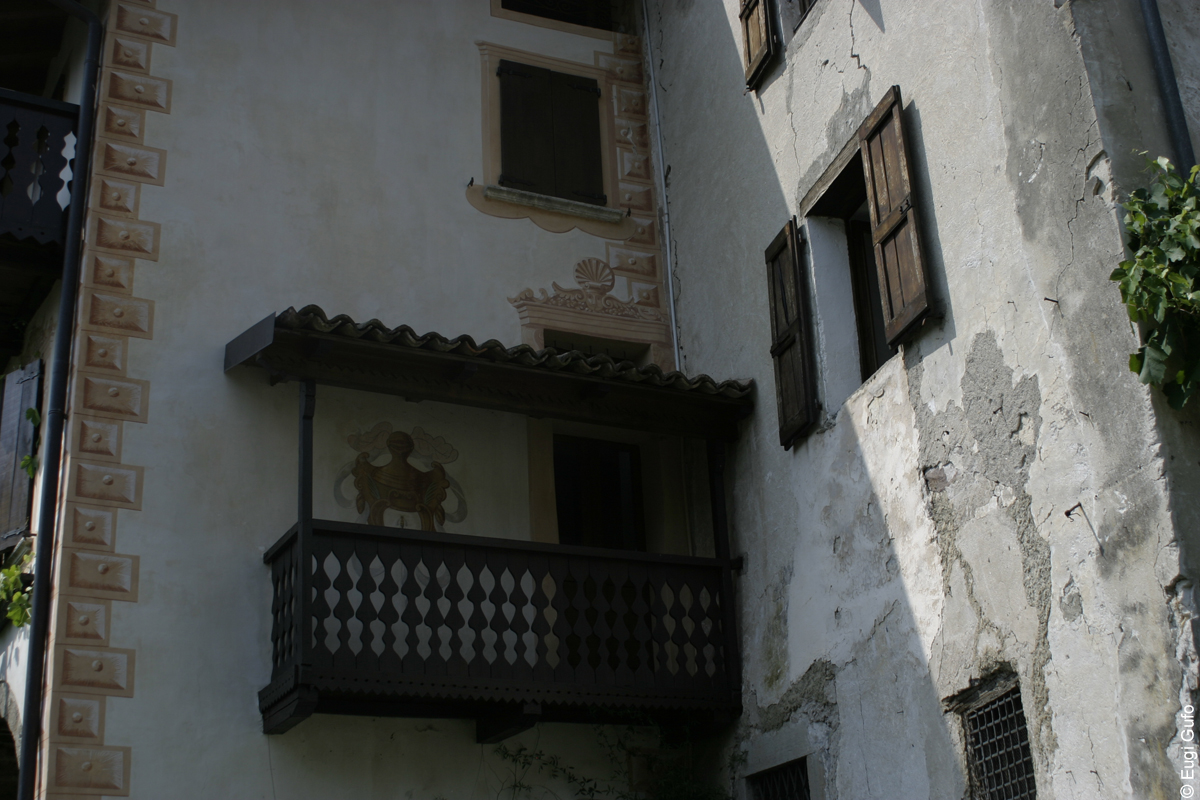
If I have understood correctly from various online articles, all the numerous branches of the Tasso family have been extinct for at least two centuries, so the palaces are now inhabited by people with no familial connection to the historic lineage. Wikipedia states that the village is currently home to just twenty residents. I rather envy them (perhaps more than rather), as they can spend as much time as they wish surrounded by such beauty and tranquillity. Or perhaps the idea only seems appealing because I know I can return to a large city at any moment? Hard to say. In any case, the residents’ peace did not appear to be greatly disturbed by tourism: during my mid-August visit, there were no more than thirty visitors in the entire village (admittedly more than the inhabitants, ahahaha), all of them calm and polite. That may well be because places of this kind tend to attract those genuinely interested in history and culture rather than carefree amusement.
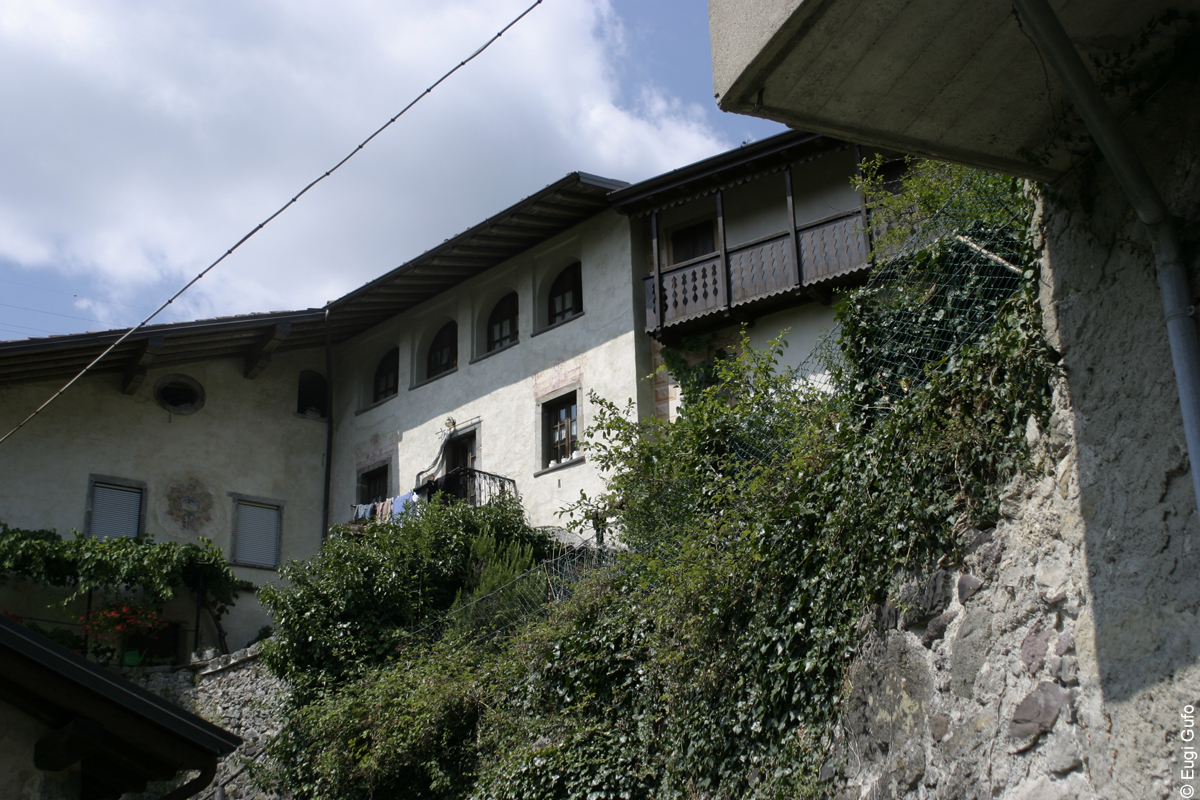
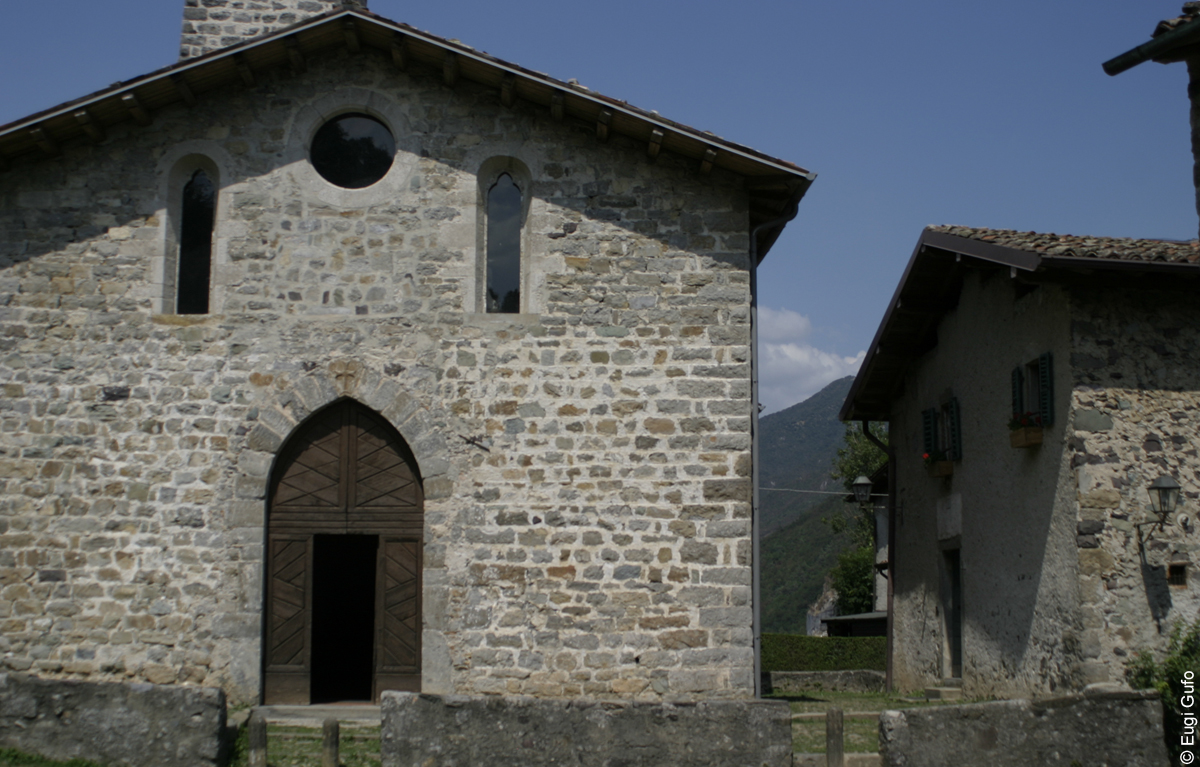
Several descriptions mention that the various zones of the village — relatively speaking — are arranged on different vertical levels. This is hardly surprising, given that we are practically in the mountains. At the same time, such an observation should not alarm physically less robust visitors: the difference in elevation between the lowest and highest points of the village amounts to only a few metres. «At the top» stands the Church of Sant’Antonio di Padova: very simple and very small, yet undeniably attractive. Not only because of the surviving fresco fragments, but above all because of its overall impression. I suspect that such a combination of decorative restraint and architectural choice can only be found in mountainous settings.
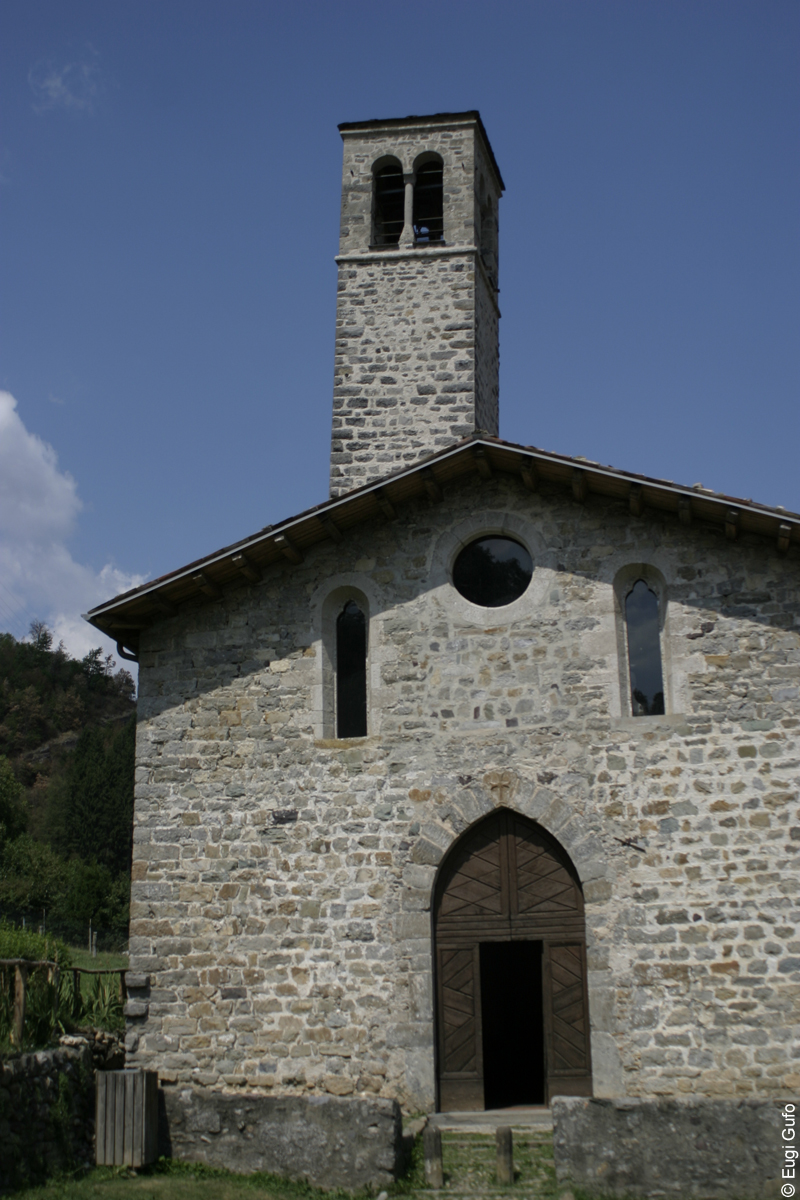
I merely hope the bells do not disturb the neighbours excessively.
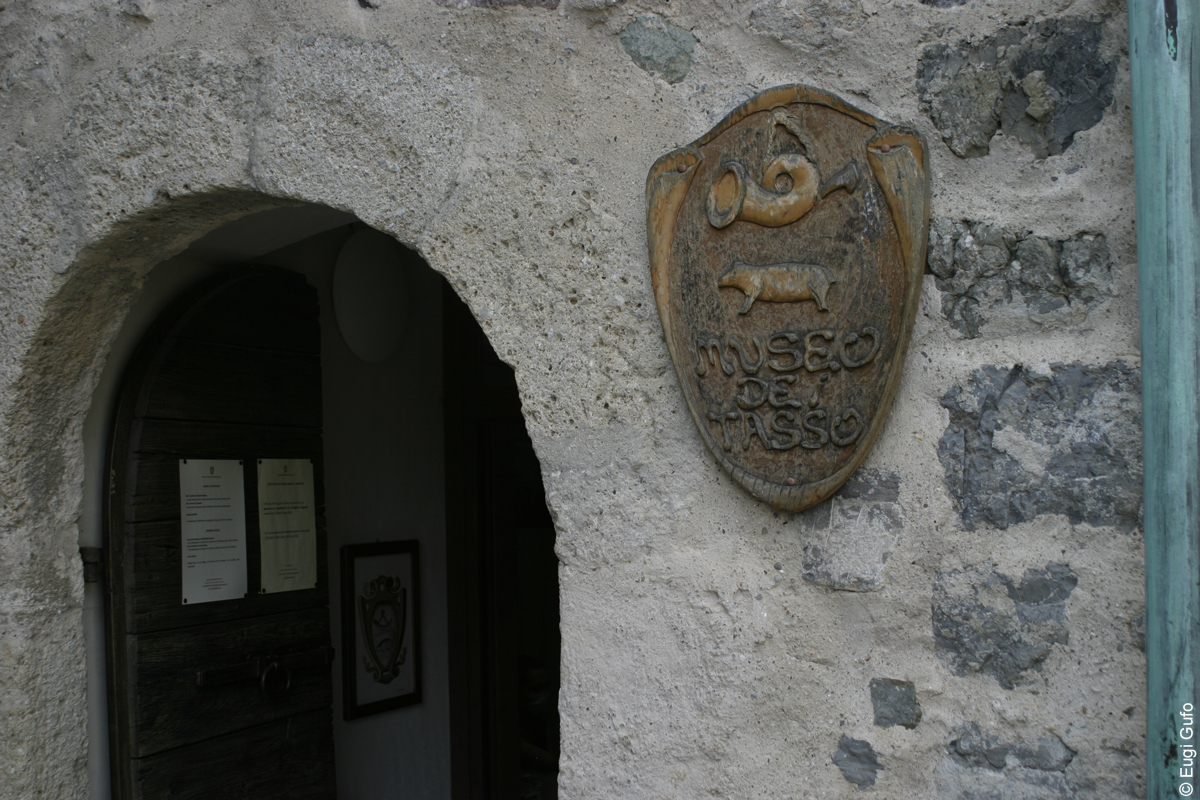
From a cultural perspective, even more interesting is the Museo dei Tasso e della Storia Postale, mentioned earlier. Opened in 1991, it is very small (a maximum of ten people may enter each of the four rooms at any one time), free of charge (except for guided tours), open from Wednesday to Sunday (including public holidays, except 25–26 December and 1 January), and equipped with rather narrow internal staircases. Above all, however, it is an engaging museum (albeit organised in a slightly old-fashioned manner) and run by exceptionally friendly and helpful staff. Of the four rooms, I most appreciated the two primarily dedicated to the postal service.
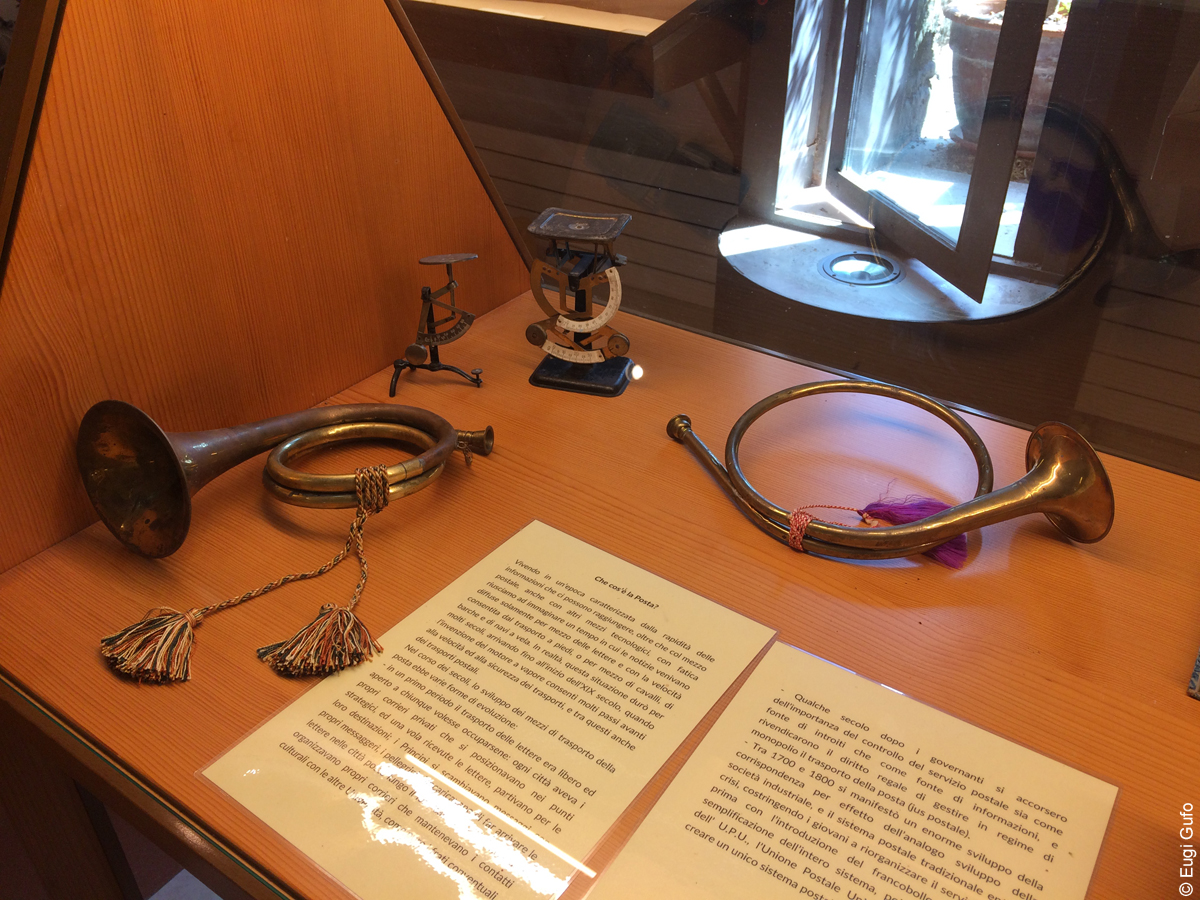
These occupy the two floors of a small stone house, where objects related to the exchange of correspondence are displayed. The working tools of historical postmen are unfortunately not numerous…
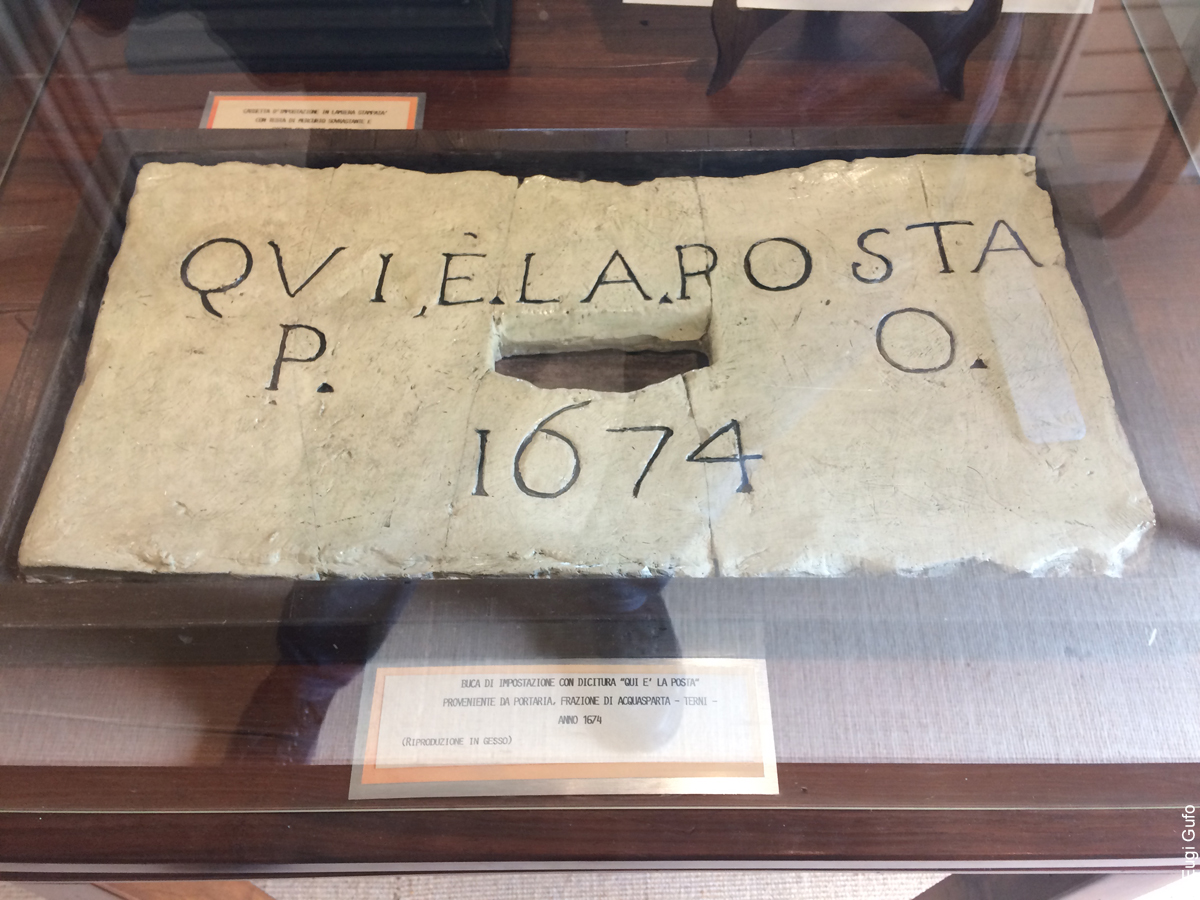
Nor are there many antique letterboxes (though I fully understand that such objects could easily fill a much larger museum). Nevertheless, this magnificent marble specimen from 1674 is an exceptionally rare — almost unique — piece:
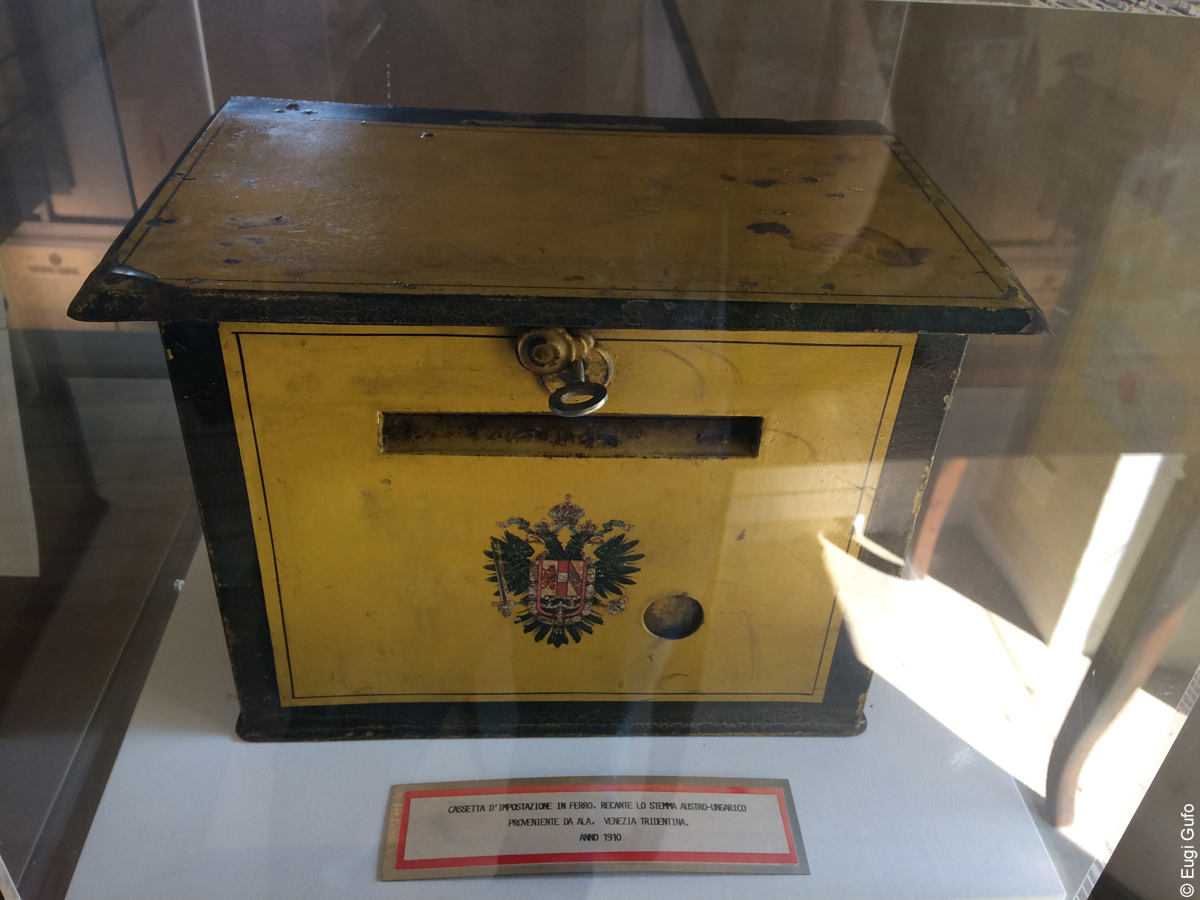
The Austro-Hungarian iron letterbox from 1910 is another object that many museums around the world might envy.
The most represented category in the museum consists of letters sent during the sixteenth, seventeenth and eighteenth centuries. These letters deserve to be seen in person not only for their calligraphy, but also for the way they were folded and sealed before dispatch: particular folding techniques or embossed impressions served both to protect the contents and to reveal any attempted tampering.

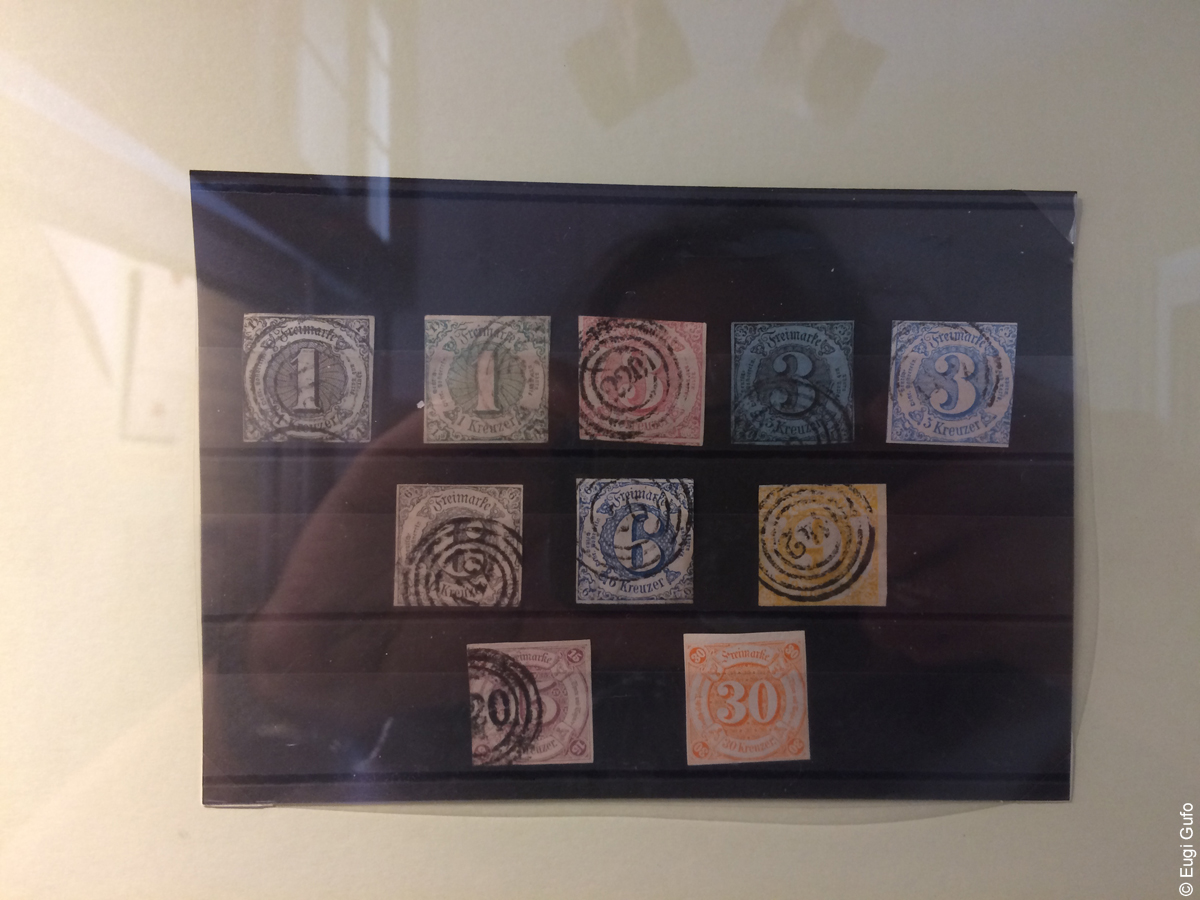
Postage stamps from past centuries are somewhat fewer in number, yet still very interesting.
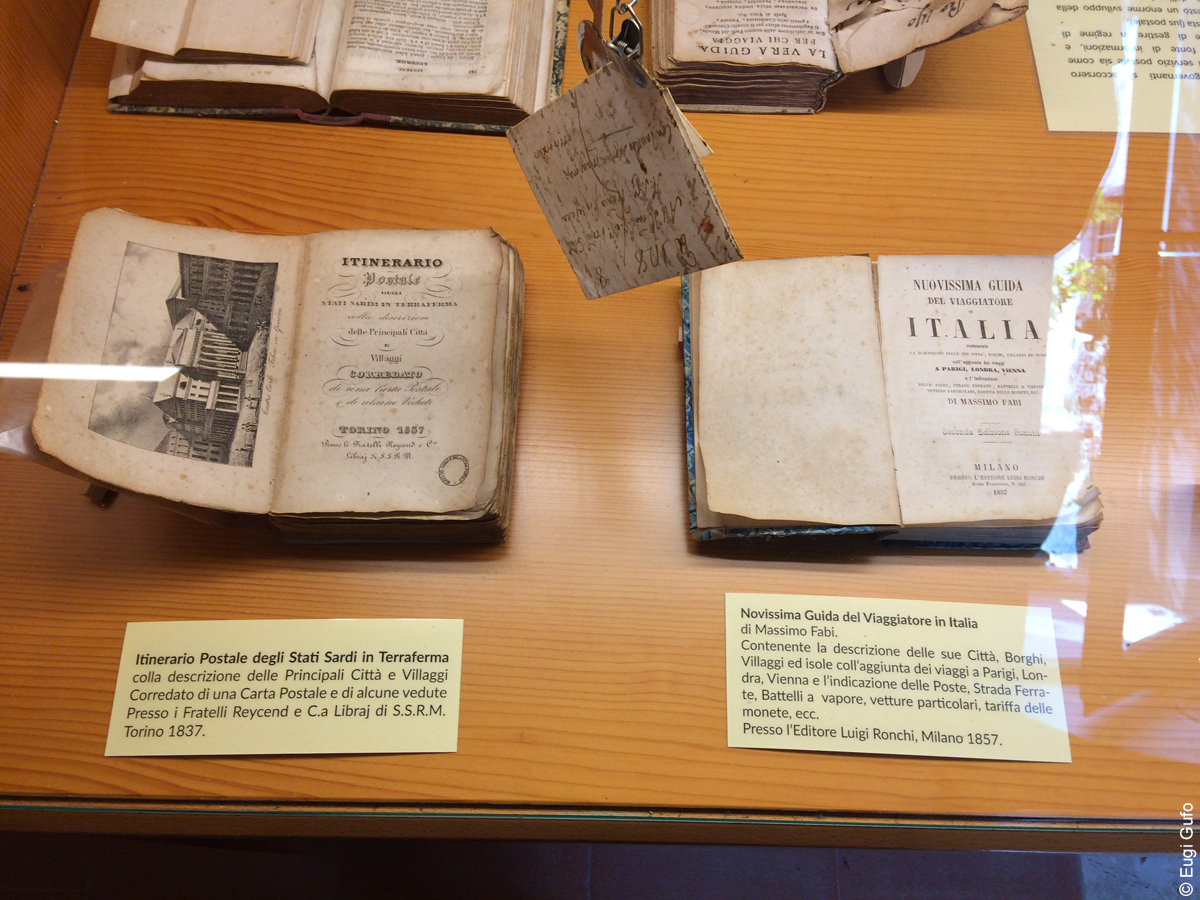
I suspect the presence of «travellers’ itineraries» is linked to the fact that the Tasso family, as mentioned earlier, also offered passenger transport alongside postal services. The books on display (in this case from the nineteenth century) are attractive, though even more appealing would be the opportunity to explore at least a few concrete examples of their contents. Unfortunately, my investigations in that direction have yet to yield sufficiently interesting results.
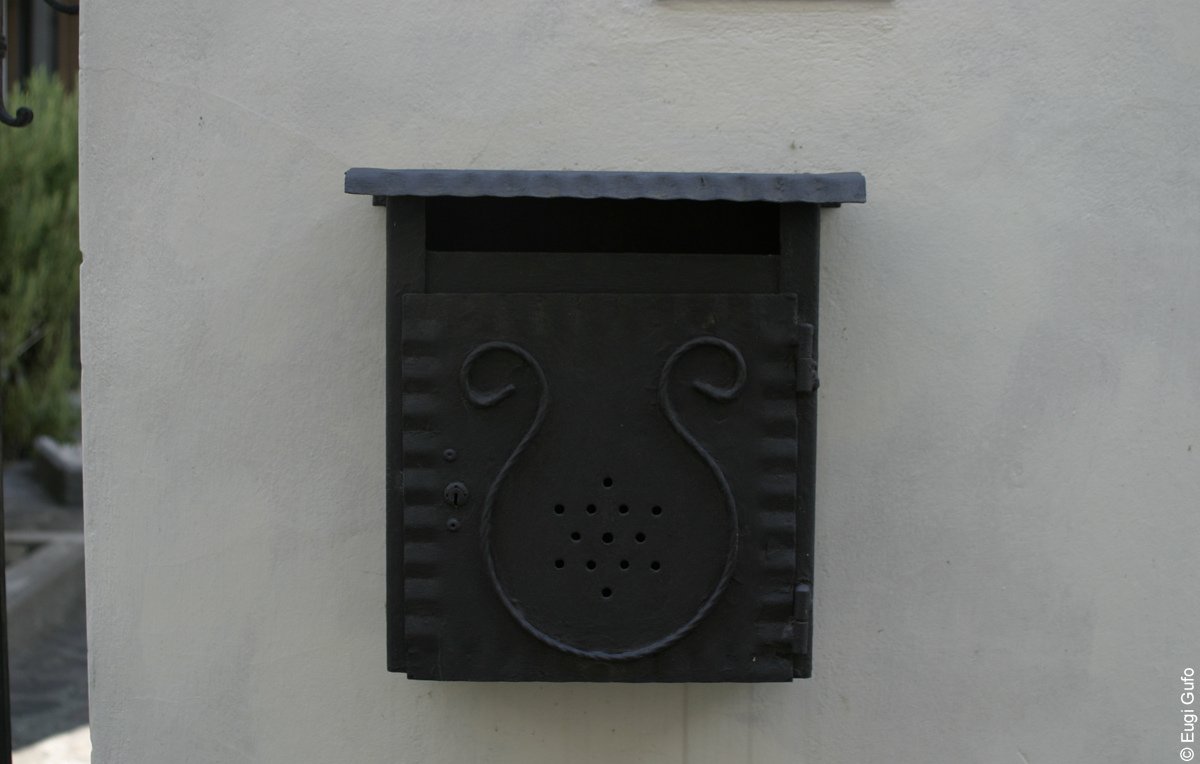
Outside the museum, however, Cornello dei Tasso does not particularly resemble the homeland of the postal service. For instance, the only beautiful and historic letterbox still in use in the village is a cast-iron box of the Regie Poste; museum staff date it to the late nineteenth century, and I see no reason to doubt them. Yet I have already encountered antique letterboxes in several small Italian towns and villages; it might have been rather splendid to arrange a more «mass» presence of such objects throughout the streets of Cornello, at least on inhabited houses.

For the moment, the other letterboxes spotted in Cornello dei Tasso are nothing remarkable. In this specific field, the competition with Crespi d’Adda has been decisively lost.
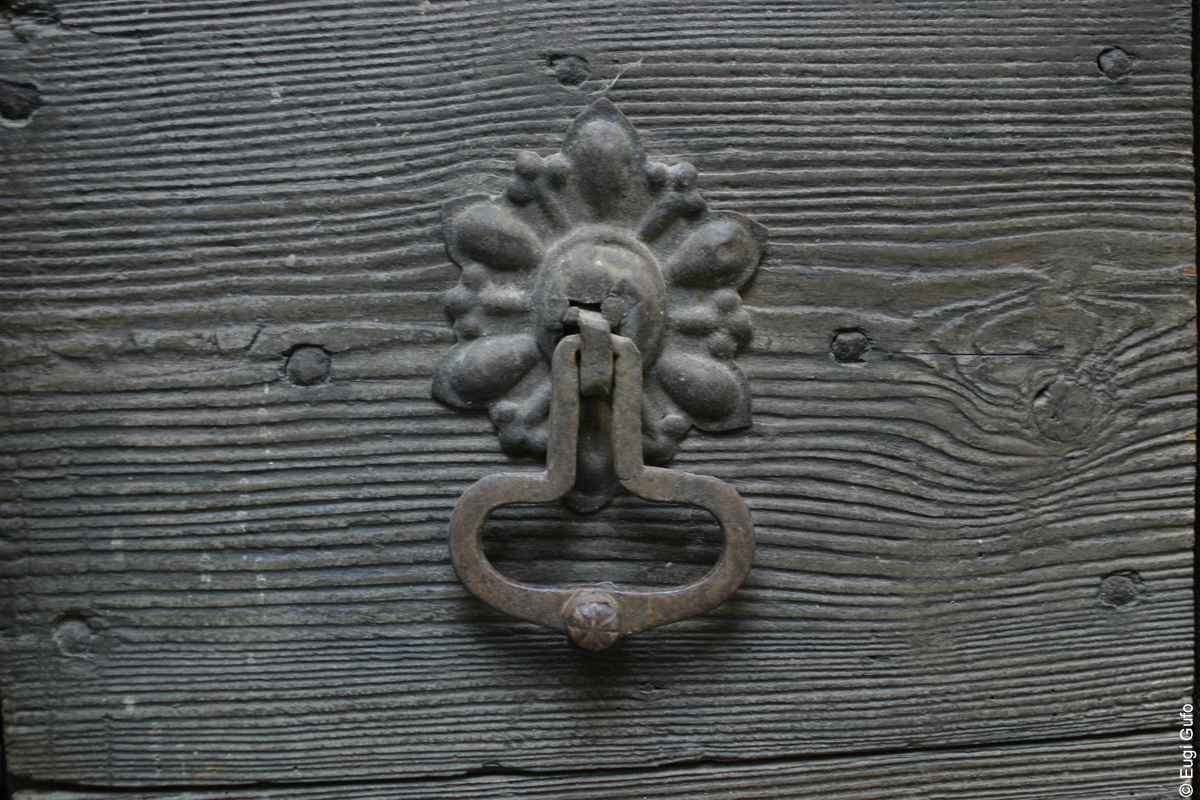
However, historical postmen probably also made use of door knockers. So one might argue that, in some way, history is still being preserved.
Now that I have described a number of small details of Cornello dei Tasso, I shall conclude by summarising: the village is small, but it is exceptionally beautiful and interesting. I strongly recommend seeing it with your own eyes.
Cornello dei Tasso, 11 August 2022
↓ Show comments ↓

