


 Long live Ukraine! Fuck the war!
 RSS of site articles
In the memorable year 2020, after the Covid lockdown, I embarked upon my first truly systematic theoretical study of small Italian villages worth exploring. In that particular historical moment, it seemed perfectly reasonable to look for destinations that were always beautiful, yet slightly less crowded than average. It was thanks to that research that I encountered the name Varzi for the first time in my life. From the information gathered, I formed the impression that it might be an attractive and interesting place… but I was only able to verify this in person on 3 June 2022.
I can now consider myself fortunate because Varzi did indeed prove to be a small but genuinely beautiful town. Its architectural quality becomes apparent within a few minutes of entering the municipal area, and it is not — as happens in many other small towns — confined to just a handful of central streets.
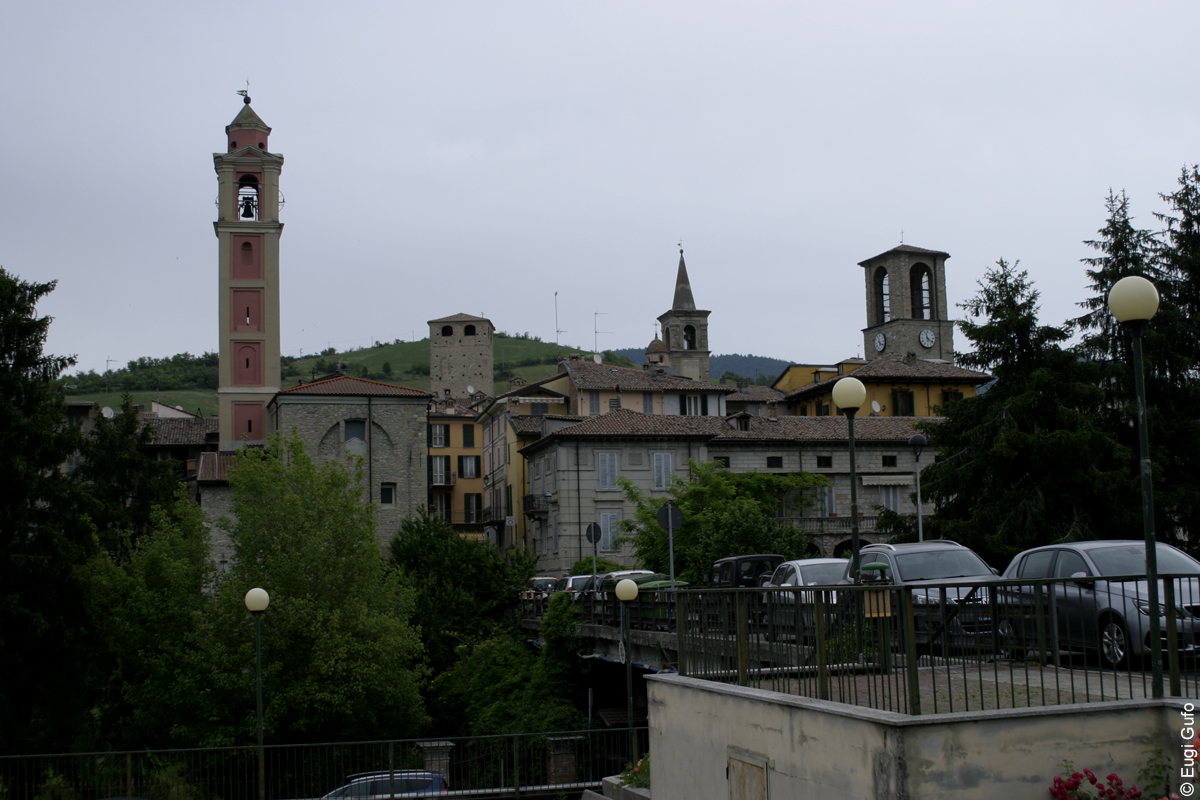
The main streets are, of course, attractive. They owe much of their charm to a fortunate mixture of architectural styles and periods.
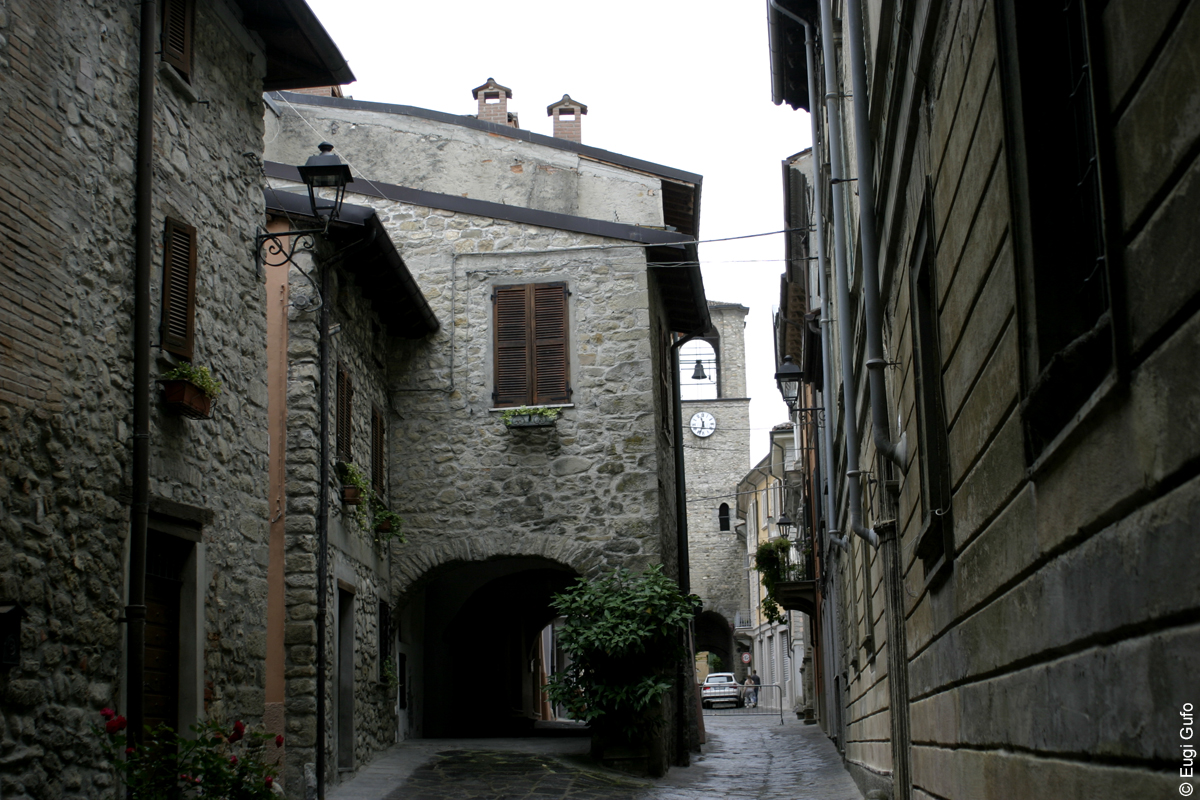
However, it is well worth exploring the various alleys and secondary streets as well: one may stumble upon discoveries that are either curious or simply beautiful.
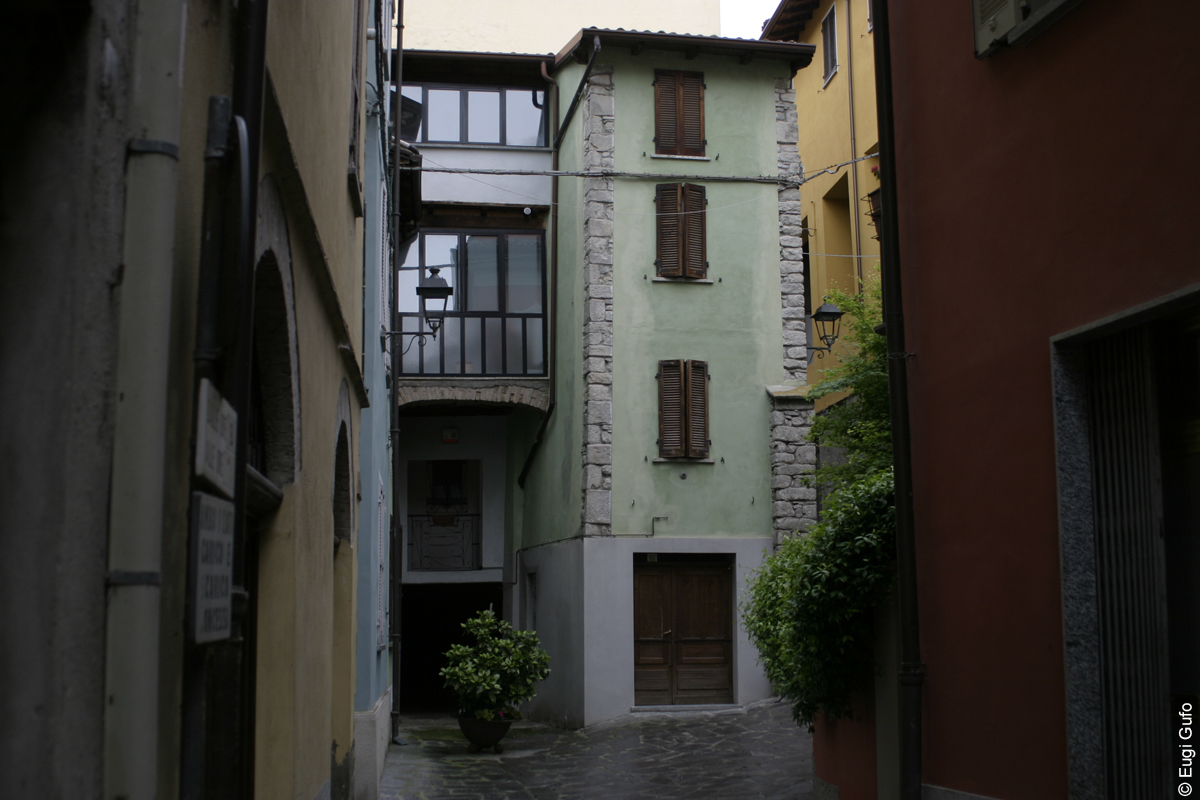
The ancient arcades in the centre — not countless, but certainly not rare either — deserve a separate mention. I strongly recommend taking at least one walk directly beneath them rather than merely along the streets between the houses, because in doing so you will notice a rather particular atmosphere.
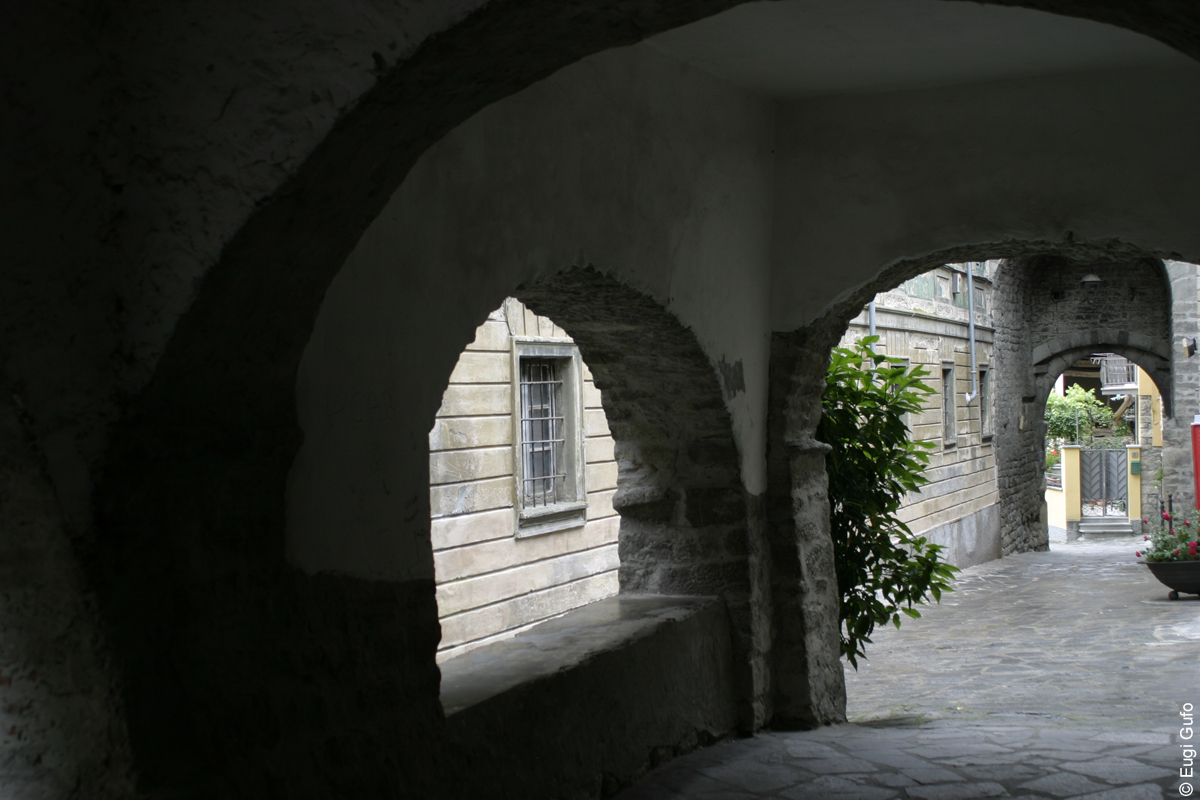
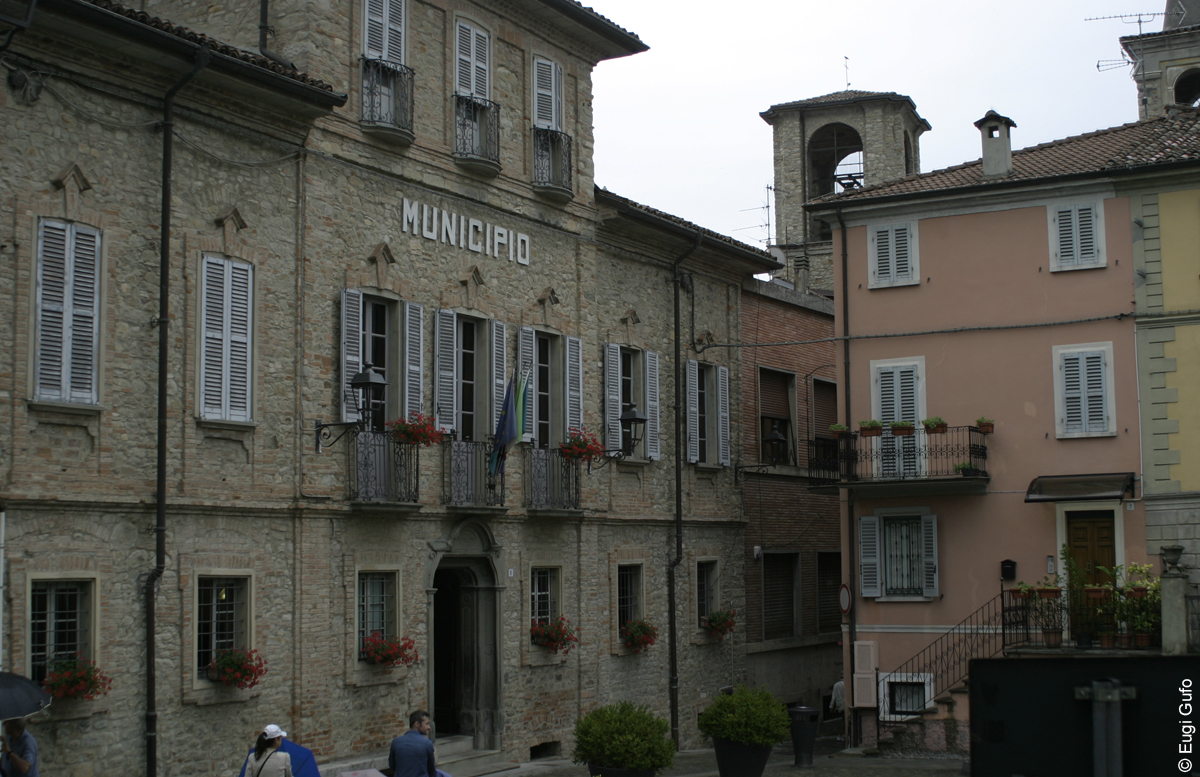
The Town Hall — built in the first half of the eighteenth century as the residence of a local noble family — is one of the most beautiful municipal buildings I have seen in Italy. I write this without knowing whether everyone will appreciate the architectural style in question (and, admittedly, I am biased: I have worked for years in a building from the same period and of the same style, albeit plastered).
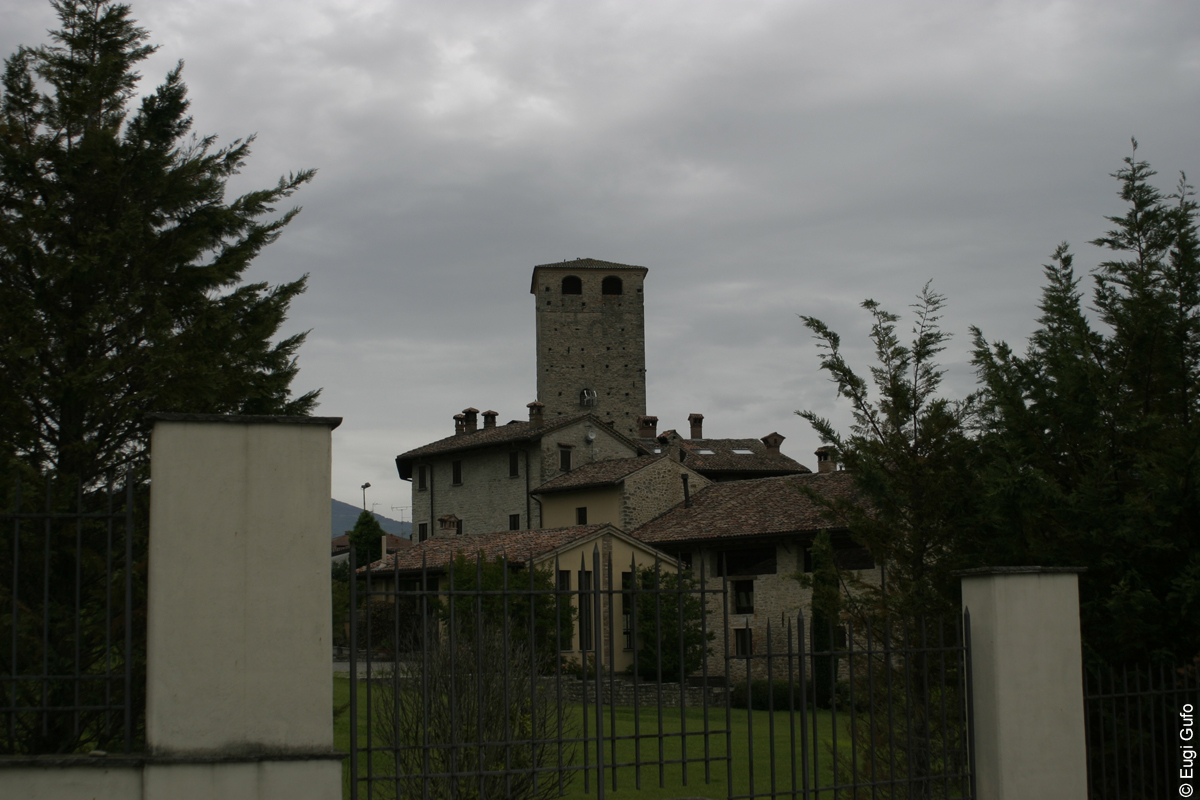
The Castello Malaspina, located almost in the very heart of the historic centre, dates back to the thirteenth century, though it was enlarged in subsequent centuries and restored from the last quarter of the twentieth century onwards. If, from the photographs, it appears to be a «mere» private residence, you would be correct to a certain extent. Throughout its history, the castle has changed owners only through inheritance. It is now also open to the public and hosts both public and private events.
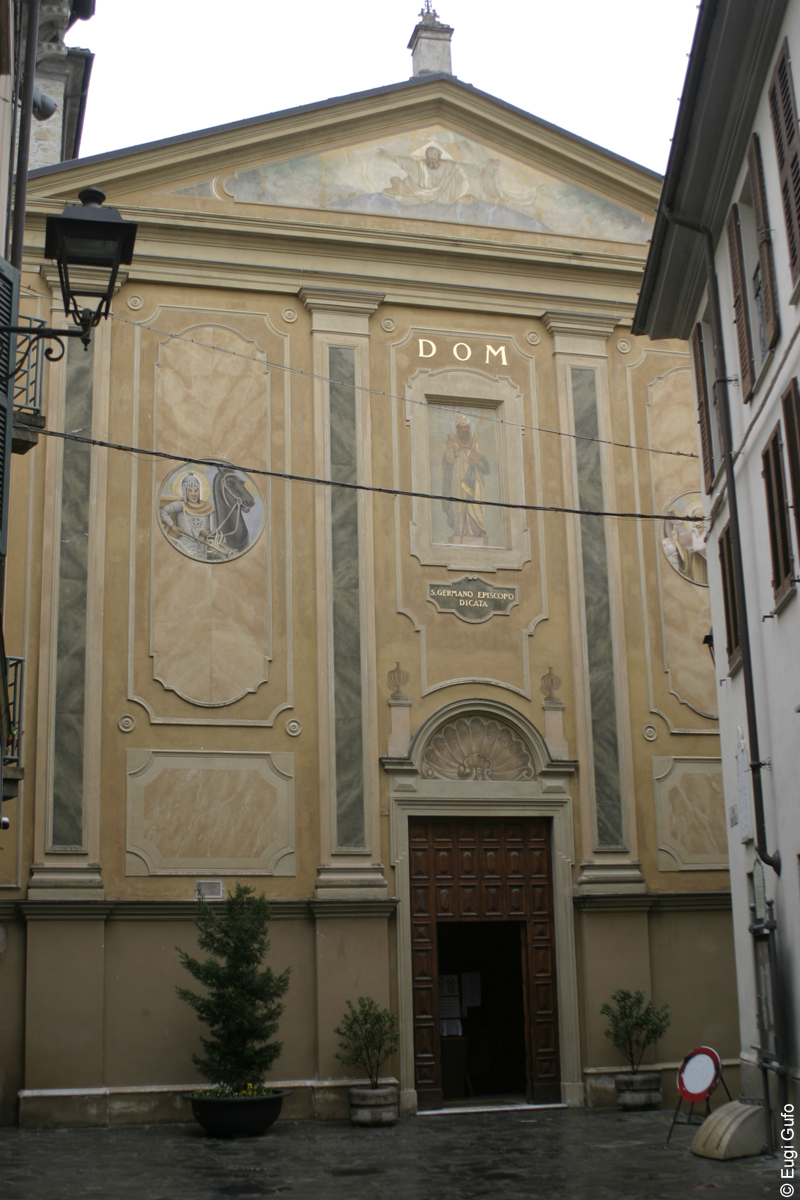
Varzi’s ancient churches are not numerous — the town itself is hardly vast — but they are beautiful and interesting. The sixteenth-century parish church of Chiesa di San Germano (also the largest in the town) is almost entirely concealed among residential buildings, yet it is well worth seeking out.
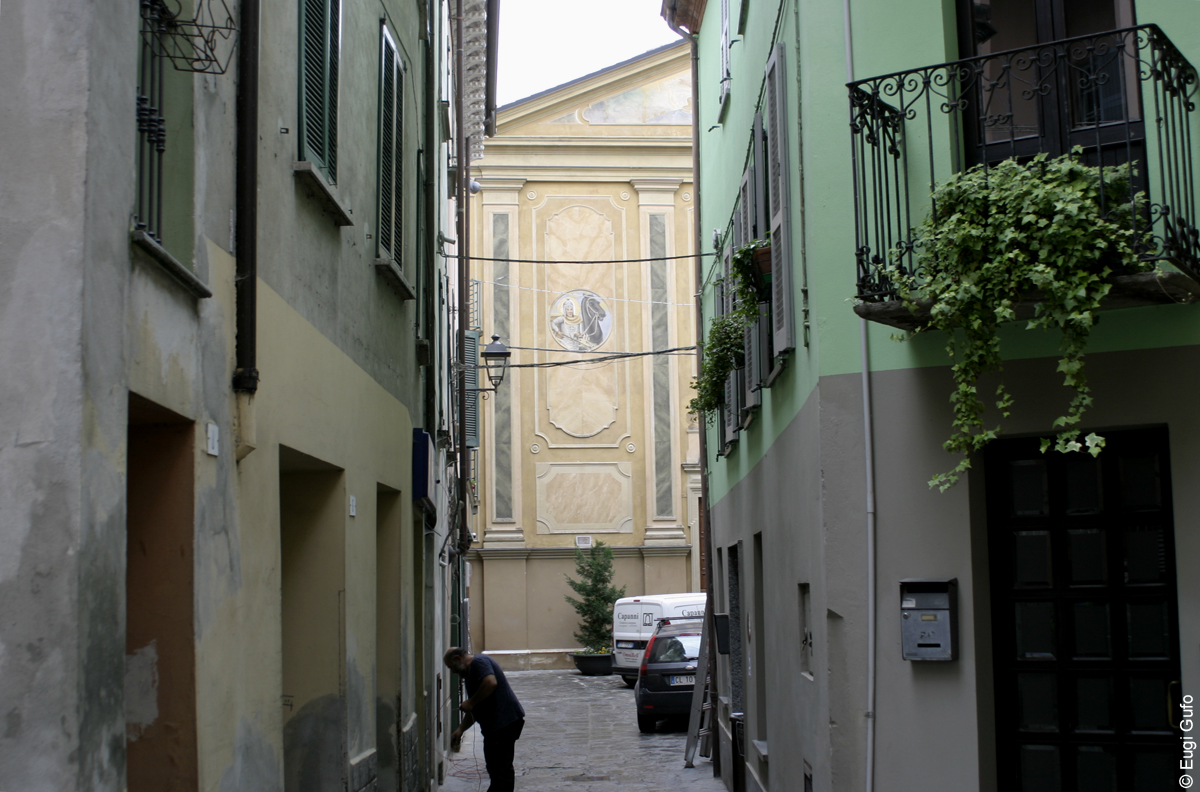
It is carefully maintained and attractive in its relative simplicity.
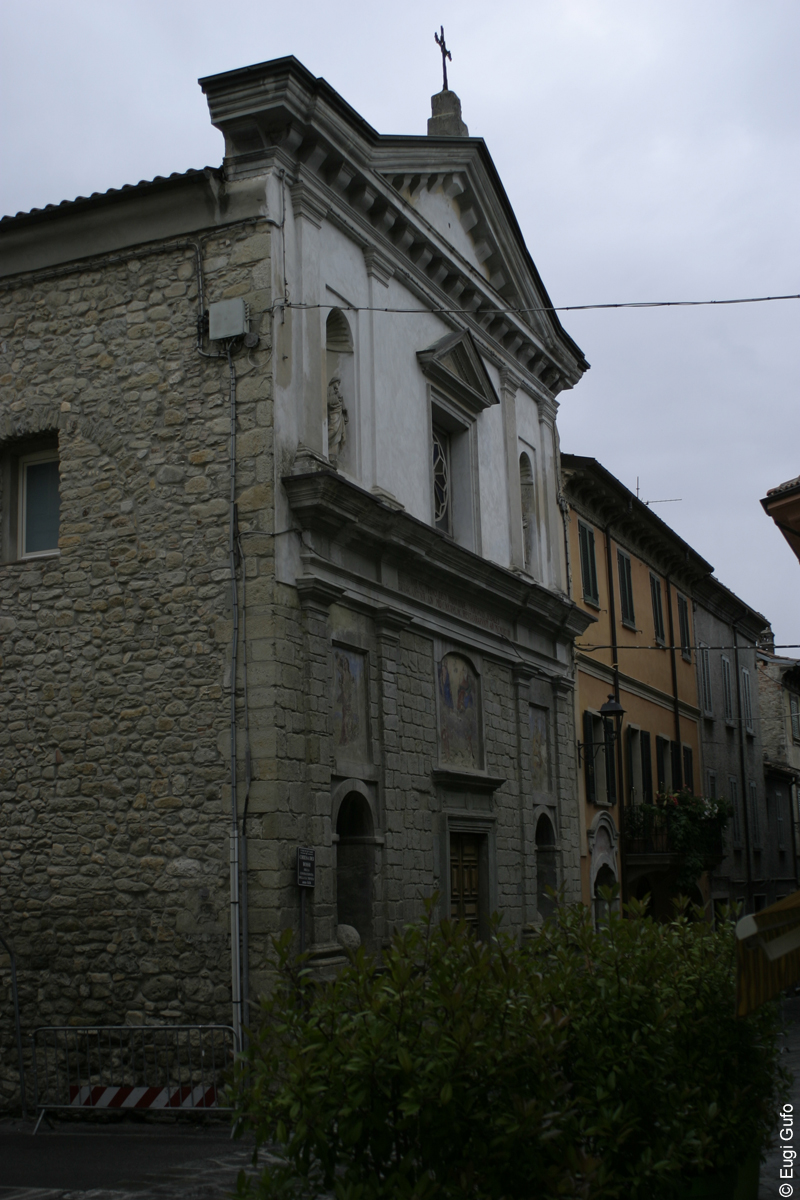
One of the most interesting churches in Varzi is the Chiesa dei Bianchi, built between 1636 and 1646 by the Confraternity of the Gonfalone of Rome.
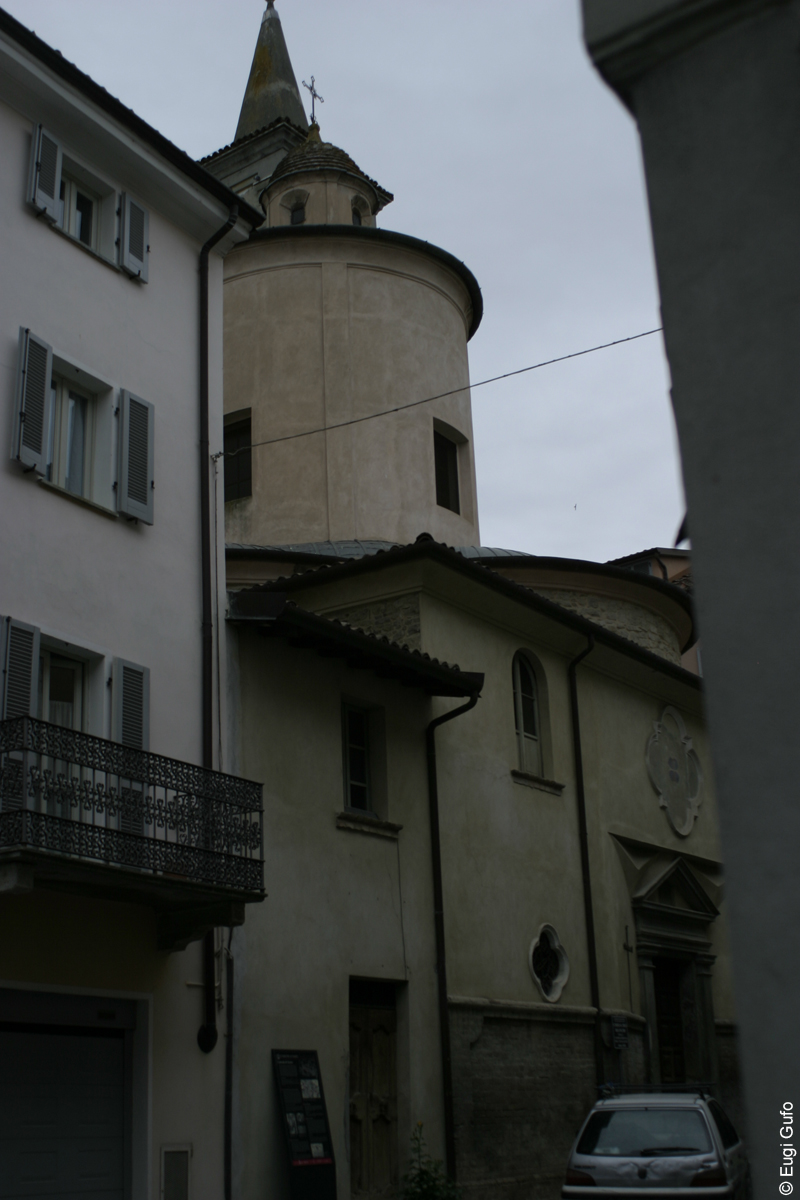
It is somewhat difficult to photograph in its entirety from the street, so you may prefer to see it in person.
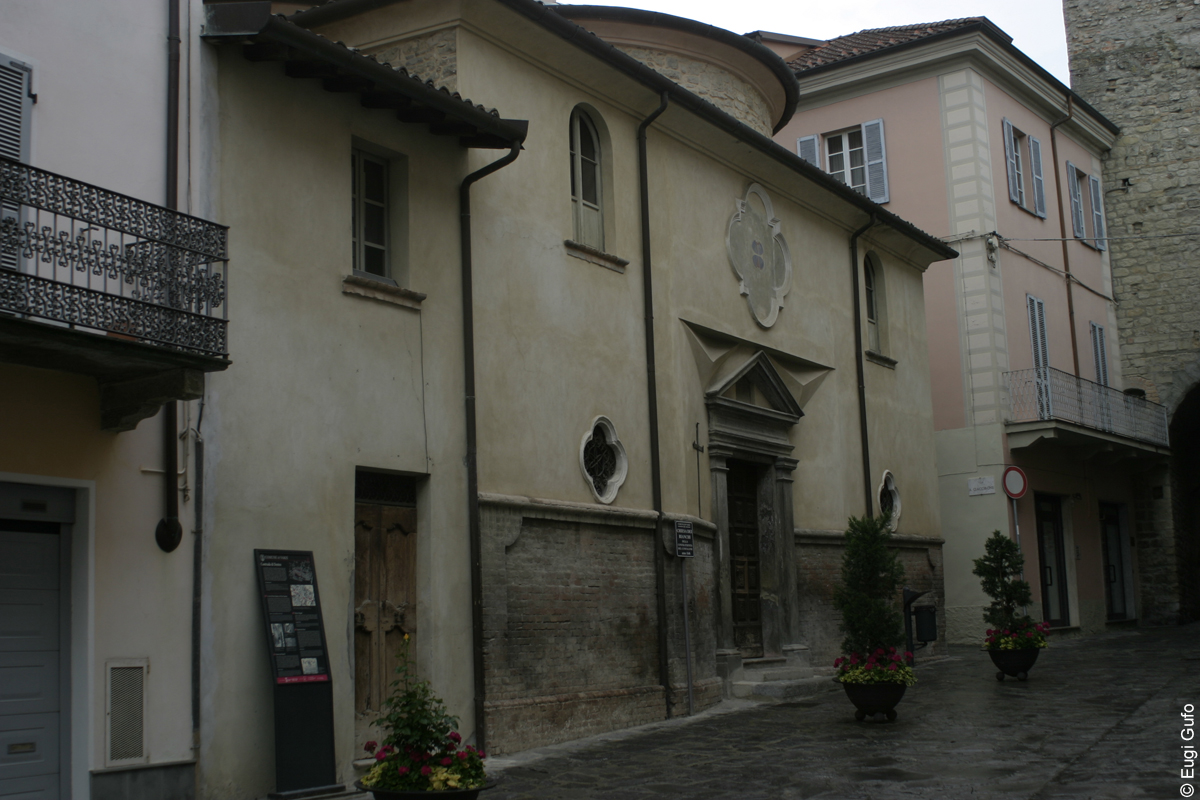
Equally interesting is the Chiesa dei Rossi, constructed in 1636 and originally used by the Confraternity of the Holy Trinity (whose members wore a distinctive red cape).
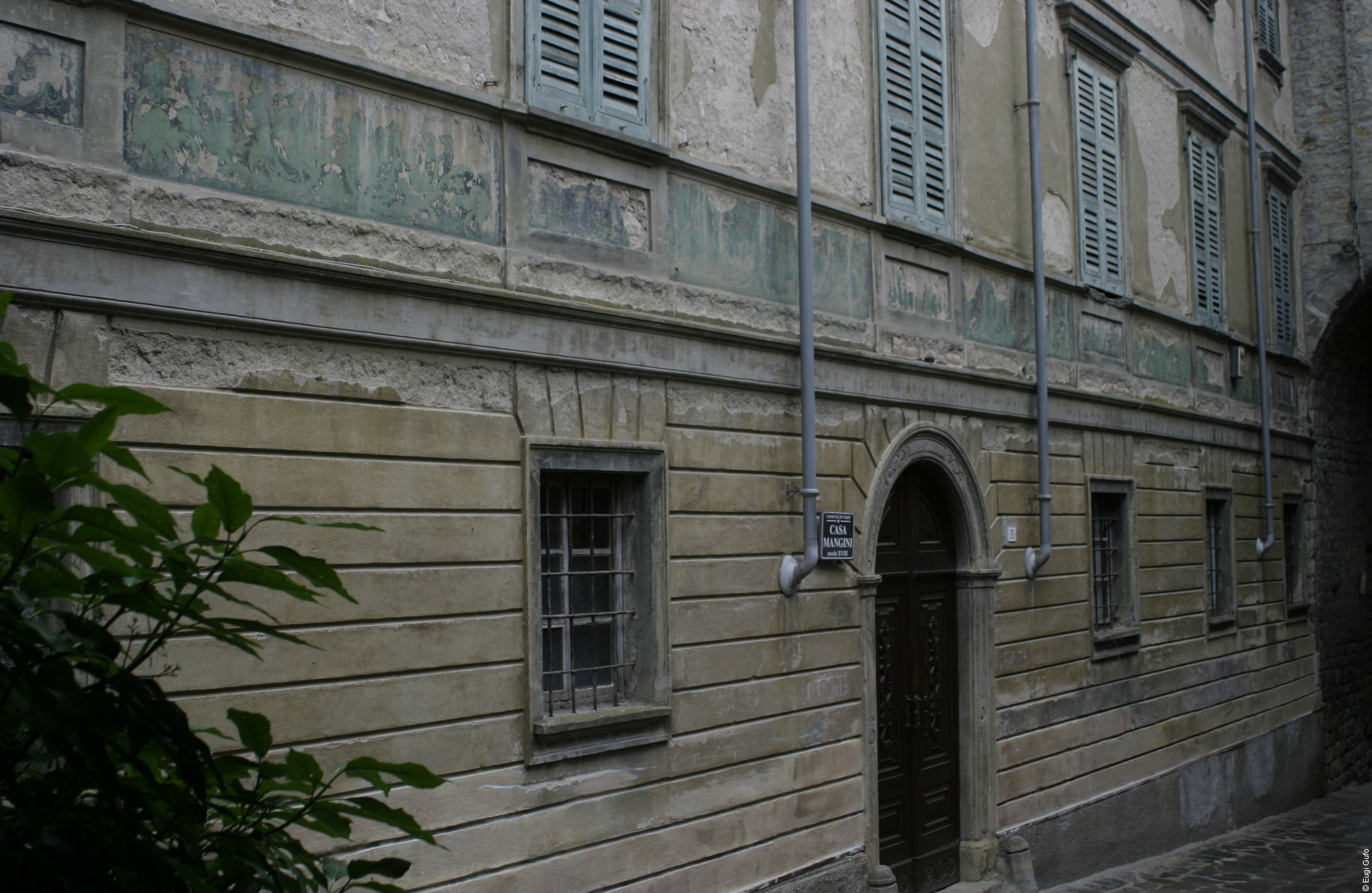
«Casa Mangini», built in the second half of the eighteenth century, has always belonged — as the name suggests — to the Mangini family, an important local dynasty capable of multiplying its wealth thanks in part to advantageous marriages. I was unable to ascertain whether the elegant palace may be visited, but the remains of its façades strongly suggest that the interior is very fine indeed. I shall attempt to investigate the matter more thoroughly.
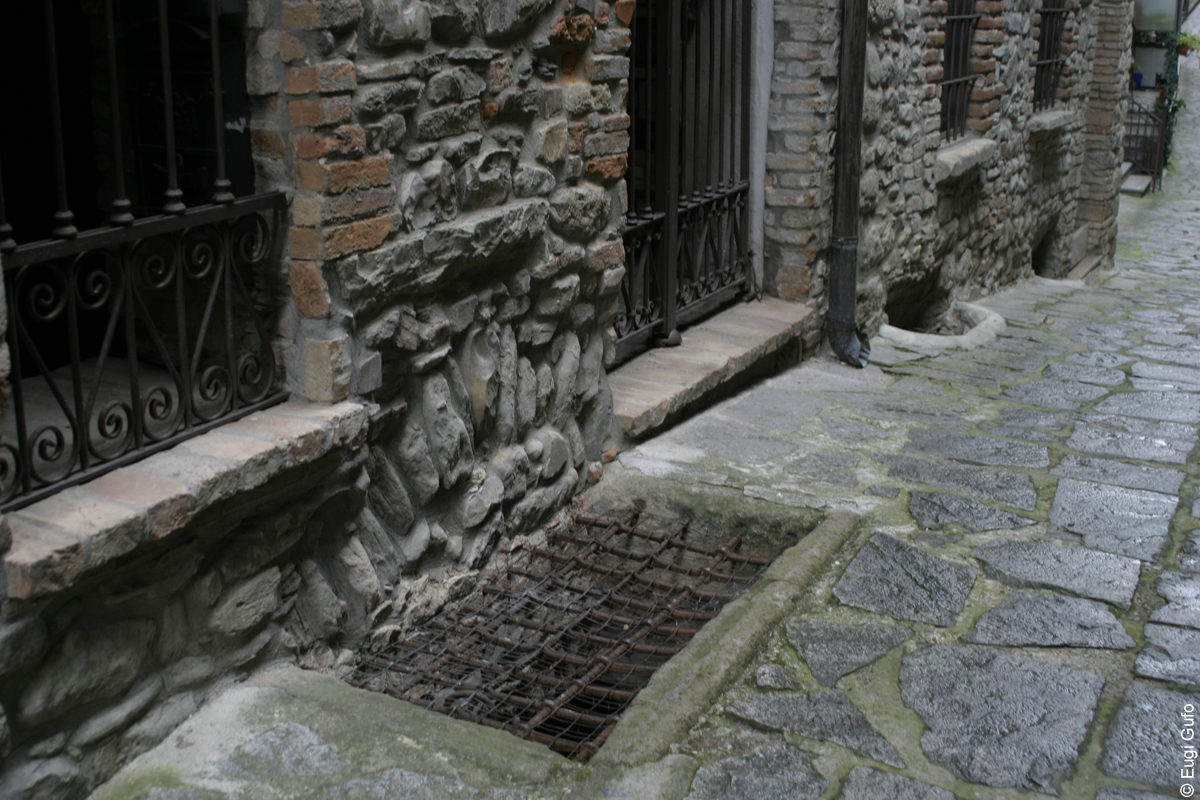
Having examined so many significant buildings, it may be time to rest a little by changing our focus. Let us concentrate on smaller yet interesting details. In the historic centre, for instance, it is advisable to look down from time to time.
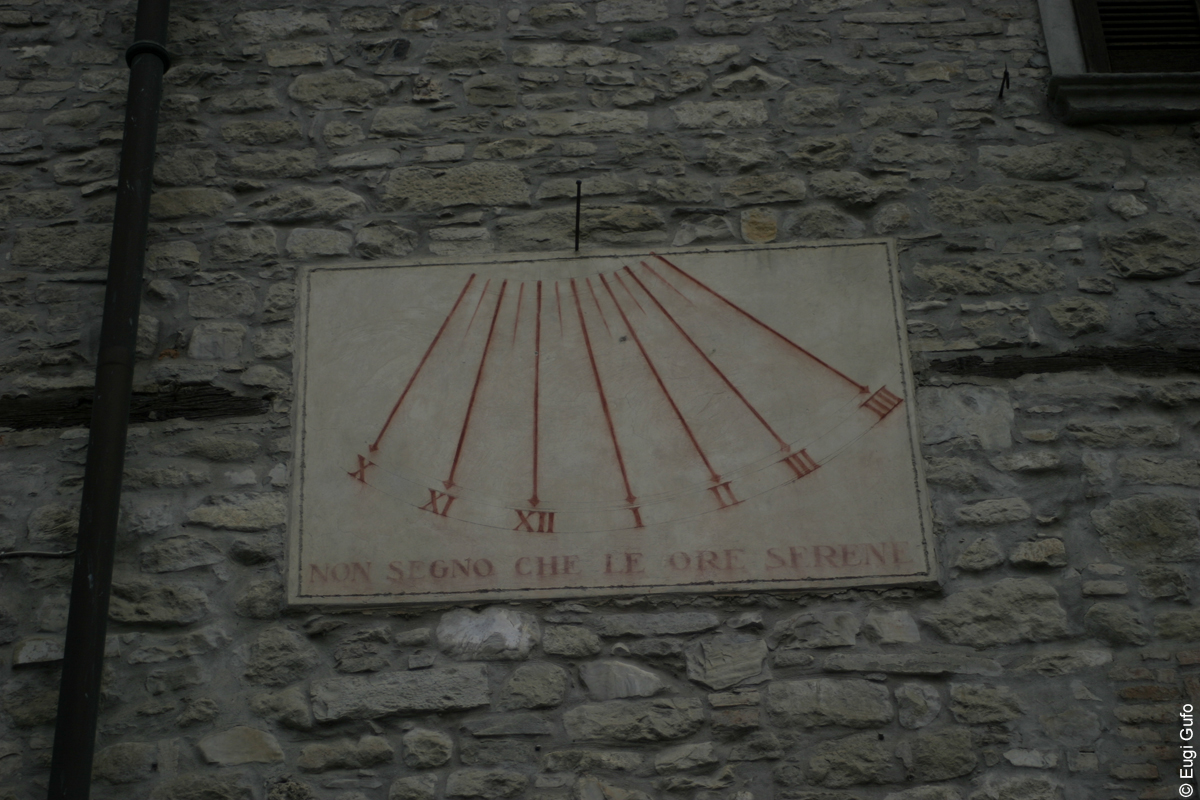
It is also worthwhile to look up.
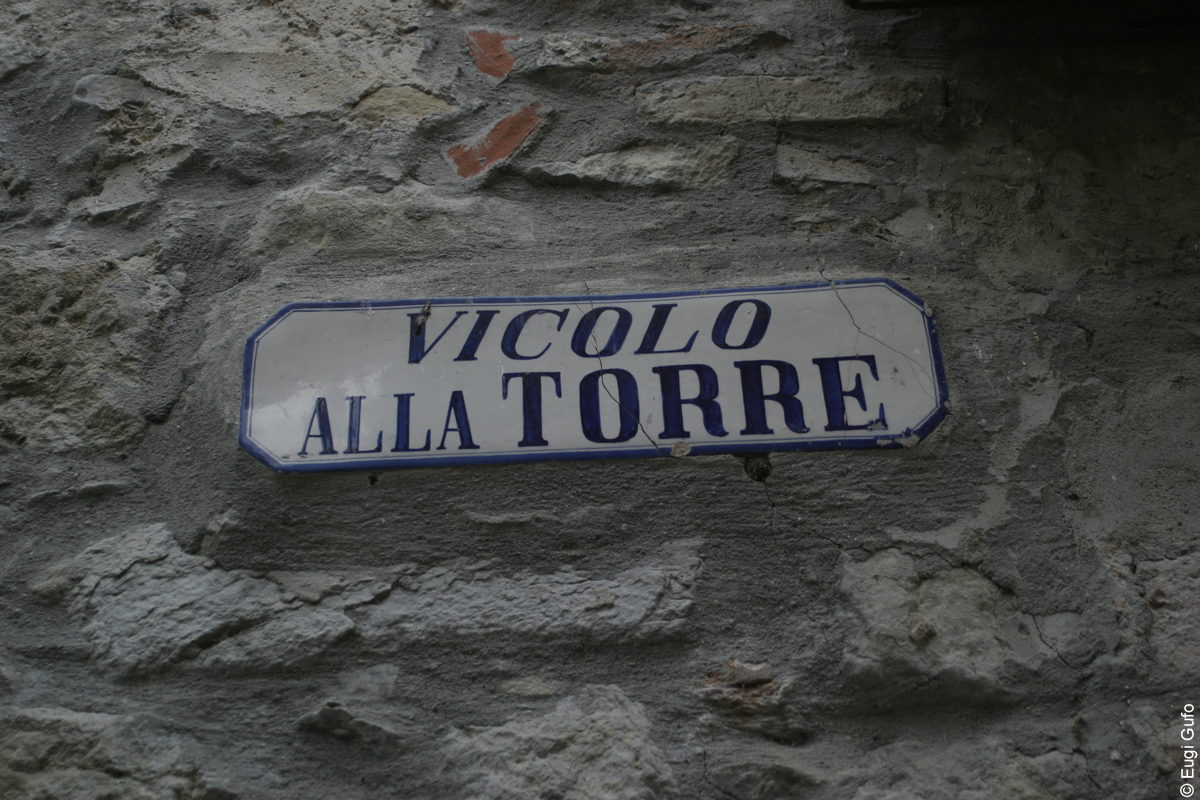
Looking upwards, one notices the attractive ceramic street-name plaques.
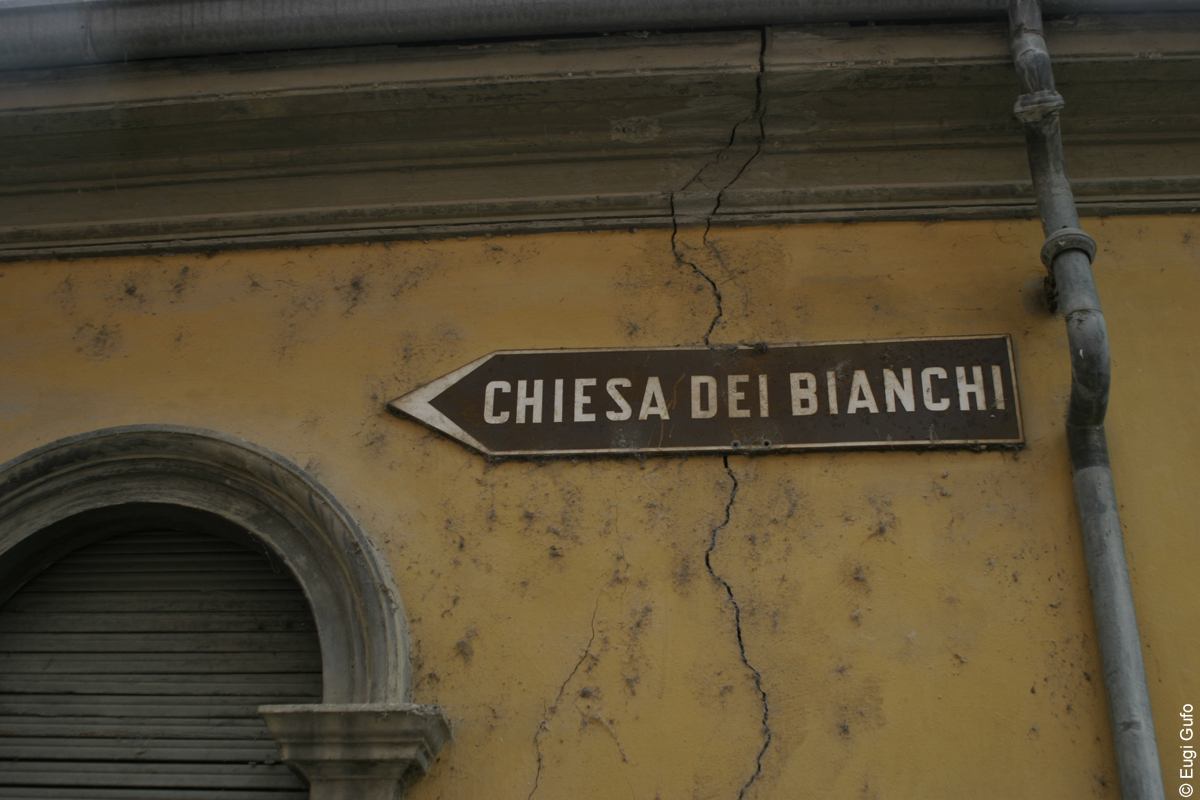
Unfortunately, there are very few signs indicating historic sites. Fortunately, in a town of this size, missing something genuinely important is almost impossible.
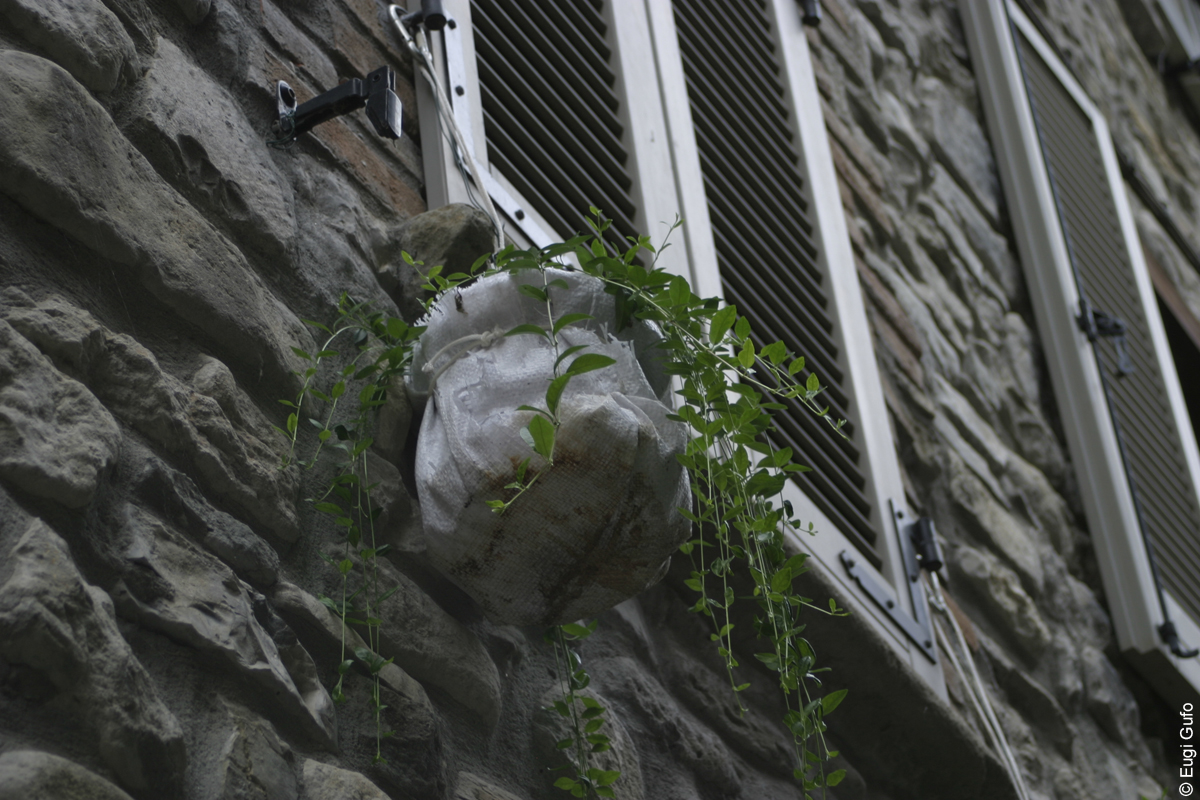
Still looking upwards, one observes how simple flowerpots may be a) suspended outside windows and b) embellished with inexpensive materials. One merely hopes that the ropes employed are sufficiently sturdy…
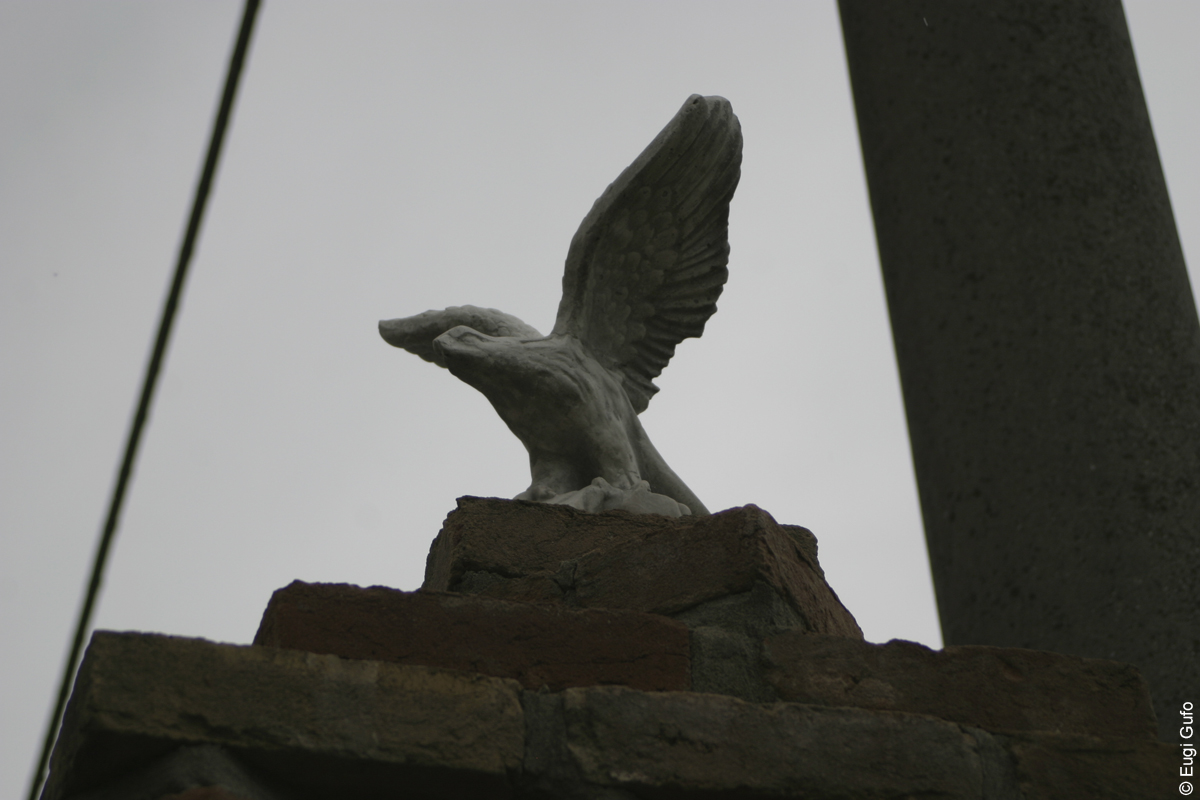
Instead of the usual vulgar lions, one Varzi resident has placed fighting pigeons atop the columns of his gate. Admirable.
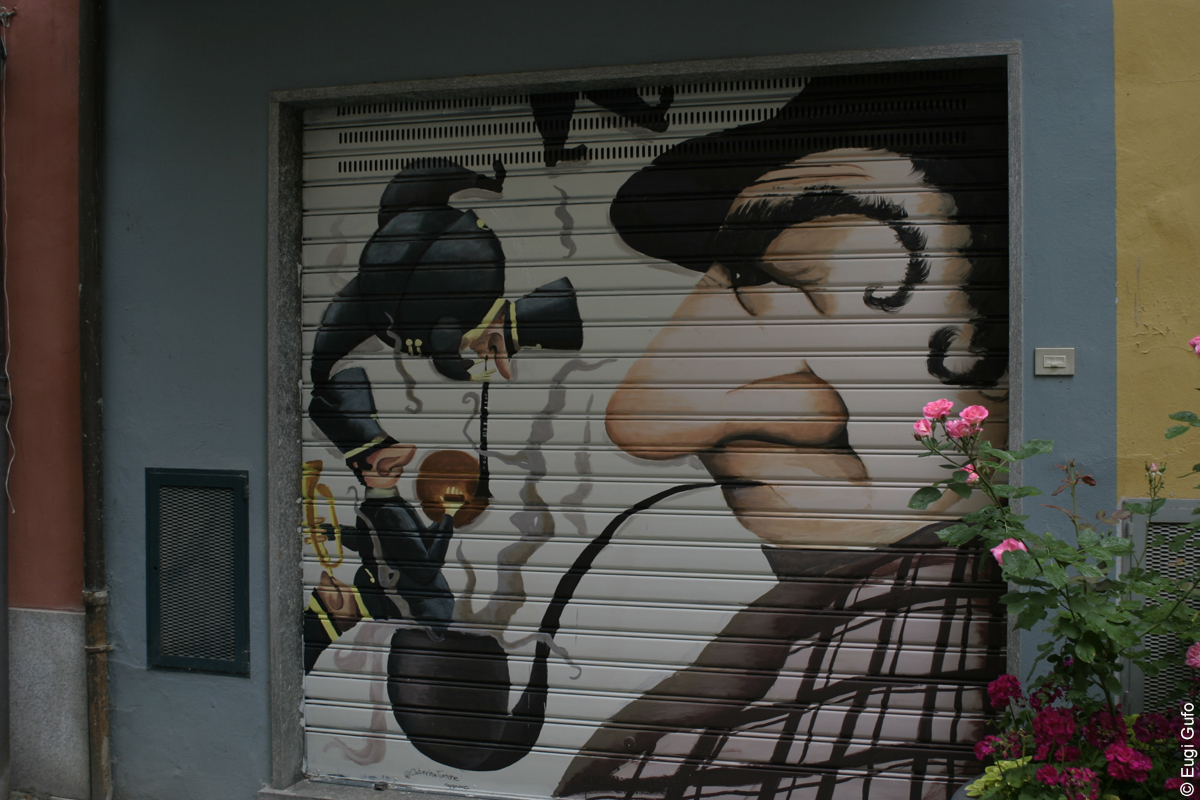
Yet we should not look only downwards or upwards. We must also look ahead. In doing so, we notice that Varzi has embraced the habit of hosting good-quality street art on shop doors and shutters (monochrome shutters are, after all, dreadfully dull).
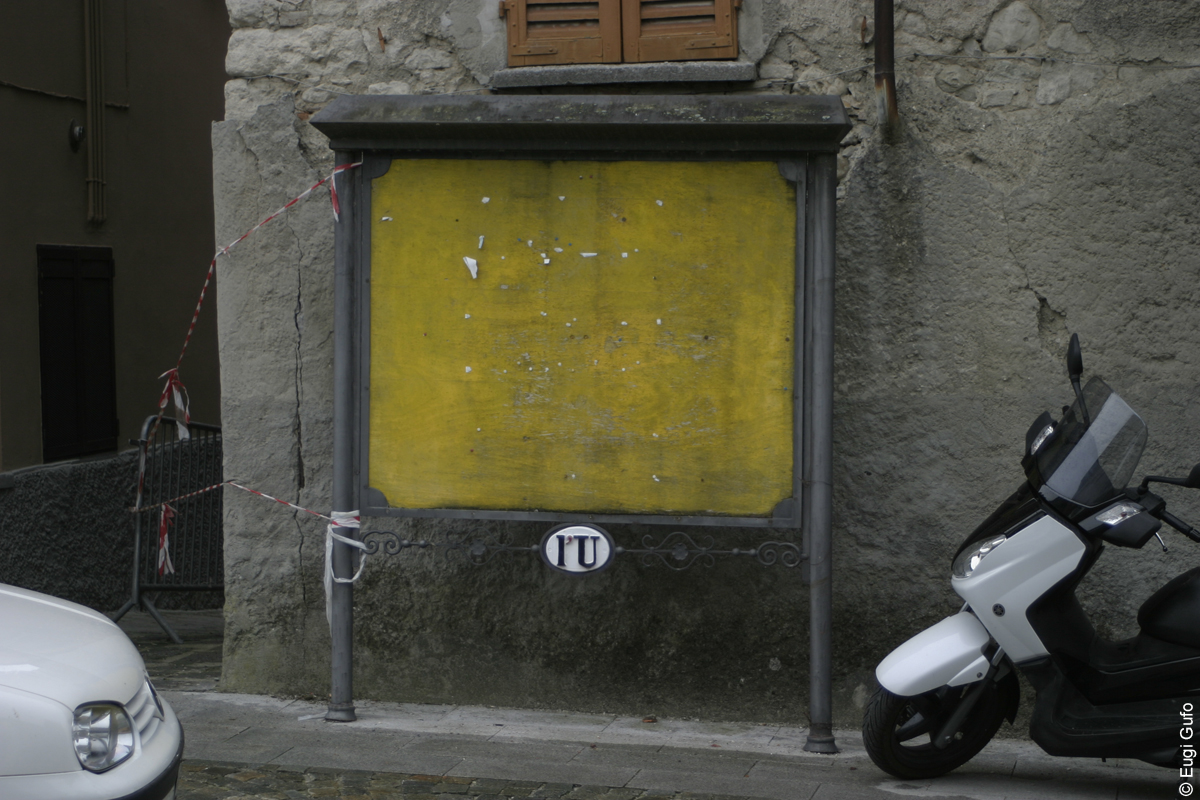
Looking ahead once more, we observe a large void on the stand of l’Unità (is that its logo at the bottom?). I do not particularly lament the absence of one of the better-known newspapers of non-information, yet I am pleased that an aesthetically pleasing notice board has been preserved. It may even prove useful in practical terms.
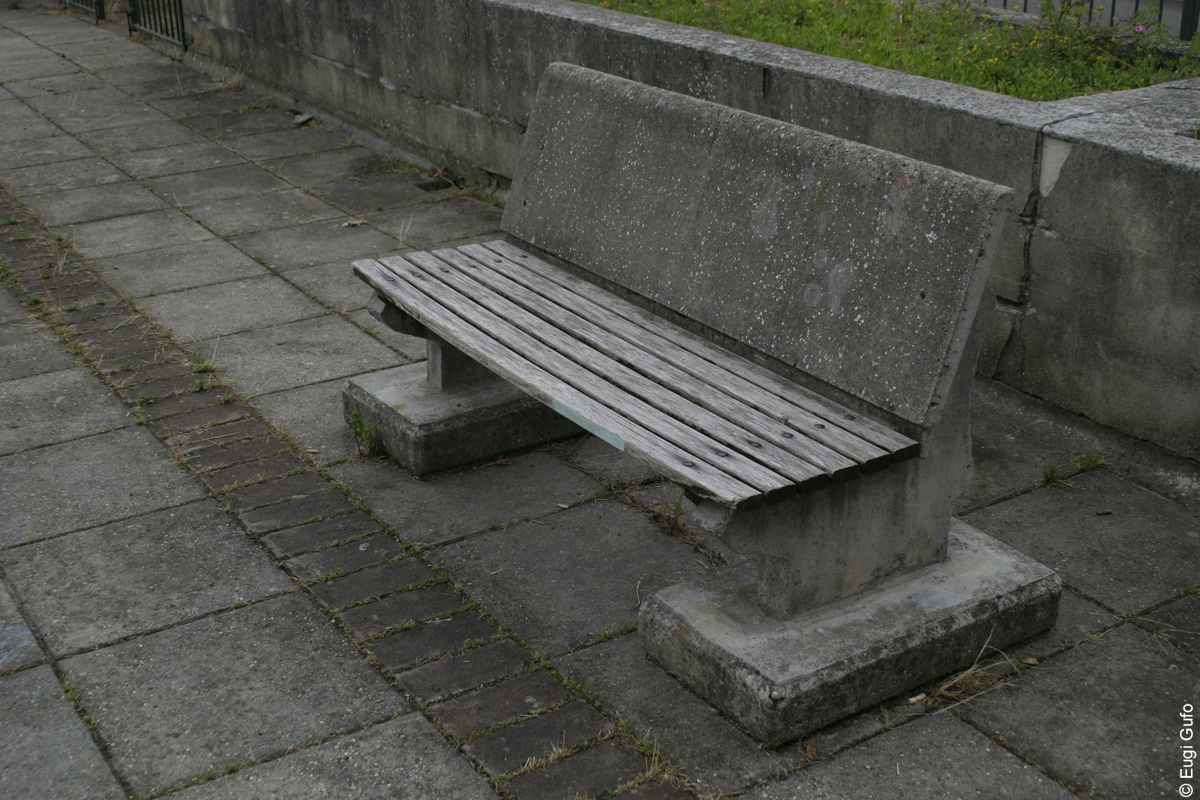
Before continuing our exploration, let us regain some strength on this rather unusual bench of a model I had never previously encountered.
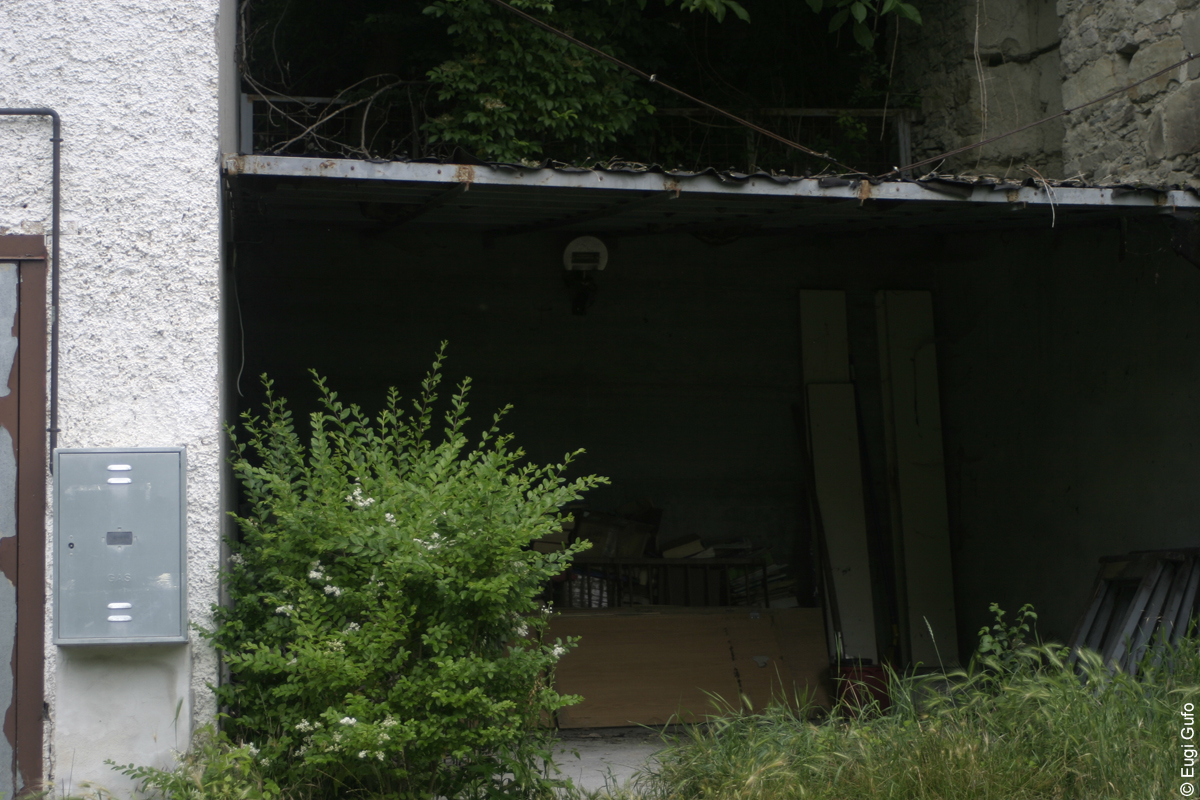
We then proceed towards the outskirts to see whether anything of interest awaits us there. First of all, we notice a slight increase in buildings that have not been renovated… yet the streets retain a certain charm…
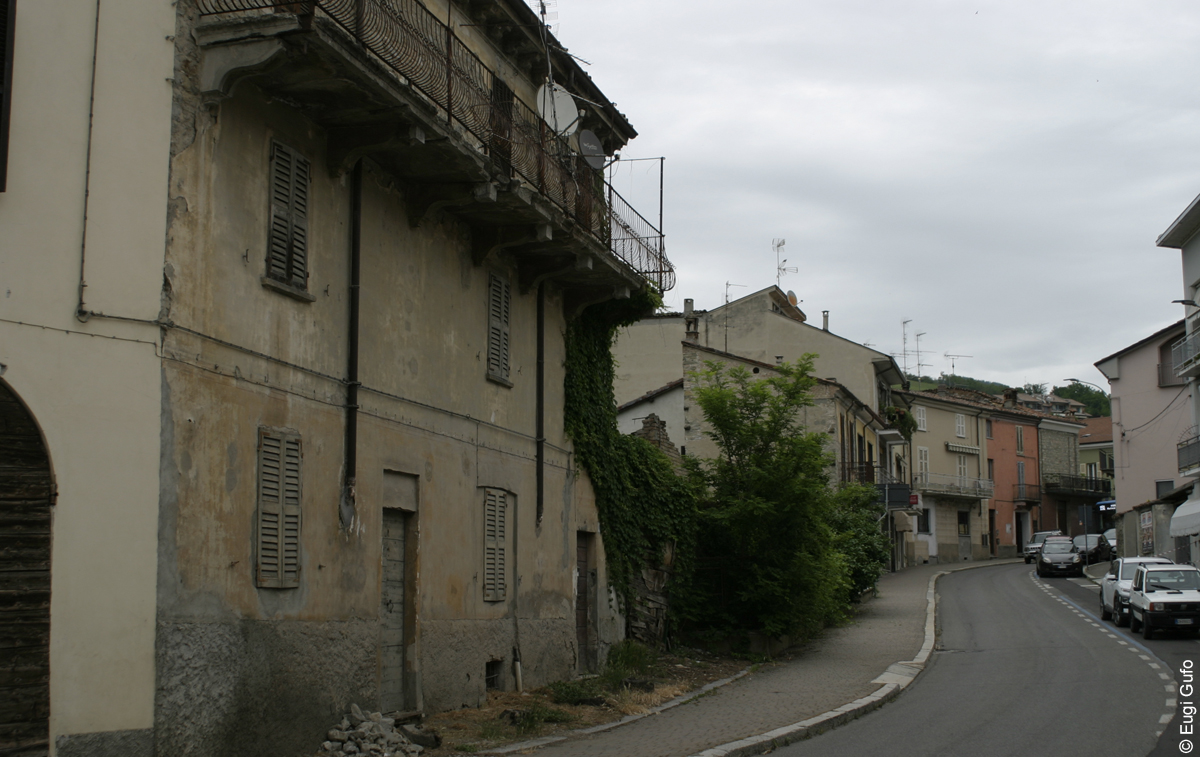
… although this example is somewhat comic:

Despite the architectural beauty being well distributed across almost the entire municipal territory, even Varzi possesses a few examples of colossal bad taste. Unfortunately, even the most beautiful environment in the world is sometimes incapable of preventing weaker souls from preferring truly dreadful creations.

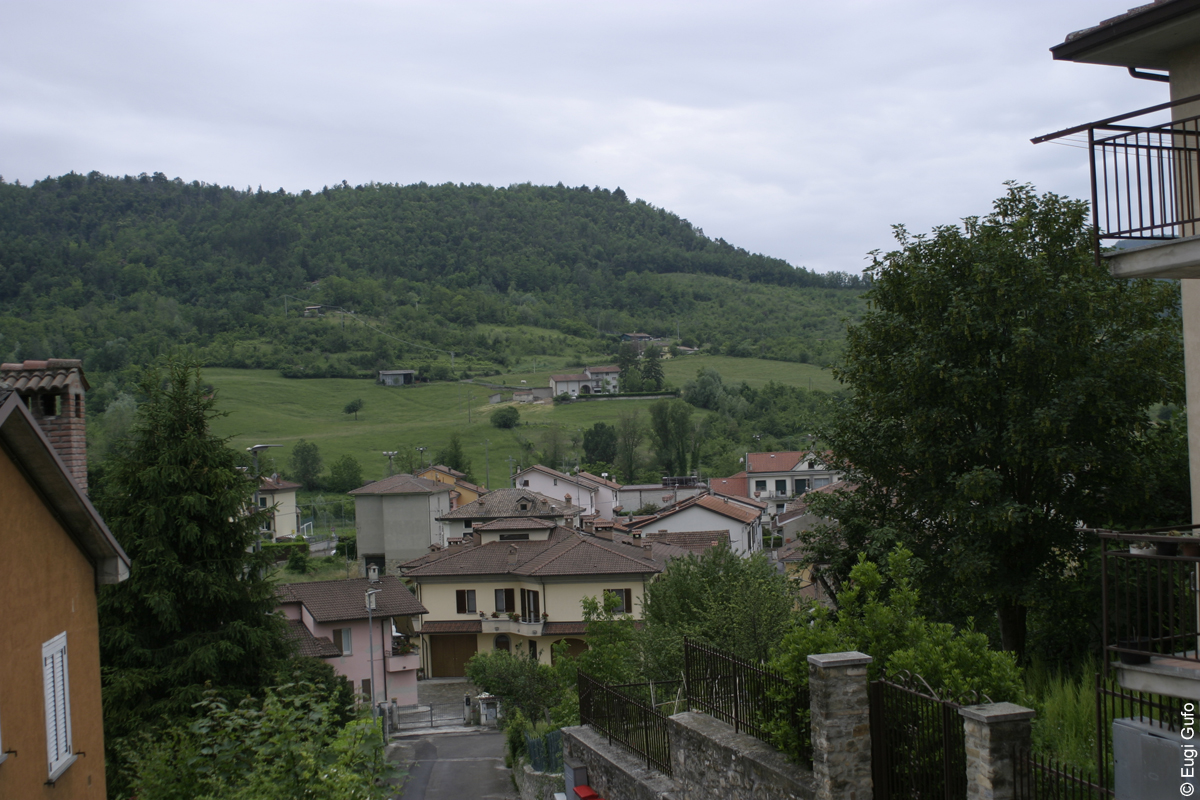
Meanwhile, we continue towards the boundaries of the town and begin to observe at least two things: 1) Varzi is entirely surrounded by attractive hills; 2) on the outskirts, it resembles more a rural village than an ancient borgo (and there is absolutely nothing wrong with that).
On its southern side, the town has a natural boundary: the Torrente Staffora.
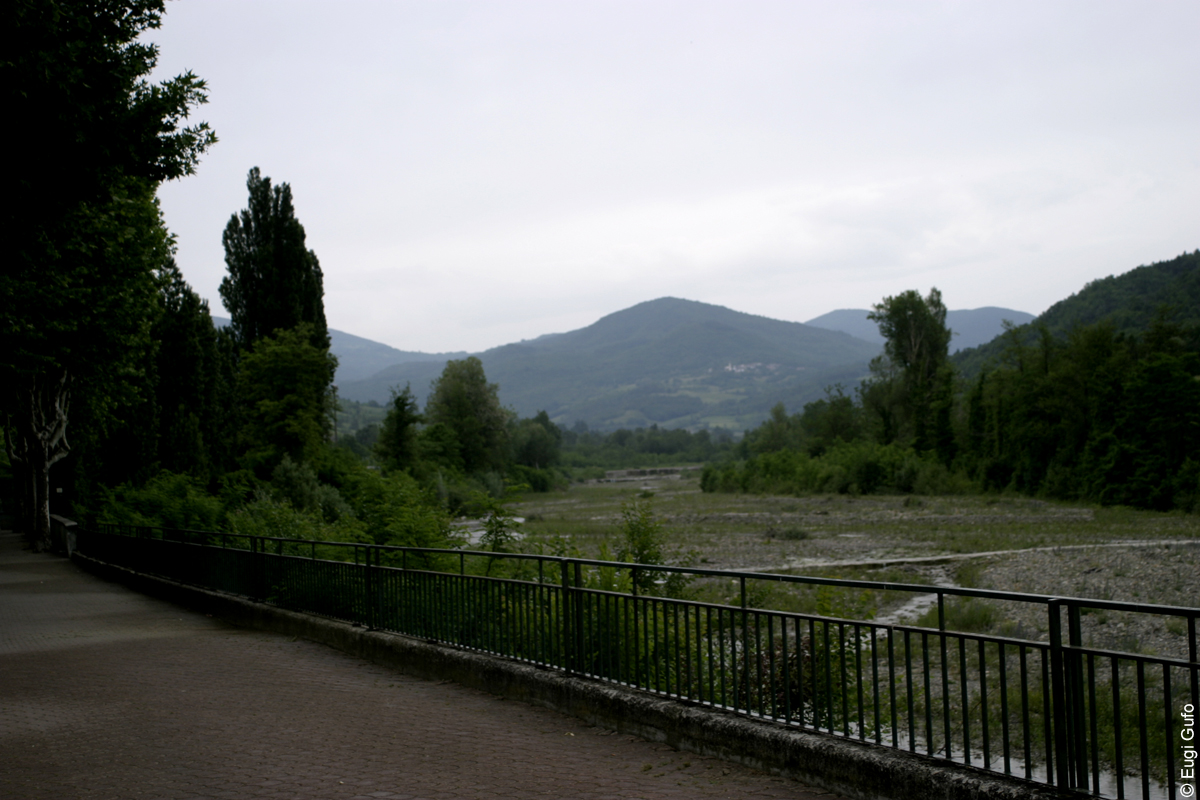
My visit took place at the beginning of June, yet there was already little water in the stream. One wonders whether any remained during the subsequent months of drought.
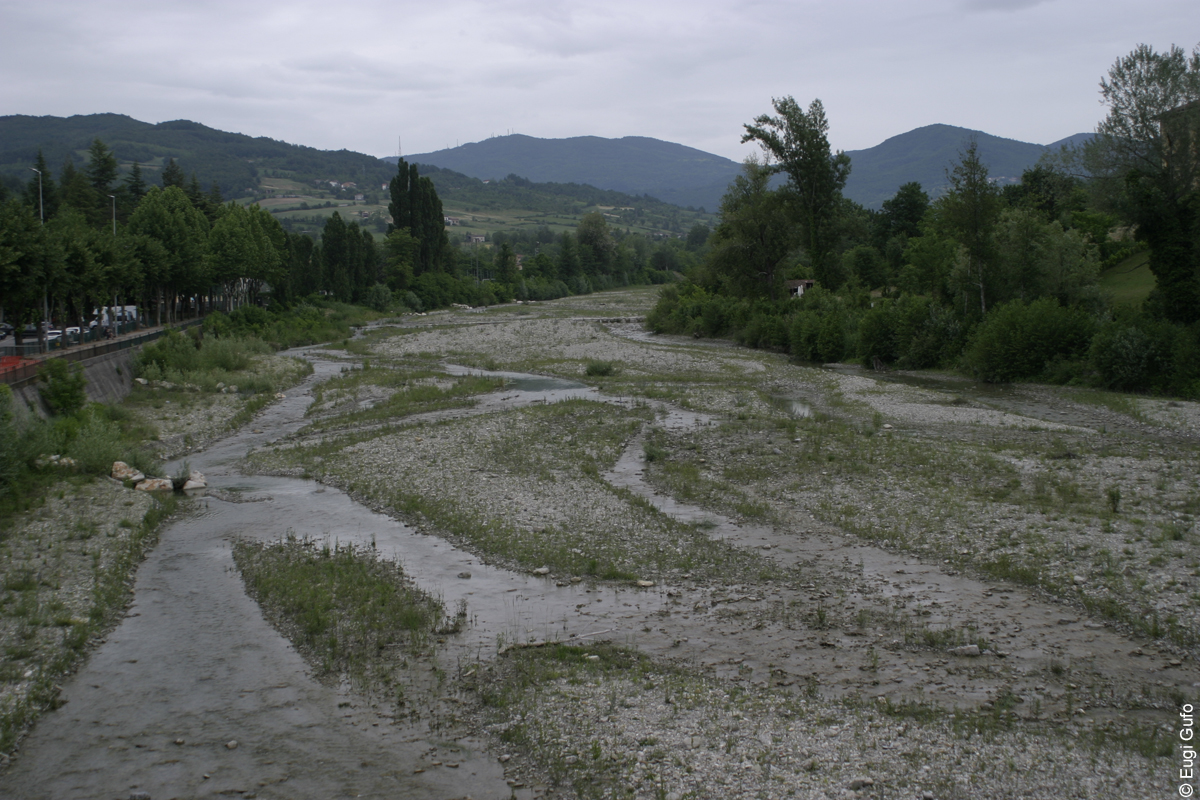
Crossing the bridge over the stream, we leave the built-up area behind and venture into the pleasant hills that surround the town. At first, traces of human activity are still visible…
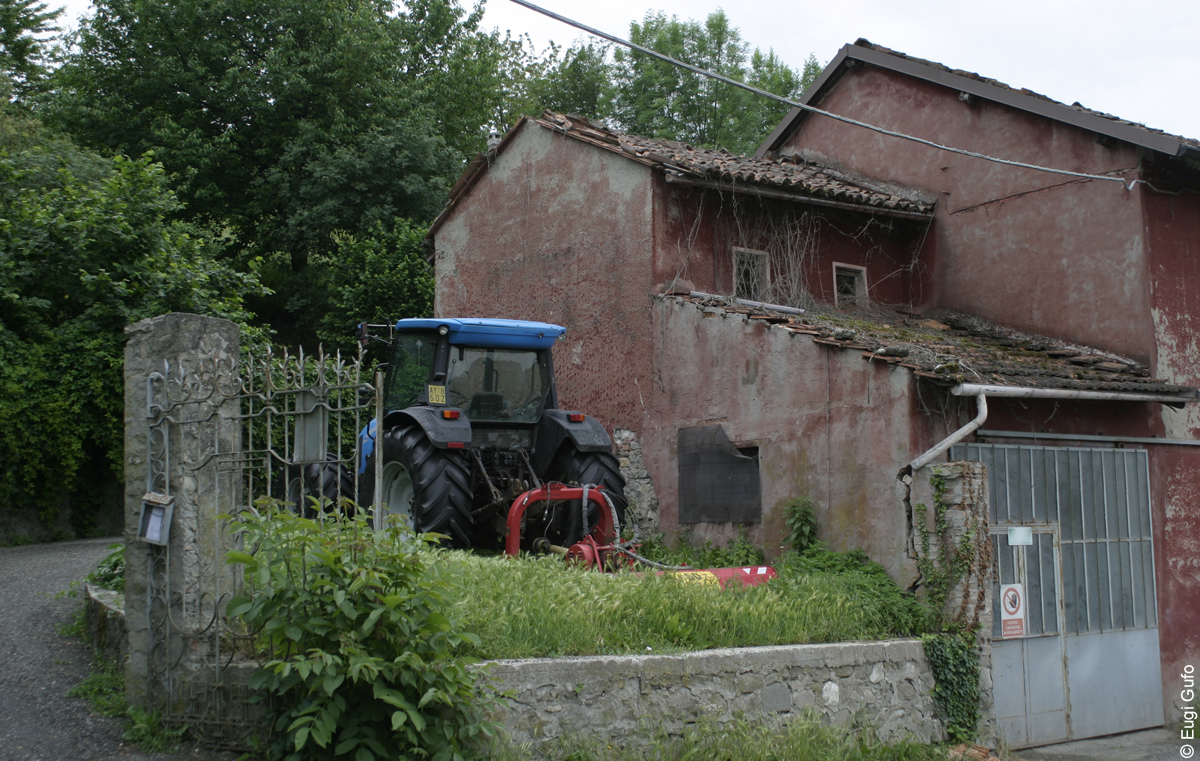
… but the surrounding environment becomes progressively more soothing.
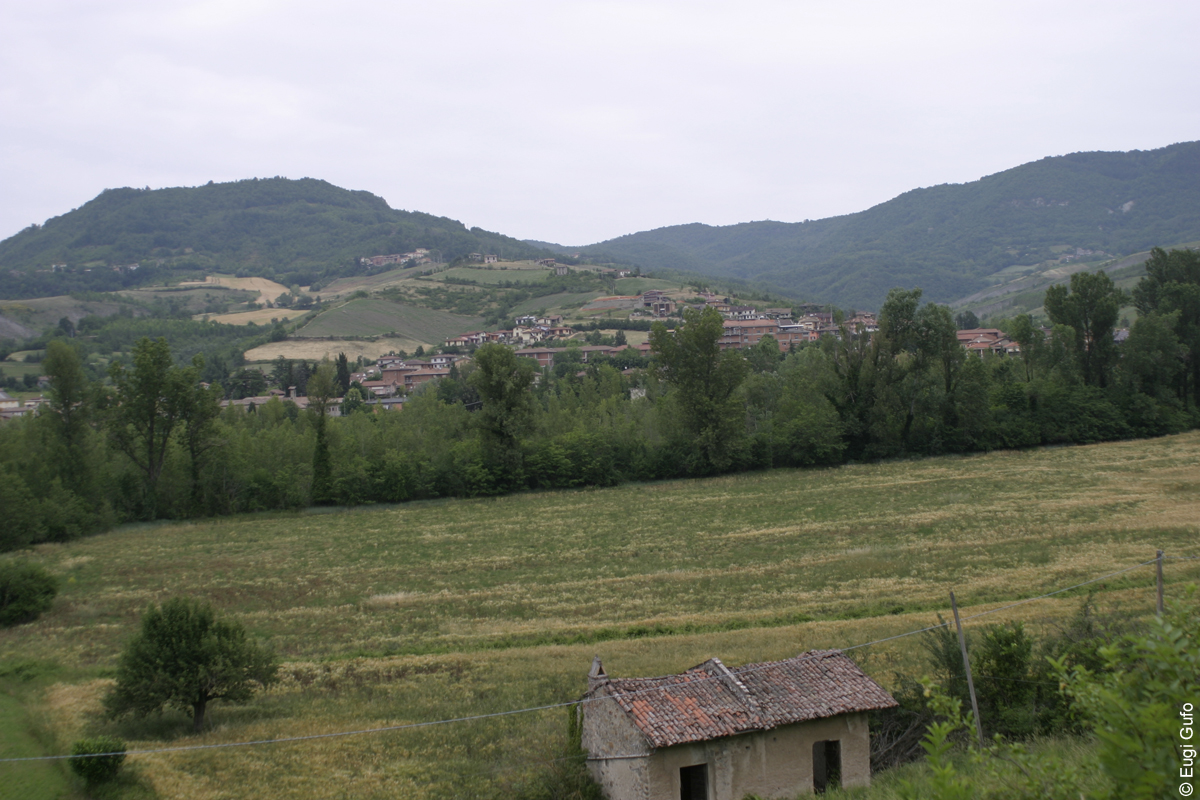
In fact, several hiking trails of varying length and beauty begin in Varzi. I was unable to explore the most promising ones in depth because the weather was somewhat unfavourable: it was not yet unbearably hot, but a rather irritating drizzle persisted. Nevertheless, the short stretch I managed allowed me to discover some fairly attractive natural areas (often wooded). I shall most likely return in spring to examine at least one trail properly.
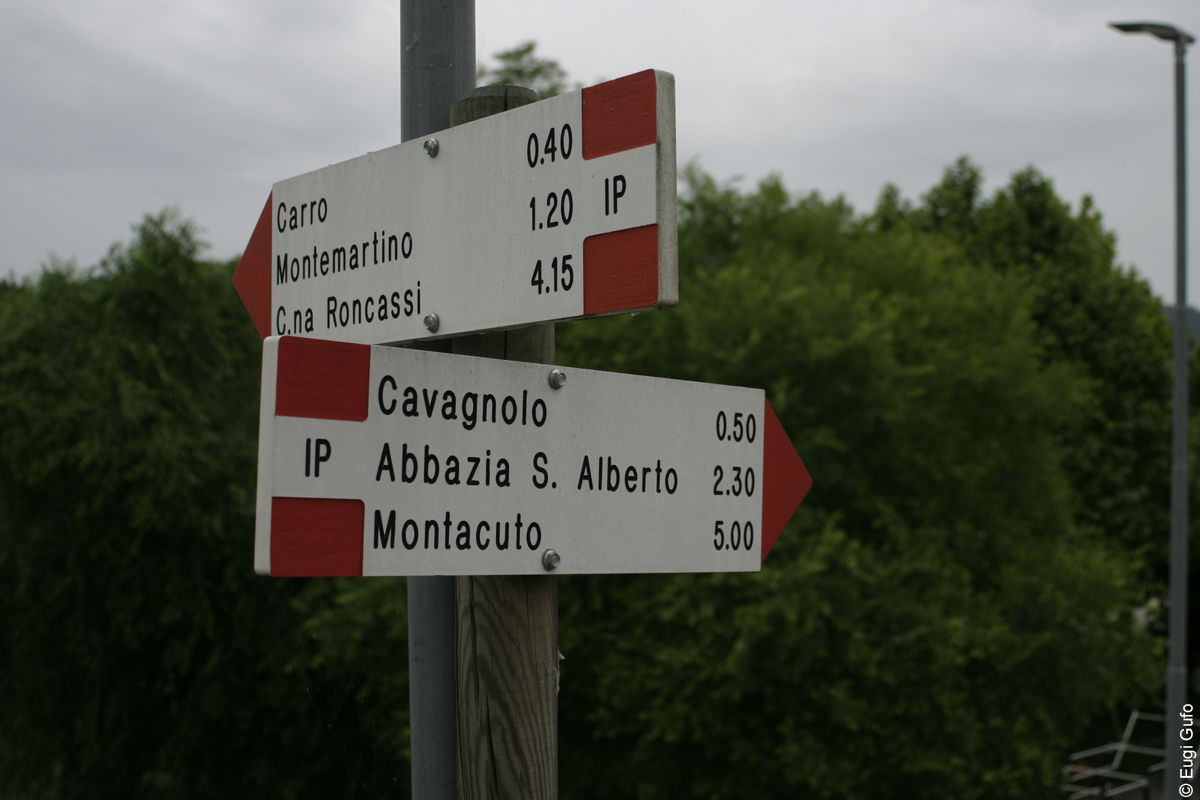
Of the things observed on the hills, for the moment I can show you only this brief lesson in Italian history…
We then return to Varzi for a few final details before heading home.
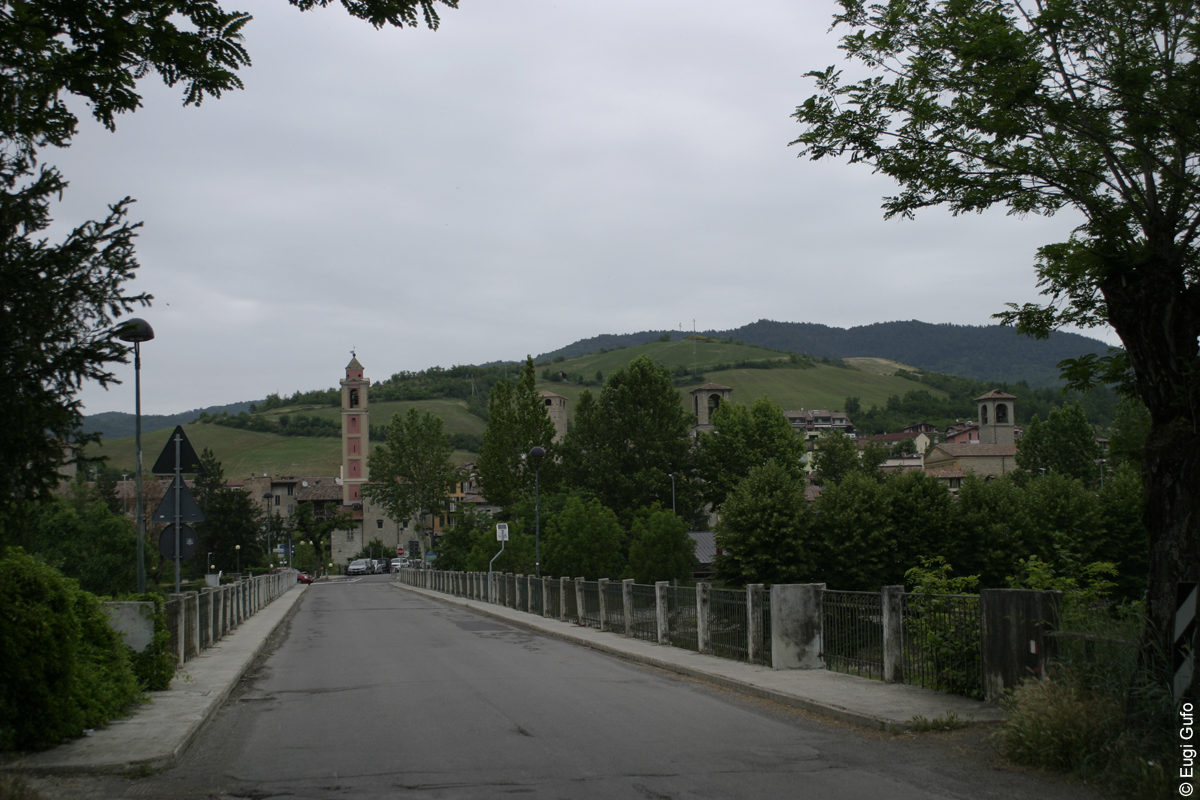
On the «urban» bank of the stream there is a medium-sized park (by local standards): it has been created without particular imagination, but it offers numerous trees (and therefore ample shade), plenty of benches, and a well-equipped children’s area.

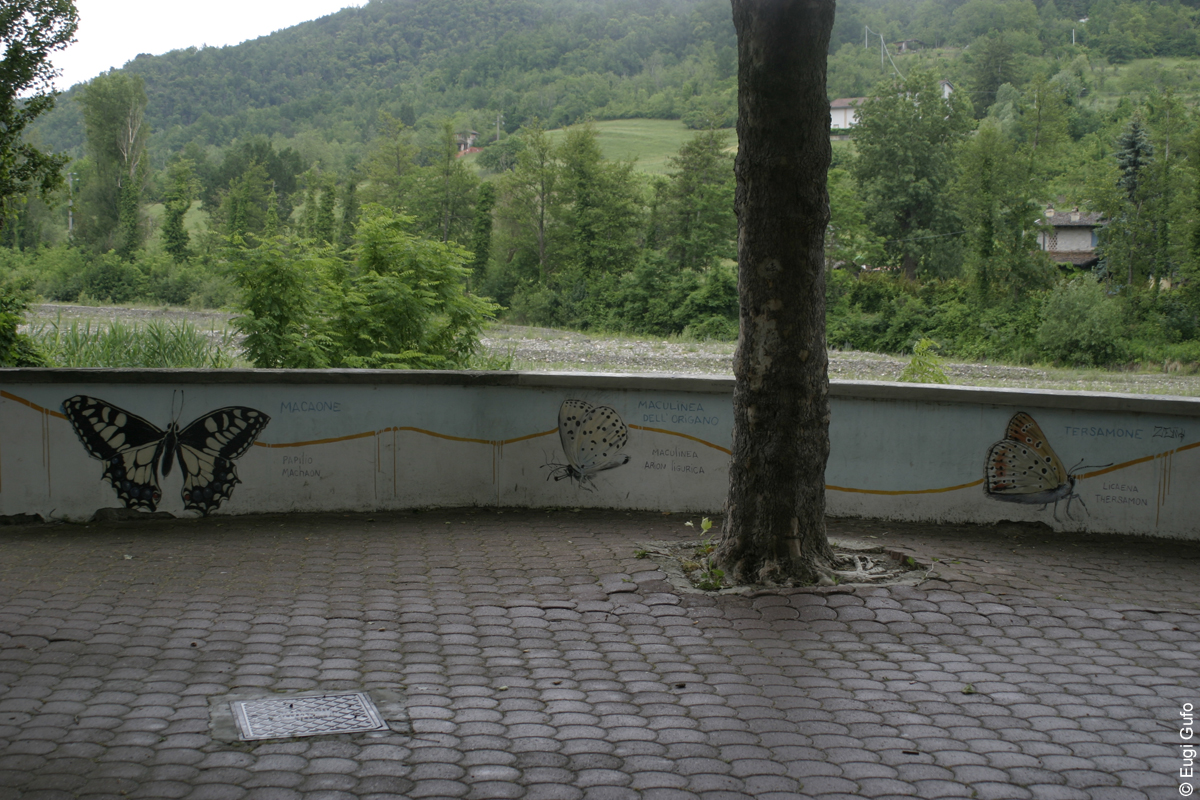
From an artistic perspective, the most interesting feature of the park is the parapet built along the stream, decorated with images (painted more or less skilfully) of various butterflies. I shall show you only a few examples:
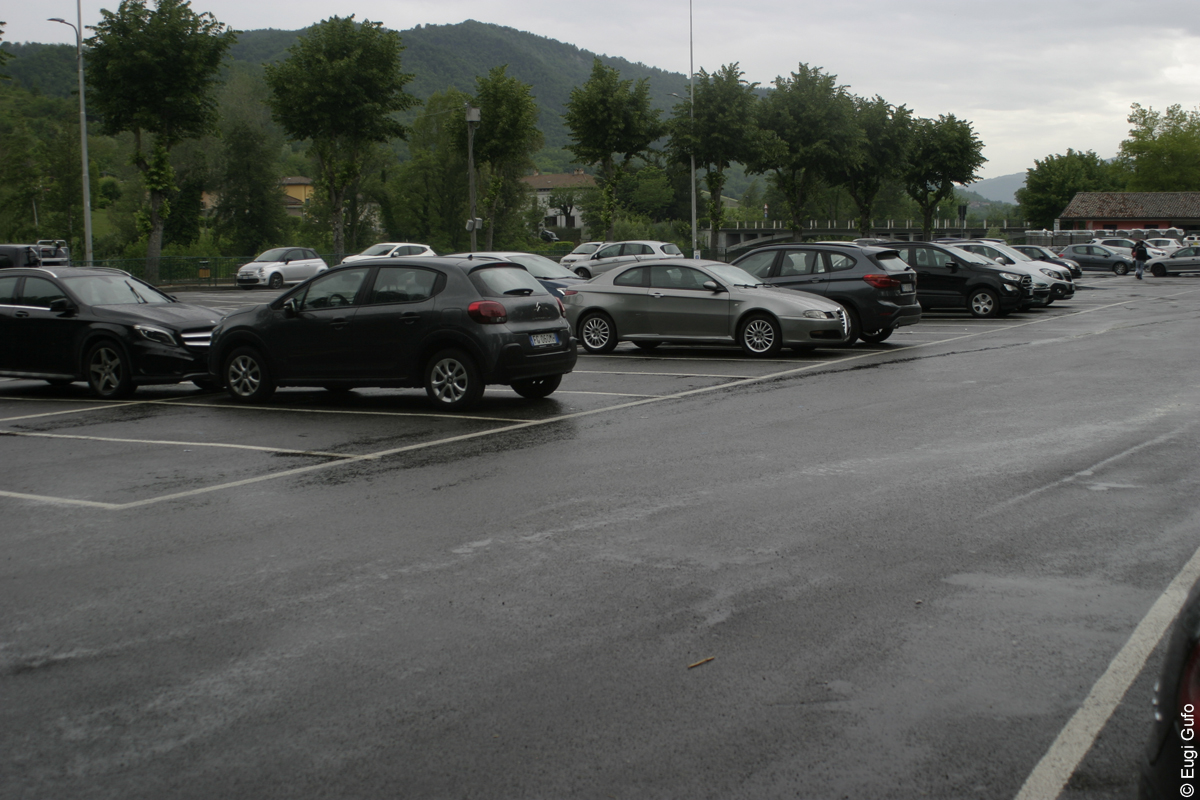
Having now presented all the principal features of Varzi, I can also inform you that the town is easily accessible not only by car (near the aforementioned park there is a large car park with white lines), but also by public transport. It is advisable to take the bus operated by Autoguidovie, departing from the railway station of Voghera approximately every sixty minutes and terminating close to the park.
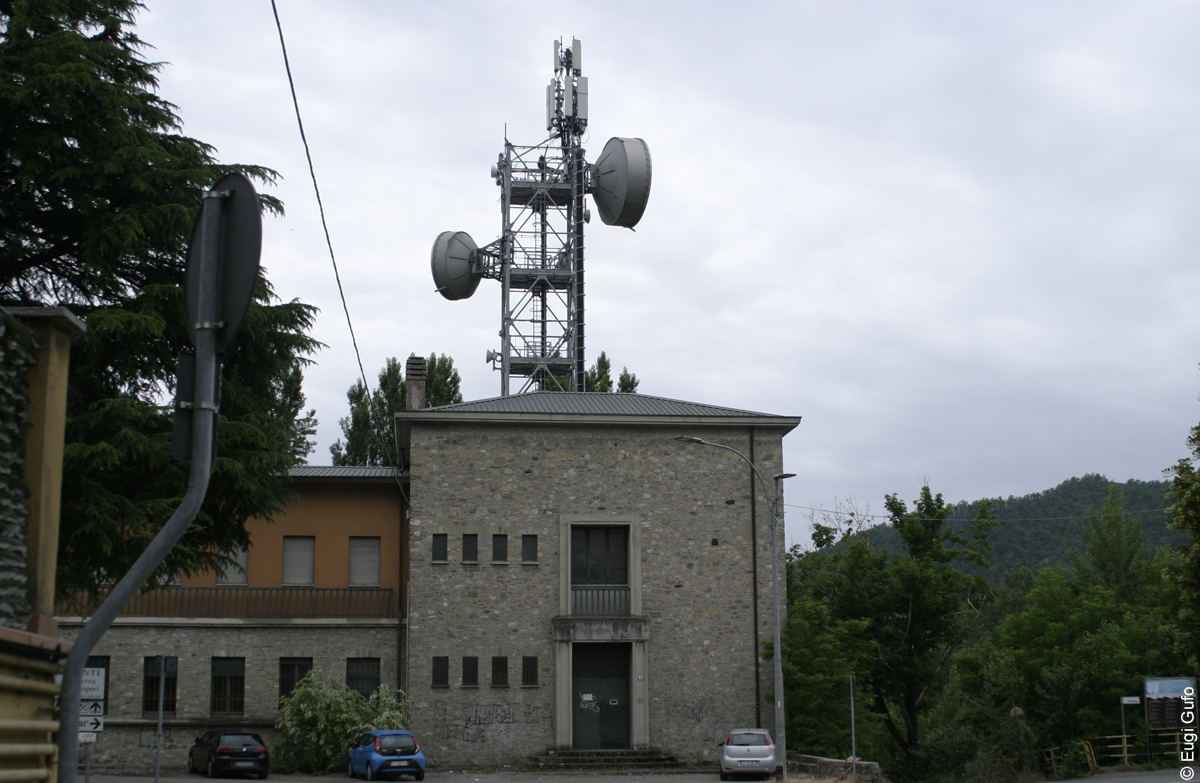
Do remember, however, that mobile reception in Varzi is reliable only within the built-up area. On the hills, at one point, I discovered quite by chance that I had no signal whatsoever (though for enthusiasts of wholesome living this might be considered an advantage). Or perhaps it happened only to me? Who knows…
There we are: you have now been informed of everything.
Stay tuned!
Varzi, 3 June 2022
↓ Show comments ↓

