


 Long live Ukraine! Fuck the war!
 RSS of site articles
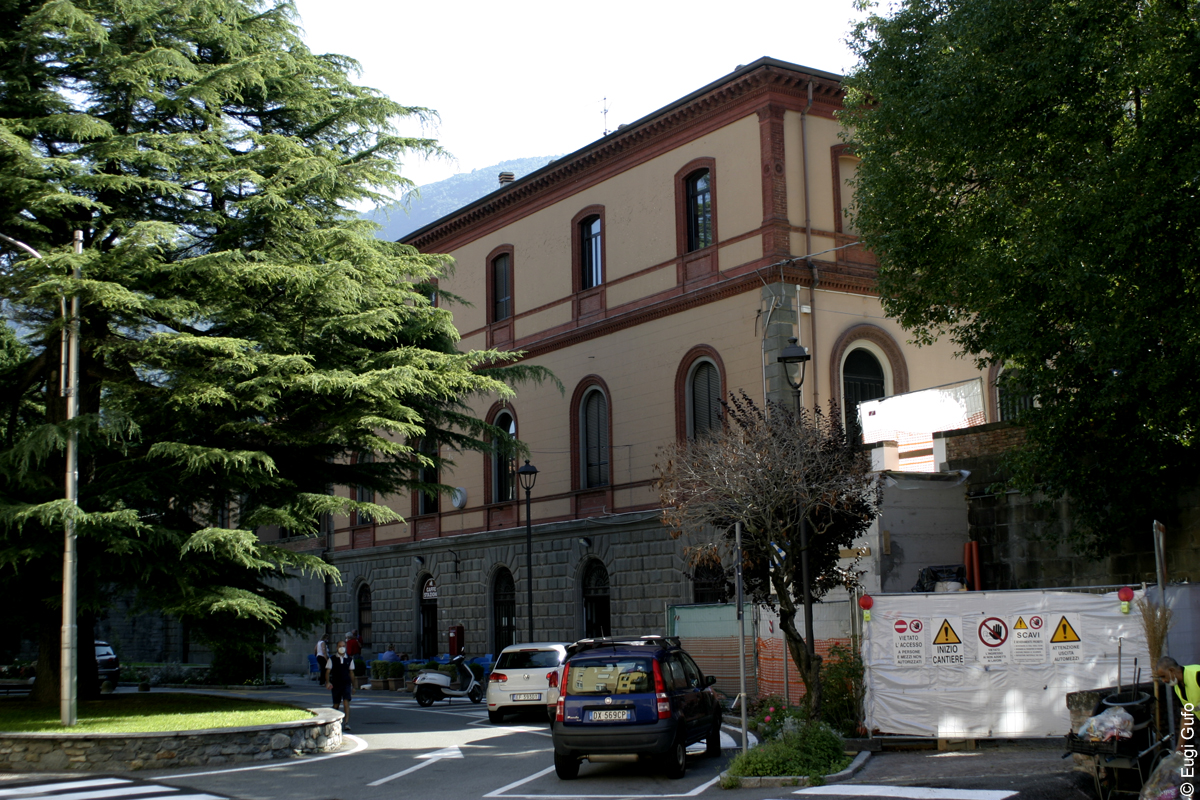
Bellano (in the Province of Lecco) is one of those places that feels beautiful and worth exploring from the exact moment you set foot there. Or perhaps only those who travel by public transport enjoy this particular privilege? I cannot say for certain. What I can say is that Bellano’s railway station is beautiful in every detail. Its exterior façade facing the town centre could easily be mistaken for a villa or an institutional palace.
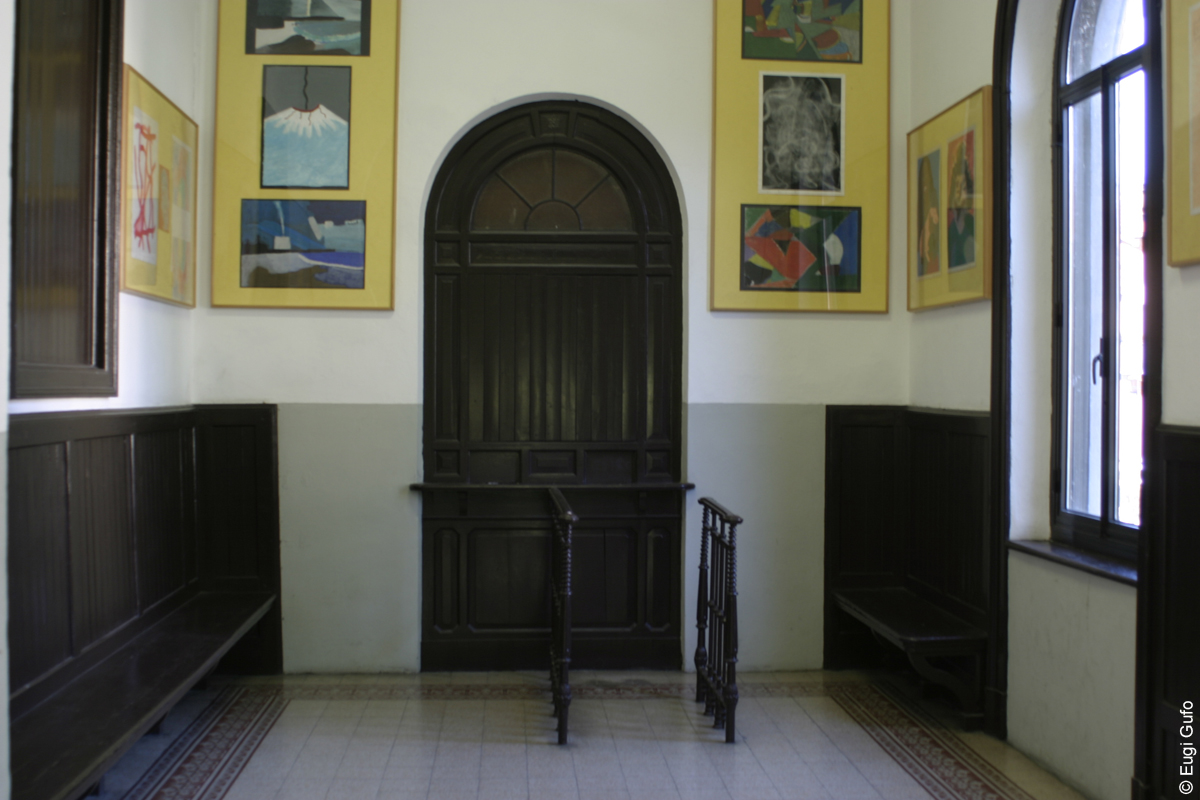
Inside the building, many original late-19th-century details have been carefully preserved (the station was inaugurated in 1892).
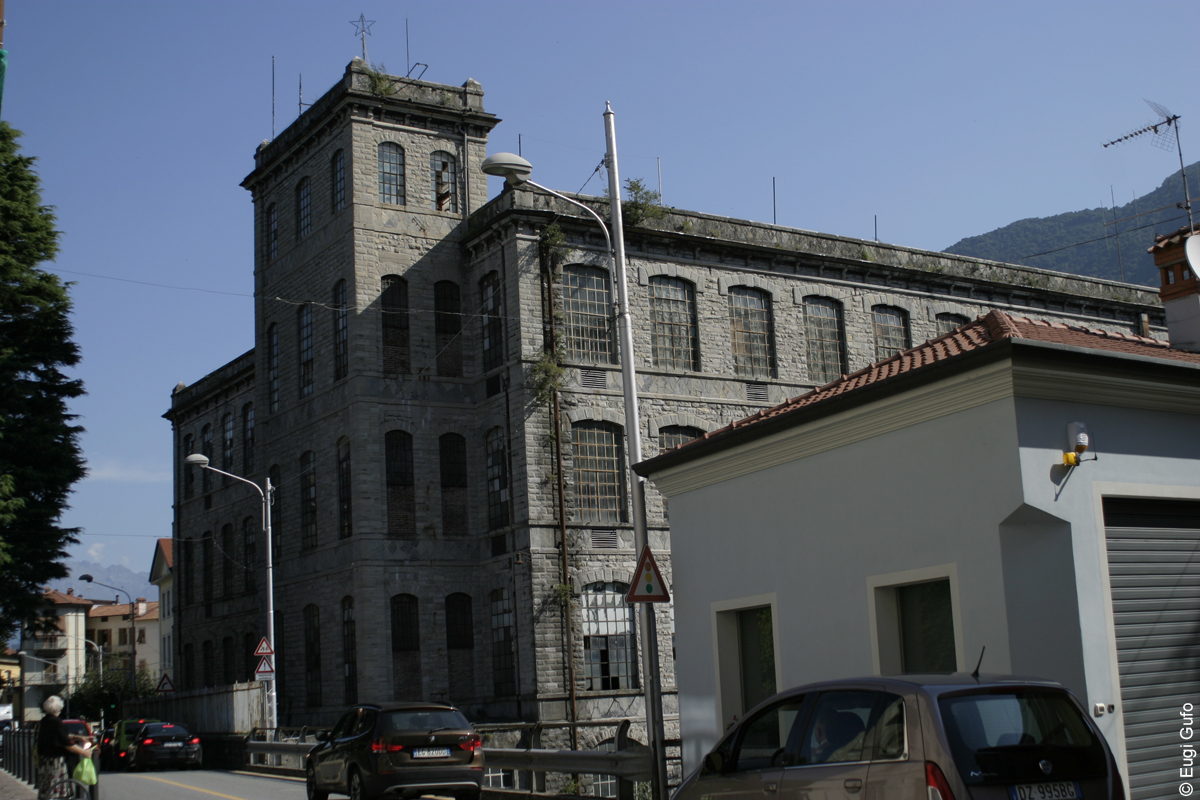
It must be clarified immediately that the station is not the only aesthetically interesting monumental non-residential building in Bellano. The former Cantoni cotton mill (rebuilt in 1898 after a serious fire and inactive since the second half of the 1980s), if located in a large city, would likely have been transformed years ago into a luxury residential complex or fashionable modern offices. While preparing this photo report, I discovered that the building was finally sold at auction on 30 September 2021: it was acquired by an Italian foundation for €700,000. It is now expected to become a resort with a conference centre, a museum, and a car park with approximately 250 spaces. I sincerely hope everything proceeds well: wasting such a building would essentially amount to vandalism.
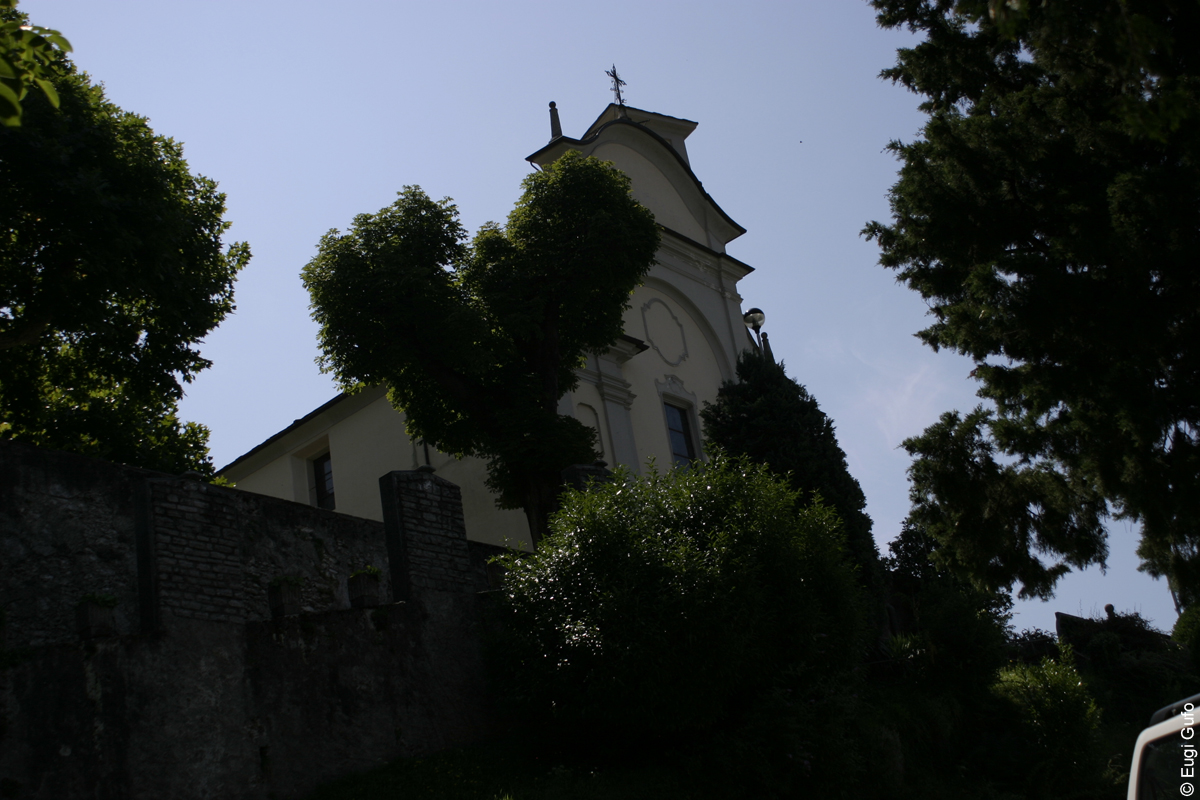
The main religious monument in Bellano is the Sanctuary of Madonna delle Lacrime (late 17th century). It is not particularly large, yet somewhat difficult to frame in its entirety. Besides its modest dimensions, the sanctuary is only moderately interesting inside. Much more impressive is the view of the town and the lake from the square in front of its entrance. Stylistically intriguing, too, are the mosaics of the Stations of the Cross positioned along the staircase leading up to the church.
From an architectural and artistic point of view, I found several other churches in Bellano even more worthy of attention.
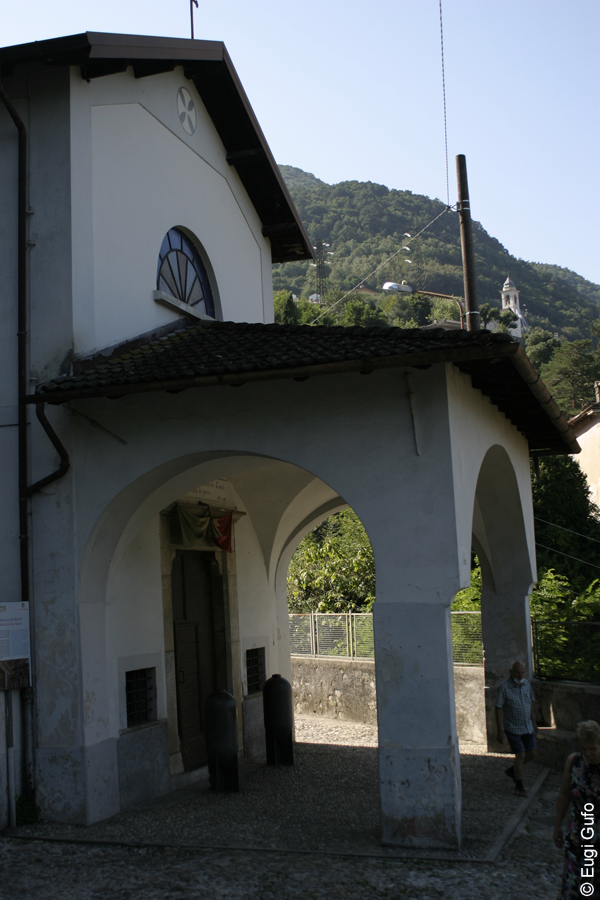
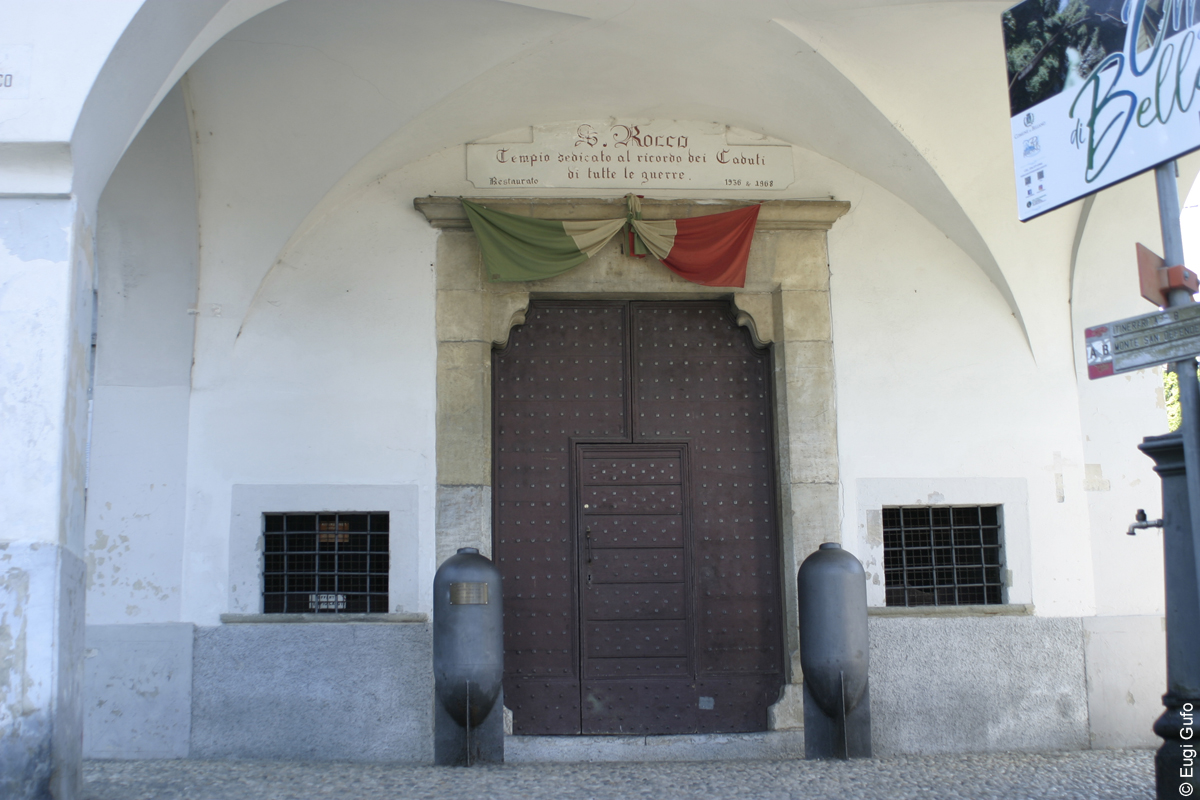
In particular, certain details of the Church of Saints Roch and Sebastian at the Bridge, built at the end of the 15th century, are both curious and interesting. After numerous historical transformations, since 1969 it has served as the War Memorial Shrine for the fallen of Bellano in all wars. According to tradition, however, the two saints to whom it is dedicated are protectors against infectious diseases. Therefore, I cannot quite understand why, during such a particular period (the Covid-19 pandemic still ongoing at the time), it did not become a site of pilgrimage. Perhaps people are at least recovering mentally?
Some other churches in Bellano are attractive partly because of their typically «mountain» details.
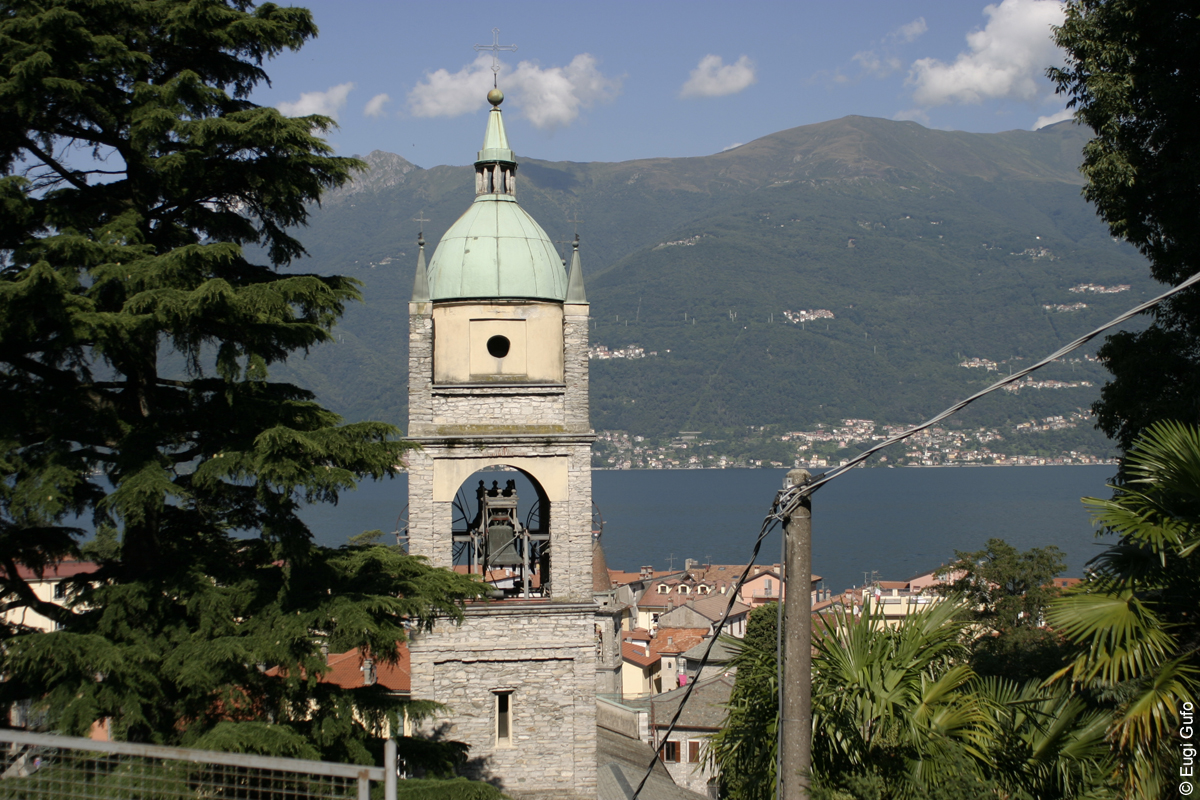
But I prefer to return to the study of civil architecture, which in Bellano is interesting in various respects.
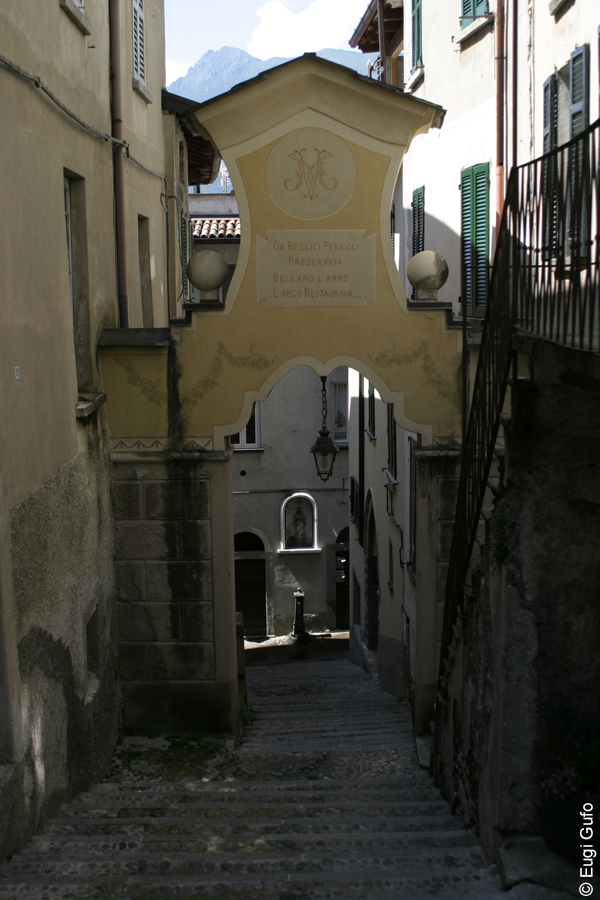
As in the best places on our planet, in Bellano one can simply wander at random through the streets of the centre and contemplate the charming simplicity of the old side streets.
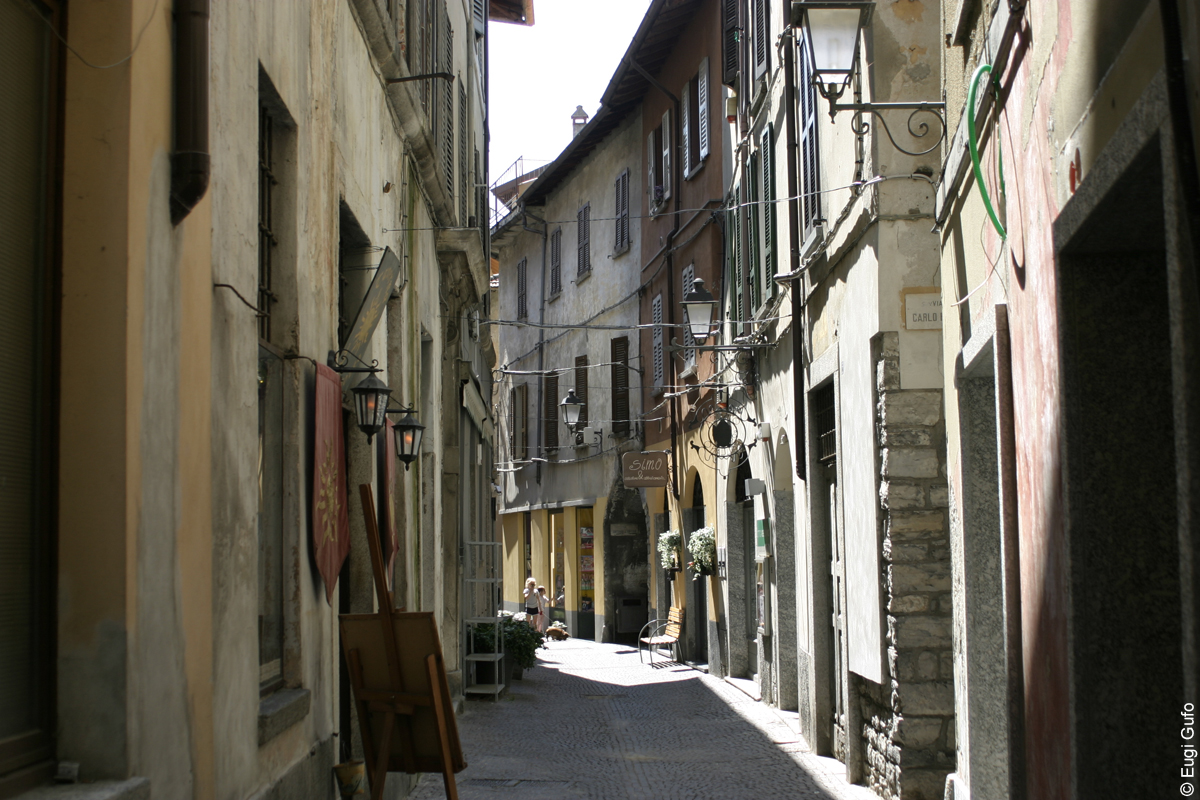
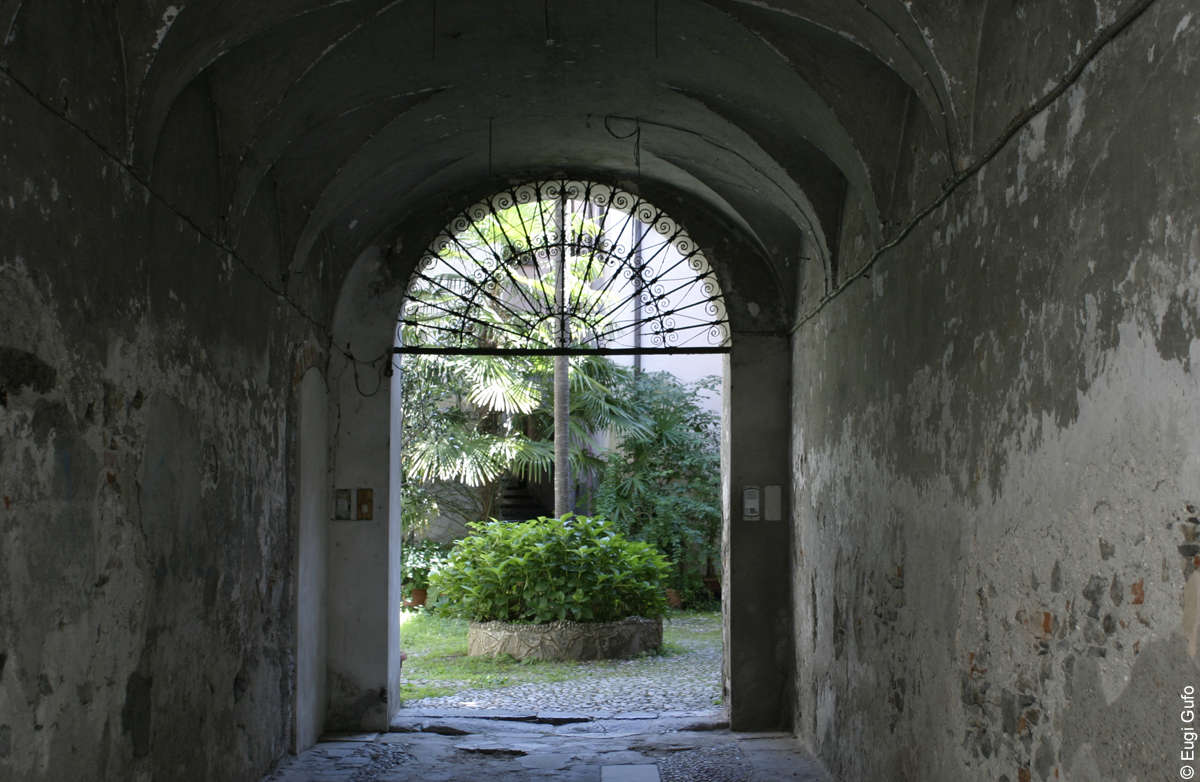
Not everyone knows (or remembers) a small amusement available in many European towns: searching for hidden curiosities beneath or behind arches. I recommend trying it. Even in Bellano.
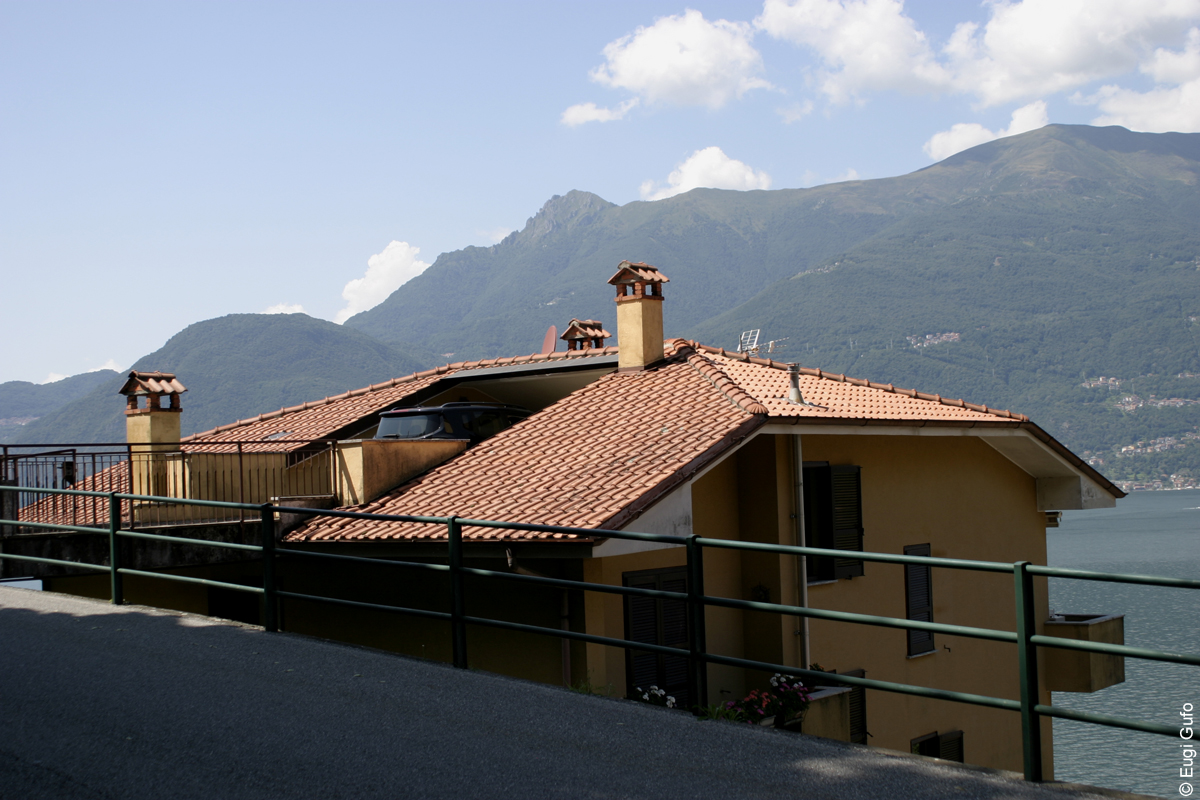
An interesting feature of mountain architecture: several buildings have their entrance and garage on the upper floor rather than at ground level.
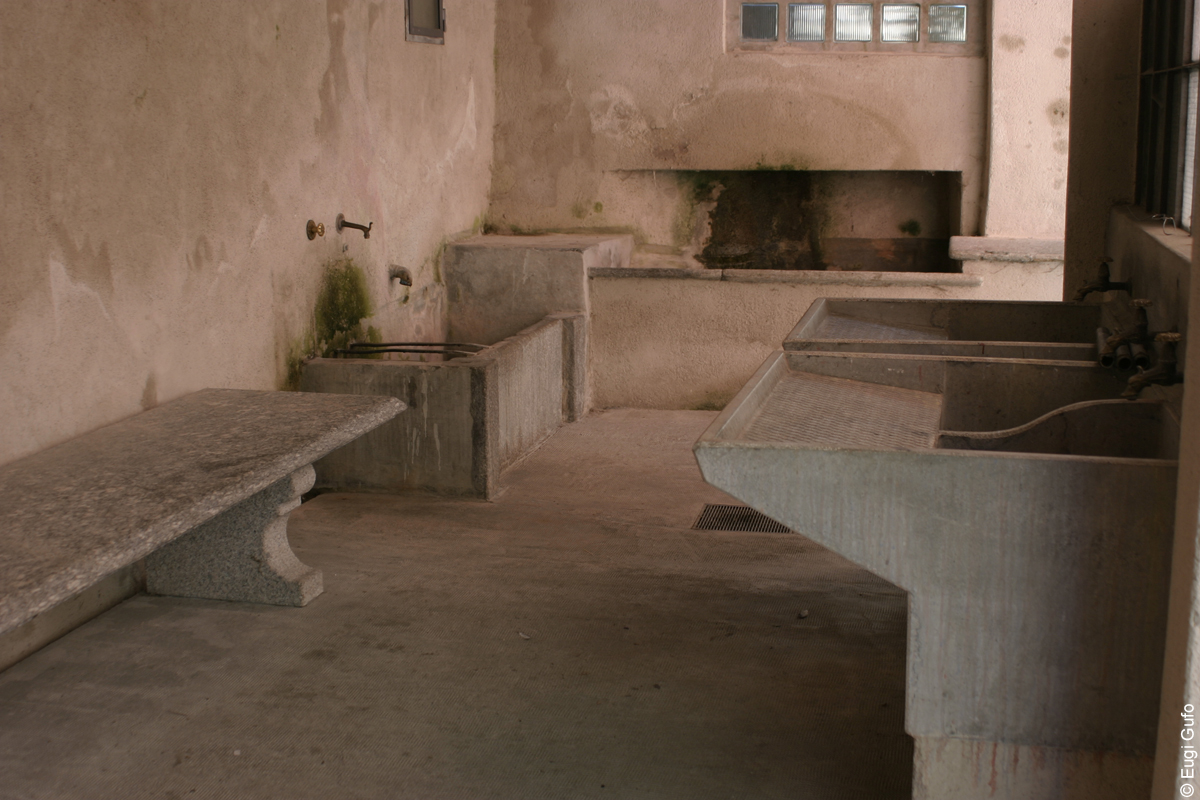
It was in Bellano that I encountered the most stylistically chaotic washhouse in Italy: it has five basins, all different from one another. Two of them — the apparently more modern ones — are very similar, yet still distinct (look closely). Evidently, the structure was expanded several times.
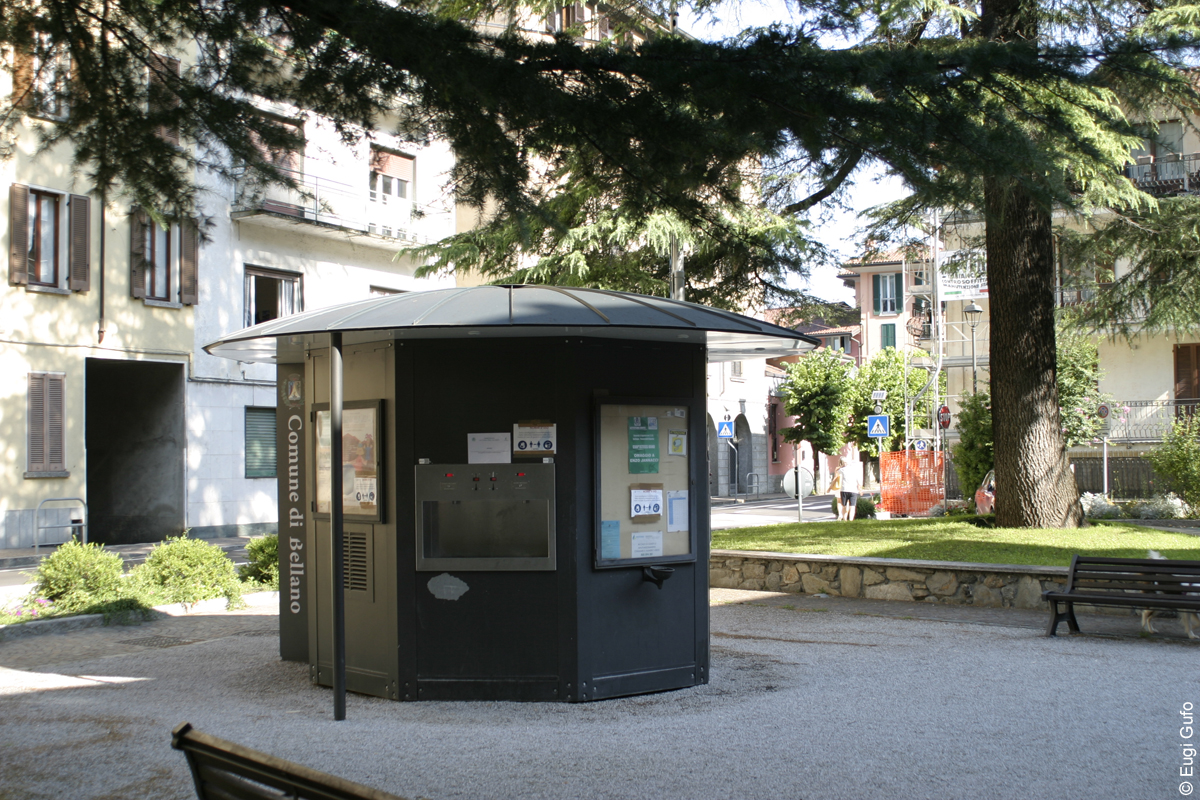
Speaking of water: in front of the railway station I saw a «water house.» It is the only one in town, yet perhaps the largest I have encountered so far in Italy. This gives me the opportunity to offer new advice to tourists who describe themselves as «smart» (whatever meaning you attach to the word): if you travel somewhere on hot summer days, check whether similar water dispensers are available and bring reusable bottles with you. Or at least do not throw away the empty ones.
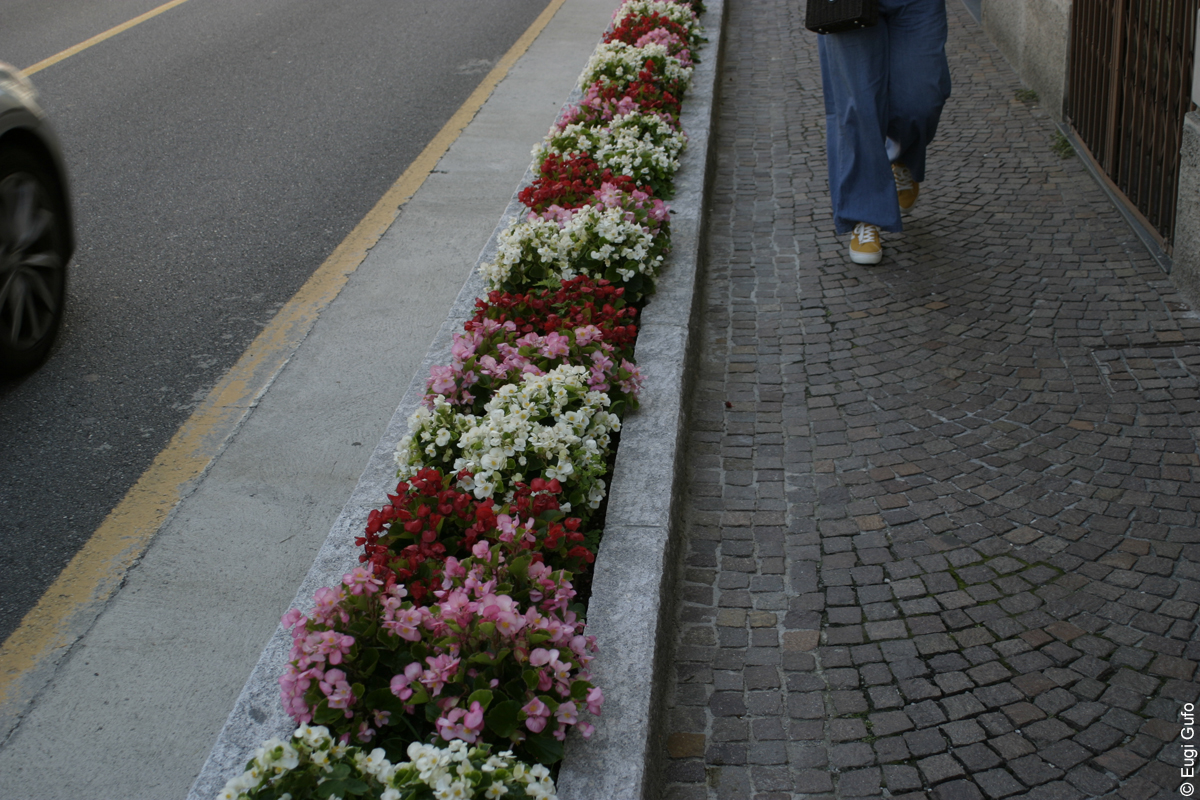
Meanwhile, I move to a new general observation: in many Alpine and pre-Alpine towns of Lombardy, annual flowers are extremely popular as public greenery. Bellano is no exception — they are planted everywhere.
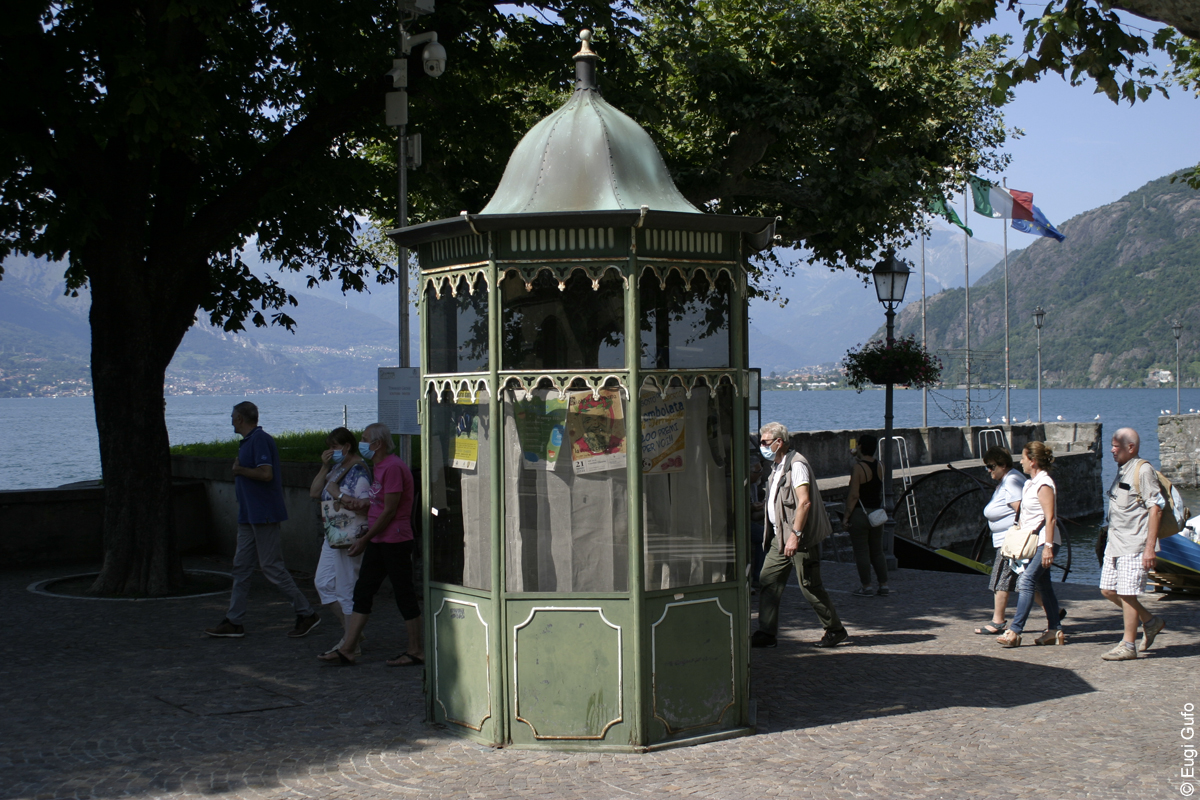
The best-maintained area of Bellano is, in my observation, the lakeside promenade. It is here that one meets the majority of foreign tourists (not few, even during the second consecutive Covid summer). The dominant foreign language is German, though English is also frequently heard. The tourist information point, however, is still closed.
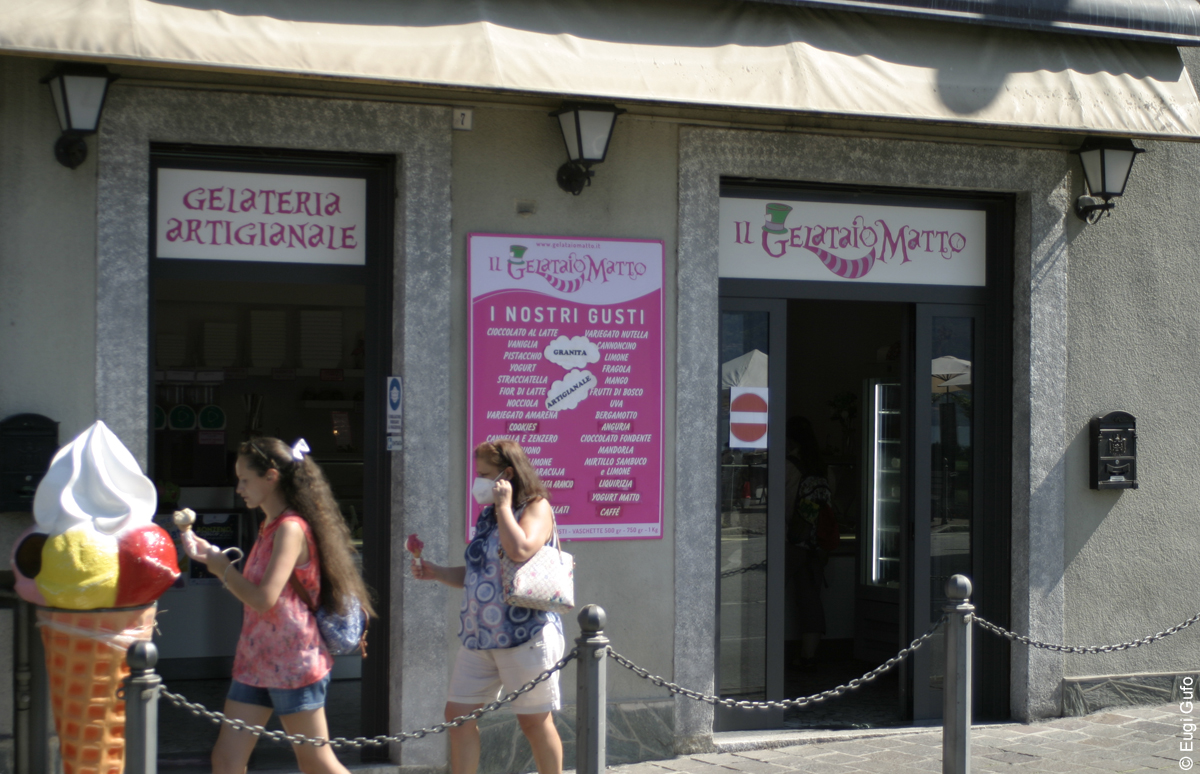
Fortunately for us, the private sector is always eager to work. Therefore I can recommend an ice-cream parlour offering good quality at decidedly reasonable prices — despite its prime location on the lakeside. The name «Il Gelataio Matto» («The Mad Ice-Cream Maker») might refer to some unusual flavours, though I cannot be sure (in reality, the gentleman is very friendly).
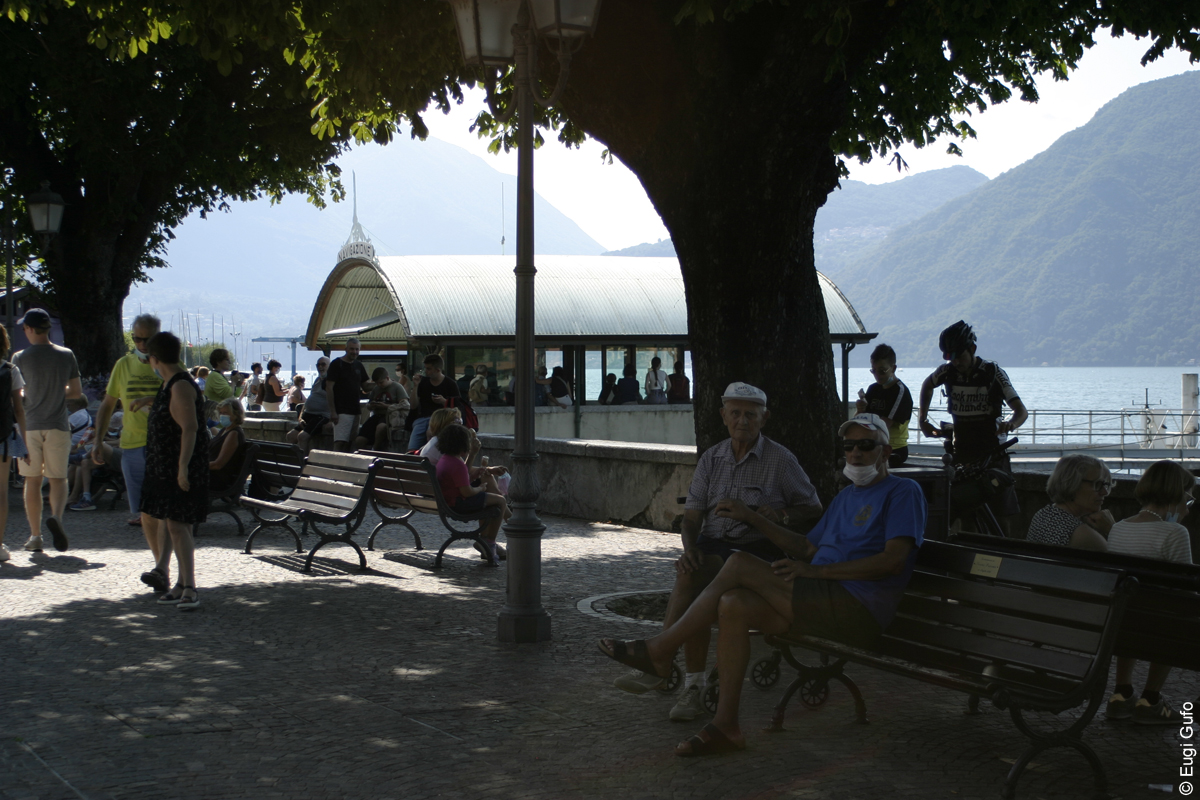
Another major (and statistically rare) virtue of Bellano is the abundance of shaded benches (and the presence of friendly locals unaccustomed to seeing people with cameras). From various benches one can contemplate various views of Lake Como.
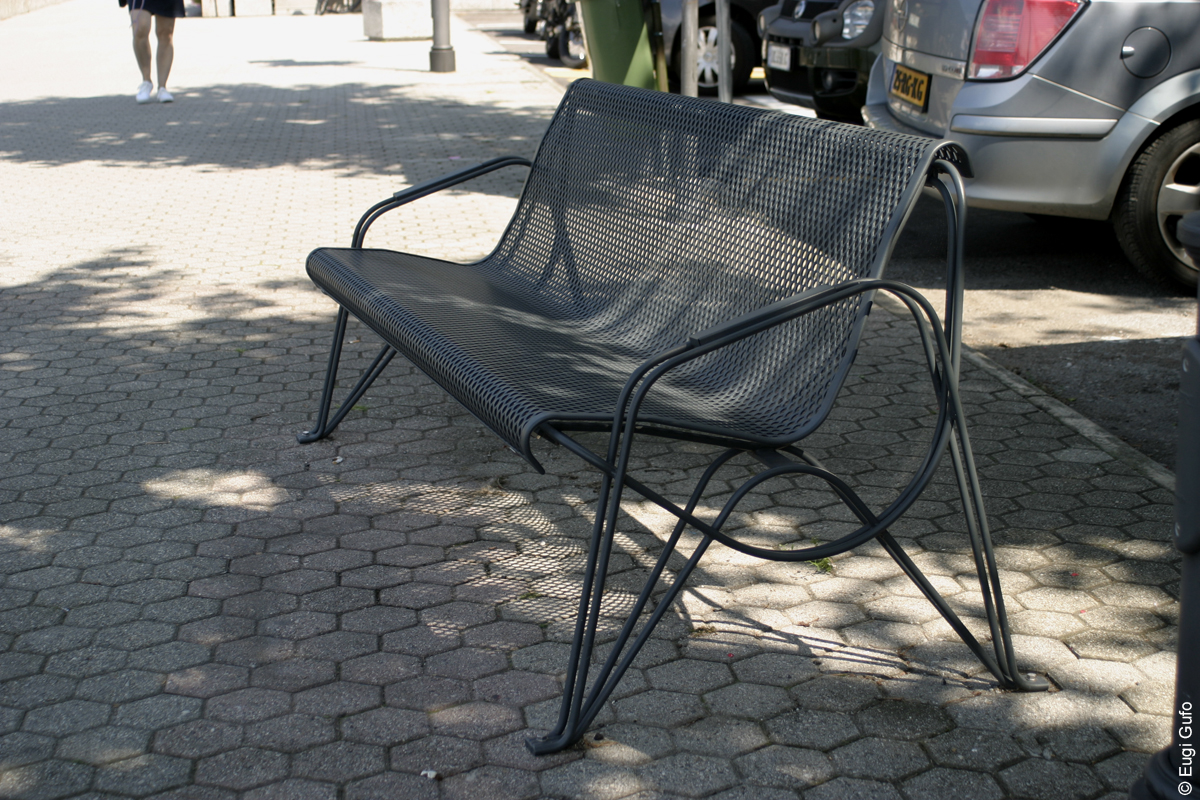
I could not fail to notice that some of the bench designs are genuinely original.
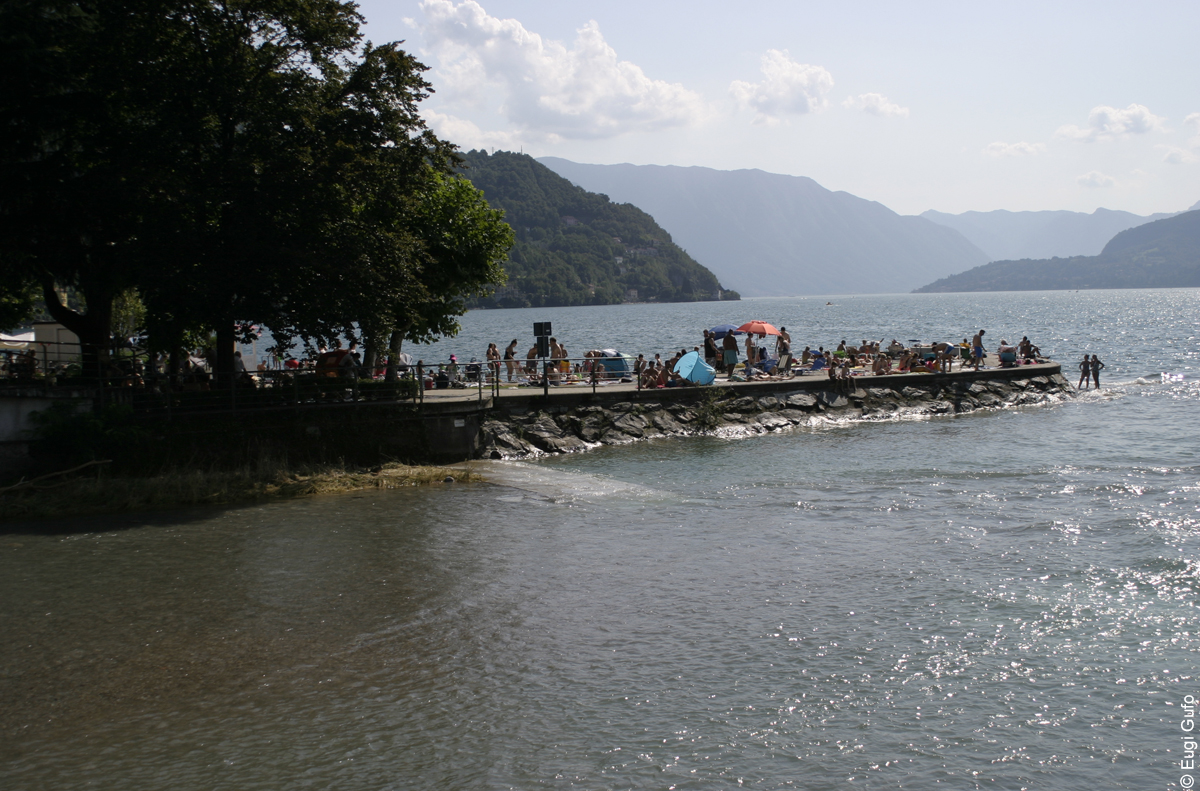
Those who are not satisfied with the purely aesthetic aspect of water may follow the Pioverna stream that crosses Bellano: to the left of the point where it flows into Lake Como there is a municipal beach with white sand and several small pools (not Olympic ones, but similar to those found in private gardens). I did not take photographs, as I did not wish to appear like a man overly interested in lightly dressed people. Besides, I am not a great enthusiast of beaches. To the right of the «delta,» I saw only benches.
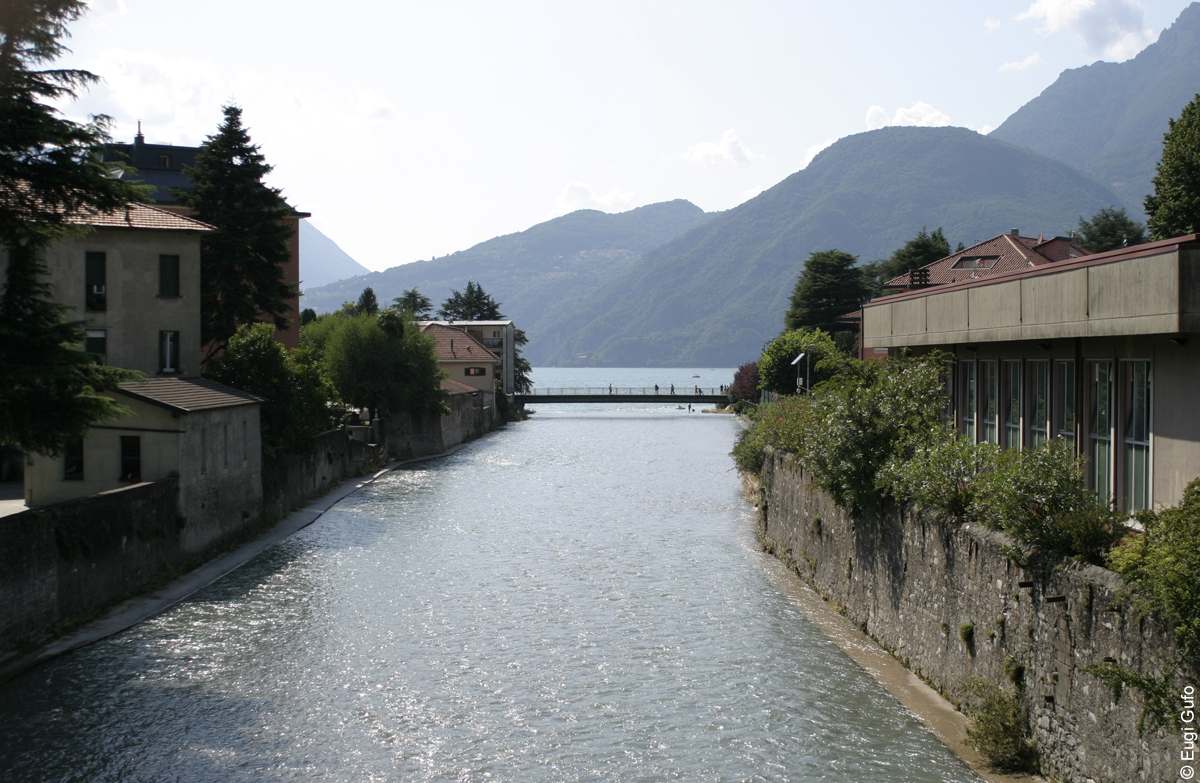
The stream is crossed by several bridges and is almost perfectly straight in its final stretch. From above, it might even resemble a canal.
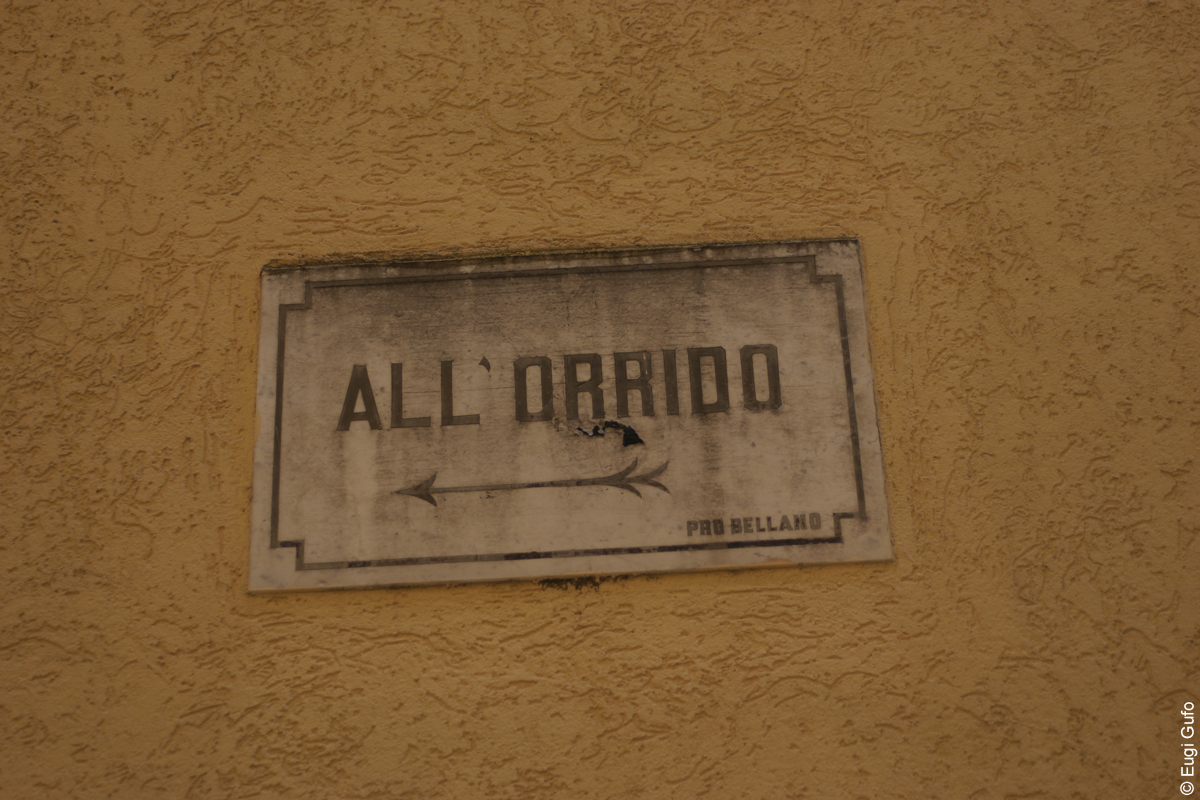
During this particular trip, I did not have the opportunity to visit the Orrido di Bellano, so I shall describe it next time. Meanwhile, you may evaluate the quality of the local road signs.
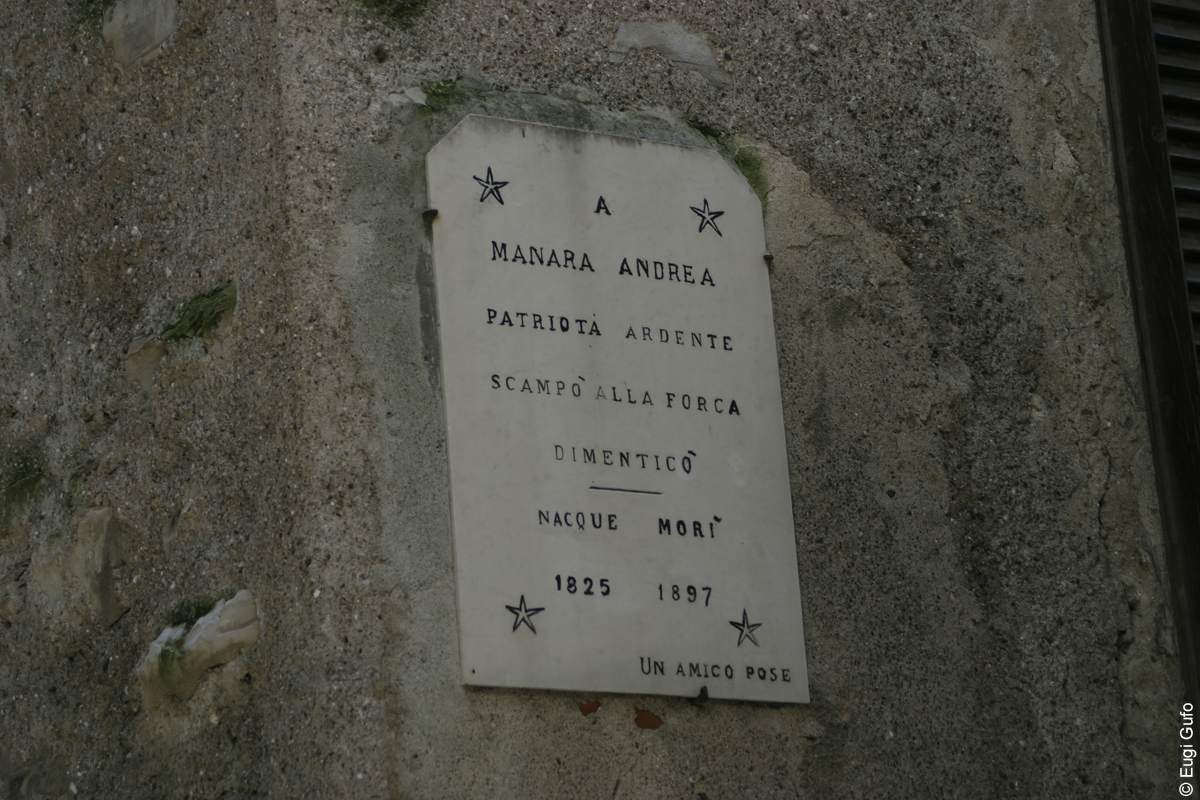
Or you may attempt to appreciate a private commemorative plaque laid more than a century ago. Unfortunately, I was unable to determine who the person mentioned was: perhaps someone of purely local significance, or a protagonist of events whose presumed importance did not withstand the test of time. I therefore assume the plaque remains in place simply because it forms part of the historic appearance of the centre.
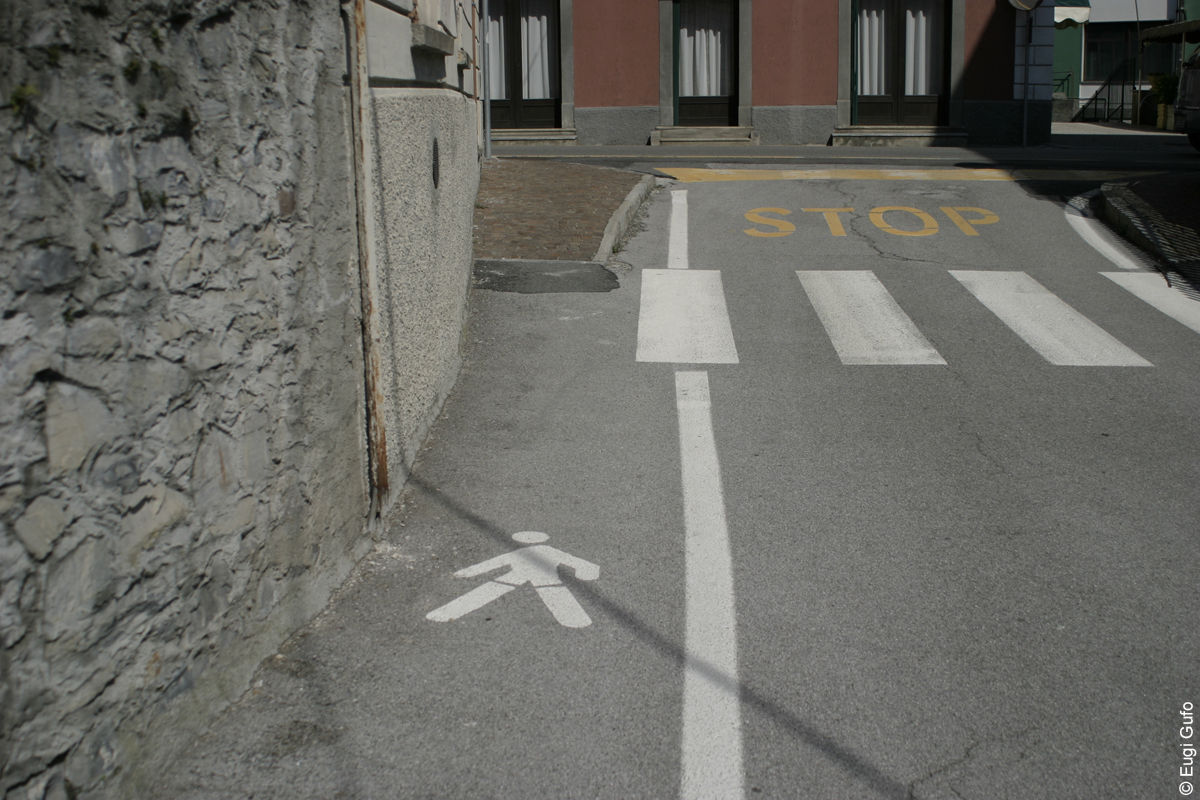
Among modern features, I can highlight the combination of graphic and physical pavements — a somewhat unusual solution that I have so far seen only in Chiavenna.
On the other hand, throughout the municipality one encounters — though not very frequently — large and original litter bins. Some are even equipped with ashtrays.
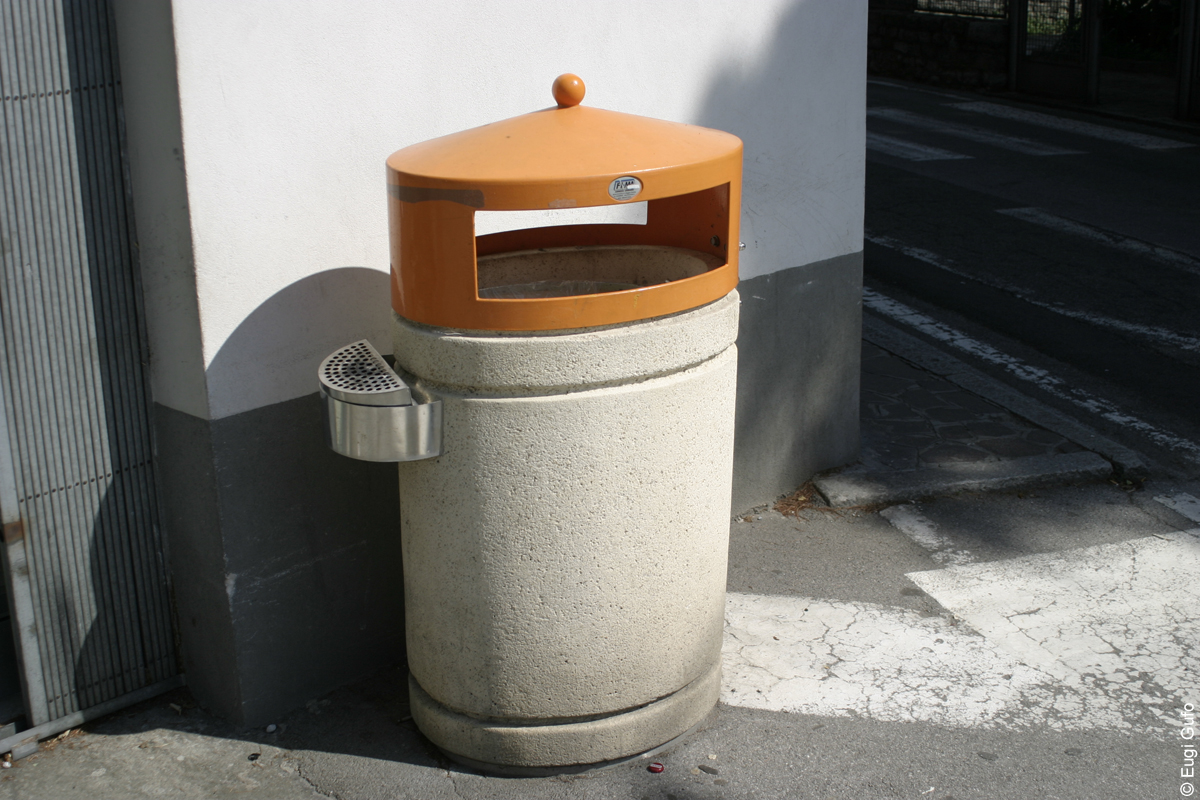
In general, I can say that Bellano is a very clean place.
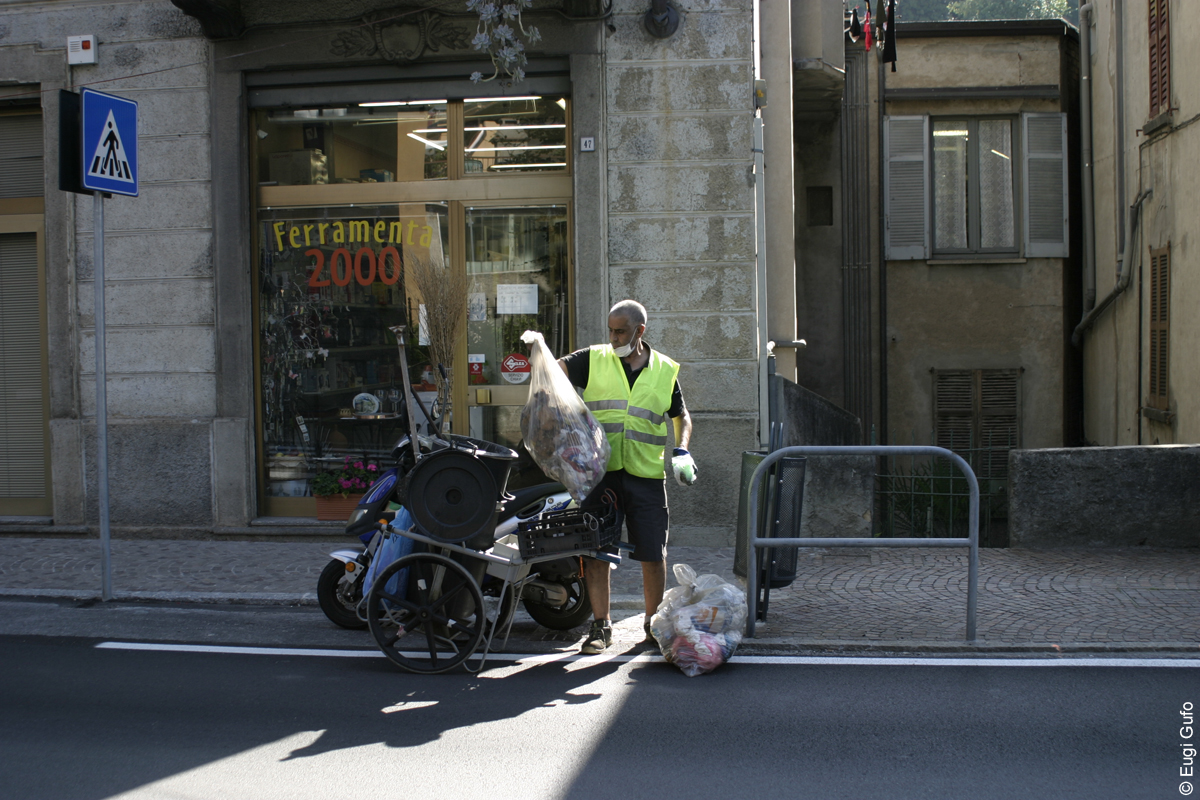
However, studying the beauties of Bellano was not the sole objective of my trip. Another equally desired aim was to walk part of the Sentiero del Viandante: a beautiful mountain route that allows one to walk almost 50 kilometres from Lecco to Colico along the eastern shore of Lake Como. Some sections are easy; others are fairly demanding. Certain stretches are suitable for relatively calm family walks (provided one can reach them), while others are true mountain paths — through forests, across rocks, and along cliff edges. But it is always a beautiful trail that enables one to visit villages, hamlets and castles, remain immersed in nature, and contemplate Lake Como from above — sometimes very far above.
But, unnamed curse, the trail has one major flaw: its waymarks are placed rather haphazardly. At times, the markers suddenly disappear precisely at crucial points. Thus, in Bellano, at a suburban crossroads, one finds a tiny sign bearing the trail’s name but no arrow — forcing tourists to wander randomly through the town in search of further clues… I will not claim that I found the path purely by chance: I prefer to continue appearing as an expert in orientation within unknown territories, capable of deciphering strange topographical logic (yes, unlike some, I managed to maintain that image).
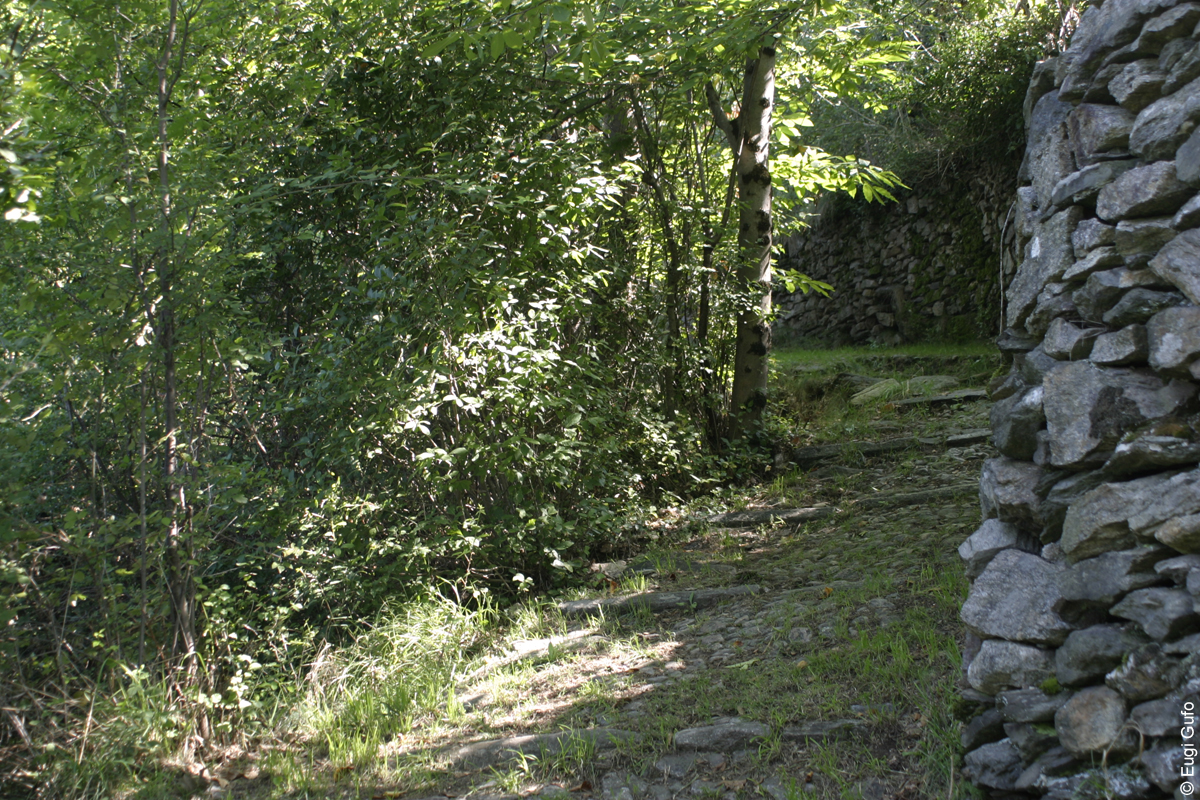
Like almost all settlements, Bellano does not end abruptly: along the road toward the «wild» mountain, increasingly sparse buildings appear. Some are dedicated to typical local productive or commercial activities.
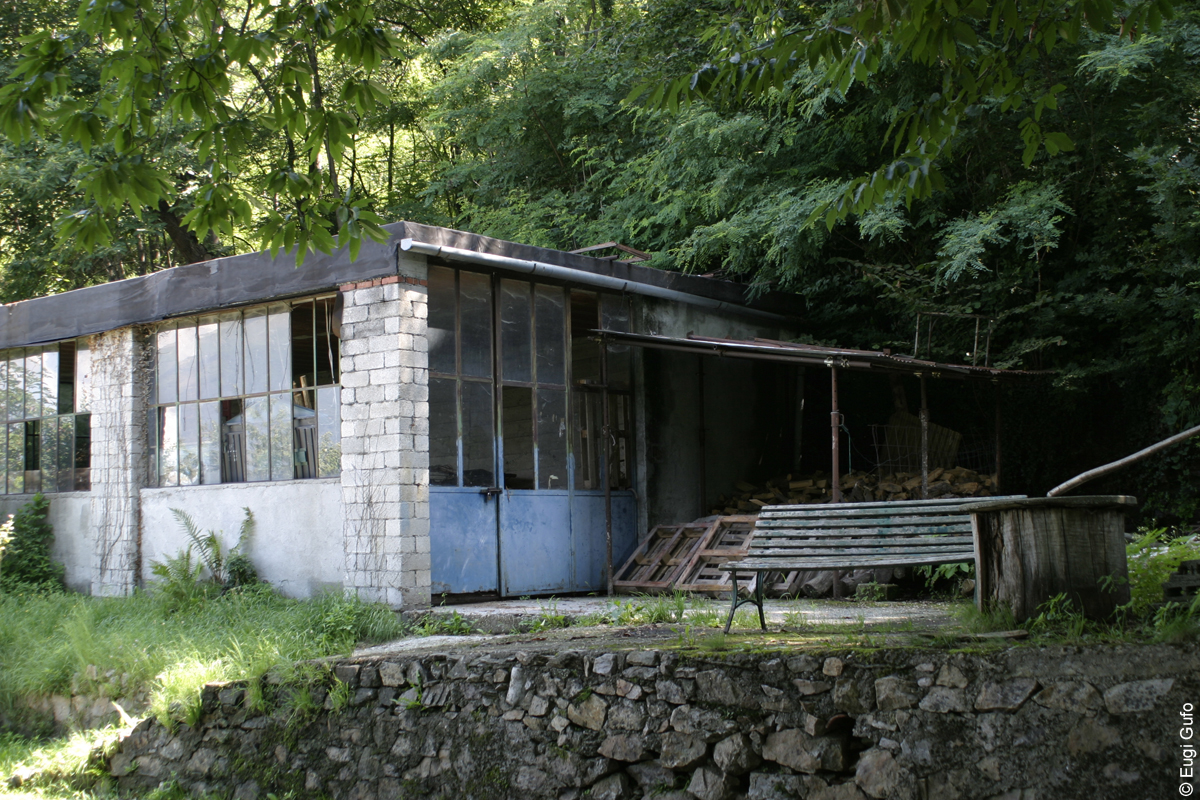
Activities of which I sometimes saw only a rare notice.
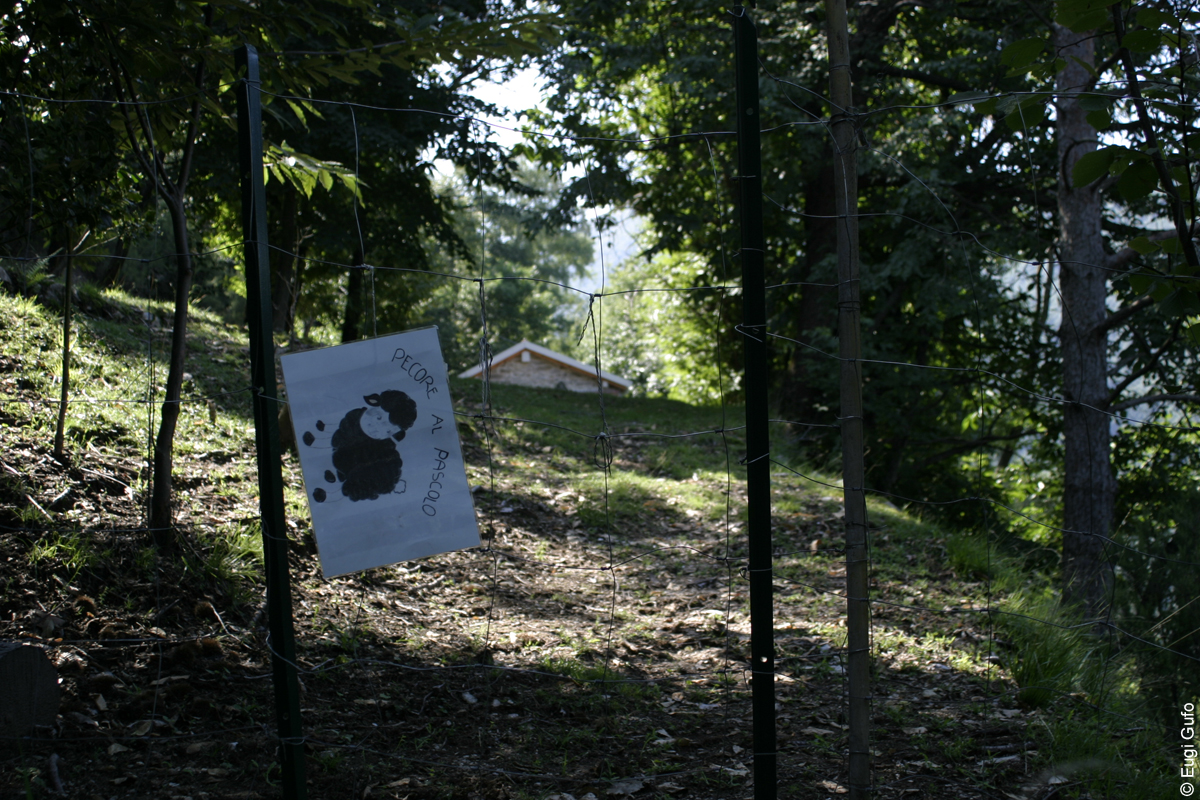
At this point I could have shown you several photographs of mountain nature and the lake — taken while walking toward the next inhabited place — but I shall refrain: I have already gone on too long. Therefore, until next time.
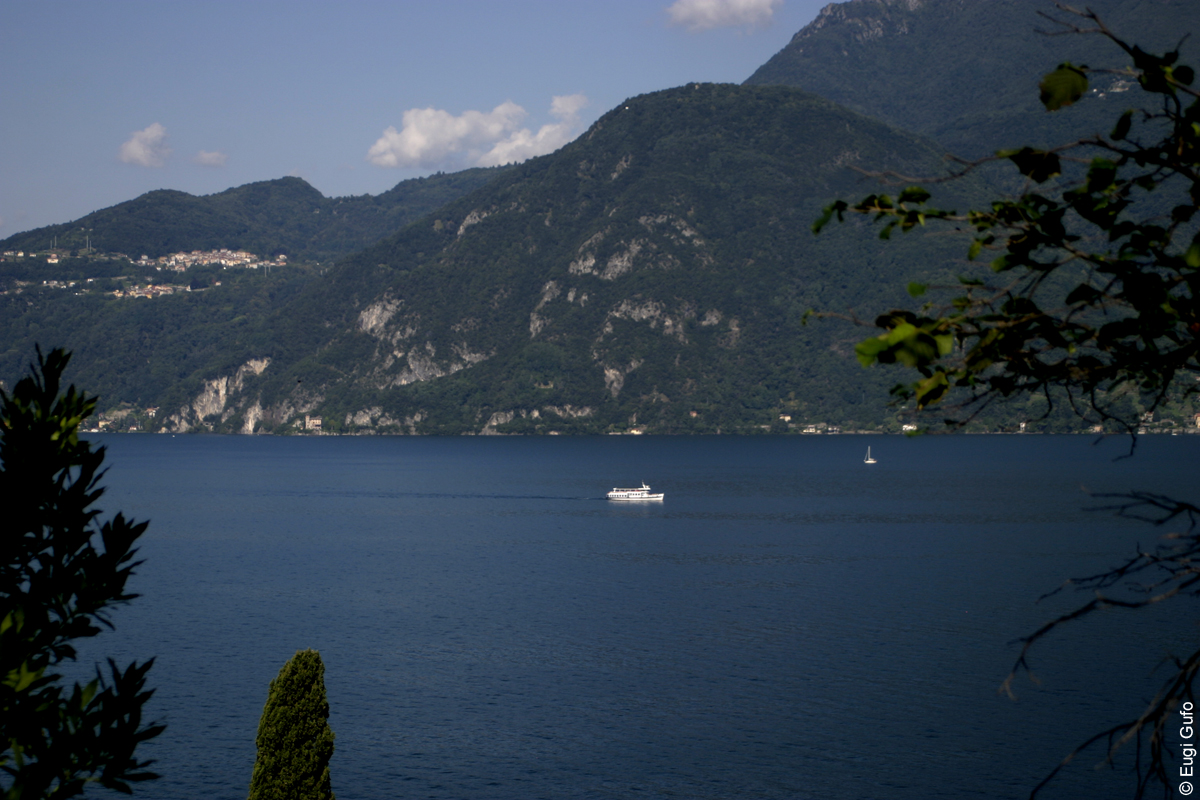
Fortunately, even during this relatively short route, I managed to see other localities as well.
Bellano, 10 August 2021
↓ Show comments ↓

