


 Long live Ukraine! Fuck the war!
 RSS of site articles
More or less 101% of my readers already know that Venice is beautiful and unique in its kind.
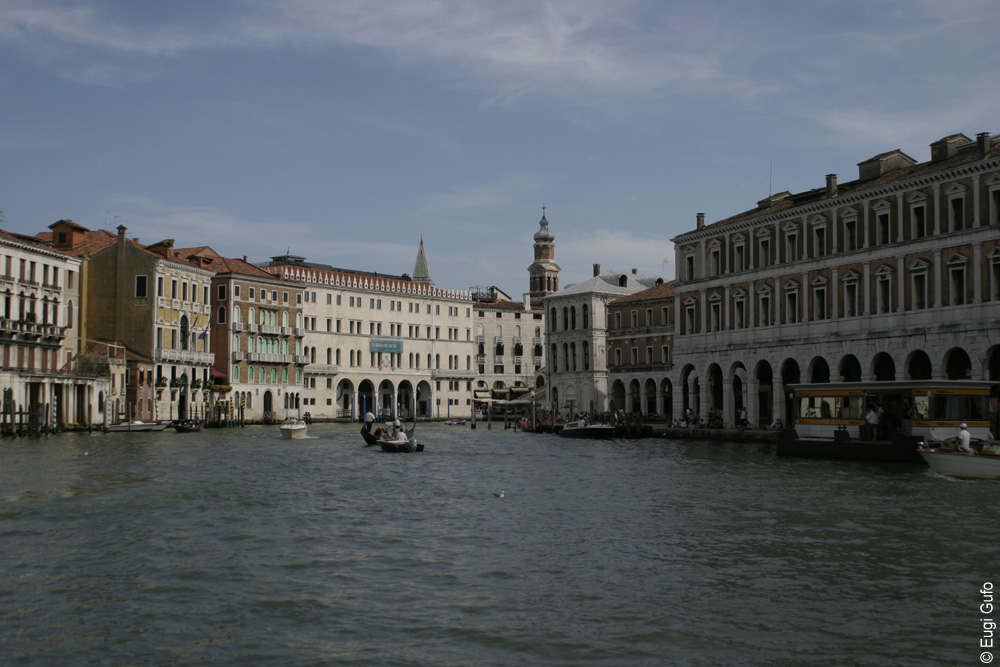
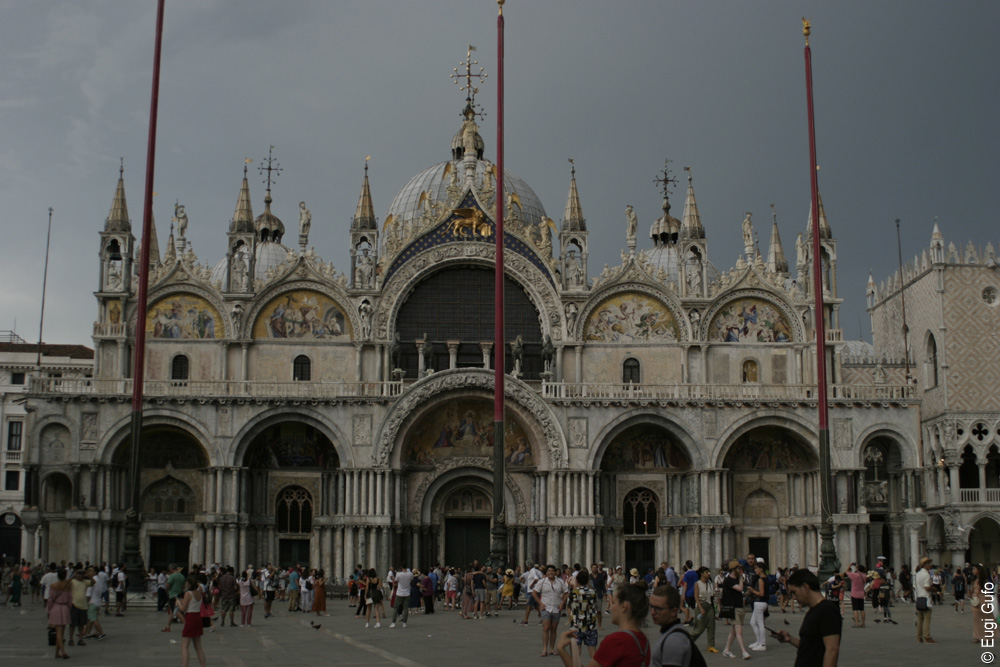
More or less the same proportion also know that Venice boasts St Mark’s Basilica, the adjoining square, and a multitude of other beautiful and famous monuments.
Those same people are aware that Venice is a city built upon water, therefore full of bridges and suffering from heavy traffic in its canals.
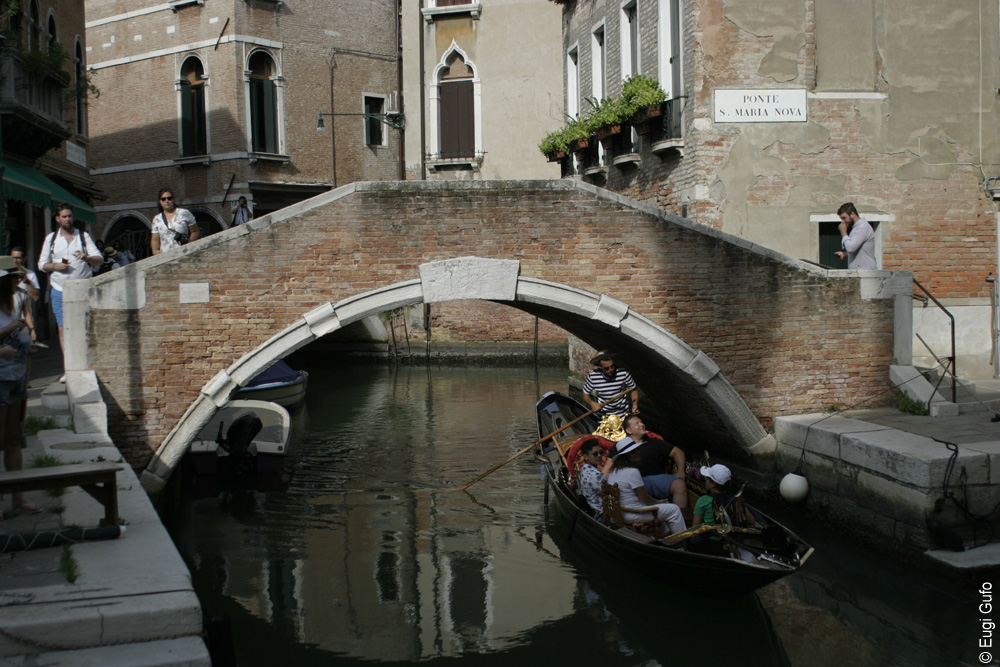
A comparable number may even have the impression that Venice contains more bridges than Milan has pedestrian crossings.

Consequently, I presume no one wishes to hear or see, yet again, the well-known facts about Venice. The majority would undoubtedly find it far more interesting to discover small, less obvious details about the city. That, however, would require years of study and narration. This photographic account (like the journey itself) therefore aims merely to highlight several thematic strands to be explored on future occasions.
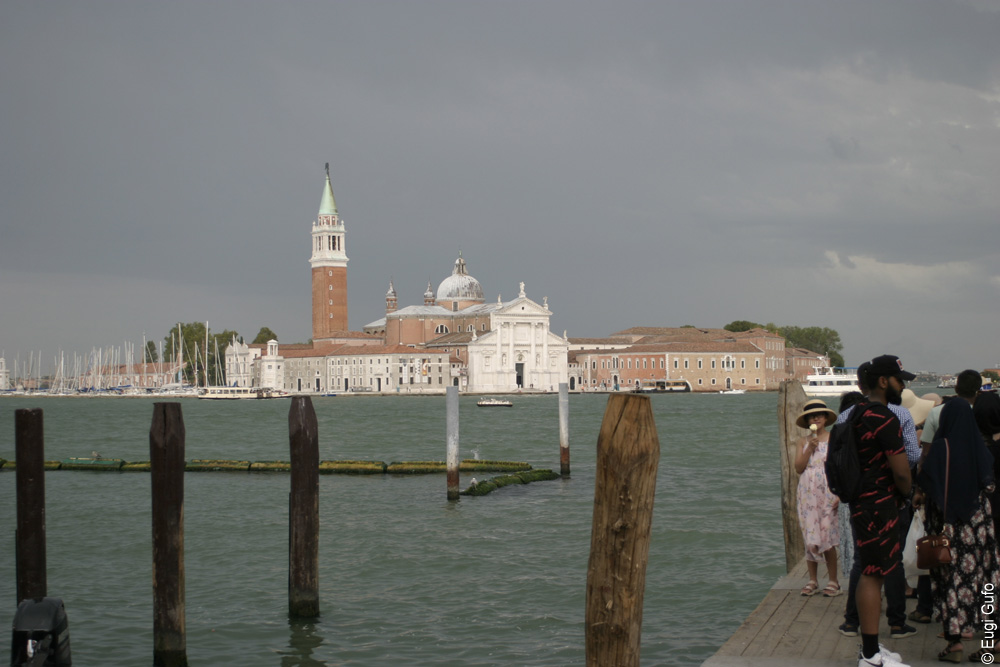
Let us begin at once with a first example: many of Venice’s most interesting features are located on islands reachable only by boat. I do not mean merely Giudecca or San Giorgio Maggiore, but also, for instance, the cemetery island of San Michele (where numerous fascinating figures are buried) or the Armenian monastery of San Lazzaro degli Armeni (where in 1907, for a few months, Iosif Stalin served as a bell-ringer). Taking into account sailing times and not always convenient departure schedules, one may assert with certainty that Venice cannot be visited in a single day. Nor even in two or three.
It is entirely normal—and easily imaginable—that many Venetians own boats. What is strange is that private boats resembling gondolas are exceedingly rare. Yet they do exist.

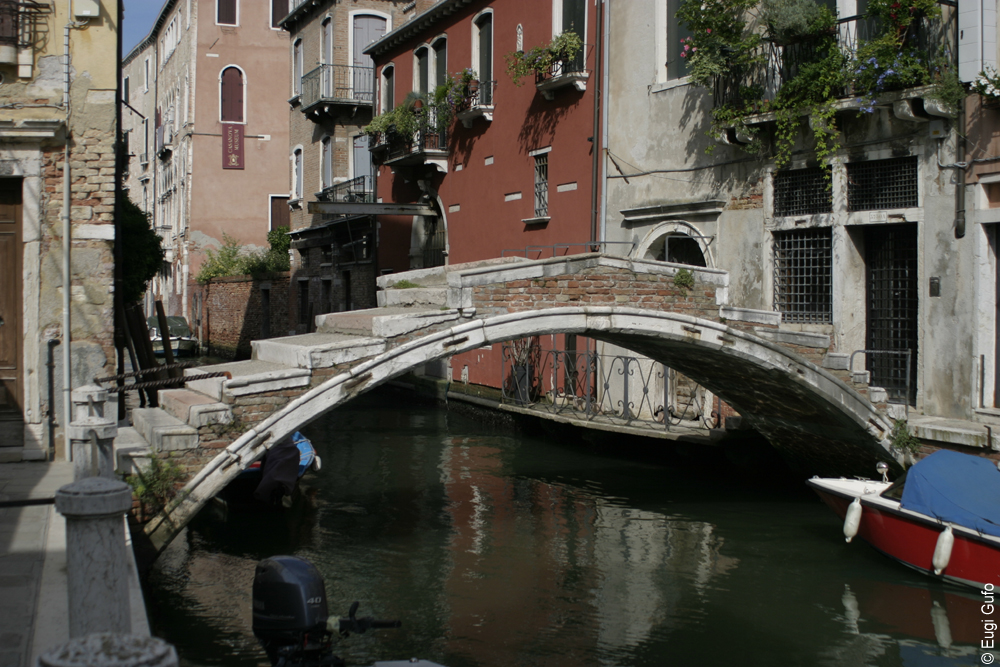
Not everyone reflects upon it, but many Venetian bridges are private, serving to connect the doors of residential buildings directly to the mainland. For some curious reason, the majority of these bridges are distinguished by the absence of side parapets. Perhaps the architectural choice was intended either to discourage unwanted guests or to facilitate the more convenient disposal of assailants.
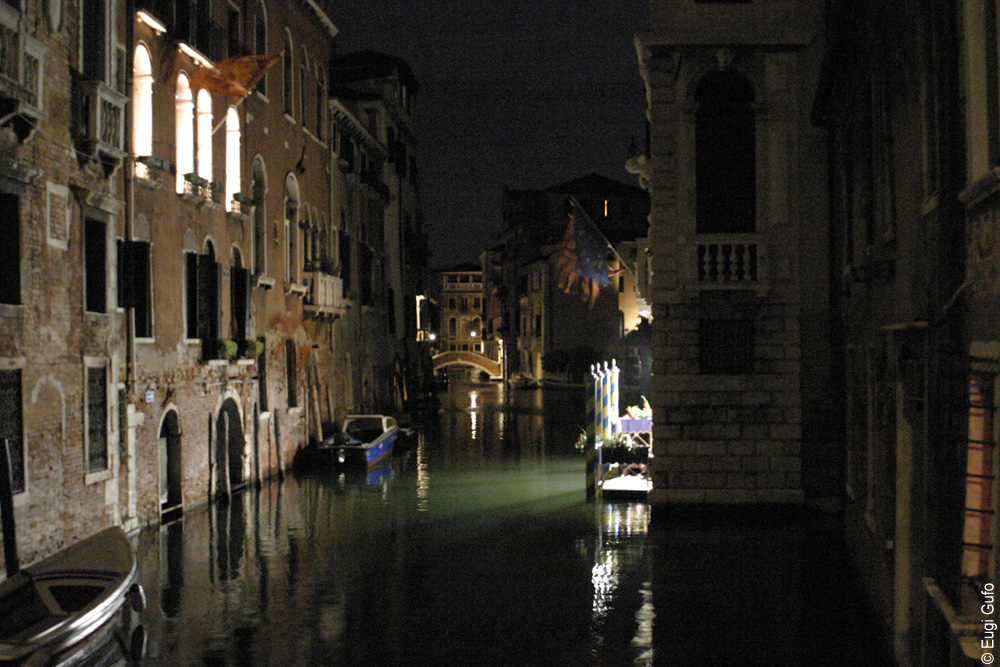
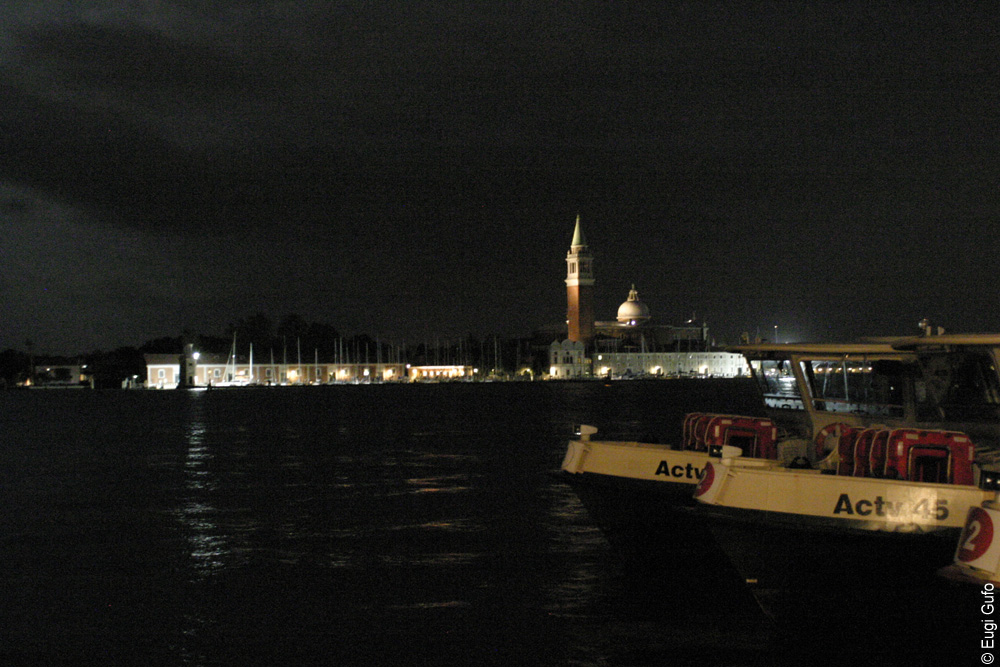
If you believe you can imagine the beauty and charm of Venice at night, you are mistaken. It is a thousand times more beautiful than your finest fantasies. After ten o’clock in the evening, tourists begin to disappear with notable speed—returning home or to the less expensive hotels of Mestre—and suddenly one is seized by the sensation of having been locked overnight inside a vast museum. A museum filled with mysterious shadows and peculiar characters, imaginable yet invisible during the day.
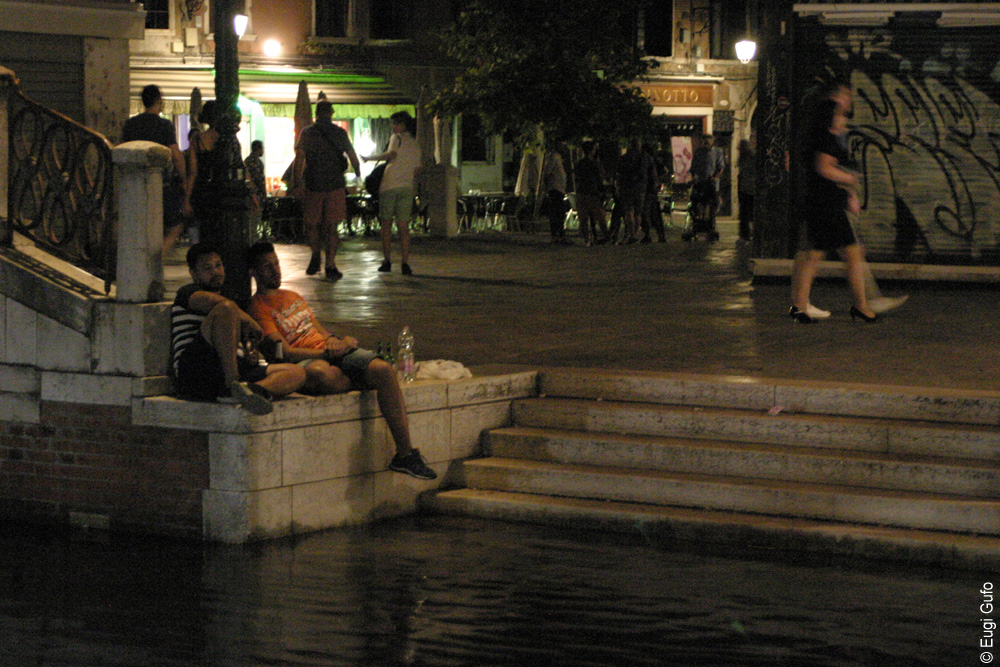
The emptier and darker it becomes, the more interesting it grows. Paradoxically, one of Italy’s most beautiful cities suits perfectly the absence—or minimal presence—of artificial night lighting (an absence that troubles me greatly in other major Italian cities).
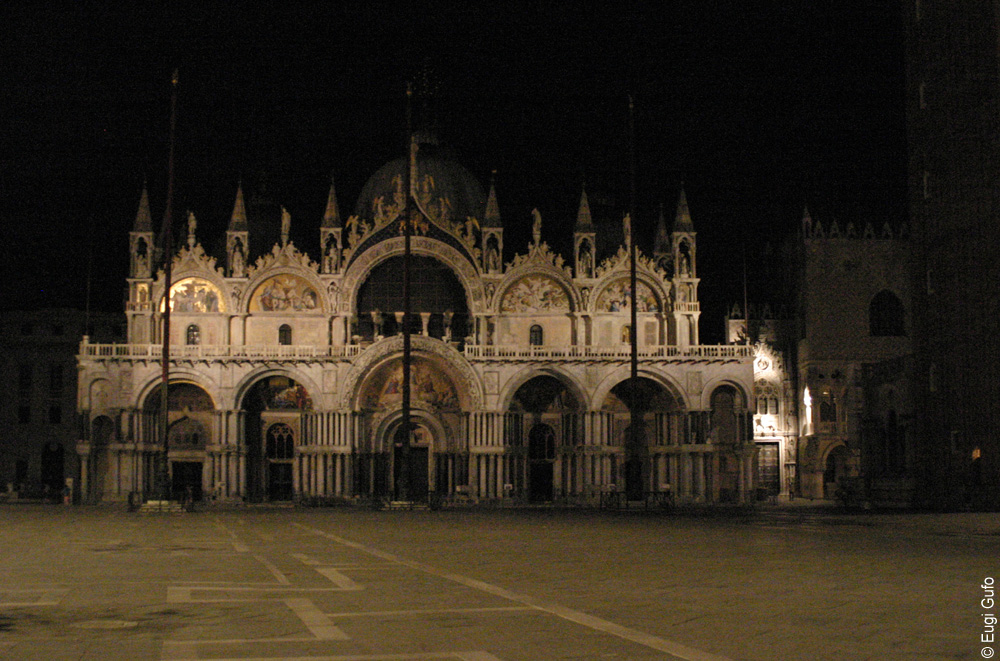
Even the illumination of St Mark’s appears somewhat excessive in quantitative terms. Yet the atmosphere remains beautiful.
In the darkness of night, even a promenade along the waterfront acquires a different value. It becomes easy to perceive the rare waves that surpass the height of the quay as enemy soldiers attempting to infiltrate the sleeping city. As nature reminds us almost every year, however, the sea is not merely a component of Venice’s beauty.
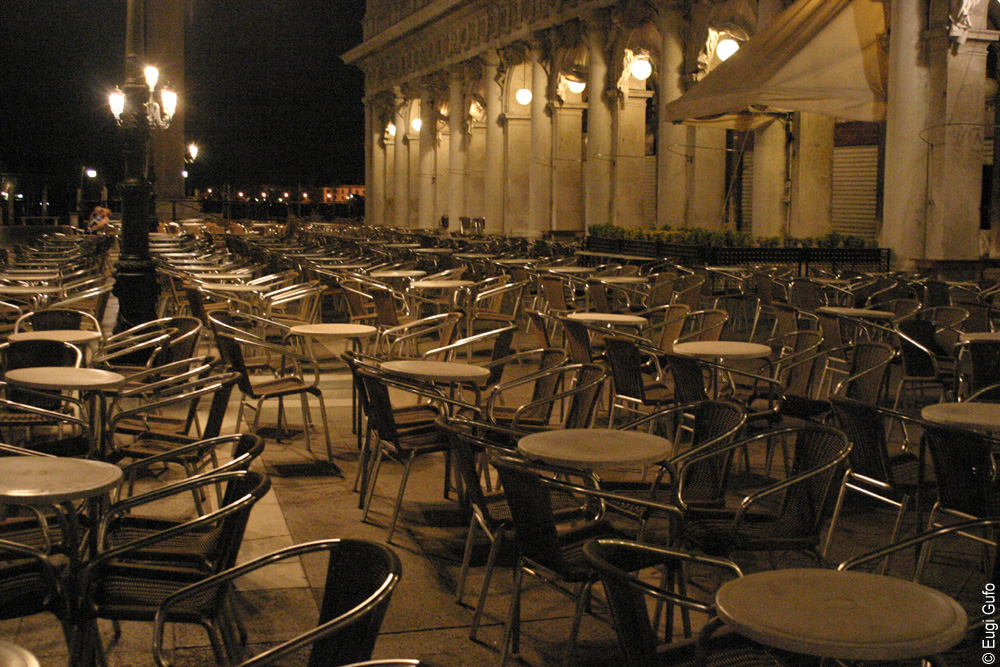
The Venetian night also brings practical, material advantages. Thus, for example, the tables and chairs of cafés overlooking St Mark’s and the lagoon remain in place at night. Nothing prevents us from bringing bottles, glasses, ashtrays, and the like, and sitting for hours drinking and conversing without spending excessive sums. I would never recommend something untested; I add, therefore, that the rare night patrols will pay no attention to what or where you are drinking. To those who prefer to drink in daylight, I recommend the American Bar beneath the Clock Tower in St Mark’s Square. Its prices are decidedly more humane than those of its prestigious neighbours (for instance, a spritz costs €4.50).
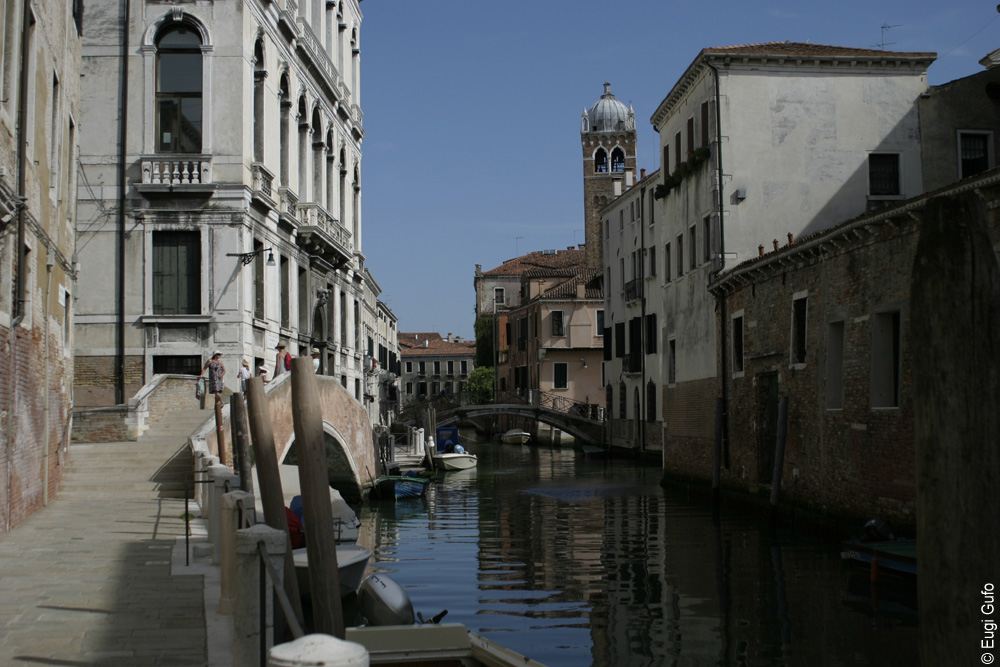
In any case, I still had a few hours left for sleep. A certain determination in the search for advantageous prices allows one not only to enjoy a beautiful nocturnal city but also to say, «I stayed in the centre of Venice.» And it is delightful to «leave home» in the morning and find oneself immediately on a «street» of this kind.
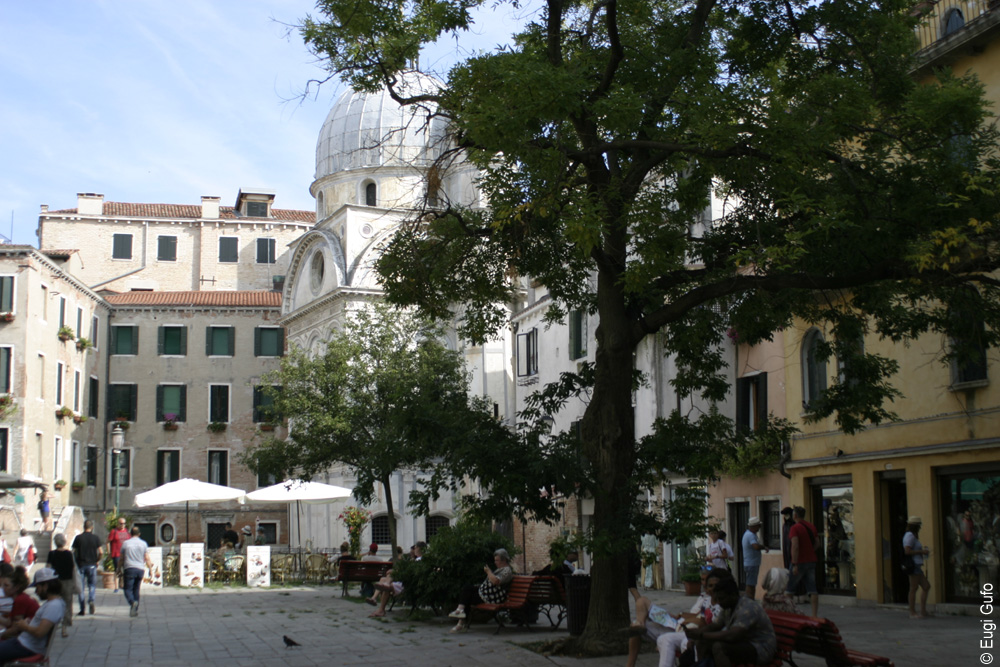
But too much boasting is unhealthy; let us return to serious study. In my view, even an ordinary person—a simple tourist—might be capable of counting all the trees in Venice. I did not set myself such a task, yet I believe I have seen the «principal trees» among the few that exist within the territory.
It is entirely incorrect to state that the centre of Venice is closed to motorised vehicles. There are many—but they all travel on water. And they are of various types. There are, for instance, public transport vessels:

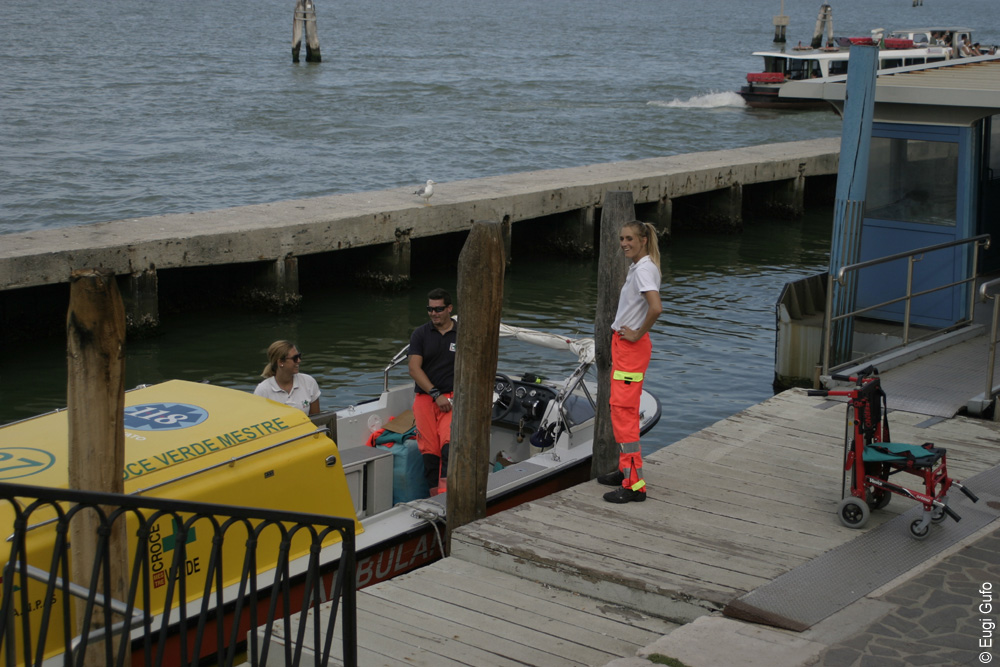
There are emergency vehicles, with their respective parking areas, garages, and infrastructures (those who imagine life in Venice rarely think of these aspects, do they?).
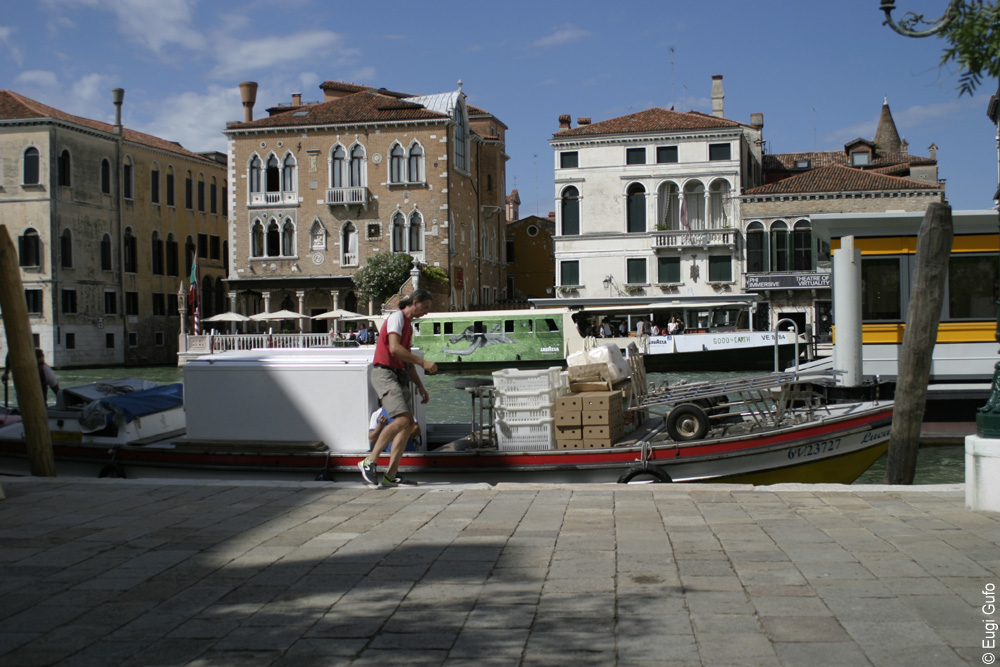
The transport of goods, house moves, and deliveries to commercial establishments likewise occur via the waterways.
An important detail whose explanation is not widely known: Venice lacks a truly centralised sewage system. In the basement of each building in the historic centre there is a septic tank where human waste is filtered. The more or less purified liquids flow into the canals, while solid residues are collected by special boats. The pipes used by these vessels to extract the substances may be dozens of metres long. Therefore, whenever you encounter such a scene, do not imagine an accident or malfunction: it is routine maintenance for the city.

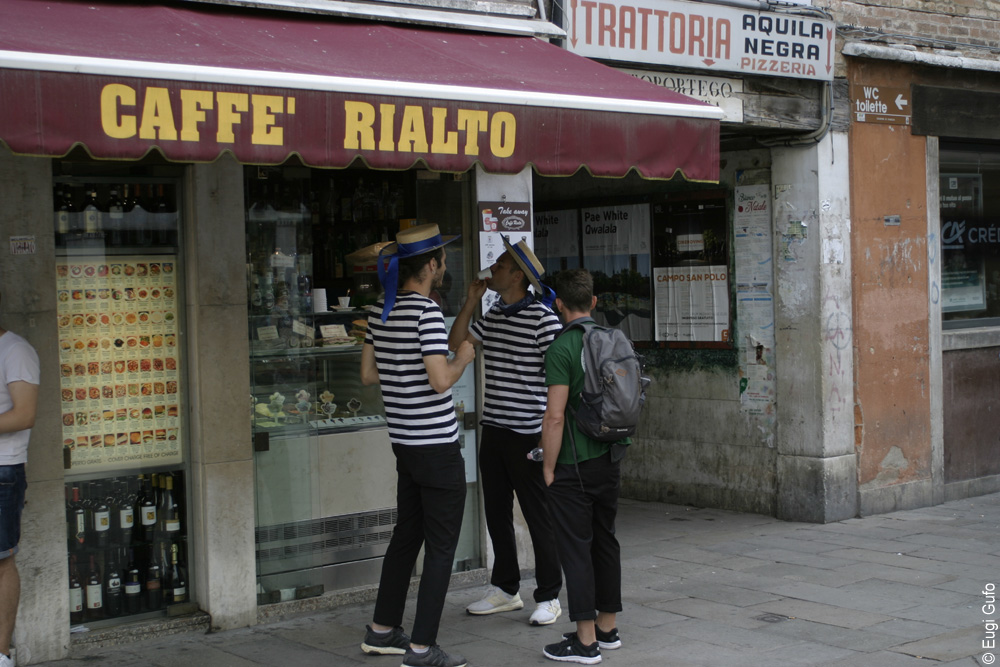
Meanwhile, the city is awakening. The famous local taxi drivers are having breakfast… Despite the heavy exploitation of tourist stereotypes, even on land it is easy to distinguish between a genuine gondolier and a false one.
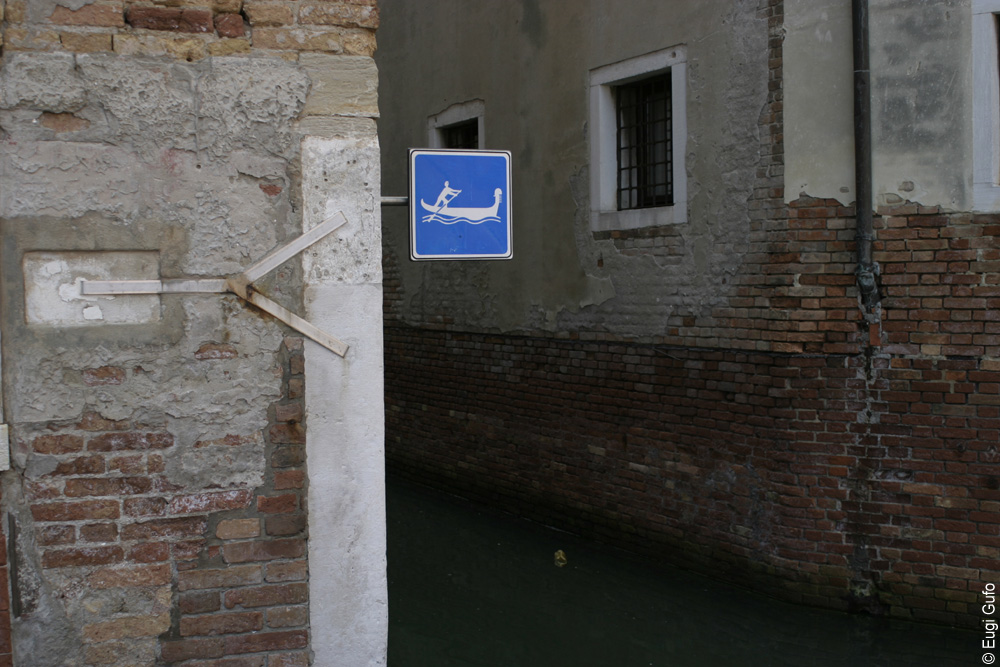
Few consider it, but even in central Venice the Highway Code must be respected. Beyond the classic «Stop» and «One Way» signs, there also exists a typically Venetian sign: «Reserved for gondolas» (I confirmed this with a gondolier).
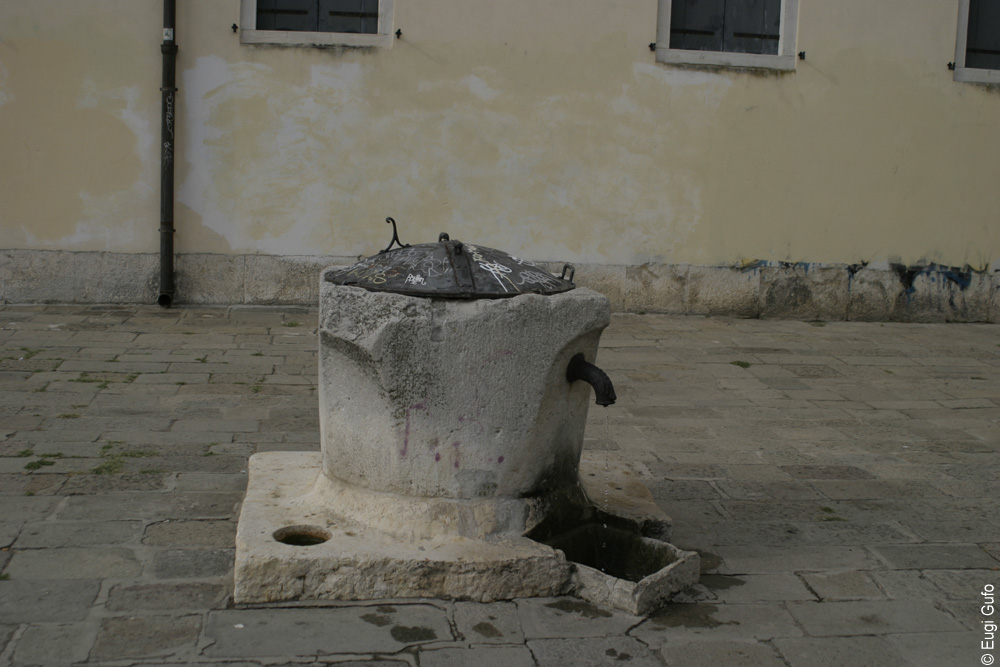
Throughout the city one sees numerous ancient wells. All those I observed, however, have been covered and converted into public water fountains.
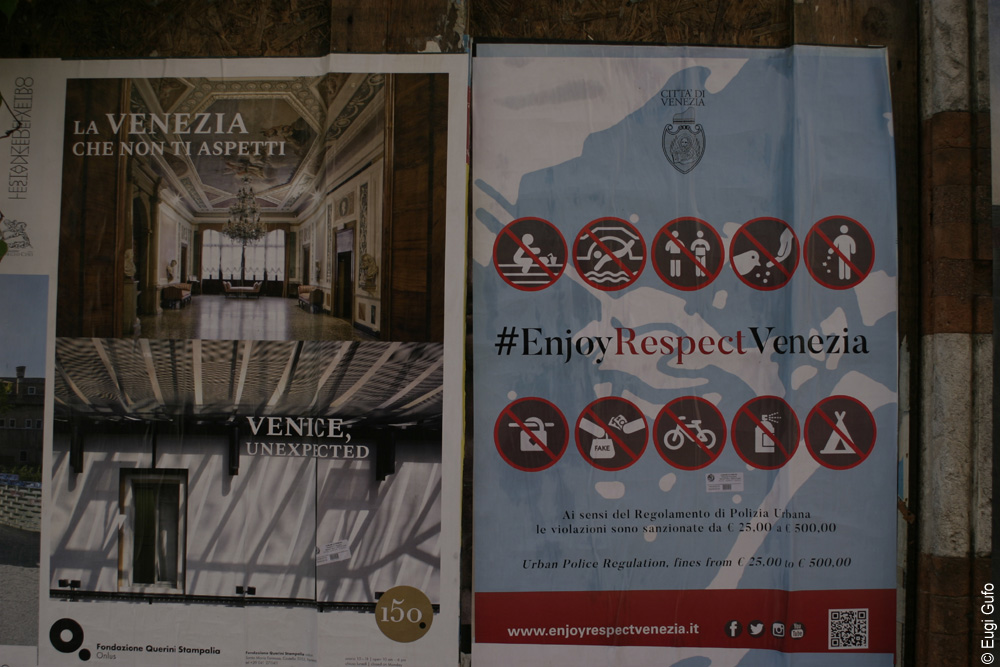
Most prohibitions in force throughout Venice are already well known to prospective visitors (the one concerning the feeding of pigeons, in my view, ought to be extended worldwide). I did find somewhat irksome the presence of large informational panels at almost every corner. Some signs are smaller than others: from their reduced content one may deduce which infractions are considered more serious.
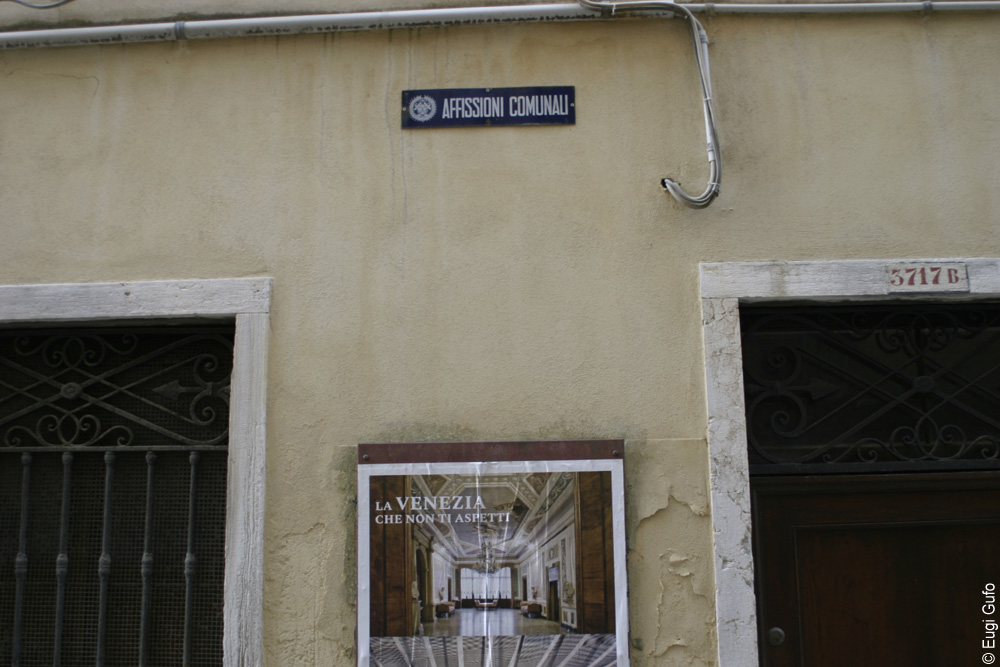
On the subject of notices: I did not observe traditional Italian «posting prohibited» signs on the palace walls, whereas signs indicating designated municipal posting areas are frequent. It strikes me as a somewhat less banal approach than usual.
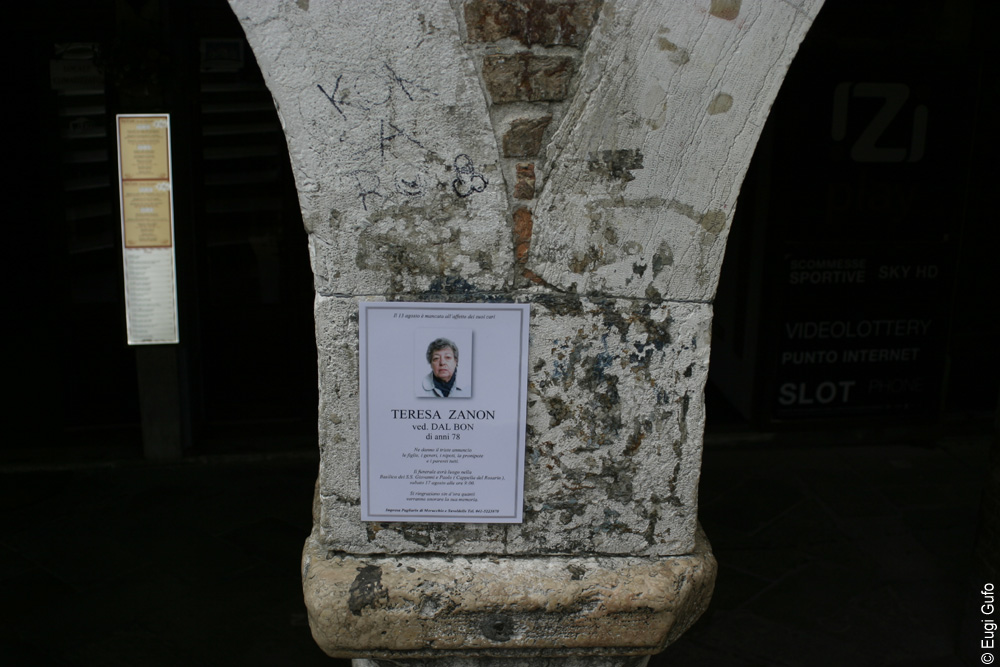
Another interesting detail: in Venice funeral notices are affixed directly to the walls of buildings (including historic ones) rather than to municipal boards (as in many other Italian cities). It is not at all clear to me according to which principle the permissible locations are determined.
Fortunately, in Venice attention is paid not only to the cleanliness of the walls but also to that of the streets. Litter bins are numerous, generally large, of varied models, and always equipped with ashtrays (my thanks on behalf of all responsible smokers). In some areas, however, they ought to be emptied more frequently.

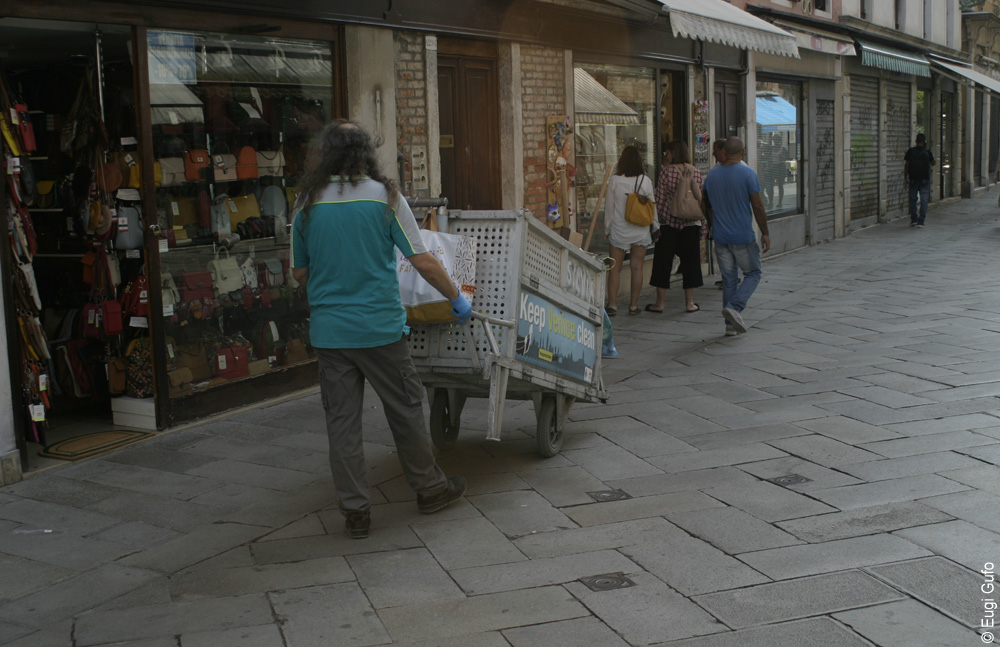
Street cleaners—including those responsible for emptying the bins—are among the few Venetian workers who do not use boats. Instead, they possess large trolleys and thus enjoy the privilege of employing wheeled vehicles.
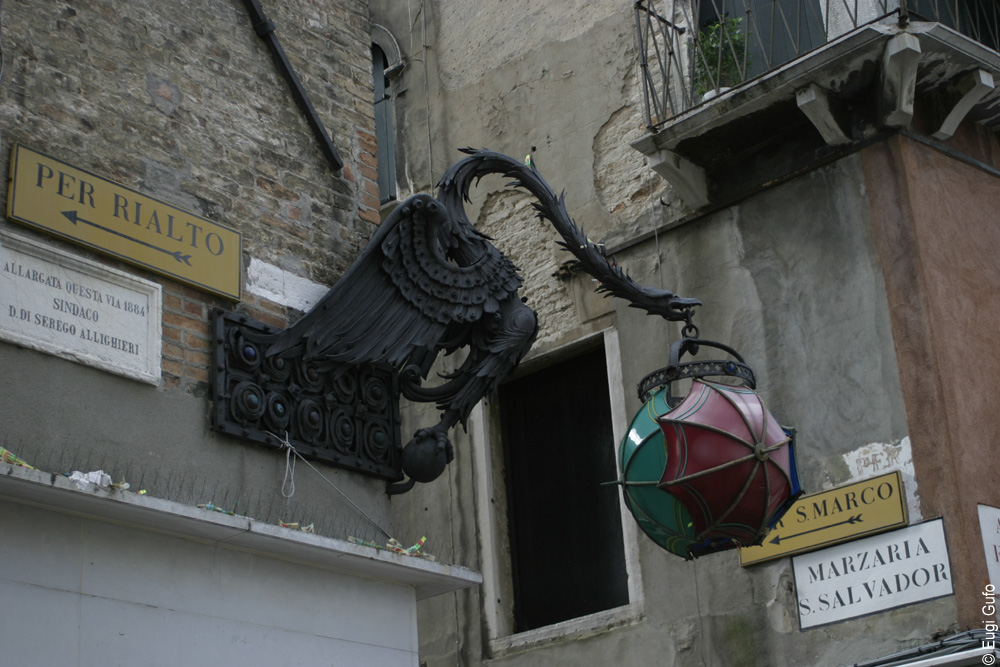
Let us return to loftier matters. Certain attempts at creating beauty seem slightly excessive.
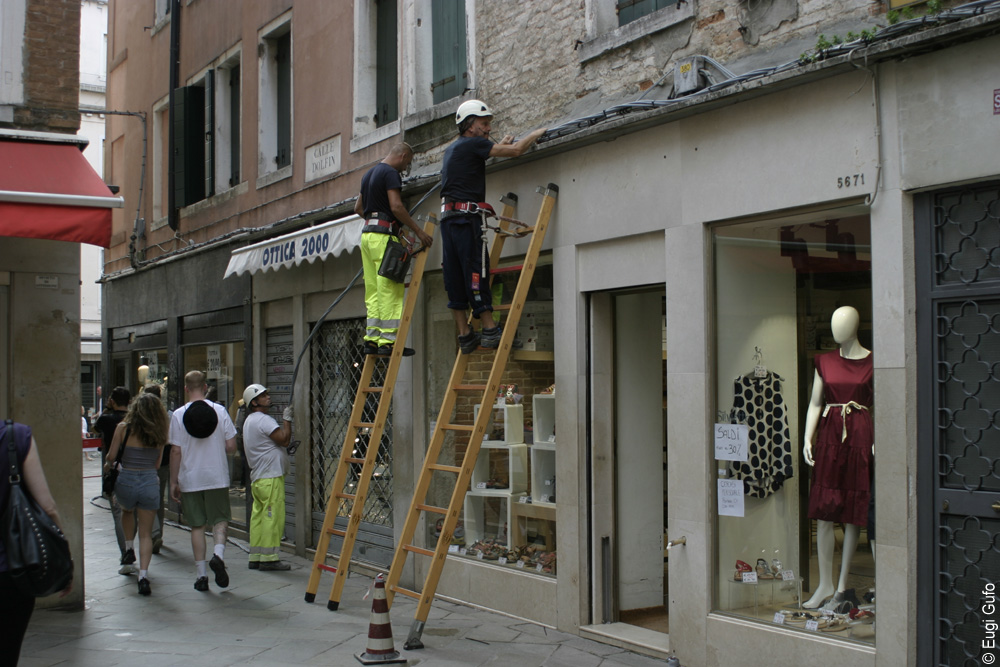
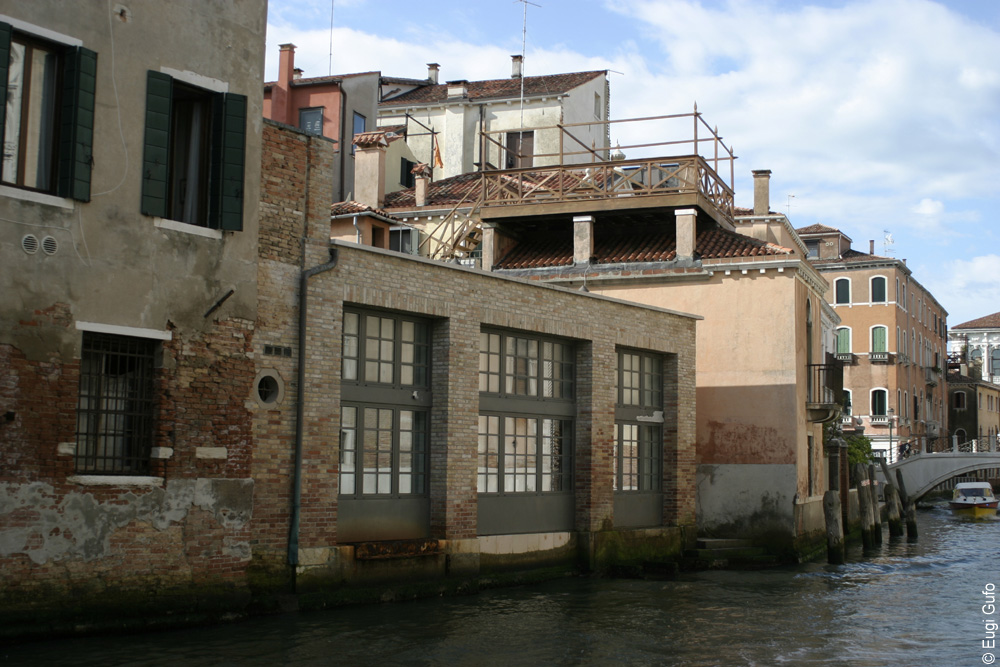
The considerable restrictions on altering the appearance and structure of historic buildings lead to choices that appear, at least superficially, absurd.

Even simple electrical cables often cannot be buried or embedded within walls, and so they are arranged visibly at first-floor level in bundles of now considerable size.
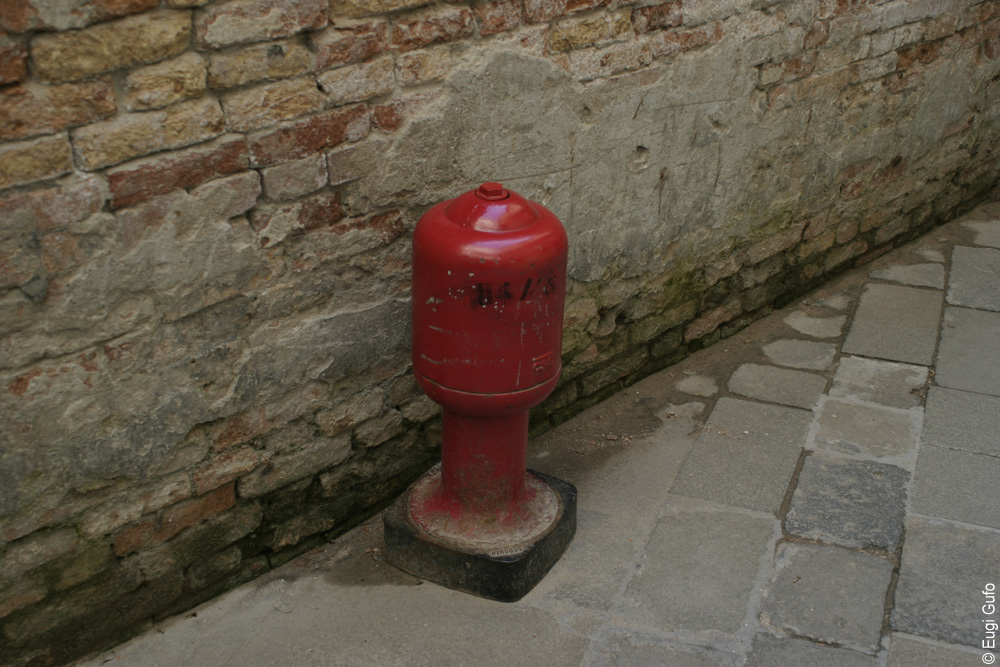
In such circumstances, the creation of an urban system of hydrant connections for the fire brigade is already a considerable achievement—unless, of course, they are merely decorative.
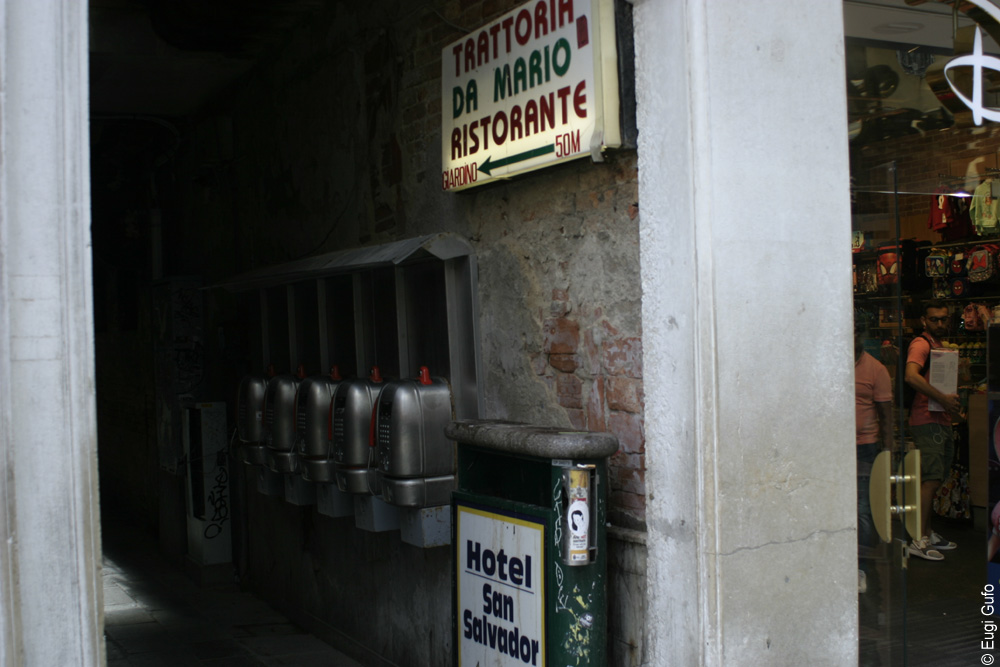
Public telephones also exist in Venice, but they are almost always concealed in the most unexpected places, where a normal person would never think to look. In this case, however, I understand that it is a matter of safeguarding historic architecture.
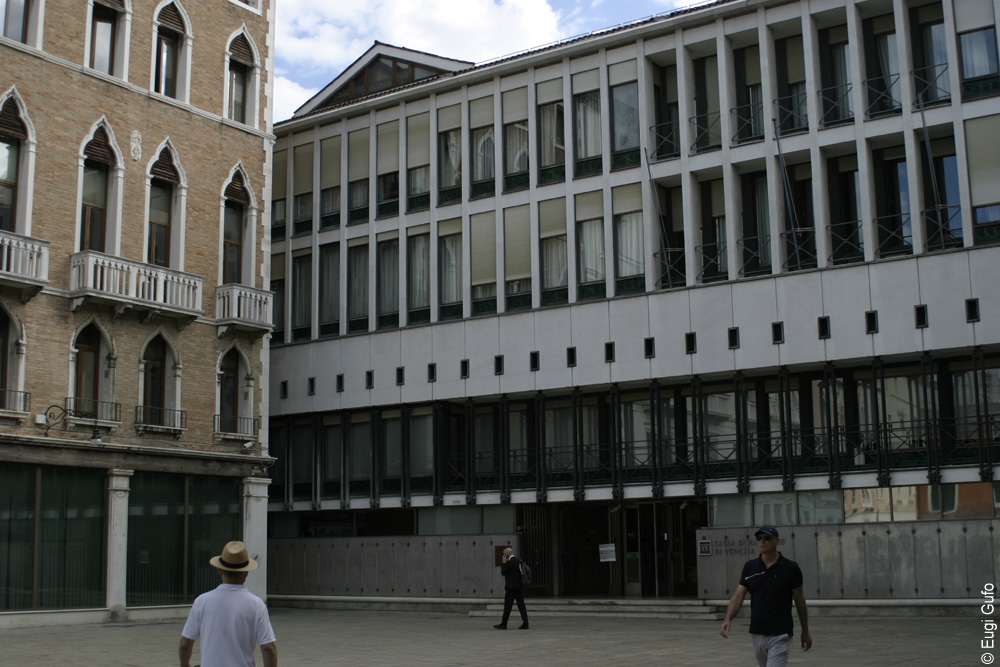
From an architectural perspective, Venice is not 100% a museum of distant centuries: even within the historic centre one encounters relatively modern buildings. Yet they are few, often unobtrusive, and situated in areas of secondary importance.
In one case, however, it is certainly possible to speak of architectural terrorism: the building of the Cassa di Risparmio di Venezia, inaugurated in 1972, is sadly known to many. It is probably not demolished only for fear of damaging surrounding structures.
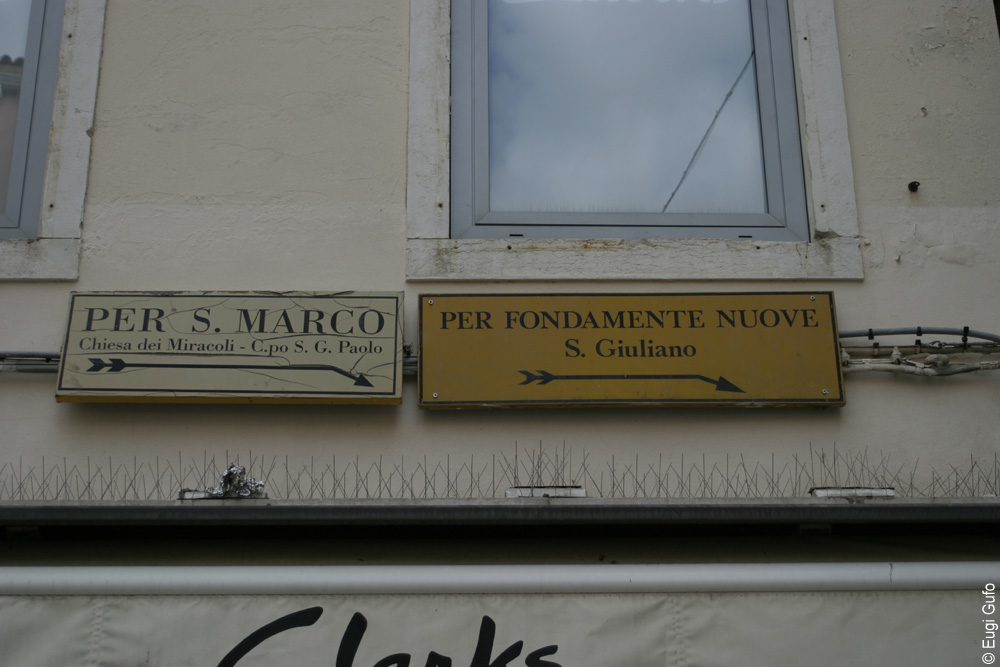
Regardless of their age, signs indicating directions towards the principal monuments are always beautiful and useful. Equally charming, though extremely simple, are the plaques bearing certain street and bridge names. My strategy this time, however, was to wander aimlessly through the city, seeking to discover as many unusual details as possible.
I believe—or at least hope—that I succeeded: I gathered a substantial amount of material for future specialised texts and identified points to explore during subsequent visits. For example: why is it permissible to construct altane (the typical rooftop terraces), yet impossible to relocate valuable archives to higher floors, even though they are severely damaged in subterranean storage during particularly high «acqua alta» (forgive the tautology)?
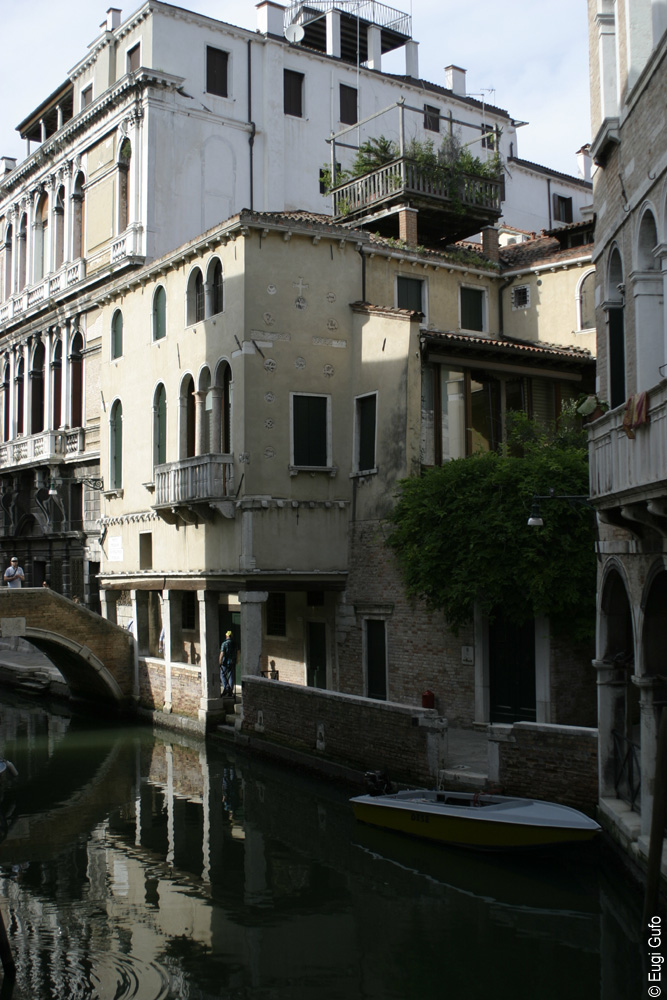
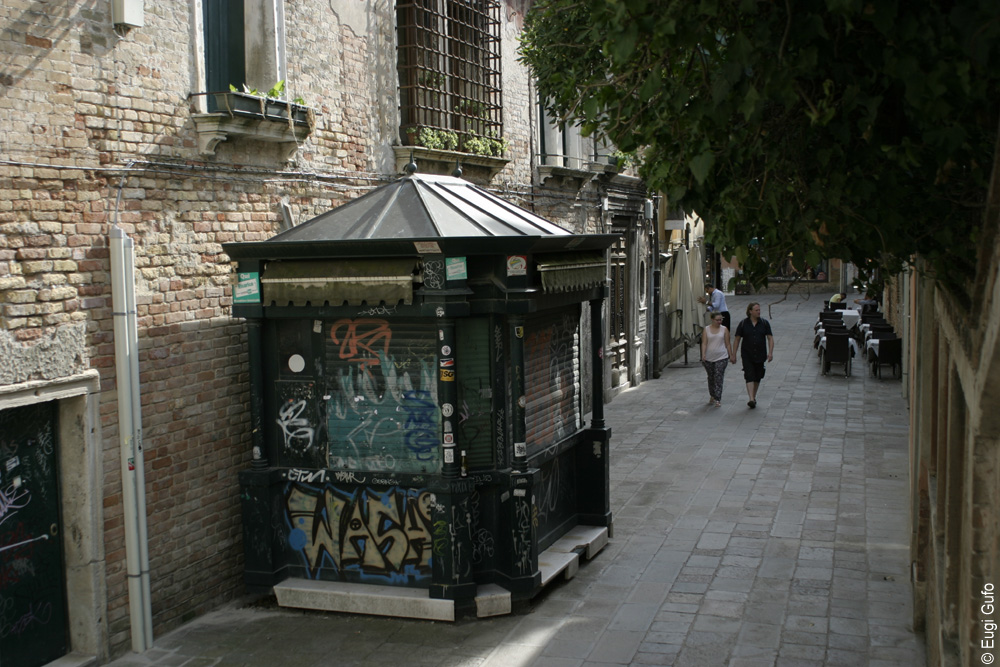
Or: how has one managed to compel graffiti artists to damage only modern buildings and not historic palaces (a most positive miracle!)? Or are the modern structures simply the only ones not cleaned of vandal inscriptions?
I have many questions. I hope Venice does not entirely drown during my lifetime.
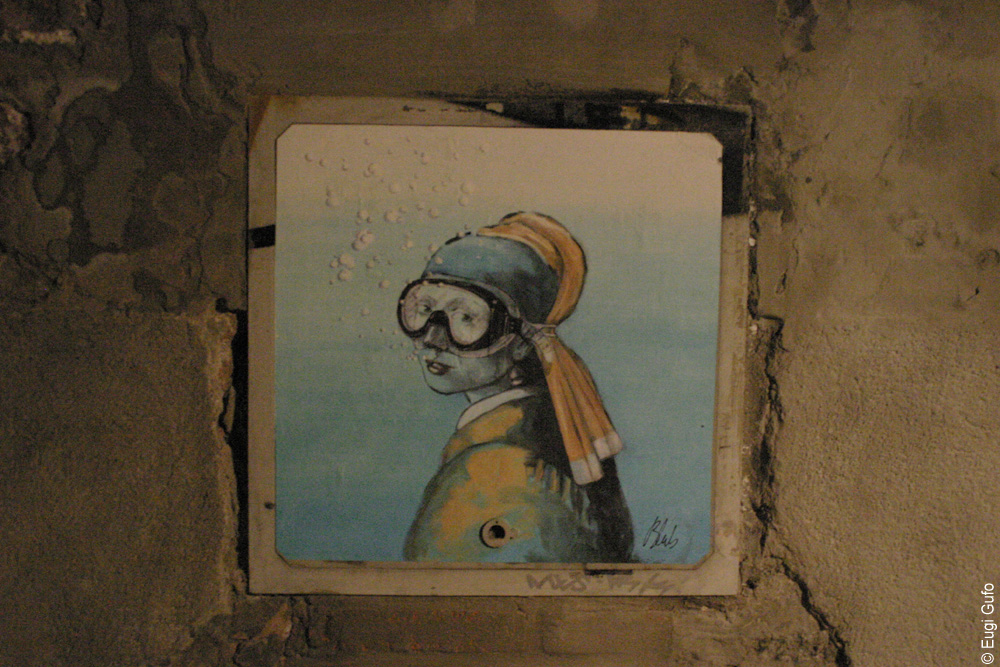
So that I may burden you with a few unrequested answers.
Venice, 3–4 August 2019
↓ Show comments ↓

