


 Long live Ukraine! Fuck the war!
 RSS of site articles
While planning my trip to Parma, I was preparing myself to encounter the classic beautiful Italian city. Despite its geographical size and a certain economic and cultural importance, however, I found a place that feels more like a large provincial town. A beautiful provincial town, admittedly.
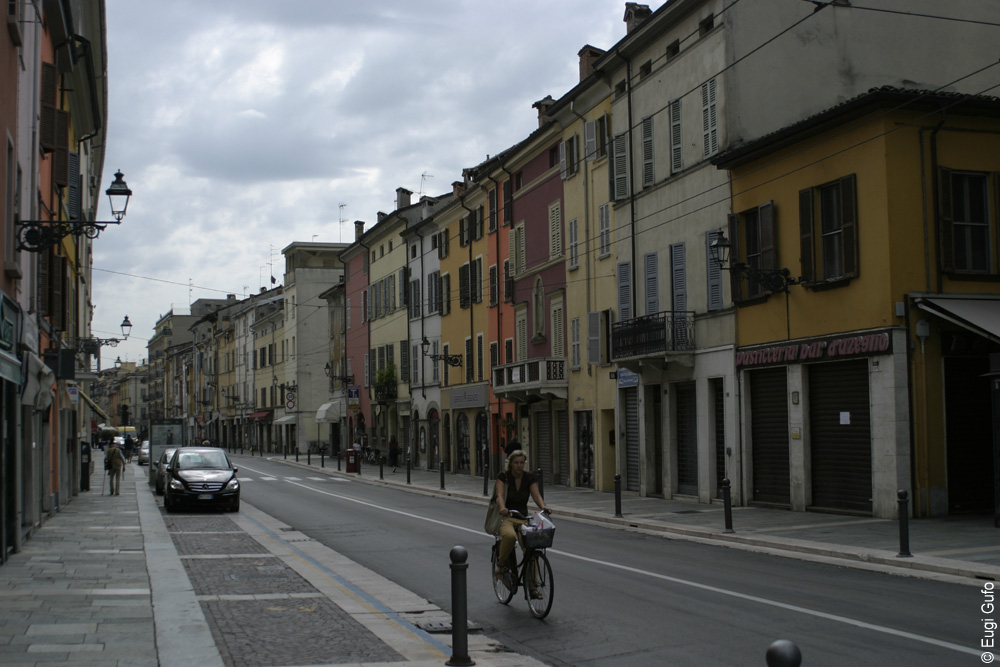
A visit to the local cathedral is strongly recommended to everyone. In addition to contemplating the astonishingly beautiful interior, you may amuse yourself by observing the custodians who vigilantly supervise the non-enforcement of the ban on interior photography. The city therefore earns another point: absurd rules now exist only on paper.

I cannot tell you anything whatsoever about the Baptistery (beyond the simple observation that it is still standing). Unfortunately, I found it closed.
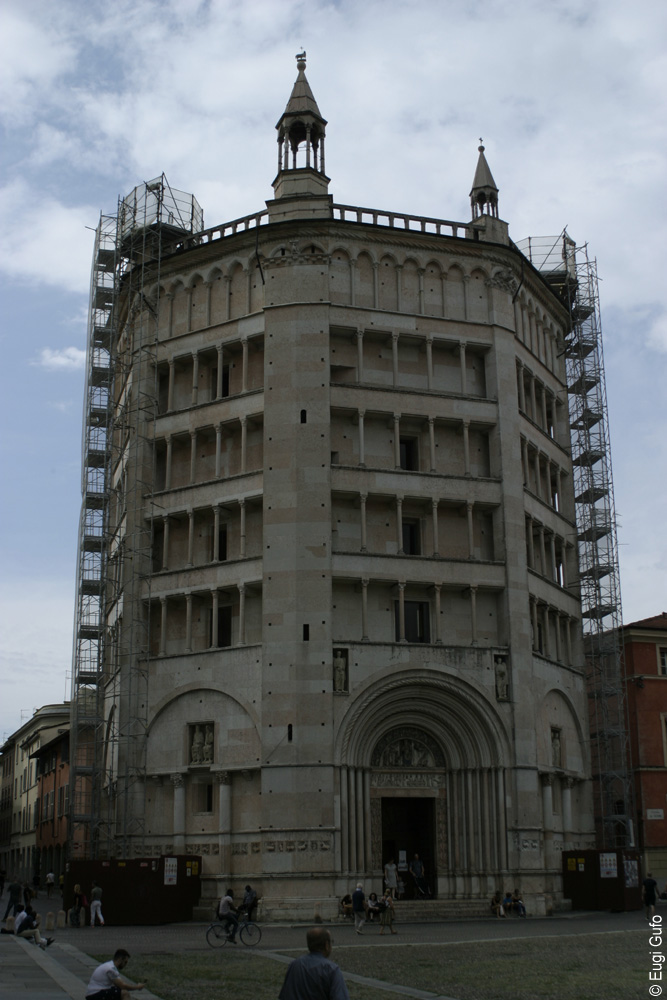
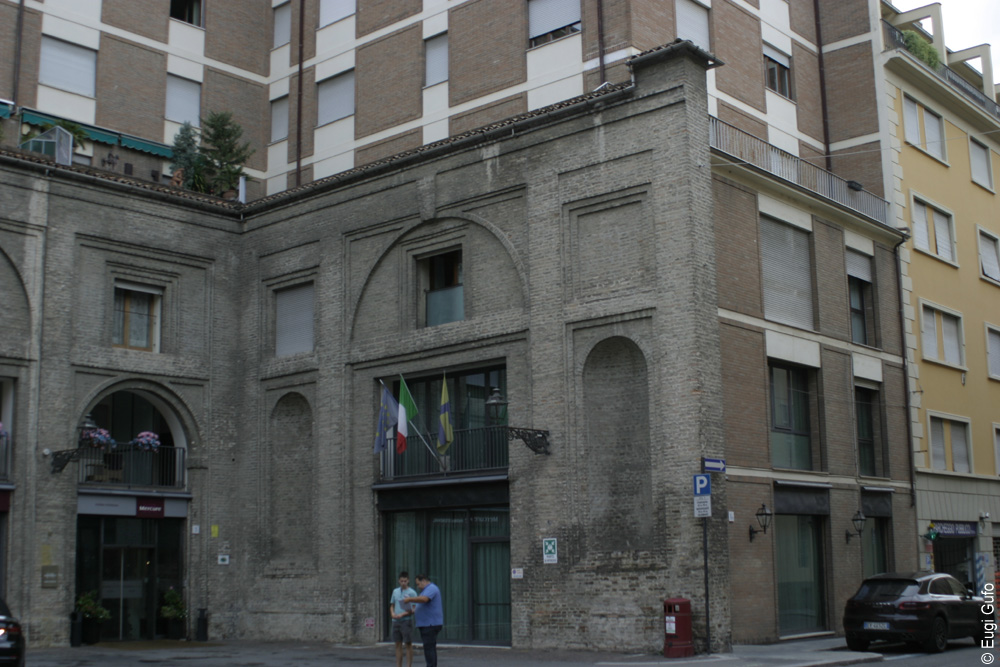
It was in Parma that I began to suspect the existence of an Emilian architectural tradition: leaving brick façades unplastered (let us recall, for instance, Piacenza).
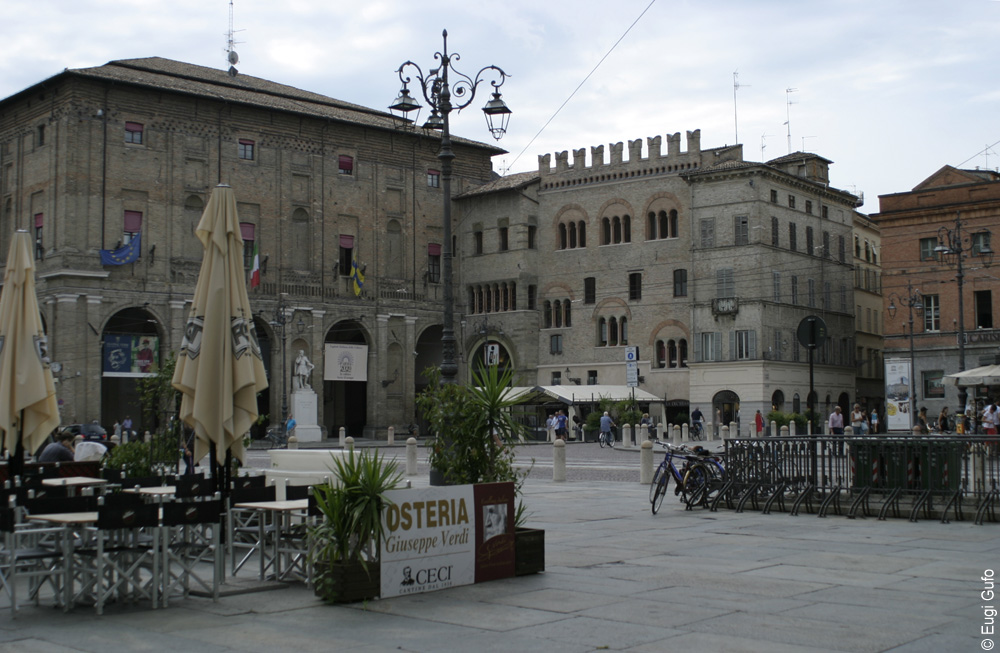
The local tradition, meanwhile, consists in using old ruins as foundations for more modern buildings.
Classical beauties are not lacking either — and in some cases they are even practical. On the façade of the «Palazzo del Governatore» (now an exhibition space) there are no fewer than three sundials (or perhaps 1 + ½ + ½?).
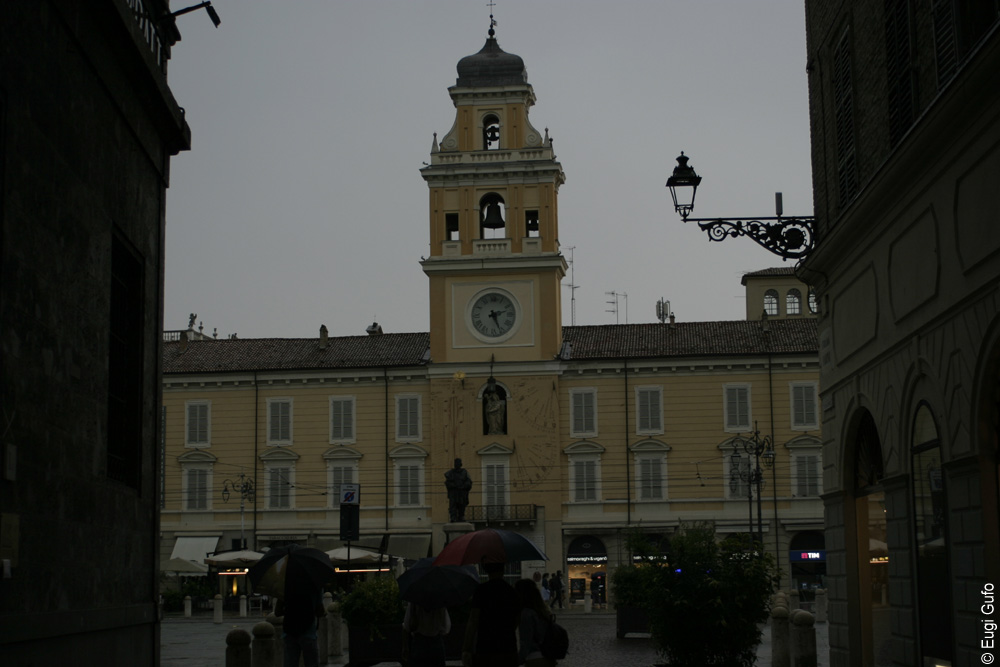
The wise advice of a Parmese architect: if you are not certain you can carry out a high-quality restoration, carry out an absurd one instead — people will assume it was an intentional joke.

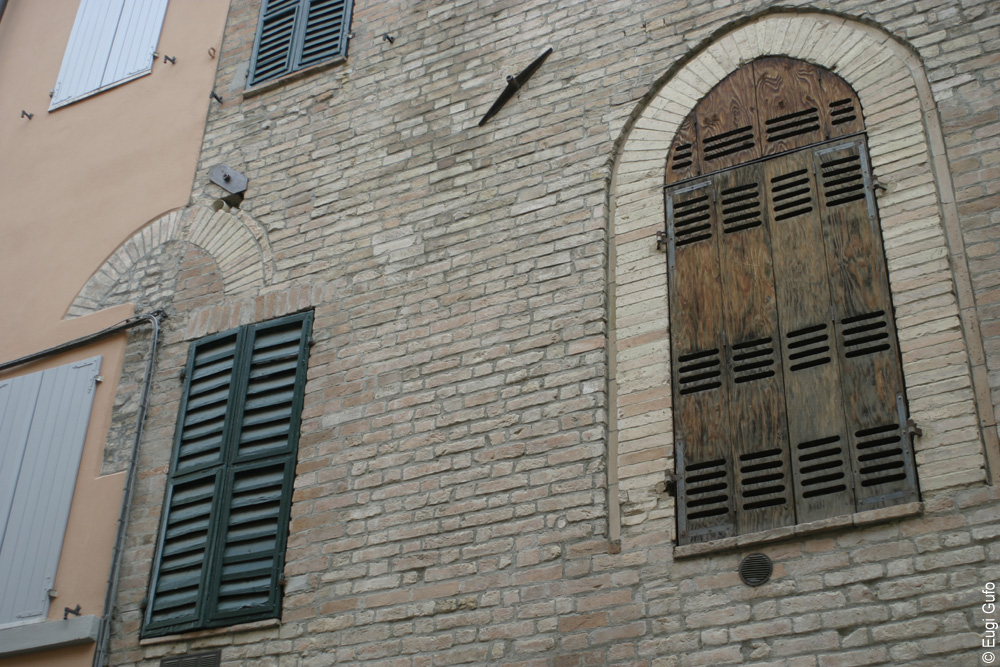
Attentive explorers may notice some rather curious shutters on certain buildings in Parma.
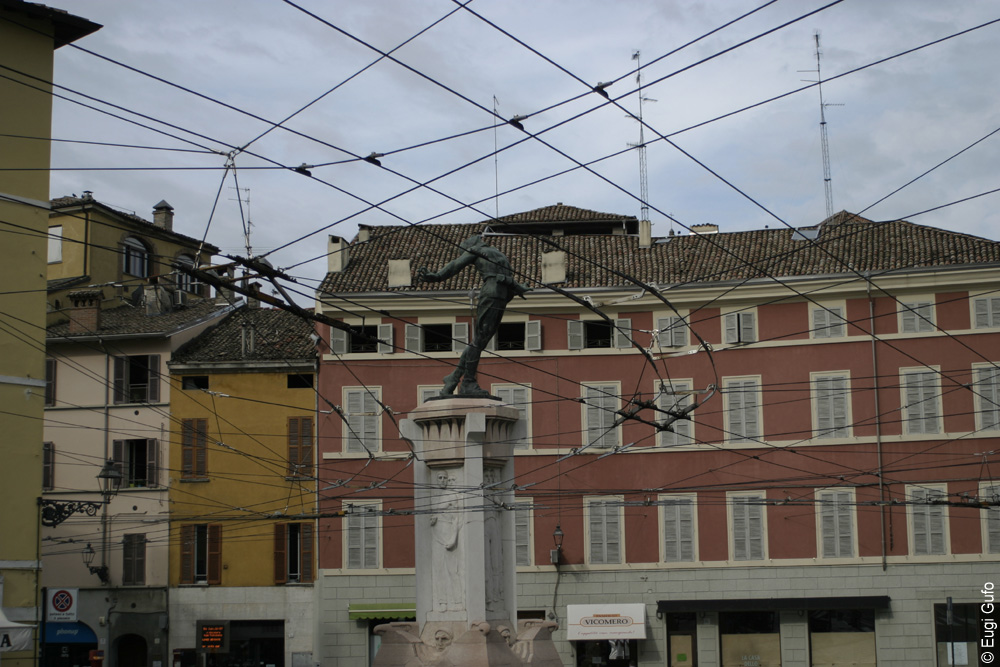
Some monuments are well protected, although I am not entirely sure whether from theft or from falling over.
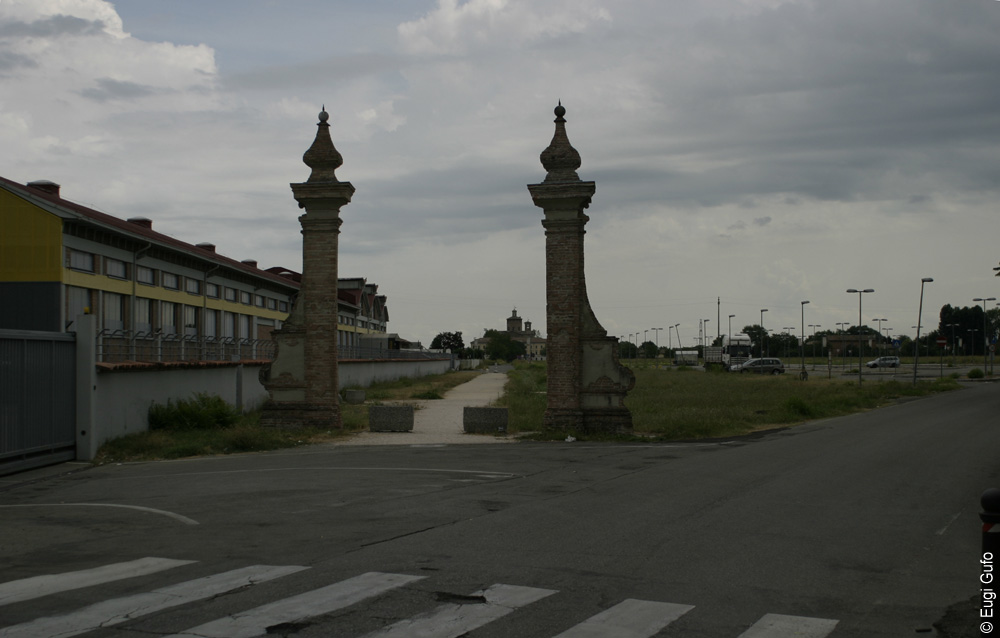
My loyal readers will remember that I never research cities in advance when visiting them for the first time: I prefer to form my own impression rather than follow someone else’s. One consequence of this approach was discovering the existence of the Charterhouse of Parma only thanks to a road sign (Stendhal’s novel came to mind only later). The walk along a road in disastrous condition towards the Charterhouse proved pointless, however: it now houses a training school for the penitentiary police. I was unable to determine whether, and how, one might enter as a tourist rather than as teaching material.
So let us return to the city to see something more cheerful. Parma’s parks, for example, are beautiful, large and numerous.
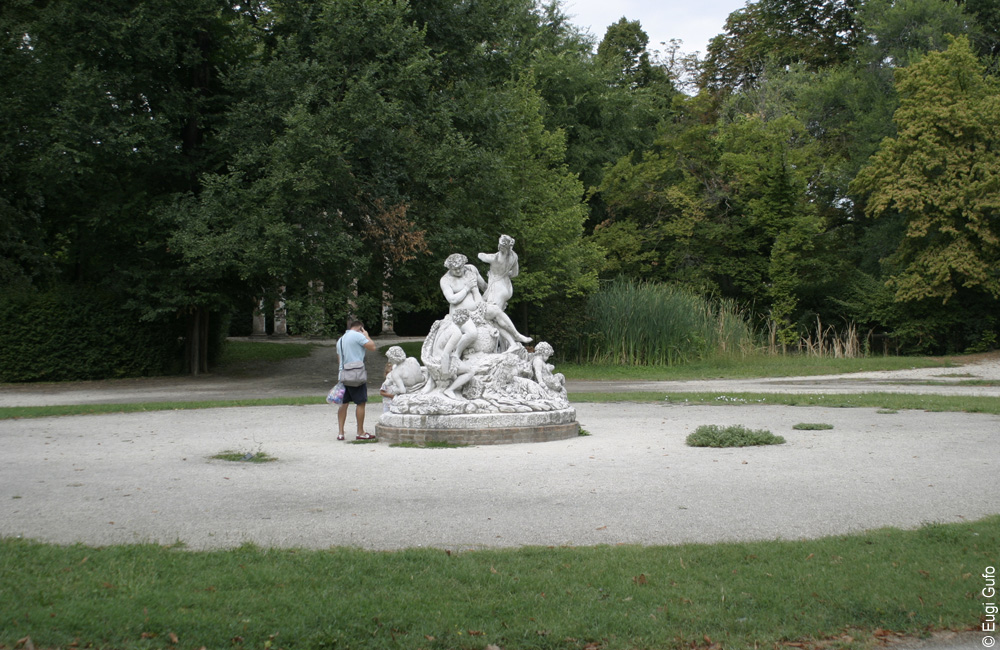
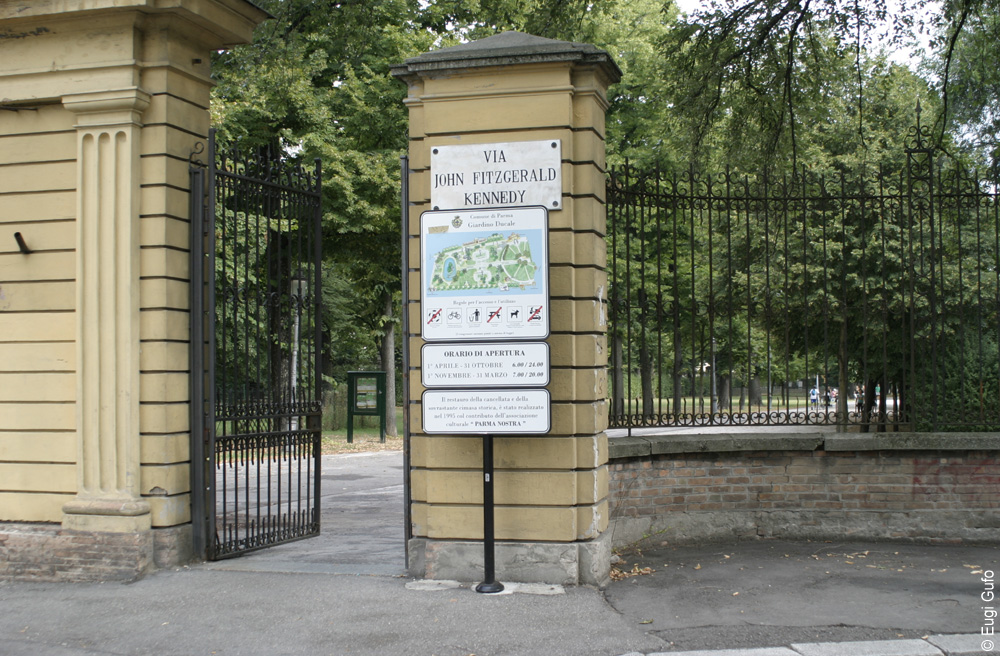
At the same time, they are marred by certain gratuitous bureaucratic obscenities. Yes, as a good barbarian I crossed this boundary as well, yet my perception of safety remained unchanged. Indeed, the publication of this account confirms that I was neither abducted by sirens, devoured by piranhas, electrocuted by exposed cables in the water, robbed by ducks, nor assaulted by ghosts.
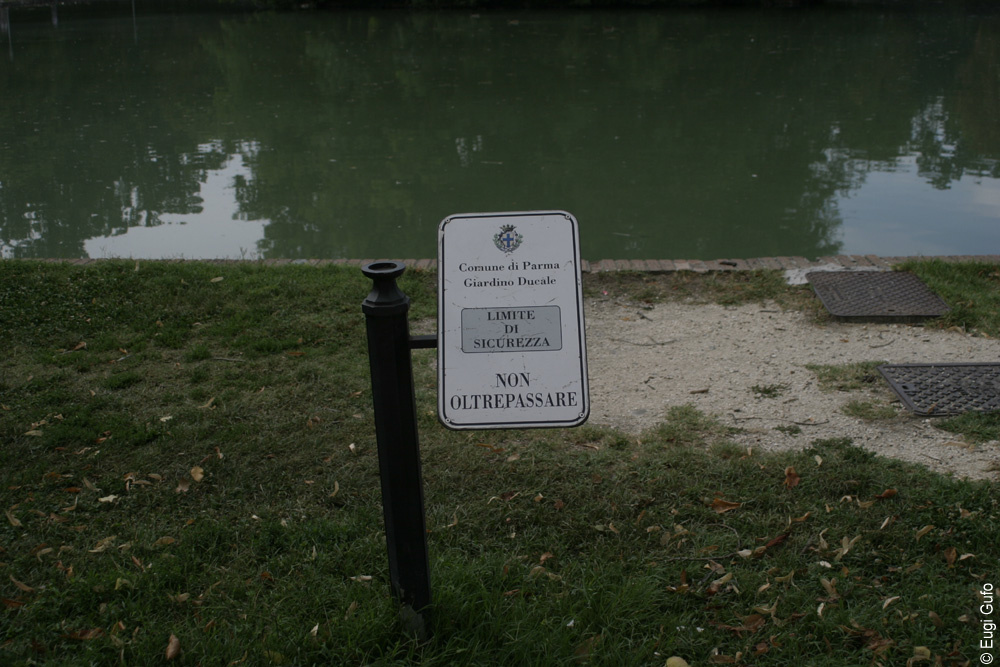
Another negative peculiarity of some Parmese parks is the excessive regularity with which the trees are planted. This resembles a plantation for future construction timber more than a park:

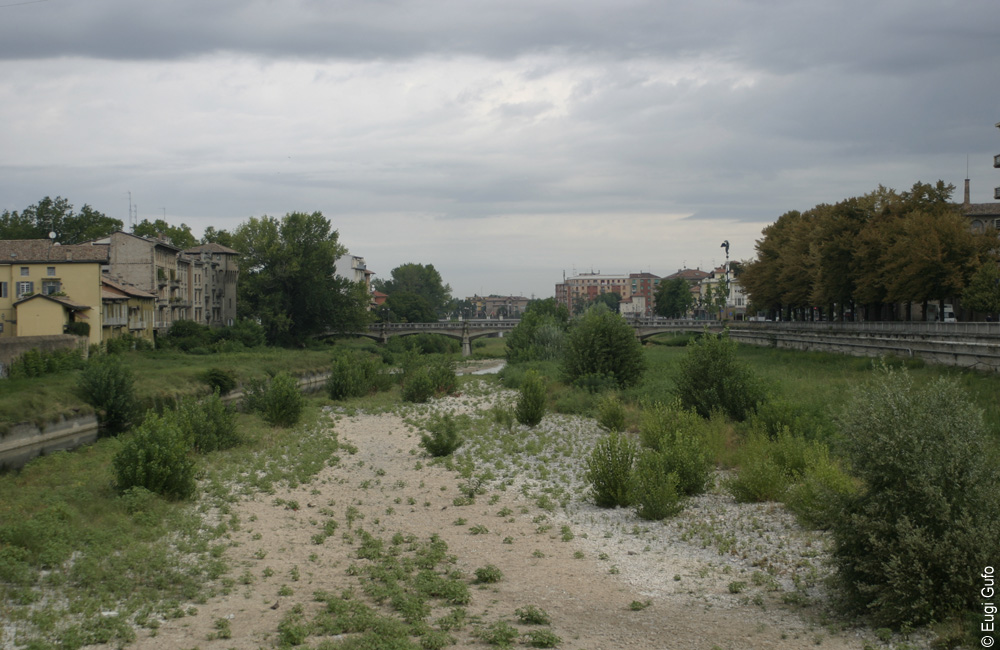
It is in fact the bed of the Parma torrent that resembles a genuine park in preparation. Judging by the number of trees and bushes, however, one might deduce that the stream transformed into a trickle quite some time ago.
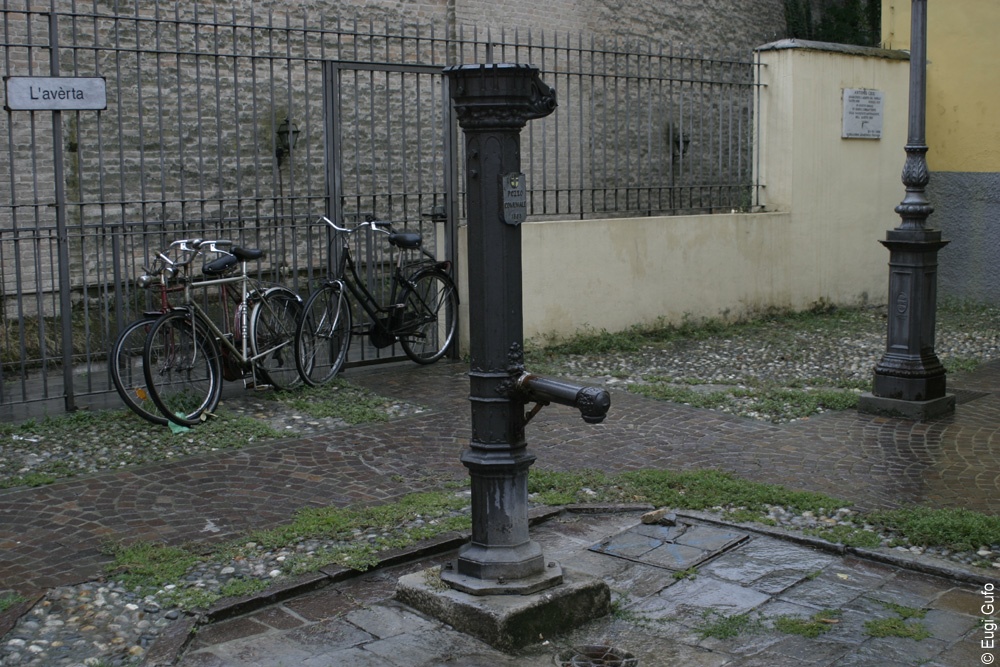
On the subject of water: the only remaining historic municipal well is non-functional because it lacks the pumping lever. The material history of the city deserves slightly better protection.
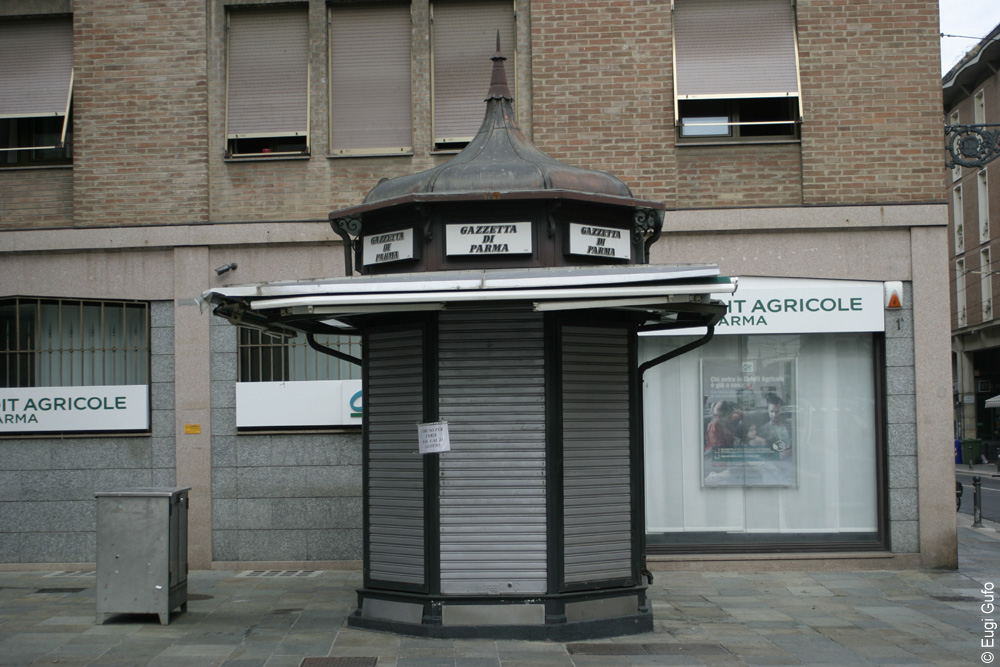
On the other hand, the streets of Parma contain a remarkable variety of attractive (or at least not dreadful) kiosks.
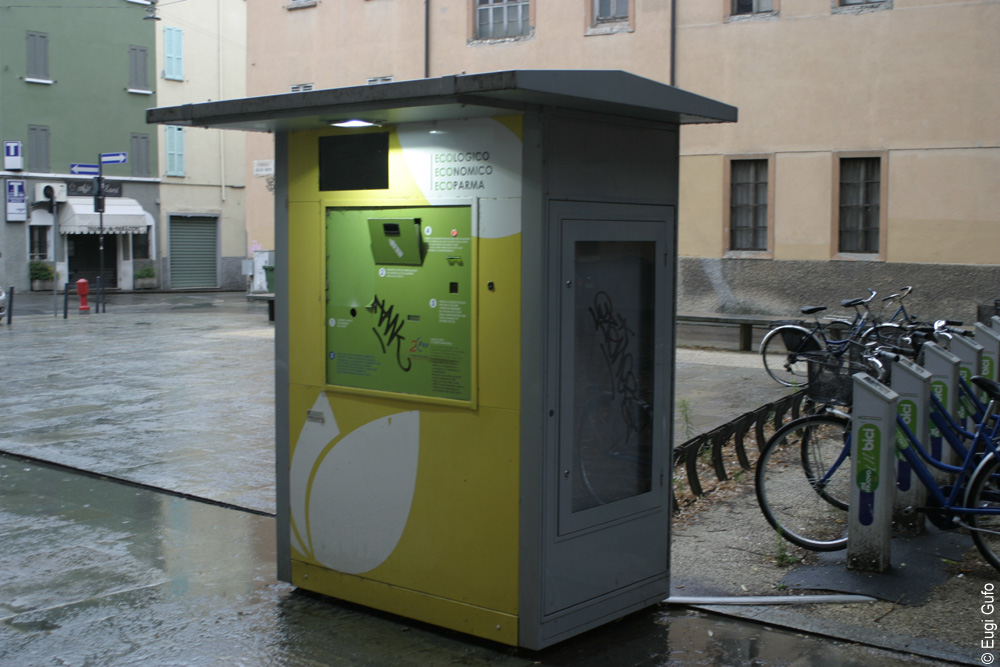
This automatic kiosk for collecting PET bottles (distinct from «ordinary» plastic!) almost made me feel at home. Unlike its Moscow counterparts, however, it pays not in cash but in credit redeemable in participating shops. It is nonetheless a valid system.
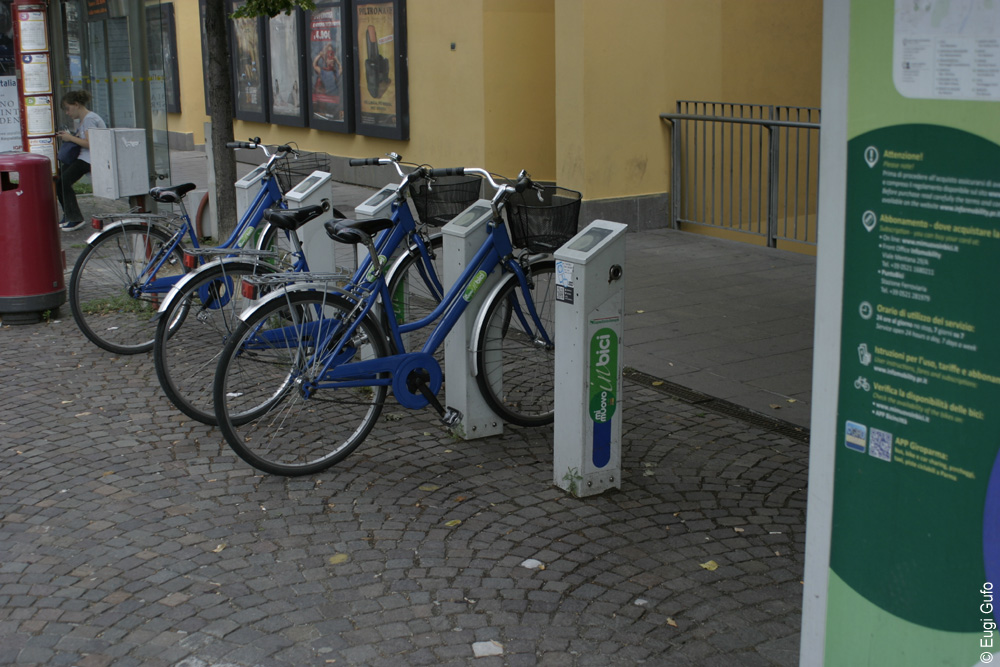
You have already glimpsed a portion of the local bike-sharing scheme. The bicycles are, in fact, extremely simple.
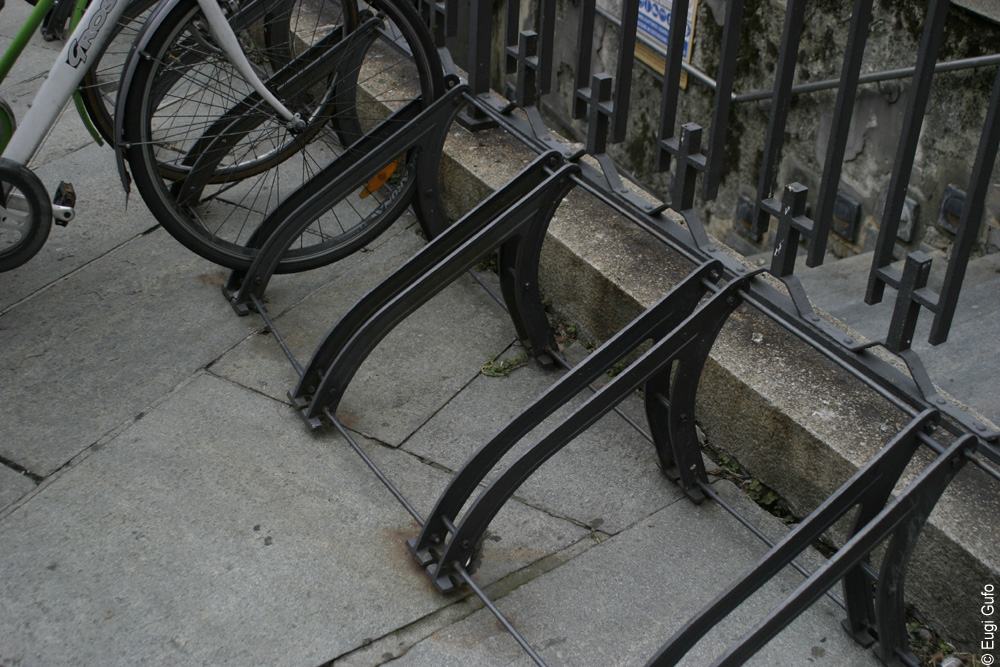
The most aesthetically pleasing parking for private bicycles (though still not especially secure) is located in the centre.
I was somewhat surprised by the lack of aesthetic uniformity among the local public transport vehicles. I also seemed to observe that buses belonging to each line are painted in that line’s designated colour (as with the Milan underground). Should my observation correspond to reality, we must acknowledge the convenience of the system (it is impossible to board the wrong bus) and express certain doubts regarding its economic efficiency.

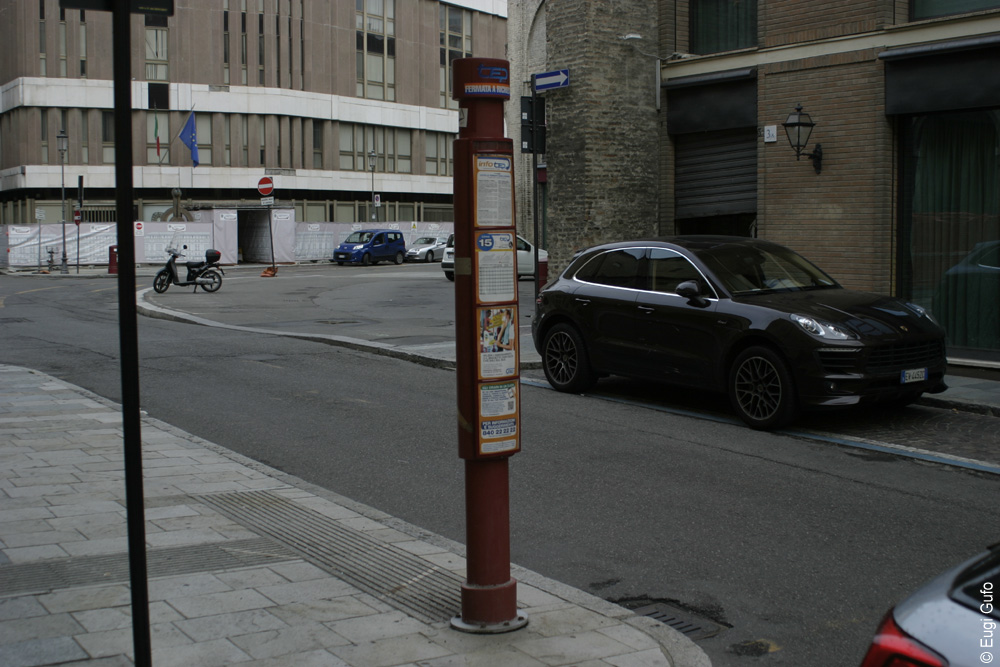
At central stops, passengers are offered no protection from sun, wind or rain. The poles themselves do not strike me as particularly visible (though not unattractive).
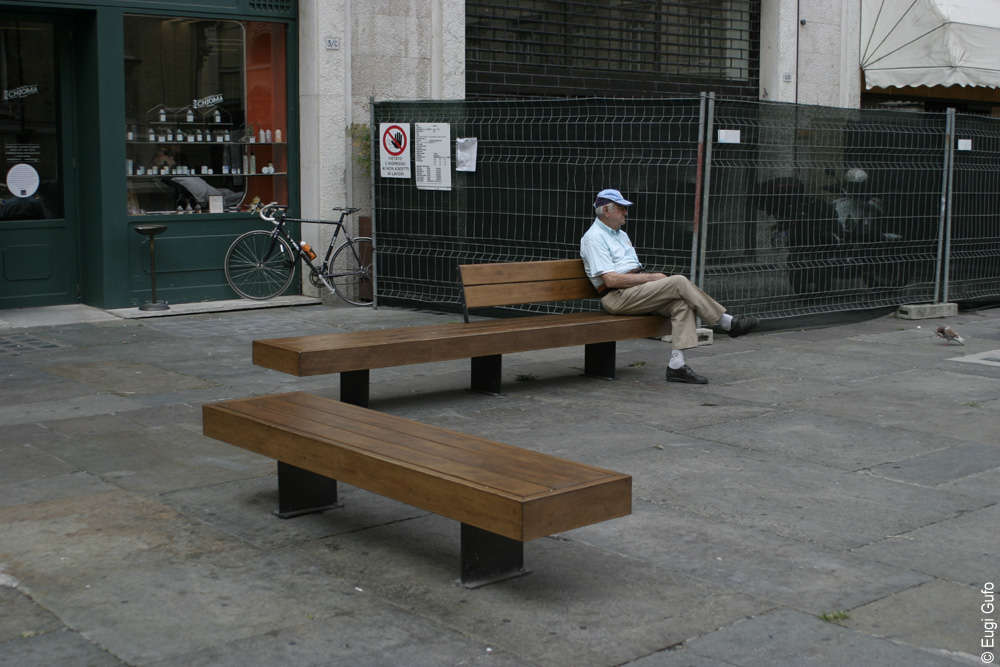
Throughout the city I noticed a certain variety of original benches. A positive feature.
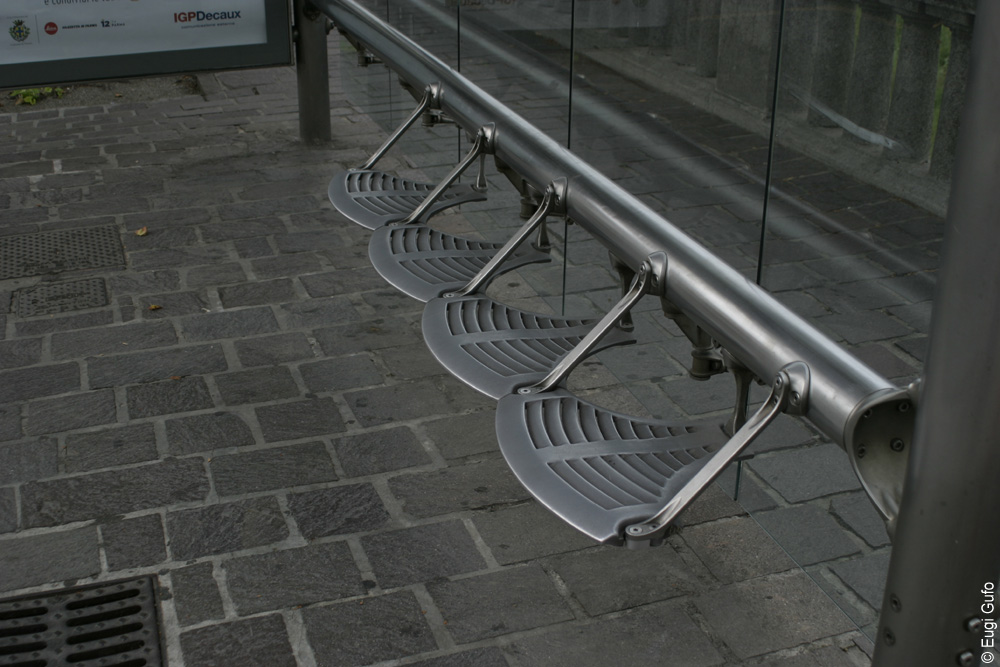
My favourites, however, are those at non-central bus stops: original and comfortable.
A natural source of Wi-Fi! [eduroam users will understand.] Let us check the post.
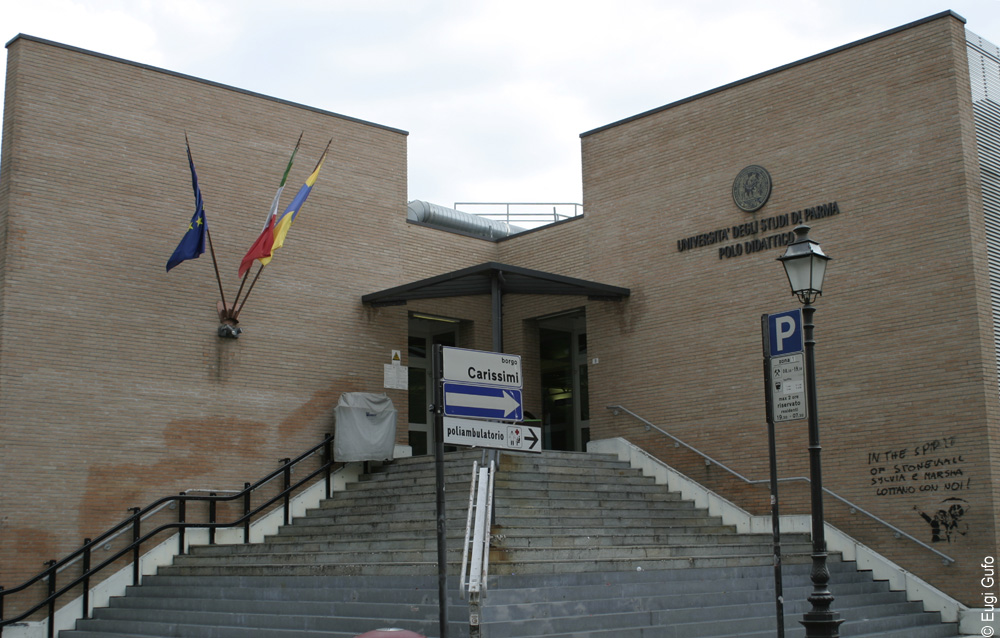
Another peculiarity of Parma’s historic centre: the street name plaques are often gigantic (by Italian standards). A courtesy to those with weaker eyesight?
Student humour applied to traffic signs:
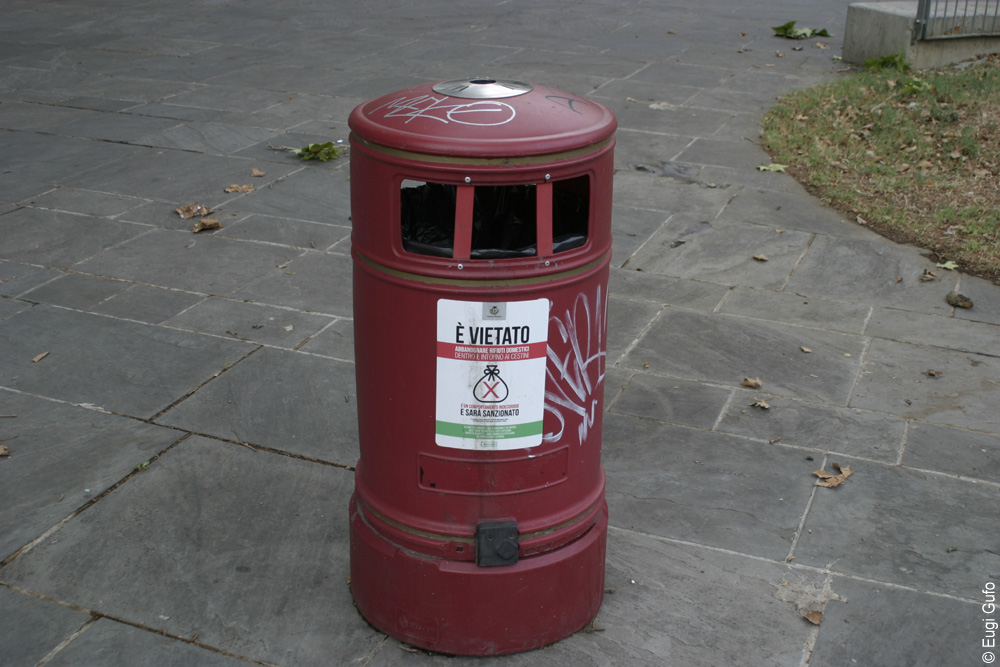
The majority of large litter bins in Parma have their openings crudely narrowed (a measure against bulky waste), but they do at least include ashtrays.
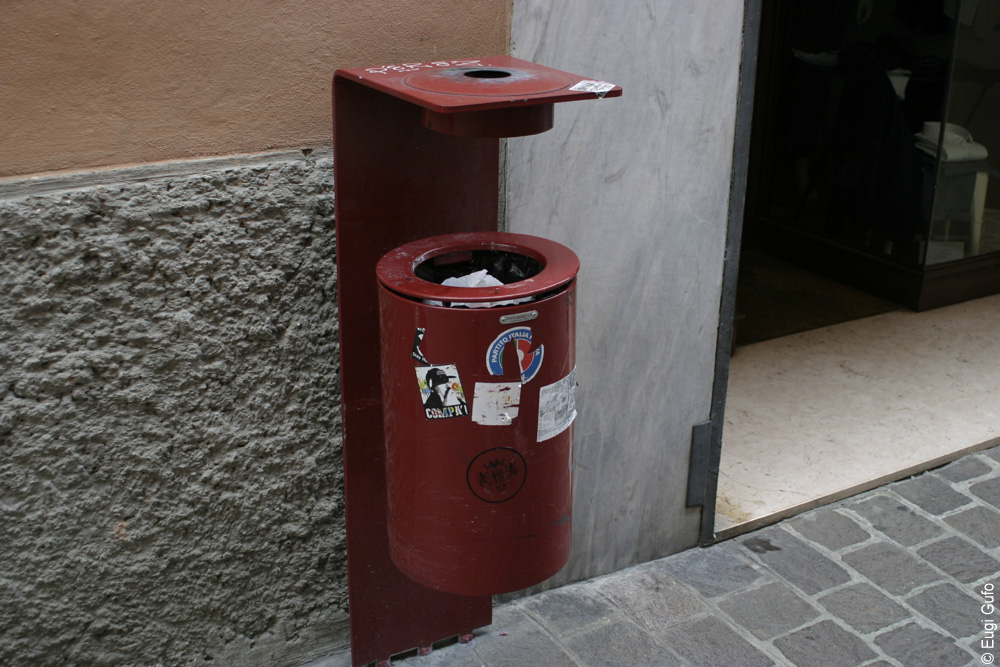
The small and medium bins have little that is original about them.
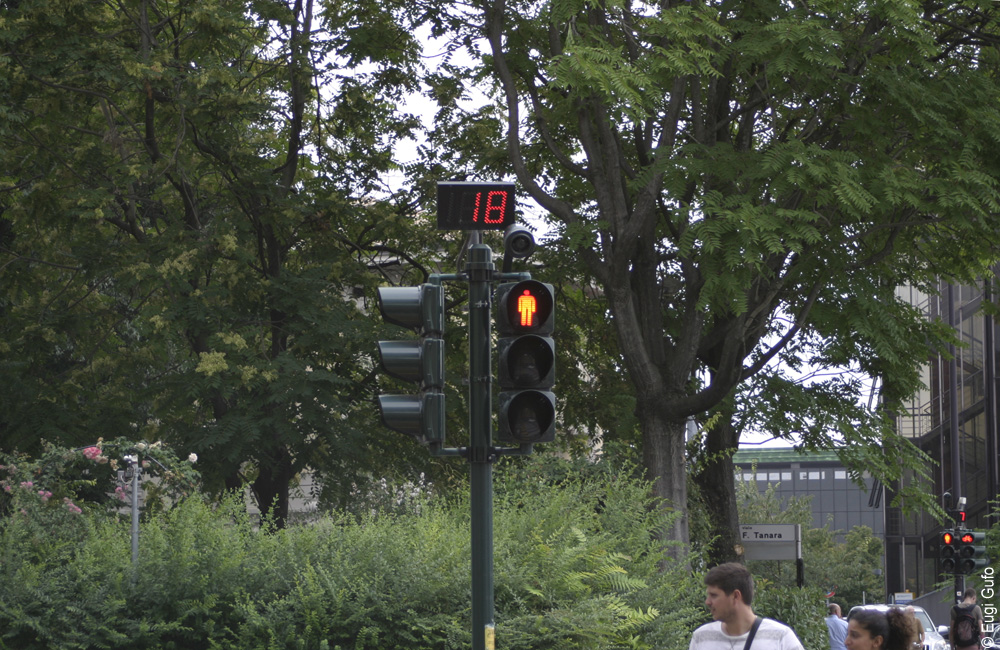
Some pedestrian traffic lights include a countdown section, though it functions only for the red phase.
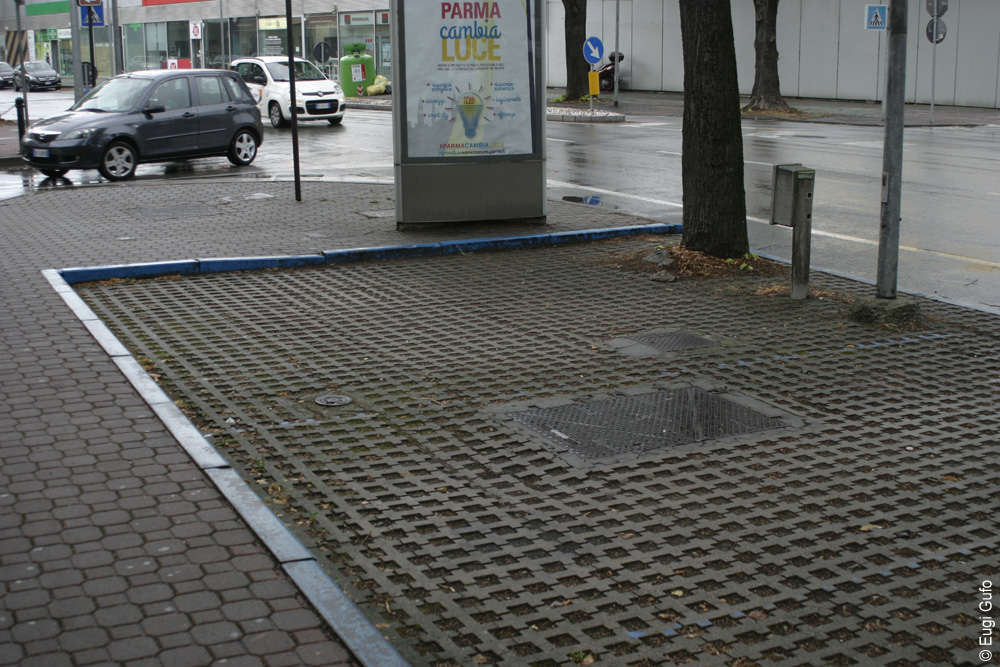
Easily accessible paid parking:
On one road sign, the garden is depicted in its post-fire, mutilated version.

At last I have seen one of these famous signs in person. I recognise the elegance of the idea, but I hope its implementation does not spread too widely: traffic signs must remain graphic messages that are quick and easy to read.

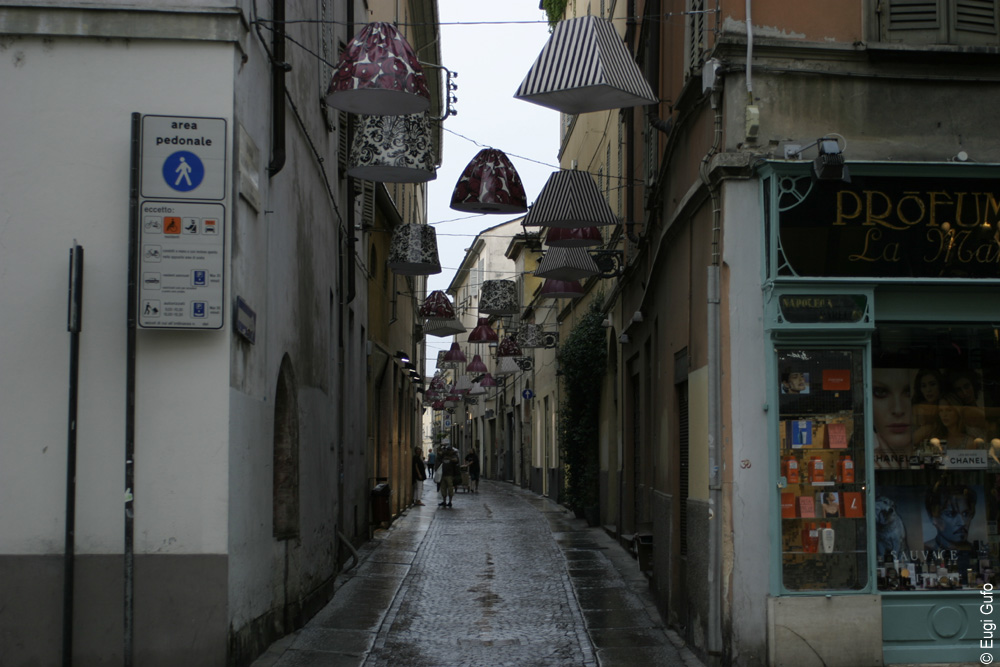
In Parma too, an alternative has been found to the usual hanging umbrellas.
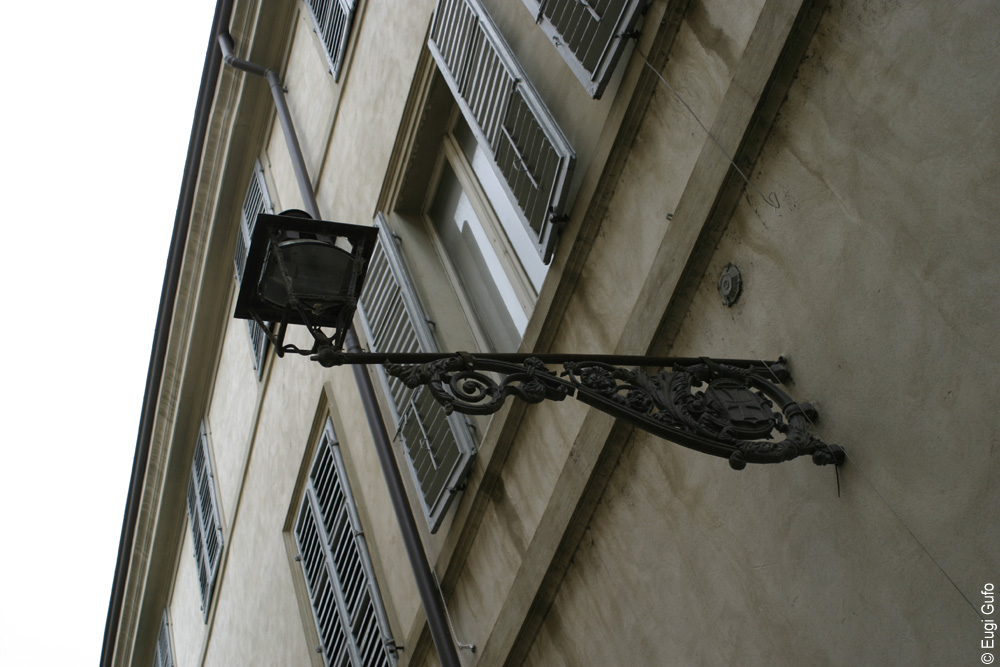
And if we continue looking upwards, we discover that period supports now carry modern street lamps. It is not an especially harmonious combination.
Smoking and financial losses may harm your health, so do not begin.
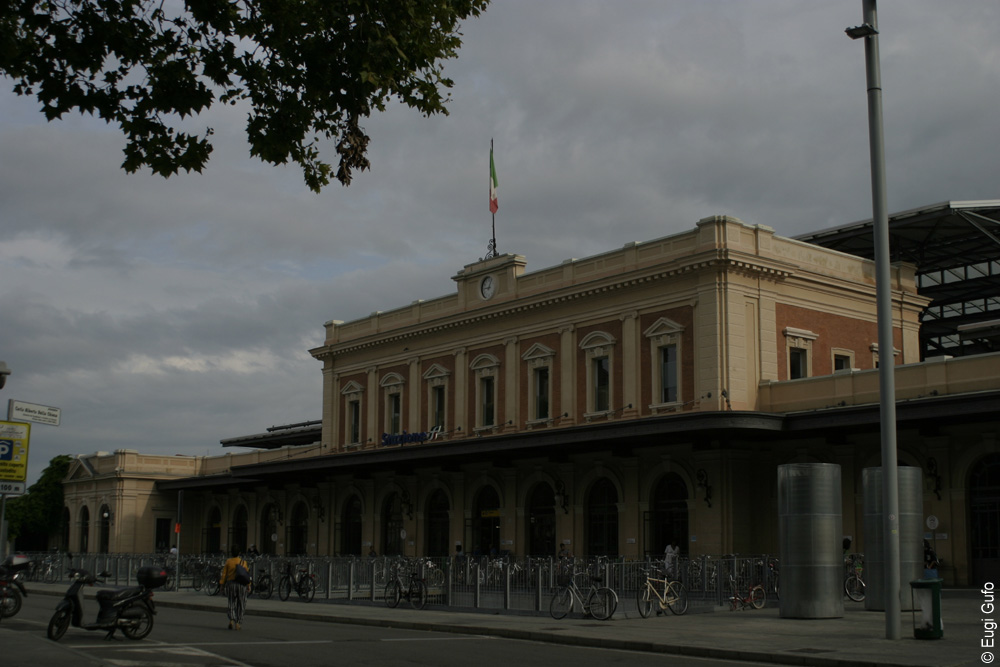
And now that we have seen everything, we may depart from the very beautiful Parma railway station.
Parma, 28 July 2018
↓ Show comments ↓

