


 Long live Ukraine! Fuck the war!
 RSS of site articles
Some of my readers probably didn’t know this, but Verona has a beautiful historic centre that deserves to be contemplated in every detail.
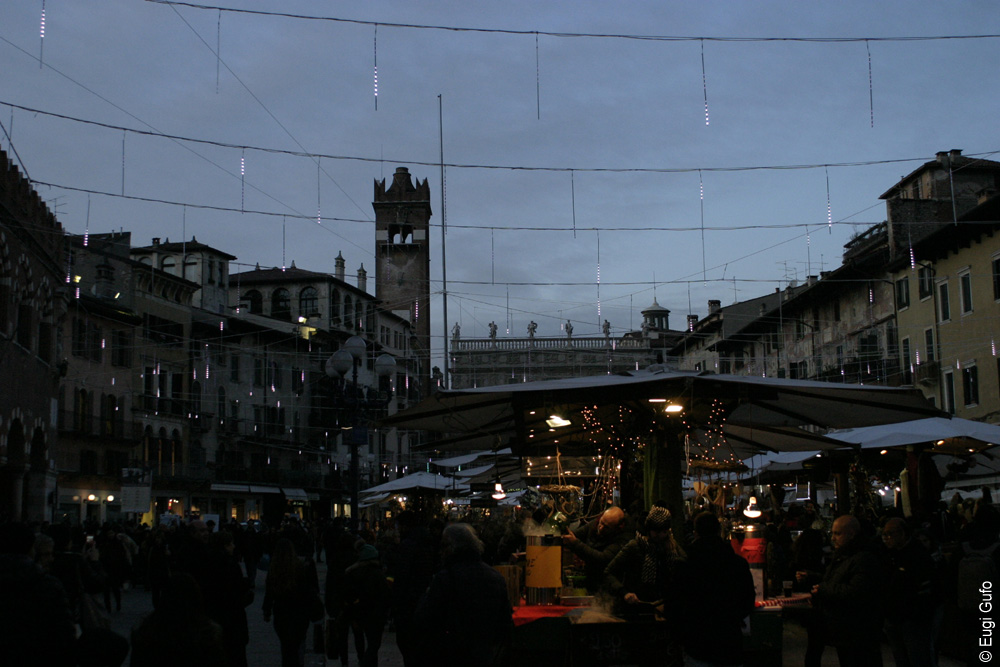
It is not a merely superficial beauty: even in the apparently less significant streets, interesting things may be hiding.
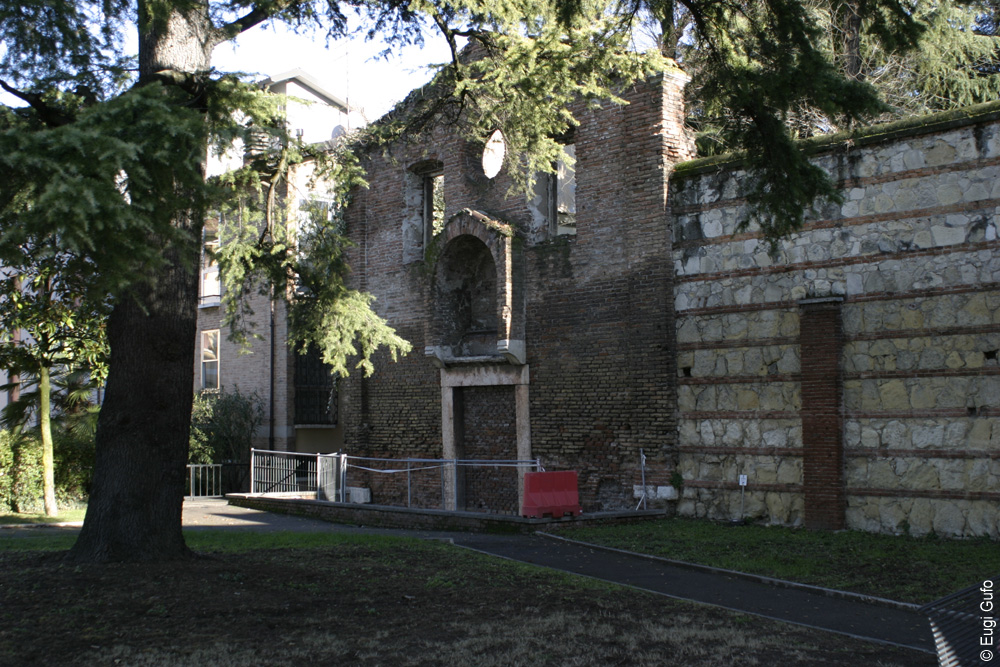
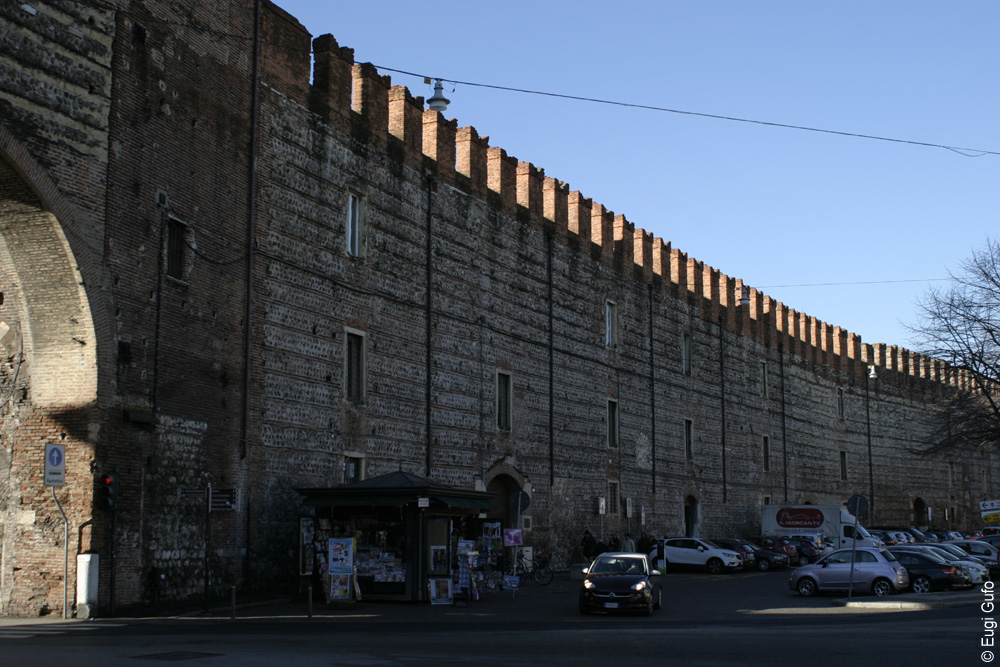
Large sections of the old defensive walls from various periods — from Roman times to the Middle Ages — have also been preserved.
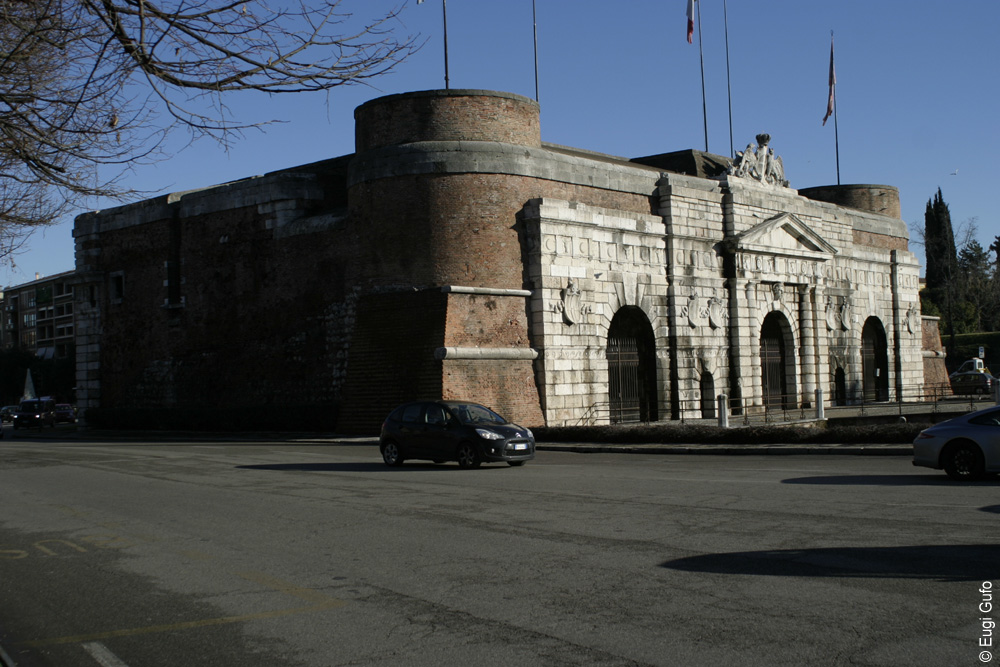
And the city gates built in the sixteenth century.
Special mention must be made of the splendid riverside along the Adige, quite capable of rivaling the historic centre itself.
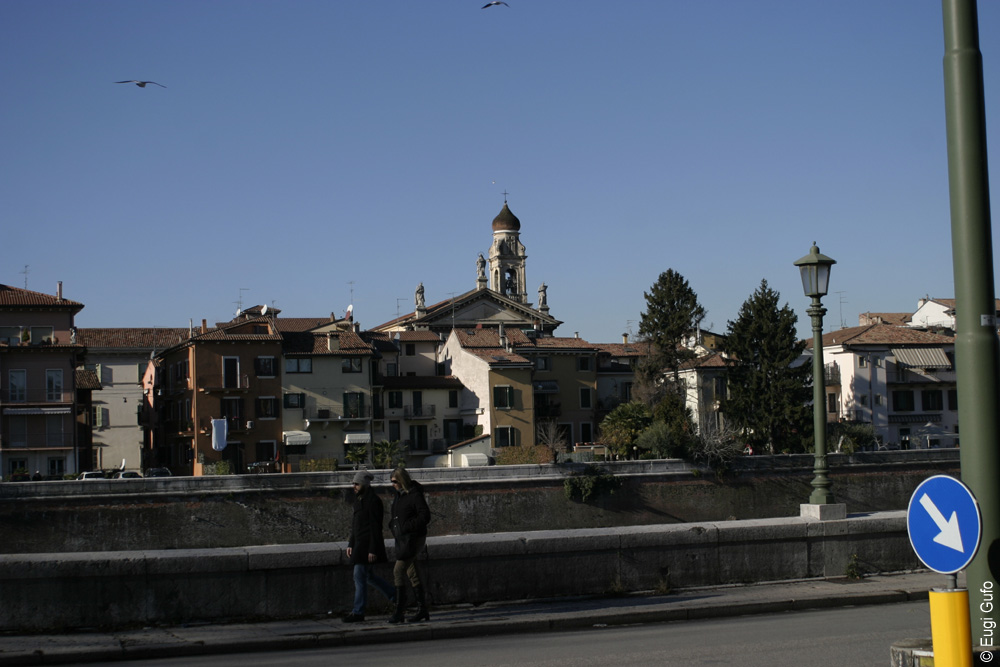
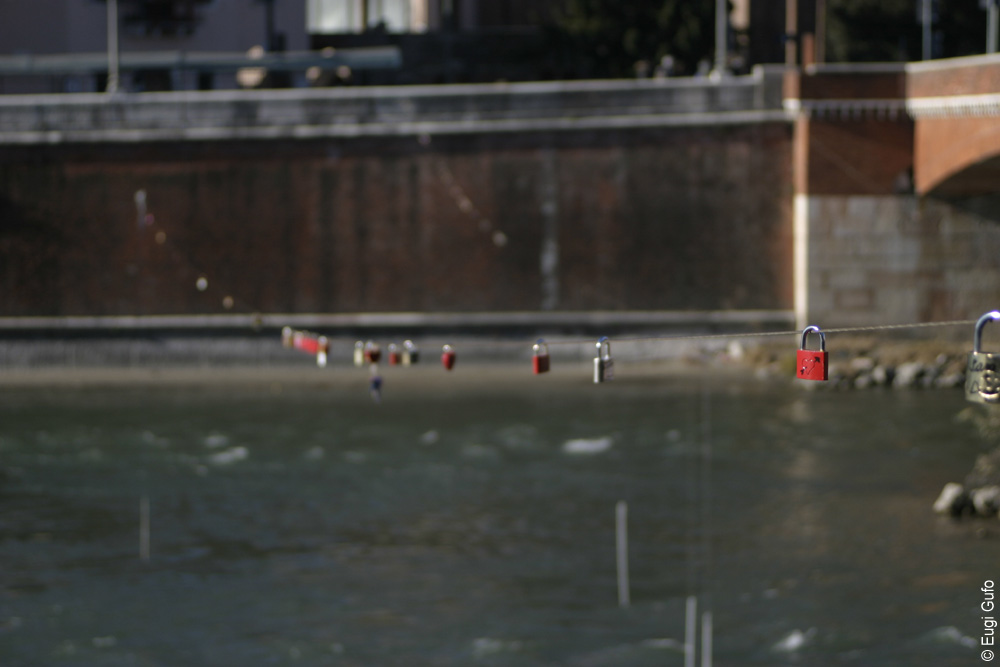
One should appreciate — and perhaps imitate — the ingenious idea of the city authorities, who decided to preserve the dignified appearance of the riverside and its many bridges. Metal cables have been stretched above the riverbed specifically for the traditional «love locks» (those devices that insist on turning historic bridges around the world into tangled metallic creatures). Imaginative alternatives work better than prohibitions.
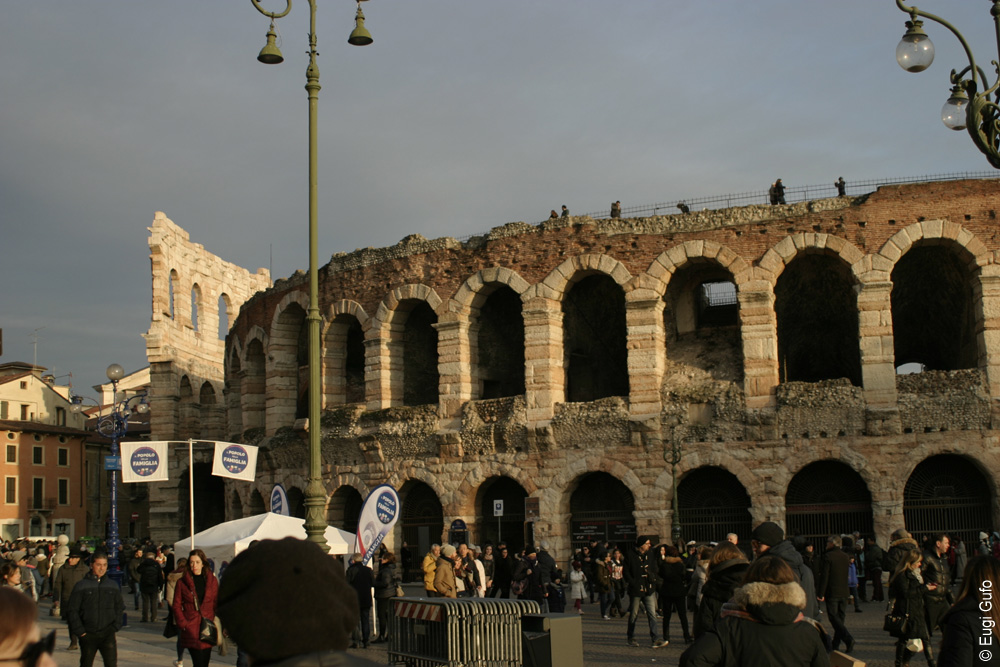
The famous Arena is still exactly where it has always been…
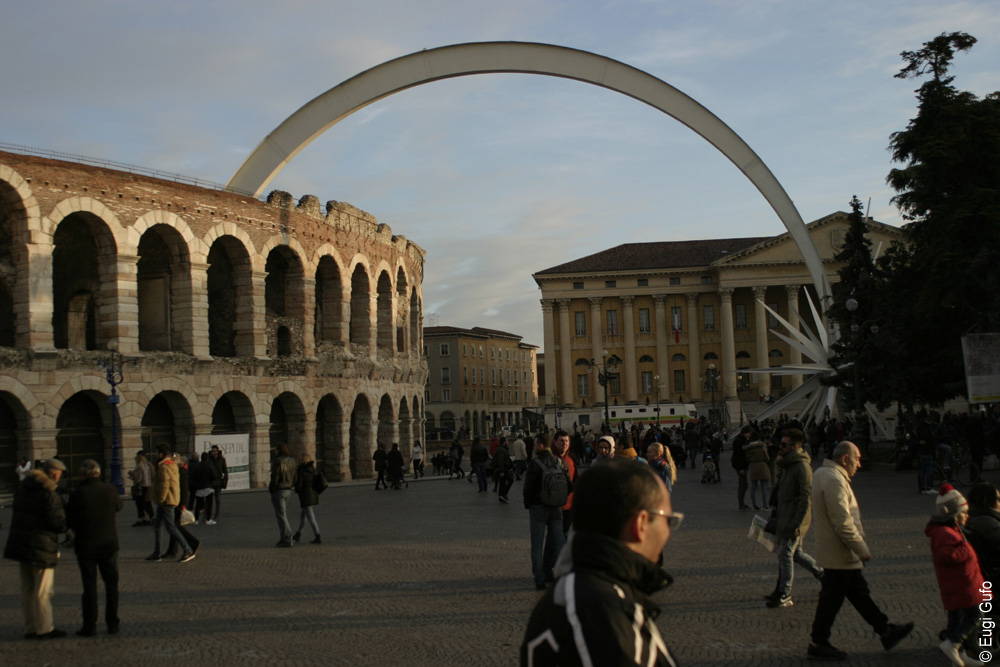
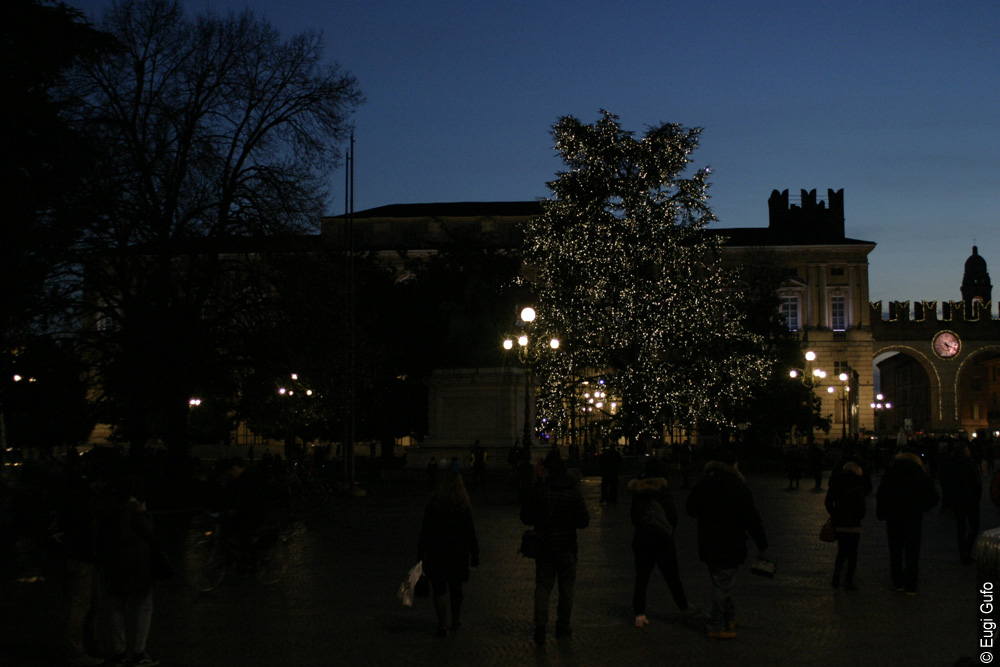
And it was prepared for Christmas in a rather impressive way (it looks even better in the evening). I do not know whether this happens every year, but a certain stylistic confidence is evident.
From a distance, Verona’s cemetery resembles a theatre. Inside, it is strikingly beautiful, though unfortunately I did not have enough time to study it properly. It has therefore been scheduled for my next visit.

It is better to see only one tomb — but the right one. Or rather, the wrong one (though it is worth noting that Verona, too, has understood the usefulness of information stands with maps of the centre).
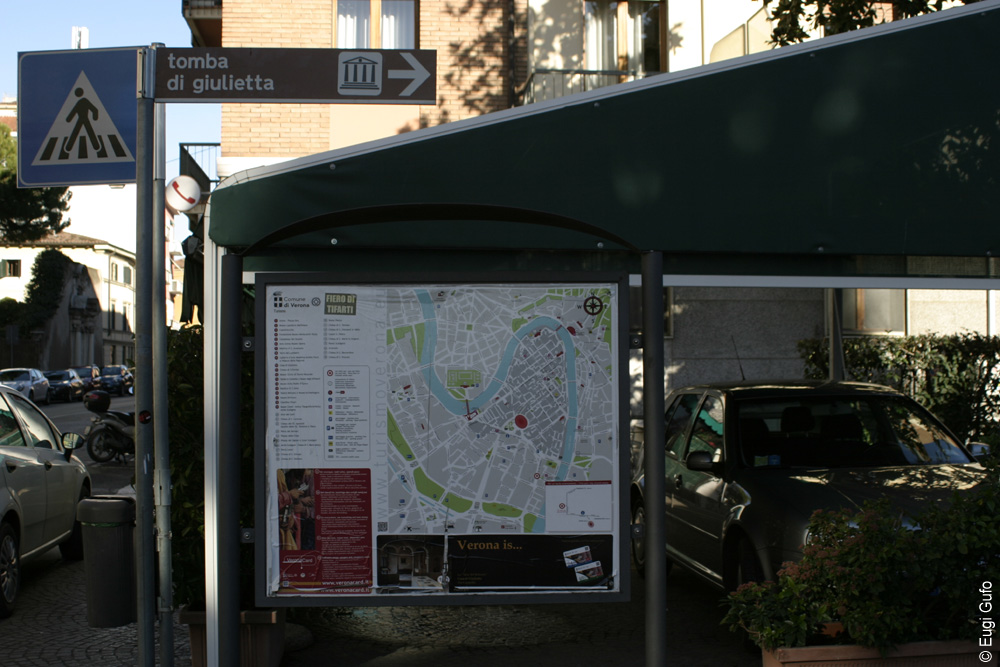
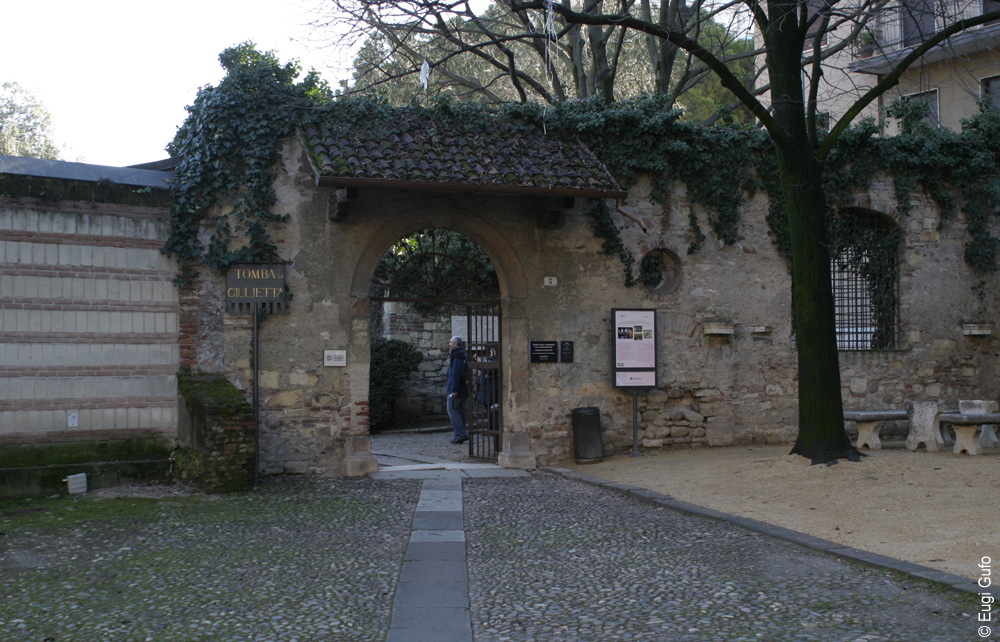
«Juliet’s tomb» is located in an attractive thirteenth-century building, a former Capuchin friary. Even the entrance gate to the complex corresponds stylistically to what the average tourist expects to find.
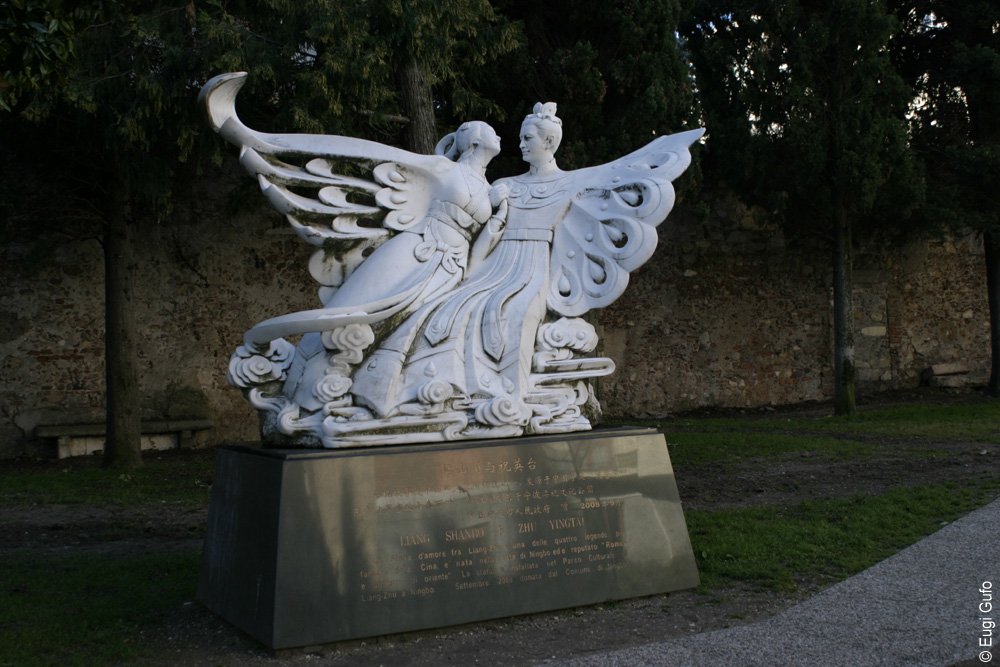
A few metres from the gate stands a monument dedicated to «The Story of Liang Shanbo and Zhu Yingtai», the Chinese equivalent of Romeo and Juliet. The comparison is of a quality roughly similar to that of the Italian inscription on the pedestal.
Within the former convent there is a substantial presence of sculptures by Greg Wyatt on Shakespearean themes. The bust of Shakespeare in a Buddha-like pose struck me as the most interesting work.
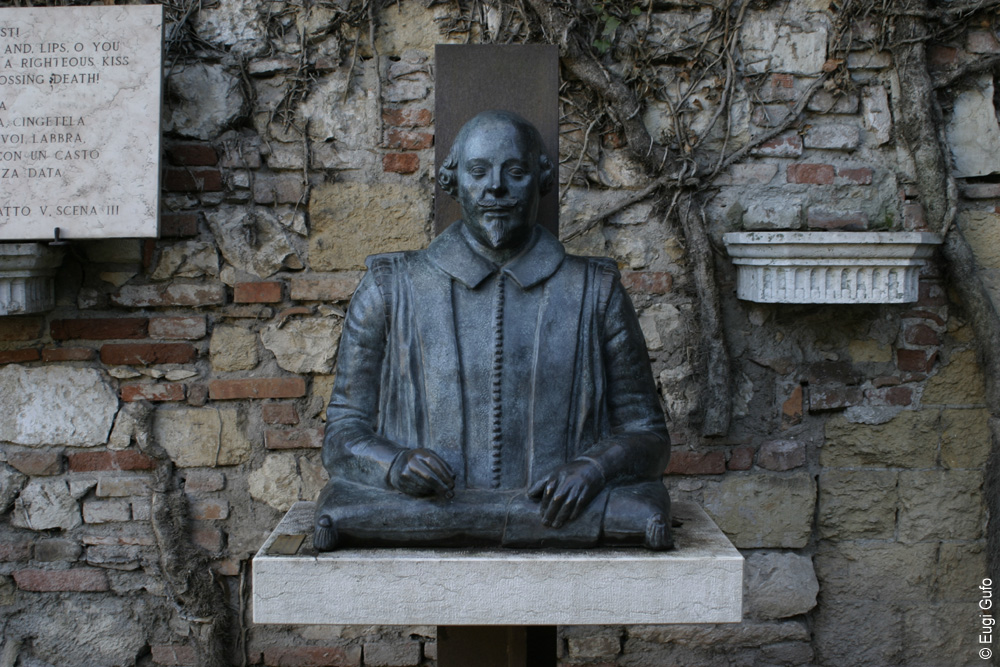
I refrain from commenting on the sculptor’s interpretations of the plays, due to my lack of expertise.
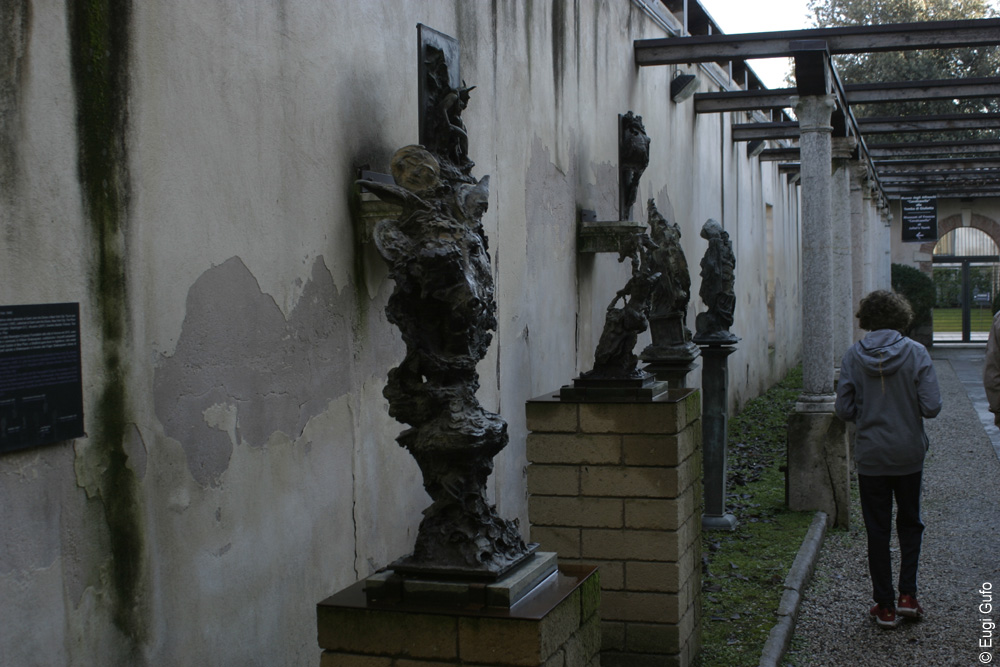
Otherwise, the courtyard is rather peaceful (and almost deserted).
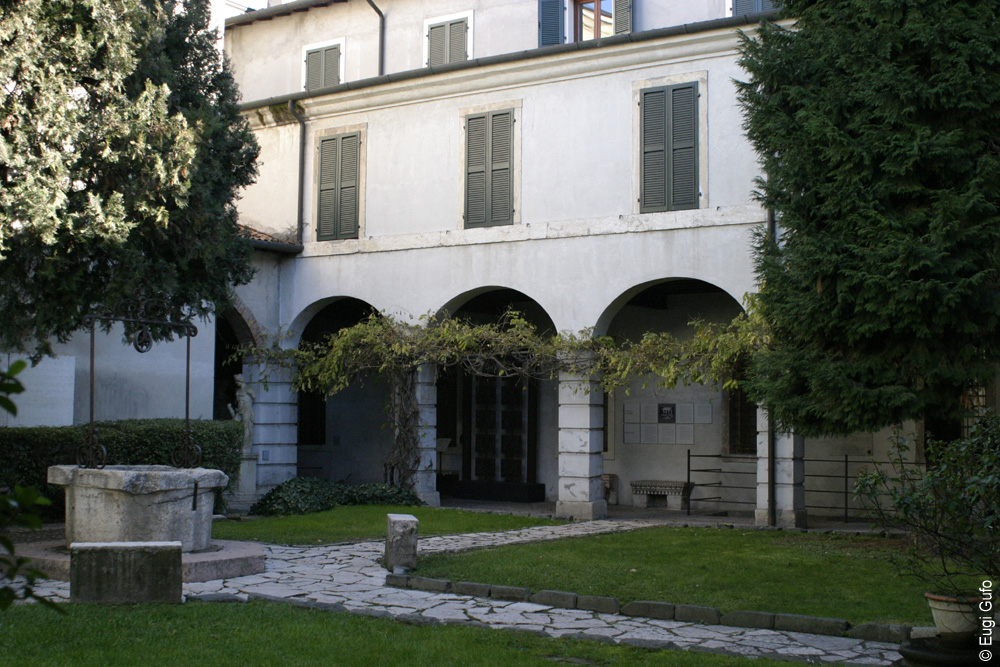
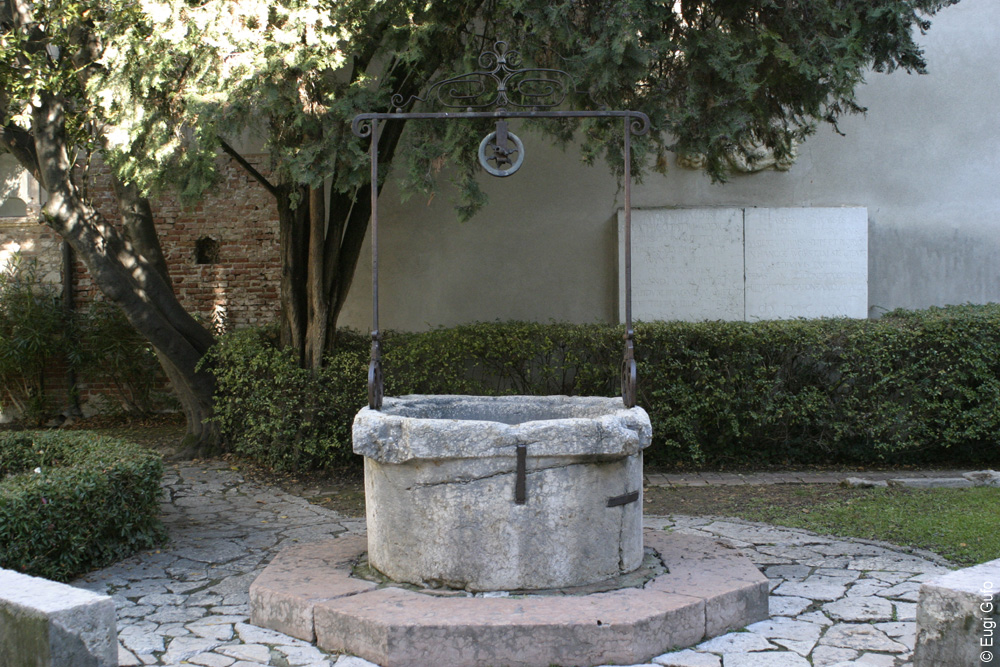
The well no longer fulfils its original function, but that does not render it useless: one simply needs to bring along a fishing rod with a magnet.
The place designated as «Juliet’s tomb» — acknowledging that it is, in any case, a product of popular imagination — is located in the basement. The walls of the staircase are «carved» with countless tourist messages.
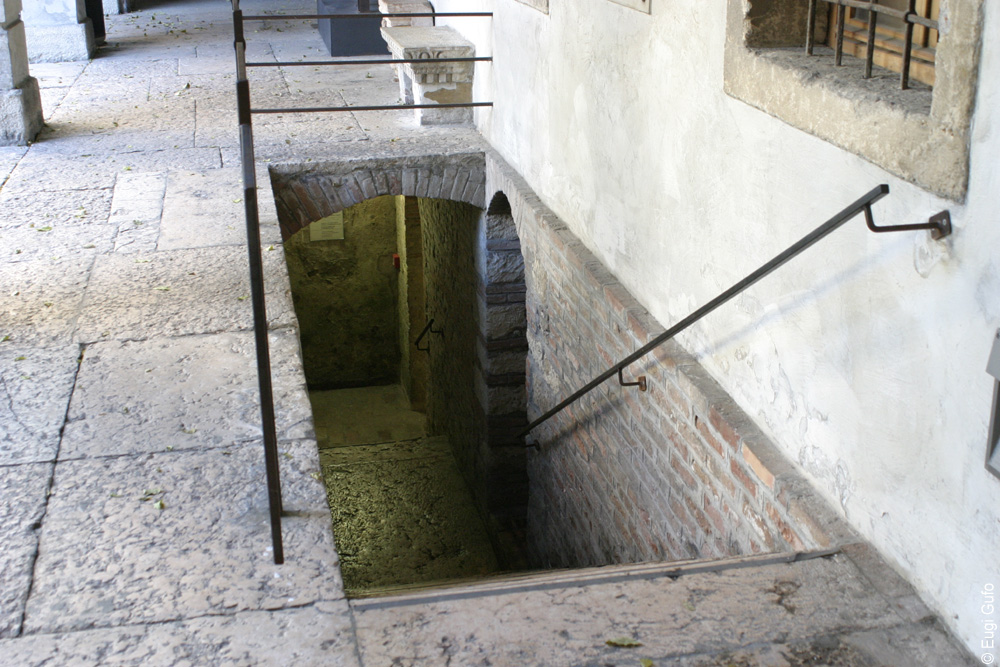
The «antechamber» of the tomb is a crypt adapted to tourist expectations in 1937.
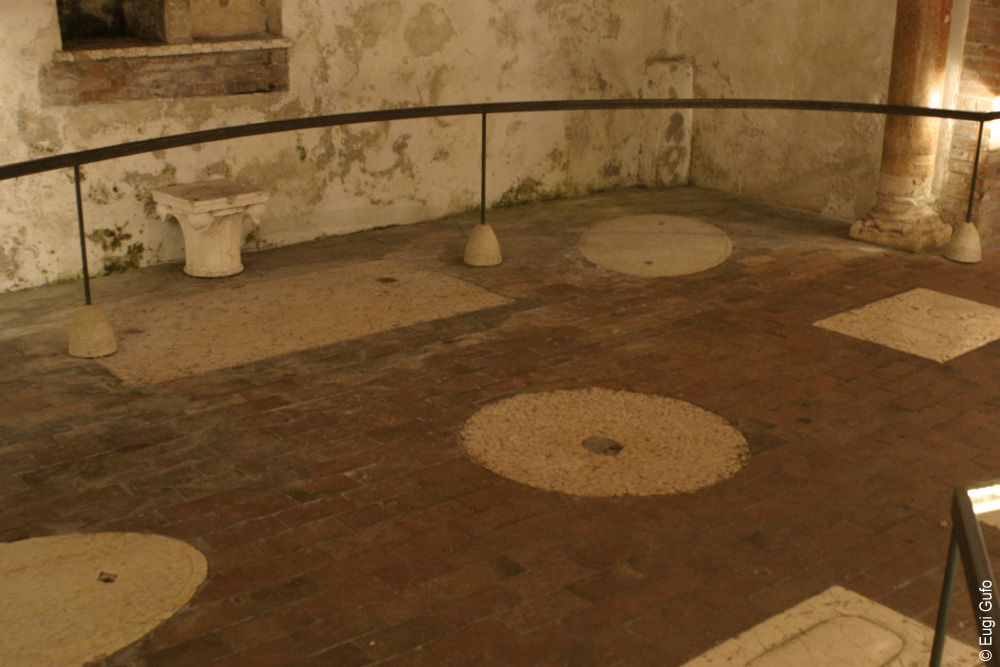
With the addition of elements required by the vandalistic tendencies of the late twentieth century.

The purely touristic essence of the place becomes even clearer in the appearance of «Juliet’s tomb» itself.
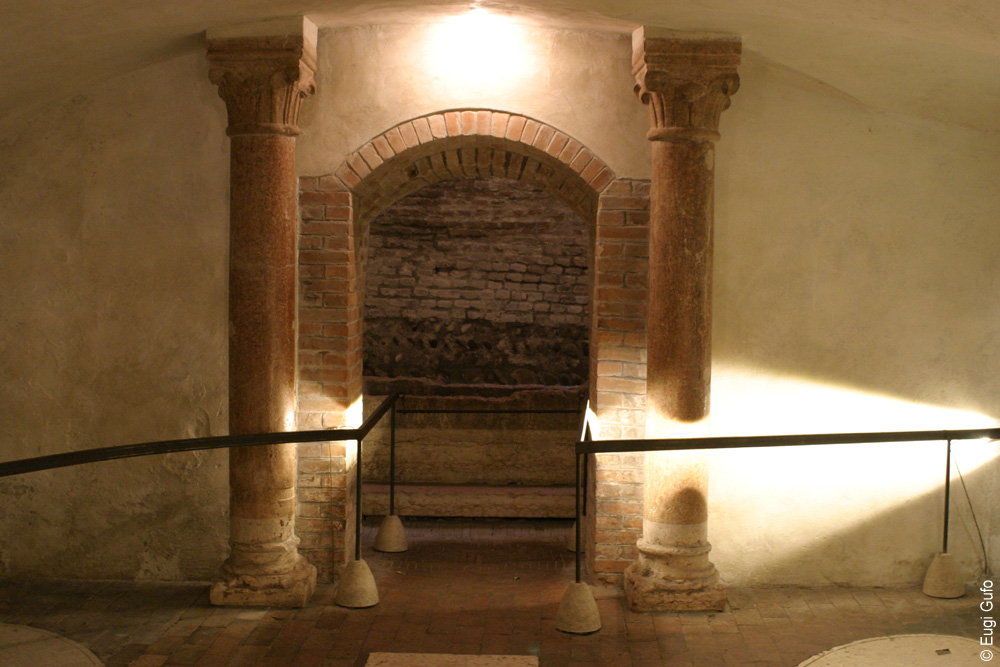
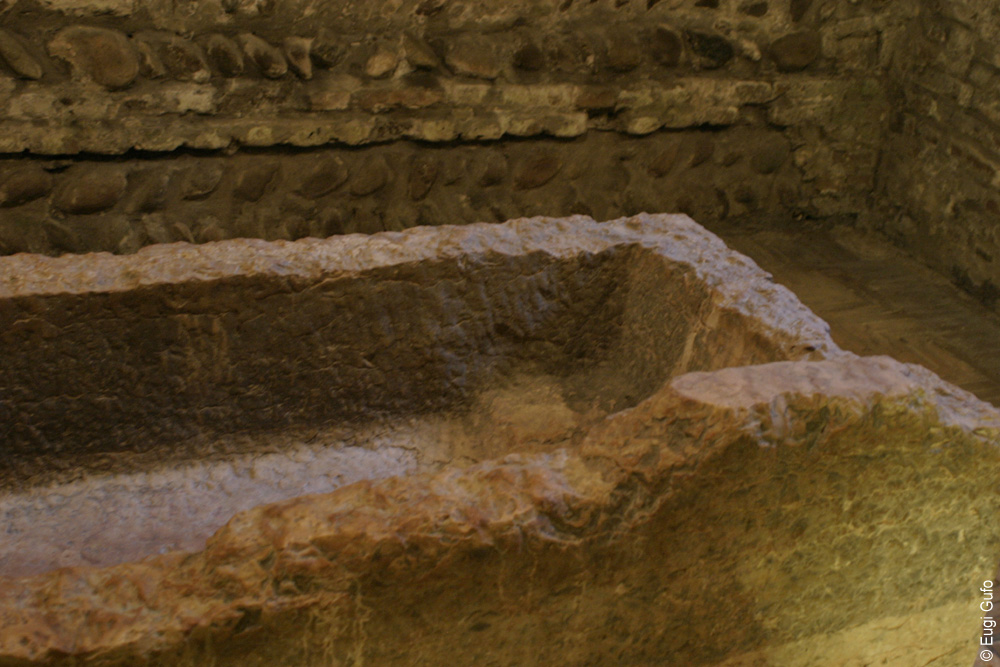
The sarcophagus is, of course, empty. But had they placed bones inside — or, better still, a mummy — many people would have believed it. It is never too late. And not by chance does the visit begin with a statue originating from China, a country known for its almost unlimited creative freedom in the preservation of historical sites. Or quasi-historical ones.
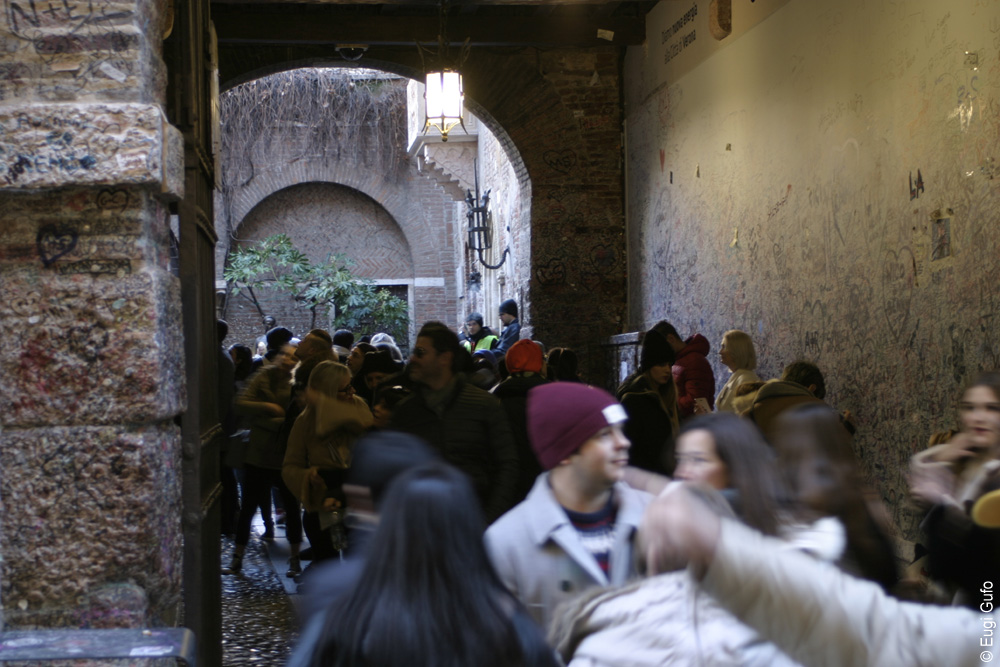
The idea of exploiting a world-famous literary character for tourism has, however, proved sensible. Despite the high concentration of architectural and artistic beauty in Verona (partly shown in the previous photos), 100% of tourists are prepared to give up everything — except passing beneath Juliet Capulet’s balcony. It is impossible not to find the courtyard: at any hour of the day, a large crowd can be seen in front of the archway.
The present appearance of «Juliet’s house» was created between 1937 and 1940, based on images from George Cukor’s American film Romeo and Juliet (1936). In photographs taken before the renovation works, the building resembles a fairly ordinary tenement with balconies; now tourists take pictures on a balcony that is not yet eighty years old.
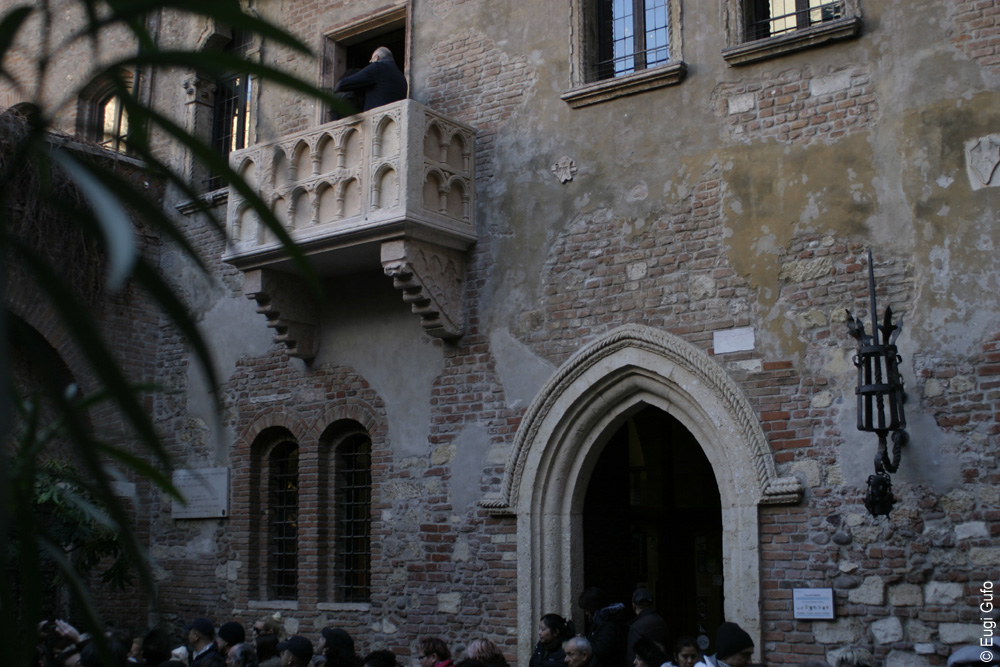
In the same courtyard, a few metres from the entrance, stands the bronze statue of Juliet. The origin of the tradition of photographing oneself while touching the statue’s breast remains unknown to me. Judging by the shine of the metal, the tradition is well established — and, in the long term, may require plastic surgery.
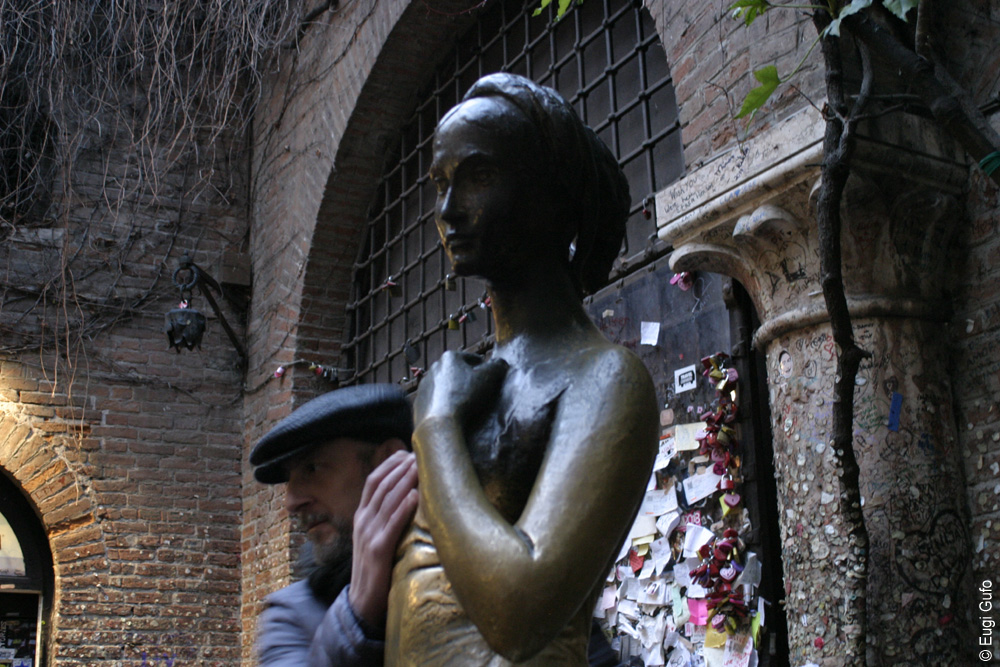
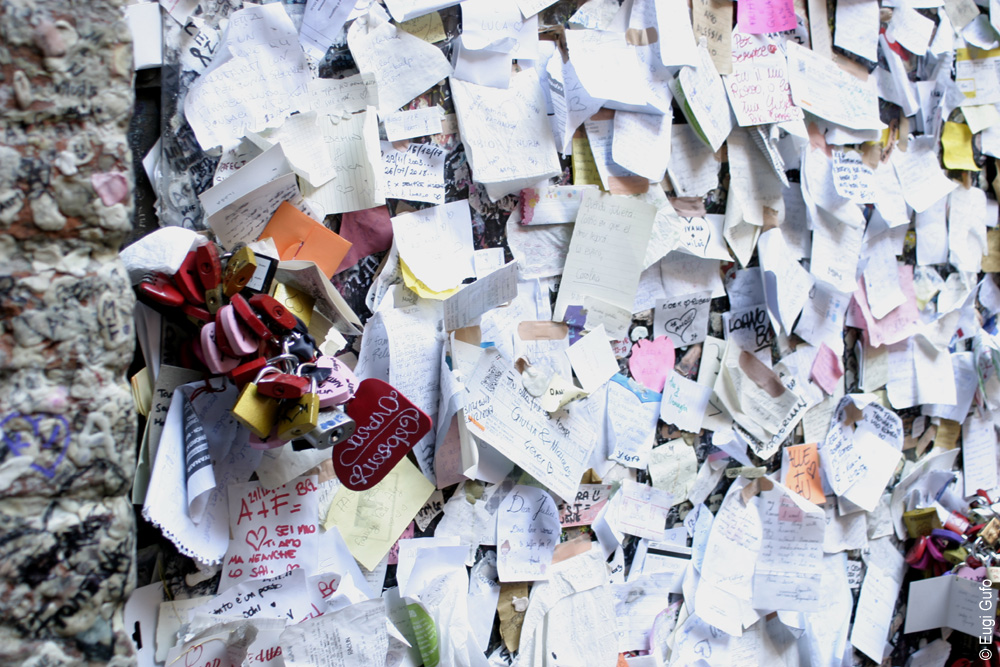
Each of the courtyard walls has its specific function. On one, paper messages of easily imaginable content are attached.
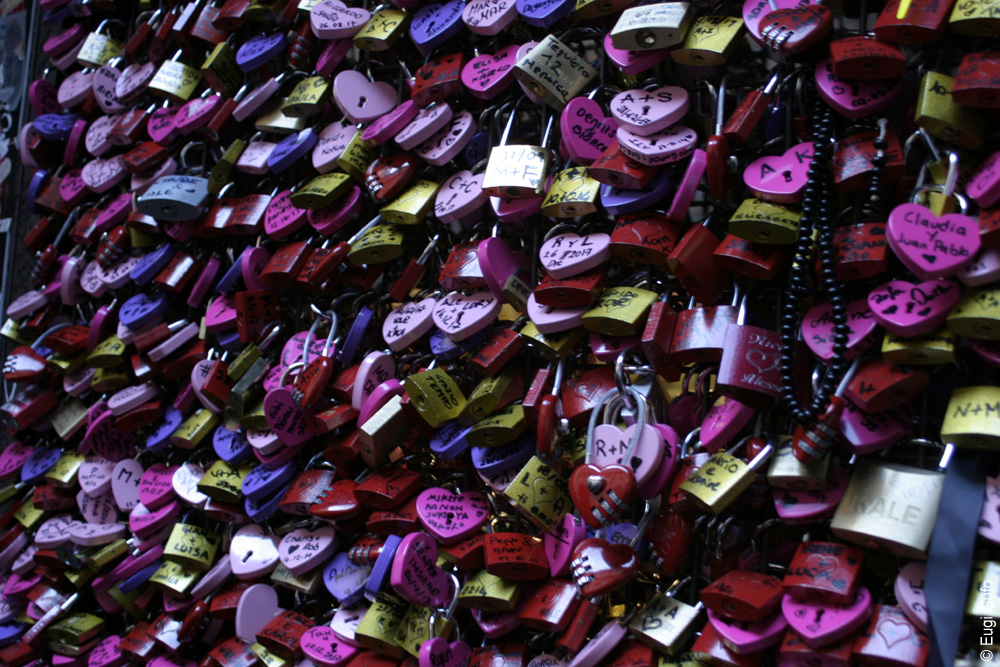
On another, locks with names and messages are fastened (if you need a business idea in Verona, here it is).
Yet another wall might be called «the weeping wall of chewing-gum spitting». I am not sure whether it is dedicated to the unsuccessful in love. Even the attached gum, however, respects the traditional theme of the place.
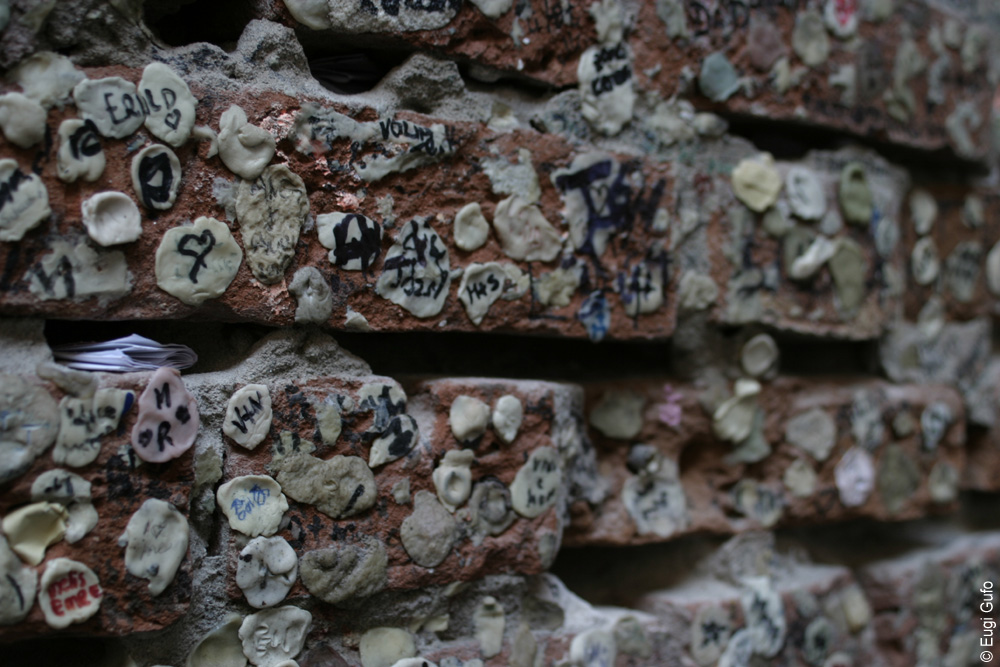
The principal tradition is writing messages directly on the walls of the courtyard and the archway leading to it. Presumably for this reason, special panels have been installed under the arch — one wonders how often they are replaced.

The inscriptions extend even to the walls of the adjacent street.

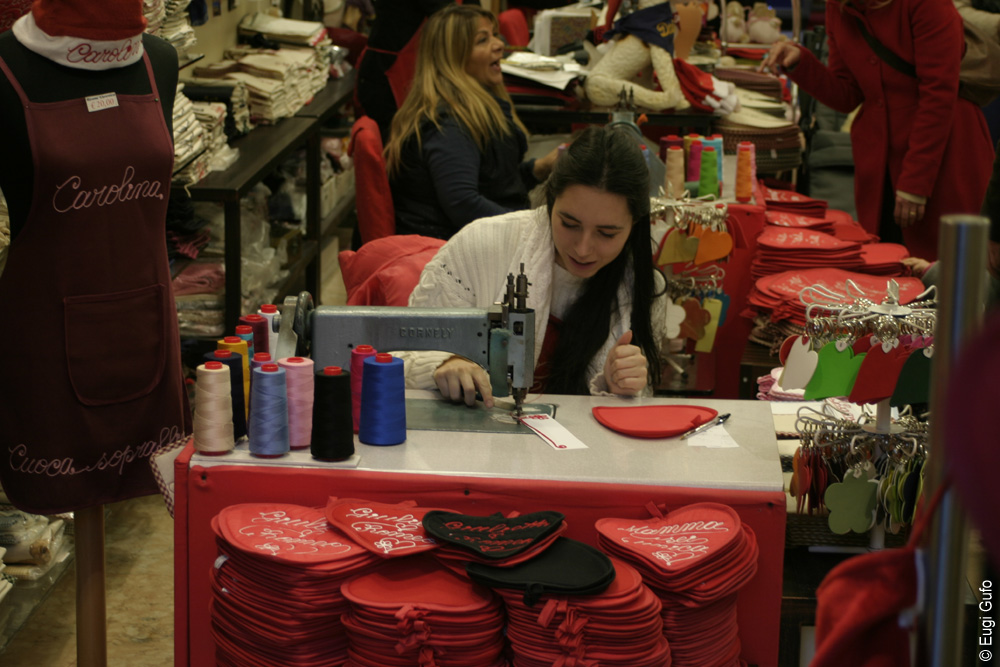
In Juliet’s courtyard stands one of the most profitable commercial enterprises in the city.
And now to something genuinely scandalous. That brick building is the house of Romeo Montague. Almost nobody visits it intentionally; there are no tourist crowds, no lovers, no locks or notes, hardly any inscriptions. What might explain this gender discrimination? Beyond discrimination, there is also a lack of gratitude towards the character who possessed sufficient strength of feeling to act within enemy territory. A campaign should be organised in support of poor Romeo’s touristic standing: he made an effort — we should do the same. The house is privately owned and even the courtyard cannot be accessed, but thematic gatherings could perhaps be held in the tavern on the ground floor (at the corner). In short, imagination must be applied and action taken.
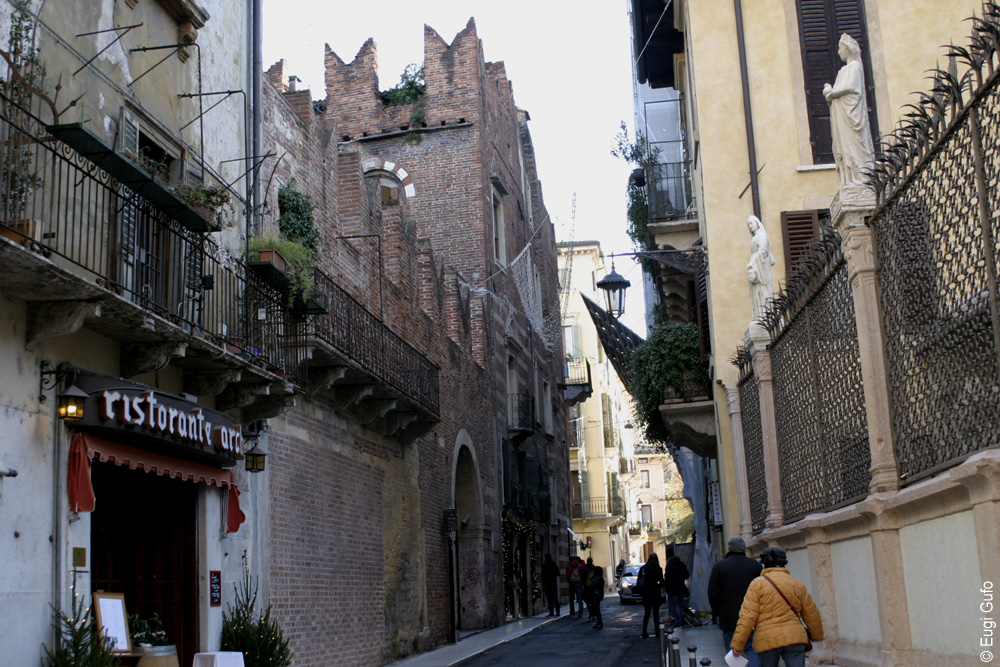
To make matters worse, Via [street] Montecchi is genuinely one of the least attractive streets in Verona.
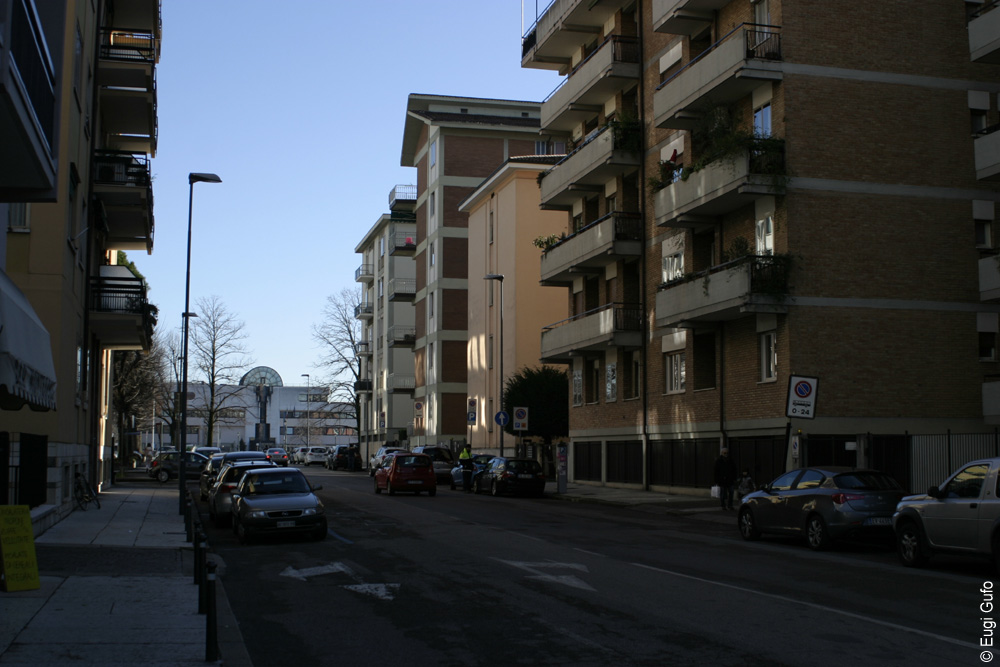
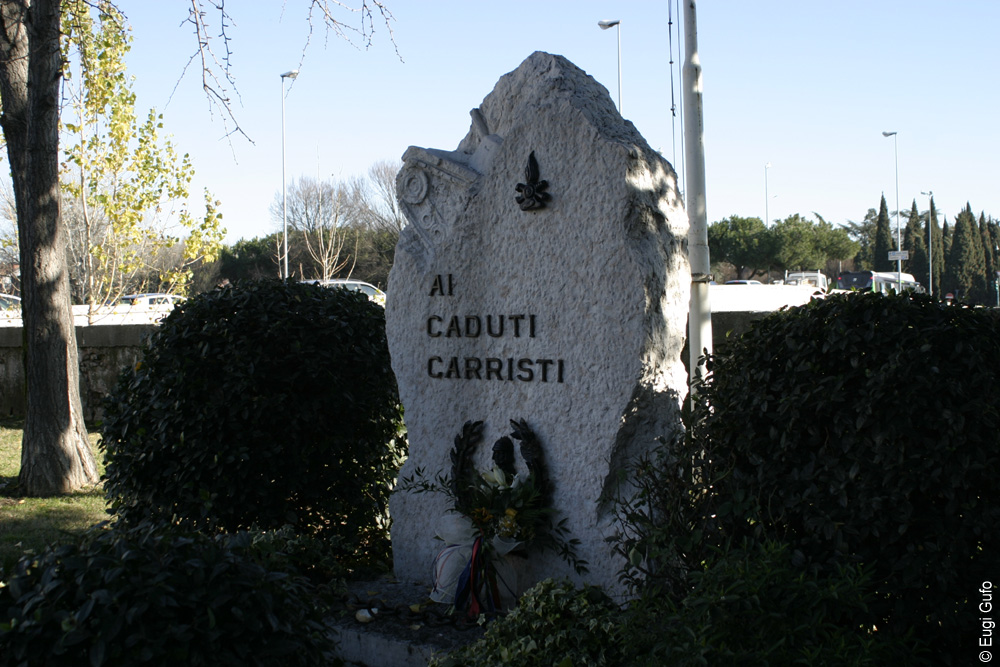
More commendable are the numerous monuments dedicated to fallen soldiers. In particular, tank crews are not often explicitly mentioned.
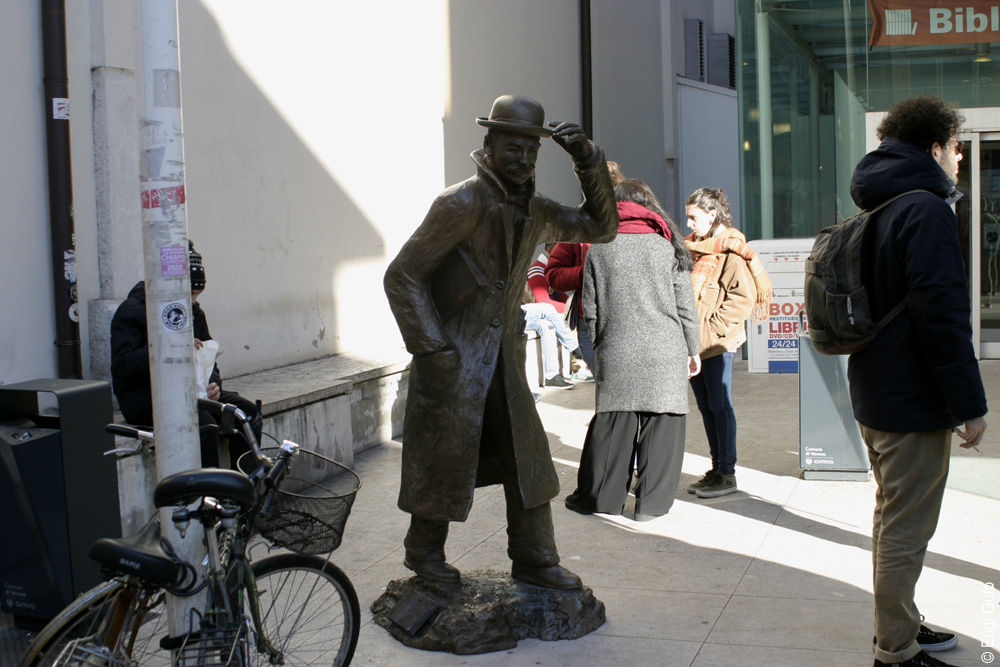
This, at first glance, appeared to me to be Dr Watson. In fact, it is merely a «reader» standing outside the municipal library.
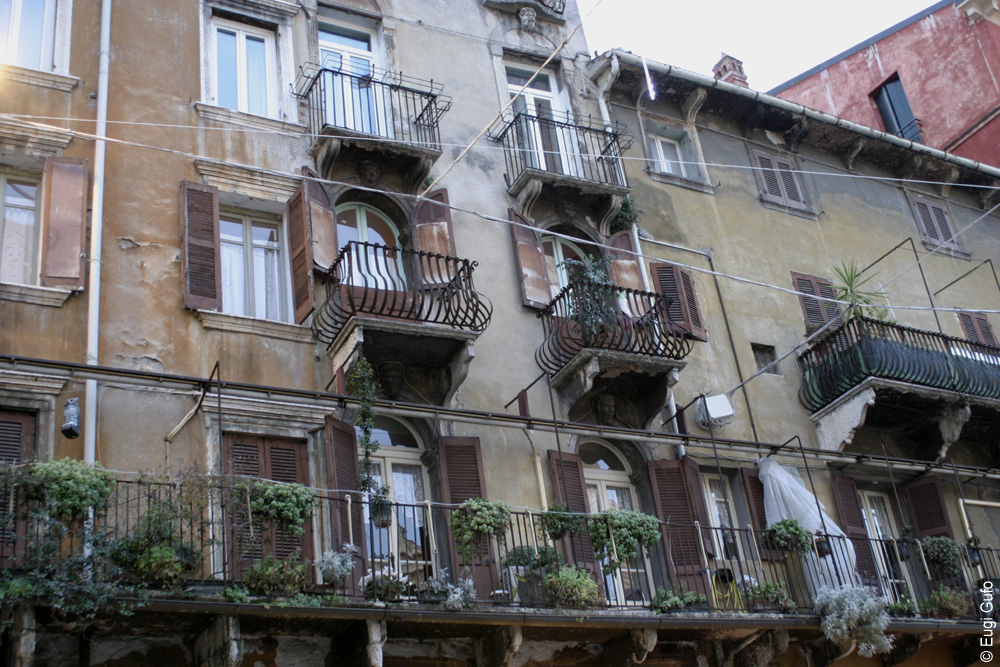
The balcony could well become one of the city’s symbols. Verona does not lack fine examples.
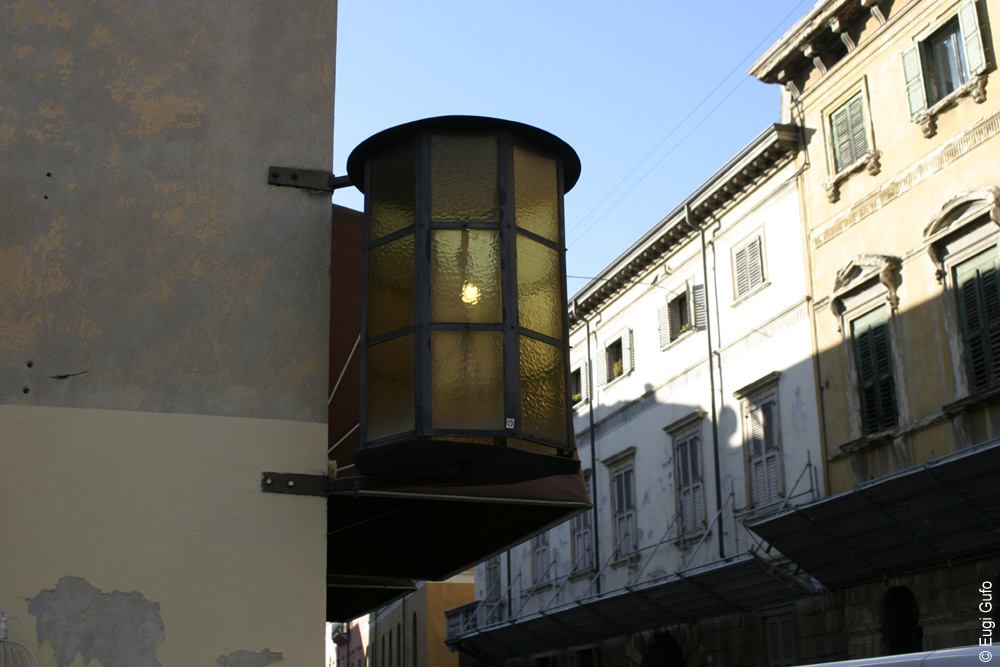
The historic lanterns in the centre have also been intelligently preserved.
Unfortunately, as in most Italian cities, attractive evening or night-time illumination is rare and usually confined to festive periods.
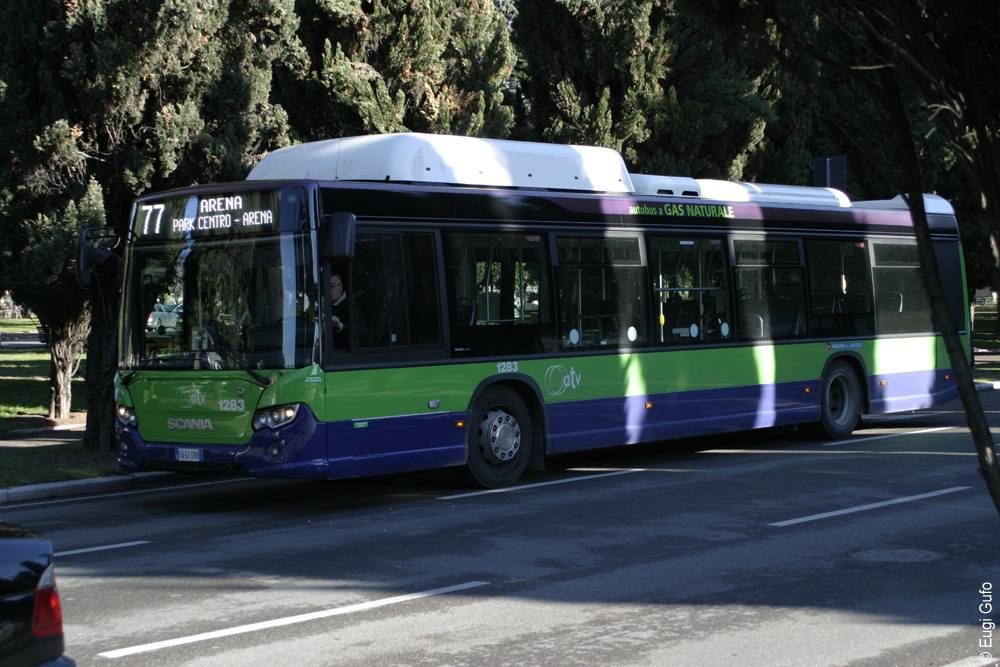
Verona’s public transport runs on «natural gas». I am not entirely sure what is meant by this expression. I merely hope that passengers are not asked to contribute during the journey.
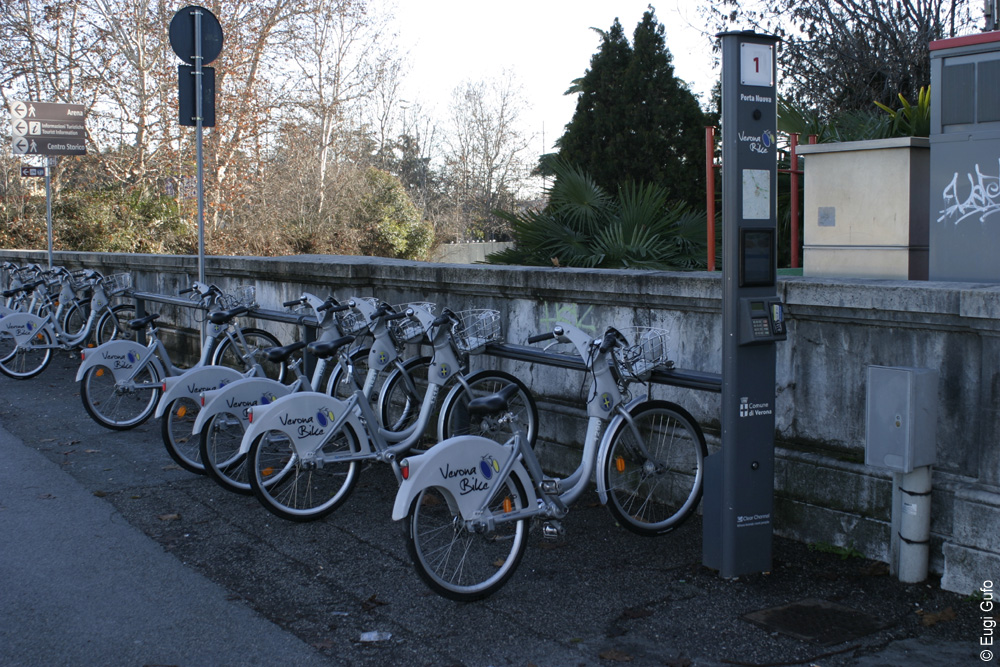
Verona’s bike-sharing scheme resembles that of Milan — though not in colour.
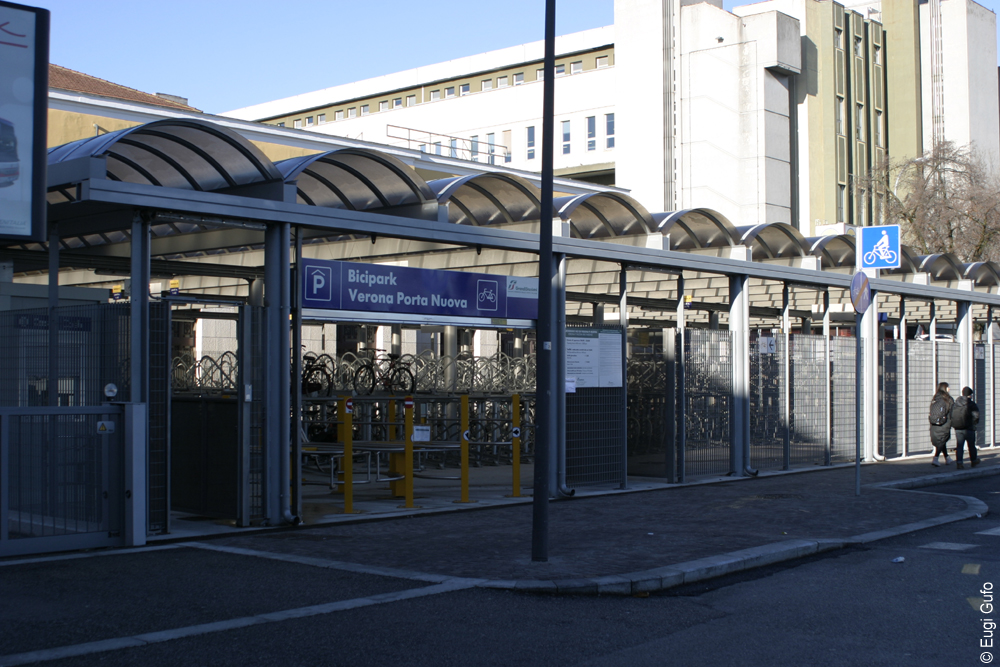
Next to the railway station is the largest supervised bicycle parking facility I have ever seen in Italy.
Verona’s litter bins are not particularly original, but they are often accompanied by ashtrays, which, besides being useful, are also rather curious.
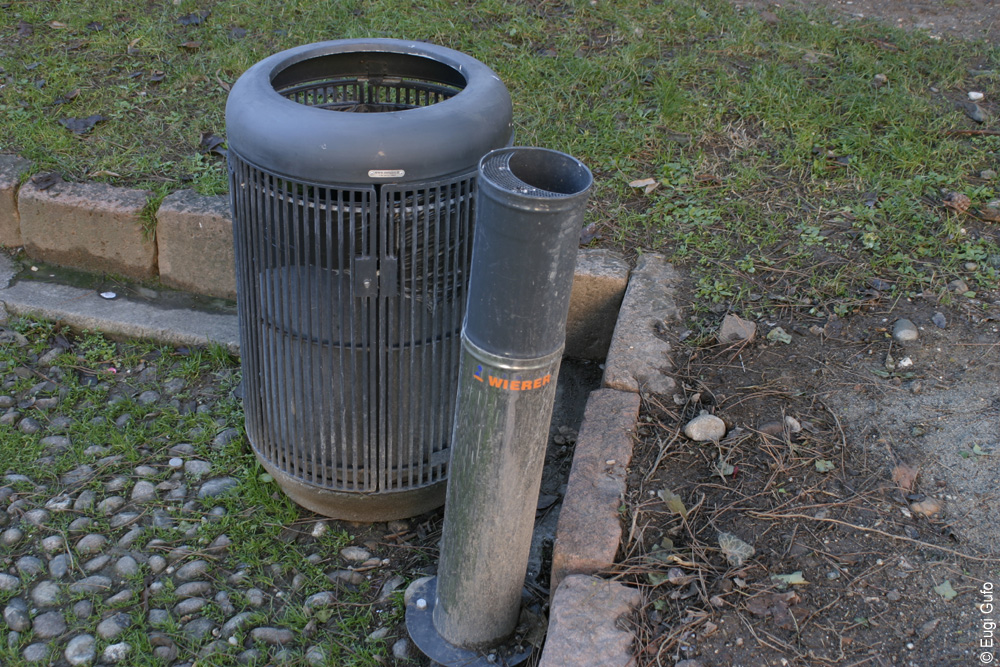
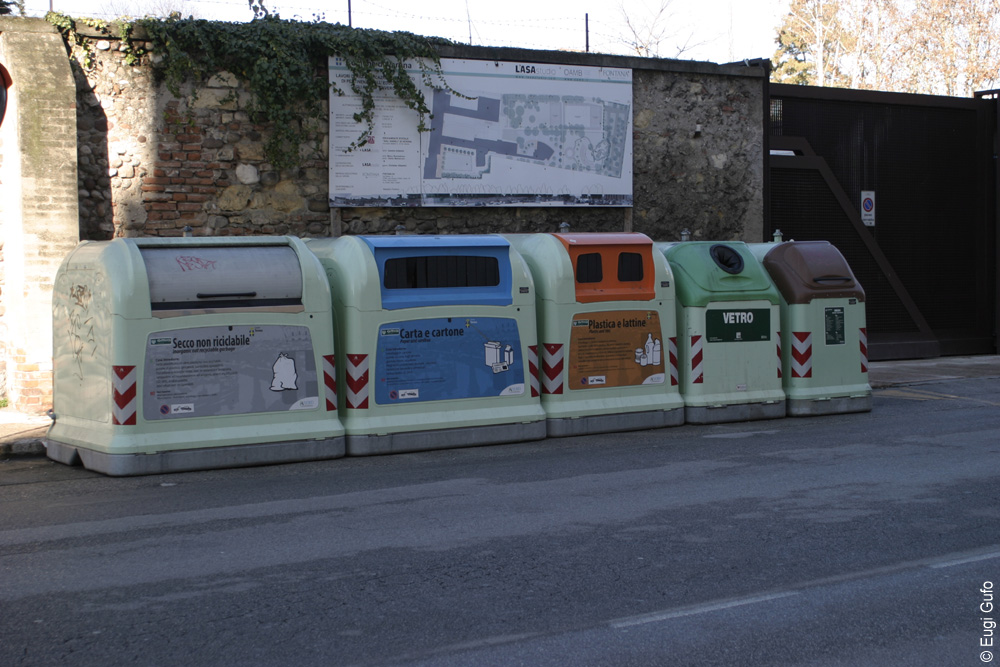
The rubbish containers are remarkably varied and have not yet migrated into condominium courtyards (which is not entirely a negative aspect).
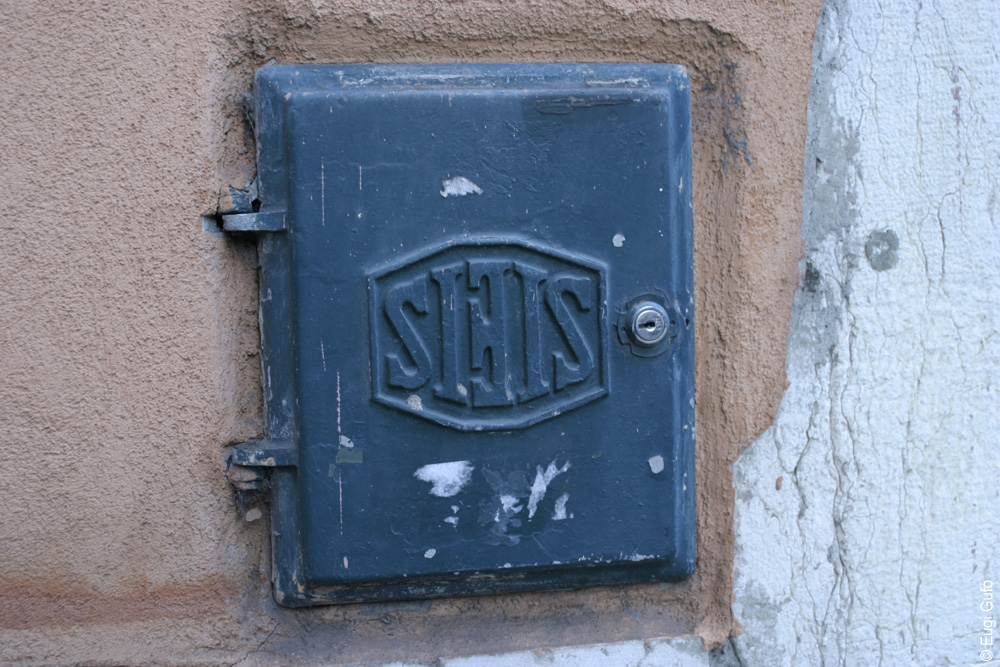
An artefact from the past. But what exactly was this SIEIS?
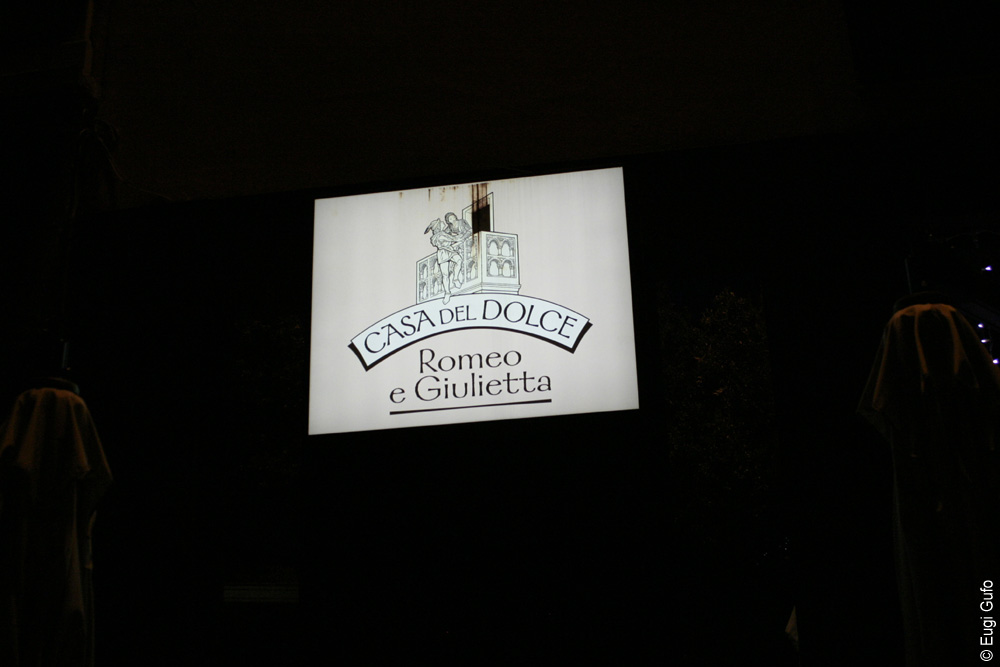
Before visiting Verona, I had imagined the streets to be filled with references to the two famous theatrical characters. Fortunately, I was mistaken. While less discerning tourists go to see only Juliet’s artificial balcony, everyone else discovers a city full of beauty. The city authorities and the majority of traders seem to focus on the second category — and rightly so. Here is one of only three thematic shop signs I encountered in the entire city:
Verona, 23 December 2017
↓ Show comments ↓

