


 Long live Ukraine! Fuck the war!
 RSS of site articles
During my journey to — and later from — Mede, I had the opportunity to revisit Pavia, albeit briefly and in transit. My previous visit had been compromised by persistent rain, so this time I took the occasion to verify whether the city might justify a dedicated return.
It does.
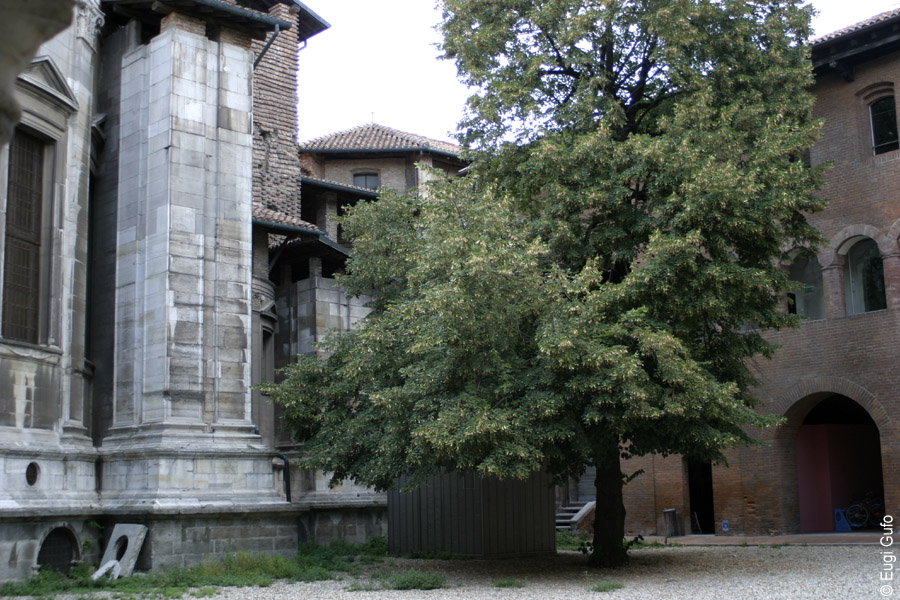
Pavia remains a handsome city.
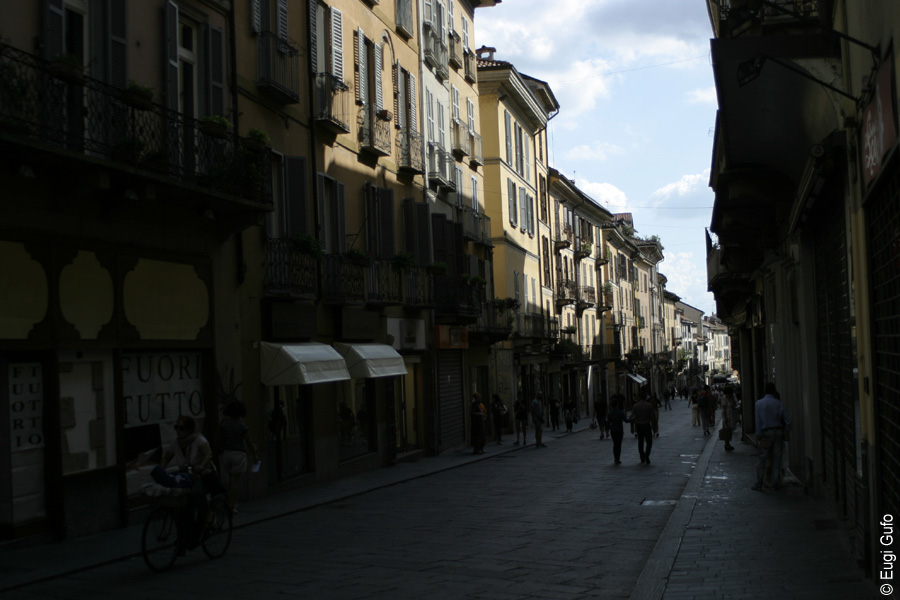
Its well-maintained historic centre suggests the quiet prosperity one associates with certain Lombard provinces — orderly, composed, and economically self-assured.
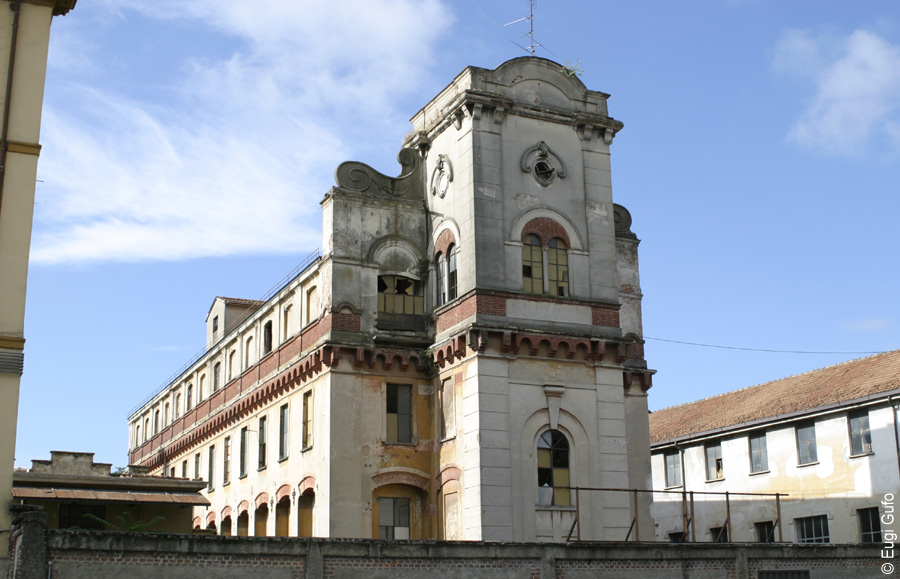
It is, however, also a city that appears somewhat uncertain about how to appreciate and repurpose its former industrial areas. These are consequently left to decline with a determination that seems unnecessary.
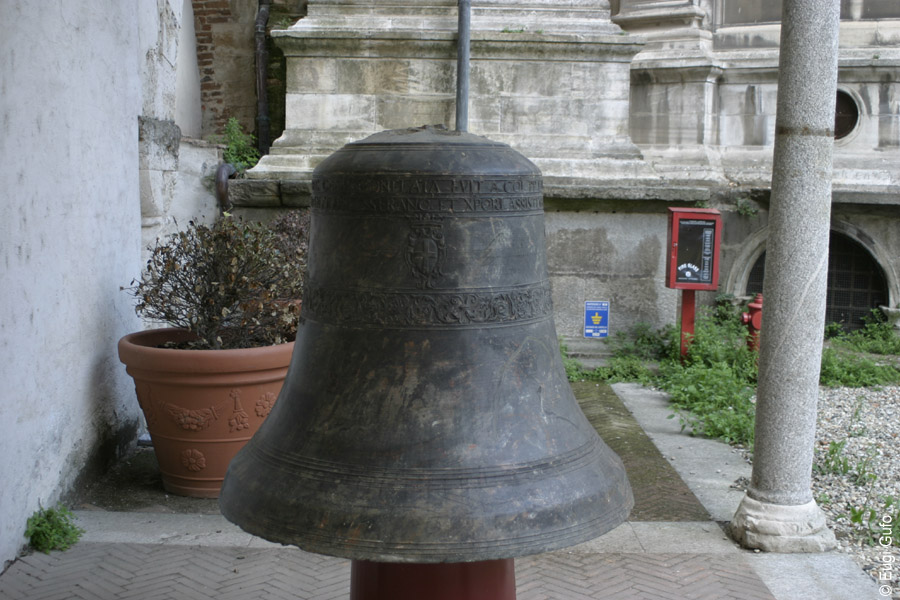
Pavia is likewise a place where restoration works are occasionally conducted in a manner that invites reflection.

Fortunately, smaller historical details still survive and may be examined at close range — a circumstance for which one should be grateful.
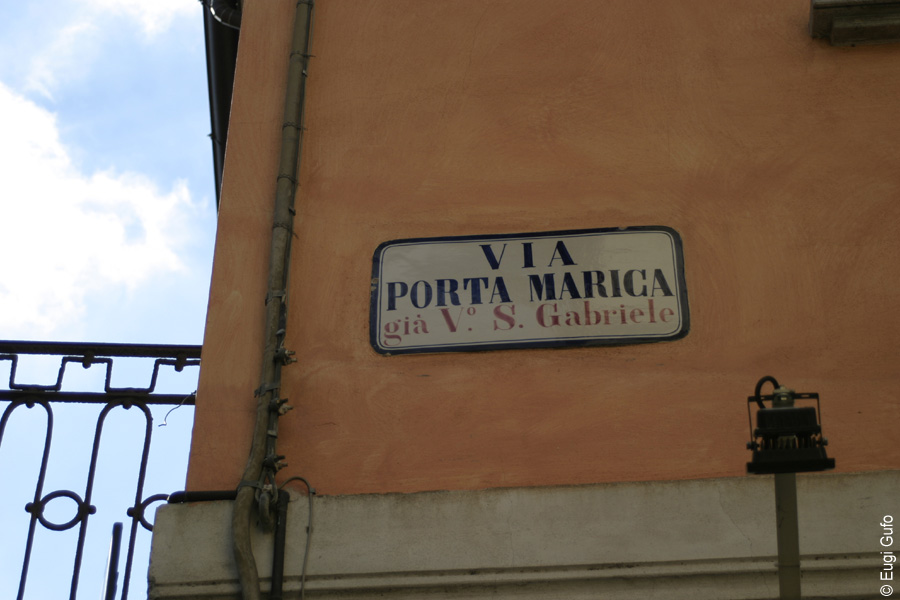
In the historic centre, one still encounters the old convex enamel street signs, executed in metal and rendered in two colours. Their continued presence suggests either affection for tradition or a commendable resistance to administrative modernisation.
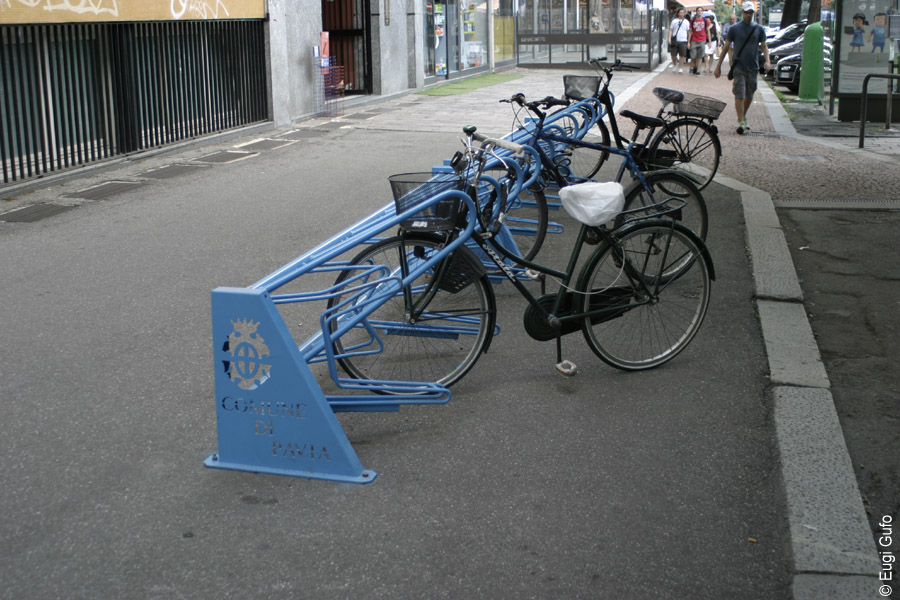
New private bicycle racks provide solid protection for the vehicles secured to them and display a pleasingly vivid colour. Practicality and optimism are not always mutually exclusive.
Pavia’s most renowned institution remains its university. Numerous elements of street furniture and urban organisation make clear how central students are to the city’s well-being — economically, socially, and perhaps spiritually.

I am no longer a student myself, yet Pavia strikes me as a place worth returning to — next time, for a more serious and deliberate report.
Pavia, 1 August 2015
↓ Show comments ↓

